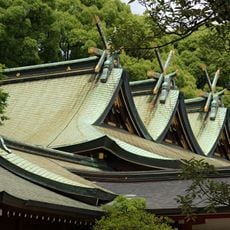
Kannō-ji, Buddhist temple on Mount Kabutoyama in Nishinomiya, Japan
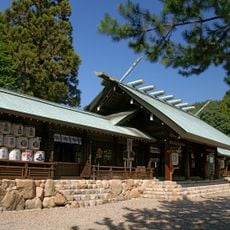
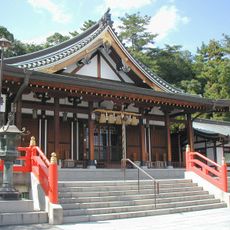
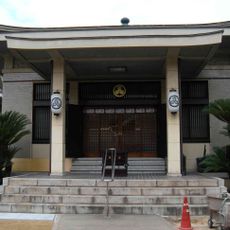
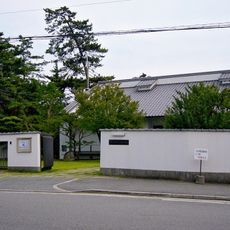
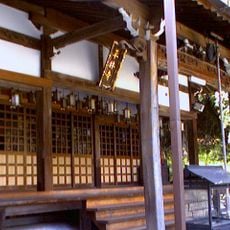
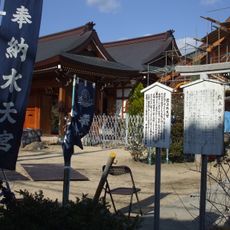
Kannō-ji is a Shingon temple of the Omuro school on the slopes of Mount Kabutoyama in Nishinomiya, Hyōgo Prefecture, also known as Kabutoyama-daishi. Its main hall, rebuilt in 1841, stands among halls including a Daishidō of 1912 and a 1980 tahōtō, with a dry landscape garden and a 13-story stone pagoda. The Niō gate of 1804 has an unusual three-bay, one-door, eight-legged form.
The fourth consort of Emperor Junna founded the temple in 828 after fleeing the imperial palace in Kyoto. Records from the 14th century document this origin and confirm the early history of the site.
The temple's name means "temple of the gods," from the belief that Mount Kabutoyama was sacred, not from "cursing the gods." The main Nyoirin Kannon statue, a hibutsu, is shown on May 18 at the Yūzū Kannon festival. The temple is the 21st stop on the New Saigoku 33 Kannon pilgrimage.
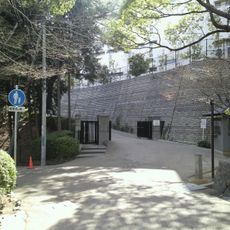
The path up goes through forest and requires some fitness, sturdy footwear is helpful. Ceremonies take place throughout the year, visitors are welcome both during religious events and outside them.
The temple's principal image, a six-armed Nyoirin Kannon, is not the work of Kūkai: specialists date the 98.7 cm joined-wood figure to the late 10th or early 11th century. Its right leg rests diagonally on the left instead of being drawn up, and the head tilts upward, an unusual iconography. It is shown only on 18 May.
The community of curious travelers
AroundUs brings together thousands of curated places, local tips, and hidden gems, enriched daily by 94,373 contributors worldwide.