Ruins of Gedi, Archaeological site in Kilifi, Kenya.
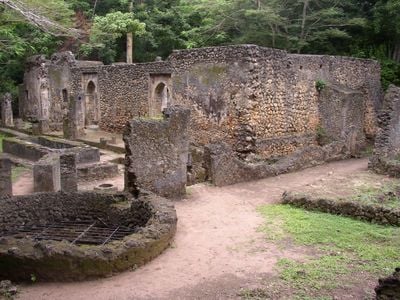
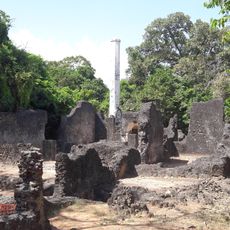
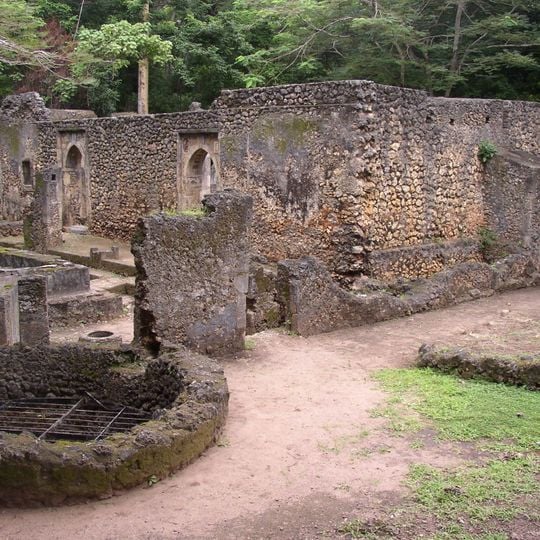
The Ruins of Gedi lie in the Arabuko-Sokoke Forest near the town of Gedi, about 16 km south of Malindi and 5 km from the sea. Its one-storey buildings were raised from coral limestone, coated outside with a thick and inside with a thinner layer of plaster. A 2.5 m wall enclosed a town of 20 hectares in the 15th century, with mosques, a palace, 14 stone houses and pillar tombs.
Gedi's oldest remains date to the late 13th or early 14th century, and the town flourished in the 15th century within a 2.5-metre wall enclosing 20 hectares. It was temporarily abandoned in the early 16th century when the Portuguese took the coastal cities, then resettled by refugees fleeing Oromo advances from the north. It was finally abandoned in the early 17th century.
The remains display palaces, mosques, homes, and burial grounds that show the sophisticated Swahili building style of medieval East Africa. These structures tell the story of a wealthy trading hub where people from different cultures lived together.
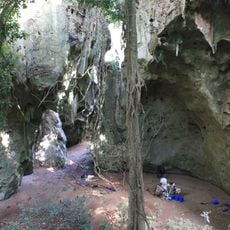
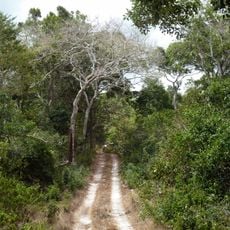
The site sits in a forested area that can become muddy during rainy season, so sturdy shoes are important. Visiting is possible anytime, but early mornings or late afternoons offer less heat and better light for exploring.
Excavations have uncovered Persian swords, silver ornaments, and Chinese porcelain, showing how far the trading networks of this coastal community extended. These findings prove that Gedi was not just an African hub but was woven into global economic systems.
The community of curious travelers
AroundUs brings together thousands of curated places, local tips, and hidden gems, enriched daily by 94,072 contributors worldwide.