Angkor Thom, Archaeological site in Siem Reap, Cambodia
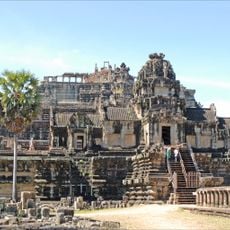
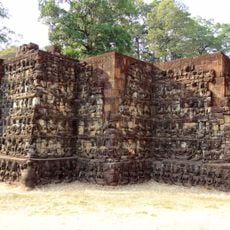
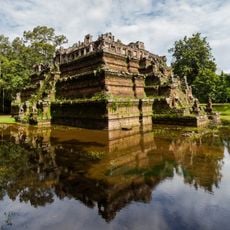
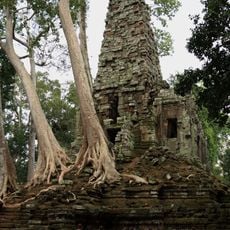
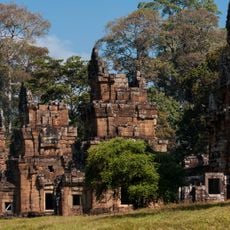
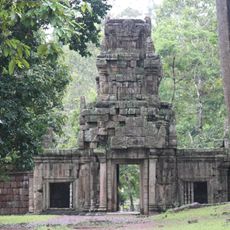
Angkor Thom is a walled city at the center of the archaeological site in Siem Reap, Cambodia, surrounded by tall stone walls and a wide moat. The complex holds several temples, terraces, and monumental gateways at the cardinal points, all set within tropical forest.
Angkor Thom was built in the late 12th century by King Jayavarman VII as the capital of the Khmer Empire, on a site overlapping the earlier capital Yasodharapura. The last temple, Mangalartha, was dedicated in 1295. In the 15th century, Ayutthaya forces under King Borommarachathirat II sacked the city, and the Khmer court moved to Phnom Penh. It was abandoned before 1609.
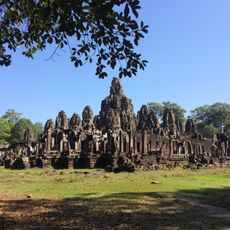
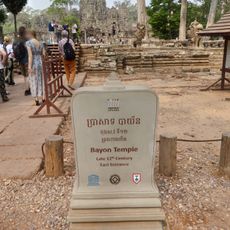
The name Angkor Thom means "Great City", from the Sanskrit nagara (city) and the Khmer thom (big); the earlier name Nokor Thom was altered in pronunciation, and "Angkor Thom" has been used since the 16th century. An inscription in the city calls Jayavarman VII the groom and the city his bride. The Bayon's 49 towers carry four faces each, known as the Khmer smile.
Most visitors enter the complex through the southern gateway, from which paths branch out toward the different structures. Comfortable shoes and enough water are advisable, as you will walk long distances among the sprawling ruins.
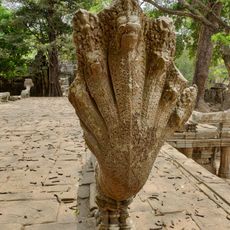
The bridges leading to the gateways show long rows of figures on both sides holding a giant serpent like a rope, recalling the myth of churning the ocean of milk. This depiction repeats at each of the five entrances and creates a symbolic link to cosmic order.
The community of curious travelers
AroundUs brings together thousands of curated places, local tips, and hidden gems, enriched daily by 93,743 contributors worldwide.