National Palace Museum of Korea, National museum in Gyeongbokgung, Seoul, South Korea
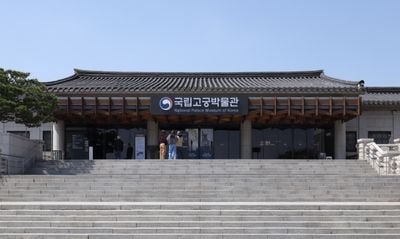
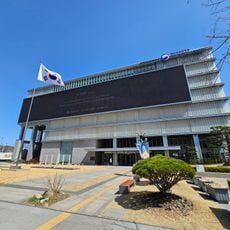
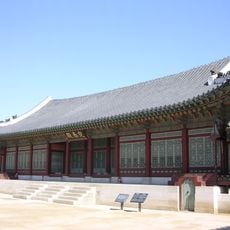
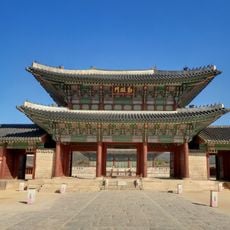
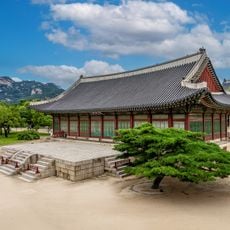
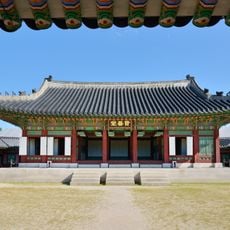
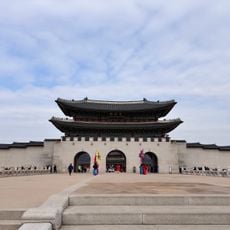
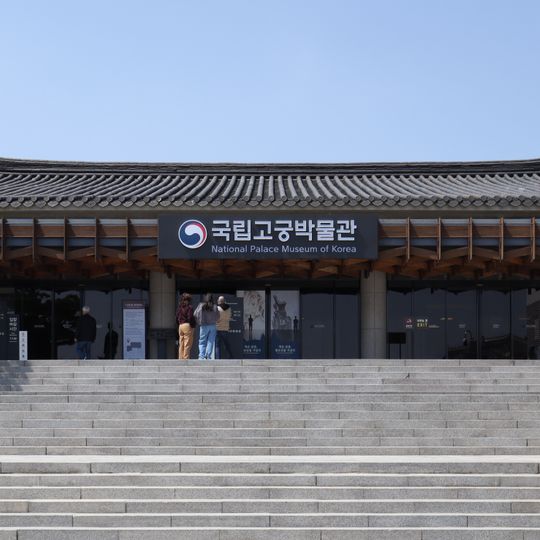
The National Palace Museum of Korea stands inside Gyeongbokgung in Seoul, in a wide, low building with a dark tiled roof and a band of light brown wooden beams across the facade. A dark sign with white Korean characters and the English name hangs above dark glass doors set between grey stone columns, reached by wide grey stone steps. It holds over 40,000 artifacts from the Joseon and Korean Empire palaces, 14 of them National Treasures.
Founded in September 1908 as the Korean Imperial Museum in Changgyeonggung, it opened to the public in November 1909 and was renamed Museum of Yi Dynasty by the Japanese government in April 1938. After liberation it became the Deoksugung Museum in March 1946, moved into Seokjojeon in 1991, and in August 2005 reopened in a new building on the former National Museum site in Gyeongbokgung.
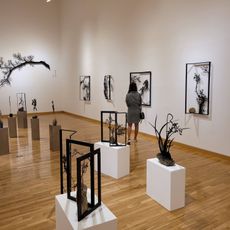
The museum keeps the royal seal of King Gojong, used for his personal letters to the Russian czar and the Italian emperor after 1903; it vanished under Japanese rule and was recovered from a Korean collector in the United States in 2009. Ten permanent halls cover court paintings, court music, royal palanquins and a Joseon water clock.
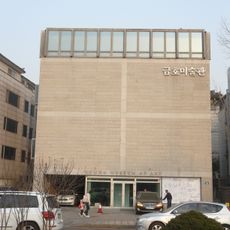
The museum stands inside Gyeongbokgung at 12 Hyojaro, Jongno-gu, on the former site of the National Museum of Korea, whose Japanese colonial building was demolished for it. Enter from the palace grounds; the wide grey stone steps lead up to the glass-and-stone entrance under the tiled roof. The whole building opened in November 2007, so all galleries are indoors.
The collection holds rare historical documents, including 150 Uigwe volumes that were taken away in 1922 during Japanese occupation. These important texts returned to Korea in 2011 and are now displayed here.
The community of curious travelers
AroundUs brings together thousands of curated places, local tips, and hidden gems, enriched daily by 93,471 contributors worldwide.