Ust-Kamenogorsk Fortress, Military fortress at the confluence of Irtysh and Ulba rivers, Kazakhstan.
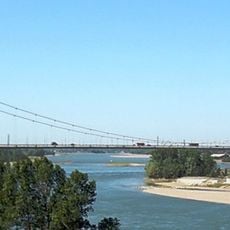
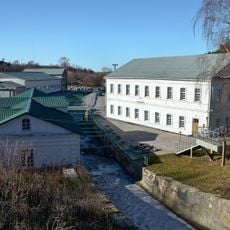
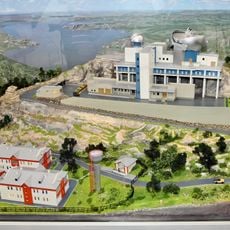
Ust-Kamenogorsk Fortress is a stone fortification at the confluence of the Irtysh and Ulba rivers that housed military barracks, a hospital, storerooms, and prison facilities within its defensive perimeter walls. The remaining structures still reveal how these different functional areas were organized within the defensive layout.
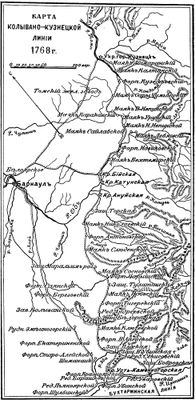
In 1719 Peter I sent Major Ivan Mikhailovich Likharev to search for Yarkent gold; on 20 August 1720, at the mouth of the Ulba, Likharev ordered defensive works built at the Irtysh-Ulba confluence. He left a garrison of 363 men under subcolonel Stupin, with engineer Letrange directing construction. After a fire in 1766 a larger stone fortress with earthen ramparts and ditches replaced the wooden one; in 1804 it was renamed the town of Ust-Kamenogorsk.
The fortress gave its name to the city: until 1804 it was called Ust-Kamenaya, and in 1804, as residents built houses around it, it was renamed Ust-Kamenogorsk. After 1917 it acquired the nickname "Siberian Shlisselburg." Nikolai Anov set several chapters of his 1941 adventure novel "The Missing Brother" here.
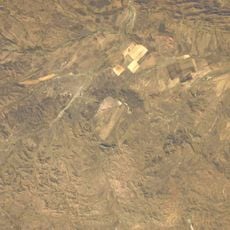
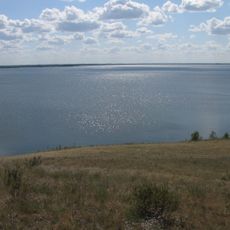
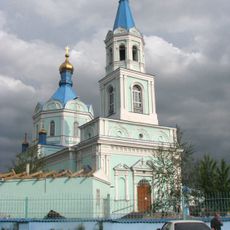
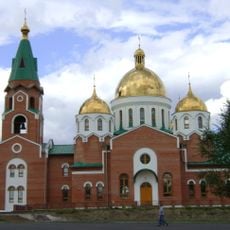
The fortress site lies in Oskemen at the confluence of the Irtysh and Ulba. The surviving earth rampart can be traced on foot; the investigative isolation facility stands directly behind it, and the Andreyevsky Cathedral on the other side. Approach from the city centre and watch for uneven ground along the rampart line.
After the 1917 revolution the fortress was nicknamed "Siberian Shlisselburg", a reference to the tsarist prison near Saint Petersburg. Remains of its rampart still stand in Ust-Kamenogorsk: the investigative isolation facility lies directly behind the earthwork, and the Andreyevsky Cathedral on the other side.
The community of curious travelers
AroundUs brings together thousands of curated places, local tips, and hidden gems, enriched daily by 94,269 contributors worldwide.