Alakol, Biosphere reserve and Ramsar wetland in Zhetisu Region, Kazakhstan
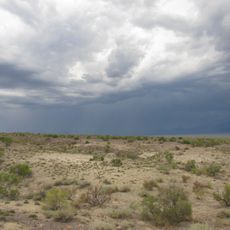
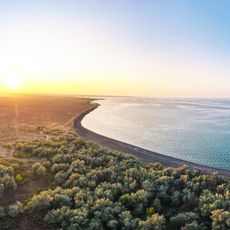
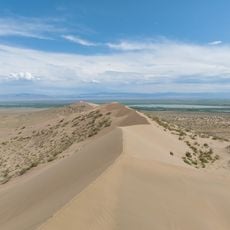
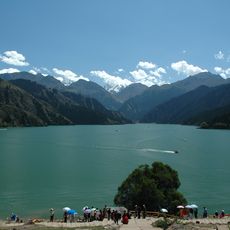
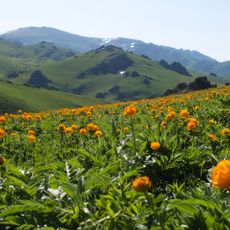
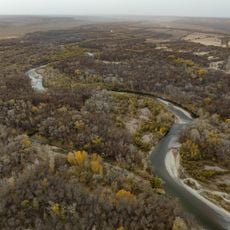
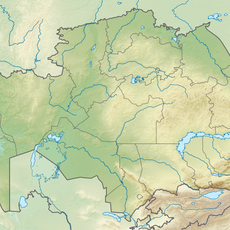
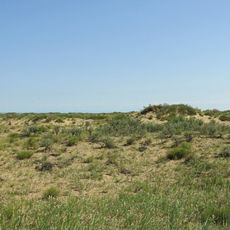
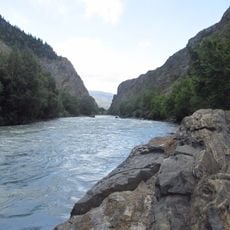
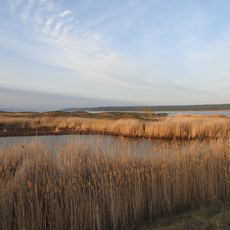
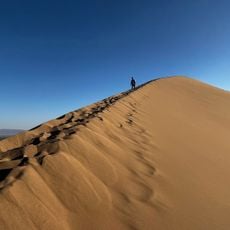
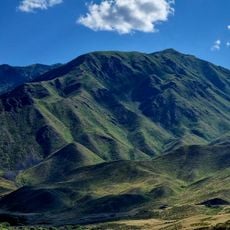
Alakol Biosphere Reserve covers 193,089 hectares in a desert depression between the Jungar Alatau and Tarbagatai ranges. Its six sectors include the Sasykkol northern shore and Thousand Lakes system, the Tentek, Emel and Suganthi deltas, the Araltobe Islands, Small Alakol Bay, and the Zhalanashkol east coast at the Dzungarian Gate. The Alakol-Sasykkol lake system holds fresh to salt water.
The Alakol State Nature Reserve manages the area, which was inscribed on the Ramsar Convention's list of internationally important wetlands in 2009. UNESCO recognized it as a biosphere reserve in 2013 under the Man and the Biosphere Programme, extending across parts of the Zhetisu and Abai regions near the Chinese border.
Around 33,000 people live in the transition area, where the economy rests on cereals, oilseeds and cattle breeding. Large sugar and fish factories, tank farms and agro corporations are the main industries of the Alakol district. The three largest lakes remain important for fishing, and in summer the lakes draw many visitors; a visitor centre is planned.
The reserve is split into six scattered areas, from the Sasykkol north shore and Tentek delta to the Araltobe Islands and the Kizilkian tract at the Dzungarian Gate. A visitor centre is planned but not yet built, so arrange guidance locally in Ürshar before setting out. The lakes draw many summer visitors, and the managing authority reports pressure from uncontrolled tourism, illegal hunting and fishing, water abstraction, cattle grazing and steppe fires.
The site sits on one of Asia's major bird migration routes and serves as a stopover for thousands of birds. This role as a resting place makes it particularly valuable for birdwatchers, as rare species appear here regularly throughout the year.
The community of curious travelers
AroundUs brings together thousands of curated places, local tips, and hidden gems, enriched daily by 93,464 contributors worldwide.