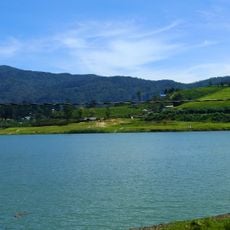
Pusulpitiya Raja Maha Vihara, Buddhist temple in Nuwara Eliya District, Sri Lanka.
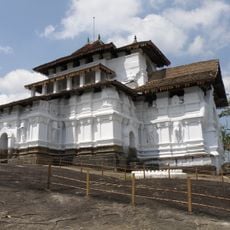
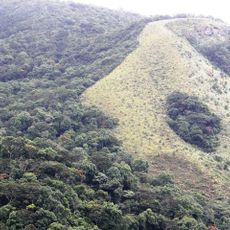
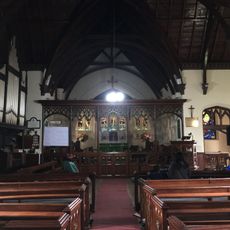
Pusulpitiya Raja Maha Vihara is a Buddhist temple featuring multiple shrine rooms, ancient stone pillars, and traditional architecture arranged across different levels of terrain. The complex sits near the Kotmale Oya river, with buildings that follow the natural slope of the hillside.
The temple received one of only a handful of sacred Bo tree saplings from the main Sri Maha Bodhi in Anuradhapura in ancient times, marking its importance. This honor connected it to the most revered Buddhist site in the region and shaped its standing within the faith community.
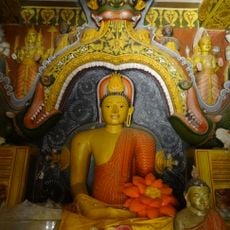
The temple's name comes from a legend: a Brahmin placed a golden ash pumpkin (puhul) on a rock, and it sank into the stone, giving the site its name. The temple keeps a makara thorana, a 3.5-foot carved arch made under King Buwanekabahu IV, set up to enshrine a Dambaran Buddha statue brought from India by Arahat Maliyadeva. A sapling of the sacred Bo tree grows on the grounds.
The temple is open daily and requires visitors to remove their shoes before entering the shrine rooms while wearing clothing that covers shoulders and knees. Be prepared for uneven ground and steps as the buildings are set across different levels of the hillside.
The temple served as a hiding place for the Sacred Tooth Relic of Buddha during periods of political turmoil in Sri Lanka, keeping one of Buddhism's most sacred objects safe. This concealed role reveals how remote temples protected treasured items when the country faced unrest.
The community of curious travelers
AroundUs brings together thousands of curated places, local tips, and hidden gems, enriched daily by 94,476 contributors worldwide.