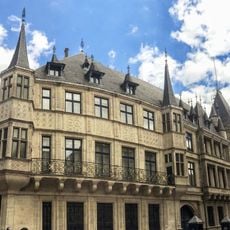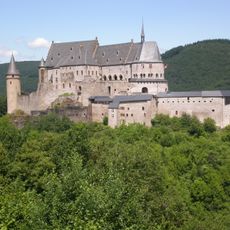
Luxembourg, Capital city in Luxembourg
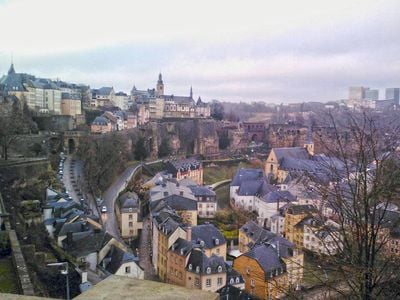
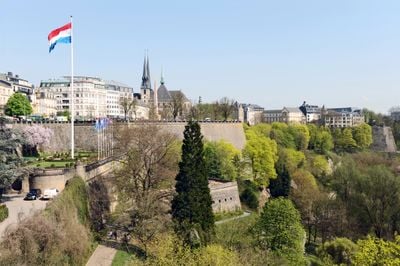
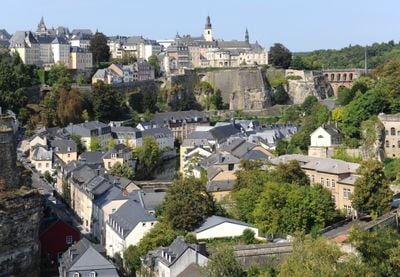
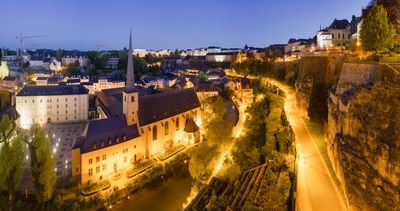
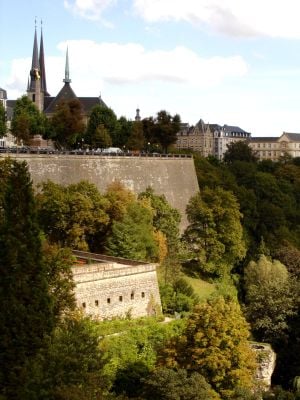
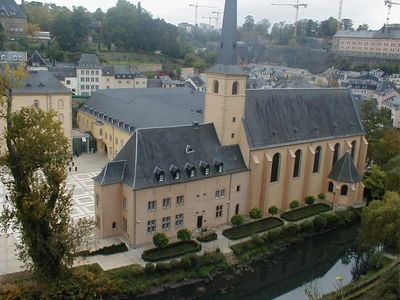
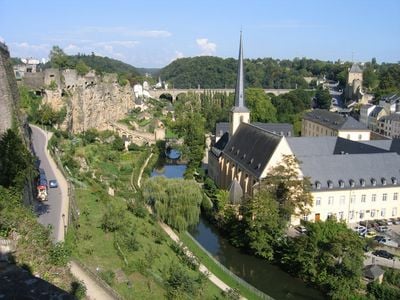
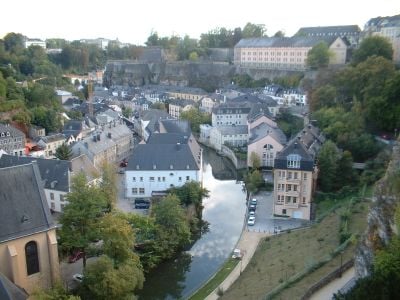
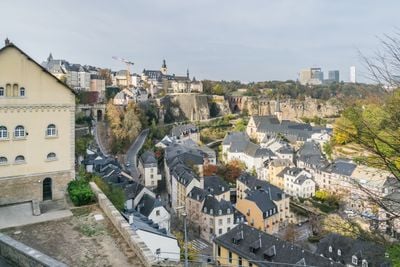
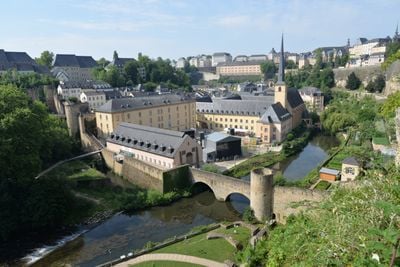
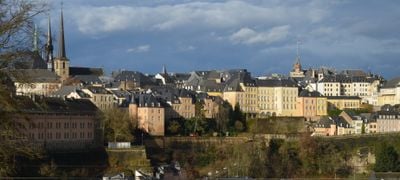
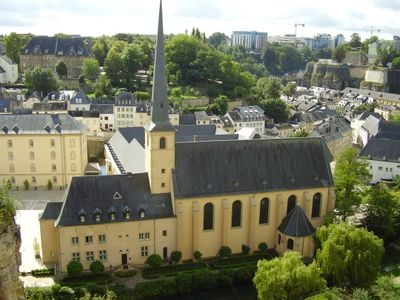
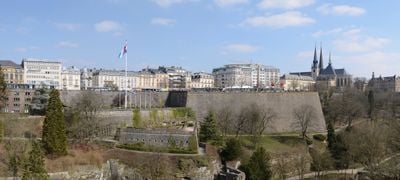
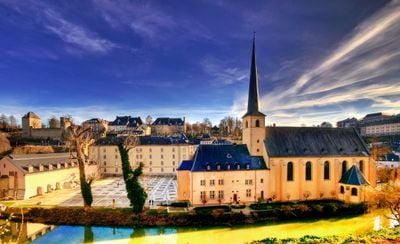
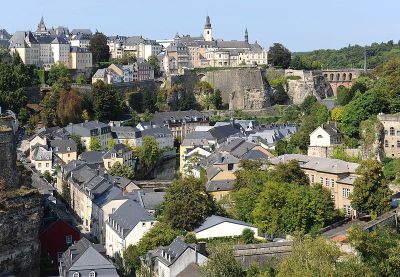
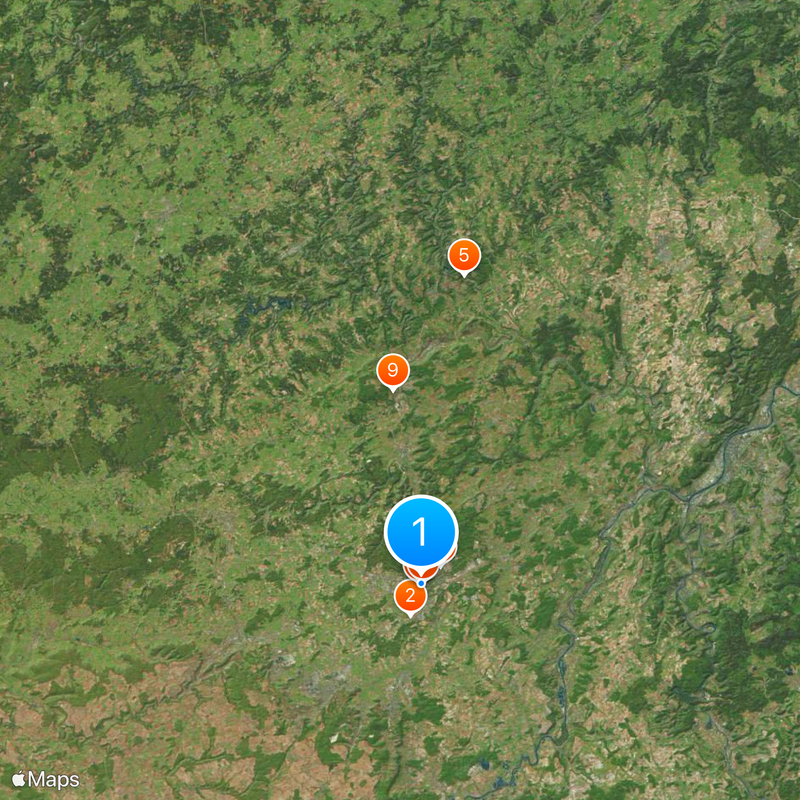
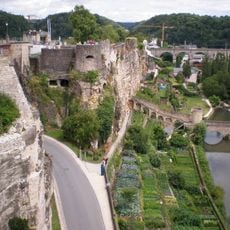
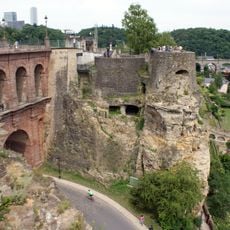
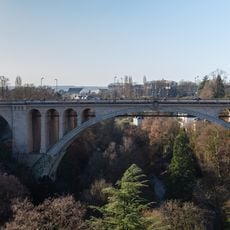
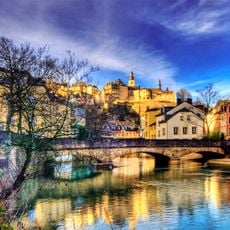
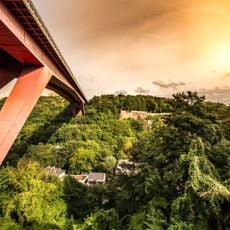
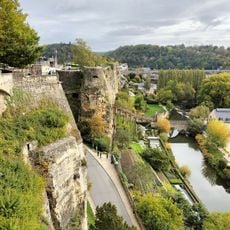
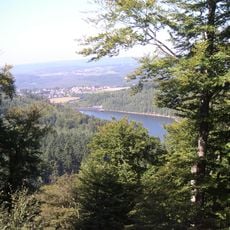
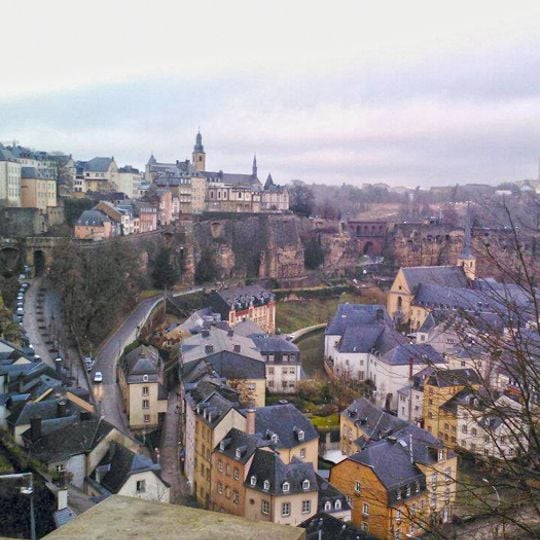
Luxembourg is the capital of the country with the same name and spreads across deep valleys and high plateaus, with the Alzette and Pétrusse rivers flowing through steep rocky gorges at its center. Bridges connect the different levels, and the upper town sits noticeably higher than the lower neighborhoods along the riverbanks.
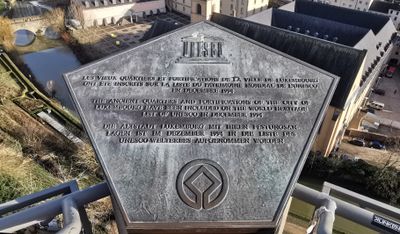
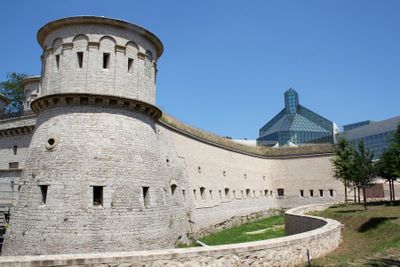
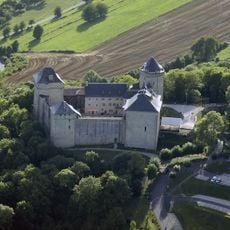
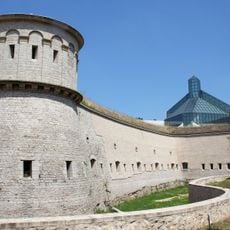
Count Siegfried acquired the Lucilinburhuc fortress in 963, laying the foundation for a medieval settlement that grew around the rocky promontory. The fortifications changed hands many times over the centuries, until they were partly dismantled in 1867 and the city developed into a modern capital.
Residents often switch between Luxembourgish, French and German within the same conversation, which you notice while standing in line at a bakery or walking past office workers at lunch. Banking and European institutions shape the working day, but neighborhoods away from the business center follow a calmer rhythm with small markets and cafes.
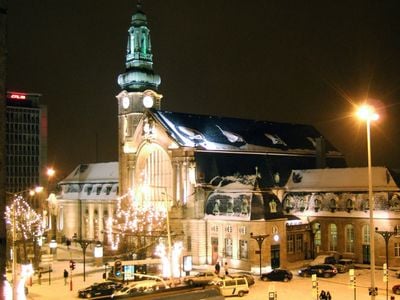
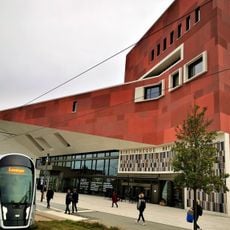
The main train station sits slightly outside the old center, but buses and trams run regularly to the upper town and other districts. Many routes involve uphill walks or staircases, so comfortable shoes help, especially if you plan to explore the different levels on foot.
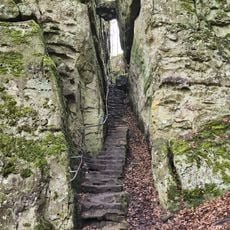
Beneath the old fortifications lie around 23 kilometers of underground tunnels known as casemates, which were used as shelters during both World Wars. Some sections are open to visitors today, allowing you to walk through narrow passages and vaulted chambers carved into the rock.
The community of curious travelers
AroundUs brings together thousands of curated places, local tips, and hidden gems, enriched daily by 90,831 contributors worldwide.