Luxembourg, Grand duchy in Western Europe
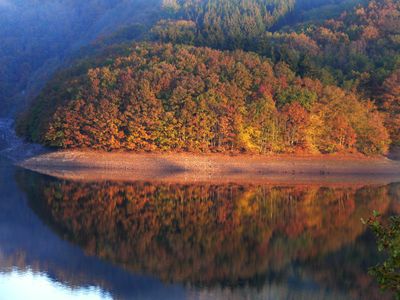
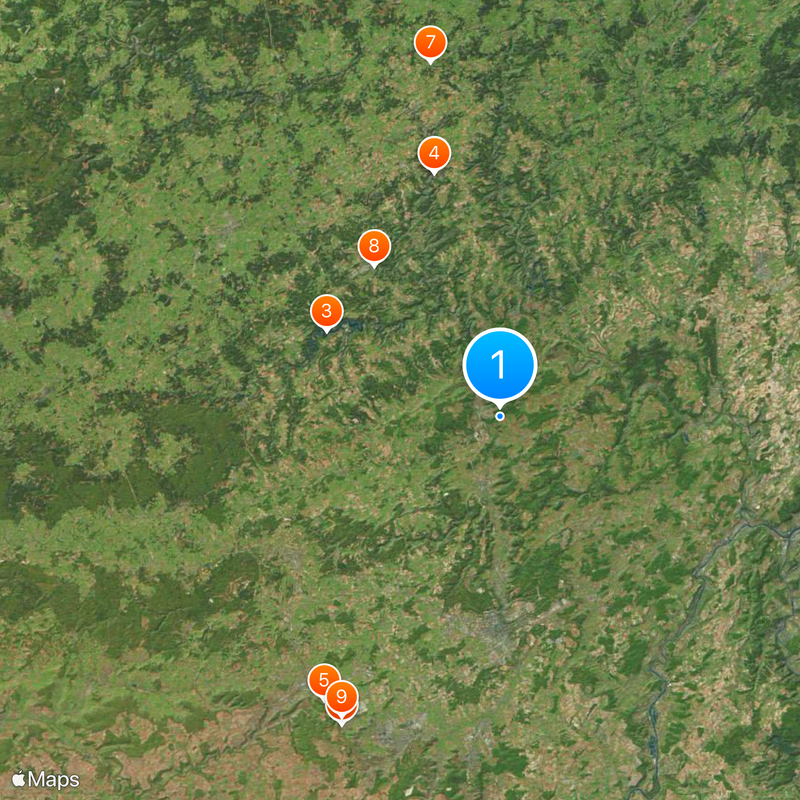
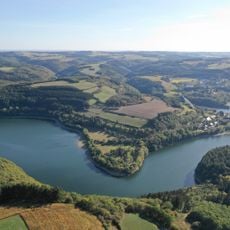
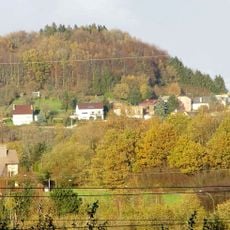
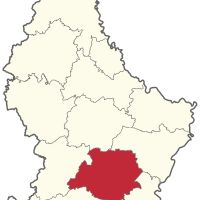
The grand duchy is a small nation in Western Europe bordered by Germany, France and Belgium, covering 2,595 square kilometers with forested hills and river valleys. The northern Oesling plateau reaches heights of 560 meters before descending to the southern Gutland plains, where the Moselle, Sauer and Alzette rivers wind through the lowlands.
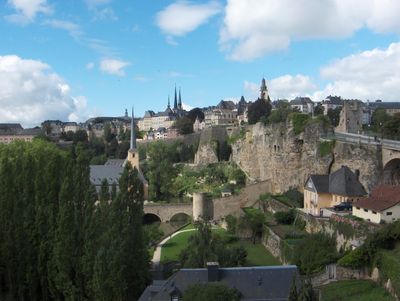
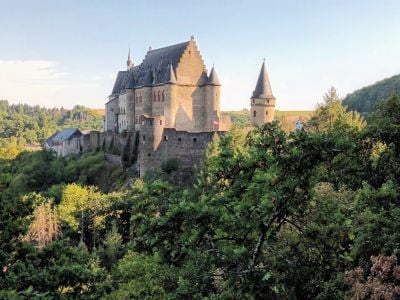
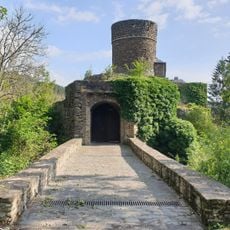
Count Siegfried purchased a Roman fortification called Lucilinburhuc in 963, founding a medieval castle and the ruling dynasty. After centuries under Burgundian, Spanish and French control, the Congress of Vienna created an independent grand duchy in 1815, which dismantled its fortifications and declared perpetual neutrality in 1867.
The name comes from the early medieval castle Lucilinburhuc, meaning little fortress. Today a multilingual population switches between Luxembourgish, French and German in daily life, while road signs and official documents often display all three languages.
The currency is the euro and all public transport across the territory is free to use. Travelers from Schengen countries enter without border checks, while Findel airport connects to European capitals and rail lines run to Brussels, Paris and Koblenz.
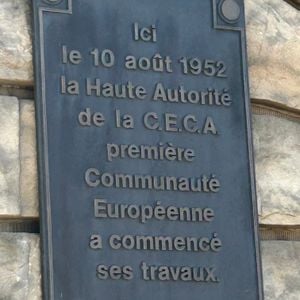
More than 44,000 workers cross the borders each day from neighboring countries, substantially increasing the daytime population. The territory hosts several European Union institutions including the Court of Justice, Court of Auditors and sections of the European Parliament.
The community of curious travelers
AroundUs brings together thousands of curated places, local tips, and hidden gems, enriched daily by 90,803 contributors worldwide.