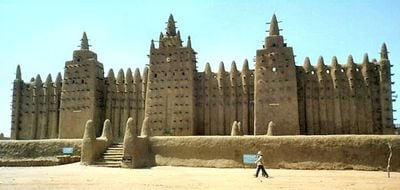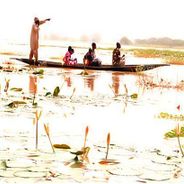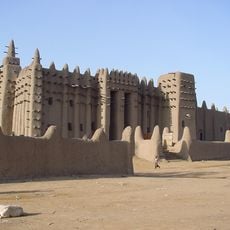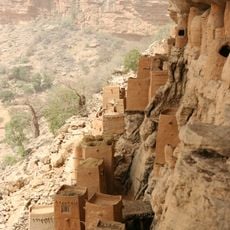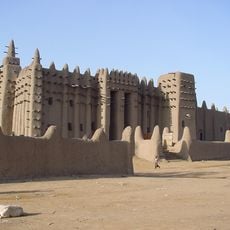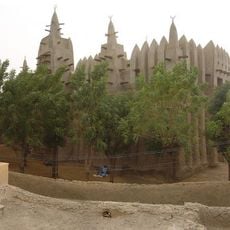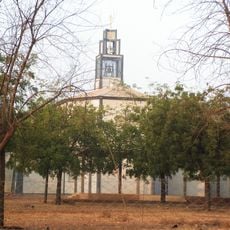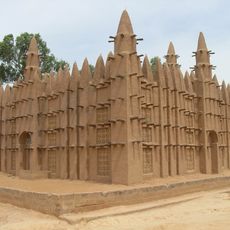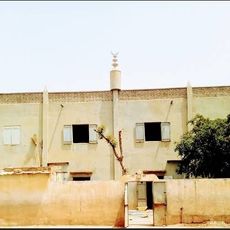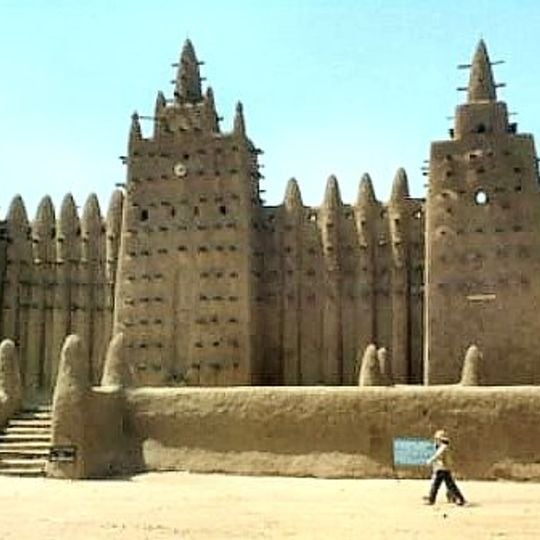
Djenné-Djenno, Archaeological site in Djenné Cercle, Mali.
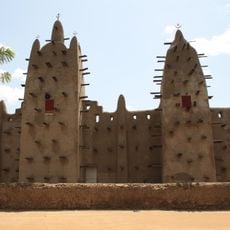
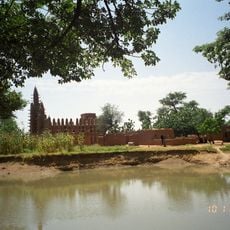
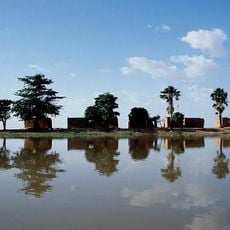
Djenné-Djenno is an archaeological site near the Bani River with ancient mud-brick remains and multiple settlement layers buried underground. The ruins spread across a large area and show how people lived and built structures here over an extended period.
The settlement developed in the first centuries before the common era and remained inhabited until the 15th century, making it one of the earliest towns south of the Sahara. It demonstrates how people in this region built complex communities from early times.
The pottery and iron tools uncovered here reveal the craftsmanship of former residents and their trade connections across distant regions. Walking through the excavated areas, you sense how communities here built relationships and exchanged goods over many centuries.
Visitors need to arrange guided tours through local authorities in Djenné town, as these are required for access to the site. The best time to visit is during the dry season from October to May, when paths are easier to navigate.
Excavations here revealed that West Africa developed urban societies independently, without influence from outside the continent. This discovery changed how scholars understand how civilizations developed separately across the world.
The community of curious travelers
AroundUs brings together thousands of curated places, local tips, and hidden gems, enriched daily by 60,000 contributors worldwide.