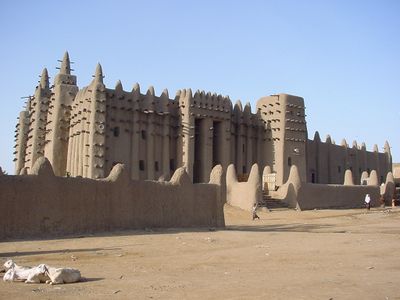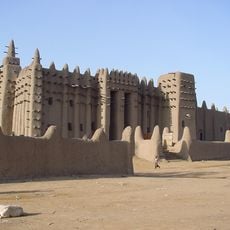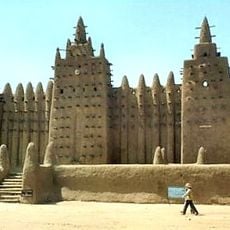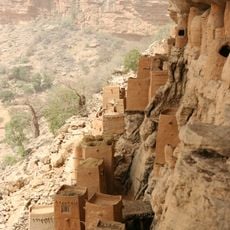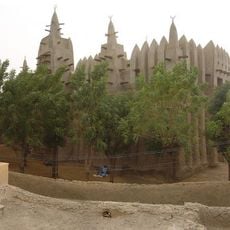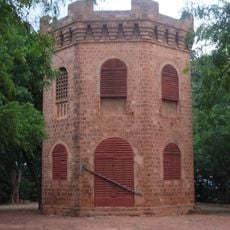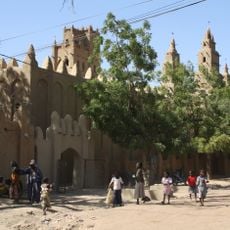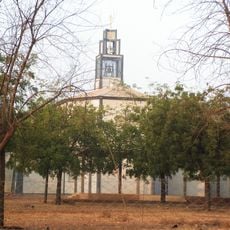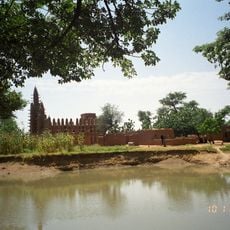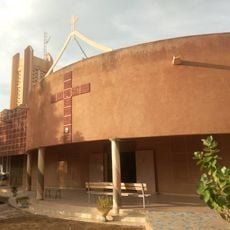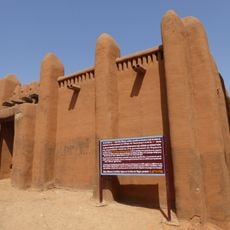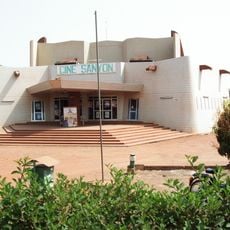
Old Towns of Djenné, UNESCO World Heritage Site in Djenné, Mali.
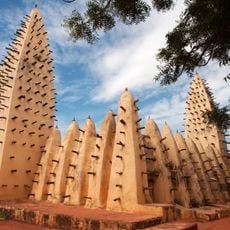
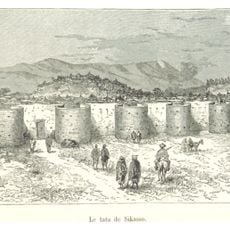
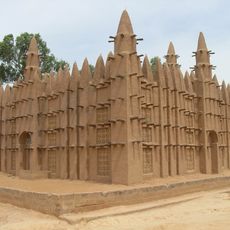
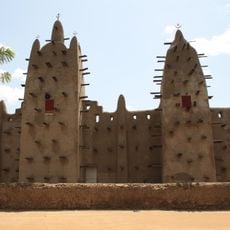
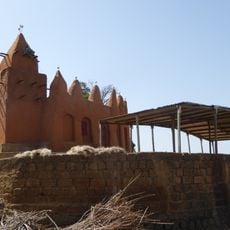
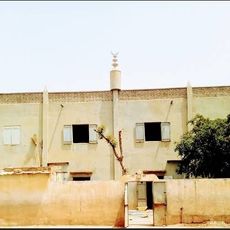
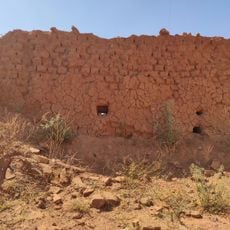
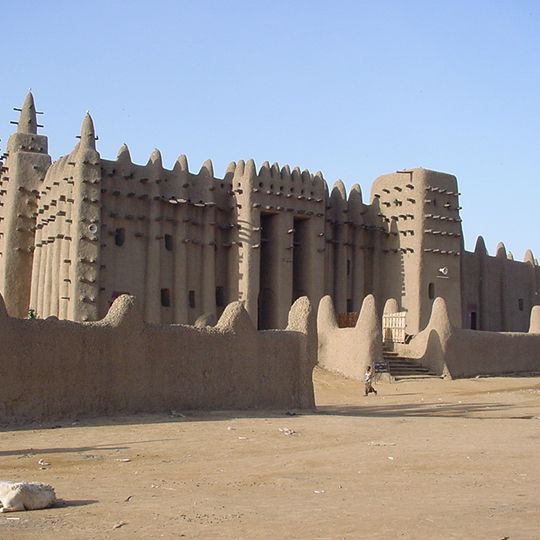
The Old Towns of Djenné are a cluster of earthen buildings characteristic of West African design, constructed from sun-dried mud bricks and straw reinforcement. The houses feature distinctive protruding beams and flat roofs that create a cohesive streetscape with a uniform appearance throughout the quarter.
The settlement began in the 3rd century BC as a trading hub and grew wealthy exchanging gold, salt, and textiles along trans-Saharan routes. Medieval expansion brought Islamic scholarship, which shaped architectural practices and established it as a regional center of learning.
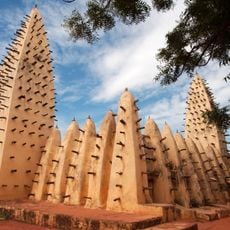
The Great Mosque shapes the town's appearance and shows how Islam influences daily life and building design throughout the old quarter. Walking through the streets, you notice how people maintain their homes as expressions of both practical skill and spiritual identity.
Visit early in the morning to see the markets bustling with activity and to avoid midday heat. The streets are narrow and uneven, so sturdy shoes and patience with navigation are helpful.
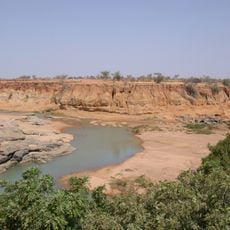
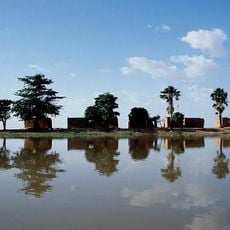
A section of the town was entirely submerged in water for years before being partially recovered and rebuilt. This submerged layer reveals how residents adapted to environmental challenges throughout the centuries.
The community of curious travelers
AroundUs brings together thousands of curated places, local tips, and hidden gems, enriched daily by 91,969 contributors worldwide.