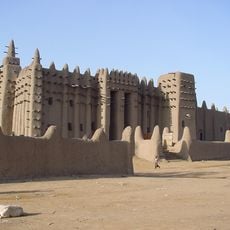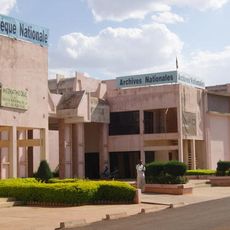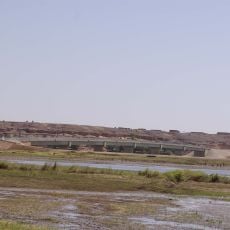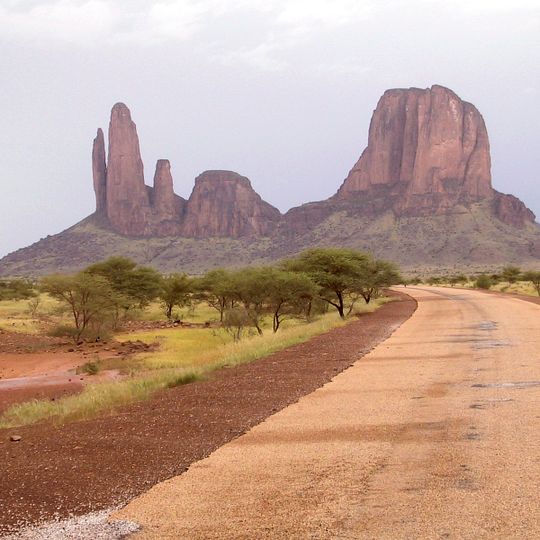
Mali, Landlocked country in West Africa
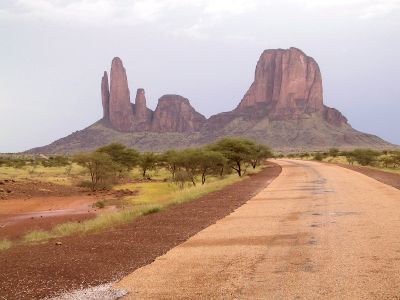
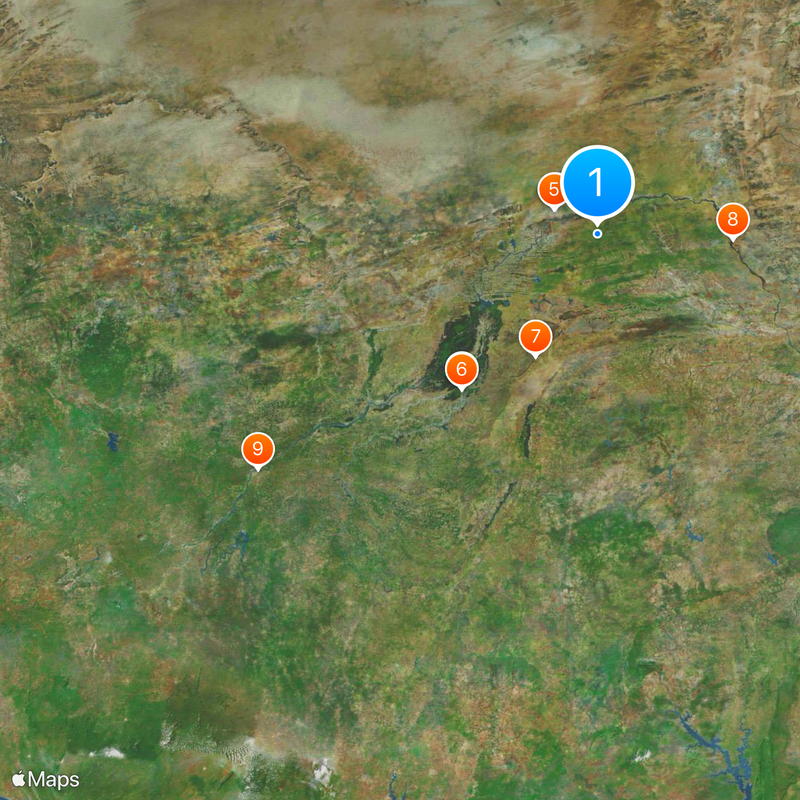
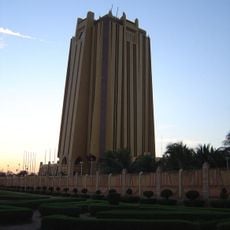
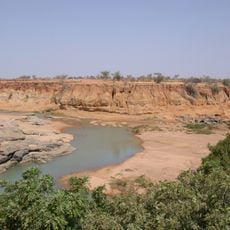
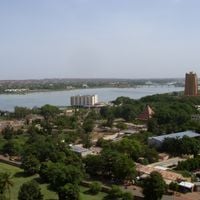
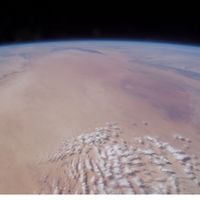
This West African republic extends from the Sahara in the north to the river plains of the Niger in the south, where the capital Bamako and most settlements are located. The landscape shifts between desert expanses, savanna grasslands, and fertile zones along the waterways that shape agriculture and daily life.
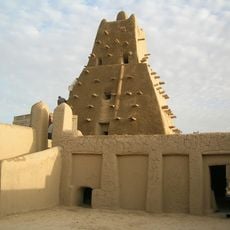
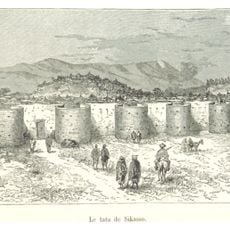
From the eighth to the sixteenth century, the region was the heartland of three major empires: Ghana, then Mali under Mansa Musa in the fourteenth century, and finally Songhai until the Moroccan conquest in 1591. French colonial rule began in the nineteenth century and ended with independence in 1960.
Musical traditions shape West African culture through griots, professional storytellers and musicians who preserve genealogies and historical narratives across generations, maintaining oral heritage central to community identity.
French is the official administrative language, while Bambara is the most widely spoken language in commerce and everyday settings. Travelers need a visa and should check security conditions before departure, as some northern areas remain unstable.
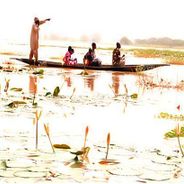
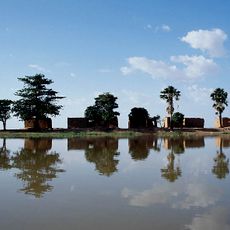
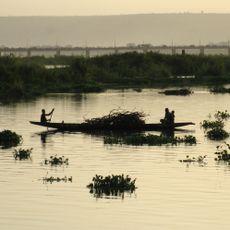
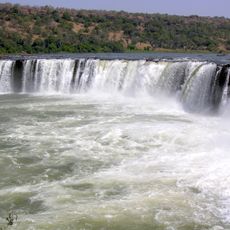
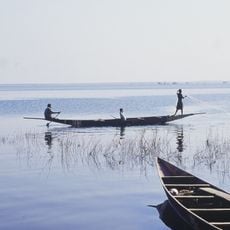
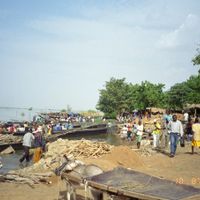
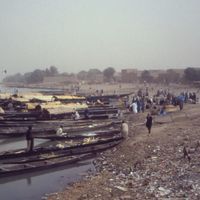
The inland delta of the Niger in the center forms a sprawling network of channels and shallow lakes during the rainy season, drawing thousands of fishermen and herders. This annual flooding enables rice farming in an otherwise dry area and shapes the rhythm of life for entire villages along the banks.
The community of curious travelers
AroundUs brings together thousands of curated places, local tips, and hidden gems, enriched daily by 91,253 contributors worldwide.