Mopti Region, Administrative region in central Mali.
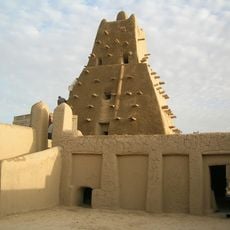
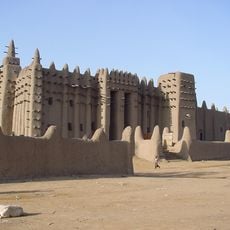
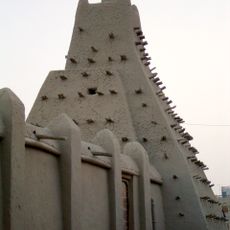
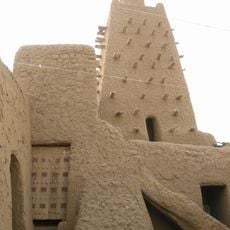
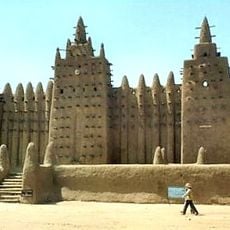
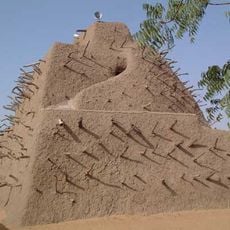
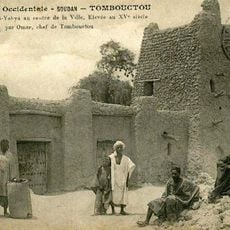
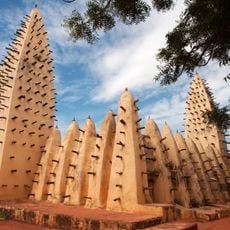
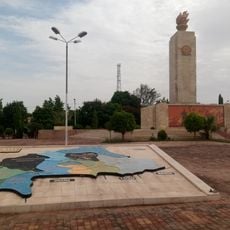
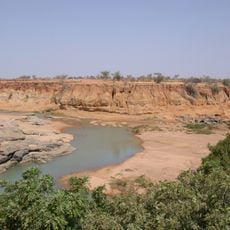
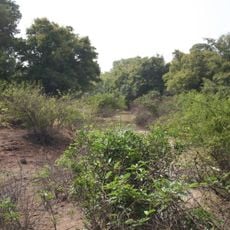
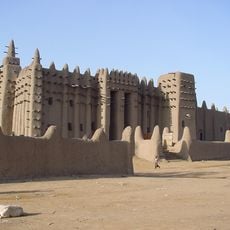
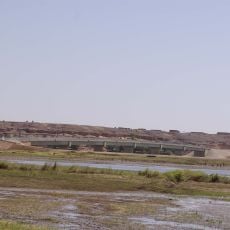
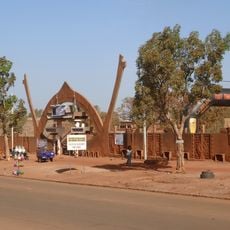
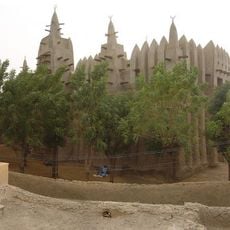
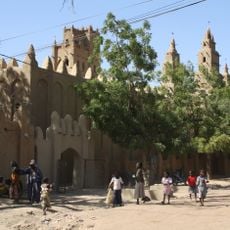
Mopti Region is an administrative division in central Mali that stretches along the Niger and Bani rivers, encompassing wetlands, villages, and the ancient city of Djenné with its distinctive earthen structures. The territory combines populated centers with extensive riverside landscapes shaped by water flow and human settlement.
The region gained administrative importance during French colonization, when scattered settlements were transformed into a structured territory with Mopti city as its capital. This reorganization established boundaries and governance structures that persist to the present day.
Multiple ethnic groups including the Dogon, Fulani, Bambara, Bozo, and Songhai shape daily life through traditional markets, craft workshops, and local festivals scattered across the communities. Walking through villages, you see colorful textiles, pottery, and handmade goods that reflect skills passed down through families.
Regular bus connections link major towns throughout the region, while boat transportation on the Niger provides access to smaller riverside communities. The dry season offers better road and water accessibility for getting around and exploring.
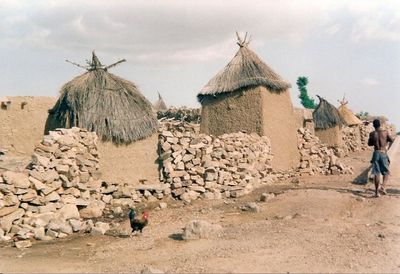
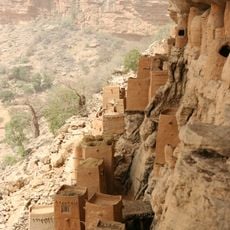
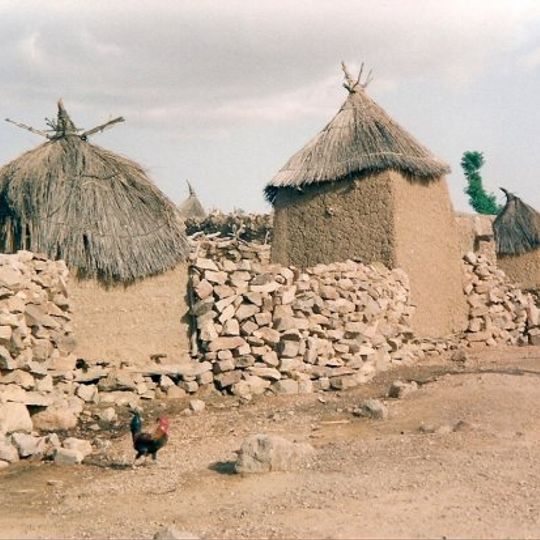
The area contains Dogon communities that have built their homes along a roughly 150-kilometer-long escarpment, creating distinctive building patterns adapted to the steep landscape. This adaptation to rocky terrain sets this part apart from the flatter settlements found elsewhere in the territory.
The community of curious travelers
AroundUs brings together thousands of curated places, local tips, and hidden gems, enriched daily by 90,791 contributors worldwide.