Hunza State, Former princely state in Gilgit Baltistan, Pakistan
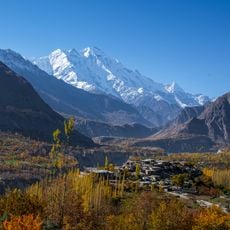
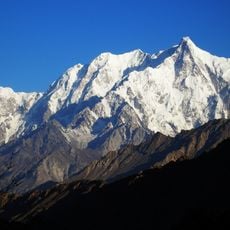
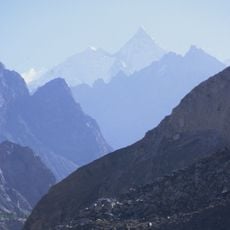
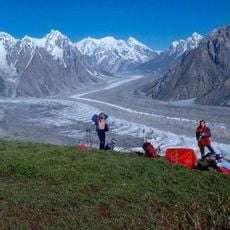
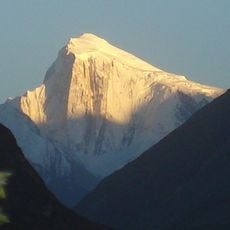
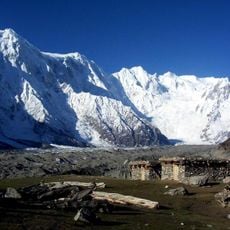
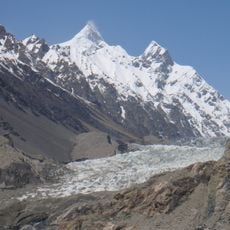
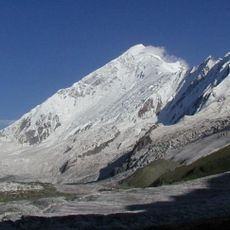
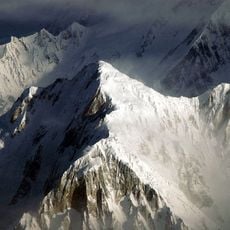
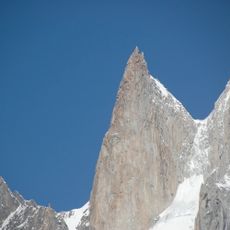
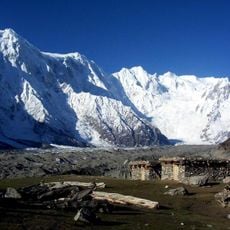
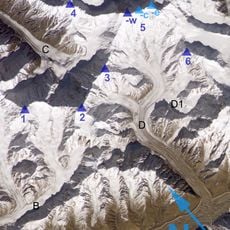
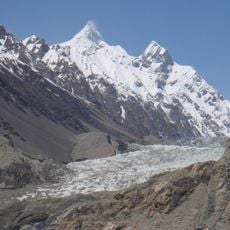
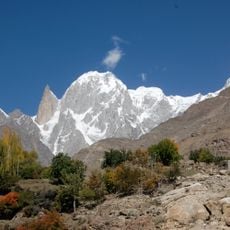
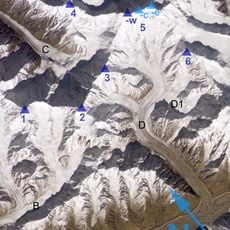
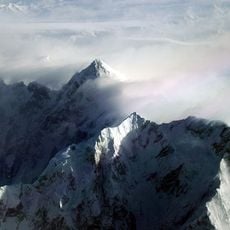
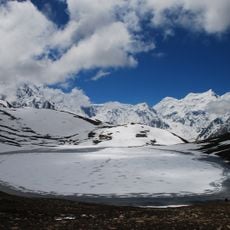
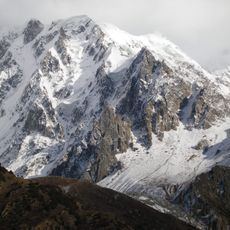
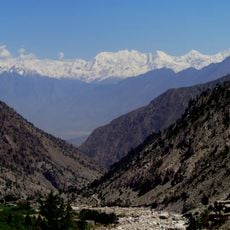
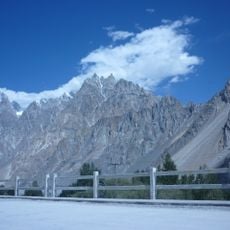
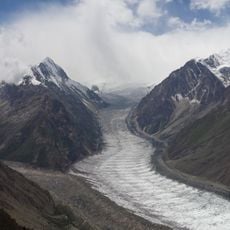
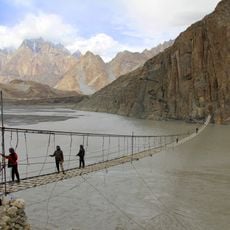
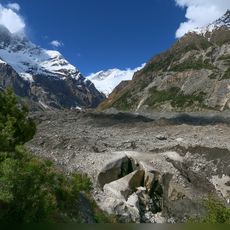
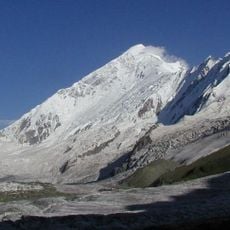
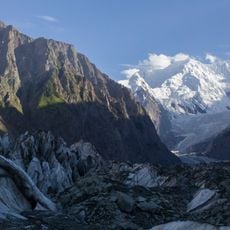
Hunza State was a territory in the northernmost part of present-day Gilgit-Baltistan, surrounded by mountains reaching over 7,000 meters high. The area spread along the Hunza River through deep valleys, forming an isolated mountain region.
The territory maintained its independence for about 900 years until 1891 when British troops conquered it during the Great Game, the rivalry struggle between Britain and Russia. This event marked the end of autonomous rule in this remote mountain region.
The people here speak Burushaski, a language found only in this valley, along with Wakhi and Shina, reflecting their deep connection to the mountain landscape. This linguistic diversity shapes daily life and the names of settlements throughout the region.
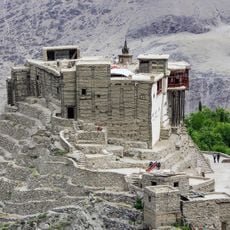
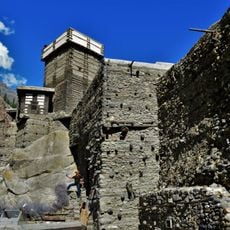
The capital Karimabad, formerly called Baltit, is the center of the region and home to two preserved fortresses that demonstrate mountain architecture. The place is best explored on foot through narrow streets, observing how traditional buildings are constructed.
The rulers, called Mirs or Thums, claimed to be direct descendants of Alexander the Great. They also maintained diplomatic ties with Chinese authorities since 1760, highlighting their position as mediators between empires.
The community of curious travelers
AroundUs brings together thousands of curated places, local tips, and hidden gems, enriched daily by 92,389 contributors worldwide.