Crematoriul Cenușa, Historic crematorium in Tineretului Park, Romania
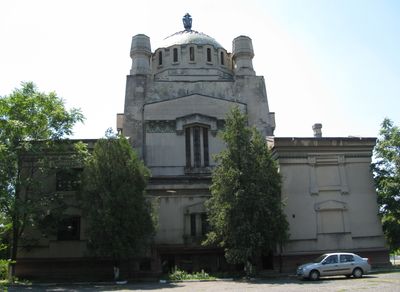
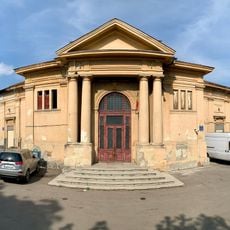
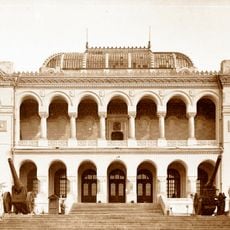
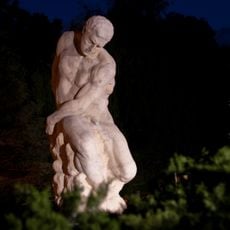
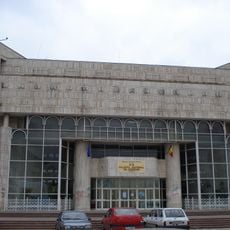
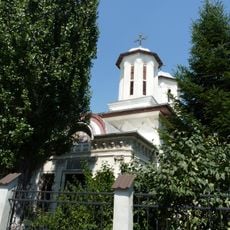
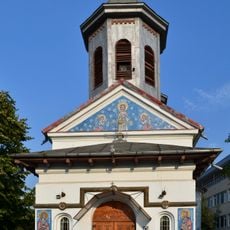
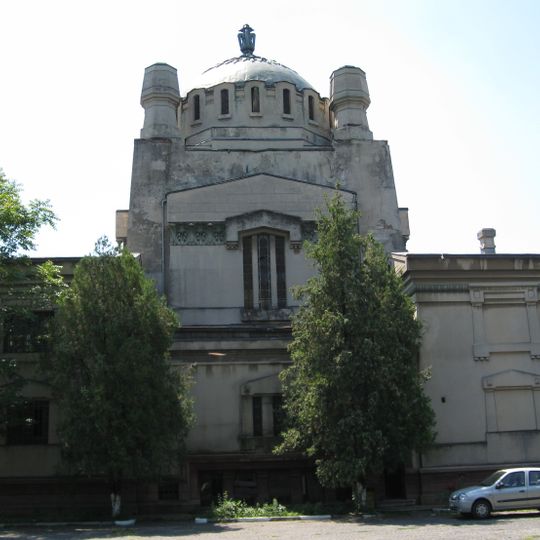
Crematoriul Cenușa is a neo-eclectic building in Tineretului Park, Bucharest, designed by architect Duiliu Marcu. Its chapel is lined with Belgian marble, and two sculptures named Sorrow and Hope stand on either side of the main staircase.
The building was constructed between 1925 and 1928 and was the first crematorium in a predominantly Orthodox Christian Balkan country. Its opening was socially charged, as the Romanian Orthodox Church strongly opposed cremation as a practice.
The building draws on Byzantine, Syrian, and Egyptian design elements, all of which are visible in the facade details and the interior decoration. This mix reflects how open Romanian architects of the interwar period were to influences from beyond Europe.
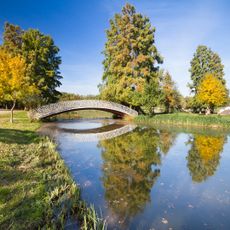
The building sits inside Tineretului Park, so it is easy to reach on foot if you are already visiting the park. It now functions only as a columbarium for storing funeral urns, so access to the interior is limited.
Around 60,000 cremations took place here between 1928 and 2002, despite persistent opposition from the Romanian Orthodox Church. Operations ended not for religious reasons but because of environmental regulations introduced in 2002.
The community of curious travelers
AroundUs brings together thousands of curated places, local tips, and hidden gems, enriched daily by 92,144 contributors worldwide.