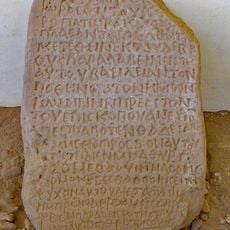
Napata, Archaeological site at Karima, Sudan.
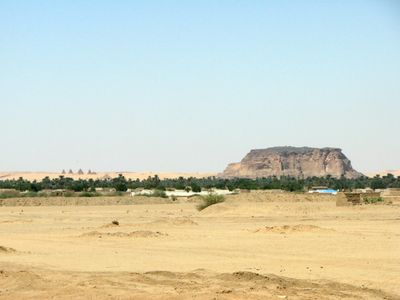
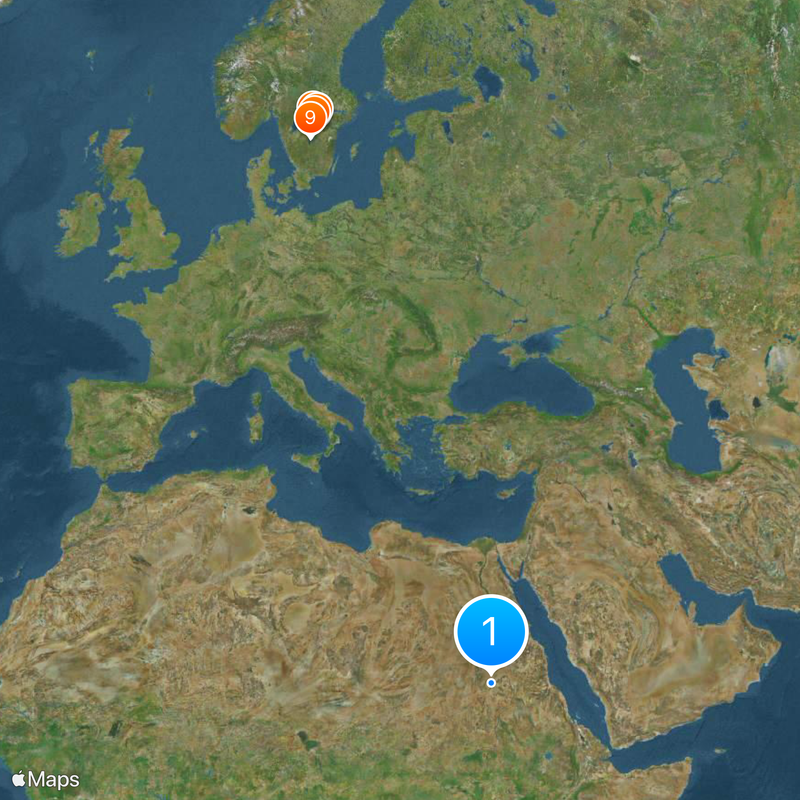
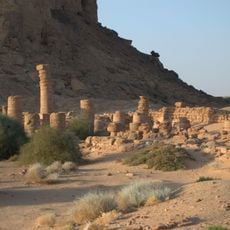
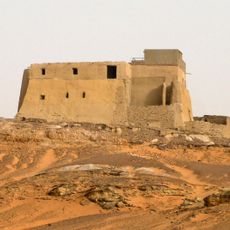
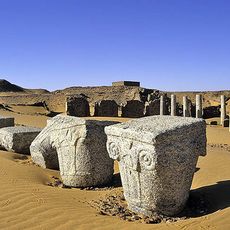
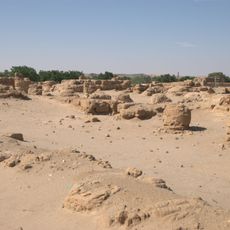
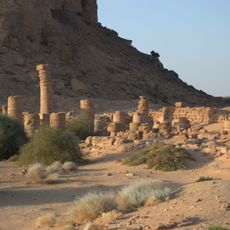
Napata comprises ruins along the western bank of the Nile, with ancient temple foundations, pyramids, and ceremonial buildings clustered at the base of Jebel Barkal. The remains reveal layers of construction and use spanning centuries of activity in this location.
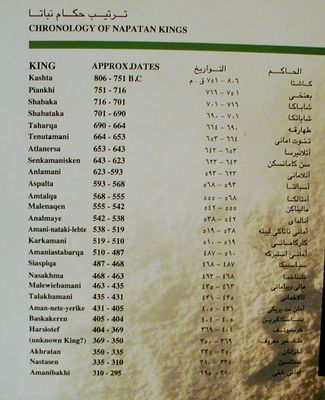
The site began as an Egyptian outpost and later became the heart of a powerful kingdom that shaped the region for centuries. Its rule ended when political power shifted southward and a new center of government emerged.
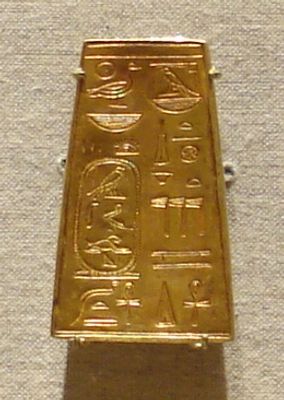
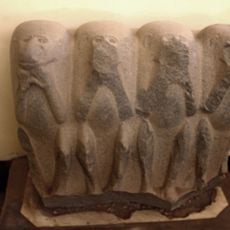
The temples here show how Egyptian and Kushite cultures mixed and influenced each other over time. You can see this in the building styles and religious symbols that remain carved into the stone structures.
The site is best visited with a local guide who can explain the history and point out significant structures. Plan your visit for cooler months when temperatures are less intense and walking around is more comfortable.
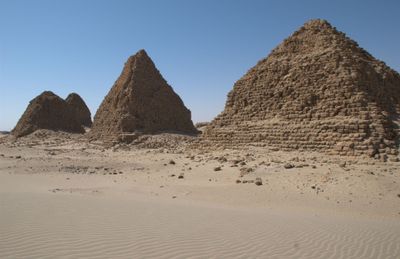
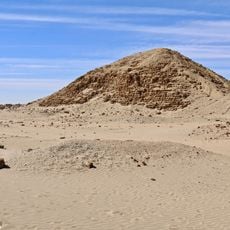
The royal cemeteries here contain burial grounds that show how funeral practices changed over generations. Tombs grew increasingly elaborate over time, transforming from simple earth mounds into complex stone structures with distinct architectural features.
The community of curious travelers
AroundUs brings together thousands of curated places, local tips, and hidden gems, enriched daily by 92,634 contributors worldwide.