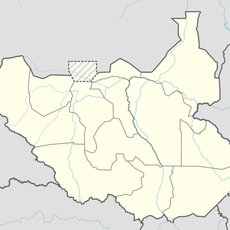
متحف علي دينار, Heritage museum in Al-Fashir, Sudan
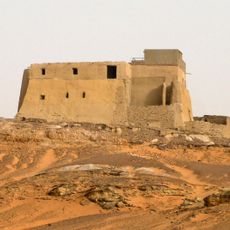
The Ali Dinar Museum occupies a former palace built with Turkish-Islamic design, featuring wooden ceilings crafted from local sahab timber and gambil wood window frames. The galleries display marble, pottery, copper, and bronze items from the Kerma, Meroe, and Abri civilizations.
Construction of the palace took place between 1871 and 1912 as the administrative headquarters for Sultan Ali Dinar, the final ruler of the Darfur Sultanate. The sultanate itself continued until 1916 when external forces brought it to an end.
The displays feature drums, bronze objects, and ceremonial robes that show how people in Darfur crafted and used such items during the sultanate period. These objects reflect the daily practices and values of the time.
The galleries are organized with clearly labeled display cases, making it easy to identify and understand the artifacts. Visitors should plan to spend adequate time examining the exhibitions carefully.
For roughly twenty years, the palace contained a workshop that produced coverings for the Kaaba, which the sultan sent annually to Mecca as a religious gift. This special function reveals the spiritual importance the ruler placed on the region.
The community of curious travelers
AroundUs brings together thousands of curated places, local tips, and hidden gems, enriched daily by 60,000 contributors worldwide.