Low Tatras National Park, National park in Central Slovakia.
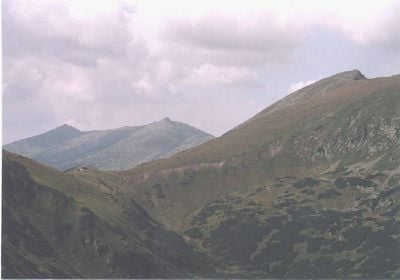
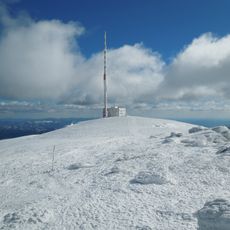
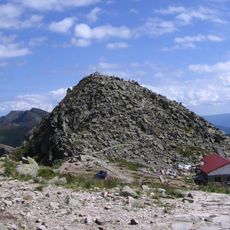
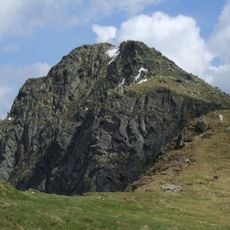
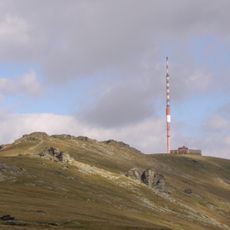
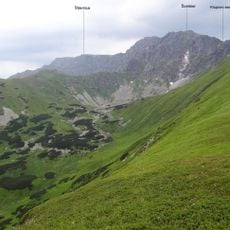
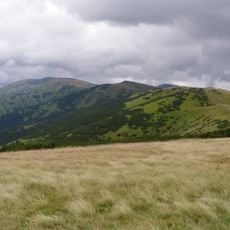
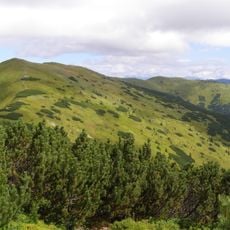
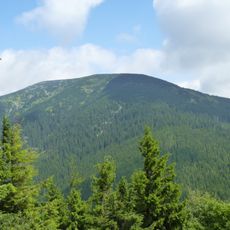
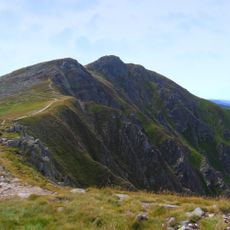
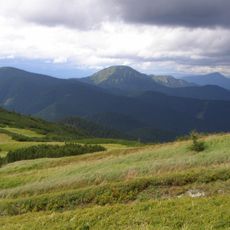
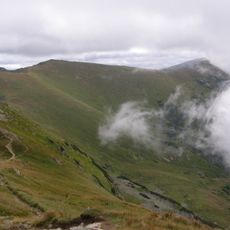
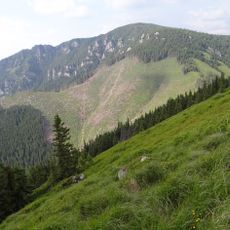
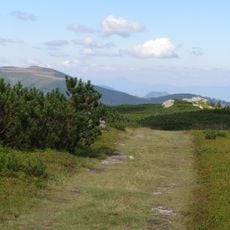
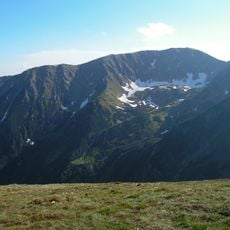
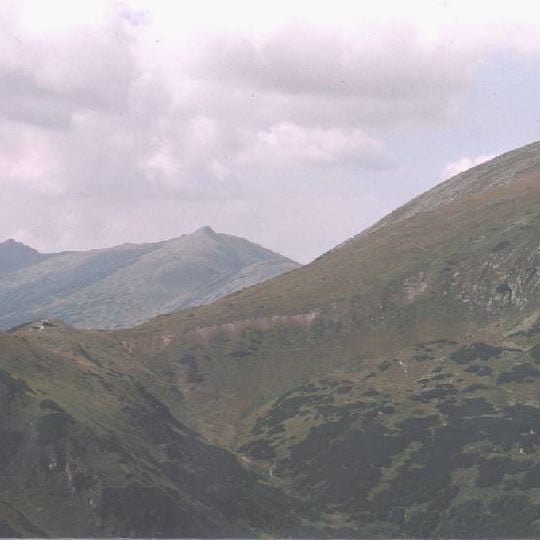
Low Tatras National Park covers 728 km² of the Low Tatras range between the Váh and Hron valleys. About 70% is forest, mostly mixed beech, silver fir, Norway spruce, sycamore and Norway maple, with dwarf pine above roughly 1,500 m. The highest point is Ďumbier at 2,043 m; the range is split at Čertovica saddle into the Ďumbierske Tatry and Kráľova hoľa parts.
Protection efforts began in 1918–1921 and resumed after World War II. A 1963 proposal for a Central Slovakia National Park was followed by a Ďumbier park draft in 1965–1966, reformulated in 1967–1968 for the 25th anniversary of the Slovak National Uprising. Regulation 119/1978 finally created the park, and Regulation 182/1997 reduced its area to 72,842 ha.
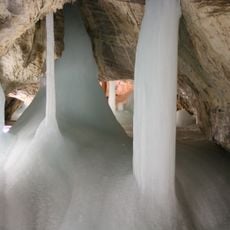
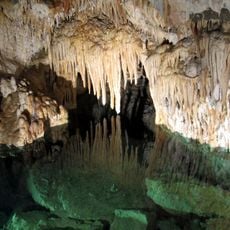
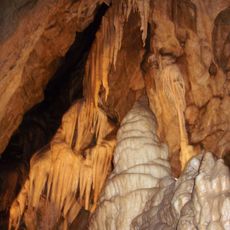
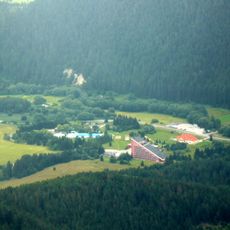
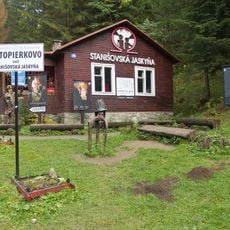
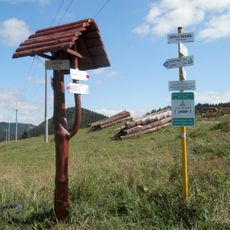
The park's name, NAPANT, short for Národný park Nízke Tatry, is used on trail markers and signs throughout the range. Five caves are open to the public, among them Demänovská jaskyňa Slobody, Demänovská ľadová jaskyňa, Bystrá Cave, Važecká Cave and the Cave of Dead Bats. Resorts such as Jasná, Tále, Demänovská dolina and Čertovica serve walkers in summer and skiers in winter.
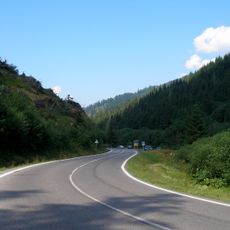
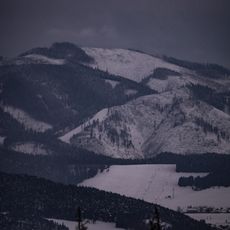
The area can be reached from several directions: in the north through Demänovská Valley via Jasná resort, or over mountain passes at Donovaly and Čertovica. Hiking conditions are most favorable from May through September, though snow coverage varies with the season.
Five caves in the park are open to visitors: Demänovská jaskyňa Slobody, Demänovská ľadová jaskyňa, Bystrá Cave, Važecká Cave and the Cave of Dead Bats. The Demänovská caves lie in Demänovská dolina, a valley also used as a resort area.
The community of curious travelers
AroundUs brings together thousands of curated places, local tips, and hidden gems, enriched daily by 93,625 contributors worldwide.