Northern Ireland, Constituent region in northeast Ireland, United Kingdom
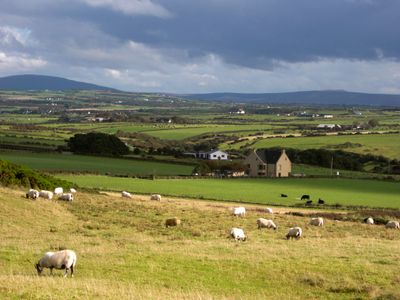
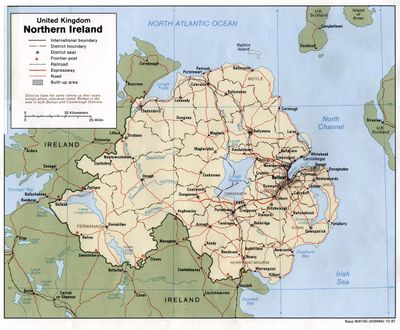
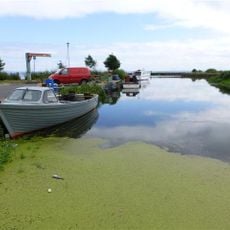
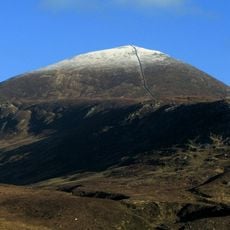
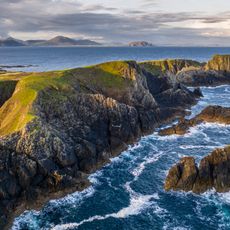
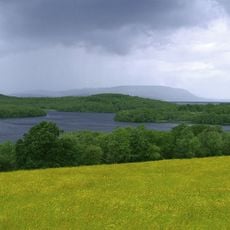
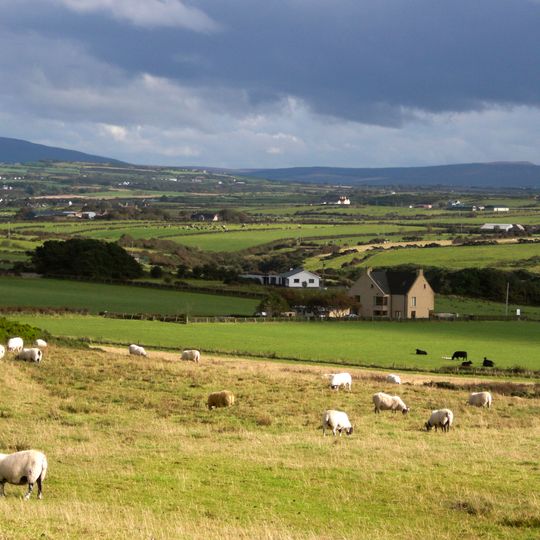
This region in the northeastern part of Ireland includes mountain ranges such as the Mourne Mountains and Sperrin Mountains, valleys, lakes, and an extended coastline with geological formations. Lough Neagh, the largest lake in the British Isles, sits in the center of the territory.
Ireland was divided in 1921 through the Government of Ireland Act, which kept six counties under British rule while the rest of the island became independent. Decades of conflict between unionist and nationalist communities ended with the Good Friday Agreement of 1998, which established a power-sharing government.
The territory produces literature, music, and art reflecting both British and Irish influences, from traditional folk songs to contemporary theater productions and visual arts that explore questions of identity.
Visitors need British pounds for transactions, though some businesses near the border with the Republic of Ireland also accept euros. The maritime climate brings rain throughout the year, so packing appropriate clothing is advisable.
The territory follows European Union rules for goods while remaining part of British sovereignty. This arrangement emerged from the Northern Ireland Protocol, which maintains free movement of goods with the Republic of Ireland while preserving the integrity of the British internal market.
Location: United Kingdom
Inception: May 8, 1921
Capital city: Belfast
Part of: Ireland
Shares border with: County Cavan, County Donegal, County Leitrim, County Monaghan, County Louth, Ireland
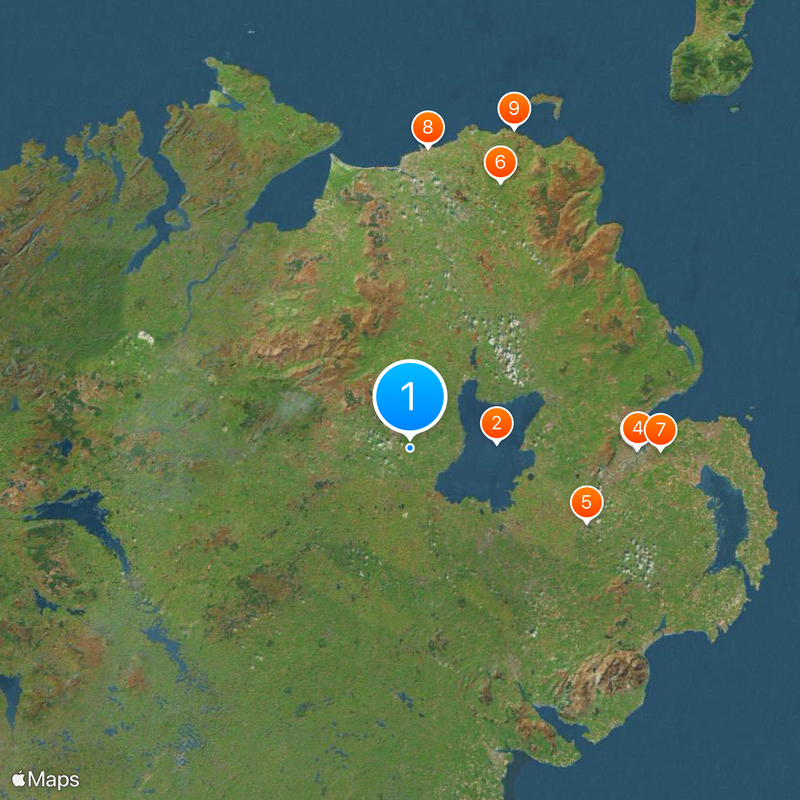
GPS coordinates: 54.58598,-6.95916
Latest update: December 4, 2025 17:20
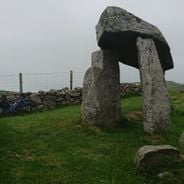
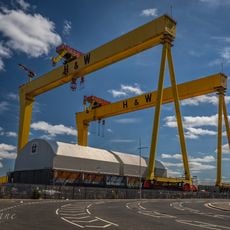
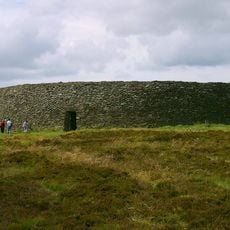
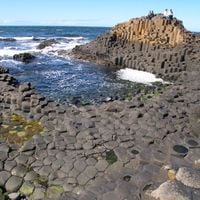
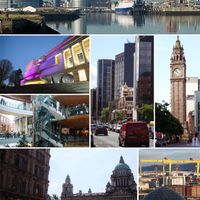
Northern Ireland tells its story through stones, cliffs, and memories. From the Giant's Causeway to Derry's walls, each place seems filled with stories where Celtic myths, medieval heritage, and traces of the modern world intertwine. Belfast, once an industrial hub turned cultural center, showcases its museums and markets to the breeze coming from the Irish Sea. The landscapes of County Antrim enchant with basalt columns, suspension bridges, and cliffs battered by waves. Further inland, stone circles, monasteries, and distilleries extend the journey into a territory where each site links nature and memory. Exploring Northern Ireland is like walking through centuries that are open to the sky, between the legends of Ulster's ancient kings and the contemporary echoes of a resilient land.
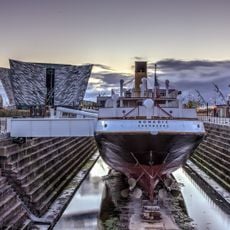
SS Nomadic
67.6 km
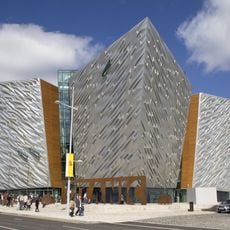
Titanic Belfast
67.7 km
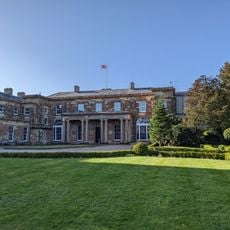
Hillsborough Castle
58.1 km
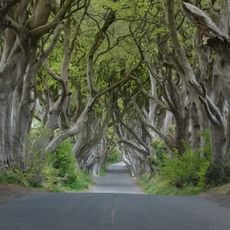
Dark Hedges
71.4 km
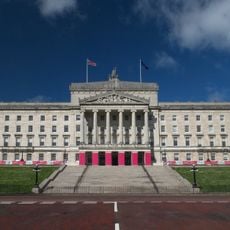
Parliament Buildings
72.7 km
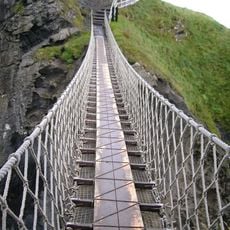
Carrick-a-Rede Rope Bridge
83.1 km
Slieve Donard
81.1 km
Samson and Goliath
68.3 km
Castle Ward
92.4 km
Grianan of Aileach
56.8 km
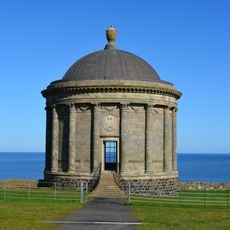
Mussenden Temple
65.5 km
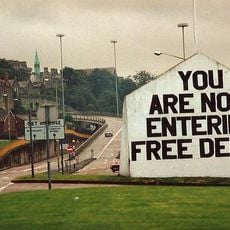
Free Derry Corner
51.4 km
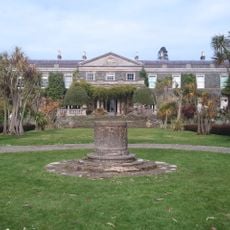
Mount Stewart
87.3 km
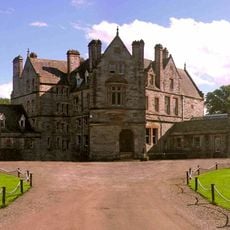
Castle Leslie
29.9 km
St Patrick's Purgatory
58.9 km
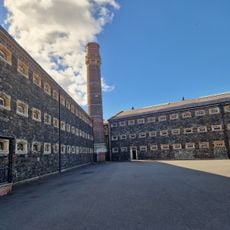
HM Prison Crumlin Road
65.6 km
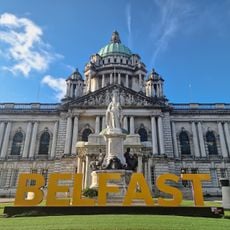
Belfast City Hall
66.4 km
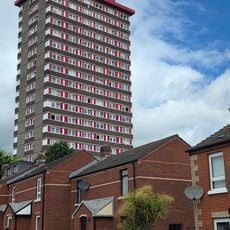
Divis Tower
65.6 km
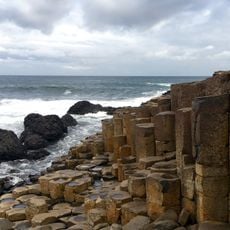
Giant's Causeway
78.3 km
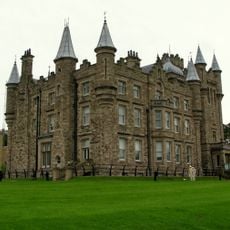
Stormont Estate
72.4 km
Casement Park
62.9 km
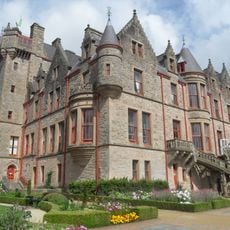
Belfast Castle
65.9 km
Stormont Castle
72.8 km
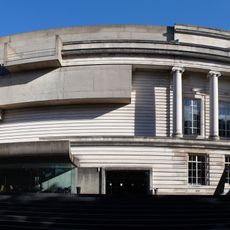
Ulster Museum
66.1 km
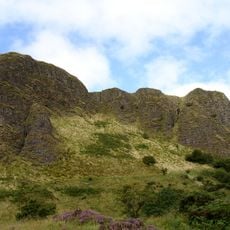
Cavehill
65.4 km
St Anne's Cathedral, Belfast
66.5 km
Scrabo Tower
80.2 km
Oriel Park
74.2 kmReviews
Visited this place? Tap the stars to rate it and share your experience / photos with the community! Try now! You can cancel it anytime.
Discover hidden gems everywhere you go!
From secret cafés to breathtaking viewpoints, skip the crowded tourist spots and find places that match your style. Our app makes it easy with voice search, smart filtering, route optimization, and insider tips from travelers worldwide. Download now for the complete mobile experience.
A unique approach to discovering new places❞
— Le Figaro
All the places worth exploring❞
— France Info
A tailor-made excursion in just a few clicks❞
— 20 Minutes