River Clyde, Major river in Glasgow, United Kingdom
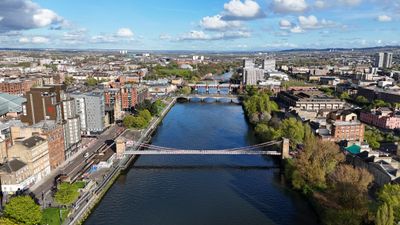
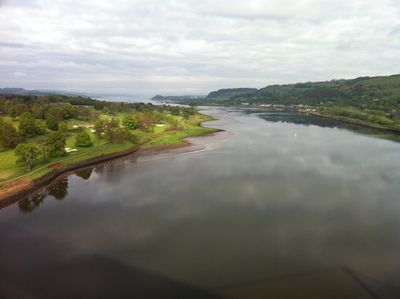
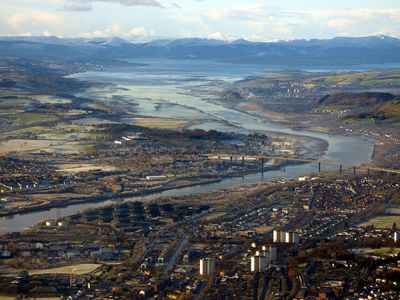
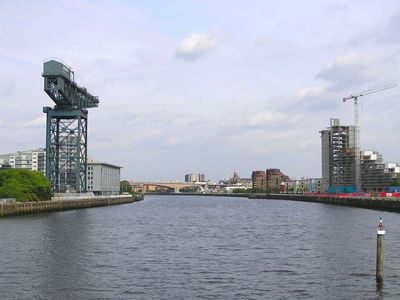
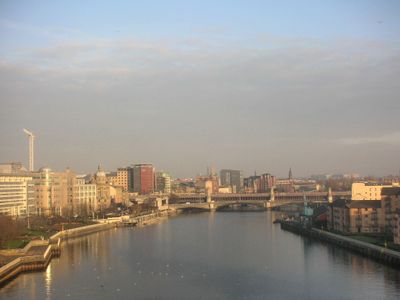
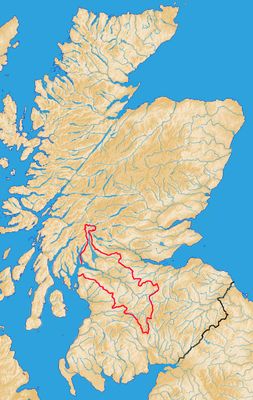
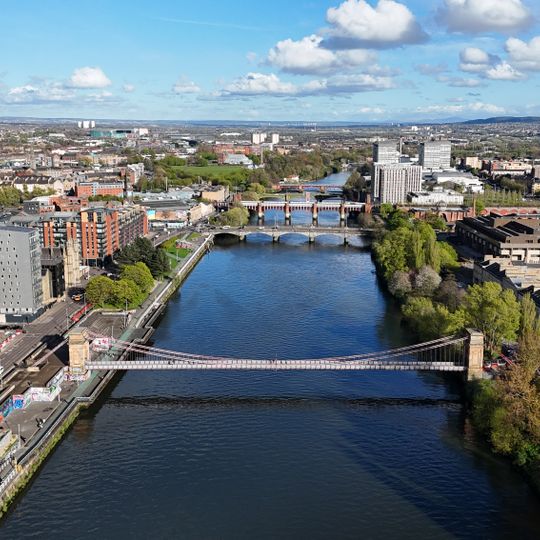
The River Clyde is a major waterway in Scotland that extends 170 kilometers from the Southern Uplands through Glasgow to the Atlantic on the western coast. In central Glasgow, its course divides between historic quays and newer residential districts built along both banks.
During the Industrial Revolution, extensive dredging operations transformed the waterway into a navigable route that enabled Glasgow to become a global shipbuilding center. Before that, the upper course had been too shallow for larger vessels, requiring trade to pass through smaller harbors further west.
In Glasgow itself, the waterway shapes everyday life through footpaths running along both banks that invite walking and are used by many locals after work. The name Clyde comes from ancient Brythonic language, literally meaning "the cleanser," which shows the historical importance of the water in this region.
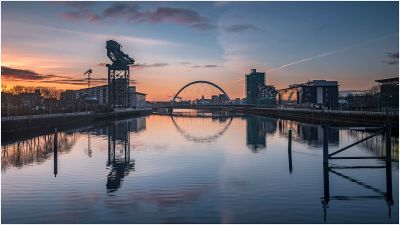
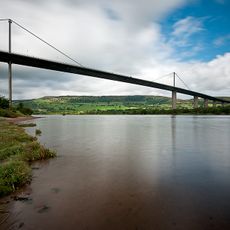
Visitors walking along the waterway will find numerous bridges connecting both banks that offer good vantage points over the flow. In wet weather, paths can become slippery, so sturdy footwear is advisable for any walk along the riverside sections.
The Glasgow Humane Society, founded in 1790, continues safety operations on the waterway and is recognized as the oldest water rescue organization worldwide. In earlier times, the organization maintained a small house right by the bank where a watchman waited around the clock for emergencies.
The community of curious travelers
AroundUs brings together thousands of curated places, local tips, and hidden gems, enriched daily by 92,707 contributors worldwide.