Lake District, Geographic region in Cumbria, England.
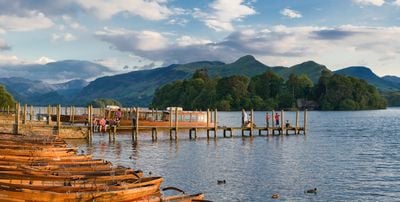
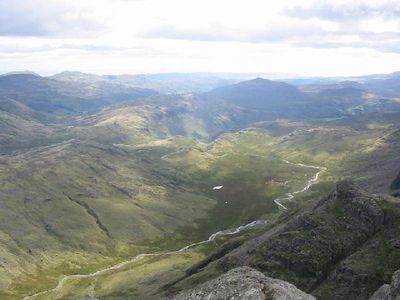
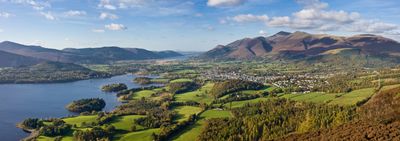
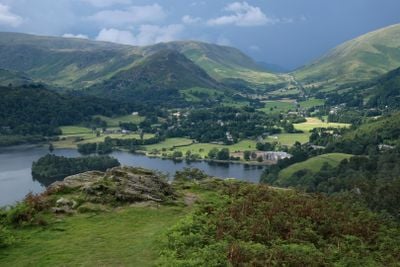
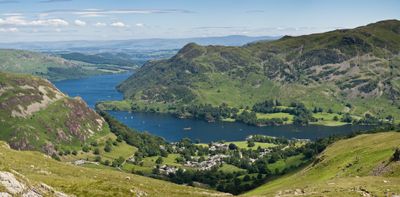
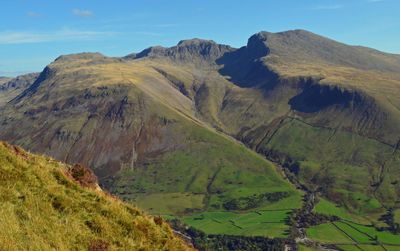
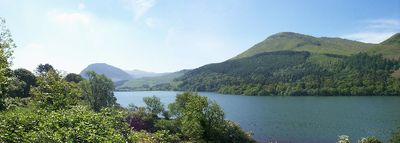
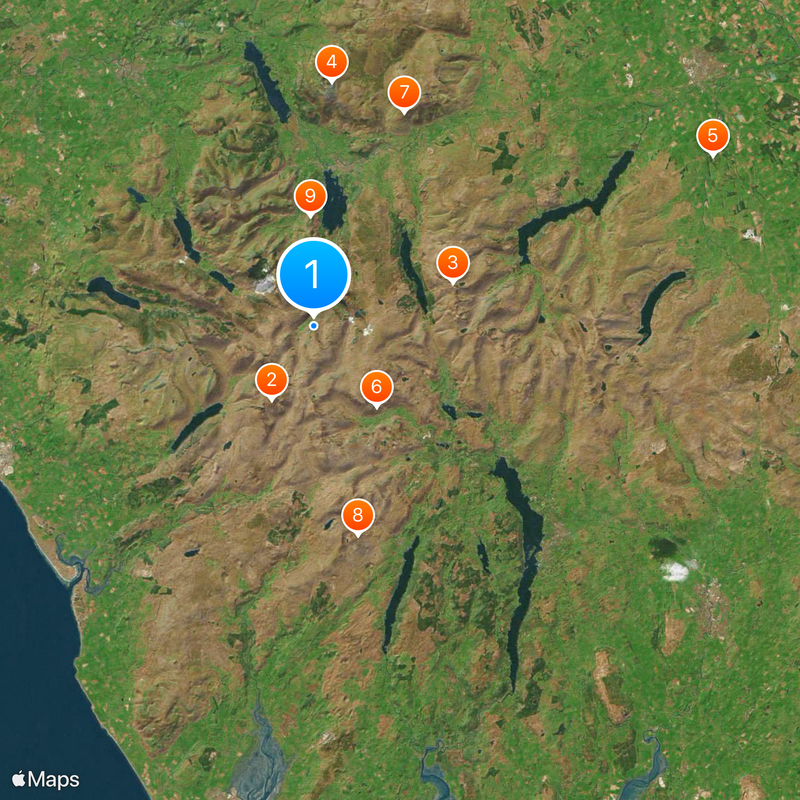
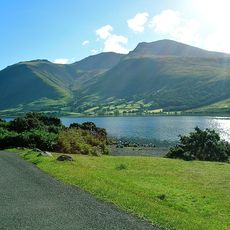
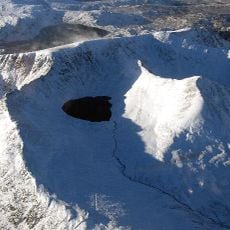
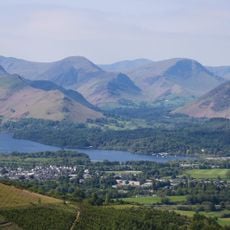
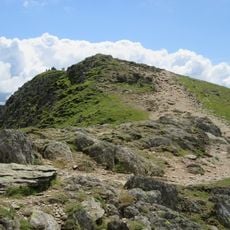
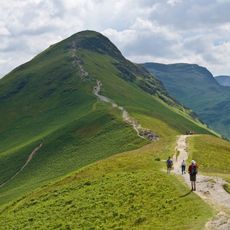
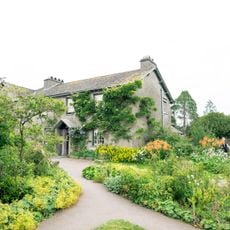
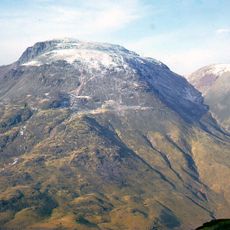
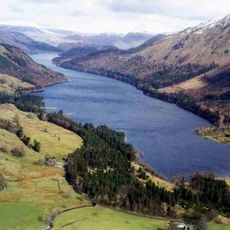
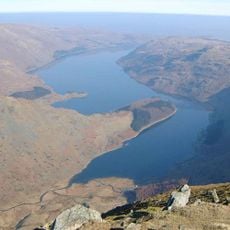
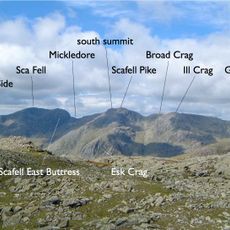
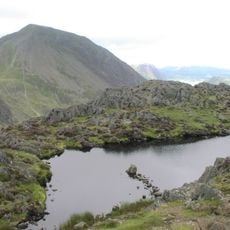
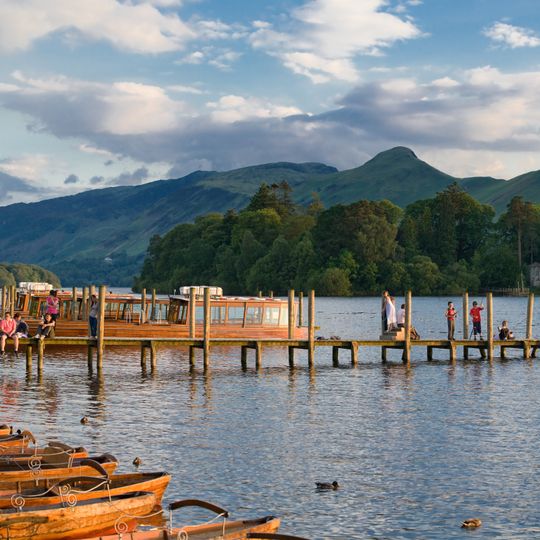
The Lake District is a mountainous area in northwest England where more than a dozen large lakes lie scattered among forested valleys and open ridges. The highest summits rise above 900 meters (around 3000 feet), while narrow roads link villages and shorelines together.
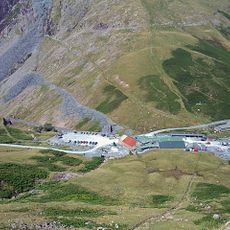
Mining and quarrying shaped the landscape during the 19th century before tourism gradually replaced industry as the main activity. Legal protection emerged in the mid 20th century, while wider recognition followed decades of drawing walkers and nature enthusiasts to the fells.
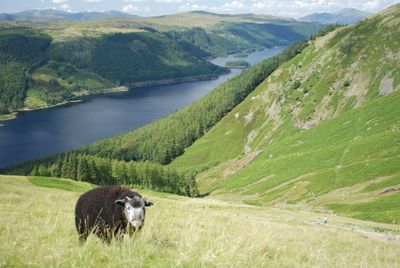
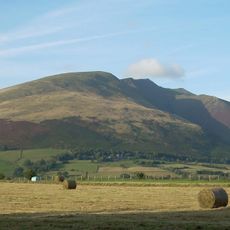
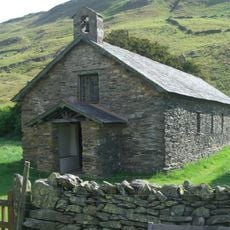
The area remains shaped by sheep farming, which has marked the hillsides for centuries and still influences the craft traditions in villages today. Many locals speak of the dry-stone walls that divide the fields and of the agricultural shows centered on livestock that form part of yearly life here.
Weather changes quickly, so several layers of clothing and sturdy footwear suit the often wet or rocky paths. Visitor centers and villages sit along main roads, while smaller lanes, sometimes narrow, lead travelers to individual lakes and valleys.
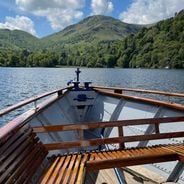
Several lakes have no public shoreline because private land extends to the water, leaving visitors access only along fixed paths or by boat. These ownership patterns trace back to medieval land grants and still shape where walkers can move freely today.
The community of curious travelers
AroundUs brings together thousands of curated places, local tips, and hidden gems, enriched daily by 90,973 contributors worldwide.