La Garita Caldera, Supervolcano caldera in Mineral County, Colorado, US.
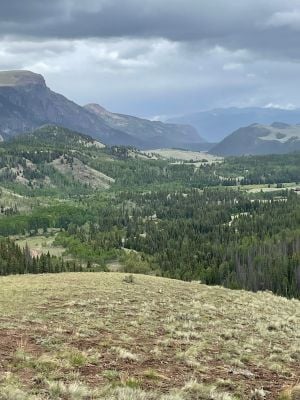
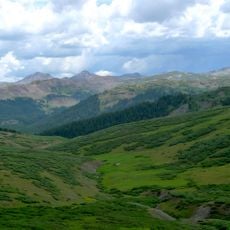
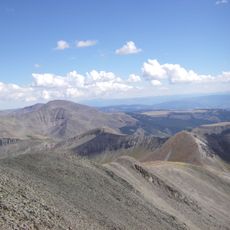
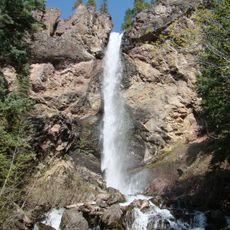
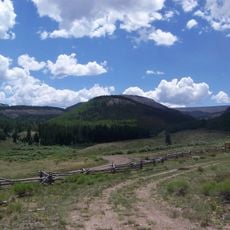
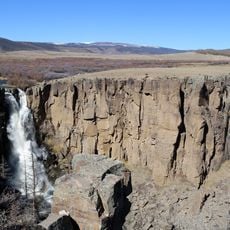
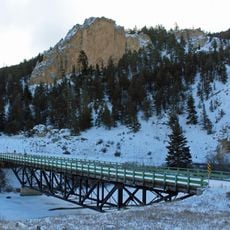
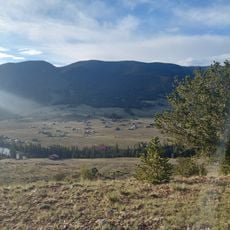
La Garita Caldera is a supervolcano depression in southwestern Colorado that extends across much of Mineral County. The area today shows rounded hills, open valleys, and rock walls shaped by millions of years of erosion.
The Fish Canyon eruption about 28.01 million years ago produced the 5,000 km³ Fish Canyon Tuff, a dacite sheet that covered at least 28,000 km². It was the third-largest Cenozoic eruption and the second most energetic event on Earth since the K–Pg extinction. The caldera, 35 by 75 km, later produced at least seven welded-tuff eruptions over 1.5 million years.
The caldera takes its name from La Garita, the small town east of the site. The surrounding San Juan Mountains are the historic hunting grounds of Ute bands, and the volcanic ash and tuff layers of the Fish Canyon eruption are exposed in road cuts and cliffs that visitors can examine along the caldera rim.
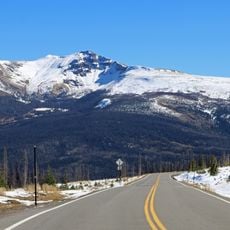
The area is most accessible from late spring to early autumn when roads at higher elevations are clear of snow. Local visitor centers nearby offer maps and orientation for hikers exploring the terrain.
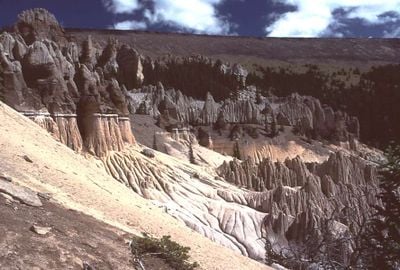
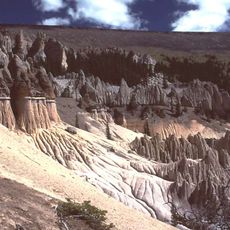
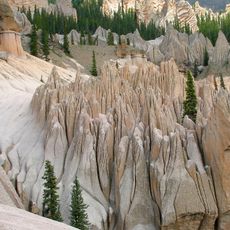
The eruption ejected material that can now be seen in places like the Wheeler Geologic Area, where wind and weather carved bizarre towers from hardened ash. These formations look like an abandoned castle made of pale, brittle stone.
The community of curious travelers
AroundUs brings together thousands of curated places, local tips, and hidden gems, enriched daily by 93,398 contributors worldwide.