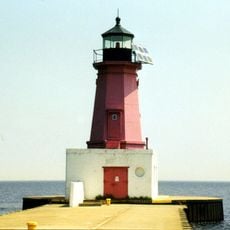
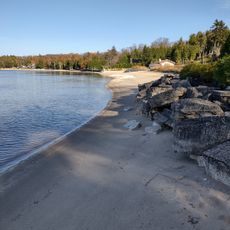
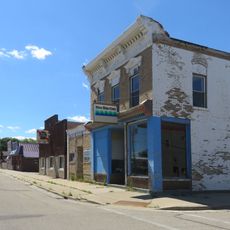
Green Bay, Bay inlet of Lake Michigan in Wisconsin, US
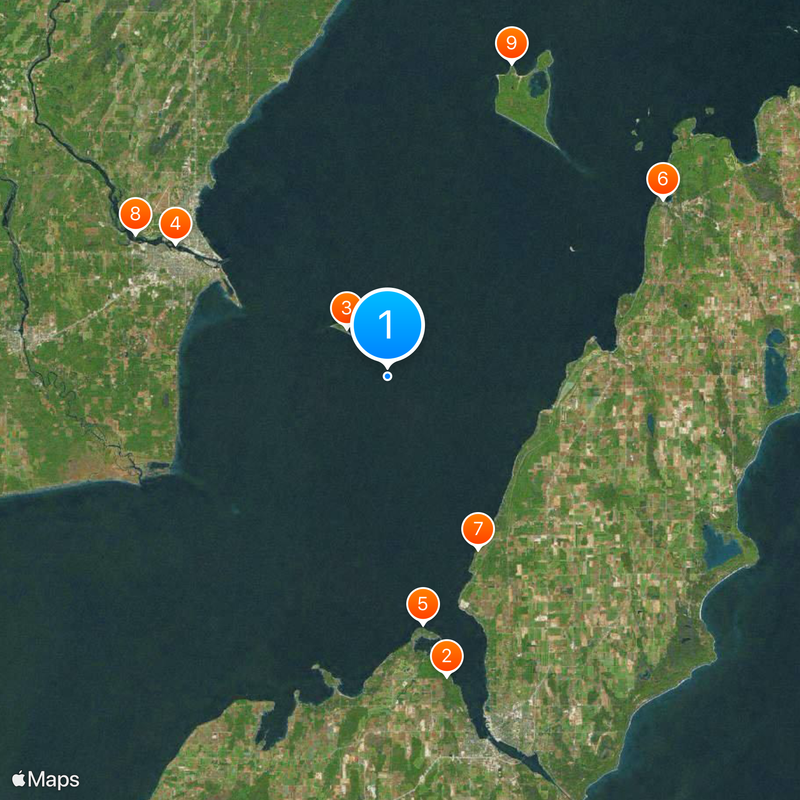
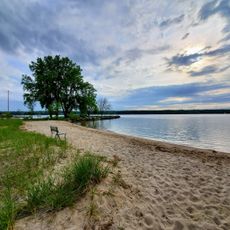
Green Bay is a large inlet extending from the mouth of the Fox River northeastward, forming a natural harbor zone along Lake Michigan's western shore. The water reaches depths of 65 to 150 feet throughout, allowing cargo vessels to move between multiple regional ports.
French explorer Jean Nicolet arrived at the bay in 1634 and named it La Baye Verte after the greenish water color visible during certain seasons. This early European contact marked the start of the region's connection to the fur trade and colonial shipping routes.
Native American nations such as the Ho-Chunk, Menominee, and Ojibwa depended on these waters for food and travel routes across generations. Visitors can still sense this deep connection to the land when walking along the shoreline and exploring nearby cultural sites.
Visitors can explore the bay from several surrounding communities accessible by road or boat routes. Weather can change quickly here, so bringing layers and checking conditions before any water activities is wise.
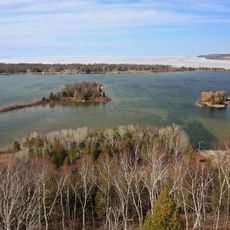
The bay contains numerous small islands and remains an important area for commercial fishing of whitefish and lake trout. These fish populations have long shaped the local economy and continue to define daily life in the surrounding communities.
The community of curious travelers
AroundUs brings together thousands of curated places, local tips, and hidden gems, enriched daily by 92,306 contributors worldwide.