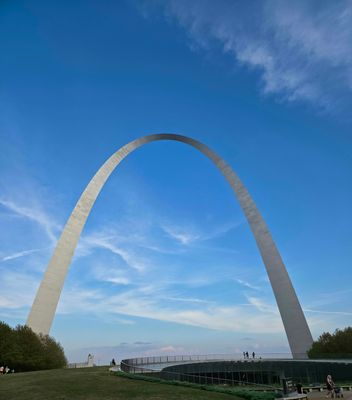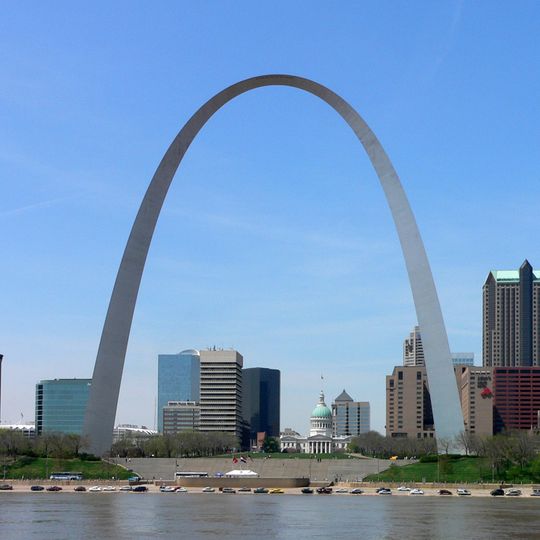
Gateway Arch, Monument in downtown St. Louis, United States.
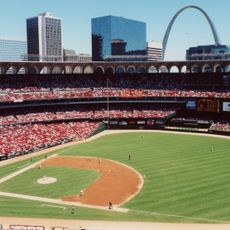
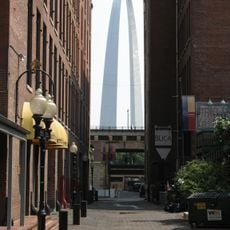
The Gateway Arch rises 630 feet (192 meters) over downtown St. Louis and consists of welded stainless steel sections that follow a weighted catenary curve. The structure spans the same width at its base as its height and frames the river and surrounding landscape below.
Architect Eero Saarinen won a competition in 1947 to design a monument celebrating westward expansion. Construction began in 1963 and finished three years later when workers joined the two halves of the arch together.
The Arch is nicknamed "The Gateway to the West" and is officially dedicated to "the American people". Its site on the west bank of the Mississippi is where St. Louis was founded in 1764. Civic leader Luther Ely Smith proposed the memorial in late 1933 to revive the riverfront and create jobs during the Depression.
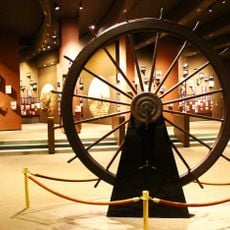
A tram carries visitors in small capsules to the observation deck at the top where they can see up to 30 miles (48 kilometers) across Missouri and Illinois. Entry begins underground in the museum where visitors line up for the ride upward.
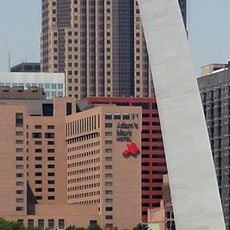
The steel sections form triangular cross-sections that narrow from 54 feet (16 meters) at ground level to 17 feet (5 meters) at the peak. The entire structure sways up to 9 inches (23 centimeters) sideways during strong winds and remains stable.
The community of curious travelers
AroundUs brings together thousands of curated places, local tips, and hidden gems, enriched daily by 92,142 contributors worldwide.