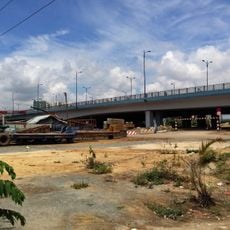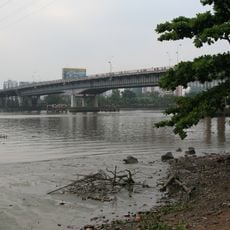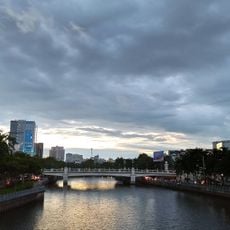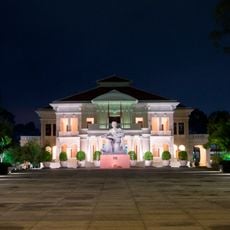
Southern Vietnam, Geographic region in Vietnam.
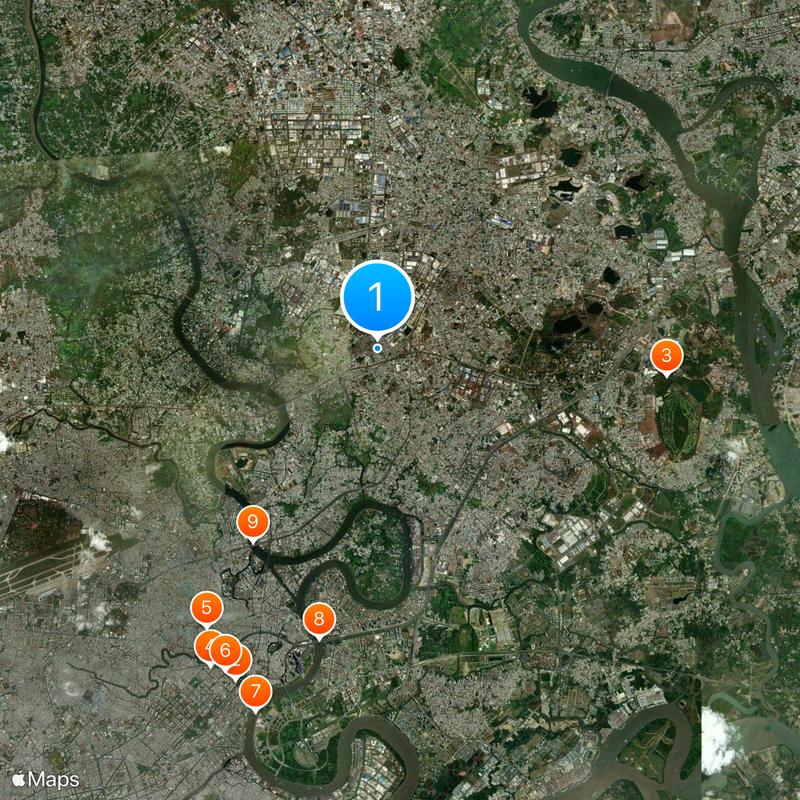
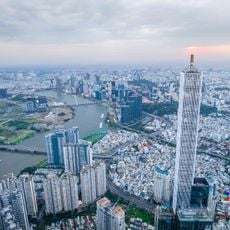
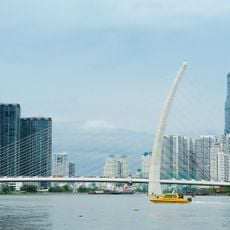
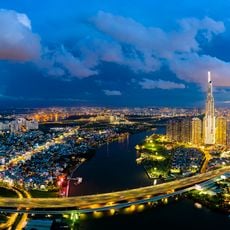
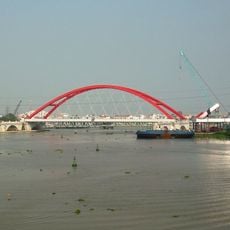
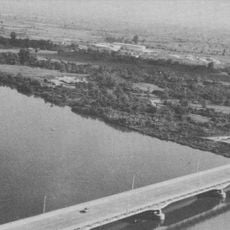
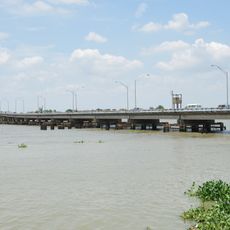
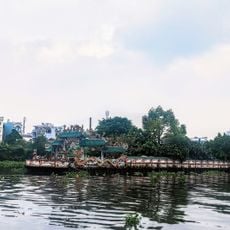
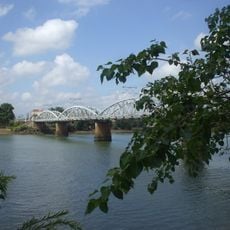
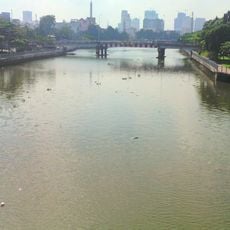
Southern Vietnam is a region in southern Vietnam featuring extensive waterways, fertile plains, and agricultural landscapes that define the area's character. The many canals, rivers, and rice fields form a network that stretches across the land, connecting people, commerce, and production.
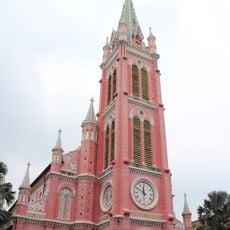
The region played a key role in 19th-century French colonial expansion, which introduced new boundaries and administrative structures. These changes shaped local governance and influenced how society became organized across the territory.
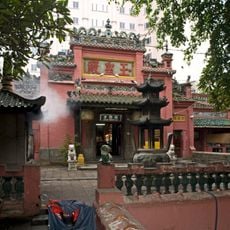
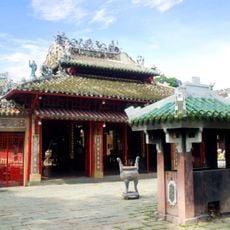
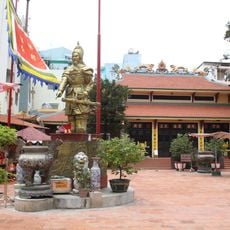
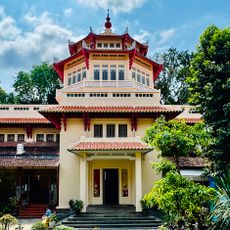
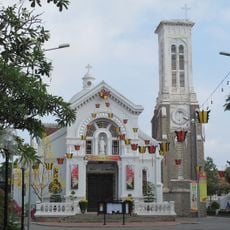
Kinh, Khmer, and Chinese communities each maintain their own festivals, music styles, and local customs throughout the region. Walking through villages, you notice temples and shrines everywhere, reflecting how deeply religion and family traditions shape daily life.
The tropical climate divides into two seasons: rainy from May to November and dry from December to April. Plan your visit during the dry season when the weather is more stable and the region is easier to explore.
A tunnel system near Ho Chi Minh City was dug during the war years and stretches far underground across multiple levels. Visitors can explore the passages today and see how people lived and worked under difficult conditions.
The community of curious travelers
AroundUs brings together thousands of curated places, local tips, and hidden gems, enriched daily by 91,867 contributors worldwide.