North Yemen, Historical Arab state in western Arabia.
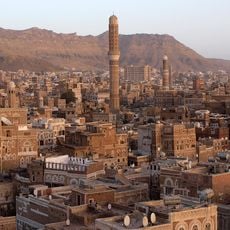
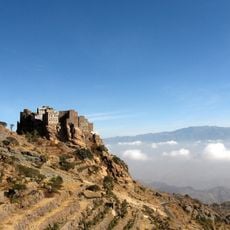
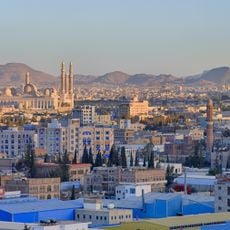
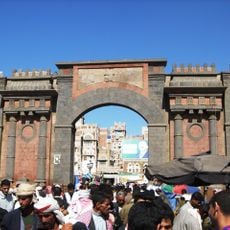
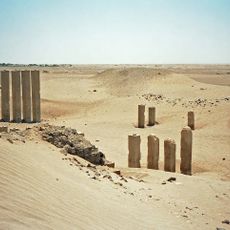
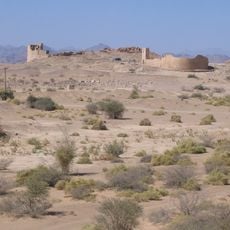
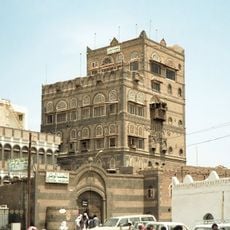
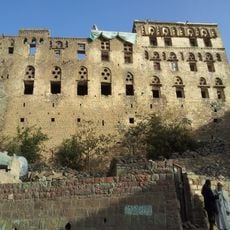
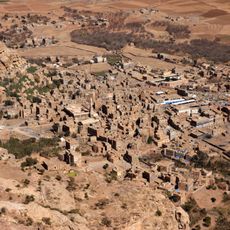
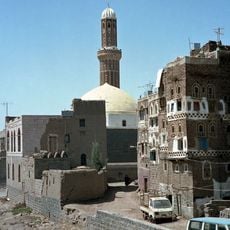
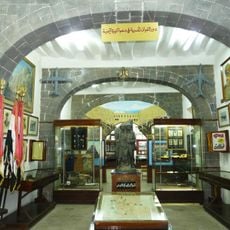
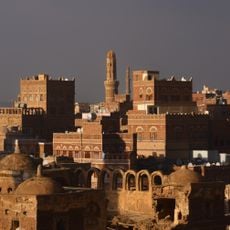
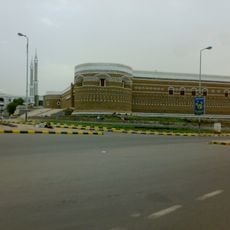
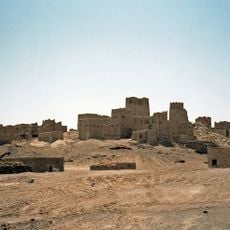
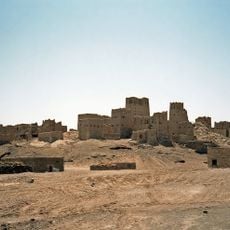
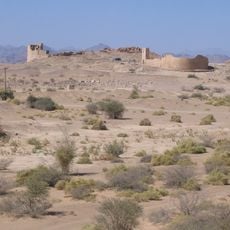
North Yemen was an Arab state in the western part of the Arabian Peninsula with Sanaa as its capital, existing from 1962 until 1990. The territory featured mountainous terrain with settlements and cities linked through trade networks and local governance structures.
After the Ottoman Empire fell, the region operated as a kingdom until military officers staged a revolution in 1962 to establish a republic. This shift marked the move away from traditional monarchy toward a new form of government.
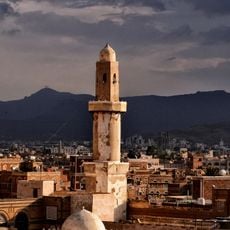
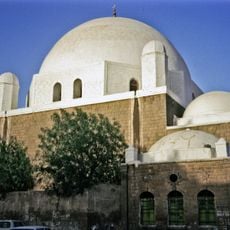
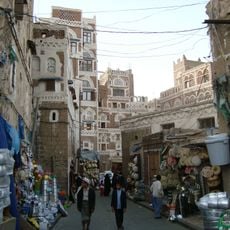
People here spoke local Arabic dialects and practiced Islam as a central part of daily life, with strong family bonds shaping how communities organized themselves. These traditions remained visible in how residents dressed, celebrated, and gathered in public spaces.
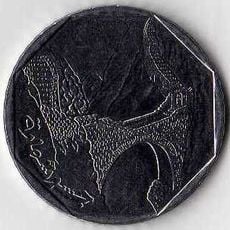
The state used the North Yemen rial as its currency for daily commerce and trade throughout the mountainous territory. The geography with its elevation changes shaped how goods moved between settlements and how people conducted business.
The territory experienced a devastating civil war from 1962 to 1970 in which Egyptian troops supported republican forces while Saudi Arabia backed monarchist groups. This conflict drew in thousands of fighters and affected civilian communities across the region.
The community of curious travelers
AroundUs brings together thousands of curated places, local tips, and hidden gems, enriched daily by 92,670 contributors worldwide.