Oranienbaum ensemble with palace, Palace complex in Lomonosov, Russia
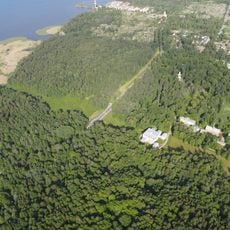
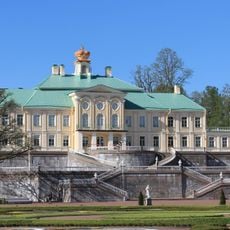
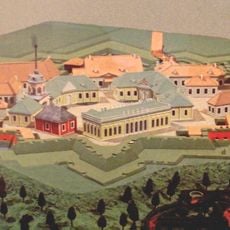
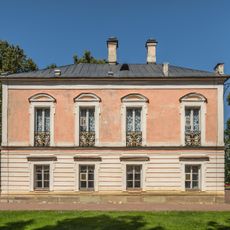
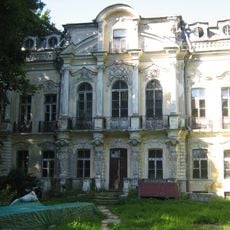
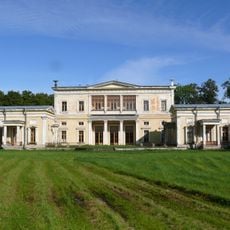
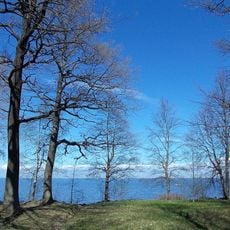
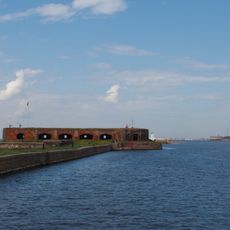
Oranienbaum is a palace complex with parks in Lomonosov, Russia, centered around the Grand Menshikov Palace. The site spreads across gentle terraces above the Neva Bay and includes several pavilions, gardens, and tree-lined alleys that combine baroque and rococo elements.
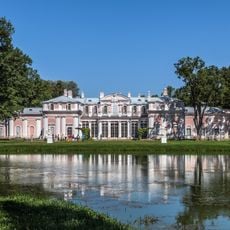
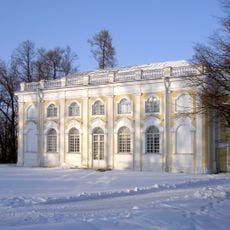
Prince Alexander Menshikov commissioned architects Giovanni Fontana and Gottfried Schädel to build the palace between 1710 and 1727. Catherine the Great later expanded the Upper Park, adding the Chinese Palace and the Sliding Hill Pavilion, both designed by Antonio Rinaldi.
Oranienbaum takes its name from the German word for orange tree, reflecting the original hothouse built by Menshikov for citrus plants. The Lower Garden pathways wind through old linden avenues where locals often walk and rest on benches along the shaded routes.
The grounds are easy to explore on foot, with pavilions scattered across several park areas that require some walking. Guided tours of the Grand Palace interior are organized on site, and access is available only through the entrance ticket office.
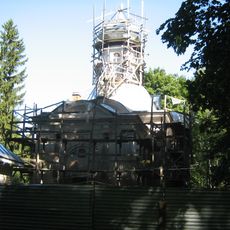
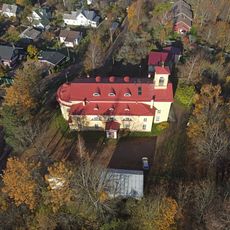
The palace's main facade, facing the Lower Garden and the Gulf of Finland, runs 210 metres, with a two-storey central block joined by curved single-storey galleries ending in the Japanese and Church pavilions. The plan forms the letter P around an inner south courtyard.
The community of curious travelers
AroundUs brings together thousands of curated places, local tips, and hidden gems, enriched daily by 93,896 contributors worldwide.