See the monuments around you in AROpen chests in the app
Around Us is built for your phone — point your camera at the streets and discover the monuments and places around you in augmented reality.Around Us is built for your phone — chests unlock when you walk, explore and capture nearby places.
In Tohoku, mountains, gorges, and caldera lakes form a region where samurai history blends with the forces of nature.
Tohoku, in northern Japan, is a region where nature and history meet at every turn. Volcanic mountains dominate the landscape, surrounded by deep gorges, caldera lakes with changing waters, and ancient forests. It is also the land of the samurai, with its feudal castles, historic villages, and temples that tell centuries of Japanese culture.
This collection invites you to explore the places that define Tohoku. You will see gorges where clear rivers flow, lakes with deep blue hues, and beautiful mountains during seasonal changes. You will visit castles and temples, some recognized by UNESCO for their historical importance. You will also discover traditional hot springs hidden in the mountains, villages with old houses, and primeval forests that still cover this region.
Whether you seek raw nature, feudal history, or the authenticity of thermal experiences, Tohoku offers landscapes and sites that reflect the depth and diversity of Japan.
In Tohoku, mountains, gorges, and caldera lakes form a region where samurai history blends with the forces of nature.
Tohoku, in northern Japan, is a region where nature and history meet at every turn. Volcanic mountains dominate the landscape, surrounded by deep gorges, caldera lakes with changing waters, and ancient forests. It is also the land of the samurai, with its feudal castles, historic villages, and temples that tell centuries of Japanese culture.
This collection invites you to explore the places that define Tohoku. You will see gorges where clear rivers flow, lakes with deep blue hues, and beautiful mountains during seasonal changes. You will visit castles and temples, some recognized by UNESCO for their historical importance. You will also discover traditional hot springs hidden in the mountains, villages with old houses, and primeval forests that still cover this region.
Whether you seek raw nature, feudal history, or the authenticity of thermal experiences, Tohoku offers landscapes and sites that reflect the depth and diversity of Japan.
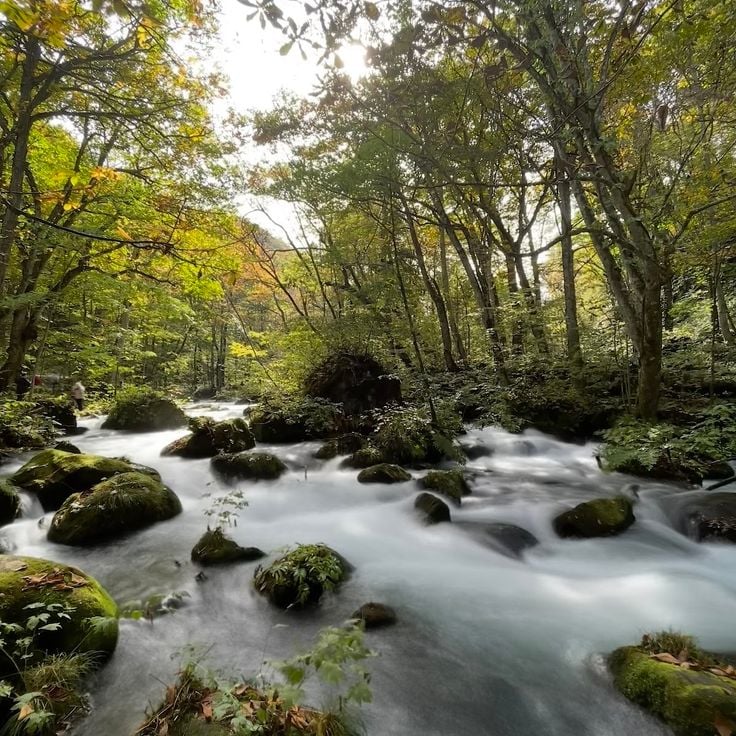
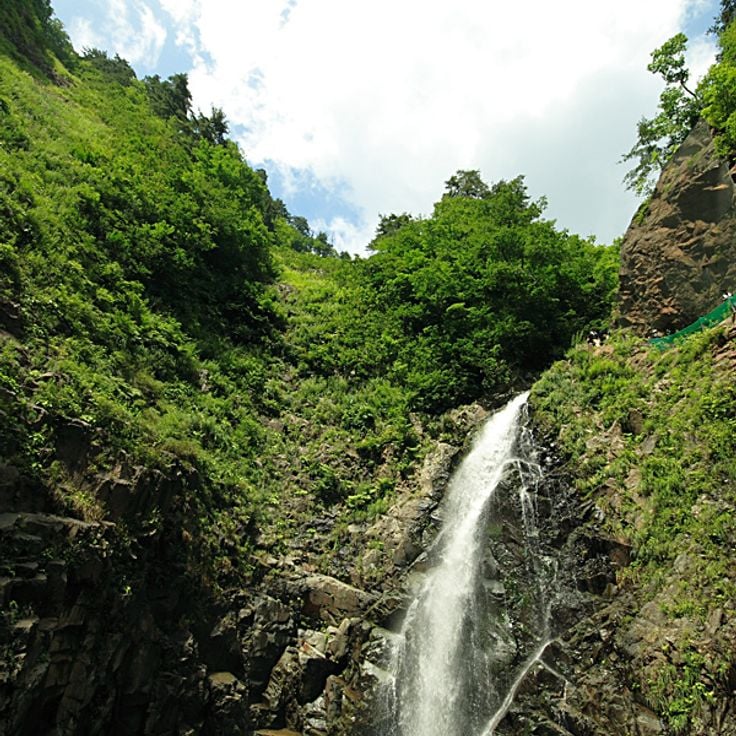
Oirase Gorge sits in Aomori Prefecture and is one of the most visited natural spots in the Tohoku region. A clear river runs through an old forest, passing moss-covered rocks and a series of small waterfalls along the way. In autumn, the trees turn deep red and orange, drawing many visitors from across Japan. A walking path follows the river for several miles (about 9 kilometers), making it easy to explore the gorge at your own pace.
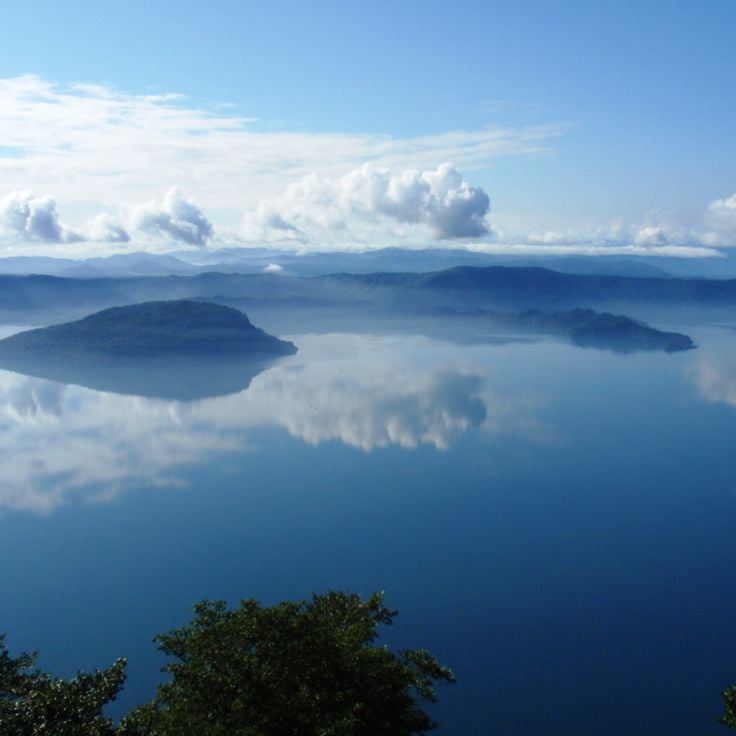
Lake Towada is a large caldera lake surrounded by forested mountains. The water shifts between deep shades of blue depending on the light and the season. In fall, the hillsides turn red and gold, making this one of the most visited spots in the Tohoku region. Quiet paths run along the shore, where visitors can walk and take in the surrounding nature. The lake sits on the border between Aomori and Akita prefectures.
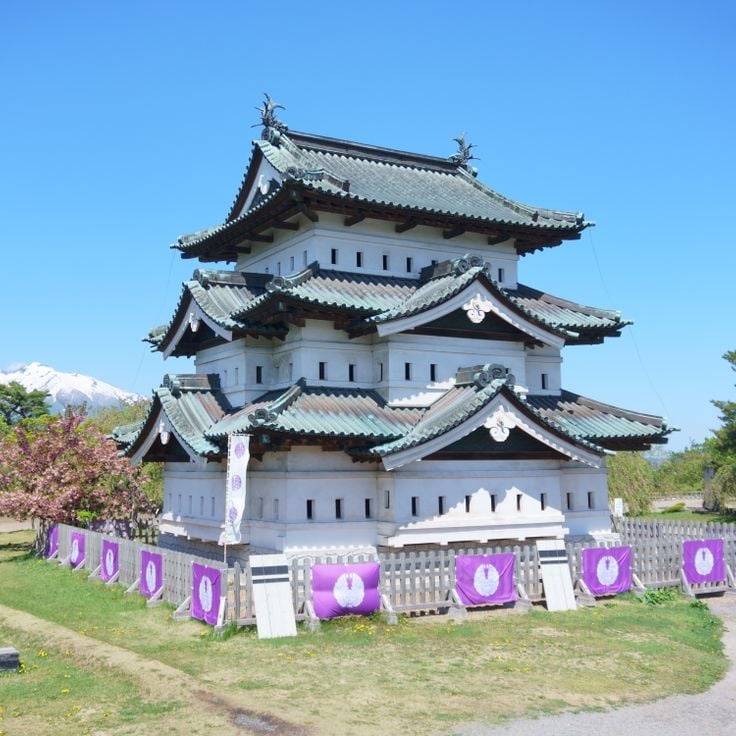
Hirosaki Castle is one of the few feudal castles in Japan that still stands in its original form. Built in the 17th century, it sits at the center of a large park where cherry trees bloom every spring. When the blossoms fall, the petals drift across the moat, covering the water in pink. In autumn, the trees turn red and gold. Inside the castle, you can see armor, weapons, and objects from the time of the Tsugaru lords who ruled this region for centuries.
Shirakami Sanchi is a vast area of beech forest stretching across the border between Aomori and Akita prefectures. It is one of the last large old-growth beech forests in East Asia and has been recognized as a UNESCO World Natural Heritage site. Walking through it, you find deep gorges, clear streams, and a silence that feels far from everyday life. The trees are ancient, the undergrowth dense, and each season brings a new look to the forest.
The Hakkoda Mountains rise above Aomori Prefecture as a volcanic range that changes dramatically with the seasons. In autumn, the slopes turn deep red and orange, drawing hikers from across the region. In winter, heavy snowfall covers the trails and trees, creating a landscape that feels completely removed from everyday life. Hot springs dot the area, offering a warm rest after a day on the mountain.
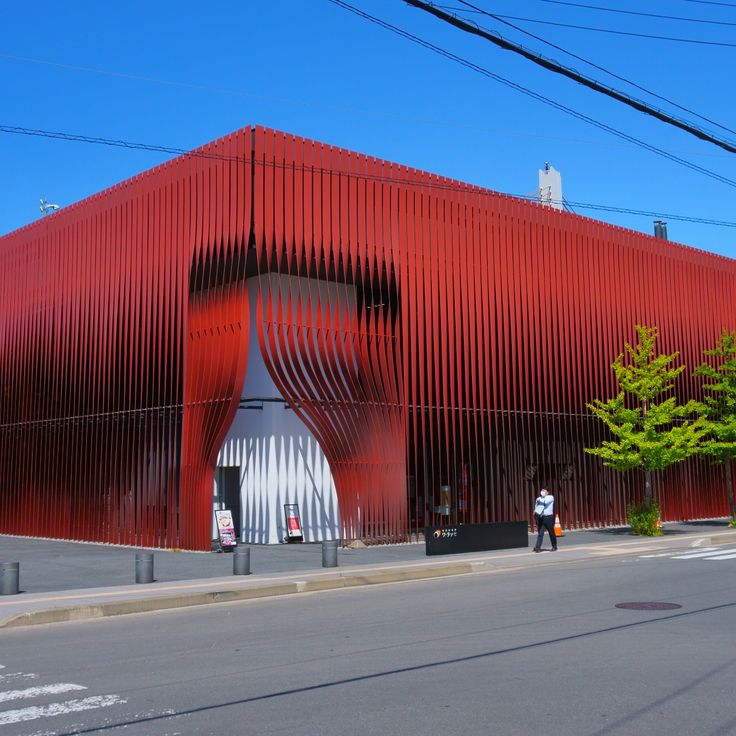
The Aomori Nebuta Museum WA RASSE sits right at the port of Aomori and is home to the giant glowing floats that parade through the city streets each summer during the Nebuta Festival. Inside, visitors can walk around the massive paper-and-wire figures and get a close look at the craft behind each float. The museum is open year-round, making the festival accessible even outside of summer.
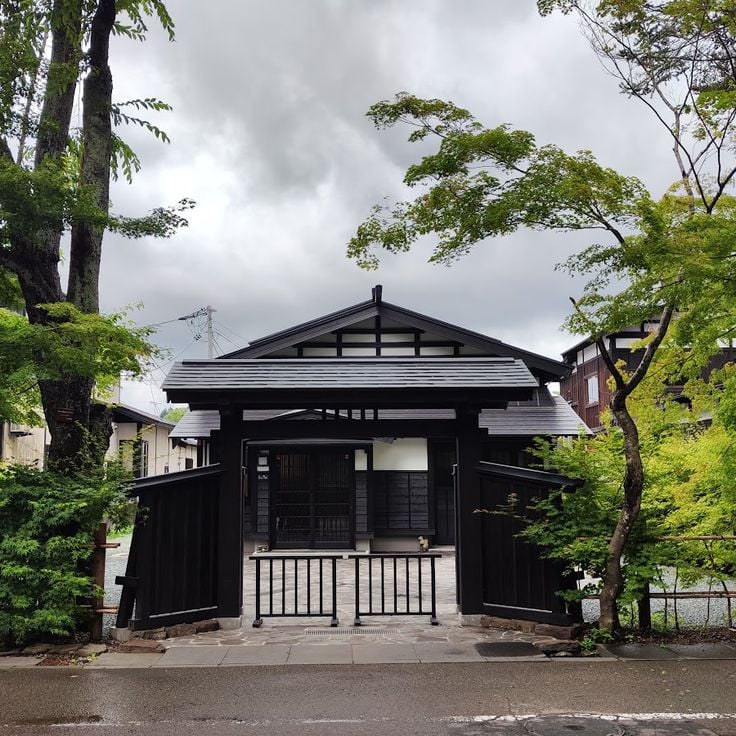
The Kakunodate Samurai District is a historic neighborhood in Akita Prefecture that gives a real sense of what feudal Japan looked like. Samurai family residences still stand along wide streets, flanked by cherry trees that bloom in spring. Walking through the lanes, you see wooden gates, earthen walls, and inner gardens that reflect how samurai families lived centuries ago. Kakunodate is often called the Kyoto of the North because it has kept so much of its old character intact.
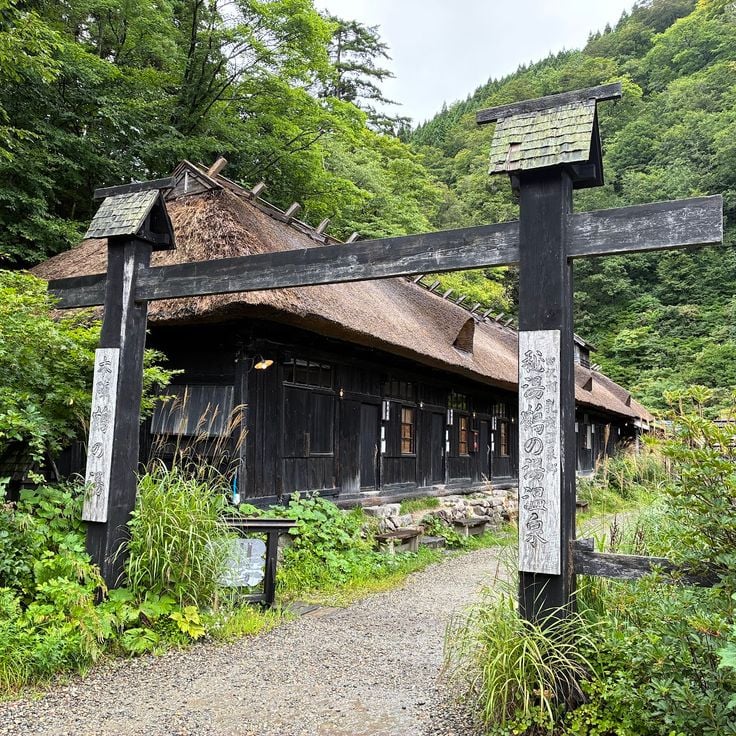
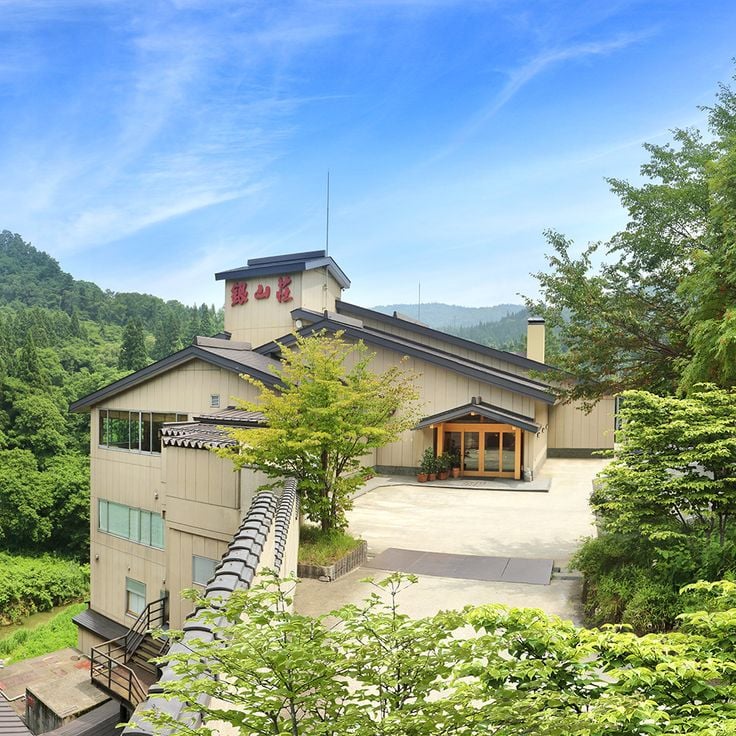
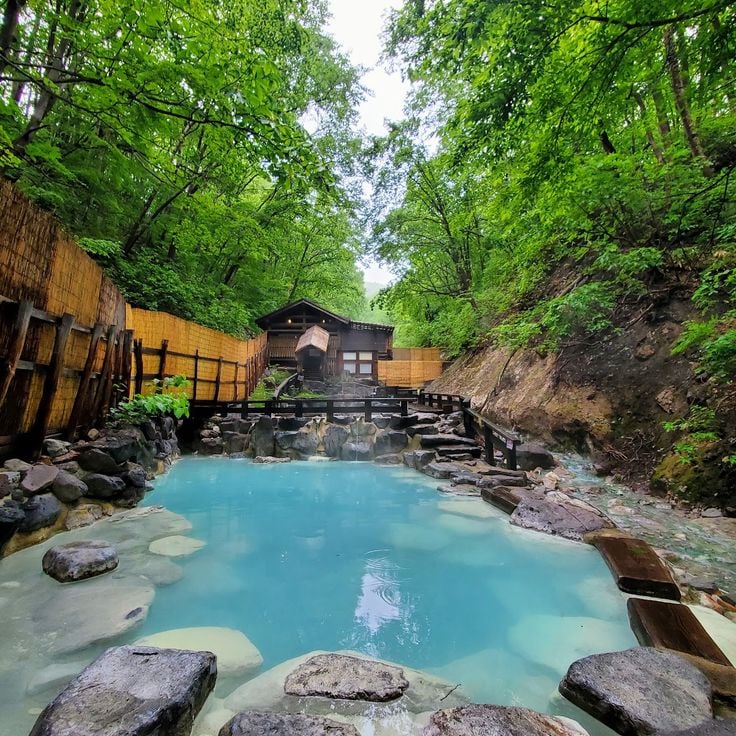
Nyuto Onsenkyo is a group of traditional ryokan and hot spring baths tucked deep in the mountains of Akita Prefecture. Each inn has its own spring water, which varies in color and mineral content from one bath to the next. The wooden buildings, rising steam, and surrounding forest give the place a feeling of stepping far back in time. This is one of the most traditional onsen experiences in the Tohoku region, where visitors come to soak, rest, and disconnect from modern life in a setting that has changed very little over the centuries.
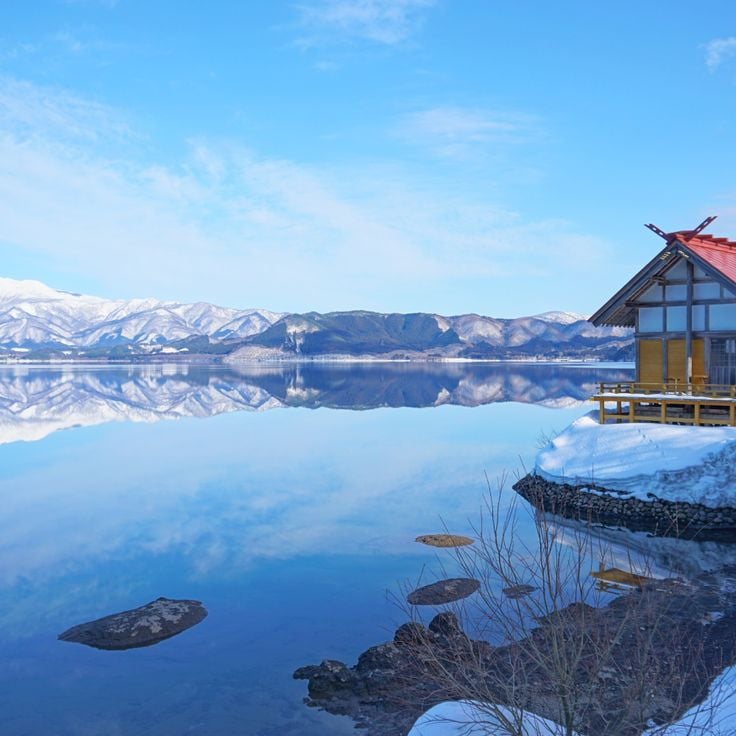
Lake Tazawa, in Akita Prefecture, is the deepest lake in Japan. Its water shifts between shades of blue depending on the light and the time of day. The surrounding mountains turn red and gold in autumn, while winter brings a snow-covered stillness to the shore. Near the water stands a bronze statue of Tatsuko, a figure from local legend. Hiking trails wind through the forests around the lake, offering views over the water from several points.
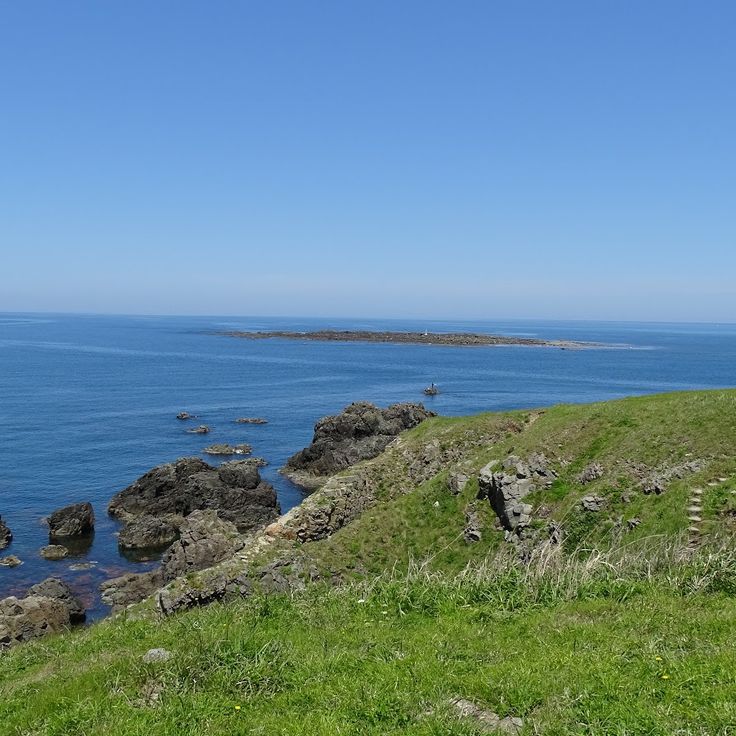
The Oga Peninsula juts out into the Sea of Japan and is best known as the home of the Namahage, one of the most recognized folklore traditions in the Akita region. During this ritual, men dressed in demon masks and straw costumes go door to door in local villages, especially on New Year's Eve, to warn against laziness and bad behavior. A museum on the peninsula tells the full story of these figures and how the tradition has been passed down over generations. The coastline is rocky and open to the sea, giving the area a raw, windswept feel that sets it apart from the rest of Tohoku.
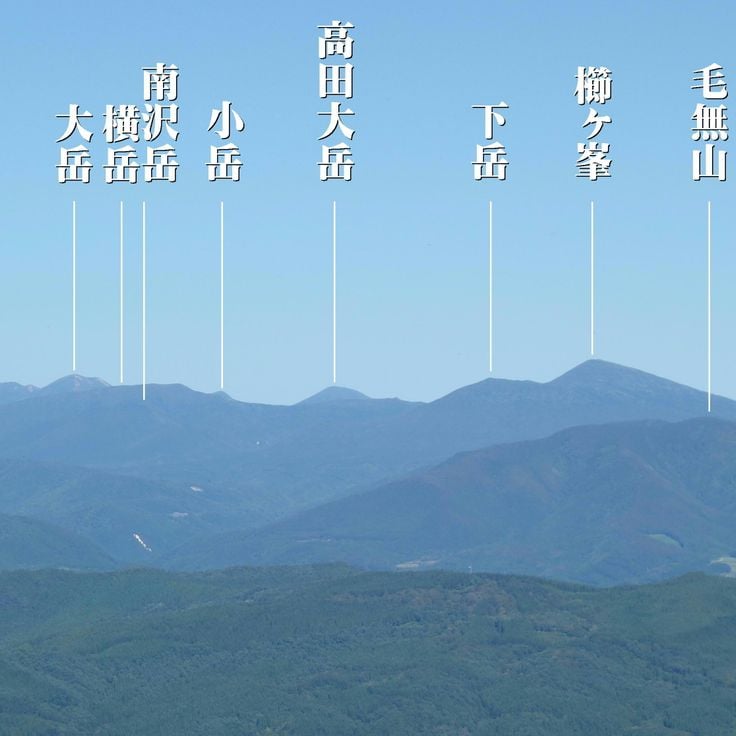
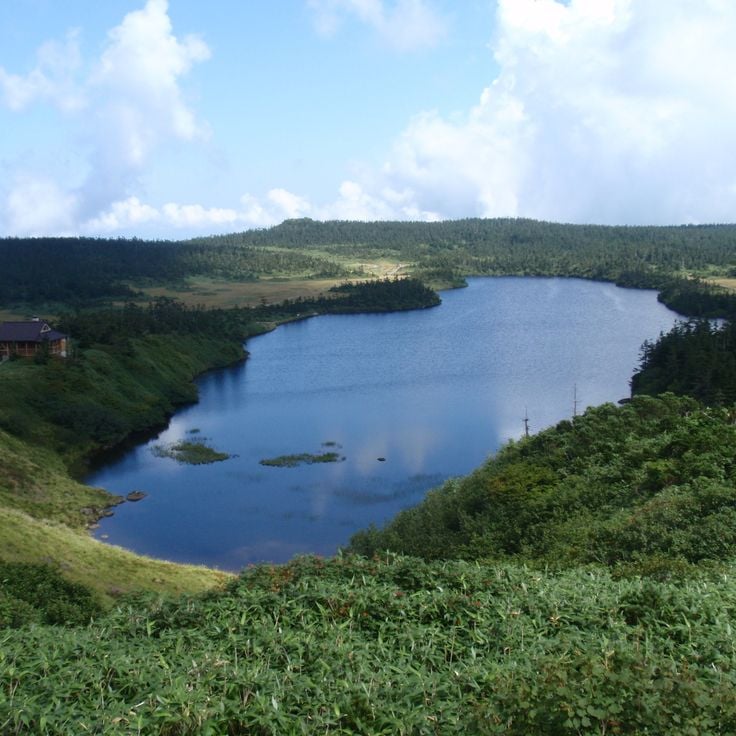
Hachimantai is a high volcanic plateau on the border between Akita and Iwate prefectures. The terrain is dotted with small lakes, marshes and hot springs that rise through cracks in the ground. In fall, the forests turn shades of red, orange and yellow, drawing many visitors to the area. In winter, the plateau disappears under deep snow, and the roads cut through walls of snow that can tower well above a person's head. The hot spring baths scattered around the area have been used for centuries and offer a warm retreat after a walk in the cold air.
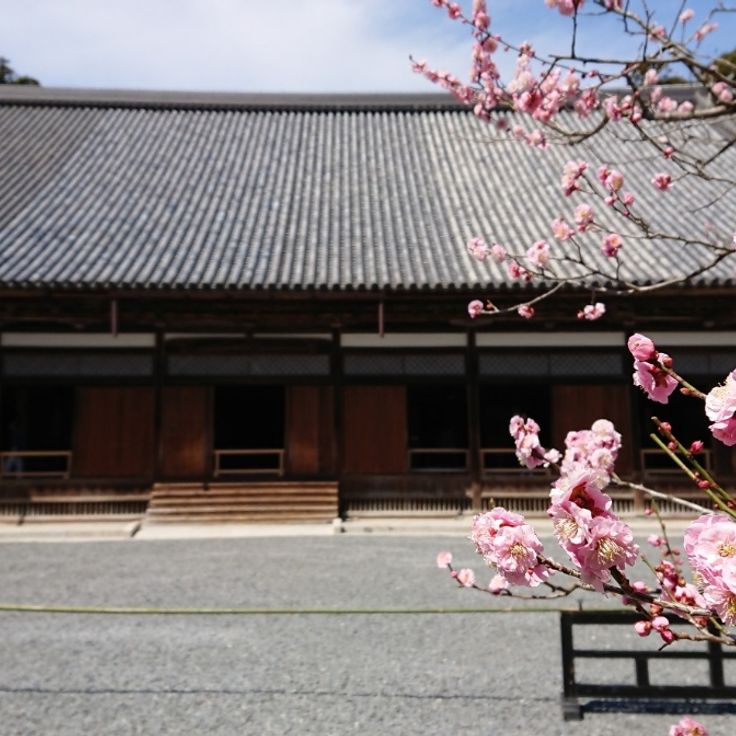
Hiraizumi was once a powerful city in northern Japan that rivaled Kyoto in wealth and influence. Today, Hiraizumi holds temples, gardens, and archaeological sites dating back to the 11th and 12th centuries, all recognized as UNESCO World Heritage sites. Walking through the grounds of Chuson-ji or Motsu-ji gives a real sense of how important this city once was during the feudal era.
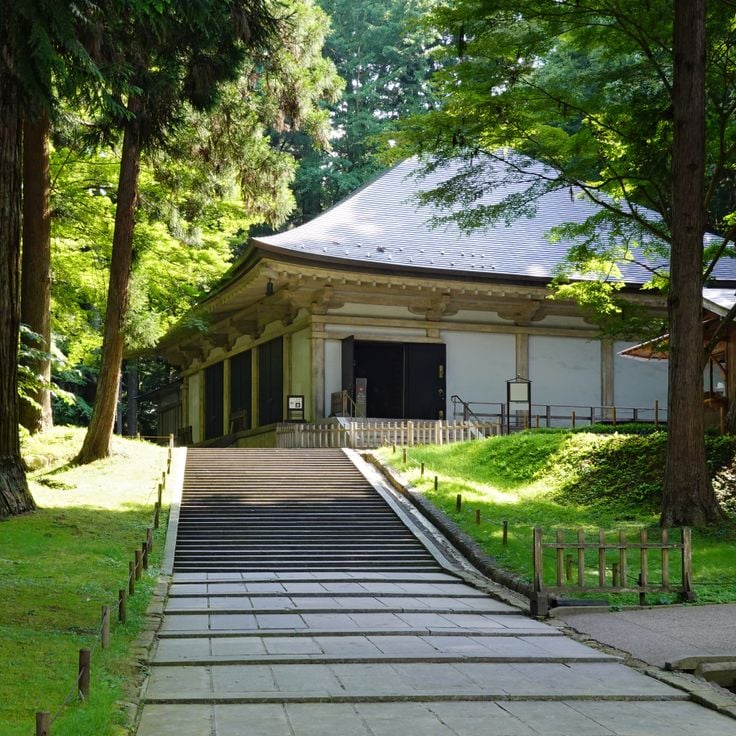
Chuson-ji Temple sits on a forested hill in Hiraizumi, a small town in Iwate Prefecture. Visitors walk up a long, shaded path lined with old cedar trees before reaching the temple grounds. The main attraction is the Konjikido, a small gilded hall built in the 12th century and covered entirely in gold leaf. It is one of the oldest surviving structures of its kind in Japan and is now housed inside a modern protective building. The temple was added to the UNESCO World Heritage list in 2011, recognized for its connection to the Fujiwara clan, who once ruled this part of northern Japan.
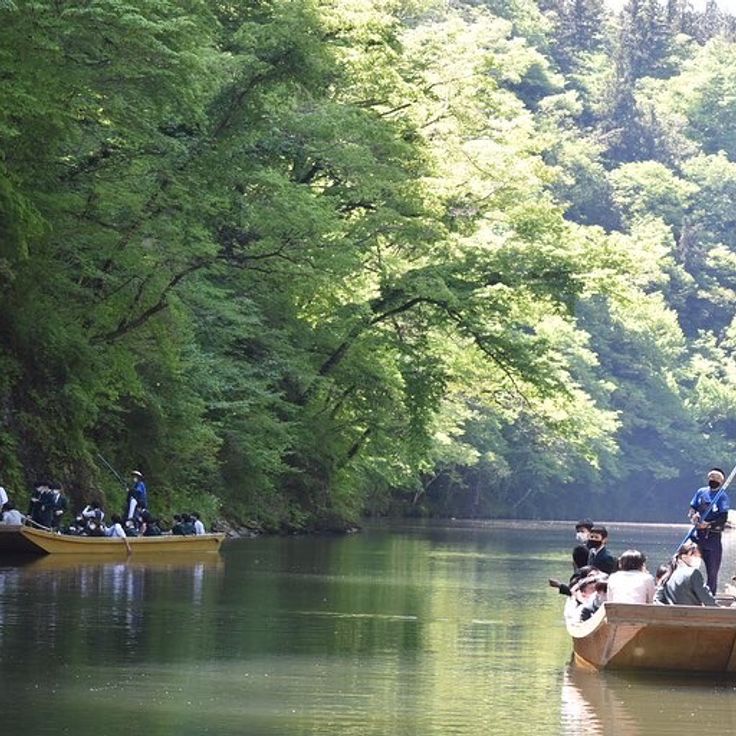
Geibikei Gorge, in Iwate Prefecture, is a narrow canyon carved by a slow-moving river. Tall limestone cliffs rise on both sides of the water, and the light shifts across the rock walls with the seasons. You explore the gorge on a flat wooden boat, pushed along by a boatman using a pole. The ride takes about an hour, going to the end of the canyon and back. It is one of those quiet moments that northern Japan does well.
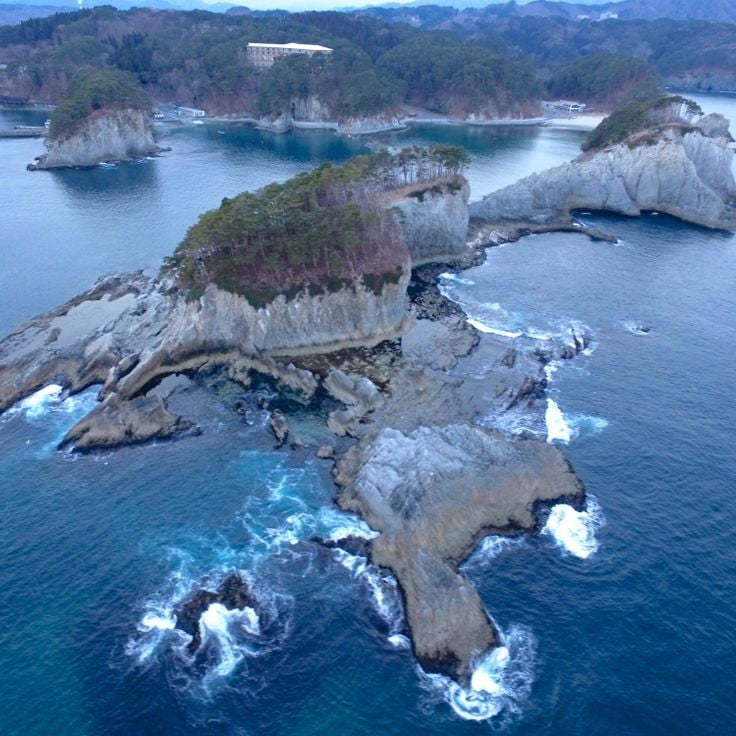
Jodogahama Beach sits on the coast of Iwate Prefecture in northern Japan. The water runs a deep blue, and tall white rock formations rise straight out of the sea around the shore. The beach is part of Rikuchu Kaigan National Park, set along a rough coastline shaped over centuries. Visitors can rent small boats to get close to the rocks or walk along the water's edge and take in the view at their own pace.
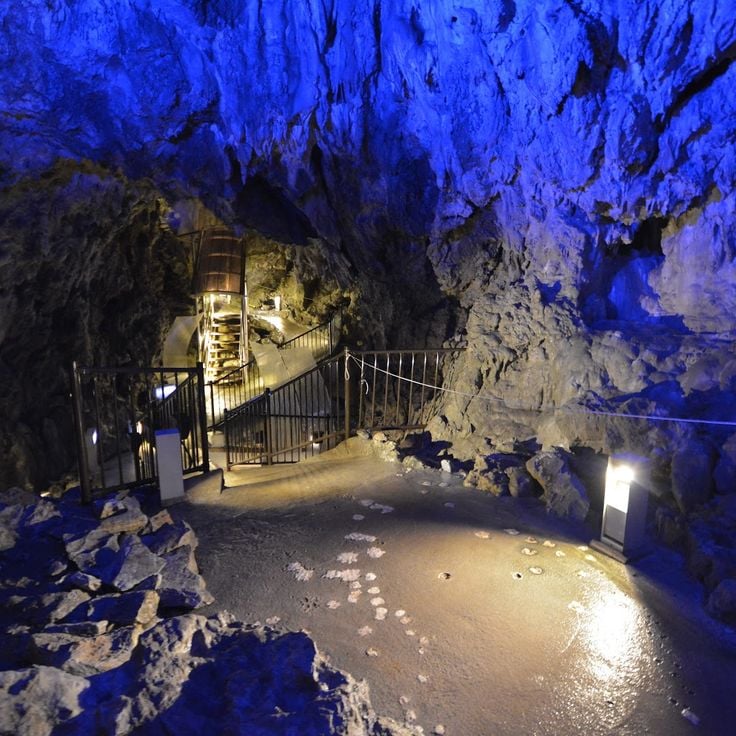
Ryusendo Cave, located in Iwate Prefecture, is one of the largest limestone caves in Japan. Inside, underground lakes glow with a deep blue color that stands out in the dim light. The cave was shaped by water over thousands of years and gives visitors a rare look at the geological history of the Tohoku region.
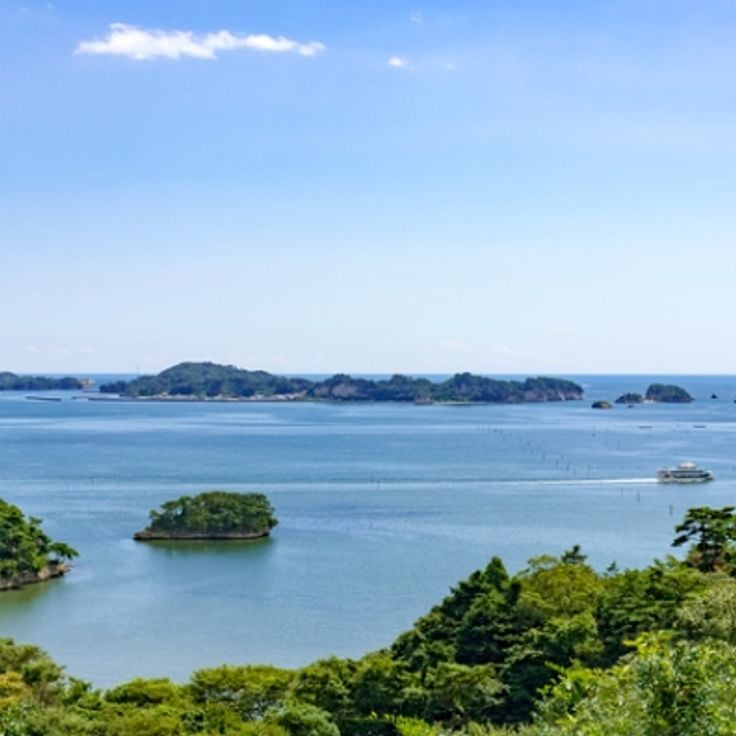
Matsushima Bay, in Miyagi Prefecture, has long been considered one of the three most beautiful views in Japan. Hundreds of small rocky islands dot the water, each covered with pine trees that grow at odd angles out of the rock. Boats travel slowly between the islands, and visitors can watch the shapes of the pines shift against the sky depending on the season. In autumn, the light over the bay turns golden, and in spring the water reflects the pale colors of the sky. Walking along the shore, you get a strong sense of why this place has been admired for so long.
Zuigan-ji Temple in Matsushima is one of the most visited Zen temples in northern Japan. It has strong ties to the Date clan, the feudal lords who rebuilt it in the early 17th century. Walking along the cedar-lined path to the main hall, you pass caves carved into the rock face, once used by monks for meditation. Inside, the painted sliding doors and golden decorations show the wealth and ambition of the lords who shaped this region for generations.
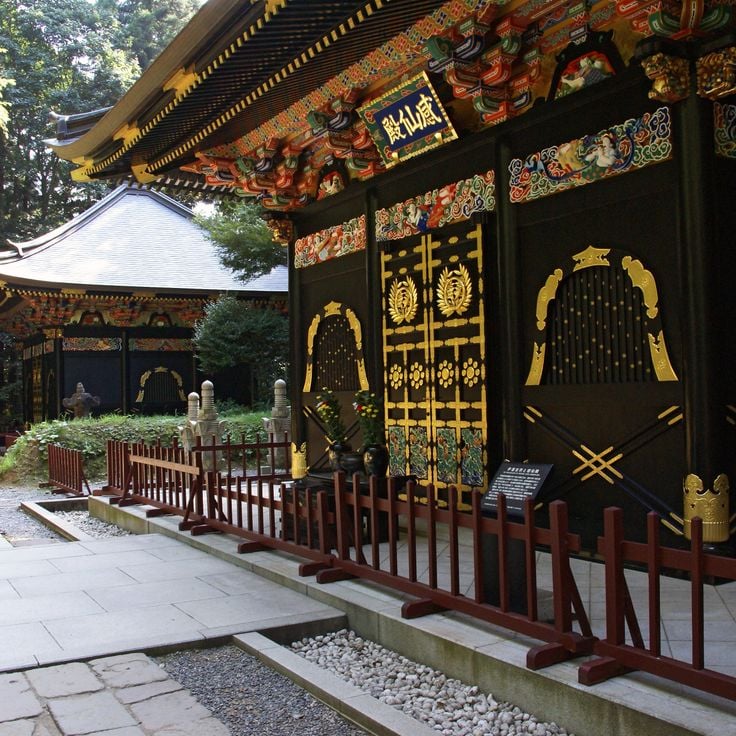
The Zuihoden Mausoleum is the resting place of Date Masamune, the most powerful feudal lord of the Tohoku region. Built in the 17th century and rebuilt after World War II, the structure is covered in gold details, deep red lacquered wood, and carved decorations typical of the Momoyama period. The mausoleum sits on a forested hill in Sendai, surrounded by tall cedar trees. Visitors walk up stone steps through the trees to reach the main gate, giving the approach a slow and ceremonial feeling.
Sendai Castle, also known as Aoba-jo, was once the seat of Date Masamune, one of the most powerful feudal lords in Japanese history. Today, only stone walls and a gate remain on the hilltop, but the view over the city of Sendai and the surrounding forests is wide and clear. A statue of Date Masamune on horseback looks out over the city he founded in the 16th century. The site gives a strong sense of how grand the castle once was.
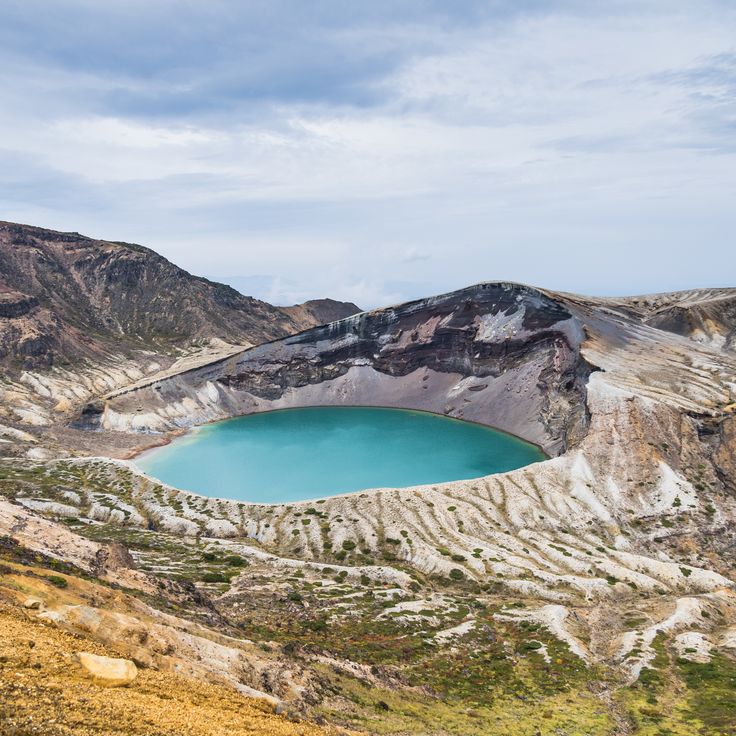
The Okama Crater sits near the top of Mount Zao, on the border between Miyagi and Yamagata prefectures. It holds a volcanic crater lake whose water shifts color depending on the season and the light, ranging from deep green to a pale gray-green. That color comes from sulfurous minerals dissolved in the water. A road brings visitors close to the crater rim, from where you can look straight down at the lake and the surrounding slopes. The lake sits at around 5,900 feet (1,800 meters) above sea level, and even in summer the air up there can be quite cold. In spring and autumn, the contrast between the colored water and the changing vegetation on the hillsides is something many people come to see.
Yamadera is a temple complex built into the side of a rocky mountain, reached after climbing more than 1000 stone steps. Along the way, the path winds through moss-covered rocks and old cedar trees. At the top, the view over the forested valley is wide and open. The site has been a place of Buddhist worship for centuries and still feels removed from the everyday world.
Ginzan Onsen is a traditional hot spring village in Yamagata Prefecture, where old wooden ryokan line both sides of a small river. In the evening, when the lanterns light up, the village feels like it belongs to another era. The hot spring water flows constantly, and the surrounding Tohoku mountains change color with the seasons.
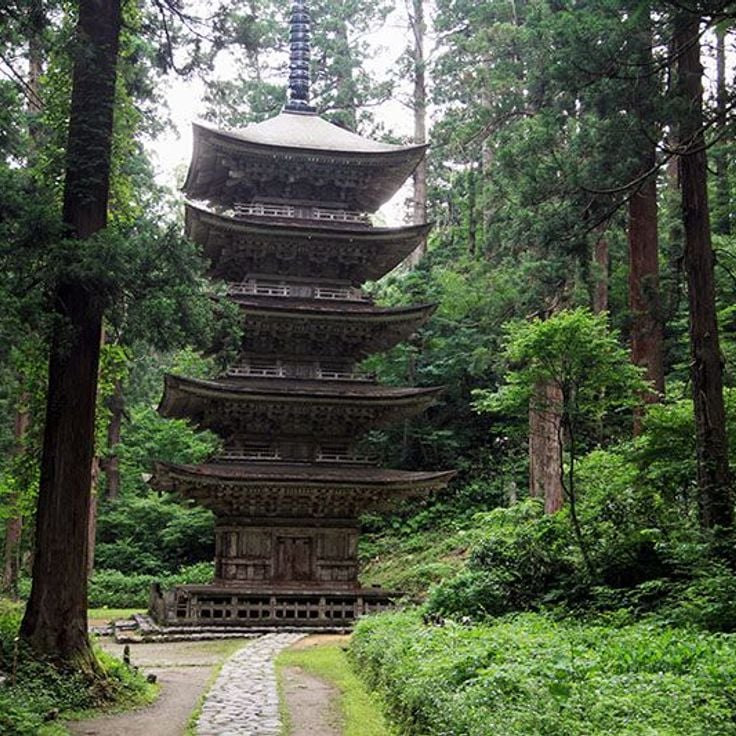
Dewa Sanzan refers to three sacred mountains, Haguro, Gassan and Yudono, which have drawn pilgrims and Yamabushi mountain monks for centuries. The Yamabushi practice a form of spiritual training rooted in nature and physical effort. On Mount Haguro, a five-story pagoda stands in the middle of an old cedar forest, reached by a stone stairway of several hundred steps lined with tall trees. Gassan is buried under snow for much of the year and opens up to wide slopes in summer. Yudono is considered the most sacred of the three, and parts of it can only be approached through ritual.
Zao Onsen is a mountain resort in Yamagata Prefecture, known for its hot springs and ski slopes. In winter, snow and ice cover the trees so completely that they take on the shape of large white figures. These trees are called juhyo in Japanese, and they are the image most associated with this place. The thermal waters are slightly acidic and said to be good for the skin. After a day on the slopes, visitors warm up in one of the many traditional baths.
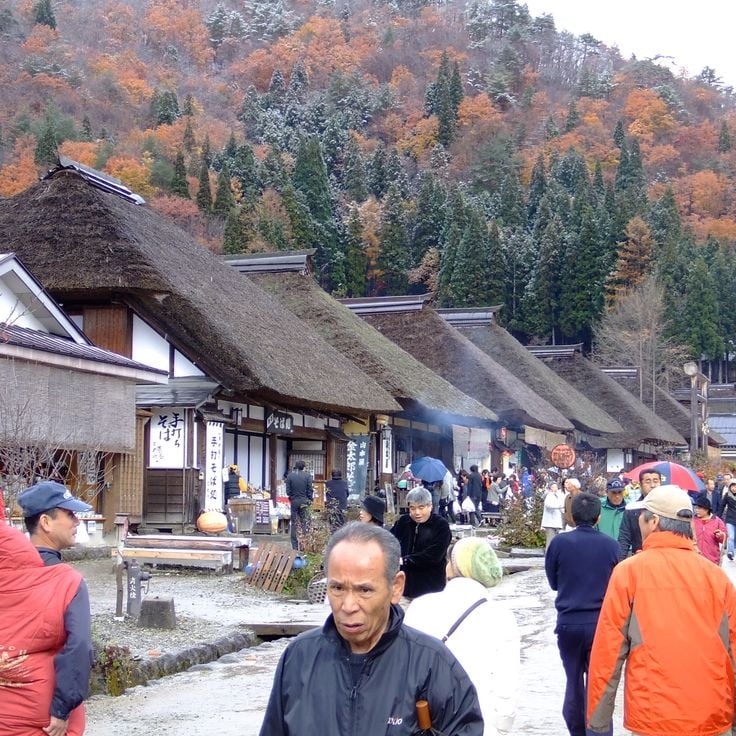
Ouchijuku is an old post town in Fukushima Prefecture that served travelers during the Edo period. Walking down its main street today feels like stepping back several centuries. The thatched-roof houses on both sides of the road have kept their traditional shape, and many now host small shops and local restaurants. This village shows what a roadside stop looked like in feudal Japan, and it remains one of the most telling examples of that era in the Tohoku region.
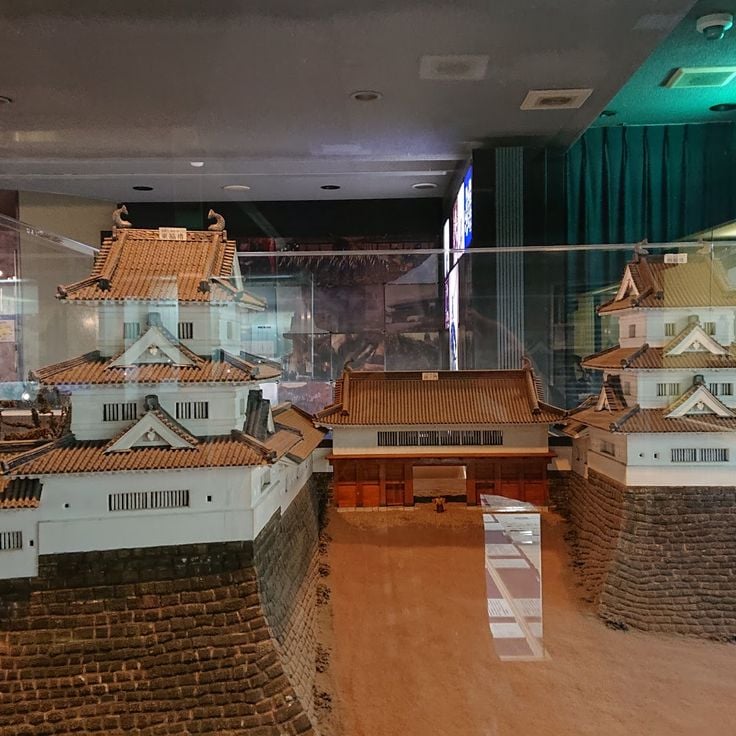
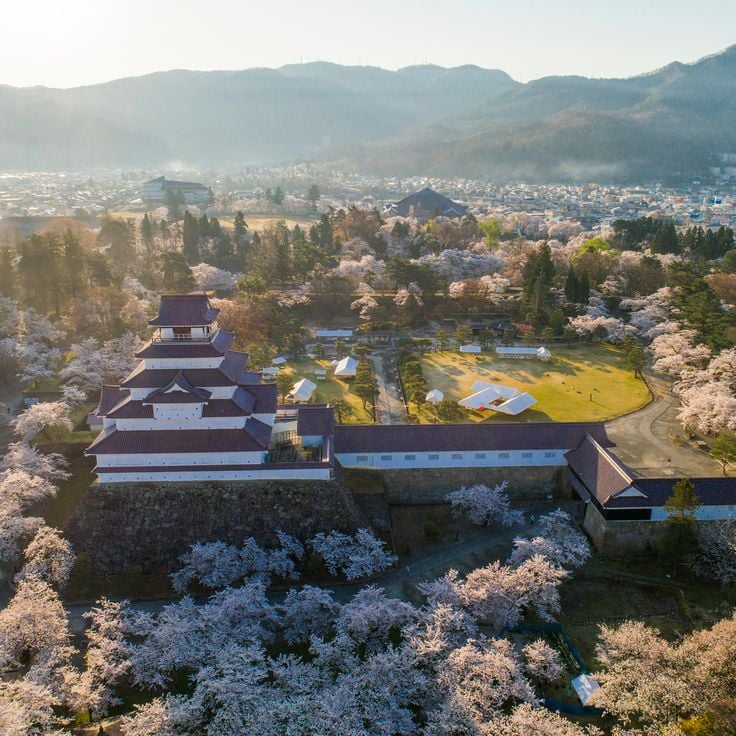
Tsuruga Castle stands in the city of Aizu-Wakamatsu, in Fukushima Prefecture. This feudal castle is closely tied to the history of the Aizu samurai clan, who ruled the region for centuries. Its white walls and layered roof stand out against the sky, especially when the cherry trees around the moat are in bloom. Inside, a museum tells the story of the region's feudal past and the fate of the Aizu warriors in the 19th century.
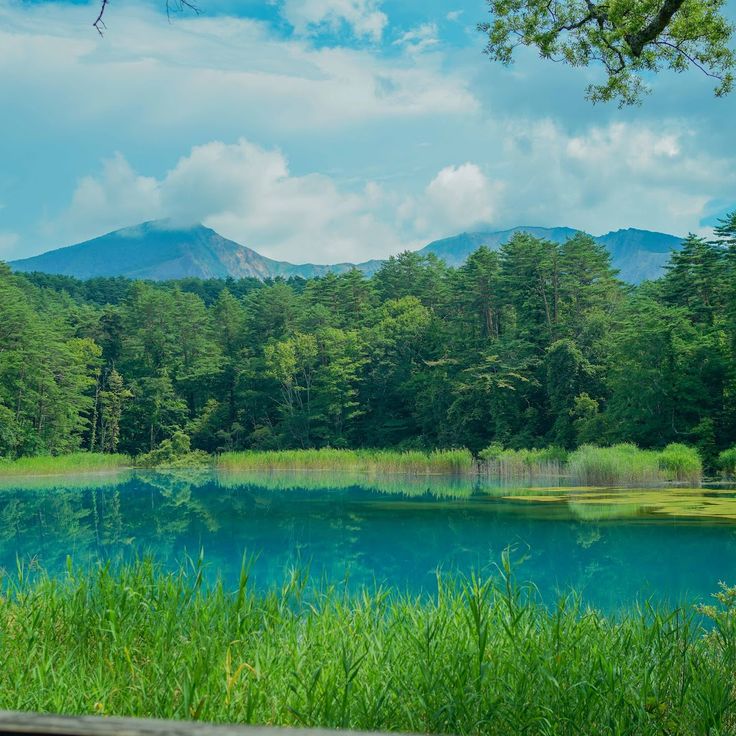
The Goshikinuma Ponds in Fukushima are a group of volcanic lakes whose water shifts between turquoise blue, green and deep cobalt depending on the light and the time of day. These color changes come from minerals that seep up from the ground. A walking path connects the ponds, so visitors can move from one to the next and watch how the shades change along the way. In autumn, the surrounding trees add their colors to the scene, making the water look even more varied.
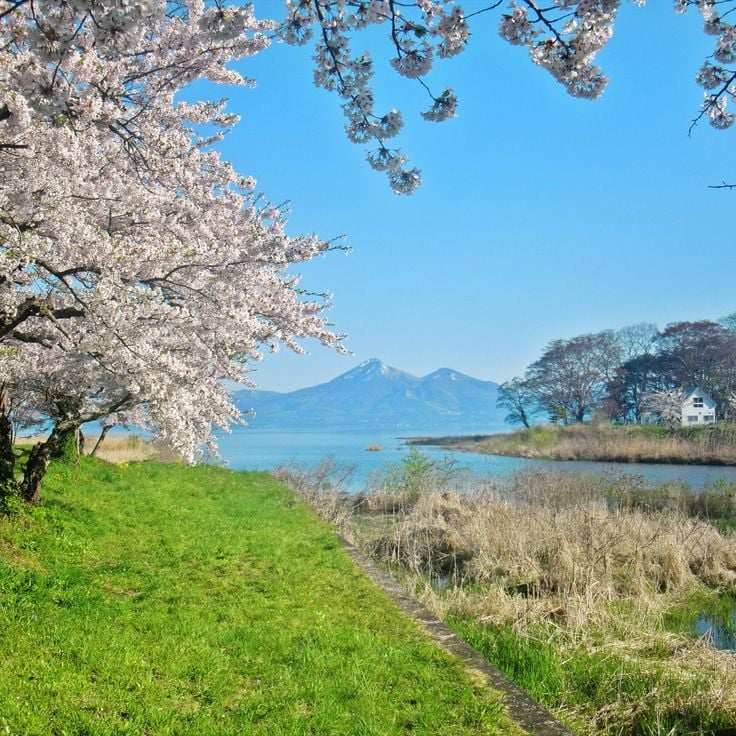
Lake Inawashiro sits in Fukushima Prefecture, at the foot of Mount Bandai. It is one of the largest lakes in Japan, and its surface changes color depending on the light and the season. The volcanic silhouette of Bandai rises behind the water, giving the whole scene a raw, open feel. People come here to walk along the shore, go boating, or simply watch the landscape shift from deep green in summer to warm red and orange in autumn.
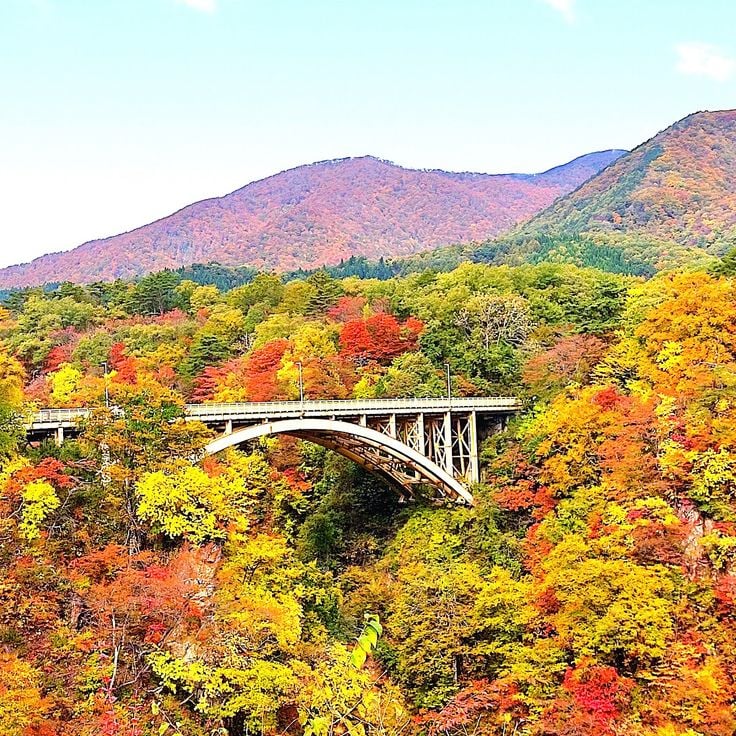
Naruko Gorge sits in Miyagi Prefecture and is one of the most visited natural spots in the Tohoku region. A river has carved its way through steep rock walls over centuries, creating a deep valley that draws visitors especially in autumn. At that time of year, the trees turn red, orange and yellow, covering the cliffsides in warm color. Walking trails and old bridges let you explore the gorge at a slow pace, with the sound of the river following you the whole way.
Oirase Gorge sits in Aomori Prefecture and is one of the most visited natural spots in the Tohoku region. A clear river runs through an old forest, passing moss-covered rocks and a series of small waterfalls along the way. In autumn, the trees turn deep red and orange, drawing many visitors from across Japan. A walking path follows the river for several miles (about 9 kilometers), making it easy to explore the gorge at your own pace.
Lake Towada is a large caldera lake surrounded by forested mountains. The water shifts between deep shades of blue depending on the light and the season. In fall, the hillsides turn red and gold, making this one of the most visited spots in the Tohoku region. Quiet paths run along the shore, where visitors can walk and take in the surrounding nature. The lake sits on the border between Aomori and Akita prefectures.
Hirosaki Castle is one of the few feudal castles in Japan that still stands in its original form. Built in the 17th century, it sits at the center of a large park where cherry trees bloom every spring. When the blossoms fall, the petals drift across the moat, covering the water in pink. In autumn, the trees turn red and gold. Inside the castle, you can see armor, weapons, and objects from the time of the Tsugaru lords who ruled this region for centuries.
Shirakami Sanchi is a vast area of beech forest stretching across the border between Aomori and Akita prefectures. It is one of the last large old-growth beech forests in East Asia and has been recognized as a UNESCO World Natural Heritage site. Walking through it, you find deep gorges, clear streams, and a silence that feels far from everyday life. The trees are ancient, the undergrowth dense, and each season brings a new look to the forest.
The Hakkoda Mountains rise above Aomori Prefecture as a volcanic range that changes dramatically with the seasons. In autumn, the slopes turn deep red and orange, drawing hikers from across the region. In winter, heavy snowfall covers the trails and trees, creating a landscape that feels completely removed from everyday life. Hot springs dot the area, offering a warm rest after a day on the mountain.
The Aomori Nebuta Museum WA RASSE sits right at the port of Aomori and is home to the giant glowing floats that parade through the city streets each summer during the Nebuta Festival. Inside, visitors can walk around the massive paper-and-wire figures and get a close look at the craft behind each float. The museum is open year-round, making the festival accessible even outside of summer.
The Kakunodate Samurai District is a historic neighborhood in Akita Prefecture that gives a real sense of what feudal Japan looked like. Samurai family residences still stand along wide streets, flanked by cherry trees that bloom in spring. Walking through the lanes, you see wooden gates, earthen walls, and inner gardens that reflect how samurai families lived centuries ago. Kakunodate is often called the Kyoto of the North because it has kept so much of its old character intact.
Nyuto Onsenkyo is a group of traditional ryokan and hot spring baths tucked deep in the mountains of Akita Prefecture. Each inn has its own spring water, which varies in color and mineral content from one bath to the next. The wooden buildings, rising steam, and surrounding forest give the place a feeling of stepping far back in time. This is one of the most traditional onsen experiences in the Tohoku region, where visitors come to soak, rest, and disconnect from modern life in a setting that has changed very little over the centuries.
Lake Tazawa, in Akita Prefecture, is the deepest lake in Japan. Its water shifts between shades of blue depending on the light and the time of day. The surrounding mountains turn red and gold in autumn, while winter brings a snow-covered stillness to the shore. Near the water stands a bronze statue of Tatsuko, a figure from local legend. Hiking trails wind through the forests around the lake, offering views over the water from several points.
The Oga Peninsula juts out into the Sea of Japan and is best known as the home of the Namahage, one of the most recognized folklore traditions in the Akita region. During this ritual, men dressed in demon masks and straw costumes go door to door in local villages, especially on New Year's Eve, to warn against laziness and bad behavior. A museum on the peninsula tells the full story of these figures and how the tradition has been passed down over generations. The coastline is rocky and open to the sea, giving the area a raw, windswept feel that sets it apart from the rest of Tohoku.
Hachimantai is a high volcanic plateau on the border between Akita and Iwate prefectures. The terrain is dotted with small lakes, marshes and hot springs that rise through cracks in the ground. In fall, the forests turn shades of red, orange and yellow, drawing many visitors to the area. In winter, the plateau disappears under deep snow, and the roads cut through walls of snow that can tower well above a person's head. The hot spring baths scattered around the area have been used for centuries and offer a warm retreat after a walk in the cold air.
Hiraizumi was once a powerful city in northern Japan that rivaled Kyoto in wealth and influence. Today, Hiraizumi holds temples, gardens, and archaeological sites dating back to the 11th and 12th centuries, all recognized as UNESCO World Heritage sites. Walking through the grounds of Chuson-ji or Motsu-ji gives a real sense of how important this city once was during the feudal era.
Chuson-ji Temple sits on a forested hill in Hiraizumi, a small town in Iwate Prefecture. Visitors walk up a long, shaded path lined with old cedar trees before reaching the temple grounds. The main attraction is the Konjikido, a small gilded hall built in the 12th century and covered entirely in gold leaf. It is one of the oldest surviving structures of its kind in Japan and is now housed inside a modern protective building. The temple was added to the UNESCO World Heritage list in 2011, recognized for its connection to the Fujiwara clan, who once ruled this part of northern Japan.
Geibikei Gorge, in Iwate Prefecture, is a narrow canyon carved by a slow-moving river. Tall limestone cliffs rise on both sides of the water, and the light shifts across the rock walls with the seasons. You explore the gorge on a flat wooden boat, pushed along by a boatman using a pole. The ride takes about an hour, going to the end of the canyon and back. It is one of those quiet moments that northern Japan does well.
Jodogahama Beach sits on the coast of Iwate Prefecture in northern Japan. The water runs a deep blue, and tall white rock formations rise straight out of the sea around the shore. The beach is part of Rikuchu Kaigan National Park, set along a rough coastline shaped over centuries. Visitors can rent small boats to get close to the rocks or walk along the water's edge and take in the view at their own pace.
Ryusendo Cave, located in Iwate Prefecture, is one of the largest limestone caves in Japan. Inside, underground lakes glow with a deep blue color that stands out in the dim light. The cave was shaped by water over thousands of years and gives visitors a rare look at the geological history of the Tohoku region.
Matsushima Bay, in Miyagi Prefecture, has long been considered one of the three most beautiful views in Japan. Hundreds of small rocky islands dot the water, each covered with pine trees that grow at odd angles out of the rock. Boats travel slowly between the islands, and visitors can watch the shapes of the pines shift against the sky depending on the season. In autumn, the light over the bay turns golden, and in spring the water reflects the pale colors of the sky. Walking along the shore, you get a strong sense of why this place has been admired for so long.
Zuigan-ji Temple in Matsushima is one of the most visited Zen temples in northern Japan. It has strong ties to the Date clan, the feudal lords who rebuilt it in the early 17th century. Walking along the cedar-lined path to the main hall, you pass caves carved into the rock face, once used by monks for meditation. Inside, the painted sliding doors and golden decorations show the wealth and ambition of the lords who shaped this region for generations.
The Zuihoden Mausoleum is the resting place of Date Masamune, the most powerful feudal lord of the Tohoku region. Built in the 17th century and rebuilt after World War II, the structure is covered in gold details, deep red lacquered wood, and carved decorations typical of the Momoyama period. The mausoleum sits on a forested hill in Sendai, surrounded by tall cedar trees. Visitors walk up stone steps through the trees to reach the main gate, giving the approach a slow and ceremonial feeling.
Sendai Castle, also known as Aoba-jo, was once the seat of Date Masamune, one of the most powerful feudal lords in Japanese history. Today, only stone walls and a gate remain on the hilltop, but the view over the city of Sendai and the surrounding forests is wide and clear. A statue of Date Masamune on horseback looks out over the city he founded in the 16th century. The site gives a strong sense of how grand the castle once was.
The Okama Crater sits near the top of Mount Zao, on the border between Miyagi and Yamagata prefectures. It holds a volcanic crater lake whose water shifts color depending on the season and the light, ranging from deep green to a pale gray-green. That color comes from sulfurous minerals dissolved in the water. A road brings visitors close to the crater rim, from where you can look straight down at the lake and the surrounding slopes. The lake sits at around 5,900 feet (1,800 meters) above sea level, and even in summer the air up there can be quite cold. In spring and autumn, the contrast between the colored water and the changing vegetation on the hillsides is something many people come to see.
Yamadera is a temple complex built into the side of a rocky mountain, reached after climbing more than 1000 stone steps. Along the way, the path winds through moss-covered rocks and old cedar trees. At the top, the view over the forested valley is wide and open. The site has been a place of Buddhist worship for centuries and still feels removed from the everyday world.
Ginzan Onsen is a traditional hot spring village in Yamagata Prefecture, where old wooden ryokan line both sides of a small river. In the evening, when the lanterns light up, the village feels like it belongs to another era. The hot spring water flows constantly, and the surrounding Tohoku mountains change color with the seasons.
Dewa Sanzan refers to three sacred mountains, Haguro, Gassan and Yudono, which have drawn pilgrims and Yamabushi mountain monks for centuries. The Yamabushi practice a form of spiritual training rooted in nature and physical effort. On Mount Haguro, a five-story pagoda stands in the middle of an old cedar forest, reached by a stone stairway of several hundred steps lined with tall trees. Gassan is buried under snow for much of the year and opens up to wide slopes in summer. Yudono is considered the most sacred of the three, and parts of it can only be approached through ritual.
Zao Onsen is a mountain resort in Yamagata Prefecture, known for its hot springs and ski slopes. In winter, snow and ice cover the trees so completely that they take on the shape of large white figures. These trees are called juhyo in Japanese, and they are the image most associated with this place. The thermal waters are slightly acidic and said to be good for the skin. After a day on the slopes, visitors warm up in one of the many traditional baths.
Ouchijuku is an old post town in Fukushima Prefecture that served travelers during the Edo period. Walking down its main street today feels like stepping back several centuries. The thatched-roof houses on both sides of the road have kept their traditional shape, and many now host small shops and local restaurants. This village shows what a roadside stop looked like in feudal Japan, and it remains one of the most telling examples of that era in the Tohoku region.
Tsuruga Castle stands in the city of Aizu-Wakamatsu, in Fukushima Prefecture. This feudal castle is closely tied to the history of the Aizu samurai clan, who ruled the region for centuries. Its white walls and layered roof stand out against the sky, especially when the cherry trees around the moat are in bloom. Inside, a museum tells the story of the region's feudal past and the fate of the Aizu warriors in the 19th century.
The Goshikinuma Ponds in Fukushima are a group of volcanic lakes whose water shifts between turquoise blue, green and deep cobalt depending on the light and the time of day. These color changes come from minerals that seep up from the ground. A walking path connects the ponds, so visitors can move from one to the next and watch how the shades change along the way. In autumn, the surrounding trees add their colors to the scene, making the water look even more varied.
Lake Inawashiro sits in Fukushima Prefecture, at the foot of Mount Bandai. It is one of the largest lakes in Japan, and its surface changes color depending on the light and the season. The volcanic silhouette of Bandai rises behind the water, giving the whole scene a raw, open feel. People come here to walk along the shore, go boating, or simply watch the landscape shift from deep green in summer to warm red and orange in autumn.
Naruko Gorge sits in Miyagi Prefecture and is one of the most visited natural spots in the Tohoku region. A river has carved its way through steep rock walls over centuries, creating a deep valley that draws visitors especially in autumn. At that time of year, the trees turn red, orange and yellow, covering the cliffsides in warm color. Walking trails and old bridges let you explore the gorge at a slow pace, with the sound of the river following you the whole way.
Oirase Gorge sits in Aomori Prefecture and is one of the most visited natural spots in the Tohoku region. A clear river runs through an old forest, passing moss-covered rocks and a series of small waterfalls along the way. In autumn, the trees turn deep red and orange, drawing many visitors from across Japan. A walking path follows the river for several miles (about 9 kilometers), making it easy to explore the gorge at your own pace.
Lake Towada is a large caldera lake surrounded by forested mountains. The water shifts between deep shades of blue depending on the light and the season. In fall, the hillsides turn red and gold, making this one of the most visited spots in the Tohoku region. Quiet paths run along the shore, where visitors can walk and take in the surrounding nature. The lake sits on the border between Aomori and Akita prefectures.
Hirosaki Castle is one of the few feudal castles in Japan that still stands in its original form. Built in the 17th century, it sits at the center of a large park where cherry trees bloom every spring. When the blossoms fall, the petals drift across the moat, covering the water in pink. In autumn, the trees turn red and gold. Inside the castle, you can see armor, weapons, and objects from the time of the Tsugaru lords who ruled this region for centuries.
Shirakami Sanchi is a vast area of beech forest stretching across the border between Aomori and Akita prefectures. It is one of the last large old-growth beech forests in East Asia and has been recognized as a UNESCO World Natural Heritage site. Walking through it, you find deep gorges, clear streams, and a silence that feels far from everyday life. The trees are ancient, the undergrowth dense, and each season brings a new look to the forest.
The Hakkoda Mountains rise above Aomori Prefecture as a volcanic range that changes dramatically with the seasons. In autumn, the slopes turn deep red and orange, drawing hikers from across the region. In winter, heavy snowfall covers the trails and trees, creating a landscape that feels completely removed from everyday life. Hot springs dot the area, offering a warm rest after a day on the mountain.
The Aomori Nebuta Museum WA RASSE sits right at the port of Aomori and is home to the giant glowing floats that parade through the city streets each summer during the Nebuta Festival. Inside, visitors can walk around the massive paper-and-wire figures and get a close look at the craft behind each float. The museum is open year-round, making the festival accessible even outside of summer.
The Kakunodate Samurai District is a historic neighborhood in Akita Prefecture that gives a real sense of what feudal Japan looked like. Samurai family residences still stand along wide streets, flanked by cherry trees that bloom in spring. Walking through the lanes, you see wooden gates, earthen walls, and inner gardens that reflect how samurai families lived centuries ago. Kakunodate is often called the Kyoto of the North because it has kept so much of its old character intact.
Nyuto Onsenkyo is a group of traditional ryokan and hot spring baths tucked deep in the mountains of Akita Prefecture. Each inn has its own spring water, which varies in color and mineral content from one bath to the next. The wooden buildings, rising steam, and surrounding forest give the place a feeling of stepping far back in time. This is one of the most traditional onsen experiences in the Tohoku region, where visitors come to soak, rest, and disconnect from modern life in a setting that has changed very little over the centuries.
Lake Tazawa, in Akita Prefecture, is the deepest lake in Japan. Its water shifts between shades of blue depending on the light and the time of day. The surrounding mountains turn red and gold in autumn, while winter brings a snow-covered stillness to the shore. Near the water stands a bronze statue of Tatsuko, a figure from local legend. Hiking trails wind through the forests around the lake, offering views over the water from several points.
The Oga Peninsula juts out into the Sea of Japan and is best known as the home of the Namahage, one of the most recognized folklore traditions in the Akita region. During this ritual, men dressed in demon masks and straw costumes go door to door in local villages, especially on New Year's Eve, to warn against laziness and bad behavior. A museum on the peninsula tells the full story of these figures and how the tradition has been passed down over generations. The coastline is rocky and open to the sea, giving the area a raw, windswept feel that sets it apart from the rest of Tohoku.
Hachimantai is a high volcanic plateau on the border between Akita and Iwate prefectures. The terrain is dotted with small lakes, marshes and hot springs that rise through cracks in the ground. In fall, the forests turn shades of red, orange and yellow, drawing many visitors to the area. In winter, the plateau disappears under deep snow, and the roads cut through walls of snow that can tower well above a person's head. The hot spring baths scattered around the area have been used for centuries and offer a warm retreat after a walk in the cold air.
Hiraizumi was once a powerful city in northern Japan that rivaled Kyoto in wealth and influence. Today, Hiraizumi holds temples, gardens, and archaeological sites dating back to the 11th and 12th centuries, all recognized as UNESCO World Heritage sites. Walking through the grounds of Chuson-ji or Motsu-ji gives a real sense of how important this city once was during the feudal era.
Chuson-ji Temple sits on a forested hill in Hiraizumi, a small town in Iwate Prefecture. Visitors walk up a long, shaded path lined with old cedar trees before reaching the temple grounds. The main attraction is the Konjikido, a small gilded hall built in the 12th century and covered entirely in gold leaf. It is one of the oldest surviving structures of its kind in Japan and is now housed inside a modern protective building. The temple was added to the UNESCO World Heritage list in 2011, recognized for its connection to the Fujiwara clan, who once ruled this part of northern Japan.
Geibikei Gorge, in Iwate Prefecture, is a narrow canyon carved by a slow-moving river. Tall limestone cliffs rise on both sides of the water, and the light shifts across the rock walls with the seasons. You explore the gorge on a flat wooden boat, pushed along by a boatman using a pole. The ride takes about an hour, going to the end of the canyon and back. It is one of those quiet moments that northern Japan does well.
Jodogahama Beach sits on the coast of Iwate Prefecture in northern Japan. The water runs a deep blue, and tall white rock formations rise straight out of the sea around the shore. The beach is part of Rikuchu Kaigan National Park, set along a rough coastline shaped over centuries. Visitors can rent small boats to get close to the rocks or walk along the water's edge and take in the view at their own pace.
Ryusendo Cave, located in Iwate Prefecture, is one of the largest limestone caves in Japan. Inside, underground lakes glow with a deep blue color that stands out in the dim light. The cave was shaped by water over thousands of years and gives visitors a rare look at the geological history of the Tohoku region.
Matsushima Bay, in Miyagi Prefecture, has long been considered one of the three most beautiful views in Japan. Hundreds of small rocky islands dot the water, each covered with pine trees that grow at odd angles out of the rock. Boats travel slowly between the islands, and visitors can watch the shapes of the pines shift against the sky depending on the season. In autumn, the light over the bay turns golden, and in spring the water reflects the pale colors of the sky. Walking along the shore, you get a strong sense of why this place has been admired for so long.
Zuigan-ji Temple in Matsushima is one of the most visited Zen temples in northern Japan. It has strong ties to the Date clan, the feudal lords who rebuilt it in the early 17th century. Walking along the cedar-lined path to the main hall, you pass caves carved into the rock face, once used by monks for meditation. Inside, the painted sliding doors and golden decorations show the wealth and ambition of the lords who shaped this region for generations.
The Zuihoden Mausoleum is the resting place of Date Masamune, the most powerful feudal lord of the Tohoku region. Built in the 17th century and rebuilt after World War II, the structure is covered in gold details, deep red lacquered wood, and carved decorations typical of the Momoyama period. The mausoleum sits on a forested hill in Sendai, surrounded by tall cedar trees. Visitors walk up stone steps through the trees to reach the main gate, giving the approach a slow and ceremonial feeling.
Sendai Castle, also known as Aoba-jo, was once the seat of Date Masamune, one of the most powerful feudal lords in Japanese history. Today, only stone walls and a gate remain on the hilltop, but the view over the city of Sendai and the surrounding forests is wide and clear. A statue of Date Masamune on horseback looks out over the city he founded in the 16th century. The site gives a strong sense of how grand the castle once was.
The Okama Crater sits near the top of Mount Zao, on the border between Miyagi and Yamagata prefectures. It holds a volcanic crater lake whose water shifts color depending on the season and the light, ranging from deep green to a pale gray-green. That color comes from sulfurous minerals dissolved in the water. A road brings visitors close to the crater rim, from where you can look straight down at the lake and the surrounding slopes. The lake sits at around 5,900 feet (1,800 meters) above sea level, and even in summer the air up there can be quite cold. In spring and autumn, the contrast between the colored water and the changing vegetation on the hillsides is something many people come to see.
Yamadera is a temple complex built into the side of a rocky mountain, reached after climbing more than 1000 stone steps. Along the way, the path winds through moss-covered rocks and old cedar trees. At the top, the view over the forested valley is wide and open. The site has been a place of Buddhist worship for centuries and still feels removed from the everyday world.
Ginzan Onsen is a traditional hot spring village in Yamagata Prefecture, where old wooden ryokan line both sides of a small river. In the evening, when the lanterns light up, the village feels like it belongs to another era. The hot spring water flows constantly, and the surrounding Tohoku mountains change color with the seasons.
Dewa Sanzan refers to three sacred mountains, Haguro, Gassan and Yudono, which have drawn pilgrims and Yamabushi mountain monks for centuries. The Yamabushi practice a form of spiritual training rooted in nature and physical effort. On Mount Haguro, a five-story pagoda stands in the middle of an old cedar forest, reached by a stone stairway of several hundred steps lined with tall trees. Gassan is buried under snow for much of the year and opens up to wide slopes in summer. Yudono is considered the most sacred of the three, and parts of it can only be approached through ritual.
Zao Onsen is a mountain resort in Yamagata Prefecture, known for its hot springs and ski slopes. In winter, snow and ice cover the trees so completely that they take on the shape of large white figures. These trees are called juhyo in Japanese, and they are the image most associated with this place. The thermal waters are slightly acidic and said to be good for the skin. After a day on the slopes, visitors warm up in one of the many traditional baths.
Ouchijuku is an old post town in Fukushima Prefecture that served travelers during the Edo period. Walking down its main street today feels like stepping back several centuries. The thatched-roof houses on both sides of the road have kept their traditional shape, and many now host small shops and local restaurants. This village shows what a roadside stop looked like in feudal Japan, and it remains one of the most telling examples of that era in the Tohoku region.
Tsuruga Castle stands in the city of Aizu-Wakamatsu, in Fukushima Prefecture. This feudal castle is closely tied to the history of the Aizu samurai clan, who ruled the region for centuries. Its white walls and layered roof stand out against the sky, especially when the cherry trees around the moat are in bloom. Inside, a museum tells the story of the region's feudal past and the fate of the Aizu warriors in the 19th century.
The Goshikinuma Ponds in Fukushima are a group of volcanic lakes whose water shifts between turquoise blue, green and deep cobalt depending on the light and the time of day. These color changes come from minerals that seep up from the ground. A walking path connects the ponds, so visitors can move from one to the next and watch how the shades change along the way. In autumn, the surrounding trees add their colors to the scene, making the water look even more varied.
Lake Inawashiro sits in Fukushima Prefecture, at the foot of Mount Bandai. It is one of the largest lakes in Japan, and its surface changes color depending on the light and the season. The volcanic silhouette of Bandai rises behind the water, giving the whole scene a raw, open feel. People come here to walk along the shore, go boating, or simply watch the landscape shift from deep green in summer to warm red and orange in autumn.
Naruko Gorge sits in Miyagi Prefecture and is one of the most visited natural spots in the Tohoku region. A river has carved its way through steep rock walls over centuries, creating a deep valley that draws visitors especially in autumn. At that time of year, the trees turn red, orange and yellow, covering the cliffsides in warm color. Walking trails and old bridges let you explore the gorge at a slow pace, with the sound of the river following you the whole way.
Visit Tohoku in September or October if you can. The autumn colors transform the mountains and gorges, and the climate is more comfortable than in summer. Avoid festival periods if you are looking for quiet.