See the monuments around you in AROpen chests in the app
Around Us is built for your phone — point your camera at the streets and discover the monuments and places around you in augmented reality.Around Us is built for your phone — chests unlock when you walk, explore and capture nearby places.
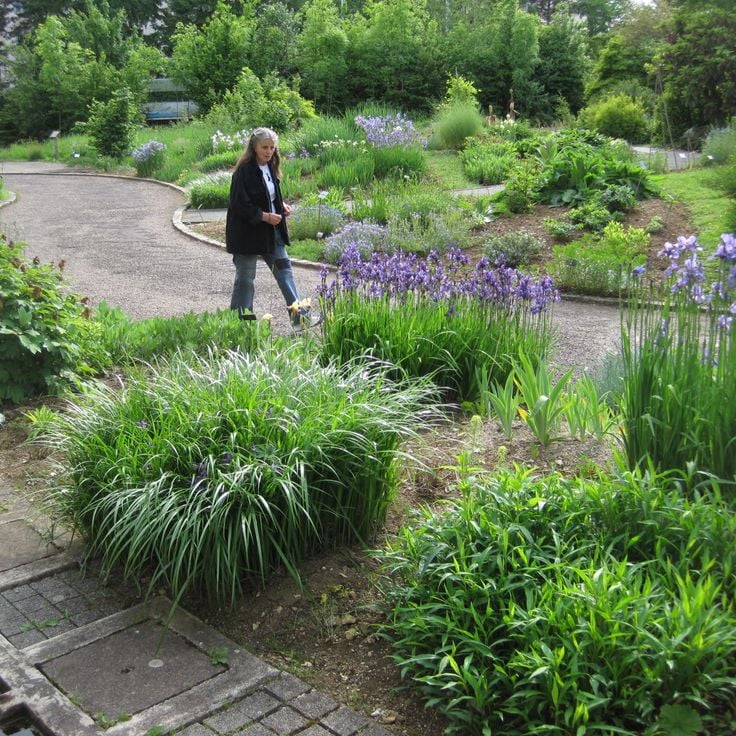
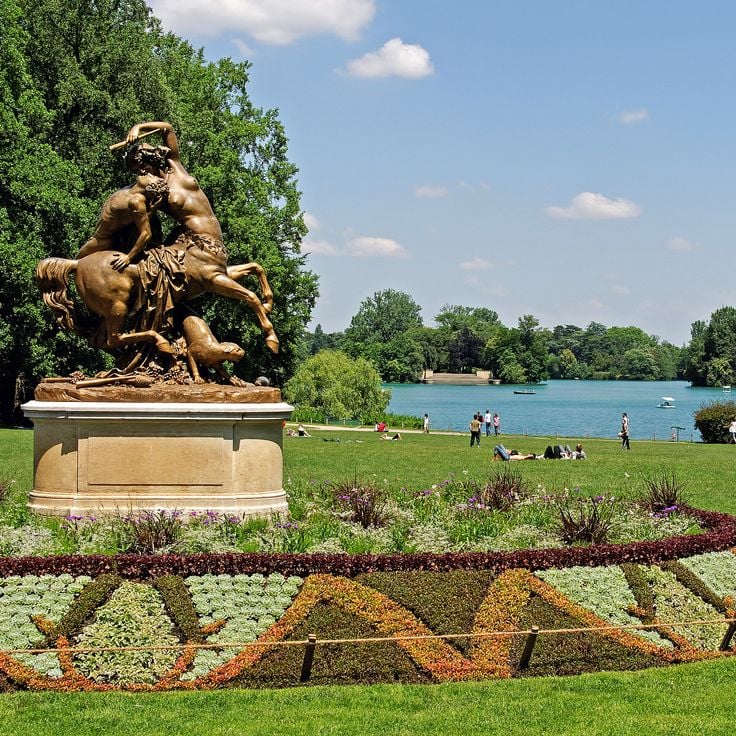
France has several dozen botanical gardens combining scientific research and plant conservation. The greenhouses of the National Museum of Natural History in Paris host over 4,500 species in climate-controlled zones, while the Lyon Botanical Garden cultivates around 15,000 plants divided between historic greenhouses and thematic sections. Universities such as Strasbourg maintain scientific collections over 2.5 hectares with greenhouses dating from 1881, and the Nantes Botanic Garden conserves 11,000 species, including 50 protected French varieties. These facilities document four centuries of botanical study and serve both education and research.
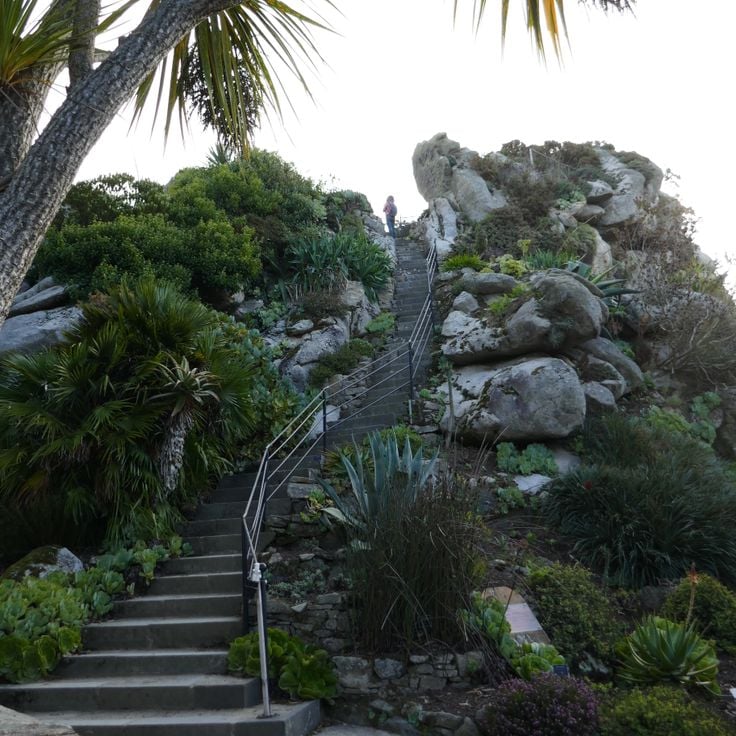
Coastal gardens utilize temperate maritime conditions to display unusual plants. The Roscoff Exotic Garden gathers 3,500 species from the Southern Hemisphere on a rocky promontory, cultivating Australian and New Zealand plants adapted to Brittany’s climate. On the French Riviera, the Èze Garden showcases Mediterranean and succulent collections at 1,407 feet above sea level, while the Saint-Jean-de-Luz Coastal Botanical Garden focuses on Atlantic coastal species. The Grandes Bruyères Arboretum near Orléans encompasses 15,000 trees and shrubs from Europe, Asia, and North America across 34 acres, organizing plantings according to their geographic origins.
France has several dozen botanical gardens combining scientific research and plant conservation. The greenhouses of the National Museum of Natural History in Paris host over 4,500 species in climate-controlled zones, while the Lyon Botanical Garden cultivates around 15,000 plants divided between historic greenhouses and thematic sections. Universities such as Strasbourg maintain scientific collections over 2.5 hectares with greenhouses dating from 1881, and the Nantes Botanic Garden conserves 11,000 species, including 50 protected French varieties. These facilities document four centuries of botanical study and serve both education and research.
Coastal gardens utilize temperate maritime conditions to display unusual plants. The Roscoff Exotic Garden gathers 3,500 species from the Southern Hemisphere on a rocky promontory, cultivating Australian and New Zealand plants adapted to Brittany’s climate. On the French Riviera, the Èze Garden showcases Mediterranean and succulent collections at 1,407 feet above sea level, while the Saint-Jean-de-Luz Coastal Botanical Garden focuses on Atlantic coastal species. The Grandes Bruyères Arboretum near Orléans encompasses 15,000 trees and shrubs from Europe, Asia, and North America across 34 acres, organizing plantings according to their geographic origins.
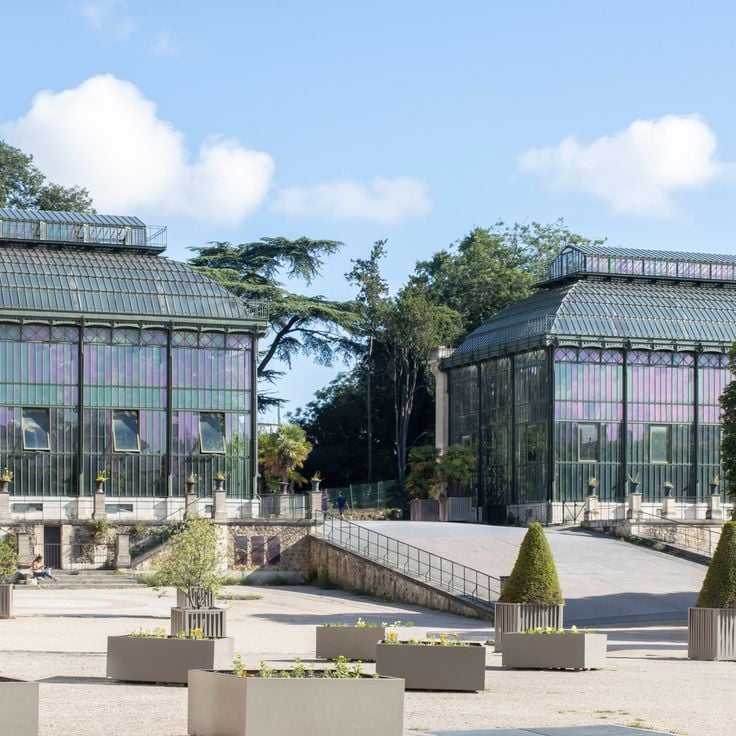
These greenhouses at the Natural History Museum contain more than 4500 plant species distributed across six climate-controlled zones. The collections include tropical vegetation and plants from Mexican desert regions. As part of the capital's botanical facilities, these greenhouses contribute to scientific research and demonstrate plant diversity. The controlled climate zones allow for the cultivation of species from different geographic regions, making this an important resource for botanical study in France.
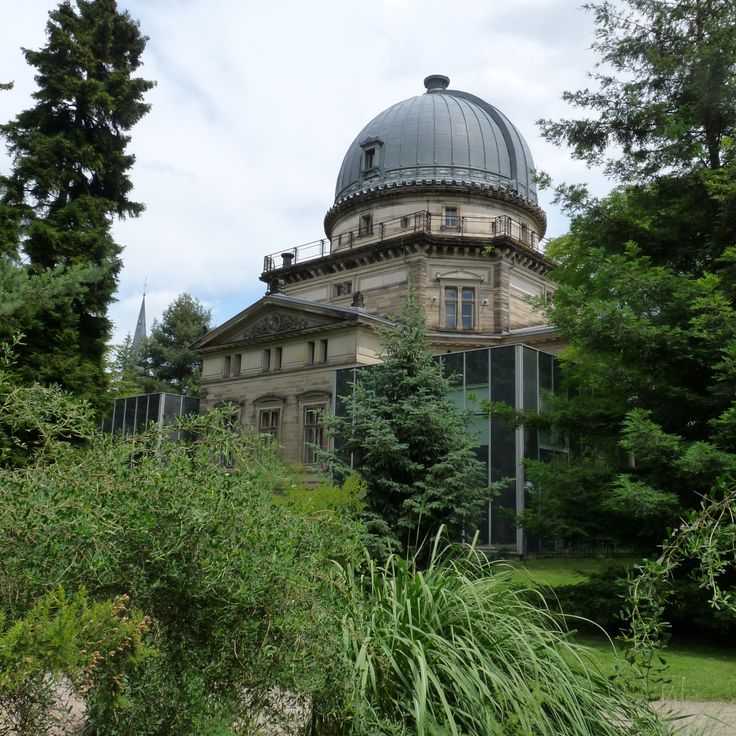
This botanical garden cultivates 6000 plant species across 6 acres (2.5 hectares) and demonstrates French horticultural design and scientific collections. The grounds include a historical greenhouse from 1881 and an arboretum with tree specimens. The facilities combine traditional botanical research with public education, presenting plants from various climate zones alongside regional species.
This botanical garden was founded in 1806 and stands among the significant scientific institutions in France. The collection holds approximately 11,000 plant species from around the world, including 50 protected French species important for conservation programs. The magnolia collection dates from the early 19th century and contains specimens over 200 years old. Greenhouses display tropical and subtropical plants, while themed garden sections present Mediterranean flora and regional species. The grounds serve botanical research and education, documenting the French tradition of plant sciences.
This garden contains 3,500 plant species from the southern hemisphere and sits on a granite rock overlooking the sea. It showcases species from Australia, New Zealand and South Africa that thrive in the mild Brittany coastal climate. The site spreads across terraced terrain, offering a circuit path through different geographic zones. Scientific collections focus on succulent plants and species from temperate southern hemisphere regions. The Roscoff Exotic Garden contributes to botanical research and demonstrates how Mediterranean and oceanic climate conditions enable the cultivation of unusual plants.
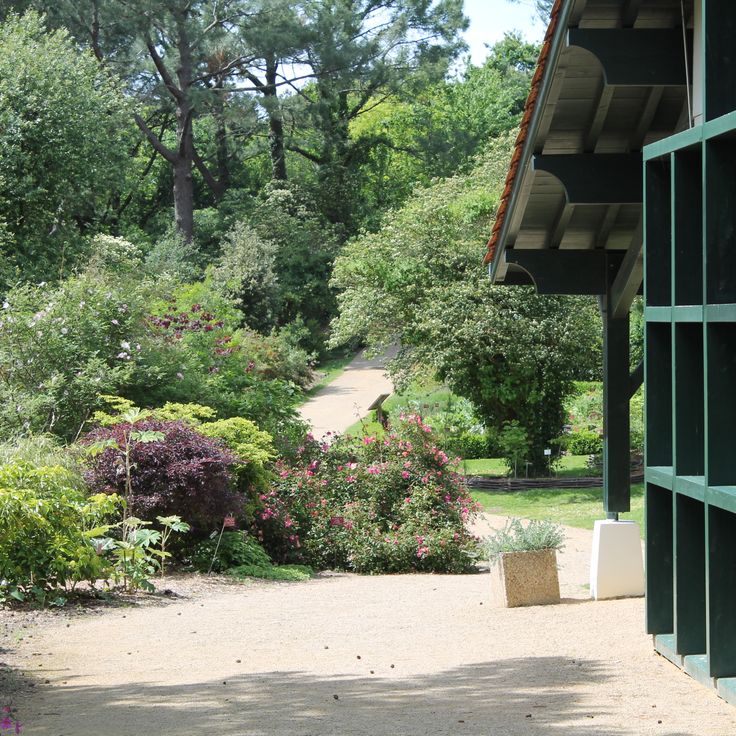
This botanical garden in Saint-Jean-de-Luz represents French institutions dedicated to coastal plant preservation and international botanical collections. The facility houses 2500 species, including numerous plants native to the Basque coastal region alongside specimens from other climate zones. The focus centers on coastal vegetation adapted to Atlantic maritime conditions, documenting plant strategies for thriving in salt spray, wind exposure, and sandy soils. The collection serves both scientific research and regional botanical documentation, connecting local flora with comparative species from Mediterranean and temperate coastal areas worldwide.
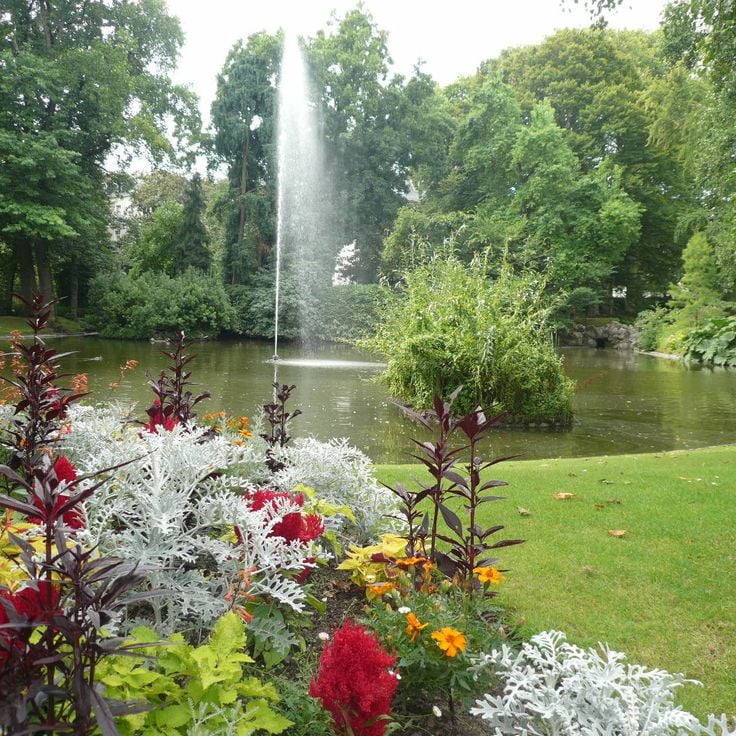
The Jardin de l'Évêché de Limoges occupies the grounds of the former bishop's palace in the city's historical center and presents French roses, native trees and a water garden with multiple ponds. This botanical garden combines religious heritage with botanical collections, showcasing regional plant species and demonstrating French garden design in an urban setting. The water garden features several ponds that serve as the central element, complemented by carefully arranged beds of roses and native tree specimens. The garden contributes to botanical research and education while preserving the historical character of the episcopal grounds.
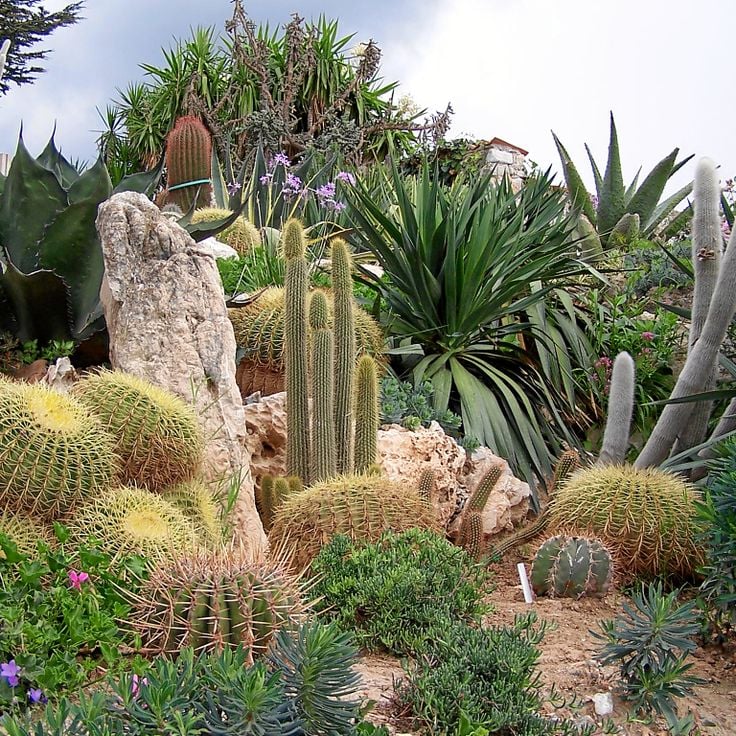
This exotic garden sits 1,407 feet (429 meters) above the Mediterranean Sea and displays Mediterranean and exotic plant collections with views across Cap-Ferrat. The site combines French garden design with botanical research, presenting succulents, cacti and Mediterranean flora arranged in terraced beds. The garden contributes to scientific collections of rare plant species and demonstrates how different species adapt to the coastal climate of the French Riviera.
The Arboretum des Grandes Bruyères spans 14 hectares and brings together 7000 trees and shrubs from Europe, Asia and North America in themed garden sections. This botanical collection near Orléans documents the diversity of temperate climates through maple species, magnolia groves and conifer sections. The plantings, organized by geographic origins and botanical relationships, provide insight into international dendrology and garden design.
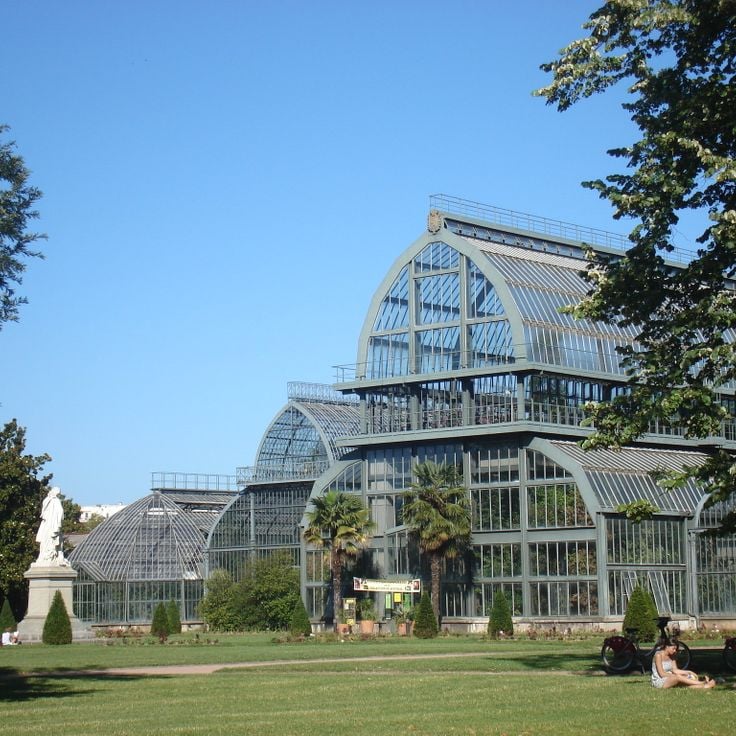
This botanical garden houses roughly 15,000 plant species distributed across thematic sections and greenhouses. The collections include Mediterranean plants, alpine flora, and tropical species. The grounds span several hectares and combine scientific research with public education. The historic greenhouses display exotic plants from different climate zones. Several specialized gardens demonstrate various aspects of French garden design and botanical science.
This botanical garden in the Bois de Vincennes covers 31 hectares (77 acres) and displays 650 iris species along with numerous flower beds and ponds. The Parc Floral de Paris opened in 1969 and combines French garden design with scientific collections. The grounds present seasonal flowering plants, Mediterranean specimens, and thematic garden sections that support botanical research. The site includes historic greenhouses and areas dedicated to exotic species from different climate zones.
This botanical garden presents 11 distinct landscape areas featuring plants from six continents and demonstrates various aspects of French botanical research and garden design. The grounds include specialized sections for aquatic plants and showcase both exotic and native species within carefully organized collections. As part of France's tradition of botanical gardens, it serves both scientific study and public education, illustrating plant geography and horticultural techniques across multiple climate zones.
This botanical garden in Besançon maintains over 5,000 plant species and presents one of France's extensive collections of medicinal plants and alpine vegetation. The arrangement follows a systematic approach that documents regional botanical diversity and beyond. The facility combines scientific research with public education and contributes to the preservation of rare species. As part of the French tradition of botanical gardens, this institution serves both plant research and the communication of botanical knowledge to visitors interested in understanding plant diversity and conservation efforts.
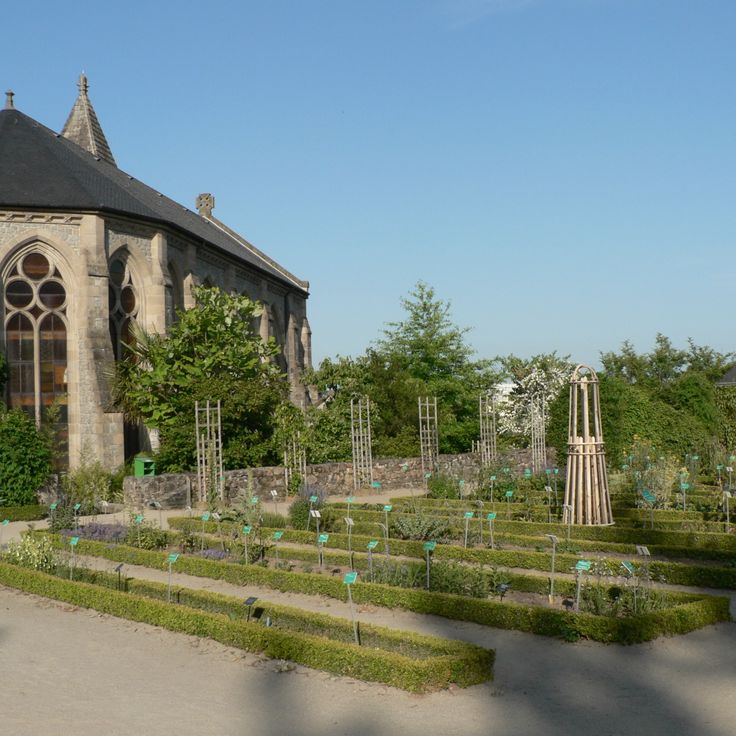
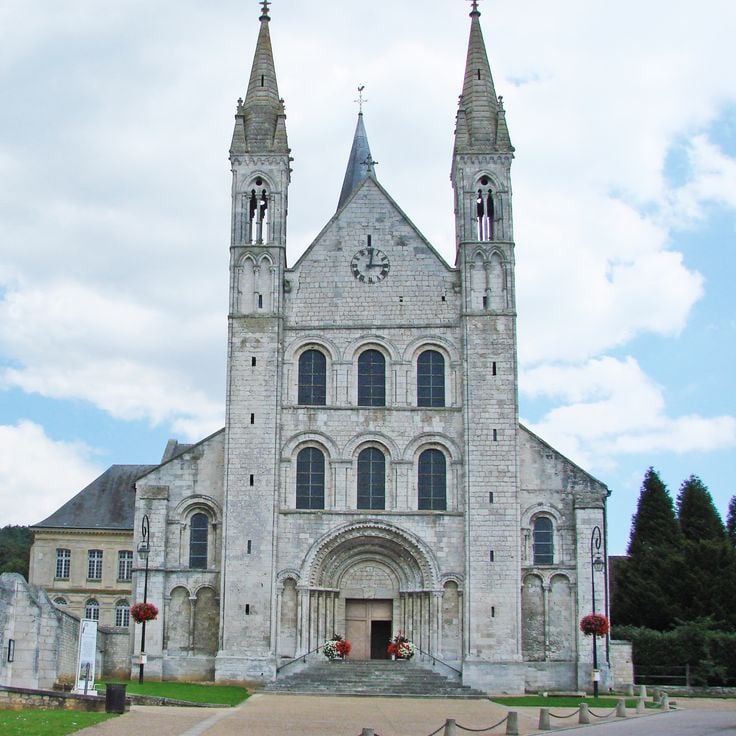
This monastic garden in Saint-Martin-de-Boscherville contains medieval medicinal plants and vegetables cultivated by Benedictine monks in the 12th century. The stone walls of the Saint-Georges Abbey surround the beds, creating a protected space that demonstrates the monastic gardening tradition of Normandy. The plant collection follows historical sources and presents species grown in medieval monastery gardens for medicinal and culinary purposes. The garden belongs among the botanical sites in France that document historical garden culture.
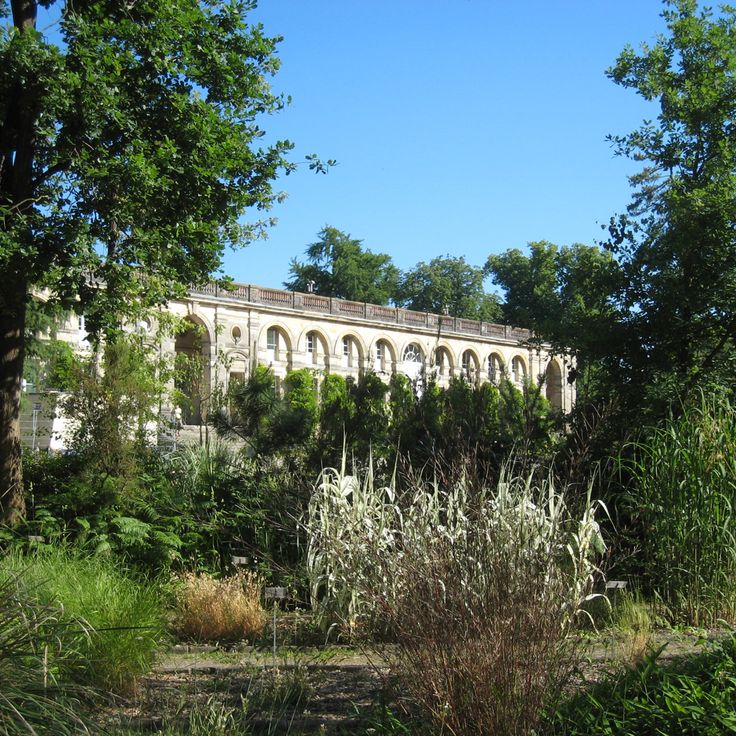
This 290-acre (117-hectare) urban park includes a botanical garden with approximately 15,000 plant species that showcase French garden design and botanical research since the mid 19th century. The park features historical greenhouses housing tropical and exotic collections, themed garden sections with rose gardens and peony beds, and scientific plantings that demonstrate botanical classification.
This educational garden maintains over 1,500 medicinal plant species in scientifically organized sections for pharmaceutical study and research. The collections include toxic plants, therapeutic herbs and medicinal species from different climate zones, serving the practical training of pharmacy students. Thematic beds present plants according to their medical properties and chemical compounds, while greenhouses cultivate tropical and subtropical medicinal species. The garden documents the botanical foundations of modern pharmacology and preserves rare medicinal plants.
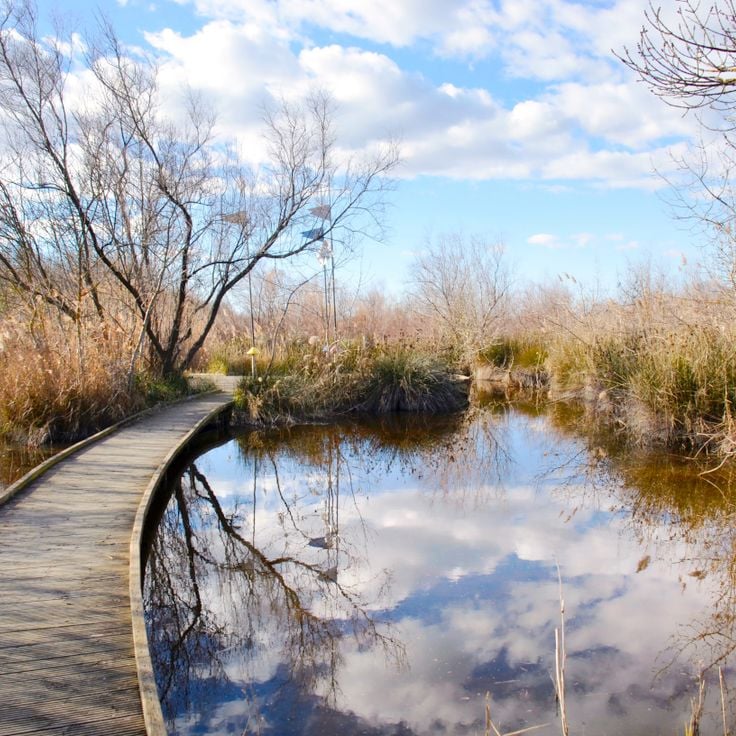
This 1,200-hectare (3,000-acre) wetland reserve encompasses Mediterranean marshes in the Rhône delta and hosts 2,000 plant species along with numerous bird populations. As part of this collection of notable botanical gardens in France, Marais du Vigueirat showcases Mediterranean flora within its natural ecosystem, combining scientific collections with conservation. The marshes serve as a living laboratory for botanical research and demonstrate the interplay between plant life and wetland environments in the Camargue region.
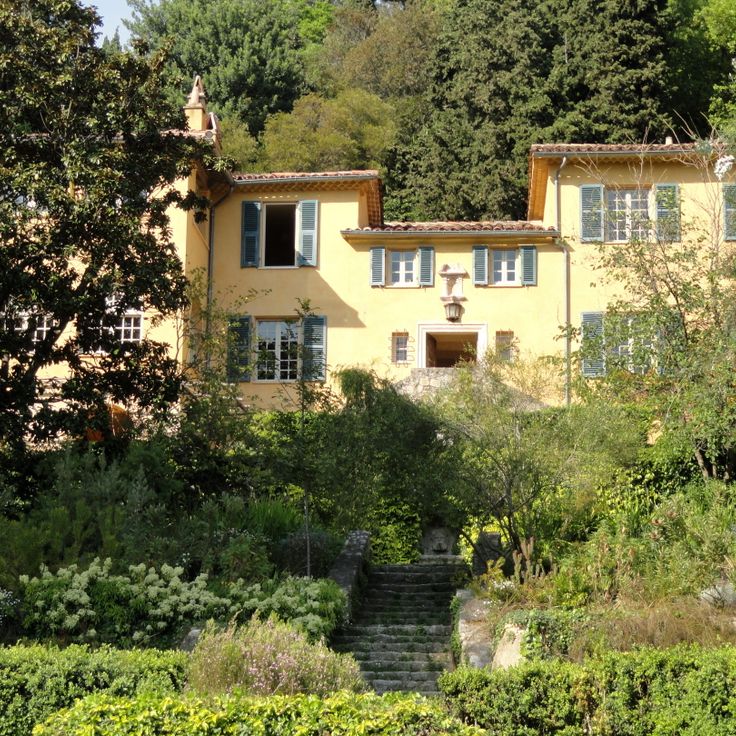
This garden in Menton spreads across multiple terraces and houses extensive collections of Mediterranean and subtropical plants. Established in the 1920s by American art patron Lawrence Johnston, the site demonstrates his vision of a botanical collection that takes advantage of the region's mild climate. Stone walls define the different levels while narrow paths wind through dense plantings of palms, citrus trees, and rare species from South Africa, Australia, and New Zealand. The Serre de la Madone presents Johnston's approach to combining botanical diversity with design principles, contributing to the understanding of French garden design along the Côte d'Azur.
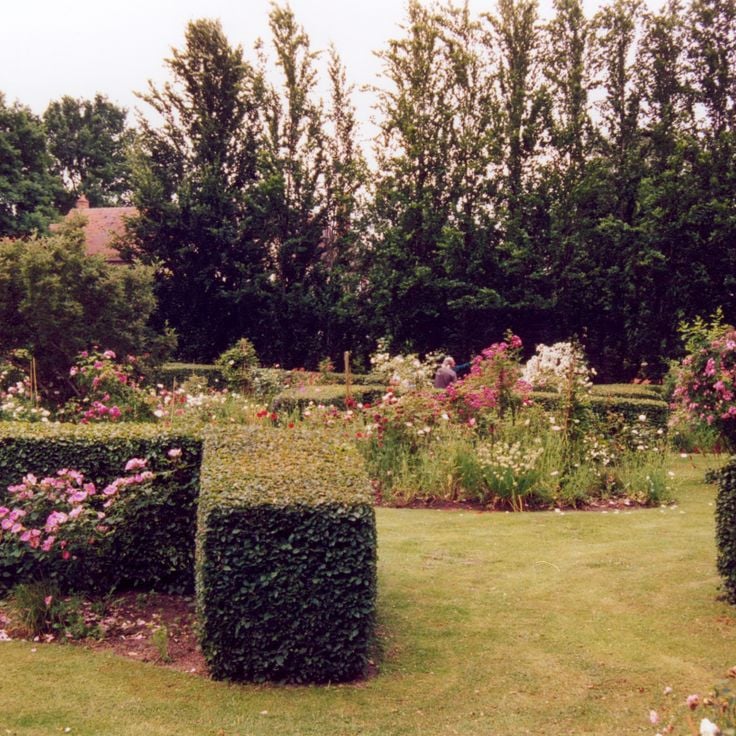
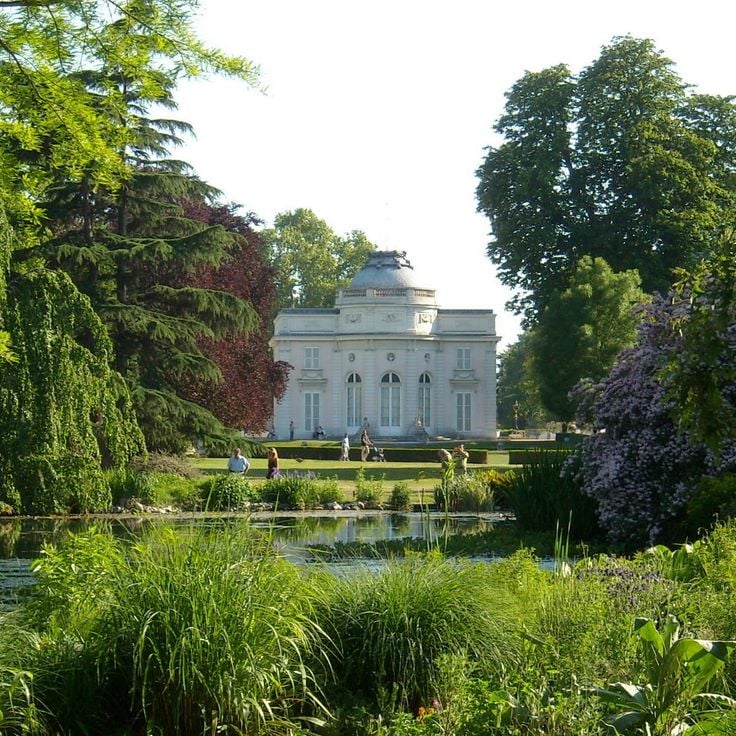
This park in the Bois de Boulogne combines formal French and English garden styles across 59 acres (24 hectares) of grounds originally created for the Comte d'Artois in the 18th century. The rose garden displays 1200 rose varieties from different periods and breeding traditions, making the park an important center for rose research and botanical collections in France. Beyond the rose beds, the grounds feature themed garden sections, historic structures, and manicured lawns that connect French garden design with botanical diversity.
This botanical garden spans 27 acres (11 hectares) and maintains a collection of 2,500 plant species, including notable African specimens. The Jardin des Martels combines scientific plant research with French garden design, presenting its collections along a network of ponds and water courses. The grounds document botanical diversity from various climate zones and contribute to the preservation of rare species. As part of the French botanical garden tradition, this garden provides insight into specialized plant collections and demonstrates the evolution of garden art in southern France.
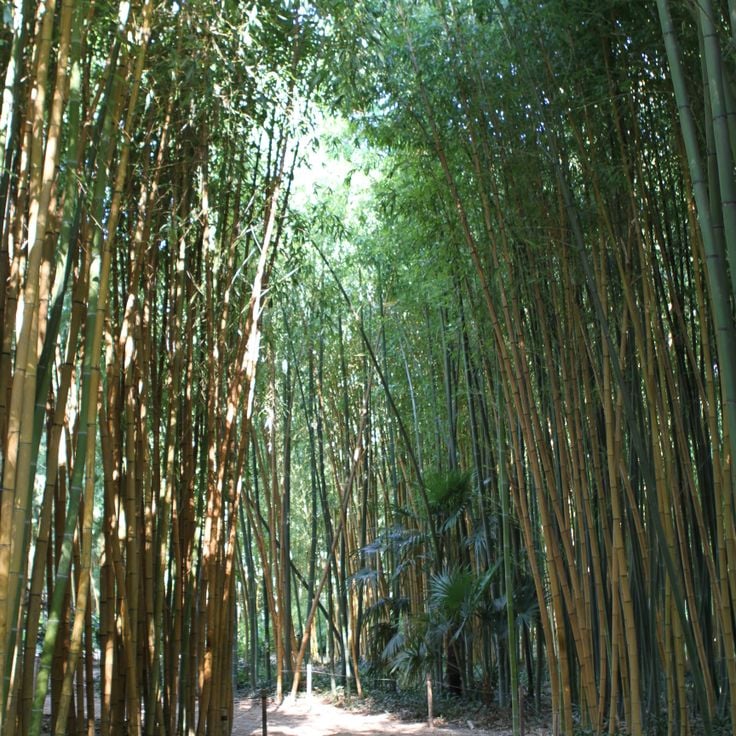
This botanical site preserves over 200 bamboo species across 12 hectares (30 acres) and stands as Europe's first bamboo collection, established in 1856. The collection includes Asian giant bamboo varieties that reach heights of 80 feet, along with specialized garden sections featuring Japanese maples and a historic Laos garden. The Cévennes location provides climatic conditions that enable growth of these plant species typically found in tropical and subtropical regions. Visitors follow marked pathways through different garden areas that demonstrate varying geographic origins and growth forms of bamboo plants.
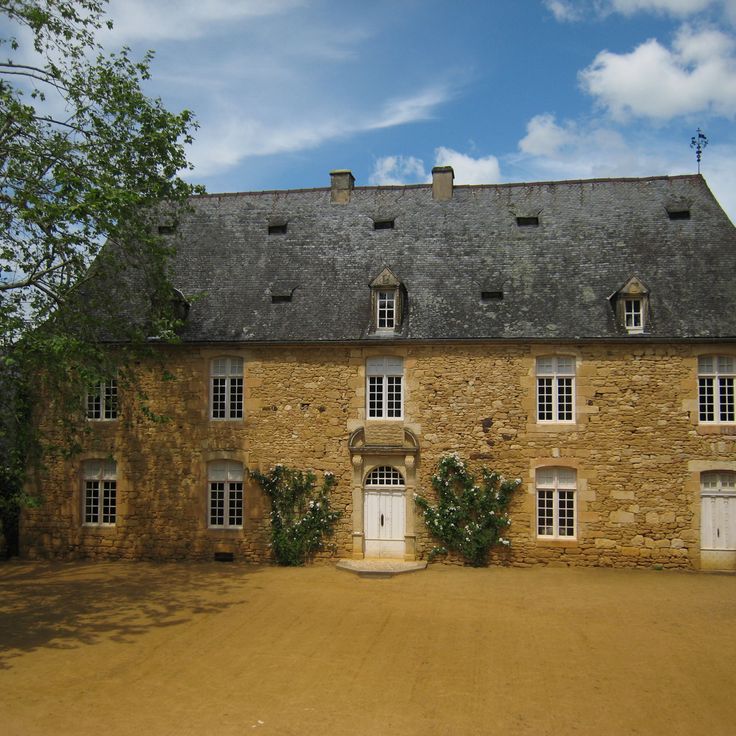
These symmetrical gardens at Eyrignac Manor display geometric shapes made of trimmed boxwood, maintained in French tradition since the 17th century. The estate demonstrates the classical art of topiary through seven themed garden sections, including the White Garden and the Pagoda Garden. Located in the Périgord noir region, the property extends across 25 acres (10 hectares) with lawns, hornbeam alleys and sculptural plantings. The gardens combine historic design principles with contemporary horticultural practice, showcasing the botanical craftsmanship of French landscape architecture.
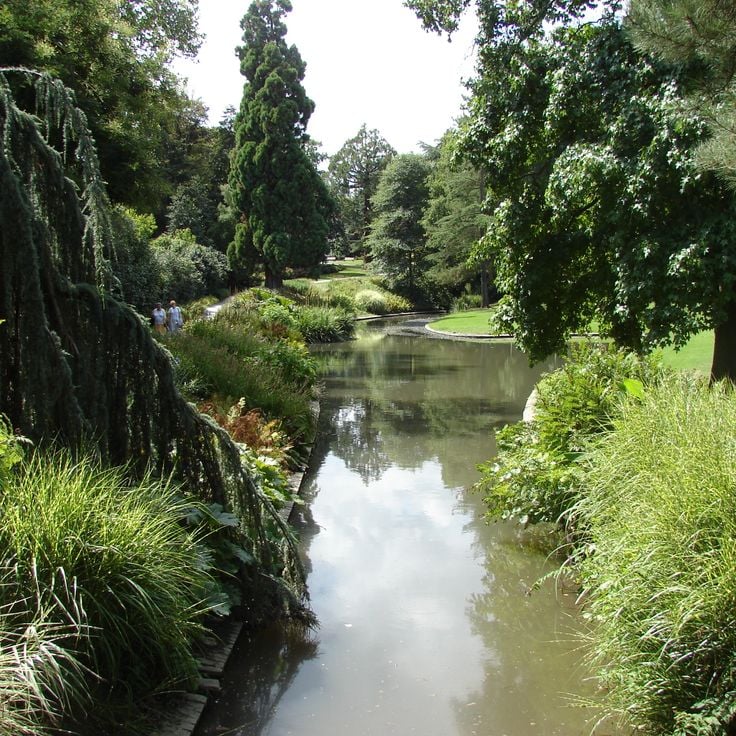
This park sits on the western edge of Nantes and combines English garden design with botanical collections dating from the 19th century. The grounds cover 12 hectares (about 30 acres) and hold more than 150 tree species, including sequoias, cedars of Lebanon, and rare magnolias. An artificial lake forms the center of the landscape, surrounded by winding paths through lawns and beds of perennials and ornamental shrubs. The scientific focus shows in labeled specimens and thematic plant groupings. The park serves both as a botanical teaching site and a public recreation area.
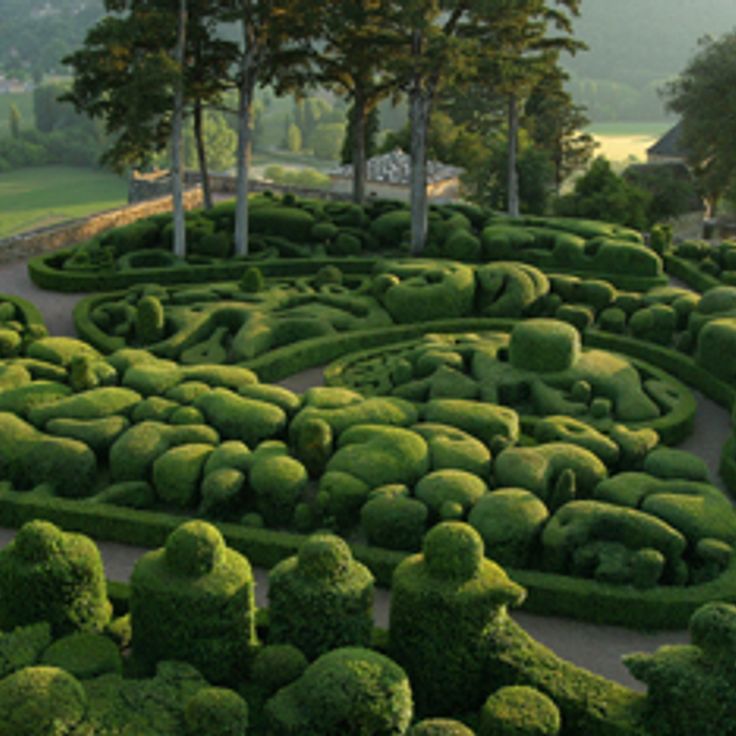
These terraced gardens spread across a limestone cliff above the Dordogne Valley and are known for their wave-shaped boxwood formations. More than 150,000 hand-clipped boxwood plants form organic patterns distributed across the hillside. Designed during the 19th century under Julien de Cerval, the Jardins Suspendus de Marqueyssac demonstrate traditional French topiary art in pronounced form. Visitors can walk over 4 miles of pathways through the grounds while experiencing different views of the surrounding landscape. The gardens combine historical horticultural practice with botanical collection and show the adaptability of Mediterranean plants to the continental climate of the Périgord region.
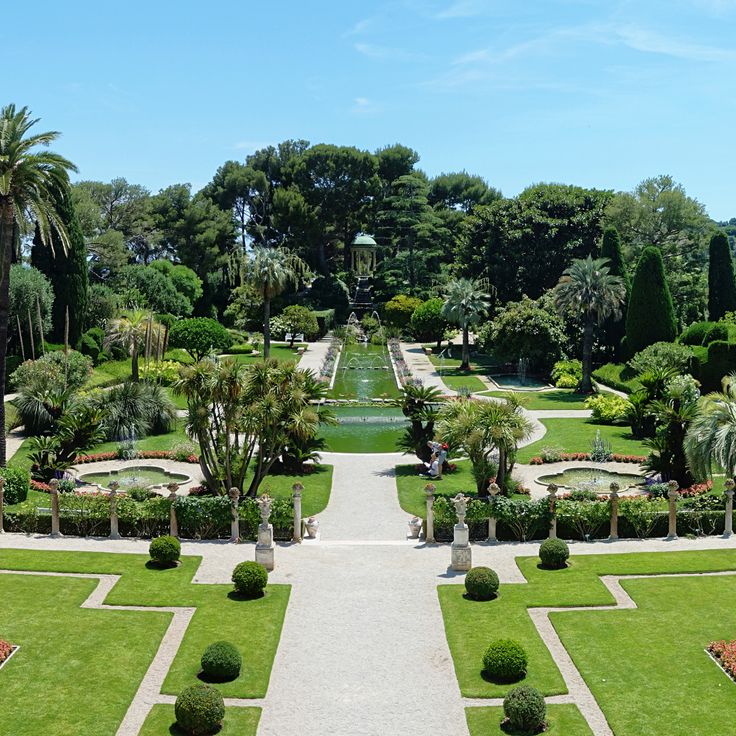
This garden on the French Riviera comprises nine themed sections that present Mediterranean and exotic plant collections. The grounds combine Spanish, Florentine and Japanese garden elements with extensive rose collections. The historic villa and its gardens provide examples of early 20th century French garden design and demonstrate the botanical diversity that thrives in the mild climate of the Côte d'Azur. Jardin Ephrussi de Rothschild serves as a study site for Mediterranean plant cultivation and garden architecture.
This garden in the medieval village of Yvoire on Lake Geneva combines historic garden design with sensory plantings. The site organizes its collections according to the five senses and presents beds of medicinal and culinary herbs following medieval garden principles. The plant selection includes aromatic and medicinal species that reflect French interest in historic garden craft and botanical education. The garden demonstrates how medieval monasteries organized their utilitarian gardens while connecting visitors with plants through deliberately designed sensory experiences. As part of French botanical garden tradition, the site shows both traditional cultivation methods and contemporary interpretation of historic concepts. The location in Yvoire complements the medieval townscape with a functional botanical collection.
These botanical gardens extend across several terraces along a wooded hillside above the Jaudy River. Visitors follow water canals and small ponds through sections containing Asian rhododendrons, camellias and magnolias, as well as Mediterranean species including eucalyptus and palms. The layout combines French formal structures with English landscape elements and contains more than 400 plant species. Stone walls and paved paths lead through wooded sections and open clearings with seasonal flowering plants.
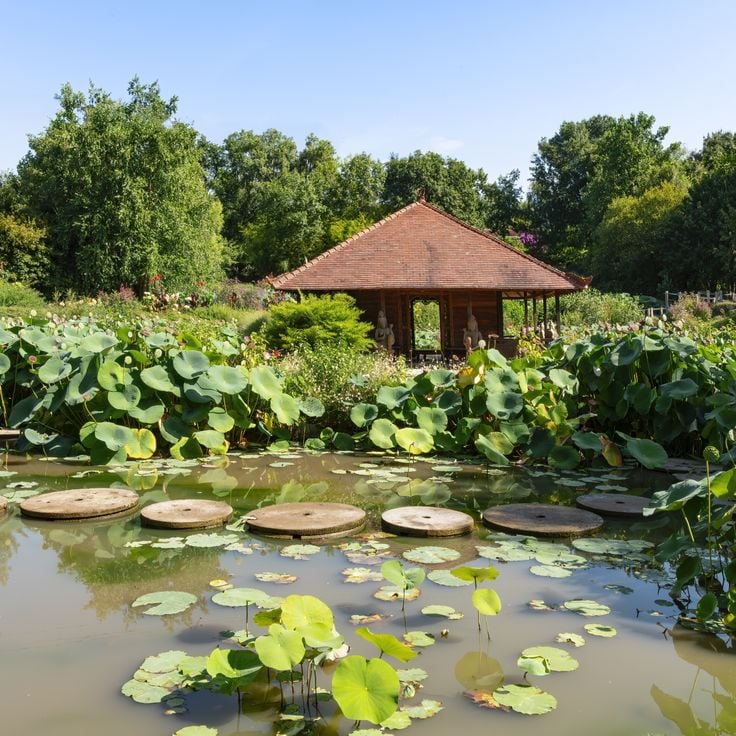
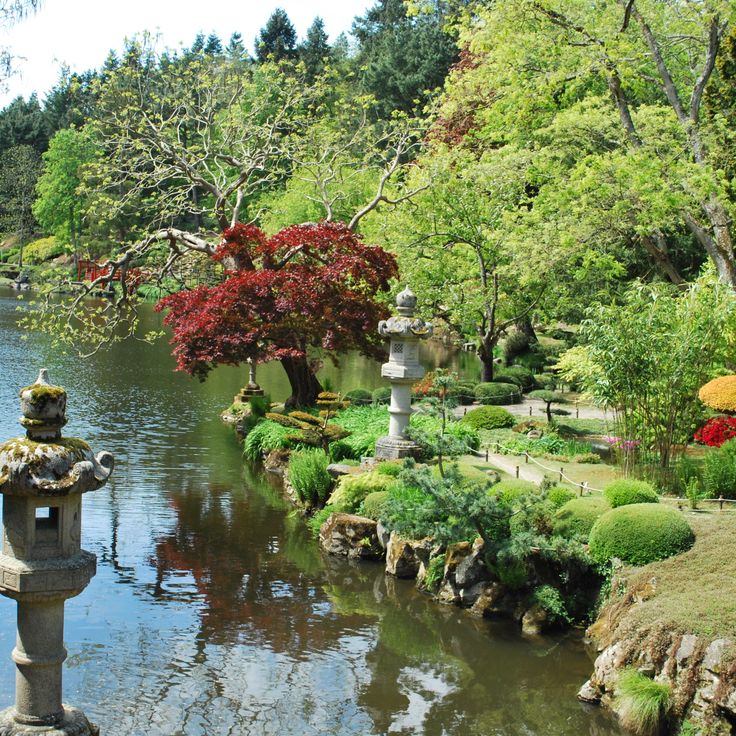
This Japanese garden spans thirty acres (twelve hectares) and follows traditional design principles with lakes, pagodas, stone lanterns, and carefully pruned plants. The Oriental Garden of Maulévrier was created in the late nineteenth century and demonstrates typical elements of Japanese garden art, including tea houses, bridges, and an extensive bonsai collection. The site serves as an example of French reception of Asian garden traditions and ranks among the largest Japanese gardens in Europe. Visitors can explore various garden sections along pathways designed according to the principle of gradual revelation.
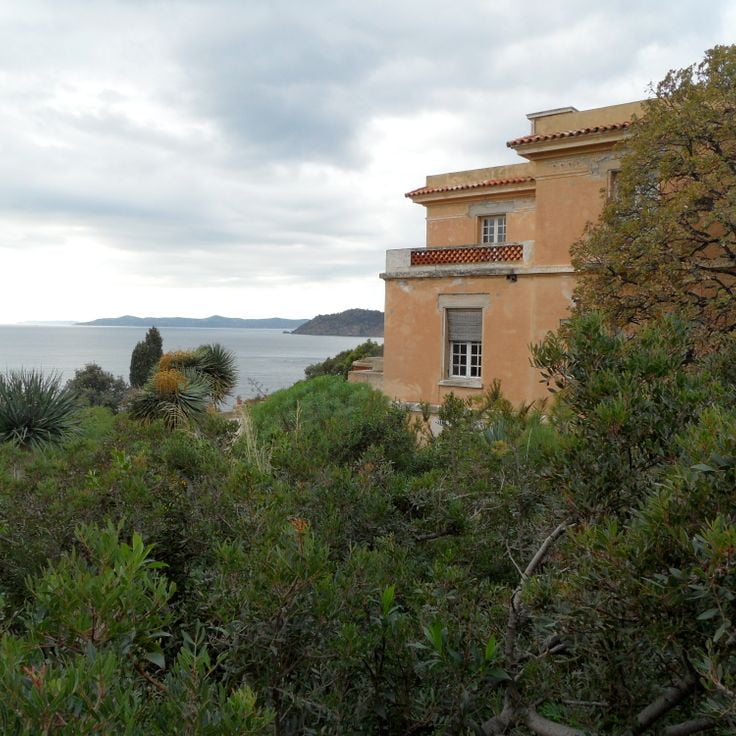
This garden presents plants from regions with Mediterranean climates, contributing to the collection of notable botanical gardens in France. The grounds display species from California, Chile, South Africa, and Australia, all sharing similar climatic conditions. The Domaine du Rayol demonstrates the adaptability of Mediterranean flora across different continents, allowing visitors to compare plants that evolved under comparable environmental conditions. The collections serve both botanical research and education about Mediterranean ecosystems worldwide.
These greenhouses at the Natural History Museum contain more than 4500 plant species distributed across six climate-controlled zones. The collections include tropical vegetation and plants from Mexican desert regions. As part of the capital's botanical facilities, these greenhouses contribute to scientific research and demonstrate plant diversity. The controlled climate zones allow for the cultivation of species from different geographic regions, making this an important resource for botanical study in France.
This botanical garden cultivates 6000 plant species across 6 acres (2.5 hectares) and demonstrates French horticultural design and scientific collections. The grounds include a historical greenhouse from 1881 and an arboretum with tree specimens. The facilities combine traditional botanical research with public education, presenting plants from various climate zones alongside regional species.
This botanical garden was founded in 1806 and stands among the significant scientific institutions in France. The collection holds approximately 11,000 plant species from around the world, including 50 protected French species important for conservation programs. The magnolia collection dates from the early 19th century and contains specimens over 200 years old. Greenhouses display tropical and subtropical plants, while themed garden sections present Mediterranean flora and regional species. The grounds serve botanical research and education, documenting the French tradition of plant sciences.
This garden contains 3,500 plant species from the southern hemisphere and sits on a granite rock overlooking the sea. It showcases species from Australia, New Zealand and South Africa that thrive in the mild Brittany coastal climate. The site spreads across terraced terrain, offering a circuit path through different geographic zones. Scientific collections focus on succulent plants and species from temperate southern hemisphere regions. The Roscoff Exotic Garden contributes to botanical research and demonstrates how Mediterranean and oceanic climate conditions enable the cultivation of unusual plants.
This botanical garden in Saint-Jean-de-Luz represents French institutions dedicated to coastal plant preservation and international botanical collections. The facility houses 2500 species, including numerous plants native to the Basque coastal region alongside specimens from other climate zones. The focus centers on coastal vegetation adapted to Atlantic maritime conditions, documenting plant strategies for thriving in salt spray, wind exposure, and sandy soils. The collection serves both scientific research and regional botanical documentation, connecting local flora with comparative species from Mediterranean and temperate coastal areas worldwide.
The Jardin de l'Évêché de Limoges occupies the grounds of the former bishop's palace in the city's historical center and presents French roses, native trees and a water garden with multiple ponds. This botanical garden combines religious heritage with botanical collections, showcasing regional plant species and demonstrating French garden design in an urban setting. The water garden features several ponds that serve as the central element, complemented by carefully arranged beds of roses and native tree specimens. The garden contributes to botanical research and education while preserving the historical character of the episcopal grounds.
This exotic garden sits 1,407 feet (429 meters) above the Mediterranean Sea and displays Mediterranean and exotic plant collections with views across Cap-Ferrat. The site combines French garden design with botanical research, presenting succulents, cacti and Mediterranean flora arranged in terraced beds. The garden contributes to scientific collections of rare plant species and demonstrates how different species adapt to the coastal climate of the French Riviera.
The Arboretum des Grandes Bruyères spans 14 hectares and brings together 7000 trees and shrubs from Europe, Asia and North America in themed garden sections. This botanical collection near Orléans documents the diversity of temperate climates through maple species, magnolia groves and conifer sections. The plantings, organized by geographic origins and botanical relationships, provide insight into international dendrology and garden design.
This botanical garden houses roughly 15,000 plant species distributed across thematic sections and greenhouses. The collections include Mediterranean plants, alpine flora, and tropical species. The grounds span several hectares and combine scientific research with public education. The historic greenhouses display exotic plants from different climate zones. Several specialized gardens demonstrate various aspects of French garden design and botanical science.
This botanical garden in the Bois de Vincennes covers 31 hectares (77 acres) and displays 650 iris species along with numerous flower beds and ponds. The Parc Floral de Paris opened in 1969 and combines French garden design with scientific collections. The grounds present seasonal flowering plants, Mediterranean specimens, and thematic garden sections that support botanical research. The site includes historic greenhouses and areas dedicated to exotic species from different climate zones.
This botanical garden presents 11 distinct landscape areas featuring plants from six continents and demonstrates various aspects of French botanical research and garden design. The grounds include specialized sections for aquatic plants and showcase both exotic and native species within carefully organized collections. As part of France's tradition of botanical gardens, it serves both scientific study and public education, illustrating plant geography and horticultural techniques across multiple climate zones.
This botanical garden in Besançon maintains over 5,000 plant species and presents one of France's extensive collections of medicinal plants and alpine vegetation. The arrangement follows a systematic approach that documents regional botanical diversity and beyond. The facility combines scientific research with public education and contributes to the preservation of rare species. As part of the French tradition of botanical gardens, this institution serves both plant research and the communication of botanical knowledge to visitors interested in understanding plant diversity and conservation efforts.
This monastic garden in Saint-Martin-de-Boscherville contains medieval medicinal plants and vegetables cultivated by Benedictine monks in the 12th century. The stone walls of the Saint-Georges Abbey surround the beds, creating a protected space that demonstrates the monastic gardening tradition of Normandy. The plant collection follows historical sources and presents species grown in medieval monastery gardens for medicinal and culinary purposes. The garden belongs among the botanical sites in France that document historical garden culture.
This 290-acre (117-hectare) urban park includes a botanical garden with approximately 15,000 plant species that showcase French garden design and botanical research since the mid 19th century. The park features historical greenhouses housing tropical and exotic collections, themed garden sections with rose gardens and peony beds, and scientific plantings that demonstrate botanical classification.
This educational garden maintains over 1,500 medicinal plant species in scientifically organized sections for pharmaceutical study and research. The collections include toxic plants, therapeutic herbs and medicinal species from different climate zones, serving the practical training of pharmacy students. Thematic beds present plants according to their medical properties and chemical compounds, while greenhouses cultivate tropical and subtropical medicinal species. The garden documents the botanical foundations of modern pharmacology and preserves rare medicinal plants.
This 1,200-hectare (3,000-acre) wetland reserve encompasses Mediterranean marshes in the Rhône delta and hosts 2,000 plant species along with numerous bird populations. As part of this collection of notable botanical gardens in France, Marais du Vigueirat showcases Mediterranean flora within its natural ecosystem, combining scientific collections with conservation. The marshes serve as a living laboratory for botanical research and demonstrate the interplay between plant life and wetland environments in the Camargue region.
This garden in Menton spreads across multiple terraces and houses extensive collections of Mediterranean and subtropical plants. Established in the 1920s by American art patron Lawrence Johnston, the site demonstrates his vision of a botanical collection that takes advantage of the region's mild climate. Stone walls define the different levels while narrow paths wind through dense plantings of palms, citrus trees, and rare species from South Africa, Australia, and New Zealand. The Serre de la Madone presents Johnston's approach to combining botanical diversity with design principles, contributing to the understanding of French garden design along the Côte d'Azur.
This park in the Bois de Boulogne combines formal French and English garden styles across 59 acres (24 hectares) of grounds originally created for the Comte d'Artois in the 18th century. The rose garden displays 1200 rose varieties from different periods and breeding traditions, making the park an important center for rose research and botanical collections in France. Beyond the rose beds, the grounds feature themed garden sections, historic structures, and manicured lawns that connect French garden design with botanical diversity.
This botanical garden spans 27 acres (11 hectares) and maintains a collection of 2,500 plant species, including notable African specimens. The Jardin des Martels combines scientific plant research with French garden design, presenting its collections along a network of ponds and water courses. The grounds document botanical diversity from various climate zones and contribute to the preservation of rare species. As part of the French botanical garden tradition, this garden provides insight into specialized plant collections and demonstrates the evolution of garden art in southern France.
This botanical site preserves over 200 bamboo species across 12 hectares (30 acres) and stands as Europe's first bamboo collection, established in 1856. The collection includes Asian giant bamboo varieties that reach heights of 80 feet, along with specialized garden sections featuring Japanese maples and a historic Laos garden. The Cévennes location provides climatic conditions that enable growth of these plant species typically found in tropical and subtropical regions. Visitors follow marked pathways through different garden areas that demonstrate varying geographic origins and growth forms of bamboo plants.
These symmetrical gardens at Eyrignac Manor display geometric shapes made of trimmed boxwood, maintained in French tradition since the 17th century. The estate demonstrates the classical art of topiary through seven themed garden sections, including the White Garden and the Pagoda Garden. Located in the Périgord noir region, the property extends across 25 acres (10 hectares) with lawns, hornbeam alleys and sculptural plantings. The gardens combine historic design principles with contemporary horticultural practice, showcasing the botanical craftsmanship of French landscape architecture.
This park sits on the western edge of Nantes and combines English garden design with botanical collections dating from the 19th century. The grounds cover 12 hectares (about 30 acres) and hold more than 150 tree species, including sequoias, cedars of Lebanon, and rare magnolias. An artificial lake forms the center of the landscape, surrounded by winding paths through lawns and beds of perennials and ornamental shrubs. The scientific focus shows in labeled specimens and thematic plant groupings. The park serves both as a botanical teaching site and a public recreation area.
These terraced gardens spread across a limestone cliff above the Dordogne Valley and are known for their wave-shaped boxwood formations. More than 150,000 hand-clipped boxwood plants form organic patterns distributed across the hillside. Designed during the 19th century under Julien de Cerval, the Jardins Suspendus de Marqueyssac demonstrate traditional French topiary art in pronounced form. Visitors can walk over 4 miles of pathways through the grounds while experiencing different views of the surrounding landscape. The gardens combine historical horticultural practice with botanical collection and show the adaptability of Mediterranean plants to the continental climate of the Périgord region.
This garden on the French Riviera comprises nine themed sections that present Mediterranean and exotic plant collections. The grounds combine Spanish, Florentine and Japanese garden elements with extensive rose collections. The historic villa and its gardens provide examples of early 20th century French garden design and demonstrate the botanical diversity that thrives in the mild climate of the Côte d'Azur. Jardin Ephrussi de Rothschild serves as a study site for Mediterranean plant cultivation and garden architecture.
This garden in the medieval village of Yvoire on Lake Geneva combines historic garden design with sensory plantings. The site organizes its collections according to the five senses and presents beds of medicinal and culinary herbs following medieval garden principles. The plant selection includes aromatic and medicinal species that reflect French interest in historic garden craft and botanical education. The garden demonstrates how medieval monasteries organized their utilitarian gardens while connecting visitors with plants through deliberately designed sensory experiences. As part of French botanical garden tradition, the site shows both traditional cultivation methods and contemporary interpretation of historic concepts. The location in Yvoire complements the medieval townscape with a functional botanical collection.
These botanical gardens extend across several terraces along a wooded hillside above the Jaudy River. Visitors follow water canals and small ponds through sections containing Asian rhododendrons, camellias and magnolias, as well as Mediterranean species including eucalyptus and palms. The layout combines French formal structures with English landscape elements and contains more than 400 plant species. Stone walls and paved paths lead through wooded sections and open clearings with seasonal flowering plants.
This Japanese garden spans thirty acres (twelve hectares) and follows traditional design principles with lakes, pagodas, stone lanterns, and carefully pruned plants. The Oriental Garden of Maulévrier was created in the late nineteenth century and demonstrates typical elements of Japanese garden art, including tea houses, bridges, and an extensive bonsai collection. The site serves as an example of French reception of Asian garden traditions and ranks among the largest Japanese gardens in Europe. Visitors can explore various garden sections along pathways designed according to the principle of gradual revelation.
This garden presents plants from regions with Mediterranean climates, contributing to the collection of notable botanical gardens in France. The grounds display species from California, Chile, South Africa, and Australia, all sharing similar climatic conditions. The Domaine du Rayol demonstrates the adaptability of Mediterranean flora across different continents, allowing visitors to compare plants that evolved under comparable environmental conditions. The collections serve both botanical research and education about Mediterranean ecosystems worldwide.
These greenhouses at the Natural History Museum contain more than 4500 plant species distributed across six climate-controlled zones. The collections include tropical vegetation and plants from Mexican desert regions. As part of the capital's botanical facilities, these greenhouses contribute to scientific research and demonstrate plant diversity. The controlled climate zones allow for the cultivation of species from different geographic regions, making this an important resource for botanical study in France.
This botanical garden cultivates 6000 plant species across 6 acres (2.5 hectares) and demonstrates French horticultural design and scientific collections. The grounds include a historical greenhouse from 1881 and an arboretum with tree specimens. The facilities combine traditional botanical research with public education, presenting plants from various climate zones alongside regional species.
This botanical garden was founded in 1806 and stands among the significant scientific institutions in France. The collection holds approximately 11,000 plant species from around the world, including 50 protected French species important for conservation programs. The magnolia collection dates from the early 19th century and contains specimens over 200 years old. Greenhouses display tropical and subtropical plants, while themed garden sections present Mediterranean flora and regional species. The grounds serve botanical research and education, documenting the French tradition of plant sciences.
This garden contains 3,500 plant species from the southern hemisphere and sits on a granite rock overlooking the sea. It showcases species from Australia, New Zealand and South Africa that thrive in the mild Brittany coastal climate. The site spreads across terraced terrain, offering a circuit path through different geographic zones. Scientific collections focus on succulent plants and species from temperate southern hemisphere regions. The Roscoff Exotic Garden contributes to botanical research and demonstrates how Mediterranean and oceanic climate conditions enable the cultivation of unusual plants.
This botanical garden in Saint-Jean-de-Luz represents French institutions dedicated to coastal plant preservation and international botanical collections. The facility houses 2500 species, including numerous plants native to the Basque coastal region alongside specimens from other climate zones. The focus centers on coastal vegetation adapted to Atlantic maritime conditions, documenting plant strategies for thriving in salt spray, wind exposure, and sandy soils. The collection serves both scientific research and regional botanical documentation, connecting local flora with comparative species from Mediterranean and temperate coastal areas worldwide.
The Jardin de l'Évêché de Limoges occupies the grounds of the former bishop's palace in the city's historical center and presents French roses, native trees and a water garden with multiple ponds. This botanical garden combines religious heritage with botanical collections, showcasing regional plant species and demonstrating French garden design in an urban setting. The water garden features several ponds that serve as the central element, complemented by carefully arranged beds of roses and native tree specimens. The garden contributes to botanical research and education while preserving the historical character of the episcopal grounds.
This exotic garden sits 1,407 feet (429 meters) above the Mediterranean Sea and displays Mediterranean and exotic plant collections with views across Cap-Ferrat. The site combines French garden design with botanical research, presenting succulents, cacti and Mediterranean flora arranged in terraced beds. The garden contributes to scientific collections of rare plant species and demonstrates how different species adapt to the coastal climate of the French Riviera.
The Arboretum des Grandes Bruyères spans 14 hectares and brings together 7000 trees and shrubs from Europe, Asia and North America in themed garden sections. This botanical collection near Orléans documents the diversity of temperate climates through maple species, magnolia groves and conifer sections. The plantings, organized by geographic origins and botanical relationships, provide insight into international dendrology and garden design.
This botanical garden houses roughly 15,000 plant species distributed across thematic sections and greenhouses. The collections include Mediterranean plants, alpine flora, and tropical species. The grounds span several hectares and combine scientific research with public education. The historic greenhouses display exotic plants from different climate zones. Several specialized gardens demonstrate various aspects of French garden design and botanical science.
This botanical garden in the Bois de Vincennes covers 31 hectares (77 acres) and displays 650 iris species along with numerous flower beds and ponds. The Parc Floral de Paris opened in 1969 and combines French garden design with scientific collections. The grounds present seasonal flowering plants, Mediterranean specimens, and thematic garden sections that support botanical research. The site includes historic greenhouses and areas dedicated to exotic species from different climate zones.
This botanical garden presents 11 distinct landscape areas featuring plants from six continents and demonstrates various aspects of French botanical research and garden design. The grounds include specialized sections for aquatic plants and showcase both exotic and native species within carefully organized collections. As part of France's tradition of botanical gardens, it serves both scientific study and public education, illustrating plant geography and horticultural techniques across multiple climate zones.
This botanical garden in Besançon maintains over 5,000 plant species and presents one of France's extensive collections of medicinal plants and alpine vegetation. The arrangement follows a systematic approach that documents regional botanical diversity and beyond. The facility combines scientific research with public education and contributes to the preservation of rare species. As part of the French tradition of botanical gardens, this institution serves both plant research and the communication of botanical knowledge to visitors interested in understanding plant diversity and conservation efforts.
This monastic garden in Saint-Martin-de-Boscherville contains medieval medicinal plants and vegetables cultivated by Benedictine monks in the 12th century. The stone walls of the Saint-Georges Abbey surround the beds, creating a protected space that demonstrates the monastic gardening tradition of Normandy. The plant collection follows historical sources and presents species grown in medieval monastery gardens for medicinal and culinary purposes. The garden belongs among the botanical sites in France that document historical garden culture.
This 290-acre (117-hectare) urban park includes a botanical garden with approximately 15,000 plant species that showcase French garden design and botanical research since the mid 19th century. The park features historical greenhouses housing tropical and exotic collections, themed garden sections with rose gardens and peony beds, and scientific plantings that demonstrate botanical classification.
This educational garden maintains over 1,500 medicinal plant species in scientifically organized sections for pharmaceutical study and research. The collections include toxic plants, therapeutic herbs and medicinal species from different climate zones, serving the practical training of pharmacy students. Thematic beds present plants according to their medical properties and chemical compounds, while greenhouses cultivate tropical and subtropical medicinal species. The garden documents the botanical foundations of modern pharmacology and preserves rare medicinal plants.
This 1,200-hectare (3,000-acre) wetland reserve encompasses Mediterranean marshes in the Rhône delta and hosts 2,000 plant species along with numerous bird populations. As part of this collection of notable botanical gardens in France, Marais du Vigueirat showcases Mediterranean flora within its natural ecosystem, combining scientific collections with conservation. The marshes serve as a living laboratory for botanical research and demonstrate the interplay between plant life and wetland environments in the Camargue region.
This garden in Menton spreads across multiple terraces and houses extensive collections of Mediterranean and subtropical plants. Established in the 1920s by American art patron Lawrence Johnston, the site demonstrates his vision of a botanical collection that takes advantage of the region's mild climate. Stone walls define the different levels while narrow paths wind through dense plantings of palms, citrus trees, and rare species from South Africa, Australia, and New Zealand. The Serre de la Madone presents Johnston's approach to combining botanical diversity with design principles, contributing to the understanding of French garden design along the Côte d'Azur.
This park in the Bois de Boulogne combines formal French and English garden styles across 59 acres (24 hectares) of grounds originally created for the Comte d'Artois in the 18th century. The rose garden displays 1200 rose varieties from different periods and breeding traditions, making the park an important center for rose research and botanical collections in France. Beyond the rose beds, the grounds feature themed garden sections, historic structures, and manicured lawns that connect French garden design with botanical diversity.
This botanical garden spans 27 acres (11 hectares) and maintains a collection of 2,500 plant species, including notable African specimens. The Jardin des Martels combines scientific plant research with French garden design, presenting its collections along a network of ponds and water courses. The grounds document botanical diversity from various climate zones and contribute to the preservation of rare species. As part of the French botanical garden tradition, this garden provides insight into specialized plant collections and demonstrates the evolution of garden art in southern France.
This botanical site preserves over 200 bamboo species across 12 hectares (30 acres) and stands as Europe's first bamboo collection, established in 1856. The collection includes Asian giant bamboo varieties that reach heights of 80 feet, along with specialized garden sections featuring Japanese maples and a historic Laos garden. The Cévennes location provides climatic conditions that enable growth of these plant species typically found in tropical and subtropical regions. Visitors follow marked pathways through different garden areas that demonstrate varying geographic origins and growth forms of bamboo plants.
These symmetrical gardens at Eyrignac Manor display geometric shapes made of trimmed boxwood, maintained in French tradition since the 17th century. The estate demonstrates the classical art of topiary through seven themed garden sections, including the White Garden and the Pagoda Garden. Located in the Périgord noir region, the property extends across 25 acres (10 hectares) with lawns, hornbeam alleys and sculptural plantings. The gardens combine historic design principles with contemporary horticultural practice, showcasing the botanical craftsmanship of French landscape architecture.
This park sits on the western edge of Nantes and combines English garden design with botanical collections dating from the 19th century. The grounds cover 12 hectares (about 30 acres) and hold more than 150 tree species, including sequoias, cedars of Lebanon, and rare magnolias. An artificial lake forms the center of the landscape, surrounded by winding paths through lawns and beds of perennials and ornamental shrubs. The scientific focus shows in labeled specimens and thematic plant groupings. The park serves both as a botanical teaching site and a public recreation area.
These terraced gardens spread across a limestone cliff above the Dordogne Valley and are known for their wave-shaped boxwood formations. More than 150,000 hand-clipped boxwood plants form organic patterns distributed across the hillside. Designed during the 19th century under Julien de Cerval, the Jardins Suspendus de Marqueyssac demonstrate traditional French topiary art in pronounced form. Visitors can walk over 4 miles of pathways through the grounds while experiencing different views of the surrounding landscape. The gardens combine historical horticultural practice with botanical collection and show the adaptability of Mediterranean plants to the continental climate of the Périgord region.
This garden on the French Riviera comprises nine themed sections that present Mediterranean and exotic plant collections. The grounds combine Spanish, Florentine and Japanese garden elements with extensive rose collections. The historic villa and its gardens provide examples of early 20th century French garden design and demonstrate the botanical diversity that thrives in the mild climate of the Côte d'Azur. Jardin Ephrussi de Rothschild serves as a study site for Mediterranean plant cultivation and garden architecture.
This garden in the medieval village of Yvoire on Lake Geneva combines historic garden design with sensory plantings. The site organizes its collections according to the five senses and presents beds of medicinal and culinary herbs following medieval garden principles. The plant selection includes aromatic and medicinal species that reflect French interest in historic garden craft and botanical education. The garden demonstrates how medieval monasteries organized their utilitarian gardens while connecting visitors with plants through deliberately designed sensory experiences. As part of French botanical garden tradition, the site shows both traditional cultivation methods and contemporary interpretation of historic concepts. The location in Yvoire complements the medieval townscape with a functional botanical collection.
These botanical gardens extend across several terraces along a wooded hillside above the Jaudy River. Visitors follow water canals and small ponds through sections containing Asian rhododendrons, camellias and magnolias, as well as Mediterranean species including eucalyptus and palms. The layout combines French formal structures with English landscape elements and contains more than 400 plant species. Stone walls and paved paths lead through wooded sections and open clearings with seasonal flowering plants.
This Japanese garden spans thirty acres (twelve hectares) and follows traditional design principles with lakes, pagodas, stone lanterns, and carefully pruned plants. The Oriental Garden of Maulévrier was created in the late nineteenth century and demonstrates typical elements of Japanese garden art, including tea houses, bridges, and an extensive bonsai collection. The site serves as an example of French reception of Asian garden traditions and ranks among the largest Japanese gardens in Europe. Visitors can explore various garden sections along pathways designed according to the principle of gradual revelation.
This garden presents plants from regions with Mediterranean climates, contributing to the collection of notable botanical gardens in France. The grounds display species from California, Chile, South Africa, and Australia, all sharing similar climatic conditions. The Domaine du Rayol demonstrates the adaptability of Mediterranean flora across different continents, allowing visitors to compare plants that evolved under comparable environmental conditions. The collections serve both botanical research and education about Mediterranean ecosystems worldwide.