See the monuments around you in AROpen chests in the app
Around Us is built for your phone — point your camera at the streets and discover the monuments and places around you in augmented reality.Around Us is built for your phone — chests unlock when you walk, explore and capture nearby places.
The city unfolds along the Main River, where museums are near cafes and people sit on the stairs to watch the sunset over the water.
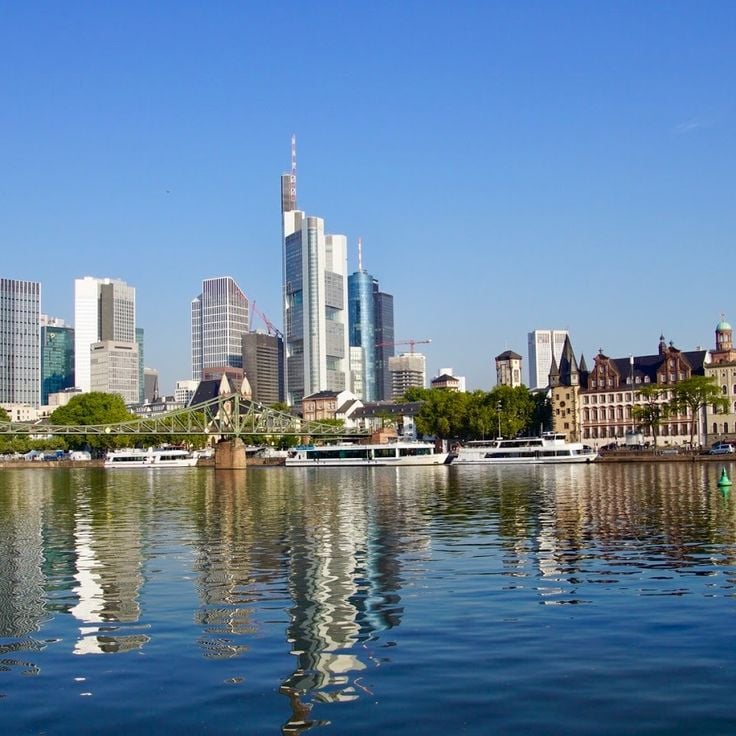
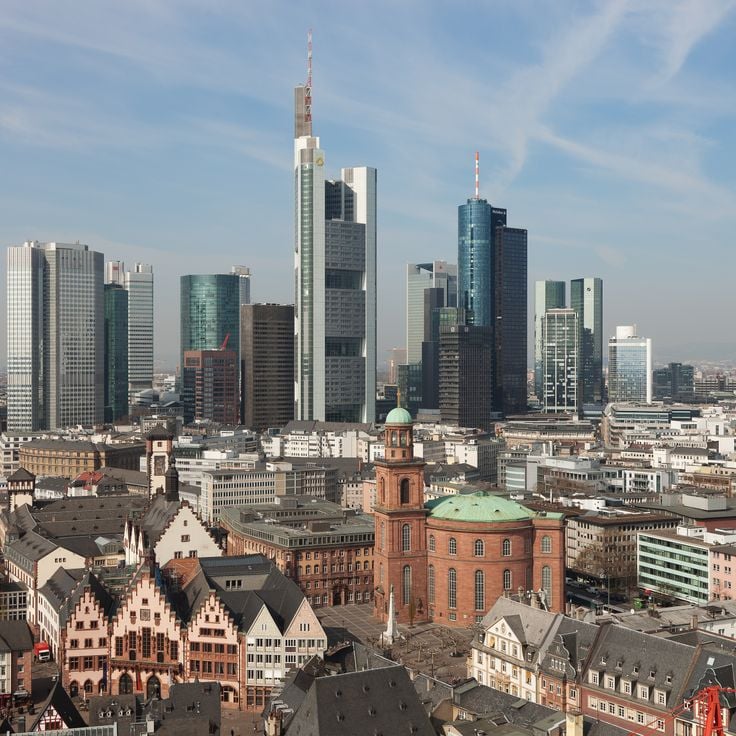
Frankfurt places you between centuries of history and one of Europe's tallest skylines. The half-timbered houses from the Middle Ages at Römer share the view with glass and steel towers that shape the financial area. The observation deck at the Main Tower gives you this view from above, while bridges like the Eiserner Steg allow you to see how the tall buildings reflect on the river's surface. In the morning, you can take photos of the gothic sandstone at the cathedral, then walk to the Palmengarten to photograph tropical plants in 19th-century greenhouses.
Photographing city scenes follows the two sides of the Main River. Museumsufer brings together old museum buildings and modern galleries along the water, with steps where people gather when the sun is out. Inside the Städel, natural light falls on paintings from seven centuries of European art. Kleinmarkthalle shows everyday life through market stalls and the morning crowd, while the old opera house features neo-renaissance facades under the watch of the skyscrapers. Goethe's birthplace holds rooms from the 18th century in a city that continues to build upward, with themes from quiet interiors to bold geometric patterns on the walls of the tall buildings.
The city unfolds along the Main River, where museums are near cafes and people sit on the stairs to watch the sunset over the water.
Frankfurt places you between centuries of history and one of Europe's tallest skylines. The half-timbered houses from the Middle Ages at Römer share the view with glass and steel towers that shape the financial area. The observation deck at the Main Tower gives you this view from above, while bridges like the Eiserner Steg allow you to see how the tall buildings reflect on the river's surface. In the morning, you can take photos of the gothic sandstone at the cathedral, then walk to the Palmengarten to photograph tropical plants in 19th-century greenhouses.
Photographing city scenes follows the two sides of the Main River. Museumsufer brings together old museum buildings and modern galleries along the water, with steps where people gather when the sun is out. Inside the Städel, natural light falls on paintings from seven centuries of European art. Kleinmarkthalle shows everyday life through market stalls and the morning crowd, while the old opera house features neo-renaissance facades under the watch of the skyscrapers. Goethe's birthplace holds rooms from the 18th century in a city that continues to build upward, with themes from quiet interiors to bold geometric patterns on the walls of the tall buildings.
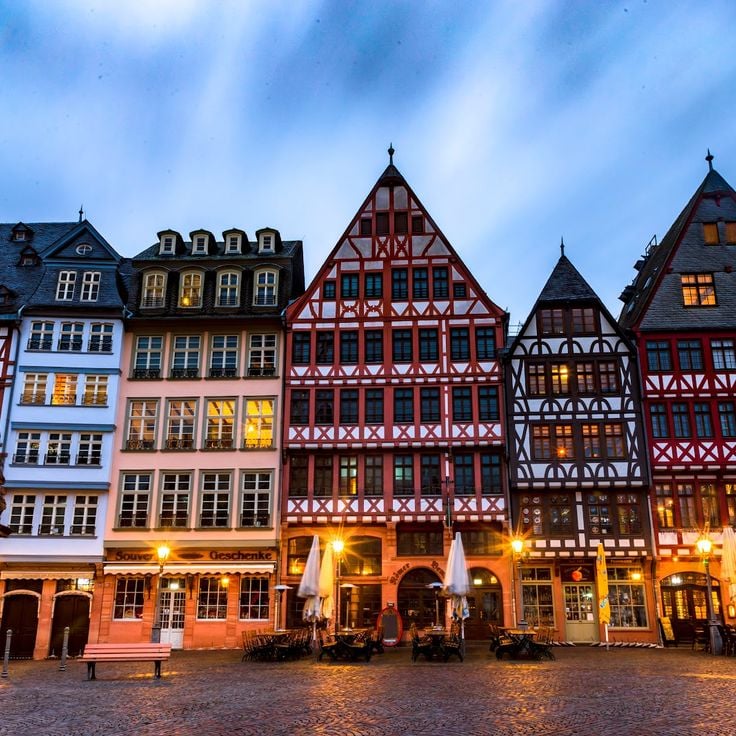
The Römer is a historic building complex from the 15th century that forms the heart of Frankfurt's old town. The three houses with their distinctive stepped gables stand on Römerberg square and serve as the city hall to this day. Inside, old wall paintings tell stories from Frankfurt's long history. The facade with its windows and balconies is a favorite subject for photographers, especially when evening light highlights the details. The square in front hosts markets and events, bringing activity to the area. This place connects medieval architecture with modern city life and shows how Frankfurt preserves its past.
The Palmengarten displays plants from different climate zones across 22 greenhouses and about 50 hectares of outdoor grounds. Palms, tropical trees, and flower beds offer quiet subjects between Frankfurt's towers. The glass houses from the 19th century shelter plants from Africa, Asia, and South America. This garden provides photography subjects of vegetation, glass, and light that create contrast with the urban architecture nearby.
The Main Tower brings you to an observation deck on the 56th floor, about 650 feet high (200 meters). From there you see the financial district with its office towers, the old town with the Römer and Cathedral, the river and the parks. On clear days the view extends to the Taunus hills. The glass facades of the surrounding high-rises reflect daylight. An elevator takes you up in less than a minute. The Main Tower is one of the few skyscrapers in Frankfurt with a public viewing platform.
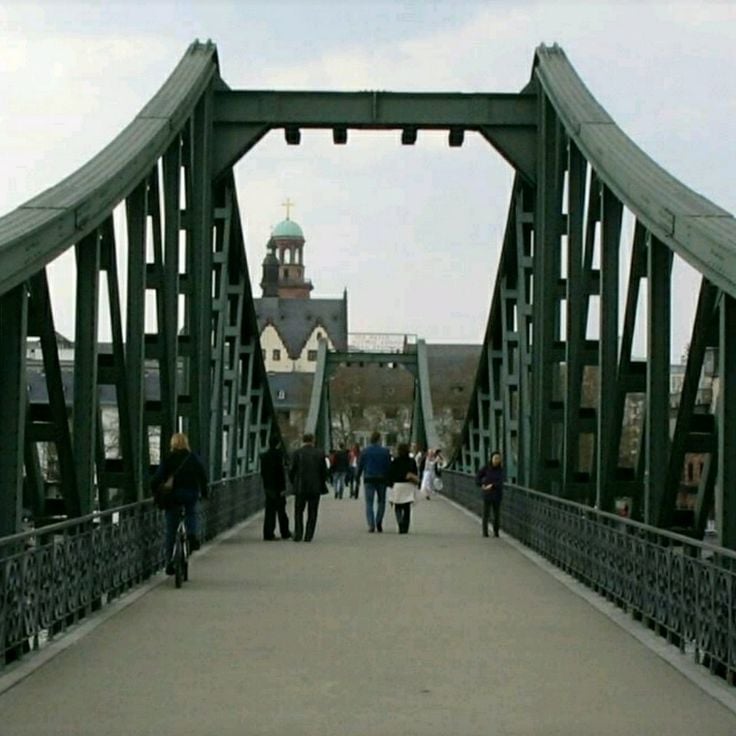
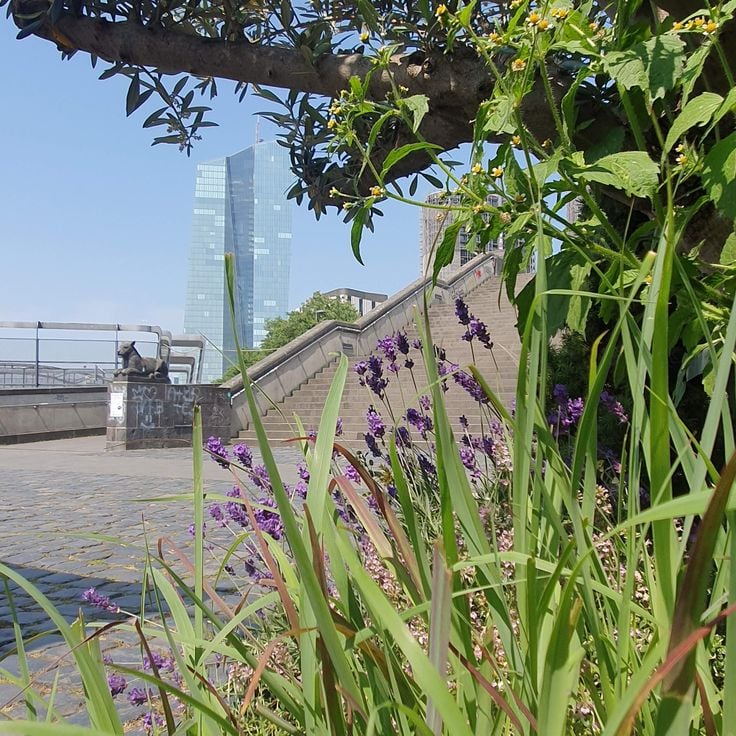
The Iron Bridge connects the town center of Frankfurt to Sachsenhausen since 1869. This footbridge offers wide views of the skyscrapers in the financial district that are reflected in the Main river. It is a spot where you can take pictures of the Frankfurt skyline, especially early in the morning and late in the afternoon when the light changes the appearance of the towers and their reflections. Residents and visitors cross the bridge to get from one side of the river to the other, but many also stop just to look around and watch how the city reveals itself from the middle of the river.
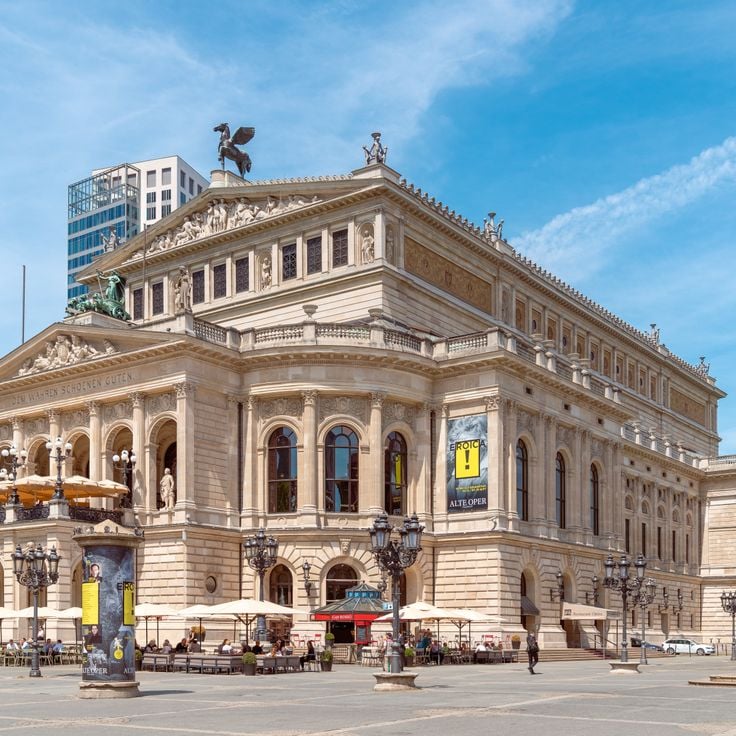
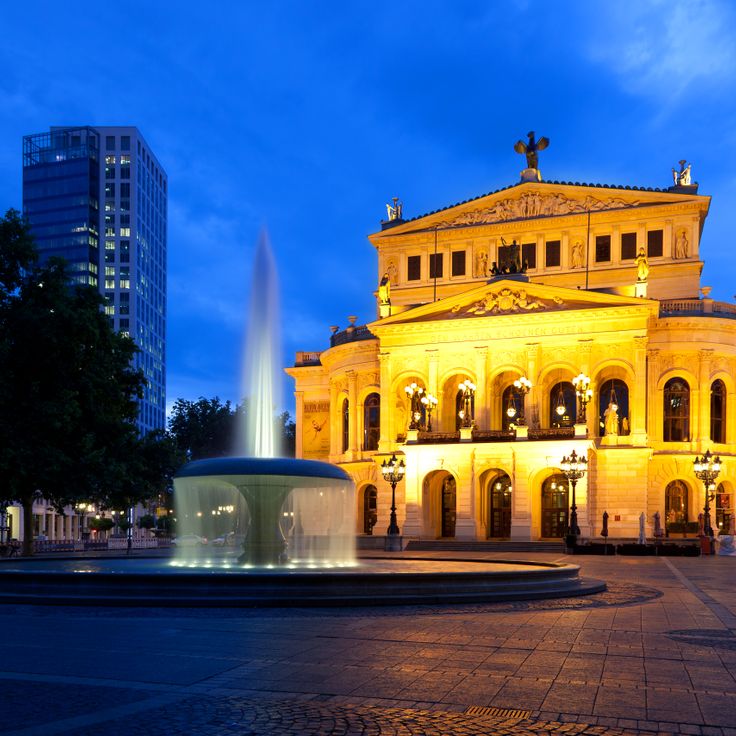
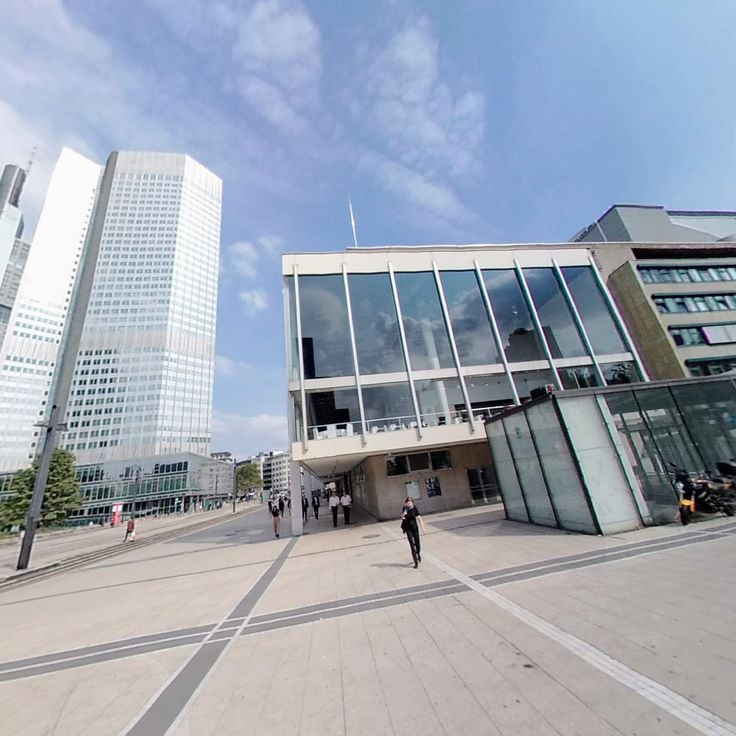
The Alte Oper was built in 1880 in a neo-Renaissance style and now serves as a concert hall in the middle of Frankfurt's financial district. Its pale sandstone facade carries columns, arched windows, and carved figures, while glass towers rise directly behind it. Walking across the Opernplatz in front of it, you get a clear sense of how the city layers its past and present side by side. This contrast makes it one of the most direct places in Frankfurt to photograph old and new together.
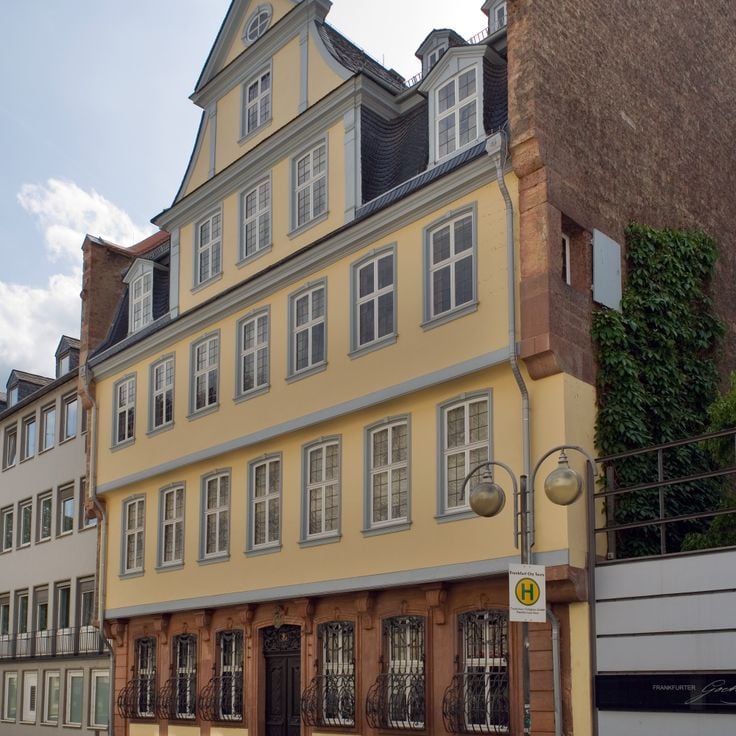
The Goethe House holds the rooms where Johann Wolfgang von Goethe was born in 1749 and spent his childhood. Over four floors, this house displays furniture and objects from the 18th century: living rooms, bedrooms, and a family kitchen. Rebuilt after the Second World War, it shows the domestic life of that time. For photographers capturing the contrasts in Frankfurt, the Goethe House offers a quiet interior setting next to the city's modern towers, allowing you to photograph scenes from the 18th century against contemporary architecture.
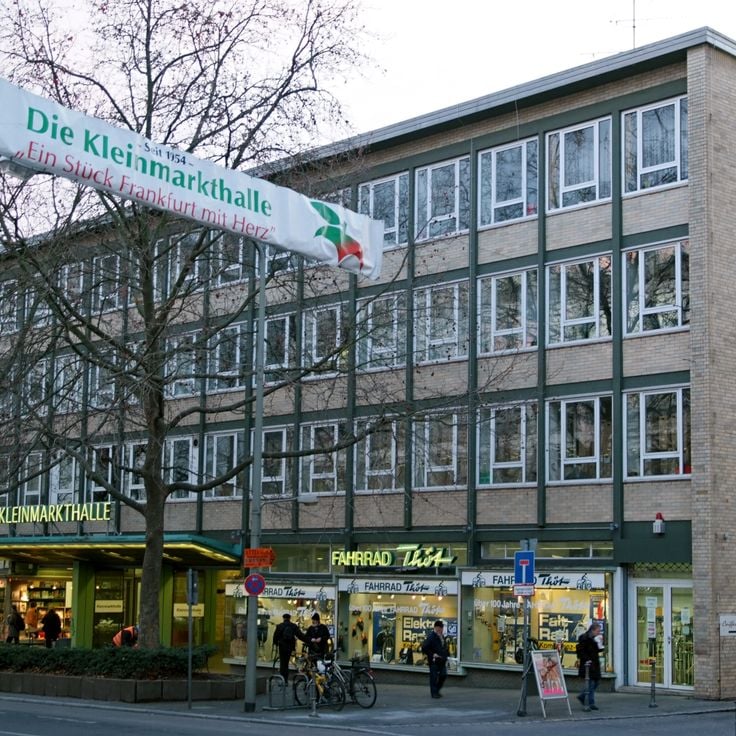
The Kleinmarkthalle is a covered market hall from the 1950s in the heart of Frankfurt. Local vendors sell fresh fruit, vegetables, meat, cheese and baked goods here. In the morning, the hall fills with regulars pushing shopping bags between the stalls while the smell of fresh bread and spices drifts through the air. For photographers, the Kleinmarkthalle offers strong colors, natural light and candid everyday moments.
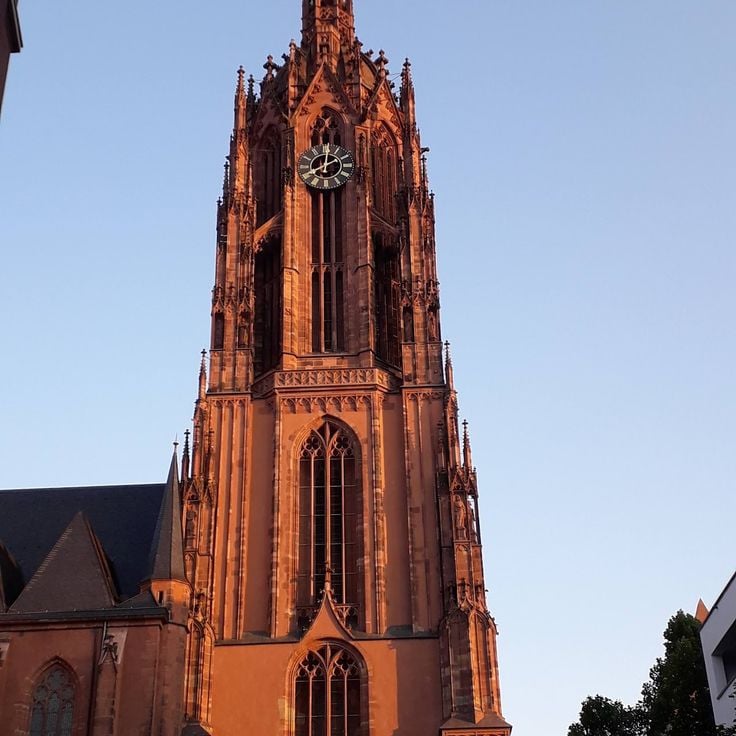
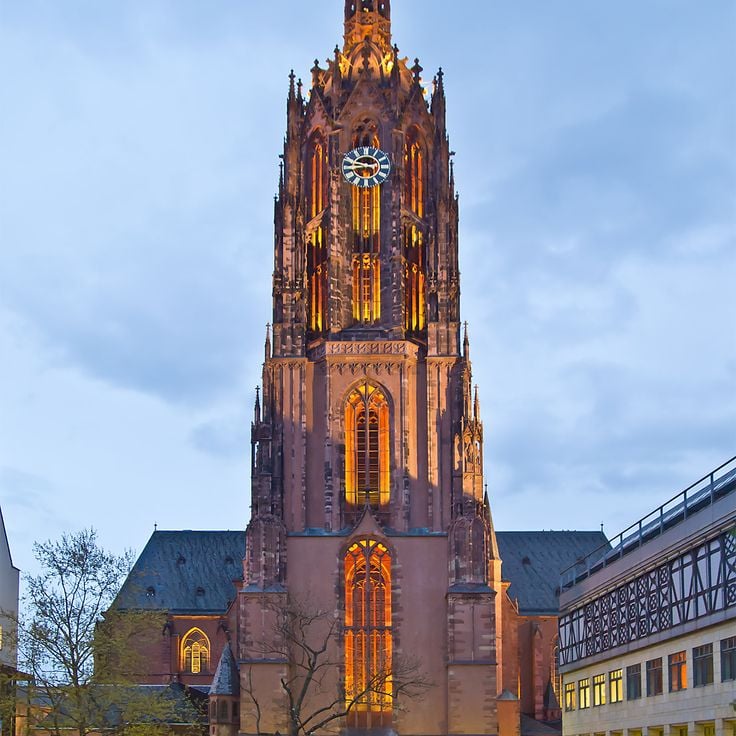
This cathedral stands in the heart of the old town and displays Gothic architecture from the 14th century. The tower reaches 95 meters in height. Inside, you find burial sites and narrow windows that filter the light. Red sandstone walls shape its appearance. This site hosted imperial coronations of the Holy Roman Empire. The cathedral offers a quiet space while city life continues outside. For photographers, the sandstone shows different tones in changing light, and the architecture contrasts with modern buildings surrounding it.
The Museumsufer follows the Main river and brings together museums on both banks. The buildings show classical architecture with columns and facades from the nineteenth century, while others take a modern approach. On Saturdays many houses stay open longer, and when the weather is good people sit on the steps leading to the water. The bridges connecting both sides offer views toward the skyline. This museum embankment serves as a photography location where you can capture both the historic structures and the people who gather along the riverbank.
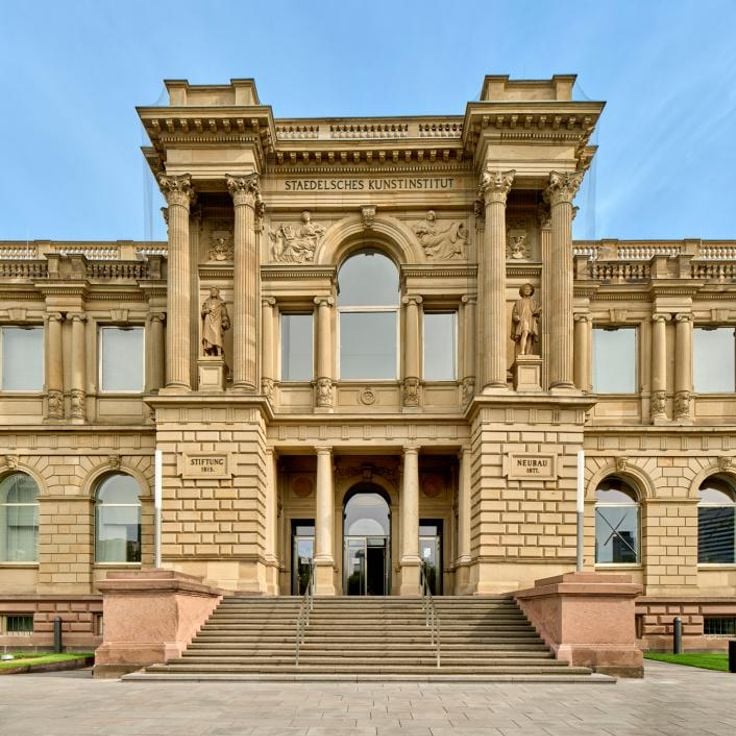
The Städel Museum displays European painting across seven centuries, from the Middle Ages to the present day. The collection brings together works by German, Italian, Dutch and French masters. The building combines a classical main structure with modern additions, and large windows let natural light fall across the galleries. The garden and terrace offer views over the Main riverbank and the city skyline.
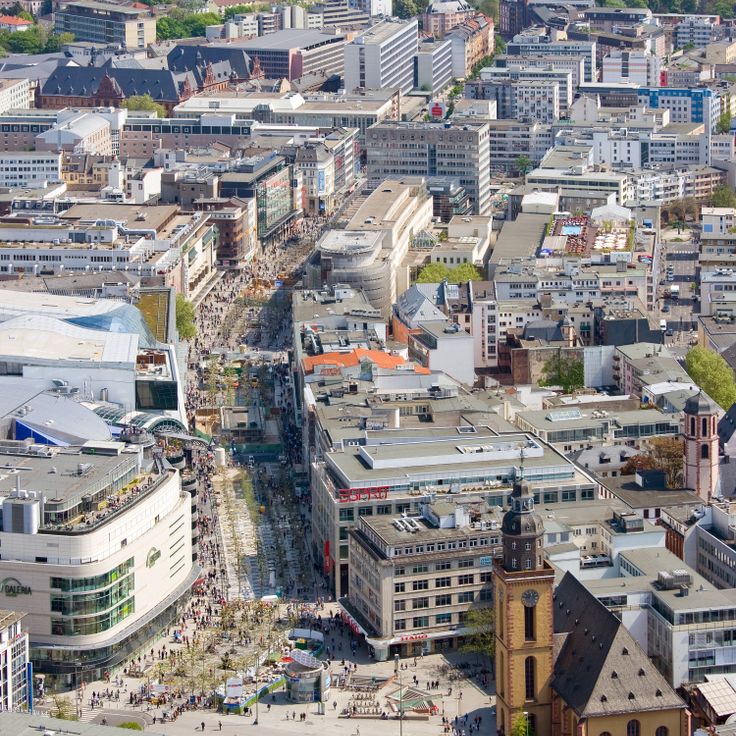
The Zeil is a pedestrian street that runs through the center of Frankfurt, from the main train station to Konstablerwache. Shops, restaurants, and modern buildings like the MyZeil mall stand next to the historic Katharinenkirche. Shoppers move between glass facades, large department stores, and small cafés. Families and tourists walk through the shops mostly on weekends. The Zeil shows the pace of a city where old and new buildings stand side by side.
This shopping center captures Frankfurt's blend of modern architecture and daily life. MyZeil's curved glass facade dominates the Zeil, one of the city's busiest shopping streets. Inside, eight floors hold shops, restaurants, and cafés connected by a spiral opening that channels natural light through the building's core. The interior reveals how people move through contemporary spaces while shopping for fashion, electronics, and food. For photographers documenting Frankfurt's transformation, this center shows how the city layers new design over historic streets, creating a contrast worth capturing from multiple angles and times of day.
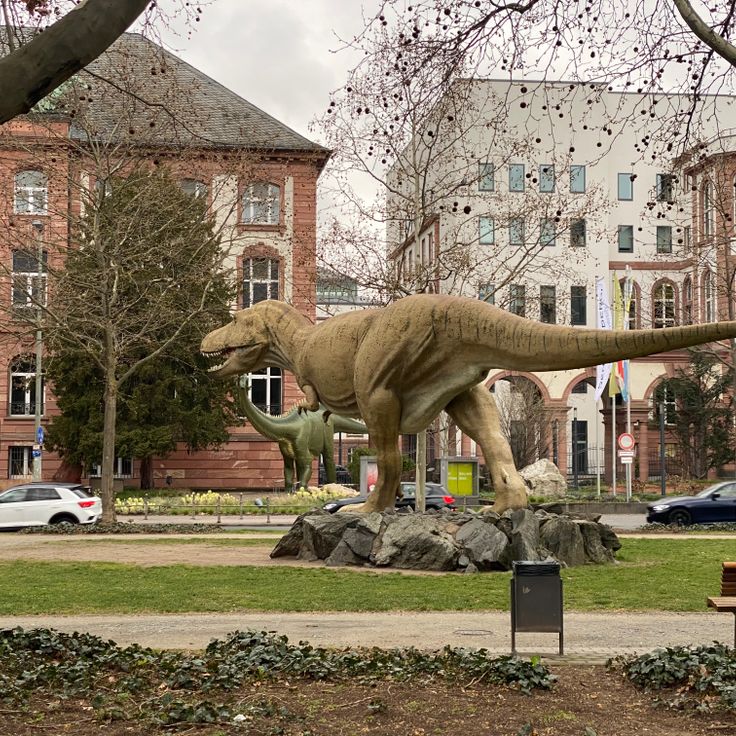
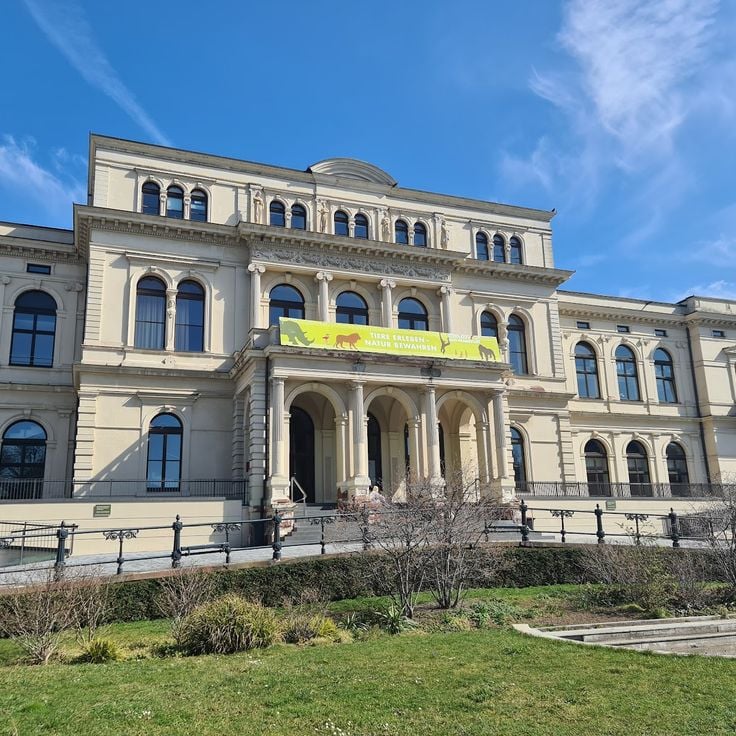
The Senckenberg Natural History Museum fits into this photography collection as a place where you can photograph the history of life on Earth. Exhibition halls display dinosaur skeletons from different geological periods, including a complete Tyrannosaurus and several marine reptiles. You will find taxidermied African mammals, tropical birds, and insects arranged in display cases, alongside minerals, rocks, and fossils from Europe and other continents. The collections show you how extinct and living species connect to each other. Located in the Bockenheim district, this museum lets you capture evolution and natural science visually.
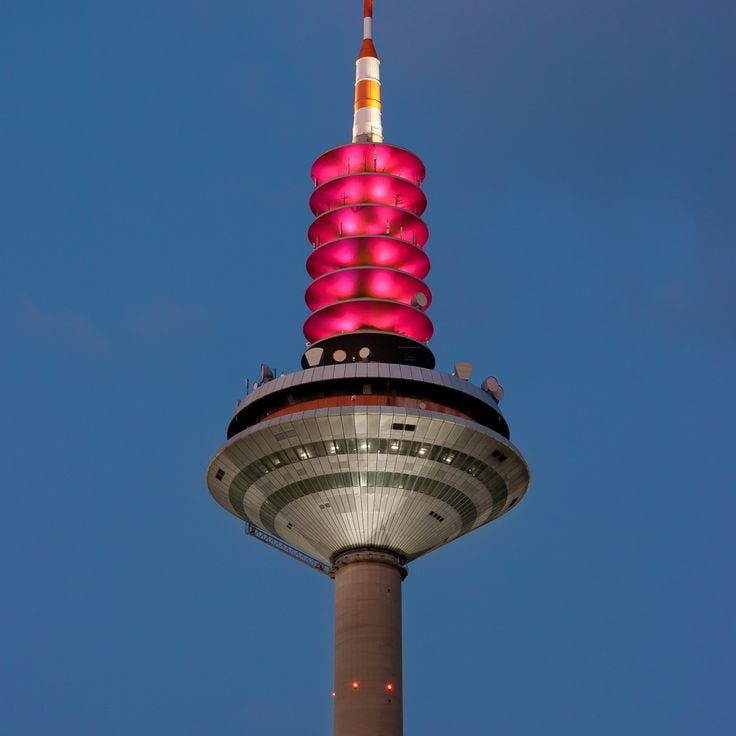
This telecommunications tower rises 337 meters (1,106 feet) above the city and transmits radio and television signals across the region. From the observation platform, you can see the Frankfurt skyline, the high-rises of the financial district, and the curves of the Main River. The tower's narrow antenna tip remains visible from many points around the city. Standing somewhat away from the center between residential neighborhoods and green spaces, the Europaturm is among the tallest structures in Germany. Photographers use it as a subject for wide-angle shots of the modern cityscape and to capture the relationship between this technological landmark and the river below.
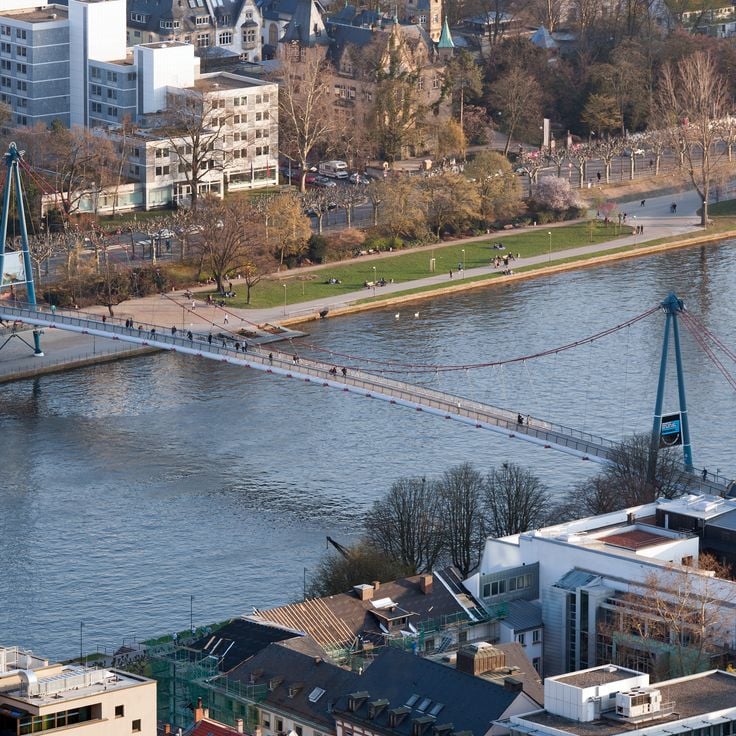
The Holbeinsteg is a steel bridge built in 1990 that crosses the Main River in a straight line. It connects Sachsenhausen on the south bank with the city center and serves pedestrians only. From here, you see the banking tower skyline to the north and the older riverside to the south. The bridge offers an open view in both directions, free from traffic noise or crowds. Morning and evening light shifts across the water. Photographers will find an unobstructed vantage point from the middle of the river to capture high-rises against the sky.
This square connects urban life with classical architecture. At the center stands a fountain where people gather and meet. The opera house, built in 1880, shapes the square with its neoclassical facade. Cafés line the surrounding area and invite visitors to linger. Opernplatz offers opportunities to photograph the historical facade and scenes of daily life, especially when light falls on the columns or when the fountains are active.
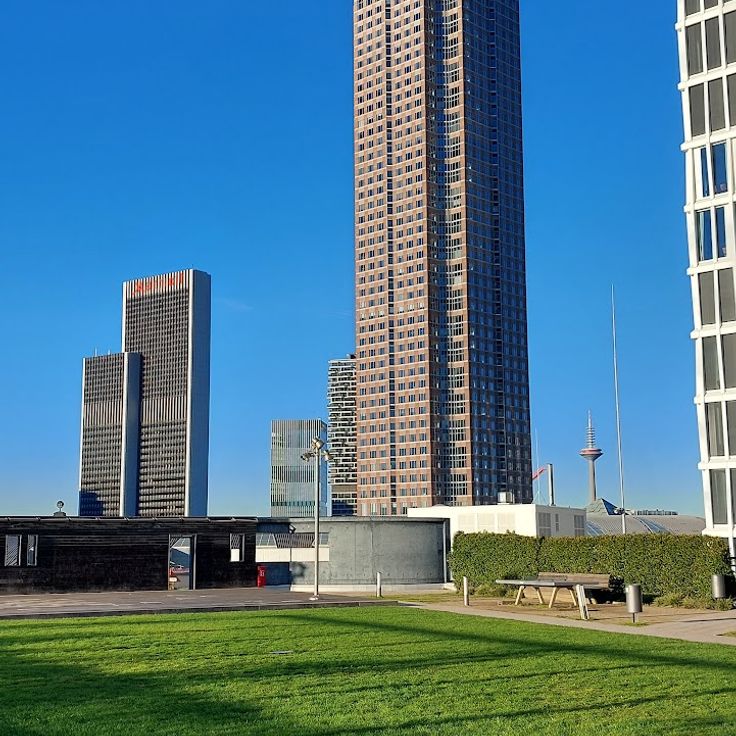
This public roof garden on the fifth floor of the shopping center offers a full view of Frankfurt's downtown area. The Skyline Plaza Roof Garden shows the financial districts with their towers and the Main River shores in all directions. Visitors see the banking buildings, the old town with the Römer, and the museum quarters. The garden sits in the middle of the city and allows photographs of modern and historical buildings without obstacles. Benches and green areas make the place accessible for longer stays. The elevated position shows Frankfurt from a perspective that is not possible from street level.
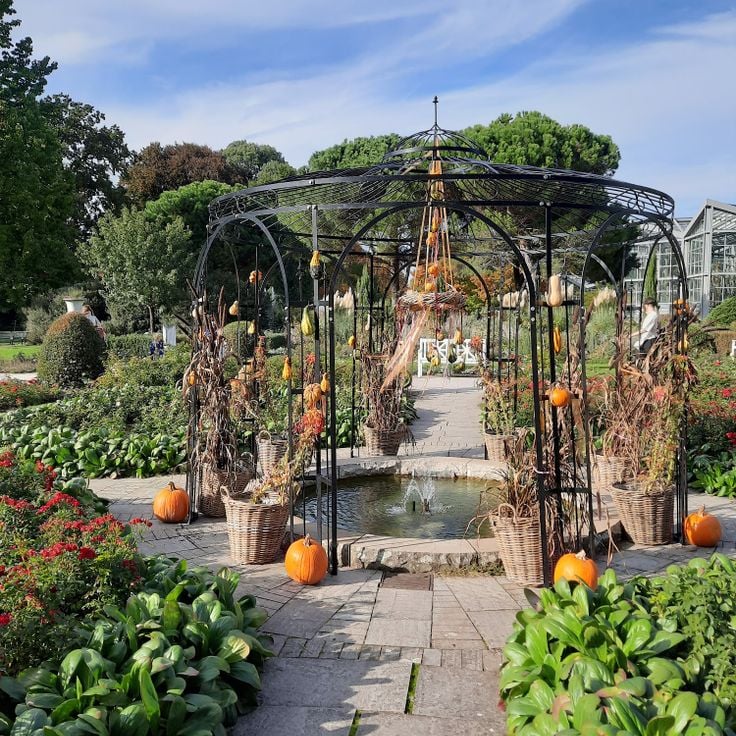
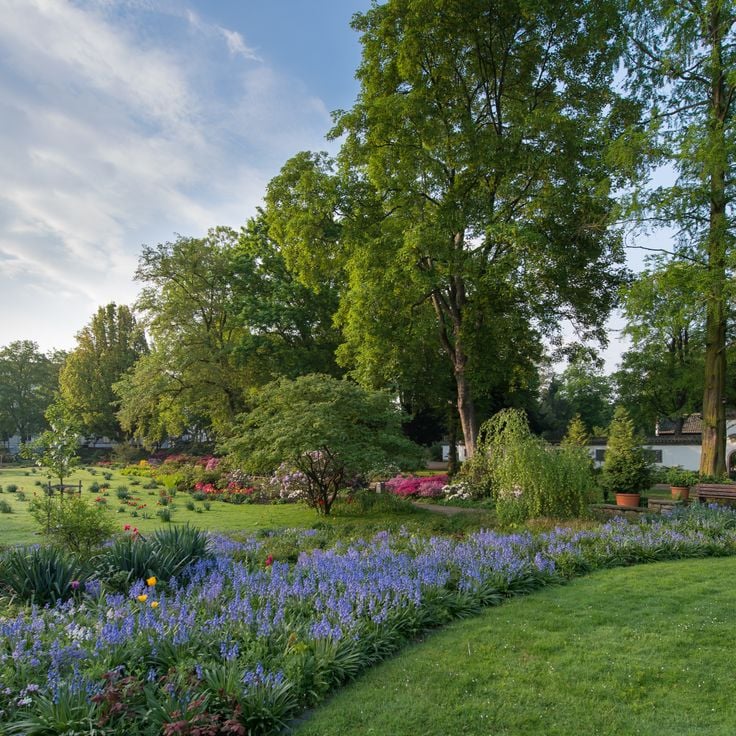
The Bethmann Botanical Garden in the eastern part of Frankfurt was founded in 1783 by the Bethmann banking family. This garden offers photographers a chance to capture how historical garden design fits into a modern city between medieval houses and skyscrapers. Old trees line the paths between flower beds and ponds. A Chinese pavilion stands among bridges and water surfaces. The grounds are divided into sections with Mediterranean plants and perennials. The garden combines historical design with quiet corners for rest. Families and photographers find plenty of subjects here throughout the seasons.
This park is an open space with lawns where mature trees create quiet spots throughout the year. Paths wind through meadows and shaded areas where students sit on the grass to study and families enjoy picnics. The botanical garden of the University of Goethe is located inside the park and features collections of plants in greenhouses and outside beds. On weekends, joggers and walkers use the paths, and in summer the lawns fill with people relaxing in the sun. The mix of maintained areas and natural growth makes Grüneburgpark a very nice place for photography, with changing light filtering through the canopy.
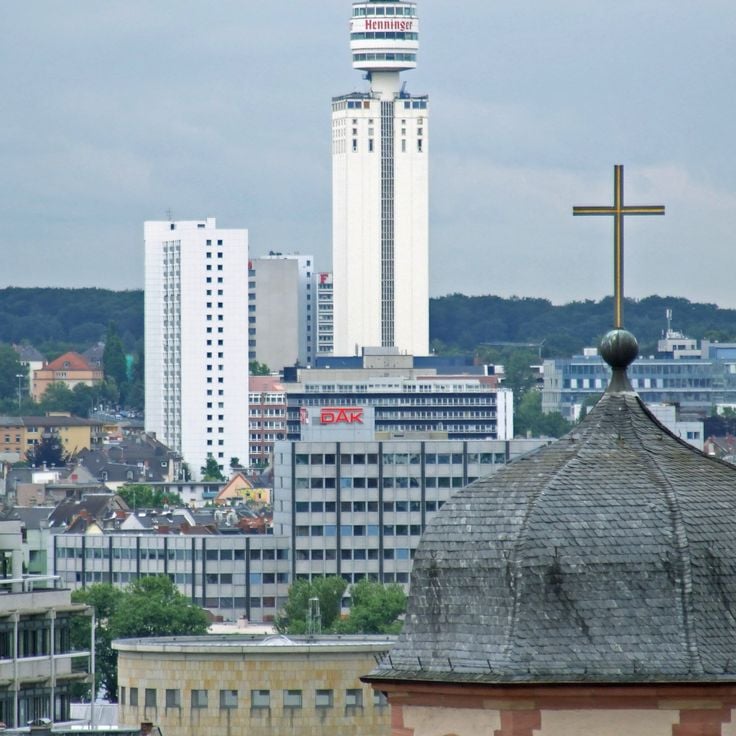
The Henninger Observation Tower rises 140 meters above the Sachsenhausen district. Its observation platform on the top floor offers a full circular view across Frankfurt, showing the high-rises of the banking quarter, the Main River, and the surrounding neighborhoods. This residential tower combines living spaces with a publicly accessible level that gives photographers an elevated vantage point for capturing the skyline and historical city structures from above.
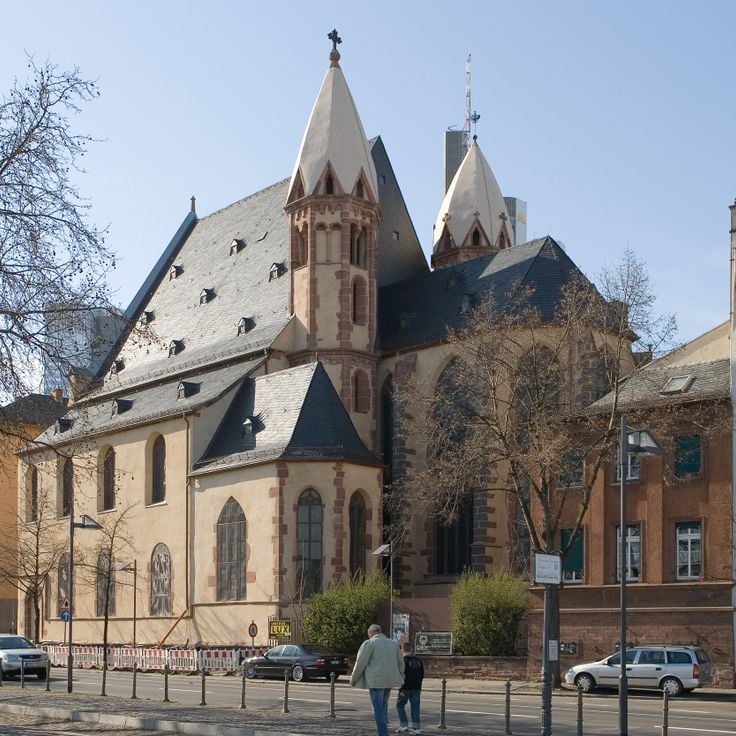
The Leonhardskirche in Frankfurt shows the Gothic architecture from the 13th century and is a good subject for photographs. This church has images of stone work and medieval wall paintings inside, creating a contrast with the modern skyscrapers around the city. The rectangular shape and Gothic details help photographers capture the different layers of history in Frankfurt as the modern city grows around them.
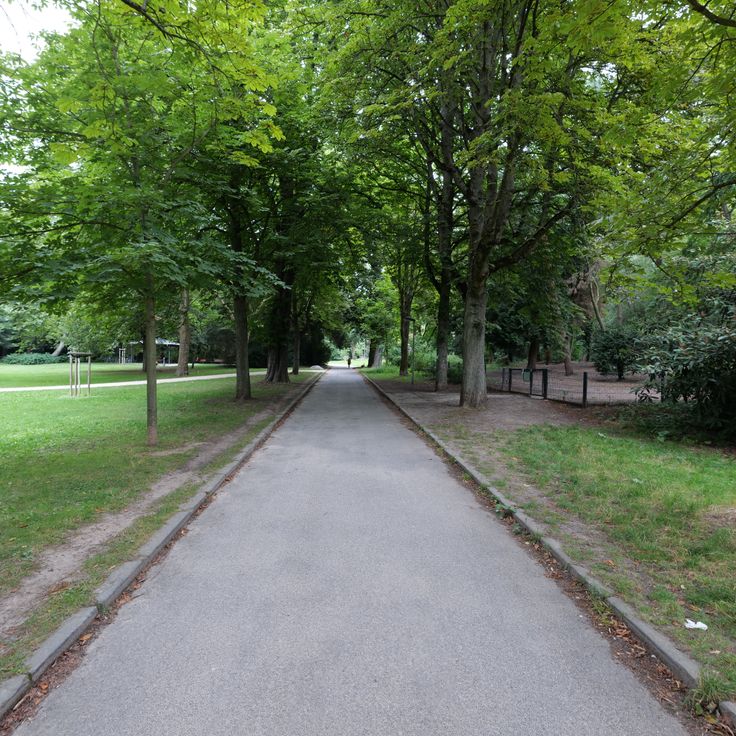
The Friedberger Anlage follows the line of the old city wall and connects green areas with Frankfurt's historic layout. Trees line the paths and provide shade for walkers. The space offers locals a break from the urban rush and shows the contrasts between old fortifications and modern buildings. On summer days people sit on benches or on the grass while cyclists use the avenues. For photographers in this collection, the Friedberger Anlage captures the tension between Frankfurt's medieval past and its contemporary architecture.
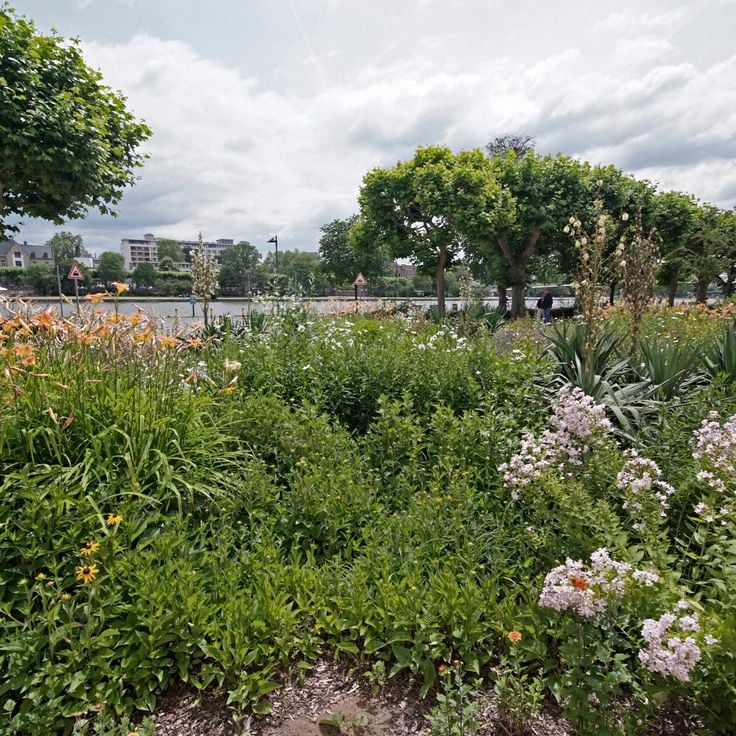
Nizza Park is along the Main River and features plants from southern parts of Europe. Palms, lemon trees, and other heat-loving plants grow in groups and along edges. A greenhouse shields sensitive plants during the coldest months. Its location beside the river offers views of the city on the other side of the water, while the Mediterranean planting provides an unexpected background for photos. You can capture river views, historic buildings, and modern architecture all in one image.
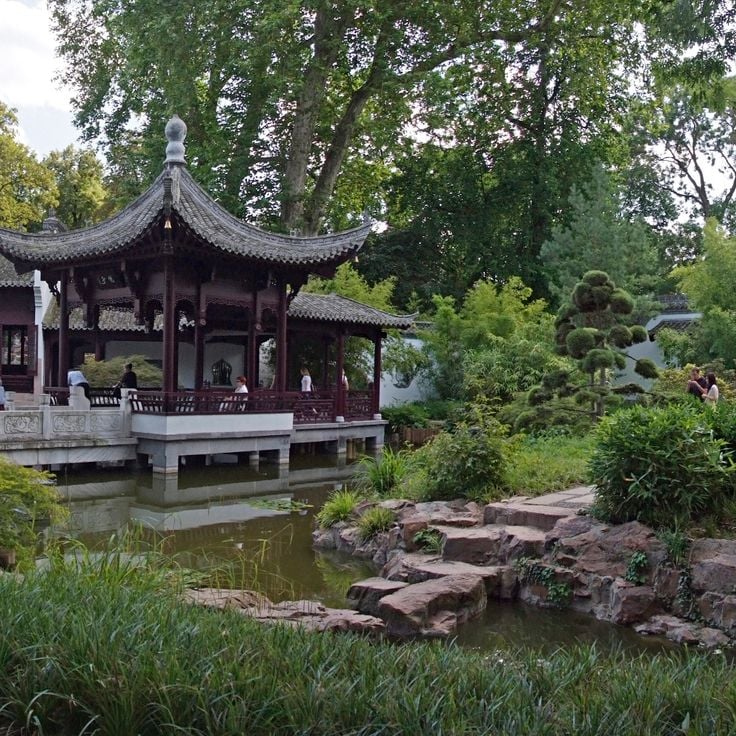
This garden follows Ming Dynasty design with red pavilions set beside still ponds surrounded by bamboo and pine. Stone lanterns mark the paths where bonsai trees sit in ceramic pots. The Chinese Garden fits into the city park landscape and offers subjects that document Frankfurt's connection to East Asian garden traditions, away from the glass towers of the financial district. For photographers, this place shows a quiet contrast to the surrounding city.
Merian Square in this photography collection shows a different side of Frankfurt. While the city center is defined by skyscrapers, this square reveals everyday life in the northern part of town. It connects Berger Street with the subway station and is lined with cafés, bakeries and small shops. A weekly market brings flowers and produce from local growers. The architecture mixes postwar buildings with more recent facades. In spring and summer, people sit outside, chat and watch the activity around them. Merian Square has a relaxed, suburban feel and offers photographers a contrast to the glass towers of the financial district. It serves as both a meeting point and a passage, where daily routines and leisure intersect.
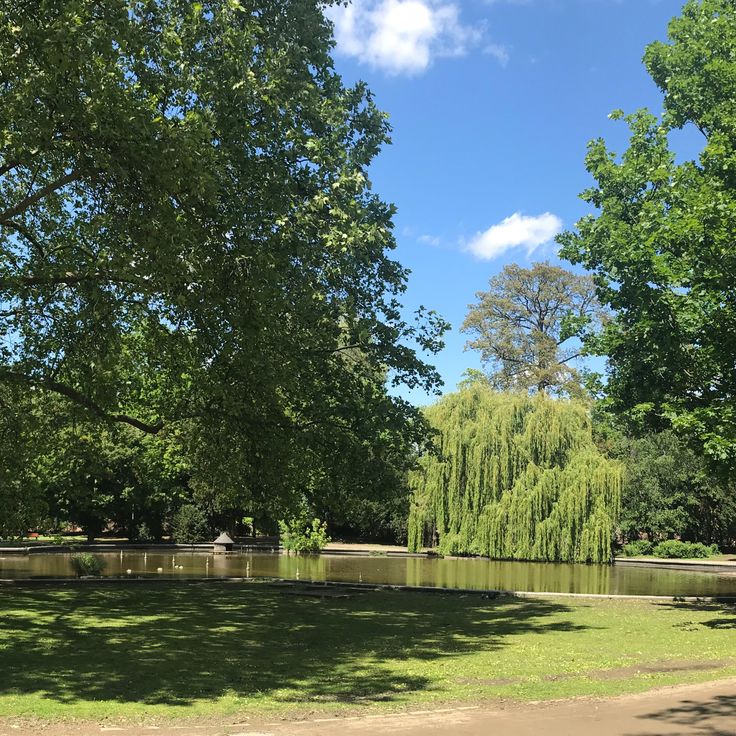
This park stretches between the financial district and the train station area, offering a quiet contrast to Frankfurt's modern towers. The old fountain in the center recalls earlier times, while old trees provide shade on the grass. People rest on the grass or sit on benches throughout the day. The place links nature to the city, showing how green spaces soften the look of the city.
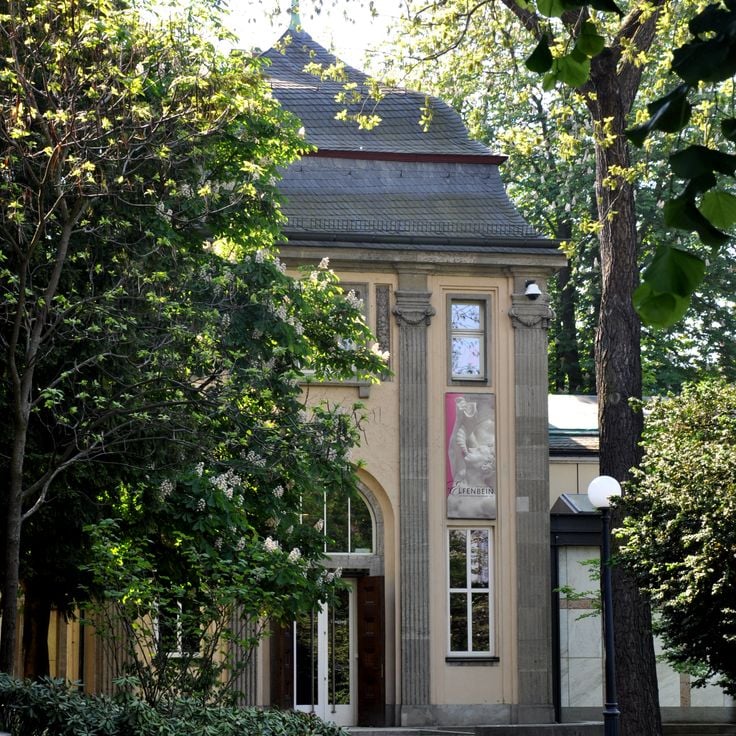
The Liebieg House displays sculptures from different periods and cultures along Frankfurt's Museum Embankment. This villa dates to the 19th century and was once the home of a Frankfurt industrialist. Its rooms now serve as exhibition spaces for European, Asian and African works. You find pieces from Egypt, Greece, the Middle Ages and the Renaissance. The collection also includes modern sculptures. From outside the villa appears classical with its pale facade and decorated windows. This site fits naturally into Frankfurt's contrast between centuries of history and the modern glass towers that frame the river.
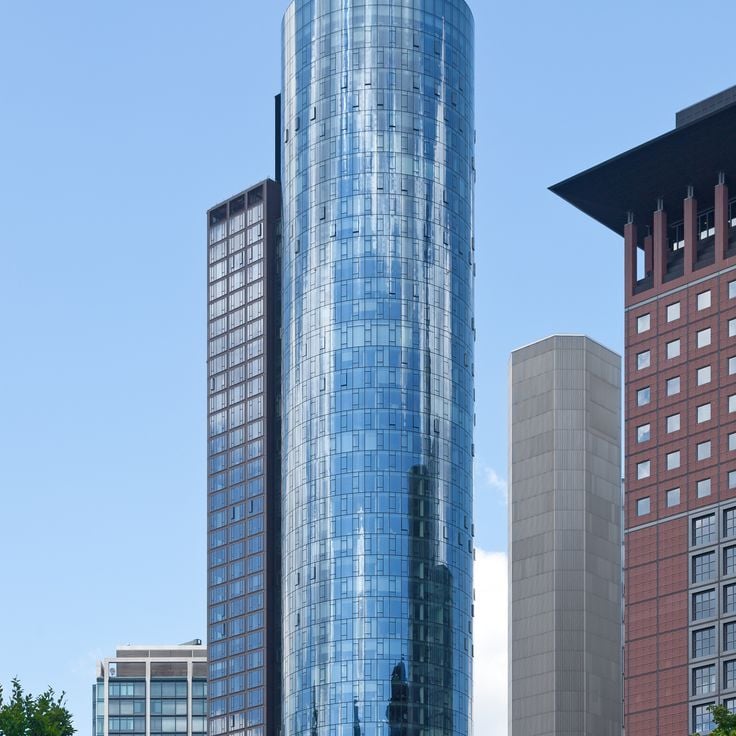
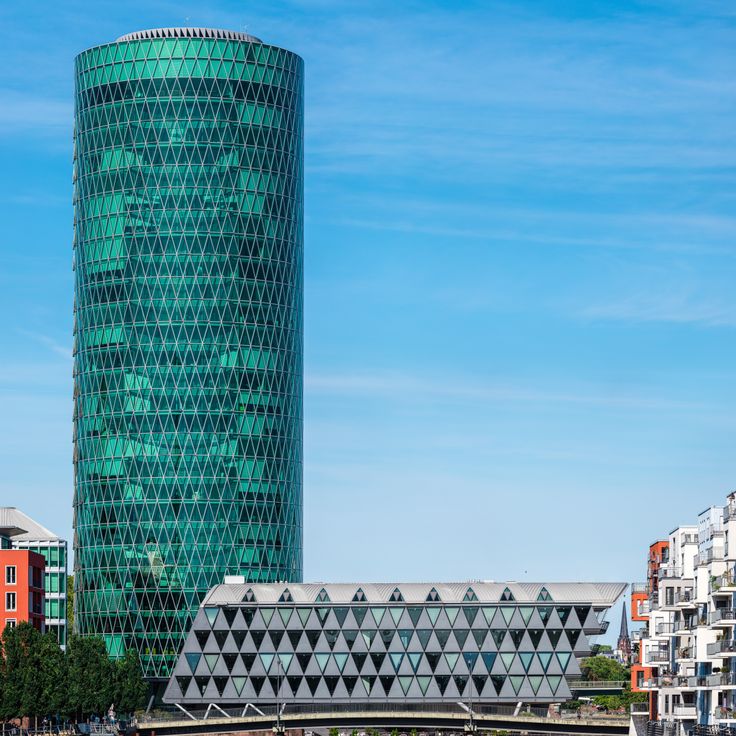
The Westhafen Tower stands on the bank of the Main River and immediately draws the eye with its round shape. The glass facade with metal bands catches the light differently at each hour and mirrors the sky and the water below. The surrounding harbor district mixes office buildings with the proximity of the river, offering good angles to photograph the connection between the Main and the modern architecture of Frankfurt.
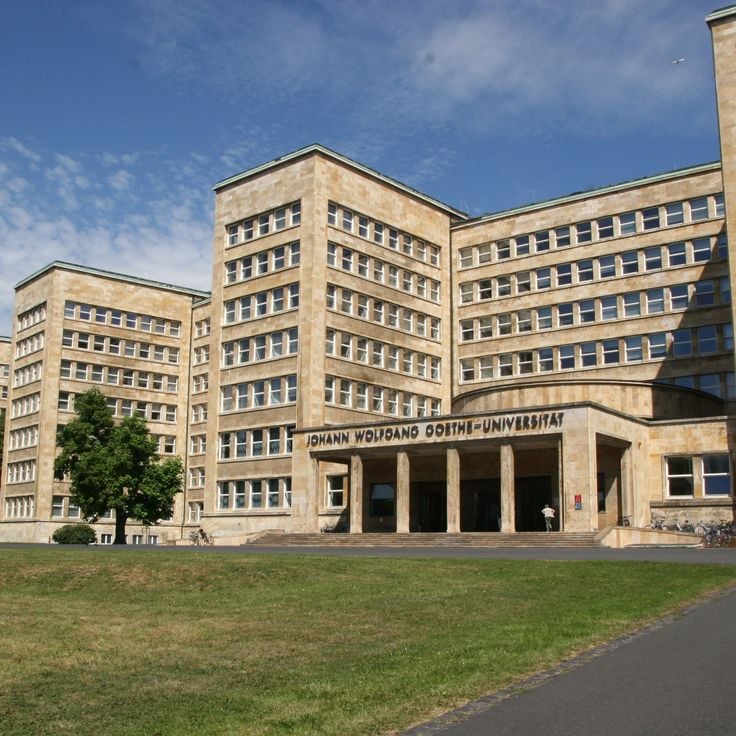
The IG Farben Building is a six-story administrative structure completed in 1931 that served as US military headquarters from 1945 and now houses facilities of Goethe University. The curved facade extends over 250 meters (800 feet) and creates a photographic contrast between Weimar-era design and contemporary campus use, while the symmetry of the complex and surrounding green spaces provide subjects for architectural photography in Frankfurt that reveal how a building from another time now serves a new purpose.
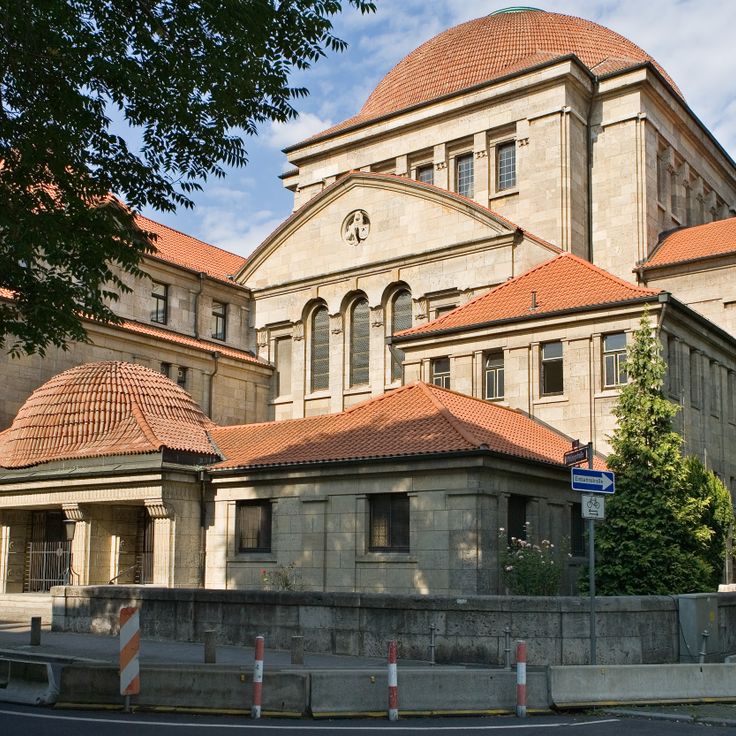
The Westend Synagogue was built in 1910 and serves the Jewish congregation as a house of worship. In this financial district dominated by towers and glass facades, the building shows religious continuity and offers photographers a contrast between historic sacred architecture and the modern city. The sandstone structure with its dome and rounded arches reflects earlier centuries. Light falls across the facade and emphasizes the texture, while in the background the skyline of banks rises. This building documents how Frankfurt combines heritage with contemporary development.
The Friedberger Warte serves as a photography subject for Frankfurt's medieval past. This tower from the 15th century was once part of the city's fortifications and protected northern trade routes. Today the tower stands in the middle of a park, displaying late Gothic defensive architecture with thick stone walls and an octagonal shape. For photographers, the Friedberger Warte offers a place where history meets nature, with old stonework framed by trees and open green spaces.
Hafenpark fits into Frankfurt's photography collection where the Main River connects the city's contrasts. The park stretches along the water, offering views that bring together the modern skyline with waterfront greenery. Sports fields, play areas, and lawns open toward the river. From here you can capture the water and the financial district beyond, especially when the sun sets behind the towers. Families use the open spaces for play, joggers follow the paths along the water. On weekends, walkers and cyclists bring life to the waterfront promenade.
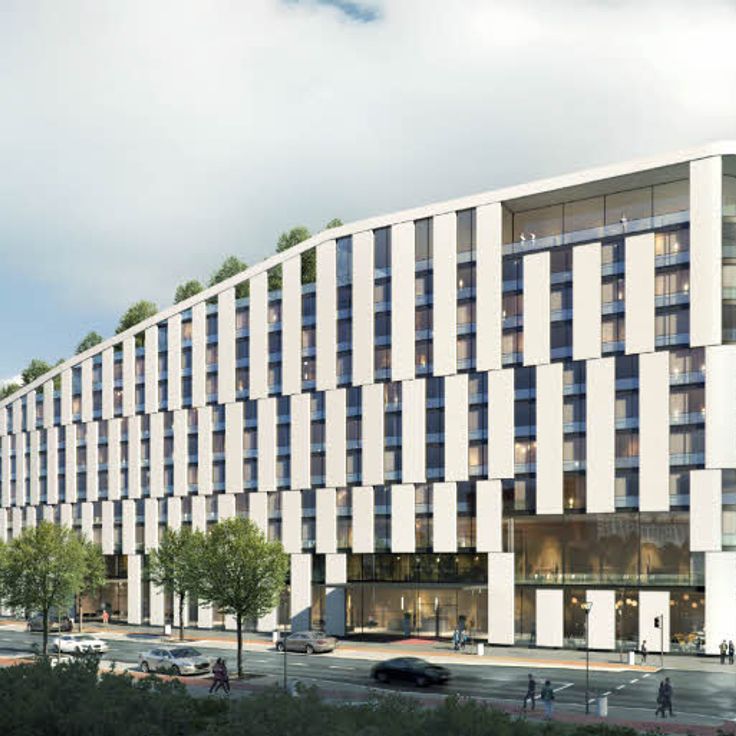
The Europa Quarter in Frankfurt shows how the city has changed in recent decades. The Europa-Allee runs through the heart of the neighborhood, lined with glass facades and steel structures housing banks and international companies. The ground floors of the office towers hold shops, restaurants, and public squares where people gather. The quarter sits west of the central station and connects office spaces to residential areas. The clean lines and geometric shapes of the buildings make it a rewarding place for architectural photography.
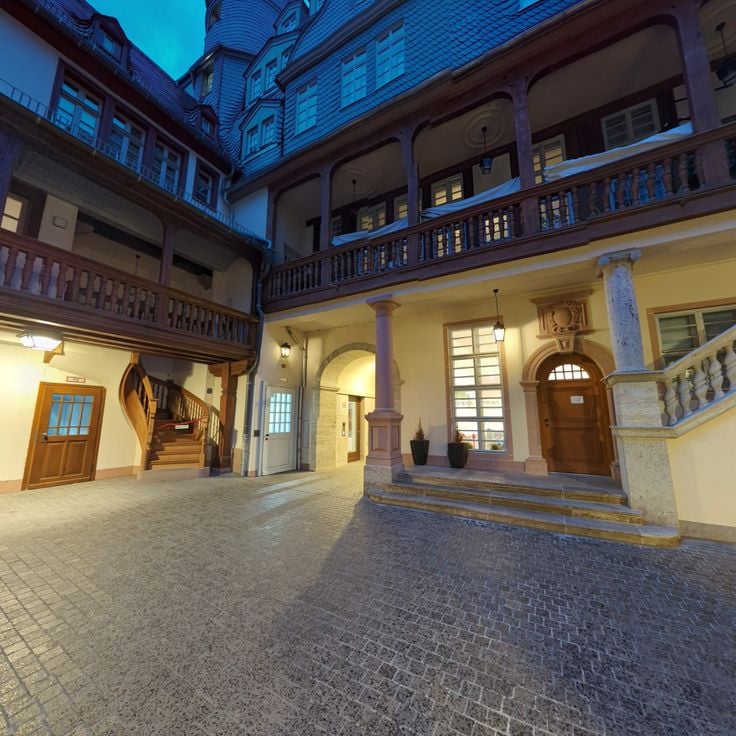
The New Old Town shows how Frankfurt looked before the destruction of the Second World War. The buildings stand on medieval foundations and follow architectural forms from earlier centuries. Timber frames, narrow lanes and small squares create the sense of a city that grew slowly over generations. Visitors find cafés, shops and homes behind the new old façades, which fit into the existing surroundings and offer a starting point for exploring the photography spots across Frankfurt.
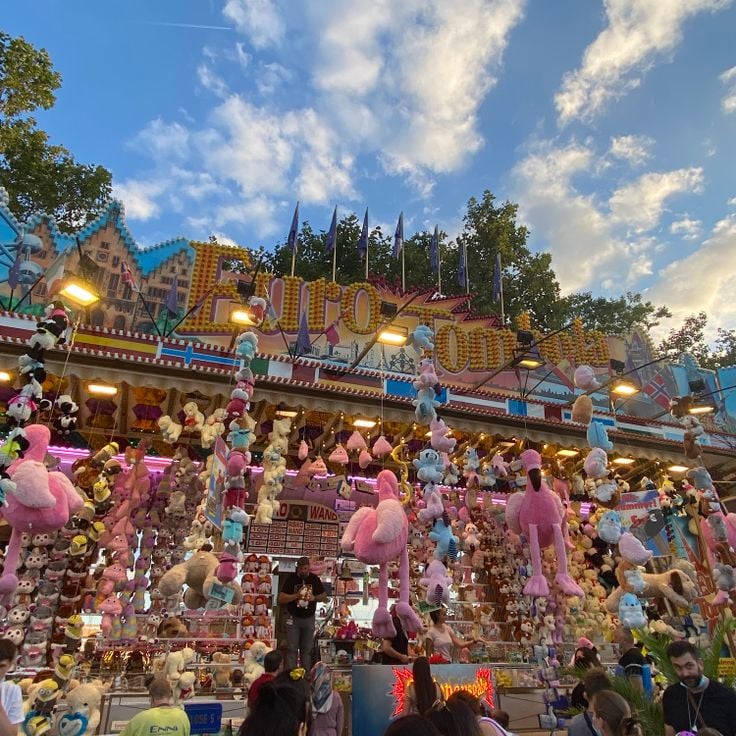
The Dippemess Fair in Frankfurt is a public festival that has been part of the city since the 14th century and grew into the largest event of its kind in the region. More than two hundred rides, market stalls and food stands offer entertainment for all ages. The fair takes place twice a year, in spring and fall, and draws visitors from the entire metropolitan area. Historic carousels stand next to modern roller coasters while the scent of roasted almonds and grilled sausages fills the air between the rows of attractions.
This hill in a residential area north of the city center offers an open view of the banking district's towers. Families come here to fly kites or simply sit on the grass. The green space draws joggers and walkers, especially on weekends. From here you can photograph the skyline without standing in the center. The surroundings are quiet and lined with trees. As a photography spot in Frankfurt, this location shows the city's contrasts from a perspective outside the crowded core.
This zoo offers photography opportunities in Frankfurt's collection of places where history meets modern urban life. Zoo Frankfurt houses animals from around the world in habitats that mirror their natural surroundings. The facilities and grounds present contrasts between historical structures and modern design. Photographers can capture animals from different continents alongside the backdrop of nearby high-rise financial district buildings.
The Osthafenpark in this collection sits on former industrial port grounds and shows Frankfurt from another perspective. Wide lawns invite you to pause and rest, while the riverside promenade offers views of the skyline across the water. Families use the playgrounds, athletes use the fields for basketball and soccer. Old quay walls recall the earlier use of this place, though today greenery and open sightlines define the scene. The central location makes the park a popular gathering spot, especially on summer days.
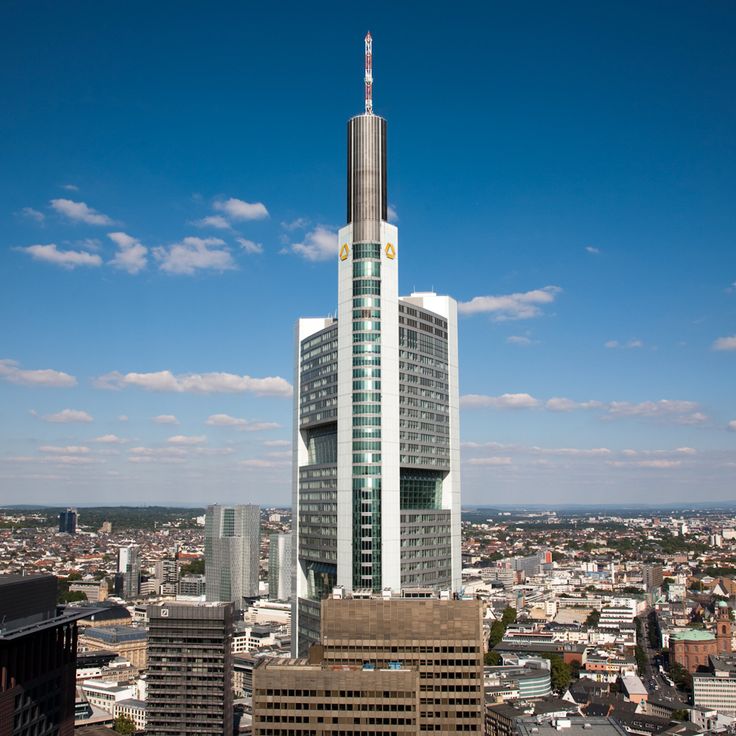
The Commerzbank Tower brings nature into Frankfurt's banking district. Completed in 1997, this skyscraper holds nine gardens spread across its floors. Plants grow at different heights, creating terraces that soften the glass and steel. The central atrium lets daylight flow inward. From ground level, the tower appears narrow and tall. Its facade reflects the sky and passing clouds. The gardens create pauses between office spaces. Around the base, people move among other towers that shape the financial quarter. The building shows how modern construction can weave outdoor spaces throughout a high-rise structure.
The Römer is a historic building complex from the 15th century that forms the heart of Frankfurt's old town. The three houses with their distinctive stepped gables stand on Römerberg square and serve as the city hall to this day. Inside, old wall paintings tell stories from Frankfurt's long history. The facade with its windows and balconies is a favorite subject for photographers, especially when evening light highlights the details. The square in front hosts markets and events, bringing activity to the area. This place connects medieval architecture with modern city life and shows how Frankfurt preserves its past.
The Palmengarten displays plants from different climate zones across 22 greenhouses and about 50 hectares of outdoor grounds. Palms, tropical trees, and flower beds offer quiet subjects between Frankfurt's towers. The glass houses from the 19th century shelter plants from Africa, Asia, and South America. This garden provides photography subjects of vegetation, glass, and light that create contrast with the urban architecture nearby.
The Main Tower brings you to an observation deck on the 56th floor, about 650 feet high (200 meters). From there you see the financial district with its office towers, the old town with the Römer and Cathedral, the river and the parks. On clear days the view extends to the Taunus hills. The glass facades of the surrounding high-rises reflect daylight. An elevator takes you up in less than a minute. The Main Tower is one of the few skyscrapers in Frankfurt with a public viewing platform.
The Iron Bridge connects the town center of Frankfurt to Sachsenhausen since 1869. This footbridge offers wide views of the skyscrapers in the financial district that are reflected in the Main river. It is a spot where you can take pictures of the Frankfurt skyline, especially early in the morning and late in the afternoon when the light changes the appearance of the towers and their reflections. Residents and visitors cross the bridge to get from one side of the river to the other, but many also stop just to look around and watch how the city reveals itself from the middle of the river.
The Alte Oper was built in 1880 in a neo-Renaissance style and now serves as a concert hall in the middle of Frankfurt's financial district. Its pale sandstone facade carries columns, arched windows, and carved figures, while glass towers rise directly behind it. Walking across the Opernplatz in front of it, you get a clear sense of how the city layers its past and present side by side. This contrast makes it one of the most direct places in Frankfurt to photograph old and new together.
The Goethe House holds the rooms where Johann Wolfgang von Goethe was born in 1749 and spent his childhood. Over four floors, this house displays furniture and objects from the 18th century: living rooms, bedrooms, and a family kitchen. Rebuilt after the Second World War, it shows the domestic life of that time. For photographers capturing the contrasts in Frankfurt, the Goethe House offers a quiet interior setting next to the city's modern towers, allowing you to photograph scenes from the 18th century against contemporary architecture.
The Kleinmarkthalle is a covered market hall from the 1950s in the heart of Frankfurt. Local vendors sell fresh fruit, vegetables, meat, cheese and baked goods here. In the morning, the hall fills with regulars pushing shopping bags between the stalls while the smell of fresh bread and spices drifts through the air. For photographers, the Kleinmarkthalle offers strong colors, natural light and candid everyday moments.
This cathedral stands in the heart of the old town and displays Gothic architecture from the 14th century. The tower reaches 95 meters in height. Inside, you find burial sites and narrow windows that filter the light. Red sandstone walls shape its appearance. This site hosted imperial coronations of the Holy Roman Empire. The cathedral offers a quiet space while city life continues outside. For photographers, the sandstone shows different tones in changing light, and the architecture contrasts with modern buildings surrounding it.
The Museumsufer follows the Main river and brings together museums on both banks. The buildings show classical architecture with columns and facades from the nineteenth century, while others take a modern approach. On Saturdays many houses stay open longer, and when the weather is good people sit on the steps leading to the water. The bridges connecting both sides offer views toward the skyline. This museum embankment serves as a photography location where you can capture both the historic structures and the people who gather along the riverbank.
The Städel Museum displays European painting across seven centuries, from the Middle Ages to the present day. The collection brings together works by German, Italian, Dutch and French masters. The building combines a classical main structure with modern additions, and large windows let natural light fall across the galleries. The garden and terrace offer views over the Main riverbank and the city skyline.
The Zeil is a pedestrian street that runs through the center of Frankfurt, from the main train station to Konstablerwache. Shops, restaurants, and modern buildings like the MyZeil mall stand next to the historic Katharinenkirche. Shoppers move between glass facades, large department stores, and small cafés. Families and tourists walk through the shops mostly on weekends. The Zeil shows the pace of a city where old and new buildings stand side by side.
This shopping center captures Frankfurt's blend of modern architecture and daily life. MyZeil's curved glass facade dominates the Zeil, one of the city's busiest shopping streets. Inside, eight floors hold shops, restaurants, and cafés connected by a spiral opening that channels natural light through the building's core. The interior reveals how people move through contemporary spaces while shopping for fashion, electronics, and food. For photographers documenting Frankfurt's transformation, this center shows how the city layers new design over historic streets, creating a contrast worth capturing from multiple angles and times of day.
The Senckenberg Natural History Museum fits into this photography collection as a place where you can photograph the history of life on Earth. Exhibition halls display dinosaur skeletons from different geological periods, including a complete Tyrannosaurus and several marine reptiles. You will find taxidermied African mammals, tropical birds, and insects arranged in display cases, alongside minerals, rocks, and fossils from Europe and other continents. The collections show you how extinct and living species connect to each other. Located in the Bockenheim district, this museum lets you capture evolution and natural science visually.
This telecommunications tower rises 337 meters (1,106 feet) above the city and transmits radio and television signals across the region. From the observation platform, you can see the Frankfurt skyline, the high-rises of the financial district, and the curves of the Main River. The tower's narrow antenna tip remains visible from many points around the city. Standing somewhat away from the center between residential neighborhoods and green spaces, the Europaturm is among the tallest structures in Germany. Photographers use it as a subject for wide-angle shots of the modern cityscape and to capture the relationship between this technological landmark and the river below.
The Holbeinsteg is a steel bridge built in 1990 that crosses the Main River in a straight line. It connects Sachsenhausen on the south bank with the city center and serves pedestrians only. From here, you see the banking tower skyline to the north and the older riverside to the south. The bridge offers an open view in both directions, free from traffic noise or crowds. Morning and evening light shifts across the water. Photographers will find an unobstructed vantage point from the middle of the river to capture high-rises against the sky.
This square connects urban life with classical architecture. At the center stands a fountain where people gather and meet. The opera house, built in 1880, shapes the square with its neoclassical facade. Cafés line the surrounding area and invite visitors to linger. Opernplatz offers opportunities to photograph the historical facade and scenes of daily life, especially when light falls on the columns or when the fountains are active.
This public roof garden on the fifth floor of the shopping center offers a full view of Frankfurt's downtown area. The Skyline Plaza Roof Garden shows the financial districts with their towers and the Main River shores in all directions. Visitors see the banking buildings, the old town with the Römer, and the museum quarters. The garden sits in the middle of the city and allows photographs of modern and historical buildings without obstacles. Benches and green areas make the place accessible for longer stays. The elevated position shows Frankfurt from a perspective that is not possible from street level.
The Bethmann Botanical Garden in the eastern part of Frankfurt was founded in 1783 by the Bethmann banking family. This garden offers photographers a chance to capture how historical garden design fits into a modern city between medieval houses and skyscrapers. Old trees line the paths between flower beds and ponds. A Chinese pavilion stands among bridges and water surfaces. The grounds are divided into sections with Mediterranean plants and perennials. The garden combines historical design with quiet corners for rest. Families and photographers find plenty of subjects here throughout the seasons.
This park is an open space with lawns where mature trees create quiet spots throughout the year. Paths wind through meadows and shaded areas where students sit on the grass to study and families enjoy picnics. The botanical garden of the University of Goethe is located inside the park and features collections of plants in greenhouses and outside beds. On weekends, joggers and walkers use the paths, and in summer the lawns fill with people relaxing in the sun. The mix of maintained areas and natural growth makes Grüneburgpark a very nice place for photography, with changing light filtering through the canopy.
The Henninger Observation Tower rises 140 meters above the Sachsenhausen district. Its observation platform on the top floor offers a full circular view across Frankfurt, showing the high-rises of the banking quarter, the Main River, and the surrounding neighborhoods. This residential tower combines living spaces with a publicly accessible level that gives photographers an elevated vantage point for capturing the skyline and historical city structures from above.
The Leonhardskirche in Frankfurt shows the Gothic architecture from the 13th century and is a good subject for photographs. This church has images of stone work and medieval wall paintings inside, creating a contrast with the modern skyscrapers around the city. The rectangular shape and Gothic details help photographers capture the different layers of history in Frankfurt as the modern city grows around them.
The Friedberger Anlage follows the line of the old city wall and connects green areas with Frankfurt's historic layout. Trees line the paths and provide shade for walkers. The space offers locals a break from the urban rush and shows the contrasts between old fortifications and modern buildings. On summer days people sit on benches or on the grass while cyclists use the avenues. For photographers in this collection, the Friedberger Anlage captures the tension between Frankfurt's medieval past and its contemporary architecture.
Nizza Park is along the Main River and features plants from southern parts of Europe. Palms, lemon trees, and other heat-loving plants grow in groups and along edges. A greenhouse shields sensitive plants during the coldest months. Its location beside the river offers views of the city on the other side of the water, while the Mediterranean planting provides an unexpected background for photos. You can capture river views, historic buildings, and modern architecture all in one image.
This garden follows Ming Dynasty design with red pavilions set beside still ponds surrounded by bamboo and pine. Stone lanterns mark the paths where bonsai trees sit in ceramic pots. The Chinese Garden fits into the city park landscape and offers subjects that document Frankfurt's connection to East Asian garden traditions, away from the glass towers of the financial district. For photographers, this place shows a quiet contrast to the surrounding city.
Merian Square in this photography collection shows a different side of Frankfurt. While the city center is defined by skyscrapers, this square reveals everyday life in the northern part of town. It connects Berger Street with the subway station and is lined with cafés, bakeries and small shops. A weekly market brings flowers and produce from local growers. The architecture mixes postwar buildings with more recent facades. In spring and summer, people sit outside, chat and watch the activity around them. Merian Square has a relaxed, suburban feel and offers photographers a contrast to the glass towers of the financial district. It serves as both a meeting point and a passage, where daily routines and leisure intersect.
This park stretches between the financial district and the train station area, offering a quiet contrast to Frankfurt's modern towers. The old fountain in the center recalls earlier times, while old trees provide shade on the grass. People rest on the grass or sit on benches throughout the day. The place links nature to the city, showing how green spaces soften the look of the city.
The Liebieg House displays sculptures from different periods and cultures along Frankfurt's Museum Embankment. This villa dates to the 19th century and was once the home of a Frankfurt industrialist. Its rooms now serve as exhibition spaces for European, Asian and African works. You find pieces from Egypt, Greece, the Middle Ages and the Renaissance. The collection also includes modern sculptures. From outside the villa appears classical with its pale facade and decorated windows. This site fits naturally into Frankfurt's contrast between centuries of history and the modern glass towers that frame the river.
The Westhafen Tower stands on the bank of the Main River and immediately draws the eye with its round shape. The glass facade with metal bands catches the light differently at each hour and mirrors the sky and the water below. The surrounding harbor district mixes office buildings with the proximity of the river, offering good angles to photograph the connection between the Main and the modern architecture of Frankfurt.
The IG Farben Building is a six-story administrative structure completed in 1931 that served as US military headquarters from 1945 and now houses facilities of Goethe University. The curved facade extends over 250 meters (800 feet) and creates a photographic contrast between Weimar-era design and contemporary campus use, while the symmetry of the complex and surrounding green spaces provide subjects for architectural photography in Frankfurt that reveal how a building from another time now serves a new purpose.
The Westend Synagogue was built in 1910 and serves the Jewish congregation as a house of worship. In this financial district dominated by towers and glass facades, the building shows religious continuity and offers photographers a contrast between historic sacred architecture and the modern city. The sandstone structure with its dome and rounded arches reflects earlier centuries. Light falls across the facade and emphasizes the texture, while in the background the skyline of banks rises. This building documents how Frankfurt combines heritage with contemporary development.
The Friedberger Warte serves as a photography subject for Frankfurt's medieval past. This tower from the 15th century was once part of the city's fortifications and protected northern trade routes. Today the tower stands in the middle of a park, displaying late Gothic defensive architecture with thick stone walls and an octagonal shape. For photographers, the Friedberger Warte offers a place where history meets nature, with old stonework framed by trees and open green spaces.
Hafenpark fits into Frankfurt's photography collection where the Main River connects the city's contrasts. The park stretches along the water, offering views that bring together the modern skyline with waterfront greenery. Sports fields, play areas, and lawns open toward the river. From here you can capture the water and the financial district beyond, especially when the sun sets behind the towers. Families use the open spaces for play, joggers follow the paths along the water. On weekends, walkers and cyclists bring life to the waterfront promenade.
The Europa Quarter in Frankfurt shows how the city has changed in recent decades. The Europa-Allee runs through the heart of the neighborhood, lined with glass facades and steel structures housing banks and international companies. The ground floors of the office towers hold shops, restaurants, and public squares where people gather. The quarter sits west of the central station and connects office spaces to residential areas. The clean lines and geometric shapes of the buildings make it a rewarding place for architectural photography.
The New Old Town shows how Frankfurt looked before the destruction of the Second World War. The buildings stand on medieval foundations and follow architectural forms from earlier centuries. Timber frames, narrow lanes and small squares create the sense of a city that grew slowly over generations. Visitors find cafés, shops and homes behind the new old façades, which fit into the existing surroundings and offer a starting point for exploring the photography spots across Frankfurt.
The Dippemess Fair in Frankfurt is a public festival that has been part of the city since the 14th century and grew into the largest event of its kind in the region. More than two hundred rides, market stalls and food stands offer entertainment for all ages. The fair takes place twice a year, in spring and fall, and draws visitors from the entire metropolitan area. Historic carousels stand next to modern roller coasters while the scent of roasted almonds and grilled sausages fills the air between the rows of attractions.
This hill in a residential area north of the city center offers an open view of the banking district's towers. Families come here to fly kites or simply sit on the grass. The green space draws joggers and walkers, especially on weekends. From here you can photograph the skyline without standing in the center. The surroundings are quiet and lined with trees. As a photography spot in Frankfurt, this location shows the city's contrasts from a perspective outside the crowded core.
This zoo offers photography opportunities in Frankfurt's collection of places where history meets modern urban life. Zoo Frankfurt houses animals from around the world in habitats that mirror their natural surroundings. The facilities and grounds present contrasts between historical structures and modern design. Photographers can capture animals from different continents alongside the backdrop of nearby high-rise financial district buildings.
The Osthafenpark in this collection sits on former industrial port grounds and shows Frankfurt from another perspective. Wide lawns invite you to pause and rest, while the riverside promenade offers views of the skyline across the water. Families use the playgrounds, athletes use the fields for basketball and soccer. Old quay walls recall the earlier use of this place, though today greenery and open sightlines define the scene. The central location makes the park a popular gathering spot, especially on summer days.
The Commerzbank Tower brings nature into Frankfurt's banking district. Completed in 1997, this skyscraper holds nine gardens spread across its floors. Plants grow at different heights, creating terraces that soften the glass and steel. The central atrium lets daylight flow inward. From ground level, the tower appears narrow and tall. Its facade reflects the sky and passing clouds. The gardens create pauses between office spaces. Around the base, people move among other towers that shape the financial quarter. The building shows how modern construction can weave outdoor spaces throughout a high-rise structure.
The Römer is a historic building complex from the 15th century that forms the heart of Frankfurt's old town. The three houses with their distinctive stepped gables stand on Römerberg square and serve as the city hall to this day. Inside, old wall paintings tell stories from Frankfurt's long history. The facade with its windows and balconies is a favorite subject for photographers, especially when evening light highlights the details. The square in front hosts markets and events, bringing activity to the area. This place connects medieval architecture with modern city life and shows how Frankfurt preserves its past.
The Palmengarten displays plants from different climate zones across 22 greenhouses and about 50 hectares of outdoor grounds. Palms, tropical trees, and flower beds offer quiet subjects between Frankfurt's towers. The glass houses from the 19th century shelter plants from Africa, Asia, and South America. This garden provides photography subjects of vegetation, glass, and light that create contrast with the urban architecture nearby.
The Main Tower brings you to an observation deck on the 56th floor, about 650 feet high (200 meters). From there you see the financial district with its office towers, the old town with the Römer and Cathedral, the river and the parks. On clear days the view extends to the Taunus hills. The glass facades of the surrounding high-rises reflect daylight. An elevator takes you up in less than a minute. The Main Tower is one of the few skyscrapers in Frankfurt with a public viewing platform.
The Iron Bridge connects the town center of Frankfurt to Sachsenhausen since 1869. This footbridge offers wide views of the skyscrapers in the financial district that are reflected in the Main river. It is a spot where you can take pictures of the Frankfurt skyline, especially early in the morning and late in the afternoon when the light changes the appearance of the towers and their reflections. Residents and visitors cross the bridge to get from one side of the river to the other, but many also stop just to look around and watch how the city reveals itself from the middle of the river.
The Alte Oper was built in 1880 in a neo-Renaissance style and now serves as a concert hall in the middle of Frankfurt's financial district. Its pale sandstone facade carries columns, arched windows, and carved figures, while glass towers rise directly behind it. Walking across the Opernplatz in front of it, you get a clear sense of how the city layers its past and present side by side. This contrast makes it one of the most direct places in Frankfurt to photograph old and new together.
The Goethe House holds the rooms where Johann Wolfgang von Goethe was born in 1749 and spent his childhood. Over four floors, this house displays furniture and objects from the 18th century: living rooms, bedrooms, and a family kitchen. Rebuilt after the Second World War, it shows the domestic life of that time. For photographers capturing the contrasts in Frankfurt, the Goethe House offers a quiet interior setting next to the city's modern towers, allowing you to photograph scenes from the 18th century against contemporary architecture.
The Kleinmarkthalle is a covered market hall from the 1950s in the heart of Frankfurt. Local vendors sell fresh fruit, vegetables, meat, cheese and baked goods here. In the morning, the hall fills with regulars pushing shopping bags between the stalls while the smell of fresh bread and spices drifts through the air. For photographers, the Kleinmarkthalle offers strong colors, natural light and candid everyday moments.
This cathedral stands in the heart of the old town and displays Gothic architecture from the 14th century. The tower reaches 95 meters in height. Inside, you find burial sites and narrow windows that filter the light. Red sandstone walls shape its appearance. This site hosted imperial coronations of the Holy Roman Empire. The cathedral offers a quiet space while city life continues outside. For photographers, the sandstone shows different tones in changing light, and the architecture contrasts with modern buildings surrounding it.
The Museumsufer follows the Main river and brings together museums on both banks. The buildings show classical architecture with columns and facades from the nineteenth century, while others take a modern approach. On Saturdays many houses stay open longer, and when the weather is good people sit on the steps leading to the water. The bridges connecting both sides offer views toward the skyline. This museum embankment serves as a photography location where you can capture both the historic structures and the people who gather along the riverbank.
The Städel Museum displays European painting across seven centuries, from the Middle Ages to the present day. The collection brings together works by German, Italian, Dutch and French masters. The building combines a classical main structure with modern additions, and large windows let natural light fall across the galleries. The garden and terrace offer views over the Main riverbank and the city skyline.
The Zeil is a pedestrian street that runs through the center of Frankfurt, from the main train station to Konstablerwache. Shops, restaurants, and modern buildings like the MyZeil mall stand next to the historic Katharinenkirche. Shoppers move between glass facades, large department stores, and small cafés. Families and tourists walk through the shops mostly on weekends. The Zeil shows the pace of a city where old and new buildings stand side by side.
This shopping center captures Frankfurt's blend of modern architecture and daily life. MyZeil's curved glass facade dominates the Zeil, one of the city's busiest shopping streets. Inside, eight floors hold shops, restaurants, and cafés connected by a spiral opening that channels natural light through the building's core. The interior reveals how people move through contemporary spaces while shopping for fashion, electronics, and food. For photographers documenting Frankfurt's transformation, this center shows how the city layers new design over historic streets, creating a contrast worth capturing from multiple angles and times of day.
The Senckenberg Natural History Museum fits into this photography collection as a place where you can photograph the history of life on Earth. Exhibition halls display dinosaur skeletons from different geological periods, including a complete Tyrannosaurus and several marine reptiles. You will find taxidermied African mammals, tropical birds, and insects arranged in display cases, alongside minerals, rocks, and fossils from Europe and other continents. The collections show you how extinct and living species connect to each other. Located in the Bockenheim district, this museum lets you capture evolution and natural science visually.
This telecommunications tower rises 337 meters (1,106 feet) above the city and transmits radio and television signals across the region. From the observation platform, you can see the Frankfurt skyline, the high-rises of the financial district, and the curves of the Main River. The tower's narrow antenna tip remains visible from many points around the city. Standing somewhat away from the center between residential neighborhoods and green spaces, the Europaturm is among the tallest structures in Germany. Photographers use it as a subject for wide-angle shots of the modern cityscape and to capture the relationship between this technological landmark and the river below.
The Holbeinsteg is a steel bridge built in 1990 that crosses the Main River in a straight line. It connects Sachsenhausen on the south bank with the city center and serves pedestrians only. From here, you see the banking tower skyline to the north and the older riverside to the south. The bridge offers an open view in both directions, free from traffic noise or crowds. Morning and evening light shifts across the water. Photographers will find an unobstructed vantage point from the middle of the river to capture high-rises against the sky.
This square connects urban life with classical architecture. At the center stands a fountain where people gather and meet. The opera house, built in 1880, shapes the square with its neoclassical facade. Cafés line the surrounding area and invite visitors to linger. Opernplatz offers opportunities to photograph the historical facade and scenes of daily life, especially when light falls on the columns or when the fountains are active.
This public roof garden on the fifth floor of the shopping center offers a full view of Frankfurt's downtown area. The Skyline Plaza Roof Garden shows the financial districts with their towers and the Main River shores in all directions. Visitors see the banking buildings, the old town with the Römer, and the museum quarters. The garden sits in the middle of the city and allows photographs of modern and historical buildings without obstacles. Benches and green areas make the place accessible for longer stays. The elevated position shows Frankfurt from a perspective that is not possible from street level.
The Bethmann Botanical Garden in the eastern part of Frankfurt was founded in 1783 by the Bethmann banking family. This garden offers photographers a chance to capture how historical garden design fits into a modern city between medieval houses and skyscrapers. Old trees line the paths between flower beds and ponds. A Chinese pavilion stands among bridges and water surfaces. The grounds are divided into sections with Mediterranean plants and perennials. The garden combines historical design with quiet corners for rest. Families and photographers find plenty of subjects here throughout the seasons.
This park is an open space with lawns where mature trees create quiet spots throughout the year. Paths wind through meadows and shaded areas where students sit on the grass to study and families enjoy picnics. The botanical garden of the University of Goethe is located inside the park and features collections of plants in greenhouses and outside beds. On weekends, joggers and walkers use the paths, and in summer the lawns fill with people relaxing in the sun. The mix of maintained areas and natural growth makes Grüneburgpark a very nice place for photography, with changing light filtering through the canopy.
The Henninger Observation Tower rises 140 meters above the Sachsenhausen district. Its observation platform on the top floor offers a full circular view across Frankfurt, showing the high-rises of the banking quarter, the Main River, and the surrounding neighborhoods. This residential tower combines living spaces with a publicly accessible level that gives photographers an elevated vantage point for capturing the skyline and historical city structures from above.
The Leonhardskirche in Frankfurt shows the Gothic architecture from the 13th century and is a good subject for photographs. This church has images of stone work and medieval wall paintings inside, creating a contrast with the modern skyscrapers around the city. The rectangular shape and Gothic details help photographers capture the different layers of history in Frankfurt as the modern city grows around them.
The Friedberger Anlage follows the line of the old city wall and connects green areas with Frankfurt's historic layout. Trees line the paths and provide shade for walkers. The space offers locals a break from the urban rush and shows the contrasts between old fortifications and modern buildings. On summer days people sit on benches or on the grass while cyclists use the avenues. For photographers in this collection, the Friedberger Anlage captures the tension between Frankfurt's medieval past and its contemporary architecture.
Nizza Park is along the Main River and features plants from southern parts of Europe. Palms, lemon trees, and other heat-loving plants grow in groups and along edges. A greenhouse shields sensitive plants during the coldest months. Its location beside the river offers views of the city on the other side of the water, while the Mediterranean planting provides an unexpected background for photos. You can capture river views, historic buildings, and modern architecture all in one image.
This garden follows Ming Dynasty design with red pavilions set beside still ponds surrounded by bamboo and pine. Stone lanterns mark the paths where bonsai trees sit in ceramic pots. The Chinese Garden fits into the city park landscape and offers subjects that document Frankfurt's connection to East Asian garden traditions, away from the glass towers of the financial district. For photographers, this place shows a quiet contrast to the surrounding city.
Merian Square in this photography collection shows a different side of Frankfurt. While the city center is defined by skyscrapers, this square reveals everyday life in the northern part of town. It connects Berger Street with the subway station and is lined with cafés, bakeries and small shops. A weekly market brings flowers and produce from local growers. The architecture mixes postwar buildings with more recent facades. In spring and summer, people sit outside, chat and watch the activity around them. Merian Square has a relaxed, suburban feel and offers photographers a contrast to the glass towers of the financial district. It serves as both a meeting point and a passage, where daily routines and leisure intersect.
This park stretches between the financial district and the train station area, offering a quiet contrast to Frankfurt's modern towers. The old fountain in the center recalls earlier times, while old trees provide shade on the grass. People rest on the grass or sit on benches throughout the day. The place links nature to the city, showing how green spaces soften the look of the city.
The Liebieg House displays sculptures from different periods and cultures along Frankfurt's Museum Embankment. This villa dates to the 19th century and was once the home of a Frankfurt industrialist. Its rooms now serve as exhibition spaces for European, Asian and African works. You find pieces from Egypt, Greece, the Middle Ages and the Renaissance. The collection also includes modern sculptures. From outside the villa appears classical with its pale facade and decorated windows. This site fits naturally into Frankfurt's contrast between centuries of history and the modern glass towers that frame the river.
The Westhafen Tower stands on the bank of the Main River and immediately draws the eye with its round shape. The glass facade with metal bands catches the light differently at each hour and mirrors the sky and the water below. The surrounding harbor district mixes office buildings with the proximity of the river, offering good angles to photograph the connection between the Main and the modern architecture of Frankfurt.
The IG Farben Building is a six-story administrative structure completed in 1931 that served as US military headquarters from 1945 and now houses facilities of Goethe University. The curved facade extends over 250 meters (800 feet) and creates a photographic contrast between Weimar-era design and contemporary campus use, while the symmetry of the complex and surrounding green spaces provide subjects for architectural photography in Frankfurt that reveal how a building from another time now serves a new purpose.
The Westend Synagogue was built in 1910 and serves the Jewish congregation as a house of worship. In this financial district dominated by towers and glass facades, the building shows religious continuity and offers photographers a contrast between historic sacred architecture and the modern city. The sandstone structure with its dome and rounded arches reflects earlier centuries. Light falls across the facade and emphasizes the texture, while in the background the skyline of banks rises. This building documents how Frankfurt combines heritage with contemporary development.
The Friedberger Warte serves as a photography subject for Frankfurt's medieval past. This tower from the 15th century was once part of the city's fortifications and protected northern trade routes. Today the tower stands in the middle of a park, displaying late Gothic defensive architecture with thick stone walls and an octagonal shape. For photographers, the Friedberger Warte offers a place where history meets nature, with old stonework framed by trees and open green spaces.
Hafenpark fits into Frankfurt's photography collection where the Main River connects the city's contrasts. The park stretches along the water, offering views that bring together the modern skyline with waterfront greenery. Sports fields, play areas, and lawns open toward the river. From here you can capture the water and the financial district beyond, especially when the sun sets behind the towers. Families use the open spaces for play, joggers follow the paths along the water. On weekends, walkers and cyclists bring life to the waterfront promenade.
The Europa Quarter in Frankfurt shows how the city has changed in recent decades. The Europa-Allee runs through the heart of the neighborhood, lined with glass facades and steel structures housing banks and international companies. The ground floors of the office towers hold shops, restaurants, and public squares where people gather. The quarter sits west of the central station and connects office spaces to residential areas. The clean lines and geometric shapes of the buildings make it a rewarding place for architectural photography.
The New Old Town shows how Frankfurt looked before the destruction of the Second World War. The buildings stand on medieval foundations and follow architectural forms from earlier centuries. Timber frames, narrow lanes and small squares create the sense of a city that grew slowly over generations. Visitors find cafés, shops and homes behind the new old façades, which fit into the existing surroundings and offer a starting point for exploring the photography spots across Frankfurt.
The Dippemess Fair in Frankfurt is a public festival that has been part of the city since the 14th century and grew into the largest event of its kind in the region. More than two hundred rides, market stalls and food stands offer entertainment for all ages. The fair takes place twice a year, in spring and fall, and draws visitors from the entire metropolitan area. Historic carousels stand next to modern roller coasters while the scent of roasted almonds and grilled sausages fills the air between the rows of attractions.
This hill in a residential area north of the city center offers an open view of the banking district's towers. Families come here to fly kites or simply sit on the grass. The green space draws joggers and walkers, especially on weekends. From here you can photograph the skyline without standing in the center. The surroundings are quiet and lined with trees. As a photography spot in Frankfurt, this location shows the city's contrasts from a perspective outside the crowded core.
This zoo offers photography opportunities in Frankfurt's collection of places where history meets modern urban life. Zoo Frankfurt houses animals from around the world in habitats that mirror their natural surroundings. The facilities and grounds present contrasts between historical structures and modern design. Photographers can capture animals from different continents alongside the backdrop of nearby high-rise financial district buildings.
The Osthafenpark in this collection sits on former industrial port grounds and shows Frankfurt from another perspective. Wide lawns invite you to pause and rest, while the riverside promenade offers views of the skyline across the water. Families use the playgrounds, athletes use the fields for basketball and soccer. Old quay walls recall the earlier use of this place, though today greenery and open sightlines define the scene. The central location makes the park a popular gathering spot, especially on summer days.
The Commerzbank Tower brings nature into Frankfurt's banking district. Completed in 1997, this skyscraper holds nine gardens spread across its floors. Plants grow at different heights, creating terraces that soften the glass and steel. The central atrium lets daylight flow inward. From ground level, the tower appears narrow and tall. Its facade reflects the sky and passing clouds. The gardens create pauses between office spaces. Around the base, people move among other towers that shape the financial quarter. The building shows how modern construction can weave outdoor spaces throughout a high-rise structure.
As you have seen, Frankfurt plays with the differences between its medieval past and its modern city life. The timber houses near the Römer stand next to the steel and glass towers in the financial district.