See the monuments around you in AROpen chests in the app
Around Us is built for your phone — point your camera at the streets and discover the monuments and places around you in augmented reality.Around Us is built for your phone — chests unlock when you walk, explore and capture nearby places.
Marine museums present the history of seafaring, scientific exploration of the oceans, and the diversity of marine life. These institutions display ship models, nautical instruments, aquariums with living sea creatures, and exhibitions about oceanography. Visitors learn about historical voyages of discovery, modern ocean research, and the protection of marine ecosystems.
Notable examples include the Oceanogràfic in Valencia with its various marine biotopes, the National Maritime Museum in Amsterdam with its collection on Dutch naval history, and the Oceanographic Museum of Monaco, founded in 1910. The Maritime Museum of San Diego preserves historic vessels, while the Museum of Oceanography in Sopot documents Baltic Sea research. These museums combine scientific education with the fascination for seas and oceans.
Marine museums present the history of seafaring, scientific exploration of the oceans, and the diversity of marine life. These institutions display ship models, nautical instruments, aquariums with living sea creatures, and exhibitions about oceanography. Visitors learn about historical voyages of discovery, modern ocean research, and the protection of marine ecosystems.
Notable examples include the Oceanogràfic in Valencia with its various marine biotopes, the National Maritime Museum in Amsterdam with its collection on Dutch naval history, and the Oceanographic Museum of Monaco, founded in 1910. The Maritime Museum of San Diego preserves historic vessels, while the Museum of Oceanography in Sopot documents Baltic Sea research. These museums combine scientific education with the fascination for seas and oceans.
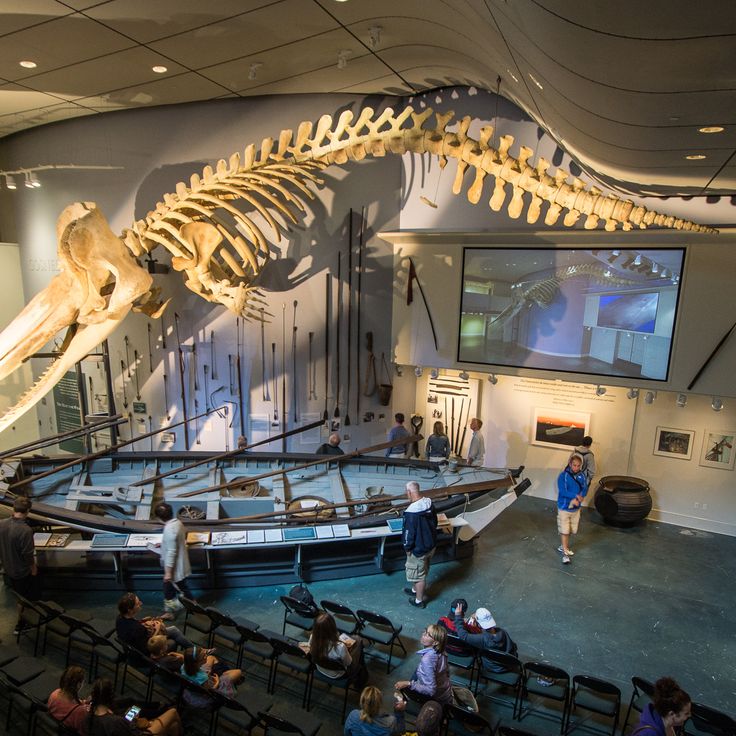
The Whaling Museum in Nantucket presents an extensive collection of historical whaling equipment from the 18th and 19th centuries. The exhibition includes detailed ship models, original tools and implements, as well as skeletons of various marine mammals. This museum documents the history of the whaling industry and its significance for the economic development of the region.
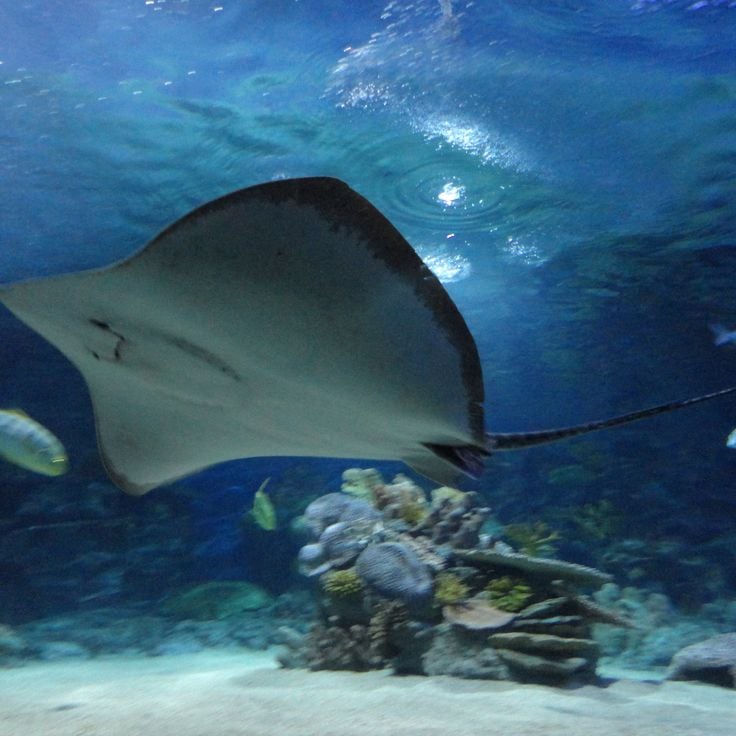
The Istanbul Sea Life Aquarium displays more than 15,000 marine animals across 47 tanks of varying sizes. The collection focuses on species native to the Black Sea and Mediterranean regions. Visitors can observe sharks, rays, sea turtles, and numerous fish species from Turkish coastal waters. The aquarium features thematic zones that recreate different marine habitats. An underwater tunnel allows views of swimming animals from below.
The Aquarium-Museum Liège combines a public aquarium with a natural history museum. The institution displays various aquatic animals in tanks alongside natural history collections. Visitors can observe fish, marine invertebrates, and other aquatic organisms. The museum presents exhibits on zoology, paleontology, and comparative anatomy. The institution serves educational and scientific research purposes in the field of aquatic and terrestrial fauna.
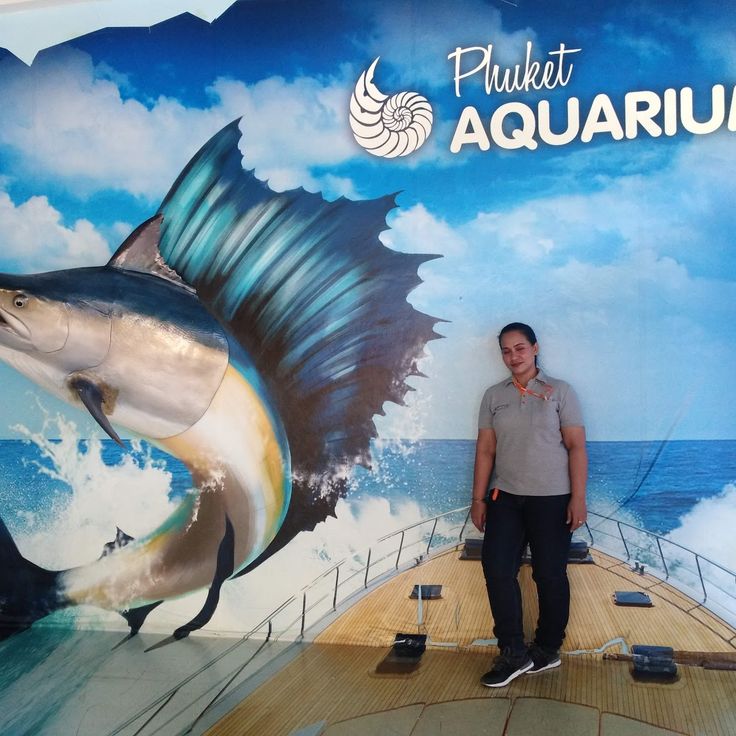
The Phuket Aquarium is located at Cape Panwa and presents over 150 species of marine life from the Andaman Sea and the Gulf of Thailand. The facility includes several tanks displaying tropical fish, sea turtles, seahorses and corals. A tunnel runs through the main tank where visitors can observe sharks, rays and schools of colorful reef fish. The aquarium is part of the Phuket Marine Biological Center and operates research and education programs focused on marine environment conservation.
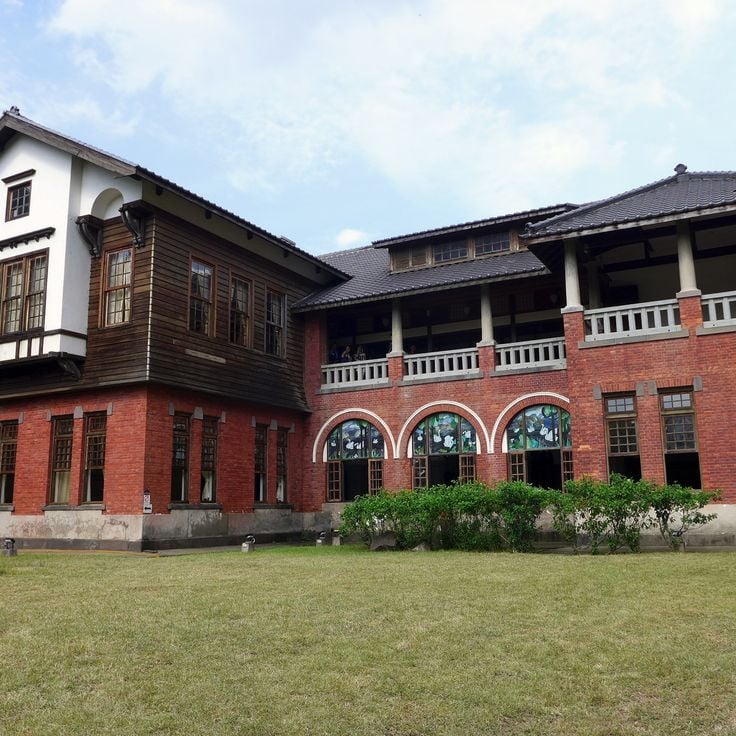
The Beitou Hot Springs Museum presents the development of thermal bathing facilities since the Japanese colonial era. The collection includes original bathing equipment, technical installations, and historical photographs documenting the area's transformation. This building dates from 1913 and functioned as a public bathhouse during Japanese rule. Visitors can explore the architectural features from that period and learn about the therapeutic properties of the local hot springs and their role in Taipei's social history.
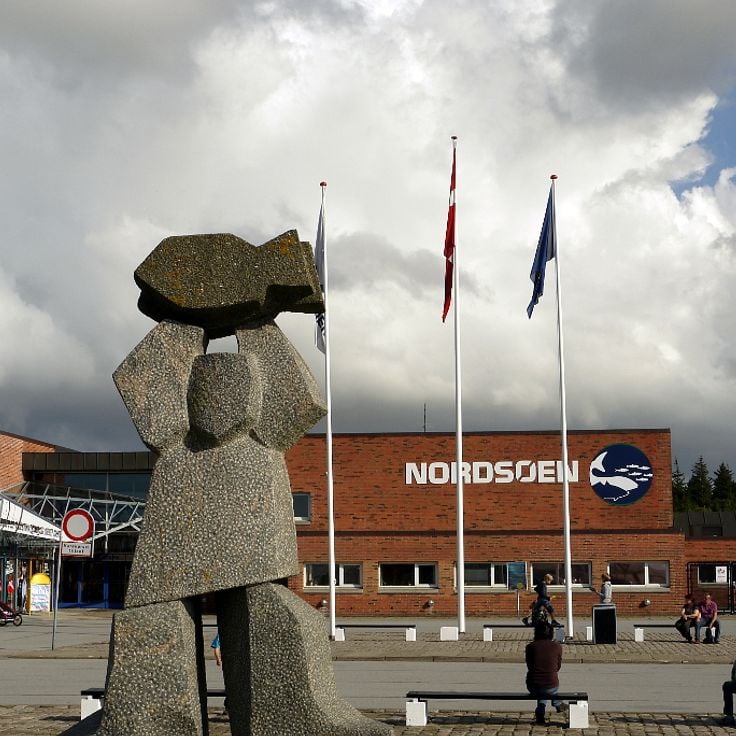
The Nordsoen Oceanarium in Hirtshals houses 4.5 million liters of seawater in its tanks and displays the marine fauna of the North Sea. The facility presents various fish species from the region as well as seals in naturalistic habitats. This research center documents the ecological relationships of the northern European marine environment and provides knowledge about marine ecosystems.
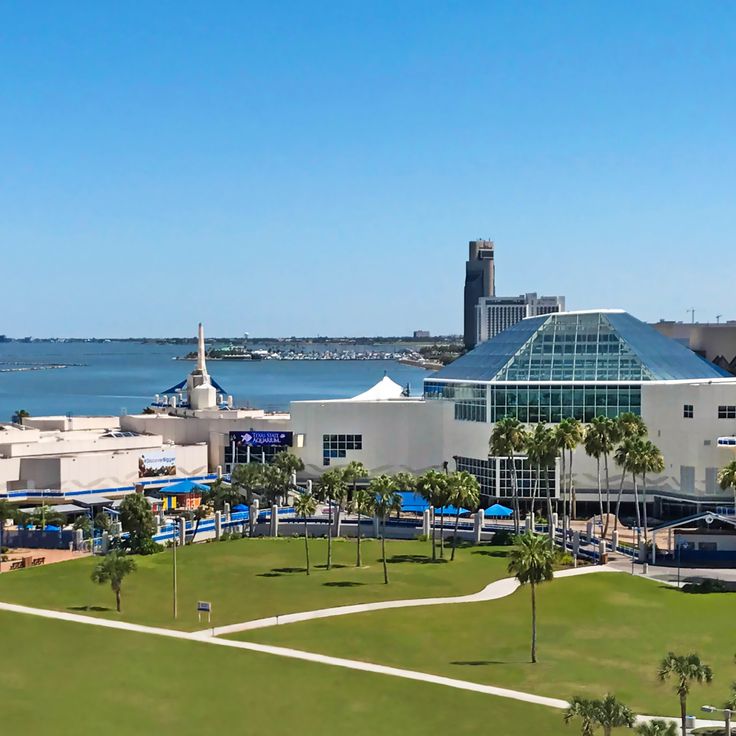
The Texas State Aquarium in Corpus Christi houses marine animals from the Gulf of Mexico in tanks holding 1.8 million liters of water. This facility displays sharks, rays, sea turtles, and other species native to the coastal waters of Texas. Visitors can observe the underwater world through large viewing windows and learn about the ecosystems of the Gulf.
The Shanghai Ocean Aquarium houses more than 450 species of aquatic animals from different marine regions around the world. The main attraction is a 168-meter underwater tunnel that allows visitors to observe sharks, rays, and other marine creatures at close range. The exhibition areas are organized by geographic zones and present species from the Yangtze River, the Pacific Ocean, the Atlantic Ocean, as well as from polar and coastal waters.
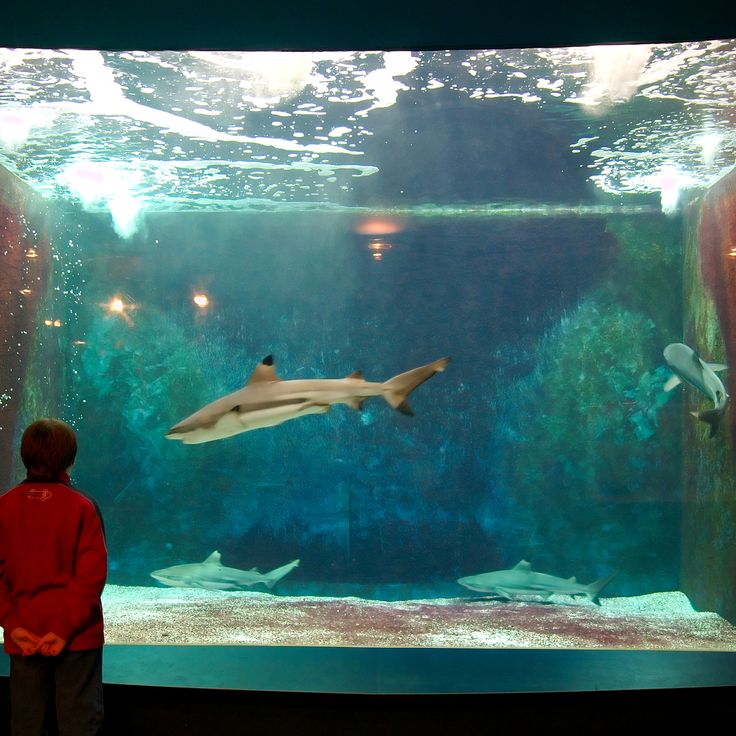
The Shark Museum in Hafnarfjordur presents an extensive collection focused on the biology, anatomy, and ecology of various shark species. The exhibition displays skeletons, preserved specimens, and informative panels about the behavior of these marine predators. Visitors learn about the role sharks play in ocean ecosystems and the importance of their conservation.
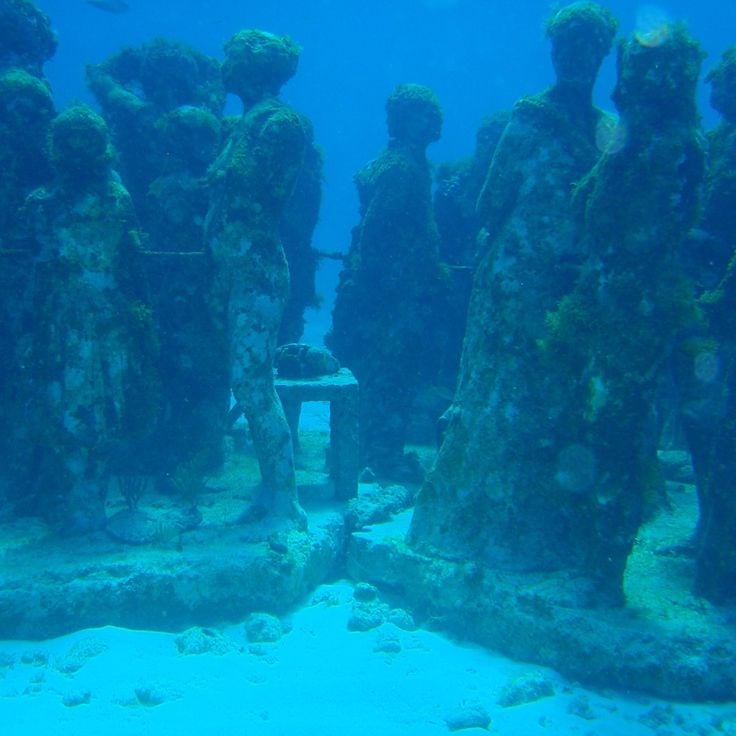
The Museo Subacuático de Arte sits beneath the waters off Cancun, displaying over 500 life-sized sculptures on the ocean floor. The installations by British artist Jason deCaires Taylor serve as artificial reefs that promote coral growth. Visitors can explore the works while diving or snorkeling at depths between three and six meters. This museum combines contemporary art with marine conservation, helping to reduce pressure on natural reefs in the region.
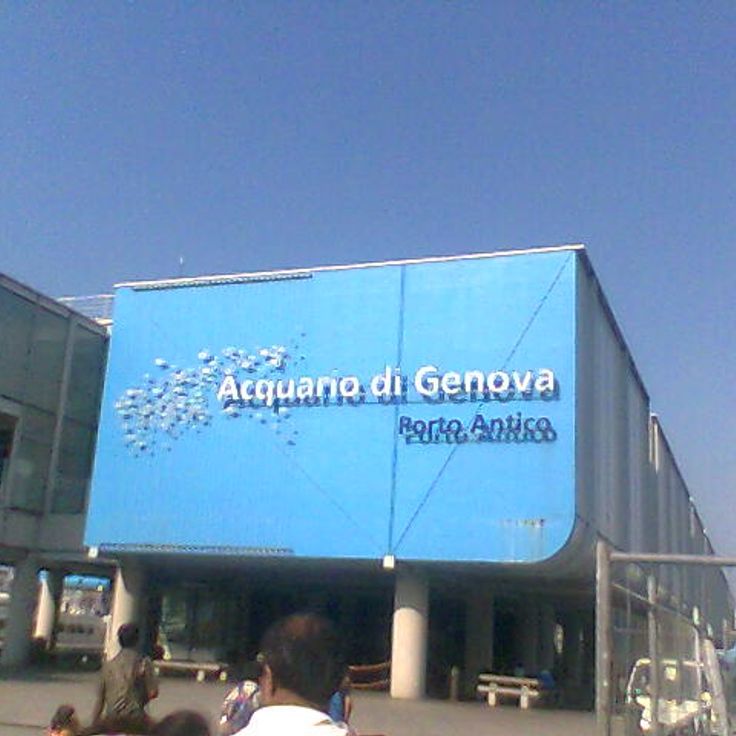
The Aquarium of Genoa spans 27,000 square meters in the old port area of the Ligurian city. The facility houses more than 15,000 animals from 400 different species across 70 tanks containing 6 million liters of water. Visitors can explore Mediterranean and tropical marine ecosystems, including dolphins, sharks, seals, penguins, jellyfish, and coral reefs. Opened in 1992 to commemorate the 500th anniversary of Christopher Columbus's discovery of America, the aquarium was designed by architect Renzo Piano.
The Blue Planet Aquarium in Copenhagen opened in 2013 and houses over 20,000 marine animals from different oceans around the world. The building spans 10,000 square meters of exhibition space and features 53 aquariums containing a total of seven million liters of water. The facility presents several thematic zones including tropical coral reefs, freshwater habitats, and Arctic waters. The Ocean Tunnel tank holds three million liters of water and allows visitors to view hammerhead sharks, rays, and other large fish.
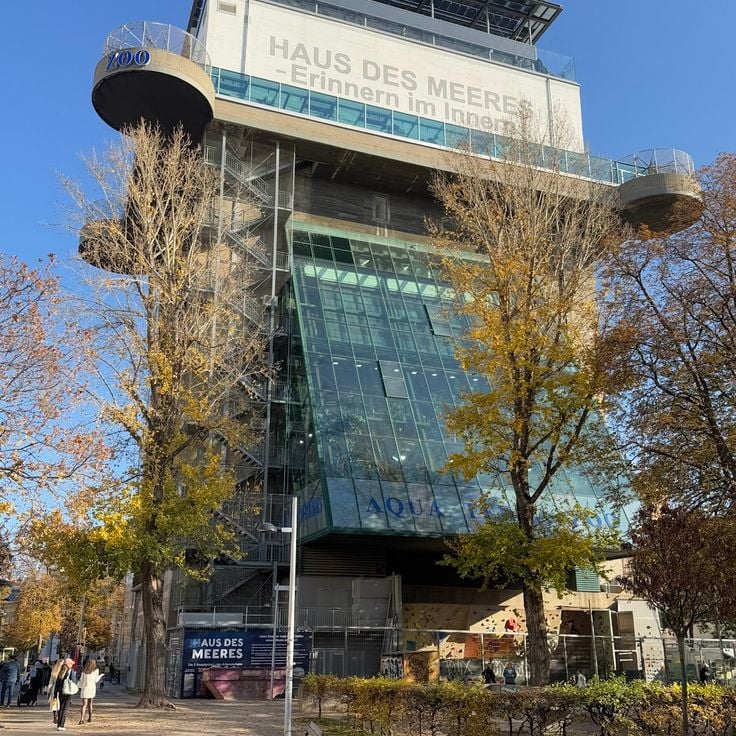
The Haus des Meeres is a public aquarium housed in a former flak tower built in 1943. The 47-meter concrete structure contains more than 10,000 animals in various saltwater and freshwater tanks. The facility displays tropical fish, sharks, rays, turtles, and crocodiles. Visitors can walk through themed sections representing different marine ecosystems, including Mediterranean, Caribbean, and Pacific waters. The top floor features a tropical house with free-flying birds and a viewing platform overlooking the city.
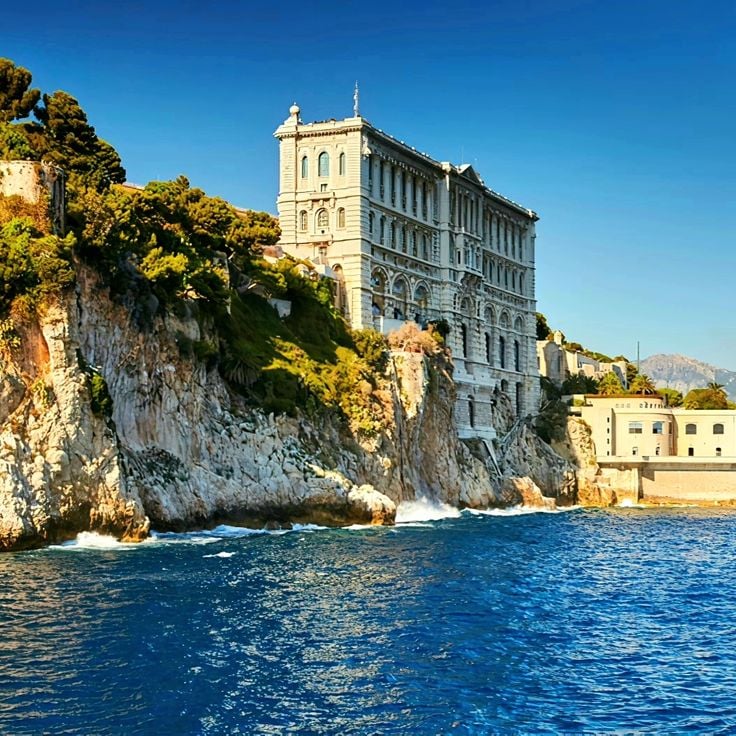
The Musée Océanographique De Monaco presents extensive collections dedicated to marine biology and oceanography across multiple levels. The 100 aquariums house approximately 6000 species of fish, invertebrates and corals from the Mediterranean Sea and tropical waters. The natural history exhibitions display skeletons, preserved specimens and scientific instruments used for ocean research. The building opened in 1910 and sits on a cliff overlooking the Mediterranean Sea.
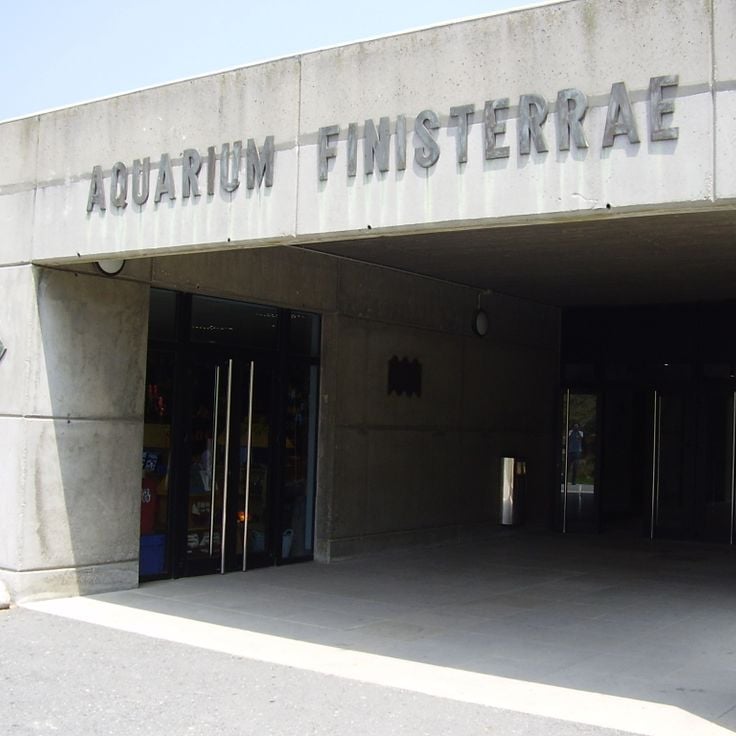
The Aquarium Finisterrae is a marine museum located on the edge of the La Coruña peninsula. The facility focuses on Atlantic Ocean fauna and presents various fish species from the Galician coast. Its outdoor pools are home to seals and other marine mammals. The museum features several thematic areas explaining ecosystems, maritime research and marine biology. Visitors can explore touch tanks with invertebrates and participate in educational programs about ocean conservation and local marine life.
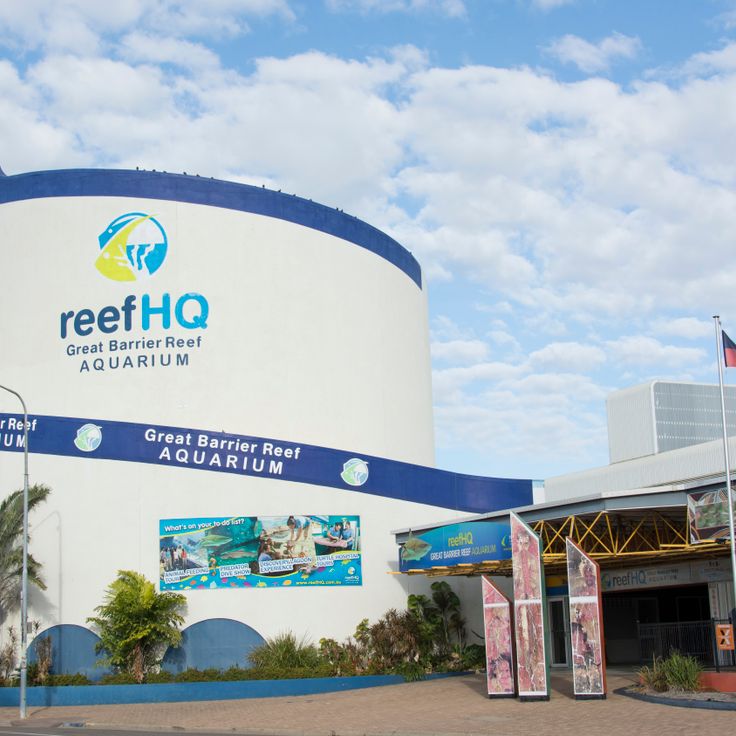
Reef HQ Aquarium is a research center dedicated to the conservation and study of the Great Barrier Reef. The facility houses 2.5 million liters of seawater and displays more than 150 coral species along with numerous marine life forms from the world's largest coral reef system. Visitors can walk through an underwater tunnel and observe the reef's biological diversity at close range, while scientific programs focused on coral research and marine conservation are conducted on site.
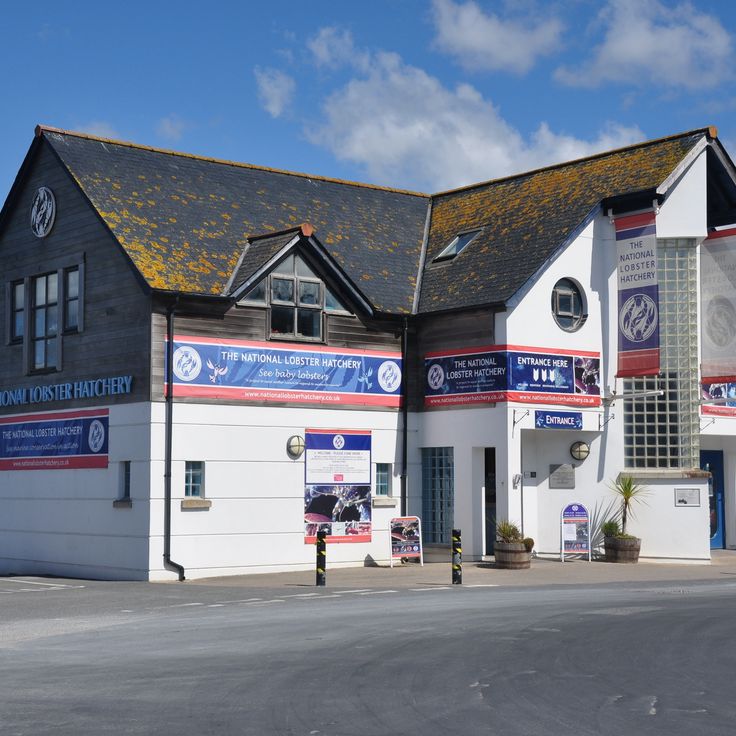
The National Lobster Hatchery in Padstow focuses on breeding and researching European lobsters. The facility operates programs to raise young lobsters, which are later released into Cornish waters. Visitors can observe different life stages of lobsters and learn about the biology of these crustaceans. The centre provides information on sustainable fishing practices and marine ecosystem conservation. Interactive displays explain the marine environment and the challenges of species protection. Educational workshops engage children and adults with hands-on activities related to ocean conservation.
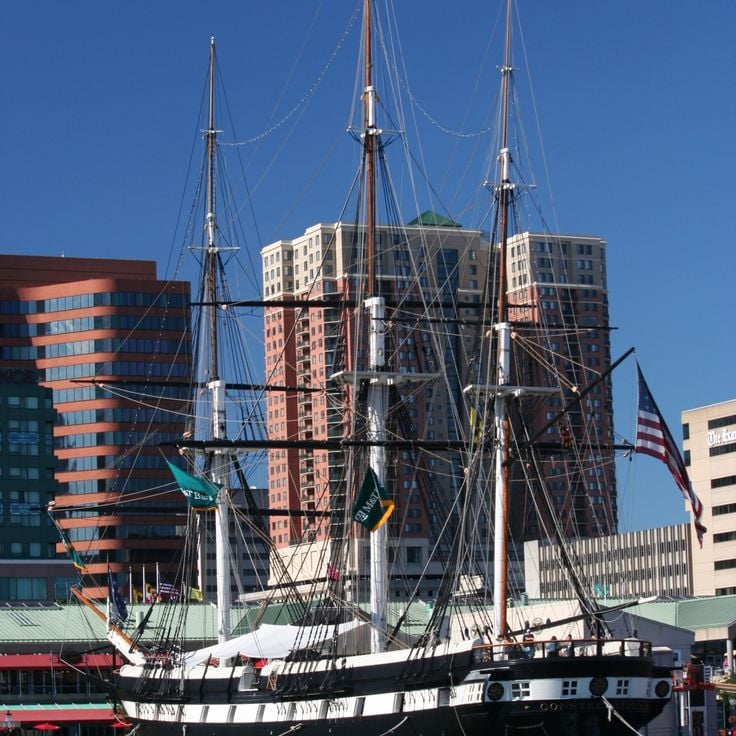
The Baltimore Maritime Museum displays historic naval ships and a submarine in the city's harbor district. The collection features military vessels from different periods along with exhibits related to the region's maritime history. Visitors can tour the ships and learn about Baltimore's role as an important port city on the East Coast.
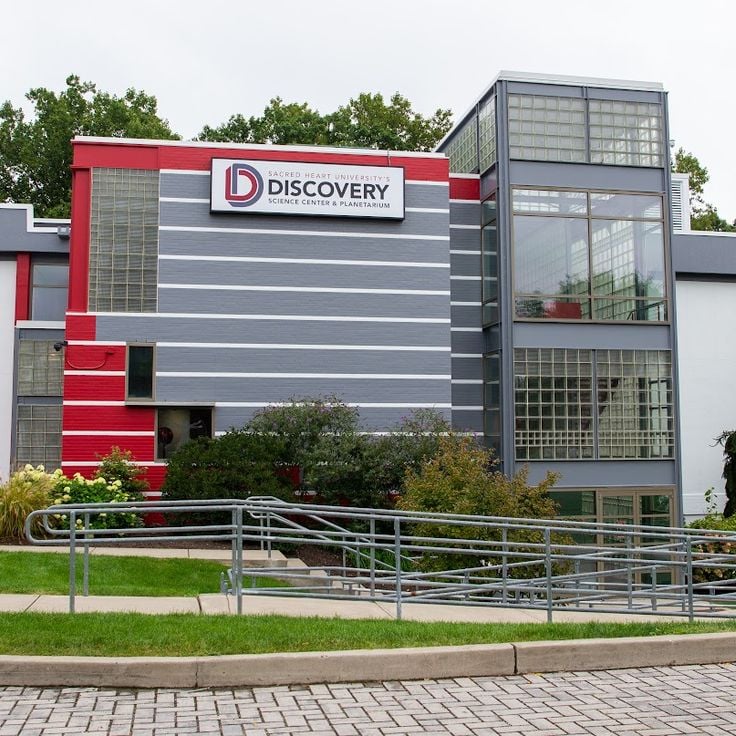
The Discovery Museum in Bridgeport provides visitors of all ages with over 65 interactive exhibit areas. The museum focuses on science, technology, and art through hands-on activities. Exhibits cover topics including energy, optics, mechanics, and the maritime history of the region. Visitors can learn through direct experimentation and exploration.
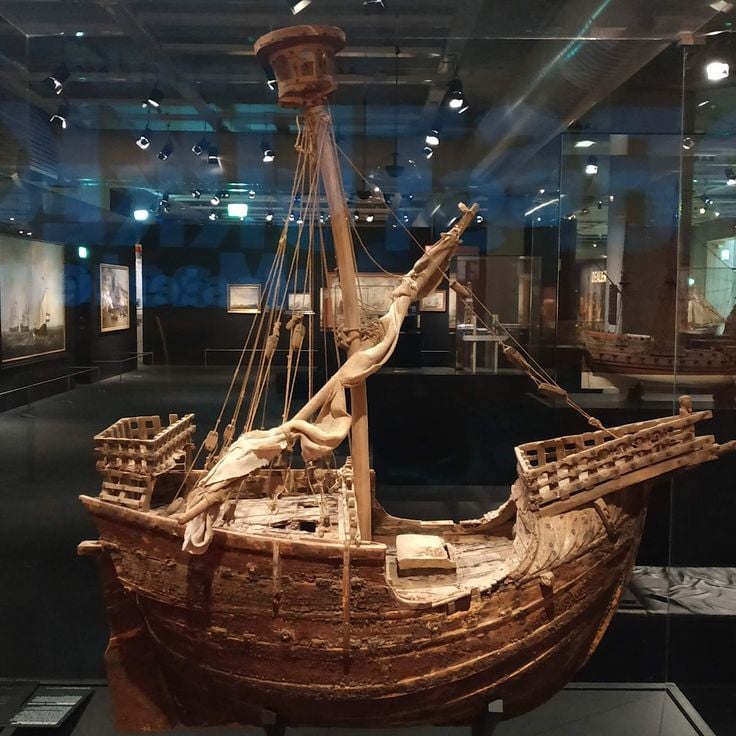
The Maritime Museum Rotterdam documents the city's seafaring history through an extensive collection of ship models, nautical instruments, and historical documents. The museum features an outdoor harbor area at Leuvehaven where visitors can explore historic vessels and harbor cranes. Permanent exhibitions cover the development of Rotterdam's port, shipbuilding techniques, and international maritime trade from medieval times to the present day.
The Ocean Research Center in Moscow presents an extensive collection of marine organisms from oceans worldwide. The center operates scientific laboratories where research on marine biology is conducted. Exhibition areas inform visitors about marine ecosystems, ocean biodiversity, and modern methods of underwater exploration.
The Kaiyukan Marine Institute operates 15 tanks housing Pacific Ocean species for research and education. The facility presents whale sharks, manta rays, and deep sea organisms. The institute focuses on Pacific marine ecosystem conservation and enables scientific observation of marine life in controlled environments.
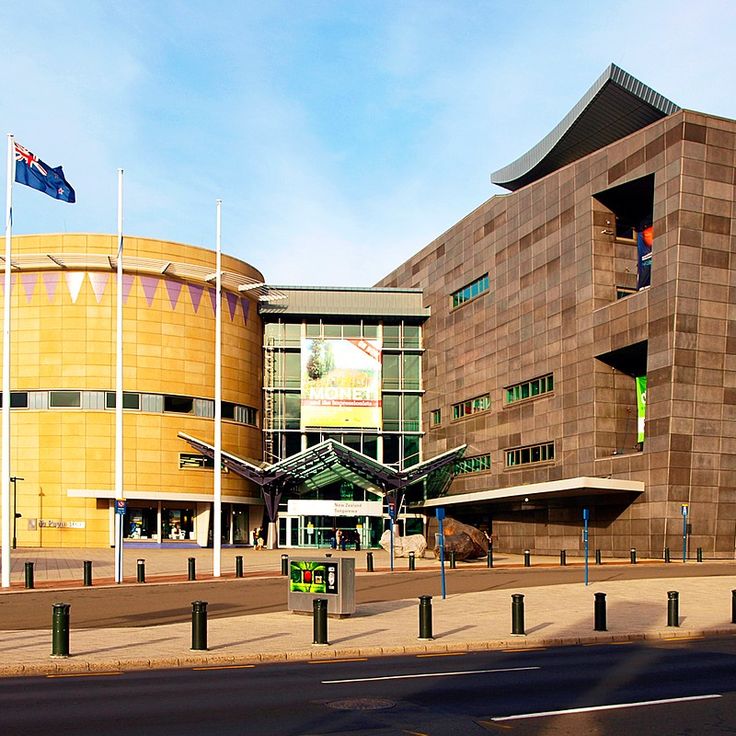
The Marine Wing at Te Papa Tongarewa operates as a research center focused on South Pacific marine biology. The facility displays local fish species, coral formations, and organisms from deep water environments. Visitors can observe specimens collected from New Zealand waters and learn about ongoing scientific research into the region's marine ecosystems and biodiversity.
This research facility in Rye focuses on North Atlantic marine biology. The station features laboratories, tide pools, and exhibits documenting the region's marine ecosystems. Visitors can observe the scientific work dedicated to studying the Atlantic coastal waters and their diverse biological communities.
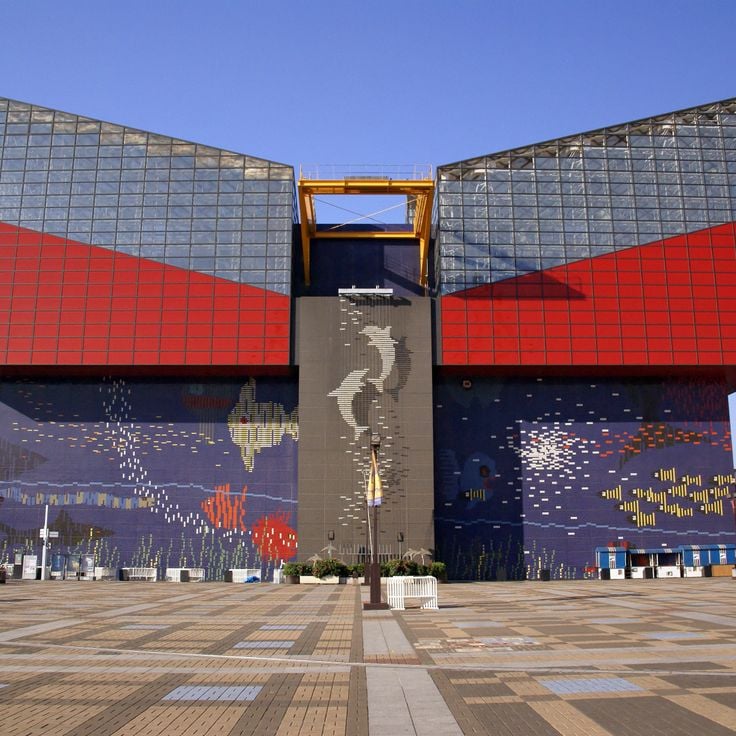
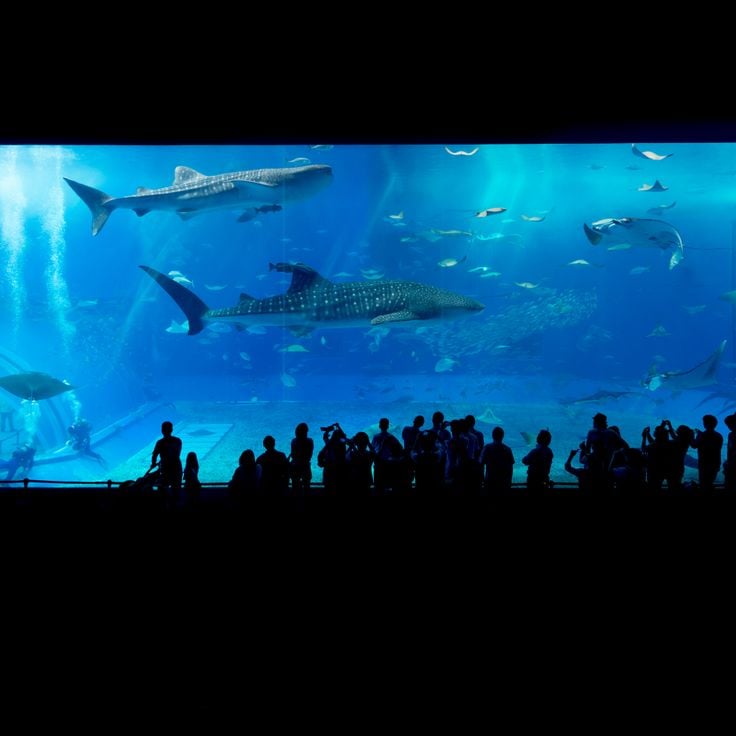
The Churaumi Aquarium is a marine science facility located within Ocean Expo Park, featuring a main tank with a volume of 7500 cubic meters. This tank houses whale sharks and manta rays, which visitors can observe through large viewing panels. The center presents the marine biodiversity of the Okinawa region and provides educational programs about ocean ecosystems.
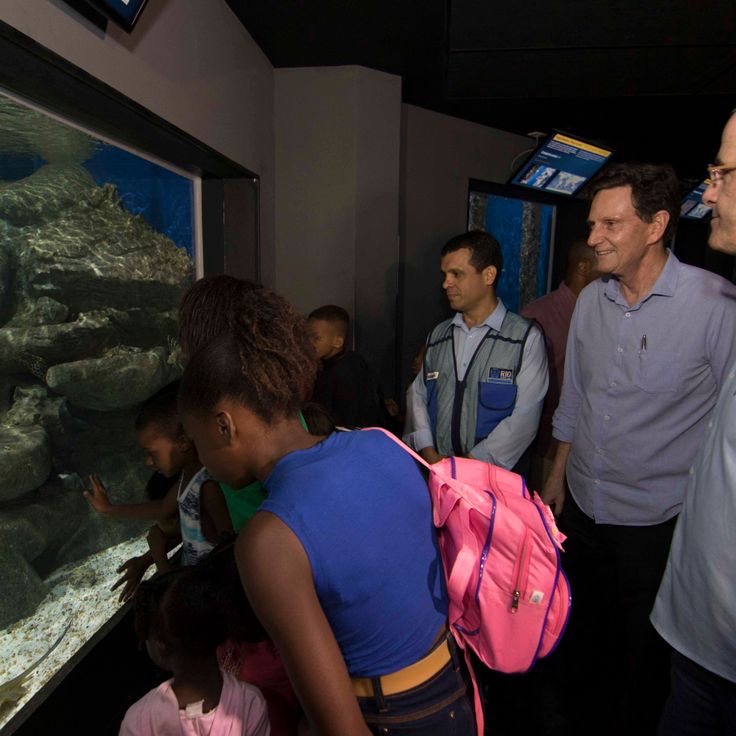
The Rio de Janeiro Marine Aquarium is a modern research facility dedicated to marine biology and ocean conservation. This institution operates with 4.5 million liters of seawater and houses approximately 3000 animals representing 350 different species. Visitors can observe tropical fish, sharks, rays, and other marine life in carefully maintained habitats. The aquarium conducts active research programs and provides educational activities focused on raising awareness about marine conservation and the importance of protecting ocean ecosystems.
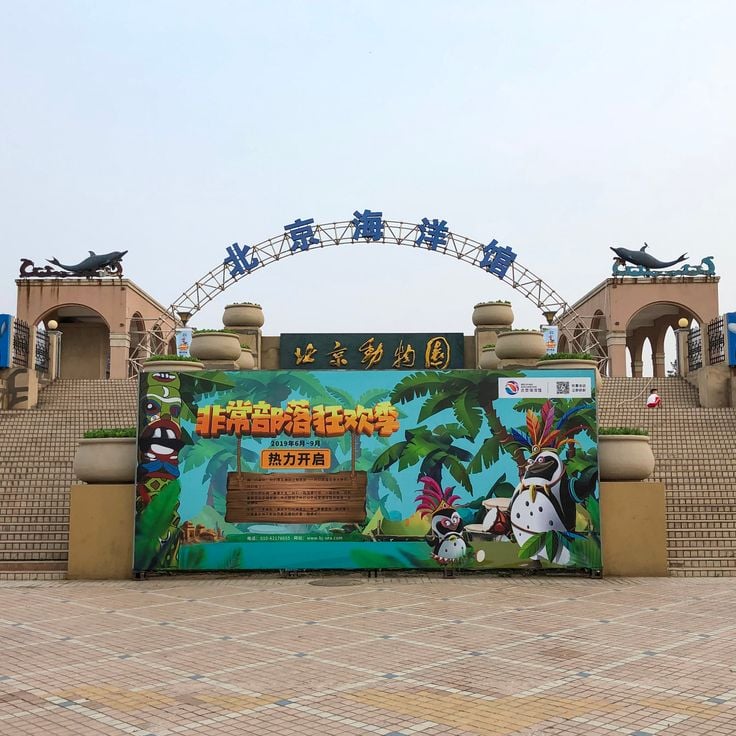
The Beijing Aquarium is a research center featuring 14 exhibition halls across 120,000 square meters. The facility focuses on freshwater and saltwater species, presenting an extensive collection of aquatic life. The aquarium combines scientific research with public education, offering visitors insights into marine ecosystems and water habitats from different regions around the world.
The Melbourne Museum is a scientific institute with 8000 square meters of exhibition space dedicated to the research of Australian marine fauna. The collections include displays on marine ecosystems, native sea creatures, and their habitats. The museum offers educational programs and research opportunities for visitors interested in learning about the biological diversity of Australian coastal waters.
The Whaling Museum in Nantucket presents an extensive collection of historical whaling equipment from the 18th and 19th centuries. The exhibition includes detailed ship models, original tools and implements, as well as skeletons of various marine mammals. This museum documents the history of the whaling industry and its significance for the economic development of the region.
The Istanbul Sea Life Aquarium displays more than 15,000 marine animals across 47 tanks of varying sizes. The collection focuses on species native to the Black Sea and Mediterranean regions. Visitors can observe sharks, rays, sea turtles, and numerous fish species from Turkish coastal waters. The aquarium features thematic zones that recreate different marine habitats. An underwater tunnel allows views of swimming animals from below.
The Aquarium-Museum Liège combines a public aquarium with a natural history museum. The institution displays various aquatic animals in tanks alongside natural history collections. Visitors can observe fish, marine invertebrates, and other aquatic organisms. The museum presents exhibits on zoology, paleontology, and comparative anatomy. The institution serves educational and scientific research purposes in the field of aquatic and terrestrial fauna.
The Phuket Aquarium is located at Cape Panwa and presents over 150 species of marine life from the Andaman Sea and the Gulf of Thailand. The facility includes several tanks displaying tropical fish, sea turtles, seahorses and corals. A tunnel runs through the main tank where visitors can observe sharks, rays and schools of colorful reef fish. The aquarium is part of the Phuket Marine Biological Center and operates research and education programs focused on marine environment conservation.
The Beitou Hot Springs Museum presents the development of thermal bathing facilities since the Japanese colonial era. The collection includes original bathing equipment, technical installations, and historical photographs documenting the area's transformation. This building dates from 1913 and functioned as a public bathhouse during Japanese rule. Visitors can explore the architectural features from that period and learn about the therapeutic properties of the local hot springs and their role in Taipei's social history.
The Nordsoen Oceanarium in Hirtshals houses 4.5 million liters of seawater in its tanks and displays the marine fauna of the North Sea. The facility presents various fish species from the region as well as seals in naturalistic habitats. This research center documents the ecological relationships of the northern European marine environment and provides knowledge about marine ecosystems.
The Texas State Aquarium in Corpus Christi houses marine animals from the Gulf of Mexico in tanks holding 1.8 million liters of water. This facility displays sharks, rays, sea turtles, and other species native to the coastal waters of Texas. Visitors can observe the underwater world through large viewing windows and learn about the ecosystems of the Gulf.
The Shanghai Ocean Aquarium houses more than 450 species of aquatic animals from different marine regions around the world. The main attraction is a 168-meter underwater tunnel that allows visitors to observe sharks, rays, and other marine creatures at close range. The exhibition areas are organized by geographic zones and present species from the Yangtze River, the Pacific Ocean, the Atlantic Ocean, as well as from polar and coastal waters.
The Shark Museum in Hafnarfjordur presents an extensive collection focused on the biology, anatomy, and ecology of various shark species. The exhibition displays skeletons, preserved specimens, and informative panels about the behavior of these marine predators. Visitors learn about the role sharks play in ocean ecosystems and the importance of their conservation.
The Museo Subacuático de Arte sits beneath the waters off Cancun, displaying over 500 life-sized sculptures on the ocean floor. The installations by British artist Jason deCaires Taylor serve as artificial reefs that promote coral growth. Visitors can explore the works while diving or snorkeling at depths between three and six meters. This museum combines contemporary art with marine conservation, helping to reduce pressure on natural reefs in the region.
The Aquarium of Genoa spans 27,000 square meters in the old port area of the Ligurian city. The facility houses more than 15,000 animals from 400 different species across 70 tanks containing 6 million liters of water. Visitors can explore Mediterranean and tropical marine ecosystems, including dolphins, sharks, seals, penguins, jellyfish, and coral reefs. Opened in 1992 to commemorate the 500th anniversary of Christopher Columbus's discovery of America, the aquarium was designed by architect Renzo Piano.
The Blue Planet Aquarium in Copenhagen opened in 2013 and houses over 20,000 marine animals from different oceans around the world. The building spans 10,000 square meters of exhibition space and features 53 aquariums containing a total of seven million liters of water. The facility presents several thematic zones including tropical coral reefs, freshwater habitats, and Arctic waters. The Ocean Tunnel tank holds three million liters of water and allows visitors to view hammerhead sharks, rays, and other large fish.
The Haus des Meeres is a public aquarium housed in a former flak tower built in 1943. The 47-meter concrete structure contains more than 10,000 animals in various saltwater and freshwater tanks. The facility displays tropical fish, sharks, rays, turtles, and crocodiles. Visitors can walk through themed sections representing different marine ecosystems, including Mediterranean, Caribbean, and Pacific waters. The top floor features a tropical house with free-flying birds and a viewing platform overlooking the city.
The Musée Océanographique De Monaco presents extensive collections dedicated to marine biology and oceanography across multiple levels. The 100 aquariums house approximately 6000 species of fish, invertebrates and corals from the Mediterranean Sea and tropical waters. The natural history exhibitions display skeletons, preserved specimens and scientific instruments used for ocean research. The building opened in 1910 and sits on a cliff overlooking the Mediterranean Sea.
The Aquarium Finisterrae is a marine museum located on the edge of the La Coruña peninsula. The facility focuses on Atlantic Ocean fauna and presents various fish species from the Galician coast. Its outdoor pools are home to seals and other marine mammals. The museum features several thematic areas explaining ecosystems, maritime research and marine biology. Visitors can explore touch tanks with invertebrates and participate in educational programs about ocean conservation and local marine life.
Reef HQ Aquarium is a research center dedicated to the conservation and study of the Great Barrier Reef. The facility houses 2.5 million liters of seawater and displays more than 150 coral species along with numerous marine life forms from the world's largest coral reef system. Visitors can walk through an underwater tunnel and observe the reef's biological diversity at close range, while scientific programs focused on coral research and marine conservation are conducted on site.
The National Lobster Hatchery in Padstow focuses on breeding and researching European lobsters. The facility operates programs to raise young lobsters, which are later released into Cornish waters. Visitors can observe different life stages of lobsters and learn about the biology of these crustaceans. The centre provides information on sustainable fishing practices and marine ecosystem conservation. Interactive displays explain the marine environment and the challenges of species protection. Educational workshops engage children and adults with hands-on activities related to ocean conservation.
The Baltimore Maritime Museum displays historic naval ships and a submarine in the city's harbor district. The collection features military vessels from different periods along with exhibits related to the region's maritime history. Visitors can tour the ships and learn about Baltimore's role as an important port city on the East Coast.
The Discovery Museum in Bridgeport provides visitors of all ages with over 65 interactive exhibit areas. The museum focuses on science, technology, and art through hands-on activities. Exhibits cover topics including energy, optics, mechanics, and the maritime history of the region. Visitors can learn through direct experimentation and exploration.
The Maritime Museum Rotterdam documents the city's seafaring history through an extensive collection of ship models, nautical instruments, and historical documents. The museum features an outdoor harbor area at Leuvehaven where visitors can explore historic vessels and harbor cranes. Permanent exhibitions cover the development of Rotterdam's port, shipbuilding techniques, and international maritime trade from medieval times to the present day.
The Ocean Research Center in Moscow presents an extensive collection of marine organisms from oceans worldwide. The center operates scientific laboratories where research on marine biology is conducted. Exhibition areas inform visitors about marine ecosystems, ocean biodiversity, and modern methods of underwater exploration.
The Kaiyukan Marine Institute operates 15 tanks housing Pacific Ocean species for research and education. The facility presents whale sharks, manta rays, and deep sea organisms. The institute focuses on Pacific marine ecosystem conservation and enables scientific observation of marine life in controlled environments.
The Marine Wing at Te Papa Tongarewa operates as a research center focused on South Pacific marine biology. The facility displays local fish species, coral formations, and organisms from deep water environments. Visitors can observe specimens collected from New Zealand waters and learn about ongoing scientific research into the region's marine ecosystems and biodiversity.
This research facility in Rye focuses on North Atlantic marine biology. The station features laboratories, tide pools, and exhibits documenting the region's marine ecosystems. Visitors can observe the scientific work dedicated to studying the Atlantic coastal waters and their diverse biological communities.
The Churaumi Aquarium is a marine science facility located within Ocean Expo Park, featuring a main tank with a volume of 7500 cubic meters. This tank houses whale sharks and manta rays, which visitors can observe through large viewing panels. The center presents the marine biodiversity of the Okinawa region and provides educational programs about ocean ecosystems.
The Rio de Janeiro Marine Aquarium is a modern research facility dedicated to marine biology and ocean conservation. This institution operates with 4.5 million liters of seawater and houses approximately 3000 animals representing 350 different species. Visitors can observe tropical fish, sharks, rays, and other marine life in carefully maintained habitats. The aquarium conducts active research programs and provides educational activities focused on raising awareness about marine conservation and the importance of protecting ocean ecosystems.
The Beijing Aquarium is a research center featuring 14 exhibition halls across 120,000 square meters. The facility focuses on freshwater and saltwater species, presenting an extensive collection of aquatic life. The aquarium combines scientific research with public education, offering visitors insights into marine ecosystems and water habitats from different regions around the world.
The Melbourne Museum is a scientific institute with 8000 square meters of exhibition space dedicated to the research of Australian marine fauna. The collections include displays on marine ecosystems, native sea creatures, and their habitats. The museum offers educational programs and research opportunities for visitors interested in learning about the biological diversity of Australian coastal waters.
The Whaling Museum in Nantucket presents an extensive collection of historical whaling equipment from the 18th and 19th centuries. The exhibition includes detailed ship models, original tools and implements, as well as skeletons of various marine mammals. This museum documents the history of the whaling industry and its significance for the economic development of the region.
The Istanbul Sea Life Aquarium displays more than 15,000 marine animals across 47 tanks of varying sizes. The collection focuses on species native to the Black Sea and Mediterranean regions. Visitors can observe sharks, rays, sea turtles, and numerous fish species from Turkish coastal waters. The aquarium features thematic zones that recreate different marine habitats. An underwater tunnel allows views of swimming animals from below.
The Aquarium-Museum Liège combines a public aquarium with a natural history museum. The institution displays various aquatic animals in tanks alongside natural history collections. Visitors can observe fish, marine invertebrates, and other aquatic organisms. The museum presents exhibits on zoology, paleontology, and comparative anatomy. The institution serves educational and scientific research purposes in the field of aquatic and terrestrial fauna.
The Phuket Aquarium is located at Cape Panwa and presents over 150 species of marine life from the Andaman Sea and the Gulf of Thailand. The facility includes several tanks displaying tropical fish, sea turtles, seahorses and corals. A tunnel runs through the main tank where visitors can observe sharks, rays and schools of colorful reef fish. The aquarium is part of the Phuket Marine Biological Center and operates research and education programs focused on marine environment conservation.
The Beitou Hot Springs Museum presents the development of thermal bathing facilities since the Japanese colonial era. The collection includes original bathing equipment, technical installations, and historical photographs documenting the area's transformation. This building dates from 1913 and functioned as a public bathhouse during Japanese rule. Visitors can explore the architectural features from that period and learn about the therapeutic properties of the local hot springs and their role in Taipei's social history.
The Nordsoen Oceanarium in Hirtshals houses 4.5 million liters of seawater in its tanks and displays the marine fauna of the North Sea. The facility presents various fish species from the region as well as seals in naturalistic habitats. This research center documents the ecological relationships of the northern European marine environment and provides knowledge about marine ecosystems.
The Texas State Aquarium in Corpus Christi houses marine animals from the Gulf of Mexico in tanks holding 1.8 million liters of water. This facility displays sharks, rays, sea turtles, and other species native to the coastal waters of Texas. Visitors can observe the underwater world through large viewing windows and learn about the ecosystems of the Gulf.
The Shanghai Ocean Aquarium houses more than 450 species of aquatic animals from different marine regions around the world. The main attraction is a 168-meter underwater tunnel that allows visitors to observe sharks, rays, and other marine creatures at close range. The exhibition areas are organized by geographic zones and present species from the Yangtze River, the Pacific Ocean, the Atlantic Ocean, as well as from polar and coastal waters.
The Shark Museum in Hafnarfjordur presents an extensive collection focused on the biology, anatomy, and ecology of various shark species. The exhibition displays skeletons, preserved specimens, and informative panels about the behavior of these marine predators. Visitors learn about the role sharks play in ocean ecosystems and the importance of their conservation.
The Museo Subacuático de Arte sits beneath the waters off Cancun, displaying over 500 life-sized sculptures on the ocean floor. The installations by British artist Jason deCaires Taylor serve as artificial reefs that promote coral growth. Visitors can explore the works while diving or snorkeling at depths between three and six meters. This museum combines contemporary art with marine conservation, helping to reduce pressure on natural reefs in the region.
The Aquarium of Genoa spans 27,000 square meters in the old port area of the Ligurian city. The facility houses more than 15,000 animals from 400 different species across 70 tanks containing 6 million liters of water. Visitors can explore Mediterranean and tropical marine ecosystems, including dolphins, sharks, seals, penguins, jellyfish, and coral reefs. Opened in 1992 to commemorate the 500th anniversary of Christopher Columbus's discovery of America, the aquarium was designed by architect Renzo Piano.
The Blue Planet Aquarium in Copenhagen opened in 2013 and houses over 20,000 marine animals from different oceans around the world. The building spans 10,000 square meters of exhibition space and features 53 aquariums containing a total of seven million liters of water. The facility presents several thematic zones including tropical coral reefs, freshwater habitats, and Arctic waters. The Ocean Tunnel tank holds three million liters of water and allows visitors to view hammerhead sharks, rays, and other large fish.
The Haus des Meeres is a public aquarium housed in a former flak tower built in 1943. The 47-meter concrete structure contains more than 10,000 animals in various saltwater and freshwater tanks. The facility displays tropical fish, sharks, rays, turtles, and crocodiles. Visitors can walk through themed sections representing different marine ecosystems, including Mediterranean, Caribbean, and Pacific waters. The top floor features a tropical house with free-flying birds and a viewing platform overlooking the city.
The Musée Océanographique De Monaco presents extensive collections dedicated to marine biology and oceanography across multiple levels. The 100 aquariums house approximately 6000 species of fish, invertebrates and corals from the Mediterranean Sea and tropical waters. The natural history exhibitions display skeletons, preserved specimens and scientific instruments used for ocean research. The building opened in 1910 and sits on a cliff overlooking the Mediterranean Sea.
The Aquarium Finisterrae is a marine museum located on the edge of the La Coruña peninsula. The facility focuses on Atlantic Ocean fauna and presents various fish species from the Galician coast. Its outdoor pools are home to seals and other marine mammals. The museum features several thematic areas explaining ecosystems, maritime research and marine biology. Visitors can explore touch tanks with invertebrates and participate in educational programs about ocean conservation and local marine life.
Reef HQ Aquarium is a research center dedicated to the conservation and study of the Great Barrier Reef. The facility houses 2.5 million liters of seawater and displays more than 150 coral species along with numerous marine life forms from the world's largest coral reef system. Visitors can walk through an underwater tunnel and observe the reef's biological diversity at close range, while scientific programs focused on coral research and marine conservation are conducted on site.
The National Lobster Hatchery in Padstow focuses on breeding and researching European lobsters. The facility operates programs to raise young lobsters, which are later released into Cornish waters. Visitors can observe different life stages of lobsters and learn about the biology of these crustaceans. The centre provides information on sustainable fishing practices and marine ecosystem conservation. Interactive displays explain the marine environment and the challenges of species protection. Educational workshops engage children and adults with hands-on activities related to ocean conservation.
The Baltimore Maritime Museum displays historic naval ships and a submarine in the city's harbor district. The collection features military vessels from different periods along with exhibits related to the region's maritime history. Visitors can tour the ships and learn about Baltimore's role as an important port city on the East Coast.
The Discovery Museum in Bridgeport provides visitors of all ages with over 65 interactive exhibit areas. The museum focuses on science, technology, and art through hands-on activities. Exhibits cover topics including energy, optics, mechanics, and the maritime history of the region. Visitors can learn through direct experimentation and exploration.
The Maritime Museum Rotterdam documents the city's seafaring history through an extensive collection of ship models, nautical instruments, and historical documents. The museum features an outdoor harbor area at Leuvehaven where visitors can explore historic vessels and harbor cranes. Permanent exhibitions cover the development of Rotterdam's port, shipbuilding techniques, and international maritime trade from medieval times to the present day.
The Ocean Research Center in Moscow presents an extensive collection of marine organisms from oceans worldwide. The center operates scientific laboratories where research on marine biology is conducted. Exhibition areas inform visitors about marine ecosystems, ocean biodiversity, and modern methods of underwater exploration.
The Kaiyukan Marine Institute operates 15 tanks housing Pacific Ocean species for research and education. The facility presents whale sharks, manta rays, and deep sea organisms. The institute focuses on Pacific marine ecosystem conservation and enables scientific observation of marine life in controlled environments.
The Marine Wing at Te Papa Tongarewa operates as a research center focused on South Pacific marine biology. The facility displays local fish species, coral formations, and organisms from deep water environments. Visitors can observe specimens collected from New Zealand waters and learn about ongoing scientific research into the region's marine ecosystems and biodiversity.
This research facility in Rye focuses on North Atlantic marine biology. The station features laboratories, tide pools, and exhibits documenting the region's marine ecosystems. Visitors can observe the scientific work dedicated to studying the Atlantic coastal waters and their diverse biological communities.
The Churaumi Aquarium is a marine science facility located within Ocean Expo Park, featuring a main tank with a volume of 7500 cubic meters. This tank houses whale sharks and manta rays, which visitors can observe through large viewing panels. The center presents the marine biodiversity of the Okinawa region and provides educational programs about ocean ecosystems.
The Rio de Janeiro Marine Aquarium is a modern research facility dedicated to marine biology and ocean conservation. This institution operates with 4.5 million liters of seawater and houses approximately 3000 animals representing 350 different species. Visitors can observe tropical fish, sharks, rays, and other marine life in carefully maintained habitats. The aquarium conducts active research programs and provides educational activities focused on raising awareness about marine conservation and the importance of protecting ocean ecosystems.
The Beijing Aquarium is a research center featuring 14 exhibition halls across 120,000 square meters. The facility focuses on freshwater and saltwater species, presenting an extensive collection of aquatic life. The aquarium combines scientific research with public education, offering visitors insights into marine ecosystems and water habitats from different regions around the world.
The Melbourne Museum is a scientific institute with 8000 square meters of exhibition space dedicated to the research of Australian marine fauna. The collections include displays on marine ecosystems, native sea creatures, and their habitats. The museum offers educational programs and research opportunities for visitors interested in learning about the biological diversity of Australian coastal waters.