See the monuments around you in AROpen chests in the app
Around Us is built for your phone — point your camera at the streets and discover the monuments and places around you in augmented reality.Around Us is built for your phone — chests unlock when you walk, explore and capture nearby places.
What to do in Rio de Janeiro: must-visit sites, monuments, and beaches in Brazil
Rio de Janeiro is more than a city; it is a living backdrop. Between mountains and sea, the Brazilian metropolis showcases its most famous landscapes: Christ the Redeemer overlooking Guanabara Bay, Sugarloaf shining in the sun, Ipanema and Copacabana beaches where music and sand never sleep. But Rio is not just postcards. In the streets of Santa Teresa, colorful azulejos climb the Selarón stairs, museums reinvent the modern city, parks hide tropical forests, and lookouts reveal stunning panoramas. From samba to nature, from colonial heritage to futuristic architecture, each neighborhood tells a different face of Rio. Here are the must-visit places to experience its energy, beauty, and the unique joie de vivre.
What to do in Rio de Janeiro: must-visit sites, monuments, and beaches in Brazil
Rio de Janeiro is more than a city; it is a living backdrop. Between mountains and sea, the Brazilian metropolis showcases its most famous landscapes: Christ the Redeemer overlooking Guanabara Bay, Sugarloaf shining in the sun, Ipanema and Copacabana beaches where music and sand never sleep. But Rio is not just postcards. In the streets of Santa Teresa, colorful azulejos climb the Selarón stairs, museums reinvent the modern city, parks hide tropical forests, and lookouts reveal stunning panoramas. From samba to nature, from colonial heritage to futuristic architecture, each neighborhood tells a different face of Rio. Here are the must-visit places to experience its energy, beauty, and the unique joie de vivre.
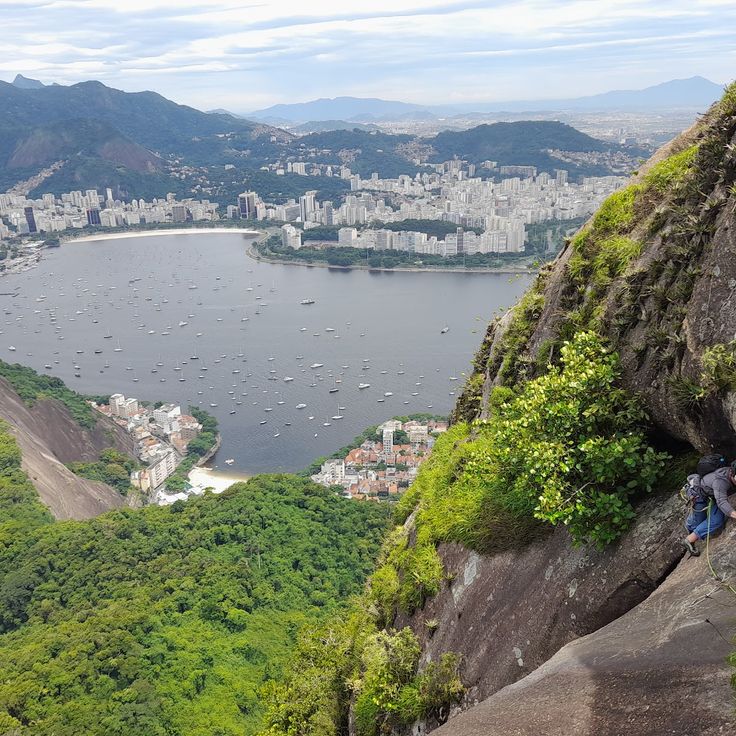
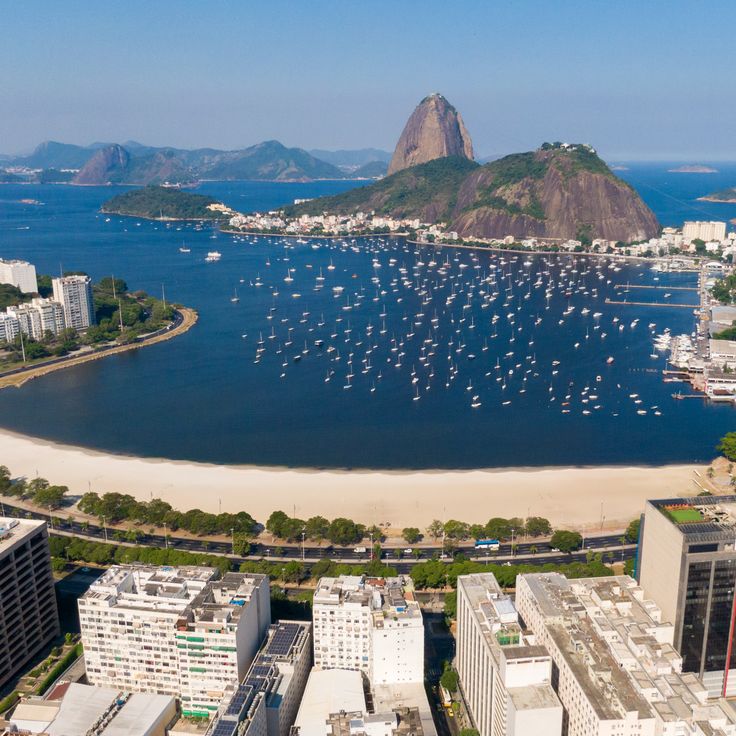
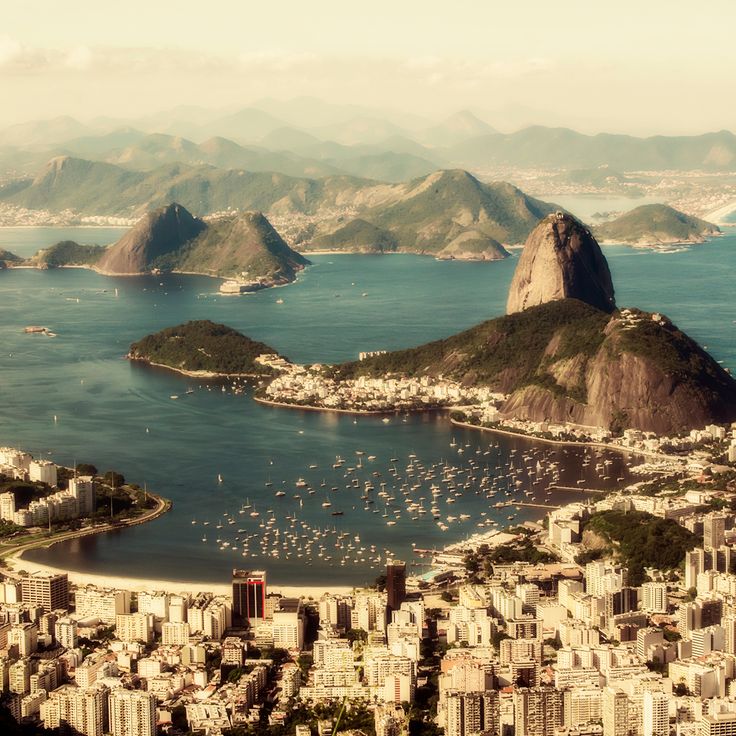
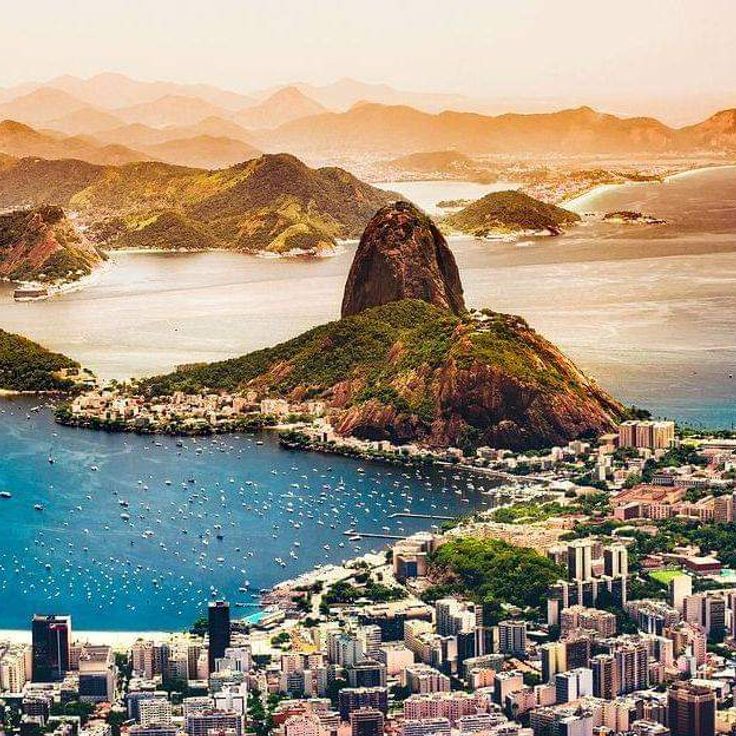
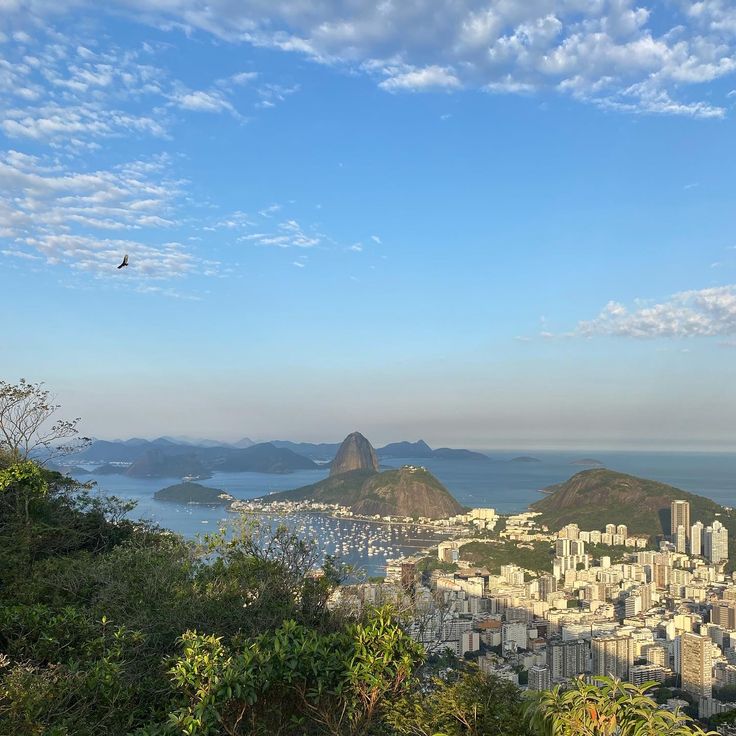
The Sugarloaf Mountain rises at the entrance to Guanabara Bay, reaching a height of 396 meters. This granite peak is accessed via two consecutive cable car sections. The first cabin travels to Morro da Urca at 220 meters, while the second continues to the summit. From the top, visitors observe a panoramic view of Rio de Janeiro that encompasses Copacabana, Corcovado, the beaches of Ipanema and Leblon, and the Atlantic Ocean. The journey takes approximately three minutes per section. The ascent operates daily from early morning until late evening. The summit features observation platforms, a café, and souvenir shops.
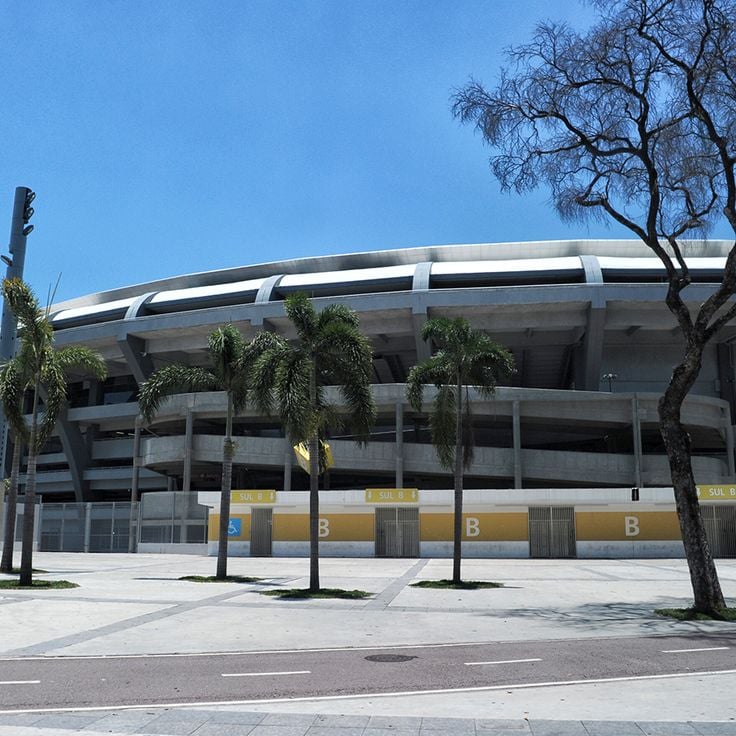
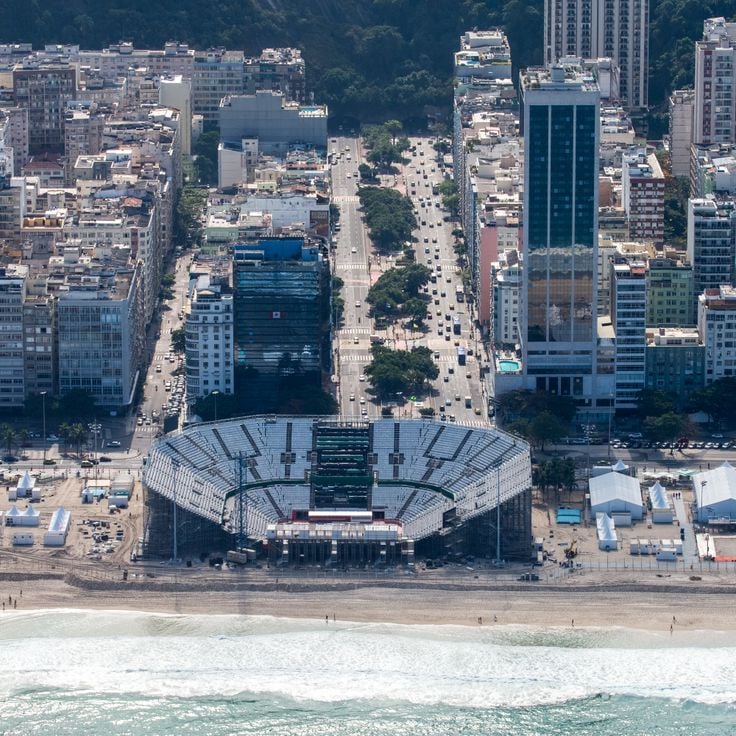
The Maracanã Stadium was built for the 1950 World Cup and holds up to 78,000 spectators. This arena hosted two World Cup finals and the 2016 Olympic Games. The stadium regularly receives matches of the Carioca Championship and international concerts. The facility offers guided tours through the locker rooms, player tunnel, and museum documenting Brazilian football history.
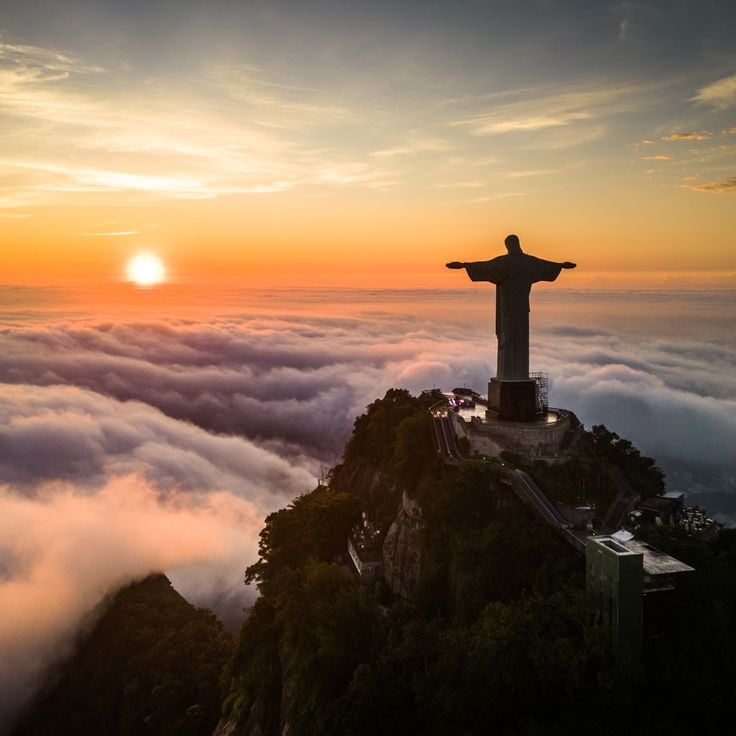
The Christ the Redeemer statue stands at 710 meters elevation atop Corcovado mountain and ranks among the most recognizable monuments worldwide. This 30-meter-tall soapstone sculpture was inaugurated in 1931 and overlooks the entire city of Rio de Janeiro. From the platform, views extend across Guanabara Bay, Copacabana and Ipanema beaches, and Sugarloaf Mountain. Access is via a cog railway that climbs through Tijuca National Park, which surrounds the statue.
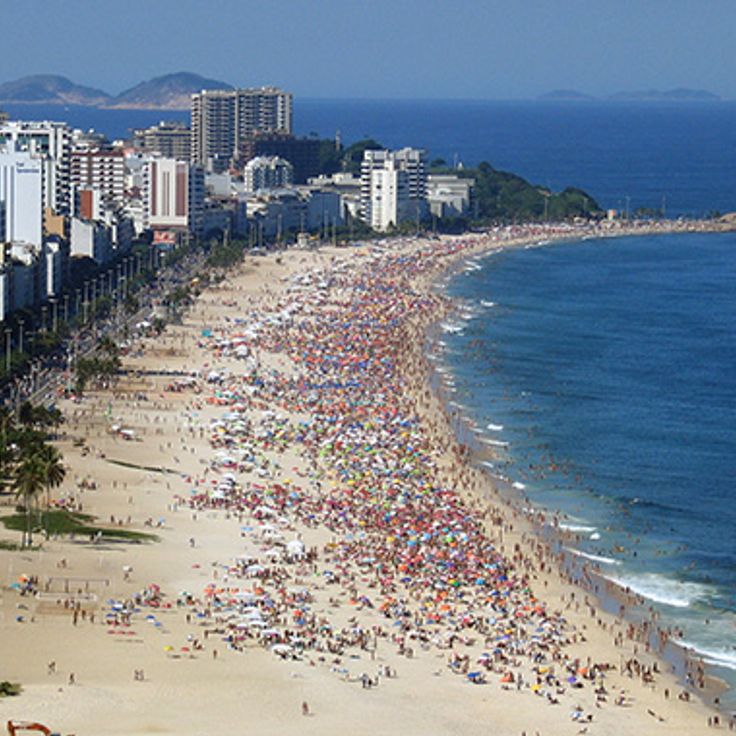
Plage d'Ipanema stretches for two and a half kilometers along Rio de Janeiro's South Zone, offering views of the twin peaks of Dois Irmãos. This sandy beach attracts locals and visitors who come to swim, play beach volleyball, and enjoy the sun. The beach is divided into sections marked by postos, numbered lifeguard towers that serve as meeting points. Posto 9 is particularly popular with artists and intellectuals. In the late afternoon, people gather to watch the sunset over the Atlantic Ocean. Avenida Vieira Souto runs parallel to the beach, lined with shops, restaurants, and cafes.
Tijuca National Park covers over 3,900 hectares in the heart of Rio de Janeiro, making it one of the largest urban forests in the world. This tropical rainforest was reforested in the 19th century and now contains numerous waterfalls, including Cascatinha Taunay, as well as over 30 kilometers of hiking trails. The park offers several viewpoints overlooking the city and Guanabara Bay. The Cristo Redentor statue on Corcovado Mountain is located within this protected area. The flora includes over 1,600 plant species, while the fauna features monkeys, sloths, and more than 300 bird species.
Copacabana Beach stretches for 4 kilometers along the Atlantic coast, forming one of Brazil's most recognized coastal areas. The promenade features black and white Portuguese stone mosaics arranged in wave patterns running parallel to the sandy shore. Numbered lifeguard posts are positioned along the beach sections, serving as reference points. Volleyball nets, football goals, and outdoor fitness equipment are available for visitors. Avenida Atlântica runs directly alongside the beachfront promenade, connecting the different beach sections.
Guanabara Bay forms a natural harbor covering 412 square kilometers and contains over 130 islands of varying sizes. Commercial ports, naval bases, and urban areas of Rio de Janeiro line its shores. The bay serves as a major gateway to the Atlantic Ocean and plays a central role in maritime trade and military operations in the region. Its waters separate the city of Rio de Janeiro from the neighboring city of Niterói, which are connected by the Rio-Niterói Bridge.
Santa Teresa sits on a hill in central Rio de Janeiro, preserving 19th-century architecture. The neighborhood features cobblestone streets, colonial houses with colored facades, and the historic tram that has operated since 1877. Numerous artist studios, galleries, and cultural centers occupy the old buildings. The steep streets provide panoramic views over Guanabara Bay and the city center.
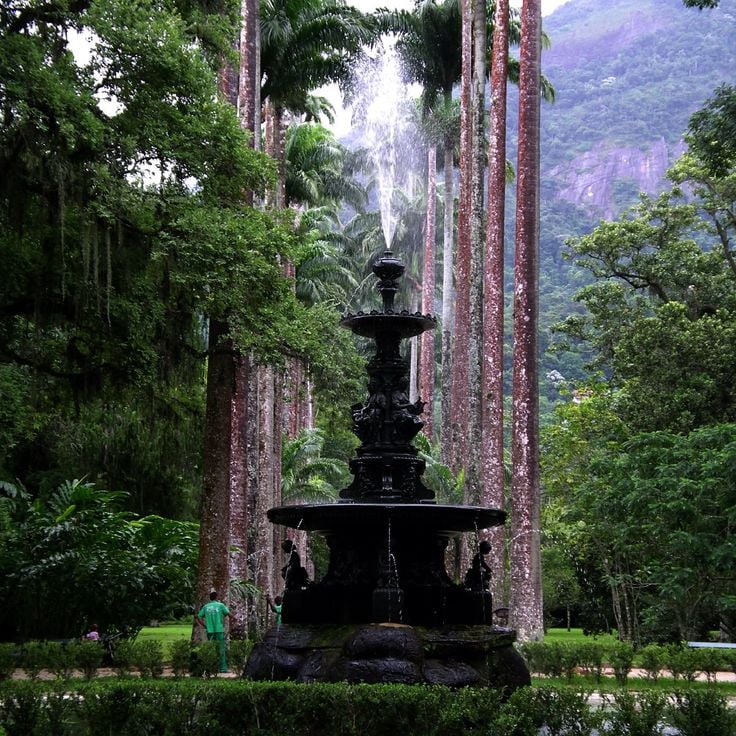
The Rio de Janeiro Botanical Garden was established in 1808 and now houses over 6,000 species of tropical plants across 54 hectares. The main avenues are lined with royal palms over 130 years old, reaching heights of 40 meters. The grounds include specialized collections of orchids, bromeliads, and carnivorous plants, along with several greenhouses. Located in the Jardim Botânico neighborhood at the foot of Corcovado Mountain, the garden serves both scientific research and environmental education purposes.
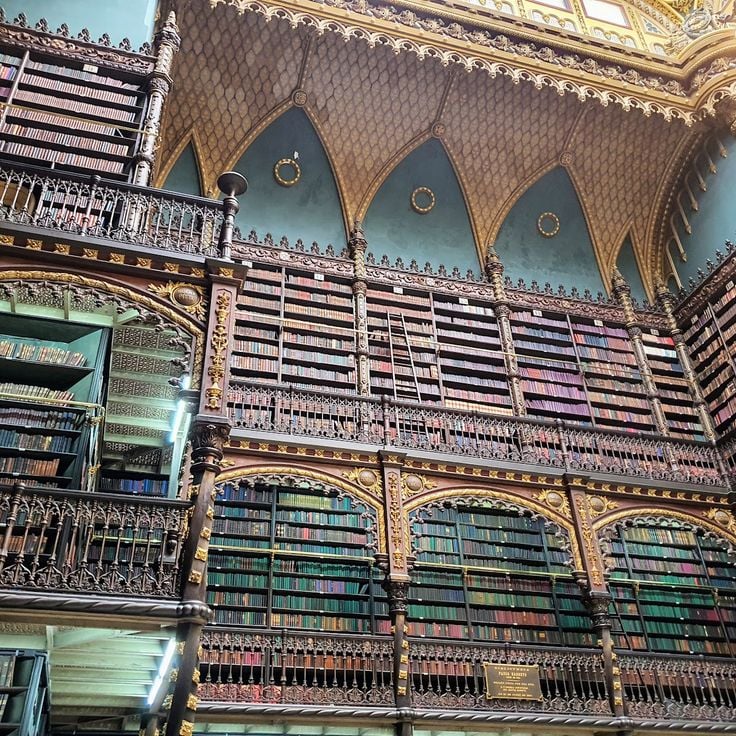
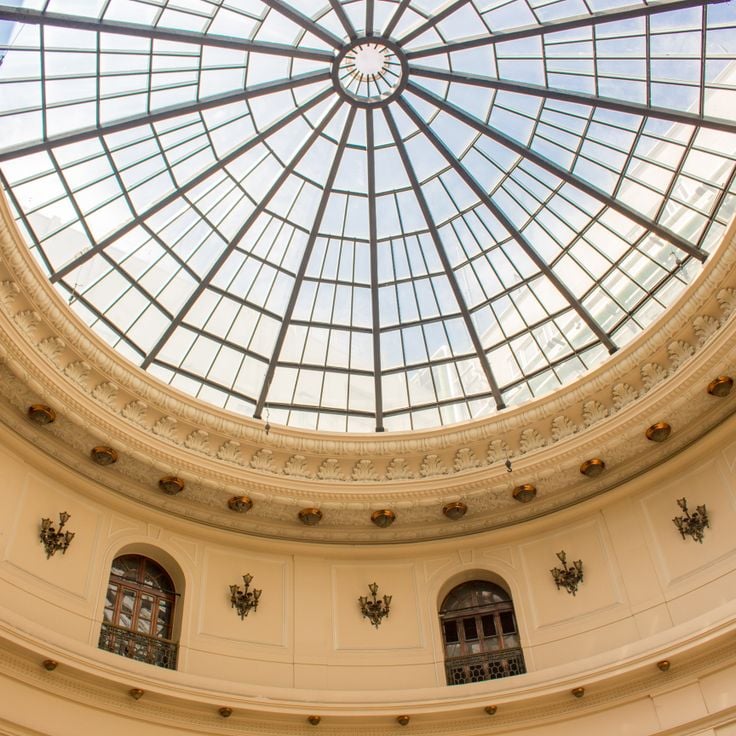
The Real Gabinete Português de Leitura was founded in 1887 by Portuguese immigrants and houses over 350,000 works in the Portuguese language. The neo-Manueline building features a limestone facade and wrought-iron portal. The central reading room spans three floors with wooden shelving and a stained-glass skylight that filters natural light. The collection includes rare manuscripts, first editions, and historical documents related to Portuguese and Brazilian literature.
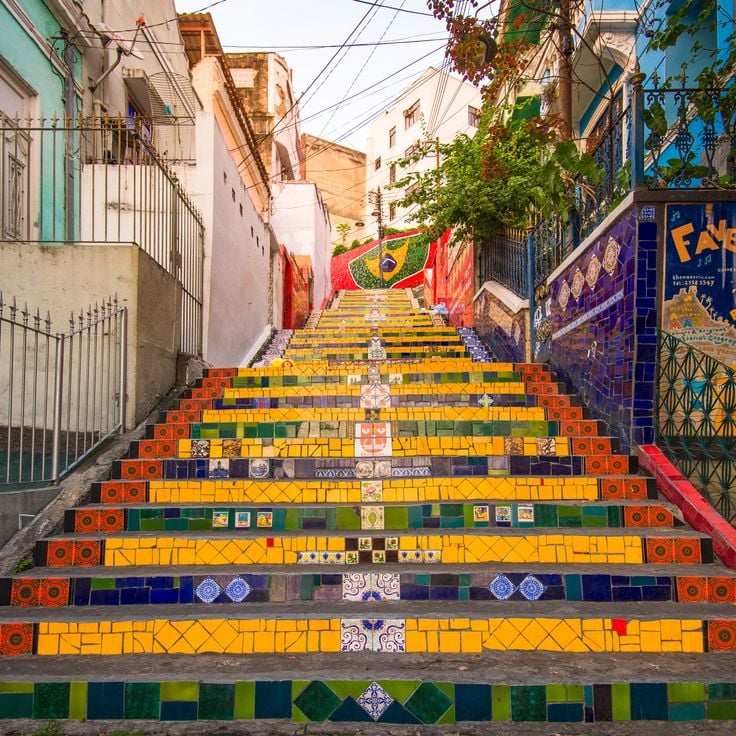
The Escadaria Selarón connects the Lapa and Santa Teresa neighborhoods through 215 steps. Chilean artist Jorge Selarón began decorating this staircase in 1990, using thousands of colorful tiles from over 60 countries. The project evolved over more than two decades into a continuous work of art. The tiles display motifs from different cultures, portraits, and abstract patterns. Selarón dedicated this work to the Brazilian people. The staircase extends along Rua Manuel Carneiro and has become one of the most photographed locations in the city.
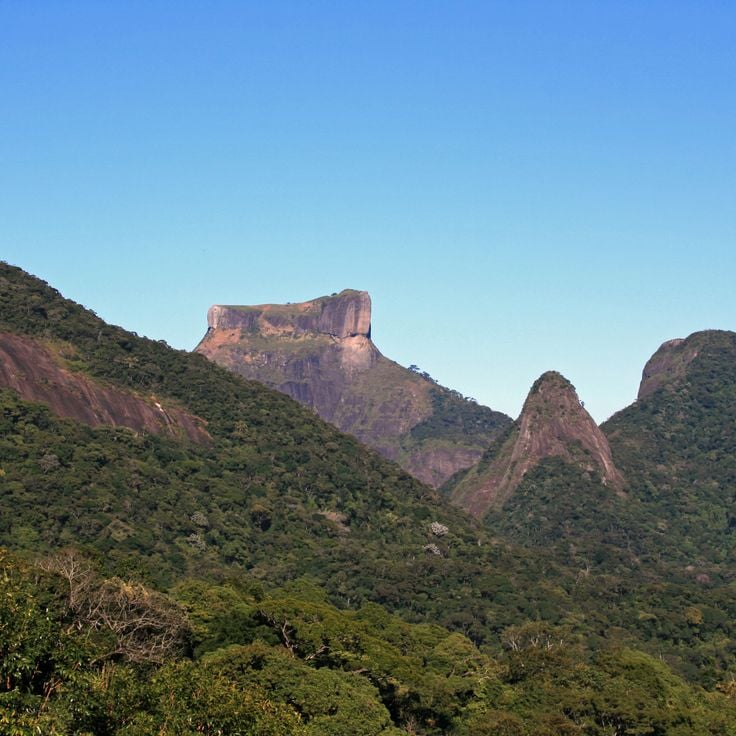
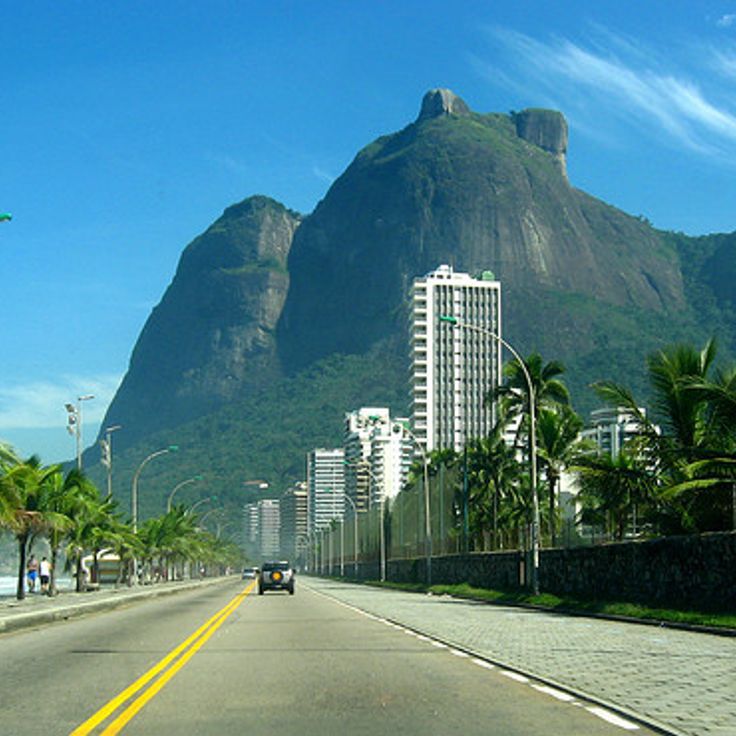
Pedra da Gávea is a granite peak rising 842 meters above sea level, ranking among the tallest coastal mountains in the world. The hike to the summit begins in the São Conrado neighborhood and passes through Atlantic rainforest terrain. The marked trail includes steep sections and a climbing passage called Carrasqueira, which requires ropes for assistance in some parts. From the summit, hikers can observe panoramic views of Barra da Tijuca and Ipanema beaches, Rodrigo de Freitas Lagoon, and Corcovado mountain. The total ascent takes approximately three hours for experienced hikers.
This Catholic cathedral was built between 1964 and 1976 following the designs of architect Edgar Fonseca. The structure takes the form of a conical tower reaching 96 meters in height with a base diameter of 106 meters. The building consists of four curved concrete panels that taper upward. The interior can accommodate up to 20,000 worshippers. Four colored glass windows extend from floor to ceiling, providing distinctive lighting throughout the space. The cathedral houses an organ with more than 5,000 pipes.
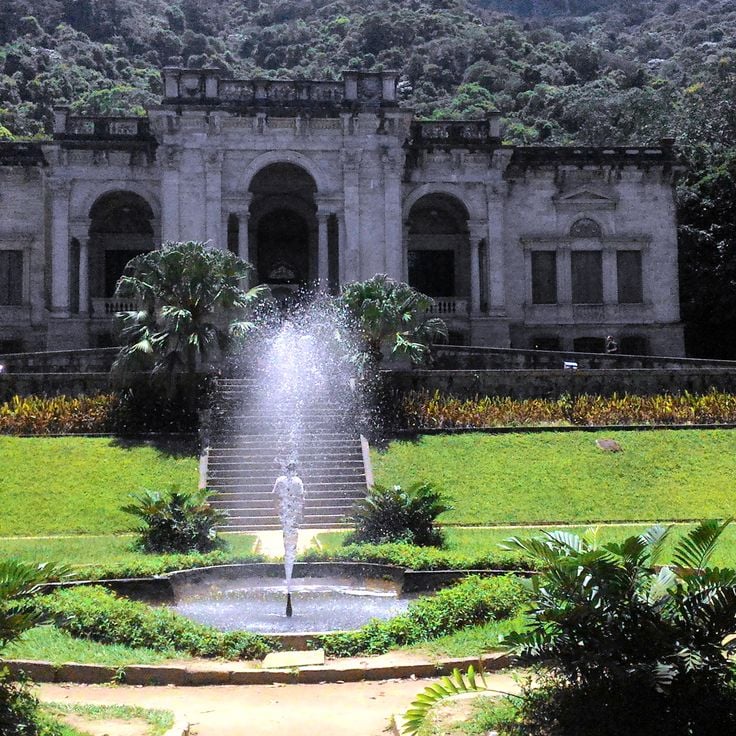
Parc Lage sits at the base of Corcovado mountain and combines nature with architectural heritage. The 1920s mansion in eclectic style now houses the Escola de Artes Visuais. Visitors can walk through gardens featuring native Atlantic Forest vegetation and explore several hiking trails. The café in the building's courtyard serves refreshments with views of Christ the Redeemer statue. The park includes a small lake, grottoes, and historic architectural features throughout the grounds.
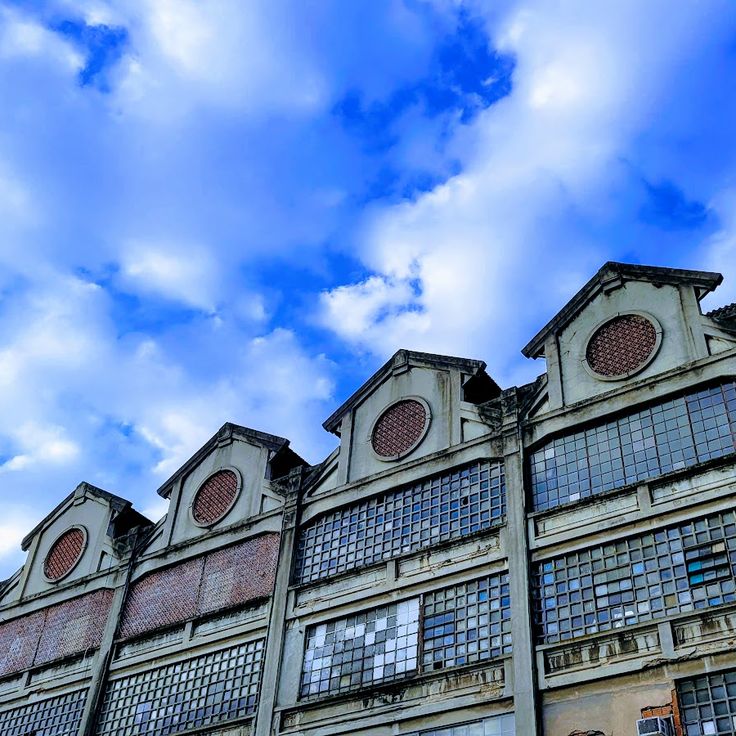
Usine Bhering is a former chocolate factory built in 1880 that operated until 2012. This industrial building in Rio de Janeiro now houses art studios, galleries, design offices and spaces for cultural events. The factory has transformed into a creative hub that attracts artists, designers and visitors. The renovated spaces regularly host exhibitions, workshops and cultural activities.
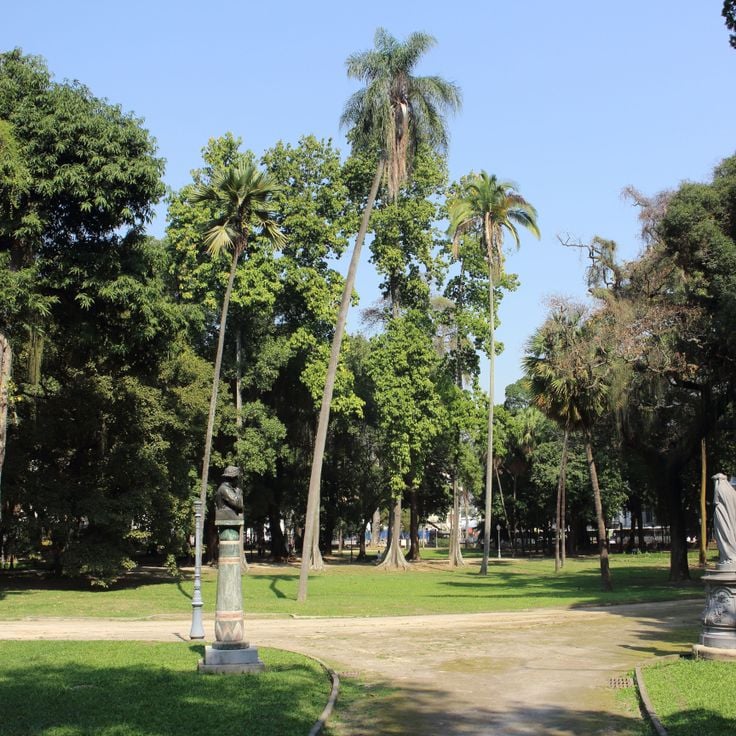
Passeio Público was established in 1783 as Brazil's first public park. The historic grounds feature geometrically designed gardens in French style, several fountains, and sculptures from the 18th century. A viewing terrace offers views over Guanabara Bay and Rio de Janeiro's harbor. Located in the city center near Cinelândia, the park now serves as a recreational space for visitors and locals. The original design was created by Mestre Valentim da Fonseca e Silva, a prominent sculptor and architect of the colonial period.
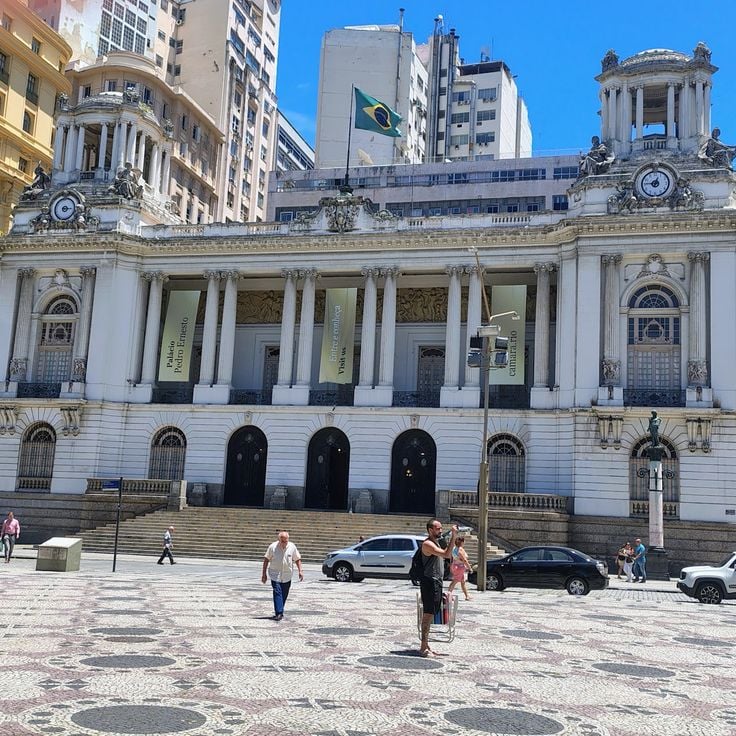
Praça Cinelândia forms the cultural center of Rio de Janeiro, bringing together three major institutions. The Theatro Municipal, built in 1909 following the model of the Paris Opéra Garnier, regularly presents opera and ballet performances. The Biblioteca Nacional houses the largest collection of Latin American documents and books on the continent. The Museu Nacional de Belas Artes displays Brazilian artworks from the 17th century to the present day. This ensemble was created as part of the urban redevelopment of Rio at the beginning of the 20th century.
The Centro Cultural Banco do Brasil occupies a restored 1906 building in the historic center of Rio de Janeiro. This cultural institution presents rotating exhibitions of contemporary and classical art from Brazil and around the world. The center offers theater performances, film screenings, and concerts in its various halls. Educational programs and workshops cater to visitors of all ages. Admission is free for most events.
The Leblon district extends along a wide sandy beach in southern Rio de Janeiro and is considered one of the upscale residential areas of the city. Rua Dias Ferreira concentrates numerous shops, fashion and design boutiques, and dining establishments. Restaurants offer Brazilian cuisine and international dishes. Leblon Beach borders Ipanema Beach to the west and is used by locals and visitors for swimming and leisure activities. The neighborhood features infrastructure with hotels, bars, and cultural facilities.
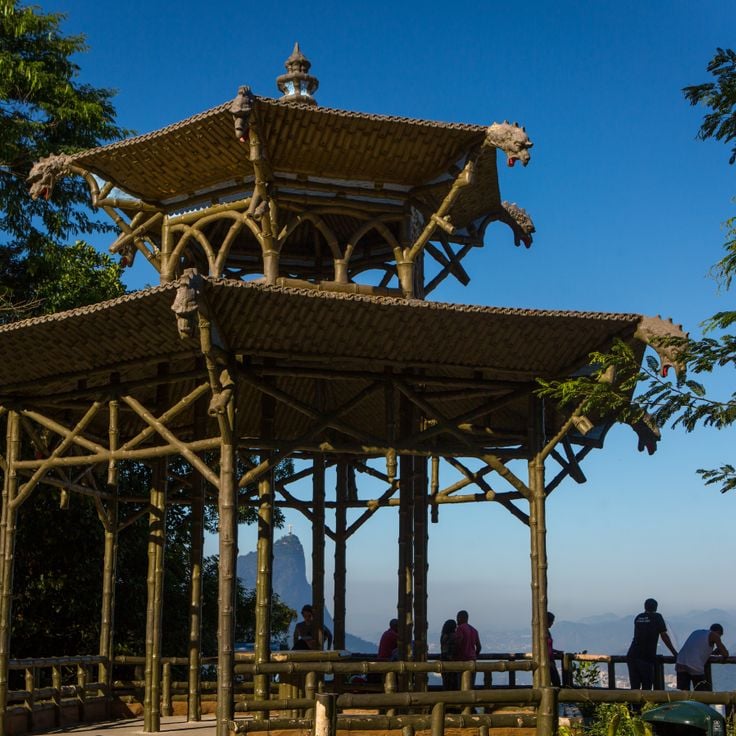
The Vista Chinesa is a Chinese-style pavilion located at 380 meters above sea level in Tijuca National Park. This viewpoint was inaugurated in 1903 and commemorates the Chinese immigrants who came to Brazil in the 19th century. From this location, visitors can observe Sugarloaf Mountain, Guanabara Bay, and large portions of Rio de Janeiro city. The pavilion can be reached via a winding road or hiking trails through the tropical rainforest.
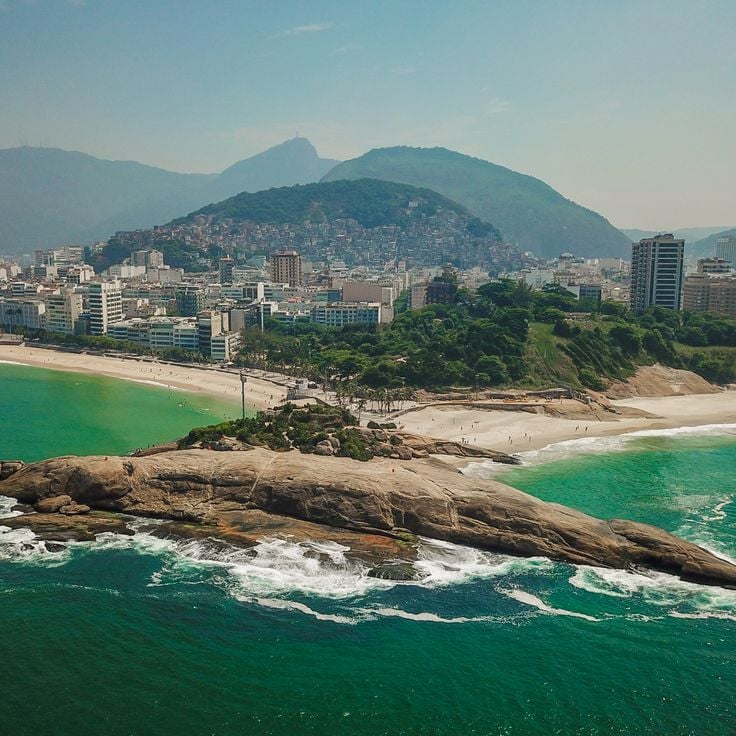
Arpoador Beach occupies a rocky peninsula situated between Copacabana and Ipanema beaches. This stretch of coastline attracts surfers who ride the waves of the South Atlantic Ocean. In the late afternoon, locals and visitors gather on the rocks to watch the sunset over the water. The location between two of Rio de Janeiro's most recognized beaches makes this spot a popular meeting point. The beach provides access to the ocean, while the rocky formation offers partial protection from stronger currents.
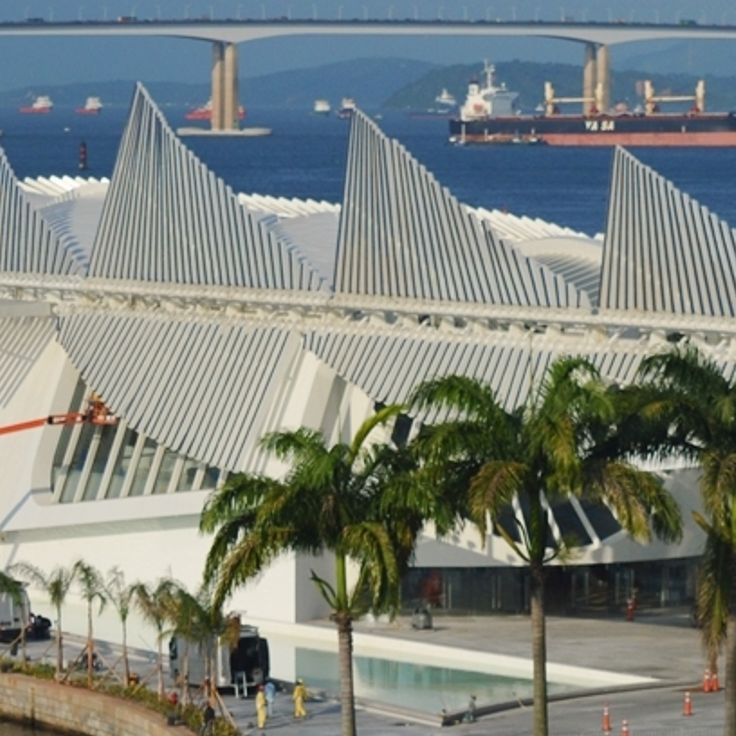
The Museu do Amanhã rises above Guanabara Bay with futuristic architecture designed by Santiago Calatrava. This science museum examines the relationships between human activities, climate change, and technological developments. Interactive exhibitions address topics such as sustainability, biodiversity, and the future of our planet. The building itself uses solar energy and rainwater collection, demonstrating ecological principles in practice. Visitors can explore various spaces that encourage reflection on the challenges facing the 21st century.
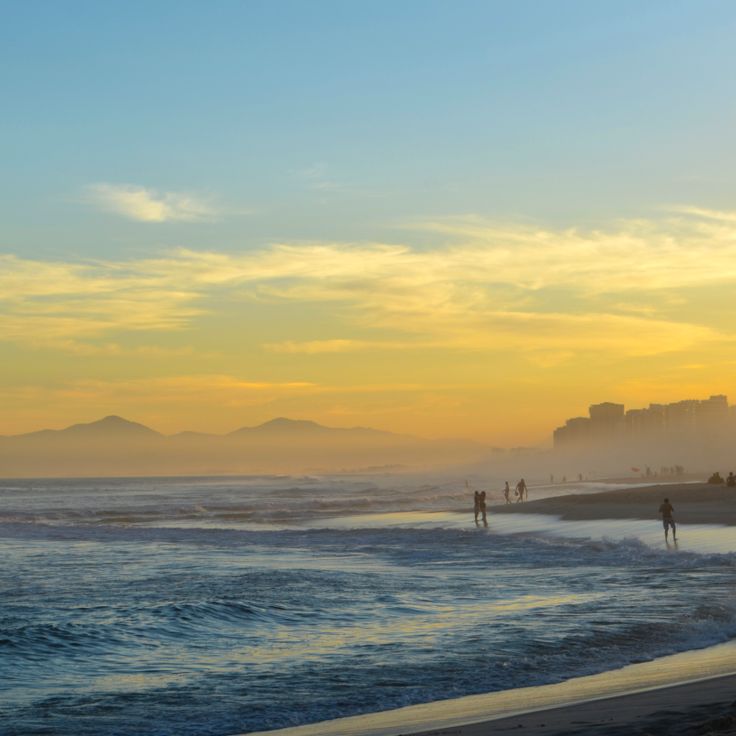
Barra da Tijuca Beach stretches for 18 kilometers along the western coast of Rio de Janeiro. This wide sandy beach attracts surfers who appreciate the strong waves, as well as sports enthusiasts who practice beach volleyball, kitesurfing, and other water activities. The promenade runs parallel to the beach and offers cycling paths along with restaurants. Behind the beach stand modern residential buildings and shopping centers that define the urban character of this neighborhood. The beach is suitable for both water sports practitioners and families looking to spend extended days by the sea.
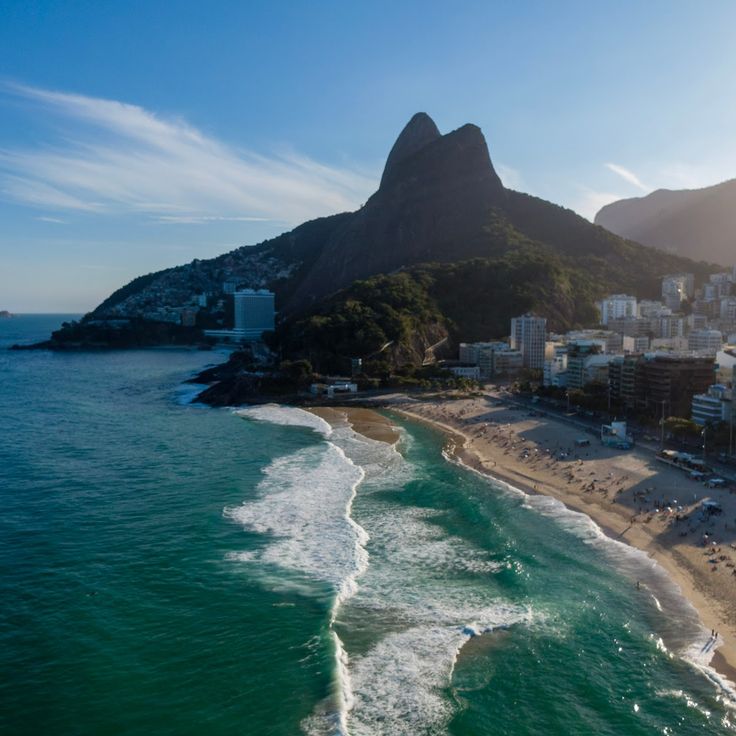
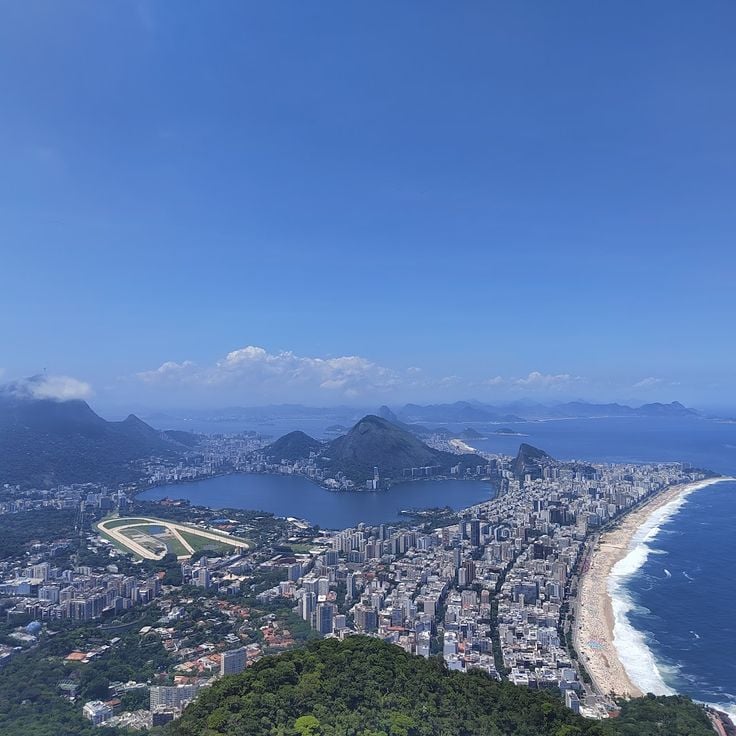
Morro Dois Irmãos is a distinctive mountain formation in southern Rio de Janeiro, consisting of two granite peaks reaching 533 meters above sea level. This formation separates the beaches of Leblon and Vidigal and dominates the landscape between the Atlantic Ocean and Rodrigo de Freitas Lagoon. The ascent begins in the Vidigal favela and follows a trail through tropical rainforest with a duration of approximately 45 minutes. From the summit, views extend across the entire southern zone of the city, including Ipanema, Leblon and São Conrado beaches, as well as Pedra da Gávea and the Christ statue.
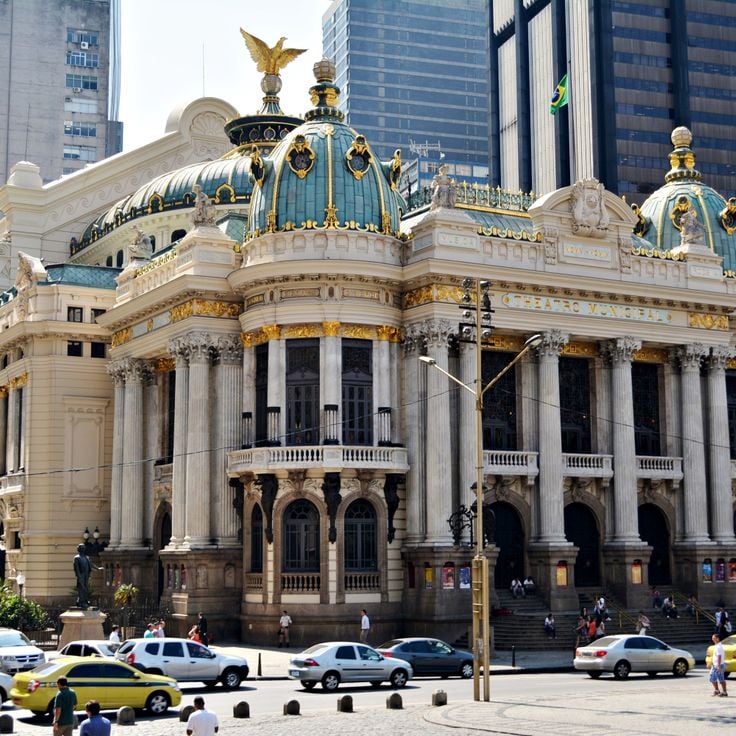
The Municipal Theatre was built in 1909, inspired by the Opéra Garnier in Paris, and stands as one of the most important buildings in Rio de Janeiro's historic centre. The interior features gilded decorations, stained glass windows and ceiling frescoes that reflect the city's cultural prosperity during the early 20th century. The main auditorium seats over 2000 people and serves as home to the municipal symphony orchestra and ballet company.
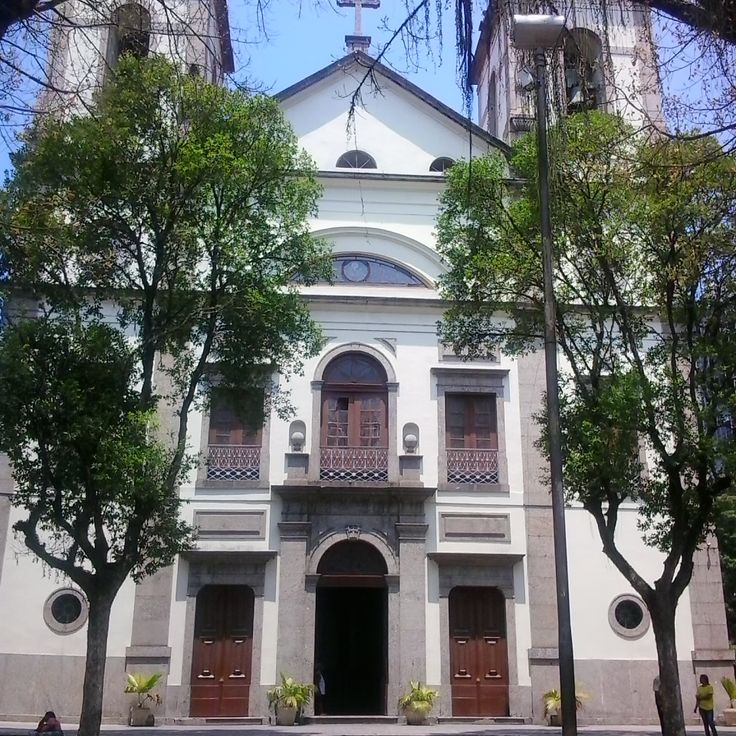
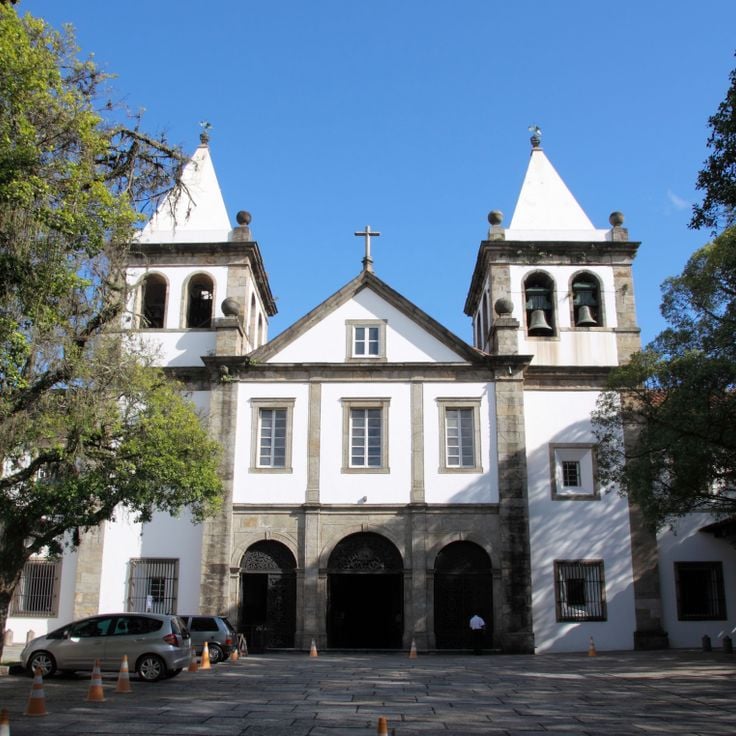
The Monastery of São Bento was founded in 1590 by Benedictine monks and stands as one of Rio de Janeiro's most significant religious buildings. The church presents a simple exterior facade, while the interior displays gilded woodcarvings, azulejo tiles, and ceiling paintings from the 17th and 18th centuries. The woodwork was primarily crafted by monks of the order. The main altar features elaborate baroque ornamentation with gold leaf. The monastery also houses a library containing historical manuscripts and religious texts. Gregorian chants are performed on Sundays during mass services.
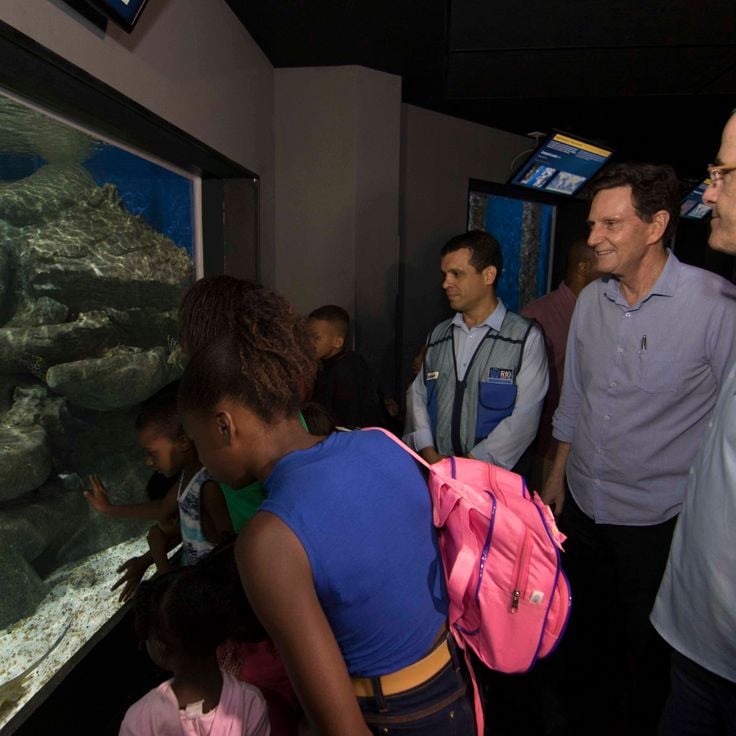
The Aquario de Rio is a marine research center and public aquarium. The facility features 28 tanks housing sharks, rays, and tropical fish from Brazilian waters and other parts of the world. This aquarium serves both scientific research purposes and educates visitors about the diversity of marine life.
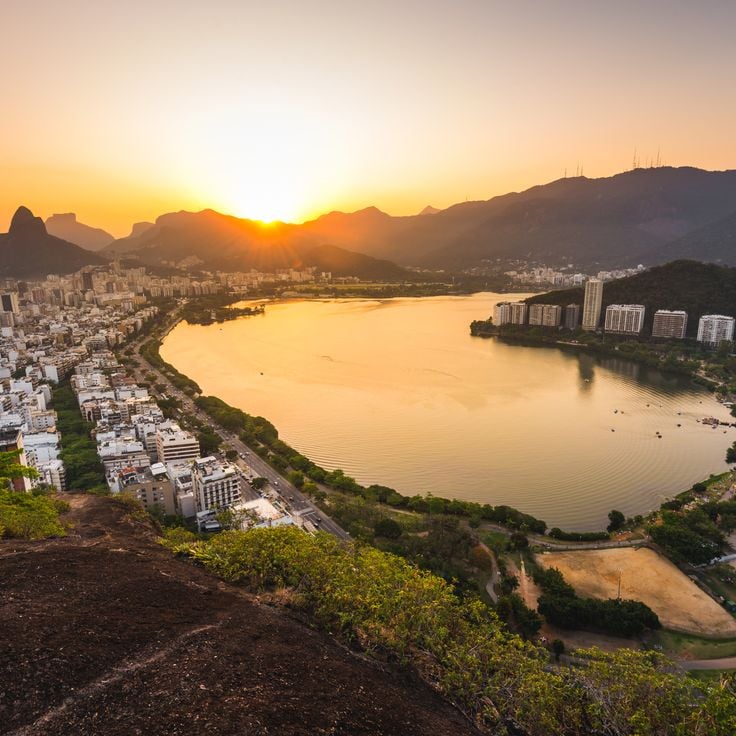
Rodrigo de Freitas Lake is located in the South Zone of Rio de Janeiro, surrounded by the neighborhoods of Lagoa, Ipanema, Leblon, Gávea, and Jardim Botânico. This lagoon covers 2.4 square kilometers and features a seven-kilometer paved path around its perimeter, used by joggers, cyclists, and walkers. The lake serves as a training ground for rowing clubs and offers pedal boat and small sailboat rentals from several stations along the shore. Restaurants, cafés, and sports facilities line the waterfront. Palm trees border the lake, providing views of Christ the Redeemer statue and Corcovado mountain.
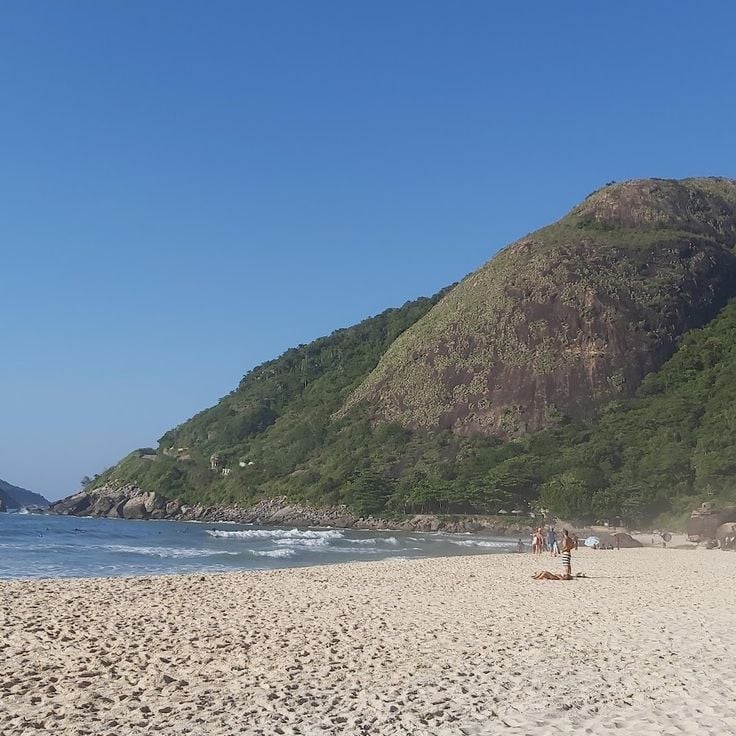
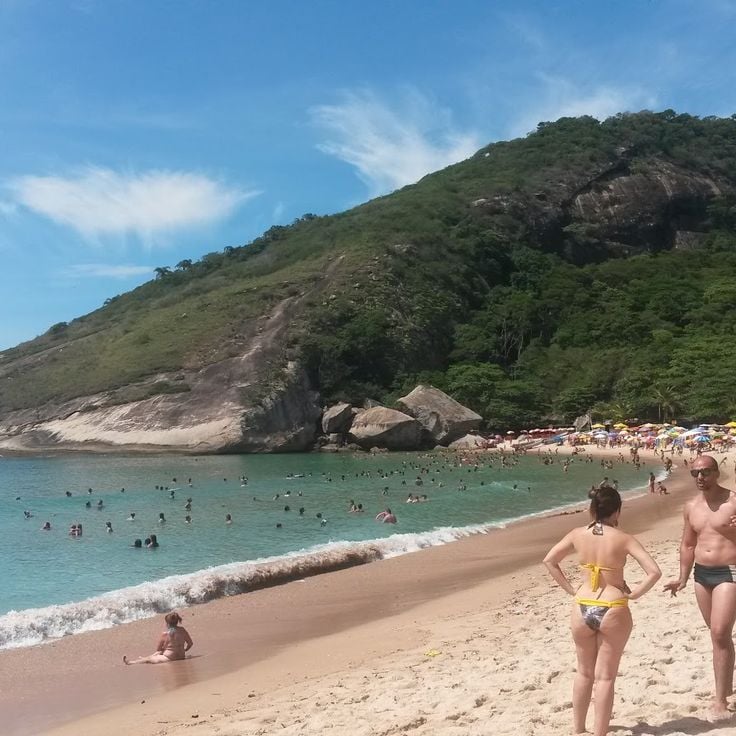
Prainha Beach sits between forested hills covered with native Atlantic rainforest vegetation in western Rio de Janeiro. This stretch of sand extends for approximately 600 meters and remains protected by surrounding natural landscape. The exposed position facing the open ocean generates consistent waves ranging from one to three meters in height, drawing surfers throughout the year. Access is via a winding coastal road. Infrastructure includes beachside kiosks serving local food and restroom facilities. The beach forms part of a protected environmental area and is subject to conservation regulations.
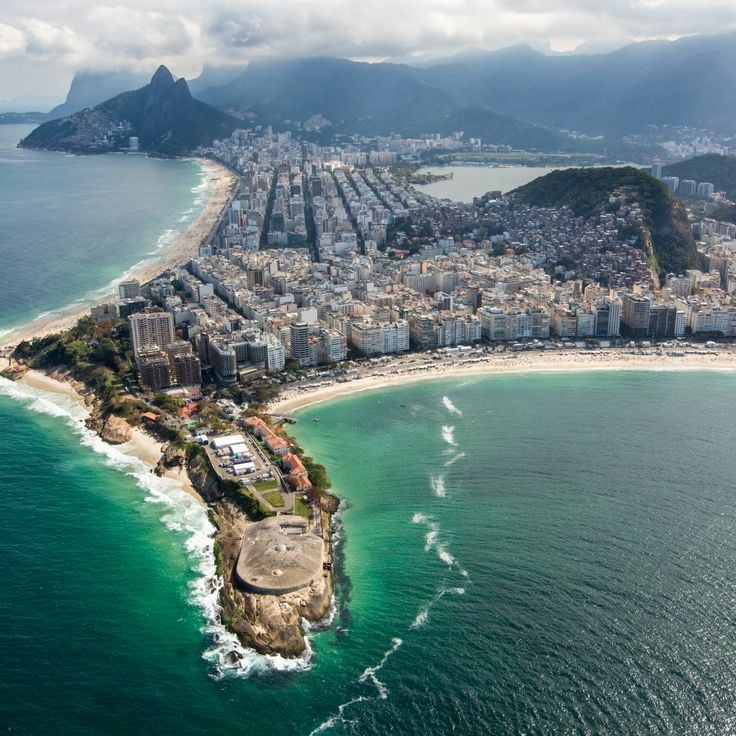
Copacabana Fort was built in 1914 to defend Guanabara Bay and stands at the southern end of the famous beach. The fortress now houses a military museum displaying historical weapons, uniforms and documents related to Brazilian military history. From the ramparts, visitors enjoy panoramic views of Copacabana beach, the Atlantic Ocean and the surrounding mountains. The fort features a restaurant set in the former barracks and serves as a popular spot for walks along the coastal fortifications.
Grumari Beach stretches for three kilometers within an environmental preservation area in western Rio de Janeiro. This beach features white sand and clear waters. The surroundings include mountains and natural vegetation. Access is via Avenida Estado da Guanabara. The infrastructure includes a few restaurants and beach kiosks. The beach sits between the Atlantic Forest and the ocean. The waves are moderate and suitable for swimming. The area is subject to strict construction regulations to protect the natural environment.
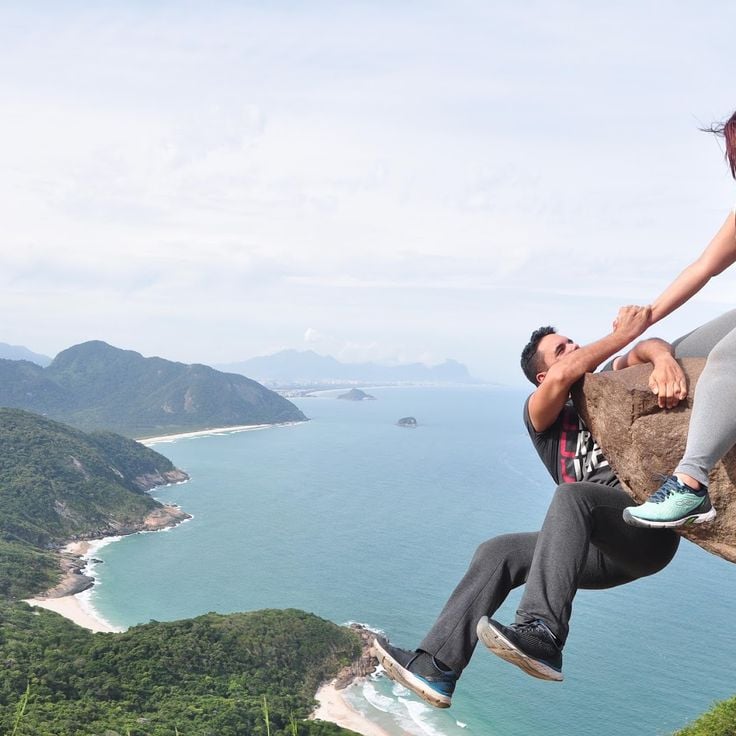
Pedra do Telégrafo is a 354-meter granite peak located in the Barra de Guaratiba neighborhood. The mountain takes its name from a 19th-century telegraph station that once operated at the summit. Marked trails wind through Atlantic Forest vegetation to reach the top. From the peak, visitors can observe panoramic views of Copacabana, Ipanema, and Botafogo beaches, as well as Guanabara Bay. The site has become known for perspective photographs where visitors appear to be suspended over the edge.
Pedra Bonita rises to 693 meters in the western section of Tijuca National Park. This summit serves as a launch platform for paragliders soaring over the São Conrado coastline. From the platform, views extend across the Atlantic Ocean, Leblon and Ipanema beaches, and the surrounding mountains. The ascent passes through dense rainforest and takes approximately one hour. Several trails connect Pedra Bonita with other peaks in the Serra da Carioca range.
The Sugarloaf Mountain rises at the entrance to Guanabara Bay, reaching a height of 396 meters. This granite peak is accessed via two consecutive cable car sections. The first cabin travels to Morro da Urca at 220 meters, while the second continues to the summit. From the top, visitors observe a panoramic view of Rio de Janeiro that encompasses Copacabana, Corcovado, the beaches of Ipanema and Leblon, and the Atlantic Ocean. The journey takes approximately three minutes per section. The ascent operates daily from early morning until late evening. The summit features observation platforms, a café, and souvenir shops.
The Maracanã Stadium was built for the 1950 World Cup and holds up to 78,000 spectators. This arena hosted two World Cup finals and the 2016 Olympic Games. The stadium regularly receives matches of the Carioca Championship and international concerts. The facility offers guided tours through the locker rooms, player tunnel, and museum documenting Brazilian football history.
The Christ the Redeemer statue stands at 710 meters elevation atop Corcovado mountain and ranks among the most recognizable monuments worldwide. This 30-meter-tall soapstone sculpture was inaugurated in 1931 and overlooks the entire city of Rio de Janeiro. From the platform, views extend across Guanabara Bay, Copacabana and Ipanema beaches, and Sugarloaf Mountain. Access is via a cog railway that climbs through Tijuca National Park, which surrounds the statue.
Plage d'Ipanema stretches for two and a half kilometers along Rio de Janeiro's South Zone, offering views of the twin peaks of Dois Irmãos. This sandy beach attracts locals and visitors who come to swim, play beach volleyball, and enjoy the sun. The beach is divided into sections marked by postos, numbered lifeguard towers that serve as meeting points. Posto 9 is particularly popular with artists and intellectuals. In the late afternoon, people gather to watch the sunset over the Atlantic Ocean. Avenida Vieira Souto runs parallel to the beach, lined with shops, restaurants, and cafes.
Tijuca National Park covers over 3,900 hectares in the heart of Rio de Janeiro, making it one of the largest urban forests in the world. This tropical rainforest was reforested in the 19th century and now contains numerous waterfalls, including Cascatinha Taunay, as well as over 30 kilometers of hiking trails. The park offers several viewpoints overlooking the city and Guanabara Bay. The Cristo Redentor statue on Corcovado Mountain is located within this protected area. The flora includes over 1,600 plant species, while the fauna features monkeys, sloths, and more than 300 bird species.
Copacabana Beach stretches for 4 kilometers along the Atlantic coast, forming one of Brazil's most recognized coastal areas. The promenade features black and white Portuguese stone mosaics arranged in wave patterns running parallel to the sandy shore. Numbered lifeguard posts are positioned along the beach sections, serving as reference points. Volleyball nets, football goals, and outdoor fitness equipment are available for visitors. Avenida Atlântica runs directly alongside the beachfront promenade, connecting the different beach sections.
Guanabara Bay forms a natural harbor covering 412 square kilometers and contains over 130 islands of varying sizes. Commercial ports, naval bases, and urban areas of Rio de Janeiro line its shores. The bay serves as a major gateway to the Atlantic Ocean and plays a central role in maritime trade and military operations in the region. Its waters separate the city of Rio de Janeiro from the neighboring city of Niterói, which are connected by the Rio-Niterói Bridge.
Santa Teresa sits on a hill in central Rio de Janeiro, preserving 19th-century architecture. The neighborhood features cobblestone streets, colonial houses with colored facades, and the historic tram that has operated since 1877. Numerous artist studios, galleries, and cultural centers occupy the old buildings. The steep streets provide panoramic views over Guanabara Bay and the city center.
The Rio de Janeiro Botanical Garden was established in 1808 and now houses over 6,000 species of tropical plants across 54 hectares. The main avenues are lined with royal palms over 130 years old, reaching heights of 40 meters. The grounds include specialized collections of orchids, bromeliads, and carnivorous plants, along with several greenhouses. Located in the Jardim Botânico neighborhood at the foot of Corcovado Mountain, the garden serves both scientific research and environmental education purposes.
The Real Gabinete Português de Leitura was founded in 1887 by Portuguese immigrants and houses over 350,000 works in the Portuguese language. The neo-Manueline building features a limestone facade and wrought-iron portal. The central reading room spans three floors with wooden shelving and a stained-glass skylight that filters natural light. The collection includes rare manuscripts, first editions, and historical documents related to Portuguese and Brazilian literature.
The Escadaria Selarón connects the Lapa and Santa Teresa neighborhoods through 215 steps. Chilean artist Jorge Selarón began decorating this staircase in 1990, using thousands of colorful tiles from over 60 countries. The project evolved over more than two decades into a continuous work of art. The tiles display motifs from different cultures, portraits, and abstract patterns. Selarón dedicated this work to the Brazilian people. The staircase extends along Rua Manuel Carneiro and has become one of the most photographed locations in the city.
Pedra da Gávea is a granite peak rising 842 meters above sea level, ranking among the tallest coastal mountains in the world. The hike to the summit begins in the São Conrado neighborhood and passes through Atlantic rainforest terrain. The marked trail includes steep sections and a climbing passage called Carrasqueira, which requires ropes for assistance in some parts. From the summit, hikers can observe panoramic views of Barra da Tijuca and Ipanema beaches, Rodrigo de Freitas Lagoon, and Corcovado mountain. The total ascent takes approximately three hours for experienced hikers.
This Catholic cathedral was built between 1964 and 1976 following the designs of architect Edgar Fonseca. The structure takes the form of a conical tower reaching 96 meters in height with a base diameter of 106 meters. The building consists of four curved concrete panels that taper upward. The interior can accommodate up to 20,000 worshippers. Four colored glass windows extend from floor to ceiling, providing distinctive lighting throughout the space. The cathedral houses an organ with more than 5,000 pipes.
Parc Lage sits at the base of Corcovado mountain and combines nature with architectural heritage. The 1920s mansion in eclectic style now houses the Escola de Artes Visuais. Visitors can walk through gardens featuring native Atlantic Forest vegetation and explore several hiking trails. The café in the building's courtyard serves refreshments with views of Christ the Redeemer statue. The park includes a small lake, grottoes, and historic architectural features throughout the grounds.
Usine Bhering is a former chocolate factory built in 1880 that operated until 2012. This industrial building in Rio de Janeiro now houses art studios, galleries, design offices and spaces for cultural events. The factory has transformed into a creative hub that attracts artists, designers and visitors. The renovated spaces regularly host exhibitions, workshops and cultural activities.
Passeio Público was established in 1783 as Brazil's first public park. The historic grounds feature geometrically designed gardens in French style, several fountains, and sculptures from the 18th century. A viewing terrace offers views over Guanabara Bay and Rio de Janeiro's harbor. Located in the city center near Cinelândia, the park now serves as a recreational space for visitors and locals. The original design was created by Mestre Valentim da Fonseca e Silva, a prominent sculptor and architect of the colonial period.
Praça Cinelândia forms the cultural center of Rio de Janeiro, bringing together three major institutions. The Theatro Municipal, built in 1909 following the model of the Paris Opéra Garnier, regularly presents opera and ballet performances. The Biblioteca Nacional houses the largest collection of Latin American documents and books on the continent. The Museu Nacional de Belas Artes displays Brazilian artworks from the 17th century to the present day. This ensemble was created as part of the urban redevelopment of Rio at the beginning of the 20th century.
The Centro Cultural Banco do Brasil occupies a restored 1906 building in the historic center of Rio de Janeiro. This cultural institution presents rotating exhibitions of contemporary and classical art from Brazil and around the world. The center offers theater performances, film screenings, and concerts in its various halls. Educational programs and workshops cater to visitors of all ages. Admission is free for most events.
The Leblon district extends along a wide sandy beach in southern Rio de Janeiro and is considered one of the upscale residential areas of the city. Rua Dias Ferreira concentrates numerous shops, fashion and design boutiques, and dining establishments. Restaurants offer Brazilian cuisine and international dishes. Leblon Beach borders Ipanema Beach to the west and is used by locals and visitors for swimming and leisure activities. The neighborhood features infrastructure with hotels, bars, and cultural facilities.
The Vista Chinesa is a Chinese-style pavilion located at 380 meters above sea level in Tijuca National Park. This viewpoint was inaugurated in 1903 and commemorates the Chinese immigrants who came to Brazil in the 19th century. From this location, visitors can observe Sugarloaf Mountain, Guanabara Bay, and large portions of Rio de Janeiro city. The pavilion can be reached via a winding road or hiking trails through the tropical rainforest.
Arpoador Beach occupies a rocky peninsula situated between Copacabana and Ipanema beaches. This stretch of coastline attracts surfers who ride the waves of the South Atlantic Ocean. In the late afternoon, locals and visitors gather on the rocks to watch the sunset over the water. The location between two of Rio de Janeiro's most recognized beaches makes this spot a popular meeting point. The beach provides access to the ocean, while the rocky formation offers partial protection from stronger currents.
The Museu do Amanhã rises above Guanabara Bay with futuristic architecture designed by Santiago Calatrava. This science museum examines the relationships between human activities, climate change, and technological developments. Interactive exhibitions address topics such as sustainability, biodiversity, and the future of our planet. The building itself uses solar energy and rainwater collection, demonstrating ecological principles in practice. Visitors can explore various spaces that encourage reflection on the challenges facing the 21st century.
Barra da Tijuca Beach stretches for 18 kilometers along the western coast of Rio de Janeiro. This wide sandy beach attracts surfers who appreciate the strong waves, as well as sports enthusiasts who practice beach volleyball, kitesurfing, and other water activities. The promenade runs parallel to the beach and offers cycling paths along with restaurants. Behind the beach stand modern residential buildings and shopping centers that define the urban character of this neighborhood. The beach is suitable for both water sports practitioners and families looking to spend extended days by the sea.
Morro Dois Irmãos is a distinctive mountain formation in southern Rio de Janeiro, consisting of two granite peaks reaching 533 meters above sea level. This formation separates the beaches of Leblon and Vidigal and dominates the landscape between the Atlantic Ocean and Rodrigo de Freitas Lagoon. The ascent begins in the Vidigal favela and follows a trail through tropical rainforest with a duration of approximately 45 minutes. From the summit, views extend across the entire southern zone of the city, including Ipanema, Leblon and São Conrado beaches, as well as Pedra da Gávea and the Christ statue.
The Municipal Theatre was built in 1909, inspired by the Opéra Garnier in Paris, and stands as one of the most important buildings in Rio de Janeiro's historic centre. The interior features gilded decorations, stained glass windows and ceiling frescoes that reflect the city's cultural prosperity during the early 20th century. The main auditorium seats over 2000 people and serves as home to the municipal symphony orchestra and ballet company.
The Monastery of São Bento was founded in 1590 by Benedictine monks and stands as one of Rio de Janeiro's most significant religious buildings. The church presents a simple exterior facade, while the interior displays gilded woodcarvings, azulejo tiles, and ceiling paintings from the 17th and 18th centuries. The woodwork was primarily crafted by monks of the order. The main altar features elaborate baroque ornamentation with gold leaf. The monastery also houses a library containing historical manuscripts and religious texts. Gregorian chants are performed on Sundays during mass services.
The Aquario de Rio is a marine research center and public aquarium. The facility features 28 tanks housing sharks, rays, and tropical fish from Brazilian waters and other parts of the world. This aquarium serves both scientific research purposes and educates visitors about the diversity of marine life.
Rodrigo de Freitas Lake is located in the South Zone of Rio de Janeiro, surrounded by the neighborhoods of Lagoa, Ipanema, Leblon, Gávea, and Jardim Botânico. This lagoon covers 2.4 square kilometers and features a seven-kilometer paved path around its perimeter, used by joggers, cyclists, and walkers. The lake serves as a training ground for rowing clubs and offers pedal boat and small sailboat rentals from several stations along the shore. Restaurants, cafés, and sports facilities line the waterfront. Palm trees border the lake, providing views of Christ the Redeemer statue and Corcovado mountain.
Prainha Beach sits between forested hills covered with native Atlantic rainforest vegetation in western Rio de Janeiro. This stretch of sand extends for approximately 600 meters and remains protected by surrounding natural landscape. The exposed position facing the open ocean generates consistent waves ranging from one to three meters in height, drawing surfers throughout the year. Access is via a winding coastal road. Infrastructure includes beachside kiosks serving local food and restroom facilities. The beach forms part of a protected environmental area and is subject to conservation regulations.
Copacabana Fort was built in 1914 to defend Guanabara Bay and stands at the southern end of the famous beach. The fortress now houses a military museum displaying historical weapons, uniforms and documents related to Brazilian military history. From the ramparts, visitors enjoy panoramic views of Copacabana beach, the Atlantic Ocean and the surrounding mountains. The fort features a restaurant set in the former barracks and serves as a popular spot for walks along the coastal fortifications.
Grumari Beach stretches for three kilometers within an environmental preservation area in western Rio de Janeiro. This beach features white sand and clear waters. The surroundings include mountains and natural vegetation. Access is via Avenida Estado da Guanabara. The infrastructure includes a few restaurants and beach kiosks. The beach sits between the Atlantic Forest and the ocean. The waves are moderate and suitable for swimming. The area is subject to strict construction regulations to protect the natural environment.
Pedra do Telégrafo is a 354-meter granite peak located in the Barra de Guaratiba neighborhood. The mountain takes its name from a 19th-century telegraph station that once operated at the summit. Marked trails wind through Atlantic Forest vegetation to reach the top. From the peak, visitors can observe panoramic views of Copacabana, Ipanema, and Botafogo beaches, as well as Guanabara Bay. The site has become known for perspective photographs where visitors appear to be suspended over the edge.
Pedra Bonita rises to 693 meters in the western section of Tijuca National Park. This summit serves as a launch platform for paragliders soaring over the São Conrado coastline. From the platform, views extend across the Atlantic Ocean, Leblon and Ipanema beaches, and the surrounding mountains. The ascent passes through dense rainforest and takes approximately one hour. Several trails connect Pedra Bonita with other peaks in the Serra da Carioca range.
The Sugarloaf Mountain rises at the entrance to Guanabara Bay, reaching a height of 396 meters. This granite peak is accessed via two consecutive cable car sections. The first cabin travels to Morro da Urca at 220 meters, while the second continues to the summit. From the top, visitors observe a panoramic view of Rio de Janeiro that encompasses Copacabana, Corcovado, the beaches of Ipanema and Leblon, and the Atlantic Ocean. The journey takes approximately three minutes per section. The ascent operates daily from early morning until late evening. The summit features observation platforms, a café, and souvenir shops.
The Maracanã Stadium was built for the 1950 World Cup and holds up to 78,000 spectators. This arena hosted two World Cup finals and the 2016 Olympic Games. The stadium regularly receives matches of the Carioca Championship and international concerts. The facility offers guided tours through the locker rooms, player tunnel, and museum documenting Brazilian football history.
The Christ the Redeemer statue stands at 710 meters elevation atop Corcovado mountain and ranks among the most recognizable monuments worldwide. This 30-meter-tall soapstone sculpture was inaugurated in 1931 and overlooks the entire city of Rio de Janeiro. From the platform, views extend across Guanabara Bay, Copacabana and Ipanema beaches, and Sugarloaf Mountain. Access is via a cog railway that climbs through Tijuca National Park, which surrounds the statue.
Plage d'Ipanema stretches for two and a half kilometers along Rio de Janeiro's South Zone, offering views of the twin peaks of Dois Irmãos. This sandy beach attracts locals and visitors who come to swim, play beach volleyball, and enjoy the sun. The beach is divided into sections marked by postos, numbered lifeguard towers that serve as meeting points. Posto 9 is particularly popular with artists and intellectuals. In the late afternoon, people gather to watch the sunset over the Atlantic Ocean. Avenida Vieira Souto runs parallel to the beach, lined with shops, restaurants, and cafes.
Tijuca National Park covers over 3,900 hectares in the heart of Rio de Janeiro, making it one of the largest urban forests in the world. This tropical rainforest was reforested in the 19th century and now contains numerous waterfalls, including Cascatinha Taunay, as well as over 30 kilometers of hiking trails. The park offers several viewpoints overlooking the city and Guanabara Bay. The Cristo Redentor statue on Corcovado Mountain is located within this protected area. The flora includes over 1,600 plant species, while the fauna features monkeys, sloths, and more than 300 bird species.
Copacabana Beach stretches for 4 kilometers along the Atlantic coast, forming one of Brazil's most recognized coastal areas. The promenade features black and white Portuguese stone mosaics arranged in wave patterns running parallel to the sandy shore. Numbered lifeguard posts are positioned along the beach sections, serving as reference points. Volleyball nets, football goals, and outdoor fitness equipment are available for visitors. Avenida Atlântica runs directly alongside the beachfront promenade, connecting the different beach sections.
Guanabara Bay forms a natural harbor covering 412 square kilometers and contains over 130 islands of varying sizes. Commercial ports, naval bases, and urban areas of Rio de Janeiro line its shores. The bay serves as a major gateway to the Atlantic Ocean and plays a central role in maritime trade and military operations in the region. Its waters separate the city of Rio de Janeiro from the neighboring city of Niterói, which are connected by the Rio-Niterói Bridge.
Santa Teresa sits on a hill in central Rio de Janeiro, preserving 19th-century architecture. The neighborhood features cobblestone streets, colonial houses with colored facades, and the historic tram that has operated since 1877. Numerous artist studios, galleries, and cultural centers occupy the old buildings. The steep streets provide panoramic views over Guanabara Bay and the city center.
The Rio de Janeiro Botanical Garden was established in 1808 and now houses over 6,000 species of tropical plants across 54 hectares. The main avenues are lined with royal palms over 130 years old, reaching heights of 40 meters. The grounds include specialized collections of orchids, bromeliads, and carnivorous plants, along with several greenhouses. Located in the Jardim Botânico neighborhood at the foot of Corcovado Mountain, the garden serves both scientific research and environmental education purposes.
The Real Gabinete Português de Leitura was founded in 1887 by Portuguese immigrants and houses over 350,000 works in the Portuguese language. The neo-Manueline building features a limestone facade and wrought-iron portal. The central reading room spans three floors with wooden shelving and a stained-glass skylight that filters natural light. The collection includes rare manuscripts, first editions, and historical documents related to Portuguese and Brazilian literature.
The Escadaria Selarón connects the Lapa and Santa Teresa neighborhoods through 215 steps. Chilean artist Jorge Selarón began decorating this staircase in 1990, using thousands of colorful tiles from over 60 countries. The project evolved over more than two decades into a continuous work of art. The tiles display motifs from different cultures, portraits, and abstract patterns. Selarón dedicated this work to the Brazilian people. The staircase extends along Rua Manuel Carneiro and has become one of the most photographed locations in the city.
Pedra da Gávea is a granite peak rising 842 meters above sea level, ranking among the tallest coastal mountains in the world. The hike to the summit begins in the São Conrado neighborhood and passes through Atlantic rainforest terrain. The marked trail includes steep sections and a climbing passage called Carrasqueira, which requires ropes for assistance in some parts. From the summit, hikers can observe panoramic views of Barra da Tijuca and Ipanema beaches, Rodrigo de Freitas Lagoon, and Corcovado mountain. The total ascent takes approximately three hours for experienced hikers.
This Catholic cathedral was built between 1964 and 1976 following the designs of architect Edgar Fonseca. The structure takes the form of a conical tower reaching 96 meters in height with a base diameter of 106 meters. The building consists of four curved concrete panels that taper upward. The interior can accommodate up to 20,000 worshippers. Four colored glass windows extend from floor to ceiling, providing distinctive lighting throughout the space. The cathedral houses an organ with more than 5,000 pipes.
Parc Lage sits at the base of Corcovado mountain and combines nature with architectural heritage. The 1920s mansion in eclectic style now houses the Escola de Artes Visuais. Visitors can walk through gardens featuring native Atlantic Forest vegetation and explore several hiking trails. The café in the building's courtyard serves refreshments with views of Christ the Redeemer statue. The park includes a small lake, grottoes, and historic architectural features throughout the grounds.
Usine Bhering is a former chocolate factory built in 1880 that operated until 2012. This industrial building in Rio de Janeiro now houses art studios, galleries, design offices and spaces for cultural events. The factory has transformed into a creative hub that attracts artists, designers and visitors. The renovated spaces regularly host exhibitions, workshops and cultural activities.
Passeio Público was established in 1783 as Brazil's first public park. The historic grounds feature geometrically designed gardens in French style, several fountains, and sculptures from the 18th century. A viewing terrace offers views over Guanabara Bay and Rio de Janeiro's harbor. Located in the city center near Cinelândia, the park now serves as a recreational space for visitors and locals. The original design was created by Mestre Valentim da Fonseca e Silva, a prominent sculptor and architect of the colonial period.
Praça Cinelândia forms the cultural center of Rio de Janeiro, bringing together three major institutions. The Theatro Municipal, built in 1909 following the model of the Paris Opéra Garnier, regularly presents opera and ballet performances. The Biblioteca Nacional houses the largest collection of Latin American documents and books on the continent. The Museu Nacional de Belas Artes displays Brazilian artworks from the 17th century to the present day. This ensemble was created as part of the urban redevelopment of Rio at the beginning of the 20th century.
The Centro Cultural Banco do Brasil occupies a restored 1906 building in the historic center of Rio de Janeiro. This cultural institution presents rotating exhibitions of contemporary and classical art from Brazil and around the world. The center offers theater performances, film screenings, and concerts in its various halls. Educational programs and workshops cater to visitors of all ages. Admission is free for most events.
The Leblon district extends along a wide sandy beach in southern Rio de Janeiro and is considered one of the upscale residential areas of the city. Rua Dias Ferreira concentrates numerous shops, fashion and design boutiques, and dining establishments. Restaurants offer Brazilian cuisine and international dishes. Leblon Beach borders Ipanema Beach to the west and is used by locals and visitors for swimming and leisure activities. The neighborhood features infrastructure with hotels, bars, and cultural facilities.
The Vista Chinesa is a Chinese-style pavilion located at 380 meters above sea level in Tijuca National Park. This viewpoint was inaugurated in 1903 and commemorates the Chinese immigrants who came to Brazil in the 19th century. From this location, visitors can observe Sugarloaf Mountain, Guanabara Bay, and large portions of Rio de Janeiro city. The pavilion can be reached via a winding road or hiking trails through the tropical rainforest.
Arpoador Beach occupies a rocky peninsula situated between Copacabana and Ipanema beaches. This stretch of coastline attracts surfers who ride the waves of the South Atlantic Ocean. In the late afternoon, locals and visitors gather on the rocks to watch the sunset over the water. The location between two of Rio de Janeiro's most recognized beaches makes this spot a popular meeting point. The beach provides access to the ocean, while the rocky formation offers partial protection from stronger currents.
The Museu do Amanhã rises above Guanabara Bay with futuristic architecture designed by Santiago Calatrava. This science museum examines the relationships between human activities, climate change, and technological developments. Interactive exhibitions address topics such as sustainability, biodiversity, and the future of our planet. The building itself uses solar energy and rainwater collection, demonstrating ecological principles in practice. Visitors can explore various spaces that encourage reflection on the challenges facing the 21st century.
Barra da Tijuca Beach stretches for 18 kilometers along the western coast of Rio de Janeiro. This wide sandy beach attracts surfers who appreciate the strong waves, as well as sports enthusiasts who practice beach volleyball, kitesurfing, and other water activities. The promenade runs parallel to the beach and offers cycling paths along with restaurants. Behind the beach stand modern residential buildings and shopping centers that define the urban character of this neighborhood. The beach is suitable for both water sports practitioners and families looking to spend extended days by the sea.
Morro Dois Irmãos is a distinctive mountain formation in southern Rio de Janeiro, consisting of two granite peaks reaching 533 meters above sea level. This formation separates the beaches of Leblon and Vidigal and dominates the landscape between the Atlantic Ocean and Rodrigo de Freitas Lagoon. The ascent begins in the Vidigal favela and follows a trail through tropical rainforest with a duration of approximately 45 minutes. From the summit, views extend across the entire southern zone of the city, including Ipanema, Leblon and São Conrado beaches, as well as Pedra da Gávea and the Christ statue.
The Municipal Theatre was built in 1909, inspired by the Opéra Garnier in Paris, and stands as one of the most important buildings in Rio de Janeiro's historic centre. The interior features gilded decorations, stained glass windows and ceiling frescoes that reflect the city's cultural prosperity during the early 20th century. The main auditorium seats over 2000 people and serves as home to the municipal symphony orchestra and ballet company.
The Monastery of São Bento was founded in 1590 by Benedictine monks and stands as one of Rio de Janeiro's most significant religious buildings. The church presents a simple exterior facade, while the interior displays gilded woodcarvings, azulejo tiles, and ceiling paintings from the 17th and 18th centuries. The woodwork was primarily crafted by monks of the order. The main altar features elaborate baroque ornamentation with gold leaf. The monastery also houses a library containing historical manuscripts and religious texts. Gregorian chants are performed on Sundays during mass services.
The Aquario de Rio is a marine research center and public aquarium. The facility features 28 tanks housing sharks, rays, and tropical fish from Brazilian waters and other parts of the world. This aquarium serves both scientific research purposes and educates visitors about the diversity of marine life.
Rodrigo de Freitas Lake is located in the South Zone of Rio de Janeiro, surrounded by the neighborhoods of Lagoa, Ipanema, Leblon, Gávea, and Jardim Botânico. This lagoon covers 2.4 square kilometers and features a seven-kilometer paved path around its perimeter, used by joggers, cyclists, and walkers. The lake serves as a training ground for rowing clubs and offers pedal boat and small sailboat rentals from several stations along the shore. Restaurants, cafés, and sports facilities line the waterfront. Palm trees border the lake, providing views of Christ the Redeemer statue and Corcovado mountain.
Prainha Beach sits between forested hills covered with native Atlantic rainforest vegetation in western Rio de Janeiro. This stretch of sand extends for approximately 600 meters and remains protected by surrounding natural landscape. The exposed position facing the open ocean generates consistent waves ranging from one to three meters in height, drawing surfers throughout the year. Access is via a winding coastal road. Infrastructure includes beachside kiosks serving local food and restroom facilities. The beach forms part of a protected environmental area and is subject to conservation regulations.
Copacabana Fort was built in 1914 to defend Guanabara Bay and stands at the southern end of the famous beach. The fortress now houses a military museum displaying historical weapons, uniforms and documents related to Brazilian military history. From the ramparts, visitors enjoy panoramic views of Copacabana beach, the Atlantic Ocean and the surrounding mountains. The fort features a restaurant set in the former barracks and serves as a popular spot for walks along the coastal fortifications.
Grumari Beach stretches for three kilometers within an environmental preservation area in western Rio de Janeiro. This beach features white sand and clear waters. The surroundings include mountains and natural vegetation. Access is via Avenida Estado da Guanabara. The infrastructure includes a few restaurants and beach kiosks. The beach sits between the Atlantic Forest and the ocean. The waves are moderate and suitable for swimming. The area is subject to strict construction regulations to protect the natural environment.
Pedra do Telégrafo is a 354-meter granite peak located in the Barra de Guaratiba neighborhood. The mountain takes its name from a 19th-century telegraph station that once operated at the summit. Marked trails wind through Atlantic Forest vegetation to reach the top. From the peak, visitors can observe panoramic views of Copacabana, Ipanema, and Botafogo beaches, as well as Guanabara Bay. The site has become known for perspective photographs where visitors appear to be suspended over the edge.
Pedra Bonita rises to 693 meters in the western section of Tijuca National Park. This summit serves as a launch platform for paragliders soaring over the São Conrado coastline. From the platform, views extend across the Atlantic Ocean, Leblon and Ipanema beaches, and the surrounding mountains. The ascent passes through dense rainforest and takes approximately one hour. Several trails connect Pedra Bonita with other peaks in the Serra da Carioca range.