Tijuca National Park, National park in Rio de Janeiro, Brazil
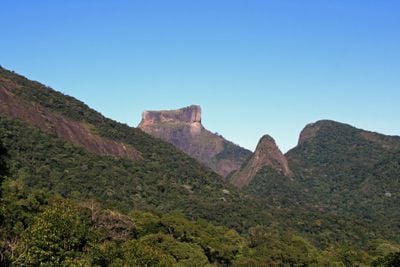
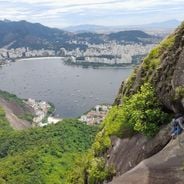
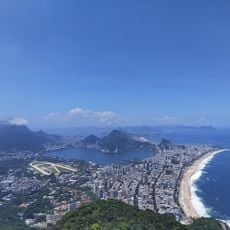
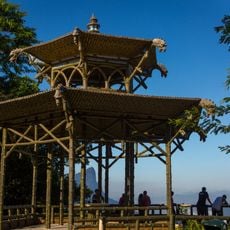
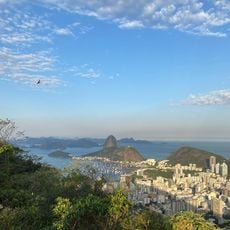
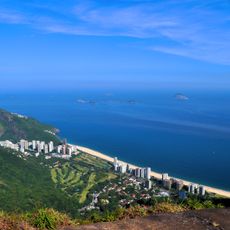
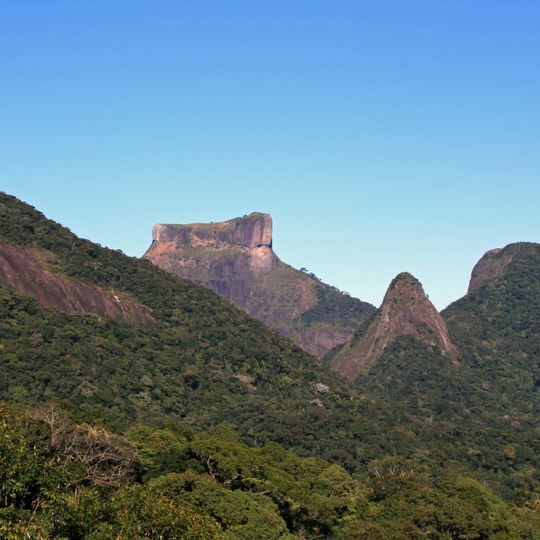
Tijuca National Park is a protected forest area covering 3,958 hectares of mountainous terrain in Rio de Janeiro, Brazil. Multiple hiking trails wind through dense Atlantic rainforest to elevated viewpoints over the city and coastline.
Emperor Pedro II launched a reforestation program in 1861 after coffee plantations cleared the original forests and caused water shortages. Over 100,000 native trees were planted in the following decades to restore the ecosystem.
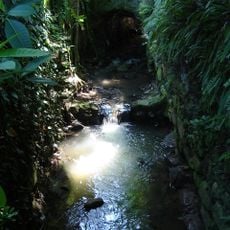
The forest emerged from the world's largest urban reforestation project and now displays a dense green canopy over trails and waterfalls. Visitors encounter howler monkeys and toucans along the paths, while the vegetation glows in tropical green throughout the year.
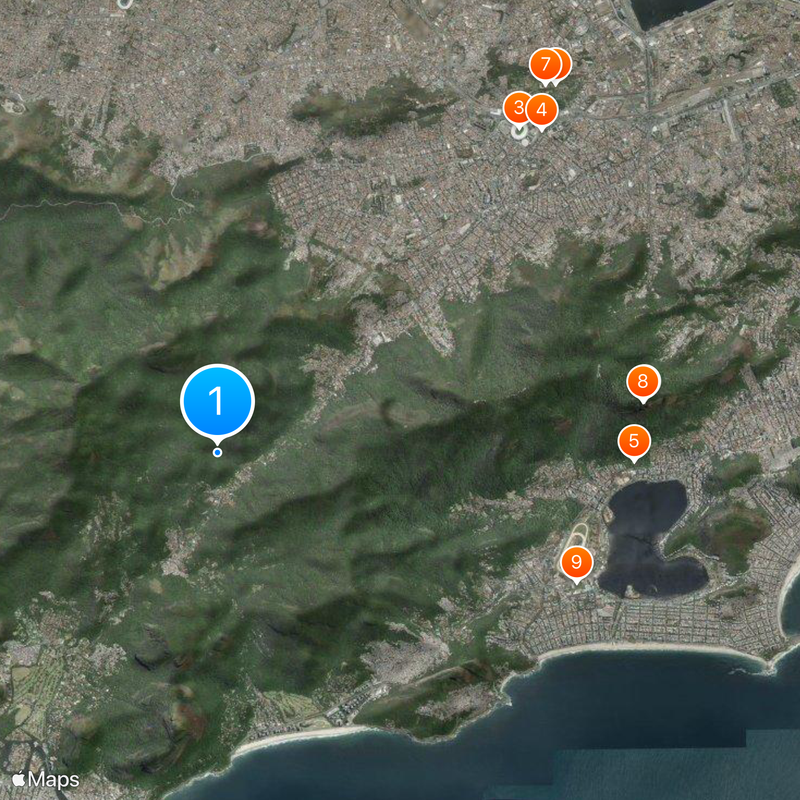
The park has several entrances accessible from different Rio neighborhoods, with trails offering varying difficulty levels. Guided hikes typically start in the morning, and visitors should bring water, sturdy footwear and sun protection.
The forest area acts as a natural climate regulator for Rio, lowering the city's average temperature by about 9 degrees Celsius (16 degrees Fahrenheit). The dense vegetation also captures significant amounts of rainwater and feeds urban water reservoirs.
The community of curious travelers
AroundUs brings together thousands of curated places, local tips, and hidden gems, enriched daily by 91,119 contributors worldwide.