See the monuments around you in AROpen chests in the app
Around Us is built for your phone — point your camera at the streets and discover the monuments and places around you in augmented reality.Around Us is built for your phone — chests unlock when you walk, explore and capture nearby places.
Antalya sits on Turkey's southern coast and combines different periods of history with natural beauty. Roman structures like Hadrian's Gate stand near waterfalls and modern attractions. Visitors find ancient ruins, wide sand beaches, rocky cliffs, and bays scattered throughout the region.
Archaeological sites tell stories from different eras. The Theatre of Aspendos remains impressive today, while Perge and Side show how people lived in ancient times. Other locations like Termessos ruins sit in the mountains and offer views across the coast.
Waterfalls and river landscapes shape the character of the region. Düden Falls flows directly over cliffs into the sea, while deep canyons like Köprülü offer adventures for hikers. Beaches such as Konyaaltı and Lara provide swimming spots, and parks display the variety of this area.
Antalya sits on Turkey's southern coast and combines different periods of history with natural beauty. Roman structures like Hadrian's Gate stand near waterfalls and modern attractions. Visitors find ancient ruins, wide sand beaches, rocky cliffs, and bays scattered throughout the region.
Archaeological sites tell stories from different eras. The Theatre of Aspendos remains impressive today, while Perge and Side show how people lived in ancient times. Other locations like Termessos ruins sit in the mountains and offer views across the coast.
Waterfalls and river landscapes shape the character of the region. Düden Falls flows directly over cliffs into the sea, while deep canyons like Köprülü offer adventures for hikers. Beaches such as Konyaaltı and Lara provide swimming spots, and parks display the variety of this area.
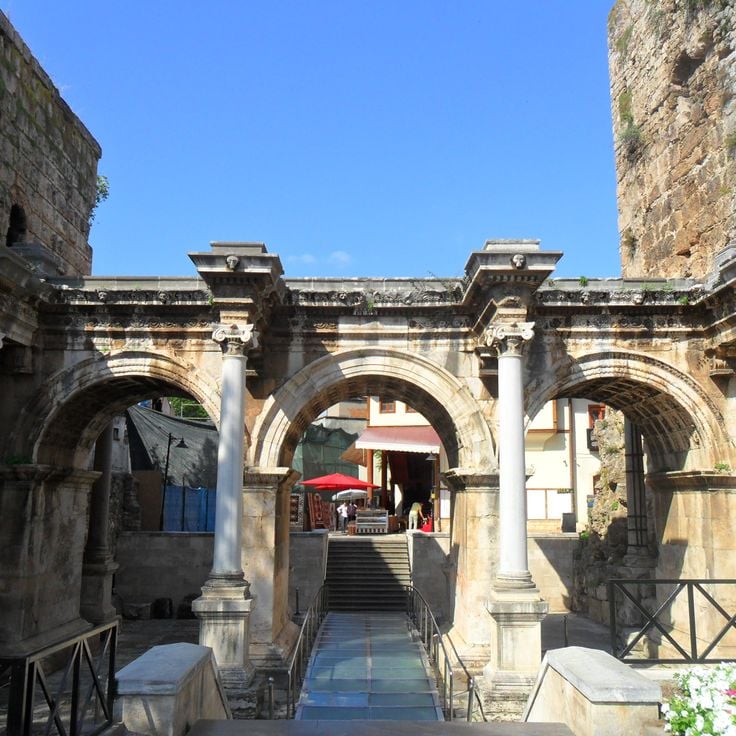
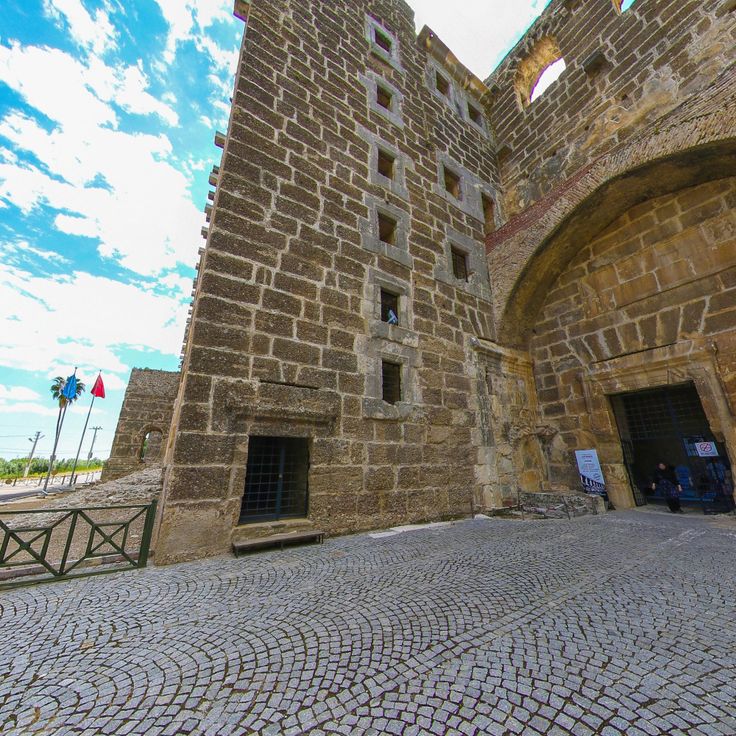
Hadrian's Gate is a white marble structure with three arches located in the old city of Antalya. Built in 130 AD, it stands in its original position within the ancient city walls. As a photo location in Antalya, this gate represents the Roman architectural heritage of the city and provides a window into the ancient history that shaped this coastal settlement.
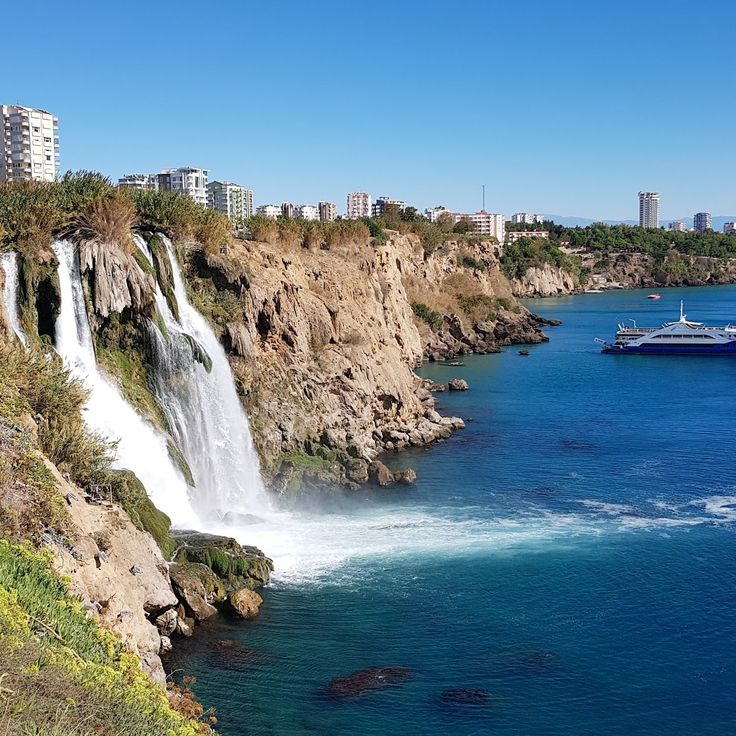
The Düden Waterfalls are a natural landmark in Antalya where water drops 40 meters from cliffs directly into the Mediterranean Sea. The upper stream forms another waterfall in the city park. At this location, you can watch the power of cascading water while the coastal landscape of bays and sandy beaches stretches beyond. The waterfalls provide a contrast to the ancient theaters and Roman structures that define the city.
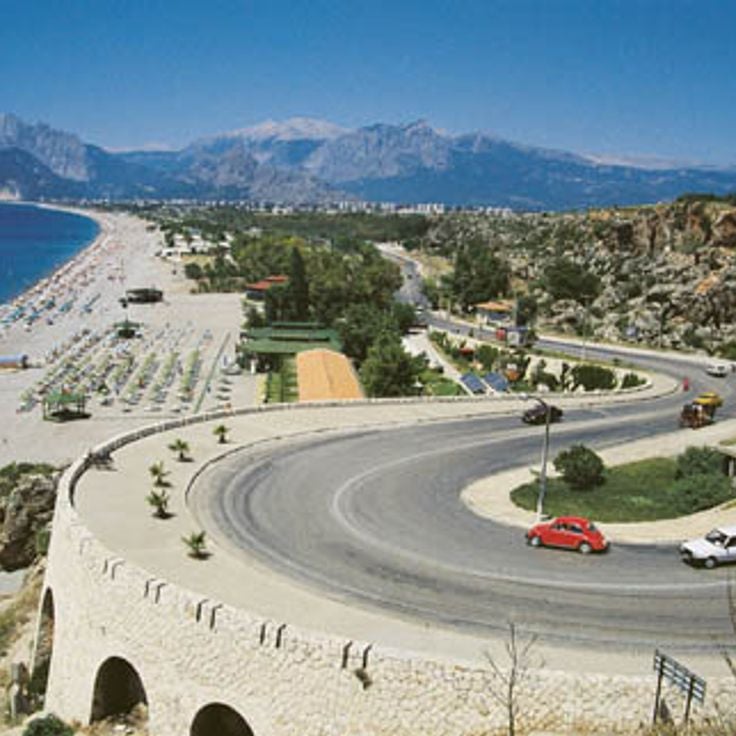
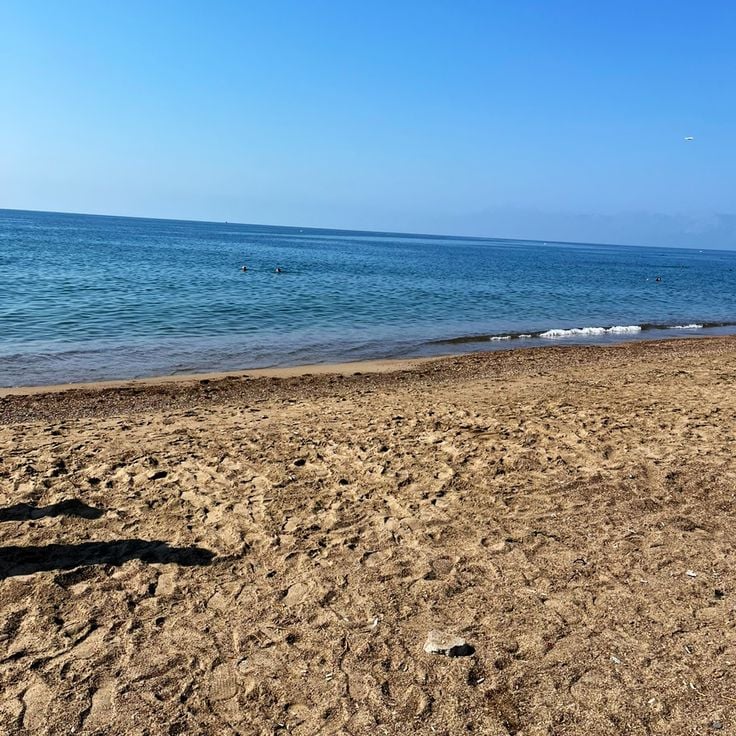
Konyaaltı Beach is a 7-kilometer pebble beach located west of Antalya's city center. It represents one of the natural coastal elements that photographers capture alongside the city's Roman architecture, ancient theaters, and archaeological sites. The beach promenade features restaurants and cafes where visitors can enjoy meals while overlooking the sea.
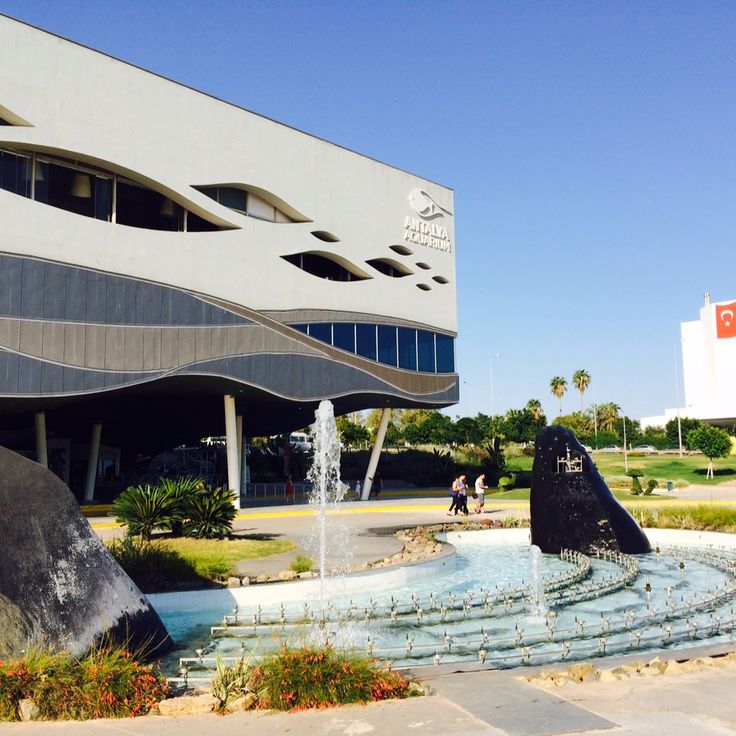
The Antalya Aquarium is one of the photo locations in this city that combines Roman architecture at Hadrian's Gate with natural elements at Düden Waterfalls. This aquarium features 40 themed sections and a 131-meter tunnel where sharks and other marine creatures swim. It complements the ancient theaters, beaches, caves, and archaeological sites that define the coastal landscape.
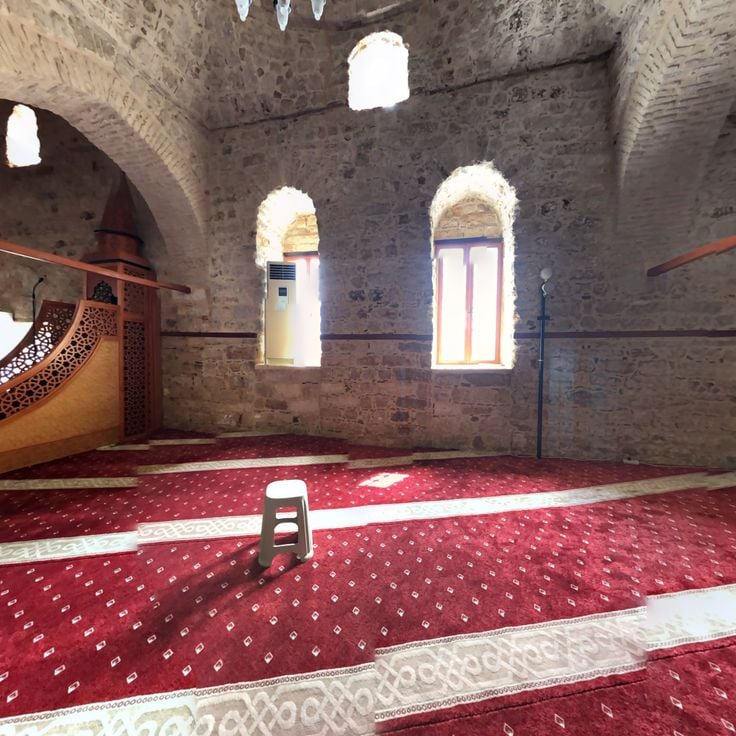
This 13th-century mosque displays traditional Seljuk architecture, with a minaret that rises 38 meters high. The building stands as a notable example of medieval construction in Antalya, complementing the city's array of Roman architecture, ancient theaters, and archaeological sites. The distinctive minaret serves as a point of photographic interest for visitors exploring the architectural history of this coastal city.
Perge is an archaeological site featuring rows of columns, a stadium, Roman baths, and a 2nd century nymphaeum. As a photo location in Antalya, it offers glimpses of ancient Roman structures that stand alongside the city's natural elements, coastal bays, and historical monuments.
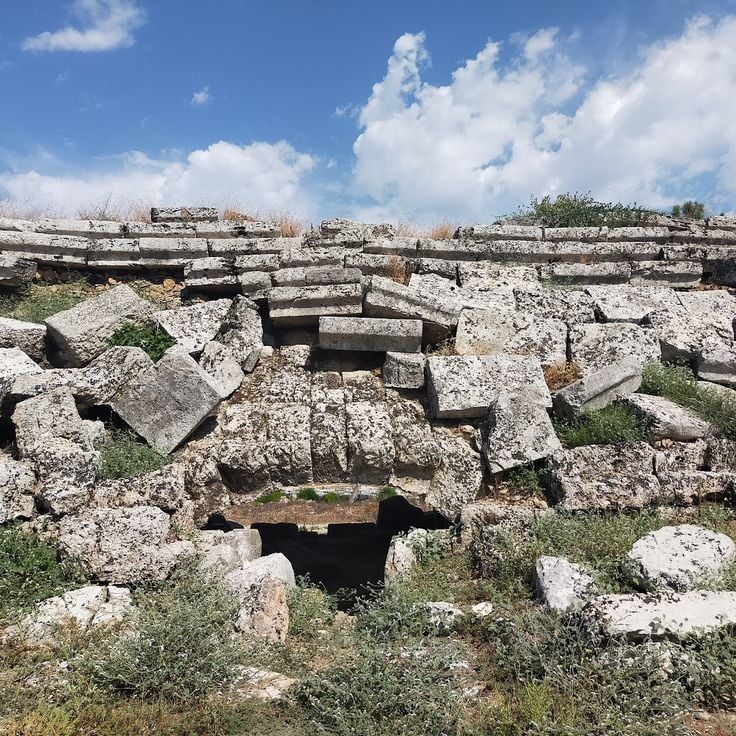
Aspendos Theatre is a well-preserved Roman theater from the 2nd century located in Antalya. It seats around 15,000 spectators and is known for its remarkable acoustics. The theater demonstrates Roman construction skill and fits perfectly within the collection of photo locations in Antalya, where ancient structures like Hadrian's Gate stand alongside natural features such as the Düden Waterfalls.
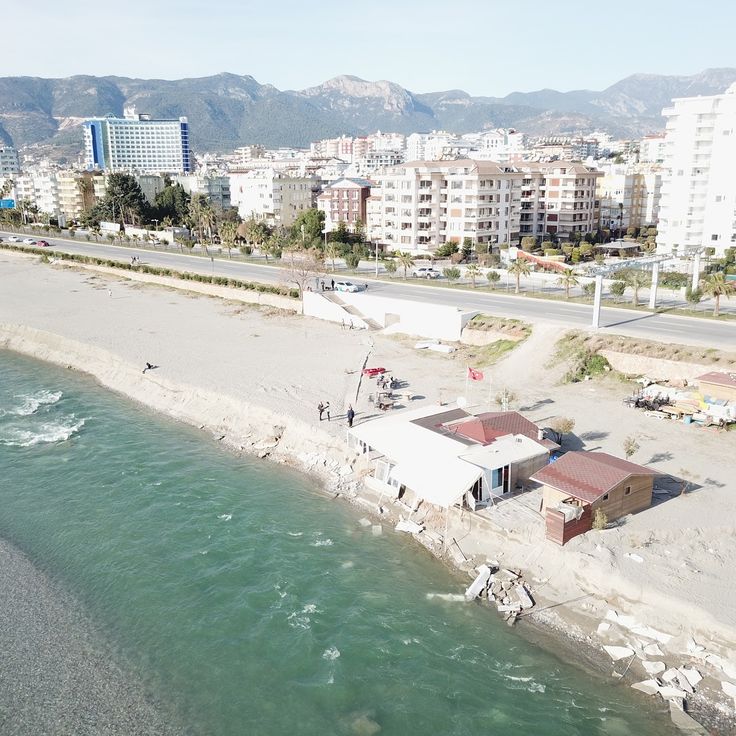
Lara Beach is a long sand beach in Antalya that provides excellent photo opportunities for documenting the coastal landscape. The beach stretches for several kilometers and is lined with hotels and restaurants, making it a busy part of the urban setting. Like other beaches in the region, Lara Beach combines natural coastal elements with modern structures typical of Antalya's landscape.
This limestone canyon stretches through Antalya's landscape, featuring rock pools and hiking trails that follow the water stream. As part of the city's diverse natural and historical setting, which includes Roman architecture at Hadrian's Gate and Düden Waterfalls, the Göynük Canyon displays the region's geological character alongside ancient theaters, beaches, caves, and archaeological sites.
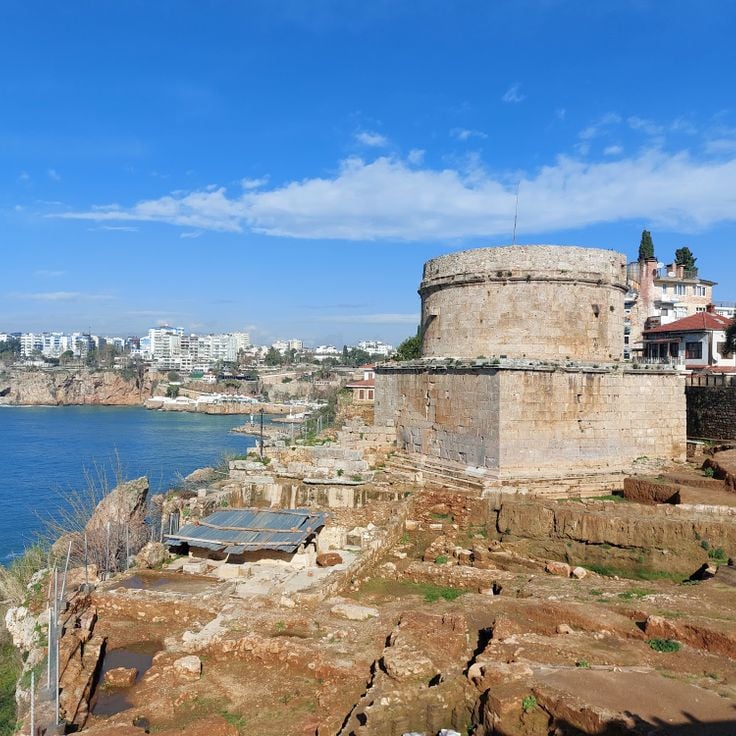
Hıdırlık Tower is a cylindrical stone structure from the 2nd century, standing about 14 meters tall. This tower once served as a lighthouse and fortification along Antalya's coast. Within this collection of photo locations, it represents the Roman architecture found throughout the city, much like Hadrian's Gate. The tower sits within a coastal landscape that features bays, cliffs, and sandy beaches.
Phaselis was an important Lycian port city and today serves as a notable photo location in Antalya. The ruins display Roman baths, an agora, theaters, and aqueducts dating from the 7th century BC. The site sits along the coast between bays and cliffs, combining ancient architecture with the natural landscape of the region.
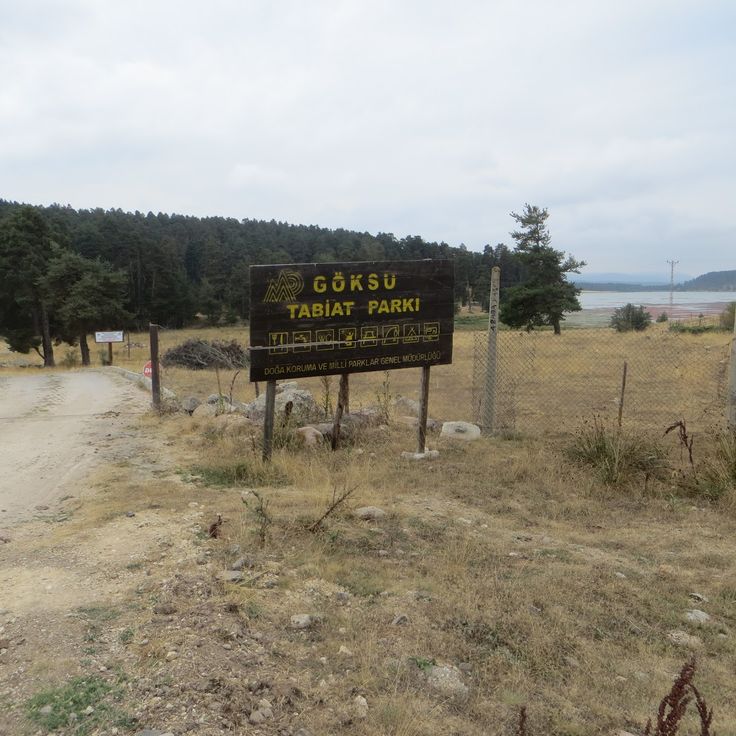
This nature park in Antalya is a protected area with pine forests, walking paths and the Göksu River flowing through rock formations. It fits into the city's photo locations that range from Roman structures like Hadrian's Gate to natural features such as Düden Waterfalls. The park showcases the coastal landscape with bays, cliffs and sand beaches.
Olympos is an archaeological site featured in Antalya's photo locations, positioned between mountain ranges and the Mediterranean coast. The site contains remains of Roman and Byzantine structures that blend with the natural landscape. Olympos represents the region's layered history, much like Hadrian's Gate and other ancient sites that define Antalya's historical character.
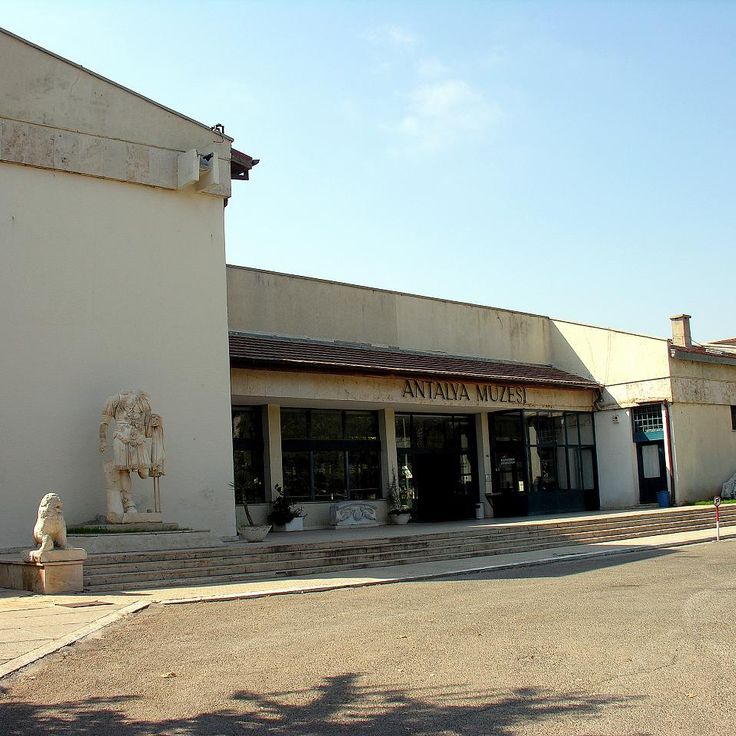
Antalya Museum is a key location for photography in this collection of sites around the city. It displays archaeological findings from the region, ranging from prehistoric tools to Roman statues and Ottoman coins. The museum helps visitors understand the long history that runs through Antalya's Roman architecture, ancient theaters, and archaeological sites.
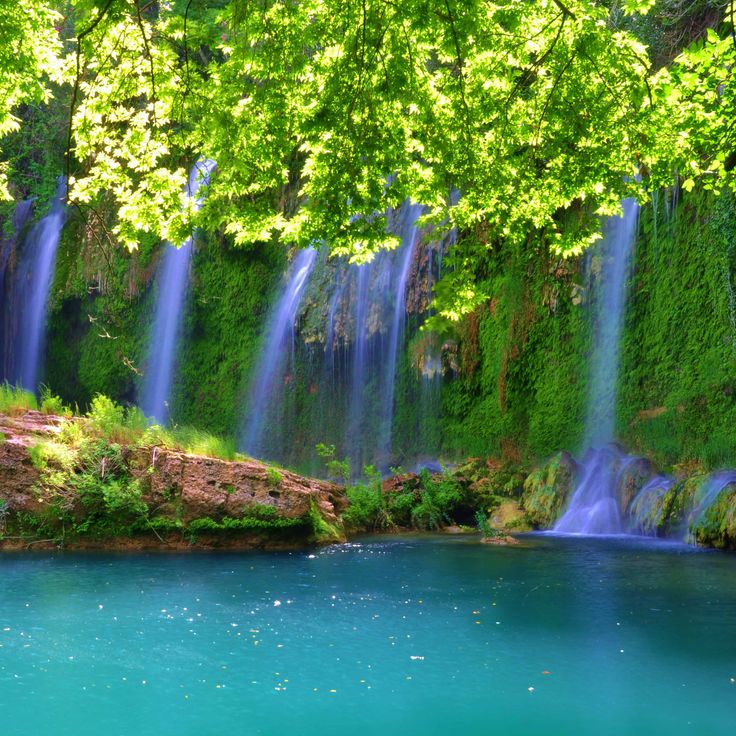
Kurşunlu Waterfall is a photo location in Antalya that showcases the region's natural features. The waterfall drops 18 meters and flows through a pine forest. Hiking trails wind through the area, and various bird species inhabit the space. This location complements Antalya's mix of Roman ruins and natural wonders found throughout the coastal landscape.
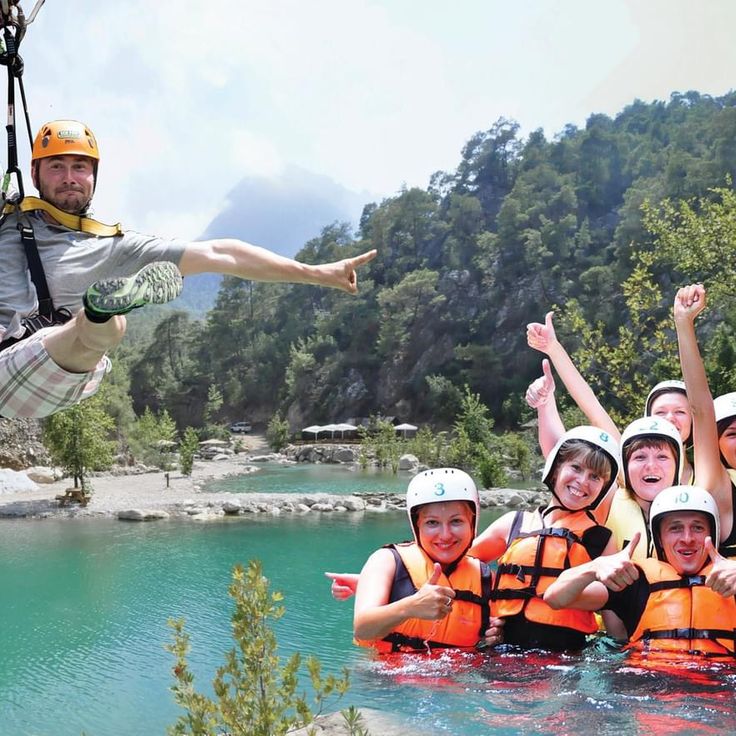
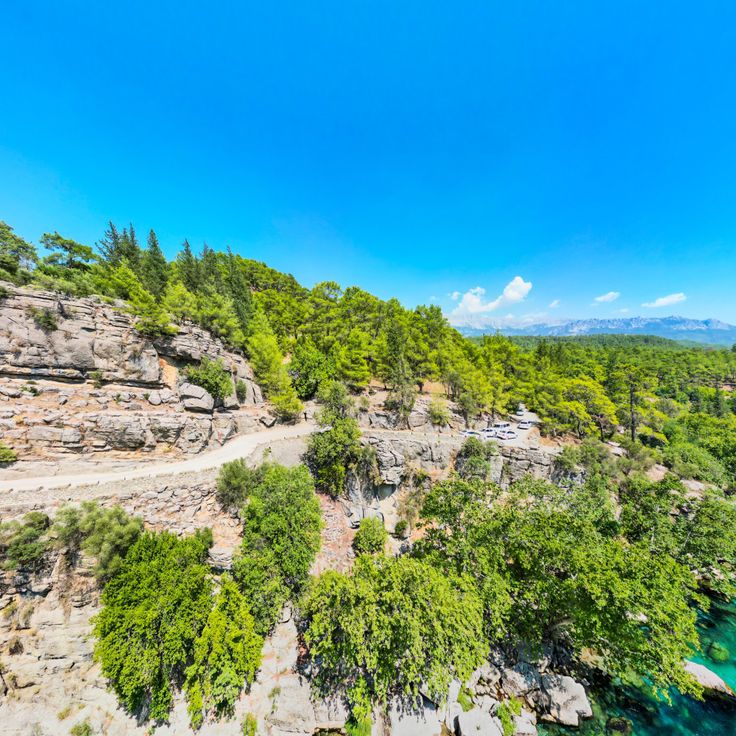
Köprülü Canyon is one of the photo locations in Antalya, showing a dramatic gorge carved by steep rock walls and a flowing river. The site offers water sports and rafting experiences within this natural landscape. This canyon adds to the Antalya experience, which combines Roman architecture, ancient theaters, beaches, and archaeological sites. The gorge represents the natural elements that define Antalya alongside its coastal bays, cliffs, and urban features.
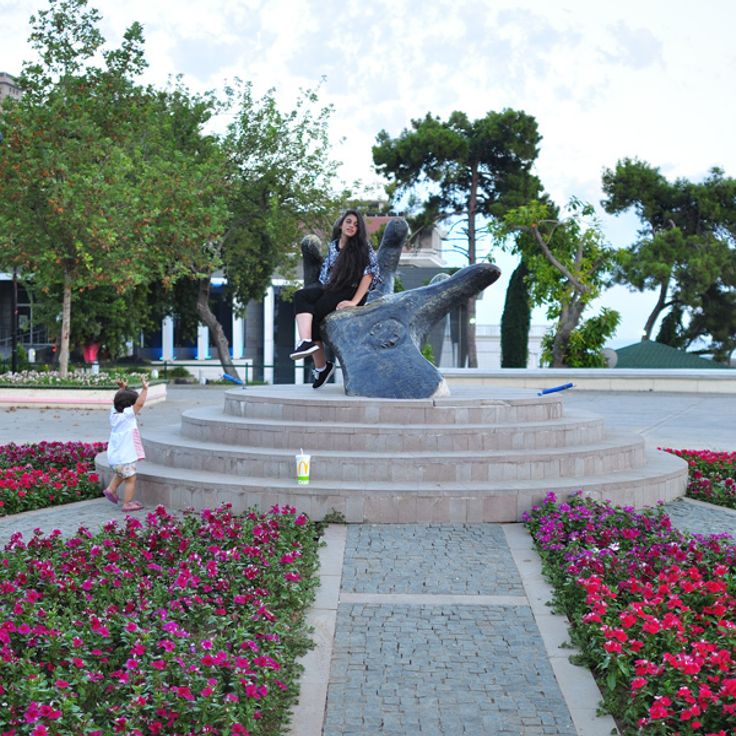
Karaalioğlu Park is a large urban park in Antalya that spreads across several hectares. Like other photo locations in the city such as Hadrian's Gate and Düden Waterfalls, it combines the natural landscape with the urban setting. The park offers walkways for strolling, benches for sitting, and viewpoints where visitors can look out over the Mediterranean Sea. It serves as a quiet spot for relaxation and photography.
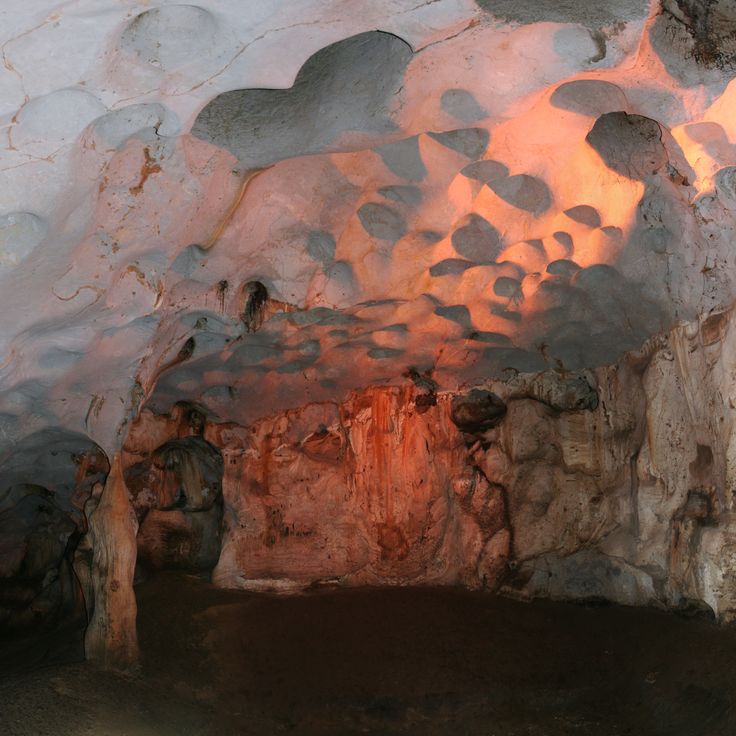
Karain Cave is an important location for photographers interested in early human history. The cave contains archaeological findings from the Paleolithic period, including stone tools and human remains. It is situated in the Antalya region, where Roman architecture, ancient theaters, and natural landscapes such as waterfalls and bays come together. This site combines scientific history with the natural beauty of the coastal setting.
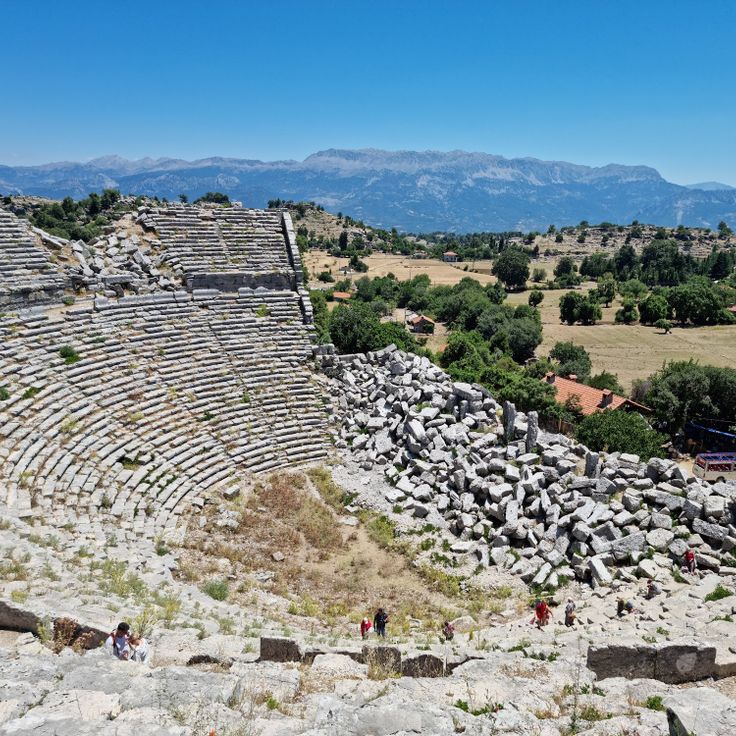
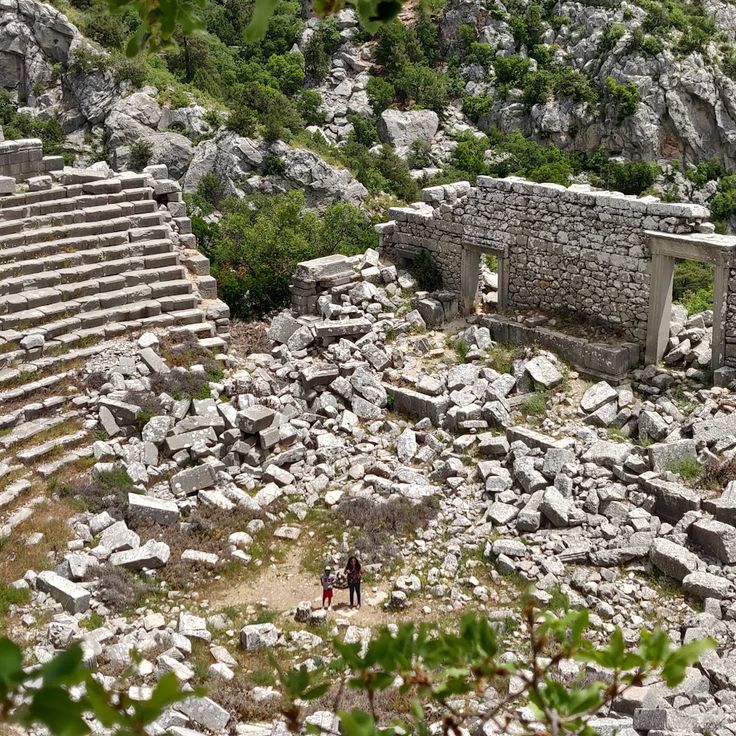
Termessos is an ancient city in Antalya that sits high above the coastal plains. The site contains remains of temples, a theater, and tombs built into the mountainous landscape. This settlement shows how people in this region lived during ancient times and adapted to challenging terrain. Termessos fits into Antalya's broader story of Roman architecture and archaeological sites that span from gates and theaters to caves and hilltop ruins.
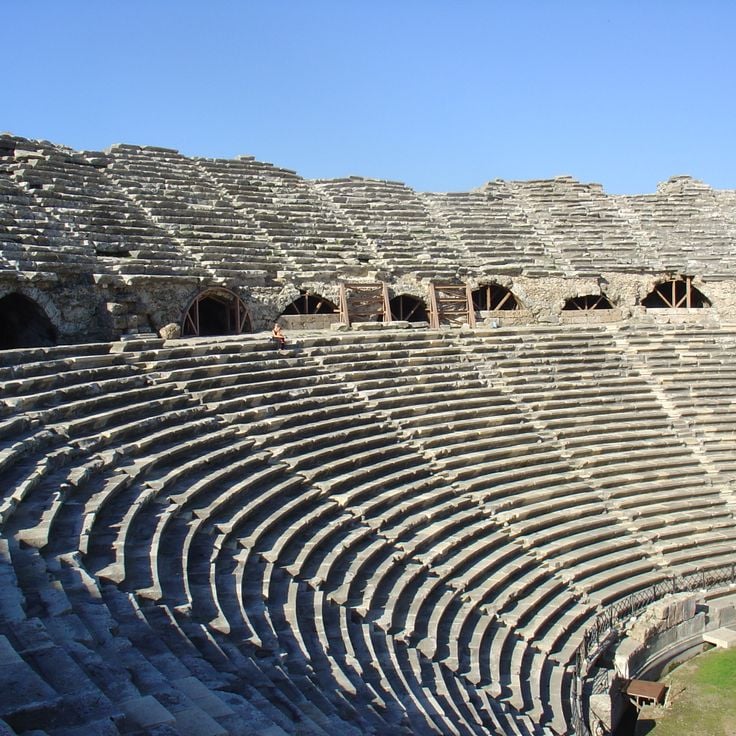
The Ancient City of Side in Antalya shows how Romans built their architecture along the coast. Here you find a Roman theater, temples, and columns standing directly by the Mediterranean Sea. Sandy beaches connect the archaeological sites with the natural coastal landscape. This location fits perfectly in the collection of photo locations in Antalya, which brings together Roman buildings with natural places.
The Dim River is a waterway flowing through green areas with tables and benches for visitors along the banks. It fits into the varied landscape of Antalya, where Roman structures like Hadrian's Gate meet natural features such as Düden Waterfalls. The river is part of the city's diverse geography, which includes ancient theaters, beaches, caves, and archaeological sites, as well as bays and sand beaches along the coast.
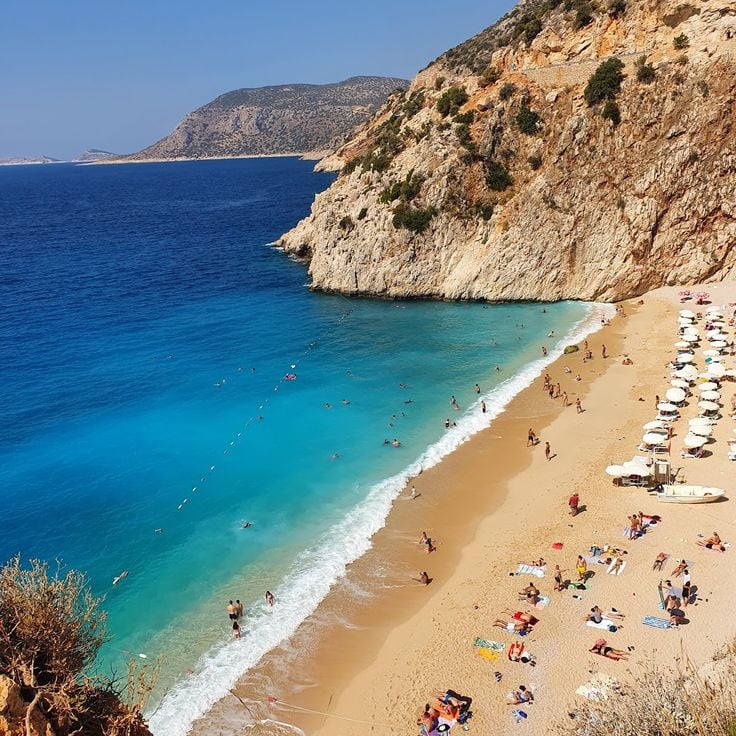
Kaputaş Beach is a photo location in Antalya that captures the region's natural coastal landscape. This white sand cove sits nestled between two mountains, with a long stairway descending to the shore. The location fits within the collection of photo locations in Antalya, which documents Roman architecture, beaches, bays, cliffs, and archaeological sites.
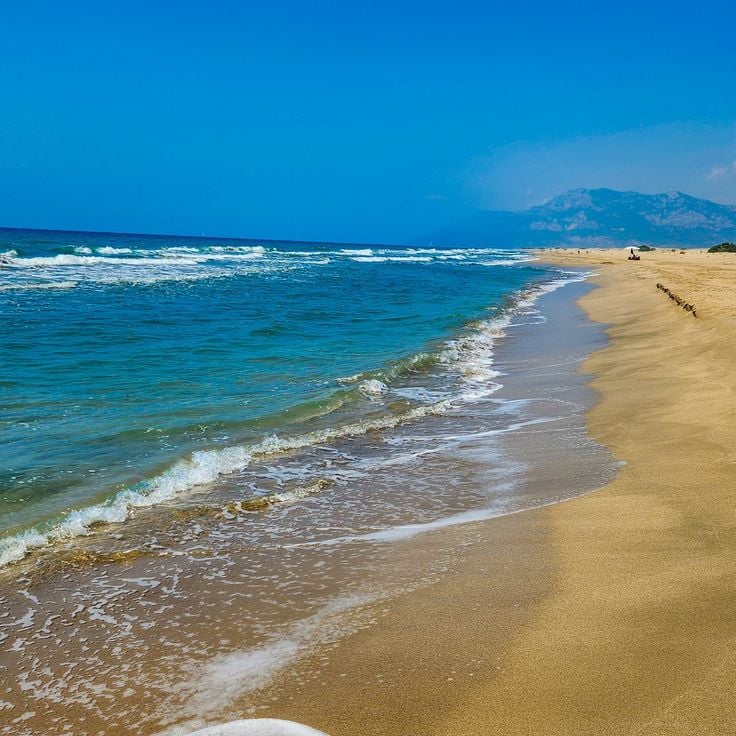
Patara Beach is an 18-kilometer coastal stretch in Antalya that offers photographers a view of natural and geological features. The beach is home to loggerhead sea turtles and Mediterranean dune landscapes that showcase the interplay between the shoreline and its natural surroundings. The broad sandy expanse and wild dunes provide visual subjects that capture how this coastal area balances wildlife habitat with accessibility.
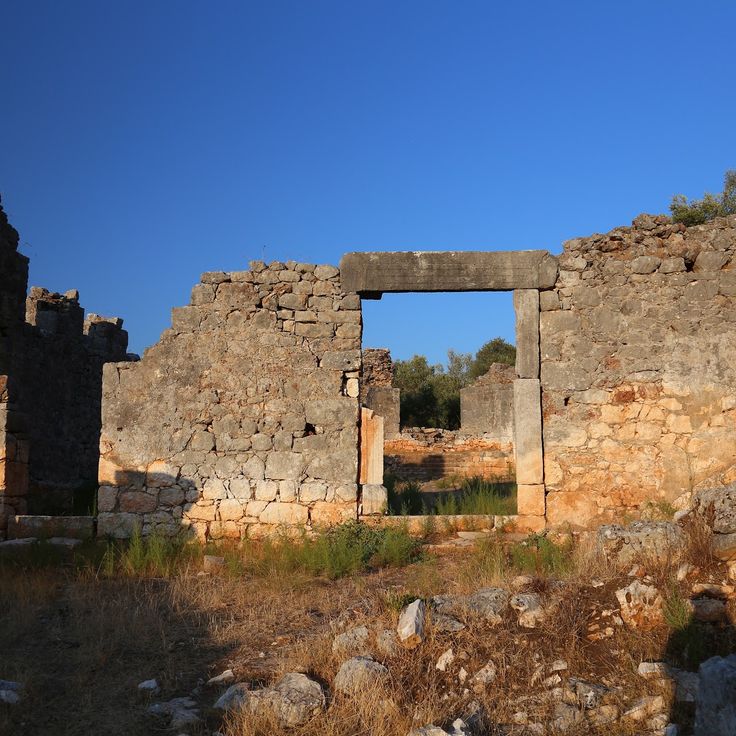
Demre Andriake Ancient City is one of the photo locations in Antalya that showcases Roman ruins from a bustling port settlement. The site contains storage buildings for grain, market areas, and a 5th century synagogue that reveal how people lived and traded in this ancient harbor town.
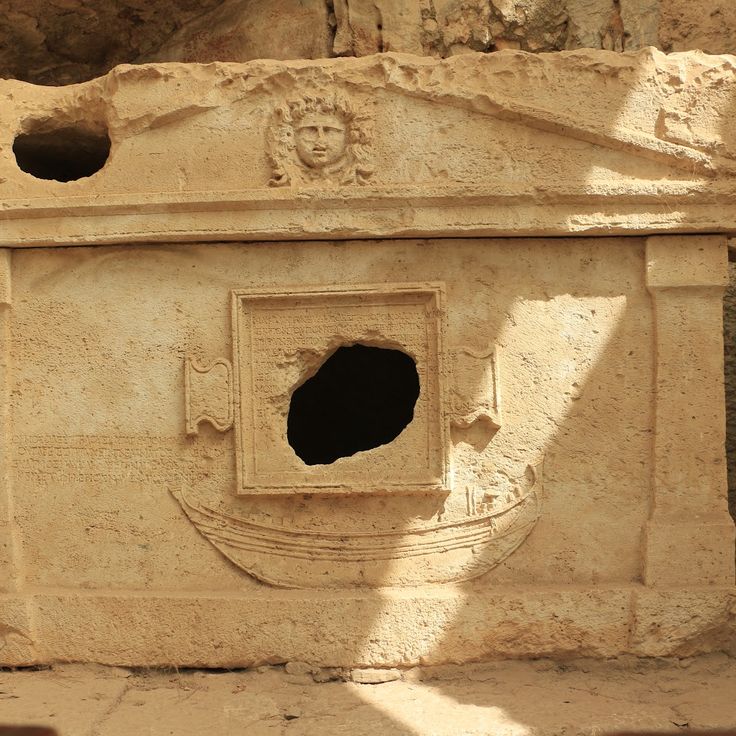
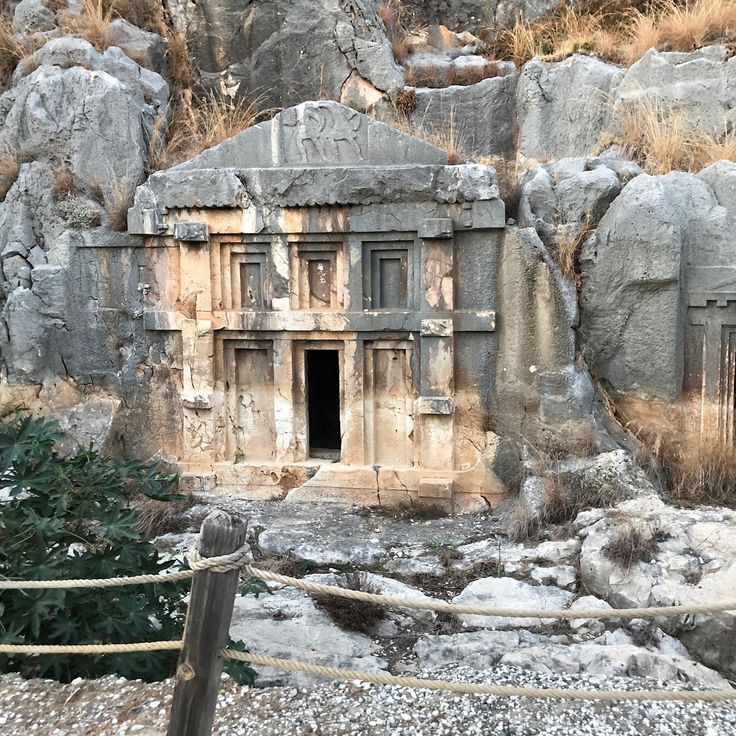
The Myra Rock Tombs in Demre are among the photo locations in Antalya, showcasing ancient tombs carved into the steep rock face. Built in the 4th century BC, these tombs display facades featuring Doric columns. They represent the archaeological sites that illustrate Antalya's connection to Roman architecture and ancient history.
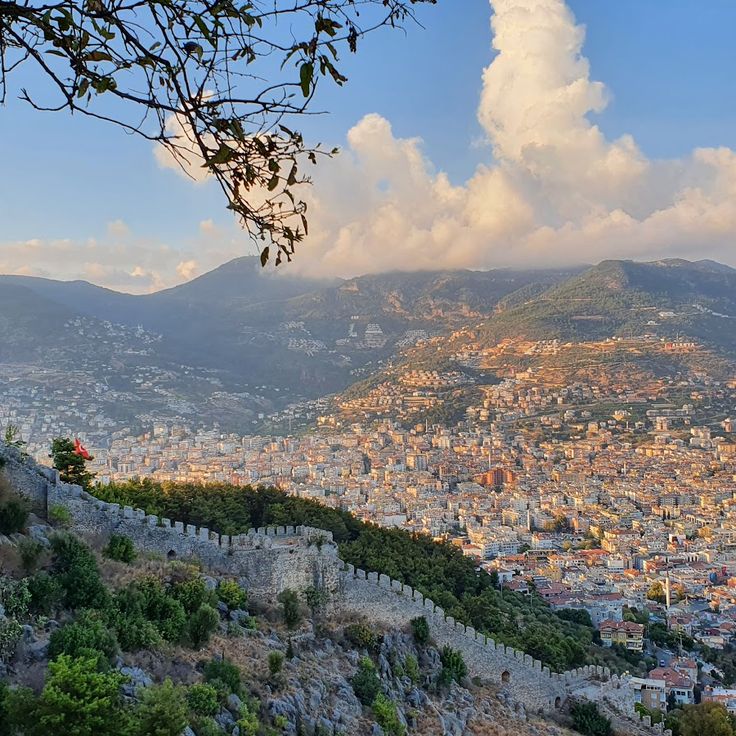
Alanya Castle is a 13th-century fortress built on a 250-meter-high peninsula with 6.5 kilometers of walls. This structure represents an important example of medieval military architecture in the region. The castle overlooks the surrounding coast and landscape. It fits within Antalya's collection of sites that combine Roman and medieval history with natural coastal features, beaches, and archaeological areas. The fortress provides insight into the region's historical development over centuries.
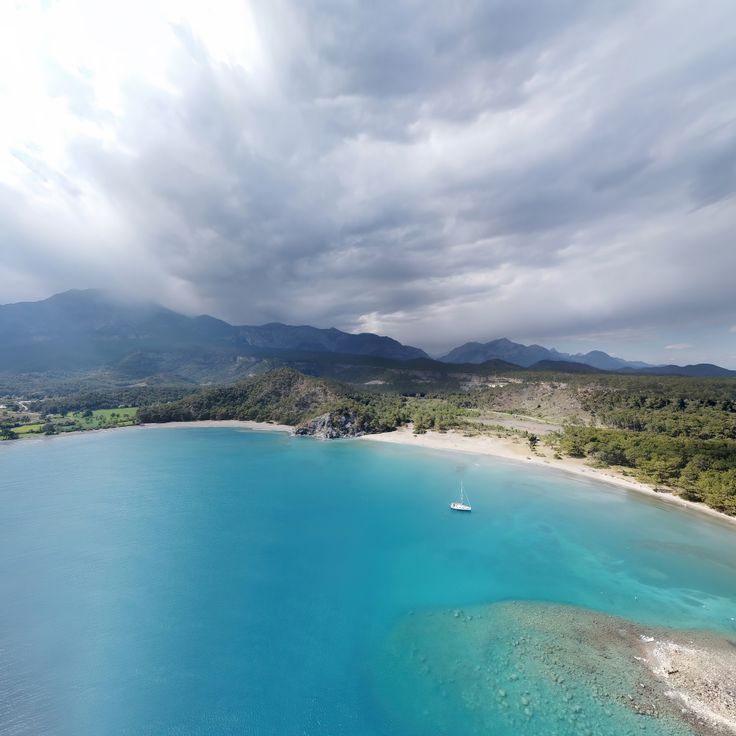
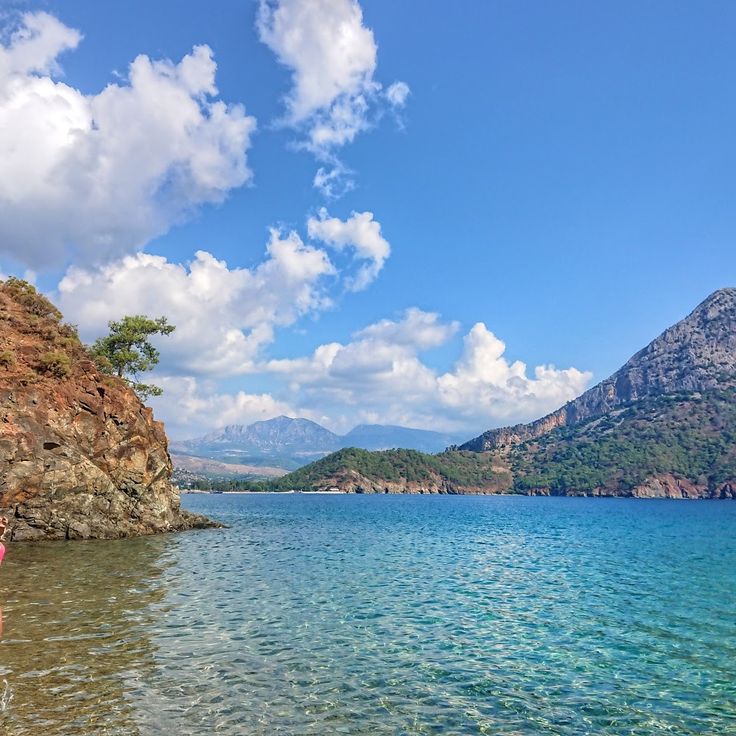
Adrasan Bay is a sheltered beach near Kumluca with clear water and sand bordered by pine forests and mountains. The beach stretches about 2 kilometers and provides a quiet place for swimming and relaxation. As part of Antalya's varied coastal offerings, this bay beach shows the natural beauty that defines the region alongside its historic sites and theaters.
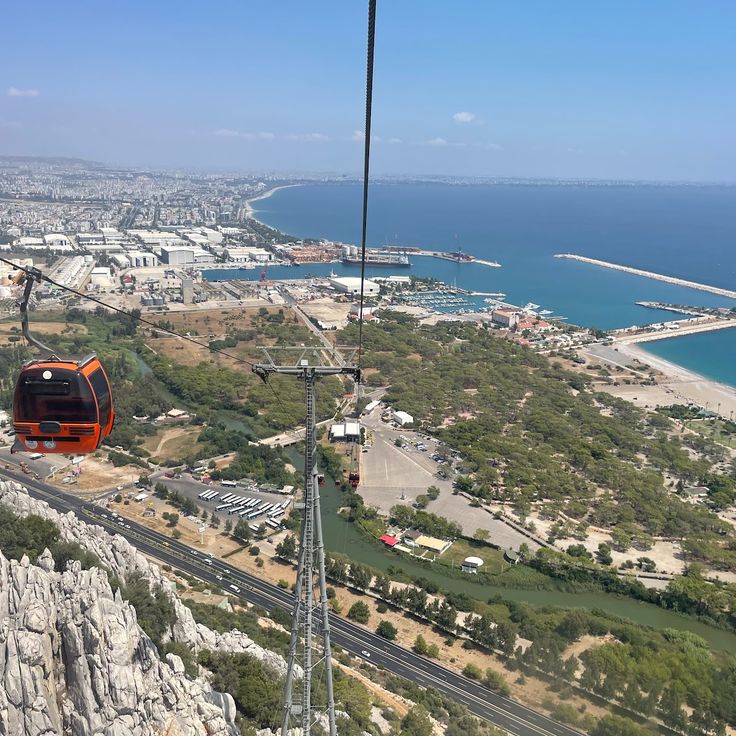
The Tünektepe Cable Car is a modern transportation system in Antalya that carries visitors up the mountain summit. The ride offers expansive views of the city and the Mediterranean Sea. This cable car complements other locations throughout Antalya, where you can find Roman architecture like Hadrian's Gate, natural features such as Düden Waterfalls, and ancient theaters. From the top, visitors gain a sweeping perspective on the coastal landscape with its bays, cliffs, and sandy beaches.
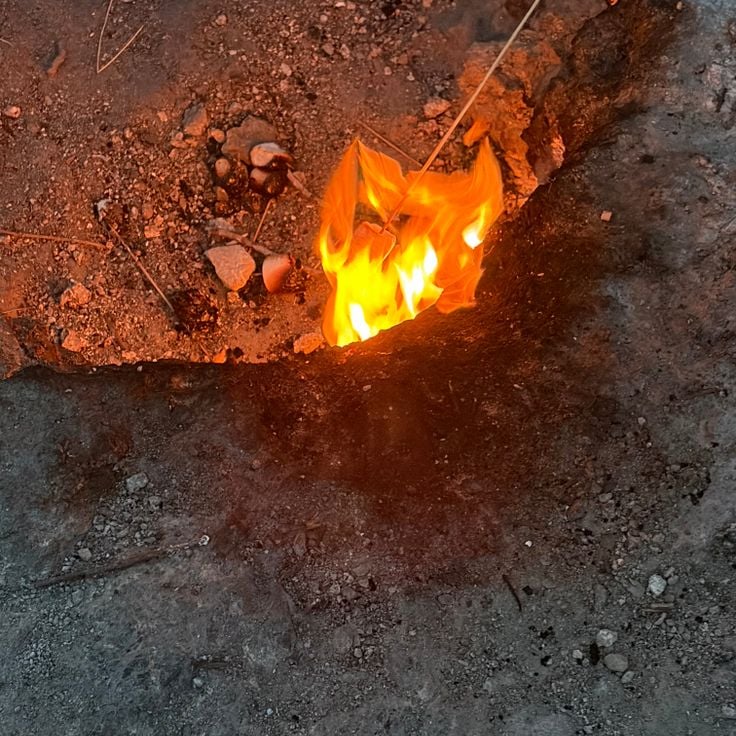
Chimaera Flames shows natural gas vents on Mount Chimaera, where methane gas continuously escapes from rock fissures and ignites. This geological phenomenon demonstrates the natural forces that shape Antalya's landscape. The burning flames offer a rare glimpse into the region's geological activity and stand alongside other natural attractions like Düden Waterfalls. Together with ancient theaters, archaeological sites, and coastal features, this location represents the diverse range of subjects available for photography throughout Antalya.
Selge Ancient City is an important photography location in Antalya. This historical site dates back to Roman times and sits at 950 meters elevation. The city's amphitheater could accommodate around 10000 spectators. Visitors can see remains of temples and ancient city walls. The elevated location offers interesting perspectives for photographers wanting to document the remnants of this classical settlement.
Hadrian's Gate is a white marble structure with three arches located in the old city of Antalya. Built in 130 AD, it stands in its original position within the ancient city walls. As a photo location in Antalya, this gate represents the Roman architectural heritage of the city and provides a window into the ancient history that shaped this coastal settlement.
The Düden Waterfalls are a natural landmark in Antalya where water drops 40 meters from cliffs directly into the Mediterranean Sea. The upper stream forms another waterfall in the city park. At this location, you can watch the power of cascading water while the coastal landscape of bays and sandy beaches stretches beyond. The waterfalls provide a contrast to the ancient theaters and Roman structures that define the city.
Konyaaltı Beach is a 7-kilometer pebble beach located west of Antalya's city center. It represents one of the natural coastal elements that photographers capture alongside the city's Roman architecture, ancient theaters, and archaeological sites. The beach promenade features restaurants and cafes where visitors can enjoy meals while overlooking the sea.
The Antalya Aquarium is one of the photo locations in this city that combines Roman architecture at Hadrian's Gate with natural elements at Düden Waterfalls. This aquarium features 40 themed sections and a 131-meter tunnel where sharks and other marine creatures swim. It complements the ancient theaters, beaches, caves, and archaeological sites that define the coastal landscape.
This 13th-century mosque displays traditional Seljuk architecture, with a minaret that rises 38 meters high. The building stands as a notable example of medieval construction in Antalya, complementing the city's array of Roman architecture, ancient theaters, and archaeological sites. The distinctive minaret serves as a point of photographic interest for visitors exploring the architectural history of this coastal city.
Perge is an archaeological site featuring rows of columns, a stadium, Roman baths, and a 2nd century nymphaeum. As a photo location in Antalya, it offers glimpses of ancient Roman structures that stand alongside the city's natural elements, coastal bays, and historical monuments.
Aspendos Theatre is a well-preserved Roman theater from the 2nd century located in Antalya. It seats around 15,000 spectators and is known for its remarkable acoustics. The theater demonstrates Roman construction skill and fits perfectly within the collection of photo locations in Antalya, where ancient structures like Hadrian's Gate stand alongside natural features such as the Düden Waterfalls.
Lara Beach is a long sand beach in Antalya that provides excellent photo opportunities for documenting the coastal landscape. The beach stretches for several kilometers and is lined with hotels and restaurants, making it a busy part of the urban setting. Like other beaches in the region, Lara Beach combines natural coastal elements with modern structures typical of Antalya's landscape.
This limestone canyon stretches through Antalya's landscape, featuring rock pools and hiking trails that follow the water stream. As part of the city's diverse natural and historical setting, which includes Roman architecture at Hadrian's Gate and Düden Waterfalls, the Göynük Canyon displays the region's geological character alongside ancient theaters, beaches, caves, and archaeological sites.
Hıdırlık Tower is a cylindrical stone structure from the 2nd century, standing about 14 meters tall. This tower once served as a lighthouse and fortification along Antalya's coast. Within this collection of photo locations, it represents the Roman architecture found throughout the city, much like Hadrian's Gate. The tower sits within a coastal landscape that features bays, cliffs, and sandy beaches.
Phaselis was an important Lycian port city and today serves as a notable photo location in Antalya. The ruins display Roman baths, an agora, theaters, and aqueducts dating from the 7th century BC. The site sits along the coast between bays and cliffs, combining ancient architecture with the natural landscape of the region.
This nature park in Antalya is a protected area with pine forests, walking paths and the Göksu River flowing through rock formations. It fits into the city's photo locations that range from Roman structures like Hadrian's Gate to natural features such as Düden Waterfalls. The park showcases the coastal landscape with bays, cliffs and sand beaches.
Olympos is an archaeological site featured in Antalya's photo locations, positioned between mountain ranges and the Mediterranean coast. The site contains remains of Roman and Byzantine structures that blend with the natural landscape. Olympos represents the region's layered history, much like Hadrian's Gate and other ancient sites that define Antalya's historical character.
Antalya Museum is a key location for photography in this collection of sites around the city. It displays archaeological findings from the region, ranging from prehistoric tools to Roman statues and Ottoman coins. The museum helps visitors understand the long history that runs through Antalya's Roman architecture, ancient theaters, and archaeological sites.
Kurşunlu Waterfall is a photo location in Antalya that showcases the region's natural features. The waterfall drops 18 meters and flows through a pine forest. Hiking trails wind through the area, and various bird species inhabit the space. This location complements Antalya's mix of Roman ruins and natural wonders found throughout the coastal landscape.
Köprülü Canyon is one of the photo locations in Antalya, showing a dramatic gorge carved by steep rock walls and a flowing river. The site offers water sports and rafting experiences within this natural landscape. This canyon adds to the Antalya experience, which combines Roman architecture, ancient theaters, beaches, and archaeological sites. The gorge represents the natural elements that define Antalya alongside its coastal bays, cliffs, and urban features.
Karaalioğlu Park is a large urban park in Antalya that spreads across several hectares. Like other photo locations in the city such as Hadrian's Gate and Düden Waterfalls, it combines the natural landscape with the urban setting. The park offers walkways for strolling, benches for sitting, and viewpoints where visitors can look out over the Mediterranean Sea. It serves as a quiet spot for relaxation and photography.
Karain Cave is an important location for photographers interested in early human history. The cave contains archaeological findings from the Paleolithic period, including stone tools and human remains. It is situated in the Antalya region, where Roman architecture, ancient theaters, and natural landscapes such as waterfalls and bays come together. This site combines scientific history with the natural beauty of the coastal setting.
Termessos is an ancient city in Antalya that sits high above the coastal plains. The site contains remains of temples, a theater, and tombs built into the mountainous landscape. This settlement shows how people in this region lived during ancient times and adapted to challenging terrain. Termessos fits into Antalya's broader story of Roman architecture and archaeological sites that span from gates and theaters to caves and hilltop ruins.
The Ancient City of Side in Antalya shows how Romans built their architecture along the coast. Here you find a Roman theater, temples, and columns standing directly by the Mediterranean Sea. Sandy beaches connect the archaeological sites with the natural coastal landscape. This location fits perfectly in the collection of photo locations in Antalya, which brings together Roman buildings with natural places.
The Dim River is a waterway flowing through green areas with tables and benches for visitors along the banks. It fits into the varied landscape of Antalya, where Roman structures like Hadrian's Gate meet natural features such as Düden Waterfalls. The river is part of the city's diverse geography, which includes ancient theaters, beaches, caves, and archaeological sites, as well as bays and sand beaches along the coast.
Kaputaş Beach is a photo location in Antalya that captures the region's natural coastal landscape. This white sand cove sits nestled between two mountains, with a long stairway descending to the shore. The location fits within the collection of photo locations in Antalya, which documents Roman architecture, beaches, bays, cliffs, and archaeological sites.
Patara Beach is an 18-kilometer coastal stretch in Antalya that offers photographers a view of natural and geological features. The beach is home to loggerhead sea turtles and Mediterranean dune landscapes that showcase the interplay between the shoreline and its natural surroundings. The broad sandy expanse and wild dunes provide visual subjects that capture how this coastal area balances wildlife habitat with accessibility.
Demre Andriake Ancient City is one of the photo locations in Antalya that showcases Roman ruins from a bustling port settlement. The site contains storage buildings for grain, market areas, and a 5th century synagogue that reveal how people lived and traded in this ancient harbor town.
The Myra Rock Tombs in Demre are among the photo locations in Antalya, showcasing ancient tombs carved into the steep rock face. Built in the 4th century BC, these tombs display facades featuring Doric columns. They represent the archaeological sites that illustrate Antalya's connection to Roman architecture and ancient history.
Alanya Castle is a 13th-century fortress built on a 250-meter-high peninsula with 6.5 kilometers of walls. This structure represents an important example of medieval military architecture in the region. The castle overlooks the surrounding coast and landscape. It fits within Antalya's collection of sites that combine Roman and medieval history with natural coastal features, beaches, and archaeological areas. The fortress provides insight into the region's historical development over centuries.
Adrasan Bay is a sheltered beach near Kumluca with clear water and sand bordered by pine forests and mountains. The beach stretches about 2 kilometers and provides a quiet place for swimming and relaxation. As part of Antalya's varied coastal offerings, this bay beach shows the natural beauty that defines the region alongside its historic sites and theaters.
The Tünektepe Cable Car is a modern transportation system in Antalya that carries visitors up the mountain summit. The ride offers expansive views of the city and the Mediterranean Sea. This cable car complements other locations throughout Antalya, where you can find Roman architecture like Hadrian's Gate, natural features such as Düden Waterfalls, and ancient theaters. From the top, visitors gain a sweeping perspective on the coastal landscape with its bays, cliffs, and sandy beaches.
Chimaera Flames shows natural gas vents on Mount Chimaera, where methane gas continuously escapes from rock fissures and ignites. This geological phenomenon demonstrates the natural forces that shape Antalya's landscape. The burning flames offer a rare glimpse into the region's geological activity and stand alongside other natural attractions like Düden Waterfalls. Together with ancient theaters, archaeological sites, and coastal features, this location represents the diverse range of subjects available for photography throughout Antalya.
Selge Ancient City is an important photography location in Antalya. This historical site dates back to Roman times and sits at 950 meters elevation. The city's amphitheater could accommodate around 10000 spectators. Visitors can see remains of temples and ancient city walls. The elevated location offers interesting perspectives for photographers wanting to document the remnants of this classical settlement.
Hadrian's Gate is a white marble structure with three arches located in the old city of Antalya. Built in 130 AD, it stands in its original position within the ancient city walls. As a photo location in Antalya, this gate represents the Roman architectural heritage of the city and provides a window into the ancient history that shaped this coastal settlement.
The Düden Waterfalls are a natural landmark in Antalya where water drops 40 meters from cliffs directly into the Mediterranean Sea. The upper stream forms another waterfall in the city park. At this location, you can watch the power of cascading water while the coastal landscape of bays and sandy beaches stretches beyond. The waterfalls provide a contrast to the ancient theaters and Roman structures that define the city.
Konyaaltı Beach is a 7-kilometer pebble beach located west of Antalya's city center. It represents one of the natural coastal elements that photographers capture alongside the city's Roman architecture, ancient theaters, and archaeological sites. The beach promenade features restaurants and cafes where visitors can enjoy meals while overlooking the sea.
The Antalya Aquarium is one of the photo locations in this city that combines Roman architecture at Hadrian's Gate with natural elements at Düden Waterfalls. This aquarium features 40 themed sections and a 131-meter tunnel where sharks and other marine creatures swim. It complements the ancient theaters, beaches, caves, and archaeological sites that define the coastal landscape.
This 13th-century mosque displays traditional Seljuk architecture, with a minaret that rises 38 meters high. The building stands as a notable example of medieval construction in Antalya, complementing the city's array of Roman architecture, ancient theaters, and archaeological sites. The distinctive minaret serves as a point of photographic interest for visitors exploring the architectural history of this coastal city.
Perge is an archaeological site featuring rows of columns, a stadium, Roman baths, and a 2nd century nymphaeum. As a photo location in Antalya, it offers glimpses of ancient Roman structures that stand alongside the city's natural elements, coastal bays, and historical monuments.
Aspendos Theatre is a well-preserved Roman theater from the 2nd century located in Antalya. It seats around 15,000 spectators and is known for its remarkable acoustics. The theater demonstrates Roman construction skill and fits perfectly within the collection of photo locations in Antalya, where ancient structures like Hadrian's Gate stand alongside natural features such as the Düden Waterfalls.
Lara Beach is a long sand beach in Antalya that provides excellent photo opportunities for documenting the coastal landscape. The beach stretches for several kilometers and is lined with hotels and restaurants, making it a busy part of the urban setting. Like other beaches in the region, Lara Beach combines natural coastal elements with modern structures typical of Antalya's landscape.
This limestone canyon stretches through Antalya's landscape, featuring rock pools and hiking trails that follow the water stream. As part of the city's diverse natural and historical setting, which includes Roman architecture at Hadrian's Gate and Düden Waterfalls, the Göynük Canyon displays the region's geological character alongside ancient theaters, beaches, caves, and archaeological sites.
Hıdırlık Tower is a cylindrical stone structure from the 2nd century, standing about 14 meters tall. This tower once served as a lighthouse and fortification along Antalya's coast. Within this collection of photo locations, it represents the Roman architecture found throughout the city, much like Hadrian's Gate. The tower sits within a coastal landscape that features bays, cliffs, and sandy beaches.
Phaselis was an important Lycian port city and today serves as a notable photo location in Antalya. The ruins display Roman baths, an agora, theaters, and aqueducts dating from the 7th century BC. The site sits along the coast between bays and cliffs, combining ancient architecture with the natural landscape of the region.
This nature park in Antalya is a protected area with pine forests, walking paths and the Göksu River flowing through rock formations. It fits into the city's photo locations that range from Roman structures like Hadrian's Gate to natural features such as Düden Waterfalls. The park showcases the coastal landscape with bays, cliffs and sand beaches.
Olympos is an archaeological site featured in Antalya's photo locations, positioned between mountain ranges and the Mediterranean coast. The site contains remains of Roman and Byzantine structures that blend with the natural landscape. Olympos represents the region's layered history, much like Hadrian's Gate and other ancient sites that define Antalya's historical character.
Antalya Museum is a key location for photography in this collection of sites around the city. It displays archaeological findings from the region, ranging from prehistoric tools to Roman statues and Ottoman coins. The museum helps visitors understand the long history that runs through Antalya's Roman architecture, ancient theaters, and archaeological sites.
Kurşunlu Waterfall is a photo location in Antalya that showcases the region's natural features. The waterfall drops 18 meters and flows through a pine forest. Hiking trails wind through the area, and various bird species inhabit the space. This location complements Antalya's mix of Roman ruins and natural wonders found throughout the coastal landscape.
Köprülü Canyon is one of the photo locations in Antalya, showing a dramatic gorge carved by steep rock walls and a flowing river. The site offers water sports and rafting experiences within this natural landscape. This canyon adds to the Antalya experience, which combines Roman architecture, ancient theaters, beaches, and archaeological sites. The gorge represents the natural elements that define Antalya alongside its coastal bays, cliffs, and urban features.
Karaalioğlu Park is a large urban park in Antalya that spreads across several hectares. Like other photo locations in the city such as Hadrian's Gate and Düden Waterfalls, it combines the natural landscape with the urban setting. The park offers walkways for strolling, benches for sitting, and viewpoints where visitors can look out over the Mediterranean Sea. It serves as a quiet spot for relaxation and photography.
Karain Cave is an important location for photographers interested in early human history. The cave contains archaeological findings from the Paleolithic period, including stone tools and human remains. It is situated in the Antalya region, where Roman architecture, ancient theaters, and natural landscapes such as waterfalls and bays come together. This site combines scientific history with the natural beauty of the coastal setting.
Termessos is an ancient city in Antalya that sits high above the coastal plains. The site contains remains of temples, a theater, and tombs built into the mountainous landscape. This settlement shows how people in this region lived during ancient times and adapted to challenging terrain. Termessos fits into Antalya's broader story of Roman architecture and archaeological sites that span from gates and theaters to caves and hilltop ruins.
The Ancient City of Side in Antalya shows how Romans built their architecture along the coast. Here you find a Roman theater, temples, and columns standing directly by the Mediterranean Sea. Sandy beaches connect the archaeological sites with the natural coastal landscape. This location fits perfectly in the collection of photo locations in Antalya, which brings together Roman buildings with natural places.
The Dim River is a waterway flowing through green areas with tables and benches for visitors along the banks. It fits into the varied landscape of Antalya, where Roman structures like Hadrian's Gate meet natural features such as Düden Waterfalls. The river is part of the city's diverse geography, which includes ancient theaters, beaches, caves, and archaeological sites, as well as bays and sand beaches along the coast.
Kaputaş Beach is a photo location in Antalya that captures the region's natural coastal landscape. This white sand cove sits nestled between two mountains, with a long stairway descending to the shore. The location fits within the collection of photo locations in Antalya, which documents Roman architecture, beaches, bays, cliffs, and archaeological sites.
Patara Beach is an 18-kilometer coastal stretch in Antalya that offers photographers a view of natural and geological features. The beach is home to loggerhead sea turtles and Mediterranean dune landscapes that showcase the interplay between the shoreline and its natural surroundings. The broad sandy expanse and wild dunes provide visual subjects that capture how this coastal area balances wildlife habitat with accessibility.
Demre Andriake Ancient City is one of the photo locations in Antalya that showcases Roman ruins from a bustling port settlement. The site contains storage buildings for grain, market areas, and a 5th century synagogue that reveal how people lived and traded in this ancient harbor town.
The Myra Rock Tombs in Demre are among the photo locations in Antalya, showcasing ancient tombs carved into the steep rock face. Built in the 4th century BC, these tombs display facades featuring Doric columns. They represent the archaeological sites that illustrate Antalya's connection to Roman architecture and ancient history.
Alanya Castle is a 13th-century fortress built on a 250-meter-high peninsula with 6.5 kilometers of walls. This structure represents an important example of medieval military architecture in the region. The castle overlooks the surrounding coast and landscape. It fits within Antalya's collection of sites that combine Roman and medieval history with natural coastal features, beaches, and archaeological areas. The fortress provides insight into the region's historical development over centuries.
Adrasan Bay is a sheltered beach near Kumluca with clear water and sand bordered by pine forests and mountains. The beach stretches about 2 kilometers and provides a quiet place for swimming and relaxation. As part of Antalya's varied coastal offerings, this bay beach shows the natural beauty that defines the region alongside its historic sites and theaters.
The Tünektepe Cable Car is a modern transportation system in Antalya that carries visitors up the mountain summit. The ride offers expansive views of the city and the Mediterranean Sea. This cable car complements other locations throughout Antalya, where you can find Roman architecture like Hadrian's Gate, natural features such as Düden Waterfalls, and ancient theaters. From the top, visitors gain a sweeping perspective on the coastal landscape with its bays, cliffs, and sandy beaches.
Chimaera Flames shows natural gas vents on Mount Chimaera, where methane gas continuously escapes from rock fissures and ignites. This geological phenomenon demonstrates the natural forces that shape Antalya's landscape. The burning flames offer a rare glimpse into the region's geological activity and stand alongside other natural attractions like Düden Waterfalls. Together with ancient theaters, archaeological sites, and coastal features, this location represents the diverse range of subjects available for photography throughout Antalya.
Selge Ancient City is an important photography location in Antalya. This historical site dates back to Roman times and sits at 950 meters elevation. The city's amphitheater could accommodate around 10000 spectators. Visitors can see remains of temples and ancient city walls. The elevated location offers interesting perspectives for photographers wanting to document the remnants of this classical settlement.