See the monuments around you in AROpen chests in the app
Around Us is built for your phone — point your camera at the streets and discover the monuments and places around you in augmented reality.Around Us is built for your phone — chests unlock when you walk, explore and capture nearby places.
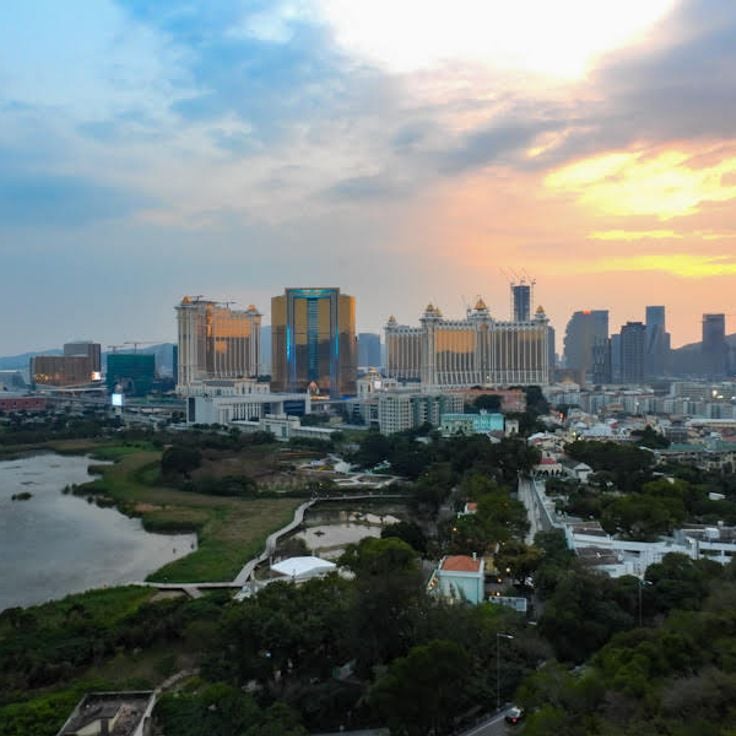
Macau fascinates with its contrasts. In a single day, you can walk from a Portuguese quarter with cobblestone streets to a hidden temple tucked behind a staircase, then to a hotel lit up like a movie set. The city mixes baroque church facades, grand casinos, and quiet gardens where tai chi practitioners move slowly through the morning. Between Coloane and Cotai, each district feels different, drawing travelers who want to capture distinctive urban scenes and layered stories in photographs.
The Ruins of Saint Paul show what remains of colonial grandeur, while Macau Tower rises above the harbor. Senate Square and Taipa's old town preserve Portuguese charm, and places like A-Ma Temple and Kun Iam Temple sit at the heart of local worship. Modern casinos like the Venetian and the Parisian Macau stand in sharp contrast to humble fishermen's docks and dark sand beaches. Historic mansions such as Lou Kau and the Mandarin's House reveal how earlier residents lived.
This selection covers the sites that photographers seek out, from fortress walls and old churches to contemporary architecture and waterfront views. Walking through Macau means moving between centuries and cultures, with each corner offering something different to see and capture.
Macau fascinates with its contrasts. In a single day, you can walk from a Portuguese quarter with cobblestone streets to a hidden temple tucked behind a staircase, then to a hotel lit up like a movie set. The city mixes baroque church facades, grand casinos, and quiet gardens where tai chi practitioners move slowly through the morning. Between Coloane and Cotai, each district feels different, drawing travelers who want to capture distinctive urban scenes and layered stories in photographs.
The Ruins of Saint Paul show what remains of colonial grandeur, while Macau Tower rises above the harbor. Senate Square and Taipa's old town preserve Portuguese charm, and places like A-Ma Temple and Kun Iam Temple sit at the heart of local worship. Modern casinos like the Venetian and the Parisian Macau stand in sharp contrast to humble fishermen's docks and dark sand beaches. Historic mansions such as Lou Kau and the Mandarin's House reveal how earlier residents lived.
This selection covers the sites that photographers seek out, from fortress walls and old churches to contemporary architecture and waterfront views. Walking through Macau means moving between centuries and cultures, with each corner offering something different to see and capture.
The Saint Paul Church Ruins are what remains of a Jesuit church built in the early 17th century. The stone facade stands alone at the top of a monumental staircase with sculptures, low reliefs, and religious symbols. It is one of the most photographed spots in Macau, with changing light in the morning that perfectly captures the Portuguese heritage of the city.
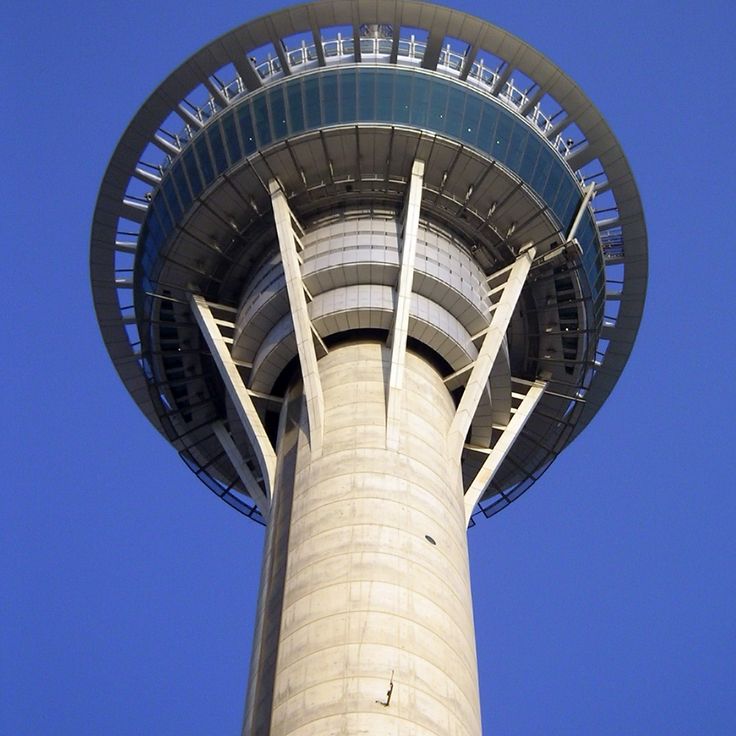
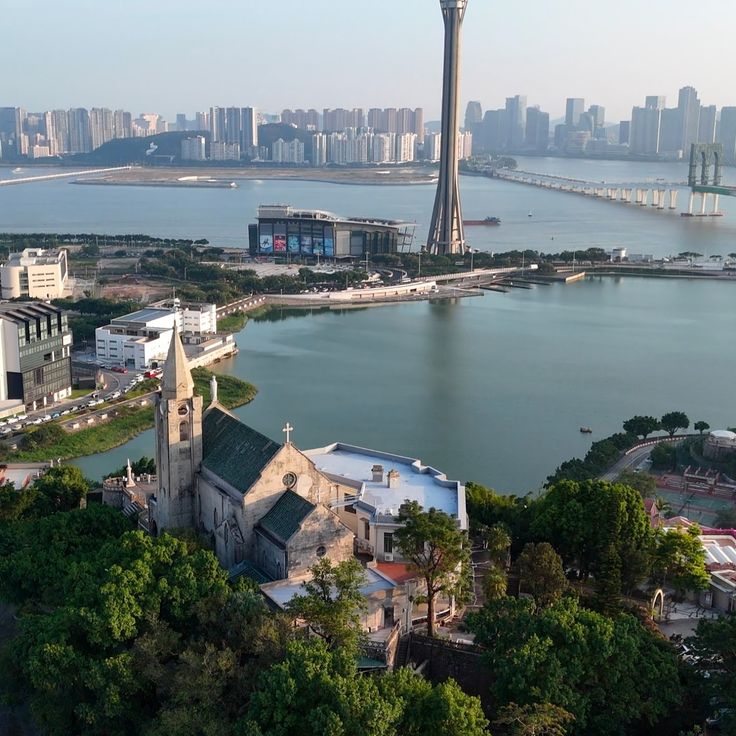
The Macao Tower is a 338-meter telecommunications structure with a glass observation deck and a revolving restaurant. From the top, you can photograph the entire bay in a single frame, particularly striking at sunset when city lights transform the landscape. This location represents the futuristic side of Macau's contrasts, offering a vantage point that captures how the city blends historic neighborhoods, temples, and modern architecture.
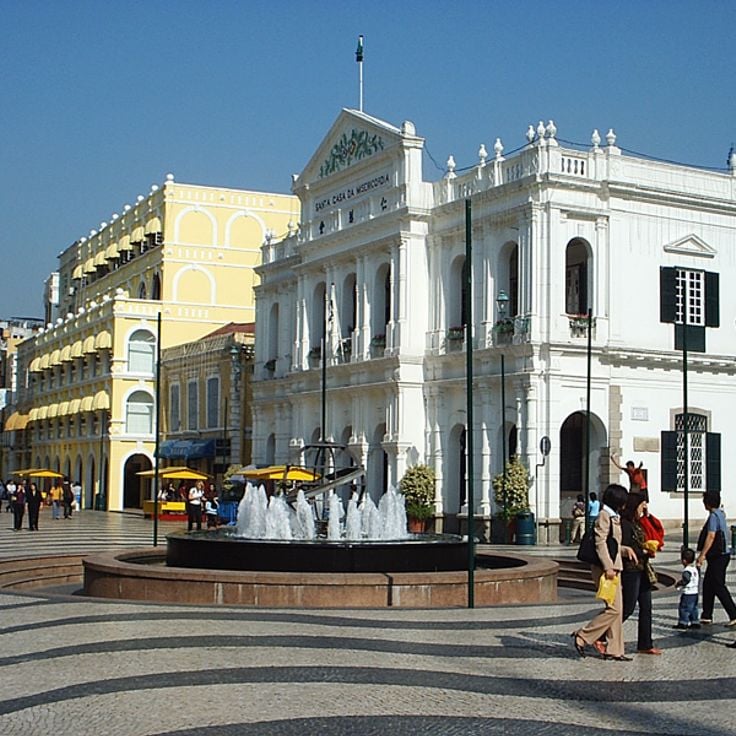
Senate Square is the historic center of Macau, paved with undulating mosaics inspired by Portugal. The pastel facades, arcades, and administrative buildings create a harmonious setting that buzzes with activity during the day. This square offers one of Macau's most recognizable backdrops for photographers seeking to capture the blend of Portuguese colonial architecture and contemporary urban life.
Taipa Old Town is a neighborhood where you can see the layers of Macau's history. Here stand 19th-century houses with narrow alleys running between them, and small restaurants are set inside historic Portuguese buildings. The nearby temples and colorful facades give the district a particular character that works well for photographs in the late afternoon. The light at that hour brings out the texture of the old walls and makes the colonial architecture stand out clearly.
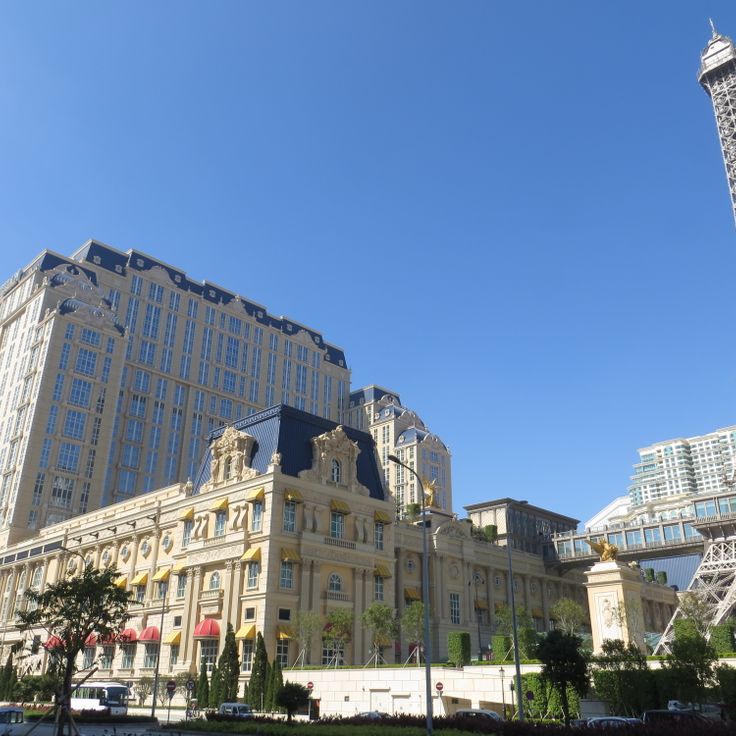
The Parisian Macao is a hotel complex in Cotai featuring a 162-meter tall replica of the Eiffel Tower. This structure glows as dusk falls and overlooks the 3,000 rooms, galleries, and the open esplanade that is open to the public. The site offers classic subjects for night photography and represents the contrast between European design and modern Macau.
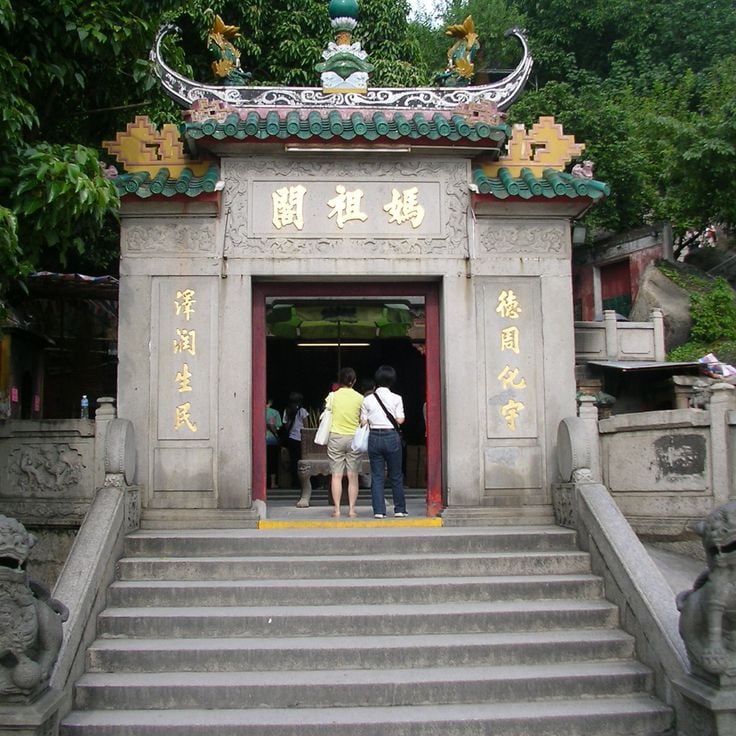
Founded in 1488, this temple is dedicated to the goddess who protects sailors. The red sandstone pavilions, stairs, and incense burners fill the space with smoke and the scent of burning incense. This temple serves as an active spiritual site where worshippers gather daily. For photographers exploring Macau's most photogenic locations, the A-Ma Temple offers views that blend colonial heritage with living religious practice, capturing moments that define the city's character.
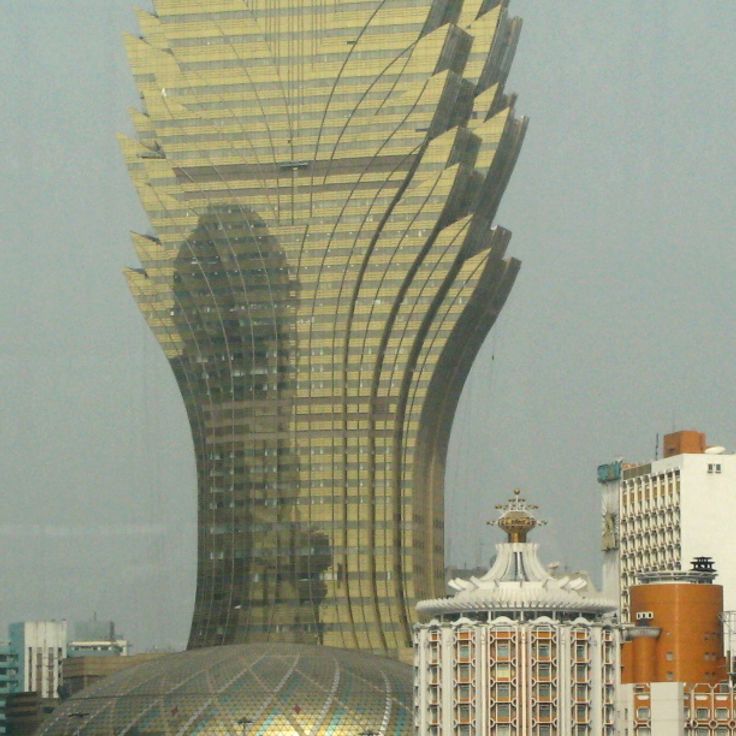
The Grand Lisboa is a 258-meter-high tower and a key photography location in this collection of photogenic sites across Macau. The building takes the shape of a giant flower and is constructed from glass and steel. Depending on the light, the facade reflects the city and shifts in color. Inside, visitors find elaborately designed spaces that make this place a compelling subject for photography.
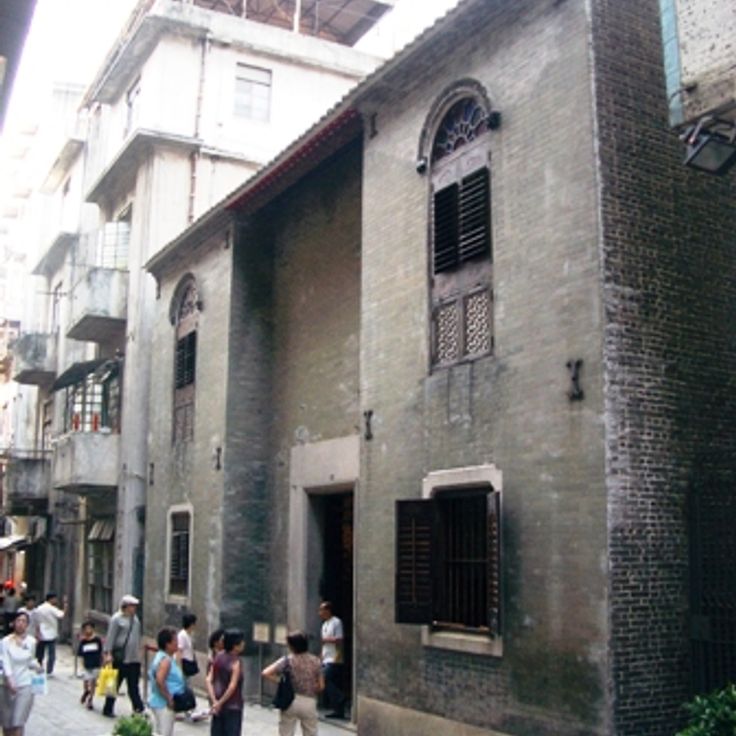
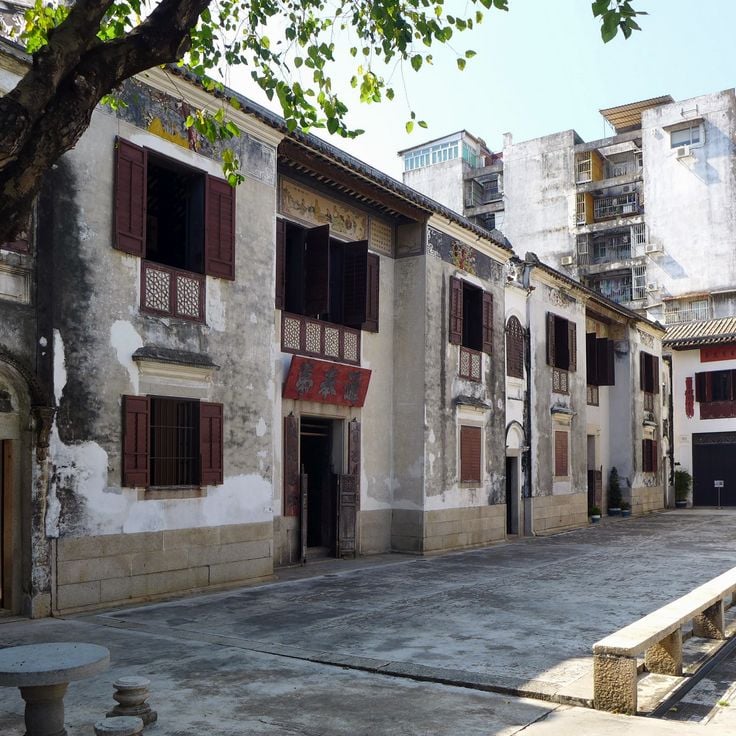
Lou Kau Mansion sits in a district shaped by Portuguese colonial architecture and shows the blend of Eastern and Western influences that makes Macau worth photographing. Built in 1889 as a residence for a wealthy Chinese merchant, the mansion draws visitors with its courtyards, carved windows, and wooden partitions that reflect the urban traditional architecture of the late 19th century.
Port of Fishermen is a commercial area inspired by European coastal towns, featuring neoclassical facades, courtyards, and narrow alleys. The waterfront promenade blends Chinese and European influences, making it an ideal subject for capturing Macau's cultural crossroads. You can photograph the colonial past and contemporary life side by side in this district.
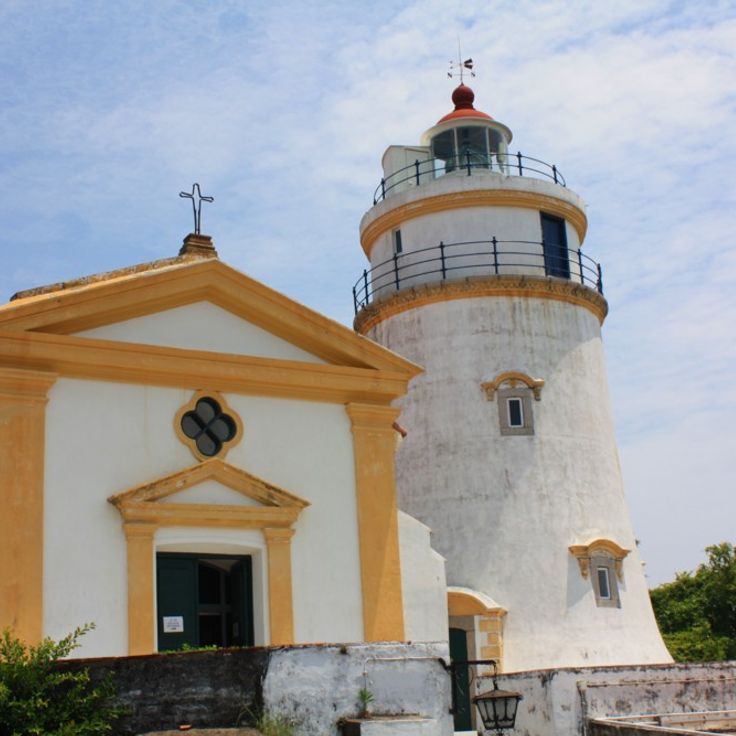
Guia Fort stands at the highest point of Macau and dates from the 17th century. The fortress features a lighthouse, chapel, and walls that offer unobstructed views across the entire city and the sea. For this collection of photogenic Macau locations, the fort is especially valuable because you can capture the city's contrasts from one vantage point - the Portuguese quarters, modern hotels, and coastline all visible at once.
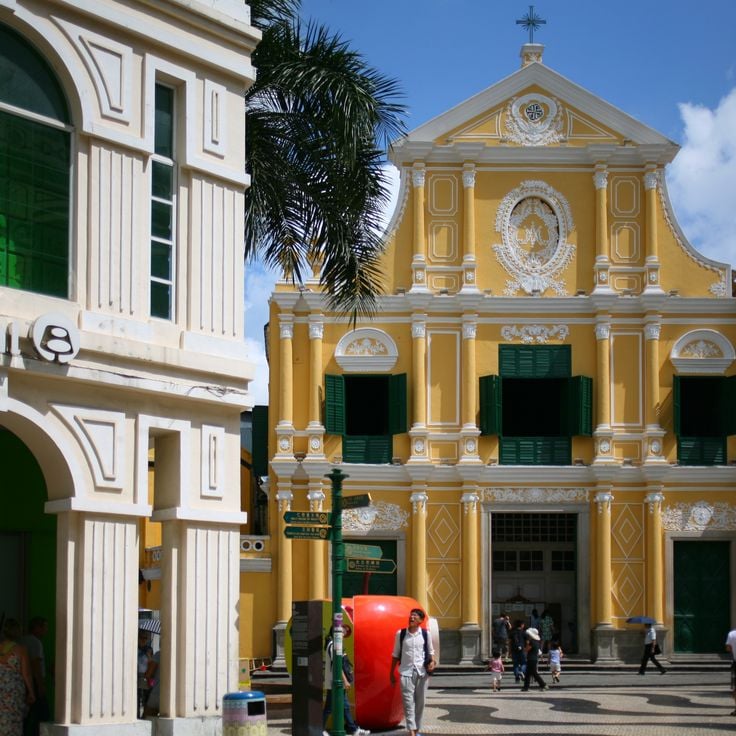
Saint Dominic Church is a 16th-century structure with yellow and white walls that stands out against Macau's urban backdrop. Inside, the church houses a museum of religious objects and displays architectural elements reminiscent of Baroque structures from southern Europe. This site represents the colonial heritage that photographers seek when capturing Macau's blend of Portuguese history and contemporary urban scenes.
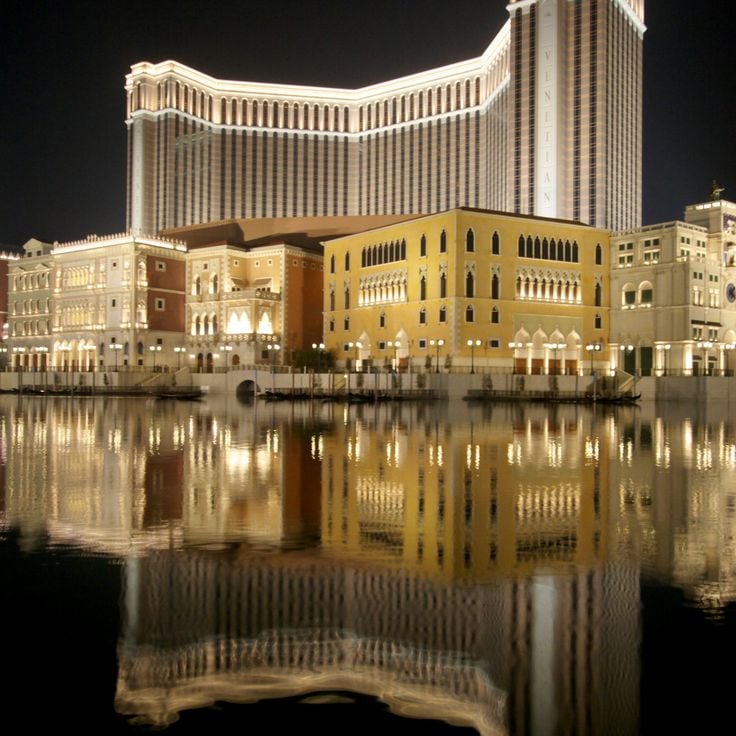
The Venetian Macao is a large hotel and commercial complex that recreates Venice with canals, gondolas, and painted ceilings. Within this collection of the most photogenic sites in Macau, this property offers distinct opportunities for photography. The lighting contrasts inside create visual interest for photographers exploring the city's blend of colonial heritage and modern attractions.
This old fishing village fits perfectly into the collection of Macau's most photogenic spots. Coloane Village draws visitors with its painted facades and low houses that stand out for their simple beauty. The narrow alleys and small squares have a genuine charm far from the casino crowds. Here photographers can capture the quieter side of Macau and document the traditional daily life of the city.
The Kun Iam Statue in Macao is a 20-meter bronze sculpture dedicated to the goddess of compassion. Installed on a circular water-surrounded pedestal, it creates a striking visual from the promenade and ranks among the most photogenic sites in this collection of Macao's contrasting landscapes. This monument reflects the spiritual side of the city.
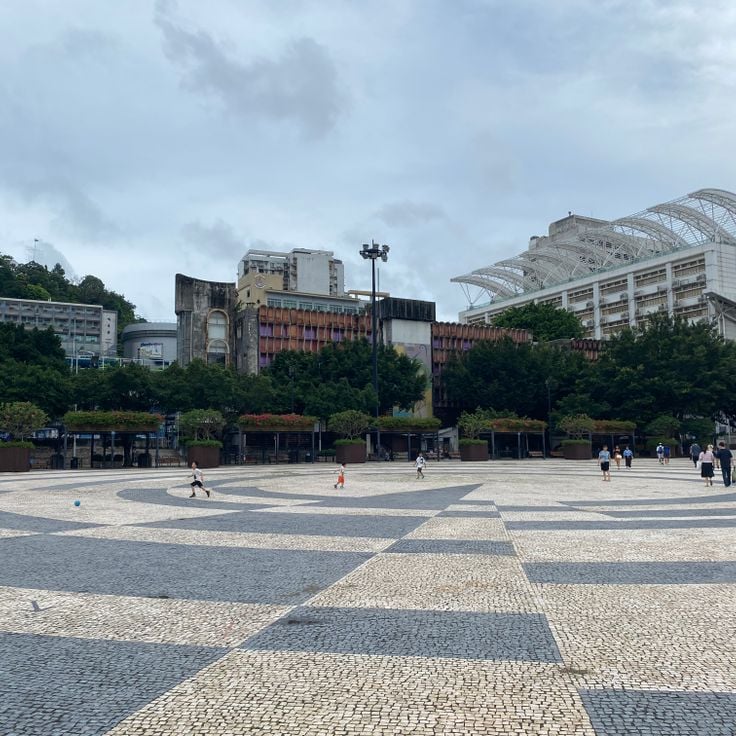
Tap Seac Square is one of Macau's most photogenic locations, showcasing the city's Portuguese past. The large square is surrounded by 19th-century red buildings whose geometric facades stand out against the sky. Black and white cobblestones and fountains create patterns that work beautifully in photographs. This place represents the contrast between colonial heritage and modern city life that defines Macau.
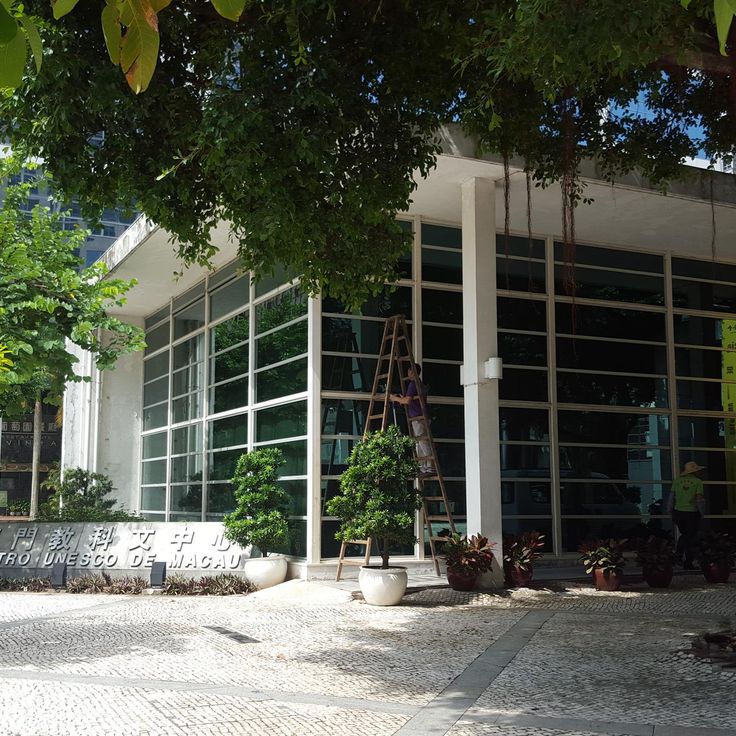
The Macao Science Center fits this collection perfectly, showcasing the futuristic side of Macau. The silver cone-shaped building stands in sharp contrast to the colonial quarters and quiet gardens found elsewhere in the city. This museum's architecture appeals to photographers, especially for its unusual form and modern design that differs from the baroque facades and temples you see throughout Macau.
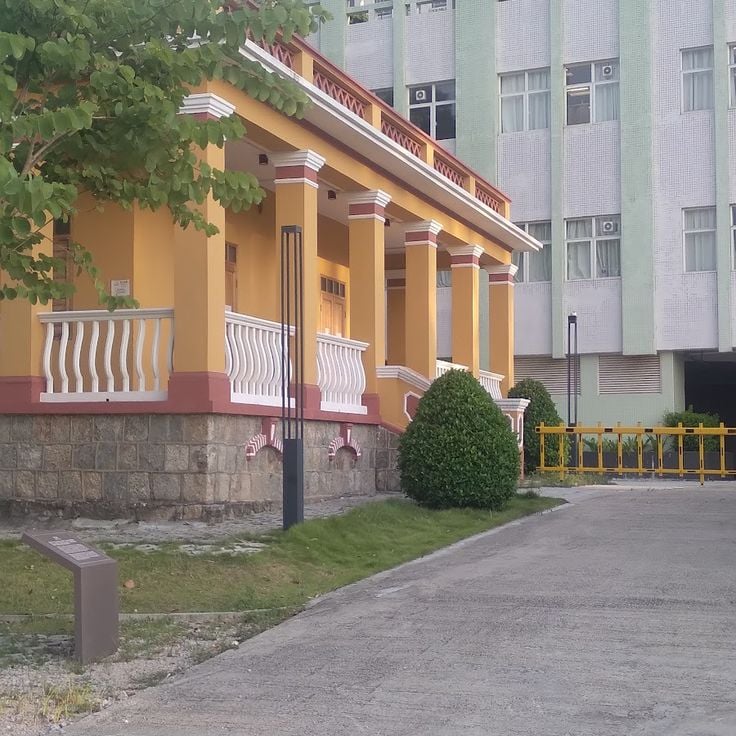
This historic residence from the 19th century blends Chinese design with Portuguese influences. Walking through Mandarin's House, you pass courtyards and galleries that show how wealthy families lived when Macau was shaped by two cultures. The carved wooden doors and painted walls reveal details of daily life among the educated elite of that era.
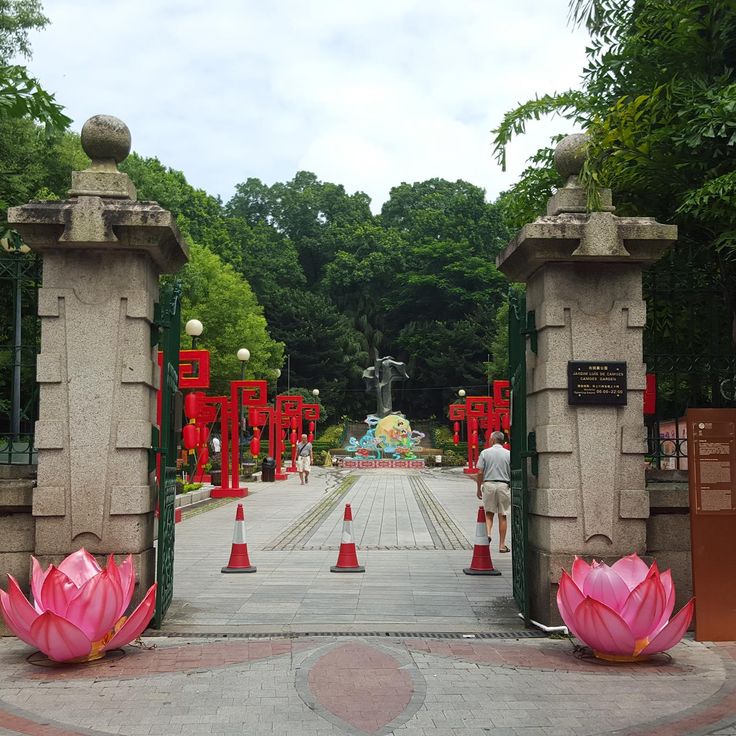
Camões Garden is an old park in central Macau selected for photography in this collection. The garden features shaded pathways, large rocks, and a statue of the Portuguese poet Camões. The quiet greenery and natural surroundings create a contrast to the modern city outside, offering paths for portraits and scenes rich with vegetation.
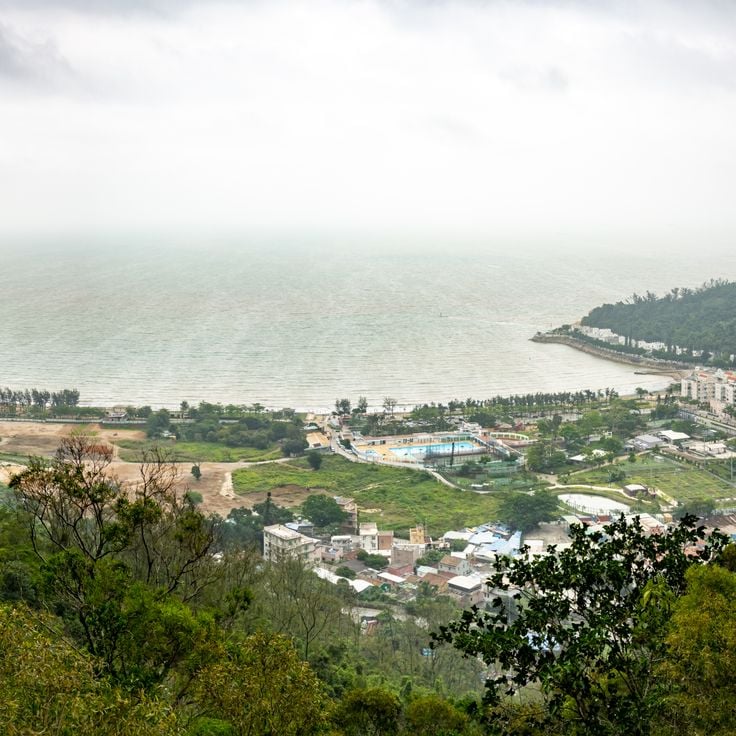
Hac Sá Beach is a dark sandy beach that extends for nearly three kilometers. This spot in Macau attracts photographers with the contrast between the sand color and the sea, especially on cloudy days when the light becomes softer and more dramatic.
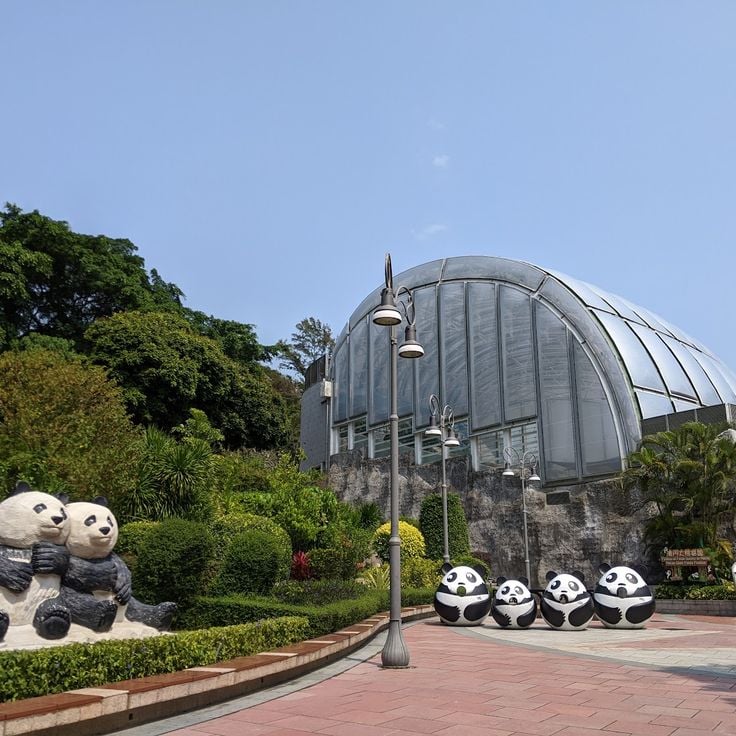
The Macau Giant Panda Pavilion offers a quiet corner for photographers exploring Macau's diverse scenes. This facility displays giant pandas in temperature-controlled indoor spaces and shaded outdoor areas where the animals can roam. For those photographing the city's contrasts, this pavilion provides natural subject matter and greenery that stands apart from Macau's casinos and colonial streets. Families and wildlife photographers will find engaging moments here.
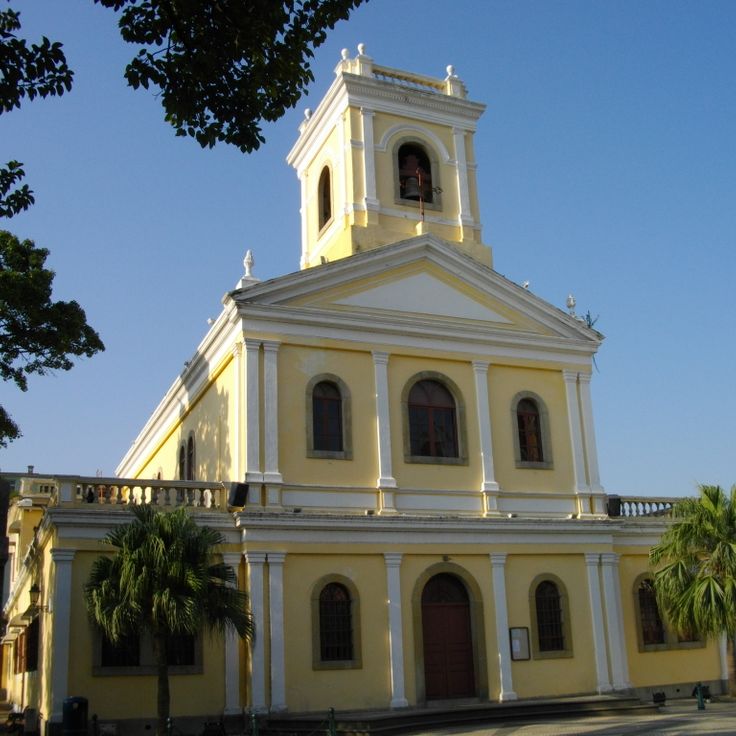
This Catholic church was built in 1885 on a small hill in Taipa. The Our Lady of Carmel Church features a white facade and stairs leading up to it, making it one of the photogenic spots in Macau that shows the city's colonial heritage alongside its modern contrasts.
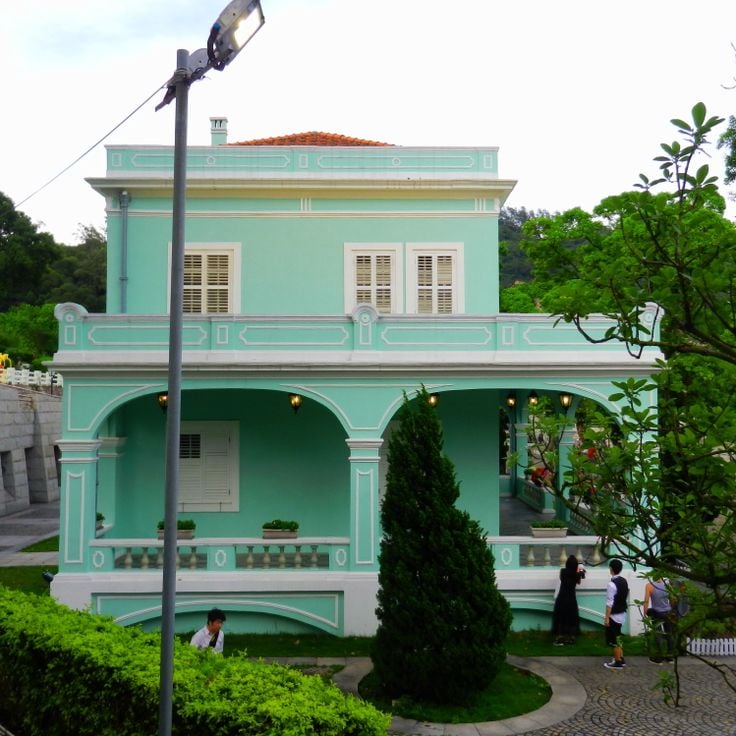
The Taipa Houses Museum features five colonial villas painted in pastel green, lined facing the seafront. They tell the story of the Portuguese communities that settled in Macau. This museum fits perfectly into a photo journey through Macau, moving from Portuguese quarters with cobblestone streets to modern hotels, capturing the city's contrasts.
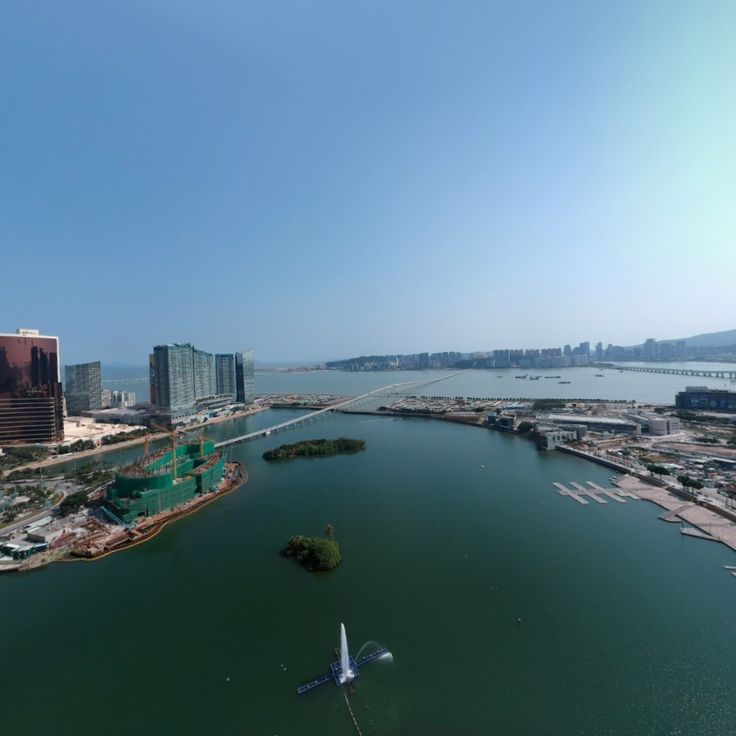
The Nam Van Lake Cybernetic Fountain is a spectacular subject for this collection of Macau's best photography spots. Water jets shoot up to 80 meters high while synchronized LED lights and music create a nighttime display. The fountain attracts crowds in the evening, offering opportunities to capture dramatic water and light effects with the city skyline as a backdrop.
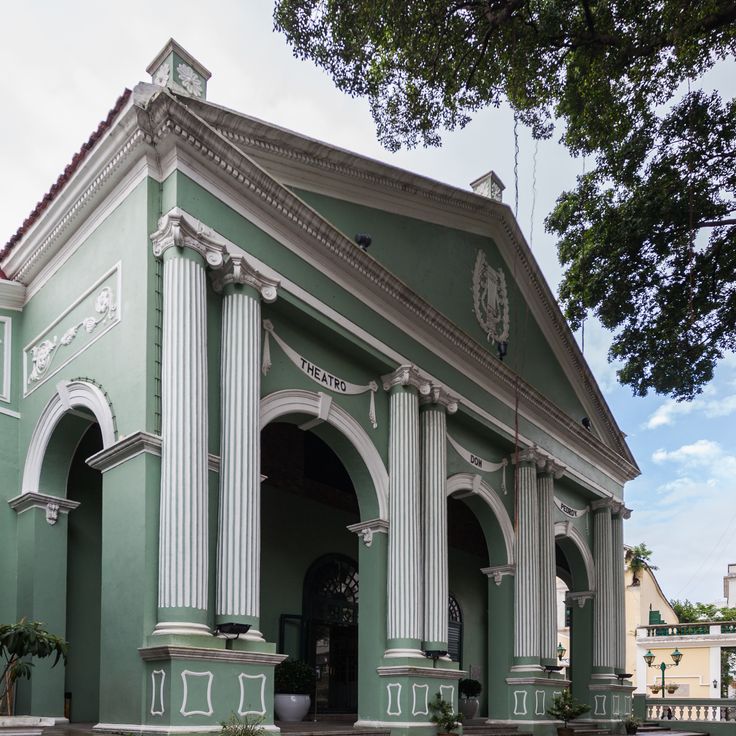
The Dom Pedro V Theatre was the first European theater built in China in 1860. With its neoclassical facade and 300-seat hall, it offers an elegant and historic setting. For photographers, this theater is an important stop when exploring Macau's colonial buildings that show how Portuguese architecture blends with Chinese history.
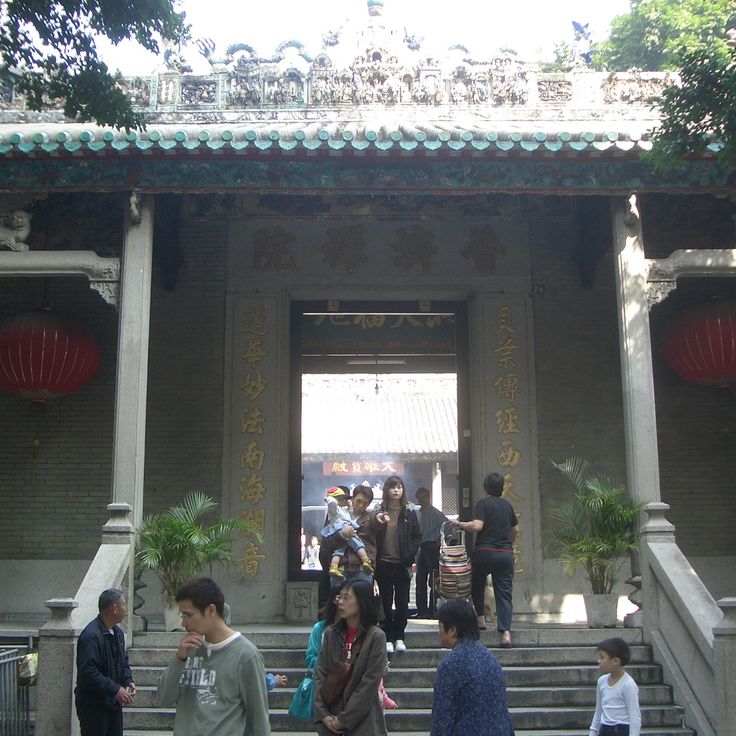
Kun Iam Temple is a large Buddhist temple built in the 13th century, set among gardens, pavilions, and sculptures. For photographers, this site captures traditional Chinese religious architecture with open spaces and natural light. The temple grounds reveal the spiritual importance of the place to local people and offer multiple angles to photograph how heritage and daily life intersect in Macau.
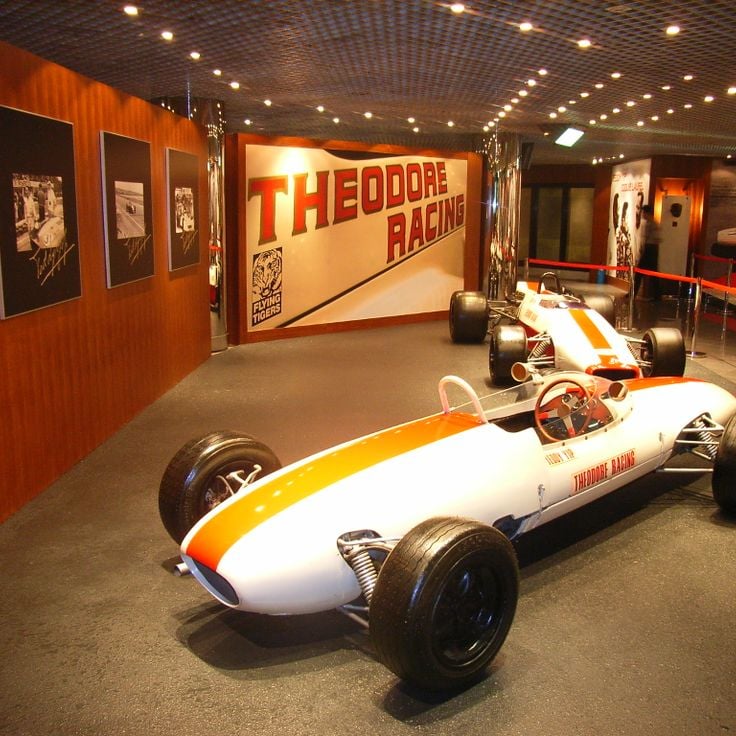
The Grand Prix Museum documents Macau's racing heritage through interactive displays. This museum houses competition vehicles and driving simulators that appeal to motorsport enthusiasts. It represents one of the striking urban scenes in Macau, showcasing the city's modern side alongside its colonial architecture and leisure spaces.
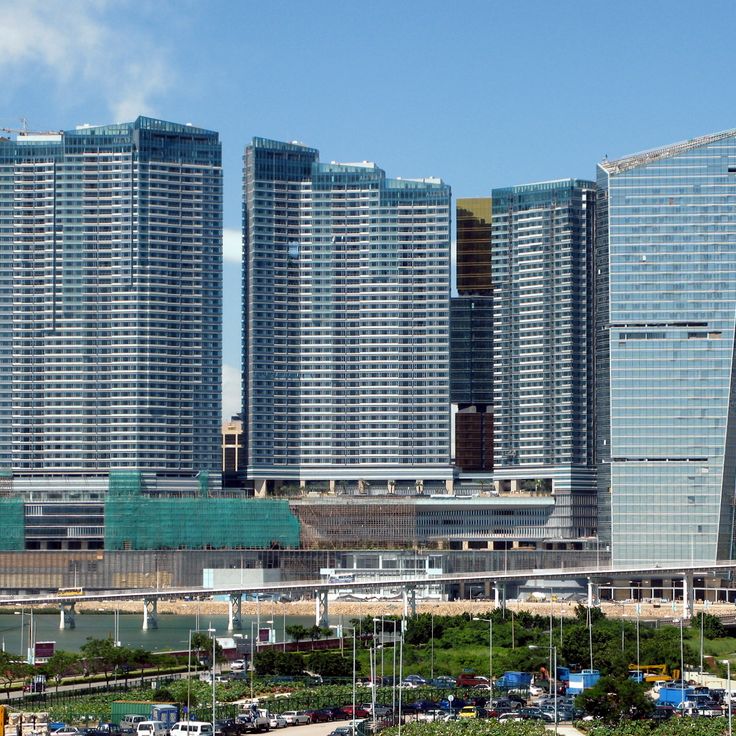
The Mandarin Oriental fits into this collection of Macau's most photogenic locations for its contemporary design and prime vantage points. This hotel offers views of the bay that appeal to photographers at various times of day, capturing how light transforms the city skyline. The interiors and waterfront setting showcase the contrast between modern luxury and Macau's layered character.
Studio City is a hotel complex with a giant wheel integrated between two towers. This property draws visitors from Cotai and serves as a photogenic subject, as the design evokes cinematic scenes. The building represents the futuristic side of Macau, where contemporary construction stands alongside historical quarters.
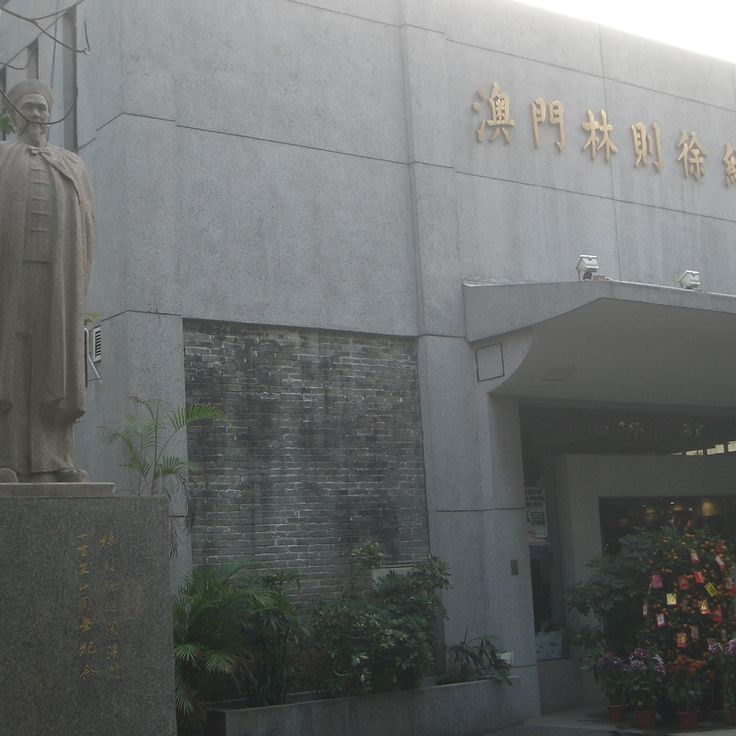
The Lin Zexu Memorial Museum tells the story of a significant 19th-century Chinese official through manuscripts, personal belongings, and historical records. This museum fits naturally into Macau's blend of old and new, where Portuguese colonial streets stand beside modern casinos and hidden temples, offering visitors a deeper look at the city's complex heritage.
Tapia Pequena Hill serves as a natural viewpoint for this collection of Macau's most photogenic sites. From the summit at 112 meters (367 feet) elevation, you can see across the city, the ports, and neighboring islands. The vista captures colonial quarters, grand casinos, and quiet gardens all in one sweep.
Orion's Rock is a granite formation about 20 meters high overlooking Macau's southern coast. This site offers dramatic coastal views and draws photographers seeking to capture the rugged shoreline and sea. The rock fits into Macau's diverse landscape - from colonial quarters to modern structures - and provides a different kind of photography that shows the city's natural side.
The Saint Paul Church Ruins are what remains of a Jesuit church built in the early 17th century. The stone facade stands alone at the top of a monumental staircase with sculptures, low reliefs, and religious symbols. It is one of the most photographed spots in Macau, with changing light in the morning that perfectly captures the Portuguese heritage of the city.
The Macao Tower is a 338-meter telecommunications structure with a glass observation deck and a revolving restaurant. From the top, you can photograph the entire bay in a single frame, particularly striking at sunset when city lights transform the landscape. This location represents the futuristic side of Macau's contrasts, offering a vantage point that captures how the city blends historic neighborhoods, temples, and modern architecture.
Senate Square is the historic center of Macau, paved with undulating mosaics inspired by Portugal. The pastel facades, arcades, and administrative buildings create a harmonious setting that buzzes with activity during the day. This square offers one of Macau's most recognizable backdrops for photographers seeking to capture the blend of Portuguese colonial architecture and contemporary urban life.
Taipa Old Town is a neighborhood where you can see the layers of Macau's history. Here stand 19th-century houses with narrow alleys running between them, and small restaurants are set inside historic Portuguese buildings. The nearby temples and colorful facades give the district a particular character that works well for photographs in the late afternoon. The light at that hour brings out the texture of the old walls and makes the colonial architecture stand out clearly.
The Parisian Macao is a hotel complex in Cotai featuring a 162-meter tall replica of the Eiffel Tower. This structure glows as dusk falls and overlooks the 3,000 rooms, galleries, and the open esplanade that is open to the public. The site offers classic subjects for night photography and represents the contrast between European design and modern Macau.
Founded in 1488, this temple is dedicated to the goddess who protects sailors. The red sandstone pavilions, stairs, and incense burners fill the space with smoke and the scent of burning incense. This temple serves as an active spiritual site where worshippers gather daily. For photographers exploring Macau's most photogenic locations, the A-Ma Temple offers views that blend colonial heritage with living religious practice, capturing moments that define the city's character.
The Grand Lisboa is a 258-meter-high tower and a key photography location in this collection of photogenic sites across Macau. The building takes the shape of a giant flower and is constructed from glass and steel. Depending on the light, the facade reflects the city and shifts in color. Inside, visitors find elaborately designed spaces that make this place a compelling subject for photography.
Lou Kau Mansion sits in a district shaped by Portuguese colonial architecture and shows the blend of Eastern and Western influences that makes Macau worth photographing. Built in 1889 as a residence for a wealthy Chinese merchant, the mansion draws visitors with its courtyards, carved windows, and wooden partitions that reflect the urban traditional architecture of the late 19th century.
Port of Fishermen is a commercial area inspired by European coastal towns, featuring neoclassical facades, courtyards, and narrow alleys. The waterfront promenade blends Chinese and European influences, making it an ideal subject for capturing Macau's cultural crossroads. You can photograph the colonial past and contemporary life side by side in this district.
Guia Fort stands at the highest point of Macau and dates from the 17th century. The fortress features a lighthouse, chapel, and walls that offer unobstructed views across the entire city and the sea. For this collection of photogenic Macau locations, the fort is especially valuable because you can capture the city's contrasts from one vantage point - the Portuguese quarters, modern hotels, and coastline all visible at once.
Saint Dominic Church is a 16th-century structure with yellow and white walls that stands out against Macau's urban backdrop. Inside, the church houses a museum of religious objects and displays architectural elements reminiscent of Baroque structures from southern Europe. This site represents the colonial heritage that photographers seek when capturing Macau's blend of Portuguese history and contemporary urban scenes.
The Venetian Macao is a large hotel and commercial complex that recreates Venice with canals, gondolas, and painted ceilings. Within this collection of the most photogenic sites in Macau, this property offers distinct opportunities for photography. The lighting contrasts inside create visual interest for photographers exploring the city's blend of colonial heritage and modern attractions.
This old fishing village fits perfectly into the collection of Macau's most photogenic spots. Coloane Village draws visitors with its painted facades and low houses that stand out for their simple beauty. The narrow alleys and small squares have a genuine charm far from the casino crowds. Here photographers can capture the quieter side of Macau and document the traditional daily life of the city.
The Kun Iam Statue in Macao is a 20-meter bronze sculpture dedicated to the goddess of compassion. Installed on a circular water-surrounded pedestal, it creates a striking visual from the promenade and ranks among the most photogenic sites in this collection of Macao's contrasting landscapes. This monument reflects the spiritual side of the city.
Tap Seac Square is one of Macau's most photogenic locations, showcasing the city's Portuguese past. The large square is surrounded by 19th-century red buildings whose geometric facades stand out against the sky. Black and white cobblestones and fountains create patterns that work beautifully in photographs. This place represents the contrast between colonial heritage and modern city life that defines Macau.
The Macao Science Center fits this collection perfectly, showcasing the futuristic side of Macau. The silver cone-shaped building stands in sharp contrast to the colonial quarters and quiet gardens found elsewhere in the city. This museum's architecture appeals to photographers, especially for its unusual form and modern design that differs from the baroque facades and temples you see throughout Macau.
This historic residence from the 19th century blends Chinese design with Portuguese influences. Walking through Mandarin's House, you pass courtyards and galleries that show how wealthy families lived when Macau was shaped by two cultures. The carved wooden doors and painted walls reveal details of daily life among the educated elite of that era.
Camões Garden is an old park in central Macau selected for photography in this collection. The garden features shaded pathways, large rocks, and a statue of the Portuguese poet Camões. The quiet greenery and natural surroundings create a contrast to the modern city outside, offering paths for portraits and scenes rich with vegetation.
Hac Sá Beach is a dark sandy beach that extends for nearly three kilometers. This spot in Macau attracts photographers with the contrast between the sand color and the sea, especially on cloudy days when the light becomes softer and more dramatic.
The Macau Giant Panda Pavilion offers a quiet corner for photographers exploring Macau's diverse scenes. This facility displays giant pandas in temperature-controlled indoor spaces and shaded outdoor areas where the animals can roam. For those photographing the city's contrasts, this pavilion provides natural subject matter and greenery that stands apart from Macau's casinos and colonial streets. Families and wildlife photographers will find engaging moments here.
This Catholic church was built in 1885 on a small hill in Taipa. The Our Lady of Carmel Church features a white facade and stairs leading up to it, making it one of the photogenic spots in Macau that shows the city's colonial heritage alongside its modern contrasts.
The Taipa Houses Museum features five colonial villas painted in pastel green, lined facing the seafront. They tell the story of the Portuguese communities that settled in Macau. This museum fits perfectly into a photo journey through Macau, moving from Portuguese quarters with cobblestone streets to modern hotels, capturing the city's contrasts.
The Nam Van Lake Cybernetic Fountain is a spectacular subject for this collection of Macau's best photography spots. Water jets shoot up to 80 meters high while synchronized LED lights and music create a nighttime display. The fountain attracts crowds in the evening, offering opportunities to capture dramatic water and light effects with the city skyline as a backdrop.
The Dom Pedro V Theatre was the first European theater built in China in 1860. With its neoclassical facade and 300-seat hall, it offers an elegant and historic setting. For photographers, this theater is an important stop when exploring Macau's colonial buildings that show how Portuguese architecture blends with Chinese history.
Kun Iam Temple is a large Buddhist temple built in the 13th century, set among gardens, pavilions, and sculptures. For photographers, this site captures traditional Chinese religious architecture with open spaces and natural light. The temple grounds reveal the spiritual importance of the place to local people and offer multiple angles to photograph how heritage and daily life intersect in Macau.
The Grand Prix Museum documents Macau's racing heritage through interactive displays. This museum houses competition vehicles and driving simulators that appeal to motorsport enthusiasts. It represents one of the striking urban scenes in Macau, showcasing the city's modern side alongside its colonial architecture and leisure spaces.
The Mandarin Oriental fits into this collection of Macau's most photogenic locations for its contemporary design and prime vantage points. This hotel offers views of the bay that appeal to photographers at various times of day, capturing how light transforms the city skyline. The interiors and waterfront setting showcase the contrast between modern luxury and Macau's layered character.
Studio City is a hotel complex with a giant wheel integrated between two towers. This property draws visitors from Cotai and serves as a photogenic subject, as the design evokes cinematic scenes. The building represents the futuristic side of Macau, where contemporary construction stands alongside historical quarters.
The Lin Zexu Memorial Museum tells the story of a significant 19th-century Chinese official through manuscripts, personal belongings, and historical records. This museum fits naturally into Macau's blend of old and new, where Portuguese colonial streets stand beside modern casinos and hidden temples, offering visitors a deeper look at the city's complex heritage.
Tapia Pequena Hill serves as a natural viewpoint for this collection of Macau's most photogenic sites. From the summit at 112 meters (367 feet) elevation, you can see across the city, the ports, and neighboring islands. The vista captures colonial quarters, grand casinos, and quiet gardens all in one sweep.
Orion's Rock is a granite formation about 20 meters high overlooking Macau's southern coast. This site offers dramatic coastal views and draws photographers seeking to capture the rugged shoreline and sea. The rock fits into Macau's diverse landscape - from colonial quarters to modern structures - and provides a different kind of photography that shows the city's natural side.
The Saint Paul Church Ruins are what remains of a Jesuit church built in the early 17th century. The stone facade stands alone at the top of a monumental staircase with sculptures, low reliefs, and religious symbols. It is one of the most photographed spots in Macau, with changing light in the morning that perfectly captures the Portuguese heritage of the city.
The Macao Tower is a 338-meter telecommunications structure with a glass observation deck and a revolving restaurant. From the top, you can photograph the entire bay in a single frame, particularly striking at sunset when city lights transform the landscape. This location represents the futuristic side of Macau's contrasts, offering a vantage point that captures how the city blends historic neighborhoods, temples, and modern architecture.
Senate Square is the historic center of Macau, paved with undulating mosaics inspired by Portugal. The pastel facades, arcades, and administrative buildings create a harmonious setting that buzzes with activity during the day. This square offers one of Macau's most recognizable backdrops for photographers seeking to capture the blend of Portuguese colonial architecture and contemporary urban life.
Taipa Old Town is a neighborhood where you can see the layers of Macau's history. Here stand 19th-century houses with narrow alleys running between them, and small restaurants are set inside historic Portuguese buildings. The nearby temples and colorful facades give the district a particular character that works well for photographs in the late afternoon. The light at that hour brings out the texture of the old walls and makes the colonial architecture stand out clearly.
The Parisian Macao is a hotel complex in Cotai featuring a 162-meter tall replica of the Eiffel Tower. This structure glows as dusk falls and overlooks the 3,000 rooms, galleries, and the open esplanade that is open to the public. The site offers classic subjects for night photography and represents the contrast between European design and modern Macau.
Founded in 1488, this temple is dedicated to the goddess who protects sailors. The red sandstone pavilions, stairs, and incense burners fill the space with smoke and the scent of burning incense. This temple serves as an active spiritual site where worshippers gather daily. For photographers exploring Macau's most photogenic locations, the A-Ma Temple offers views that blend colonial heritage with living religious practice, capturing moments that define the city's character.
The Grand Lisboa is a 258-meter-high tower and a key photography location in this collection of photogenic sites across Macau. The building takes the shape of a giant flower and is constructed from glass and steel. Depending on the light, the facade reflects the city and shifts in color. Inside, visitors find elaborately designed spaces that make this place a compelling subject for photography.
Lou Kau Mansion sits in a district shaped by Portuguese colonial architecture and shows the blend of Eastern and Western influences that makes Macau worth photographing. Built in 1889 as a residence for a wealthy Chinese merchant, the mansion draws visitors with its courtyards, carved windows, and wooden partitions that reflect the urban traditional architecture of the late 19th century.
Port of Fishermen is a commercial area inspired by European coastal towns, featuring neoclassical facades, courtyards, and narrow alleys. The waterfront promenade blends Chinese and European influences, making it an ideal subject for capturing Macau's cultural crossroads. You can photograph the colonial past and contemporary life side by side in this district.
Guia Fort stands at the highest point of Macau and dates from the 17th century. The fortress features a lighthouse, chapel, and walls that offer unobstructed views across the entire city and the sea. For this collection of photogenic Macau locations, the fort is especially valuable because you can capture the city's contrasts from one vantage point - the Portuguese quarters, modern hotels, and coastline all visible at once.
Saint Dominic Church is a 16th-century structure with yellow and white walls that stands out against Macau's urban backdrop. Inside, the church houses a museum of religious objects and displays architectural elements reminiscent of Baroque structures from southern Europe. This site represents the colonial heritage that photographers seek when capturing Macau's blend of Portuguese history and contemporary urban scenes.
The Venetian Macao is a large hotel and commercial complex that recreates Venice with canals, gondolas, and painted ceilings. Within this collection of the most photogenic sites in Macau, this property offers distinct opportunities for photography. The lighting contrasts inside create visual interest for photographers exploring the city's blend of colonial heritage and modern attractions.
This old fishing village fits perfectly into the collection of Macau's most photogenic spots. Coloane Village draws visitors with its painted facades and low houses that stand out for their simple beauty. The narrow alleys and small squares have a genuine charm far from the casino crowds. Here photographers can capture the quieter side of Macau and document the traditional daily life of the city.
The Kun Iam Statue in Macao is a 20-meter bronze sculpture dedicated to the goddess of compassion. Installed on a circular water-surrounded pedestal, it creates a striking visual from the promenade and ranks among the most photogenic sites in this collection of Macao's contrasting landscapes. This monument reflects the spiritual side of the city.
Tap Seac Square is one of Macau's most photogenic locations, showcasing the city's Portuguese past. The large square is surrounded by 19th-century red buildings whose geometric facades stand out against the sky. Black and white cobblestones and fountains create patterns that work beautifully in photographs. This place represents the contrast between colonial heritage and modern city life that defines Macau.
The Macao Science Center fits this collection perfectly, showcasing the futuristic side of Macau. The silver cone-shaped building stands in sharp contrast to the colonial quarters and quiet gardens found elsewhere in the city. This museum's architecture appeals to photographers, especially for its unusual form and modern design that differs from the baroque facades and temples you see throughout Macau.
This historic residence from the 19th century blends Chinese design with Portuguese influences. Walking through Mandarin's House, you pass courtyards and galleries that show how wealthy families lived when Macau was shaped by two cultures. The carved wooden doors and painted walls reveal details of daily life among the educated elite of that era.
Camões Garden is an old park in central Macau selected for photography in this collection. The garden features shaded pathways, large rocks, and a statue of the Portuguese poet Camões. The quiet greenery and natural surroundings create a contrast to the modern city outside, offering paths for portraits and scenes rich with vegetation.
Hac Sá Beach is a dark sandy beach that extends for nearly three kilometers. This spot in Macau attracts photographers with the contrast between the sand color and the sea, especially on cloudy days when the light becomes softer and more dramatic.
The Macau Giant Panda Pavilion offers a quiet corner for photographers exploring Macau's diverse scenes. This facility displays giant pandas in temperature-controlled indoor spaces and shaded outdoor areas where the animals can roam. For those photographing the city's contrasts, this pavilion provides natural subject matter and greenery that stands apart from Macau's casinos and colonial streets. Families and wildlife photographers will find engaging moments here.
This Catholic church was built in 1885 on a small hill in Taipa. The Our Lady of Carmel Church features a white facade and stairs leading up to it, making it one of the photogenic spots in Macau that shows the city's colonial heritage alongside its modern contrasts.
The Taipa Houses Museum features five colonial villas painted in pastel green, lined facing the seafront. They tell the story of the Portuguese communities that settled in Macau. This museum fits perfectly into a photo journey through Macau, moving from Portuguese quarters with cobblestone streets to modern hotels, capturing the city's contrasts.
The Nam Van Lake Cybernetic Fountain is a spectacular subject for this collection of Macau's best photography spots. Water jets shoot up to 80 meters high while synchronized LED lights and music create a nighttime display. The fountain attracts crowds in the evening, offering opportunities to capture dramatic water and light effects with the city skyline as a backdrop.
The Dom Pedro V Theatre was the first European theater built in China in 1860. With its neoclassical facade and 300-seat hall, it offers an elegant and historic setting. For photographers, this theater is an important stop when exploring Macau's colonial buildings that show how Portuguese architecture blends with Chinese history.
Kun Iam Temple is a large Buddhist temple built in the 13th century, set among gardens, pavilions, and sculptures. For photographers, this site captures traditional Chinese religious architecture with open spaces and natural light. The temple grounds reveal the spiritual importance of the place to local people and offer multiple angles to photograph how heritage and daily life intersect in Macau.
The Grand Prix Museum documents Macau's racing heritage through interactive displays. This museum houses competition vehicles and driving simulators that appeal to motorsport enthusiasts. It represents one of the striking urban scenes in Macau, showcasing the city's modern side alongside its colonial architecture and leisure spaces.
The Mandarin Oriental fits into this collection of Macau's most photogenic locations for its contemporary design and prime vantage points. This hotel offers views of the bay that appeal to photographers at various times of day, capturing how light transforms the city skyline. The interiors and waterfront setting showcase the contrast between modern luxury and Macau's layered character.
Studio City is a hotel complex with a giant wheel integrated between two towers. This property draws visitors from Cotai and serves as a photogenic subject, as the design evokes cinematic scenes. The building represents the futuristic side of Macau, where contemporary construction stands alongside historical quarters.
The Lin Zexu Memorial Museum tells the story of a significant 19th-century Chinese official through manuscripts, personal belongings, and historical records. This museum fits naturally into Macau's blend of old and new, where Portuguese colonial streets stand beside modern casinos and hidden temples, offering visitors a deeper look at the city's complex heritage.
Tapia Pequena Hill serves as a natural viewpoint for this collection of Macau's most photogenic sites. From the summit at 112 meters (367 feet) elevation, you can see across the city, the ports, and neighboring islands. The vista captures colonial quarters, grand casinos, and quiet gardens all in one sweep.
Orion's Rock is a granite formation about 20 meters high overlooking Macau's southern coast. This site offers dramatic coastal views and draws photographers seeking to capture the rugged shoreline and sea. The rock fits into Macau's diverse landscape - from colonial quarters to modern structures - and provides a different kind of photography that shows the city's natural side.