The history of architecture is often seen in the buildings that are no longer there and the reasons they are gone.
Some buildings marked their time before they disappeared: temples and mosques, royal palaces, theaters, stadiums and amusement parks. From the temple of Jerusalem to the towers of the World Trade Center, from the Colossus of Rhodes to the big Buddha statues in Bamiyan, these places played important roles in the life of cities and communities.
The reasons for the disappearance of these buildings are varied. Some were destroyed by wars or earthquakes. Others vanished after fires or collapses: the Crystal Palace in London burned down in 1936, the Tacoma Narrows bridge collapsed in 1940 only a few months after it opened. Many were torn down to make way for new urban projects. The Trocadéro Palace in Paris gave way in 1937 to the Palace of Chaillot.
The history of architecture is often seen in the buildings that are no longer there and the reasons they are gone.
Some buildings marked their time before they disappeared: temples and mosques, royal palaces, theaters, stadiums and amusement parks. From the temple of Jerusalem to the towers of the World Trade Center, from the Colossus of Rhodes to the big Buddha statues in Bamiyan, these places played important roles in the life of cities and communities.
The reasons for the disappearance of these buildings are varied. Some were destroyed by wars or earthquakes. Others vanished after fires or collapses: the Crystal Palace in London burned down in 1936, the Tacoma Narrows bridge collapsed in 1940 only a few months after it opened. Many were torn down to make way for new urban projects. The Trocadéro Palace in Paris gave way in 1937 to the Palace of Chaillot.
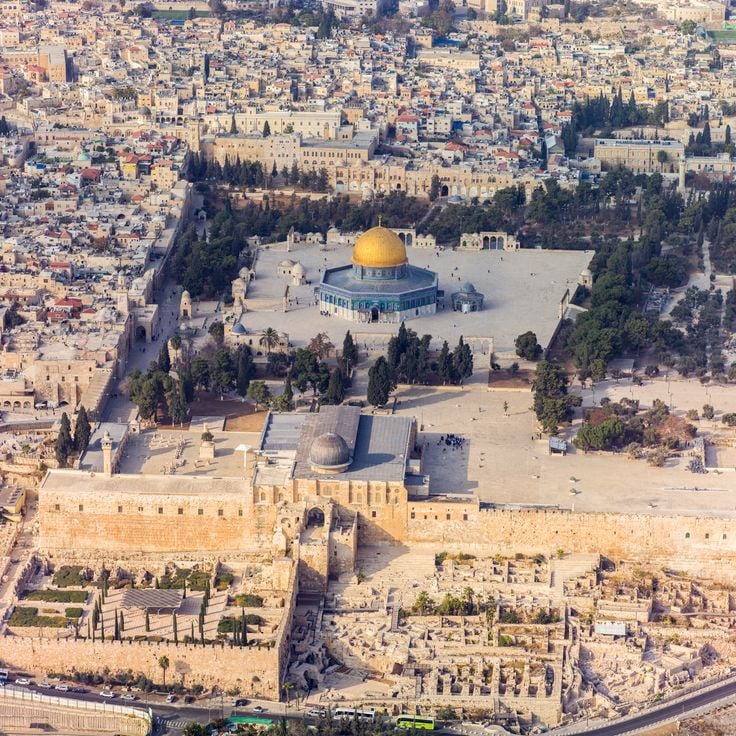
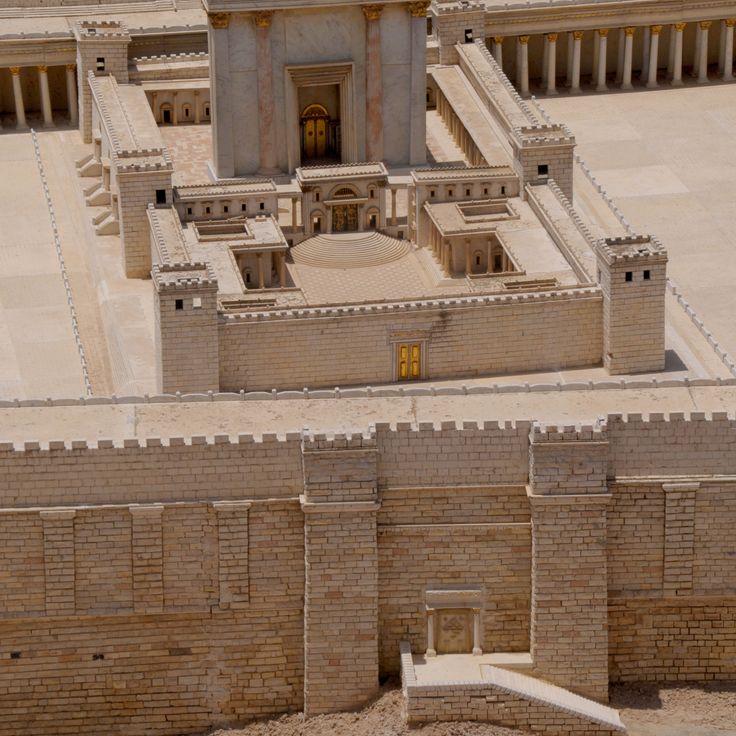
This holy mountain in Jerusalem served as the center of worship for three major religions across thousands of years. Here stood the temple built by King Solomon in the 10th century BC, with massive stone walls and halls decorated in gold. Babylonian forces destroyed the structure in 586 BC. A second temple rose later on the same site, expanded by Herod with grand colonnades and an extensive platform. Roman troops tore down this building in 70 AD. Only the western retaining wall of the original structures survives. Today Islamic buildings from the 7th century mark the mountaintop, while the vanished temples remain documented through written sources and archaeological discoveries.
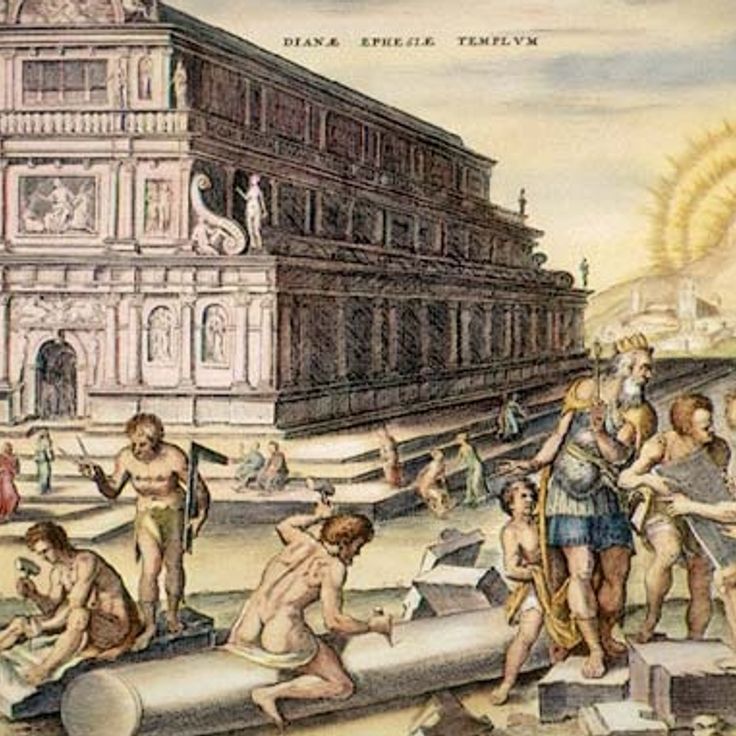
This temple once stood on the western coast of Asia Minor and was considered one of the Seven Wonders of the Ancient World. The sanctuary was dedicated to the goddess Artemis and drew pilgrims from across the Mediterranean. Marble columns rose over 60 feet (18 meters) into the air and supported a monumental roof. Rich decorations and sculptures adorned the facades. In the 3rd century BCE the building burned down, was rebuilt, and later destroyed again. Today only a few foundations and a single reconstructed column remain to recall the former grandeur of this vanished structure.
This bronze statue stood around 108 feet (33 meters) tall at the harbor of Rhodes during the 3rd century BC and depicted the sun god Helios. The Colossus was completed after a twelve-year construction period and represented a technical wonder of the ancient world. An earthquake in 226 BC caused the statue to collapse, and the remains lay on the ground for over 800 years until they were eventually sold and transported away. This vanished sculpture demonstrates the ambitions of Hellenistic sculptors and the impermanence of monumental structures through natural disasters.
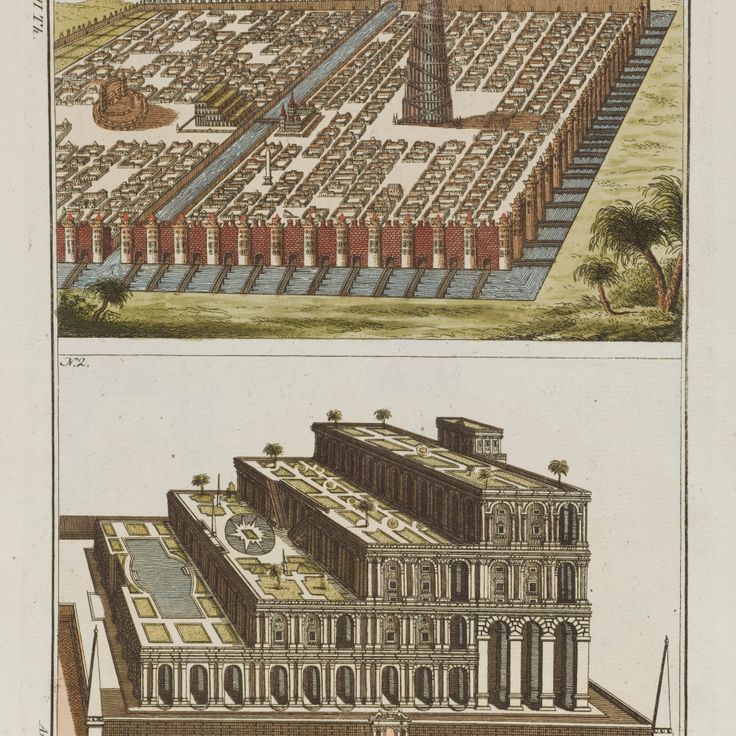
These ancient gardens stood in historical Babylon, in present-day Iraq, and ranked among the seven wonders of the ancient world. The site is believed to have been arranged as a terraced structure with exotic plants watered through artificial irrigation systems. Descriptions from Greek and Roman texts mention multi-level platforms where trees and vegetation flourished in an arid landscape. The existence of these gardens remains debated among historians, as archaeological evidence is absent. If they were actually constructed, they likely disappeared through earthquakes or gradual decay after Babylon declined. This vanished structure remains a symbol of ancient engineering ambition.
The Temple in Jerusalem stood on the Temple Mount and formed the religious center of ancient Judaism for centuries. According to historical sources, a first temple was built in the 10th century BC during the reign of King Solomon. This temple served as a place for rituals and offerings and housed the Ark of the Covenant. In the 6th century BC, the structure fell to Babylonian conquerors. A second temple rose after the return from Babylonian exile and was expanded and rebuilt under King Herod in the 1st century BC. Roman troops destroyed this complex in 70 AD during the siege of Jerusalem. Today the Western Wall recalls the foundation walls of the Herodian temple and draws visitors from around the world.
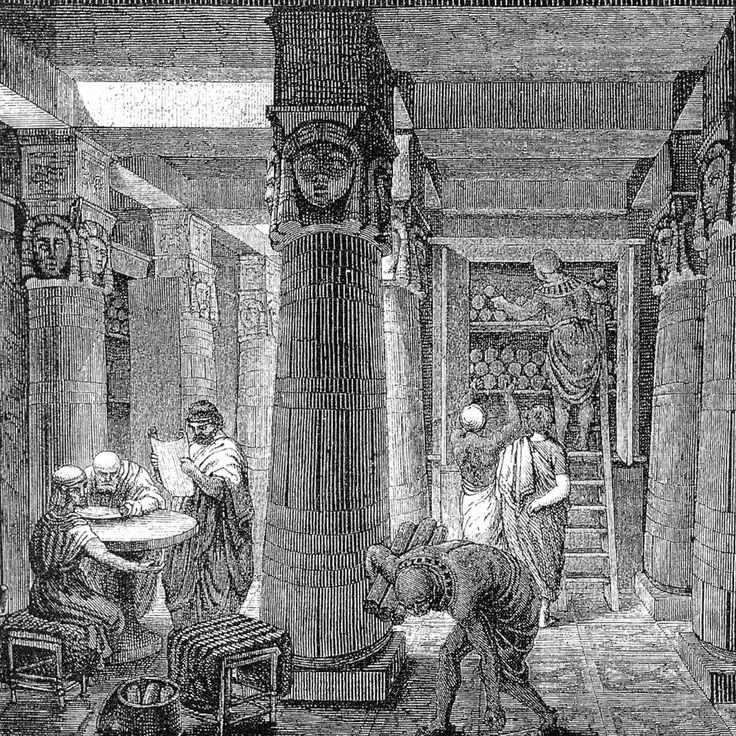
This ancient library stood in Egypt and gathered knowledge from across the known world for centuries. Its reading rooms held papyrus scrolls on philosophy, mathematics, astronomy, and literature. Scholars traveled from distant lands to study the texts and make copies. The library disappeared over time through fire and decay, with countless writings lost forever.
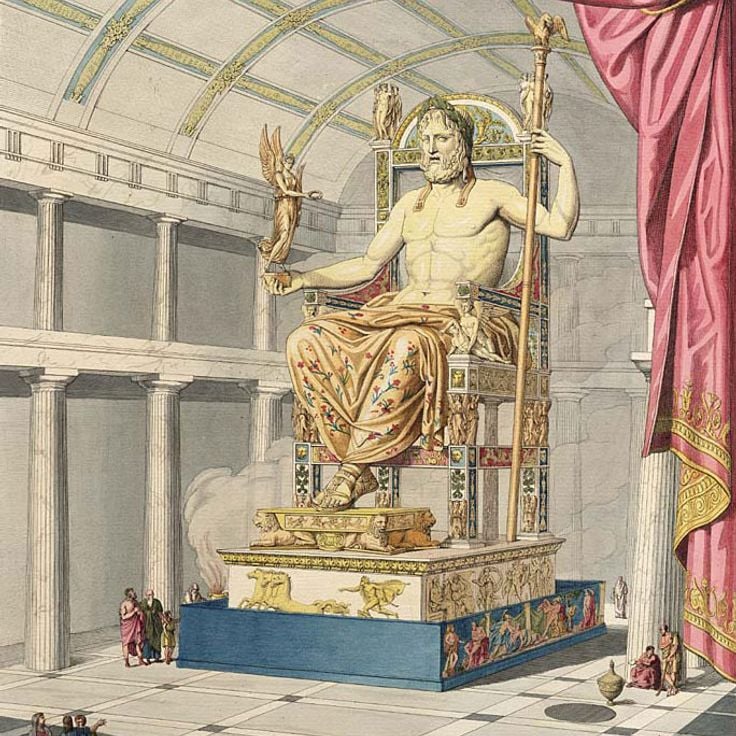
This colossal statue stood in the Temple of Zeus at Olympia and showed the god seated on a throne, about 40 feet (12 meters) tall. Phidias created it in the 5th century BCE using ivory and gold. The work was considered one of the Seven Wonders of the Ancient World. The statue disappeared sometime in the 5th century CE, possibly destroyed by fire. It embodied the power and majesty of the supreme Greek god and drew pilgrims and visitors to Olympia for centuries.
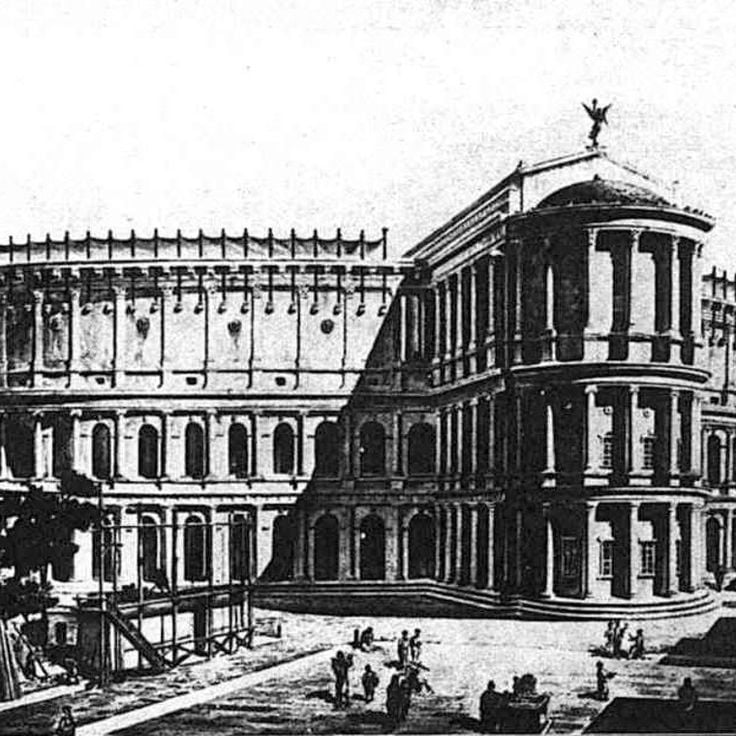
This theater in Campo Marzio was the first permanent stone theater in ancient Rome. Pompey the Great commissioned it in the 1st century BC, and the structure could seat several thousand spectators. Behind the stage lay a large colonnaded courtyard with gardens, where visitors could gather between performances. The building served as a meeting place and was later absorbed into the medieval street plan, its curved shape still visible in the layout of today's streets.
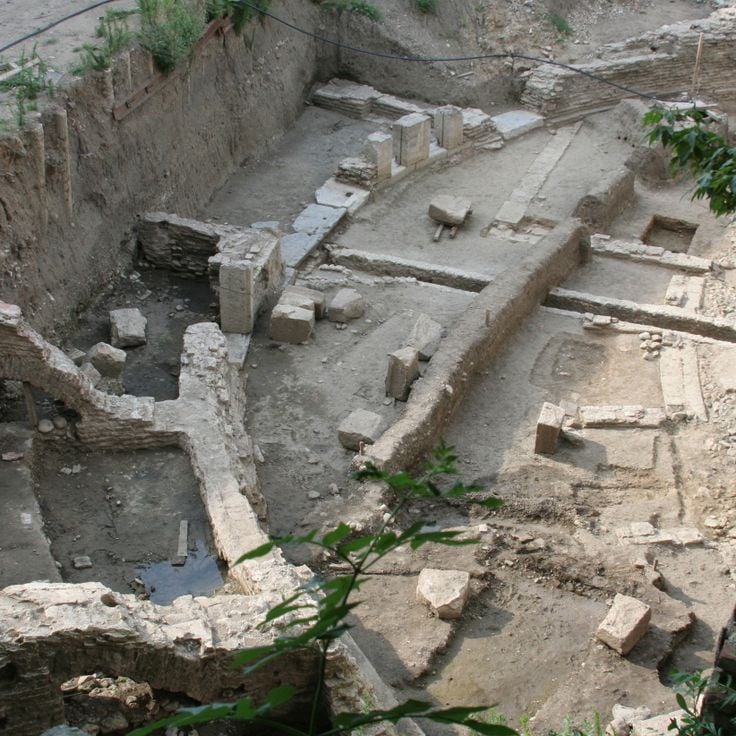
The Amphitheatre of Serdica was discovered accidentally in 2004 during construction work in the Bulgarian capital. This Roman arena dates from the 3rd to 4th century AD and accommodated approximately 20,000 spectators. Large sections of the structure remain buried beneath the foundations of modern buildings and could not be fully excavated. The visible remains reveal the elliptical shape of the arena and fragments of the seating tiers. The amphitheatre hosted gladiatorial contests and animal hunts during the Roman rule over Serdica, the ancient name of Sofia.
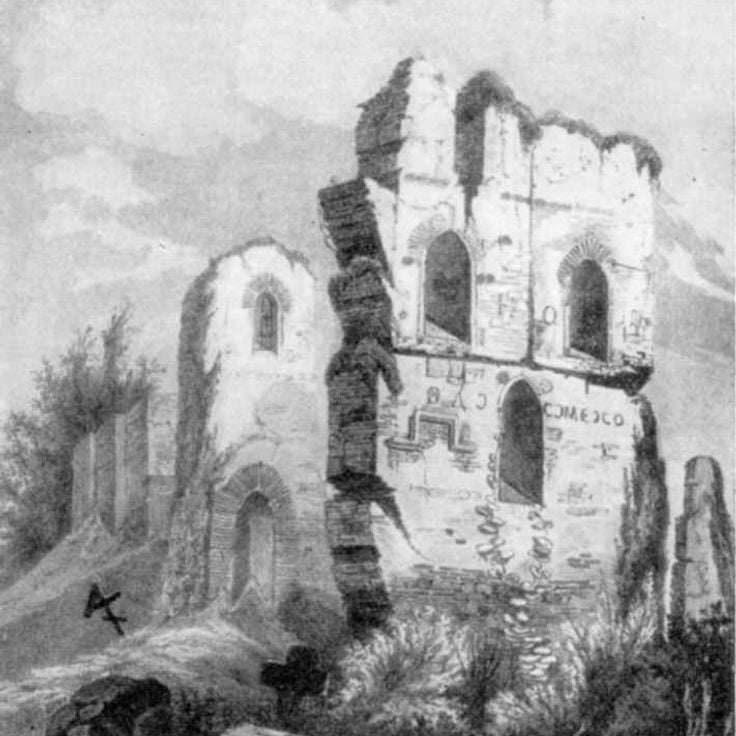
This church in Kyiv was the first stone-built Orthodox church of medieval Kievan Rus. It was constructed in the late 10th century under Grand Prince Vladimir, shortly after the Christianization of the realm. The church was decorated with mosaics and frescoes and served as an important religious center. It was destroyed in the 13th century during the Mongol invasion. Later attempts to rebuild it resulted in new structures that did not replicate the original building. Today, archaeological remains mark this early phase of Orthodox church architecture in Eastern Europe.
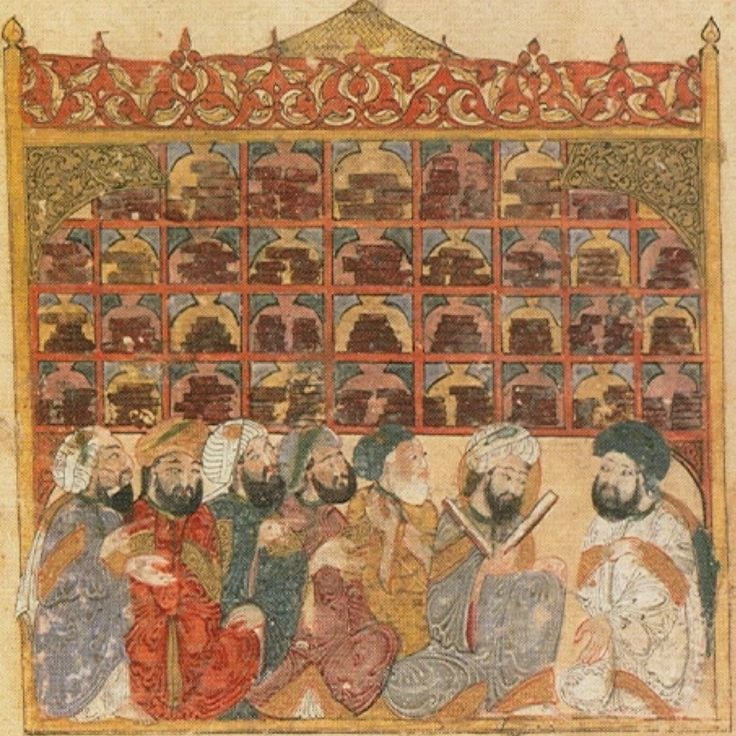
The House of Wisdom was a large public library and research center in Baghdad. This institution served as a meeting place for scholars who collected, translated, and commented on manuscripts from the 8th to the 13th century. The rooms held texts from Greek, Persian, and Indian sources, rendered into Arabic. Scholars from different backgrounds worked here on mathematics, astronomy, medicine, and philosophy. The Mongol invasion in 1258 destroyed the building and its collections.
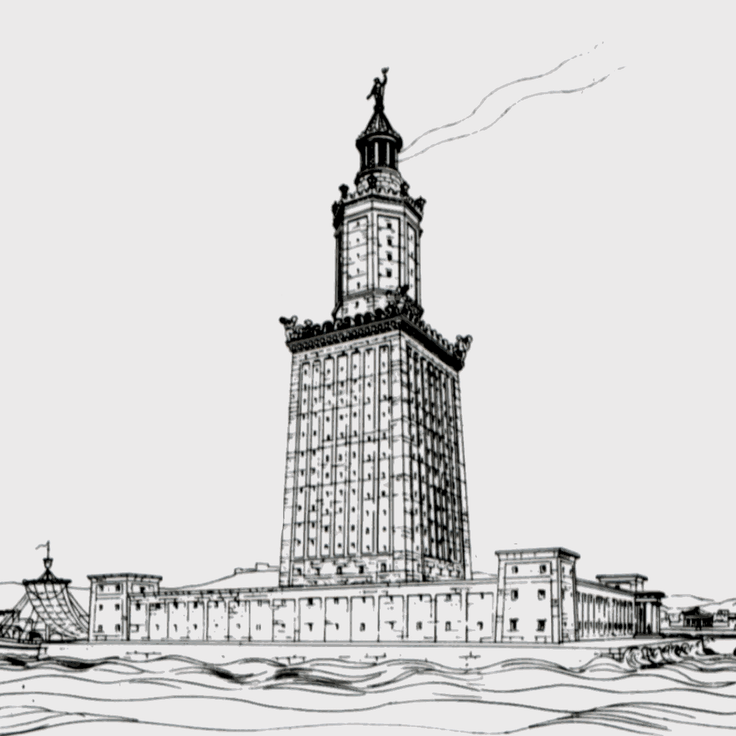
This lighthouse stood on Pharos Island off the coast of Alexandria and guided ships safely into the harbor for several centuries. Completed in the 3rd century BC, the tower reached a height of about 330 feet (100 meters) and ranked among the tallest structures of its time. A fire burned at night on its top and was amplified by mirrors that reflected the light far out to sea. Earthquakes damaged the structure over the centuries until it finally collapsed in the 14th century. Today only archaeological finds and historical accounts recall this vanished monument of ancient engineering.
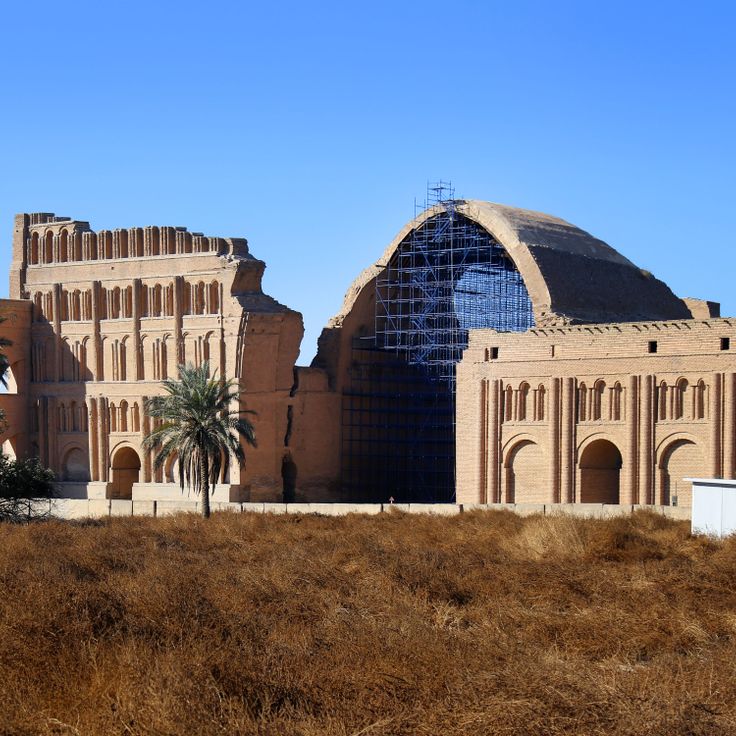
The Ctesiphon Arch in Iraq was the largest freestanding brick structure of the ancient world. This monumental arch from the 6th century formed the main hall of the Sassanian palace of Taq Kasra. The construction achieved a span of over 25 meters without any supports. For centuries, the arch withstood earthquakes and floods. Wars and lack of maintenance led to progressive deterioration of the structure.
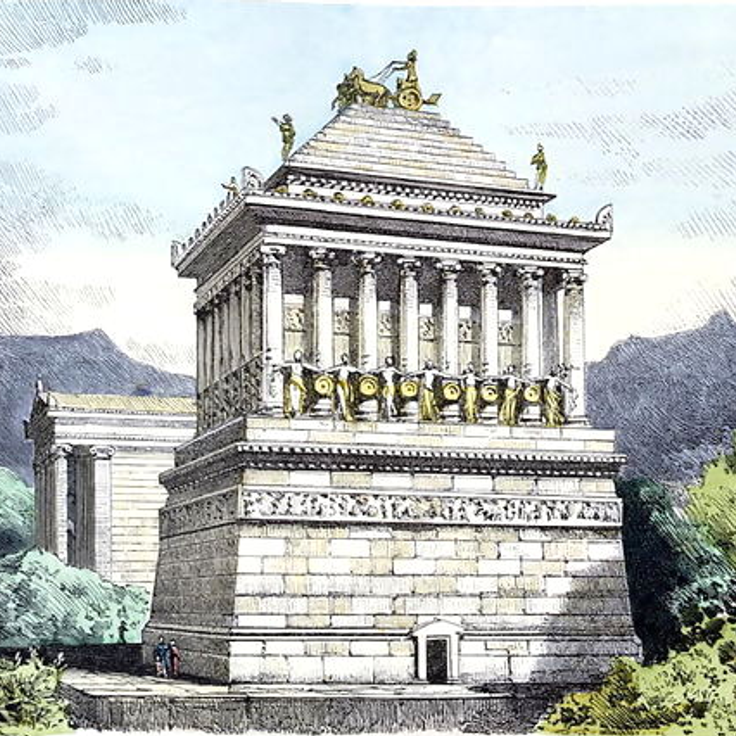
This tomb stood in the ancient city of Halicarnassus, now Bodrum. It was built in the 4th century BC for the Persian satrap Maussolus and became one of the Seven Wonders of the Ancient World. The structure combined Greek, Egyptian, and Lycian architectural elements and reached a height of about 150 feet (45 meters). Earthquakes damaged the building over the centuries, and in the 15th century Crusaders used the remaining stones to build a fortress.
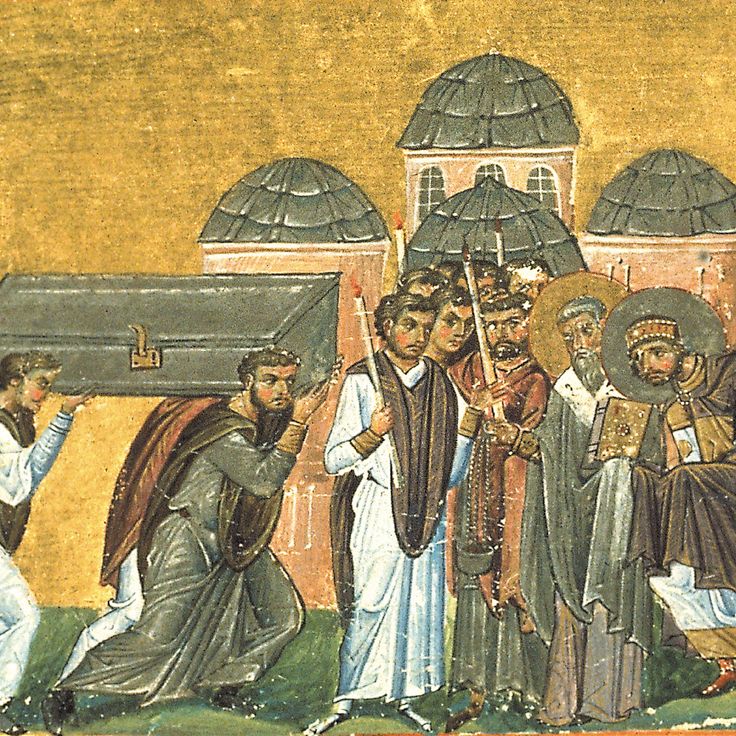
This church in Istanbul was among the most important religious buildings of Byzantine times and disappeared in the centuries following the Ottoman conquest. It was built in the 6th century under Emperor Justinian and became a major religious center with frescoes and mosaics. Several emperors and patriarchs were buried here. In the 15th century, Sultan Mehmed II decided to demolish the structure and build the Fatih Mosque in its place. The Church of the Holy Apostles served as a model for later church architecture, including St. Mark's Basilica in Venice, and its disappearance marks a turning point in the religious and architectural history of the city.
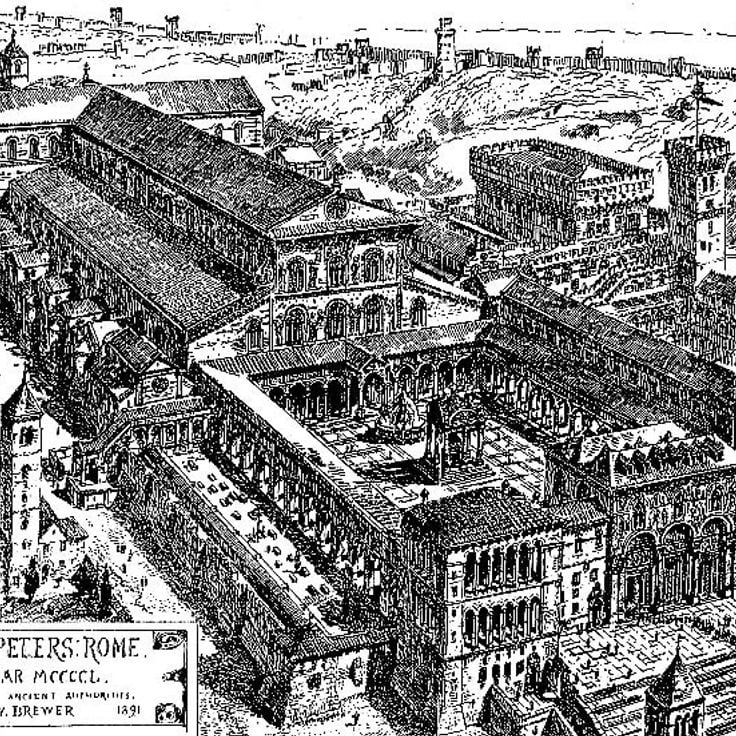
This basilica stood for over a thousand years on the site of the present St. Peter's. Emperor Constantine commissioned it in the 4th century over what was believed to be the tomb of the Apostle Peter. The church shaped medieval Rome as a major pilgrimage destination and the coronation site of numerous emperors. Its interior was decorated with mosaics and artworks, some of which were transferred to the successor building. In the 16th century, Pope Julius II decided to demolish the old structure in favor of a larger new one. The collection documents this vanished early Christian basilica as an example of a church complex replaced by a more monumental building.
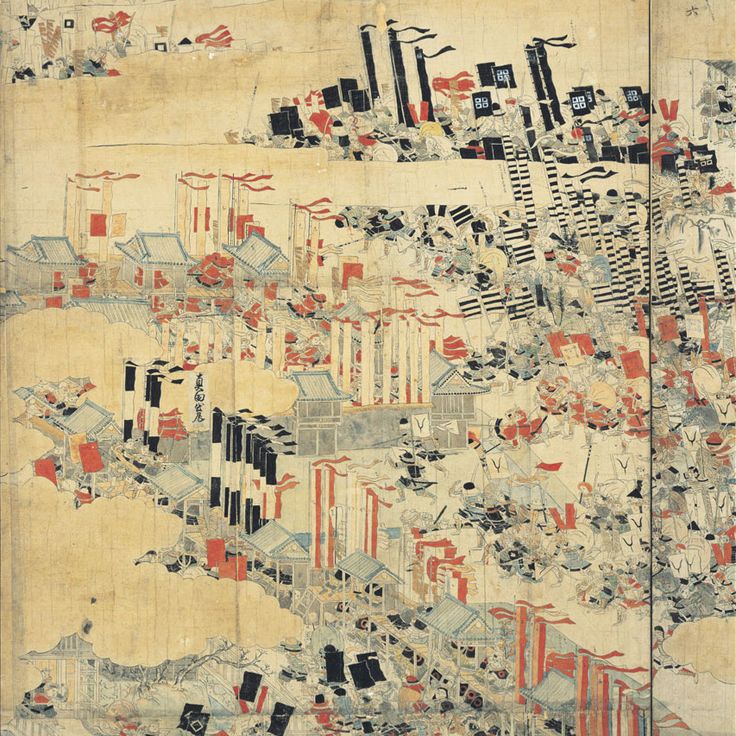
This fortification was built at Osaka Castle in the early 1600s to strengthen the southern side of the complex. The structure consisted of wooden palisades, earthen ramparts, and multiple defensive lines that played an important role during the Siege of Osaka. After the battle, the fortification was systematically dismantled, and today only historical records and archaeological finds recall its former position on the grounds.
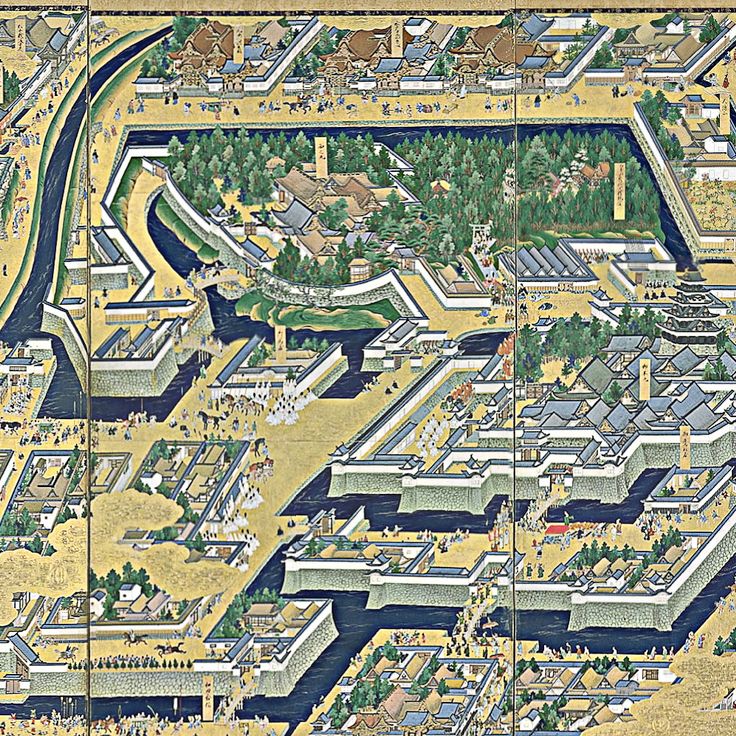
Edo Castle served as the power center of the Tokugawa shoguns for over two and a half centuries and stood as one of Japan's largest fortress complexes. This sprawling castle rose on a hill in present-day Chiyoda, combining massive stone walls, deep moats, and multistory watchtowers into an elaborate defense system. The central keep towered more than 160 feet (50 meters) high before it burned down in 1657 and was never rebuilt. During the Edo period, thousands of samurai, servants, and craftsmen lived within the concentric rings of walls that divided the grounds into separate zones. Most wooden structures fell to fires or were dismantled after the Meiji Restoration in 1868, when the imperial court moved into the city. Today, the preserved stone walls, gates, and moats remain as reminders of the former scale of this vanished castle complex.
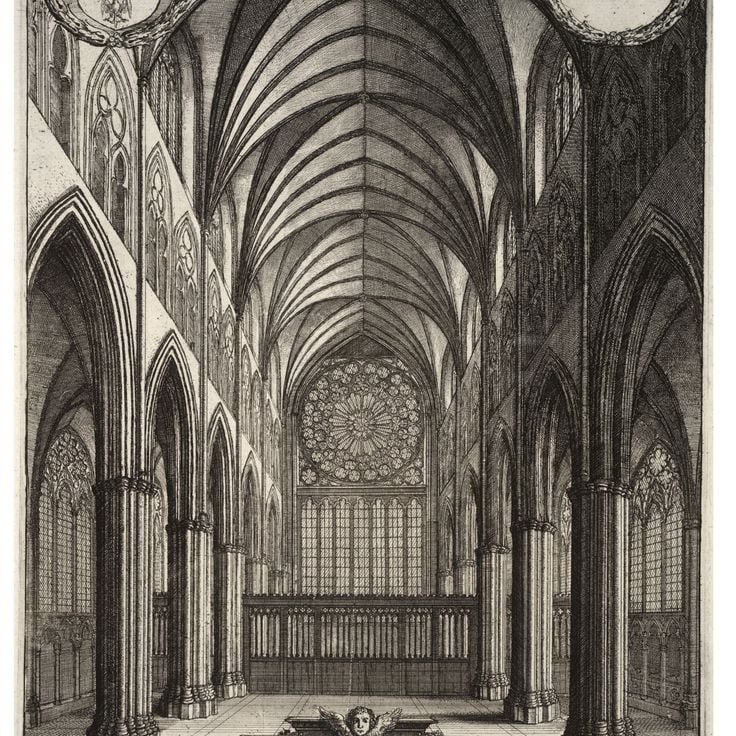
This cathedral stood in the heart of London and served for centuries as the main church of the Anglican diocese. The building featured a tall steeple and wide vaulted halls from the Gothic period. In September 1666, the Great Fire of London destroyed the entire structure, leaving only charred ruins. The current St Paul's Cathedral, designed by Christopher Wren, later rose in its place. This vanished cathedral belongs among the most important religious structures lost to fire.
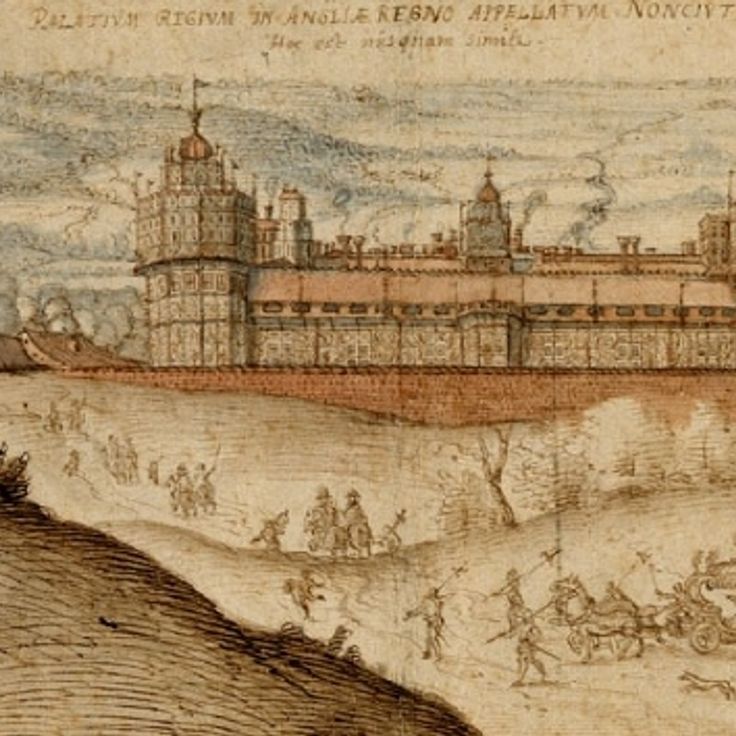
This royal palace in southern England was built in the 16th century under Henry VIII and disappeared completely over the following centuries. The structure featured elaborate stucco decorations and stood as an example of early Tudor architecture before being demolished in the 17th century. The estate was located in present-day Surrey and served as a hunting lodge and ceremonial building. Only archaeological traces remain in the ground today, revealing the layout and construction methods of Nonsuch Palace. This case illustrates the loss of a major Renaissance building through human decisions.
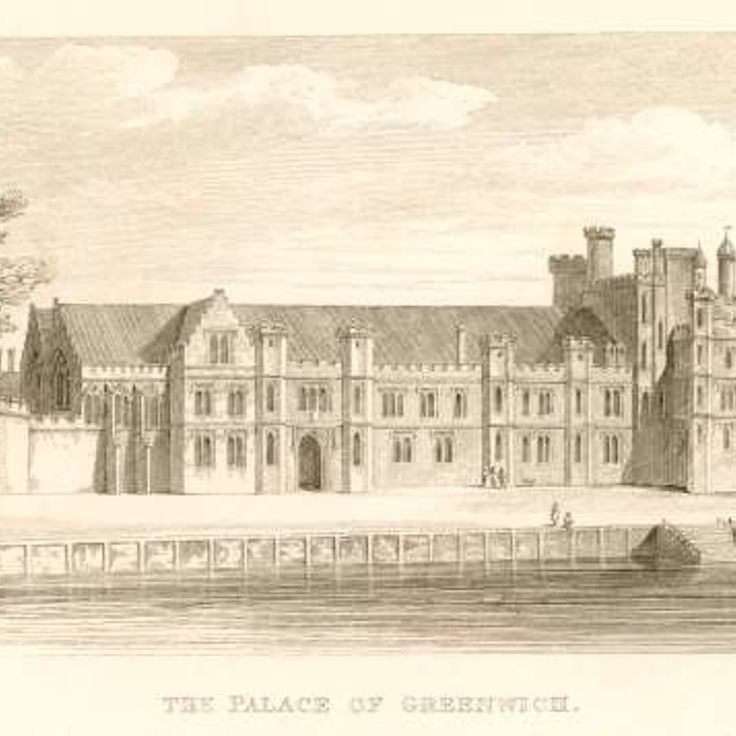
The Palace of Placentia served as a major royal residence in Greenwich for over two centuries. Henry VIII was born here, and the complex became one of the Tudor monarchs' preferred residences. The structure included apartments, chapels and gardens along the Thames. After the English Civil War, the palace fell into disrepair, and Charles II ordered its demolition to make way for the Royal Naval Hospital, now known as the Old Royal Naval College. Foundations and some underground structures from the original palace have been uncovered through archaeological excavations.
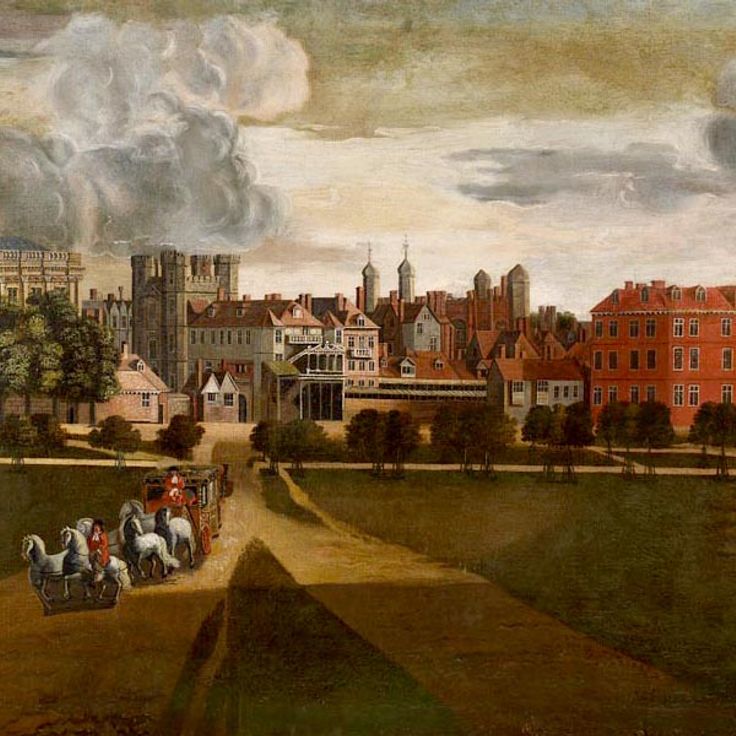
This palace served as the main residence of English monarchs in London from the early 16th century until 1698. The complex spread across a large area between Westminster and Charing Cross. Buildings grew over decades through additions and renovations. Henry VIII expanded the site considerably. The Banqueting House by Inigo Jones from 1622 remained as the only major part still standing. A fire in January 1698 destroyed most of the palace. After the blaze, the residence was not rebuilt. The monarchs moved to other palaces.
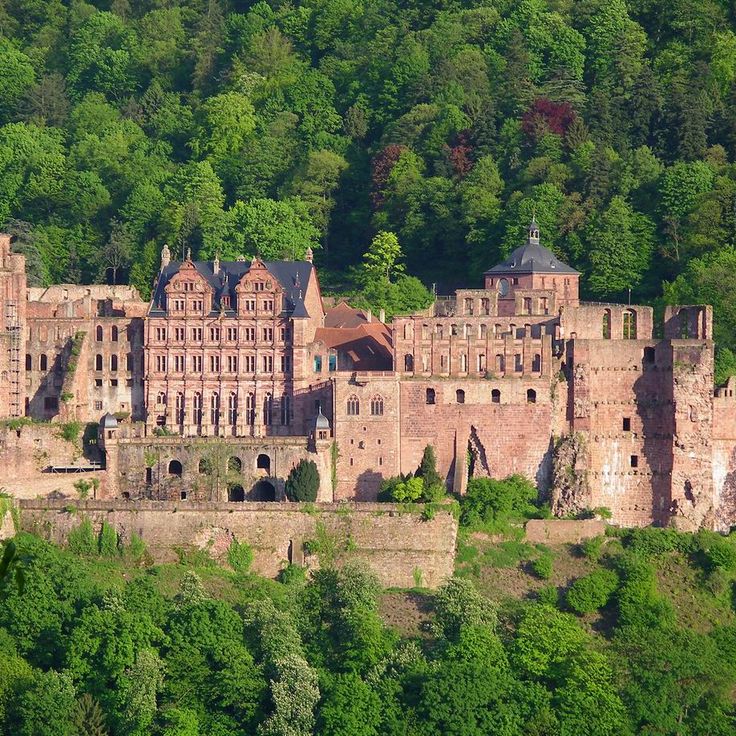
Heidelberg Castle was constructed between the 13th and 17th centuries and sustained damage from wars and lightning strikes. The ruins exhibit various architectural styles, including Gothic, Renaissance, and Baroque elements. The complex sits above the old town on the northern slope of the Königstuhl mountain and comprises several building wings, the Ottheinrich Building with its ornate facade, and the Great Castle Courtyard. The Apothecary Tower and the Bell Tower belong to the preserved fortification structures.
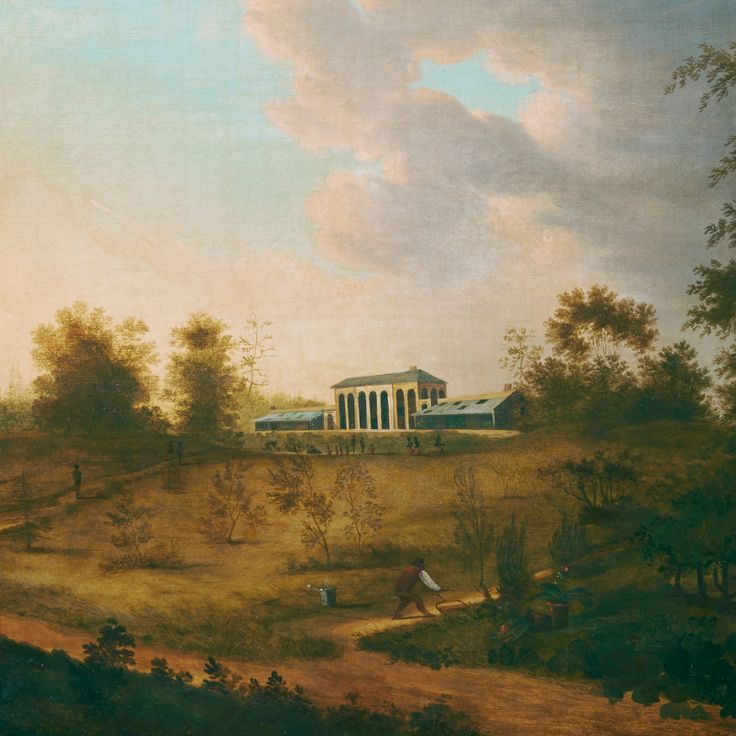
The Elgin Botanic Garden was established in 1801 by physician David Hosack on a twenty-acre site and served for medical education and plant research. The garden housed over two thousand native and exotic plant species. Following financial difficulties, Hosack sold the property to the State of New York in 1811, which later transferred it to Columbia University. The university did not maintain the garden for botanical purposes, and it gradually deteriorated. The site now lies within the area of Rockefeller Center in Midtown Manhattan.
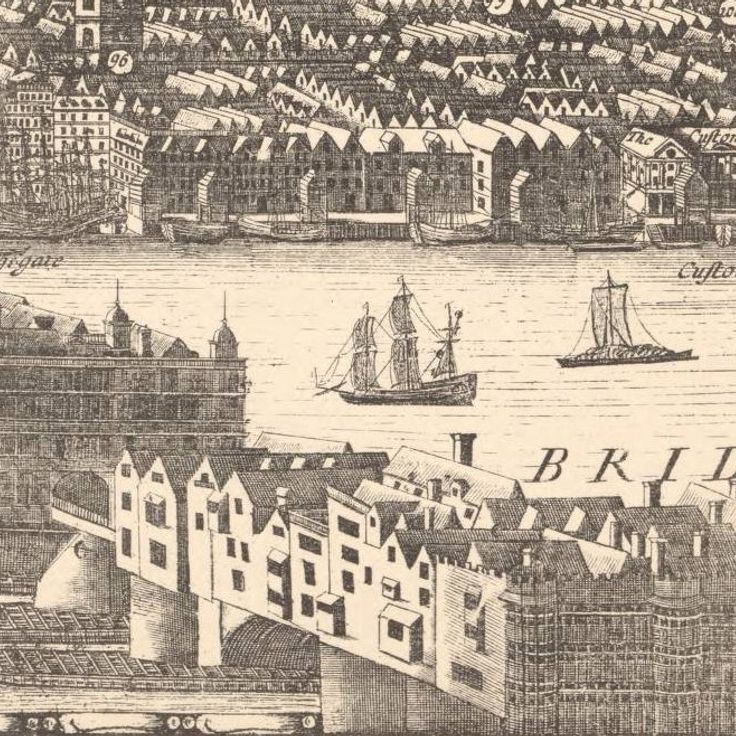
This bridge spanned the Thames in the heart of London from the early 13th century until 1831. Stone arches supported rows of buildings, homes, and shops that lined its entire length. The structure connected the City with Southwark and served as the only fixed river crossing in the capital for centuries. Pedestrians walked between facades that framed the passage on both sides. In the 18th century, the structures above were cleared to ease the flow of trade. The old crossing was eventually demolished and replaced by a new bridge that opened in 1831.
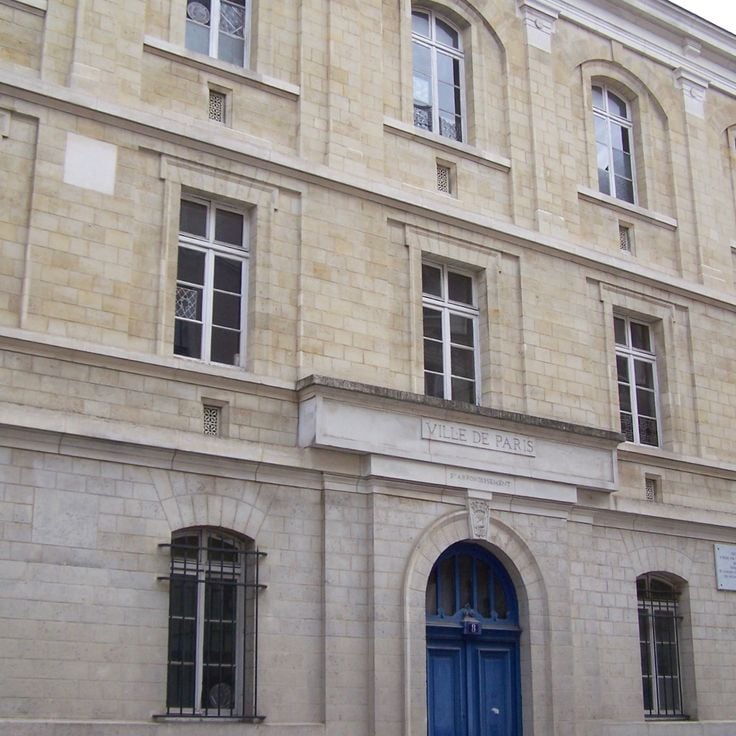
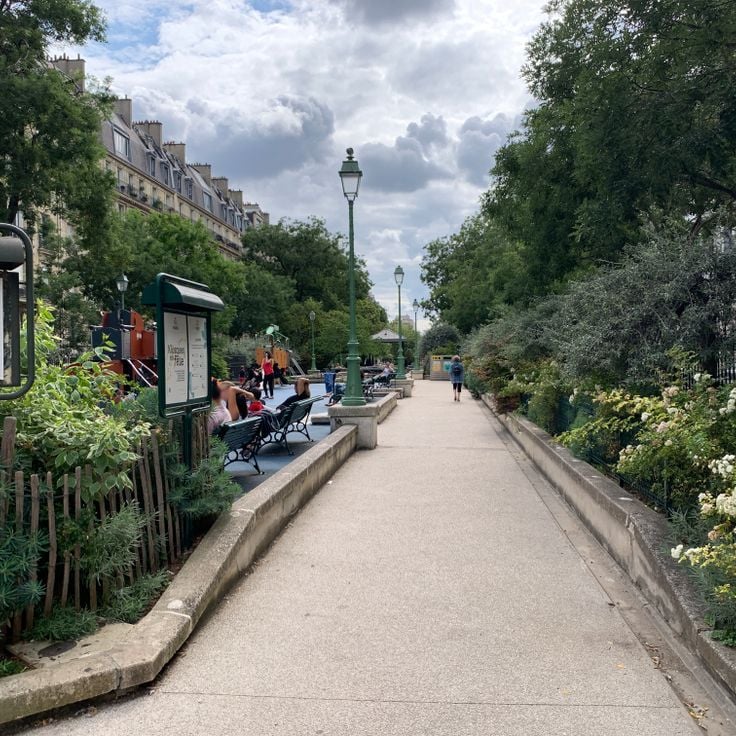
This convent was located in the Latin Quarter of Paris and founded in 1603. The Convent of the Feuillantines, a women's monastery of the reformed Cistercian order, housed a religious community until the French Revolution. After its dissolution during the Revolution, the building was divided and converted into residential use. Victor Hugo lived here during his childhood between 1809 and 1813, and the poet later described the former convent's garden in his writings. The grounds were gradually built over during the 19th century, and today only street names recall the existence of this convent.
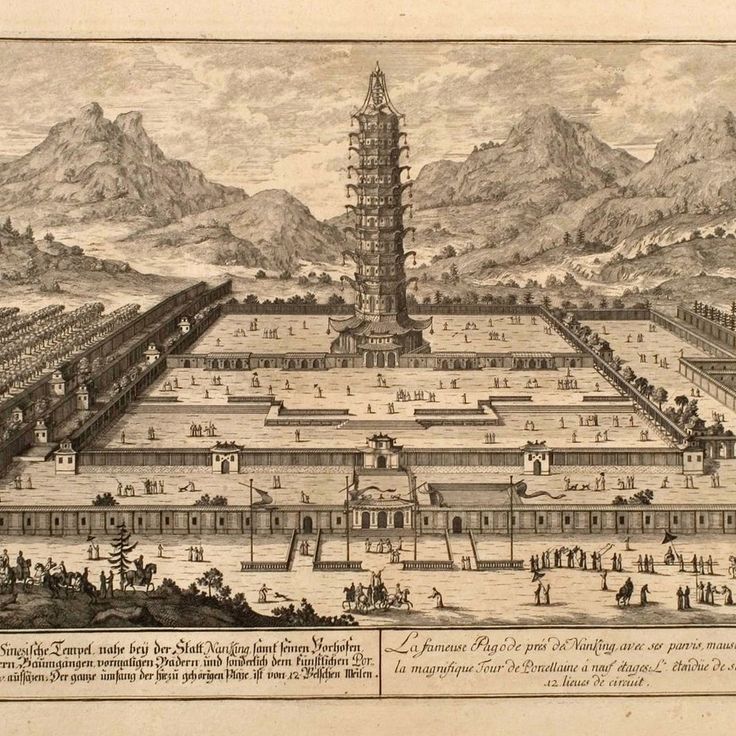
The Porcelain Tower of Nanjing was a Ming Dynasty Buddhist temple constructed in the 15th century. The octagonal pagoda stood 79 meters tall and consisted of nine stories covered with white porcelain tiles. Each level featured 72 bronze bells that chimed in the wind. The structure was destroyed in 1856 during the Taiping Rebellion when rebel forces burned it down to prevent enemy troops from using it as an observation post.
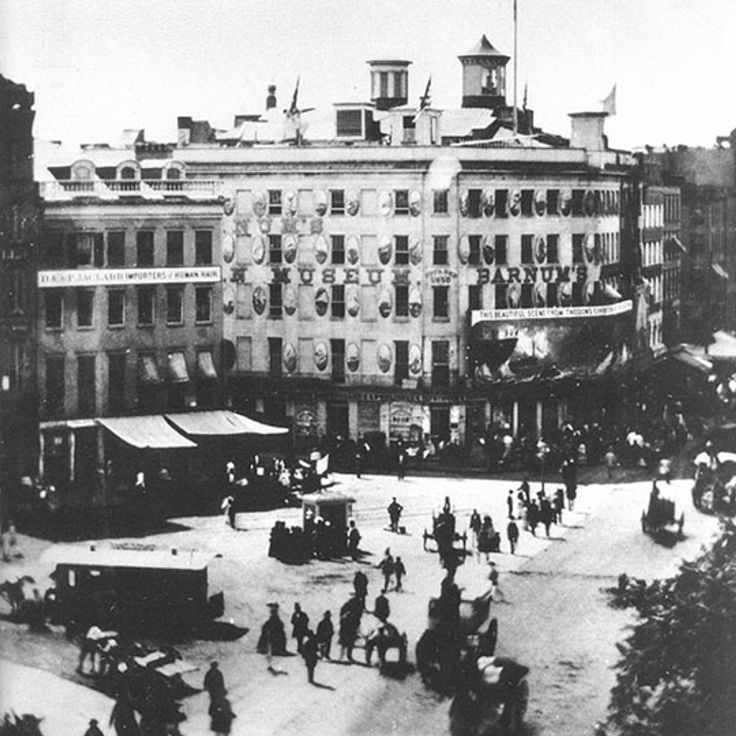
This entertainment museum in Manhattan displayed curiosities, taxidermy specimens and living animals across its multiple floors. The building on Broadway near City Hall attracted crowds who came to see exhibits ranging from natural oddities to theatrical performances. Visitors walked through rooms filled with displays designed to surprise and amuse, from scientific artifacts to performers who demonstrated unusual talents. The structure burned down in the middle of the 19th century, taking with it a vast collection of objects that had drawn public attention for decades.
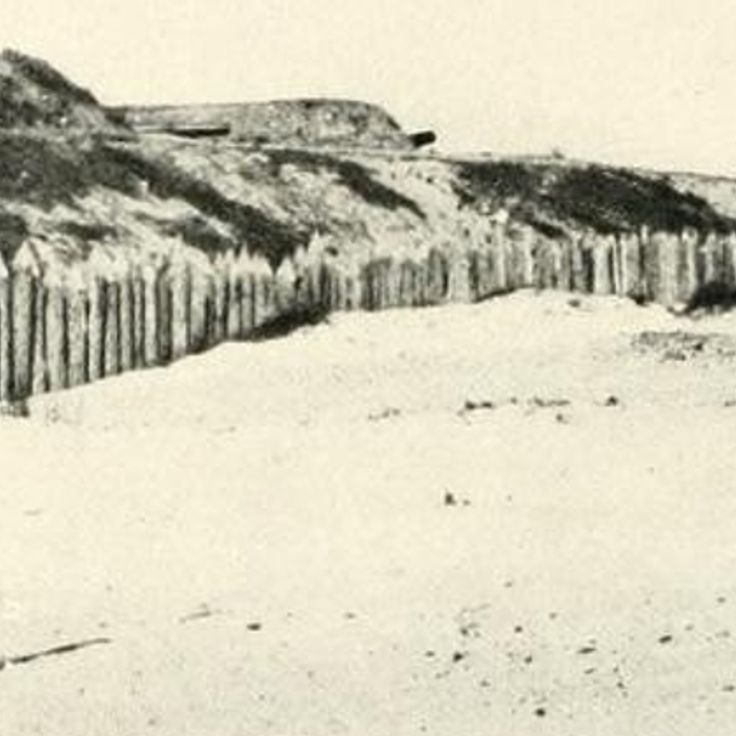
This fort stood on Morris Island off the coast of Charleston and played a central role in the American Civil War. Fort Wagner became known for the 1863 battle in which the 54th Massachusetts Regiment, composed of African American soldiers, led the assault. The earthwork structure provided strategic protection for Charleston Harbor. After the war, the sea reshaped the shoreline, and waves gradually carried away the sand. Today nothing remains of the fort, as Morris Island itself has largely disappeared beneath the water.
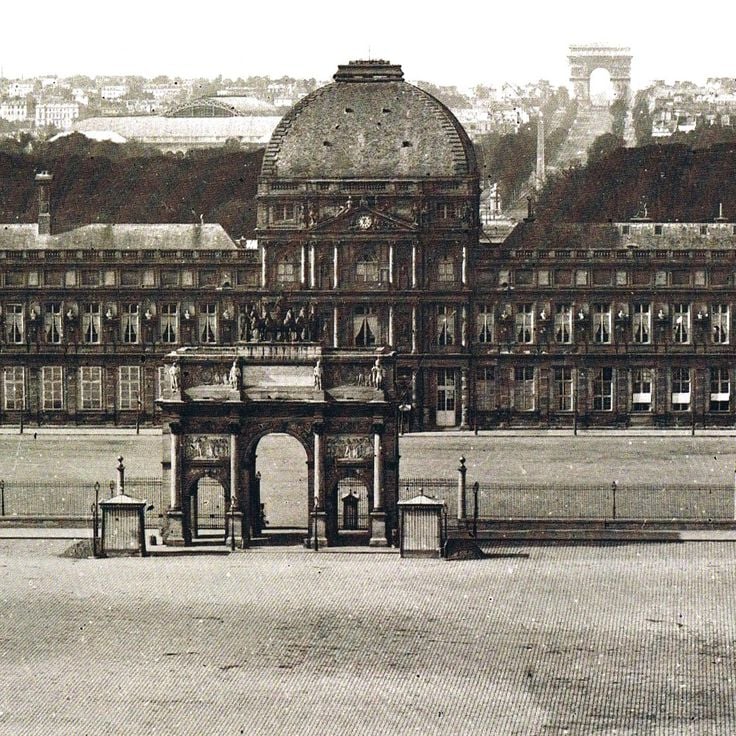
This palace stood between the Louvre and the Tuileries Gardens in central Paris. Built in the 16th century as a residence for Catherine de' Medici, it later served as home to several French rulers. The structure stretched over several hundred yards and connected the royal rooms with large gardens. In 1871, the palace burned during the Paris Commune. The ruins were dismantled in 1883, and today only the symmetry of the gardens recalls its former presence. This palace belongs among the major buildings lost to political unrest and fire.
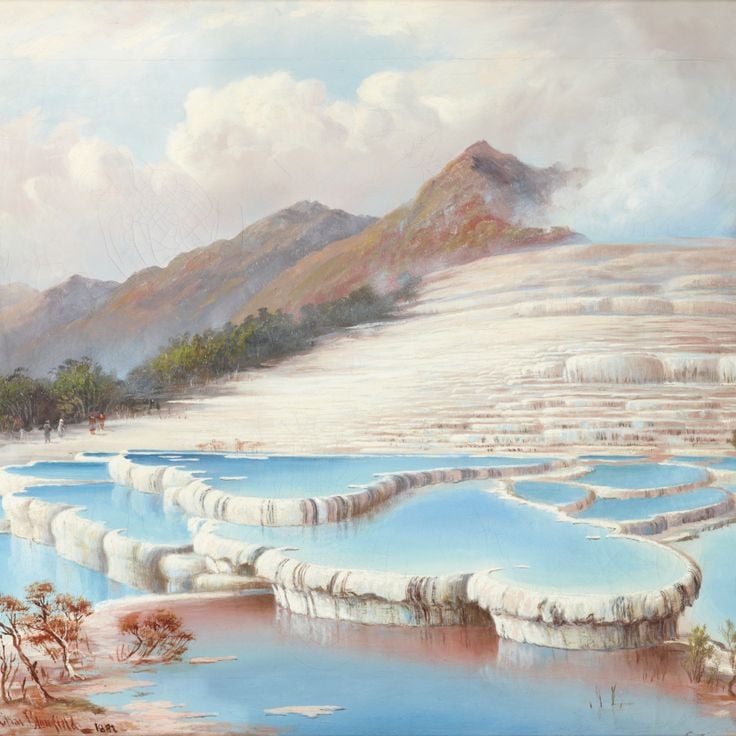
These hot springs formed two striking terraces of silica deposits over centuries at the shore of Lake Rotomahana. The pink and white coloring came from mineral-rich thermal water rising through the ground and cooling at the surface. Maori called them Otukapuarangi and Te Tarata, using them for ceremonial bathing. European travelers in the 19th century described them as an extraordinary natural wonder. The eruption of Mount Tarawera in 1886 buried the entire formation under ash and mud, changing the landscape permanently. These vanished formations were once considered a significant geological phenomenon of the southern hemisphere.
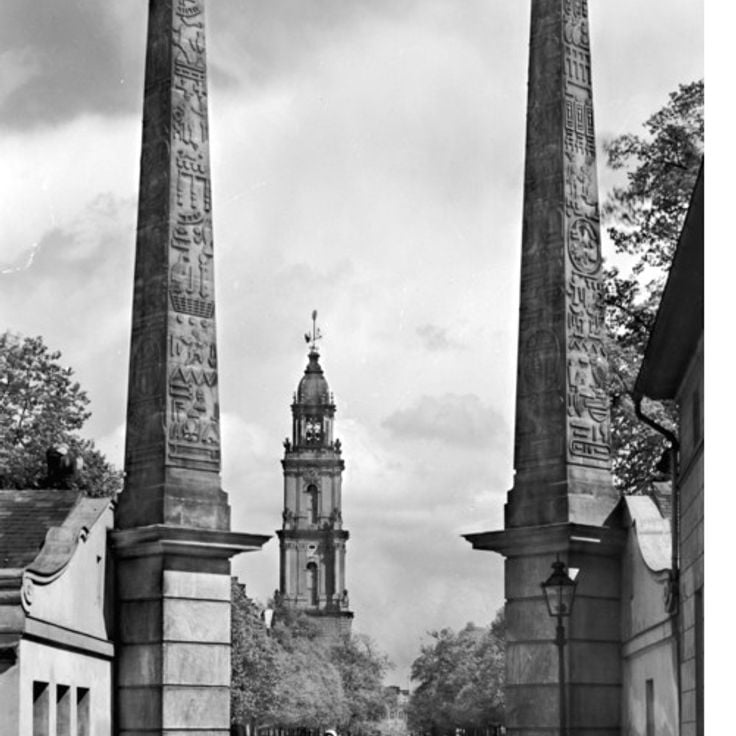
This historic gate stood in the northern part of Potsdam's inner city and marked the passage between different neighborhoods. The Neustädter Tor belonged to the fortifications that shaped the cityscape in the 18th century before disappearing due to urban redevelopment in later decades. The architecture followed the design principles of the Prussian era and formed a passage for travelers and merchants entering or leaving the city.
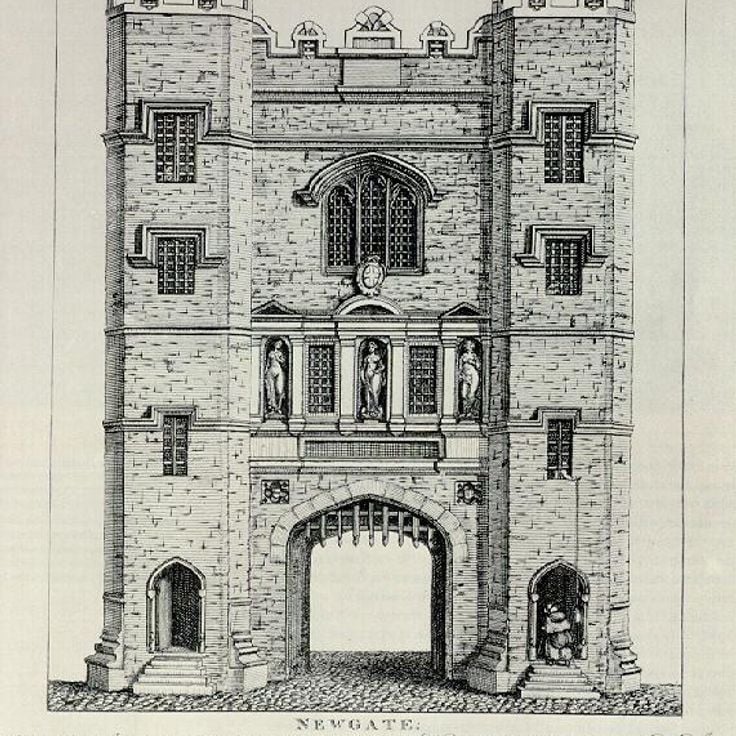
This prison stood for over seven centuries in the heart of the City of London and was long considered one of England's most notorious detention facilities. The medieval structure housed inmates under harsh conditions, often in overcrowded, dark cells. Public executions outside its walls drew large crowds until they were discontinued in the mid-19th century. The building was demolished in 1902 to make room for the Old Bailey, the Central Criminal Court. Newgate Prison remains a symbol of the severe justice system of past eras.
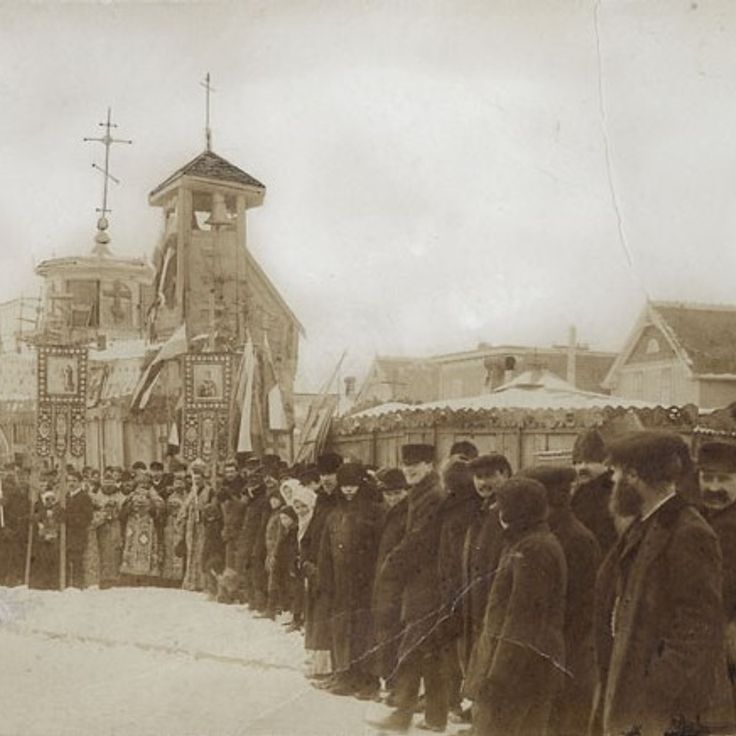
This makeshift church of corrugated metal arose as the first Ukrainian house of worship in Canada. The metal sheets that gave it its nickname were repurposed by immigrants and assembled into a simple but functional sacred building. The construction reflects the resourcefulness and the need of Ukrainian settlers for their own gathering place for worship services and community meetings in their new homeland.
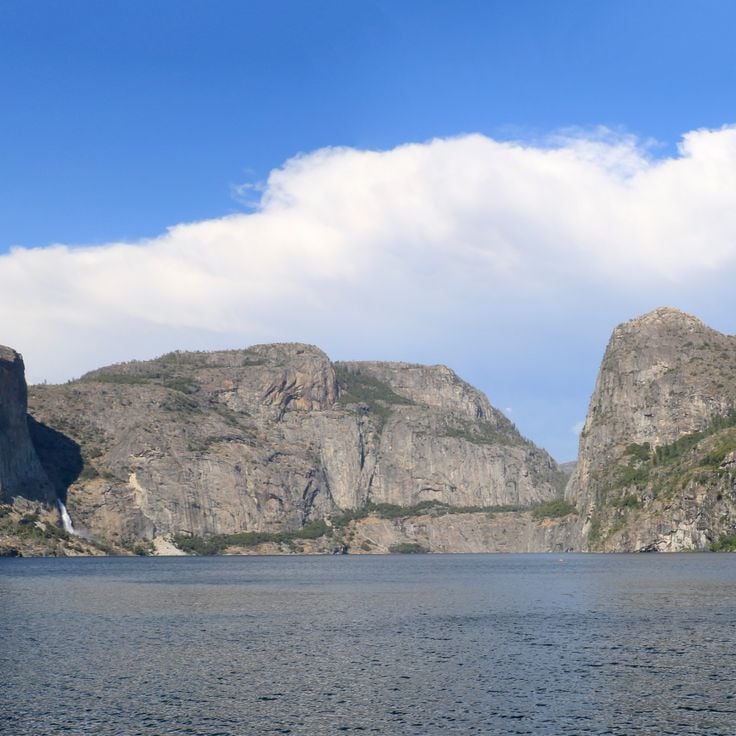
Hetch Hetchy Valley was a glacial valley in Yosemite National Park featuring granite walls rising over 450 meters and several waterfalls, including Tueeulala Falls and Wapama Falls. The valley extended approximately 5 kilometers in length and sat at an elevation of 1,200 meters. The Tuolumne River flowed through the valley, creating a landscape of meadows and oak groves. In 1913, Congress approved construction of the O'Shaughnessy Dam, which transformed the valley into a reservoir between 1919 and 1923. The dam stands 128 meters high, and the reservoir holds 360 million cubic meters of water, supplying the city of San Francisco.
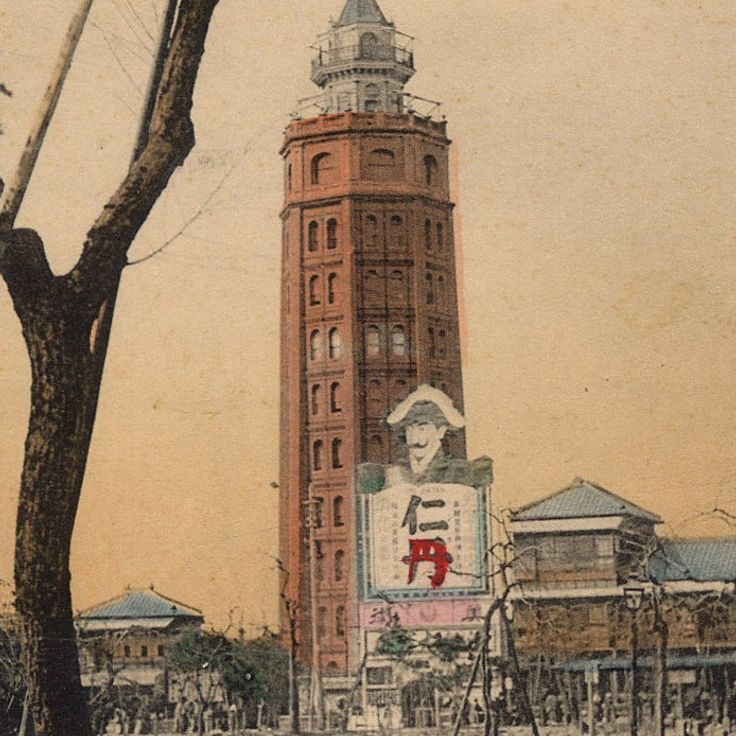
This brick tower stood in the entertainment district of Asakusa in Tokyo and was the tallest building in Japan when completed in 1890. The Ryōunkaku rose twelve stories and offered wide views across the city. The ground floor held shops, while upper levels housed art galleries and exhibition spaces. An elevator carried visitors upward, which was a novelty at the time. The building suffered severe damage during the Great Kantō Earthquake of 1923 and was later demolished.
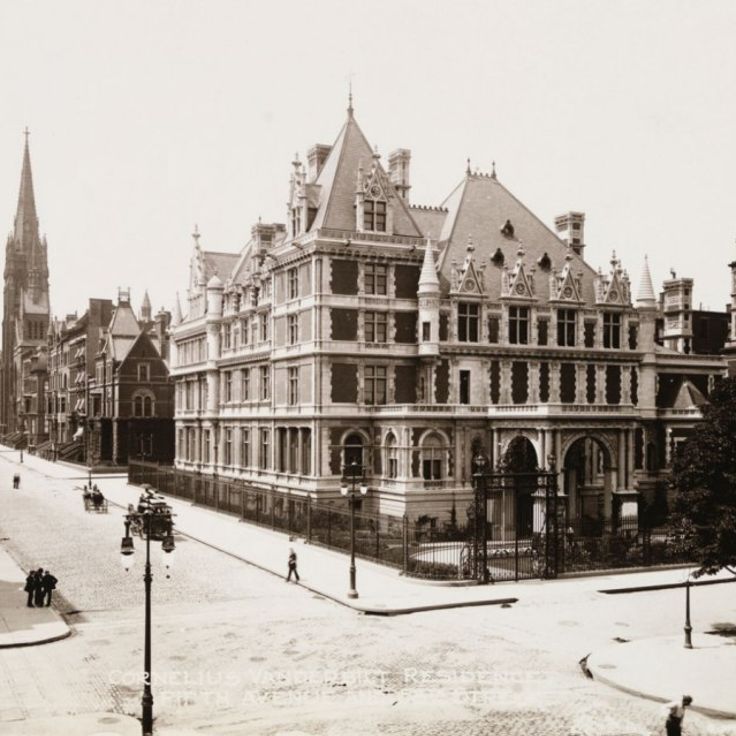
This house stood on Fifth Avenue in Manhattan and was the largest private residence ever built in New York City. The facade stretched along an entire city block and displayed French Renaissance architecture with elaborate stonework. The building contained a grand ballroom, a library with wood-paneled walls, and rooms with gilded decorations. The Vanderbilt family occupied the property until the 1920s. The house was demolished in 1927 as residential neighborhoods shifted northward and the site was sold for commercial development.
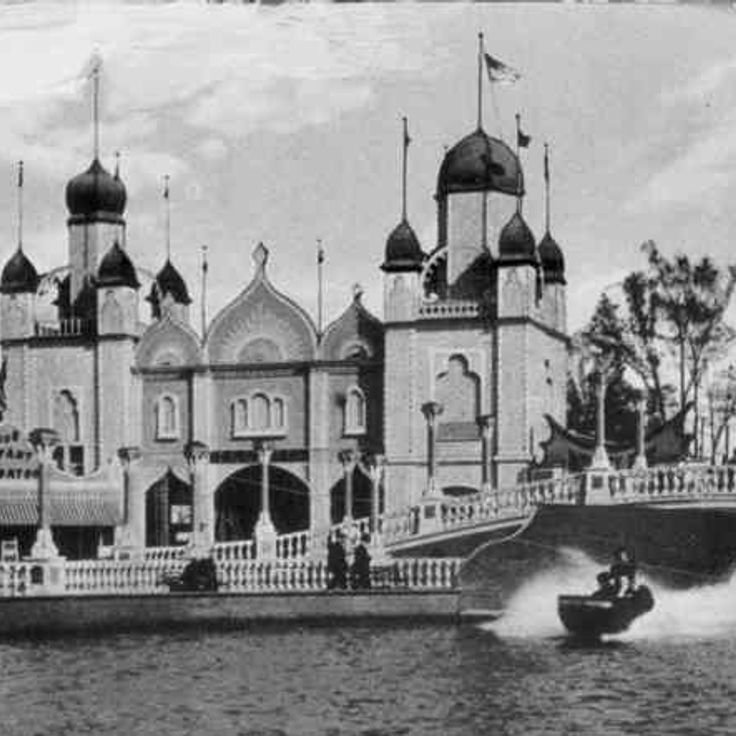
This amusement park was located in Cleveland and opened its gates in 1905. Luna Park offered visitors wooden rides, including several roller coasters and carousels. The facility was among the popular leisure destinations in the region and attracted numerous families. In 1929, a devastating fire broke out that destroyed all buildings and attractions. After this blaze, the park was not rebuilt.
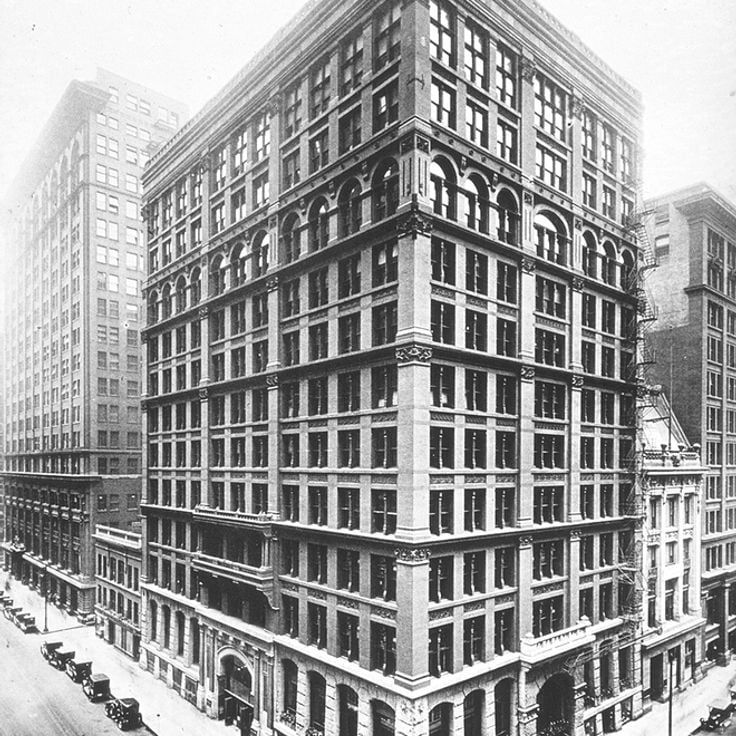
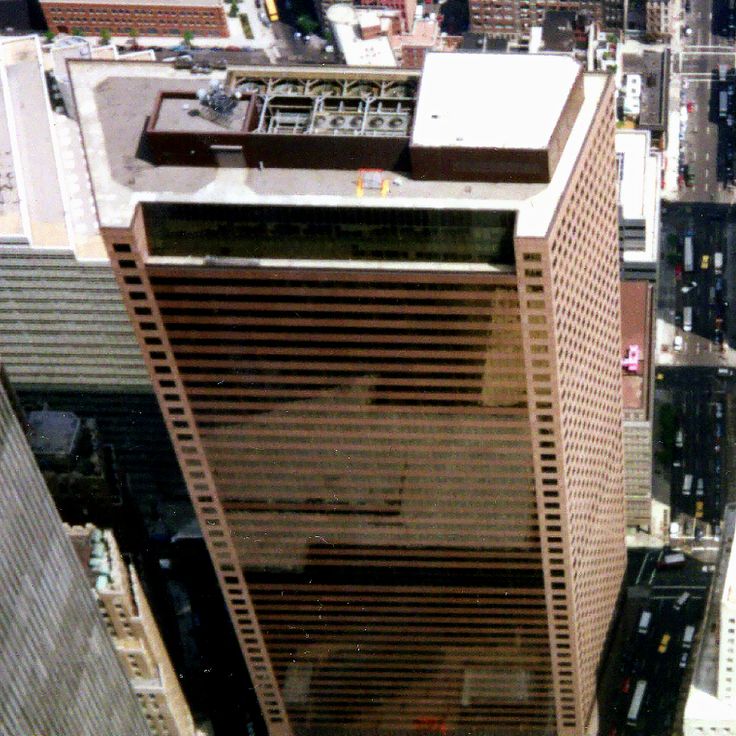
This office building in Chicago was completed in 1885 and is considered one of the first skyscrapers with a load-bearing steel frame structure. The Home Insurance Building initially reached ten stories, with two more added later. The construction set new standards in urban building and made it possible to rise much higher than before. The building stood until 1931, when it was demolished to make room for a more modern structure. Its disappearance marks the constant transformation of American architecture at the end of the 19th century.
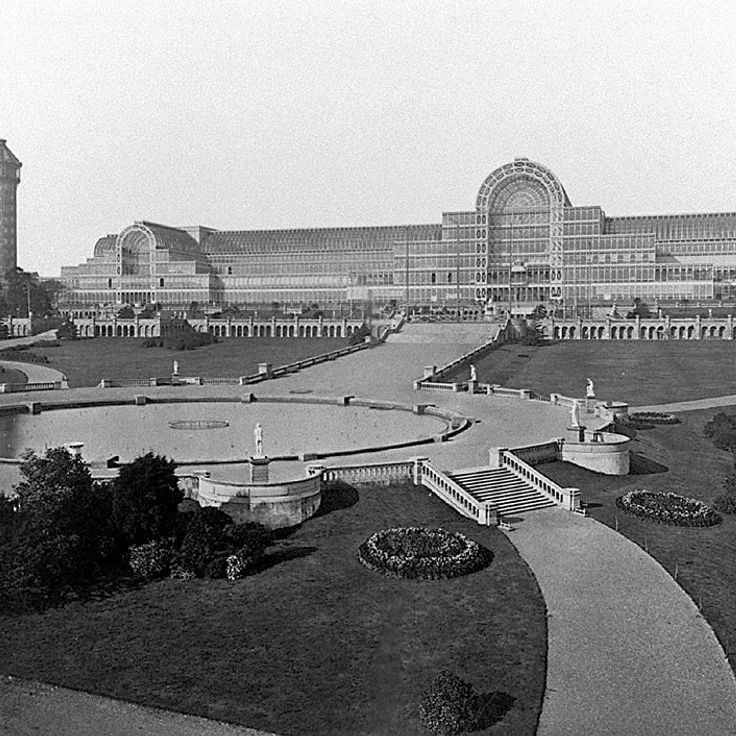
The Crystal Palace was an exhibition building made of cast iron and glass, originally constructed in 1851 for the Great Exhibition in Hyde Park. Following the exhibition, the structure was relocated to Sydenham Hill and expanded. The construction consisted of prefabricated modular elements that spanned over 70,000 square metres. The building housed exhibitions, concerts, and sporting events. In November 1936, a major fire destroyed the entire structure within hours. Today, only the terraced gardens and some sphinx statues remain as reminders of the vanished structure.
The Palais du Trocadéro was constructed for the 1878 World's Fair and commemorated the French victory in the Franco-Prussian War. This Moorish-style building featured two wings with a central concert hall that could accommodate 5,000 people. Two towers flanked a semicircular courtyard offering views across the Seine towards the Eiffel Tower. The palace was demolished in 1937 to make way for the current Palais de Chaillot, built for the International Exposition.
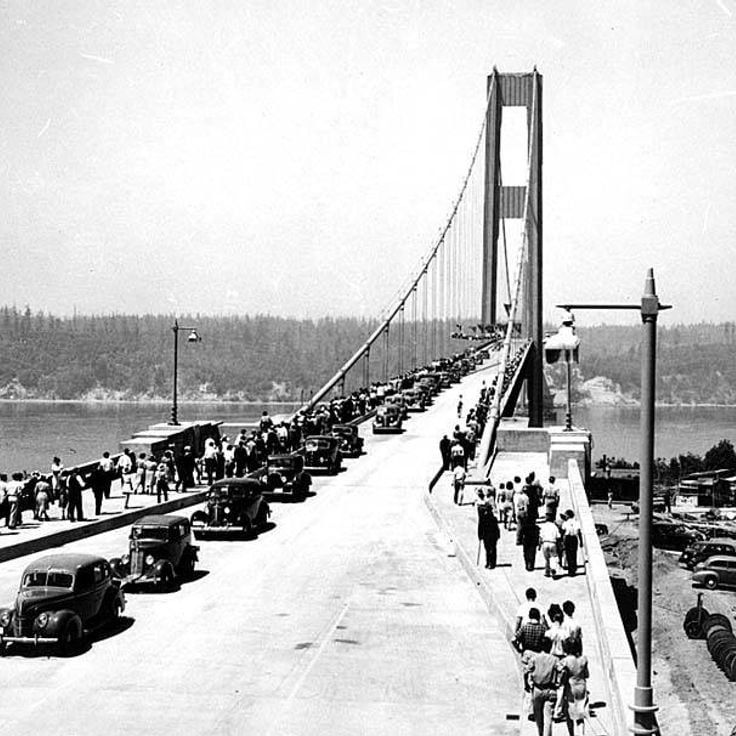
This bridge spanned the Tacoma Narrows strait in Washington state, connecting the Olympic Peninsula to the mainland. The roadway hung from steel cables stretched between two tall towers. Construction began in 1938 and the bridge opened in July 1940. During construction, workers noticed that the roadway moved in the wind. After opening, the bridge earned the nickname "Galloping Gertie" because it swayed in waves when the wind blew. On November 7, 1940, just four months after opening, the bridge collapsed during a windstorm. Wind speeds that day reached about 40 miles per hour (65 kilometers per hour). The roadway began to twist and eventually broke apart. A dog trapped in an abandoned car died in the collapse. The remains of this bridge now rest on the seabed, forming an artificial reef. A new bridge opened at the same location in 1950.
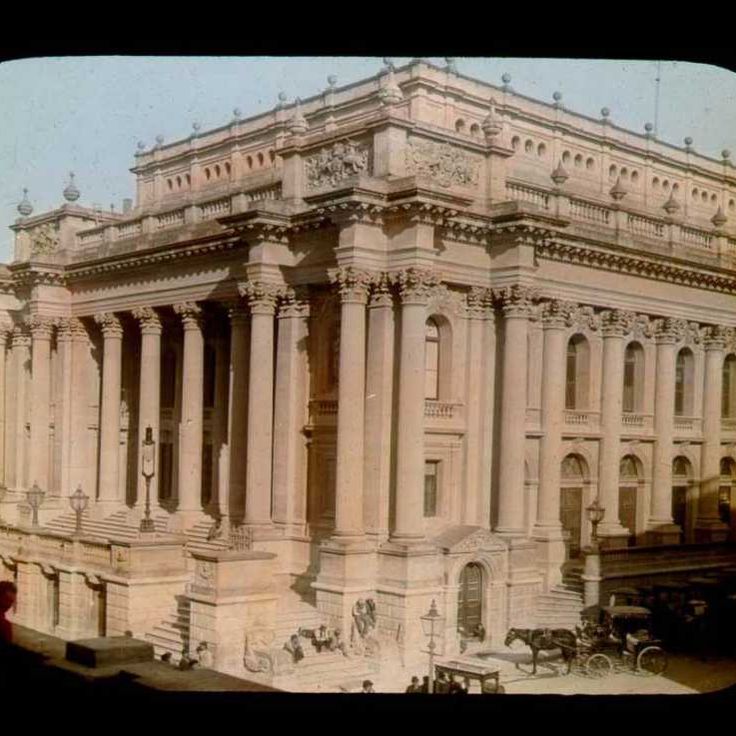
The Royal Opera House in Valletta was built in 1866 following designs by English architect Edward Middleton Barry in the neoclassical style. The theatre contained 1000 seats and served as Malta's principal venue for opera and theatrical performances. The facade featured Corinthian columns and classical proportions. On 7 April 1942, German bombs struck the building during an air raid on Valletta, destroying it completely. The ruins remained standing for decades before being converted into an open-air theatre in 2013.
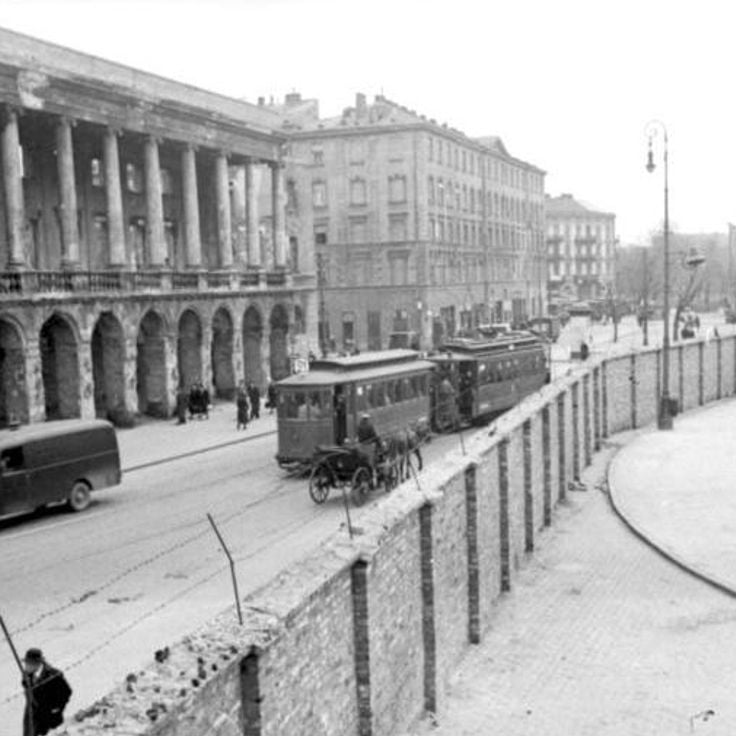
The Warsaw Ghetto was a walled area of 3.4 square kilometers in the center of the Polish capital where German occupiers confined more than 400,000 Jewish residents between October 1940 and May 1943. This forced concentration resulted in extreme overcrowding, with an average of seven people per room. The wall, standing three meters high, completely separated the ghetto from the rest of the city. Starvation, disease, and deportations to extermination camps systematically decimated the population until the uprising in April 1943 led to the final destruction of the district.
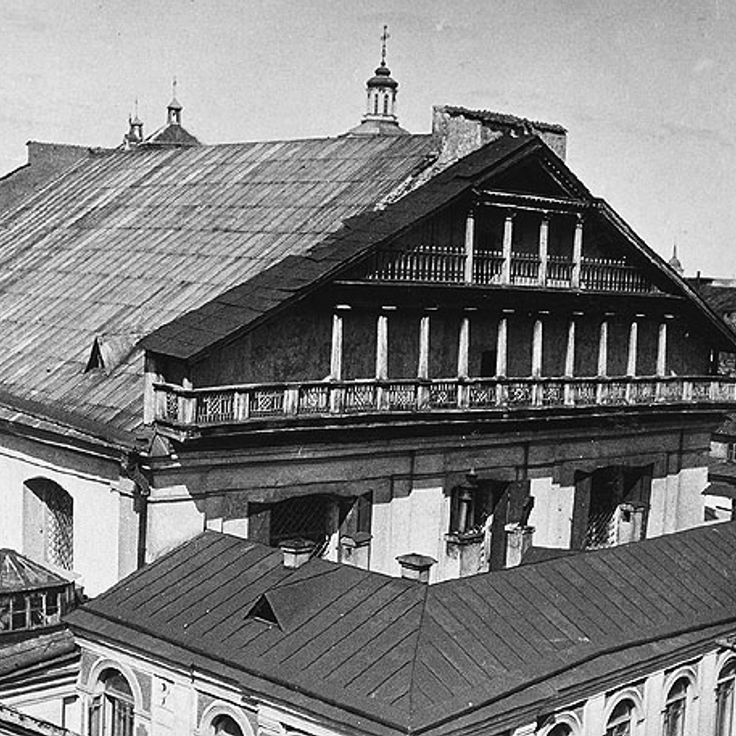
The Great Synagogue of Vilna was built in 1633 in Renaissance style and served as the religious and cultural center of the Jewish community for over three centuries. The building featured richly decorated interiors with wooden carvings and painted vaults. German occupation forces systematically destroyed the synagogue between 1941 and 1944. After the war, Soviet authorities removed the remaining ruins completely.
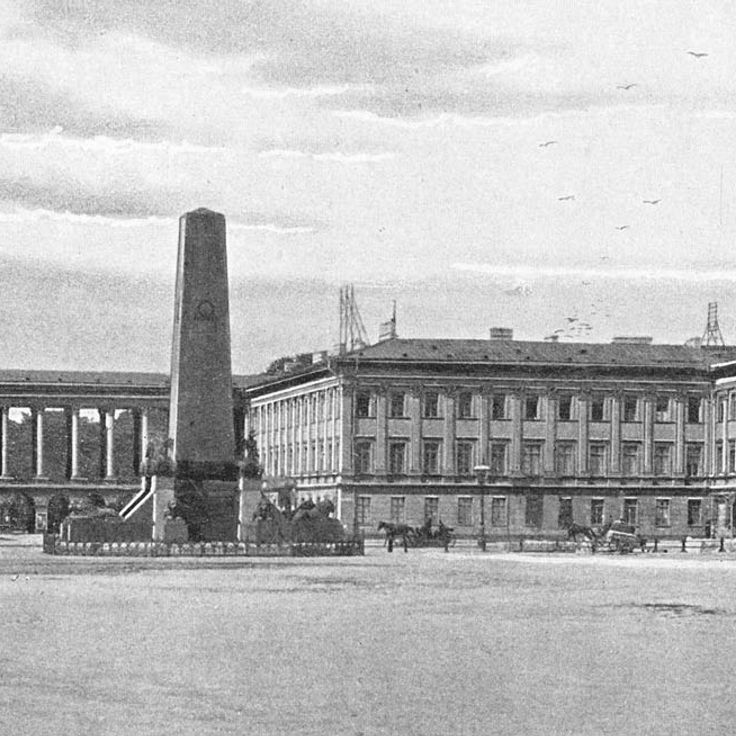
This palace in Warsaw was built in the 17th century and served as one of Poland's main government buildings for over three centuries. The facade showed classical elements and a columned portico that dominated an open square. During World War II, the building was systematically destroyed by German forces, with only the Tomb of the Unknown Soldier remaining, which still stands at the original site today.
The Jetée Promenade in Nice was a pier extending over the Mediterranean Sea that housed a casino and restaurant. The structure opened in 1882 and served as an entertainment venue for locals and visitors to the French Riviera. The pier provided direct access to the sea and hosted social events above the water. In 1944, the Jetée Promenade was destroyed during military operations of World War II and was never rebuilt.
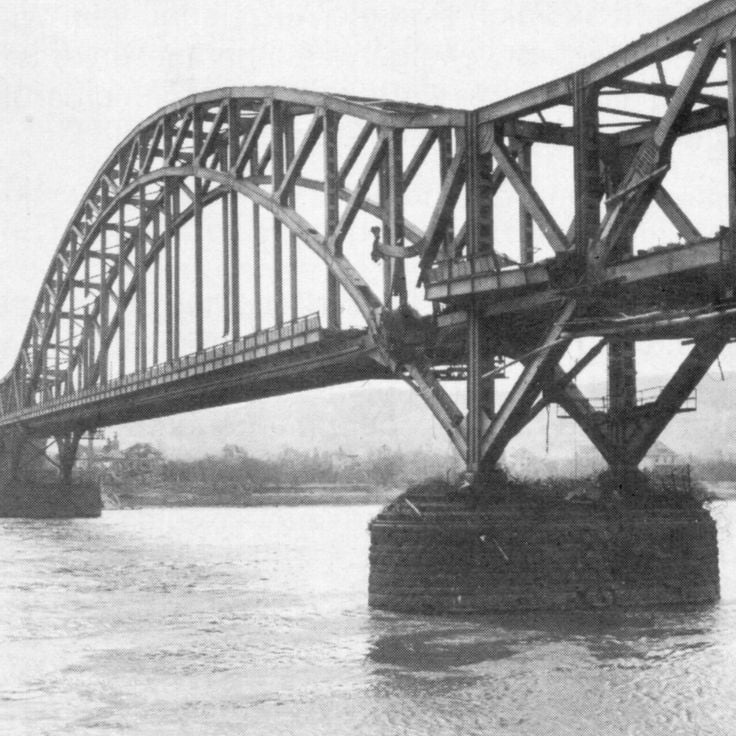
This railway bridge crossed the Rhine at Remagen and became the site of a turning point during the Second World War. In March 1945, American forces captured the bridge while it was still standing, allowing them to advance across the river before German troops could destroy it. The Ludendorff Bridge collapsed days later due to structural damage from attempted demolitions and heavy military traffic. Stone towers on both banks now mark where this crossing once stood.
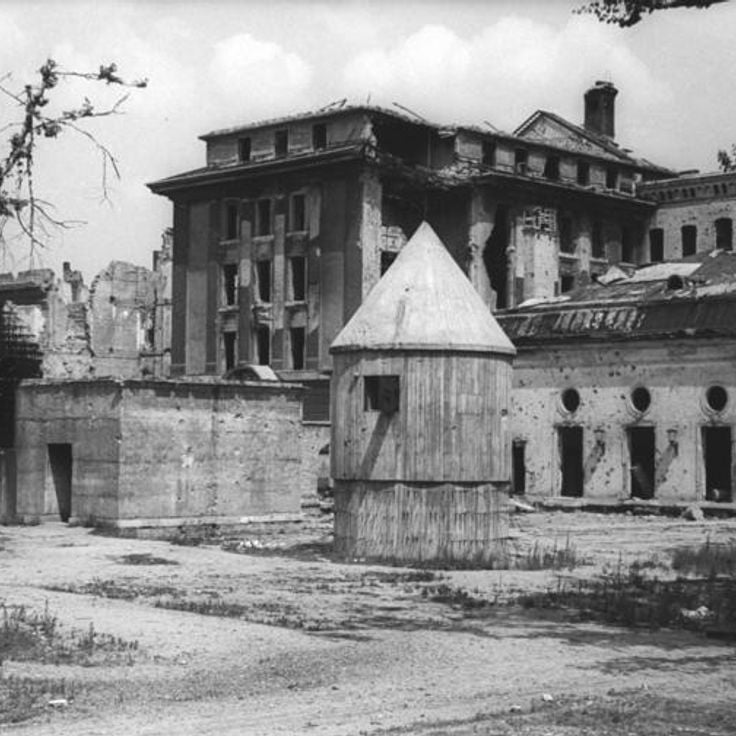
This bunker lay beneath the Reich Chancellery in Berlin and served as shelter for Adolf Hitler and his inner circle during the final months of World War II. The underground complex consisted of several rooms, including living quarters, conference spaces, and technical facilities. In April 1945, Hitler spent his final days here while Soviet troops captured the city. After the war ended, Soviet occupation forces demolished and buried the remaining structures. Today a simple information panel at street level marks the location, which lies beneath apartment buildings and a parking lot. This vanished structure represents one of the darkest chapters of German history.
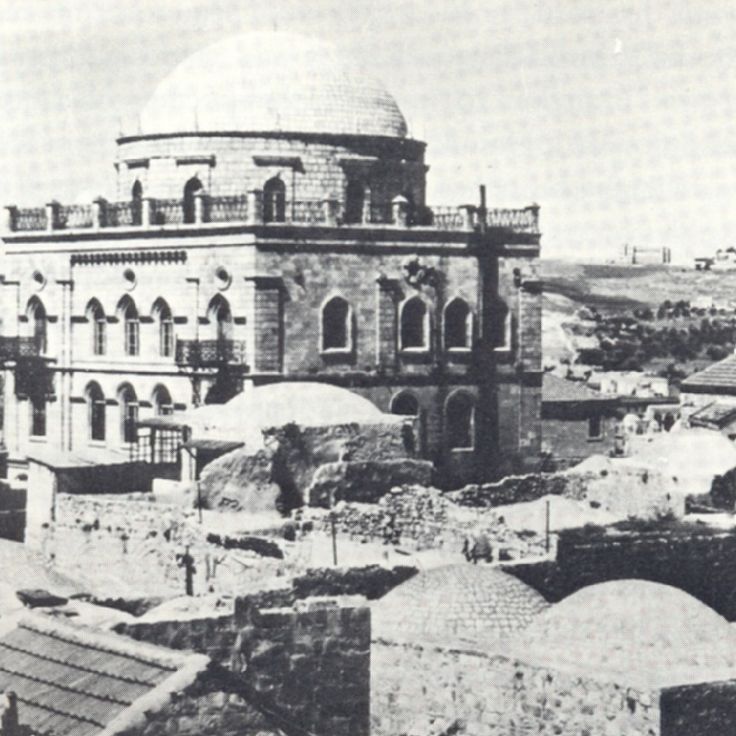
This synagogue stood in the Jewish Quarter of Jerusalem and was one of the important houses of worship in the city. Construction began in the mid-19th century and was completed about 30 years later. The dome rose above the surrounding buildings and was visible from large parts of the Old City. The building served the community as a place for religious services and gatherings. In 1948 the synagogue was destroyed during armed conflict and the ruin was later completely removed.
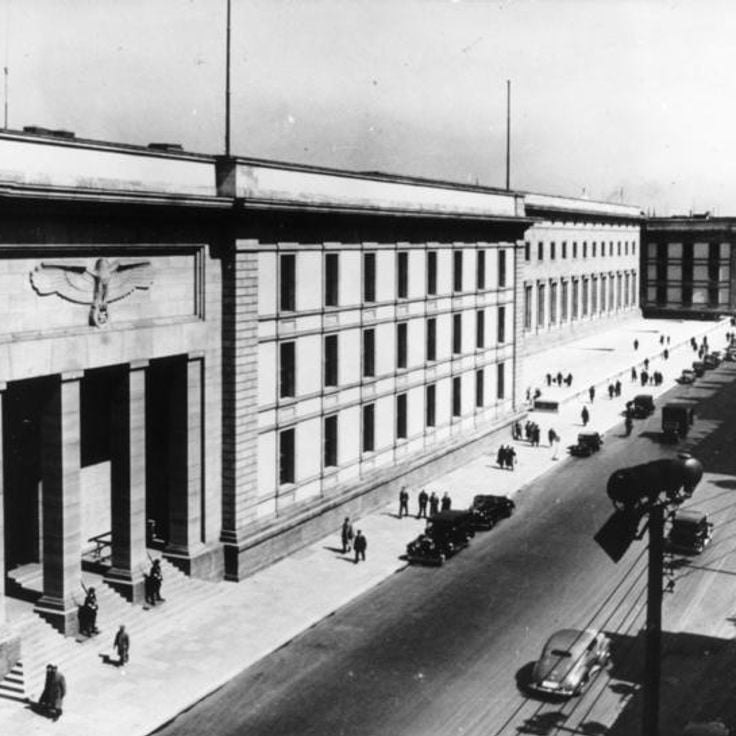
The Neue Reichskanzlei in Berlin served as the government seat of Nazi Germany from 1938 to 1945. Albert Speer designed this monumental building on Voßstraße, with long galleries and marble halls that expressed the architectural language of the regime. The entrance hall led into a corridor over 460 feet (140 meters) long with polished stone floors. This complex was damaged during the war and later completely demolished, with the Soviet occupation forces using the rubble for other construction projects.
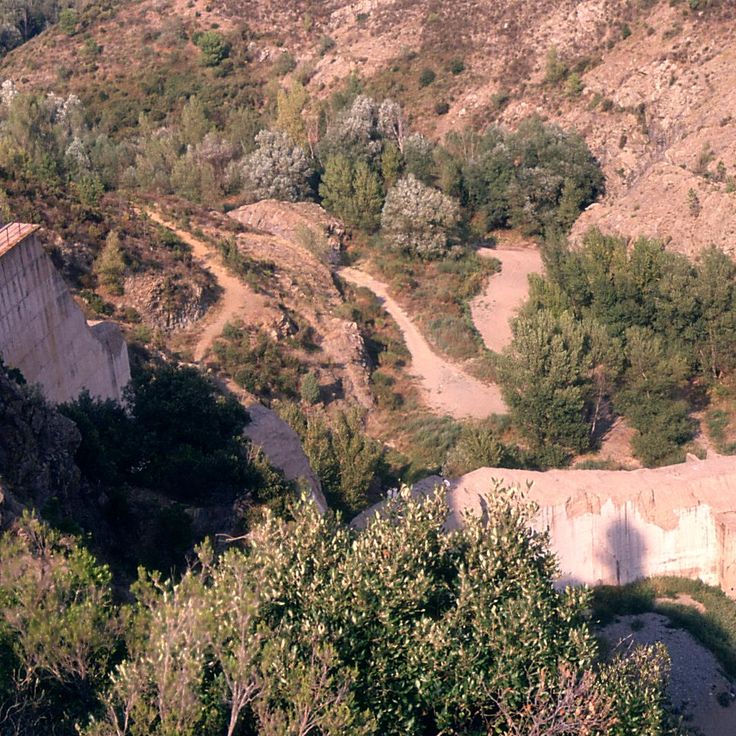
This arch dam was part of the water supply infrastructure on the French Mediterranean coast. The reservoir was built in a narrow river valley during the late 1950s to provide water for an increasingly populated region. On December 2, 1959, after heavy rainfall, the dam failed and released a massive surge of water. The flood destroyed villages downstream and killed several hundred people. The ruins and empty valley remain as reminders of the loss of this structure. The Malpasset disaster stands among the serious failures in engineering history and led to changes in the design and monitoring of dams.
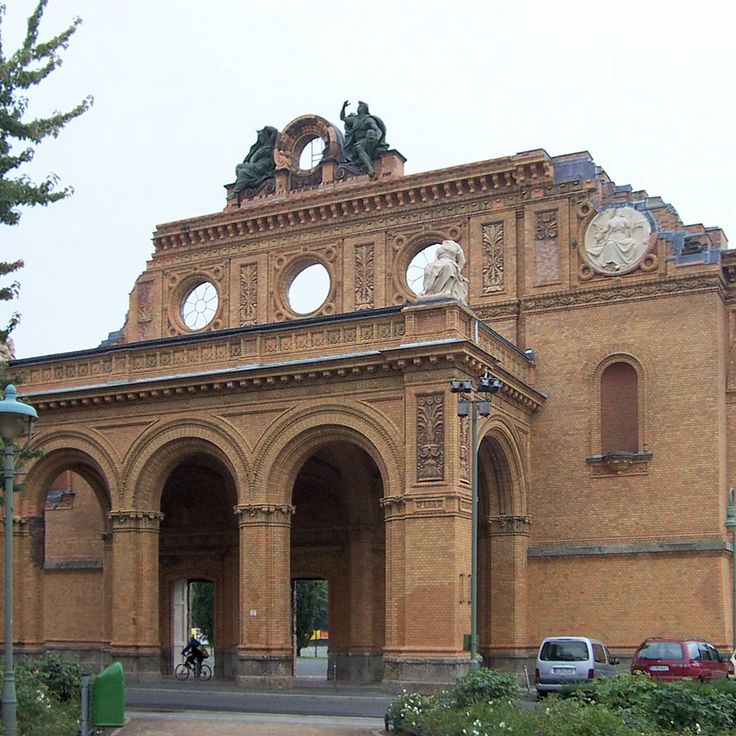
The Anhalter Bahnhof was a long-distance railway station in central Berlin. Its glass and steel platform hall was one of the largest covered spaces in Europe. Travelers could take trains from here to Dresden, Munich, Vienna, and Rome. The monumental facade with its arches and columns dominated the street. The building suffered heavy damage during World War II. The ruins were demolished by explosion in 1959. Today only a section of the facade remains as a reminder of this vanished structure.
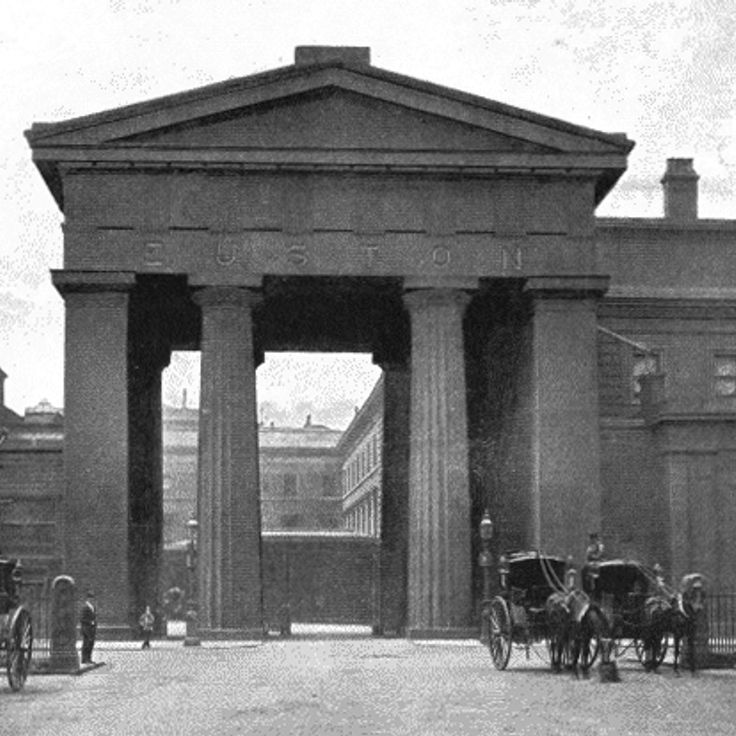
The Euston Arch was a stone propylæum erected in 1837 to designs by Philip Hardwick as the main entrance to Euston station. The monument consisted of four Doric columns made from Yorkshire sandstone, supporting a massive architrave. The structure reached approximately 22 meters in height and became a symbol of the railway age in Britain. The arch was demolished in 1961 during the station's modernization, sparking protests from preservationists.
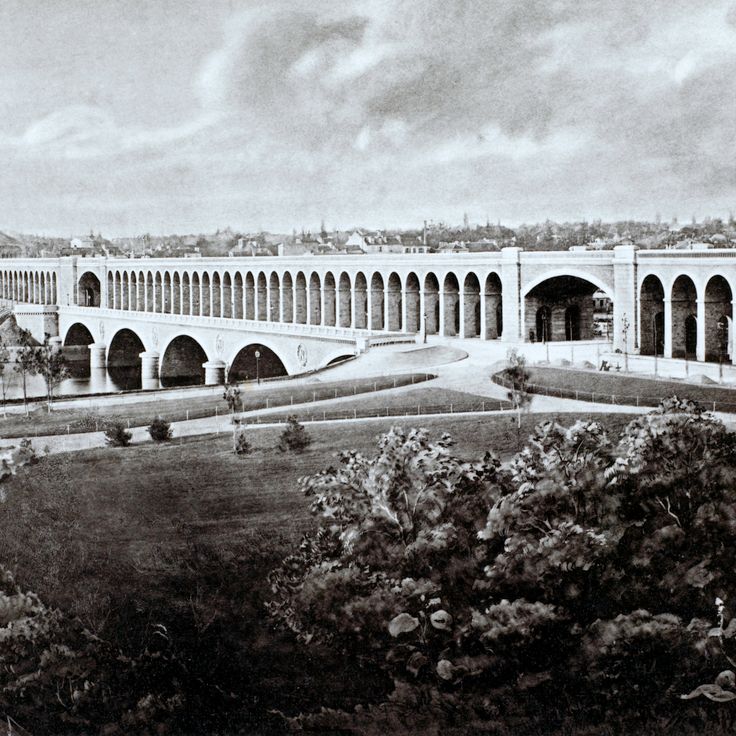
The Viaduc d'Auteuil was an aqueduct built in 1866 that consisted of a series of stone arches and transported water from the Seine River to the western districts of Paris. This structure served to supply fresh water to the growing population of the 16th arrondissement and was later replaced by modern infrastructure.
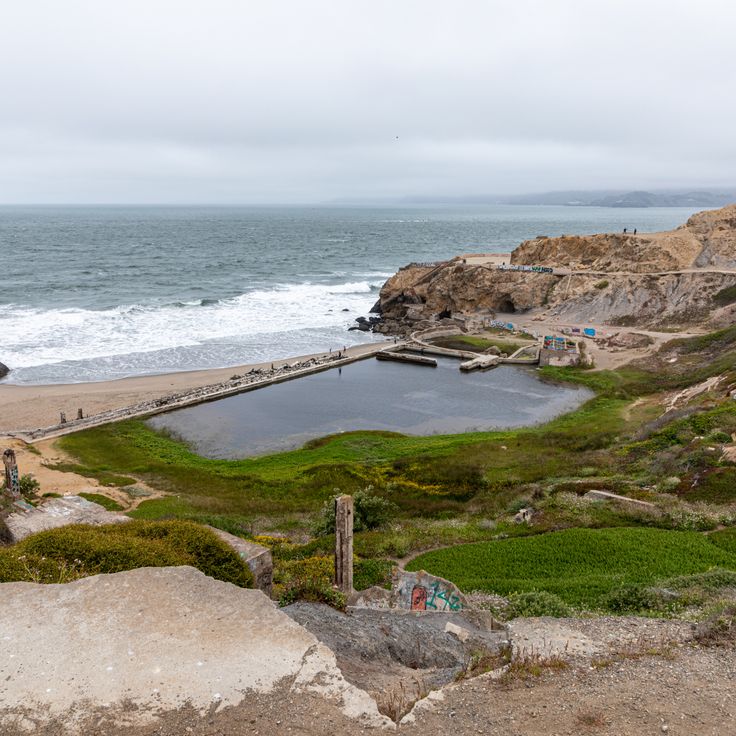
The Sutro Baths were a public bathhouse complex on the San Francisco coast, opened in 1896 by entrepreneur Adolph Sutro. The facility featured seven swimming pools with varying water temperatures, ranging from frigid seawater to heated water, along with dressing rooms accommodating up to 10,000 visitors. The complex included diving boards, water slides, and a museum displaying curiosities. After years of financial decline, the structure burned down in 1966 while being prepared for demolition.
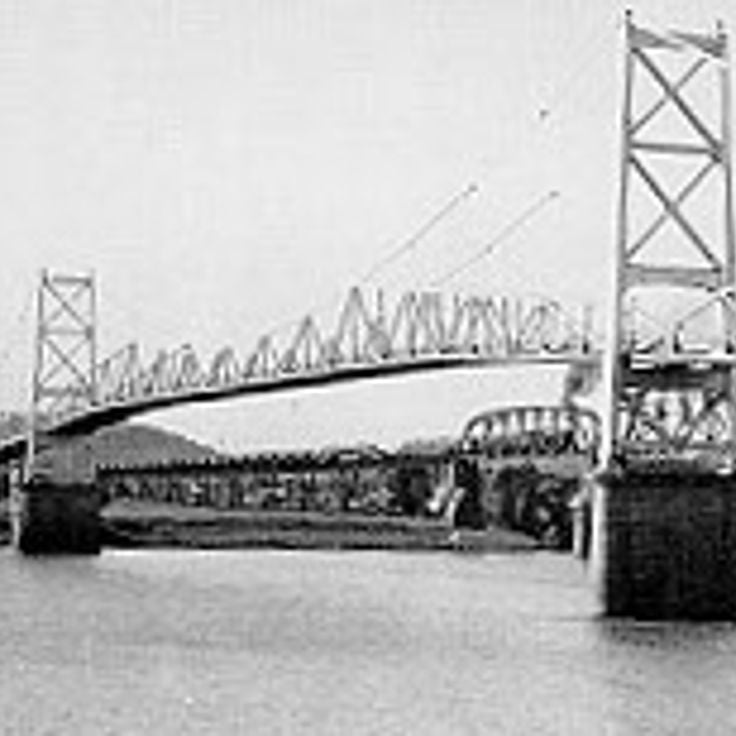
This bridge connected West Virginia and Ohio across the Ohio River and opened in 1928. The construction used aluminum instead of conventional steel for the suspension cables. In December 1967, the bridge collapsed during rush hour and 46 people lost their lives. The collapse was caused by the failure of an eye-bar. The bridge belongs to the vanished structures whose sudden loss influenced the history of engineering and transportation safety.
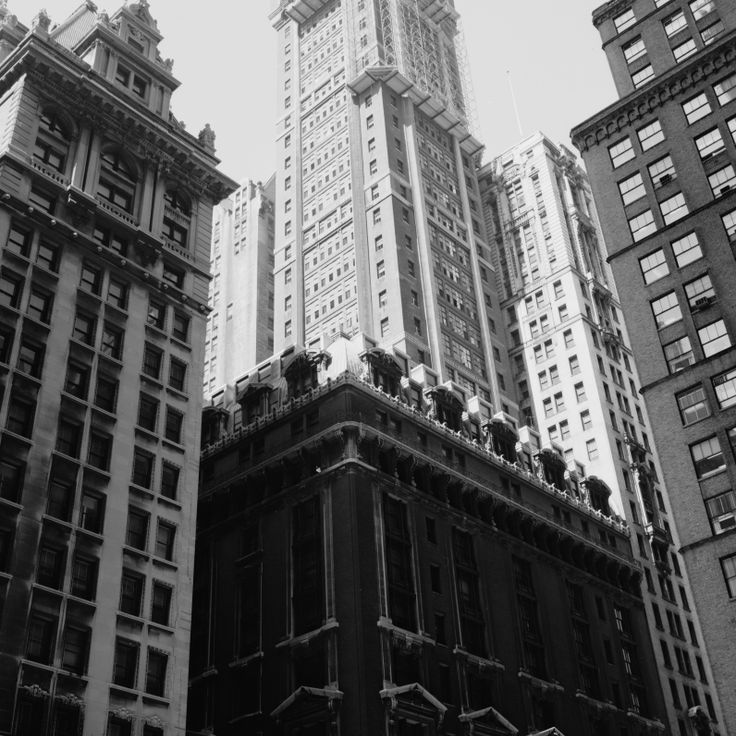
The Singer Building was an early 20th-century skyscraper in the Financial District of Manhattan. This tower was completed in 1908 and briefly stood as the tallest building in the world. The facade combined steel with richly ornamented terracotta elements in the French Beaux-Arts style. The building housed the offices of the Singer Sewing Machine Company and represented the rapid growth of New York as a business center. In 1968 the Singer Building was demolished to make way for a larger office tower. This demolition made it the tallest building ever intentionally destroyed and marked a turning point in debates over the preservation of historic architecture in American cities.
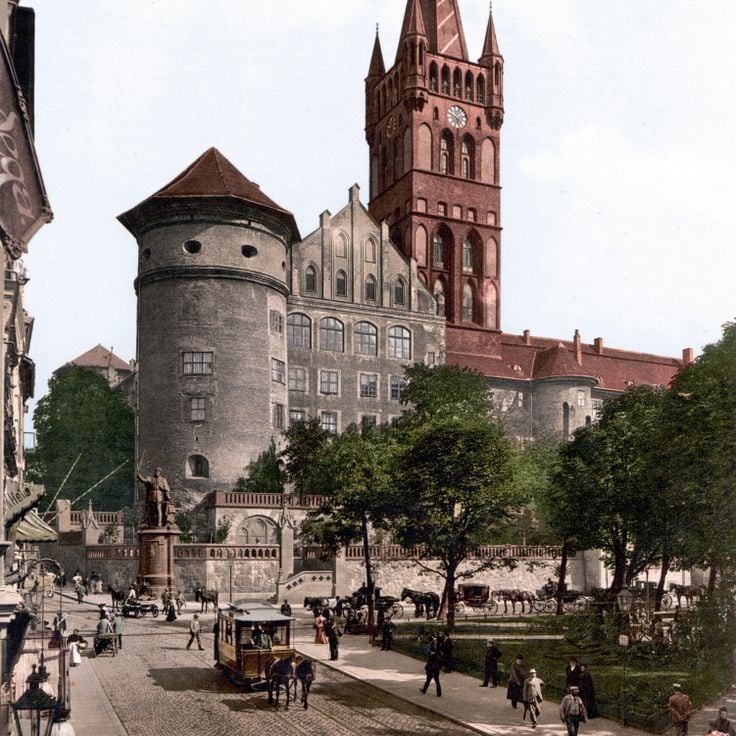
This castle in Kaliningrad disappeared from the cityscape after World War II. Königsberg Castle stood for centuries as a center of Prussian history and was finally demolished in the 1960s. The ruin was blown up to make room for Soviet construction projects. Today only foundations and historical photographs recall the former residence of dukes and kings that once watched over the city.
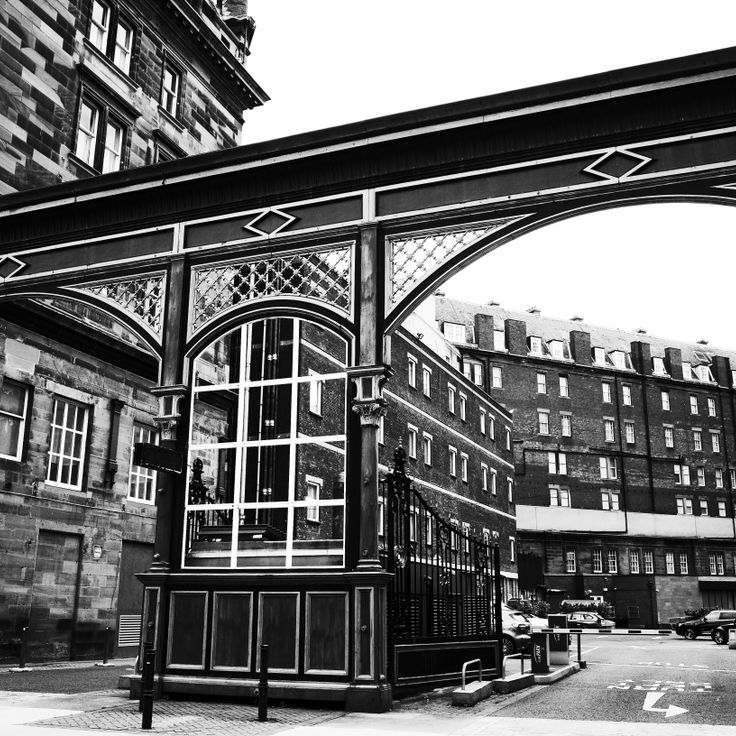
Princes Street Station was a major railway terminus in Edinburgh that operated between 1894 and 1965. This station of the Caledonian Railway and later the London, Midland and Scottish Railway served as a central transport hub in the Scottish capital. Following its closure, the original station building was demolished. Today, the site is occupied by the Caledonian Hotel, which preserves the historical significance of this former transport junction.
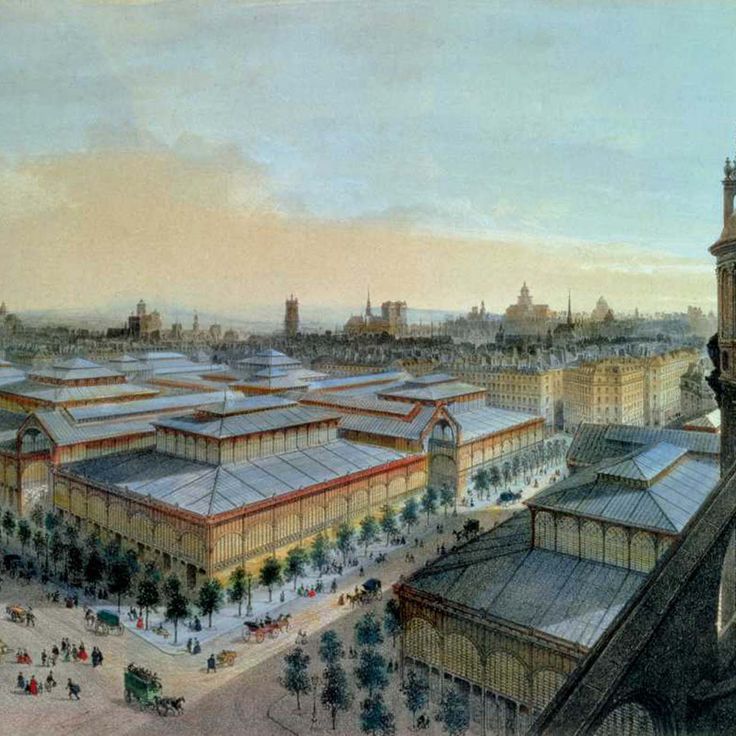
These market halls shaped the center of Paris for over eight centuries. The iron and glass complex was built in the 19th century following Victor Baltard's plans and supplied the city with fresh food. Merchants sold meat, fish, vegetables and fruit, while restaurants and cafes opened in the surrounding streets. The twelve pavilions with their transparent roofs defined the cityscape until they were demolished in 1971 to make room for a shopping center and transport hub.
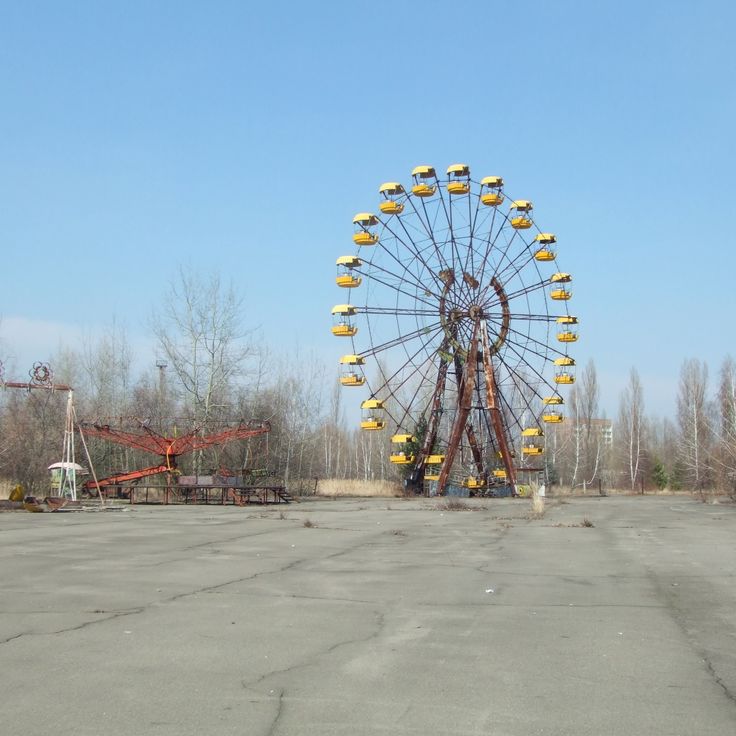
The Pripyat Amusement Park was scheduled to open on April 26, 1986, but never officially welcomed visitors. The facility with its yellow Ferris wheel, bumper cars and other rides has stood abandoned since the city's evacuation following the Chernobyl reactor disaster. The metal and concrete structures rust and decay within the exclusion zone.
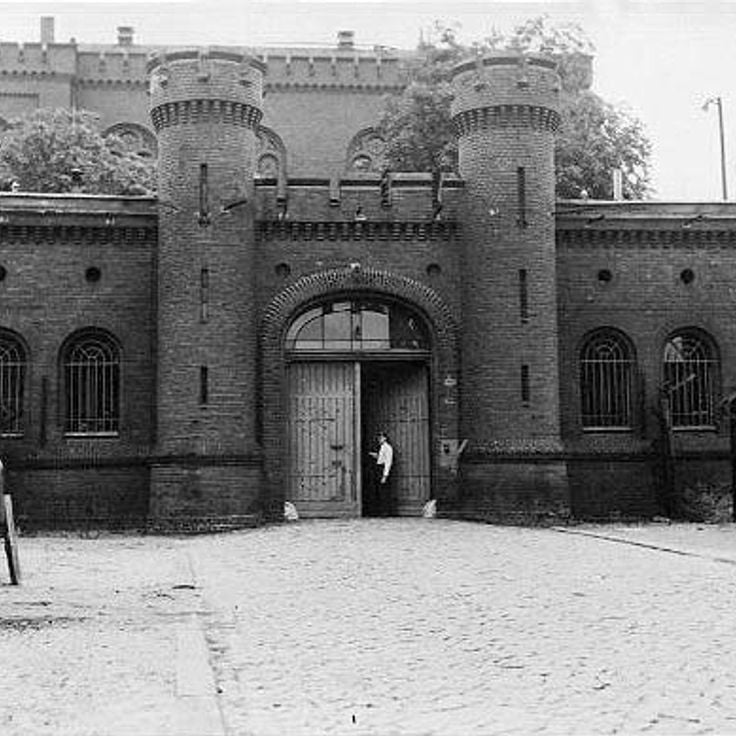
This military prison stood in Berlin until 1987 and was operated by the Allied forces. After the Nuremberg trials, it served to detain convicted war criminals. The buildings were made of red brick and were completely demolished after the death of the last prisoner to prevent pilgrimages. The site is now a shopping center.
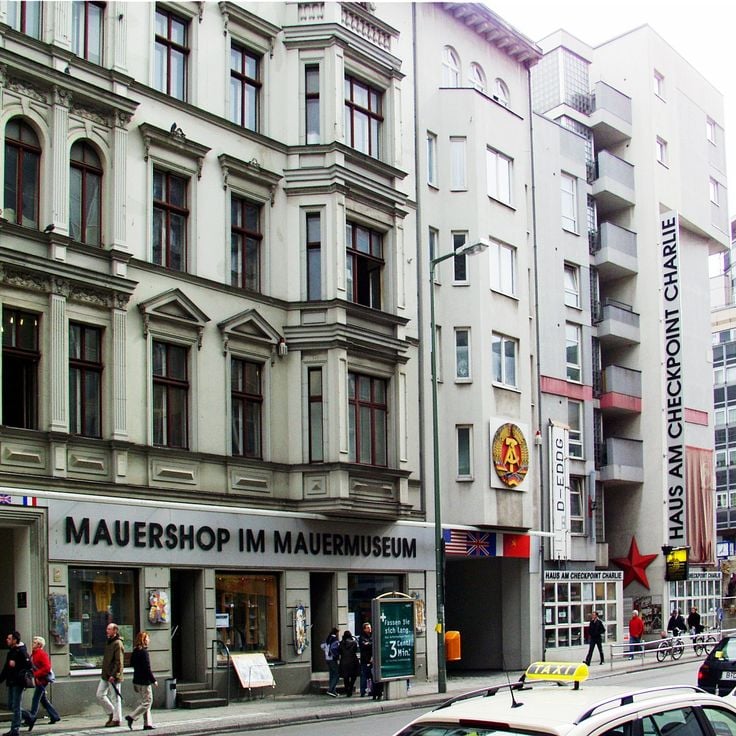
The Berlin Wall was a 155 kilometer fortification system of concrete, barbed wire, and watchtowers that divided Berlin into two parts from 1961 to 1989. This barrier physically separated the city into East Berlin under Soviet control and West Berlin under Western administration. The wall consisted of two parallel concrete walls with a death strip in between and served as a symbol of Germany's division during the Cold War.
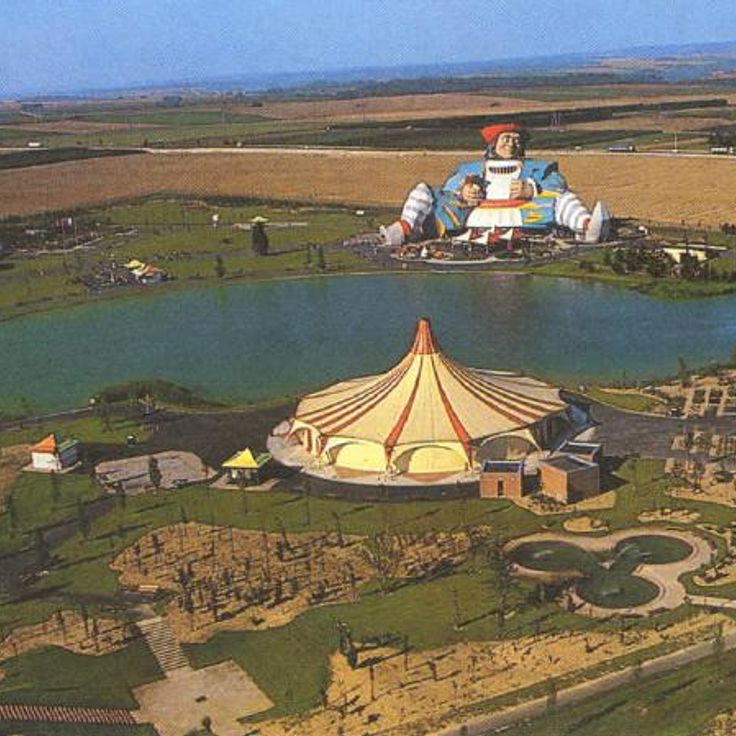
Mirapolis was an amusement park that operated in France from 1991 until its closure. This park represents one of the entertainment venues that have vanished from the European leisure landscape. Like other structures documented in this collection of disappeared buildings, Mirapolis exemplifies how architectural and recreational spaces can disappear due to changing economic conditions, shifting public interests, or urban development priorities. The park's existence and subsequent disappearance form part of a broader historical pattern where built environments give way to new uses or fade from memory as societies evolve.
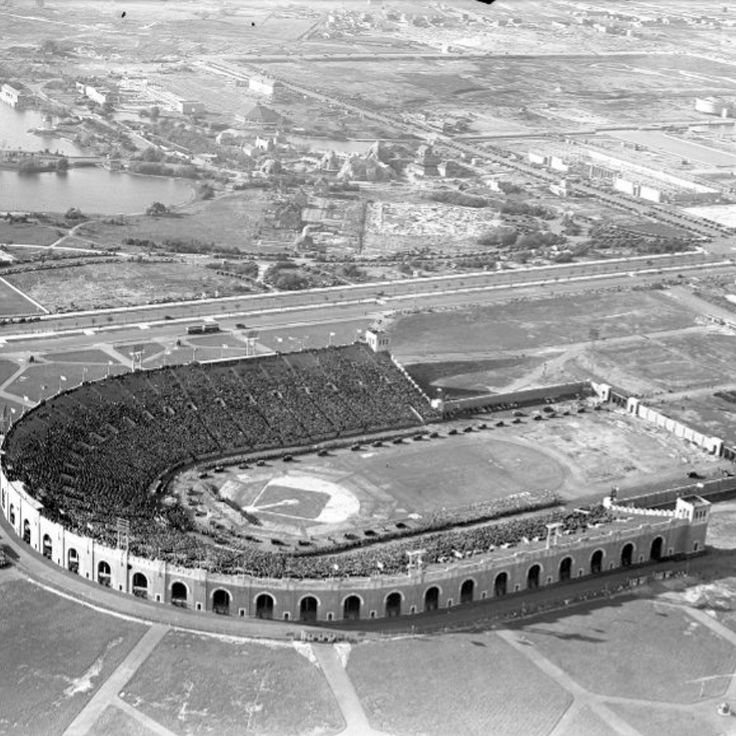
This multi-purpose stadium in South Philadelphia seated over 100,000 spectators and was demolished in 1992. The John F. Kennedy Stadium hosted sporting events, concerts, and public gatherings throughout its decades of operation. The stands stretched in a wide oval, and on event days the seats filled with people from across the region. After years of service, the site was cleared for new urban development, and today only photographs preserve the shape and scale of this structure.
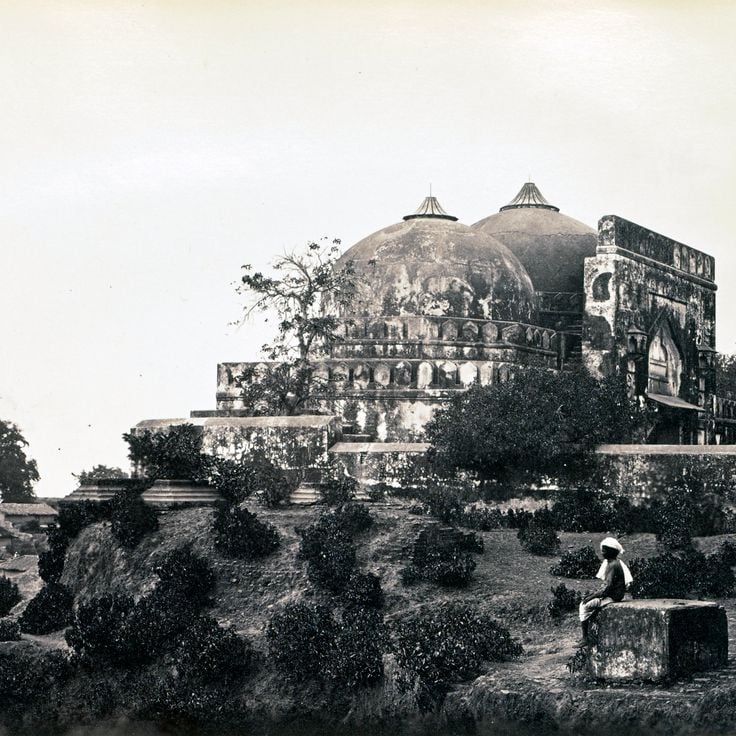
The Babri Masjid was constructed in 1528 during the reign of Mughal emperor Babur in Ayodhya. The structure stood for over four centuries and became a focal point of religious tensions between Hindu and Muslim communities. On December 6, 1992, the mosque was demolished by Hindu activists who claimed it was built on the birthplace of the Hindu deity Rama. The demolition triggered severe communal riots across India and led to decades of legal disputes over the site's ownership and use.
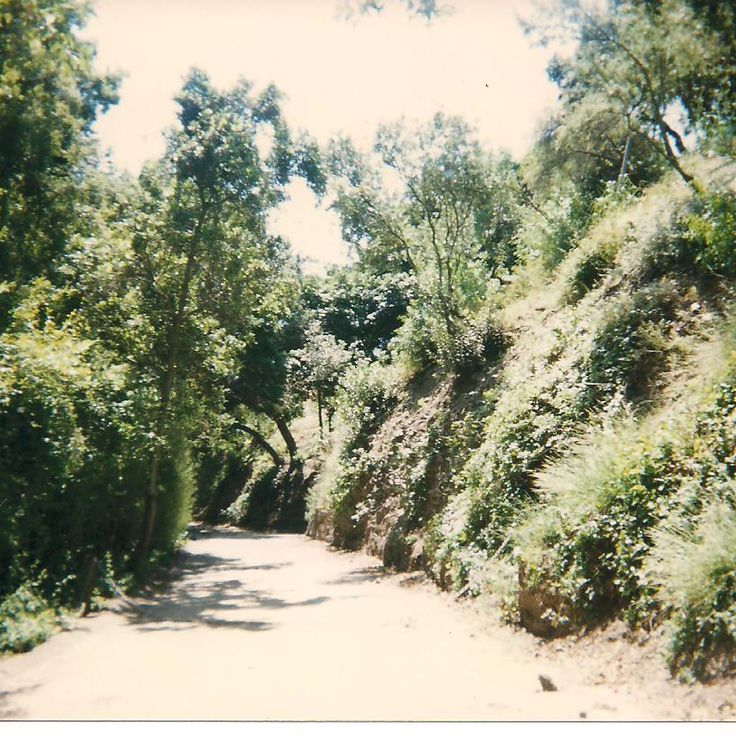
This house in Benedict Canyon became the site of the Manson murders in 1969. It was demolished in 1994 to erase the location from its tragic history. The address was changed to 10066 Cielo Drive, and a new structure now occupies the site. This vanished residence documents how architecture can become bound to dark events that mark a place forever.
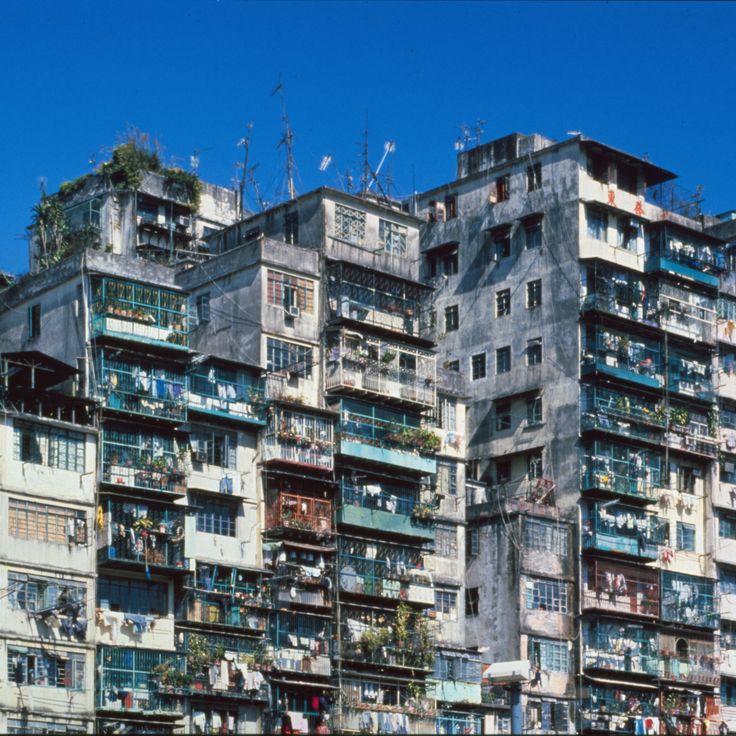
Kowloon Walled City was a fortified settlement in Hong Kong that housed approximately 33,000 residents on just 2.6 hectares between 1987 and 1993. This self-governing enclave originated from a Chinese military fort and developed into a residential area with buildings reaching up to 14 stories. Authorities ordered its demolition in 1987, which was carried out between 1993 and 1994.
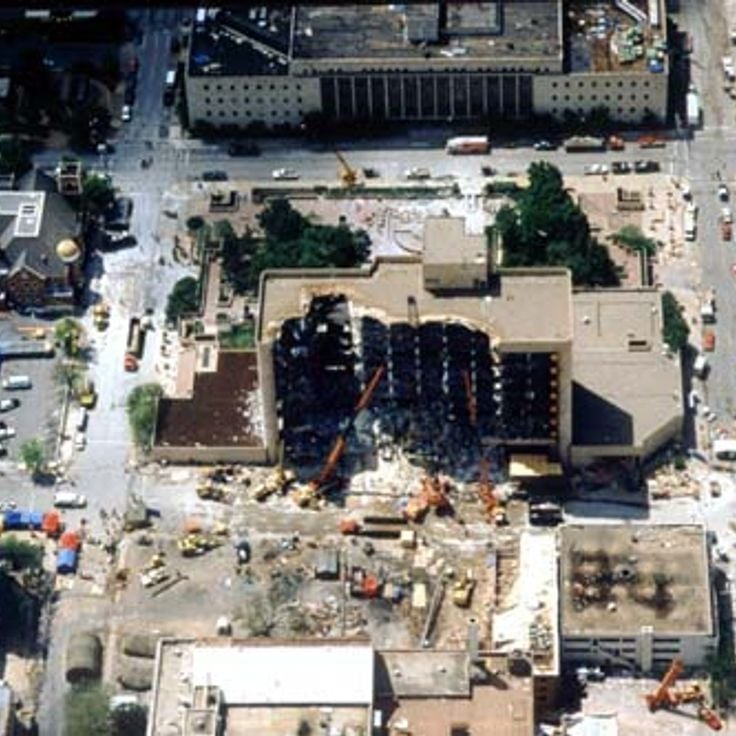
This federal building stood in the heart of Oklahoma City and housed numerous government agencies and public services. The Alfred P. Murrah Federal Building was a nine-story administrative structure from the seventies that provided offices for social security, law enforcement, and other federal departments. On the morning of April 19, 1995, a bomb attack completely destroyed the building and killed 168 people. The explosion tore away the entire north facade and damaged hundreds of surrounding buildings in the downtown area. After the attack, the ruins were cleared, and a memorial with a park, reflecting pool, and 168 empty bronze chairs—one for each victim—now occupies the site.
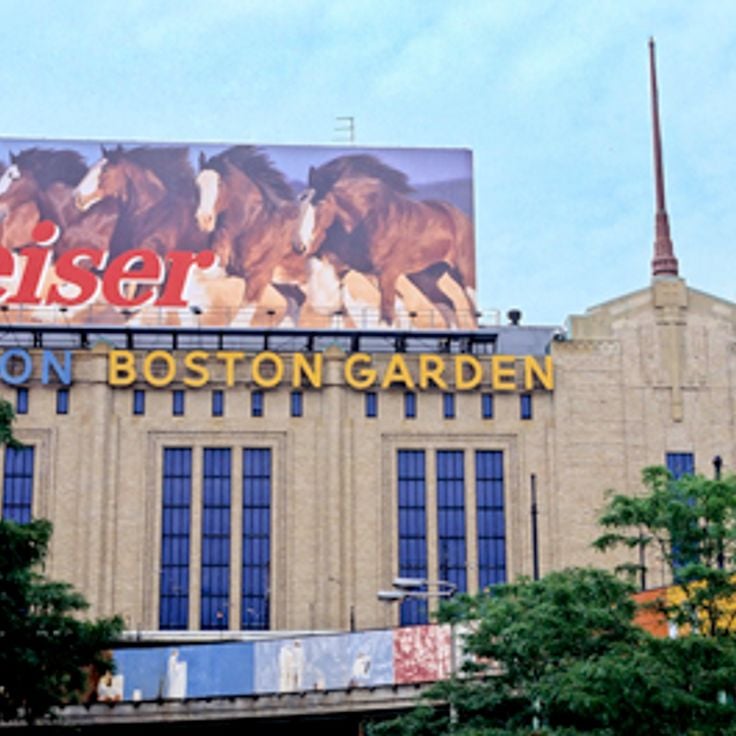
This sports arena stood in Boston from 1928 until 1995 and held ice hockey and basketball games. The Boston Garden was known for its narrow aisles, wooden seats, and the often hazy air during matches. The building hosted home games for the Boston Bruins and Boston Celtics and saw many championship victories. In 1995 the structure was torn down and replaced with a new arena. The building documents the history of American sports architecture in the early 20th century and the development of professional sports in the United States.
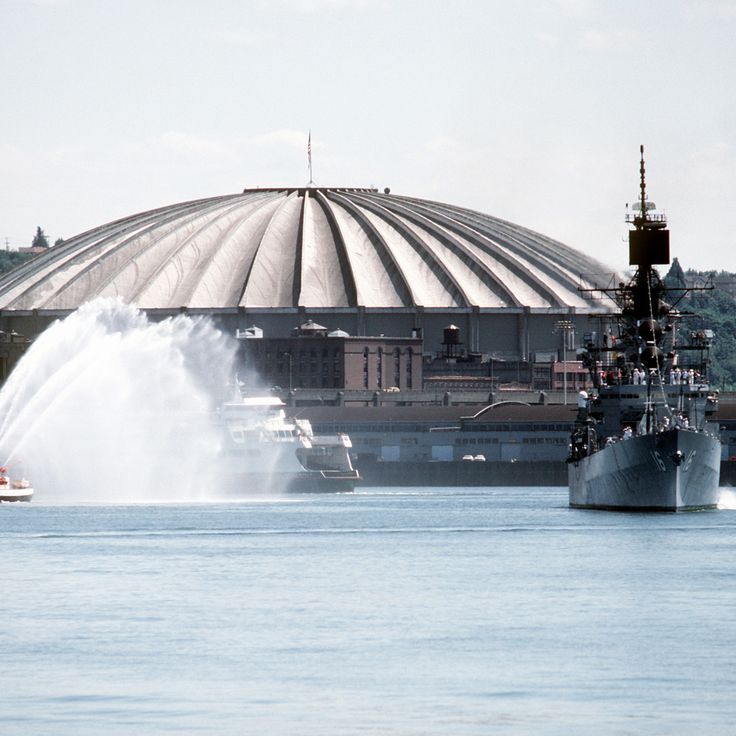
The Kingdome was a multi-purpose stadium in the Industrial District of Seattle that hosted American football, baseball, basketball, and soccer games for 24 years. This concrete dome with a span of about 660 feet (201 meters) opened in 1976 and was one of the largest freestanding domed roofs in the world at the time. The stadium held over 65,000 spectators for football games and became known for its loud environment, as fan noise echoed under the low ceiling. In 2000, this structure was demolished through controlled implosion to make room for modern sports facilities, marking the end of an era in Seattle sports history.
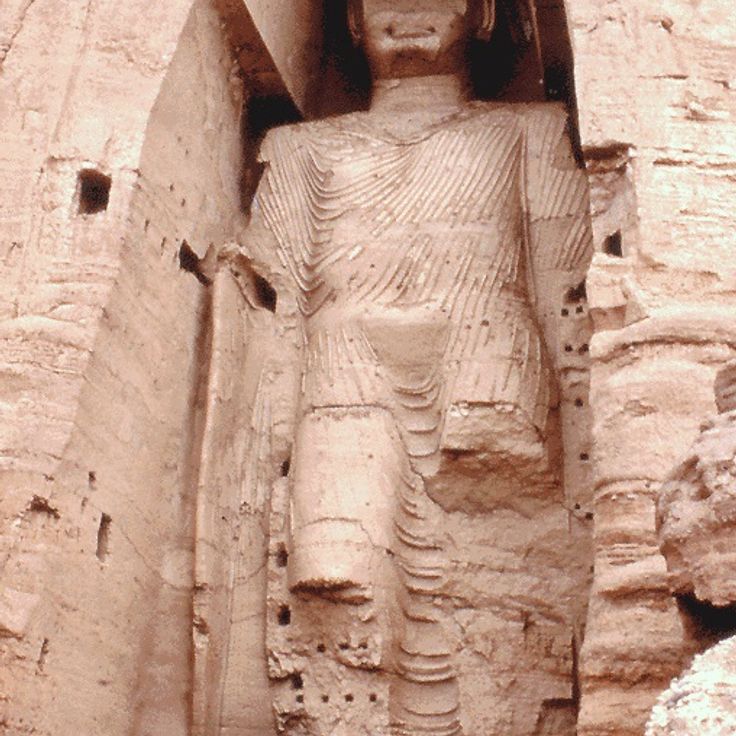
These monumental Buddha statues were carved directly into the sandstone cliffs of the Bamiyan Valley, reaching heights of 55 and 37 meters. The larger statue, depicted in saffron-colored robes, and the smaller one in carmine red served as spiritual landmarks for travelers and merchants along the Silk Road for centuries. Dating from the 6th century, the statues combined Gandhara-Greek artistic traditions with Buddhist iconography.
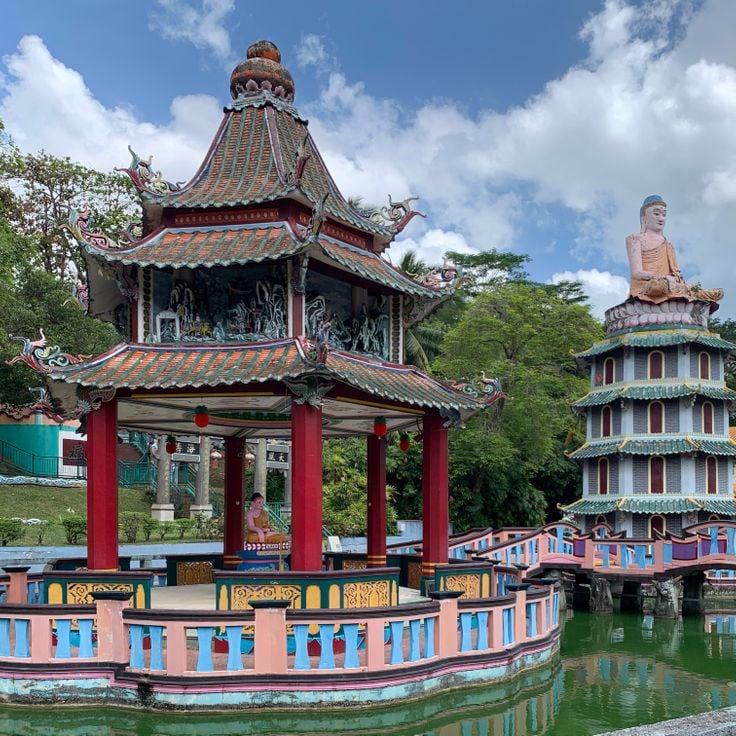
The Tiger Balm Gardens were a theme park in Singapore built by the Aw family during the 1930s. The gardens presented scenes and figures from Chinese mythology and folklore as a promotional tool for the Tiger Balm medicinal ointment. Visitors could walk through sections featuring statues of deities, demons, and legendary characters. The park closed in 2001 and was subsequently demolished.
Manhattan, New York City, United States of America
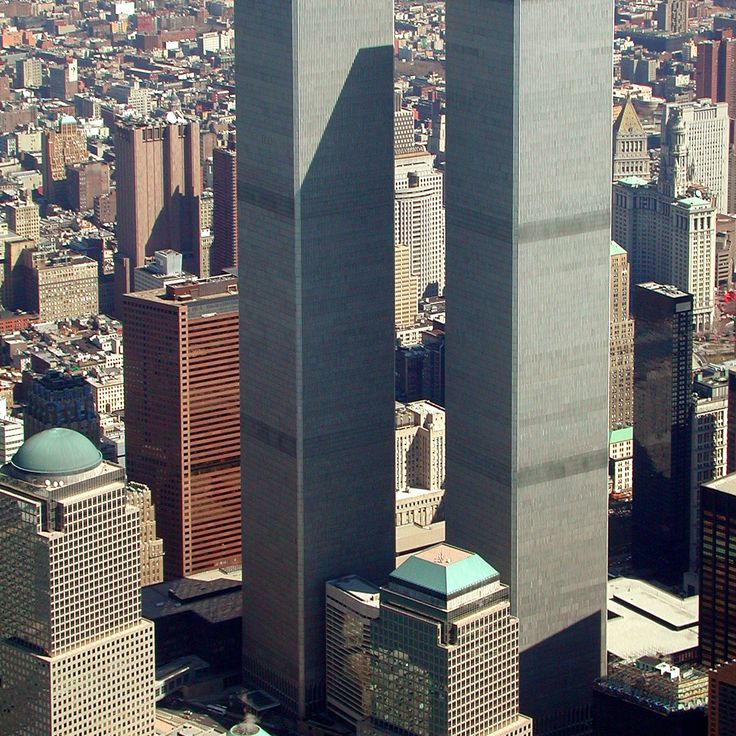
These twin towers stood in the heart of Manhattan and shaped the skyline of New York City for over three decades. The World Trade Center consisted of two prominent high-rises built in the late 1960s, recognized for their height and clean, modern design. The towers served as a major center for trade and finance, housing offices of international companies. In 2001, they were destroyed in a terrorist attack, making them a symbol of a turning point in recent history.
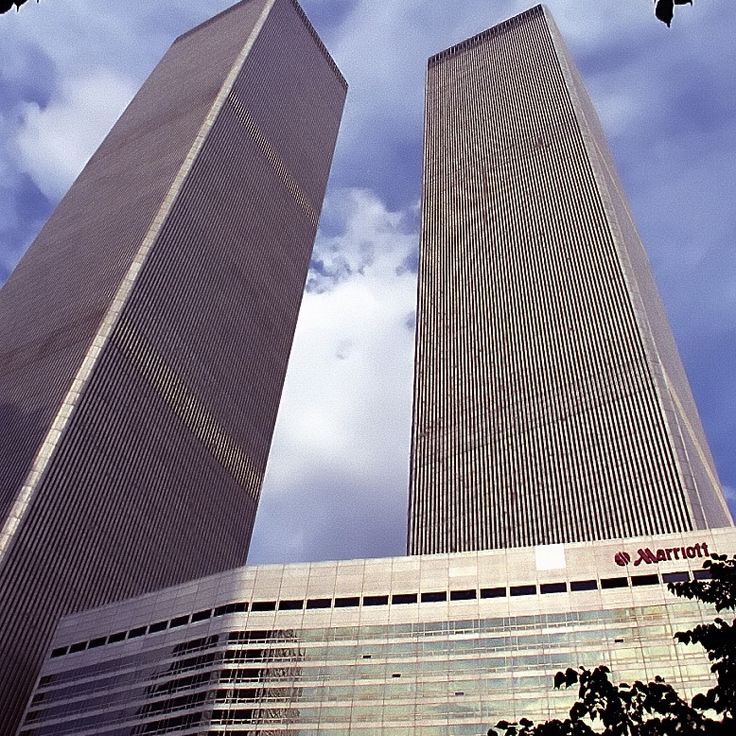
This hotel stood from the mid-seventies until 2001 in lower Manhattan, as part of the World Trade Center complex. The building had twenty-two floors and sat directly beside the North Tower. Guests entered through a glass-walled lobby, and the upper floors provided views over the harbor and the city. On September 11, 2001, it was destroyed completely when the Twin Towers collapsed. The debris buried the entire building beneath it.
This skyscraper stood as part of the World Trade Center complex in Manhattan and was destroyed in 2001. It was an office building with multiple floors, constructed from steel and concrete. The structure belonged to the larger ensemble of towers in the financial district of New York and housed various companies and government agencies. After the collapse of the main towers, this building also fell on the same day. The site was later rebuilt with a new tower of the same name, which has stood since 2006 and reshaped the skyline of the neighborhood.
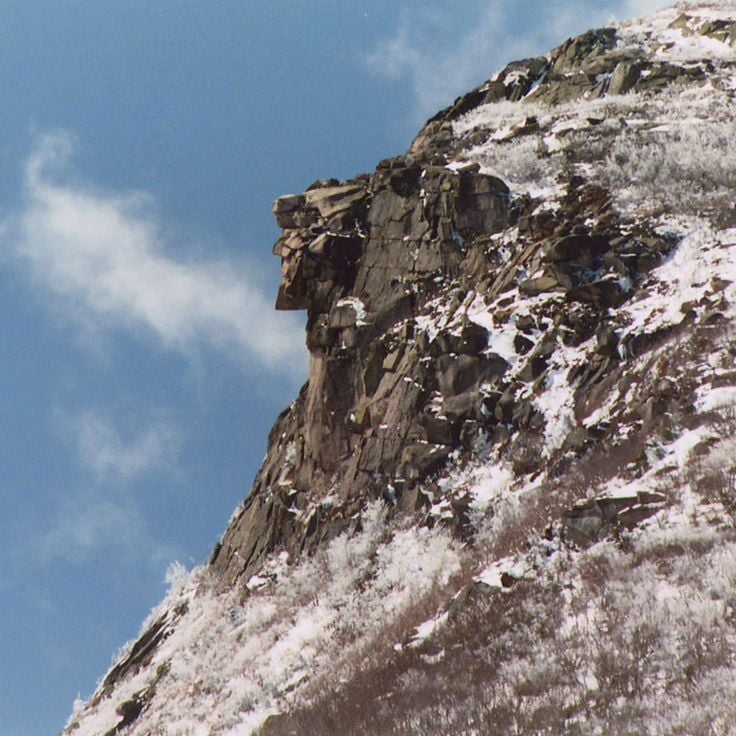
The Old Man of the Mountain was a natural rock formation in the White Mountains that displayed a distinctive human face profile at an elevation of 1,158 meters. This geological feature consisted of five horizontal granite ledges on Cannon Mountain. The profile measured approximately 12 meters in height and projected 8 meters from the cliff face. On May 3, 2003, the formation collapsed due to natural erosion and frost weathering, ending its estimated 12,000-year existence since the last ice age.
The original Wembley Stadium was constructed in 1923 for the British Empire Exhibition and became England's principal football venue. The structure featured two distinctive towers flanking the main entrance, each rising 35 metres in height and serving as the landmark of the complex. The stadium accommodated 82,000 spectators and hosted numerous international football matches, FA Cup finals, and major musical performances. After eighty years of operation, demolition took place in 2003 to make way for a modern replacement facility.
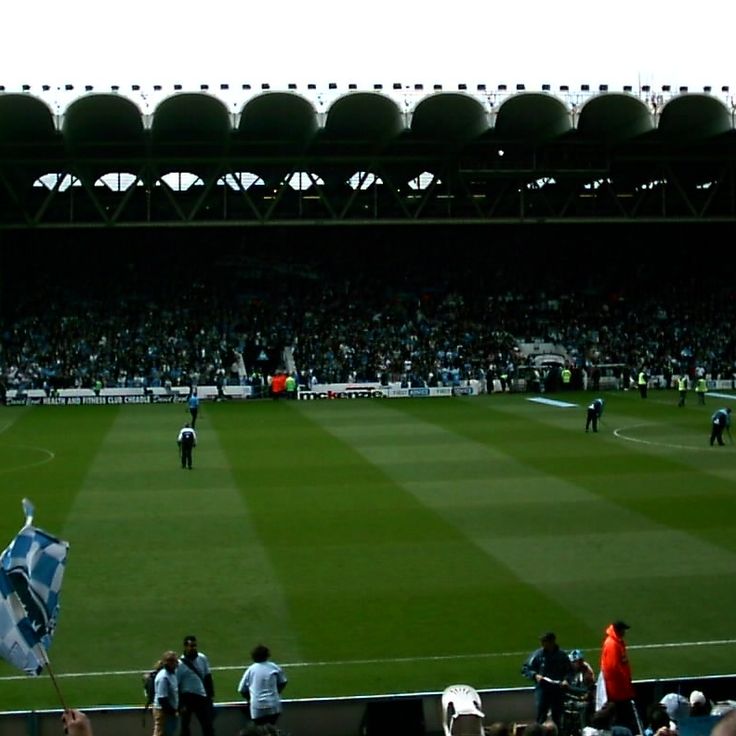
Maine Road was the home stadium of Manchester City Football Club from 1923 to 2003. This football ground stood in the Moss Side neighborhood and could hold over 80,000 spectators at its peak. The venue hosted many important matches, including international games and FA Cup semi-finals. After the club moved to the City of Manchester Stadium, Maine Road was demolished in 2004. A residential development now occupies the site, commemorating the history of the location.
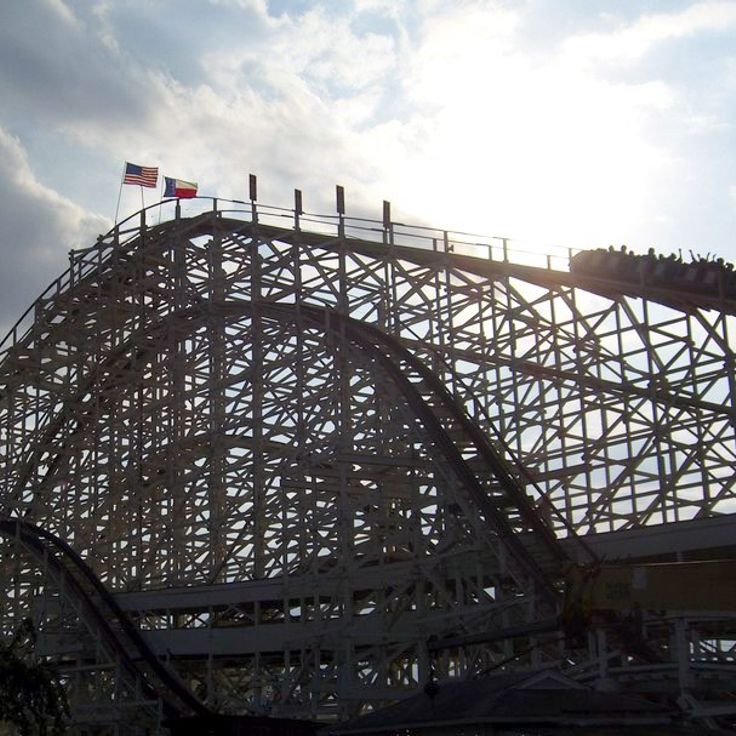
This amusement park in Houston operated for over three decades before closing permanently in 2005. The site featured roller coasters, family rides, and themed areas that drew visitors from across Texas and neighboring states. The park opened in the early 1960s adjacent to the Astrodome stadium as part of a larger entertainment complex. After closure, attractions were dismantled and sold to other locations, while the land was cleared for residential development. This closure marked the end of an era for Houston entertainment and demonstrates how economic decisions can lead to the removal of long-standing recreational facilities.
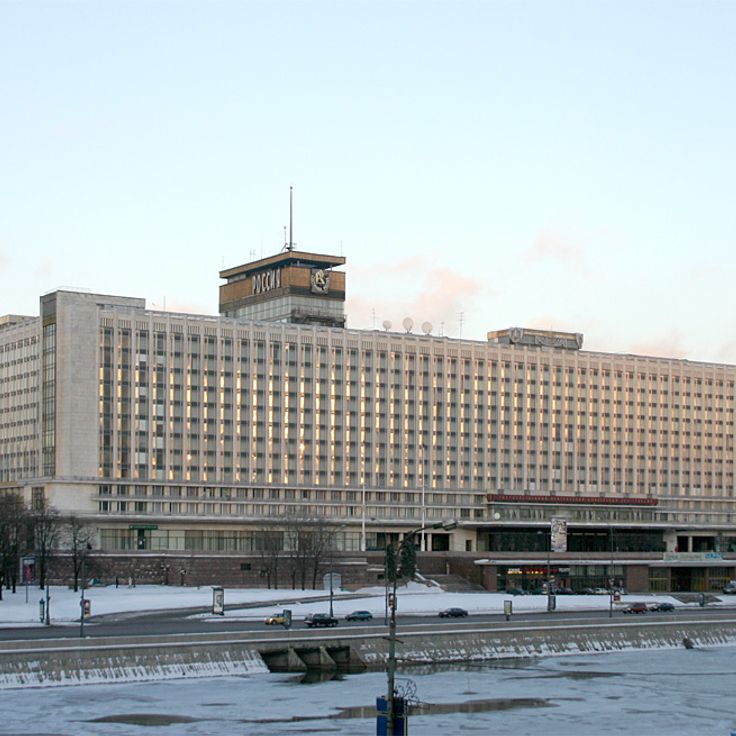
This hotel stood from 1967 to 2006 in central Moscow, a few steps from the Kremlin and Red Square. The complex was among the largest hotels in Europe, with more than three thousand rooms spread across twelve floors. The architecture followed postwar Soviet style, using heavy concrete construction and functional layouts. Guests from around the world stayed here during the 1980 Olympics and other state events. Rooms were simply furnished, corridors long, and public areas sprawling. After the Soviet Union ended, the building lost relevance and no longer met the standards of modern hospitality. The government decided in 2006 to demolish it, clearing space for a new urban development project.
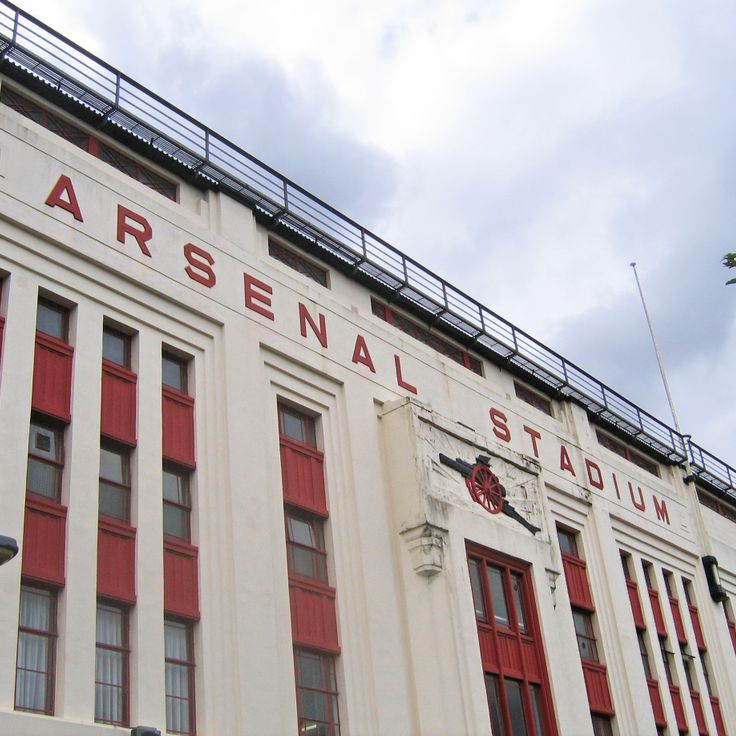
This stadium served as home to Arsenal Football Club from 1913 until 2006 in Highbury, a residential area in north London. The ground held around 38,000 spectators and was known for its traditional English architecture with red brick stands. After the club moved to Emirates Stadium, the Arsenal Stadium was demolished and replaced with housing, though the historic facade of the East Stand was preserved. The development now called Highbury Square recalls the long football history of this place, where generations of supporters cheered their team.
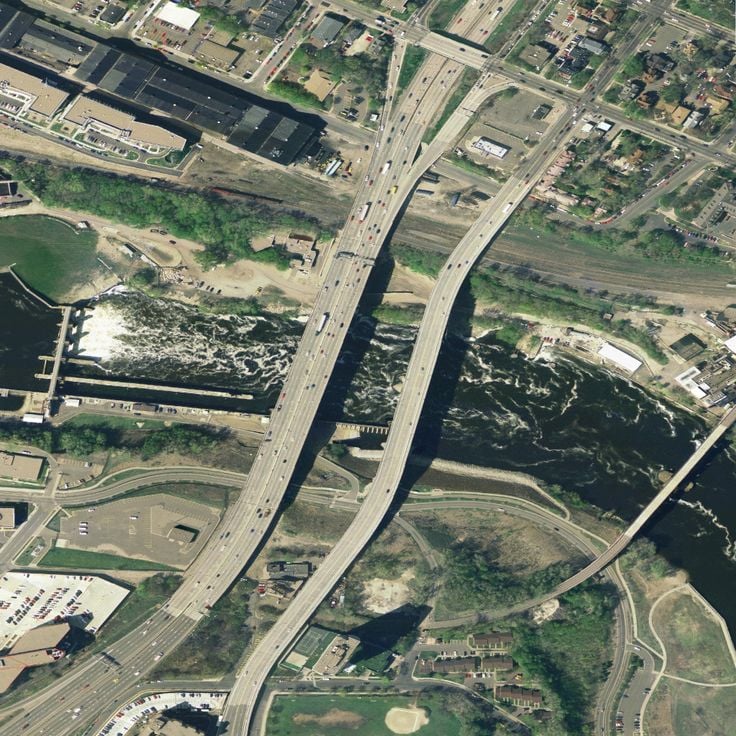
This bridge carried Interstate 35W across the Mississippi River in central Minneapolis, connecting the two riverbanks as a major traffic route. The eight-lane steel structure from the 1960s collapsed in August 2007 during evening rush hour, sending vehicles and people into the river below. The collapse happened without warning and led to a widespread reassessment of bridge safety across North America. A new bridge now stands at the same location, carrying traffic over the river.
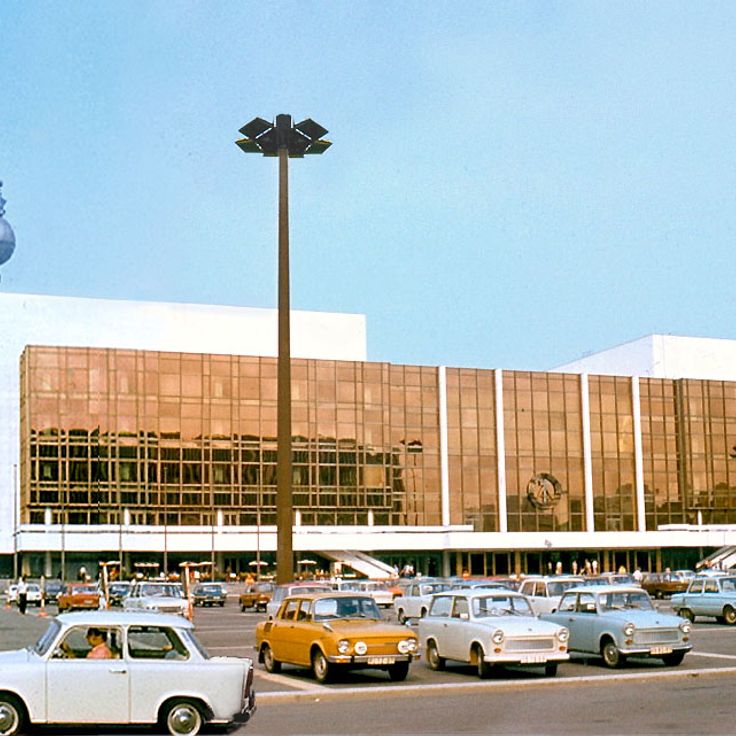
This building served as the parliament of the German Democratic Republic in Berlin and was demolished after reunification. The structure from the 1970s housed not only the assembly hall but also a theater, restaurants, and a bowling alley. The bronze-tinted glass facades reflected the surroundings and shaped the cityscape at Marx-Engels-Platz. After the end of the GDR, the palace stood empty for years before being completely removed between 2006 and 2008. The reconstructed Berlin City Palace now occupies its former site.
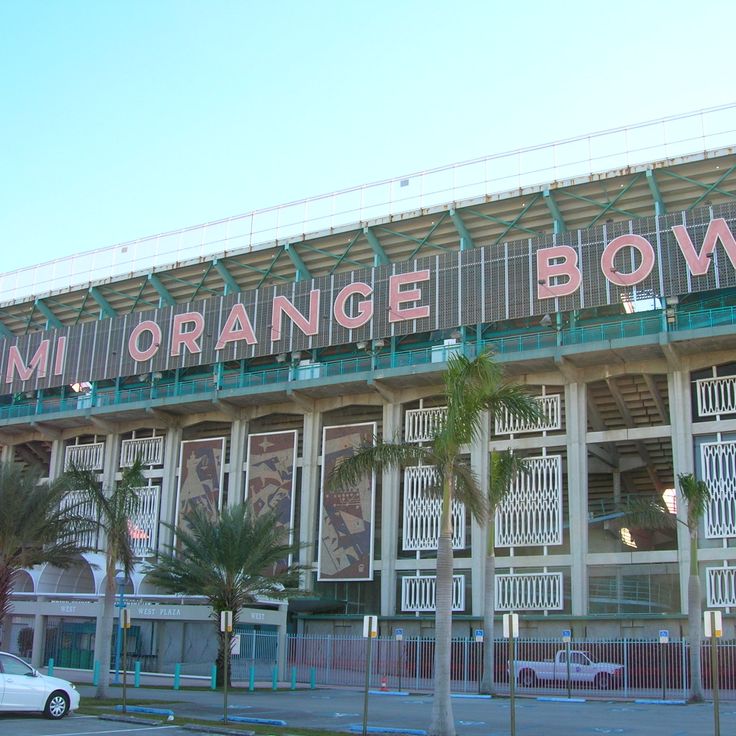
This stadium stood in Miami and served as a center of American football for decades. The structure held more than 70,000 spectators and was home to several sports teams. Built in the 1930s, the facility hosted college games, professional teams, and international soccer tournaments. The open concrete construction followed the style of early modern public sports buildings. In 2008, the stadium was demolished to make room for a new baseball venue. The Miami Orange Bowl belongs to the vanished architectural structures lost to urban redevelopment.
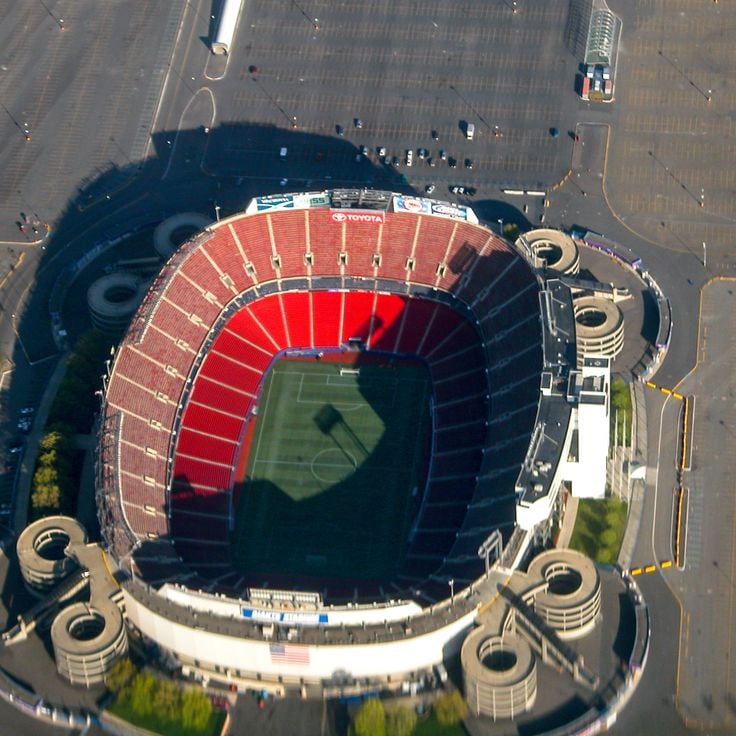
This stadium on the western bank of the Hudson River served as home to two professional football teams for more than three decades and seated around eighty thousand spectators. The concrete and steel structure was demolished in 2010 when the teams moved to a new venue next door. During its years of operation, the site also hosted numerous concerts and international soccer matches that drew large crowds from the New York region.
The Dome of Light was a large glass mosaic installed in 2008 at the Formosa Boulevard Station of the Kaohsiung Metro. This artwork covered 4500 square meters and consisted of over 4500 glass panels designed by Italian artist Narcissus Quagliata. The mosaic depicted themes of water, earth, light, and fire, forming the world's largest glass sculpture in a subway station. During subway station renovations, this mosaic was removed from its original location.
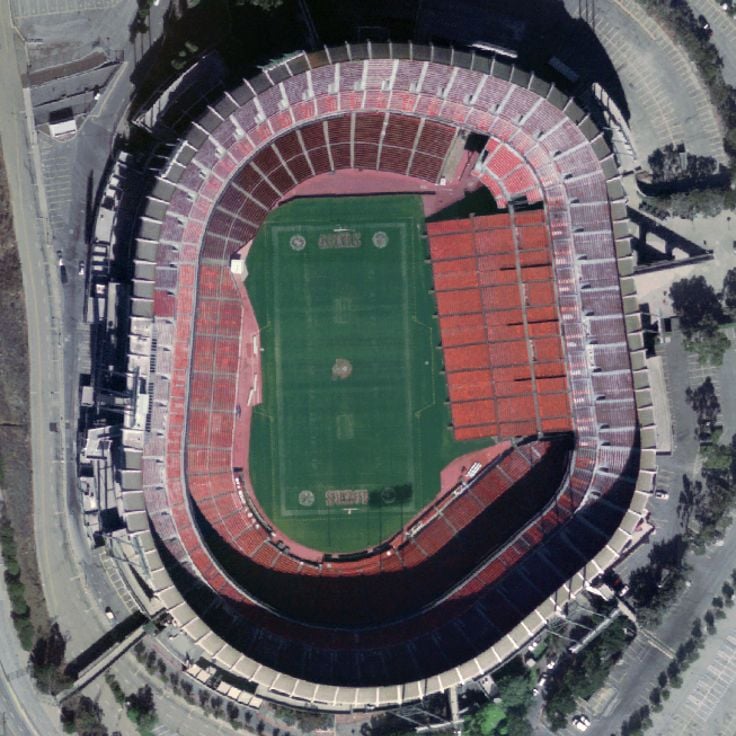
This stadium stood in the Hunters Point neighborhood of San Francisco and provided a home for baseball and football teams for decades. The venue opened in 1960 and became known for strong winds blowing in from the Pacific that made games unpredictable. Fans remember cold evenings and the exposed location near the bay. The stadium was demolished in 2015 after both teams moved to newer facilities.
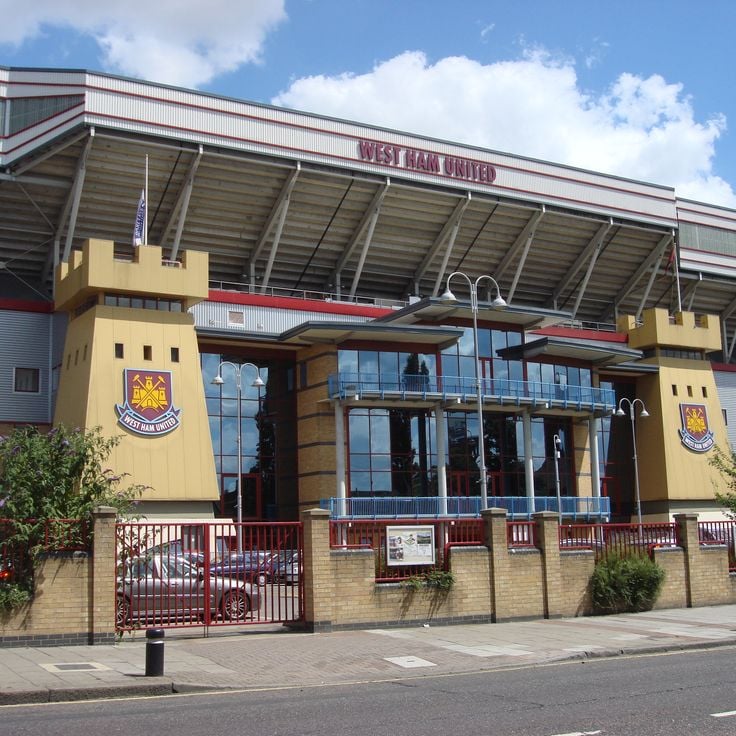
This football stadium in London stood for over a century near Upton Park station. Home to West Ham United, it opened in 1904 and held more than 35,000 spectators. The ground was known for its close atmosphere on match days, when fans packed the tight stands. Concrete and steel terraces felt embedded in the residential neighborhood, surrounded by Victorian terraced houses and commercial streets. The Boleyn Ground was demolished in 2016 after the club moved to the Olympic Stadium. A housing estate now occupies its site.
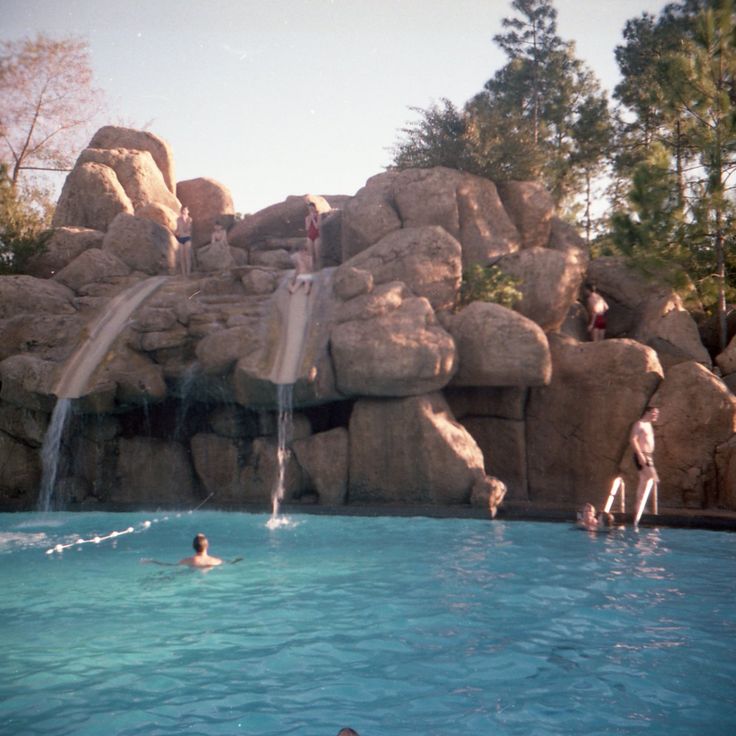
This water park at Bay Lake in Florida was among the first Disney World theme parks. It opened in 1976 and attracted visitors with man-made sandy beaches, water slides, and swimming areas designed to resemble a natural river. The facility used filtered water from the adjacent lake and offered families a rustic alternative to other Disney attractions. After years of declining attendance and rising maintenance costs, this park closed permanently in 2001 and was later demolished entirely.
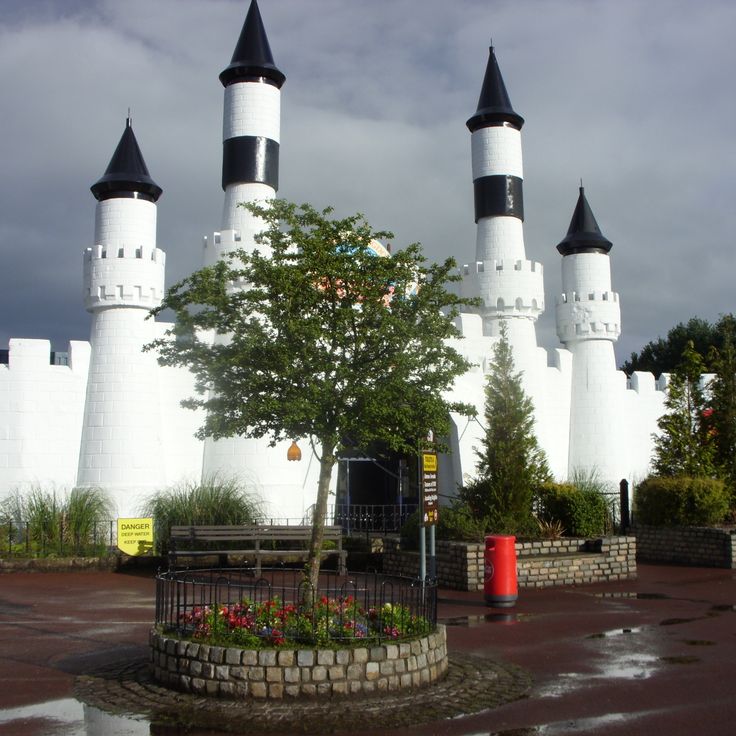
This medieval-themed amusement park in Chorley was built on the site of the former Charnock Richard Service Station. The grounds opened in 1983 and offered rides, roller coasters and themed areas based on Arthurian legend. Visitors could walk through replica castles and knightly halls while shows featuring jousting tournaments and falconry added to the historical setting. The park became a popular destination for families in northwest England and maintained its medieval design for over two decades. After financial difficulties, the facility closed permanently in 2012 and was later demolished.
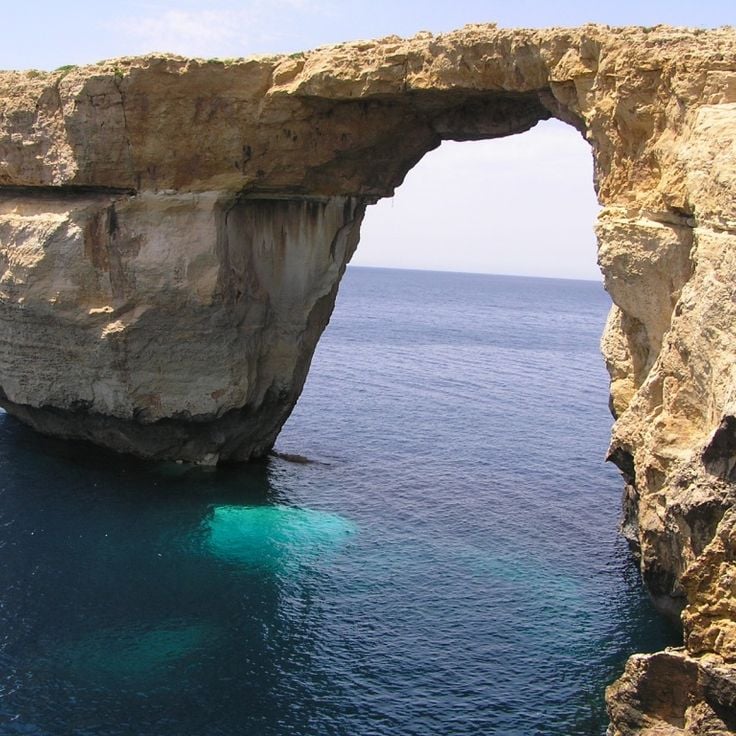
The Azure Window was a natural limestone arch formation located on the coast of Gozo. The arch rose approximately 28 metres above sea level and spanned about 25 metres across. The formation developed over thousands of years through continuous wave and wind erosion of the coastal cliffs. In March 2017, the Azure Window collapsed during a storm, following years of geological warnings about the progressive instability of the structure. The site remains a popular diving location where visitors can observe the submerged remains.
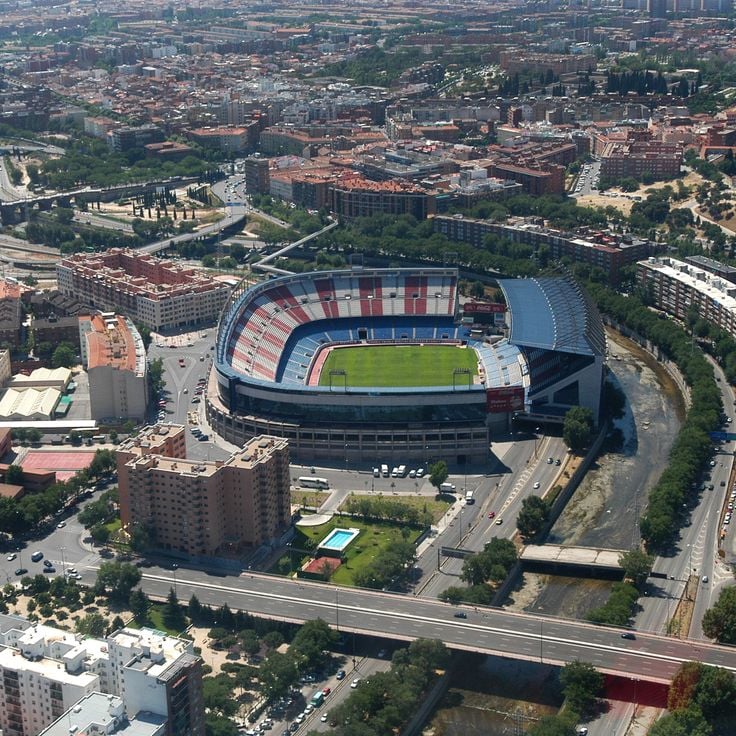
This stadium stood on the banks of the Manzanares River in southern Madrid and served for decades as home to Atlético Madrid. Vicente Calderón opened in 1966 and held more than 50,000 spectators. The stands stretched along the river while a highway ran directly beneath the main stand. The stadium was demolished in 2017 to make way for housing and green spaces. Today only photographs and memories remain of match days when thousands of fans streamed through the narrow streets of the neighborhood.
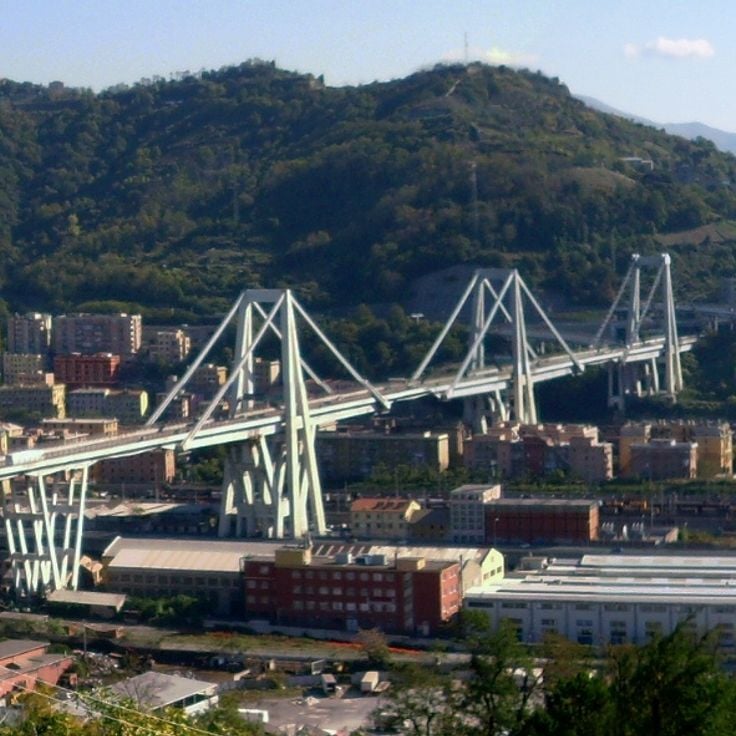
The Morandi Bridge was a highway viaduct that carried the A10 motorway across the Polcevera River in Genoa. Built between 1963 and 1967 to a design by engineer Riccardo Morandi, the bridge had a total length of 1,182 meters and consisted of 11 spans supported by reinforced concrete pylons. The structure used prestressed concrete cables as load-bearing elements. On August 14, 2018, a 210-meter central section collapsed during a severe thunderstorm, killing 43 people and destroying several residential buildings beneath the bridge. The tragedy sparked national debates about the state of Italian infrastructure and the maintenance of aging structures.
This highway viaduct in Genoa was completed in 1967 and connected the city with the coast and the hinterland. The structure rested on slender concrete pillars and passed over densely populated residential areas, industrial facilities, and a river. It collapsed in August 2018 during a heavy storm, killing dozens of people. The viaduct was an important part of the Italian road network and was replaced by a new crossing that opened in 2020.
This museum preserves the memory of an early McDonald's restaurant and displays exhibits about the history of the fast-food chain in the United States. The collection includes photographs, original objects, and replicas from the company's early years. Visitors can trace how quick-service restaurants spread through American society and understand the role this particular building played in that development before it disappeared.
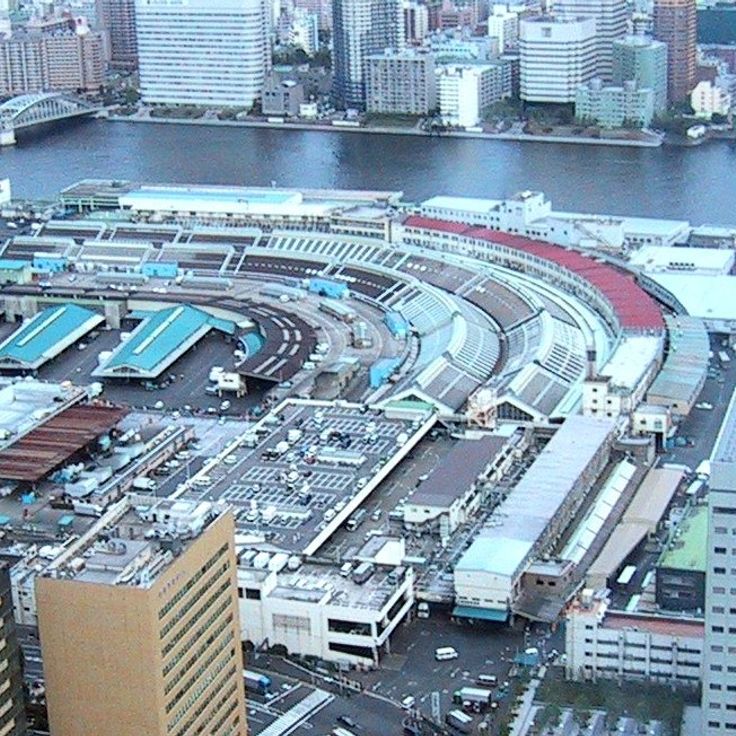
This market supplied Tokyo with fresh fish and seafood for over 80 years. Traders began work before dawn, when buyers inspected tuna and other catches. Long rows of stalls filled the large halls, where fish merchants laid out their goods and chefs from restaurants made their purchases. The smell of saltwater and ice hung in the air while forklifts maneuvered between the narrow aisles. In 2018 this market closed and relocated to a new site.
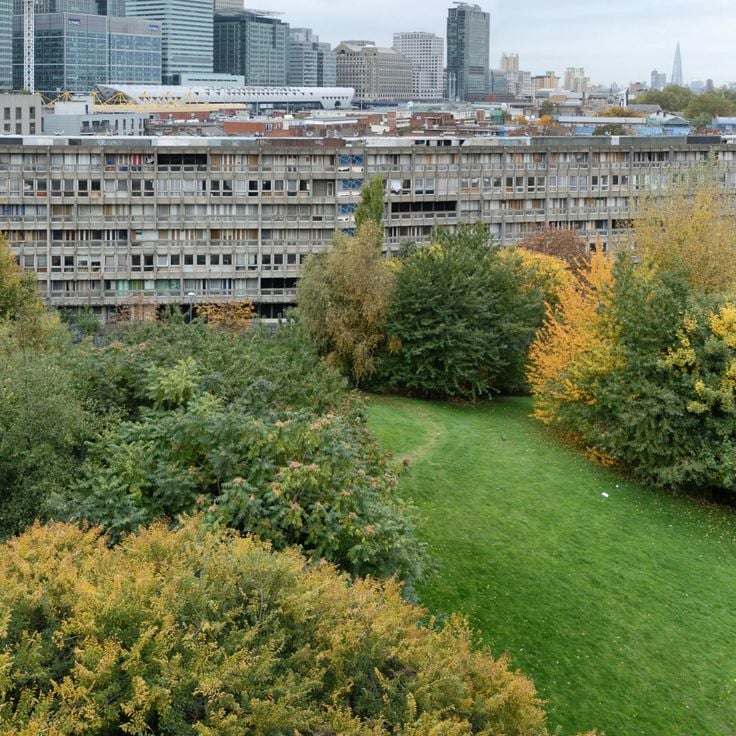
This housing estate in the Poplar district of London was one of the last major examples of postwar British architecture in the brutalist style. Robin Hood Gardens consisted of two long concrete blocks that enclosed a green courtyard. Completed in 1972, the project was designed as social housing, with communal spaces and raised walkways intended to connect residents. The architects aimed to combine vertical living with outdoor public areas. Despite its historical significance, the building was demolished between 2017 and 2018 to make way for new development. This vanished estate belongs to the documented architectural losses, and its demolition highlights the tension between preservation and urban renewal.
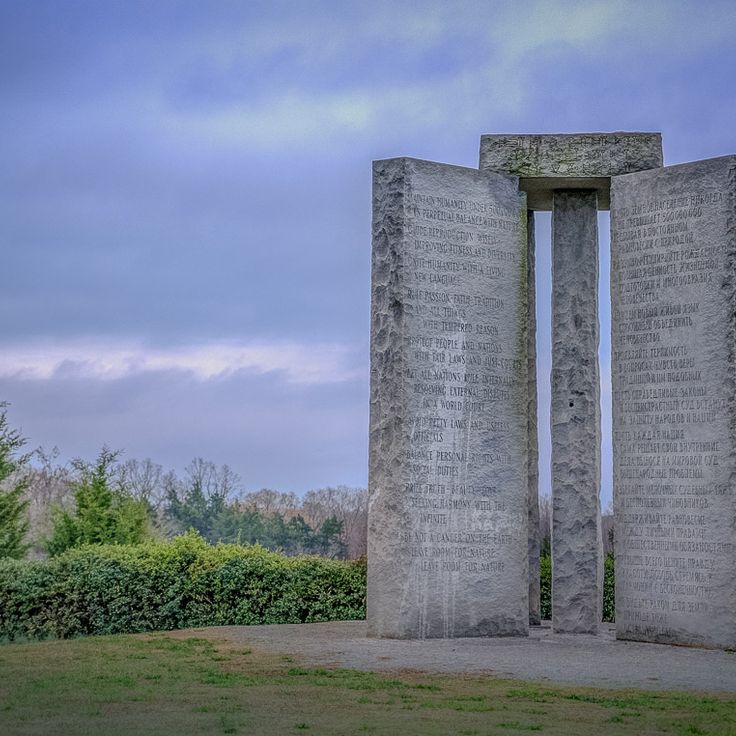
This granite monument stood in Elbert County from 1980 until 2022 and bore inscriptions in eight languages, conceived as guidance for a future civilization. The complex consisted of six slabs reaching about 20 feet (6 meters) in height and was astronomically aligned to mark solar positions and celestial events. After a bombing damaged the structure, it was completely demolished, documenting the loss of a controversial monument from the late modern era.
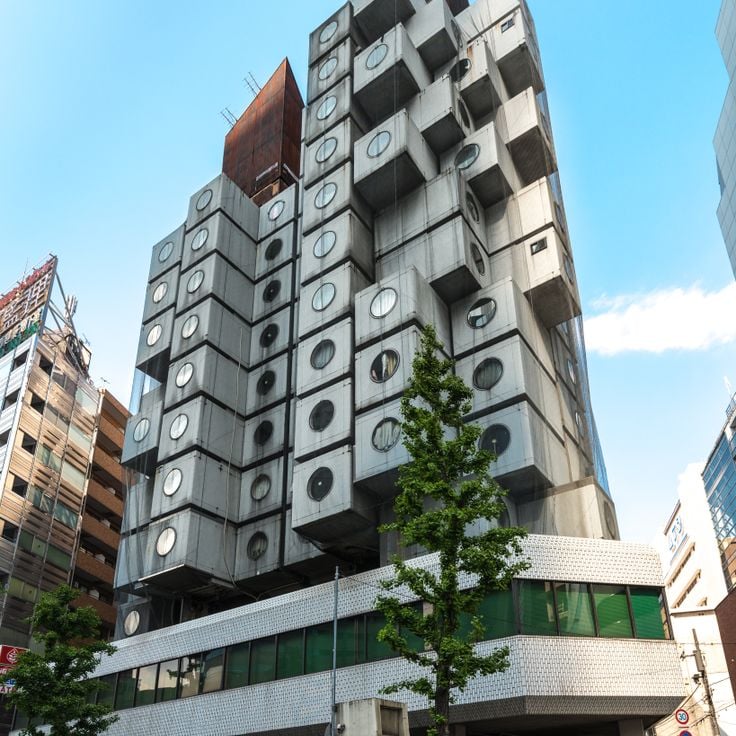
This tower in Ginza embodied the Japanese Metabolism movement, which understood architecture as a living organism. The Nakagin Capsule Tower consisted of prefabricated capsules attached to a central core. Each capsule unit functioned like a living cell: small, efficient, fitted with everything necessary. Residents could theoretically replace or exchange their capsule. The building rose in 1972 as an experiment in flexible living. The exterior appeared as an assembly of boxes with round windows. Despite its innovative concept, the tower deteriorated over time, and the capsules were never exchanged as originally envisioned. In 2022, this icon of experimental architecture disappeared through demolition.
This holy mountain in Jerusalem served as the center of worship for three major religions across thousands of years. Here stood the temple built by King Solomon in the 10th century BC, with massive stone walls and halls decorated in gold. Babylonian forces destroyed the structure in 586 BC. A second temple rose later on the same site, expanded by Herod with grand colonnades and an extensive platform. Roman troops tore down this building in 70 AD. Only the western retaining wall of the original structures survives. Today Islamic buildings from the 7th century mark the mountaintop, while the vanished temples remain documented through written sources and archaeological discoveries.
This temple once stood on the western coast of Asia Minor and was considered one of the Seven Wonders of the Ancient World. The sanctuary was dedicated to the goddess Artemis and drew pilgrims from across the Mediterranean. Marble columns rose over 60 feet (18 meters) into the air and supported a monumental roof. Rich decorations and sculptures adorned the facades. In the 3rd century BCE the building burned down, was rebuilt, and later destroyed again. Today only a few foundations and a single reconstructed column remain to recall the former grandeur of this vanished structure.
This bronze statue stood around 108 feet (33 meters) tall at the harbor of Rhodes during the 3rd century BC and depicted the sun god Helios. The Colossus was completed after a twelve-year construction period and represented a technical wonder of the ancient world. An earthquake in 226 BC caused the statue to collapse, and the remains lay on the ground for over 800 years until they were eventually sold and transported away. This vanished sculpture demonstrates the ambitions of Hellenistic sculptors and the impermanence of monumental structures through natural disasters.
These ancient gardens stood in historical Babylon, in present-day Iraq, and ranked among the seven wonders of the ancient world. The site is believed to have been arranged as a terraced structure with exotic plants watered through artificial irrigation systems. Descriptions from Greek and Roman texts mention multi-level platforms where trees and vegetation flourished in an arid landscape. The existence of these gardens remains debated among historians, as archaeological evidence is absent. If they were actually constructed, they likely disappeared through earthquakes or gradual decay after Babylon declined. This vanished structure remains a symbol of ancient engineering ambition.
The Temple in Jerusalem stood on the Temple Mount and formed the religious center of ancient Judaism for centuries. According to historical sources, a first temple was built in the 10th century BC during the reign of King Solomon. This temple served as a place for rituals and offerings and housed the Ark of the Covenant. In the 6th century BC, the structure fell to Babylonian conquerors. A second temple rose after the return from Babylonian exile and was expanded and rebuilt under King Herod in the 1st century BC. Roman troops destroyed this complex in 70 AD during the siege of Jerusalem. Today the Western Wall recalls the foundation walls of the Herodian temple and draws visitors from around the world.
This ancient library stood in Egypt and gathered knowledge from across the known world for centuries. Its reading rooms held papyrus scrolls on philosophy, mathematics, astronomy, and literature. Scholars traveled from distant lands to study the texts and make copies. The library disappeared over time through fire and decay, with countless writings lost forever.
This colossal statue stood in the Temple of Zeus at Olympia and showed the god seated on a throne, about 40 feet (12 meters) tall. Phidias created it in the 5th century BCE using ivory and gold. The work was considered one of the Seven Wonders of the Ancient World. The statue disappeared sometime in the 5th century CE, possibly destroyed by fire. It embodied the power and majesty of the supreme Greek god and drew pilgrims and visitors to Olympia for centuries.
This theater in Campo Marzio was the first permanent stone theater in ancient Rome. Pompey the Great commissioned it in the 1st century BC, and the structure could seat several thousand spectators. Behind the stage lay a large colonnaded courtyard with gardens, where visitors could gather between performances. The building served as a meeting place and was later absorbed into the medieval street plan, its curved shape still visible in the layout of today's streets.
The Amphitheatre of Serdica was discovered accidentally in 2004 during construction work in the Bulgarian capital. This Roman arena dates from the 3rd to 4th century AD and accommodated approximately 20,000 spectators. Large sections of the structure remain buried beneath the foundations of modern buildings and could not be fully excavated. The visible remains reveal the elliptical shape of the arena and fragments of the seating tiers. The amphitheatre hosted gladiatorial contests and animal hunts during the Roman rule over Serdica, the ancient name of Sofia.
This church in Kyiv was the first stone-built Orthodox church of medieval Kievan Rus. It was constructed in the late 10th century under Grand Prince Vladimir, shortly after the Christianization of the realm. The church was decorated with mosaics and frescoes and served as an important religious center. It was destroyed in the 13th century during the Mongol invasion. Later attempts to rebuild it resulted in new structures that did not replicate the original building. Today, archaeological remains mark this early phase of Orthodox church architecture in Eastern Europe.
The House of Wisdom was a large public library and research center in Baghdad. This institution served as a meeting place for scholars who collected, translated, and commented on manuscripts from the 8th to the 13th century. The rooms held texts from Greek, Persian, and Indian sources, rendered into Arabic. Scholars from different backgrounds worked here on mathematics, astronomy, medicine, and philosophy. The Mongol invasion in 1258 destroyed the building and its collections.
This lighthouse stood on Pharos Island off the coast of Alexandria and guided ships safely into the harbor for several centuries. Completed in the 3rd century BC, the tower reached a height of about 330 feet (100 meters) and ranked among the tallest structures of its time. A fire burned at night on its top and was amplified by mirrors that reflected the light far out to sea. Earthquakes damaged the structure over the centuries until it finally collapsed in the 14th century. Today only archaeological finds and historical accounts recall this vanished monument of ancient engineering.
The Ctesiphon Arch in Iraq was the largest freestanding brick structure of the ancient world. This monumental arch from the 6th century formed the main hall of the Sassanian palace of Taq Kasra. The construction achieved a span of over 25 meters without any supports. For centuries, the arch withstood earthquakes and floods. Wars and lack of maintenance led to progressive deterioration of the structure.
This tomb stood in the ancient city of Halicarnassus, now Bodrum. It was built in the 4th century BC for the Persian satrap Maussolus and became one of the Seven Wonders of the Ancient World. The structure combined Greek, Egyptian, and Lycian architectural elements and reached a height of about 150 feet (45 meters). Earthquakes damaged the building over the centuries, and in the 15th century Crusaders used the remaining stones to build a fortress.
This church in Istanbul was among the most important religious buildings of Byzantine times and disappeared in the centuries following the Ottoman conquest. It was built in the 6th century under Emperor Justinian and became a major religious center with frescoes and mosaics. Several emperors and patriarchs were buried here. In the 15th century, Sultan Mehmed II decided to demolish the structure and build the Fatih Mosque in its place. The Church of the Holy Apostles served as a model for later church architecture, including St. Mark's Basilica in Venice, and its disappearance marks a turning point in the religious and architectural history of the city.
This basilica stood for over a thousand years on the site of the present St. Peter's. Emperor Constantine commissioned it in the 4th century over what was believed to be the tomb of the Apostle Peter. The church shaped medieval Rome as a major pilgrimage destination and the coronation site of numerous emperors. Its interior was decorated with mosaics and artworks, some of which were transferred to the successor building. In the 16th century, Pope Julius II decided to demolish the old structure in favor of a larger new one. The collection documents this vanished early Christian basilica as an example of a church complex replaced by a more monumental building.
This fortification was built at Osaka Castle in the early 1600s to strengthen the southern side of the complex. The structure consisted of wooden palisades, earthen ramparts, and multiple defensive lines that played an important role during the Siege of Osaka. After the battle, the fortification was systematically dismantled, and today only historical records and archaeological finds recall its former position on the grounds.
Edo Castle served as the power center of the Tokugawa shoguns for over two and a half centuries and stood as one of Japan's largest fortress complexes. This sprawling castle rose on a hill in present-day Chiyoda, combining massive stone walls, deep moats, and multistory watchtowers into an elaborate defense system. The central keep towered more than 160 feet (50 meters) high before it burned down in 1657 and was never rebuilt. During the Edo period, thousands of samurai, servants, and craftsmen lived within the concentric rings of walls that divided the grounds into separate zones. Most wooden structures fell to fires or were dismantled after the Meiji Restoration in 1868, when the imperial court moved into the city. Today, the preserved stone walls, gates, and moats remain as reminders of the former scale of this vanished castle complex.
This cathedral stood in the heart of London and served for centuries as the main church of the Anglican diocese. The building featured a tall steeple and wide vaulted halls from the Gothic period. In September 1666, the Great Fire of London destroyed the entire structure, leaving only charred ruins. The current St Paul's Cathedral, designed by Christopher Wren, later rose in its place. This vanished cathedral belongs among the most important religious structures lost to fire.
This royal palace in southern England was built in the 16th century under Henry VIII and disappeared completely over the following centuries. The structure featured elaborate stucco decorations and stood as an example of early Tudor architecture before being demolished in the 17th century. The estate was located in present-day Surrey and served as a hunting lodge and ceremonial building. Only archaeological traces remain in the ground today, revealing the layout and construction methods of Nonsuch Palace. This case illustrates the loss of a major Renaissance building through human decisions.
The Palace of Placentia served as a major royal residence in Greenwich for over two centuries. Henry VIII was born here, and the complex became one of the Tudor monarchs' preferred residences. The structure included apartments, chapels and gardens along the Thames. After the English Civil War, the palace fell into disrepair, and Charles II ordered its demolition to make way for the Royal Naval Hospital, now known as the Old Royal Naval College. Foundations and some underground structures from the original palace have been uncovered through archaeological excavations.
This palace served as the main residence of English monarchs in London from the early 16th century until 1698. The complex spread across a large area between Westminster and Charing Cross. Buildings grew over decades through additions and renovations. Henry VIII expanded the site considerably. The Banqueting House by Inigo Jones from 1622 remained as the only major part still standing. A fire in January 1698 destroyed most of the palace. After the blaze, the residence was not rebuilt. The monarchs moved to other palaces.
Heidelberg Castle was constructed between the 13th and 17th centuries and sustained damage from wars and lightning strikes. The ruins exhibit various architectural styles, including Gothic, Renaissance, and Baroque elements. The complex sits above the old town on the northern slope of the Königstuhl mountain and comprises several building wings, the Ottheinrich Building with its ornate facade, and the Great Castle Courtyard. The Apothecary Tower and the Bell Tower belong to the preserved fortification structures.
The Elgin Botanic Garden was established in 1801 by physician David Hosack on a twenty-acre site and served for medical education and plant research. The garden housed over two thousand native and exotic plant species. Following financial difficulties, Hosack sold the property to the State of New York in 1811, which later transferred it to Columbia University. The university did not maintain the garden for botanical purposes, and it gradually deteriorated. The site now lies within the area of Rockefeller Center in Midtown Manhattan.
This bridge spanned the Thames in the heart of London from the early 13th century until 1831. Stone arches supported rows of buildings, homes, and shops that lined its entire length. The structure connected the City with Southwark and served as the only fixed river crossing in the capital for centuries. Pedestrians walked between facades that framed the passage on both sides. In the 18th century, the structures above were cleared to ease the flow of trade. The old crossing was eventually demolished and replaced by a new bridge that opened in 1831.
This convent was located in the Latin Quarter of Paris and founded in 1603. The Convent of the Feuillantines, a women's monastery of the reformed Cistercian order, housed a religious community until the French Revolution. After its dissolution during the Revolution, the building was divided and converted into residential use. Victor Hugo lived here during his childhood between 1809 and 1813, and the poet later described the former convent's garden in his writings. The grounds were gradually built over during the 19th century, and today only street names recall the existence of this convent.
The Porcelain Tower of Nanjing was a Ming Dynasty Buddhist temple constructed in the 15th century. The octagonal pagoda stood 79 meters tall and consisted of nine stories covered with white porcelain tiles. Each level featured 72 bronze bells that chimed in the wind. The structure was destroyed in 1856 during the Taiping Rebellion when rebel forces burned it down to prevent enemy troops from using it as an observation post.
This entertainment museum in Manhattan displayed curiosities, taxidermy specimens and living animals across its multiple floors. The building on Broadway near City Hall attracted crowds who came to see exhibits ranging from natural oddities to theatrical performances. Visitors walked through rooms filled with displays designed to surprise and amuse, from scientific artifacts to performers who demonstrated unusual talents. The structure burned down in the middle of the 19th century, taking with it a vast collection of objects that had drawn public attention for decades.
This fort stood on Morris Island off the coast of Charleston and played a central role in the American Civil War. Fort Wagner became known for the 1863 battle in which the 54th Massachusetts Regiment, composed of African American soldiers, led the assault. The earthwork structure provided strategic protection for Charleston Harbor. After the war, the sea reshaped the shoreline, and waves gradually carried away the sand. Today nothing remains of the fort, as Morris Island itself has largely disappeared beneath the water.
This palace stood between the Louvre and the Tuileries Gardens in central Paris. Built in the 16th century as a residence for Catherine de' Medici, it later served as home to several French rulers. The structure stretched over several hundred yards and connected the royal rooms with large gardens. In 1871, the palace burned during the Paris Commune. The ruins were dismantled in 1883, and today only the symmetry of the gardens recalls its former presence. This palace belongs among the major buildings lost to political unrest and fire.
These hot springs formed two striking terraces of silica deposits over centuries at the shore of Lake Rotomahana. The pink and white coloring came from mineral-rich thermal water rising through the ground and cooling at the surface. Maori called them Otukapuarangi and Te Tarata, using them for ceremonial bathing. European travelers in the 19th century described them as an extraordinary natural wonder. The eruption of Mount Tarawera in 1886 buried the entire formation under ash and mud, changing the landscape permanently. These vanished formations were once considered a significant geological phenomenon of the southern hemisphere.
This historic gate stood in the northern part of Potsdam's inner city and marked the passage between different neighborhoods. The Neustädter Tor belonged to the fortifications that shaped the cityscape in the 18th century before disappearing due to urban redevelopment in later decades. The architecture followed the design principles of the Prussian era and formed a passage for travelers and merchants entering or leaving the city.
This prison stood for over seven centuries in the heart of the City of London and was long considered one of England's most notorious detention facilities. The medieval structure housed inmates under harsh conditions, often in overcrowded, dark cells. Public executions outside its walls drew large crowds until they were discontinued in the mid-19th century. The building was demolished in 1902 to make room for the Old Bailey, the Central Criminal Court. Newgate Prison remains a symbol of the severe justice system of past eras.
This makeshift church of corrugated metal arose as the first Ukrainian house of worship in Canada. The metal sheets that gave it its nickname were repurposed by immigrants and assembled into a simple but functional sacred building. The construction reflects the resourcefulness and the need of Ukrainian settlers for their own gathering place for worship services and community meetings in their new homeland.
Hetch Hetchy Valley was a glacial valley in Yosemite National Park featuring granite walls rising over 450 meters and several waterfalls, including Tueeulala Falls and Wapama Falls. The valley extended approximately 5 kilometers in length and sat at an elevation of 1,200 meters. The Tuolumne River flowed through the valley, creating a landscape of meadows and oak groves. In 1913, Congress approved construction of the O'Shaughnessy Dam, which transformed the valley into a reservoir between 1919 and 1923. The dam stands 128 meters high, and the reservoir holds 360 million cubic meters of water, supplying the city of San Francisco.
This brick tower stood in the entertainment district of Asakusa in Tokyo and was the tallest building in Japan when completed in 1890. The Ryōunkaku rose twelve stories and offered wide views across the city. The ground floor held shops, while upper levels housed art galleries and exhibition spaces. An elevator carried visitors upward, which was a novelty at the time. The building suffered severe damage during the Great Kantō Earthquake of 1923 and was later demolished.
This house stood on Fifth Avenue in Manhattan and was the largest private residence ever built in New York City. The facade stretched along an entire city block and displayed French Renaissance architecture with elaborate stonework. The building contained a grand ballroom, a library with wood-paneled walls, and rooms with gilded decorations. The Vanderbilt family occupied the property until the 1920s. The house was demolished in 1927 as residential neighborhoods shifted northward and the site was sold for commercial development.
This amusement park was located in Cleveland and opened its gates in 1905. Luna Park offered visitors wooden rides, including several roller coasters and carousels. The facility was among the popular leisure destinations in the region and attracted numerous families. In 1929, a devastating fire broke out that destroyed all buildings and attractions. After this blaze, the park was not rebuilt.
This office building in Chicago was completed in 1885 and is considered one of the first skyscrapers with a load-bearing steel frame structure. The Home Insurance Building initially reached ten stories, with two more added later. The construction set new standards in urban building and made it possible to rise much higher than before. The building stood until 1931, when it was demolished to make room for a more modern structure. Its disappearance marks the constant transformation of American architecture at the end of the 19th century.
The Crystal Palace was an exhibition building made of cast iron and glass, originally constructed in 1851 for the Great Exhibition in Hyde Park. Following the exhibition, the structure was relocated to Sydenham Hill and expanded. The construction consisted of prefabricated modular elements that spanned over 70,000 square metres. The building housed exhibitions, concerts, and sporting events. In November 1936, a major fire destroyed the entire structure within hours. Today, only the terraced gardens and some sphinx statues remain as reminders of the vanished structure.
The Palais du Trocadéro was constructed for the 1878 World's Fair and commemorated the French victory in the Franco-Prussian War. This Moorish-style building featured two wings with a central concert hall that could accommodate 5,000 people. Two towers flanked a semicircular courtyard offering views across the Seine towards the Eiffel Tower. The palace was demolished in 1937 to make way for the current Palais de Chaillot, built for the International Exposition.
This bridge spanned the Tacoma Narrows strait in Washington state, connecting the Olympic Peninsula to the mainland. The roadway hung from steel cables stretched between two tall towers. Construction began in 1938 and the bridge opened in July 1940. During construction, workers noticed that the roadway moved in the wind. After opening, the bridge earned the nickname "Galloping Gertie" because it swayed in waves when the wind blew. On November 7, 1940, just four months after opening, the bridge collapsed during a windstorm. Wind speeds that day reached about 40 miles per hour (65 kilometers per hour). The roadway began to twist and eventually broke apart. A dog trapped in an abandoned car died in the collapse. The remains of this bridge now rest on the seabed, forming an artificial reef. A new bridge opened at the same location in 1950.
The Royal Opera House in Valletta was built in 1866 following designs by English architect Edward Middleton Barry in the neoclassical style. The theatre contained 1000 seats and served as Malta's principal venue for opera and theatrical performances. The facade featured Corinthian columns and classical proportions. On 7 April 1942, German bombs struck the building during an air raid on Valletta, destroying it completely. The ruins remained standing for decades before being converted into an open-air theatre in 2013.
The Warsaw Ghetto was a walled area of 3.4 square kilometers in the center of the Polish capital where German occupiers confined more than 400,000 Jewish residents between October 1940 and May 1943. This forced concentration resulted in extreme overcrowding, with an average of seven people per room. The wall, standing three meters high, completely separated the ghetto from the rest of the city. Starvation, disease, and deportations to extermination camps systematically decimated the population until the uprising in April 1943 led to the final destruction of the district.
The Great Synagogue of Vilna was built in 1633 in Renaissance style and served as the religious and cultural center of the Jewish community for over three centuries. The building featured richly decorated interiors with wooden carvings and painted vaults. German occupation forces systematically destroyed the synagogue between 1941 and 1944. After the war, Soviet authorities removed the remaining ruins completely.
This palace in Warsaw was built in the 17th century and served as one of Poland's main government buildings for over three centuries. The facade showed classical elements and a columned portico that dominated an open square. During World War II, the building was systematically destroyed by German forces, with only the Tomb of the Unknown Soldier remaining, which still stands at the original site today.
The Jetée Promenade in Nice was a pier extending over the Mediterranean Sea that housed a casino and restaurant. The structure opened in 1882 and served as an entertainment venue for locals and visitors to the French Riviera. The pier provided direct access to the sea and hosted social events above the water. In 1944, the Jetée Promenade was destroyed during military operations of World War II and was never rebuilt.
This railway bridge crossed the Rhine at Remagen and became the site of a turning point during the Second World War. In March 1945, American forces captured the bridge while it was still standing, allowing them to advance across the river before German troops could destroy it. The Ludendorff Bridge collapsed days later due to structural damage from attempted demolitions and heavy military traffic. Stone towers on both banks now mark where this crossing once stood.
This bunker lay beneath the Reich Chancellery in Berlin and served as shelter for Adolf Hitler and his inner circle during the final months of World War II. The underground complex consisted of several rooms, including living quarters, conference spaces, and technical facilities. In April 1945, Hitler spent his final days here while Soviet troops captured the city. After the war ended, Soviet occupation forces demolished and buried the remaining structures. Today a simple information panel at street level marks the location, which lies beneath apartment buildings and a parking lot. This vanished structure represents one of the darkest chapters of German history.
This synagogue stood in the Jewish Quarter of Jerusalem and was one of the important houses of worship in the city. Construction began in the mid-19th century and was completed about 30 years later. The dome rose above the surrounding buildings and was visible from large parts of the Old City. The building served the community as a place for religious services and gatherings. In 1948 the synagogue was destroyed during armed conflict and the ruin was later completely removed.
The Neue Reichskanzlei in Berlin served as the government seat of Nazi Germany from 1938 to 1945. Albert Speer designed this monumental building on Voßstraße, with long galleries and marble halls that expressed the architectural language of the regime. The entrance hall led into a corridor over 460 feet (140 meters) long with polished stone floors. This complex was damaged during the war and later completely demolished, with the Soviet occupation forces using the rubble for other construction projects.
This arch dam was part of the water supply infrastructure on the French Mediterranean coast. The reservoir was built in a narrow river valley during the late 1950s to provide water for an increasingly populated region. On December 2, 1959, after heavy rainfall, the dam failed and released a massive surge of water. The flood destroyed villages downstream and killed several hundred people. The ruins and empty valley remain as reminders of the loss of this structure. The Malpasset disaster stands among the serious failures in engineering history and led to changes in the design and monitoring of dams.
The Anhalter Bahnhof was a long-distance railway station in central Berlin. Its glass and steel platform hall was one of the largest covered spaces in Europe. Travelers could take trains from here to Dresden, Munich, Vienna, and Rome. The monumental facade with its arches and columns dominated the street. The building suffered heavy damage during World War II. The ruins were demolished by explosion in 1959. Today only a section of the facade remains as a reminder of this vanished structure.
The Euston Arch was a stone propylæum erected in 1837 to designs by Philip Hardwick as the main entrance to Euston station. The monument consisted of four Doric columns made from Yorkshire sandstone, supporting a massive architrave. The structure reached approximately 22 meters in height and became a symbol of the railway age in Britain. The arch was demolished in 1961 during the station's modernization, sparking protests from preservationists.
The Viaduc d'Auteuil was an aqueduct built in 1866 that consisted of a series of stone arches and transported water from the Seine River to the western districts of Paris. This structure served to supply fresh water to the growing population of the 16th arrondissement and was later replaced by modern infrastructure.
The Sutro Baths were a public bathhouse complex on the San Francisco coast, opened in 1896 by entrepreneur Adolph Sutro. The facility featured seven swimming pools with varying water temperatures, ranging from frigid seawater to heated water, along with dressing rooms accommodating up to 10,000 visitors. The complex included diving boards, water slides, and a museum displaying curiosities. After years of financial decline, the structure burned down in 1966 while being prepared for demolition.
This bridge connected West Virginia and Ohio across the Ohio River and opened in 1928. The construction used aluminum instead of conventional steel for the suspension cables. In December 1967, the bridge collapsed during rush hour and 46 people lost their lives. The collapse was caused by the failure of an eye-bar. The bridge belongs to the vanished structures whose sudden loss influenced the history of engineering and transportation safety.
The Singer Building was an early 20th-century skyscraper in the Financial District of Manhattan. This tower was completed in 1908 and briefly stood as the tallest building in the world. The facade combined steel with richly ornamented terracotta elements in the French Beaux-Arts style. The building housed the offices of the Singer Sewing Machine Company and represented the rapid growth of New York as a business center. In 1968 the Singer Building was demolished to make way for a larger office tower. This demolition made it the tallest building ever intentionally destroyed and marked a turning point in debates over the preservation of historic architecture in American cities.
This castle in Kaliningrad disappeared from the cityscape after World War II. Königsberg Castle stood for centuries as a center of Prussian history and was finally demolished in the 1960s. The ruin was blown up to make room for Soviet construction projects. Today only foundations and historical photographs recall the former residence of dukes and kings that once watched over the city.
Princes Street Station was a major railway terminus in Edinburgh that operated between 1894 and 1965. This station of the Caledonian Railway and later the London, Midland and Scottish Railway served as a central transport hub in the Scottish capital. Following its closure, the original station building was demolished. Today, the site is occupied by the Caledonian Hotel, which preserves the historical significance of this former transport junction.
These market halls shaped the center of Paris for over eight centuries. The iron and glass complex was built in the 19th century following Victor Baltard's plans and supplied the city with fresh food. Merchants sold meat, fish, vegetables and fruit, while restaurants and cafes opened in the surrounding streets. The twelve pavilions with their transparent roofs defined the cityscape until they were demolished in 1971 to make room for a shopping center and transport hub.
The Pripyat Amusement Park was scheduled to open on April 26, 1986, but never officially welcomed visitors. The facility with its yellow Ferris wheel, bumper cars and other rides has stood abandoned since the city's evacuation following the Chernobyl reactor disaster. The metal and concrete structures rust and decay within the exclusion zone.
This military prison stood in Berlin until 1987 and was operated by the Allied forces. After the Nuremberg trials, it served to detain convicted war criminals. The buildings were made of red brick and were completely demolished after the death of the last prisoner to prevent pilgrimages. The site is now a shopping center.
The Berlin Wall was a 155 kilometer fortification system of concrete, barbed wire, and watchtowers that divided Berlin into two parts from 1961 to 1989. This barrier physically separated the city into East Berlin under Soviet control and West Berlin under Western administration. The wall consisted of two parallel concrete walls with a death strip in between and served as a symbol of Germany's division during the Cold War.
Mirapolis was an amusement park that operated in France from 1991 until its closure. This park represents one of the entertainment venues that have vanished from the European leisure landscape. Like other structures documented in this collection of disappeared buildings, Mirapolis exemplifies how architectural and recreational spaces can disappear due to changing economic conditions, shifting public interests, or urban development priorities. The park's existence and subsequent disappearance form part of a broader historical pattern where built environments give way to new uses or fade from memory as societies evolve.
This multi-purpose stadium in South Philadelphia seated over 100,000 spectators and was demolished in 1992. The John F. Kennedy Stadium hosted sporting events, concerts, and public gatherings throughout its decades of operation. The stands stretched in a wide oval, and on event days the seats filled with people from across the region. After years of service, the site was cleared for new urban development, and today only photographs preserve the shape and scale of this structure.
The Babri Masjid was constructed in 1528 during the reign of Mughal emperor Babur in Ayodhya. The structure stood for over four centuries and became a focal point of religious tensions between Hindu and Muslim communities. On December 6, 1992, the mosque was demolished by Hindu activists who claimed it was built on the birthplace of the Hindu deity Rama. The demolition triggered severe communal riots across India and led to decades of legal disputes over the site's ownership and use.
This house in Benedict Canyon became the site of the Manson murders in 1969. It was demolished in 1994 to erase the location from its tragic history. The address was changed to 10066 Cielo Drive, and a new structure now occupies the site. This vanished residence documents how architecture can become bound to dark events that mark a place forever.
Kowloon Walled City was a fortified settlement in Hong Kong that housed approximately 33,000 residents on just 2.6 hectares between 1987 and 1993. This self-governing enclave originated from a Chinese military fort and developed into a residential area with buildings reaching up to 14 stories. Authorities ordered its demolition in 1987, which was carried out between 1993 and 1994.
This federal building stood in the heart of Oklahoma City and housed numerous government agencies and public services. The Alfred P. Murrah Federal Building was a nine-story administrative structure from the seventies that provided offices for social security, law enforcement, and other federal departments. On the morning of April 19, 1995, a bomb attack completely destroyed the building and killed 168 people. The explosion tore away the entire north facade and damaged hundreds of surrounding buildings in the downtown area. After the attack, the ruins were cleared, and a memorial with a park, reflecting pool, and 168 empty bronze chairs—one for each victim—now occupies the site.
This sports arena stood in Boston from 1928 until 1995 and held ice hockey and basketball games. The Boston Garden was known for its narrow aisles, wooden seats, and the often hazy air during matches. The building hosted home games for the Boston Bruins and Boston Celtics and saw many championship victories. In 1995 the structure was torn down and replaced with a new arena. The building documents the history of American sports architecture in the early 20th century and the development of professional sports in the United States.
The Kingdome was a multi-purpose stadium in the Industrial District of Seattle that hosted American football, baseball, basketball, and soccer games for 24 years. This concrete dome with a span of about 660 feet (201 meters) opened in 1976 and was one of the largest freestanding domed roofs in the world at the time. The stadium held over 65,000 spectators for football games and became known for its loud environment, as fan noise echoed under the low ceiling. In 2000, this structure was demolished through controlled implosion to make room for modern sports facilities, marking the end of an era in Seattle sports history.
These monumental Buddha statues were carved directly into the sandstone cliffs of the Bamiyan Valley, reaching heights of 55 and 37 meters. The larger statue, depicted in saffron-colored robes, and the smaller one in carmine red served as spiritual landmarks for travelers and merchants along the Silk Road for centuries. Dating from the 6th century, the statues combined Gandhara-Greek artistic traditions with Buddhist iconography.
The Tiger Balm Gardens were a theme park in Singapore built by the Aw family during the 1930s. The gardens presented scenes and figures from Chinese mythology and folklore as a promotional tool for the Tiger Balm medicinal ointment. Visitors could walk through sections featuring statues of deities, demons, and legendary characters. The park closed in 2001 and was subsequently demolished.
Manhattan, New York City, United States of America
These twin towers stood in the heart of Manhattan and shaped the skyline of New York City for over three decades. The World Trade Center consisted of two prominent high-rises built in the late 1960s, recognized for their height and clean, modern design. The towers served as a major center for trade and finance, housing offices of international companies. In 2001, they were destroyed in a terrorist attack, making them a symbol of a turning point in recent history.
This hotel stood from the mid-seventies until 2001 in lower Manhattan, as part of the World Trade Center complex. The building had twenty-two floors and sat directly beside the North Tower. Guests entered through a glass-walled lobby, and the upper floors provided views over the harbor and the city. On September 11, 2001, it was destroyed completely when the Twin Towers collapsed. The debris buried the entire building beneath it.
This skyscraper stood as part of the World Trade Center complex in Manhattan and was destroyed in 2001. It was an office building with multiple floors, constructed from steel and concrete. The structure belonged to the larger ensemble of towers in the financial district of New York and housed various companies and government agencies. After the collapse of the main towers, this building also fell on the same day. The site was later rebuilt with a new tower of the same name, which has stood since 2006 and reshaped the skyline of the neighborhood.
The Old Man of the Mountain was a natural rock formation in the White Mountains that displayed a distinctive human face profile at an elevation of 1,158 meters. This geological feature consisted of five horizontal granite ledges on Cannon Mountain. The profile measured approximately 12 meters in height and projected 8 meters from the cliff face. On May 3, 2003, the formation collapsed due to natural erosion and frost weathering, ending its estimated 12,000-year existence since the last ice age.
The original Wembley Stadium was constructed in 1923 for the British Empire Exhibition and became England's principal football venue. The structure featured two distinctive towers flanking the main entrance, each rising 35 metres in height and serving as the landmark of the complex. The stadium accommodated 82,000 spectators and hosted numerous international football matches, FA Cup finals, and major musical performances. After eighty years of operation, demolition took place in 2003 to make way for a modern replacement facility.
Maine Road was the home stadium of Manchester City Football Club from 1923 to 2003. This football ground stood in the Moss Side neighborhood and could hold over 80,000 spectators at its peak. The venue hosted many important matches, including international games and FA Cup semi-finals. After the club moved to the City of Manchester Stadium, Maine Road was demolished in 2004. A residential development now occupies the site, commemorating the history of the location.
This amusement park in Houston operated for over three decades before closing permanently in 2005. The site featured roller coasters, family rides, and themed areas that drew visitors from across Texas and neighboring states. The park opened in the early 1960s adjacent to the Astrodome stadium as part of a larger entertainment complex. After closure, attractions were dismantled and sold to other locations, while the land was cleared for residential development. This closure marked the end of an era for Houston entertainment and demonstrates how economic decisions can lead to the removal of long-standing recreational facilities.
This hotel stood from 1967 to 2006 in central Moscow, a few steps from the Kremlin and Red Square. The complex was among the largest hotels in Europe, with more than three thousand rooms spread across twelve floors. The architecture followed postwar Soviet style, using heavy concrete construction and functional layouts. Guests from around the world stayed here during the 1980 Olympics and other state events. Rooms were simply furnished, corridors long, and public areas sprawling. After the Soviet Union ended, the building lost relevance and no longer met the standards of modern hospitality. The government decided in 2006 to demolish it, clearing space for a new urban development project.
This stadium served as home to Arsenal Football Club from 1913 until 2006 in Highbury, a residential area in north London. The ground held around 38,000 spectators and was known for its traditional English architecture with red brick stands. After the club moved to Emirates Stadium, the Arsenal Stadium was demolished and replaced with housing, though the historic facade of the East Stand was preserved. The development now called Highbury Square recalls the long football history of this place, where generations of supporters cheered their team.
This bridge carried Interstate 35W across the Mississippi River in central Minneapolis, connecting the two riverbanks as a major traffic route. The eight-lane steel structure from the 1960s collapsed in August 2007 during evening rush hour, sending vehicles and people into the river below. The collapse happened without warning and led to a widespread reassessment of bridge safety across North America. A new bridge now stands at the same location, carrying traffic over the river.
This building served as the parliament of the German Democratic Republic in Berlin and was demolished after reunification. The structure from the 1970s housed not only the assembly hall but also a theater, restaurants, and a bowling alley. The bronze-tinted glass facades reflected the surroundings and shaped the cityscape at Marx-Engels-Platz. After the end of the GDR, the palace stood empty for years before being completely removed between 2006 and 2008. The reconstructed Berlin City Palace now occupies its former site.
This stadium stood in Miami and served as a center of American football for decades. The structure held more than 70,000 spectators and was home to several sports teams. Built in the 1930s, the facility hosted college games, professional teams, and international soccer tournaments. The open concrete construction followed the style of early modern public sports buildings. In 2008, the stadium was demolished to make room for a new baseball venue. The Miami Orange Bowl belongs to the vanished architectural structures lost to urban redevelopment.
This stadium on the western bank of the Hudson River served as home to two professional football teams for more than three decades and seated around eighty thousand spectators. The concrete and steel structure was demolished in 2010 when the teams moved to a new venue next door. During its years of operation, the site also hosted numerous concerts and international soccer matches that drew large crowds from the New York region.
The Dome of Light was a large glass mosaic installed in 2008 at the Formosa Boulevard Station of the Kaohsiung Metro. This artwork covered 4500 square meters and consisted of over 4500 glass panels designed by Italian artist Narcissus Quagliata. The mosaic depicted themes of water, earth, light, and fire, forming the world's largest glass sculpture in a subway station. During subway station renovations, this mosaic was removed from its original location.
This stadium stood in the Hunters Point neighborhood of San Francisco and provided a home for baseball and football teams for decades. The venue opened in 1960 and became known for strong winds blowing in from the Pacific that made games unpredictable. Fans remember cold evenings and the exposed location near the bay. The stadium was demolished in 2015 after both teams moved to newer facilities.
This football stadium in London stood for over a century near Upton Park station. Home to West Ham United, it opened in 1904 and held more than 35,000 spectators. The ground was known for its close atmosphere on match days, when fans packed the tight stands. Concrete and steel terraces felt embedded in the residential neighborhood, surrounded by Victorian terraced houses and commercial streets. The Boleyn Ground was demolished in 2016 after the club moved to the Olympic Stadium. A housing estate now occupies its site.
This water park at Bay Lake in Florida was among the first Disney World theme parks. It opened in 1976 and attracted visitors with man-made sandy beaches, water slides, and swimming areas designed to resemble a natural river. The facility used filtered water from the adjacent lake and offered families a rustic alternative to other Disney attractions. After years of declining attendance and rising maintenance costs, this park closed permanently in 2001 and was later demolished entirely.
This medieval-themed amusement park in Chorley was built on the site of the former Charnock Richard Service Station. The grounds opened in 1983 and offered rides, roller coasters and themed areas based on Arthurian legend. Visitors could walk through replica castles and knightly halls while shows featuring jousting tournaments and falconry added to the historical setting. The park became a popular destination for families in northwest England and maintained its medieval design for over two decades. After financial difficulties, the facility closed permanently in 2012 and was later demolished.
The Azure Window was a natural limestone arch formation located on the coast of Gozo. The arch rose approximately 28 metres above sea level and spanned about 25 metres across. The formation developed over thousands of years through continuous wave and wind erosion of the coastal cliffs. In March 2017, the Azure Window collapsed during a storm, following years of geological warnings about the progressive instability of the structure. The site remains a popular diving location where visitors can observe the submerged remains.
This stadium stood on the banks of the Manzanares River in southern Madrid and served for decades as home to Atlético Madrid. Vicente Calderón opened in 1966 and held more than 50,000 spectators. The stands stretched along the river while a highway ran directly beneath the main stand. The stadium was demolished in 2017 to make way for housing and green spaces. Today only photographs and memories remain of match days when thousands of fans streamed through the narrow streets of the neighborhood.
The Morandi Bridge was a highway viaduct that carried the A10 motorway across the Polcevera River in Genoa. Built between 1963 and 1967 to a design by engineer Riccardo Morandi, the bridge had a total length of 1,182 meters and consisted of 11 spans supported by reinforced concrete pylons. The structure used prestressed concrete cables as load-bearing elements. On August 14, 2018, a 210-meter central section collapsed during a severe thunderstorm, killing 43 people and destroying several residential buildings beneath the bridge. The tragedy sparked national debates about the state of Italian infrastructure and the maintenance of aging structures.
This highway viaduct in Genoa was completed in 1967 and connected the city with the coast and the hinterland. The structure rested on slender concrete pillars and passed over densely populated residential areas, industrial facilities, and a river. It collapsed in August 2018 during a heavy storm, killing dozens of people. The viaduct was an important part of the Italian road network and was replaced by a new crossing that opened in 2020.
This museum preserves the memory of an early McDonald's restaurant and displays exhibits about the history of the fast-food chain in the United States. The collection includes photographs, original objects, and replicas from the company's early years. Visitors can trace how quick-service restaurants spread through American society and understand the role this particular building played in that development before it disappeared.
This market supplied Tokyo with fresh fish and seafood for over 80 years. Traders began work before dawn, when buyers inspected tuna and other catches. Long rows of stalls filled the large halls, where fish merchants laid out their goods and chefs from restaurants made their purchases. The smell of saltwater and ice hung in the air while forklifts maneuvered between the narrow aisles. In 2018 this market closed and relocated to a new site.
This housing estate in the Poplar district of London was one of the last major examples of postwar British architecture in the brutalist style. Robin Hood Gardens consisted of two long concrete blocks that enclosed a green courtyard. Completed in 1972, the project was designed as social housing, with communal spaces and raised walkways intended to connect residents. The architects aimed to combine vertical living with outdoor public areas. Despite its historical significance, the building was demolished between 2017 and 2018 to make way for new development. This vanished estate belongs to the documented architectural losses, and its demolition highlights the tension between preservation and urban renewal.
This granite monument stood in Elbert County from 1980 until 2022 and bore inscriptions in eight languages, conceived as guidance for a future civilization. The complex consisted of six slabs reaching about 20 feet (6 meters) in height and was astronomically aligned to mark solar positions and celestial events. After a bombing damaged the structure, it was completely demolished, documenting the loss of a controversial monument from the late modern era.
This tower in Ginza embodied the Japanese Metabolism movement, which understood architecture as a living organism. The Nakagin Capsule Tower consisted of prefabricated capsules attached to a central core. Each capsule unit functioned like a living cell: small, efficient, fitted with everything necessary. Residents could theoretically replace or exchange their capsule. The building rose in 1972 as an experiment in flexible living. The exterior appeared as an assembly of boxes with round windows. Despite its innovative concept, the tower deteriorated over time, and the capsules were never exchanged as originally envisioned. In 2022, this icon of experimental architecture disappeared through demolition.
This holy mountain in Jerusalem served as the center of worship for three major religions across thousands of years. Here stood the temple built by King Solomon in the 10th century BC, with massive stone walls and halls decorated in gold. Babylonian forces destroyed the structure in 586 BC. A second temple rose later on the same site, expanded by Herod with grand colonnades and an extensive platform. Roman troops tore down this building in 70 AD. Only the western retaining wall of the original structures survives. Today Islamic buildings from the 7th century mark the mountaintop, while the vanished temples remain documented through written sources and archaeological discoveries.
This temple once stood on the western coast of Asia Minor and was considered one of the Seven Wonders of the Ancient World. The sanctuary was dedicated to the goddess Artemis and drew pilgrims from across the Mediterranean. Marble columns rose over 60 feet (18 meters) into the air and supported a monumental roof. Rich decorations and sculptures adorned the facades. In the 3rd century BCE the building burned down, was rebuilt, and later destroyed again. Today only a few foundations and a single reconstructed column remain to recall the former grandeur of this vanished structure.
This bronze statue stood around 108 feet (33 meters) tall at the harbor of Rhodes during the 3rd century BC and depicted the sun god Helios. The Colossus was completed after a twelve-year construction period and represented a technical wonder of the ancient world. An earthquake in 226 BC caused the statue to collapse, and the remains lay on the ground for over 800 years until they were eventually sold and transported away. This vanished sculpture demonstrates the ambitions of Hellenistic sculptors and the impermanence of monumental structures through natural disasters.
These ancient gardens stood in historical Babylon, in present-day Iraq, and ranked among the seven wonders of the ancient world. The site is believed to have been arranged as a terraced structure with exotic plants watered through artificial irrigation systems. Descriptions from Greek and Roman texts mention multi-level platforms where trees and vegetation flourished in an arid landscape. The existence of these gardens remains debated among historians, as archaeological evidence is absent. If they were actually constructed, they likely disappeared through earthquakes or gradual decay after Babylon declined. This vanished structure remains a symbol of ancient engineering ambition.
The Temple in Jerusalem stood on the Temple Mount and formed the religious center of ancient Judaism for centuries. According to historical sources, a first temple was built in the 10th century BC during the reign of King Solomon. This temple served as a place for rituals and offerings and housed the Ark of the Covenant. In the 6th century BC, the structure fell to Babylonian conquerors. A second temple rose after the return from Babylonian exile and was expanded and rebuilt under King Herod in the 1st century BC. Roman troops destroyed this complex in 70 AD during the siege of Jerusalem. Today the Western Wall recalls the foundation walls of the Herodian temple and draws visitors from around the world.
This ancient library stood in Egypt and gathered knowledge from across the known world for centuries. Its reading rooms held papyrus scrolls on philosophy, mathematics, astronomy, and literature. Scholars traveled from distant lands to study the texts and make copies. The library disappeared over time through fire and decay, with countless writings lost forever.
This colossal statue stood in the Temple of Zeus at Olympia and showed the god seated on a throne, about 40 feet (12 meters) tall. Phidias created it in the 5th century BCE using ivory and gold. The work was considered one of the Seven Wonders of the Ancient World. The statue disappeared sometime in the 5th century CE, possibly destroyed by fire. It embodied the power and majesty of the supreme Greek god and drew pilgrims and visitors to Olympia for centuries.
This theater in Campo Marzio was the first permanent stone theater in ancient Rome. Pompey the Great commissioned it in the 1st century BC, and the structure could seat several thousand spectators. Behind the stage lay a large colonnaded courtyard with gardens, where visitors could gather between performances. The building served as a meeting place and was later absorbed into the medieval street plan, its curved shape still visible in the layout of today's streets.
The Amphitheatre of Serdica was discovered accidentally in 2004 during construction work in the Bulgarian capital. This Roman arena dates from the 3rd to 4th century AD and accommodated approximately 20,000 spectators. Large sections of the structure remain buried beneath the foundations of modern buildings and could not be fully excavated. The visible remains reveal the elliptical shape of the arena and fragments of the seating tiers. The amphitheatre hosted gladiatorial contests and animal hunts during the Roman rule over Serdica, the ancient name of Sofia.
This church in Kyiv was the first stone-built Orthodox church of medieval Kievan Rus. It was constructed in the late 10th century under Grand Prince Vladimir, shortly after the Christianization of the realm. The church was decorated with mosaics and frescoes and served as an important religious center. It was destroyed in the 13th century during the Mongol invasion. Later attempts to rebuild it resulted in new structures that did not replicate the original building. Today, archaeological remains mark this early phase of Orthodox church architecture in Eastern Europe.
The House of Wisdom was a large public library and research center in Baghdad. This institution served as a meeting place for scholars who collected, translated, and commented on manuscripts from the 8th to the 13th century. The rooms held texts from Greek, Persian, and Indian sources, rendered into Arabic. Scholars from different backgrounds worked here on mathematics, astronomy, medicine, and philosophy. The Mongol invasion in 1258 destroyed the building and its collections.
This lighthouse stood on Pharos Island off the coast of Alexandria and guided ships safely into the harbor for several centuries. Completed in the 3rd century BC, the tower reached a height of about 330 feet (100 meters) and ranked among the tallest structures of its time. A fire burned at night on its top and was amplified by mirrors that reflected the light far out to sea. Earthquakes damaged the structure over the centuries until it finally collapsed in the 14th century. Today only archaeological finds and historical accounts recall this vanished monument of ancient engineering.
The Ctesiphon Arch in Iraq was the largest freestanding brick structure of the ancient world. This monumental arch from the 6th century formed the main hall of the Sassanian palace of Taq Kasra. The construction achieved a span of over 25 meters without any supports. For centuries, the arch withstood earthquakes and floods. Wars and lack of maintenance led to progressive deterioration of the structure.
This tomb stood in the ancient city of Halicarnassus, now Bodrum. It was built in the 4th century BC for the Persian satrap Maussolus and became one of the Seven Wonders of the Ancient World. The structure combined Greek, Egyptian, and Lycian architectural elements and reached a height of about 150 feet (45 meters). Earthquakes damaged the building over the centuries, and in the 15th century Crusaders used the remaining stones to build a fortress.
This church in Istanbul was among the most important religious buildings of Byzantine times and disappeared in the centuries following the Ottoman conquest. It was built in the 6th century under Emperor Justinian and became a major religious center with frescoes and mosaics. Several emperors and patriarchs were buried here. In the 15th century, Sultan Mehmed II decided to demolish the structure and build the Fatih Mosque in its place. The Church of the Holy Apostles served as a model for later church architecture, including St. Mark's Basilica in Venice, and its disappearance marks a turning point in the religious and architectural history of the city.
This basilica stood for over a thousand years on the site of the present St. Peter's. Emperor Constantine commissioned it in the 4th century over what was believed to be the tomb of the Apostle Peter. The church shaped medieval Rome as a major pilgrimage destination and the coronation site of numerous emperors. Its interior was decorated with mosaics and artworks, some of which were transferred to the successor building. In the 16th century, Pope Julius II decided to demolish the old structure in favor of a larger new one. The collection documents this vanished early Christian basilica as an example of a church complex replaced by a more monumental building.
This fortification was built at Osaka Castle in the early 1600s to strengthen the southern side of the complex. The structure consisted of wooden palisades, earthen ramparts, and multiple defensive lines that played an important role during the Siege of Osaka. After the battle, the fortification was systematically dismantled, and today only historical records and archaeological finds recall its former position on the grounds.
Edo Castle served as the power center of the Tokugawa shoguns for over two and a half centuries and stood as one of Japan's largest fortress complexes. This sprawling castle rose on a hill in present-day Chiyoda, combining massive stone walls, deep moats, and multistory watchtowers into an elaborate defense system. The central keep towered more than 160 feet (50 meters) high before it burned down in 1657 and was never rebuilt. During the Edo period, thousands of samurai, servants, and craftsmen lived within the concentric rings of walls that divided the grounds into separate zones. Most wooden structures fell to fires or were dismantled after the Meiji Restoration in 1868, when the imperial court moved into the city. Today, the preserved stone walls, gates, and moats remain as reminders of the former scale of this vanished castle complex.
This cathedral stood in the heart of London and served for centuries as the main church of the Anglican diocese. The building featured a tall steeple and wide vaulted halls from the Gothic period. In September 1666, the Great Fire of London destroyed the entire structure, leaving only charred ruins. The current St Paul's Cathedral, designed by Christopher Wren, later rose in its place. This vanished cathedral belongs among the most important religious structures lost to fire.
This royal palace in southern England was built in the 16th century under Henry VIII and disappeared completely over the following centuries. The structure featured elaborate stucco decorations and stood as an example of early Tudor architecture before being demolished in the 17th century. The estate was located in present-day Surrey and served as a hunting lodge and ceremonial building. Only archaeological traces remain in the ground today, revealing the layout and construction methods of Nonsuch Palace. This case illustrates the loss of a major Renaissance building through human decisions.
The Palace of Placentia served as a major royal residence in Greenwich for over two centuries. Henry VIII was born here, and the complex became one of the Tudor monarchs' preferred residences. The structure included apartments, chapels and gardens along the Thames. After the English Civil War, the palace fell into disrepair, and Charles II ordered its demolition to make way for the Royal Naval Hospital, now known as the Old Royal Naval College. Foundations and some underground structures from the original palace have been uncovered through archaeological excavations.
This palace served as the main residence of English monarchs in London from the early 16th century until 1698. The complex spread across a large area between Westminster and Charing Cross. Buildings grew over decades through additions and renovations. Henry VIII expanded the site considerably. The Banqueting House by Inigo Jones from 1622 remained as the only major part still standing. A fire in January 1698 destroyed most of the palace. After the blaze, the residence was not rebuilt. The monarchs moved to other palaces.
Heidelberg Castle was constructed between the 13th and 17th centuries and sustained damage from wars and lightning strikes. The ruins exhibit various architectural styles, including Gothic, Renaissance, and Baroque elements. The complex sits above the old town on the northern slope of the Königstuhl mountain and comprises several building wings, the Ottheinrich Building with its ornate facade, and the Great Castle Courtyard. The Apothecary Tower and the Bell Tower belong to the preserved fortification structures.
The Elgin Botanic Garden was established in 1801 by physician David Hosack on a twenty-acre site and served for medical education and plant research. The garden housed over two thousand native and exotic plant species. Following financial difficulties, Hosack sold the property to the State of New York in 1811, which later transferred it to Columbia University. The university did not maintain the garden for botanical purposes, and it gradually deteriorated. The site now lies within the area of Rockefeller Center in Midtown Manhattan.
This bridge spanned the Thames in the heart of London from the early 13th century until 1831. Stone arches supported rows of buildings, homes, and shops that lined its entire length. The structure connected the City with Southwark and served as the only fixed river crossing in the capital for centuries. Pedestrians walked between facades that framed the passage on both sides. In the 18th century, the structures above were cleared to ease the flow of trade. The old crossing was eventually demolished and replaced by a new bridge that opened in 1831.
This convent was located in the Latin Quarter of Paris and founded in 1603. The Convent of the Feuillantines, a women's monastery of the reformed Cistercian order, housed a religious community until the French Revolution. After its dissolution during the Revolution, the building was divided and converted into residential use. Victor Hugo lived here during his childhood between 1809 and 1813, and the poet later described the former convent's garden in his writings. The grounds were gradually built over during the 19th century, and today only street names recall the existence of this convent.
The Porcelain Tower of Nanjing was a Ming Dynasty Buddhist temple constructed in the 15th century. The octagonal pagoda stood 79 meters tall and consisted of nine stories covered with white porcelain tiles. Each level featured 72 bronze bells that chimed in the wind. The structure was destroyed in 1856 during the Taiping Rebellion when rebel forces burned it down to prevent enemy troops from using it as an observation post.
This entertainment museum in Manhattan displayed curiosities, taxidermy specimens and living animals across its multiple floors. The building on Broadway near City Hall attracted crowds who came to see exhibits ranging from natural oddities to theatrical performances. Visitors walked through rooms filled with displays designed to surprise and amuse, from scientific artifacts to performers who demonstrated unusual talents. The structure burned down in the middle of the 19th century, taking with it a vast collection of objects that had drawn public attention for decades.
This fort stood on Morris Island off the coast of Charleston and played a central role in the American Civil War. Fort Wagner became known for the 1863 battle in which the 54th Massachusetts Regiment, composed of African American soldiers, led the assault. The earthwork structure provided strategic protection for Charleston Harbor. After the war, the sea reshaped the shoreline, and waves gradually carried away the sand. Today nothing remains of the fort, as Morris Island itself has largely disappeared beneath the water.
This palace stood between the Louvre and the Tuileries Gardens in central Paris. Built in the 16th century as a residence for Catherine de' Medici, it later served as home to several French rulers. The structure stretched over several hundred yards and connected the royal rooms with large gardens. In 1871, the palace burned during the Paris Commune. The ruins were dismantled in 1883, and today only the symmetry of the gardens recalls its former presence. This palace belongs among the major buildings lost to political unrest and fire.
These hot springs formed two striking terraces of silica deposits over centuries at the shore of Lake Rotomahana. The pink and white coloring came from mineral-rich thermal water rising through the ground and cooling at the surface. Maori called them Otukapuarangi and Te Tarata, using them for ceremonial bathing. European travelers in the 19th century described them as an extraordinary natural wonder. The eruption of Mount Tarawera in 1886 buried the entire formation under ash and mud, changing the landscape permanently. These vanished formations were once considered a significant geological phenomenon of the southern hemisphere.
This historic gate stood in the northern part of Potsdam's inner city and marked the passage between different neighborhoods. The Neustädter Tor belonged to the fortifications that shaped the cityscape in the 18th century before disappearing due to urban redevelopment in later decades. The architecture followed the design principles of the Prussian era and formed a passage for travelers and merchants entering or leaving the city.
This prison stood for over seven centuries in the heart of the City of London and was long considered one of England's most notorious detention facilities. The medieval structure housed inmates under harsh conditions, often in overcrowded, dark cells. Public executions outside its walls drew large crowds until they were discontinued in the mid-19th century. The building was demolished in 1902 to make room for the Old Bailey, the Central Criminal Court. Newgate Prison remains a symbol of the severe justice system of past eras.
This makeshift church of corrugated metal arose as the first Ukrainian house of worship in Canada. The metal sheets that gave it its nickname were repurposed by immigrants and assembled into a simple but functional sacred building. The construction reflects the resourcefulness and the need of Ukrainian settlers for their own gathering place for worship services and community meetings in their new homeland.
Hetch Hetchy Valley was a glacial valley in Yosemite National Park featuring granite walls rising over 450 meters and several waterfalls, including Tueeulala Falls and Wapama Falls. The valley extended approximately 5 kilometers in length and sat at an elevation of 1,200 meters. The Tuolumne River flowed through the valley, creating a landscape of meadows and oak groves. In 1913, Congress approved construction of the O'Shaughnessy Dam, which transformed the valley into a reservoir between 1919 and 1923. The dam stands 128 meters high, and the reservoir holds 360 million cubic meters of water, supplying the city of San Francisco.
This brick tower stood in the entertainment district of Asakusa in Tokyo and was the tallest building in Japan when completed in 1890. The Ryōunkaku rose twelve stories and offered wide views across the city. The ground floor held shops, while upper levels housed art galleries and exhibition spaces. An elevator carried visitors upward, which was a novelty at the time. The building suffered severe damage during the Great Kantō Earthquake of 1923 and was later demolished.
This house stood on Fifth Avenue in Manhattan and was the largest private residence ever built in New York City. The facade stretched along an entire city block and displayed French Renaissance architecture with elaborate stonework. The building contained a grand ballroom, a library with wood-paneled walls, and rooms with gilded decorations. The Vanderbilt family occupied the property until the 1920s. The house was demolished in 1927 as residential neighborhoods shifted northward and the site was sold for commercial development.
This amusement park was located in Cleveland and opened its gates in 1905. Luna Park offered visitors wooden rides, including several roller coasters and carousels. The facility was among the popular leisure destinations in the region and attracted numerous families. In 1929, a devastating fire broke out that destroyed all buildings and attractions. After this blaze, the park was not rebuilt.
This office building in Chicago was completed in 1885 and is considered one of the first skyscrapers with a load-bearing steel frame structure. The Home Insurance Building initially reached ten stories, with two more added later. The construction set new standards in urban building and made it possible to rise much higher than before. The building stood until 1931, when it was demolished to make room for a more modern structure. Its disappearance marks the constant transformation of American architecture at the end of the 19th century.
The Crystal Palace was an exhibition building made of cast iron and glass, originally constructed in 1851 for the Great Exhibition in Hyde Park. Following the exhibition, the structure was relocated to Sydenham Hill and expanded. The construction consisted of prefabricated modular elements that spanned over 70,000 square metres. The building housed exhibitions, concerts, and sporting events. In November 1936, a major fire destroyed the entire structure within hours. Today, only the terraced gardens and some sphinx statues remain as reminders of the vanished structure.
The Palais du Trocadéro was constructed for the 1878 World's Fair and commemorated the French victory in the Franco-Prussian War. This Moorish-style building featured two wings with a central concert hall that could accommodate 5,000 people. Two towers flanked a semicircular courtyard offering views across the Seine towards the Eiffel Tower. The palace was demolished in 1937 to make way for the current Palais de Chaillot, built for the International Exposition.
This bridge spanned the Tacoma Narrows strait in Washington state, connecting the Olympic Peninsula to the mainland. The roadway hung from steel cables stretched between two tall towers. Construction began in 1938 and the bridge opened in July 1940. During construction, workers noticed that the roadway moved in the wind. After opening, the bridge earned the nickname "Galloping Gertie" because it swayed in waves when the wind blew. On November 7, 1940, just four months after opening, the bridge collapsed during a windstorm. Wind speeds that day reached about 40 miles per hour (65 kilometers per hour). The roadway began to twist and eventually broke apart. A dog trapped in an abandoned car died in the collapse. The remains of this bridge now rest on the seabed, forming an artificial reef. A new bridge opened at the same location in 1950.
The Royal Opera House in Valletta was built in 1866 following designs by English architect Edward Middleton Barry in the neoclassical style. The theatre contained 1000 seats and served as Malta's principal venue for opera and theatrical performances. The facade featured Corinthian columns and classical proportions. On 7 April 1942, German bombs struck the building during an air raid on Valletta, destroying it completely. The ruins remained standing for decades before being converted into an open-air theatre in 2013.
The Warsaw Ghetto was a walled area of 3.4 square kilometers in the center of the Polish capital where German occupiers confined more than 400,000 Jewish residents between October 1940 and May 1943. This forced concentration resulted in extreme overcrowding, with an average of seven people per room. The wall, standing three meters high, completely separated the ghetto from the rest of the city. Starvation, disease, and deportations to extermination camps systematically decimated the population until the uprising in April 1943 led to the final destruction of the district.
The Great Synagogue of Vilna was built in 1633 in Renaissance style and served as the religious and cultural center of the Jewish community for over three centuries. The building featured richly decorated interiors with wooden carvings and painted vaults. German occupation forces systematically destroyed the synagogue between 1941 and 1944. After the war, Soviet authorities removed the remaining ruins completely.
This palace in Warsaw was built in the 17th century and served as one of Poland's main government buildings for over three centuries. The facade showed classical elements and a columned portico that dominated an open square. During World War II, the building was systematically destroyed by German forces, with only the Tomb of the Unknown Soldier remaining, which still stands at the original site today.
The Jetée Promenade in Nice was a pier extending over the Mediterranean Sea that housed a casino and restaurant. The structure opened in 1882 and served as an entertainment venue for locals and visitors to the French Riviera. The pier provided direct access to the sea and hosted social events above the water. In 1944, the Jetée Promenade was destroyed during military operations of World War II and was never rebuilt.
This railway bridge crossed the Rhine at Remagen and became the site of a turning point during the Second World War. In March 1945, American forces captured the bridge while it was still standing, allowing them to advance across the river before German troops could destroy it. The Ludendorff Bridge collapsed days later due to structural damage from attempted demolitions and heavy military traffic. Stone towers on both banks now mark where this crossing once stood.
This bunker lay beneath the Reich Chancellery in Berlin and served as shelter for Adolf Hitler and his inner circle during the final months of World War II. The underground complex consisted of several rooms, including living quarters, conference spaces, and technical facilities. In April 1945, Hitler spent his final days here while Soviet troops captured the city. After the war ended, Soviet occupation forces demolished and buried the remaining structures. Today a simple information panel at street level marks the location, which lies beneath apartment buildings and a parking lot. This vanished structure represents one of the darkest chapters of German history.
This synagogue stood in the Jewish Quarter of Jerusalem and was one of the important houses of worship in the city. Construction began in the mid-19th century and was completed about 30 years later. The dome rose above the surrounding buildings and was visible from large parts of the Old City. The building served the community as a place for religious services and gatherings. In 1948 the synagogue was destroyed during armed conflict and the ruin was later completely removed.
The Neue Reichskanzlei in Berlin served as the government seat of Nazi Germany from 1938 to 1945. Albert Speer designed this monumental building on Voßstraße, with long galleries and marble halls that expressed the architectural language of the regime. The entrance hall led into a corridor over 460 feet (140 meters) long with polished stone floors. This complex was damaged during the war and later completely demolished, with the Soviet occupation forces using the rubble for other construction projects.
This arch dam was part of the water supply infrastructure on the French Mediterranean coast. The reservoir was built in a narrow river valley during the late 1950s to provide water for an increasingly populated region. On December 2, 1959, after heavy rainfall, the dam failed and released a massive surge of water. The flood destroyed villages downstream and killed several hundred people. The ruins and empty valley remain as reminders of the loss of this structure. The Malpasset disaster stands among the serious failures in engineering history and led to changes in the design and monitoring of dams.
The Anhalter Bahnhof was a long-distance railway station in central Berlin. Its glass and steel platform hall was one of the largest covered spaces in Europe. Travelers could take trains from here to Dresden, Munich, Vienna, and Rome. The monumental facade with its arches and columns dominated the street. The building suffered heavy damage during World War II. The ruins were demolished by explosion in 1959. Today only a section of the facade remains as a reminder of this vanished structure.
The Euston Arch was a stone propylæum erected in 1837 to designs by Philip Hardwick as the main entrance to Euston station. The monument consisted of four Doric columns made from Yorkshire sandstone, supporting a massive architrave. The structure reached approximately 22 meters in height and became a symbol of the railway age in Britain. The arch was demolished in 1961 during the station's modernization, sparking protests from preservationists.
The Viaduc d'Auteuil was an aqueduct built in 1866 that consisted of a series of stone arches and transported water from the Seine River to the western districts of Paris. This structure served to supply fresh water to the growing population of the 16th arrondissement and was later replaced by modern infrastructure.
The Sutro Baths were a public bathhouse complex on the San Francisco coast, opened in 1896 by entrepreneur Adolph Sutro. The facility featured seven swimming pools with varying water temperatures, ranging from frigid seawater to heated water, along with dressing rooms accommodating up to 10,000 visitors. The complex included diving boards, water slides, and a museum displaying curiosities. After years of financial decline, the structure burned down in 1966 while being prepared for demolition.
This bridge connected West Virginia and Ohio across the Ohio River and opened in 1928. The construction used aluminum instead of conventional steel for the suspension cables. In December 1967, the bridge collapsed during rush hour and 46 people lost their lives. The collapse was caused by the failure of an eye-bar. The bridge belongs to the vanished structures whose sudden loss influenced the history of engineering and transportation safety.
The Singer Building was an early 20th-century skyscraper in the Financial District of Manhattan. This tower was completed in 1908 and briefly stood as the tallest building in the world. The facade combined steel with richly ornamented terracotta elements in the French Beaux-Arts style. The building housed the offices of the Singer Sewing Machine Company and represented the rapid growth of New York as a business center. In 1968 the Singer Building was demolished to make way for a larger office tower. This demolition made it the tallest building ever intentionally destroyed and marked a turning point in debates over the preservation of historic architecture in American cities.
This castle in Kaliningrad disappeared from the cityscape after World War II. Königsberg Castle stood for centuries as a center of Prussian history and was finally demolished in the 1960s. The ruin was blown up to make room for Soviet construction projects. Today only foundations and historical photographs recall the former residence of dukes and kings that once watched over the city.
Princes Street Station was a major railway terminus in Edinburgh that operated between 1894 and 1965. This station of the Caledonian Railway and later the London, Midland and Scottish Railway served as a central transport hub in the Scottish capital. Following its closure, the original station building was demolished. Today, the site is occupied by the Caledonian Hotel, which preserves the historical significance of this former transport junction.
These market halls shaped the center of Paris for over eight centuries. The iron and glass complex was built in the 19th century following Victor Baltard's plans and supplied the city with fresh food. Merchants sold meat, fish, vegetables and fruit, while restaurants and cafes opened in the surrounding streets. The twelve pavilions with their transparent roofs defined the cityscape until they were demolished in 1971 to make room for a shopping center and transport hub.
The Pripyat Amusement Park was scheduled to open on April 26, 1986, but never officially welcomed visitors. The facility with its yellow Ferris wheel, bumper cars and other rides has stood abandoned since the city's evacuation following the Chernobyl reactor disaster. The metal and concrete structures rust and decay within the exclusion zone.
This military prison stood in Berlin until 1987 and was operated by the Allied forces. After the Nuremberg trials, it served to detain convicted war criminals. The buildings were made of red brick and were completely demolished after the death of the last prisoner to prevent pilgrimages. The site is now a shopping center.
The Berlin Wall was a 155 kilometer fortification system of concrete, barbed wire, and watchtowers that divided Berlin into two parts from 1961 to 1989. This barrier physically separated the city into East Berlin under Soviet control and West Berlin under Western administration. The wall consisted of two parallel concrete walls with a death strip in between and served as a symbol of Germany's division during the Cold War.
Mirapolis was an amusement park that operated in France from 1991 until its closure. This park represents one of the entertainment venues that have vanished from the European leisure landscape. Like other structures documented in this collection of disappeared buildings, Mirapolis exemplifies how architectural and recreational spaces can disappear due to changing economic conditions, shifting public interests, or urban development priorities. The park's existence and subsequent disappearance form part of a broader historical pattern where built environments give way to new uses or fade from memory as societies evolve.
This multi-purpose stadium in South Philadelphia seated over 100,000 spectators and was demolished in 1992. The John F. Kennedy Stadium hosted sporting events, concerts, and public gatherings throughout its decades of operation. The stands stretched in a wide oval, and on event days the seats filled with people from across the region. After years of service, the site was cleared for new urban development, and today only photographs preserve the shape and scale of this structure.
The Babri Masjid was constructed in 1528 during the reign of Mughal emperor Babur in Ayodhya. The structure stood for over four centuries and became a focal point of religious tensions between Hindu and Muslim communities. On December 6, 1992, the mosque was demolished by Hindu activists who claimed it was built on the birthplace of the Hindu deity Rama. The demolition triggered severe communal riots across India and led to decades of legal disputes over the site's ownership and use.
This house in Benedict Canyon became the site of the Manson murders in 1969. It was demolished in 1994 to erase the location from its tragic history. The address was changed to 10066 Cielo Drive, and a new structure now occupies the site. This vanished residence documents how architecture can become bound to dark events that mark a place forever.
Kowloon Walled City was a fortified settlement in Hong Kong that housed approximately 33,000 residents on just 2.6 hectares between 1987 and 1993. This self-governing enclave originated from a Chinese military fort and developed into a residential area with buildings reaching up to 14 stories. Authorities ordered its demolition in 1987, which was carried out between 1993 and 1994.
This federal building stood in the heart of Oklahoma City and housed numerous government agencies and public services. The Alfred P. Murrah Federal Building was a nine-story administrative structure from the seventies that provided offices for social security, law enforcement, and other federal departments. On the morning of April 19, 1995, a bomb attack completely destroyed the building and killed 168 people. The explosion tore away the entire north facade and damaged hundreds of surrounding buildings in the downtown area. After the attack, the ruins were cleared, and a memorial with a park, reflecting pool, and 168 empty bronze chairs—one for each victim—now occupies the site.
This sports arena stood in Boston from 1928 until 1995 and held ice hockey and basketball games. The Boston Garden was known for its narrow aisles, wooden seats, and the often hazy air during matches. The building hosted home games for the Boston Bruins and Boston Celtics and saw many championship victories. In 1995 the structure was torn down and replaced with a new arena. The building documents the history of American sports architecture in the early 20th century and the development of professional sports in the United States.
The Kingdome was a multi-purpose stadium in the Industrial District of Seattle that hosted American football, baseball, basketball, and soccer games for 24 years. This concrete dome with a span of about 660 feet (201 meters) opened in 1976 and was one of the largest freestanding domed roofs in the world at the time. The stadium held over 65,000 spectators for football games and became known for its loud environment, as fan noise echoed under the low ceiling. In 2000, this structure was demolished through controlled implosion to make room for modern sports facilities, marking the end of an era in Seattle sports history.
These monumental Buddha statues were carved directly into the sandstone cliffs of the Bamiyan Valley, reaching heights of 55 and 37 meters. The larger statue, depicted in saffron-colored robes, and the smaller one in carmine red served as spiritual landmarks for travelers and merchants along the Silk Road for centuries. Dating from the 6th century, the statues combined Gandhara-Greek artistic traditions with Buddhist iconography.
The Tiger Balm Gardens were a theme park in Singapore built by the Aw family during the 1930s. The gardens presented scenes and figures from Chinese mythology and folklore as a promotional tool for the Tiger Balm medicinal ointment. Visitors could walk through sections featuring statues of deities, demons, and legendary characters. The park closed in 2001 and was subsequently demolished.
Manhattan, New York City, United States of America
These twin towers stood in the heart of Manhattan and shaped the skyline of New York City for over three decades. The World Trade Center consisted of two prominent high-rises built in the late 1960s, recognized for their height and clean, modern design. The towers served as a major center for trade and finance, housing offices of international companies. In 2001, they were destroyed in a terrorist attack, making them a symbol of a turning point in recent history.
This hotel stood from the mid-seventies until 2001 in lower Manhattan, as part of the World Trade Center complex. The building had twenty-two floors and sat directly beside the North Tower. Guests entered through a glass-walled lobby, and the upper floors provided views over the harbor and the city. On September 11, 2001, it was destroyed completely when the Twin Towers collapsed. The debris buried the entire building beneath it.
This skyscraper stood as part of the World Trade Center complex in Manhattan and was destroyed in 2001. It was an office building with multiple floors, constructed from steel and concrete. The structure belonged to the larger ensemble of towers in the financial district of New York and housed various companies and government agencies. After the collapse of the main towers, this building also fell on the same day. The site was later rebuilt with a new tower of the same name, which has stood since 2006 and reshaped the skyline of the neighborhood.
The Old Man of the Mountain was a natural rock formation in the White Mountains that displayed a distinctive human face profile at an elevation of 1,158 meters. This geological feature consisted of five horizontal granite ledges on Cannon Mountain. The profile measured approximately 12 meters in height and projected 8 meters from the cliff face. On May 3, 2003, the formation collapsed due to natural erosion and frost weathering, ending its estimated 12,000-year existence since the last ice age.
The original Wembley Stadium was constructed in 1923 for the British Empire Exhibition and became England's principal football venue. The structure featured two distinctive towers flanking the main entrance, each rising 35 metres in height and serving as the landmark of the complex. The stadium accommodated 82,000 spectators and hosted numerous international football matches, FA Cup finals, and major musical performances. After eighty years of operation, demolition took place in 2003 to make way for a modern replacement facility.
Maine Road was the home stadium of Manchester City Football Club from 1923 to 2003. This football ground stood in the Moss Side neighborhood and could hold over 80,000 spectators at its peak. The venue hosted many important matches, including international games and FA Cup semi-finals. After the club moved to the City of Manchester Stadium, Maine Road was demolished in 2004. A residential development now occupies the site, commemorating the history of the location.
This amusement park in Houston operated for over three decades before closing permanently in 2005. The site featured roller coasters, family rides, and themed areas that drew visitors from across Texas and neighboring states. The park opened in the early 1960s adjacent to the Astrodome stadium as part of a larger entertainment complex. After closure, attractions were dismantled and sold to other locations, while the land was cleared for residential development. This closure marked the end of an era for Houston entertainment and demonstrates how economic decisions can lead to the removal of long-standing recreational facilities.
This hotel stood from 1967 to 2006 in central Moscow, a few steps from the Kremlin and Red Square. The complex was among the largest hotels in Europe, with more than three thousand rooms spread across twelve floors. The architecture followed postwar Soviet style, using heavy concrete construction and functional layouts. Guests from around the world stayed here during the 1980 Olympics and other state events. Rooms were simply furnished, corridors long, and public areas sprawling. After the Soviet Union ended, the building lost relevance and no longer met the standards of modern hospitality. The government decided in 2006 to demolish it, clearing space for a new urban development project.
This stadium served as home to Arsenal Football Club from 1913 until 2006 in Highbury, a residential area in north London. The ground held around 38,000 spectators and was known for its traditional English architecture with red brick stands. After the club moved to Emirates Stadium, the Arsenal Stadium was demolished and replaced with housing, though the historic facade of the East Stand was preserved. The development now called Highbury Square recalls the long football history of this place, where generations of supporters cheered their team.
This bridge carried Interstate 35W across the Mississippi River in central Minneapolis, connecting the two riverbanks as a major traffic route. The eight-lane steel structure from the 1960s collapsed in August 2007 during evening rush hour, sending vehicles and people into the river below. The collapse happened without warning and led to a widespread reassessment of bridge safety across North America. A new bridge now stands at the same location, carrying traffic over the river.
This building served as the parliament of the German Democratic Republic in Berlin and was demolished after reunification. The structure from the 1970s housed not only the assembly hall but also a theater, restaurants, and a bowling alley. The bronze-tinted glass facades reflected the surroundings and shaped the cityscape at Marx-Engels-Platz. After the end of the GDR, the palace stood empty for years before being completely removed between 2006 and 2008. The reconstructed Berlin City Palace now occupies its former site.
This stadium stood in Miami and served as a center of American football for decades. The structure held more than 70,000 spectators and was home to several sports teams. Built in the 1930s, the facility hosted college games, professional teams, and international soccer tournaments. The open concrete construction followed the style of early modern public sports buildings. In 2008, the stadium was demolished to make room for a new baseball venue. The Miami Orange Bowl belongs to the vanished architectural structures lost to urban redevelopment.
This stadium on the western bank of the Hudson River served as home to two professional football teams for more than three decades and seated around eighty thousand spectators. The concrete and steel structure was demolished in 2010 when the teams moved to a new venue next door. During its years of operation, the site also hosted numerous concerts and international soccer matches that drew large crowds from the New York region.
The Dome of Light was a large glass mosaic installed in 2008 at the Formosa Boulevard Station of the Kaohsiung Metro. This artwork covered 4500 square meters and consisted of over 4500 glass panels designed by Italian artist Narcissus Quagliata. The mosaic depicted themes of water, earth, light, and fire, forming the world's largest glass sculpture in a subway station. During subway station renovations, this mosaic was removed from its original location.
This stadium stood in the Hunters Point neighborhood of San Francisco and provided a home for baseball and football teams for decades. The venue opened in 1960 and became known for strong winds blowing in from the Pacific that made games unpredictable. Fans remember cold evenings and the exposed location near the bay. The stadium was demolished in 2015 after both teams moved to newer facilities.
This football stadium in London stood for over a century near Upton Park station. Home to West Ham United, it opened in 1904 and held more than 35,000 spectators. The ground was known for its close atmosphere on match days, when fans packed the tight stands. Concrete and steel terraces felt embedded in the residential neighborhood, surrounded by Victorian terraced houses and commercial streets. The Boleyn Ground was demolished in 2016 after the club moved to the Olympic Stadium. A housing estate now occupies its site.
This water park at Bay Lake in Florida was among the first Disney World theme parks. It opened in 1976 and attracted visitors with man-made sandy beaches, water slides, and swimming areas designed to resemble a natural river. The facility used filtered water from the adjacent lake and offered families a rustic alternative to other Disney attractions. After years of declining attendance and rising maintenance costs, this park closed permanently in 2001 and was later demolished entirely.
This medieval-themed amusement park in Chorley was built on the site of the former Charnock Richard Service Station. The grounds opened in 1983 and offered rides, roller coasters and themed areas based on Arthurian legend. Visitors could walk through replica castles and knightly halls while shows featuring jousting tournaments and falconry added to the historical setting. The park became a popular destination for families in northwest England and maintained its medieval design for over two decades. After financial difficulties, the facility closed permanently in 2012 and was later demolished.
The Azure Window was a natural limestone arch formation located on the coast of Gozo. The arch rose approximately 28 metres above sea level and spanned about 25 metres across. The formation developed over thousands of years through continuous wave and wind erosion of the coastal cliffs. In March 2017, the Azure Window collapsed during a storm, following years of geological warnings about the progressive instability of the structure. The site remains a popular diving location where visitors can observe the submerged remains.
This stadium stood on the banks of the Manzanares River in southern Madrid and served for decades as home to Atlético Madrid. Vicente Calderón opened in 1966 and held more than 50,000 spectators. The stands stretched along the river while a highway ran directly beneath the main stand. The stadium was demolished in 2017 to make way for housing and green spaces. Today only photographs and memories remain of match days when thousands of fans streamed through the narrow streets of the neighborhood.
The Morandi Bridge was a highway viaduct that carried the A10 motorway across the Polcevera River in Genoa. Built between 1963 and 1967 to a design by engineer Riccardo Morandi, the bridge had a total length of 1,182 meters and consisted of 11 spans supported by reinforced concrete pylons. The structure used prestressed concrete cables as load-bearing elements. On August 14, 2018, a 210-meter central section collapsed during a severe thunderstorm, killing 43 people and destroying several residential buildings beneath the bridge. The tragedy sparked national debates about the state of Italian infrastructure and the maintenance of aging structures.
This highway viaduct in Genoa was completed in 1967 and connected the city with the coast and the hinterland. The structure rested on slender concrete pillars and passed over densely populated residential areas, industrial facilities, and a river. It collapsed in August 2018 during a heavy storm, killing dozens of people. The viaduct was an important part of the Italian road network and was replaced by a new crossing that opened in 2020.
This museum preserves the memory of an early McDonald's restaurant and displays exhibits about the history of the fast-food chain in the United States. The collection includes photographs, original objects, and replicas from the company's early years. Visitors can trace how quick-service restaurants spread through American society and understand the role this particular building played in that development before it disappeared.
This market supplied Tokyo with fresh fish and seafood for over 80 years. Traders began work before dawn, when buyers inspected tuna and other catches. Long rows of stalls filled the large halls, where fish merchants laid out their goods and chefs from restaurants made their purchases. The smell of saltwater and ice hung in the air while forklifts maneuvered between the narrow aisles. In 2018 this market closed and relocated to a new site.
This housing estate in the Poplar district of London was one of the last major examples of postwar British architecture in the brutalist style. Robin Hood Gardens consisted of two long concrete blocks that enclosed a green courtyard. Completed in 1972, the project was designed as social housing, with communal spaces and raised walkways intended to connect residents. The architects aimed to combine vertical living with outdoor public areas. Despite its historical significance, the building was demolished between 2017 and 2018 to make way for new development. This vanished estate belongs to the documented architectural losses, and its demolition highlights the tension between preservation and urban renewal.
This granite monument stood in Elbert County from 1980 until 2022 and bore inscriptions in eight languages, conceived as guidance for a future civilization. The complex consisted of six slabs reaching about 20 feet (6 meters) in height and was astronomically aligned to mark solar positions and celestial events. After a bombing damaged the structure, it was completely demolished, documenting the loss of a controversial monument from the late modern era.
This tower in Ginza embodied the Japanese Metabolism movement, which understood architecture as a living organism. The Nakagin Capsule Tower consisted of prefabricated capsules attached to a central core. Each capsule unit functioned like a living cell: small, efficient, fitted with everything necessary. Residents could theoretically replace or exchange their capsule. The building rose in 1972 as an experiment in flexible living. The exterior appeared as an assembly of boxes with round windows. Despite its innovative concept, the tower deteriorated over time, and the capsules were never exchanged as originally envisioned. In 2022, this icon of experimental architecture disappeared through demolition.
Walk through the neighborhoods where these buildings once stood. Even if the structures are gone, the streets often keep traces of where they used to be in their layout and names.