Observing beetles, butterflies, and other arthropods reveals the secrets of natural places and homes.
Insectariums and specialized nature centers allow visitors to observe beetles, butterflies and other arthropods at close range. These facilities display living insects in naturalistic settings and maintain scientific collections documenting the anatomy, behavior and ecological functions of different species. Many operate educational programs and research facilities that illustrate the role of insects in ecosystems and their importance to agriculture and human health.
This collection includes the Audubon Insectarium in Louisiana, the Montreal Insectarium in Quebec and the Victoria Bug Zoo in British Columbia. Natural history museums such as the Oxford University Museum of Natural History, the Tokyo National Museum of Nature and Science and the Australian Museum in Sydney present extensive entomology collections. Additional locations include the Pacific Science Center in Seattle, the Lyon Municipal Museum of Natural History and Insectropolis in New Jersey. Several entries lead to wildlife refuges and parks in Louisiana, including Jean Lafitte National Historical Park, Atchafalaya National Wildlife Refuge and Cameron Prairie National Wildlife Refuge, where visitors can observe insects in their native habitats.
Observing beetles, butterflies, and other arthropods reveals the secrets of natural places and homes.
Insectariums and specialized nature centers allow visitors to observe beetles, butterflies and other arthropods at close range. These facilities display living insects in naturalistic settings and maintain scientific collections documenting the anatomy, behavior and ecological functions of different species. Many operate educational programs and research facilities that illustrate the role of insects in ecosystems and their importance to agriculture and human health.
This collection includes the Audubon Insectarium in Louisiana, the Montreal Insectarium in Quebec and the Victoria Bug Zoo in British Columbia. Natural history museums such as the Oxford University Museum of Natural History, the Tokyo National Museum of Nature and Science and the Australian Museum in Sydney present extensive entomology collections. Additional locations include the Pacific Science Center in Seattle, the Lyon Municipal Museum of Natural History and Insectropolis in New Jersey. Several entries lead to wildlife refuges and parks in Louisiana, including Jean Lafitte National Historical Park, Atchafalaya National Wildlife Refuge and Cameron Prairie National Wildlife Refuge, where visitors can observe insects in their native habitats.
This national park shelters numerous insect species within the natural wetlands and bayous of the Mississippi Delta region. The Jean Lafitte National Historical Park and Preserve provides visitors with access to the diverse entomological fauna of the Louisiana coastal zone, where beetles, dragonflies and other invertebrates can be observed in their typical habitats.
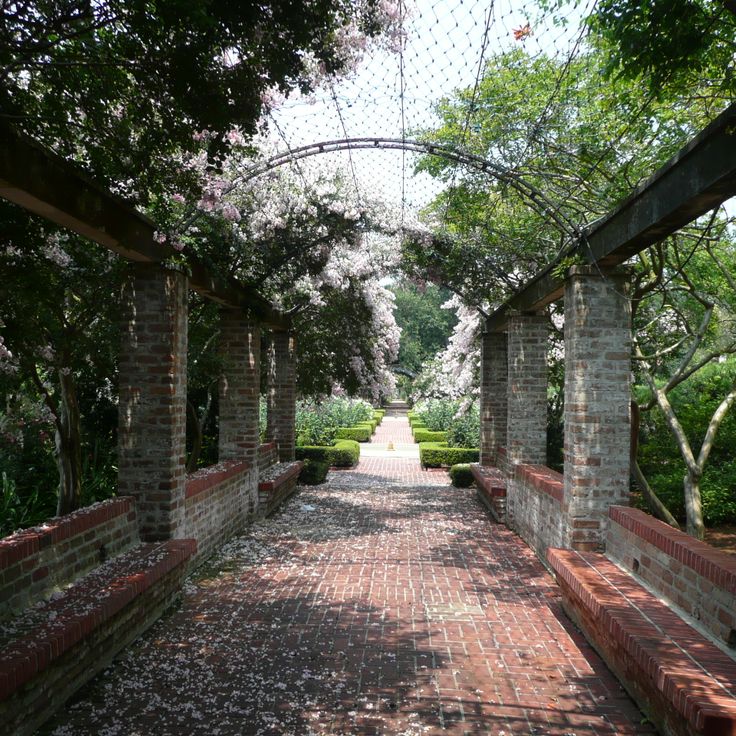
This garden displays native and exotic insect species among trees, flowers and aquatic plants across 12 acres (about 5 hectares). The facility allows visitors to study the behavior and ecological importance of various insect species in a natural setting, combining botanical collections with entomological observation.
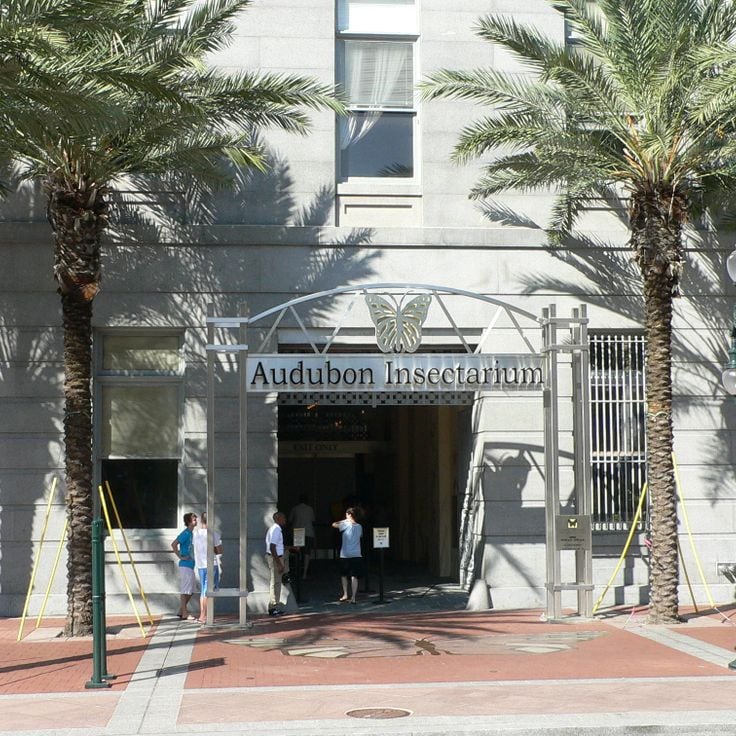
This insectarium in New Orleans presents over 50 exhibits on insect species and their role in the ecosystem. The collection at Audubon Insectarium includes live specimens and preserved animals from various taxonomic groups, including beetles, butterflies and grasshoppers. Visitors can observe insect behavior and anatomy while learning about their importance to natural cycles. The museum also operates breeding programs and documents regional insect populations.
This natural history museum in Montreal displays 250,000 insect specimens from around the world, including living and preserved species. The Montreal Insectarium ranks among North America's leading entomological collections, allowing visitors to examine the anatomy, behavior and ecological significance of various insect groups in detail. The exhibitions combine scientific research with educational programs designed to advance understanding of this often overlooked class of animals.
This Louisiana state park along the Gulf Coast is home to approximately 280 bird species, squirrels, raccoons and various insect populations within its woodland habitats. The natural environments allow visitors to observe local fauna, including numerous insect species that play important roles in the region's ecological balance. The park provides opportunities for studying the behavior and interactions of these creatures in their native surroundings.
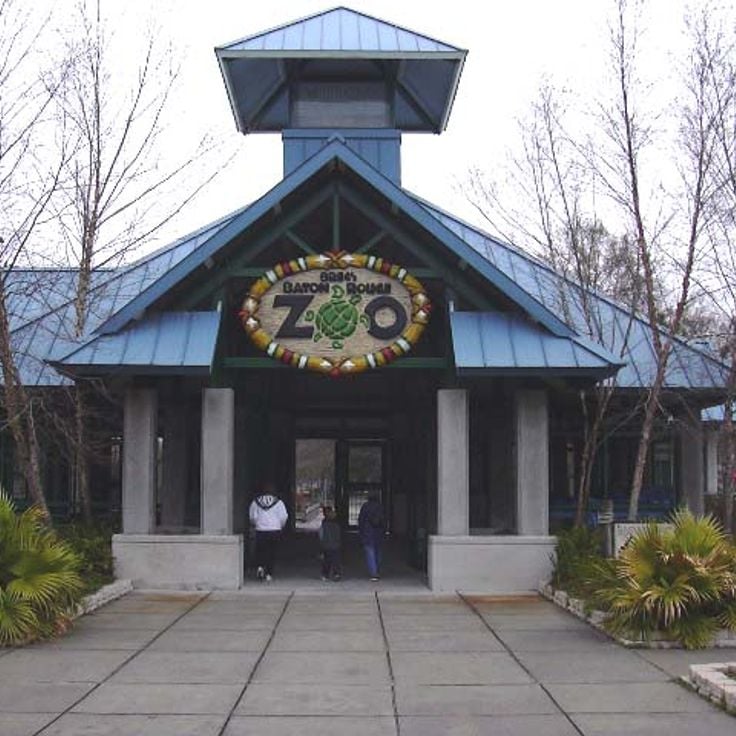
This zoo in Baton Rouge maintains an insect section featuring species from South America, Africa and Asia displayed in specially designed terrariums with naturalistic vegetation. The exhibit complements the facility's offerings with entomological education and allows visitors to observe various beetles, butterflies and other insects from different continents in a controlled environment.
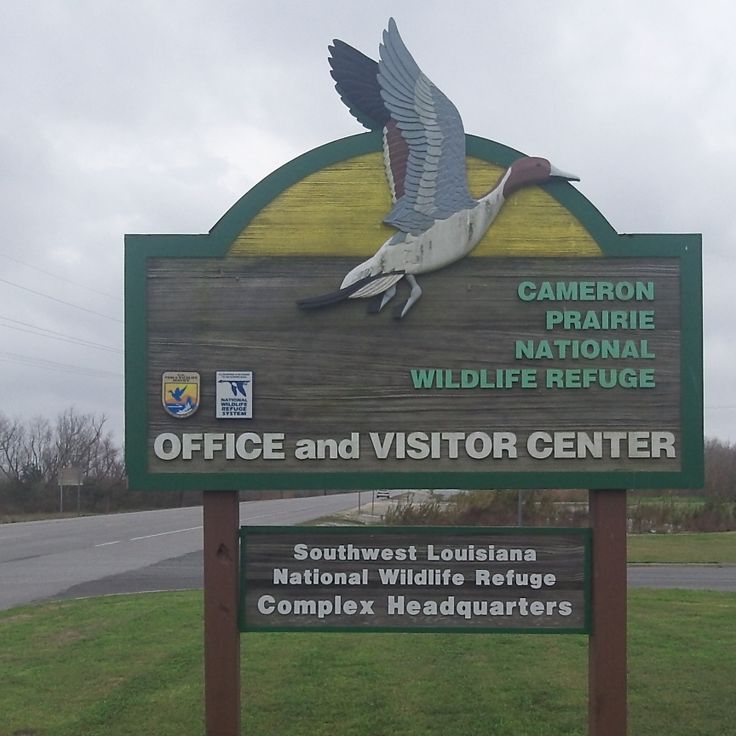
This wildlife refuge encompasses wetlands and meadows where more than 50 butterfly species inhabit native wildflower populations. The Cameron Prairie National Wildlife Refuge provides visitors with insight into insect ecology and the role these species play in Louisiana wetland ecosystems through direct observation of their natural behavior and habitat interactions.
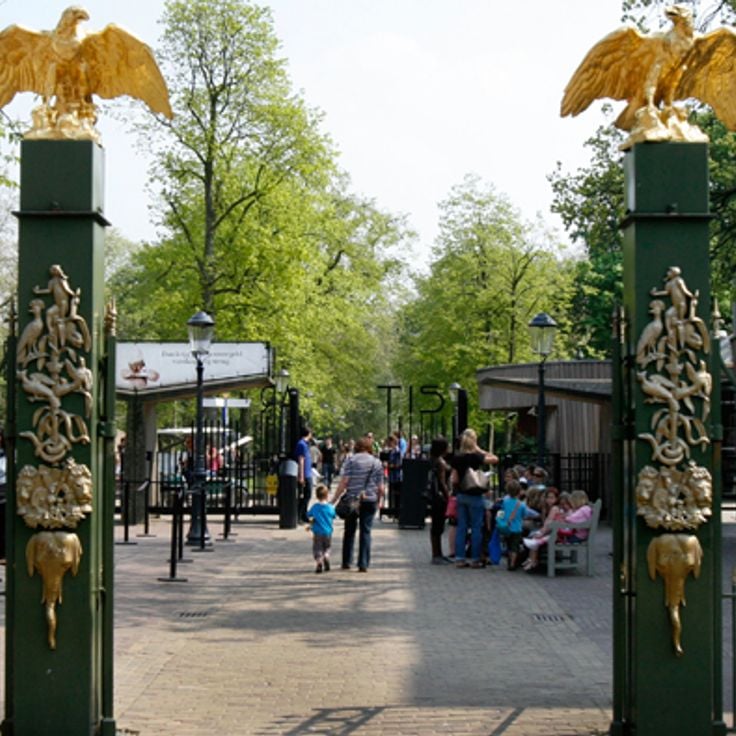
This royal zoo in Amsterdam maintains an insectarium featuring butterflies and other insect species within a greenhouse filled with tropical plants. The scientific collection documents anatomy, behavior and ecological functions of various insect orders. Visitors can observe specimens in naturalistic habitats and learn about entomology through educational programs and research exhibitions.
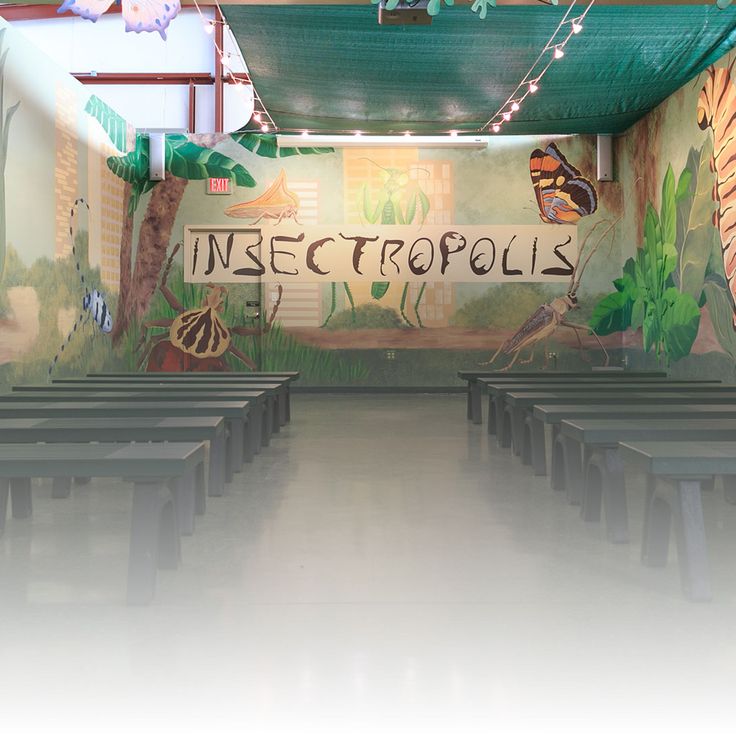
This museum in Toms River displays living and preserved insects from various regions worldwide. The facility offers microscope stations for detailed observation and educational programs that teach anatomical features and behavioral patterns of different species. Visitors can study the ecological importance of beetles, butterflies and other insects through direct examination.
This Seattle science center maintains an insect section with live specimens and daily presentations featuring different species. The facility teaches entomology fundamentals through direct observation and explains the ecological importance of the displayed insect species in their natural habitats.
This museum focuses on presenting Australian insects and spiders through scientific collections that help visitors understand the diversity of native arthropods. The Australian Museum offers exhibitions on the anatomy and behavior of these species and contributes to understanding their ecological importance. The facility supports research programs in entomology and provides detailed information about each species on display.
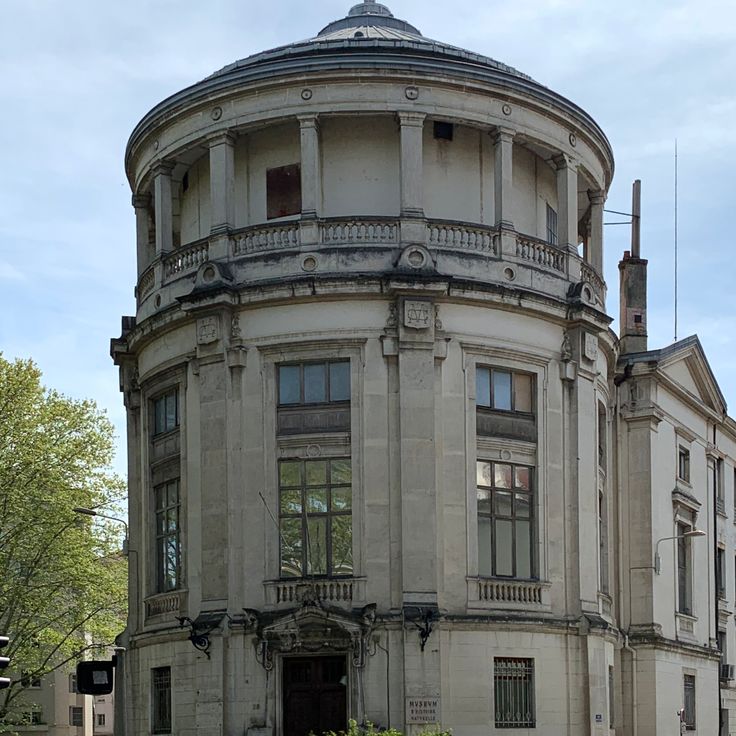
This natural history museum in Lyon maintains an extensive entomological collection of 2.5 million insect specimens. The scientific exhibition organizes beetles, butterflies and other species systematically in glass cases, providing visitors with detailed descriptions of the anatomy, behavior and ecological importance of various insect groups. The facility serves research and educational purposes in the field of entomology.
This natural history museum at Oxford University preserves more than 5 million insect specimens and conducts ongoing entomological research. The collections include beetles, butterflies and other insect species from regions around the world. Visitors can examine scientific displays, study the anatomy and behavior of specimens, and observe the work of researchers in the field.
This museum presents a collection of 4 million insects with emphasis on Japanese species and offers scientific exhibitions on entomology. Visitors can study anatomy, behavior and ecological importance of various insect species through direct observation. The research collections document biodiversity from Japan and other regions, providing knowledge about the role of beetles, butterflies and other insects in natural habitats.
This insectarium in Victoria displays 50 live species from various continents, including beetles, stick insects and tropical butterflies. The facility offers daily tours with experts who help visitors observe the behavior and anatomy of the displayed insects. As a specialized educational center, the Victoria Bug Zoo contributes to the collection of insect museums and nature centers with scientific exhibitions and educational programs about entomology.
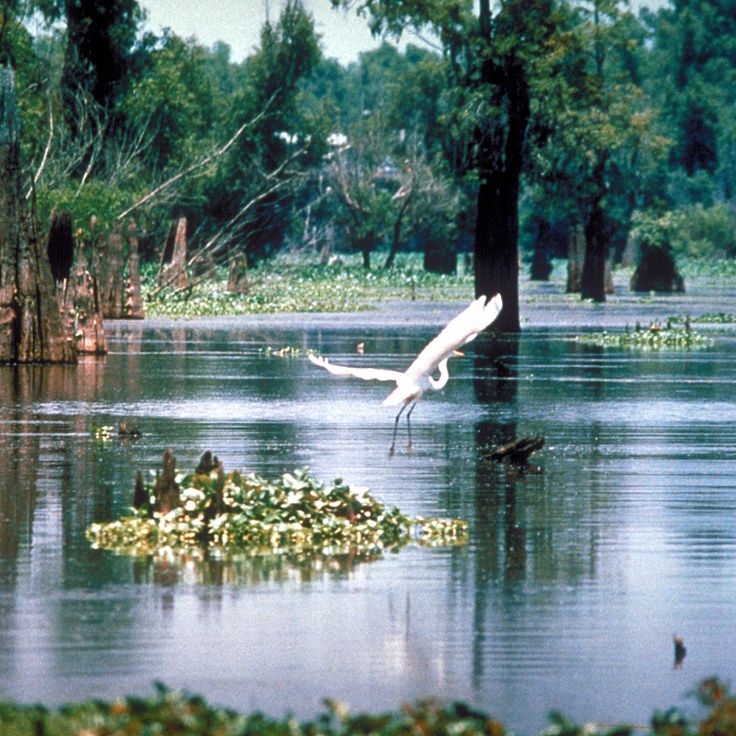
This wildlife refuge in southern Louisiana protects wetlands and forests that support diverse insect populations, including beetles, spiders, moths and butterflies. The Atchafalaya National Wildlife Refuge allows visitors to observe these invertebrates in their natural environment and learn about their ecological role in the wetland ecosystem through trails and interpretive programs.
This national park shelters numerous insect species within the natural wetlands and bayous of the Mississippi Delta region. The Jean Lafitte National Historical Park and Preserve provides visitors with access to the diverse entomological fauna of the Louisiana coastal zone, where beetles, dragonflies and other invertebrates can be observed in their typical habitats.
This garden displays native and exotic insect species among trees, flowers and aquatic plants across 12 acres (about 5 hectares). The facility allows visitors to study the behavior and ecological importance of various insect species in a natural setting, combining botanical collections with entomological observation.
This insectarium in New Orleans presents over 50 exhibits on insect species and their role in the ecosystem. The collection at Audubon Insectarium includes live specimens and preserved animals from various taxonomic groups, including beetles, butterflies and grasshoppers. Visitors can observe insect behavior and anatomy while learning about their importance to natural cycles. The museum also operates breeding programs and documents regional insect populations.
This natural history museum in Montreal displays 250,000 insect specimens from around the world, including living and preserved species. The Montreal Insectarium ranks among North America's leading entomological collections, allowing visitors to examine the anatomy, behavior and ecological significance of various insect groups in detail. The exhibitions combine scientific research with educational programs designed to advance understanding of this often overlooked class of animals.
This Louisiana state park along the Gulf Coast is home to approximately 280 bird species, squirrels, raccoons and various insect populations within its woodland habitats. The natural environments allow visitors to observe local fauna, including numerous insect species that play important roles in the region's ecological balance. The park provides opportunities for studying the behavior and interactions of these creatures in their native surroundings.
This zoo in Baton Rouge maintains an insect section featuring species from South America, Africa and Asia displayed in specially designed terrariums with naturalistic vegetation. The exhibit complements the facility's offerings with entomological education and allows visitors to observe various beetles, butterflies and other insects from different continents in a controlled environment.
This wildlife refuge encompasses wetlands and meadows where more than 50 butterfly species inhabit native wildflower populations. The Cameron Prairie National Wildlife Refuge provides visitors with insight into insect ecology and the role these species play in Louisiana wetland ecosystems through direct observation of their natural behavior and habitat interactions.
This royal zoo in Amsterdam maintains an insectarium featuring butterflies and other insect species within a greenhouse filled with tropical plants. The scientific collection documents anatomy, behavior and ecological functions of various insect orders. Visitors can observe specimens in naturalistic habitats and learn about entomology through educational programs and research exhibitions.
This museum in Toms River displays living and preserved insects from various regions worldwide. The facility offers microscope stations for detailed observation and educational programs that teach anatomical features and behavioral patterns of different species. Visitors can study the ecological importance of beetles, butterflies and other insects through direct examination.
This Seattle science center maintains an insect section with live specimens and daily presentations featuring different species. The facility teaches entomology fundamentals through direct observation and explains the ecological importance of the displayed insect species in their natural habitats.
This museum focuses on presenting Australian insects and spiders through scientific collections that help visitors understand the diversity of native arthropods. The Australian Museum offers exhibitions on the anatomy and behavior of these species and contributes to understanding their ecological importance. The facility supports research programs in entomology and provides detailed information about each species on display.
This natural history museum in Lyon maintains an extensive entomological collection of 2.5 million insect specimens. The scientific exhibition organizes beetles, butterflies and other species systematically in glass cases, providing visitors with detailed descriptions of the anatomy, behavior and ecological importance of various insect groups. The facility serves research and educational purposes in the field of entomology.
This natural history museum at Oxford University preserves more than 5 million insect specimens and conducts ongoing entomological research. The collections include beetles, butterflies and other insect species from regions around the world. Visitors can examine scientific displays, study the anatomy and behavior of specimens, and observe the work of researchers in the field.
This museum presents a collection of 4 million insects with emphasis on Japanese species and offers scientific exhibitions on entomology. Visitors can study anatomy, behavior and ecological importance of various insect species through direct observation. The research collections document biodiversity from Japan and other regions, providing knowledge about the role of beetles, butterflies and other insects in natural habitats.
This insectarium in Victoria displays 50 live species from various continents, including beetles, stick insects and tropical butterflies. The facility offers daily tours with experts who help visitors observe the behavior and anatomy of the displayed insects. As a specialized educational center, the Victoria Bug Zoo contributes to the collection of insect museums and nature centers with scientific exhibitions and educational programs about entomology.
This wildlife refuge in southern Louisiana protects wetlands and forests that support diverse insect populations, including beetles, spiders, moths and butterflies. The Atchafalaya National Wildlife Refuge allows visitors to observe these invertebrates in their natural environment and learn about their ecological role in the wetland ecosystem through trails and interpretive programs.
This national park shelters numerous insect species within the natural wetlands and bayous of the Mississippi Delta region. The Jean Lafitte National Historical Park and Preserve provides visitors with access to the diverse entomological fauna of the Louisiana coastal zone, where beetles, dragonflies and other invertebrates can be observed in their typical habitats.
This garden displays native and exotic insect species among trees, flowers and aquatic plants across 12 acres (about 5 hectares). The facility allows visitors to study the behavior and ecological importance of various insect species in a natural setting, combining botanical collections with entomological observation.
This insectarium in New Orleans presents over 50 exhibits on insect species and their role in the ecosystem. The collection at Audubon Insectarium includes live specimens and preserved animals from various taxonomic groups, including beetles, butterflies and grasshoppers. Visitors can observe insect behavior and anatomy while learning about their importance to natural cycles. The museum also operates breeding programs and documents regional insect populations.
This natural history museum in Montreal displays 250,000 insect specimens from around the world, including living and preserved species. The Montreal Insectarium ranks among North America's leading entomological collections, allowing visitors to examine the anatomy, behavior and ecological significance of various insect groups in detail. The exhibitions combine scientific research with educational programs designed to advance understanding of this often overlooked class of animals.
This Louisiana state park along the Gulf Coast is home to approximately 280 bird species, squirrels, raccoons and various insect populations within its woodland habitats. The natural environments allow visitors to observe local fauna, including numerous insect species that play important roles in the region's ecological balance. The park provides opportunities for studying the behavior and interactions of these creatures in their native surroundings.
This zoo in Baton Rouge maintains an insect section featuring species from South America, Africa and Asia displayed in specially designed terrariums with naturalistic vegetation. The exhibit complements the facility's offerings with entomological education and allows visitors to observe various beetles, butterflies and other insects from different continents in a controlled environment.
This wildlife refuge encompasses wetlands and meadows where more than 50 butterfly species inhabit native wildflower populations. The Cameron Prairie National Wildlife Refuge provides visitors with insight into insect ecology and the role these species play in Louisiana wetland ecosystems through direct observation of their natural behavior and habitat interactions.
This royal zoo in Amsterdam maintains an insectarium featuring butterflies and other insect species within a greenhouse filled with tropical plants. The scientific collection documents anatomy, behavior and ecological functions of various insect orders. Visitors can observe specimens in naturalistic habitats and learn about entomology through educational programs and research exhibitions.
This museum in Toms River displays living and preserved insects from various regions worldwide. The facility offers microscope stations for detailed observation and educational programs that teach anatomical features and behavioral patterns of different species. Visitors can study the ecological importance of beetles, butterflies and other insects through direct examination.
This Seattle science center maintains an insect section with live specimens and daily presentations featuring different species. The facility teaches entomology fundamentals through direct observation and explains the ecological importance of the displayed insect species in their natural habitats.
This museum focuses on presenting Australian insects and spiders through scientific collections that help visitors understand the diversity of native arthropods. The Australian Museum offers exhibitions on the anatomy and behavior of these species and contributes to understanding their ecological importance. The facility supports research programs in entomology and provides detailed information about each species on display.
This natural history museum in Lyon maintains an extensive entomological collection of 2.5 million insect specimens. The scientific exhibition organizes beetles, butterflies and other species systematically in glass cases, providing visitors with detailed descriptions of the anatomy, behavior and ecological importance of various insect groups. The facility serves research and educational purposes in the field of entomology.
This natural history museum at Oxford University preserves more than 5 million insect specimens and conducts ongoing entomological research. The collections include beetles, butterflies and other insect species from regions around the world. Visitors can examine scientific displays, study the anatomy and behavior of specimens, and observe the work of researchers in the field.
This museum presents a collection of 4 million insects with emphasis on Japanese species and offers scientific exhibitions on entomology. Visitors can study anatomy, behavior and ecological importance of various insect species through direct observation. The research collections document biodiversity from Japan and other regions, providing knowledge about the role of beetles, butterflies and other insects in natural habitats.
This insectarium in Victoria displays 50 live species from various continents, including beetles, stick insects and tropical butterflies. The facility offers daily tours with experts who help visitors observe the behavior and anatomy of the displayed insects. As a specialized educational center, the Victoria Bug Zoo contributes to the collection of insect museums and nature centers with scientific exhibitions and educational programs about entomology.
This wildlife refuge in southern Louisiana protects wetlands and forests that support diverse insect populations, including beetles, spiders, moths and butterflies. The Atchafalaya National Wildlife Refuge allows visitors to observe these invertebrates in their natural environment and learn about their ecological role in the wetland ecosystem through trails and interpretive programs.
After exploring these tiny worlds, we better understand how insects shape life on Earth. Each place gives a different view of these often unseen creatures.