See the monuments around you in AROpen chests in the app
Around Us is built for your phone — point your camera at the streets and discover the monuments and places around you in augmented reality.Around Us is built for your phone — chests unlock when you walk, explore and capture nearby places.
Tourist sites in Dakar: historical monuments, museums, and coastal attractions
Dakar brings together various sites between historical heritage and the Atlantic Ocean. The Senegalese capital features several monuments such as the African Memorial Cathedral of 1929 and the African Renaissance Monument, 52 meters tall. The Théodore Monod Museum of African Art displays 9,000 artifacts from West African cultures, while Gorée Island hosts the Slave House documenting the Atlantic slave trade. Traditional markets like Kermel and Tilène offer fish, spices, and crafts in buildings dating from the early 20th century.
The coast offers several points of interest along the 13-kilometer-long Corniche. Pointe des Almadies marks the western tip of the African continent with its rock formations facing the Atlantic and seafood restaurants. Hann Park spans 60 hectares with West African flora and fauna. Between colonial architecture, natural spaces, and cultural institutions, the city presents various locations to explore the history and culture of Senegal.
Tourist sites in Dakar: historical monuments, museums, and coastal attractions
Dakar brings together various sites between historical heritage and the Atlantic Ocean. The Senegalese capital features several monuments such as the African Memorial Cathedral of 1929 and the African Renaissance Monument, 52 meters tall. The Théodore Monod Museum of African Art displays 9,000 artifacts from West African cultures, while Gorée Island hosts the Slave House documenting the Atlantic slave trade. Traditional markets like Kermel and Tilène offer fish, spices, and crafts in buildings dating from the early 20th century.
The coast offers several points of interest along the 13-kilometer-long Corniche. Pointe des Almadies marks the western tip of the African continent with its rock formations facing the Atlantic and seafood restaurants. Hann Park spans 60 hectares with West African flora and fauna. Between colonial architecture, natural spaces, and cultural institutions, the city presents various locations to explore the history and culture of Senegal.
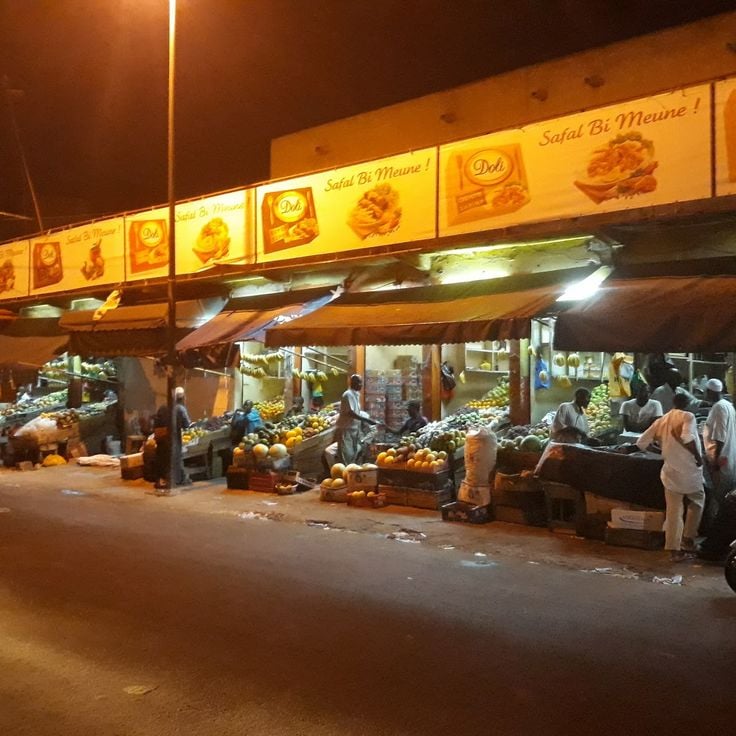
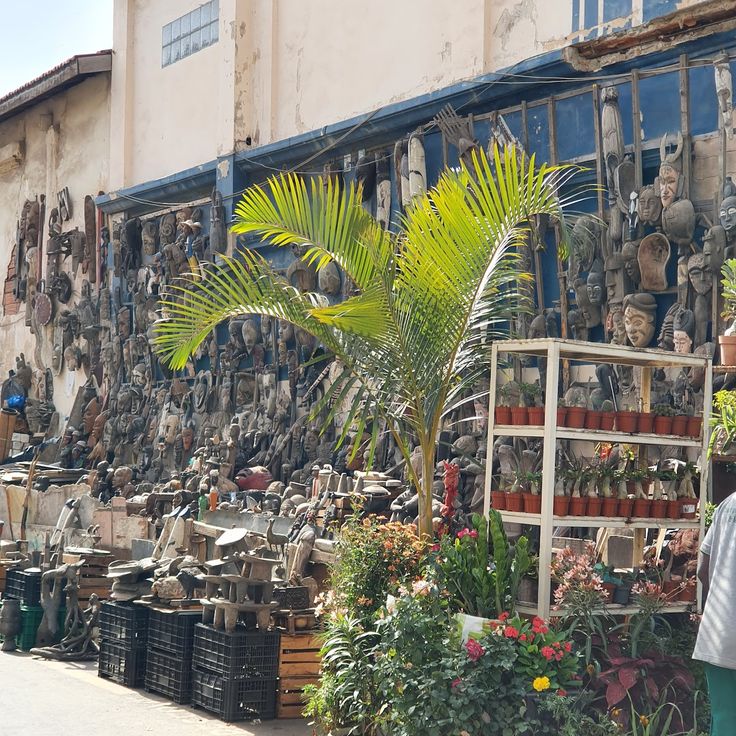
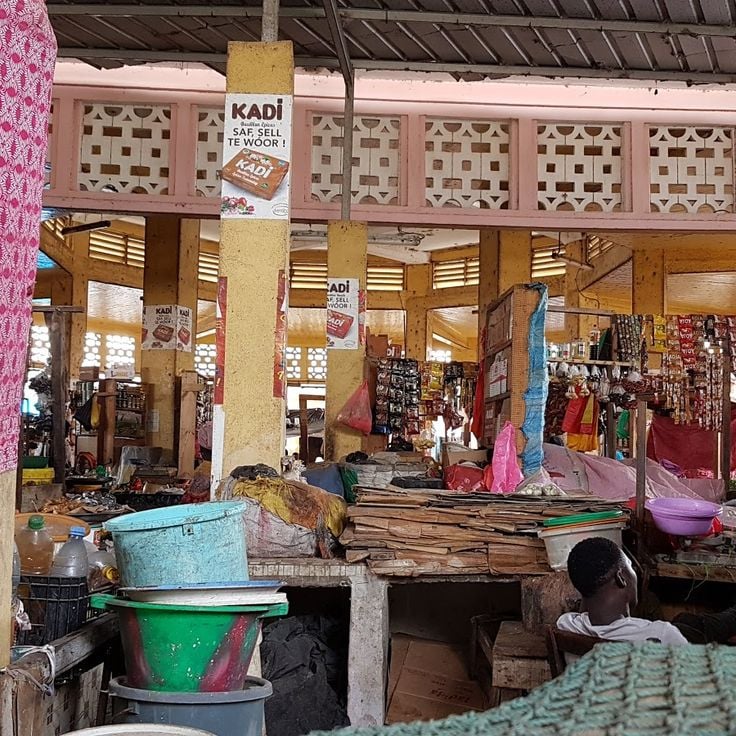
Marché Tilène is a traditional open-air market in Dakar where vendors sell local herbs, spices, fabrics, and talismans. This market is one of the important gathering places in the Senegalese capital, where you can experience the daily life and culture of local people. A section of the market is dedicated to spiritual and traditional items that hold meaning for many in Senegal.
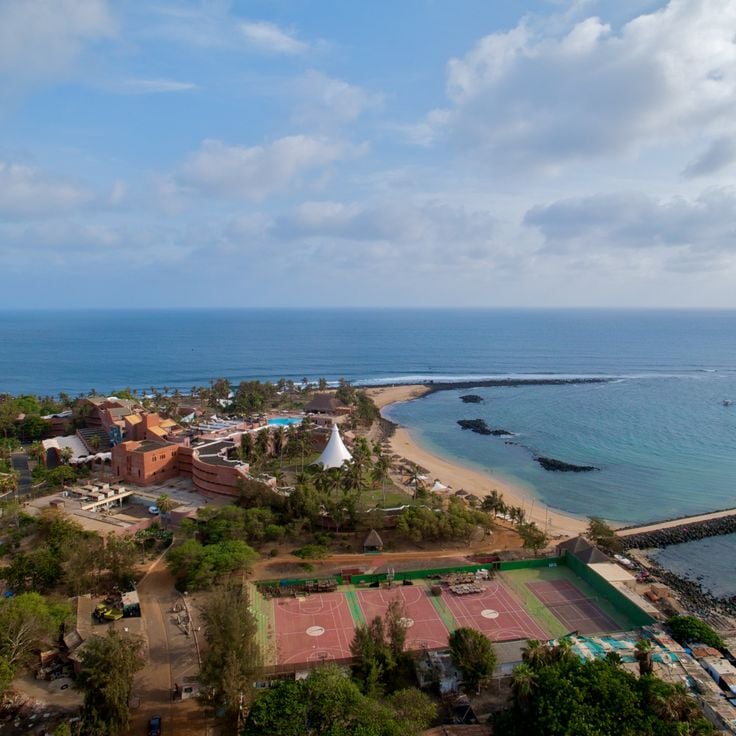
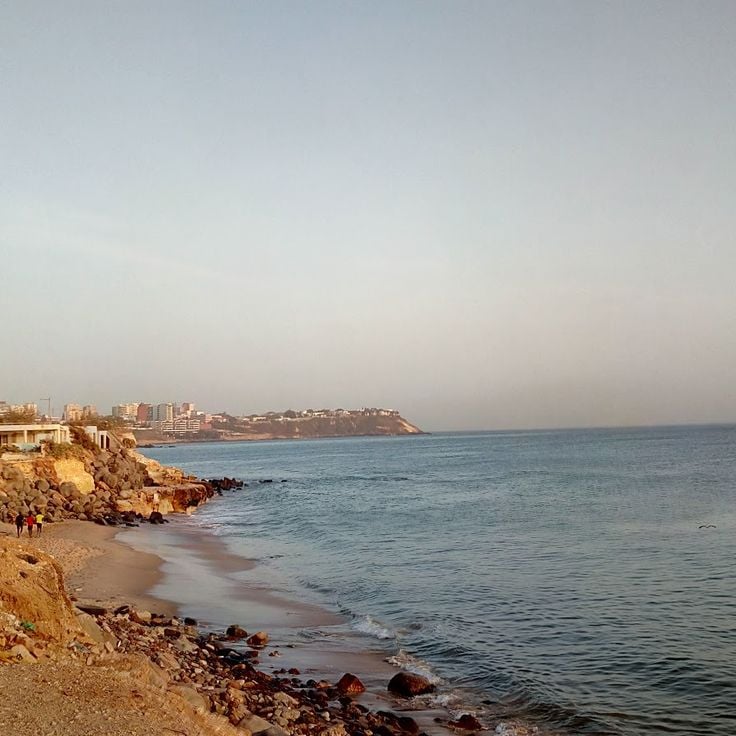
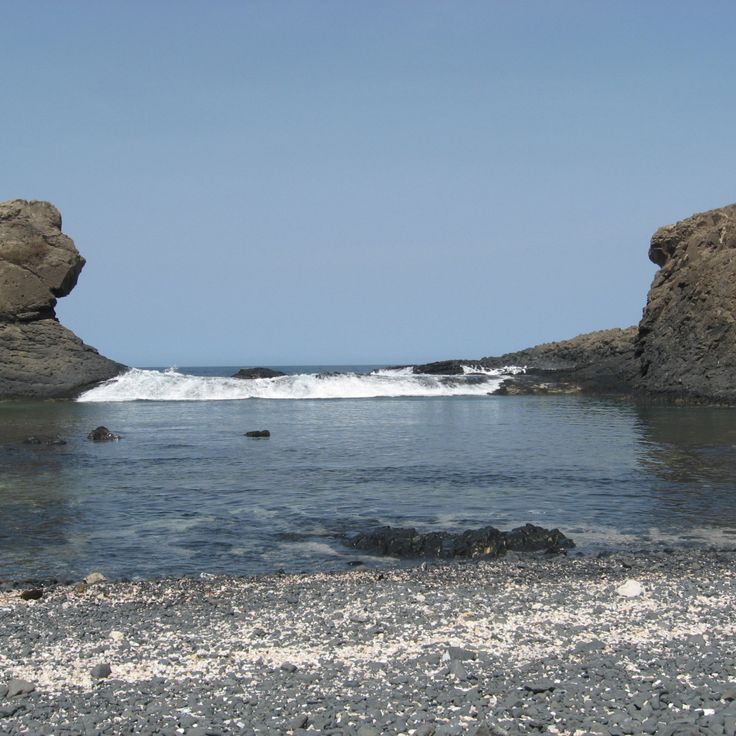
Pointe des Almadies is the westernmost point of the African continent located on a peninsula with restaurants serving fresh fish. Ocean waves crash against dark rocks. This site is part of Dakar's tourist attractions, where historical monuments, museums, and coastal spots come together.
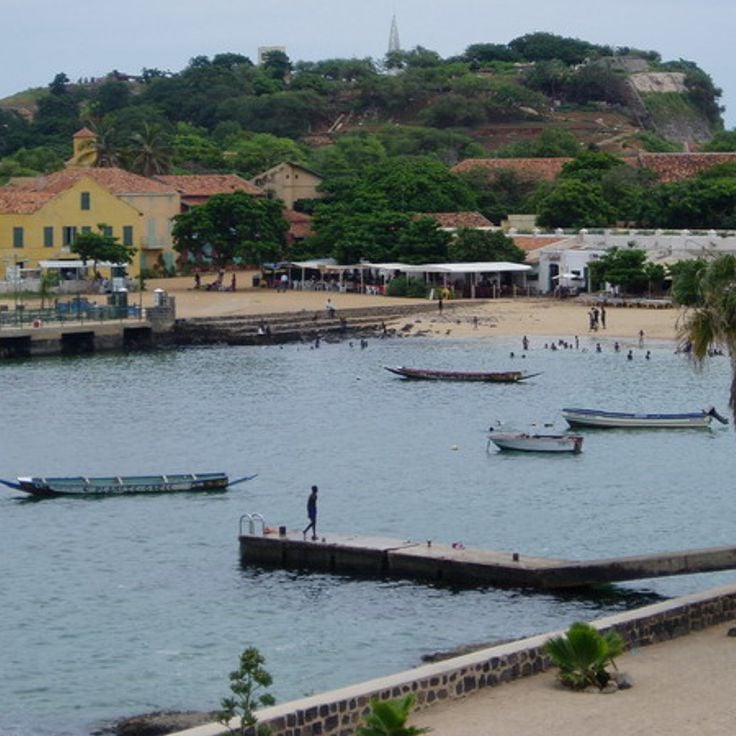
Île de Gorée is an island off the coast of Dakar that showcases colonial buildings and serves as a historical site within the city's collection of monuments and cultural institutions. The Maison des Esclaves museum documents the history of the Atlantic slave trade from the 15th to the 19th century, allowing visitors to learn about this significant period in West African history.
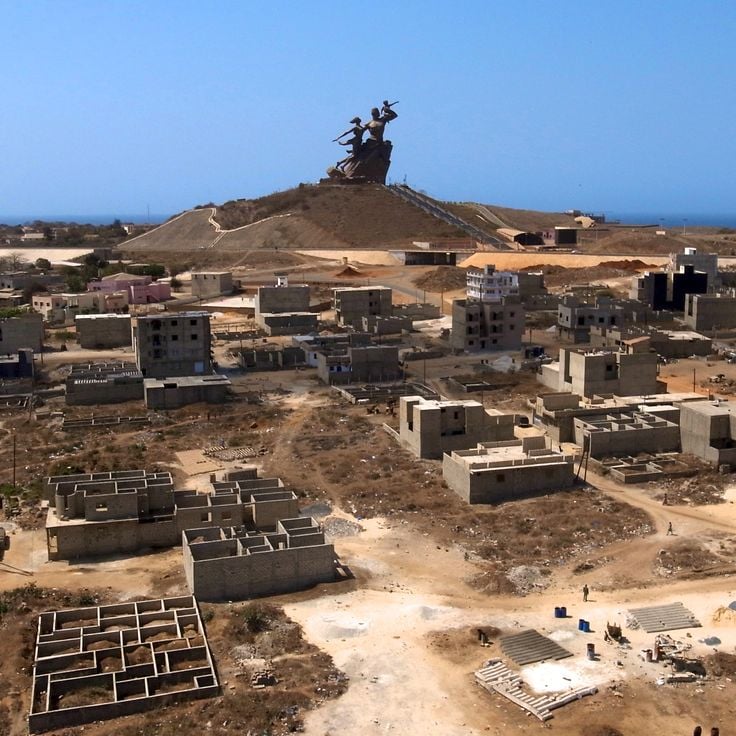
The Monument de la Renaissance Africaine is a bronze and copper statue completed in 2010 that rises 52 meters high atop a hill. It depicts an African family emerging from a volcano. This monument stands as one of the notable landmarks in Dakar, offering visitors a place to explore the history and culture of Senegal.
Marché Kermel is a circular covered market from 1910 in Dakar where local vendors sell fresh fish, meat, vegetables, spices, and traditional crafts. The Victorian-style building reflects the commercial heritage of the Senegalese capital and remains active in the city's daily trading rhythms.
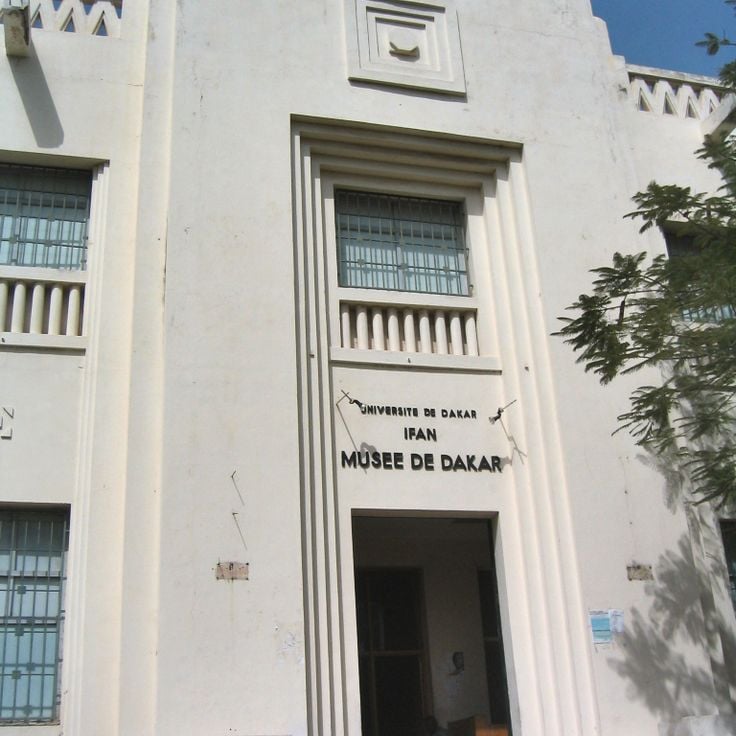
The Théodore Monod Museum of African Art displays 9,000 objects from West African cultures inside a colonial building. The collection includes masks, textiles, musical instruments, and pottery that show the artistic traditions of the region. Located in Dakar, this museum offers insight into the cultural expressions of West African peoples.
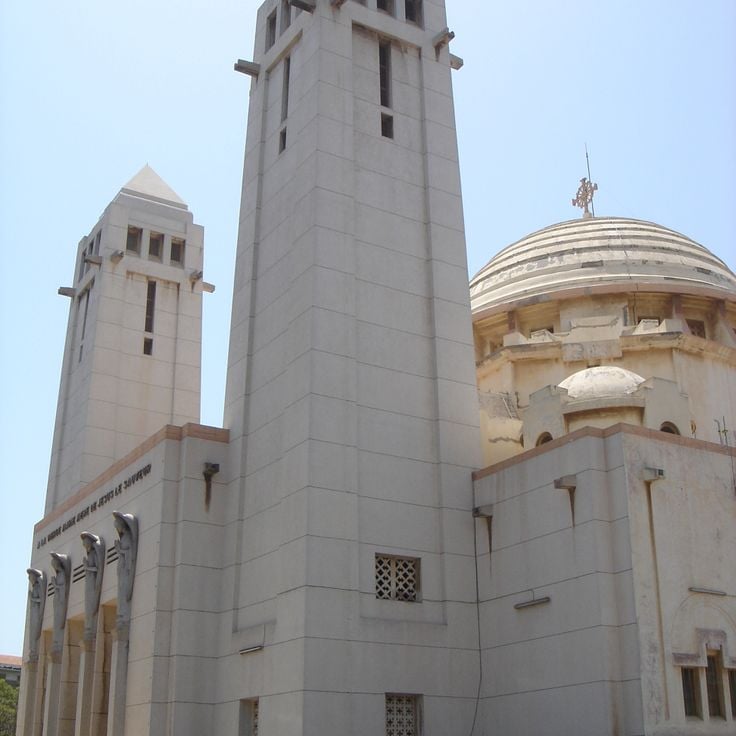
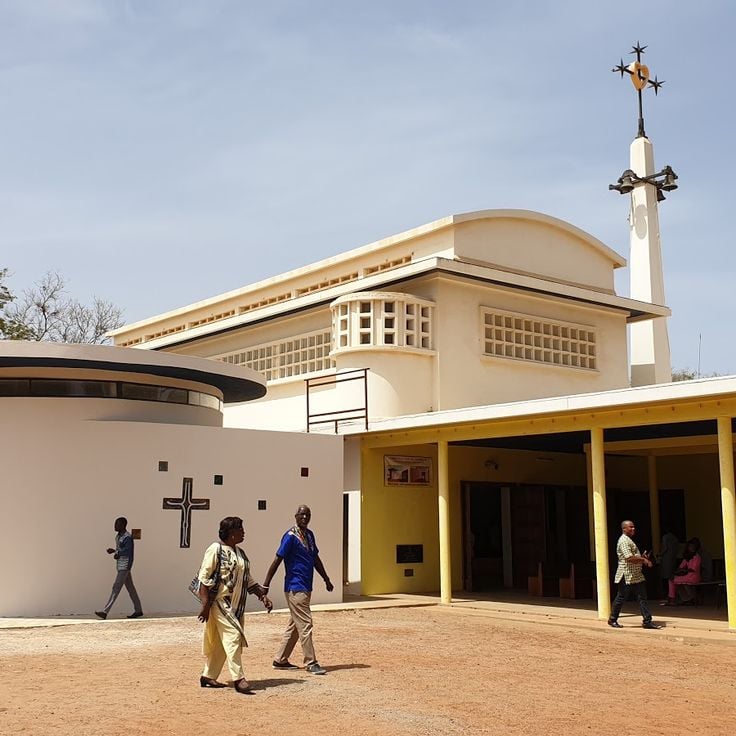
Built in 1929, this cathedral combines Sudanese-style architecture with religious murals depicting African scenes and local religious figures on its walls. It stands as one of Dakar's historical monuments, showing how Senegal preserves its cultural and religious heritage.
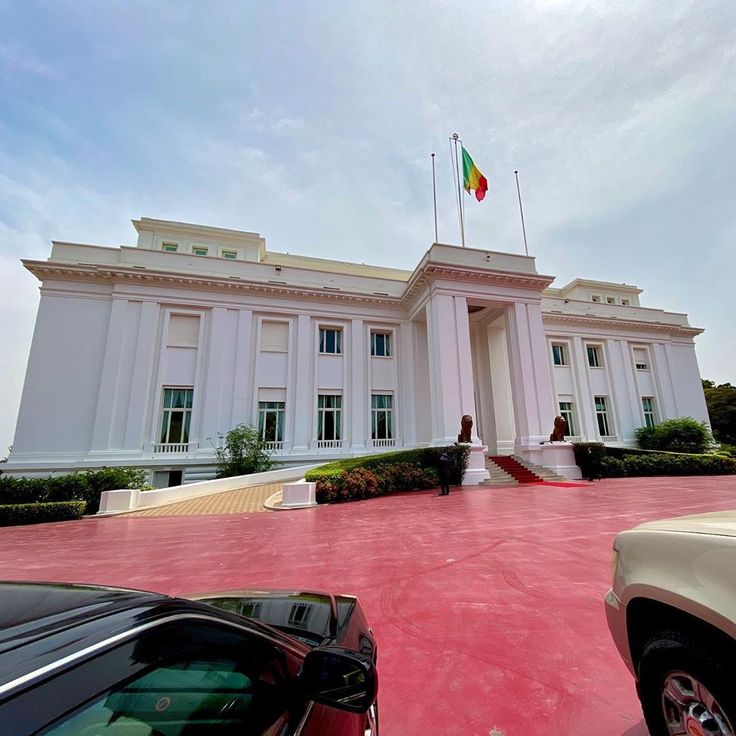
The Presidential Palace is the official residence of the Senegalese president among Dakar's collection of historical monuments, museums, and coastal attractions. The building sits in central Dakar, surrounded by gardens and guarded by the Republican Guard in red uniforms.
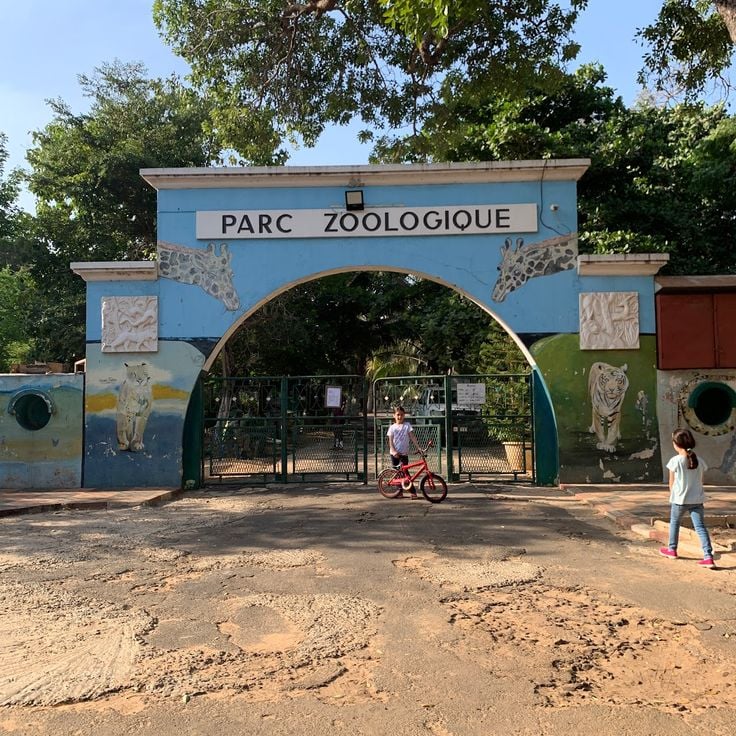
Parc de Hann is a 60-hectare zoological and forest reserve in Dakar that combines nature with wildlife. The park contains native and exotic trees alongside a collection of West African animals. Walking paths wind through the grounds, making it a place where visitors can observe the region's flora and fauna while enjoying some of the city's green space.
The Corniche de Dakar is a 13-kilometer coastal road stretching along the Atlantic Ocean. It runs through different parts of the city and offers views of Gorée Island along with numerous sports facilities for joggers and cyclists. This promenade forms part of Dakar's coastal attractions, which together with historical monuments like the African Memorial and traditional markets reflect the cultural and natural heritage of Senegal.
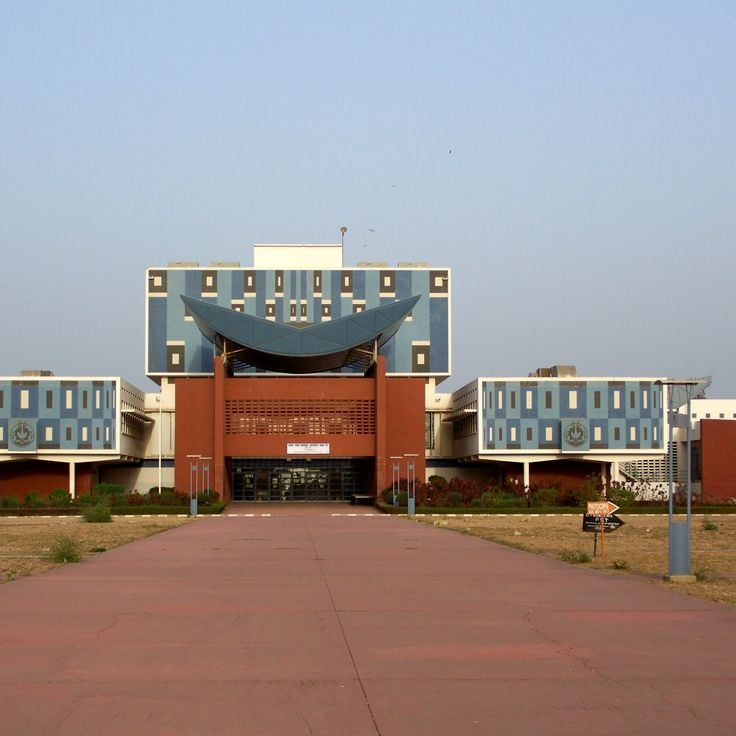
The Université Cheikh Anta Diop is part of Dakar's educational landscape and stands as a key institution in the Senegalese capital's cultural and intellectual life. Founded in 1957, this university houses research centers, laboratories, and library collections that support scholarship and learning. It represents the modern academic side of the city, complementing the historical monuments and cultural sites that shape Dakar's identity.
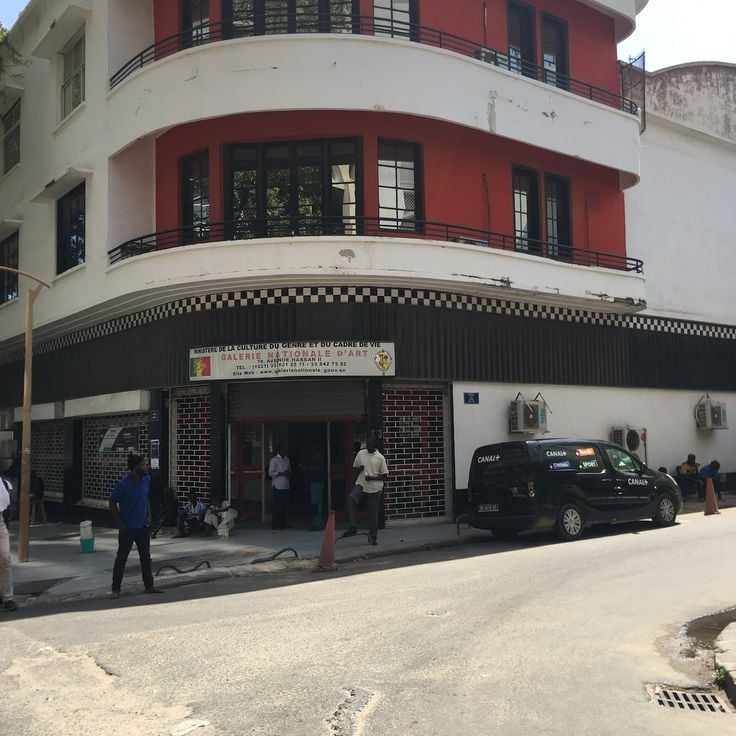
The Galerie Nationale d'Art in Dakar shows works by artists from Senegal and the surrounding region. The museum features permanent and temporary exhibitions with paintings, sculptures, and handmade crafts. It is one of the cultural sites in Dakar's collection of historical monuments, museums, and coastal attractions where visitors can explore the artistic traditions of Senegal.
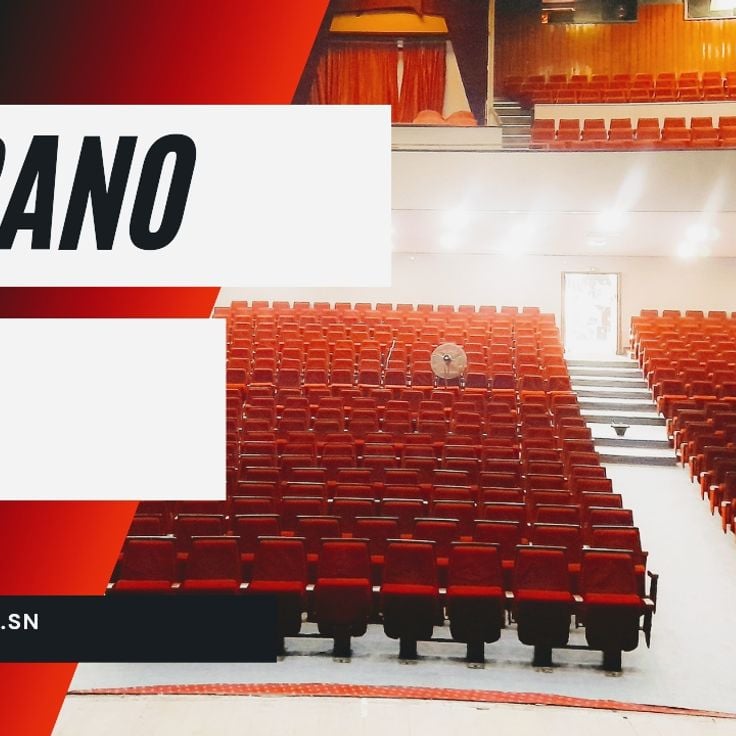
The Théâtre Daniel Sorano is the cultural heart of Senegal since its opening in 1965. Named after a French-Italian actor, this theater shapes Dakar's arts scene with regular performances of local and international productions. The building plays an important role in the cultural identity of the capital and connects the performing arts with the history of the country.
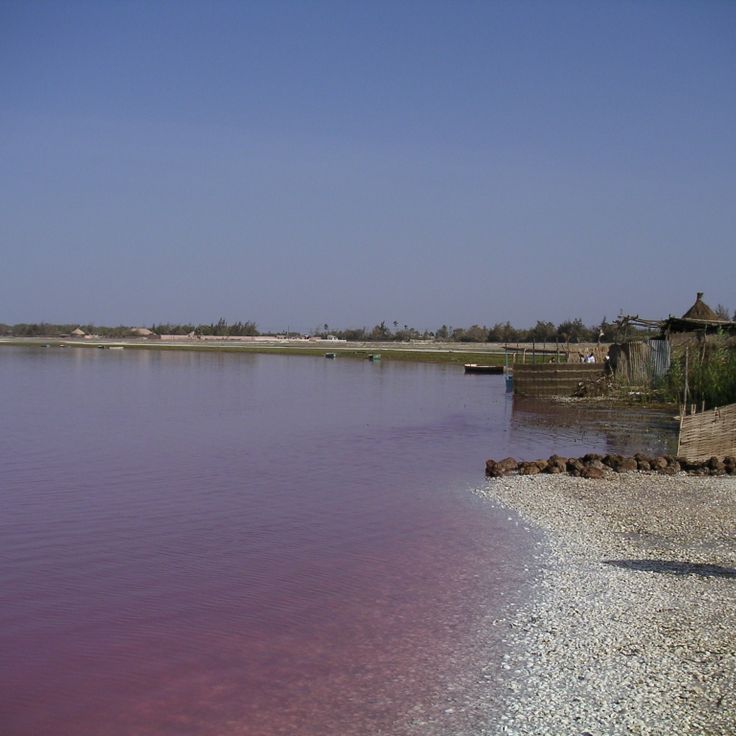
Lac Rose is a salt lake featured in this collection of Dakar tourist sites, situated between the city's historical monuments and the Atlantic coastline. The water takes on a pink hue due to microorganisms that produce a red pigment. Local workers harvest salt from its banks, creating a working landscape where human activity shapes the character of this natural water body.
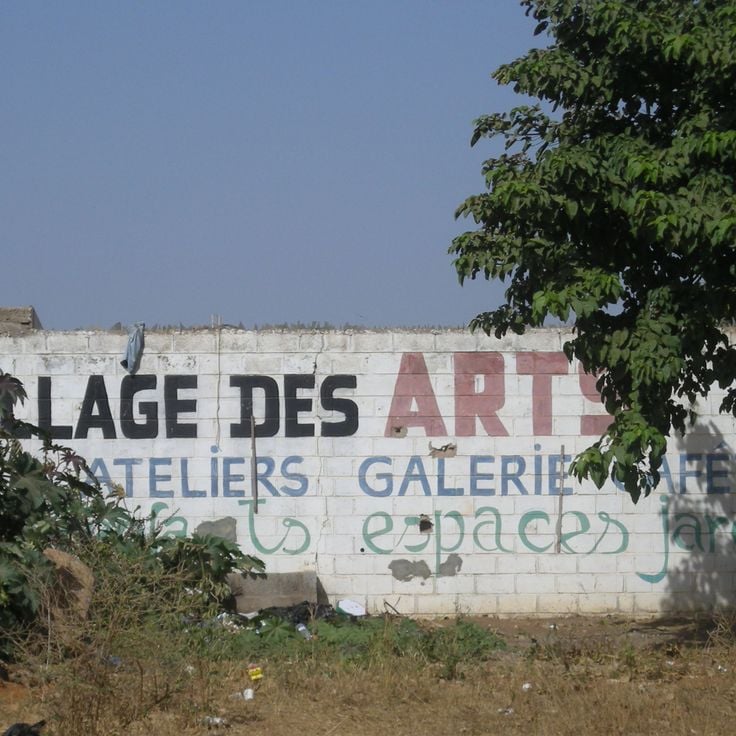
The Village des Arts is a cultural center in Dakar where artists from the region work and display their creations. Studios and galleries here showcase paintings, sculptures, and contemporary art installations. This site connects with Dakar's diverse offerings of historical monuments, museums, and coastal attractions, representing an important part of the city's contemporary art scene.
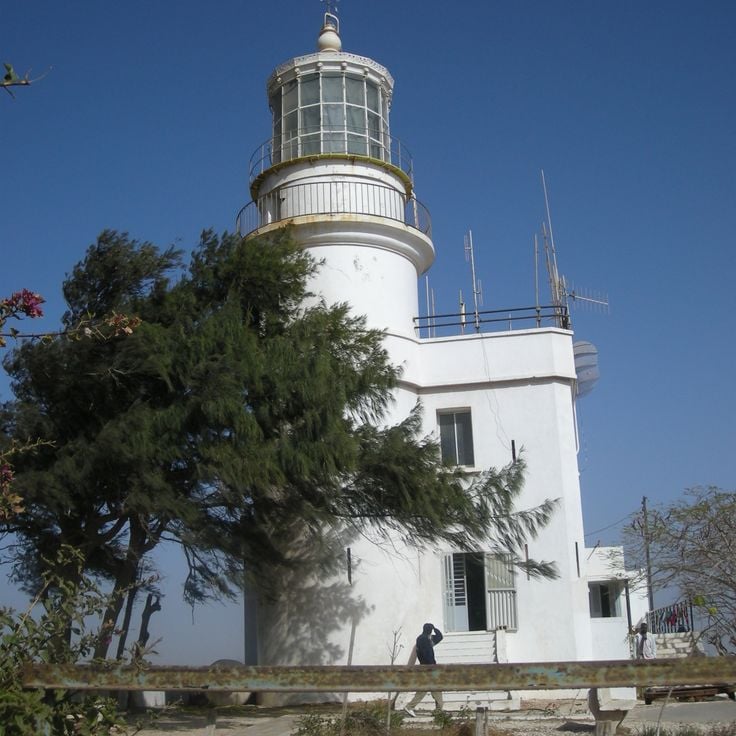
The Phare des Mamelles is a lighthouse built in 1864 that stands on Dakar's highest point at 105 meters above sea level, guiding ships traveling along the coast. This historic tower is part of Dakar's diverse collection of sites that combine historical heritage with coastal attractions and offer visitors insight into Senegal's maritime and architectural legacy.
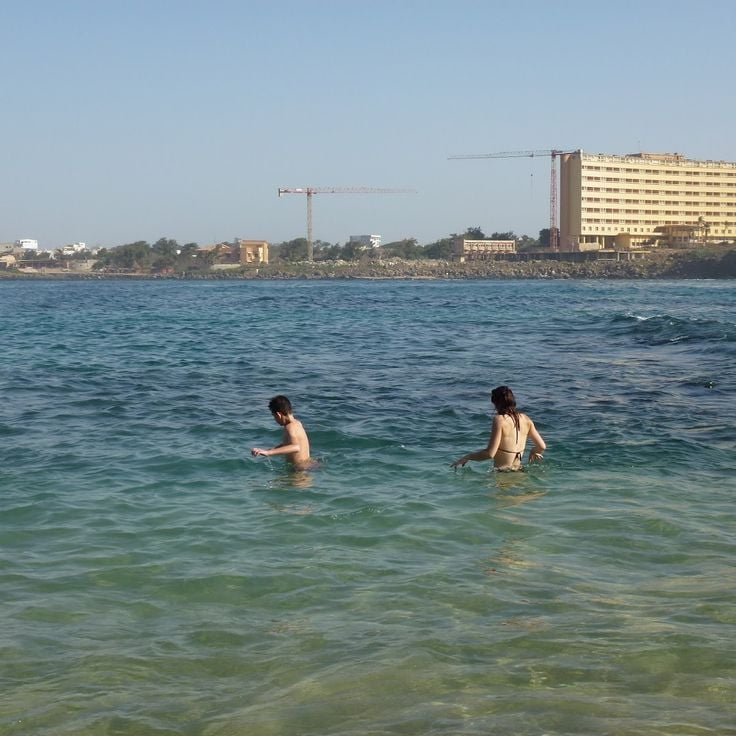
N'gor Island is one of the coastal attractions that Dakar offers along its Atlantic waterfront. Located in the ocean and accessible by wooden boats from the city, the island features sandy beaches, restaurants, and water sports opportunities including surfing and swimming. Visitors can experience Senegal's coastal life directly here.
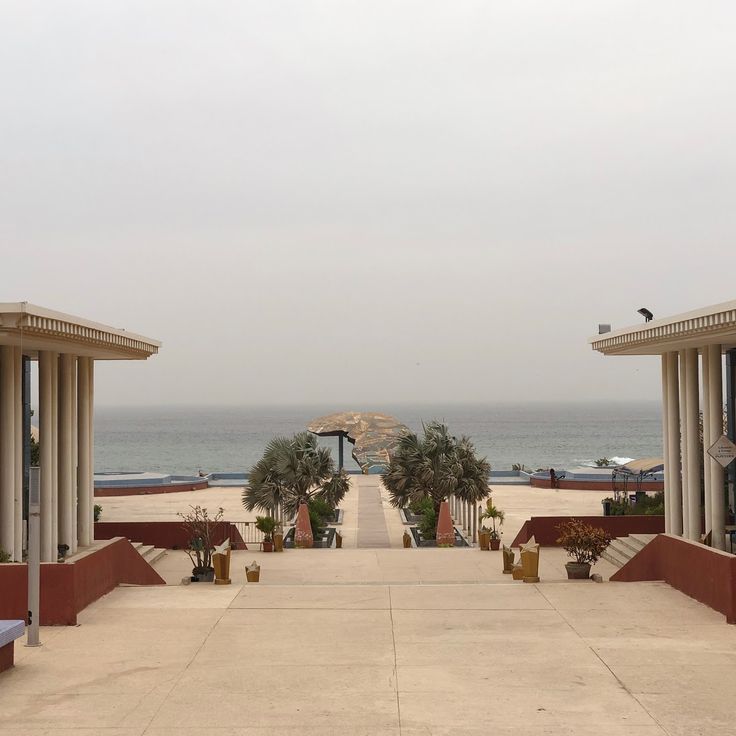
This public square in Dakar brings together monuments and exhibits focused on African history and culture. The square features a memorial wall, garden spaces, and areas designed for cultural events. It fits into the broader landscape of Dakar, where historical sites like the Cathedral of 1929 and the African Renaissance Monument sit alongside museums and traditional markets that showcase Senegal's heritage.
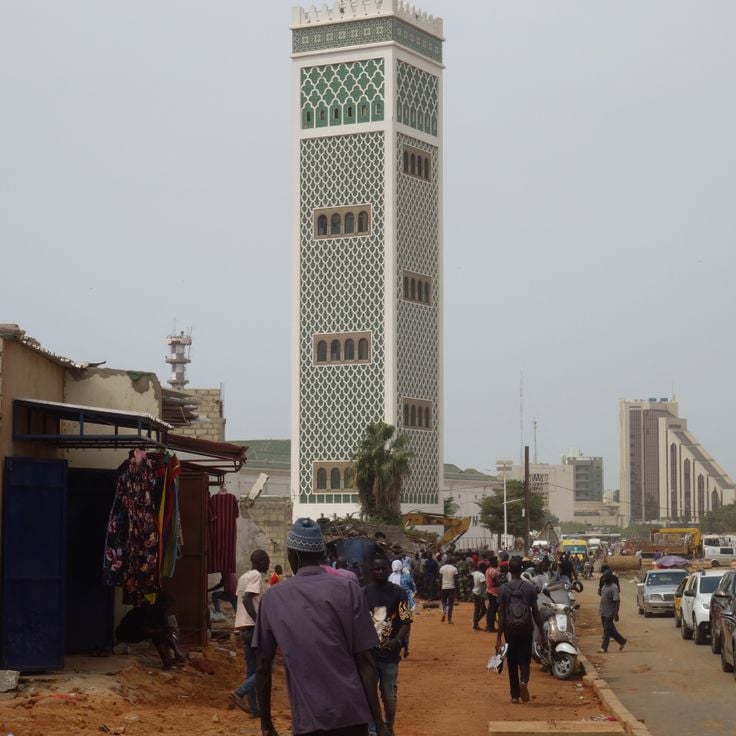
The Dakar Grand Mosque is part of this collection of historical and cultural sites in Senegal's capital. Built in Moorish style, the mosque stands out for its 67-meter minaret that rises above the surrounding area. Inside, the building features marble floors and multiple prayer halls where worshippers gather for daily prayers.
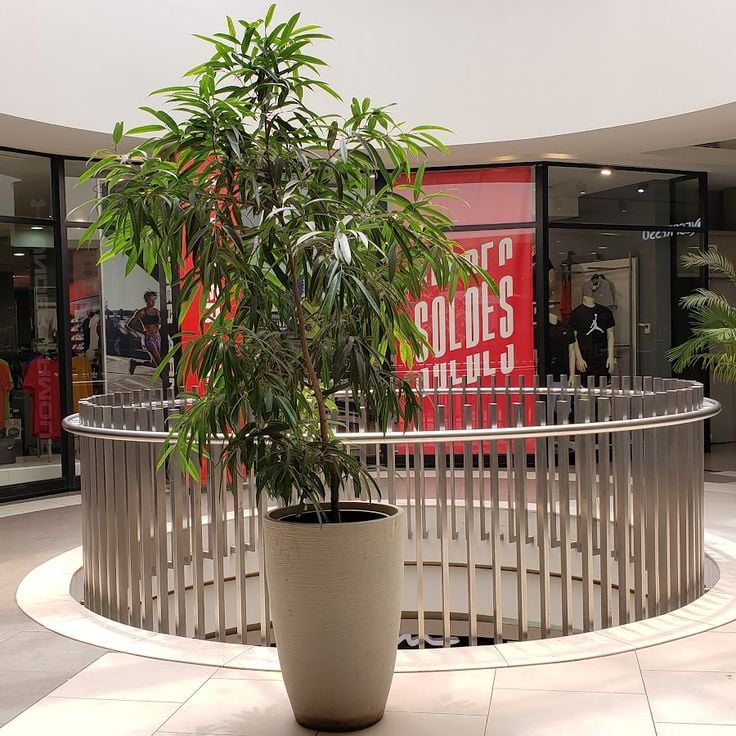
Sea Plaza is a retail center in this coastal city offering international stores, restaurants, and a cinema. The building spreads across three floors and offers views of the Atlantic Ocean. The center fits within the city's mix of historical sites and contemporary spaces that reflect Dakar's character.
This marketplace in Dakar showcases traditional Senegalese handicrafts made by local artisans. You can find jewelry, textiles, wood carvings, and leather goods displayed in outdoor stalls throughout the village. As part of Dakar's cultural sites, it offers a glimpse into the everyday craft traditions of Senegal alongside the city's historical monuments and coastal attractions.
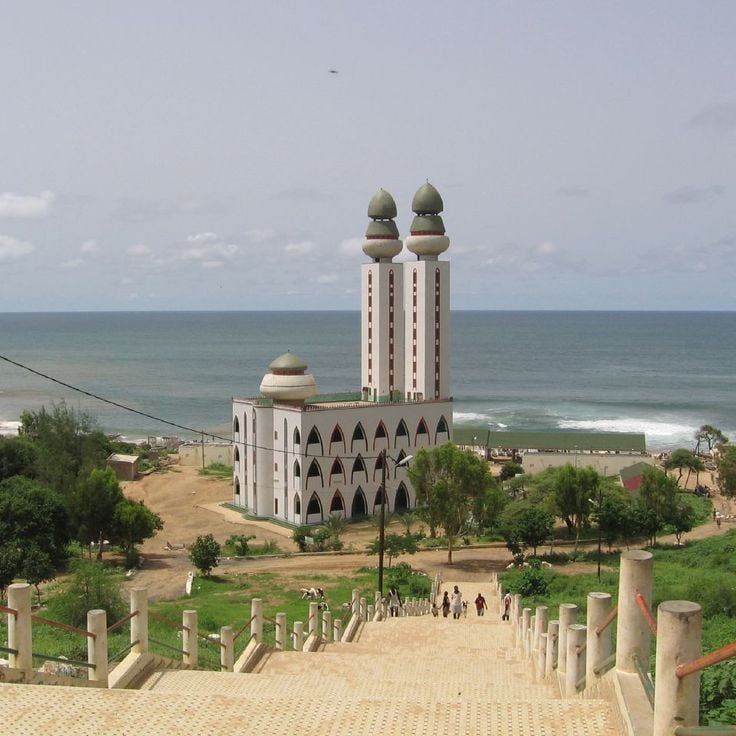
The Mosque of Divinity in Dakar is a place of worship built on rocks along the Atlantic Ocean. Its white minarets stand out when viewed from the Corniche, the coastal road that runs through the Senegalese capital. This religious structure sits between the historical monuments and coastal attractions that define Dakar's character.
The Parc National des Iles de la Madeleine is a protected marine zone with cliffs and beaches that serve as nesting sites for numerous seabirds. The islands contain baobabs and prehistoric remains. This national park is among Dakar's coastal attractions and showcases the natural diversity and history of Senegal.
The Monastère de Keur Moussa is a Benedictine abbey in Dakar where monks handcraft West African kora instruments and blend Gregorian chant with African rhythms during liturgical celebrations. It represents the cultural diversity of Senegal and demonstrates how traditional craftsmanship connects with spiritual practice.
This house in the collection was the residence of Senegal's first president and poet Léopold Sédar Senghor from 1960 to 1980. The former home holds personal items, photographs, and documents that document his life and time leading the nation. It offers insight into the history and culture of Senegal during this important period.
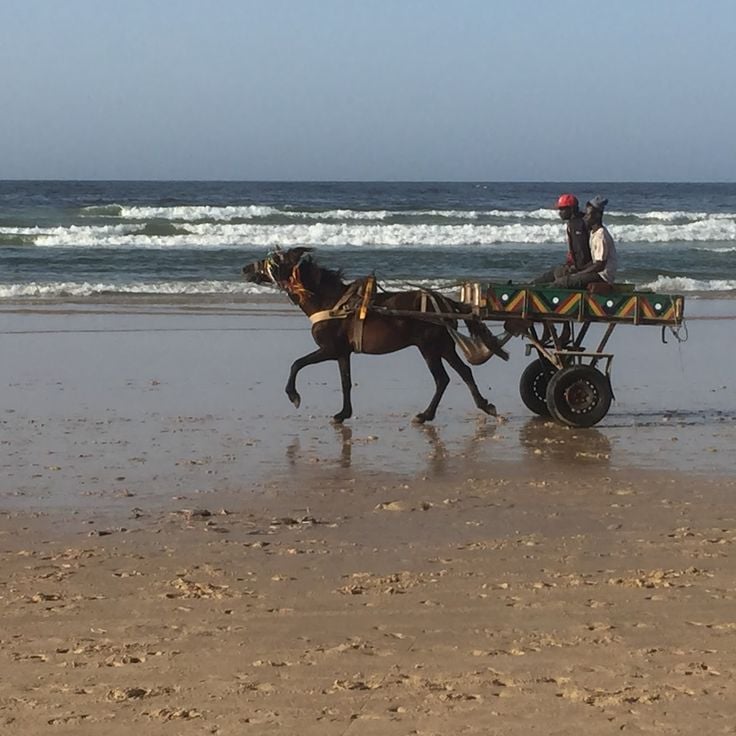
This three-kilometer sandy beach in Dakar attracts surfers year-round with its consistent waves. Local fishermen bring their catch ashore each morning, making the beach a working waterfront as well as a recreational space. The beach represents the coastal character of Senegal's capital, where ocean activities blend with daily life.
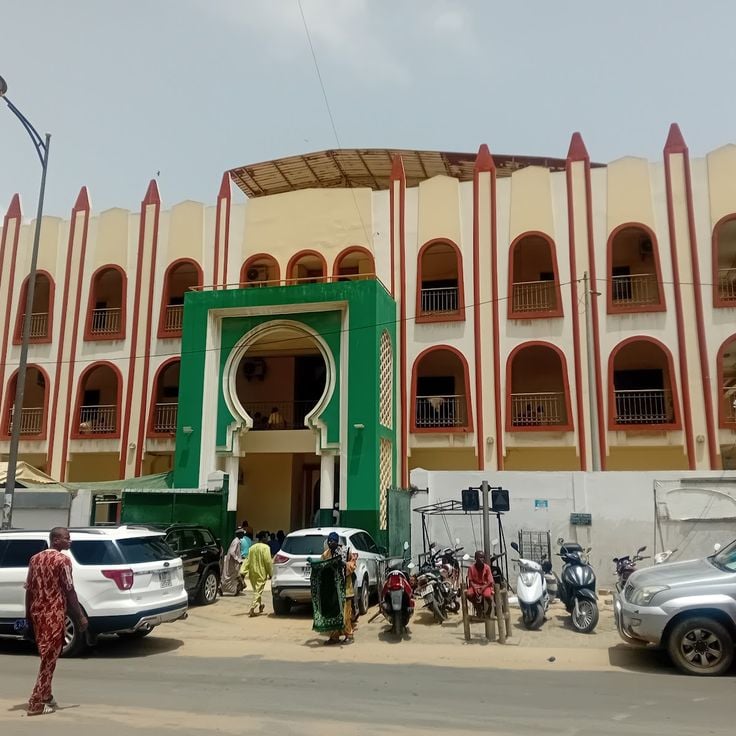
This mosque in Dakar shows how modern and traditional Islamic architecture blend together. Its distinctive green dome stands out in the city's skyline. Inside, the space accommodates 2,000 worshippers during daily prayers. The building reflects the spiritual and cultural life of Dakar's Muslim community.
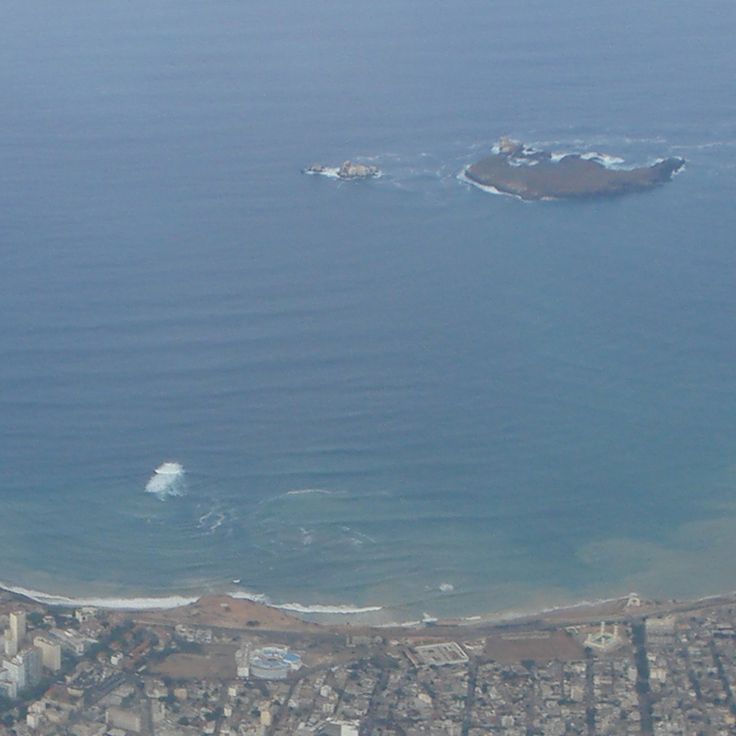
The Madeleines Islands are part of Dakar's coastal attractions and consist of two uninhabited islands off the shore. They form a national park where seabirds breed and gather. Red-billed tropicbirds and brown boobies live here alongside other seabird species. Visiting these islands offers a way to observe the natural wildlife of Senegal.
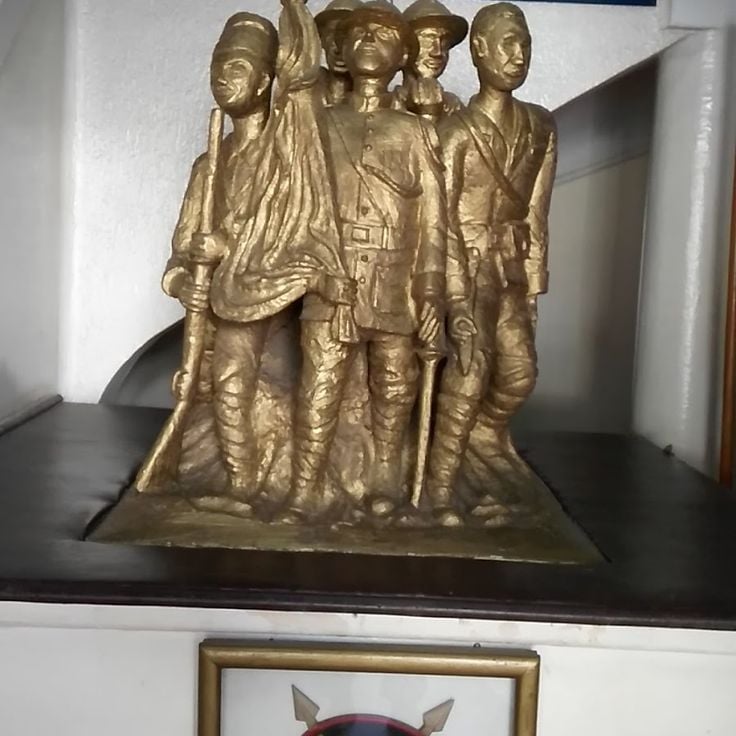
The Military Museum of Senegal is among the cultural institutions of Dakar that explores the country's history. This museum displays weapons, uniforms, documents and photographs that trace the development of Senegal's armed forces from colonial times to today, offering insight into an important part of the nation's past.
The French Institute Dakar is a cultural center in Senegal's capital that fits within this collection of sites between historical heritage and the Atlantic Ocean. This facility hosts art exhibitions, screens French films, organizes language courses, and presents theater productions throughout the year for visitors and residents.
Marché Tilène is a traditional open-air market in Dakar where vendors sell local herbs, spices, fabrics, and talismans. This market is one of the important gathering places in the Senegalese capital, where you can experience the daily life and culture of local people. A section of the market is dedicated to spiritual and traditional items that hold meaning for many in Senegal.
Pointe des Almadies is the westernmost point of the African continent located on a peninsula with restaurants serving fresh fish. Ocean waves crash against dark rocks. This site is part of Dakar's tourist attractions, where historical monuments, museums, and coastal spots come together.
Île de Gorée is an island off the coast of Dakar that showcases colonial buildings and serves as a historical site within the city's collection of monuments and cultural institutions. The Maison des Esclaves museum documents the history of the Atlantic slave trade from the 15th to the 19th century, allowing visitors to learn about this significant period in West African history.
The Monument de la Renaissance Africaine is a bronze and copper statue completed in 2010 that rises 52 meters high atop a hill. It depicts an African family emerging from a volcano. This monument stands as one of the notable landmarks in Dakar, offering visitors a place to explore the history and culture of Senegal.
Marché Kermel is a circular covered market from 1910 in Dakar where local vendors sell fresh fish, meat, vegetables, spices, and traditional crafts. The Victorian-style building reflects the commercial heritage of the Senegalese capital and remains active in the city's daily trading rhythms.
The Théodore Monod Museum of African Art displays 9,000 objects from West African cultures inside a colonial building. The collection includes masks, textiles, musical instruments, and pottery that show the artistic traditions of the region. Located in Dakar, this museum offers insight into the cultural expressions of West African peoples.
Built in 1929, this cathedral combines Sudanese-style architecture with religious murals depicting African scenes and local religious figures on its walls. It stands as one of Dakar's historical monuments, showing how Senegal preserves its cultural and religious heritage.
The Presidential Palace is the official residence of the Senegalese president among Dakar's collection of historical monuments, museums, and coastal attractions. The building sits in central Dakar, surrounded by gardens and guarded by the Republican Guard in red uniforms.
Parc de Hann is a 60-hectare zoological and forest reserve in Dakar that combines nature with wildlife. The park contains native and exotic trees alongside a collection of West African animals. Walking paths wind through the grounds, making it a place where visitors can observe the region's flora and fauna while enjoying some of the city's green space.
The Corniche de Dakar is a 13-kilometer coastal road stretching along the Atlantic Ocean. It runs through different parts of the city and offers views of Gorée Island along with numerous sports facilities for joggers and cyclists. This promenade forms part of Dakar's coastal attractions, which together with historical monuments like the African Memorial and traditional markets reflect the cultural and natural heritage of Senegal.
The Université Cheikh Anta Diop is part of Dakar's educational landscape and stands as a key institution in the Senegalese capital's cultural and intellectual life. Founded in 1957, this university houses research centers, laboratories, and library collections that support scholarship and learning. It represents the modern academic side of the city, complementing the historical monuments and cultural sites that shape Dakar's identity.
The Galerie Nationale d'Art in Dakar shows works by artists from Senegal and the surrounding region. The museum features permanent and temporary exhibitions with paintings, sculptures, and handmade crafts. It is one of the cultural sites in Dakar's collection of historical monuments, museums, and coastal attractions where visitors can explore the artistic traditions of Senegal.
The Théâtre Daniel Sorano is the cultural heart of Senegal since its opening in 1965. Named after a French-Italian actor, this theater shapes Dakar's arts scene with regular performances of local and international productions. The building plays an important role in the cultural identity of the capital and connects the performing arts with the history of the country.
Lac Rose is a salt lake featured in this collection of Dakar tourist sites, situated between the city's historical monuments and the Atlantic coastline. The water takes on a pink hue due to microorganisms that produce a red pigment. Local workers harvest salt from its banks, creating a working landscape where human activity shapes the character of this natural water body.
The Village des Arts is a cultural center in Dakar where artists from the region work and display their creations. Studios and galleries here showcase paintings, sculptures, and contemporary art installations. This site connects with Dakar's diverse offerings of historical monuments, museums, and coastal attractions, representing an important part of the city's contemporary art scene.
The Phare des Mamelles is a lighthouse built in 1864 that stands on Dakar's highest point at 105 meters above sea level, guiding ships traveling along the coast. This historic tower is part of Dakar's diverse collection of sites that combine historical heritage with coastal attractions and offer visitors insight into Senegal's maritime and architectural legacy.
N'gor Island is one of the coastal attractions that Dakar offers along its Atlantic waterfront. Located in the ocean and accessible by wooden boats from the city, the island features sandy beaches, restaurants, and water sports opportunities including surfing and swimming. Visitors can experience Senegal's coastal life directly here.
This public square in Dakar brings together monuments and exhibits focused on African history and culture. The square features a memorial wall, garden spaces, and areas designed for cultural events. It fits into the broader landscape of Dakar, where historical sites like the Cathedral of 1929 and the African Renaissance Monument sit alongside museums and traditional markets that showcase Senegal's heritage.
The Dakar Grand Mosque is part of this collection of historical and cultural sites in Senegal's capital. Built in Moorish style, the mosque stands out for its 67-meter minaret that rises above the surrounding area. Inside, the building features marble floors and multiple prayer halls where worshippers gather for daily prayers.
Sea Plaza is a retail center in this coastal city offering international stores, restaurants, and a cinema. The building spreads across three floors and offers views of the Atlantic Ocean. The center fits within the city's mix of historical sites and contemporary spaces that reflect Dakar's character.
This marketplace in Dakar showcases traditional Senegalese handicrafts made by local artisans. You can find jewelry, textiles, wood carvings, and leather goods displayed in outdoor stalls throughout the village. As part of Dakar's cultural sites, it offers a glimpse into the everyday craft traditions of Senegal alongside the city's historical monuments and coastal attractions.
The Mosque of Divinity in Dakar is a place of worship built on rocks along the Atlantic Ocean. Its white minarets stand out when viewed from the Corniche, the coastal road that runs through the Senegalese capital. This religious structure sits between the historical monuments and coastal attractions that define Dakar's character.
The Parc National des Iles de la Madeleine is a protected marine zone with cliffs and beaches that serve as nesting sites for numerous seabirds. The islands contain baobabs and prehistoric remains. This national park is among Dakar's coastal attractions and showcases the natural diversity and history of Senegal.
The Monastère de Keur Moussa is a Benedictine abbey in Dakar where monks handcraft West African kora instruments and blend Gregorian chant with African rhythms during liturgical celebrations. It represents the cultural diversity of Senegal and demonstrates how traditional craftsmanship connects with spiritual practice.
This house in the collection was the residence of Senegal's first president and poet Léopold Sédar Senghor from 1960 to 1980. The former home holds personal items, photographs, and documents that document his life and time leading the nation. It offers insight into the history and culture of Senegal during this important period.
This three-kilometer sandy beach in Dakar attracts surfers year-round with its consistent waves. Local fishermen bring their catch ashore each morning, making the beach a working waterfront as well as a recreational space. The beach represents the coastal character of Senegal's capital, where ocean activities blend with daily life.
This mosque in Dakar shows how modern and traditional Islamic architecture blend together. Its distinctive green dome stands out in the city's skyline. Inside, the space accommodates 2,000 worshippers during daily prayers. The building reflects the spiritual and cultural life of Dakar's Muslim community.
The Madeleines Islands are part of Dakar's coastal attractions and consist of two uninhabited islands off the shore. They form a national park where seabirds breed and gather. Red-billed tropicbirds and brown boobies live here alongside other seabird species. Visiting these islands offers a way to observe the natural wildlife of Senegal.
The Military Museum of Senegal is among the cultural institutions of Dakar that explores the country's history. This museum displays weapons, uniforms, documents and photographs that trace the development of Senegal's armed forces from colonial times to today, offering insight into an important part of the nation's past.
The French Institute Dakar is a cultural center in Senegal's capital that fits within this collection of sites between historical heritage and the Atlantic Ocean. This facility hosts art exhibitions, screens French films, organizes language courses, and presents theater productions throughout the year for visitors and residents.
Marché Tilène is a traditional open-air market in Dakar where vendors sell local herbs, spices, fabrics, and talismans. This market is one of the important gathering places in the Senegalese capital, where you can experience the daily life and culture of local people. A section of the market is dedicated to spiritual and traditional items that hold meaning for many in Senegal.
Pointe des Almadies is the westernmost point of the African continent located on a peninsula with restaurants serving fresh fish. Ocean waves crash against dark rocks. This site is part of Dakar's tourist attractions, where historical monuments, museums, and coastal spots come together.
Île de Gorée is an island off the coast of Dakar that showcases colonial buildings and serves as a historical site within the city's collection of monuments and cultural institutions. The Maison des Esclaves museum documents the history of the Atlantic slave trade from the 15th to the 19th century, allowing visitors to learn about this significant period in West African history.
The Monument de la Renaissance Africaine is a bronze and copper statue completed in 2010 that rises 52 meters high atop a hill. It depicts an African family emerging from a volcano. This monument stands as one of the notable landmarks in Dakar, offering visitors a place to explore the history and culture of Senegal.
Marché Kermel is a circular covered market from 1910 in Dakar where local vendors sell fresh fish, meat, vegetables, spices, and traditional crafts. The Victorian-style building reflects the commercial heritage of the Senegalese capital and remains active in the city's daily trading rhythms.
The Théodore Monod Museum of African Art displays 9,000 objects from West African cultures inside a colonial building. The collection includes masks, textiles, musical instruments, and pottery that show the artistic traditions of the region. Located in Dakar, this museum offers insight into the cultural expressions of West African peoples.
Built in 1929, this cathedral combines Sudanese-style architecture with religious murals depicting African scenes and local religious figures on its walls. It stands as one of Dakar's historical monuments, showing how Senegal preserves its cultural and religious heritage.
The Presidential Palace is the official residence of the Senegalese president among Dakar's collection of historical monuments, museums, and coastal attractions. The building sits in central Dakar, surrounded by gardens and guarded by the Republican Guard in red uniforms.
Parc de Hann is a 60-hectare zoological and forest reserve in Dakar that combines nature with wildlife. The park contains native and exotic trees alongside a collection of West African animals. Walking paths wind through the grounds, making it a place where visitors can observe the region's flora and fauna while enjoying some of the city's green space.
The Corniche de Dakar is a 13-kilometer coastal road stretching along the Atlantic Ocean. It runs through different parts of the city and offers views of Gorée Island along with numerous sports facilities for joggers and cyclists. This promenade forms part of Dakar's coastal attractions, which together with historical monuments like the African Memorial and traditional markets reflect the cultural and natural heritage of Senegal.
The Université Cheikh Anta Diop is part of Dakar's educational landscape and stands as a key institution in the Senegalese capital's cultural and intellectual life. Founded in 1957, this university houses research centers, laboratories, and library collections that support scholarship and learning. It represents the modern academic side of the city, complementing the historical monuments and cultural sites that shape Dakar's identity.
The Galerie Nationale d'Art in Dakar shows works by artists from Senegal and the surrounding region. The museum features permanent and temporary exhibitions with paintings, sculptures, and handmade crafts. It is one of the cultural sites in Dakar's collection of historical monuments, museums, and coastal attractions where visitors can explore the artistic traditions of Senegal.
The Théâtre Daniel Sorano is the cultural heart of Senegal since its opening in 1965. Named after a French-Italian actor, this theater shapes Dakar's arts scene with regular performances of local and international productions. The building plays an important role in the cultural identity of the capital and connects the performing arts with the history of the country.
Lac Rose is a salt lake featured in this collection of Dakar tourist sites, situated between the city's historical monuments and the Atlantic coastline. The water takes on a pink hue due to microorganisms that produce a red pigment. Local workers harvest salt from its banks, creating a working landscape where human activity shapes the character of this natural water body.
The Village des Arts is a cultural center in Dakar where artists from the region work and display their creations. Studios and galleries here showcase paintings, sculptures, and contemporary art installations. This site connects with Dakar's diverse offerings of historical monuments, museums, and coastal attractions, representing an important part of the city's contemporary art scene.
The Phare des Mamelles is a lighthouse built in 1864 that stands on Dakar's highest point at 105 meters above sea level, guiding ships traveling along the coast. This historic tower is part of Dakar's diverse collection of sites that combine historical heritage with coastal attractions and offer visitors insight into Senegal's maritime and architectural legacy.
N'gor Island is one of the coastal attractions that Dakar offers along its Atlantic waterfront. Located in the ocean and accessible by wooden boats from the city, the island features sandy beaches, restaurants, and water sports opportunities including surfing and swimming. Visitors can experience Senegal's coastal life directly here.
This public square in Dakar brings together monuments and exhibits focused on African history and culture. The square features a memorial wall, garden spaces, and areas designed for cultural events. It fits into the broader landscape of Dakar, where historical sites like the Cathedral of 1929 and the African Renaissance Monument sit alongside museums and traditional markets that showcase Senegal's heritage.
The Dakar Grand Mosque is part of this collection of historical and cultural sites in Senegal's capital. Built in Moorish style, the mosque stands out for its 67-meter minaret that rises above the surrounding area. Inside, the building features marble floors and multiple prayer halls where worshippers gather for daily prayers.
Sea Plaza is a retail center in this coastal city offering international stores, restaurants, and a cinema. The building spreads across three floors and offers views of the Atlantic Ocean. The center fits within the city's mix of historical sites and contemporary spaces that reflect Dakar's character.
This marketplace in Dakar showcases traditional Senegalese handicrafts made by local artisans. You can find jewelry, textiles, wood carvings, and leather goods displayed in outdoor stalls throughout the village. As part of Dakar's cultural sites, it offers a glimpse into the everyday craft traditions of Senegal alongside the city's historical monuments and coastal attractions.
The Mosque of Divinity in Dakar is a place of worship built on rocks along the Atlantic Ocean. Its white minarets stand out when viewed from the Corniche, the coastal road that runs through the Senegalese capital. This religious structure sits between the historical monuments and coastal attractions that define Dakar's character.
The Parc National des Iles de la Madeleine is a protected marine zone with cliffs and beaches that serve as nesting sites for numerous seabirds. The islands contain baobabs and prehistoric remains. This national park is among Dakar's coastal attractions and showcases the natural diversity and history of Senegal.
The Monastère de Keur Moussa is a Benedictine abbey in Dakar where monks handcraft West African kora instruments and blend Gregorian chant with African rhythms during liturgical celebrations. It represents the cultural diversity of Senegal and demonstrates how traditional craftsmanship connects with spiritual practice.
This house in the collection was the residence of Senegal's first president and poet Léopold Sédar Senghor from 1960 to 1980. The former home holds personal items, photographs, and documents that document his life and time leading the nation. It offers insight into the history and culture of Senegal during this important period.
This three-kilometer sandy beach in Dakar attracts surfers year-round with its consistent waves. Local fishermen bring their catch ashore each morning, making the beach a working waterfront as well as a recreational space. The beach represents the coastal character of Senegal's capital, where ocean activities blend with daily life.
This mosque in Dakar shows how modern and traditional Islamic architecture blend together. Its distinctive green dome stands out in the city's skyline. Inside, the space accommodates 2,000 worshippers during daily prayers. The building reflects the spiritual and cultural life of Dakar's Muslim community.
The Madeleines Islands are part of Dakar's coastal attractions and consist of two uninhabited islands off the shore. They form a national park where seabirds breed and gather. Red-billed tropicbirds and brown boobies live here alongside other seabird species. Visiting these islands offers a way to observe the natural wildlife of Senegal.
The Military Museum of Senegal is among the cultural institutions of Dakar that explores the country's history. This museum displays weapons, uniforms, documents and photographs that trace the development of Senegal's armed forces from colonial times to today, offering insight into an important part of the nation's past.
The French Institute Dakar is a cultural center in Senegal's capital that fits within this collection of sites between historical heritage and the Atlantic Ocean. This facility hosts art exhibitions, screens French films, organizes language courses, and presents theater productions throughout the year for visitors and residents.