Geometric forms and metallic shine shaped cities worldwide during the 1920s and 1930s through Art Deco architecture.
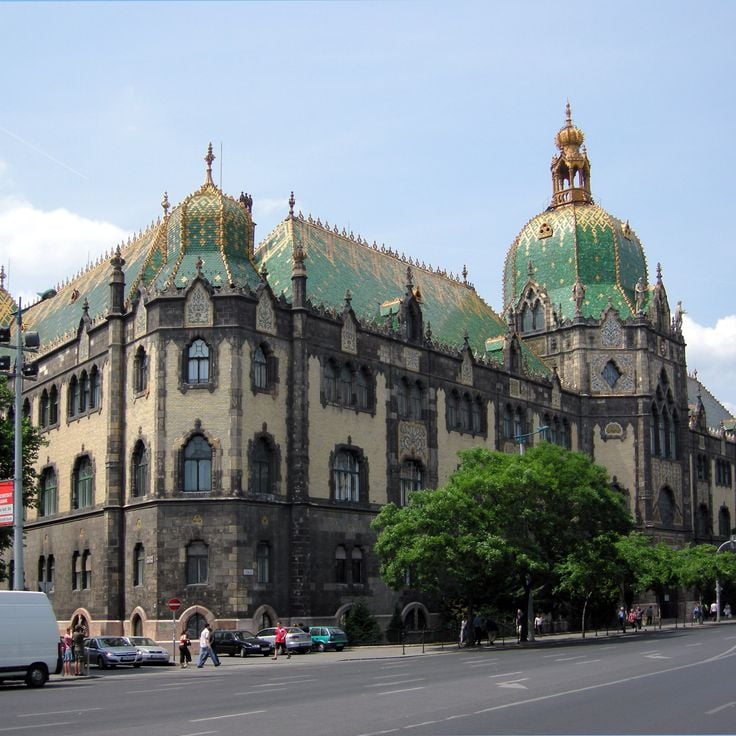
Art Deco shaped cities from the early 1920s through the late 1930s. The style combines geometric patterns, metallic surfaces, and decorative ornament with functional architecture. Buildings display characteristic vertical lines, stepped forms, and symmetrical facades. The Chrysler Building in New York and Marine Building in Vancouver demonstrate the height and elegance of the style in skyscrapers. The Palais de Tokyo in Paris and Museum of Applied Arts in Budapest show its cultural applications. The Hoover Building in London and Daily Express Building in Manchester represent commercial architecture of the era. Cincinnati Union Terminal, Warner Theatre in Washington, and Wiltern Theatre in Los Angeles document the style's popularity in public buildings.
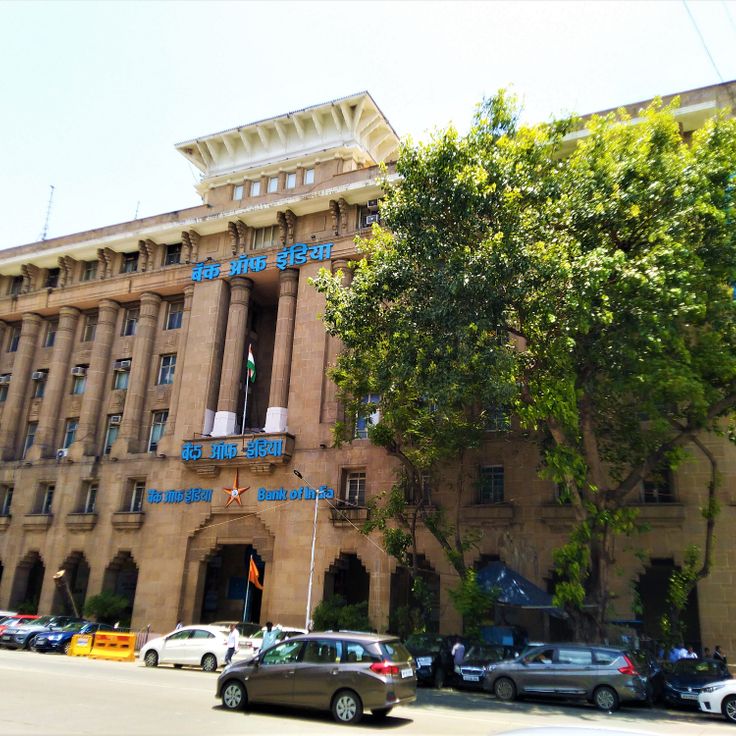
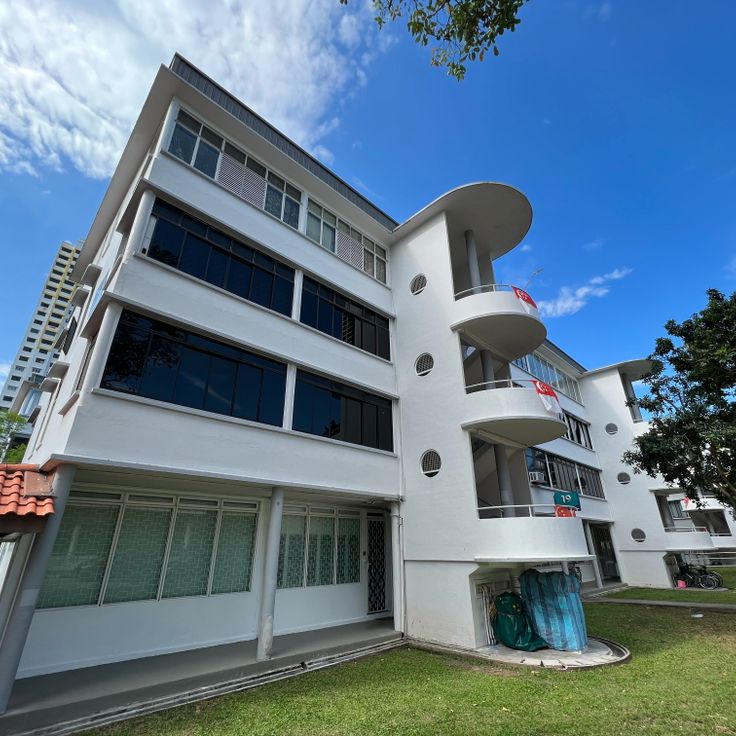
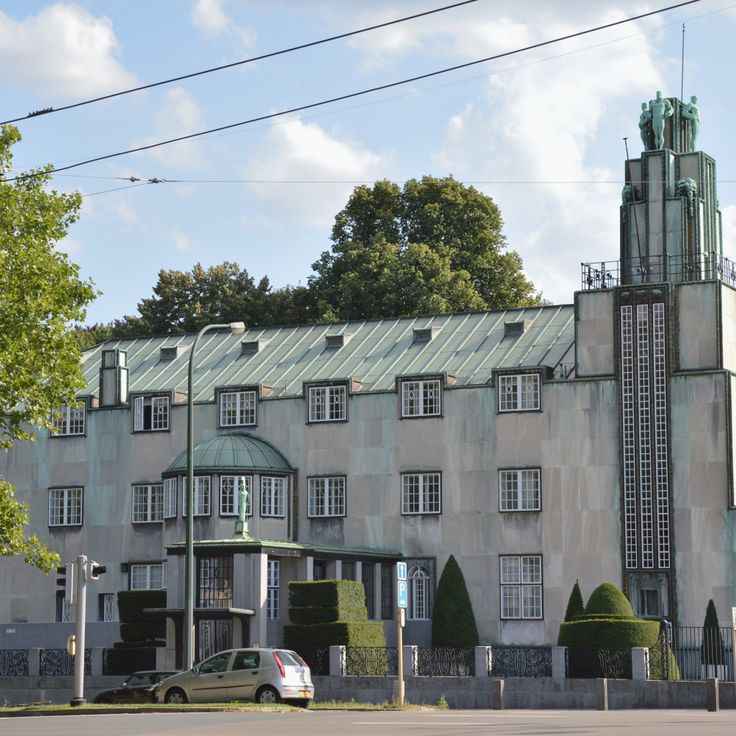
The reach extended worldwide. Edificio Bacardi in Havana, Kavanagh building in Buenos Aires, and New India Assurance Building in Mumbai show regional interpretations. Villa Empain and Stoclet Palace in Brussels, Municipal House in Prague, Tokyo Metropolitan Teien Art Museum, and Universum Kino in Berlin document European and Asian presence. Tiong Bahru Estate in Singapore demonstrates the application to residential developments. The Miami Design Preservation League preserves one of the largest concentrations of Art Deco buildings in the United States. This collection includes public, private, and commercial structures that document the movement's international influence.
Geometric forms and metallic shine shaped cities worldwide during the 1920s and 1930s through Art Deco architecture.
Art Deco shaped cities from the early 1920s through the late 1930s. The style combines geometric patterns, metallic surfaces, and decorative ornament with functional architecture. Buildings display characteristic vertical lines, stepped forms, and symmetrical facades. The Chrysler Building in New York and Marine Building in Vancouver demonstrate the height and elegance of the style in skyscrapers. The Palais de Tokyo in Paris and Museum of Applied Arts in Budapest show its cultural applications. The Hoover Building in London and Daily Express Building in Manchester represent commercial architecture of the era. Cincinnati Union Terminal, Warner Theatre in Washington, and Wiltern Theatre in Los Angeles document the style's popularity in public buildings.
The reach extended worldwide. Edificio Bacardi in Havana, Kavanagh building in Buenos Aires, and New India Assurance Building in Mumbai show regional interpretations. Villa Empain and Stoclet Palace in Brussels, Municipal House in Prague, Tokyo Metropolitan Teien Art Museum, and Universum Kino in Berlin document European and Asian presence. Tiong Bahru Estate in Singapore demonstrates the application to residential developments. The Miami Design Preservation League preserves one of the largest concentrations of Art Deco buildings in the United States. This collection includes public, private, and commercial structures that document the movement's international influence.
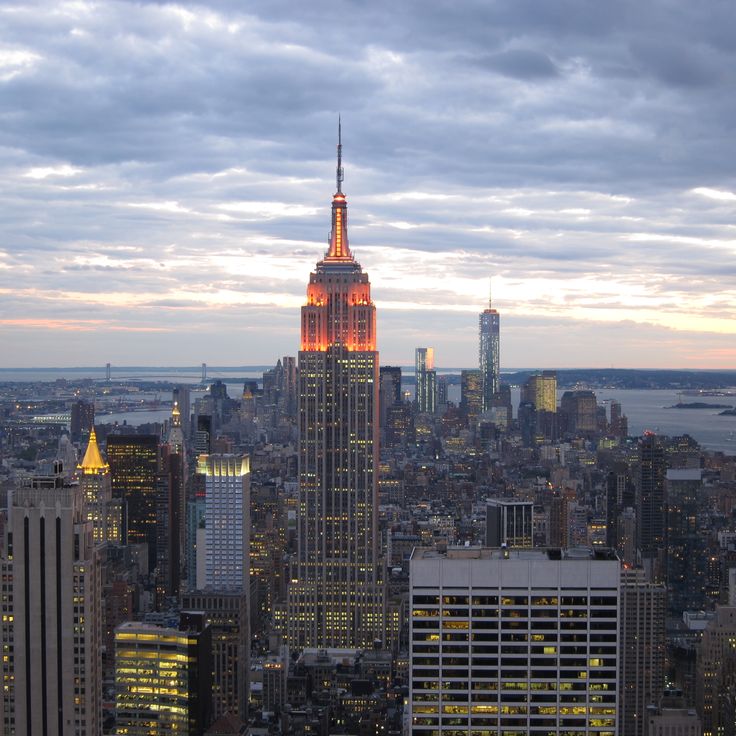
This 1,250-foot structure in Midtown Manhattan was completed in 1931 and represents the essential principles of the Art Deco movement in monumental form. The Empire State Building demonstrates the style's characteristic vertical lines and setback design through its limestone and granite facade. The lobby displays marble from several countries, polished metal surfaces, and geometric patterns. As a high point of commercial architecture in the late 1920s, this skyscraper illustrates the combination of functional design with ornamental decoration and stands alongside the Chrysler Building as one of the most significant examples of Art Deco skyscraper construction in New York.
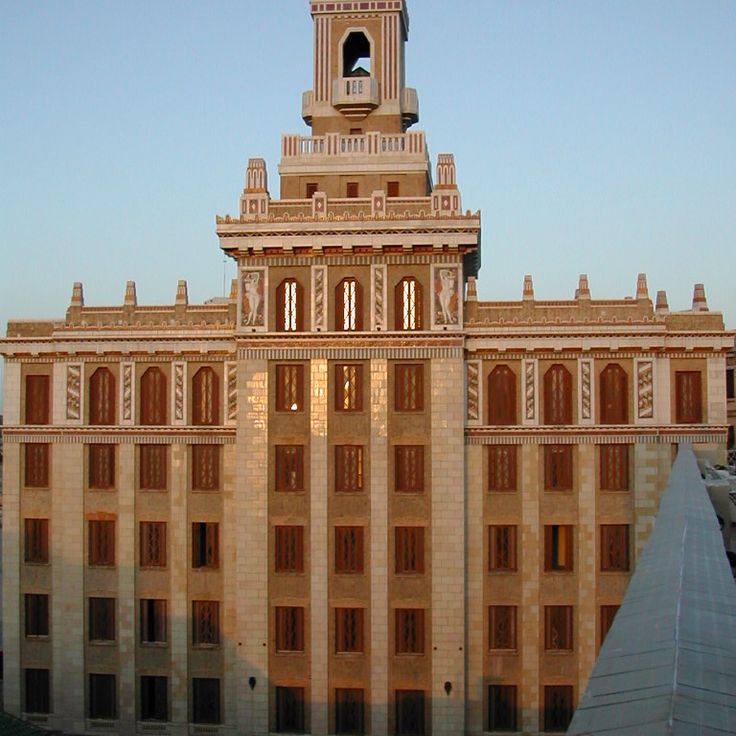
This office building constructed in 1930 combines tropical architectural elements with the Art Deco style, demonstrating the geometric forms and decorative principles characteristic of 1920s and 1930s design. The Edificio Bacardi employs terracotta tiles and bronze fittings in its facade treatment, reflecting the Art Deco preference for materials with metallic finishes. The architecture follows the vertical lines and symmetrical patterns typical of this style, joining the collection of significant Art Deco structures found in cities worldwide.
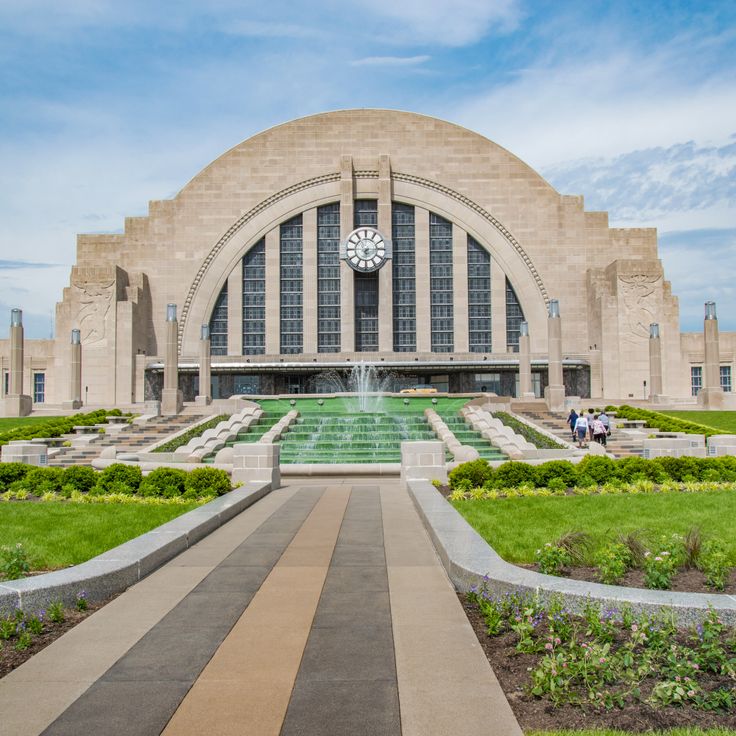
This railway station from the 1930s demonstrates the geometric clarity and monumentality of Art Deco through its semicircular facade and tall vertical windows. Cincinnati Union Terminal was constructed during the golden age of American rail travel, combining functional architecture with decorative elements characteristic of the era. The symmetrical design and stepped forms of the terminal illustrate the architectural principles of the 1920s and 1930s documented throughout this guide.
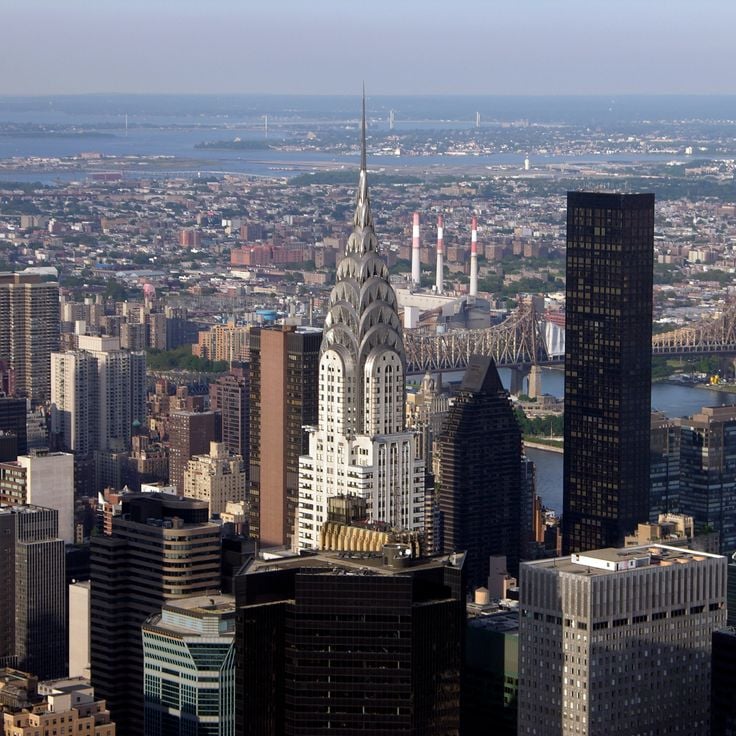
This 319-meter (1,046-foot) tower completed in 1930 during Manhattan's intense skyscraper competition displays the defining characteristics of Art Deco design through its tiered stainless steel crown featuring triangular windows and metallic arches. The facade incorporates eagle head sculptures and geometric stainless steel ornaments, while the entrance lobby presents African marble and a painted ceiling mural. The Chrysler Building originally served as headquarters for the Chrysler Corporation and remains one of the most recognizable examples of Art Deco architecture in New York, embodying the ambitions and design approach of this period.
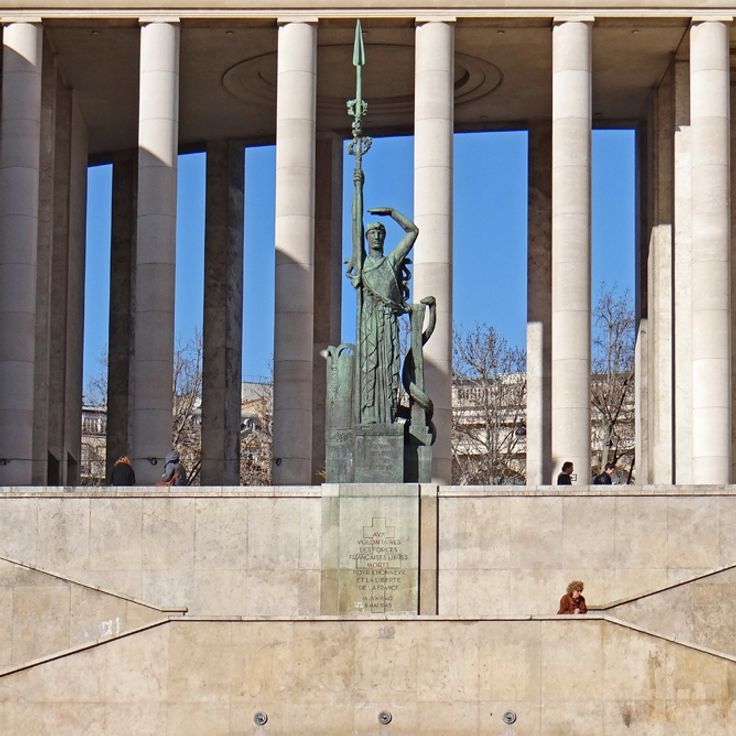
The Palais de Tokyo houses French art from the 20th century in a building constructed for the 1937 Paris International Exposition. Its architecture combines classical symmetry with Art Deco elements including geometric reliefs and unadorned facades. The restrained design features colonnades and terraces overlooking the Seine, making this museum a representative example of French interwar public architecture.
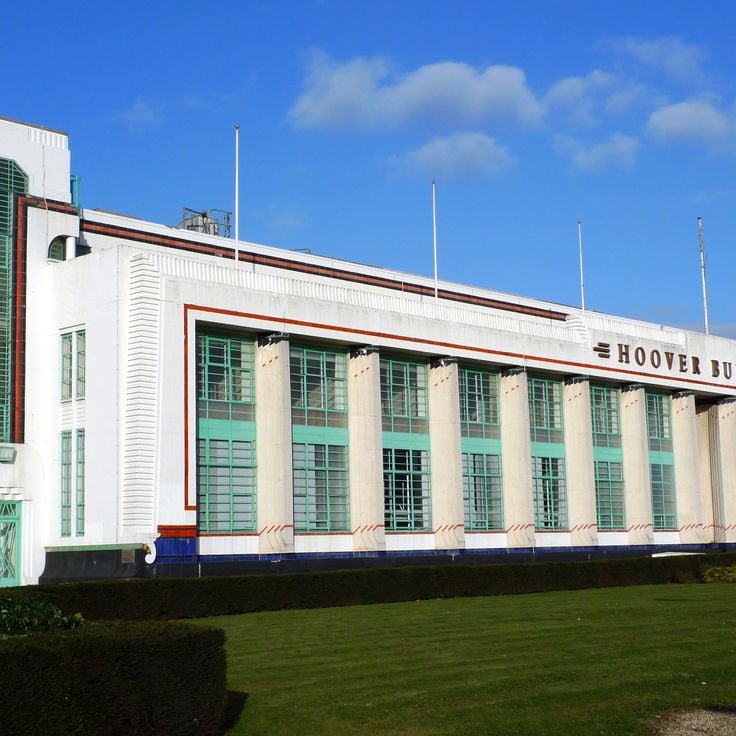
This former vacuum cleaner factory from the 1930s displays characteristic Art Deco elements through its green and cream facades and geometric patterns. The Hoover Building demonstrates the industrial application of this architectural style through vertical lines, symmetrical forms and decorative details typical of Art Deco structures from this period. The building now serves as an example of how 1920s and 1930s industrial architecture incorporated the geometric patterns and metallic colors of Art Deco into functional structures.
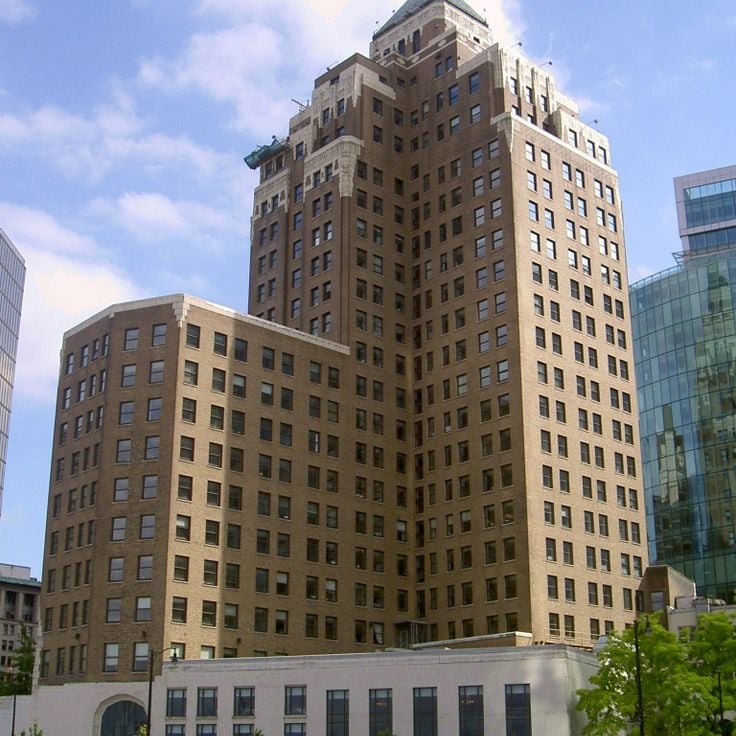
This office building erected in 1930 demonstrates the defining features of Art Deco through its geometric patterns and nautical ornaments on the facade. The Marine Building represents the architectural vision of the late 1920s with vertical lines, stepped forms and metallic accents. The exterior decorations incorporate maritime themes that reflect Vancouver's connection to the Pacific Ocean. Symmetrical arrangements and decorative elements demonstrate the design principles of this era in a significant example of North American Art Deco architecture.
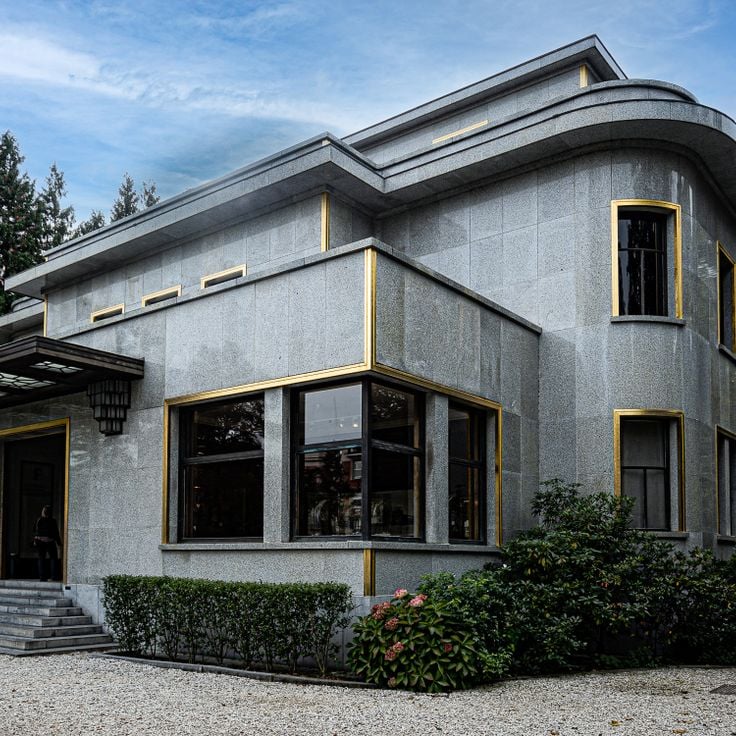
Villa Empain is a 1934 residence in the Brussels suburb of Woluwe-Saint-Pierre that represents this Art Deco guide through its architectural discipline and material precision. Architect Michel Polak designed the building for industrialist Louis Empain as a private home with integrated exhibition spaces. The facade combines white marble with geometric bronze elements on doors, windows and balconies. The four-story structure follows symmetrical proportions with a central courtyard and a marble spiral staircase. Today this villa operates as a museum hosting rotating exhibitions on early twentieth-century art and architecture.
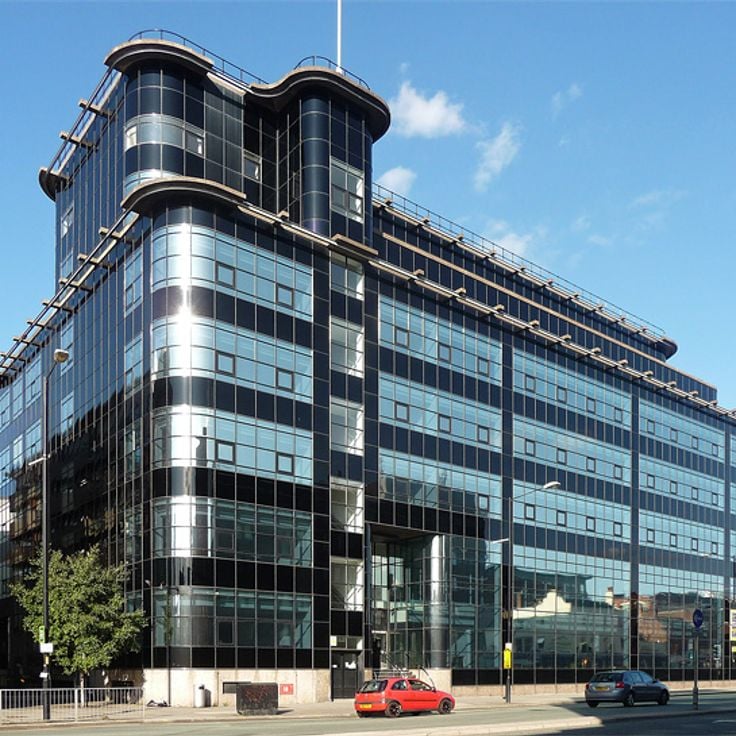
This 1939 newspaper building exemplifies Art Deco architecture of the interwar period with its black glass facade and chrome-trimmed windows in Manchester. The Daily Express Building displays the defining characteristics of the style through geometric lines and reflective surfaces that represent the technological progress of the era. The use of industrial materials such as glass and chrome demonstrates the modernity of press architecture in the late 1930s.
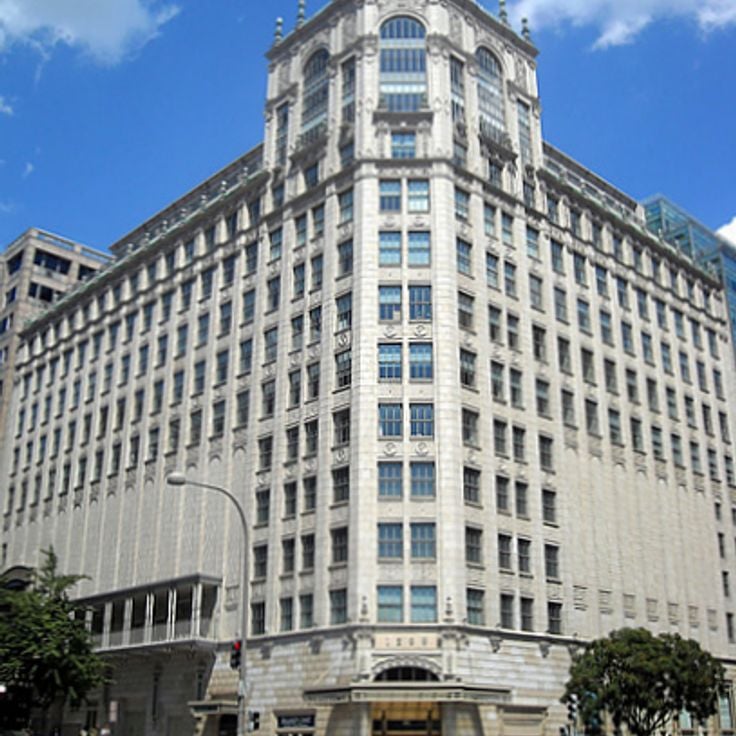
The Warner Theatre in Washington D.C. was built in 1924 and displays a marble facade with geometric ornaments characteristic of Art Deco architecture from the interwar period. This theater serves as a venue for concerts, stage performances and dance productions. The interior spaces feature vertical lines and decorative metallic accents typical of the 1920s style. The building stands in downtown Washington and represents one of the significant examples of Art Deco design in the U.S. capital.
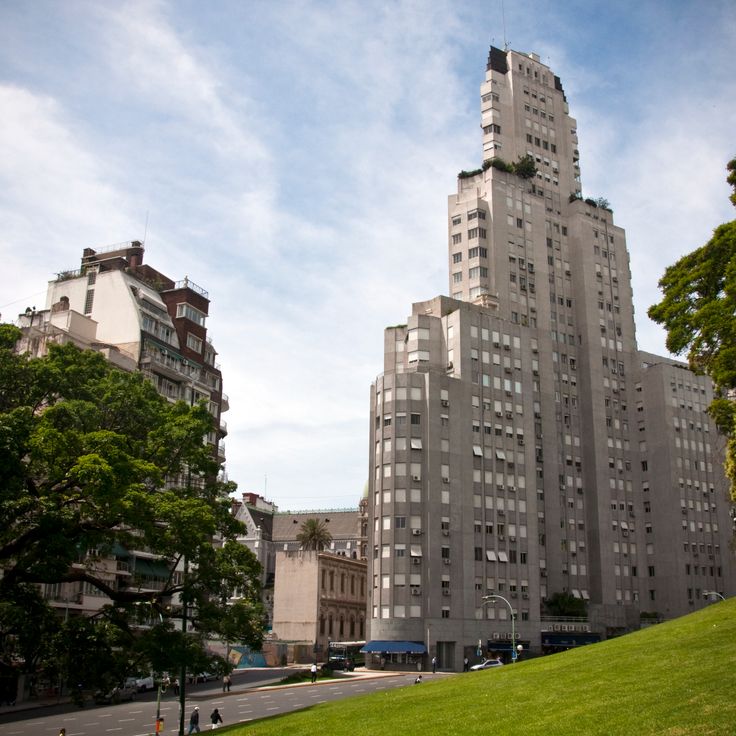
This 394-foot (120-meter) skyscraper completed in 1936 was the first air-conditioned high-rise building in Latin America. The Kavanagh Building stands as a significant example of Art Deco architecture in Buenos Aires, displaying characteristic vertical lines and stepped forms that define the 1930s style. The construction used modern building techniques and materials that were advanced for the time, and the structure demonstrates geometric patterns and symmetry typical of Art Deco design.
This insurance headquarters combines Indian and European design elements in a geometric composition completed in 1940. The facade displays characteristic Art Deco features through vertical lines, symmetrical arrangement and decorative details that merge the style with regional motifs. The New India Assurance Building stands as an example of how international architectural movements adapted to local traditions in Mumbai during the late colonial period and documents the development of modern commercial architecture in the city.
This housing estate from the 1930s was Singapore's first planned residential development and presents Art Deco architecture through curved lines, horizontal window bands and symmetrical facades. The low-rise buildings display characteristic rounded corners, air wells for ventilation and decorative details that combine tropical requirements with the geometric style of the era. Tiong Bahru Estate documents prewar urban planning concepts in Southeast Asia and stands as an early example of public housing in the region.
The Stoclet Palace documents the geometric principles and decorative elements of Art Deco architecture from the early twentieth century. This 1911 building integrates architecture, interior design and artworks by the Wiener Werkstätte into a unified concept. The façade displays characteristic vertical lines and symmetry, while the interior spaces feature metallic accents and ornamental patterns. The palace represents a significant example of how different design disciplines were integrated within a single structure during this architectural period.
This museum building from 1896 represents an early example of the design elements that became central to Art Deco architecture in the 1920s and 1930s. The green dome and geometric patterns in the ceramic tiles from the Hungarian Zsolnay manufactory demonstrate the decorative approaches that later architects adopted. The structure documents the transition between historical architectural styles and the simplified forms that define Art Deco. The Zsolnay ceramics showcase the craftsmanship techniques that influenced later Art Deco buildings worldwide.
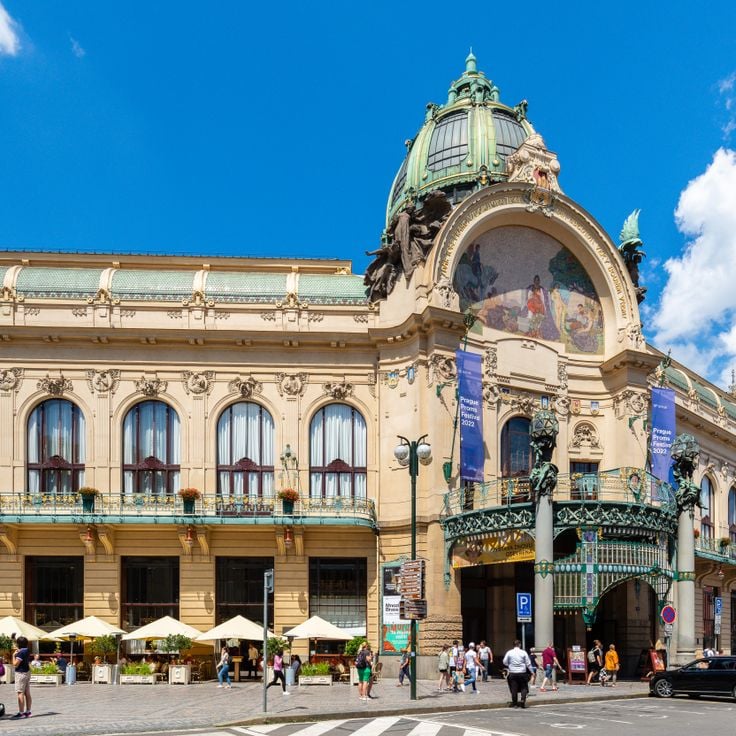
This building erected between 1905 and 1912 combines Czech Art Nouveau ornamentation with early Art Deco elements, marking the transition between both styles. The Municipal House displays geometric patterns on its facade, decorative metalwork, and several halls featuring murals and stained glass windows by Alfons Mucha. The Smetana Hall seats approximately 1,200 visitors and functions as a concert venue. The interior spaces demonstrate characteristic features of Art Deco architecture through symmetrical arrangements, vertical lines, and stylized floral motifs that merge Czech national themes with international design principles of the 1910s.
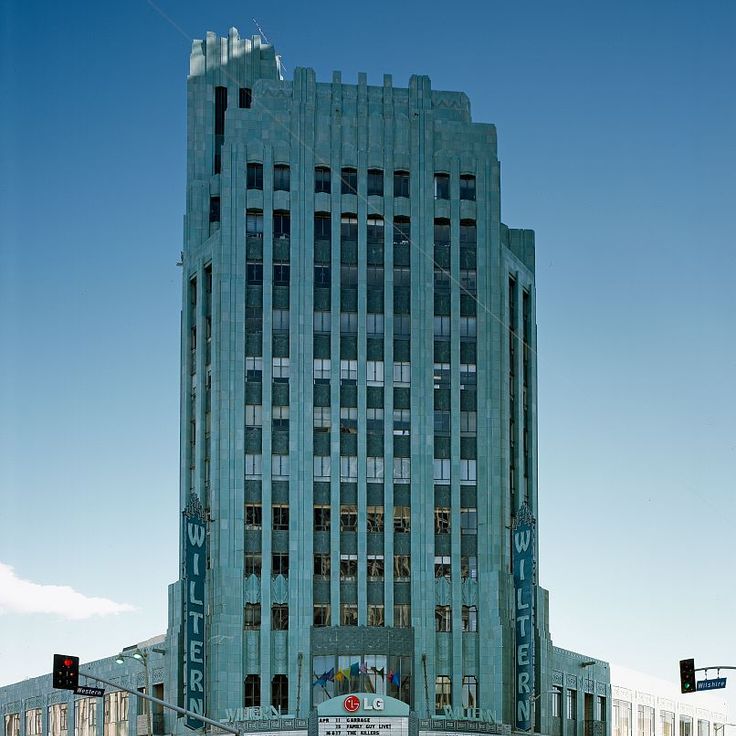
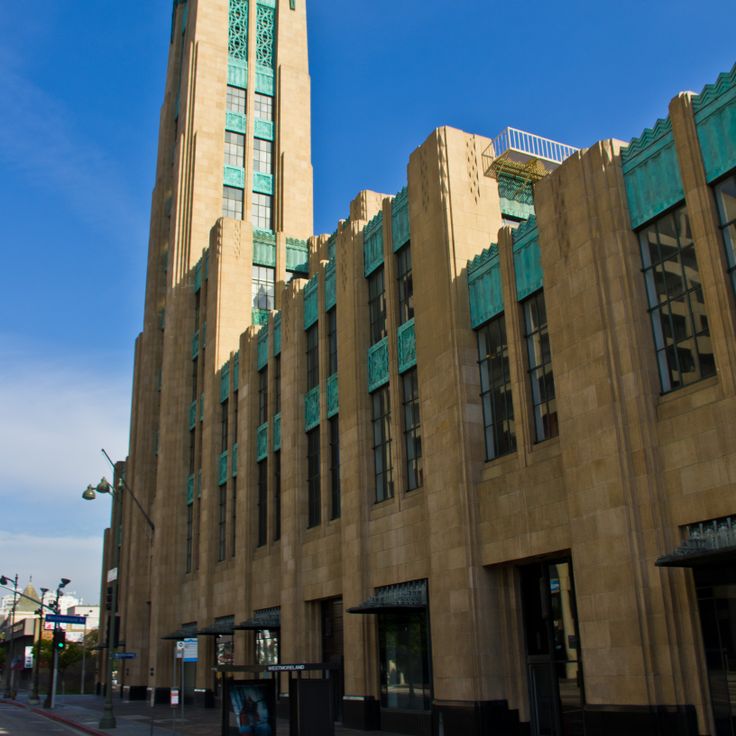
The Wiltern Theatre was built in 1931 as part of a larger complex and displays characteristic Art Deco features in its facade design. The blue-turquoise terracotta cladding with vertical lines and geometric patterns represents one of the notable examples of this architectural style in Los Angeles. This theater documents the architectural development of the early 1930s when decorative elements and symmetrical forms shaped the urban landscape.
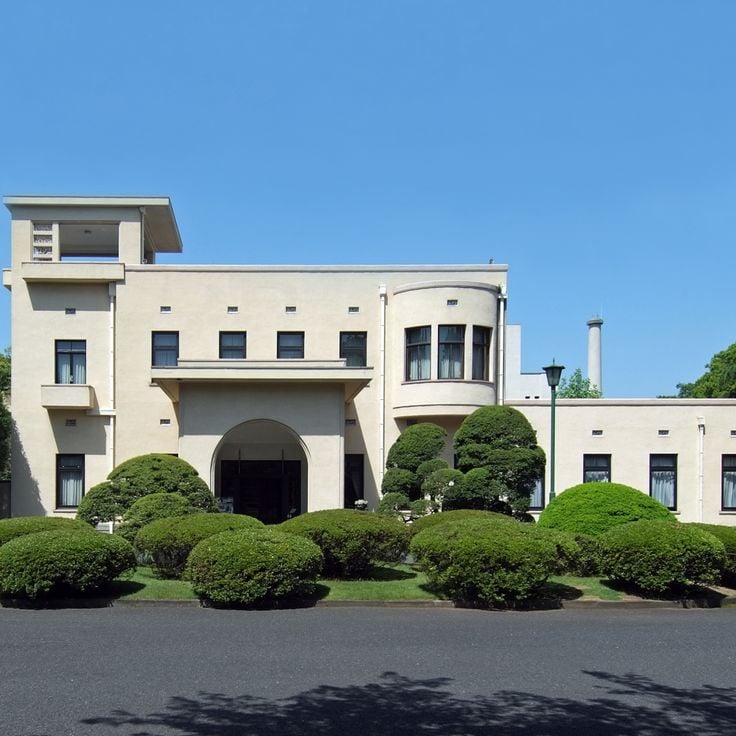
This museum, built in 1933 as Prince Asaka's residence, presents Art Deco architecture with French influence in its interior design. The structure combines geometric patterns with decorative glasswork and retains original furnishings from the 1930s. As a significant example of Art Deco buildings in Tokyo, the former residence demonstrates the spread of the style to Japan during the interwar period, with a combination of Western design principles and Japanese construction methods.
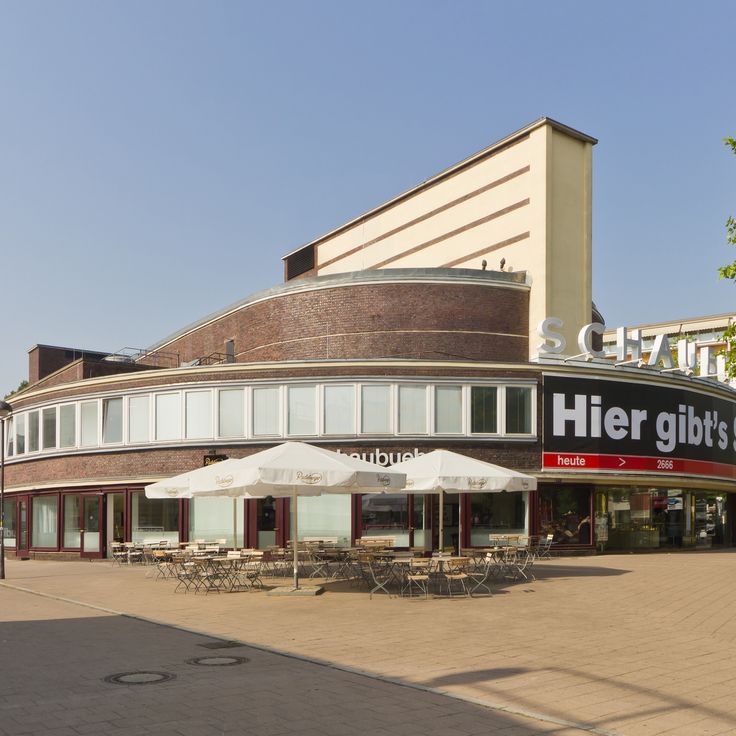
This cinema constructed in 1928 demonstrates the defining characteristics of late 1920s Art Deco architecture through its curved facade and geometric patterns. The metalwork from the construction period shows the craftsmanship typical of this era. The Universum Kino stands among the notable examples of Art Deco buildings in Berlin that document the design principles of this movement through symmetry and decorative elements.
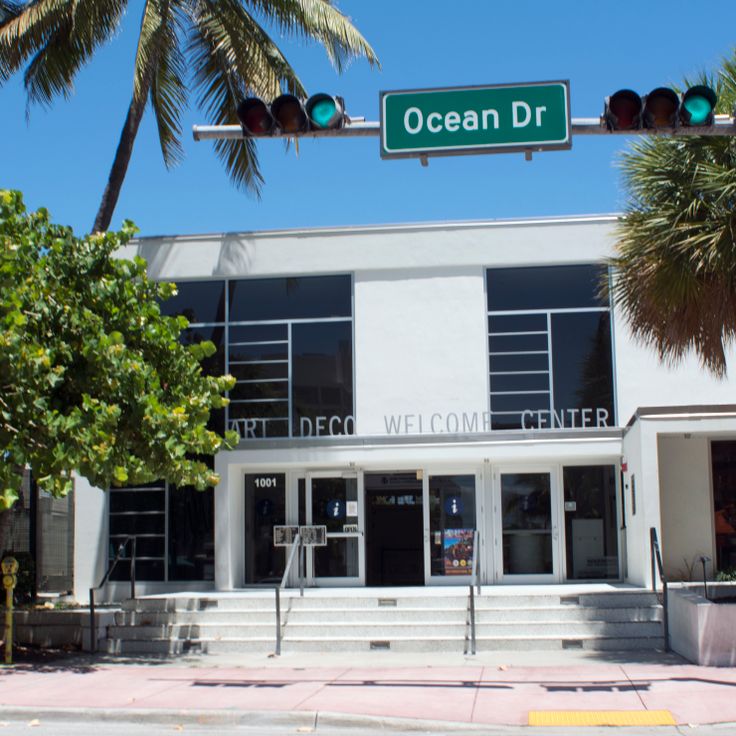
The Miami Design Preservation League was founded in 1976 to protect the Art Deco architecture of Miami Beach. This organization conducts walking tours through the historic district and documents the history of buildings from the 1920s and 1930s. The educational program teaches visitors about the characteristic features of Art Deco architecture, including geometric patterns, pastel colors, and nautical motifs. The Miami Design Preservation League also operates a welcome center that provides information about the more than 800 historic buildings in the district.
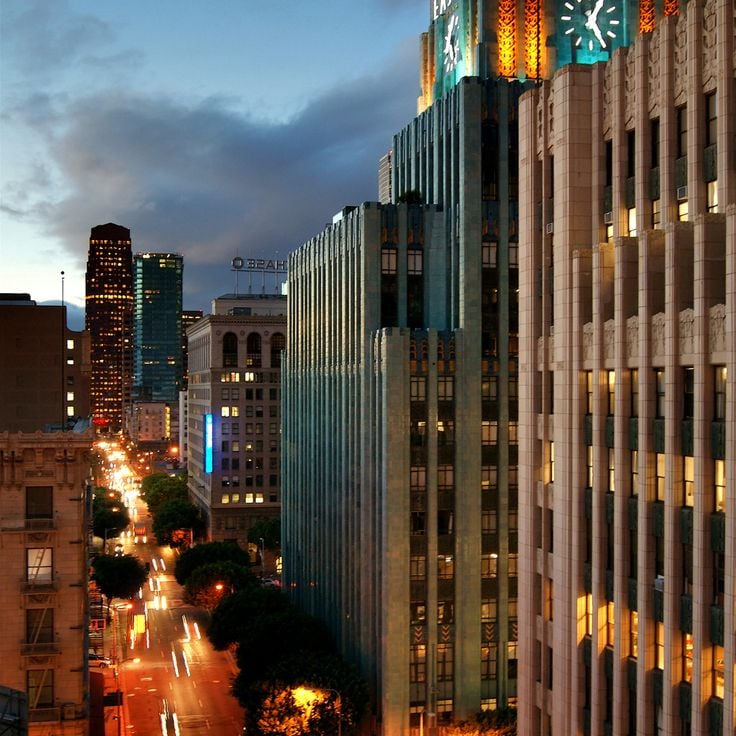
This 13-story structure was completed in 1930 as headquarters for the Eastern-Columbia clothing company and stands among the most recognizable Art Deco buildings in Los Angeles. Architect Claud Beelman designed the facade with turquoise terra cotta panels, gold geometric ornaments, and vertical emphasis that exemplify the characteristic style of the period. A four-sided clock tower crowns the structure and makes it visible from many vantage points in the downtown area. The entrance lobby retains original elevator doors, marble surfaces, and decorative metalwork from the building's construction. After comprehensive renovation, the structure has served as a residential building with roughly 150 apartments since 2006 and documents the adaptation of historic commercial buildings to contemporary use. The Eastern Columbia Building represents the commercial application of Art Deco in American city centers during the late 1920s and early 1930s.
This department store built between 1928 and 1929 introduced the concept of automobile-oriented retail to American architecture, combining Art Deco elements with functional requirements for motorized customers. The structure features a 241-foot (73-meter) copper-clad tower that served as a landmark for drivers. The facade displays characteristic vertical lines and geometric terracotta ornament. Interior murals and reliefs document California history. The building was among the first department stores to provide rear parking for customers. Bullock's Wilshire influenced the development of suburban retail in the United States during the 1930s.
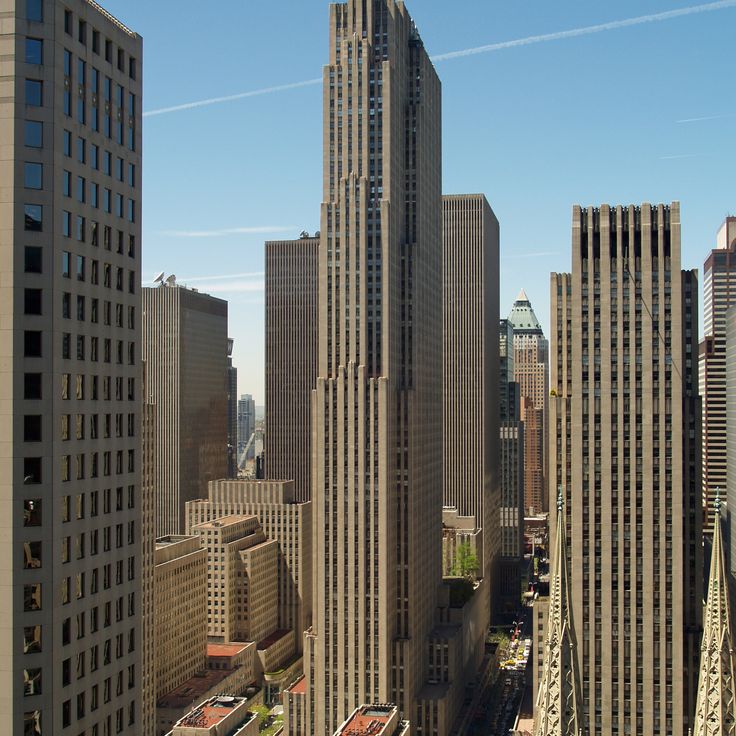
Rockefeller Center was built between 1930 and 1939 and stands as one of the most significant Art Deco developments of the 20th century. This complex comprises 19 buildings across 22 acres in Midtown Manhattan, combining commercial functions with public plazas and artworks. The facades display geometric patterns, vertical lines, and symmetrical forms characteristic of the period's architecture. The central structure, the 850-foot (259-meter) Comcast Building, defines the skyline with its stepped tower. Paul Manship created the gilded Prometheus statue, while Diego Rivera, José María Sert, and Frank Brangwyn contributed murals to the interior spaces. Rockefeller Center documents the application of Art Deco principles to urban development during the Great Depression era.
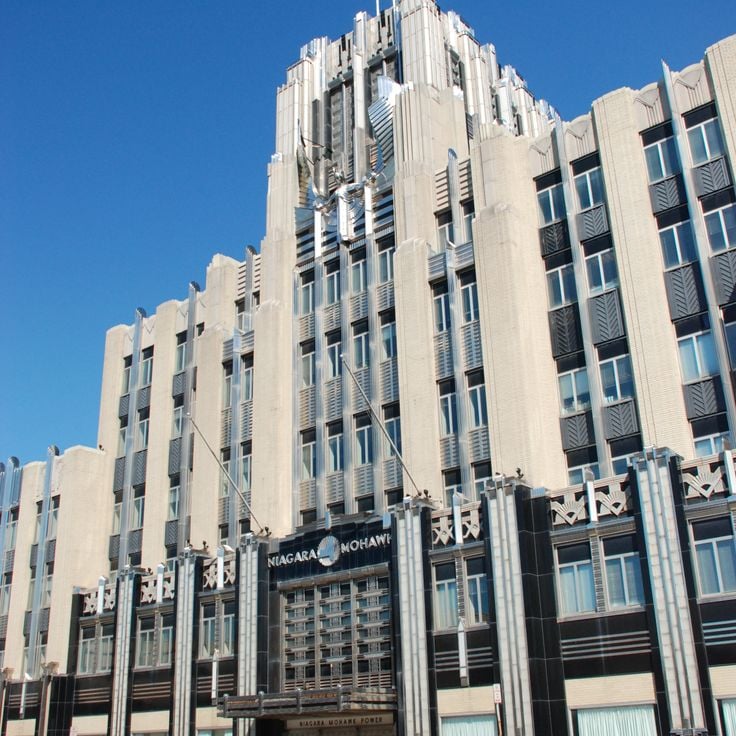
This headquarters for the Niagara Mohawk Power Corporation was completed in 1932 to designs by architects Bley & Lyman and demonstrates characteristic features of the Art Deco movement. The nine-story building in Syracuse, New York, presents a symmetrical facade of polished black granite and stainless steel. A prominent central tower rises from the roof structure. The exterior cladding combines vertical lines with geometric patterns. The structure documents the application of Art Deco style to commercial architecture in the northeastern United States during the early 1930s and served as the regional headquarters for a major utility company.
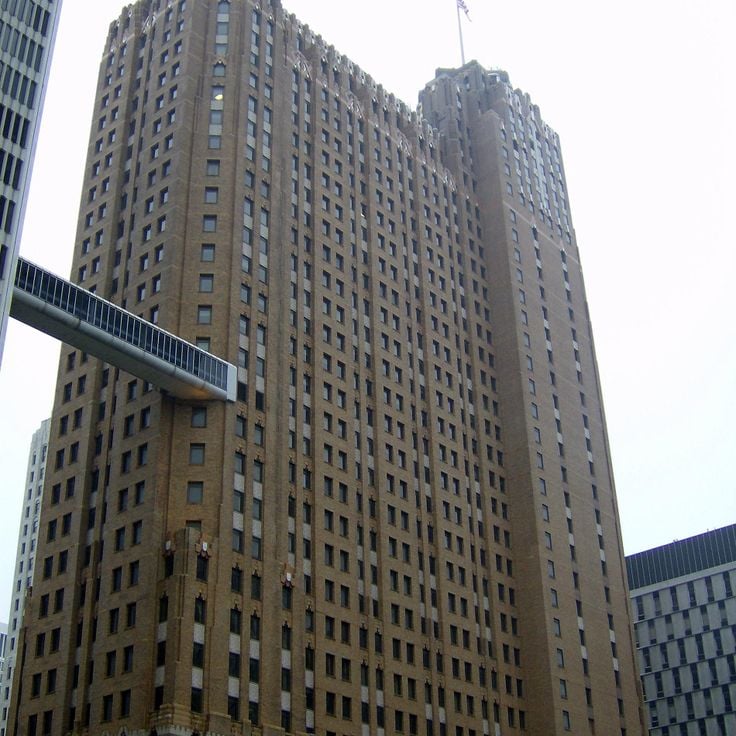
This skyscraper ranks among the most significant Art Deco buildings in the Midwest and displays the characteristic features of the style that shaped the Guardian Building between 1927 and 1929. The 36-story structure in the Financial District uses an uncommon color palette of orange brick and terra cotta ornament across its facade. Inside, a three-story lobby extends upward with hand-painted vaulted ceilings, mosaics, and marble elements that interpret Native American and Aztec motifs. Architect Wirt C. Rowland designed the building for the Union Trust Company and combined geometric patterns with functional office architecture. The vertical lines and symmetrical facade elements document the Art Deco style during its peak years in American cities.
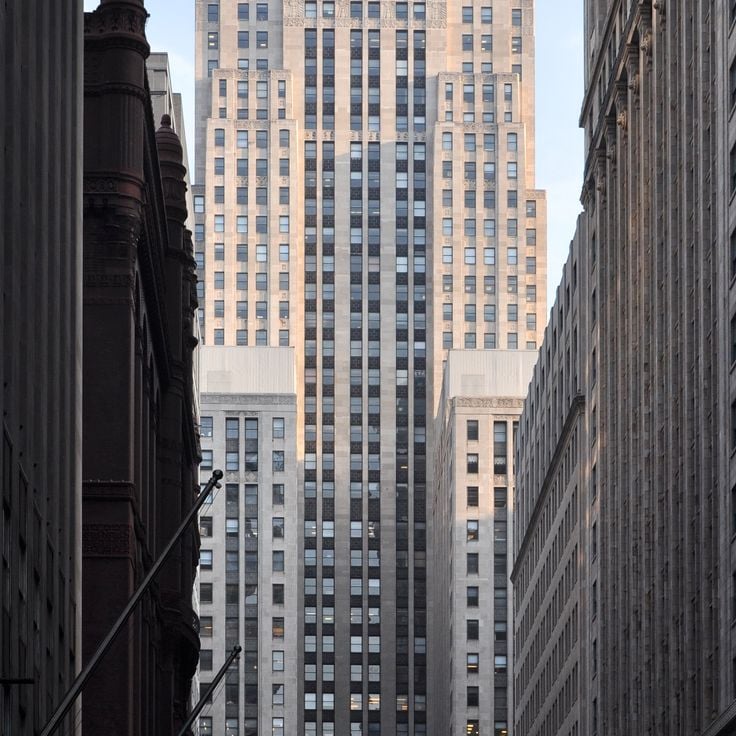
This skyscraper in the Chicago Loop was completed in 1930 and rises 605 feet (184 meters). The building has served as a commodities trading center since its opening and displays characteristic Art Deco features including setbacks, vertical lines, and a pyramidal top. The facade consists of gray Indiana limestone with symmetrical design. A statue of the Roman goddess Ceres crowns the building. The Chicago Board of Trade Building stands at the southern end of the La Salle Street Canyon and documents the importance of this architectural language for commercial high-rises in American business districts during the 1930s.
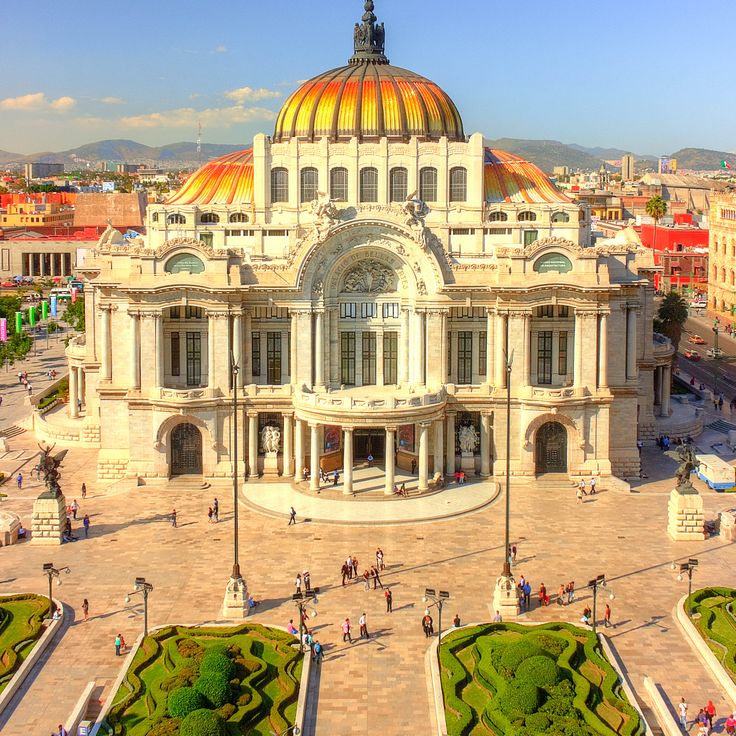
This cultural complex was built between 1904 and 1934 and displays multiple architectural styles, including Art Deco in its interior spaces. The building houses Mexico's principal opera stage, the National Museum of Architecture, and a fine arts museum. The interior design features characteristic geometric patterns and decorative elements of Art Deco, while the exterior facade combines Beaux-Arts and Art Nouveau styles. This palace serves as a central example of functional architecture merged with artistic design in the Mexican capital.
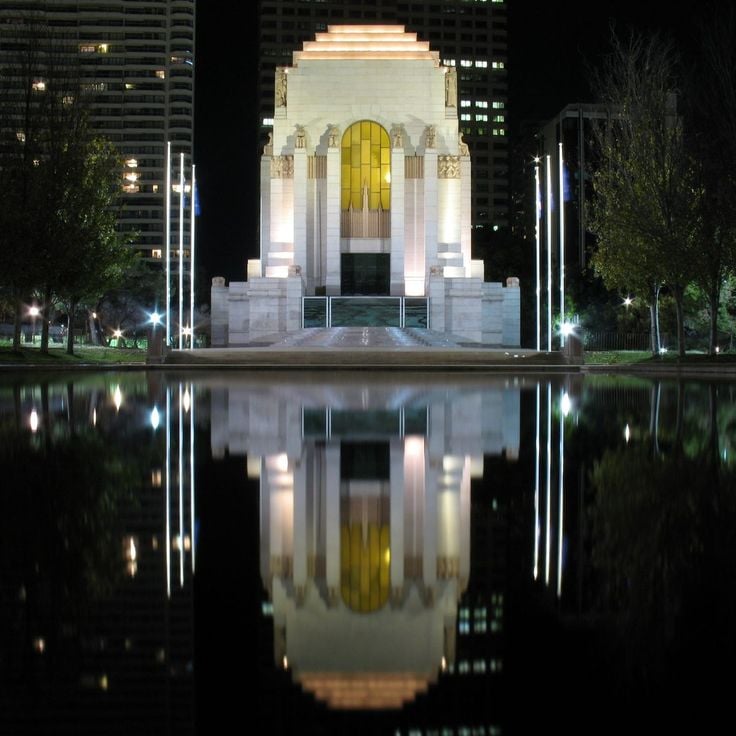
This war memorial was erected in 1934 at the southern end of Hyde Park, honoring the soldiers of the Australian and New Zealand Army Corps who fought in World War I. Architect Bruce Dellit designed the building with characteristic geometric forms and symmetrical facades of the Art Deco era, including a central staircase leading to a monumental fountain and a large interior hall featuring the sculpture Sacrifice by Rayner Hoff, which depicts a dead soldier on a shield. The exterior walls display stylized reliefs symbolizing military service and sacrifice. The memorial has been open to the public since 2018 following extensive renovations and documents Australia's contribution to Art Deco architecture in public buildings.
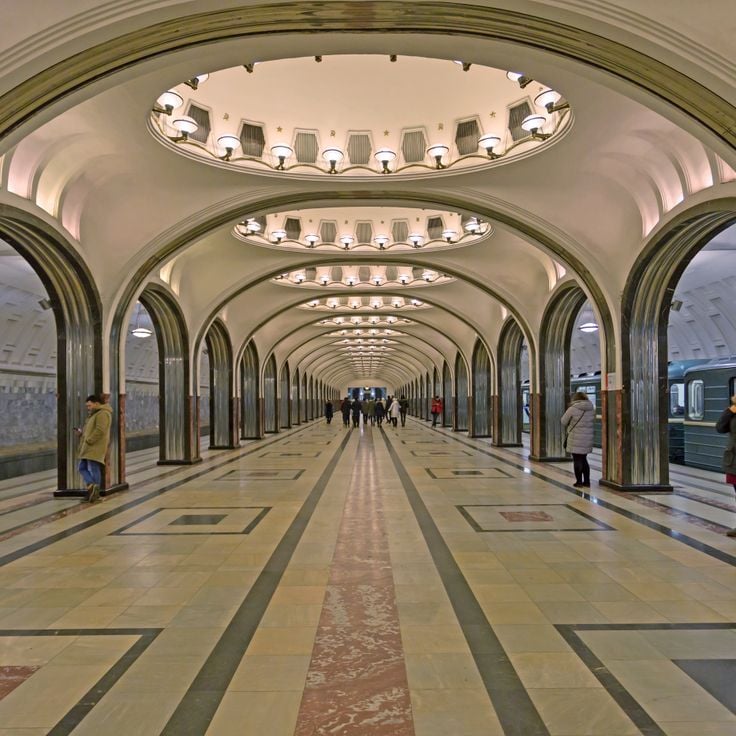
This Moscow metro station was constructed between 1935 and 1938 to a design by Alexei Dushkin and represents the Soviet interpretation of Art Deco. The platform hall extends 65 feet (20 meters) underground and features characteristic steel columns clad in stainless steel that support oval cupolas. 34 ceiling mosaics by Alexander Deineka depict scenes from daily life and Soviet aviation. The station combines functional architecture with decorative elements and demonstrates how the geometric forms and metallic surfaces of Art Deco merged into late 1930s Soviet architecture. The design integrates lighting fixtures into the architectural structure and creates rhythmic sequences along the platforms. This station received the Grand Prix at the 1938 New York World's Fair.
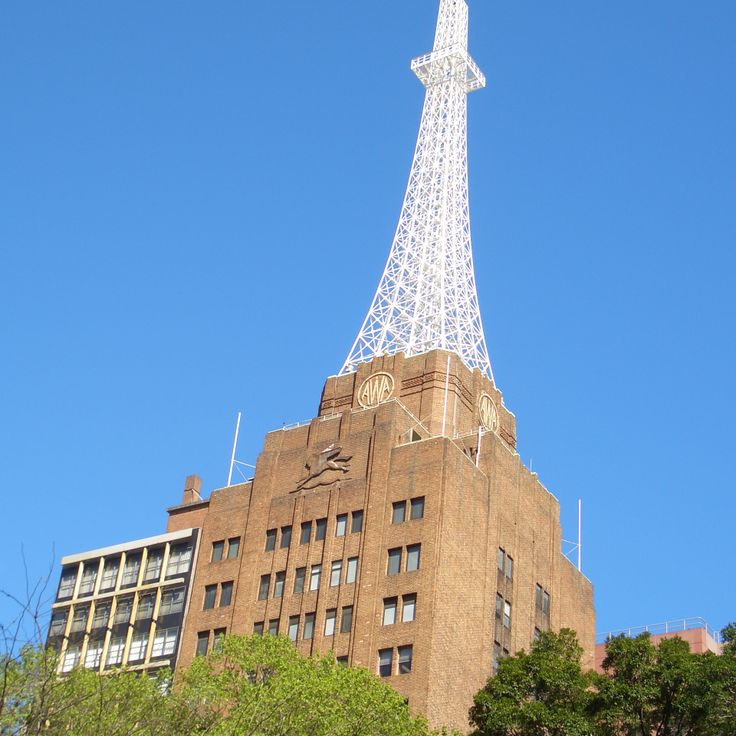
This office tower displays characteristic Art Deco elements in Sydney's business district from the 1930s. The facade combines vertical lines with geometric ornament and decorative metalwork. The AWA Tower documents the spread of Art Deco style in Australian commercial architecture and complements the worldwide collection with an example from the Pacific region, where the movement shaped public and private buildings between the world wars.
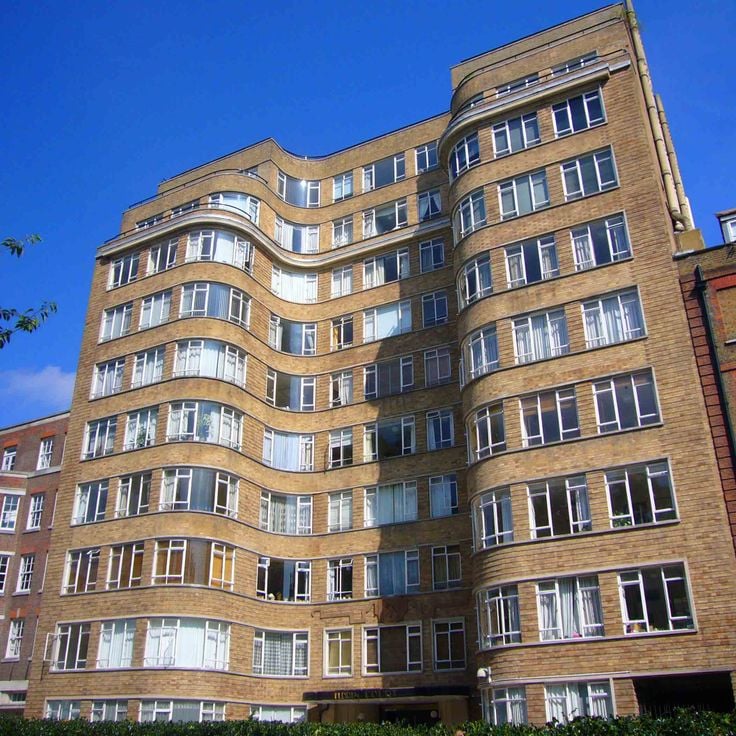
This residential complex was completed in 1936 and displays characteristic features of Art Deco architecture in London. Florin Court presents curved facades of red brick with horizontal stone banding typical of British interpretations of the style. The eight-story building features prominent rounded balconies and a symmetrical entrance hall. The structure combines functional residential units with decorative geometric elements, demonstrating the application of Art Deco principles to British housing developments in the late 1930s.
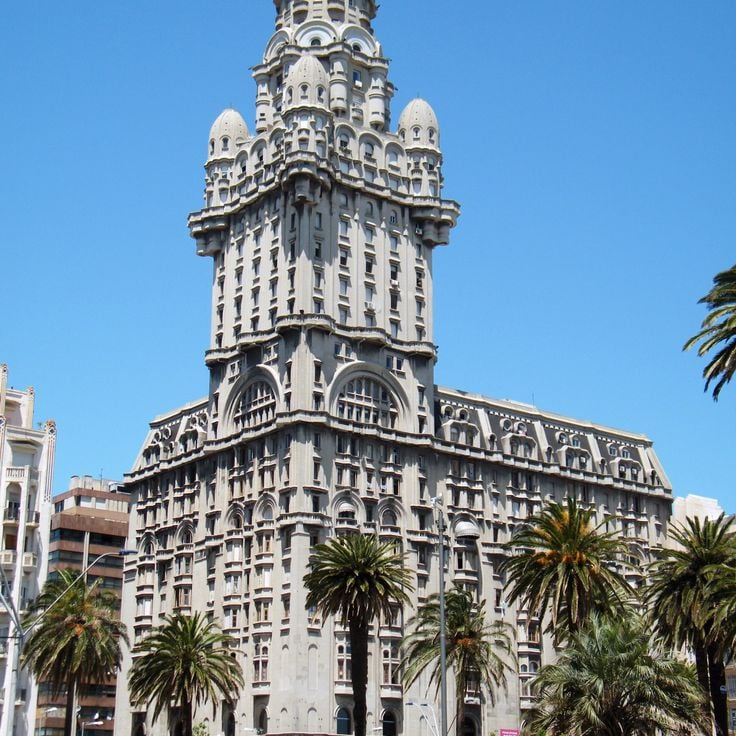
This building dominates the Plaza Independencia in central Montevideo. The Palacio Salvo was completed in 1928 and held the title of South America's tallest structure until the early 1930s. Italian architect Mario Palanti designed the 328 feet (100 meter) tower with its characteristic dome and stepped forms typical of Art Deco architecture. The facade displays ornamental details, geometric patterns and vertical lines that place the structure within the international movement. The building was originally conceived as a mixed-use development with residences, shops and offices. Today the Palacio Salvo houses various offices and stands as a landmark of the Uruguayan capital.
This apartment building rises in central Cape Town and documents the application of Art Deco principles to South African residential architecture during the late 1930s. Mutual Heights displays the characteristic vertical lines and geometric patterns of the movement, adapted to the climate conditions and urban requirements of the Cape region. The building stands as an example of how international design trends influenced the architectural landscape of African cities during this era and represents an important contribution to the worldwide reach of Art Deco style in residential and commercial structures.
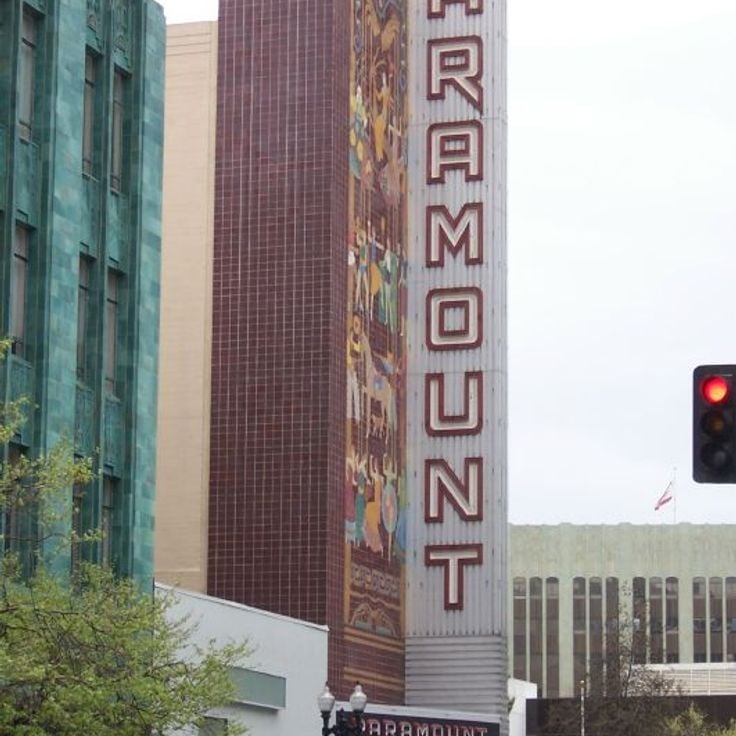
The Paramount Theatre is a concert hall built in 1931 in downtown Oakland. The building displays characteristic Art Deco features with a 40-foot tower marking the facade on Telegraph Avenue. The main auditorium seats 3,040 patrons beneath a vaulted ceiling with geometric motifs and indirect lighting. Timothy Pflueger designed the theater with vertical lines, stepped forms and decorative metalwork typical of commercial Art Deco architecture of the period. The interior combines mosaics, glasswork and murals with functional spaces for performances and audiences. The theater has served as a venue for concerts, films and cultural programs since its opening.
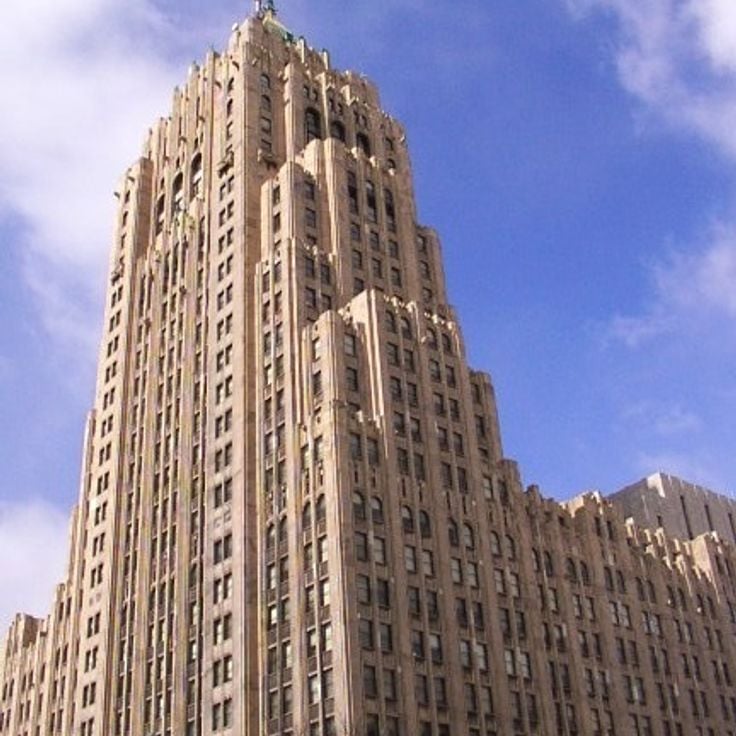
The Fisher Building is a skyscraper in Detroit completed in 1928 and stands as one of the most significant examples of Art Deco architecture in the Motor City. Designed by Albert Kahn, the building rises 441 feet (134 meters) and was originally planned as part of a larger complex that was never realized. The facade combines golden terra cotta cladding with geometric ornaments and vertical lines. The interior features elaborate marble and mosaic work in the lobby along with decorative ceiling paintings. The building serves as a commercial and office center in the New Center district and also houses a theater. The architecture documents Detroit's economic prosperity during the late 1920s.
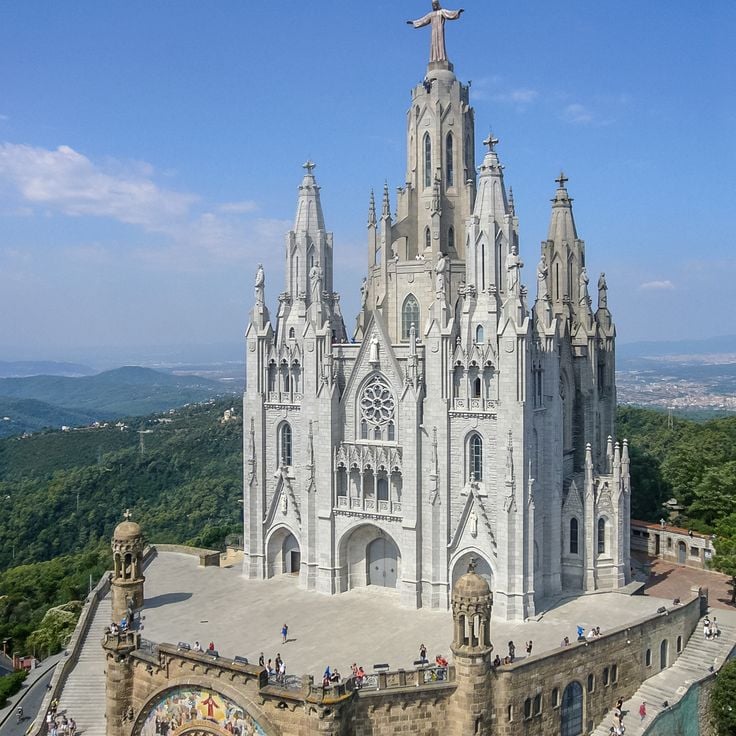
This basilica on Tibidabo documents the application of Art Deco elements in Barcelona's religious architecture. The Temple Expiatori del Sagrat Cor rises on the 1680-foot (512-meter) summit and was built between 1902 and 1961. The structure combines Neo-Romanesque and Neo-Gothic components with decorative details from the Art Deco period. The uppermost platform carries a Christ statue overlooking the city. The crypt displays geometric mosaics while the upper church features vertical lines and symmetrical forms characteristic of the early 20th century.
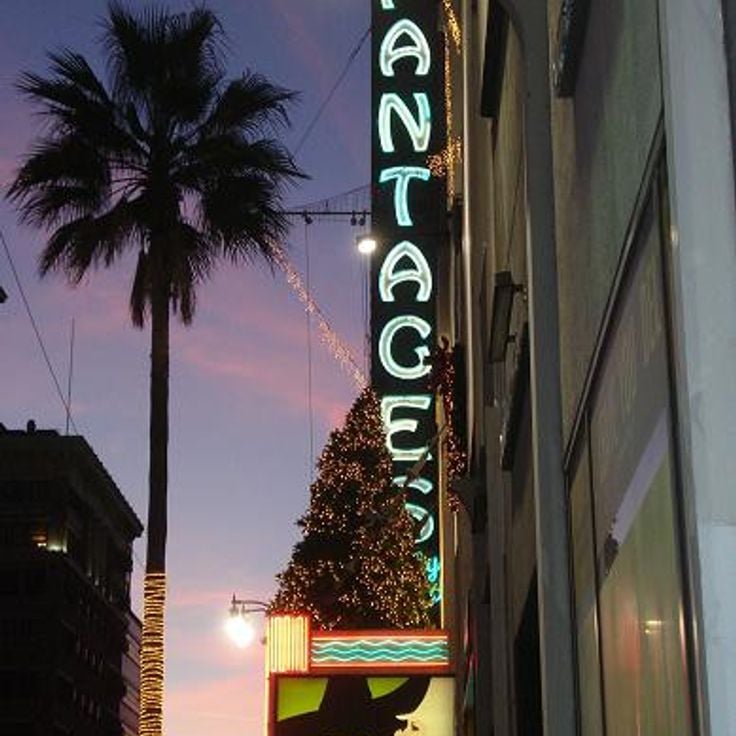
The Pantages Theatre demonstrates Art Deco commercial architecture in Hollywood. Architect B. Marcus Priteca designed the building in 1930 with a distinctive facade combining geometric patterns and vertical lines. The theater presents decorative metal elements and symmetrical forms typical of the movement in the late 1920s and early 1930s. The auditorium displays stepped details and ornamental surfaces. The Pantages Theatre has functioned as a performance venue since opening and documents the application of Art Deco style to public entertainment buildings in Los Angeles during the interwar period.
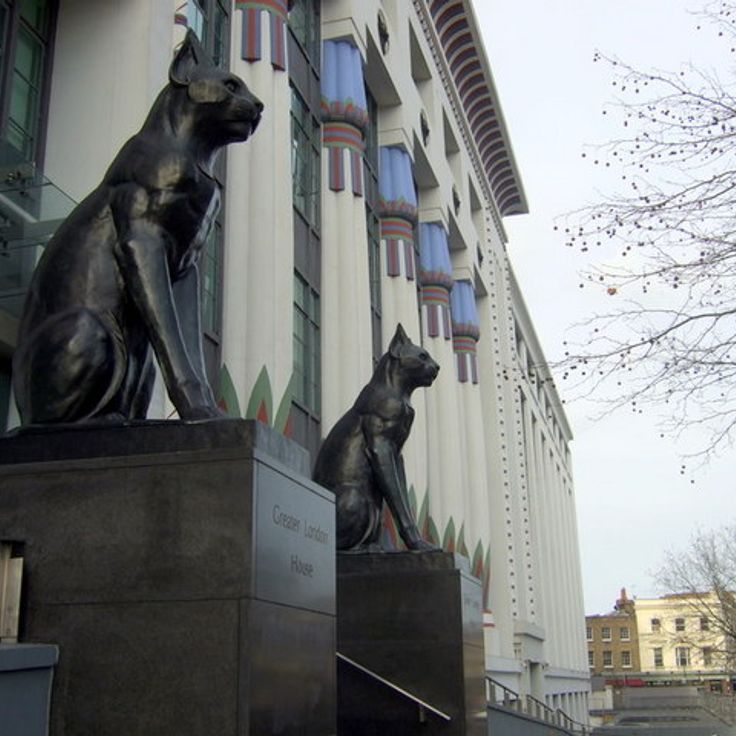
The Carreras Cigarette Factory in Camden demonstrates an unusual Egyptian Revival approach within Art Deco architecture. Completed in 1928, the building combines typical Art Deco features with ancient Egyptian motifs, including a facade with stylized papyrus columns and black cat figures at the entrance. The factory produced cigarettes until the 1960s and later served as office space. The architectural design reflects the contemporary fascination with Egyptian art following the discovery of Tutankhamun's tomb in 1922. This building documents the thematic variations that architects incorporated into commercial structures during the Art Deco period.
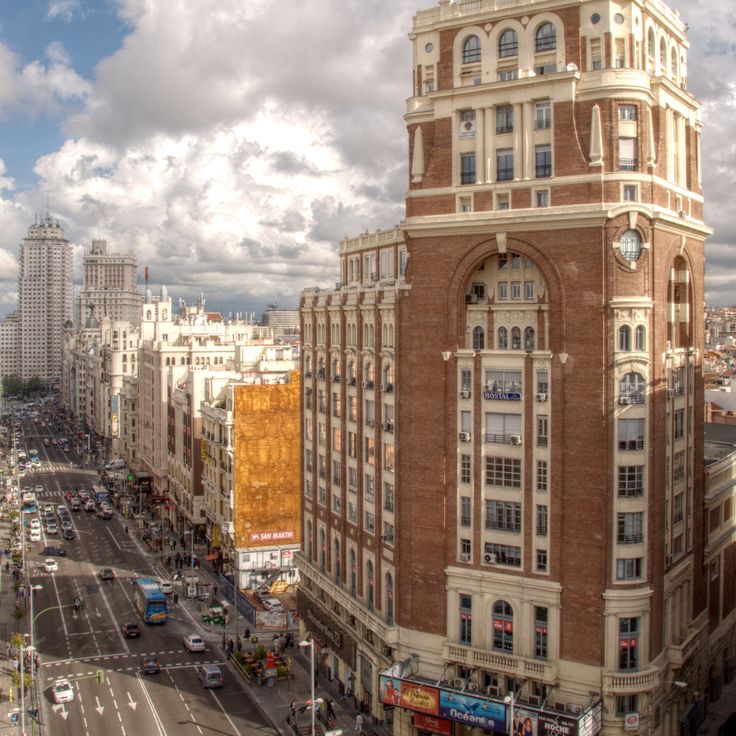
This press headquarters on Gran Vía in Madrid was designed by Pedro Muguruza between 1924 and 1929 as the main office for the Association of Daily Newspaper Publishers. The nineteen-story building displays Art Deco elements in its stepped form and vertical lines, combined with traditional Spanish architectural details. The facade unites geometric ornaments with decorative reliefs representing journalistic activities. The tower was among the tallest in Madrid when completed and marked the development of Gran Vía as a modern business district. The building served as a center for press activities during a period of significant journalistic expansion in Spain. The structure documents the application of Art Deco style to commercial architecture in Madrid during the interwar period.
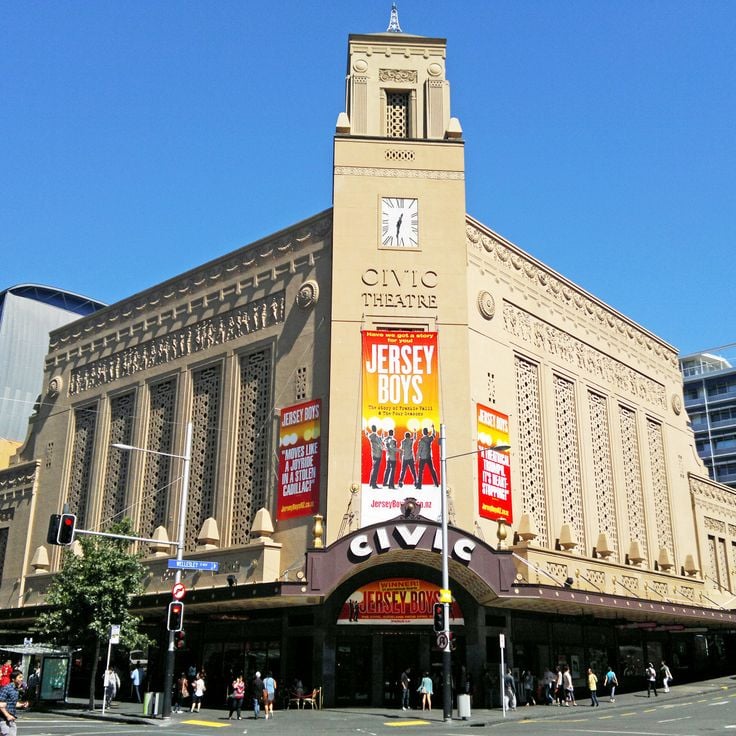
The Civic is a 1929 cinema in central Auckland. The building combines Art Deco facade elements with an atmospheric interior designed to simulate a night sky with stars and passing clouds. Architect Thomas O'Brien designed the theater to seat 2,378 patrons, incorporating decorative details including geometric reliefs and ornamental lighting. The facade displays the vertical lines and symmetrical forms typical of the period. The Civic originally served as a variety theater and cinema, and now operates for film screenings and live performances. The theater documents the spread of Art Deco design in the South Pacific region during the late 1920s.
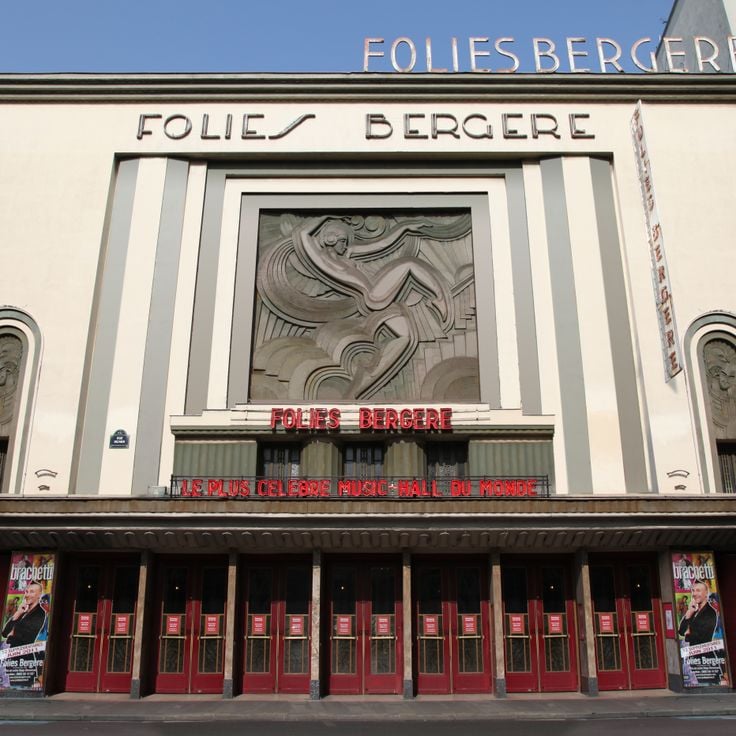
This music hall in Paris's 9th arrondissement received an Art Deco facade in 1926, connecting the venue to the architectural evolution of the city during the interwar period. The Folies Bergère documents the style's application to entertainment venues in the French capital. The geometric patterns and decorative elements of the facade fit into this collection, which spans public, private, and commercial structures from Paris to New York to Miami. The theater demonstrates the international spread of Art Deco during the 1920s and 1930s.
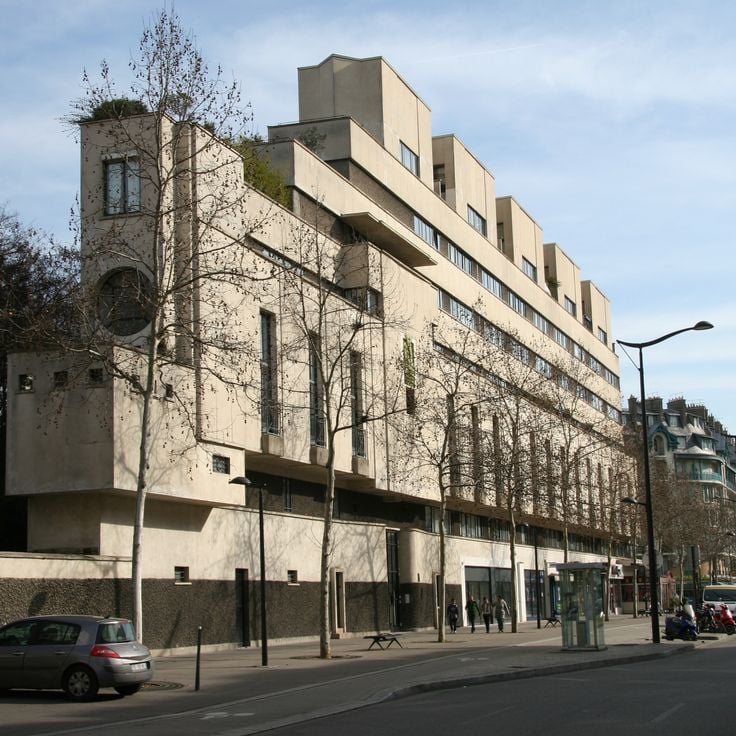
This residential block, completed in 1932 to designs by Pierre Patout, embodies the nautical aesthetic of 1930s Art Deco architecture. The building's profile evokes an ocean liner with prow forms, horizontal bands, and porthole windows. Distinctive exterior features include continuous balconies shaped like ship decks and white ceramic tiles that emphasize the streamlined forms. Le Paquebot formed part of a movement in modern architecture that combined new materials and functional design with decorative elements. The structure represents one of several Parisian buildings that translated the spirit of the machine age into residential forms. Together with structures like the Palais de Tokyo, this building demonstrates the spread of Art Deco across the French capital during the interwar years.
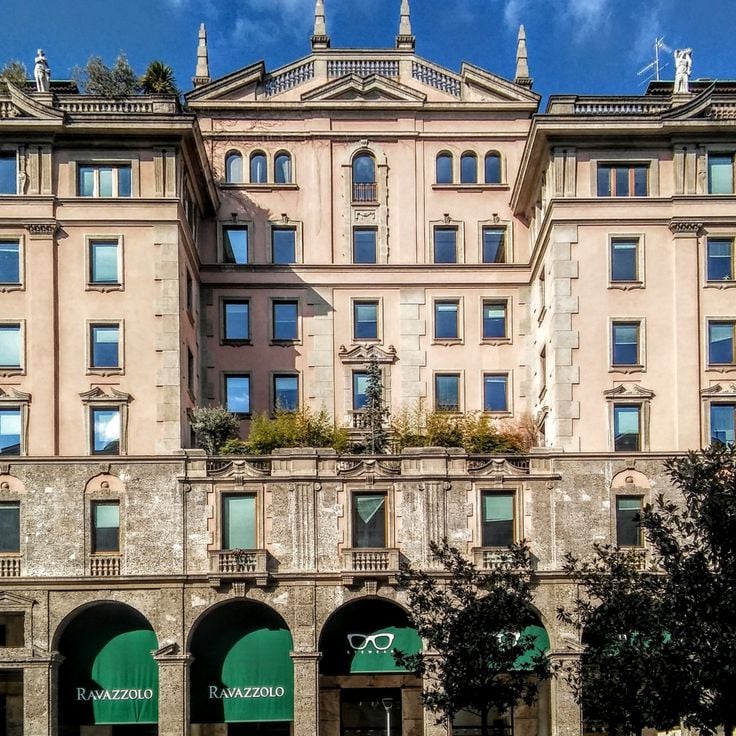
This palace in Milan demonstrates the geometric principles and decorative elements of the Art Deco movement that shaped international architecture during the 1920s and 1930s. The building belongs to a broader collection of significant Art Deco structures ranging from New York skyscrapers to cultural institutions in Paris and Budapest. The facade of Palazzo Bolchini displays characteristic vertical lines and symmetrical design typical of the era. As a Milanese example of this worldwide movement, the structure stands alongside other European representatives such as Villa Empain in Brussels and Stoclet Palace, documenting regional interpretations of the style.
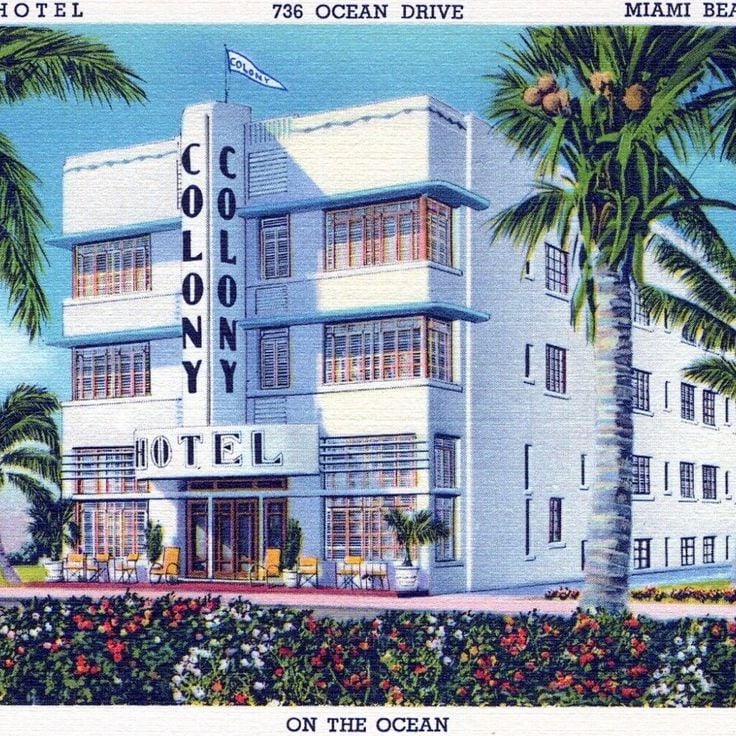
This hotel completed in 1935 stands on Collins Avenue and represents the Art Deco style through its vertical facade of yellow-cream stucco, the red-and-blue neon signage, and characteristic symmetrical lines. The hotel belongs to the Miami Beach Architectural Historic District and displays the typical proportions of Ocean Drive buildings from that period. The structure demonstrates how Art Deco adapted in the United States during the interwar years, combining functional spaces with decorative elements of terrazzo and chrome. The Colony Hotel represents the development of Miami Beach as a destination and documents the commercial architecture of this era in Florida.
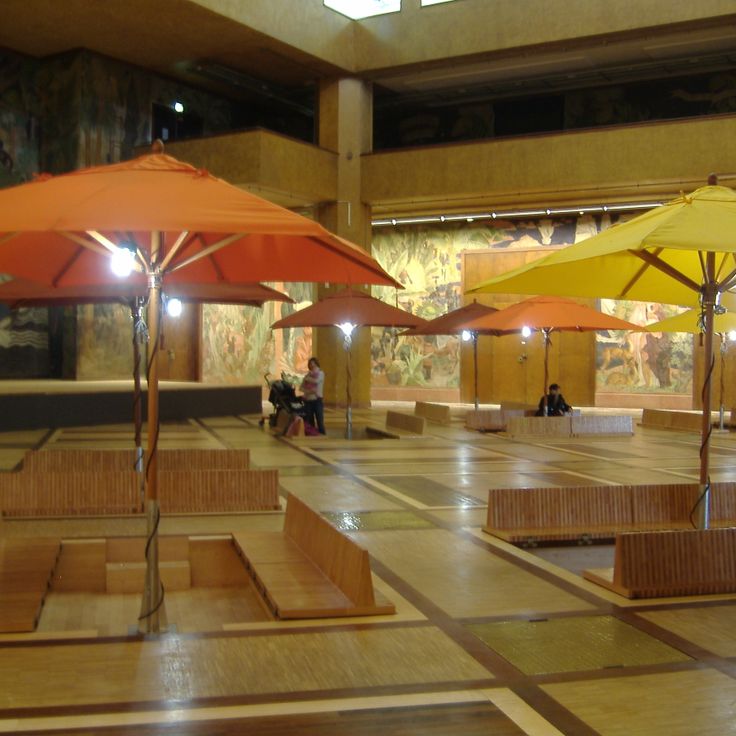
This museum complex built between 1928 and 1931 for the International Colonial Exposition presents colonial propaganda in architectural form. The facade of the Palais de la Porte Dorée displays an 11,600-square-foot (1,076-square-meter) bas-relief by Alfred Janniot depicting scenes from French colonial territories. Inside, the building combines geometric patterns with African and Asian motifs. The rooms demonstrate characteristic Art Deco features through symmetrical layouts and decorative details. The structure now houses the Musée national de l'histoire de l'immigration and a tropical aquarium that has operated since the opening in the 12th arrondissement.
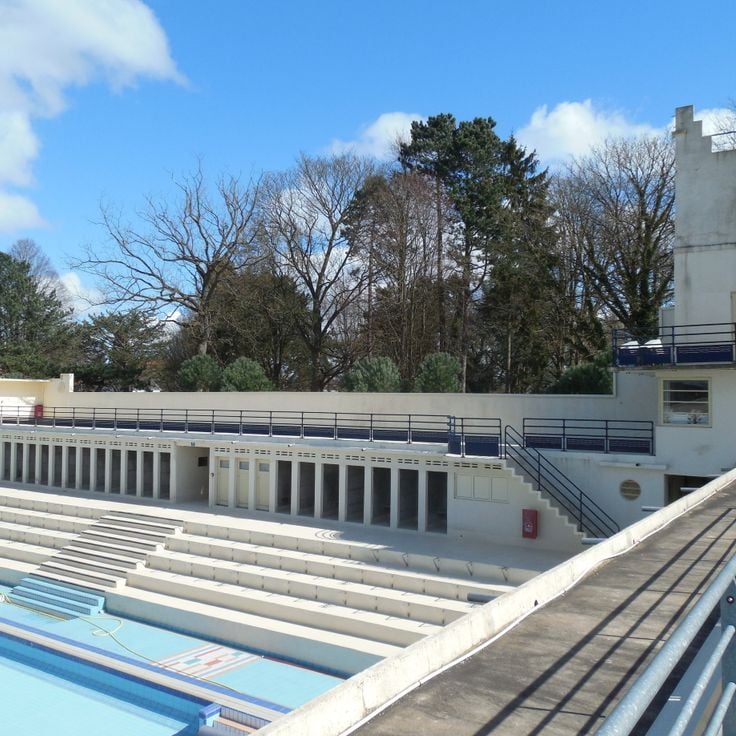
This municipal swimming pool in Bruay-la-Buissière opened in 1932 and displays the geometric lines and functional principles of Art Deco architecture that reached public facilities during the 1930s. The building combines characteristic decorative elements of the style with the practical requirements of a sports facility. The Piscine Roger-Salengro documents the spread of Art Deco design to smaller French industrial towns during this period.
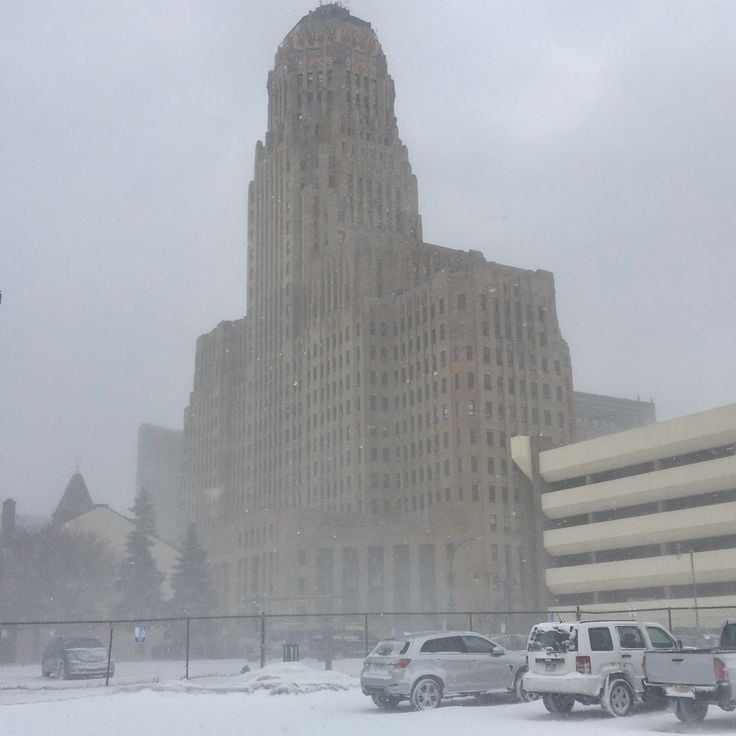
This Art Deco skyscraper in downtown Buffalo was completed between 1929 and 1931 following designs by architects John J. Wade and George Dietel. The tower rises 32 stories to a height of 378 feet (115 meters). The limestone facade incorporates geometric terracotta ornamentation characteristic of interwar Art Deco architecture. The building houses municipal administrative offices and demonstrates the civic construction of this period. The vertical lines and stepped crown follow the design principles found in other representative structures in this collection such as the Chrysler Building. The entrance lobby displays decorative elements in marble and bronze.
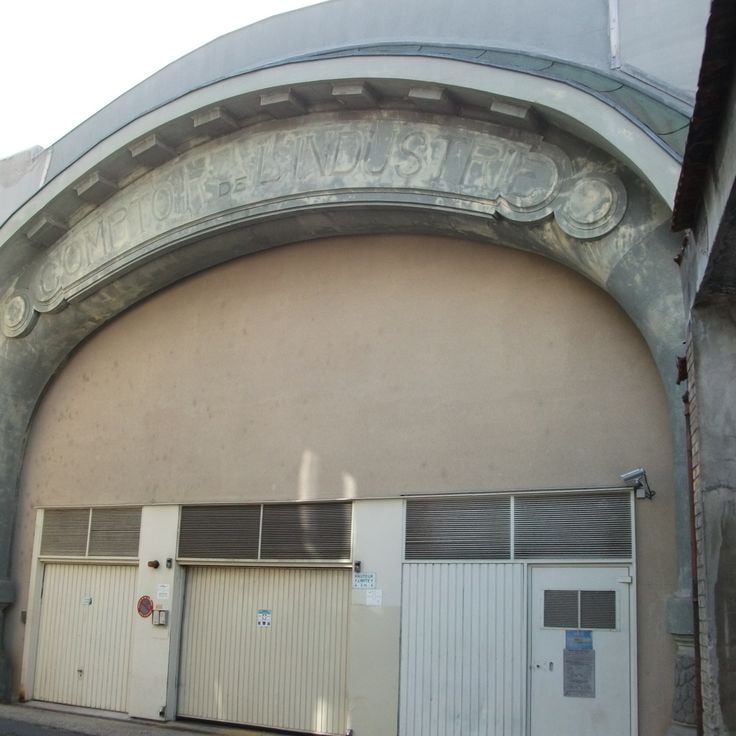
This industrial hall built between 1929 and 1930 demonstrates the application of Art Deco design to commercial structures in France during the late 1920s. The building combines geometric patterns and vertical lines with functional architecture characteristic of the international movement. The facade displays symmetrical forms and metallic decorative elements typical of the interwar period. The Comptoir de l'Industrie documents the spread of the style into business districts of French cities and adds to this collection an example of commercial Art Deco architecture alongside the better known public and cultural buildings from the era.
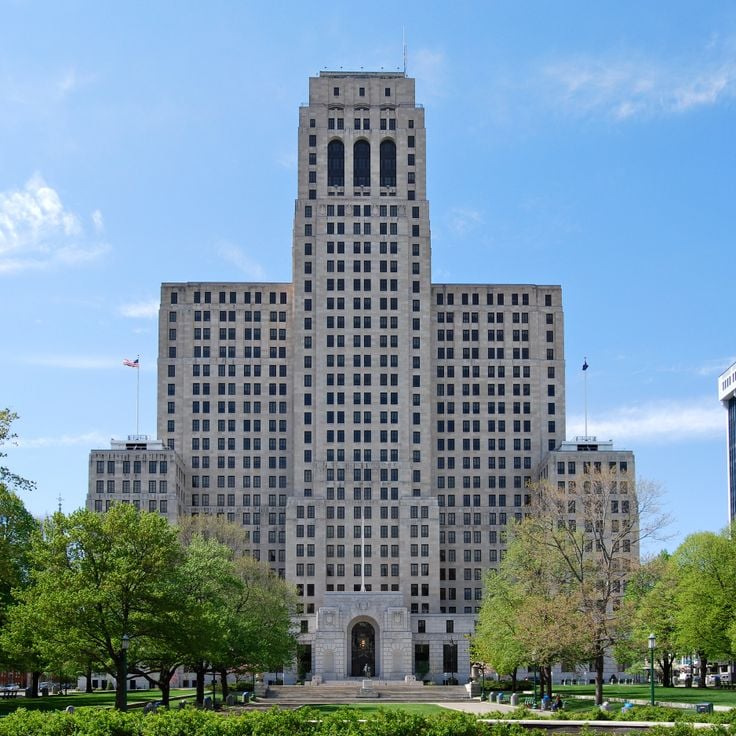
This Art Deco skyscraper in Albany was constructed between 1928 and 1930 to serve as the main administrative building for New York State. Named after former Governor Alfred E. Smith, the structure rises 412 feet (126 meters) and contains 34 floors. The facade displays characteristic vertical lines and geometric patterns typical of public architecture in the late 1920s. The building connects to other major Art Deco structures documented in this collection, including the Chrysler Building in New York and the Hoover Building in London. The stone cladding and setback upper floors follow the design principles of the era. The Alfred E. Smith Building continues to function as an administrative center and represents the practical application of Art Deco style in the public sector.
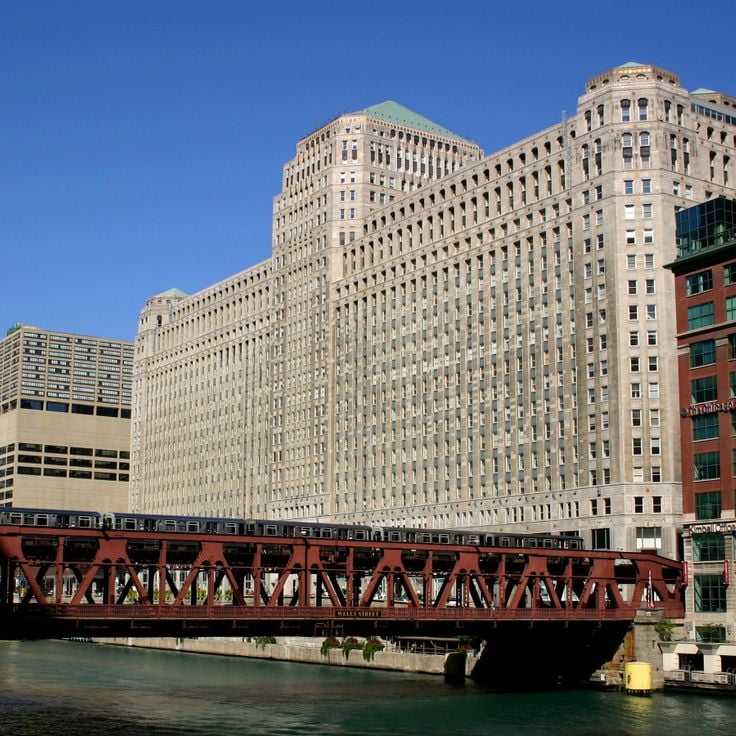
This Art Deco skyscraper was completed in 1930 and stands as one of Chicago's most significant commercial buildings. The Merchandise Mart occupies an entire city block along the Chicago River and originally served as a central wholesale marketplace for furniture and home goods. The facade displays characteristic vertical lines and geometric ornament typical of late 1920s Art Deco architecture. With approximately 4 million square feet (372,000 square meters) of floor space, the building ranked among the world's largest commercial structures at its opening. The structure documents the American interpretation of Art Deco in commercial contexts and represents the architectural development of this international movement between the world wars.
This 1,250-foot structure in Midtown Manhattan was completed in 1931 and represents the essential principles of the Art Deco movement in monumental form. The Empire State Building demonstrates the style's characteristic vertical lines and setback design through its limestone and granite facade. The lobby displays marble from several countries, polished metal surfaces, and geometric patterns. As a high point of commercial architecture in the late 1920s, this skyscraper illustrates the combination of functional design with ornamental decoration and stands alongside the Chrysler Building as one of the most significant examples of Art Deco skyscraper construction in New York.
This office building constructed in 1930 combines tropical architectural elements with the Art Deco style, demonstrating the geometric forms and decorative principles characteristic of 1920s and 1930s design. The Edificio Bacardi employs terracotta tiles and bronze fittings in its facade treatment, reflecting the Art Deco preference for materials with metallic finishes. The architecture follows the vertical lines and symmetrical patterns typical of this style, joining the collection of significant Art Deco structures found in cities worldwide.
This railway station from the 1930s demonstrates the geometric clarity and monumentality of Art Deco through its semicircular facade and tall vertical windows. Cincinnati Union Terminal was constructed during the golden age of American rail travel, combining functional architecture with decorative elements characteristic of the era. The symmetrical design and stepped forms of the terminal illustrate the architectural principles of the 1920s and 1930s documented throughout this guide.
This 319-meter (1,046-foot) tower completed in 1930 during Manhattan's intense skyscraper competition displays the defining characteristics of Art Deco design through its tiered stainless steel crown featuring triangular windows and metallic arches. The facade incorporates eagle head sculptures and geometric stainless steel ornaments, while the entrance lobby presents African marble and a painted ceiling mural. The Chrysler Building originally served as headquarters for the Chrysler Corporation and remains one of the most recognizable examples of Art Deco architecture in New York, embodying the ambitions and design approach of this period.
The Palais de Tokyo houses French art from the 20th century in a building constructed for the 1937 Paris International Exposition. Its architecture combines classical symmetry with Art Deco elements including geometric reliefs and unadorned facades. The restrained design features colonnades and terraces overlooking the Seine, making this museum a representative example of French interwar public architecture.
This former vacuum cleaner factory from the 1930s displays characteristic Art Deco elements through its green and cream facades and geometric patterns. The Hoover Building demonstrates the industrial application of this architectural style through vertical lines, symmetrical forms and decorative details typical of Art Deco structures from this period. The building now serves as an example of how 1920s and 1930s industrial architecture incorporated the geometric patterns and metallic colors of Art Deco into functional structures.
This office building erected in 1930 demonstrates the defining features of Art Deco through its geometric patterns and nautical ornaments on the facade. The Marine Building represents the architectural vision of the late 1920s with vertical lines, stepped forms and metallic accents. The exterior decorations incorporate maritime themes that reflect Vancouver's connection to the Pacific Ocean. Symmetrical arrangements and decorative elements demonstrate the design principles of this era in a significant example of North American Art Deco architecture.
Villa Empain is a 1934 residence in the Brussels suburb of Woluwe-Saint-Pierre that represents this Art Deco guide through its architectural discipline and material precision. Architect Michel Polak designed the building for industrialist Louis Empain as a private home with integrated exhibition spaces. The facade combines white marble with geometric bronze elements on doors, windows and balconies. The four-story structure follows symmetrical proportions with a central courtyard and a marble spiral staircase. Today this villa operates as a museum hosting rotating exhibitions on early twentieth-century art and architecture.
This 1939 newspaper building exemplifies Art Deco architecture of the interwar period with its black glass facade and chrome-trimmed windows in Manchester. The Daily Express Building displays the defining characteristics of the style through geometric lines and reflective surfaces that represent the technological progress of the era. The use of industrial materials such as glass and chrome demonstrates the modernity of press architecture in the late 1930s.
The Warner Theatre in Washington D.C. was built in 1924 and displays a marble facade with geometric ornaments characteristic of Art Deco architecture from the interwar period. This theater serves as a venue for concerts, stage performances and dance productions. The interior spaces feature vertical lines and decorative metallic accents typical of the 1920s style. The building stands in downtown Washington and represents one of the significant examples of Art Deco design in the U.S. capital.
This 394-foot (120-meter) skyscraper completed in 1936 was the first air-conditioned high-rise building in Latin America. The Kavanagh Building stands as a significant example of Art Deco architecture in Buenos Aires, displaying characteristic vertical lines and stepped forms that define the 1930s style. The construction used modern building techniques and materials that were advanced for the time, and the structure demonstrates geometric patterns and symmetry typical of Art Deco design.
This insurance headquarters combines Indian and European design elements in a geometric composition completed in 1940. The facade displays characteristic Art Deco features through vertical lines, symmetrical arrangement and decorative details that merge the style with regional motifs. The New India Assurance Building stands as an example of how international architectural movements adapted to local traditions in Mumbai during the late colonial period and documents the development of modern commercial architecture in the city.
This housing estate from the 1930s was Singapore's first planned residential development and presents Art Deco architecture through curved lines, horizontal window bands and symmetrical facades. The low-rise buildings display characteristic rounded corners, air wells for ventilation and decorative details that combine tropical requirements with the geometric style of the era. Tiong Bahru Estate documents prewar urban planning concepts in Southeast Asia and stands as an early example of public housing in the region.
The Stoclet Palace documents the geometric principles and decorative elements of Art Deco architecture from the early twentieth century. This 1911 building integrates architecture, interior design and artworks by the Wiener Werkstätte into a unified concept. The façade displays characteristic vertical lines and symmetry, while the interior spaces feature metallic accents and ornamental patterns. The palace represents a significant example of how different design disciplines were integrated within a single structure during this architectural period.
This museum building from 1896 represents an early example of the design elements that became central to Art Deco architecture in the 1920s and 1930s. The green dome and geometric patterns in the ceramic tiles from the Hungarian Zsolnay manufactory demonstrate the decorative approaches that later architects adopted. The structure documents the transition between historical architectural styles and the simplified forms that define Art Deco. The Zsolnay ceramics showcase the craftsmanship techniques that influenced later Art Deco buildings worldwide.
This building erected between 1905 and 1912 combines Czech Art Nouveau ornamentation with early Art Deco elements, marking the transition between both styles. The Municipal House displays geometric patterns on its facade, decorative metalwork, and several halls featuring murals and stained glass windows by Alfons Mucha. The Smetana Hall seats approximately 1,200 visitors and functions as a concert venue. The interior spaces demonstrate characteristic features of Art Deco architecture through symmetrical arrangements, vertical lines, and stylized floral motifs that merge Czech national themes with international design principles of the 1910s.
The Wiltern Theatre was built in 1931 as part of a larger complex and displays characteristic Art Deco features in its facade design. The blue-turquoise terracotta cladding with vertical lines and geometric patterns represents one of the notable examples of this architectural style in Los Angeles. This theater documents the architectural development of the early 1930s when decorative elements and symmetrical forms shaped the urban landscape.
This museum, built in 1933 as Prince Asaka's residence, presents Art Deco architecture with French influence in its interior design. The structure combines geometric patterns with decorative glasswork and retains original furnishings from the 1930s. As a significant example of Art Deco buildings in Tokyo, the former residence demonstrates the spread of the style to Japan during the interwar period, with a combination of Western design principles and Japanese construction methods.
This cinema constructed in 1928 demonstrates the defining characteristics of late 1920s Art Deco architecture through its curved facade and geometric patterns. The metalwork from the construction period shows the craftsmanship typical of this era. The Universum Kino stands among the notable examples of Art Deco buildings in Berlin that document the design principles of this movement through symmetry and decorative elements.
The Miami Design Preservation League was founded in 1976 to protect the Art Deco architecture of Miami Beach. This organization conducts walking tours through the historic district and documents the history of buildings from the 1920s and 1930s. The educational program teaches visitors about the characteristic features of Art Deco architecture, including geometric patterns, pastel colors, and nautical motifs. The Miami Design Preservation League also operates a welcome center that provides information about the more than 800 historic buildings in the district.
This 13-story structure was completed in 1930 as headquarters for the Eastern-Columbia clothing company and stands among the most recognizable Art Deco buildings in Los Angeles. Architect Claud Beelman designed the facade with turquoise terra cotta panels, gold geometric ornaments, and vertical emphasis that exemplify the characteristic style of the period. A four-sided clock tower crowns the structure and makes it visible from many vantage points in the downtown area. The entrance lobby retains original elevator doors, marble surfaces, and decorative metalwork from the building's construction. After comprehensive renovation, the structure has served as a residential building with roughly 150 apartments since 2006 and documents the adaptation of historic commercial buildings to contemporary use. The Eastern Columbia Building represents the commercial application of Art Deco in American city centers during the late 1920s and early 1930s.
This department store built between 1928 and 1929 introduced the concept of automobile-oriented retail to American architecture, combining Art Deco elements with functional requirements for motorized customers. The structure features a 241-foot (73-meter) copper-clad tower that served as a landmark for drivers. The facade displays characteristic vertical lines and geometric terracotta ornament. Interior murals and reliefs document California history. The building was among the first department stores to provide rear parking for customers. Bullock's Wilshire influenced the development of suburban retail in the United States during the 1930s.
Rockefeller Center was built between 1930 and 1939 and stands as one of the most significant Art Deco developments of the 20th century. This complex comprises 19 buildings across 22 acres in Midtown Manhattan, combining commercial functions with public plazas and artworks. The facades display geometric patterns, vertical lines, and symmetrical forms characteristic of the period's architecture. The central structure, the 850-foot (259-meter) Comcast Building, defines the skyline with its stepped tower. Paul Manship created the gilded Prometheus statue, while Diego Rivera, José María Sert, and Frank Brangwyn contributed murals to the interior spaces. Rockefeller Center documents the application of Art Deco principles to urban development during the Great Depression era.
This headquarters for the Niagara Mohawk Power Corporation was completed in 1932 to designs by architects Bley & Lyman and demonstrates characteristic features of the Art Deco movement. The nine-story building in Syracuse, New York, presents a symmetrical facade of polished black granite and stainless steel. A prominent central tower rises from the roof structure. The exterior cladding combines vertical lines with geometric patterns. The structure documents the application of Art Deco style to commercial architecture in the northeastern United States during the early 1930s and served as the regional headquarters for a major utility company.
This skyscraper ranks among the most significant Art Deco buildings in the Midwest and displays the characteristic features of the style that shaped the Guardian Building between 1927 and 1929. The 36-story structure in the Financial District uses an uncommon color palette of orange brick and terra cotta ornament across its facade. Inside, a three-story lobby extends upward with hand-painted vaulted ceilings, mosaics, and marble elements that interpret Native American and Aztec motifs. Architect Wirt C. Rowland designed the building for the Union Trust Company and combined geometric patterns with functional office architecture. The vertical lines and symmetrical facade elements document the Art Deco style during its peak years in American cities.
This skyscraper in the Chicago Loop was completed in 1930 and rises 605 feet (184 meters). The building has served as a commodities trading center since its opening and displays characteristic Art Deco features including setbacks, vertical lines, and a pyramidal top. The facade consists of gray Indiana limestone with symmetrical design. A statue of the Roman goddess Ceres crowns the building. The Chicago Board of Trade Building stands at the southern end of the La Salle Street Canyon and documents the importance of this architectural language for commercial high-rises in American business districts during the 1930s.
This cultural complex was built between 1904 and 1934 and displays multiple architectural styles, including Art Deco in its interior spaces. The building houses Mexico's principal opera stage, the National Museum of Architecture, and a fine arts museum. The interior design features characteristic geometric patterns and decorative elements of Art Deco, while the exterior facade combines Beaux-Arts and Art Nouveau styles. This palace serves as a central example of functional architecture merged with artistic design in the Mexican capital.
This war memorial was erected in 1934 at the southern end of Hyde Park, honoring the soldiers of the Australian and New Zealand Army Corps who fought in World War I. Architect Bruce Dellit designed the building with characteristic geometric forms and symmetrical facades of the Art Deco era, including a central staircase leading to a monumental fountain and a large interior hall featuring the sculpture Sacrifice by Rayner Hoff, which depicts a dead soldier on a shield. The exterior walls display stylized reliefs symbolizing military service and sacrifice. The memorial has been open to the public since 2018 following extensive renovations and documents Australia's contribution to Art Deco architecture in public buildings.
This Moscow metro station was constructed between 1935 and 1938 to a design by Alexei Dushkin and represents the Soviet interpretation of Art Deco. The platform hall extends 65 feet (20 meters) underground and features characteristic steel columns clad in stainless steel that support oval cupolas. 34 ceiling mosaics by Alexander Deineka depict scenes from daily life and Soviet aviation. The station combines functional architecture with decorative elements and demonstrates how the geometric forms and metallic surfaces of Art Deco merged into late 1930s Soviet architecture. The design integrates lighting fixtures into the architectural structure and creates rhythmic sequences along the platforms. This station received the Grand Prix at the 1938 New York World's Fair.
This office tower displays characteristic Art Deco elements in Sydney's business district from the 1930s. The facade combines vertical lines with geometric ornament and decorative metalwork. The AWA Tower documents the spread of Art Deco style in Australian commercial architecture and complements the worldwide collection with an example from the Pacific region, where the movement shaped public and private buildings between the world wars.
This residential complex was completed in 1936 and displays characteristic features of Art Deco architecture in London. Florin Court presents curved facades of red brick with horizontal stone banding typical of British interpretations of the style. The eight-story building features prominent rounded balconies and a symmetrical entrance hall. The structure combines functional residential units with decorative geometric elements, demonstrating the application of Art Deco principles to British housing developments in the late 1930s.
This building dominates the Plaza Independencia in central Montevideo. The Palacio Salvo was completed in 1928 and held the title of South America's tallest structure until the early 1930s. Italian architect Mario Palanti designed the 328 feet (100 meter) tower with its characteristic dome and stepped forms typical of Art Deco architecture. The facade displays ornamental details, geometric patterns and vertical lines that place the structure within the international movement. The building was originally conceived as a mixed-use development with residences, shops and offices. Today the Palacio Salvo houses various offices and stands as a landmark of the Uruguayan capital.
This apartment building rises in central Cape Town and documents the application of Art Deco principles to South African residential architecture during the late 1930s. Mutual Heights displays the characteristic vertical lines and geometric patterns of the movement, adapted to the climate conditions and urban requirements of the Cape region. The building stands as an example of how international design trends influenced the architectural landscape of African cities during this era and represents an important contribution to the worldwide reach of Art Deco style in residential and commercial structures.
The Paramount Theatre is a concert hall built in 1931 in downtown Oakland. The building displays characteristic Art Deco features with a 40-foot tower marking the facade on Telegraph Avenue. The main auditorium seats 3,040 patrons beneath a vaulted ceiling with geometric motifs and indirect lighting. Timothy Pflueger designed the theater with vertical lines, stepped forms and decorative metalwork typical of commercial Art Deco architecture of the period. The interior combines mosaics, glasswork and murals with functional spaces for performances and audiences. The theater has served as a venue for concerts, films and cultural programs since its opening.
The Fisher Building is a skyscraper in Detroit completed in 1928 and stands as one of the most significant examples of Art Deco architecture in the Motor City. Designed by Albert Kahn, the building rises 441 feet (134 meters) and was originally planned as part of a larger complex that was never realized. The facade combines golden terra cotta cladding with geometric ornaments and vertical lines. The interior features elaborate marble and mosaic work in the lobby along with decorative ceiling paintings. The building serves as a commercial and office center in the New Center district and also houses a theater. The architecture documents Detroit's economic prosperity during the late 1920s.
This basilica on Tibidabo documents the application of Art Deco elements in Barcelona's religious architecture. The Temple Expiatori del Sagrat Cor rises on the 1680-foot (512-meter) summit and was built between 1902 and 1961. The structure combines Neo-Romanesque and Neo-Gothic components with decorative details from the Art Deco period. The uppermost platform carries a Christ statue overlooking the city. The crypt displays geometric mosaics while the upper church features vertical lines and symmetrical forms characteristic of the early 20th century.
The Pantages Theatre demonstrates Art Deco commercial architecture in Hollywood. Architect B. Marcus Priteca designed the building in 1930 with a distinctive facade combining geometric patterns and vertical lines. The theater presents decorative metal elements and symmetrical forms typical of the movement in the late 1920s and early 1930s. The auditorium displays stepped details and ornamental surfaces. The Pantages Theatre has functioned as a performance venue since opening and documents the application of Art Deco style to public entertainment buildings in Los Angeles during the interwar period.
The Carreras Cigarette Factory in Camden demonstrates an unusual Egyptian Revival approach within Art Deco architecture. Completed in 1928, the building combines typical Art Deco features with ancient Egyptian motifs, including a facade with stylized papyrus columns and black cat figures at the entrance. The factory produced cigarettes until the 1960s and later served as office space. The architectural design reflects the contemporary fascination with Egyptian art following the discovery of Tutankhamun's tomb in 1922. This building documents the thematic variations that architects incorporated into commercial structures during the Art Deco period.
This press headquarters on Gran Vía in Madrid was designed by Pedro Muguruza between 1924 and 1929 as the main office for the Association of Daily Newspaper Publishers. The nineteen-story building displays Art Deco elements in its stepped form and vertical lines, combined with traditional Spanish architectural details. The facade unites geometric ornaments with decorative reliefs representing journalistic activities. The tower was among the tallest in Madrid when completed and marked the development of Gran Vía as a modern business district. The building served as a center for press activities during a period of significant journalistic expansion in Spain. The structure documents the application of Art Deco style to commercial architecture in Madrid during the interwar period.
The Civic is a 1929 cinema in central Auckland. The building combines Art Deco facade elements with an atmospheric interior designed to simulate a night sky with stars and passing clouds. Architect Thomas O'Brien designed the theater to seat 2,378 patrons, incorporating decorative details including geometric reliefs and ornamental lighting. The facade displays the vertical lines and symmetrical forms typical of the period. The Civic originally served as a variety theater and cinema, and now operates for film screenings and live performances. The theater documents the spread of Art Deco design in the South Pacific region during the late 1920s.
This music hall in Paris's 9th arrondissement received an Art Deco facade in 1926, connecting the venue to the architectural evolution of the city during the interwar period. The Folies Bergère documents the style's application to entertainment venues in the French capital. The geometric patterns and decorative elements of the facade fit into this collection, which spans public, private, and commercial structures from Paris to New York to Miami. The theater demonstrates the international spread of Art Deco during the 1920s and 1930s.
This residential block, completed in 1932 to designs by Pierre Patout, embodies the nautical aesthetic of 1930s Art Deco architecture. The building's profile evokes an ocean liner with prow forms, horizontal bands, and porthole windows. Distinctive exterior features include continuous balconies shaped like ship decks and white ceramic tiles that emphasize the streamlined forms. Le Paquebot formed part of a movement in modern architecture that combined new materials and functional design with decorative elements. The structure represents one of several Parisian buildings that translated the spirit of the machine age into residential forms. Together with structures like the Palais de Tokyo, this building demonstrates the spread of Art Deco across the French capital during the interwar years.
This palace in Milan demonstrates the geometric principles and decorative elements of the Art Deco movement that shaped international architecture during the 1920s and 1930s. The building belongs to a broader collection of significant Art Deco structures ranging from New York skyscrapers to cultural institutions in Paris and Budapest. The facade of Palazzo Bolchini displays characteristic vertical lines and symmetrical design typical of the era. As a Milanese example of this worldwide movement, the structure stands alongside other European representatives such as Villa Empain in Brussels and Stoclet Palace, documenting regional interpretations of the style.
This hotel completed in 1935 stands on Collins Avenue and represents the Art Deco style through its vertical facade of yellow-cream stucco, the red-and-blue neon signage, and characteristic symmetrical lines. The hotel belongs to the Miami Beach Architectural Historic District and displays the typical proportions of Ocean Drive buildings from that period. The structure demonstrates how Art Deco adapted in the United States during the interwar years, combining functional spaces with decorative elements of terrazzo and chrome. The Colony Hotel represents the development of Miami Beach as a destination and documents the commercial architecture of this era in Florida.
This museum complex built between 1928 and 1931 for the International Colonial Exposition presents colonial propaganda in architectural form. The facade of the Palais de la Porte Dorée displays an 11,600-square-foot (1,076-square-meter) bas-relief by Alfred Janniot depicting scenes from French colonial territories. Inside, the building combines geometric patterns with African and Asian motifs. The rooms demonstrate characteristic Art Deco features through symmetrical layouts and decorative details. The structure now houses the Musée national de l'histoire de l'immigration and a tropical aquarium that has operated since the opening in the 12th arrondissement.
This municipal swimming pool in Bruay-la-Buissière opened in 1932 and displays the geometric lines and functional principles of Art Deco architecture that reached public facilities during the 1930s. The building combines characteristic decorative elements of the style with the practical requirements of a sports facility. The Piscine Roger-Salengro documents the spread of Art Deco design to smaller French industrial towns during this period.
This Art Deco skyscraper in downtown Buffalo was completed between 1929 and 1931 following designs by architects John J. Wade and George Dietel. The tower rises 32 stories to a height of 378 feet (115 meters). The limestone facade incorporates geometric terracotta ornamentation characteristic of interwar Art Deco architecture. The building houses municipal administrative offices and demonstrates the civic construction of this period. The vertical lines and stepped crown follow the design principles found in other representative structures in this collection such as the Chrysler Building. The entrance lobby displays decorative elements in marble and bronze.
This industrial hall built between 1929 and 1930 demonstrates the application of Art Deco design to commercial structures in France during the late 1920s. The building combines geometric patterns and vertical lines with functional architecture characteristic of the international movement. The facade displays symmetrical forms and metallic decorative elements typical of the interwar period. The Comptoir de l'Industrie documents the spread of the style into business districts of French cities and adds to this collection an example of commercial Art Deco architecture alongside the better known public and cultural buildings from the era.
This Art Deco skyscraper in Albany was constructed between 1928 and 1930 to serve as the main administrative building for New York State. Named after former Governor Alfred E. Smith, the structure rises 412 feet (126 meters) and contains 34 floors. The facade displays characteristic vertical lines and geometric patterns typical of public architecture in the late 1920s. The building connects to other major Art Deco structures documented in this collection, including the Chrysler Building in New York and the Hoover Building in London. The stone cladding and setback upper floors follow the design principles of the era. The Alfred E. Smith Building continues to function as an administrative center and represents the practical application of Art Deco style in the public sector.
This Art Deco skyscraper was completed in 1930 and stands as one of Chicago's most significant commercial buildings. The Merchandise Mart occupies an entire city block along the Chicago River and originally served as a central wholesale marketplace for furniture and home goods. The facade displays characteristic vertical lines and geometric ornament typical of late 1920s Art Deco architecture. With approximately 4 million square feet (372,000 square meters) of floor space, the building ranked among the world's largest commercial structures at its opening. The structure documents the American interpretation of Art Deco in commercial contexts and represents the architectural development of this international movement between the world wars.
This 1,250-foot structure in Midtown Manhattan was completed in 1931 and represents the essential principles of the Art Deco movement in monumental form. The Empire State Building demonstrates the style's characteristic vertical lines and setback design through its limestone and granite facade. The lobby displays marble from several countries, polished metal surfaces, and geometric patterns. As a high point of commercial architecture in the late 1920s, this skyscraper illustrates the combination of functional design with ornamental decoration and stands alongside the Chrysler Building as one of the most significant examples of Art Deco skyscraper construction in New York.
This office building constructed in 1930 combines tropical architectural elements with the Art Deco style, demonstrating the geometric forms and decorative principles characteristic of 1920s and 1930s design. The Edificio Bacardi employs terracotta tiles and bronze fittings in its facade treatment, reflecting the Art Deco preference for materials with metallic finishes. The architecture follows the vertical lines and symmetrical patterns typical of this style, joining the collection of significant Art Deco structures found in cities worldwide.
This railway station from the 1930s demonstrates the geometric clarity and monumentality of Art Deco through its semicircular facade and tall vertical windows. Cincinnati Union Terminal was constructed during the golden age of American rail travel, combining functional architecture with decorative elements characteristic of the era. The symmetrical design and stepped forms of the terminal illustrate the architectural principles of the 1920s and 1930s documented throughout this guide.
This 319-meter (1,046-foot) tower completed in 1930 during Manhattan's intense skyscraper competition displays the defining characteristics of Art Deco design through its tiered stainless steel crown featuring triangular windows and metallic arches. The facade incorporates eagle head sculptures and geometric stainless steel ornaments, while the entrance lobby presents African marble and a painted ceiling mural. The Chrysler Building originally served as headquarters for the Chrysler Corporation and remains one of the most recognizable examples of Art Deco architecture in New York, embodying the ambitions and design approach of this period.
The Palais de Tokyo houses French art from the 20th century in a building constructed for the 1937 Paris International Exposition. Its architecture combines classical symmetry with Art Deco elements including geometric reliefs and unadorned facades. The restrained design features colonnades and terraces overlooking the Seine, making this museum a representative example of French interwar public architecture.
This former vacuum cleaner factory from the 1930s displays characteristic Art Deco elements through its green and cream facades and geometric patterns. The Hoover Building demonstrates the industrial application of this architectural style through vertical lines, symmetrical forms and decorative details typical of Art Deco structures from this period. The building now serves as an example of how 1920s and 1930s industrial architecture incorporated the geometric patterns and metallic colors of Art Deco into functional structures.
This office building erected in 1930 demonstrates the defining features of Art Deco through its geometric patterns and nautical ornaments on the facade. The Marine Building represents the architectural vision of the late 1920s with vertical lines, stepped forms and metallic accents. The exterior decorations incorporate maritime themes that reflect Vancouver's connection to the Pacific Ocean. Symmetrical arrangements and decorative elements demonstrate the design principles of this era in a significant example of North American Art Deco architecture.
Villa Empain is a 1934 residence in the Brussels suburb of Woluwe-Saint-Pierre that represents this Art Deco guide through its architectural discipline and material precision. Architect Michel Polak designed the building for industrialist Louis Empain as a private home with integrated exhibition spaces. The facade combines white marble with geometric bronze elements on doors, windows and balconies. The four-story structure follows symmetrical proportions with a central courtyard and a marble spiral staircase. Today this villa operates as a museum hosting rotating exhibitions on early twentieth-century art and architecture.
This 1939 newspaper building exemplifies Art Deco architecture of the interwar period with its black glass facade and chrome-trimmed windows in Manchester. The Daily Express Building displays the defining characteristics of the style through geometric lines and reflective surfaces that represent the technological progress of the era. The use of industrial materials such as glass and chrome demonstrates the modernity of press architecture in the late 1930s.
The Warner Theatre in Washington D.C. was built in 1924 and displays a marble facade with geometric ornaments characteristic of Art Deco architecture from the interwar period. This theater serves as a venue for concerts, stage performances and dance productions. The interior spaces feature vertical lines and decorative metallic accents typical of the 1920s style. The building stands in downtown Washington and represents one of the significant examples of Art Deco design in the U.S. capital.
This 394-foot (120-meter) skyscraper completed in 1936 was the first air-conditioned high-rise building in Latin America. The Kavanagh Building stands as a significant example of Art Deco architecture in Buenos Aires, displaying characteristic vertical lines and stepped forms that define the 1930s style. The construction used modern building techniques and materials that were advanced for the time, and the structure demonstrates geometric patterns and symmetry typical of Art Deco design.
This insurance headquarters combines Indian and European design elements in a geometric composition completed in 1940. The facade displays characteristic Art Deco features through vertical lines, symmetrical arrangement and decorative details that merge the style with regional motifs. The New India Assurance Building stands as an example of how international architectural movements adapted to local traditions in Mumbai during the late colonial period and documents the development of modern commercial architecture in the city.
This housing estate from the 1930s was Singapore's first planned residential development and presents Art Deco architecture through curved lines, horizontal window bands and symmetrical facades. The low-rise buildings display characteristic rounded corners, air wells for ventilation and decorative details that combine tropical requirements with the geometric style of the era. Tiong Bahru Estate documents prewar urban planning concepts in Southeast Asia and stands as an early example of public housing in the region.
The Stoclet Palace documents the geometric principles and decorative elements of Art Deco architecture from the early twentieth century. This 1911 building integrates architecture, interior design and artworks by the Wiener Werkstätte into a unified concept. The façade displays characteristic vertical lines and symmetry, while the interior spaces feature metallic accents and ornamental patterns. The palace represents a significant example of how different design disciplines were integrated within a single structure during this architectural period.
This museum building from 1896 represents an early example of the design elements that became central to Art Deco architecture in the 1920s and 1930s. The green dome and geometric patterns in the ceramic tiles from the Hungarian Zsolnay manufactory demonstrate the decorative approaches that later architects adopted. The structure documents the transition between historical architectural styles and the simplified forms that define Art Deco. The Zsolnay ceramics showcase the craftsmanship techniques that influenced later Art Deco buildings worldwide.
This building erected between 1905 and 1912 combines Czech Art Nouveau ornamentation with early Art Deco elements, marking the transition between both styles. The Municipal House displays geometric patterns on its facade, decorative metalwork, and several halls featuring murals and stained glass windows by Alfons Mucha. The Smetana Hall seats approximately 1,200 visitors and functions as a concert venue. The interior spaces demonstrate characteristic features of Art Deco architecture through symmetrical arrangements, vertical lines, and stylized floral motifs that merge Czech national themes with international design principles of the 1910s.
The Wiltern Theatre was built in 1931 as part of a larger complex and displays characteristic Art Deco features in its facade design. The blue-turquoise terracotta cladding with vertical lines and geometric patterns represents one of the notable examples of this architectural style in Los Angeles. This theater documents the architectural development of the early 1930s when decorative elements and symmetrical forms shaped the urban landscape.
This museum, built in 1933 as Prince Asaka's residence, presents Art Deco architecture with French influence in its interior design. The structure combines geometric patterns with decorative glasswork and retains original furnishings from the 1930s. As a significant example of Art Deco buildings in Tokyo, the former residence demonstrates the spread of the style to Japan during the interwar period, with a combination of Western design principles and Japanese construction methods.
This cinema constructed in 1928 demonstrates the defining characteristics of late 1920s Art Deco architecture through its curved facade and geometric patterns. The metalwork from the construction period shows the craftsmanship typical of this era. The Universum Kino stands among the notable examples of Art Deco buildings in Berlin that document the design principles of this movement through symmetry and decorative elements.
The Miami Design Preservation League was founded in 1976 to protect the Art Deco architecture of Miami Beach. This organization conducts walking tours through the historic district and documents the history of buildings from the 1920s and 1930s. The educational program teaches visitors about the characteristic features of Art Deco architecture, including geometric patterns, pastel colors, and nautical motifs. The Miami Design Preservation League also operates a welcome center that provides information about the more than 800 historic buildings in the district.
This 13-story structure was completed in 1930 as headquarters for the Eastern-Columbia clothing company and stands among the most recognizable Art Deco buildings in Los Angeles. Architect Claud Beelman designed the facade with turquoise terra cotta panels, gold geometric ornaments, and vertical emphasis that exemplify the characteristic style of the period. A four-sided clock tower crowns the structure and makes it visible from many vantage points in the downtown area. The entrance lobby retains original elevator doors, marble surfaces, and decorative metalwork from the building's construction. After comprehensive renovation, the structure has served as a residential building with roughly 150 apartments since 2006 and documents the adaptation of historic commercial buildings to contemporary use. The Eastern Columbia Building represents the commercial application of Art Deco in American city centers during the late 1920s and early 1930s.
This department store built between 1928 and 1929 introduced the concept of automobile-oriented retail to American architecture, combining Art Deco elements with functional requirements for motorized customers. The structure features a 241-foot (73-meter) copper-clad tower that served as a landmark for drivers. The facade displays characteristic vertical lines and geometric terracotta ornament. Interior murals and reliefs document California history. The building was among the first department stores to provide rear parking for customers. Bullock's Wilshire influenced the development of suburban retail in the United States during the 1930s.
Rockefeller Center was built between 1930 and 1939 and stands as one of the most significant Art Deco developments of the 20th century. This complex comprises 19 buildings across 22 acres in Midtown Manhattan, combining commercial functions with public plazas and artworks. The facades display geometric patterns, vertical lines, and symmetrical forms characteristic of the period's architecture. The central structure, the 850-foot (259-meter) Comcast Building, defines the skyline with its stepped tower. Paul Manship created the gilded Prometheus statue, while Diego Rivera, José María Sert, and Frank Brangwyn contributed murals to the interior spaces. Rockefeller Center documents the application of Art Deco principles to urban development during the Great Depression era.
This headquarters for the Niagara Mohawk Power Corporation was completed in 1932 to designs by architects Bley & Lyman and demonstrates characteristic features of the Art Deco movement. The nine-story building in Syracuse, New York, presents a symmetrical facade of polished black granite and stainless steel. A prominent central tower rises from the roof structure. The exterior cladding combines vertical lines with geometric patterns. The structure documents the application of Art Deco style to commercial architecture in the northeastern United States during the early 1930s and served as the regional headquarters for a major utility company.
This skyscraper ranks among the most significant Art Deco buildings in the Midwest and displays the characteristic features of the style that shaped the Guardian Building between 1927 and 1929. The 36-story structure in the Financial District uses an uncommon color palette of orange brick and terra cotta ornament across its facade. Inside, a three-story lobby extends upward with hand-painted vaulted ceilings, mosaics, and marble elements that interpret Native American and Aztec motifs. Architect Wirt C. Rowland designed the building for the Union Trust Company and combined geometric patterns with functional office architecture. The vertical lines and symmetrical facade elements document the Art Deco style during its peak years in American cities.
This skyscraper in the Chicago Loop was completed in 1930 and rises 605 feet (184 meters). The building has served as a commodities trading center since its opening and displays characteristic Art Deco features including setbacks, vertical lines, and a pyramidal top. The facade consists of gray Indiana limestone with symmetrical design. A statue of the Roman goddess Ceres crowns the building. The Chicago Board of Trade Building stands at the southern end of the La Salle Street Canyon and documents the importance of this architectural language for commercial high-rises in American business districts during the 1930s.
This cultural complex was built between 1904 and 1934 and displays multiple architectural styles, including Art Deco in its interior spaces. The building houses Mexico's principal opera stage, the National Museum of Architecture, and a fine arts museum. The interior design features characteristic geometric patterns and decorative elements of Art Deco, while the exterior facade combines Beaux-Arts and Art Nouveau styles. This palace serves as a central example of functional architecture merged with artistic design in the Mexican capital.
This war memorial was erected in 1934 at the southern end of Hyde Park, honoring the soldiers of the Australian and New Zealand Army Corps who fought in World War I. Architect Bruce Dellit designed the building with characteristic geometric forms and symmetrical facades of the Art Deco era, including a central staircase leading to a monumental fountain and a large interior hall featuring the sculpture Sacrifice by Rayner Hoff, which depicts a dead soldier on a shield. The exterior walls display stylized reliefs symbolizing military service and sacrifice. The memorial has been open to the public since 2018 following extensive renovations and documents Australia's contribution to Art Deco architecture in public buildings.
This Moscow metro station was constructed between 1935 and 1938 to a design by Alexei Dushkin and represents the Soviet interpretation of Art Deco. The platform hall extends 65 feet (20 meters) underground and features characteristic steel columns clad in stainless steel that support oval cupolas. 34 ceiling mosaics by Alexander Deineka depict scenes from daily life and Soviet aviation. The station combines functional architecture with decorative elements and demonstrates how the geometric forms and metallic surfaces of Art Deco merged into late 1930s Soviet architecture. The design integrates lighting fixtures into the architectural structure and creates rhythmic sequences along the platforms. This station received the Grand Prix at the 1938 New York World's Fair.
This office tower displays characteristic Art Deco elements in Sydney's business district from the 1930s. The facade combines vertical lines with geometric ornament and decorative metalwork. The AWA Tower documents the spread of Art Deco style in Australian commercial architecture and complements the worldwide collection with an example from the Pacific region, where the movement shaped public and private buildings between the world wars.
This residential complex was completed in 1936 and displays characteristic features of Art Deco architecture in London. Florin Court presents curved facades of red brick with horizontal stone banding typical of British interpretations of the style. The eight-story building features prominent rounded balconies and a symmetrical entrance hall. The structure combines functional residential units with decorative geometric elements, demonstrating the application of Art Deco principles to British housing developments in the late 1930s.
This building dominates the Plaza Independencia in central Montevideo. The Palacio Salvo was completed in 1928 and held the title of South America's tallest structure until the early 1930s. Italian architect Mario Palanti designed the 328 feet (100 meter) tower with its characteristic dome and stepped forms typical of Art Deco architecture. The facade displays ornamental details, geometric patterns and vertical lines that place the structure within the international movement. The building was originally conceived as a mixed-use development with residences, shops and offices. Today the Palacio Salvo houses various offices and stands as a landmark of the Uruguayan capital.
This apartment building rises in central Cape Town and documents the application of Art Deco principles to South African residential architecture during the late 1930s. Mutual Heights displays the characteristic vertical lines and geometric patterns of the movement, adapted to the climate conditions and urban requirements of the Cape region. The building stands as an example of how international design trends influenced the architectural landscape of African cities during this era and represents an important contribution to the worldwide reach of Art Deco style in residential and commercial structures.
The Paramount Theatre is a concert hall built in 1931 in downtown Oakland. The building displays characteristic Art Deco features with a 40-foot tower marking the facade on Telegraph Avenue. The main auditorium seats 3,040 patrons beneath a vaulted ceiling with geometric motifs and indirect lighting. Timothy Pflueger designed the theater with vertical lines, stepped forms and decorative metalwork typical of commercial Art Deco architecture of the period. The interior combines mosaics, glasswork and murals with functional spaces for performances and audiences. The theater has served as a venue for concerts, films and cultural programs since its opening.
The Fisher Building is a skyscraper in Detroit completed in 1928 and stands as one of the most significant examples of Art Deco architecture in the Motor City. Designed by Albert Kahn, the building rises 441 feet (134 meters) and was originally planned as part of a larger complex that was never realized. The facade combines golden terra cotta cladding with geometric ornaments and vertical lines. The interior features elaborate marble and mosaic work in the lobby along with decorative ceiling paintings. The building serves as a commercial and office center in the New Center district and also houses a theater. The architecture documents Detroit's economic prosperity during the late 1920s.
This basilica on Tibidabo documents the application of Art Deco elements in Barcelona's religious architecture. The Temple Expiatori del Sagrat Cor rises on the 1680-foot (512-meter) summit and was built between 1902 and 1961. The structure combines Neo-Romanesque and Neo-Gothic components with decorative details from the Art Deco period. The uppermost platform carries a Christ statue overlooking the city. The crypt displays geometric mosaics while the upper church features vertical lines and symmetrical forms characteristic of the early 20th century.
The Pantages Theatre demonstrates Art Deco commercial architecture in Hollywood. Architect B. Marcus Priteca designed the building in 1930 with a distinctive facade combining geometric patterns and vertical lines. The theater presents decorative metal elements and symmetrical forms typical of the movement in the late 1920s and early 1930s. The auditorium displays stepped details and ornamental surfaces. The Pantages Theatre has functioned as a performance venue since opening and documents the application of Art Deco style to public entertainment buildings in Los Angeles during the interwar period.
The Carreras Cigarette Factory in Camden demonstrates an unusual Egyptian Revival approach within Art Deco architecture. Completed in 1928, the building combines typical Art Deco features with ancient Egyptian motifs, including a facade with stylized papyrus columns and black cat figures at the entrance. The factory produced cigarettes until the 1960s and later served as office space. The architectural design reflects the contemporary fascination with Egyptian art following the discovery of Tutankhamun's tomb in 1922. This building documents the thematic variations that architects incorporated into commercial structures during the Art Deco period.
This press headquarters on Gran Vía in Madrid was designed by Pedro Muguruza between 1924 and 1929 as the main office for the Association of Daily Newspaper Publishers. The nineteen-story building displays Art Deco elements in its stepped form and vertical lines, combined with traditional Spanish architectural details. The facade unites geometric ornaments with decorative reliefs representing journalistic activities. The tower was among the tallest in Madrid when completed and marked the development of Gran Vía as a modern business district. The building served as a center for press activities during a period of significant journalistic expansion in Spain. The structure documents the application of Art Deco style to commercial architecture in Madrid during the interwar period.
The Civic is a 1929 cinema in central Auckland. The building combines Art Deco facade elements with an atmospheric interior designed to simulate a night sky with stars and passing clouds. Architect Thomas O'Brien designed the theater to seat 2,378 patrons, incorporating decorative details including geometric reliefs and ornamental lighting. The facade displays the vertical lines and symmetrical forms typical of the period. The Civic originally served as a variety theater and cinema, and now operates for film screenings and live performances. The theater documents the spread of Art Deco design in the South Pacific region during the late 1920s.
This music hall in Paris's 9th arrondissement received an Art Deco facade in 1926, connecting the venue to the architectural evolution of the city during the interwar period. The Folies Bergère documents the style's application to entertainment venues in the French capital. The geometric patterns and decorative elements of the facade fit into this collection, which spans public, private, and commercial structures from Paris to New York to Miami. The theater demonstrates the international spread of Art Deco during the 1920s and 1930s.
This residential block, completed in 1932 to designs by Pierre Patout, embodies the nautical aesthetic of 1930s Art Deco architecture. The building's profile evokes an ocean liner with prow forms, horizontal bands, and porthole windows. Distinctive exterior features include continuous balconies shaped like ship decks and white ceramic tiles that emphasize the streamlined forms. Le Paquebot formed part of a movement in modern architecture that combined new materials and functional design with decorative elements. The structure represents one of several Parisian buildings that translated the spirit of the machine age into residential forms. Together with structures like the Palais de Tokyo, this building demonstrates the spread of Art Deco across the French capital during the interwar years.
This palace in Milan demonstrates the geometric principles and decorative elements of the Art Deco movement that shaped international architecture during the 1920s and 1930s. The building belongs to a broader collection of significant Art Deco structures ranging from New York skyscrapers to cultural institutions in Paris and Budapest. The facade of Palazzo Bolchini displays characteristic vertical lines and symmetrical design typical of the era. As a Milanese example of this worldwide movement, the structure stands alongside other European representatives such as Villa Empain in Brussels and Stoclet Palace, documenting regional interpretations of the style.
This hotel completed in 1935 stands on Collins Avenue and represents the Art Deco style through its vertical facade of yellow-cream stucco, the red-and-blue neon signage, and characteristic symmetrical lines. The hotel belongs to the Miami Beach Architectural Historic District and displays the typical proportions of Ocean Drive buildings from that period. The structure demonstrates how Art Deco adapted in the United States during the interwar years, combining functional spaces with decorative elements of terrazzo and chrome. The Colony Hotel represents the development of Miami Beach as a destination and documents the commercial architecture of this era in Florida.
This museum complex built between 1928 and 1931 for the International Colonial Exposition presents colonial propaganda in architectural form. The facade of the Palais de la Porte Dorée displays an 11,600-square-foot (1,076-square-meter) bas-relief by Alfred Janniot depicting scenes from French colonial territories. Inside, the building combines geometric patterns with African and Asian motifs. The rooms demonstrate characteristic Art Deco features through symmetrical layouts and decorative details. The structure now houses the Musée national de l'histoire de l'immigration and a tropical aquarium that has operated since the opening in the 12th arrondissement.
This municipal swimming pool in Bruay-la-Buissière opened in 1932 and displays the geometric lines and functional principles of Art Deco architecture that reached public facilities during the 1930s. The building combines characteristic decorative elements of the style with the practical requirements of a sports facility. The Piscine Roger-Salengro documents the spread of Art Deco design to smaller French industrial towns during this period.
This Art Deco skyscraper in downtown Buffalo was completed between 1929 and 1931 following designs by architects John J. Wade and George Dietel. The tower rises 32 stories to a height of 378 feet (115 meters). The limestone facade incorporates geometric terracotta ornamentation characteristic of interwar Art Deco architecture. The building houses municipal administrative offices and demonstrates the civic construction of this period. The vertical lines and stepped crown follow the design principles found in other representative structures in this collection such as the Chrysler Building. The entrance lobby displays decorative elements in marble and bronze.
This industrial hall built between 1929 and 1930 demonstrates the application of Art Deco design to commercial structures in France during the late 1920s. The building combines geometric patterns and vertical lines with functional architecture characteristic of the international movement. The facade displays symmetrical forms and metallic decorative elements typical of the interwar period. The Comptoir de l'Industrie documents the spread of the style into business districts of French cities and adds to this collection an example of commercial Art Deco architecture alongside the better known public and cultural buildings from the era.
This Art Deco skyscraper in Albany was constructed between 1928 and 1930 to serve as the main administrative building for New York State. Named after former Governor Alfred E. Smith, the structure rises 412 feet (126 meters) and contains 34 floors. The facade displays characteristic vertical lines and geometric patterns typical of public architecture in the late 1920s. The building connects to other major Art Deco structures documented in this collection, including the Chrysler Building in New York and the Hoover Building in London. The stone cladding and setback upper floors follow the design principles of the era. The Alfred E. Smith Building continues to function as an administrative center and represents the practical application of Art Deco style in the public sector.
This Art Deco skyscraper was completed in 1930 and stands as one of Chicago's most significant commercial buildings. The Merchandise Mart occupies an entire city block along the Chicago River and originally served as a central wholesale marketplace for furniture and home goods. The facade displays characteristic vertical lines and geometric ornament typical of late 1920s Art Deco architecture. With approximately 4 million square feet (372,000 square meters) of floor space, the building ranked among the world's largest commercial structures at its opening. The structure documents the American interpretation of Art Deco in commercial contexts and represents the architectural development of this international movement between the world wars.
When visiting Art Deco buildings, take time to look up at the facades and ornamental details. Many travelers focus only on street level and miss the decorated upper stories where architects placed their most intricate work. Bring a camera with a wide-angle lens or smartphone to capture the geometric patterns and metallic finishes that catch the light differently throughout the day.