See the monuments around you in AROpen chests in the app
Around Us is built for your phone — point your camera at the streets and discover the monuments and places around you in augmented reality.Around Us is built for your phone — chests unlock when you walk, explore and capture nearby places.
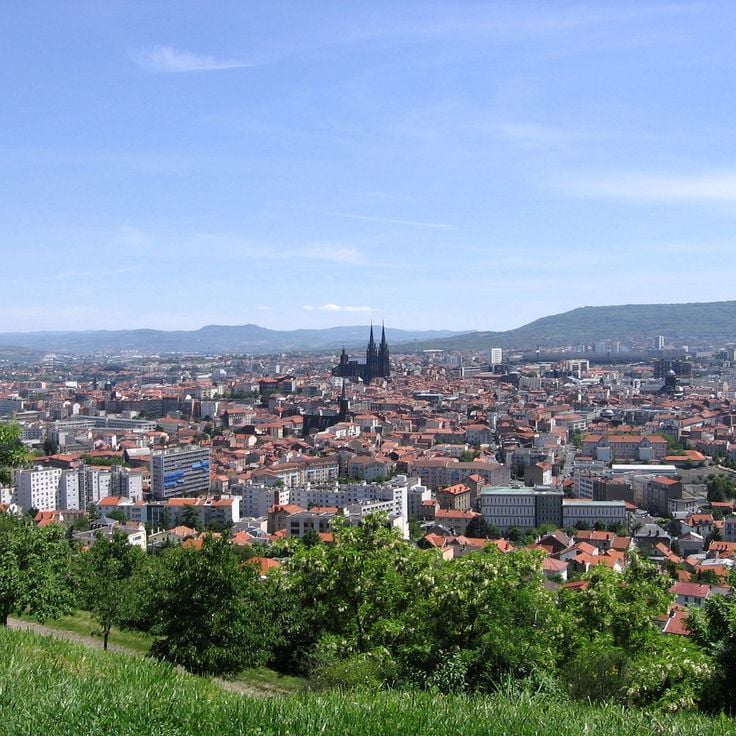
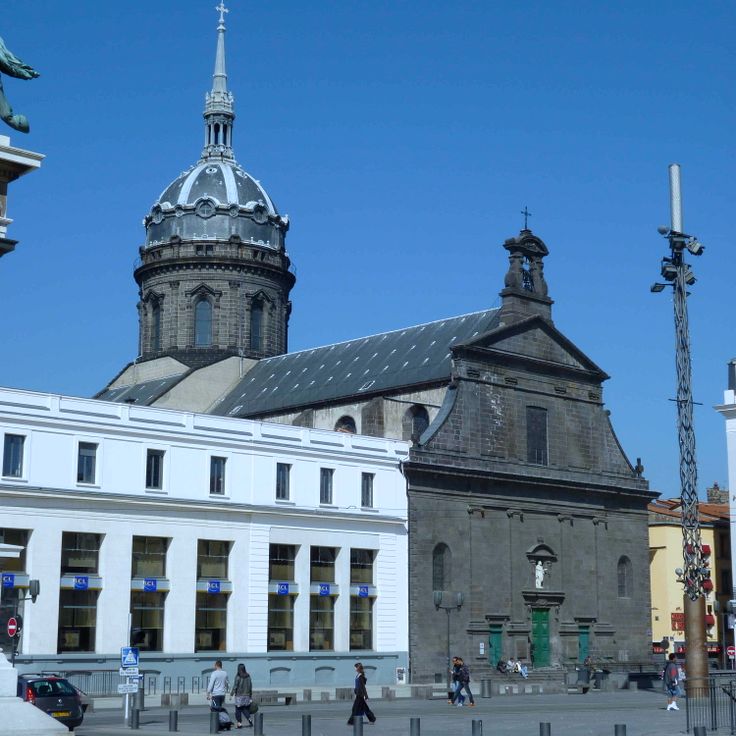
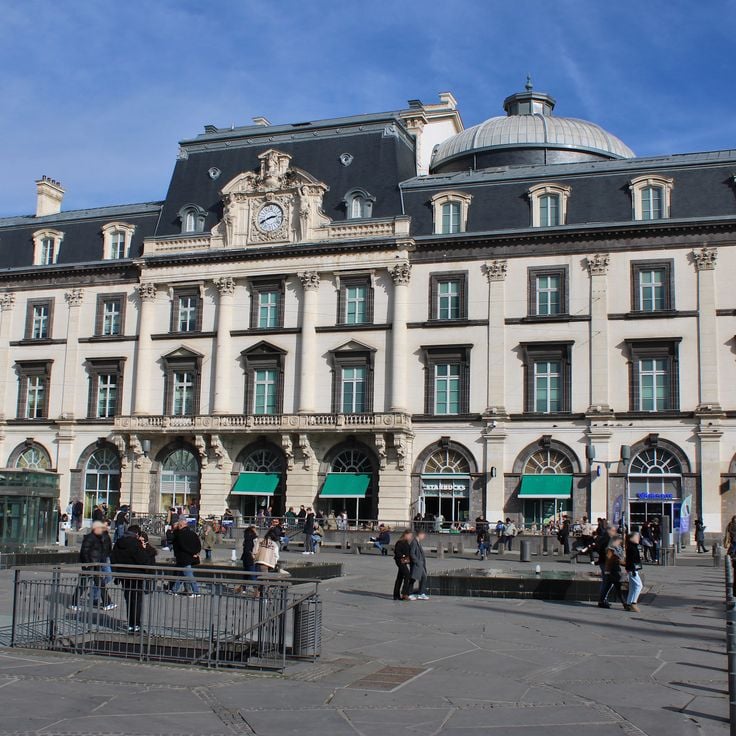
Clermont-Ferrand is distinguished by its dark volcanic stone architecture and its close proximity to the Chaîne des Puys. The religious heritage includes the Basilica of Notre-Dame du Port, an outstanding example of 12th-century Auvergnat Romanesque art, and the Notre-Dame-de-l'Assomption Cathedral, a Gothic building constructed from volcanic stone. The Place de Jaude serves as the hub of city life, lined with historic buildings and shops.
The city hosts several museum institutions that explore local and industrial history. The Roger-Quilliot Museum of Art is housed in a former Ursuline convent and displays works from the 14th to the 20th century, while L'Aventure Michelin traces the evolution of the tire industry since 1889. Lecoq Garden covers 12 acres of green space in the city center. A few kilometers away, the Regional Natural Park of the Volcans d'Auvergne spans nearly 1,500 square miles and offers access to the Puy de Dôme, a volcano rising to 4,785 feet (1465 meters), and Puy Pariou, which reaches 3,960 feet (1209 meters) in altitude.
Clermont-Ferrand is distinguished by its dark volcanic stone architecture and its close proximity to the Chaîne des Puys. The religious heritage includes the Basilica of Notre-Dame du Port, an outstanding example of 12th-century Auvergnat Romanesque art, and the Notre-Dame-de-l'Assomption Cathedral, a Gothic building constructed from volcanic stone. The Place de Jaude serves as the hub of city life, lined with historic buildings and shops.
The city hosts several museum institutions that explore local and industrial history. The Roger-Quilliot Museum of Art is housed in a former Ursuline convent and displays works from the 14th to the 20th century, while L'Aventure Michelin traces the evolution of the tire industry since 1889. Lecoq Garden covers 12 acres of green space in the city center. A few kilometers away, the Regional Natural Park of the Volcans d'Auvergne spans nearly 1,500 square miles and offers access to the Puy de Dôme, a volcano rising to 4,785 feet (1465 meters), and Puy Pariou, which reaches 3,960 feet (1209 meters) in altitude.
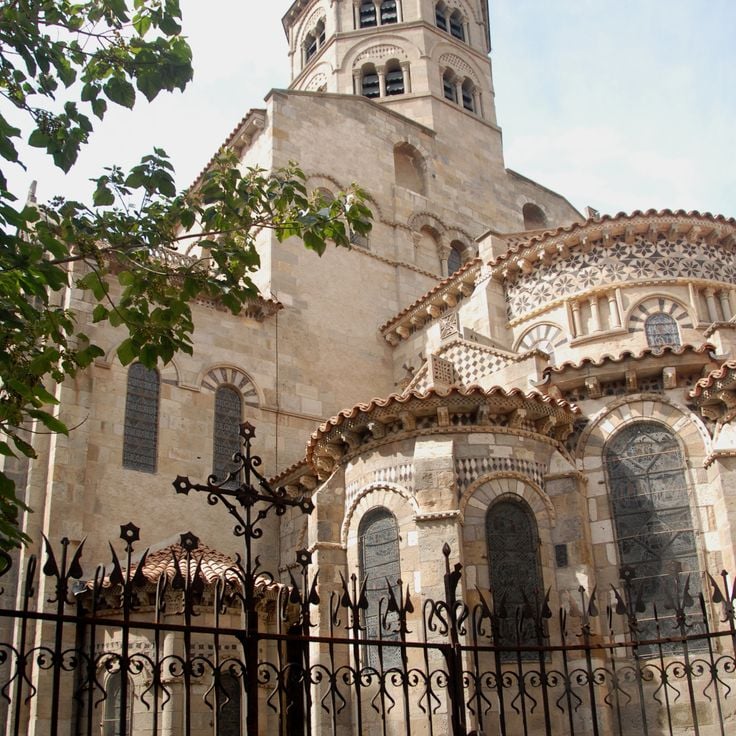
This 12th-century Romanesque church is a UNESCO World Heritage site as part of the Routes of Santiago de Compostela. Built from light-colored sandstone, it displays characteristic features of Auvergne Romanesque architecture with an octagonal bell tower and four radiating chapels. The crypt houses a 17th-century black Madonna. Inside, 27 carved capitals document biblical narratives and allegorical scenes. The five-aisled basilica served as a pilgrimage church and underwent comprehensive restoration between 1998 and 2008.
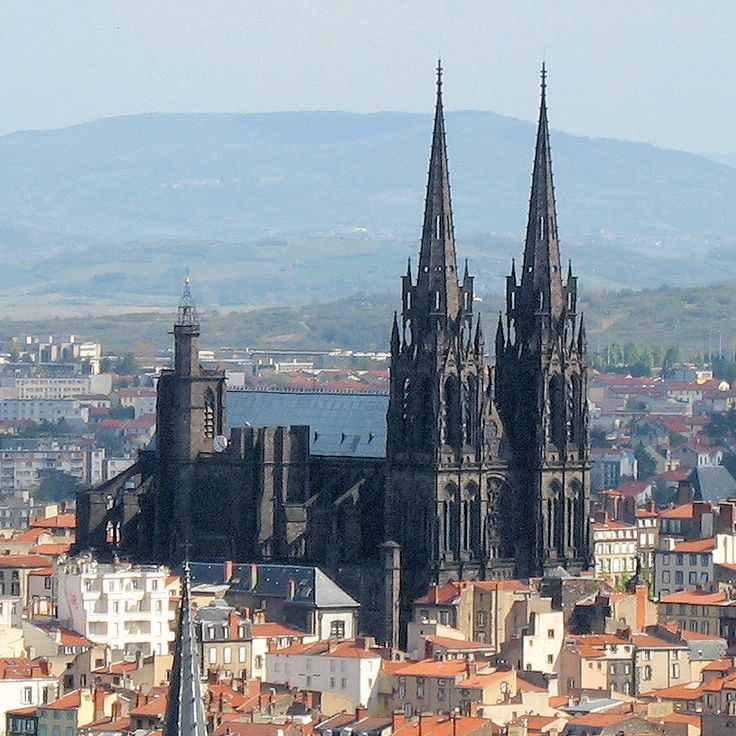
The Cathédrale Notre-Dame-de-l'Assomption was built from the 13th century onward using black volcanic stone and defines much of Clermont-Ferrand's architectural character. This Gothic structure rises above the old town with two towers reaching 315 feet (96 meters) and displays characteristic pointed arches, tracery windows and flying buttresses. The dark lava stone gives the facade a distinctive appearance that sets it apart from most French cathedrals. Inside, the nave extends 299 feet (91 meters) in length with a three-aisled layout. The stained glass windows include several from the Middle Ages, with some dating to the 13th and 14th centuries. This cathedral demonstrates the architectural use of local volcanic materials in the sacred buildings of central France.
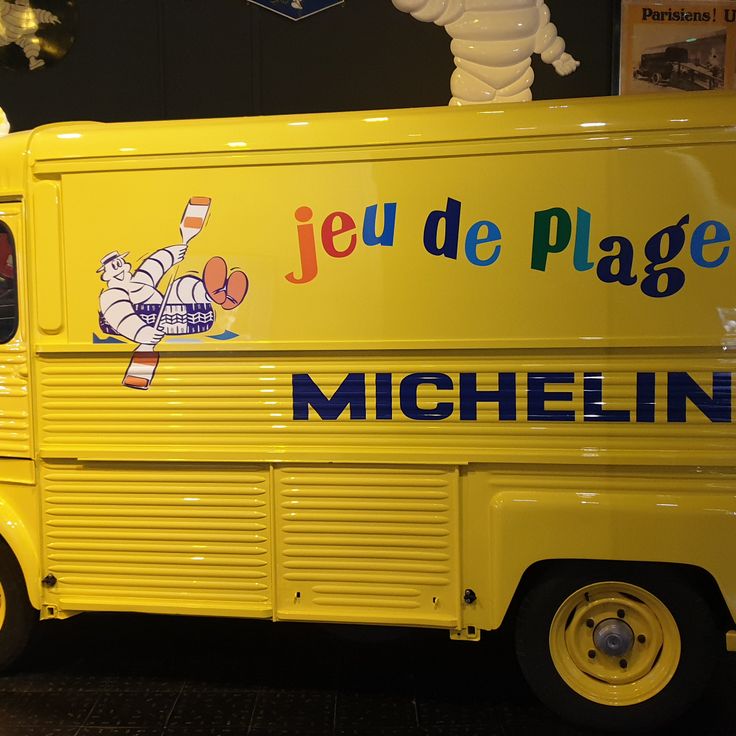
The museum L'Aventure Michelin documents the technical development of tire manufacturing through original vehicles, historical records and exhibits spanning over 130 years of company history. The collection illustrates the industrial innovations that made Clermont-Ferrand a major center of the French automotive industry. Visitors can trace the evolution from early bicycle tires to modern high-performance products and gain insight into manufacturing processes and the history of mobility.
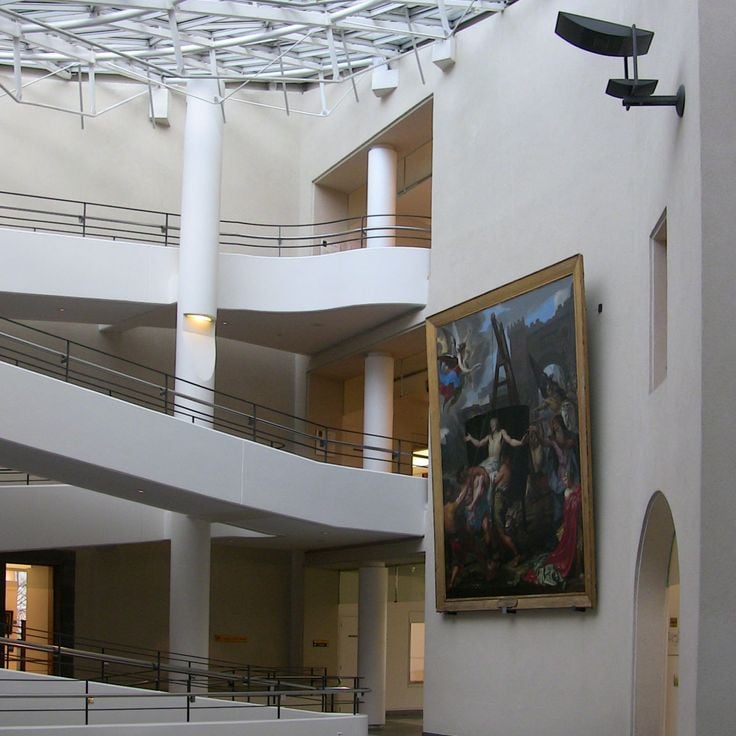
The Roger-Quilliot Museum of Art documents the development of visual arts from the 14th through the 20th century within a former Ursuline convent. The collection includes paintings, sculptures and decorative objects from various periods, among them medieval religious works, Renaissance portraits and modern compositions. This museum complements the city's cultural offerings through temporary exhibitions and educational programs. The historic convent rooms provide an appropriate setting for the displayed pieces while also documenting the architecture of religious institutions in the Auvergne region.
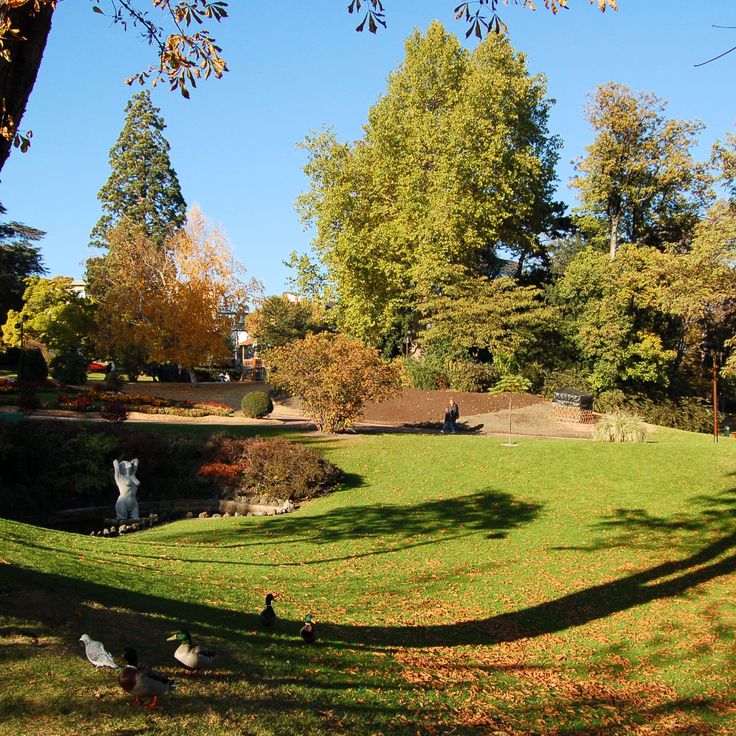
The Jardin Lecoq covers 5 hectares (about 12 acres) in the heart of the city, combining historic garden design with botanical variety. Established in 1862, the park includes a pond, a greenhouse and more than 500 plant species. Paths wind through different sections featuring native and exotic plantings, while shaded alleys provide rest areas beneath mature trees. The greenhouse holds tropical and Mediterranean plants. Located close to Place de Jaude, this garden has served as a public green space for over 150 years.
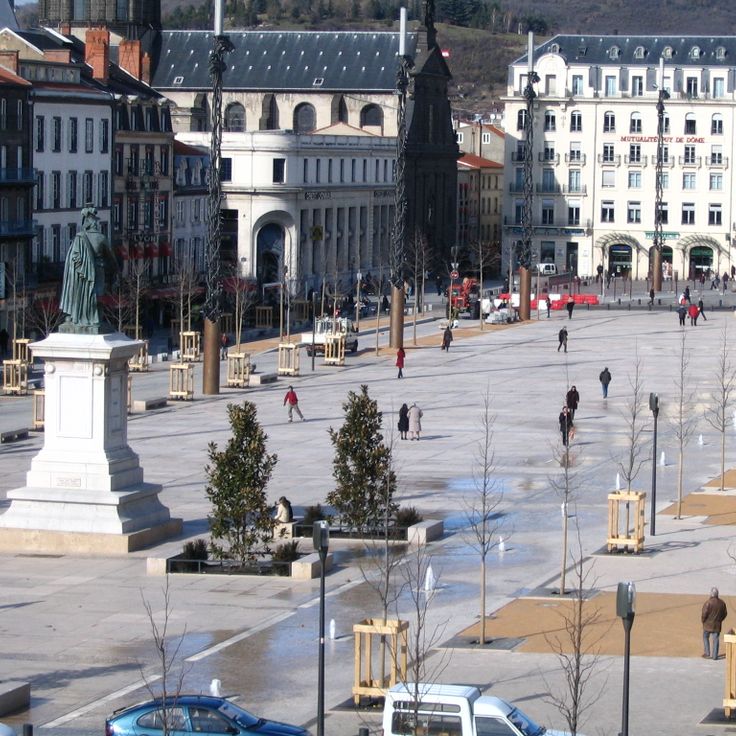
The Place de Jaude forms the commercial and social center of Clermont-Ferrand and displays the city's characteristic black volcanic stone architecture. The rectangular plaza covers roughly 120,000 square feet (about 11,000 square meters) and connects historic buildings with contemporary shops and cafés. At the center of the square stands the bronze equestrian statue of General Louis-Charles-Antoine Desaix from 1848, commemorating the revolutionary and Napoleonic military leader. The surrounding façades in black lava stone date mostly from the 19th and early 20th centuries and reflect local building traditions. The square serves as the main transportation hub of the downtown area with tram connections and marks the starting point for shopping streets and cultural institutions.
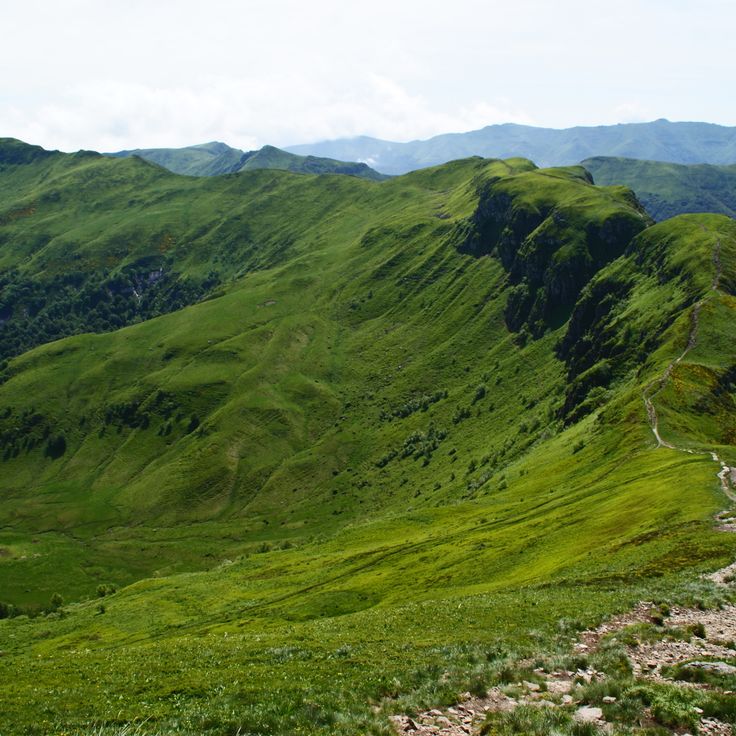
The Parc naturel régional des Volcans d'Auvergne covers roughly 390,000 hectares (965,000 acres) west of Clermont-Ferrand and contains about 80 extinct volcanoes of the Chaîne des Puys. The protected area maintains an extensive network of marked hiking trails through volcanic terrain with regional flora and fauna. Several visitor centers document the geological evolution of the region since the Tertiary period and explain the characteristics of the volcanic formations.
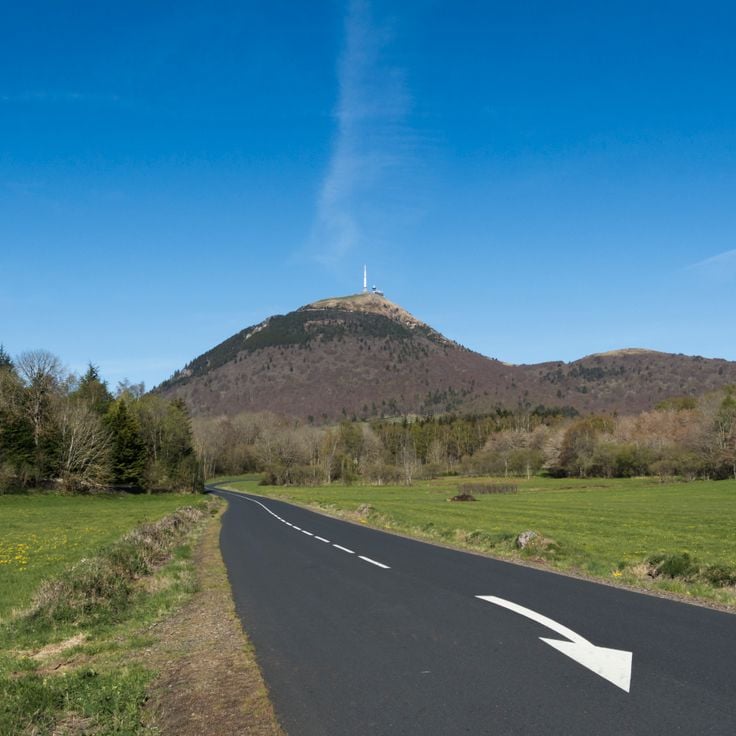
Puy de Dôme is a 4,806-foot (1,465-meter) volcano rising north of Clermont-Ferrand in the Chaîne des Puys and stands as one of the most prominent peaks in Auvergne. The summit holds the remains of a 2nd-century Roman temple dedicated to Mercury, along with an observatory conducting meteorological and atmospheric measurements. The mountain is accessible via a rack railway and provides views over the surrounding volcanic chain and the city.
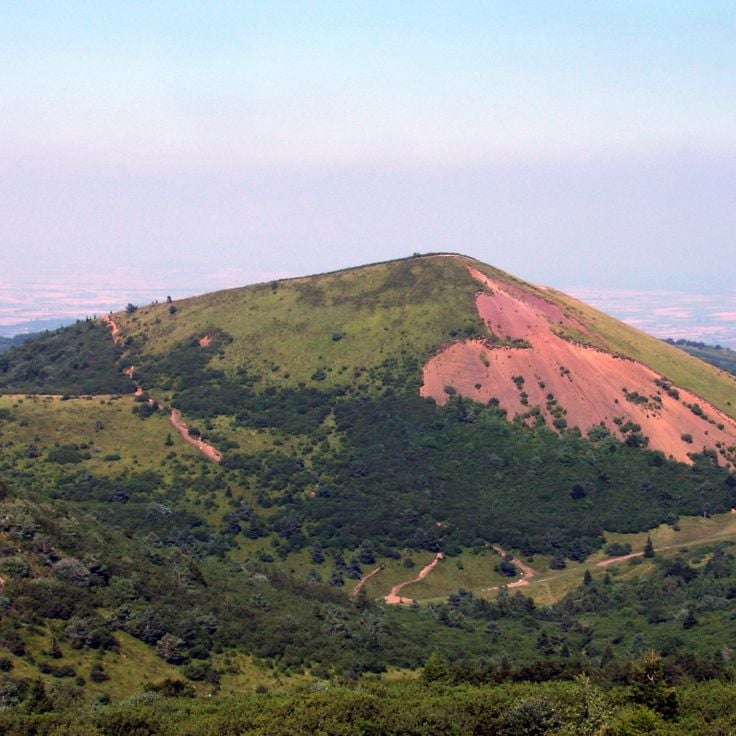
Puy Pariou rises to 3967 feet (1209 meters) north of Puy de Dôme. This volcanic cone formed approximately 8700 years ago and displays a well-preserved crater measuring 318 feet (97 meters) in diameter and 315 feet (96 meters) deep. A hiking trail from the parking area reaches the crater rim in 30 to 40 minutes, offering views across the surrounding volcanoes of the Chaîne des Puys. The ascent through beech forest provides direct access to the typical volcanic landforms of the Auvergne region. The terrain suits hikers with moderate fitness levels.
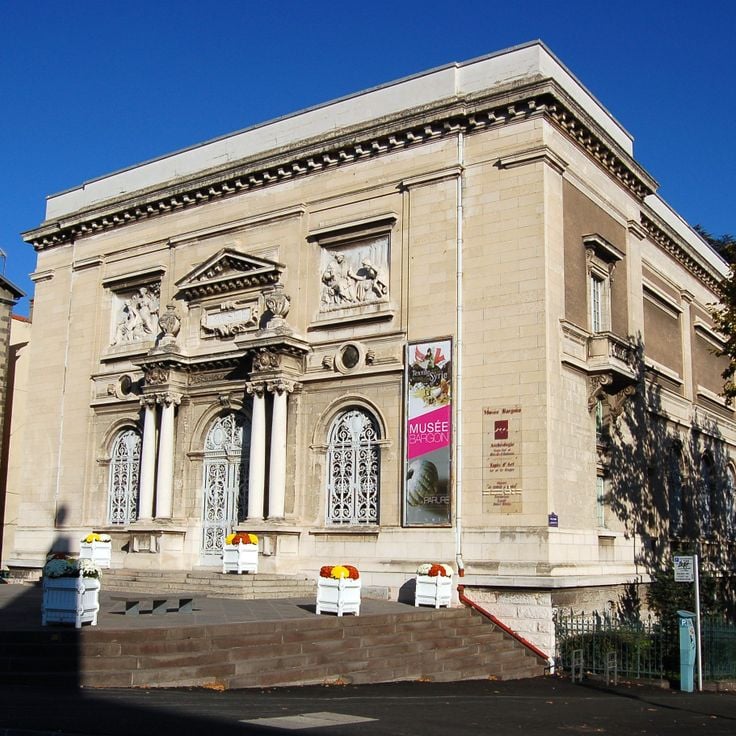
The Musée Bargoin combines archaeological collections from the Auvergne region with a substantial textile department. The ground floor archaeological section documents local history from prehistoric times through the Gallo-Roman period, including artifacts from the ancient city of Augustonemetum. The upper floor presents textiles and carpets from various periods and cultures, with a notable concentration of Oriental rugs. The museum opened in 1903 and bears the name of industrialist Michel Bargoin, who provided significant support for the institution.
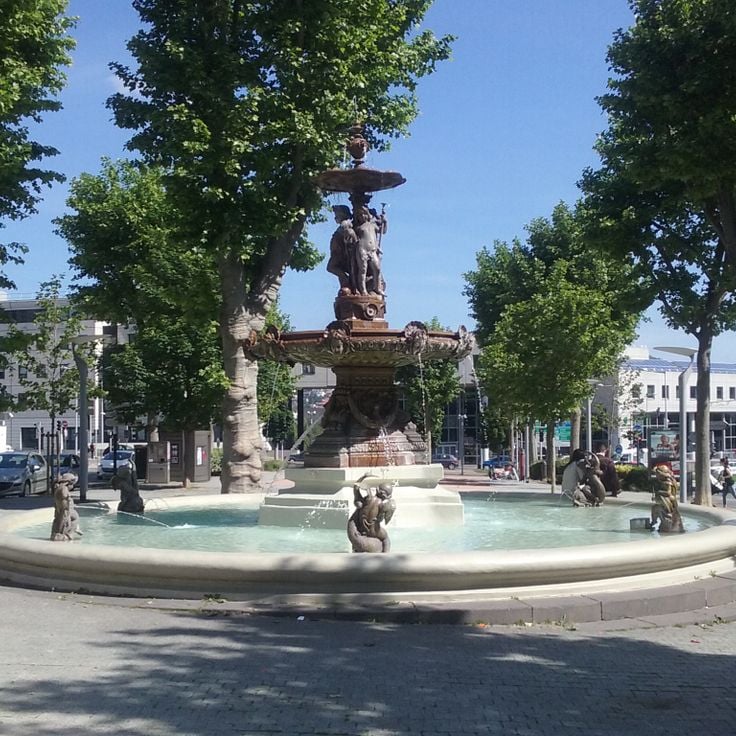
This public square in central Clermont-Ferrand combines green spaces with urban dining options. Place Delille features benches and fountains surrounded by restaurants and cafés. The square serves as a gathering point for residents and provides a pause between visits to the city's black volcanic stone landmarks.
This medieval tower from the 14th century rises 66 feet (20 meters) above Clermont-Ferrand and served as a navigation point for travelers. The structure built from volcanic stone fits into the historic cityscape and documents the military and civil functions of medieval architecture in Auvergne. The tower belongs to the preserved fortifications that shaped medieval Clermont-Ferrand and adds an important historical component to the city's religious and industrial heritage.
Square Blaise Pascal is a public square located near Place de Jaude that honors the mathematician, physicist and philosopher born in Clermont-Ferrand in 1623. This square serves as a green space in the city center, featuring benches, trees and a fountain that provide a quiet area for rest. The statue commemorates Blaise Pascal's contributions to science, including his experiments on atmospheric pressure conducted on the nearby Puy de Dôme. The square sits within walking distance of the cathedral and main commercial streets.
The Opéra-Théâtre de Clermont-Ferrand seats 1,000 patrons and presents a varied program of classical opera, contemporary productions and concerts throughout the year. The auditorium was built in the 19th century and has undergone several renovations that modernized the facilities while preserving the original architectural framework. The theater stands in the historic center near Place de Jaude and serves as a central venue for cultural life in Clermont-Ferrand.
Parc Montjuzet spreads across a hill northwest of the city center and offers walking and hiking trails through terraced green spaces. Several viewpoints overlook the old town and the Chaîne des Puys on the horizon. The park includes botanical collections with plants from different climate zones and a playground. Developed in the 1920s following the natural topography, the site combines recreational and sports areas with ecological zones.
This 12th-century Romanesque church is a UNESCO World Heritage site as part of the Routes of Santiago de Compostela. Built from light-colored sandstone, it displays characteristic features of Auvergne Romanesque architecture with an octagonal bell tower and four radiating chapels. The crypt houses a 17th-century black Madonna. Inside, 27 carved capitals document biblical narratives and allegorical scenes. The five-aisled basilica served as a pilgrimage church and underwent comprehensive restoration between 1998 and 2008.
The Cathédrale Notre-Dame-de-l'Assomption was built from the 13th century onward using black volcanic stone and defines much of Clermont-Ferrand's architectural character. This Gothic structure rises above the old town with two towers reaching 315 feet (96 meters) and displays characteristic pointed arches, tracery windows and flying buttresses. The dark lava stone gives the facade a distinctive appearance that sets it apart from most French cathedrals. Inside, the nave extends 299 feet (91 meters) in length with a three-aisled layout. The stained glass windows include several from the Middle Ages, with some dating to the 13th and 14th centuries. This cathedral demonstrates the architectural use of local volcanic materials in the sacred buildings of central France.
The museum L'Aventure Michelin documents the technical development of tire manufacturing through original vehicles, historical records and exhibits spanning over 130 years of company history. The collection illustrates the industrial innovations that made Clermont-Ferrand a major center of the French automotive industry. Visitors can trace the evolution from early bicycle tires to modern high-performance products and gain insight into manufacturing processes and the history of mobility.
The Roger-Quilliot Museum of Art documents the development of visual arts from the 14th through the 20th century within a former Ursuline convent. The collection includes paintings, sculptures and decorative objects from various periods, among them medieval religious works, Renaissance portraits and modern compositions. This museum complements the city's cultural offerings through temporary exhibitions and educational programs. The historic convent rooms provide an appropriate setting for the displayed pieces while also documenting the architecture of religious institutions in the Auvergne region.
The Jardin Lecoq covers 5 hectares (about 12 acres) in the heart of the city, combining historic garden design with botanical variety. Established in 1862, the park includes a pond, a greenhouse and more than 500 plant species. Paths wind through different sections featuring native and exotic plantings, while shaded alleys provide rest areas beneath mature trees. The greenhouse holds tropical and Mediterranean plants. Located close to Place de Jaude, this garden has served as a public green space for over 150 years.
The Place de Jaude forms the commercial and social center of Clermont-Ferrand and displays the city's characteristic black volcanic stone architecture. The rectangular plaza covers roughly 120,000 square feet (about 11,000 square meters) and connects historic buildings with contemporary shops and cafés. At the center of the square stands the bronze equestrian statue of General Louis-Charles-Antoine Desaix from 1848, commemorating the revolutionary and Napoleonic military leader. The surrounding façades in black lava stone date mostly from the 19th and early 20th centuries and reflect local building traditions. The square serves as the main transportation hub of the downtown area with tram connections and marks the starting point for shopping streets and cultural institutions.
The Parc naturel régional des Volcans d'Auvergne covers roughly 390,000 hectares (965,000 acres) west of Clermont-Ferrand and contains about 80 extinct volcanoes of the Chaîne des Puys. The protected area maintains an extensive network of marked hiking trails through volcanic terrain with regional flora and fauna. Several visitor centers document the geological evolution of the region since the Tertiary period and explain the characteristics of the volcanic formations.
Puy de Dôme is a 4,806-foot (1,465-meter) volcano rising north of Clermont-Ferrand in the Chaîne des Puys and stands as one of the most prominent peaks in Auvergne. The summit holds the remains of a 2nd-century Roman temple dedicated to Mercury, along with an observatory conducting meteorological and atmospheric measurements. The mountain is accessible via a rack railway and provides views over the surrounding volcanic chain and the city.
Puy Pariou rises to 3967 feet (1209 meters) north of Puy de Dôme. This volcanic cone formed approximately 8700 years ago and displays a well-preserved crater measuring 318 feet (97 meters) in diameter and 315 feet (96 meters) deep. A hiking trail from the parking area reaches the crater rim in 30 to 40 minutes, offering views across the surrounding volcanoes of the Chaîne des Puys. The ascent through beech forest provides direct access to the typical volcanic landforms of the Auvergne region. The terrain suits hikers with moderate fitness levels.
The Musée Bargoin combines archaeological collections from the Auvergne region with a substantial textile department. The ground floor archaeological section documents local history from prehistoric times through the Gallo-Roman period, including artifacts from the ancient city of Augustonemetum. The upper floor presents textiles and carpets from various periods and cultures, with a notable concentration of Oriental rugs. The museum opened in 1903 and bears the name of industrialist Michel Bargoin, who provided significant support for the institution.
This public square in central Clermont-Ferrand combines green spaces with urban dining options. Place Delille features benches and fountains surrounded by restaurants and cafés. The square serves as a gathering point for residents and provides a pause between visits to the city's black volcanic stone landmarks.
This medieval tower from the 14th century rises 66 feet (20 meters) above Clermont-Ferrand and served as a navigation point for travelers. The structure built from volcanic stone fits into the historic cityscape and documents the military and civil functions of medieval architecture in Auvergne. The tower belongs to the preserved fortifications that shaped medieval Clermont-Ferrand and adds an important historical component to the city's religious and industrial heritage.
Square Blaise Pascal is a public square located near Place de Jaude that honors the mathematician, physicist and philosopher born in Clermont-Ferrand in 1623. This square serves as a green space in the city center, featuring benches, trees and a fountain that provide a quiet area for rest. The statue commemorates Blaise Pascal's contributions to science, including his experiments on atmospheric pressure conducted on the nearby Puy de Dôme. The square sits within walking distance of the cathedral and main commercial streets.
The Opéra-Théâtre de Clermont-Ferrand seats 1,000 patrons and presents a varied program of classical opera, contemporary productions and concerts throughout the year. The auditorium was built in the 19th century and has undergone several renovations that modernized the facilities while preserving the original architectural framework. The theater stands in the historic center near Place de Jaude and serves as a central venue for cultural life in Clermont-Ferrand.
Parc Montjuzet spreads across a hill northwest of the city center and offers walking and hiking trails through terraced green spaces. Several viewpoints overlook the old town and the Chaîne des Puys on the horizon. The park includes botanical collections with plants from different climate zones and a playground. Developed in the 1920s following the natural topography, the site combines recreational and sports areas with ecological zones.
This 12th-century Romanesque church is a UNESCO World Heritage site as part of the Routes of Santiago de Compostela. Built from light-colored sandstone, it displays characteristic features of Auvergne Romanesque architecture with an octagonal bell tower and four radiating chapels. The crypt houses a 17th-century black Madonna. Inside, 27 carved capitals document biblical narratives and allegorical scenes. The five-aisled basilica served as a pilgrimage church and underwent comprehensive restoration between 1998 and 2008.
The Cathédrale Notre-Dame-de-l'Assomption was built from the 13th century onward using black volcanic stone and defines much of Clermont-Ferrand's architectural character. This Gothic structure rises above the old town with two towers reaching 315 feet (96 meters) and displays characteristic pointed arches, tracery windows and flying buttresses. The dark lava stone gives the facade a distinctive appearance that sets it apart from most French cathedrals. Inside, the nave extends 299 feet (91 meters) in length with a three-aisled layout. The stained glass windows include several from the Middle Ages, with some dating to the 13th and 14th centuries. This cathedral demonstrates the architectural use of local volcanic materials in the sacred buildings of central France.
The museum L'Aventure Michelin documents the technical development of tire manufacturing through original vehicles, historical records and exhibits spanning over 130 years of company history. The collection illustrates the industrial innovations that made Clermont-Ferrand a major center of the French automotive industry. Visitors can trace the evolution from early bicycle tires to modern high-performance products and gain insight into manufacturing processes and the history of mobility.
The Roger-Quilliot Museum of Art documents the development of visual arts from the 14th through the 20th century within a former Ursuline convent. The collection includes paintings, sculptures and decorative objects from various periods, among them medieval religious works, Renaissance portraits and modern compositions. This museum complements the city's cultural offerings through temporary exhibitions and educational programs. The historic convent rooms provide an appropriate setting for the displayed pieces while also documenting the architecture of religious institutions in the Auvergne region.
The Jardin Lecoq covers 5 hectares (about 12 acres) in the heart of the city, combining historic garden design with botanical variety. Established in 1862, the park includes a pond, a greenhouse and more than 500 plant species. Paths wind through different sections featuring native and exotic plantings, while shaded alleys provide rest areas beneath mature trees. The greenhouse holds tropical and Mediterranean plants. Located close to Place de Jaude, this garden has served as a public green space for over 150 years.
The Place de Jaude forms the commercial and social center of Clermont-Ferrand and displays the city's characteristic black volcanic stone architecture. The rectangular plaza covers roughly 120,000 square feet (about 11,000 square meters) and connects historic buildings with contemporary shops and cafés. At the center of the square stands the bronze equestrian statue of General Louis-Charles-Antoine Desaix from 1848, commemorating the revolutionary and Napoleonic military leader. The surrounding façades in black lava stone date mostly from the 19th and early 20th centuries and reflect local building traditions. The square serves as the main transportation hub of the downtown area with tram connections and marks the starting point for shopping streets and cultural institutions.
The Parc naturel régional des Volcans d'Auvergne covers roughly 390,000 hectares (965,000 acres) west of Clermont-Ferrand and contains about 80 extinct volcanoes of the Chaîne des Puys. The protected area maintains an extensive network of marked hiking trails through volcanic terrain with regional flora and fauna. Several visitor centers document the geological evolution of the region since the Tertiary period and explain the characteristics of the volcanic formations.
Puy de Dôme is a 4,806-foot (1,465-meter) volcano rising north of Clermont-Ferrand in the Chaîne des Puys and stands as one of the most prominent peaks in Auvergne. The summit holds the remains of a 2nd-century Roman temple dedicated to Mercury, along with an observatory conducting meteorological and atmospheric measurements. The mountain is accessible via a rack railway and provides views over the surrounding volcanic chain and the city.
Puy Pariou rises to 3967 feet (1209 meters) north of Puy de Dôme. This volcanic cone formed approximately 8700 years ago and displays a well-preserved crater measuring 318 feet (97 meters) in diameter and 315 feet (96 meters) deep. A hiking trail from the parking area reaches the crater rim in 30 to 40 minutes, offering views across the surrounding volcanoes of the Chaîne des Puys. The ascent through beech forest provides direct access to the typical volcanic landforms of the Auvergne region. The terrain suits hikers with moderate fitness levels.
The Musée Bargoin combines archaeological collections from the Auvergne region with a substantial textile department. The ground floor archaeological section documents local history from prehistoric times through the Gallo-Roman period, including artifacts from the ancient city of Augustonemetum. The upper floor presents textiles and carpets from various periods and cultures, with a notable concentration of Oriental rugs. The museum opened in 1903 and bears the name of industrialist Michel Bargoin, who provided significant support for the institution.
This public square in central Clermont-Ferrand combines green spaces with urban dining options. Place Delille features benches and fountains surrounded by restaurants and cafés. The square serves as a gathering point for residents and provides a pause between visits to the city's black volcanic stone landmarks.
This medieval tower from the 14th century rises 66 feet (20 meters) above Clermont-Ferrand and served as a navigation point for travelers. The structure built from volcanic stone fits into the historic cityscape and documents the military and civil functions of medieval architecture in Auvergne. The tower belongs to the preserved fortifications that shaped medieval Clermont-Ferrand and adds an important historical component to the city's religious and industrial heritage.
Square Blaise Pascal is a public square located near Place de Jaude that honors the mathematician, physicist and philosopher born in Clermont-Ferrand in 1623. This square serves as a green space in the city center, featuring benches, trees and a fountain that provide a quiet area for rest. The statue commemorates Blaise Pascal's contributions to science, including his experiments on atmospheric pressure conducted on the nearby Puy de Dôme. The square sits within walking distance of the cathedral and main commercial streets.
The Opéra-Théâtre de Clermont-Ferrand seats 1,000 patrons and presents a varied program of classical opera, contemporary productions and concerts throughout the year. The auditorium was built in the 19th century and has undergone several renovations that modernized the facilities while preserving the original architectural framework. The theater stands in the historic center near Place de Jaude and serves as a central venue for cultural life in Clermont-Ferrand.
Parc Montjuzet spreads across a hill northwest of the city center and offers walking and hiking trails through terraced green spaces. Several viewpoints overlook the old town and the Chaîne des Puys on the horizon. The park includes botanical collections with plants from different climate zones and a playground. Developed in the 1920s following the natural topography, the site combines recreational and sports areas with ecological zones.