See the monuments around you in AROpen chests in the app
Around Us is built for your phone — point your camera at the streets and discover the monuments and places around you in augmented reality.Around Us is built for your phone — chests unlock when you walk, explore and capture nearby places.
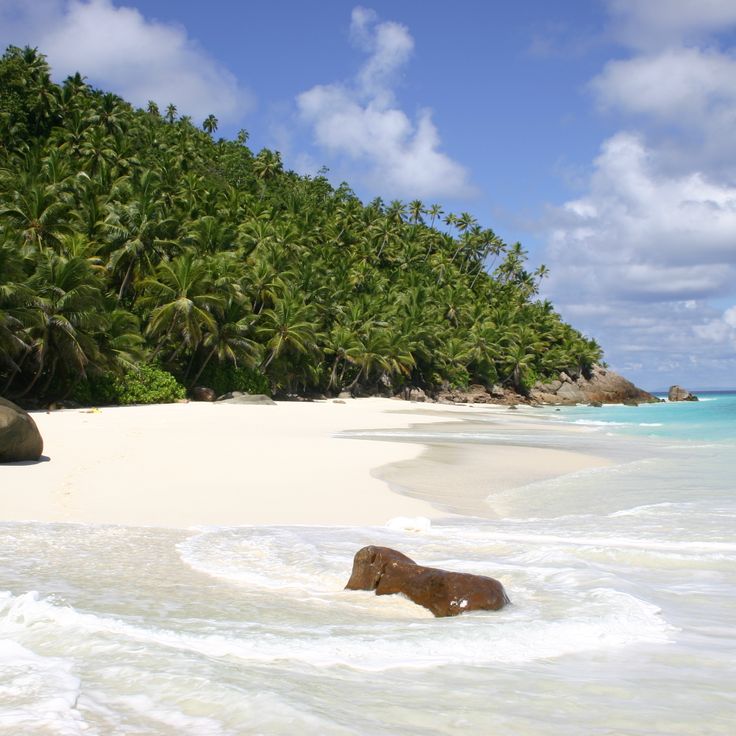
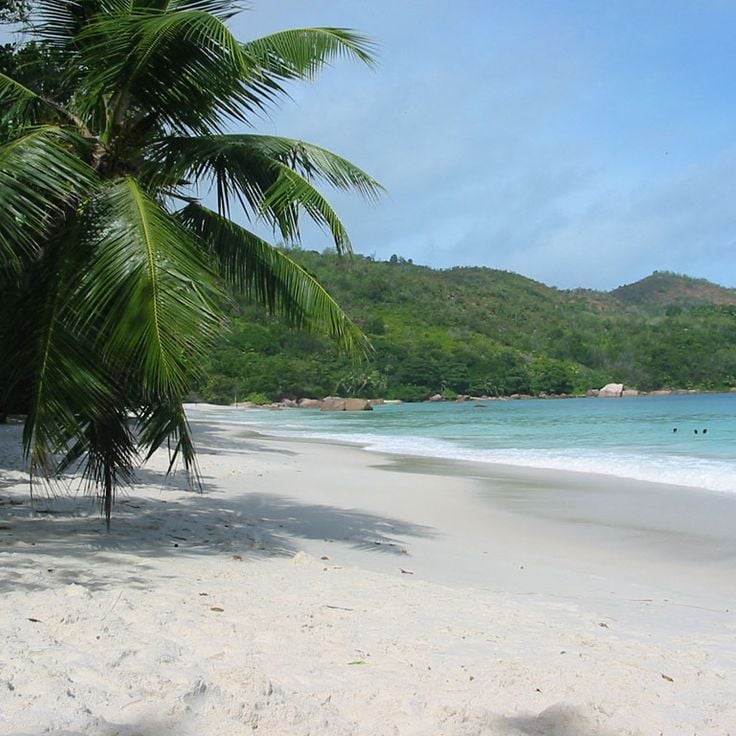
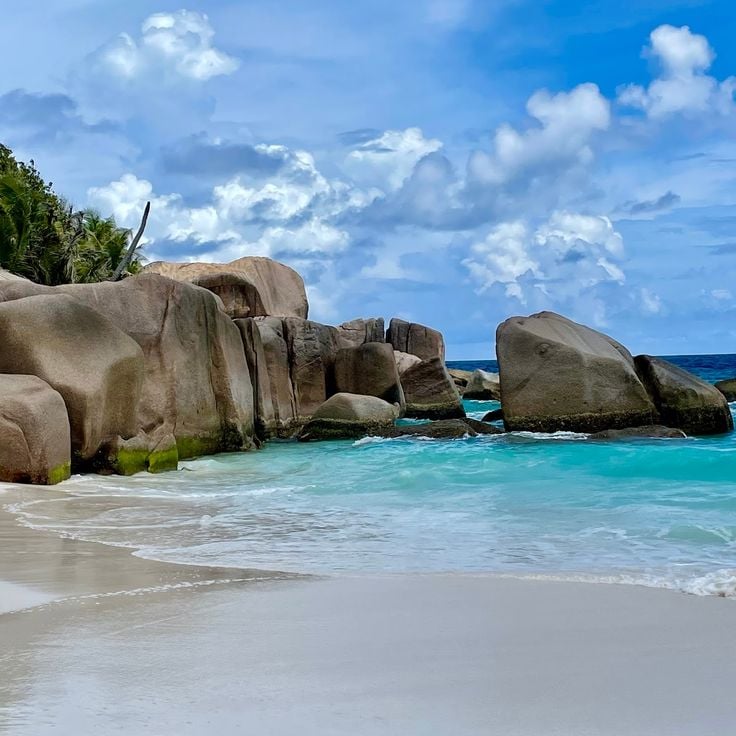
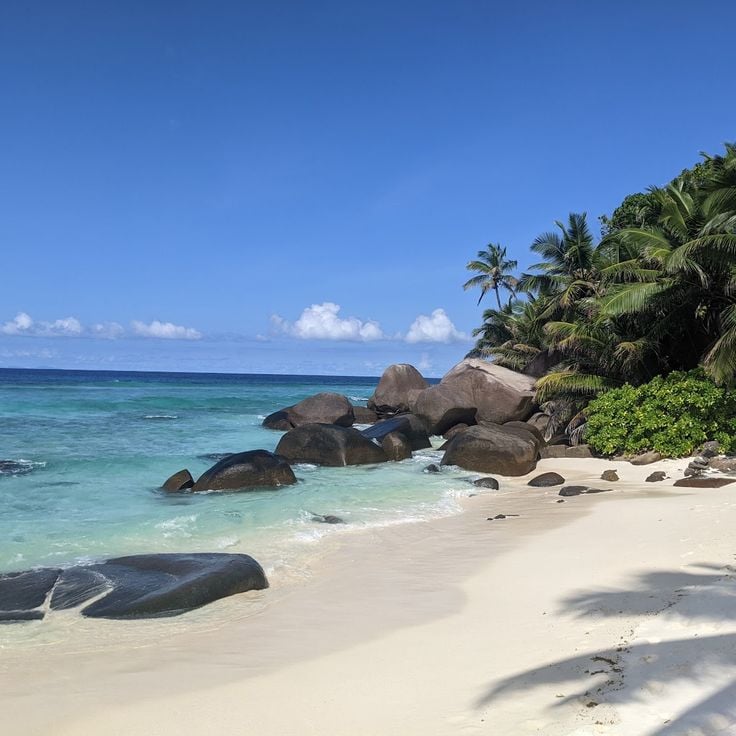
In Seychelles, white sand meets large granite rocks, colorful coral reefs, and forests where giant turtles and seabirds live.
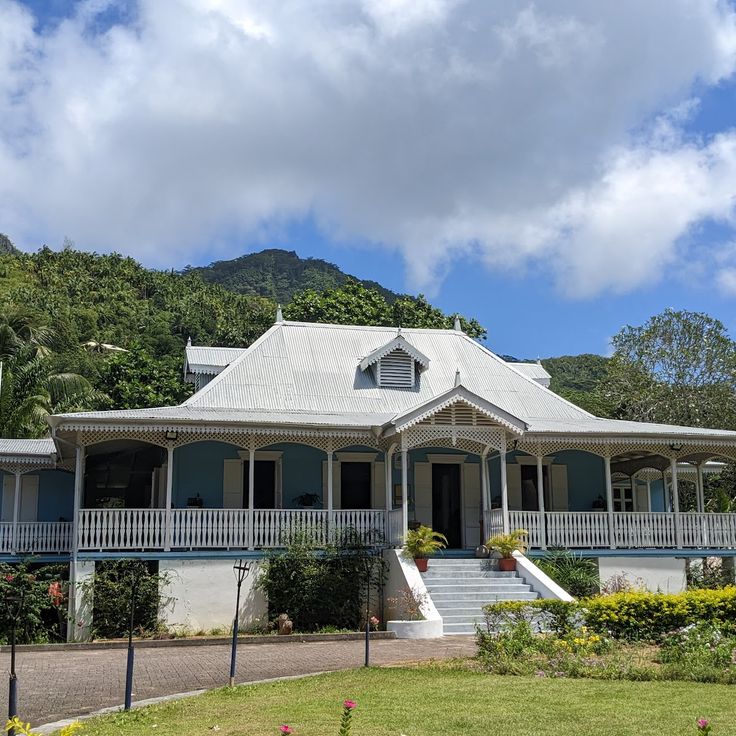
The Seychelles lie in the Indian Ocean with white sandy beaches, colorful coral reefs, and thick rainforests that cover much of the land. The islands have several parks and nature reserves where large turtles move slowly through the plants and seabirds nest in the trees. You can walk through old coconut plantations, visit temples built by different communities, and see colonial buildings that tell how people lived here many years ago. The waters around the islands are protected areas where fish, rays, and many other animals live in underwater coral gardens. Visiting these places is like seeing a land shaped by nature and history, with each island showing its own character.
In Seychelles, white sand meets large granite rocks, colorful coral reefs, and forests where giant turtles and seabirds live.
The Seychelles lie in the Indian Ocean with white sandy beaches, colorful coral reefs, and thick rainforests that cover much of the land. The islands have several parks and nature reserves where large turtles move slowly through the plants and seabirds nest in the trees. You can walk through old coconut plantations, visit temples built by different communities, and see colonial buildings that tell how people lived here many years ago. The waters around the islands are protected areas where fish, rays, and many other animals live in underwater coral gardens. Visiting these places is like seeing a land shaped by nature and history, with each island showing its own character.
Vallée de Mai on Praslin is a nature reserve that protects a forest of native palm trees and the coco de mer, the largest seed in the plant kingdom. This place shows the natural beauty of the Seychelles, where you can walk through green forests and discover plants that grow nowhere else in the world.
Union Estate Park on La Digue is a former colonial estate that shows how people lived and worked here centuries ago. The park preserves a working coconut plantation with a traditional copra mill, where coconuts are processed the way they were in the past. Giant tortoises move slowly through fenced areas, and the old plantation house tells the story of the island's history. Walking through Union Estate Park, visitors understand how agriculture shaped life in the Seychelles.
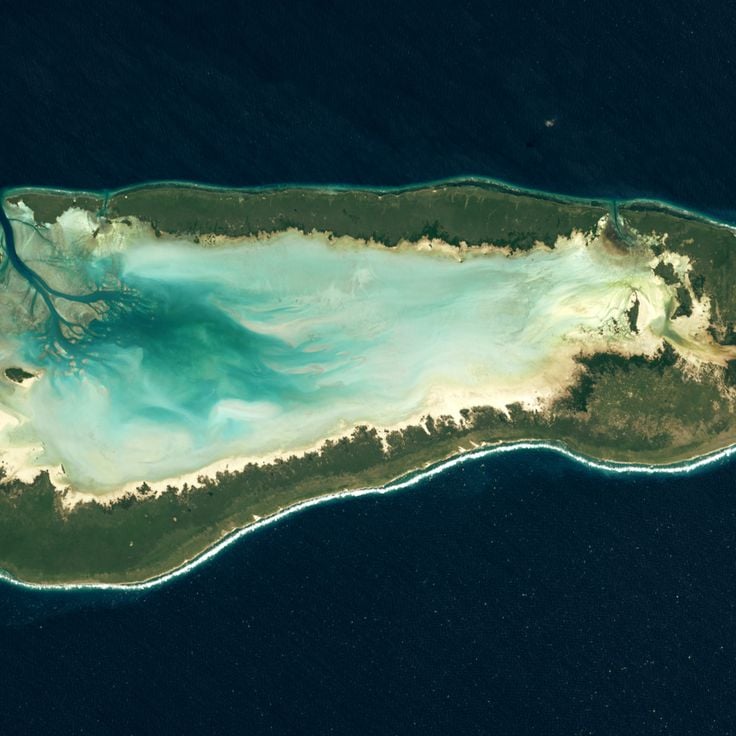
The Aldabra Atoll is made up of four coral islands surrounding a large central lagoon. Around 10,000 giant tortoises roam slowly across the land, making this one of the largest populations in the world. Frigatebirds, terns, and other seabirds nest here in great numbers. The shallow waters and sheltered bays are home to a wide range of marine life. Visiting the Aldabra Atoll means stepping into one of the most remote natural spaces in the Seychelles, a place that has changed little over the centuries.
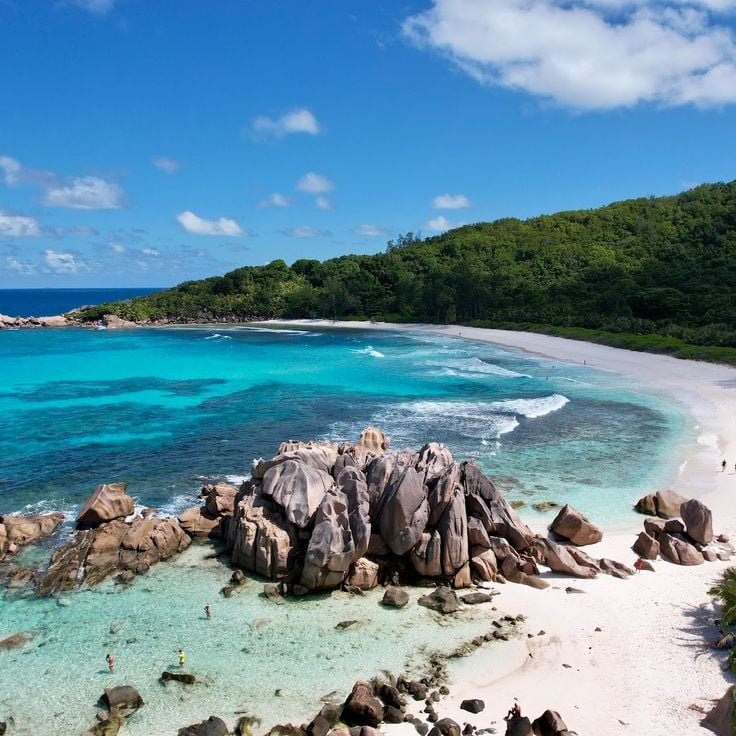
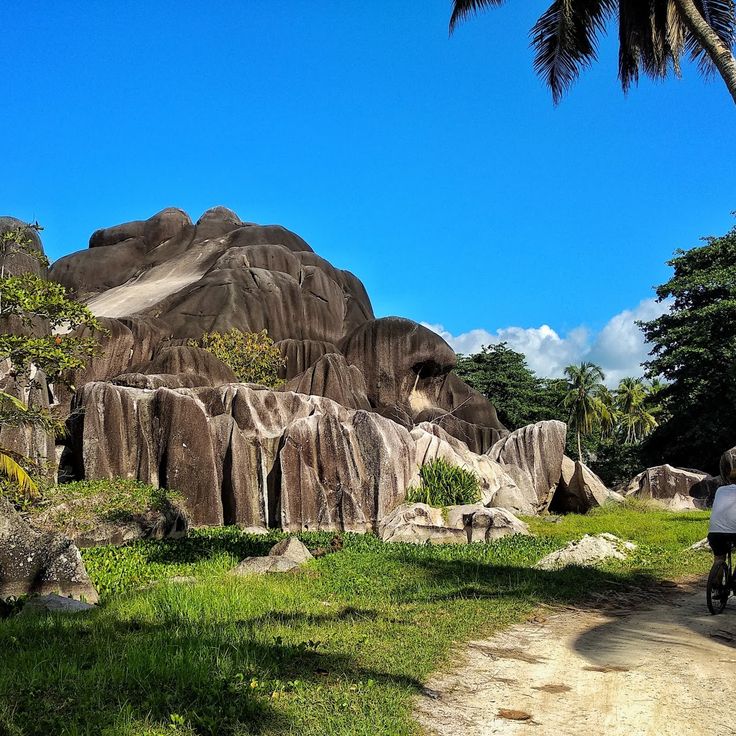
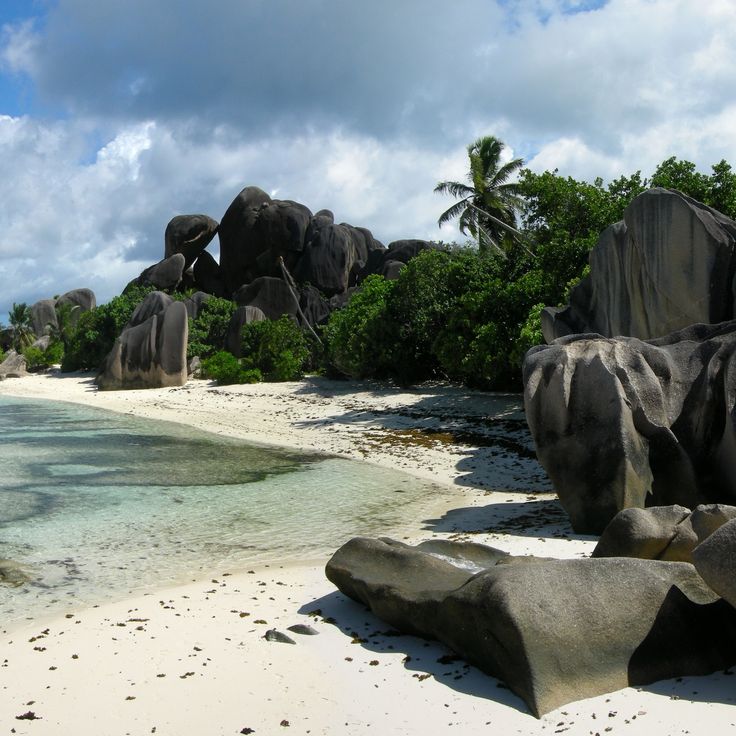
Anse Source d'Argent displays massive pink and gray granite rocks that push up through the white sand, creating a dramatic line where the land meets the sea. The shallow water invites you to swim and explore, revealing different colors and patterns as the light changes throughout the day. This beach is one of the special places in the Seychelles where the raw power of nature shapes the landscape, offering visitors a direct connection to what makes these islands distinctive.
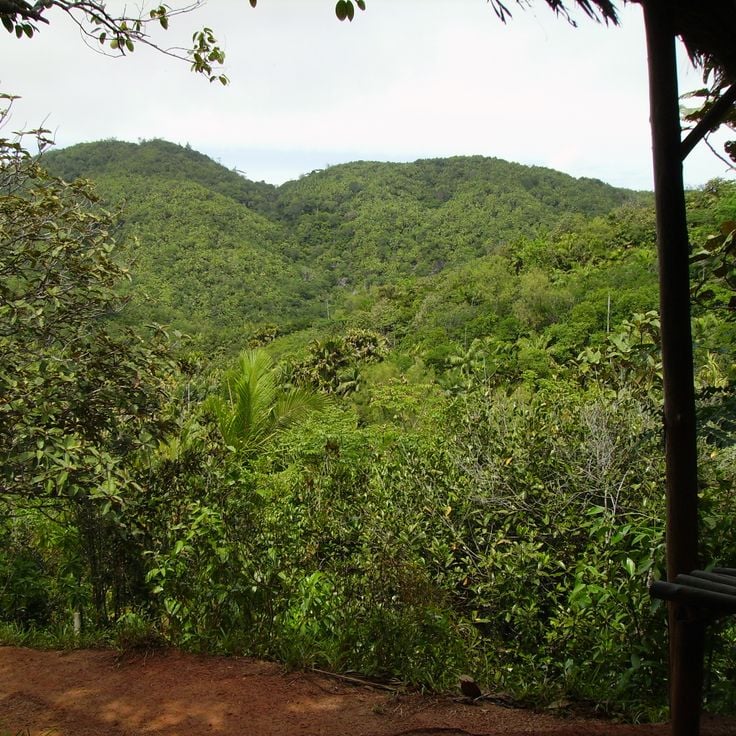
This mountain at the heart of a national park on Mahé rises 905 meters high and offers hiking trails through tropical forests. The paths wind through dense vegetation where birdsong fills the air and views of the surrounding islands and ocean emerge. Here visitors can explore the natural beauty of the Seychelles while experiencing the plants and animals that make this archipelago home.
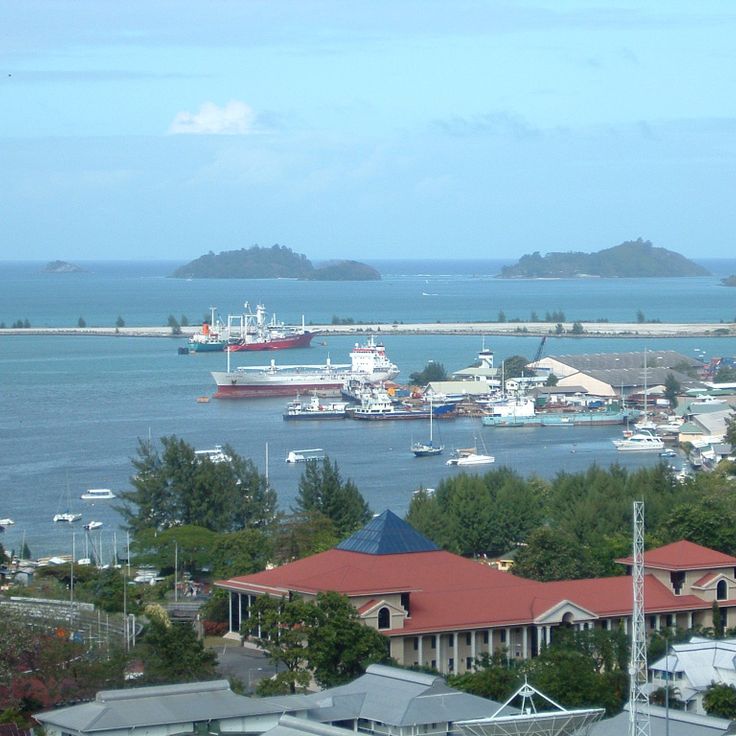
Victoria on Mahé is the main commercial and port city of the Seychelles, offering insight into the daily rhythm of the archipelago. The city has a busy fish market where fishermen sell their catch and locals shop for meals. The clock tower in the city center reflects the colonial past and serves as a landmark where residents and visitors gather. The botanical gardens display the variety of tropical plants and trees that grow across the islands. From here you can watch the activity of the harbor, where ships arrive and depart, and explore streets lined with buildings from different periods.
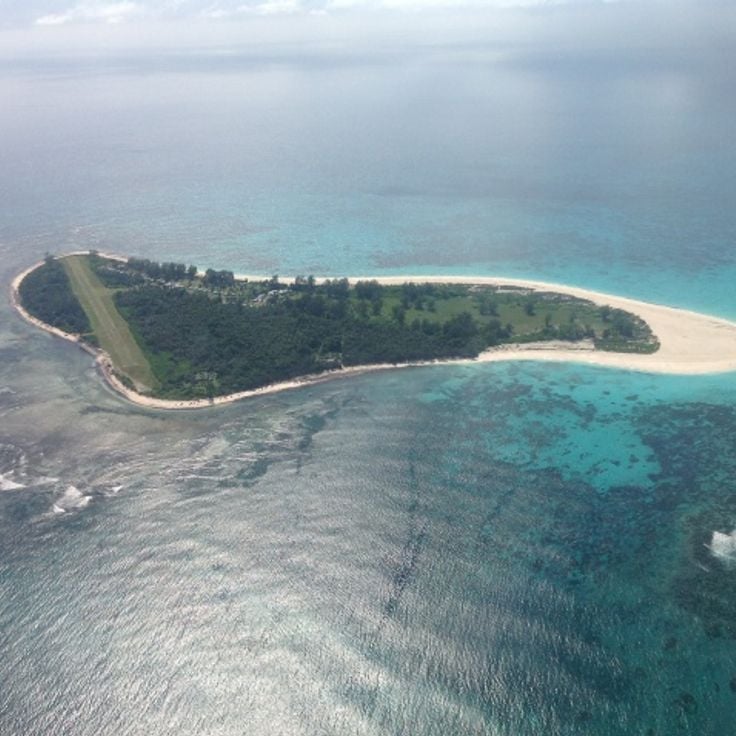
Bird Island is a coral formation where more than 20 seabird species nest, including terns and red-footed boobies. This island stands as one of the finest destinations in the Seychelles, showing how nature has created space for rare birds to thrive. When you visit Bird Island, you see animals in their natural home and experience wildlife in its purest form in the middle of the Indian Ocean.
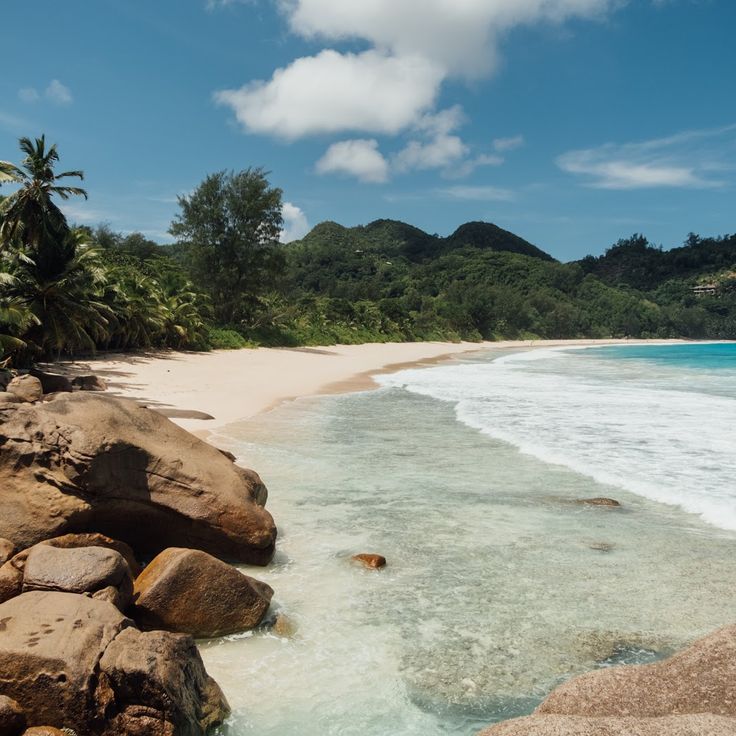
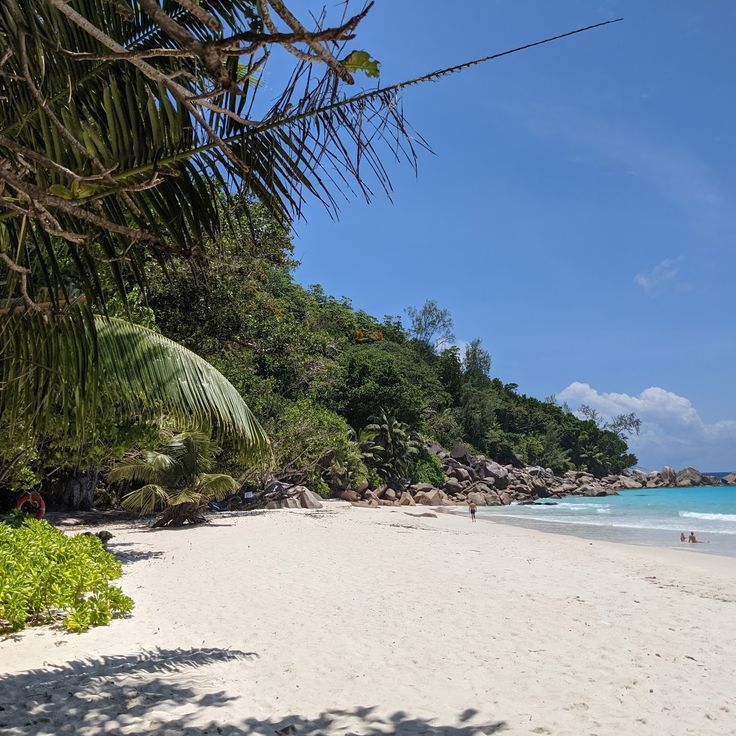
Anse Intendance is a white sand beach about 700 meters long on Mahé island. The strong waves make it a popular spot for surfers. Palm trees and granite rocks line the shore, showing the natural side of the Seychelles islands. The beach is in a quieter area, away from busy tourist spots. It is a place to enjoy the beach scenery and water activities of the islands. Visitors come here to surf and see the rocks and tropical plants.
The island of Curieuse is a protected area that is one of the most beautiful places to visit in the Seychelles. The island is home to more than 300 Aldabra giant tortoises that move slowly through the plants. Here, you can see these animals in their natural surroundings. It also serves as a breeding area for sea turtles and is surrounded by mangroves and tropical plants. Visiting this place allows you to see the wildlife of the Seychelles up close and understand why these protected areas matter.
Beau Vallon is a long sandy beach on the northwest coast of Mahé. The water is calm enough for swimming, and along the shore there are dive centers and rental stations for kayaks and water sports equipment. The beach is one of the most visited spots in the Seychelles and is used throughout the day by locals and travelers alike. You can walk along the waterfront, snorkel out toward the coral, or simply sit in the sand and watch the activity around you.
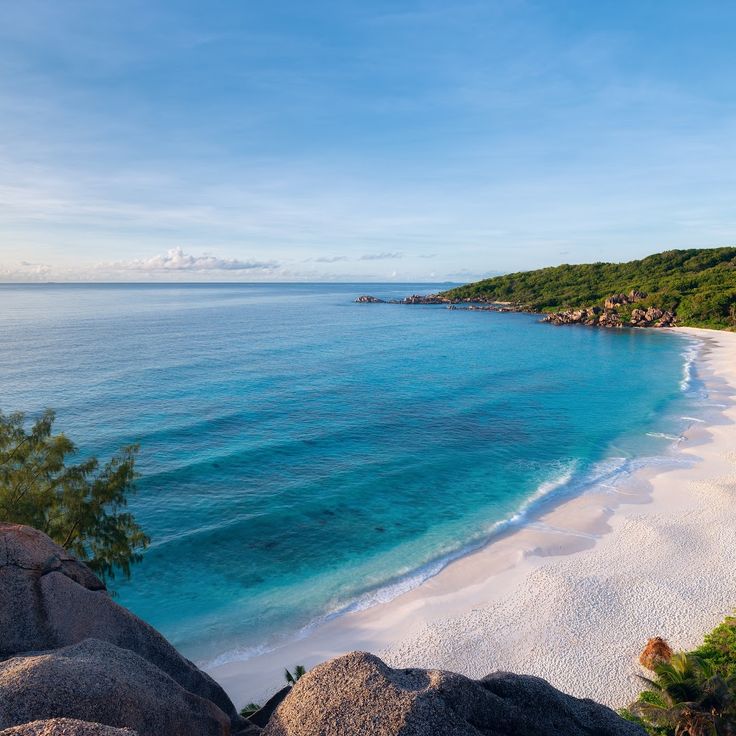
Grand Anse is a wide beach on La Digue stretching for about 1.5 kilometers of white sand backed by coconut palms. This beach shows what makes the Seychelles special: a simple stretch of sand and sea where you can walk freely and watch the horizon. During the monsoon season, waves grow strong and swimming becomes difficult. At other times of year, the beach offers a quieter experience where you can sit under the palms and feel the rhythm of island life.
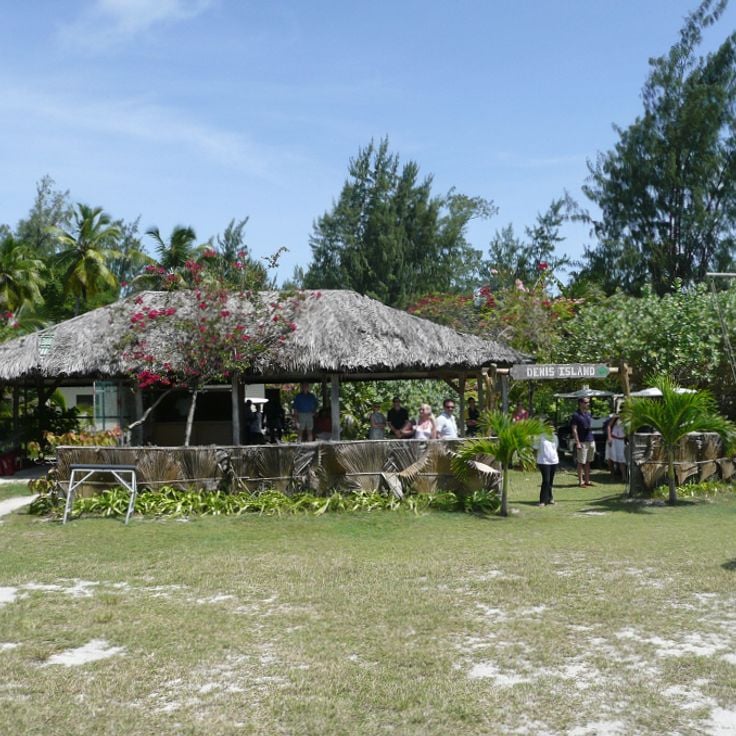
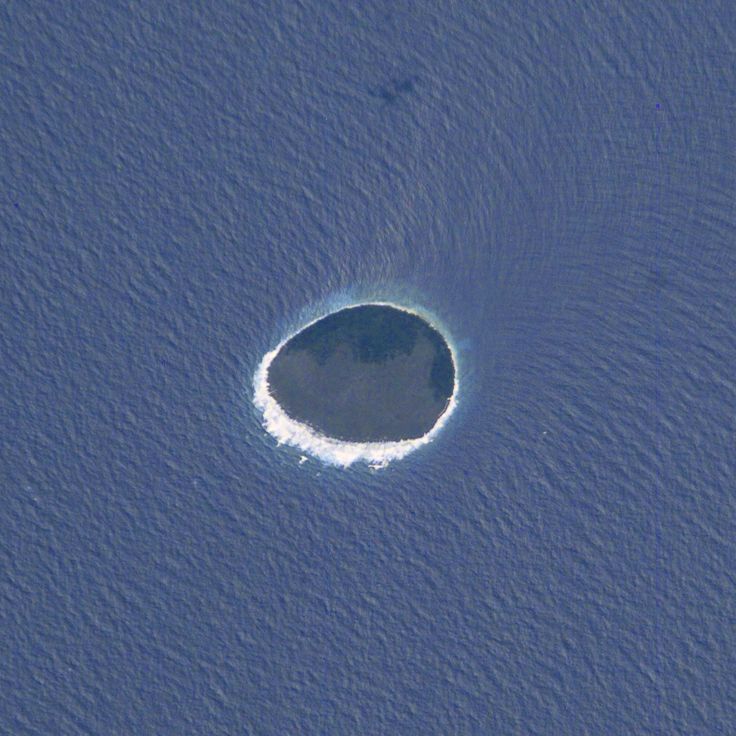
Denis Island is a circular coral island in this archipelago scattered across the Indian Ocean. A lighthouse stands on the island, guiding ships across the water. Forests cover the land, and several kinds of turtles make their home here, both on shore and in the sea. Seabirds nest in the trees and along the coast. The island remains protected so these creatures can live undisturbed in their natural home.
Fregate Island is a private nature reserve covering 219 hectares, home to rare bird species including the magpie robin and warbler. As part of the most beautiful visits in Seychelles, Fregate Island shows how these islands protect their own habitats, where animals thrive in their natural surroundings. You can walk through forests, watch birds, and see how nature shapes life on this island.
Anse Lazio is a long white sandy beach on the north coast of Praslin, one of the most beautiful visits in the Seychelles. Massive granite rocks frame the shoreline, and coconut palms grow behind the sand. The water is clear and good for swimming. This beach shows the natural character that makes these islands special, where granite formations rise directly from the sand just like at Anse Source d'Argent on La Digue.
Domaine de Val des Prés displays Creole culture of the Seychelles in a restored 19th-century house. Visitors can explore traditional craft workshops here and learn about the history of Mahé, which was shaped by agriculture, trade, and human settlement.
This granite island in the Seychelles covers about 84 hectares and features a white sandy beach along its northern shore. The vegetation consists of coconut palms and takamaka trees that shape the landscape of this smaller island. Grande Sœur exemplifies the natural character of the Seychelles archipelago, where granite formations meet tropical vegetation and protected waters.
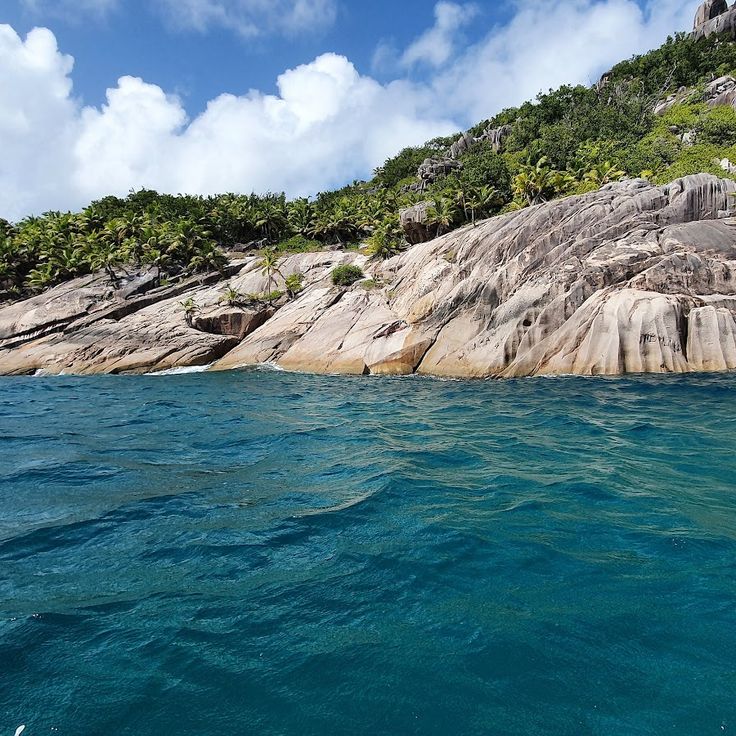
Île Saint-Pierre is an uninhabited island in the Seychelles made of red granite and surrounded by coral formations. It is one of the special places in this archipelago where seabirds nest and nature remains in its original state. The island shows how the landscape here has been shaped by natural forces and offers insight into the wildlife that inhabits these islands. Visitors can see the red rocks and watch how different bird species find shelter here.
Cousin Island is a nature reserve and one of the best places to visit in Seychelles. The island has colonies of terns, boobies, and frigatebirds that build their nests there. Sea turtles visit its beaches. Walking around Cousin Island lets you see the animals in their natural home and learn why these islands are important places for wildlife.
Mission Lodge on Mahé is one of the beautiful places to visit in the Seychelles. This former colonial site features an observation platform where you can take in views of the mountains and the Indian Ocean. Sitting at 450 meters above sea level, the lodge offers wide vistas across the island landscape and the surrounding waters. The location brings together the history of the Seychelles with the natural world that shapes these islands.
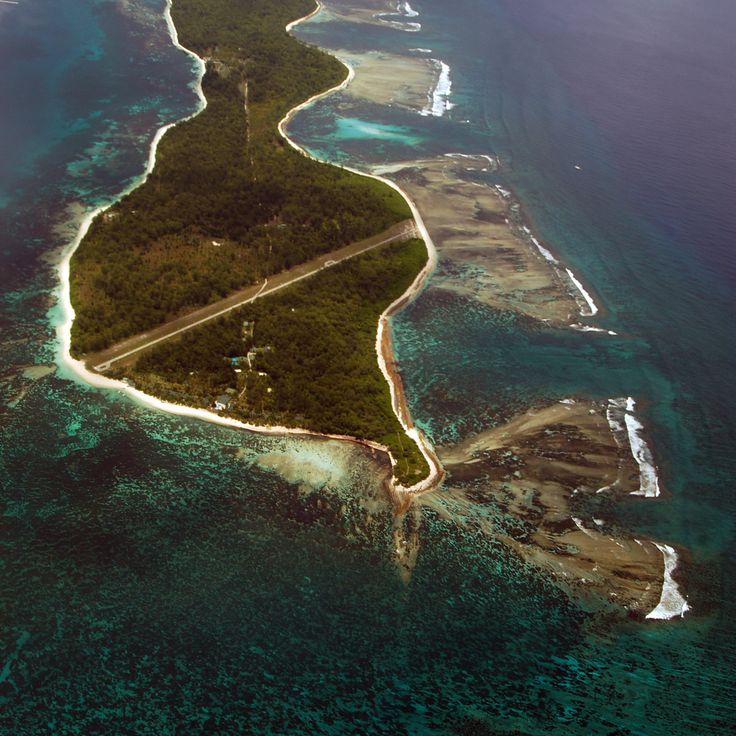
Desroches Island is a flat coral island in the Indian Ocean, set apart from the main Seychelles islands. Two natural pools mark the island: seawater flows in and out with the tides, so the water level shifts throughout the day. The land and the sea meet here in a direct, raw way that gives the island its own character.
Petite Sœur is a 34-hectare granite island in the Seychelles that represents one of the archipelago's most pristine natural spaces. The island provides sanctuary for seabirds and tortoises that move freely across its landscape. Native vegetation including almond trees covers the land, creating the setting where wildlife thrives in their natural habitat.
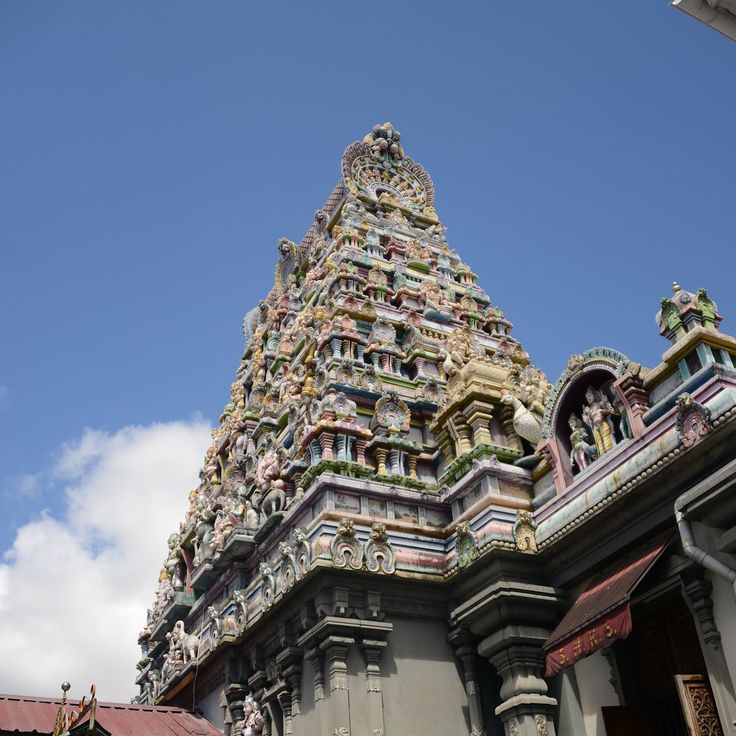
The Arul Mihu Navasakthi Temple holds an important place in this island community as a Hindu house of worship. Built in 1992 in Victoria, this temple demonstrates how different cultures coexist in the Seychelles. With its colorful details and traditional design, it speaks to the religious diversity found across these islands. Visiting this temple is one of the meaningful ways to understand how people of different backgrounds share their stories and traditions in the archipelago.
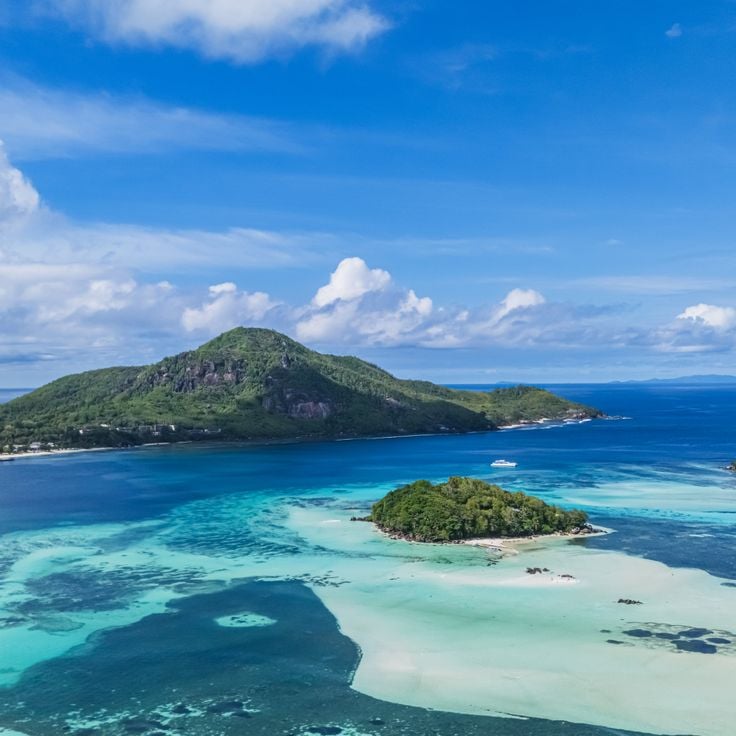
Sainte Anne Marine Park surrounds six islands off the coast of Mahé and protects 1400 hectares of ocean. The waters here hold coral reefs in shades of pink and yellow, tropical fish darting between the formations, and seagrass beds that shelter smaller creatures. You can swim or snorkel in these protected waters to see the life beneath the surface that makes the Seychelles special.
Anse Georgette is a natural beach on the northwest coast of Praslin, bordered by large granite rocks that rise from the sand. You reach it via a path crossing the golf course of the Constance Lémuria Resort. The water here is calm and clear, great for swimming. The beach itself stays fairly remote because few visitors make the effort to get there. The scene shows typical features of Seychelles with thick vegetation behind the shore and natural rock formations that give the area its shape.
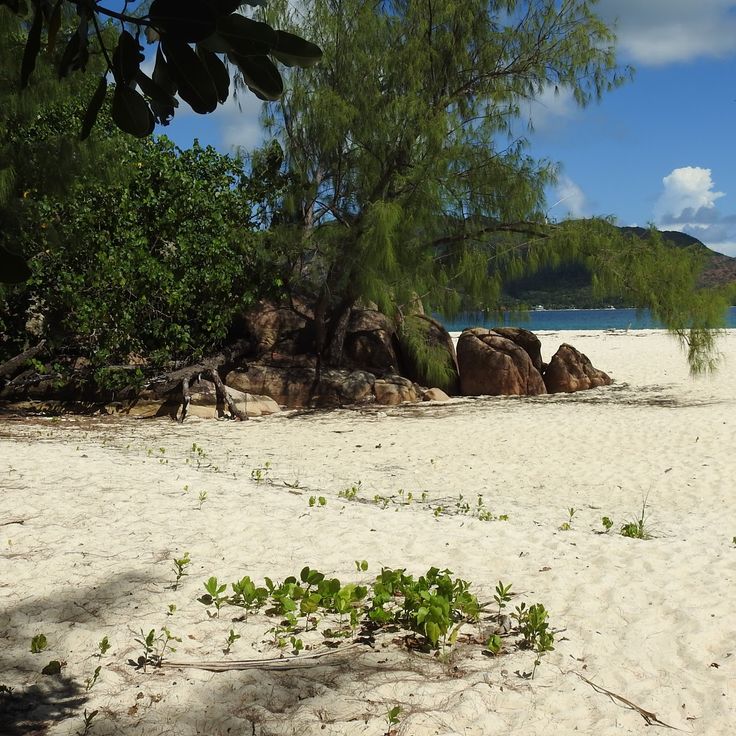
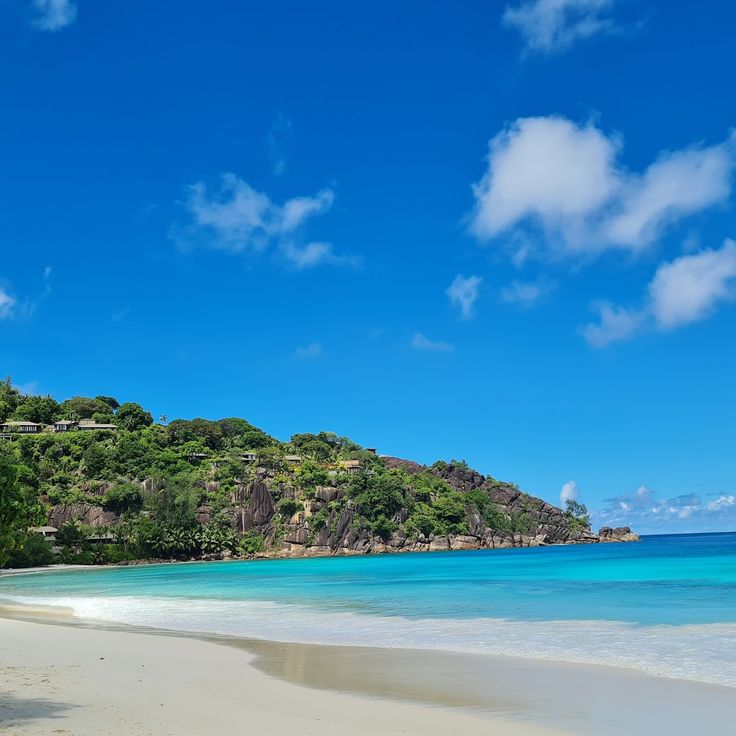
Petite Anse is a secluded beach on Mahé in the Seychelles, an archipelago scattered across the Indian Ocean. The sand is white and fine, and coral reefs sit close to the shore where colorful tropical fish swim. This beach fits perfectly into the collection of beautiful places in the Seychelles, where nature and history shape the landscape. Visitors can snorkel here and explore the underwater life that defines these islands.
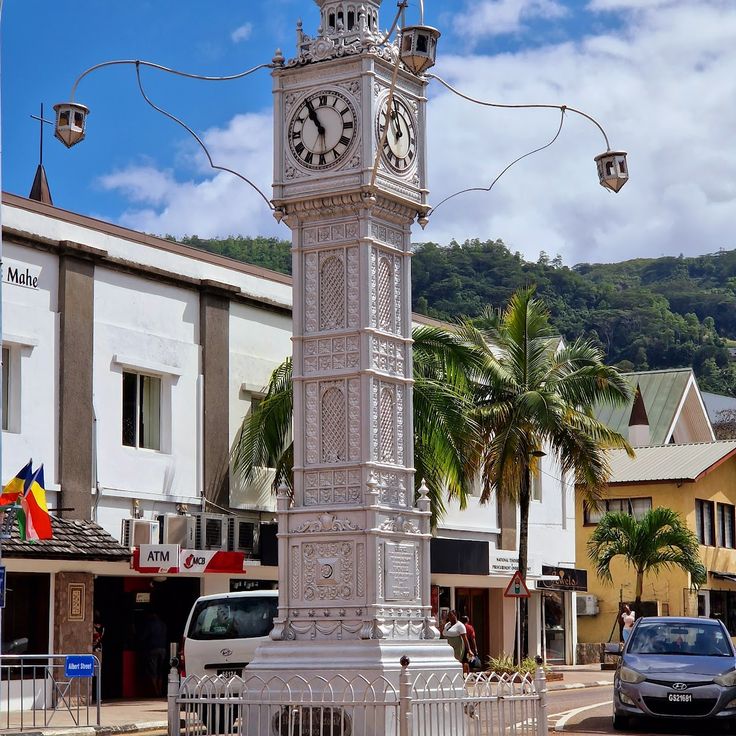
The Clocktower of Victoria is a replica of London's Little Ben and stands in the heart of the city. It shapes Victoria's harbor landscape and shows the colonial past of the island. The tower is a popular meeting point for locals and visitors walking through Victoria's lively streets. At this place, you feel the connection between Seychelles' history and the European influence that shaped the islands over centuries.
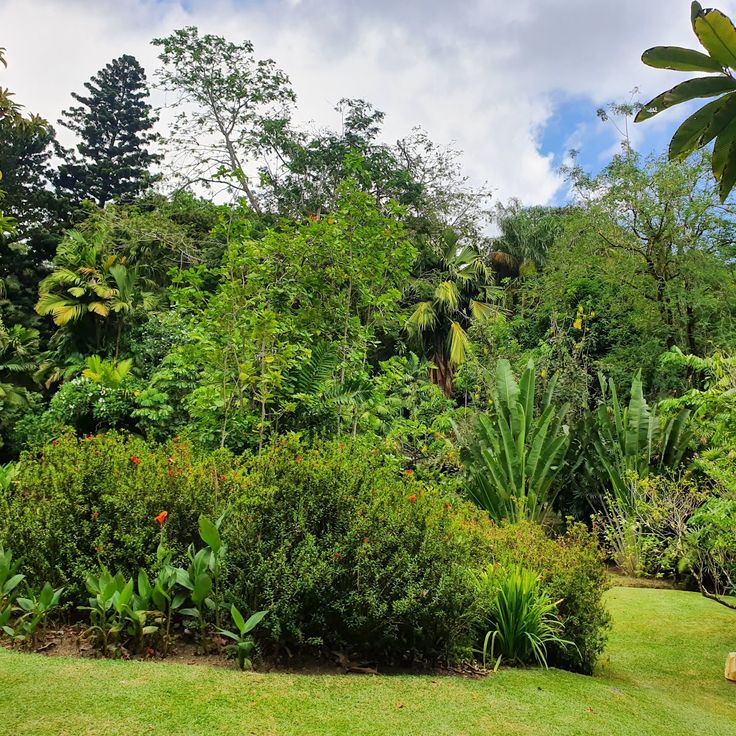
The National Botanical Gardens on Mahé showcase the plant life that makes these islands distinct. The gardens display rare species that grow nowhere else, including the famous coco de mer palm with its enormous fruit and numerous orchids in different colors. Walking through the grounds, you discover how plants thrive here, with towering trees providing shade and specimens arranged to show the range of what the islands produce. This location helps you understand the botanical wealth of Seychelles and why protecting these species matters.
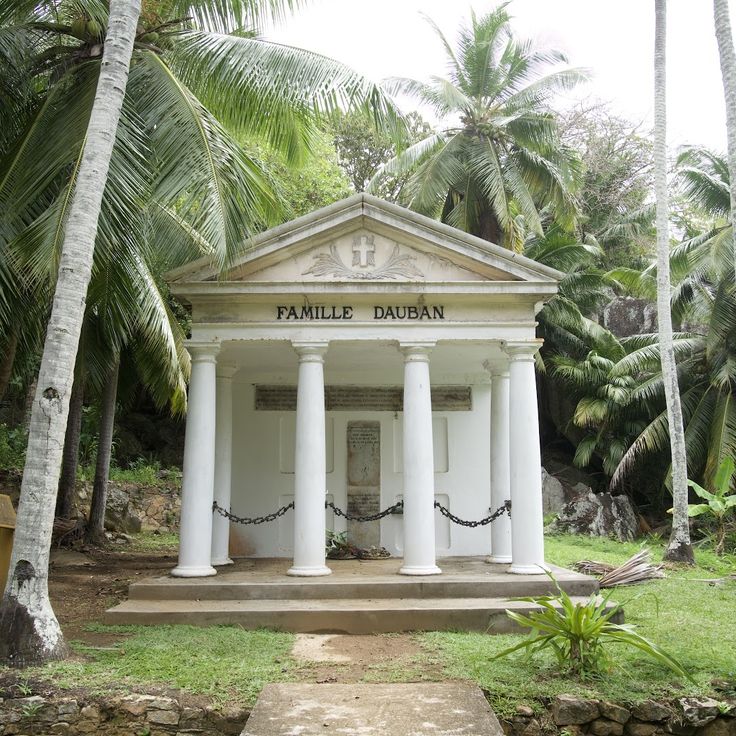
The Dauban Mausoleum is a historical monument on Silhouette that stands among the colonial sites of the Seychelles. The structure displays classical design with columns and a Greek-style portico that speaks to a bygone era. This tomb dates to a time when European influences shaped the islands. It remains as evidence of history set within Silhouette's natural surroundings, offering visitors a connection to the colonial past and the people who lived during that period.
Cerf Island is a granite island in Seychelles with a marine reserve where tropical fish live among coral reefs. The water allows diving all year round. This island shows visitors the underwater world that makes Seychelles special, letting them see coral gardens below the surface and the creatures that live there.
This 9-hectare island is part of the most beautiful visits in Seychelles. Moyenne Island features three white sandy beaches where you can swim and rest. Giant land tortoises roam freely among palm trees and fruit trees. The island shows the natural island life that makes the Seychelles special.
Silhouette Island is the third largest island in the Seychelles and part of the most beautiful visits in this island collection. The island holds a national park and a marine reserve where dense forests shelter rare plants and the waters below teem with fish, rays, and other creatures living among coral formations. You can walk through tropical vegetation and explore a landscape shaped by both nature and history.
Anse Coco on La Digue showcases the natural beauty found across the Seychelles islands. This beach features a natural pool carved into the rock, surrounded by palm trees and granite boulders. The calm waters allow for swimming and offer visitors a chance to experience the coastal landscape that characterizes this distinctive island.
Vallée de Mai on Praslin is a nature reserve that protects a forest of native palm trees and the coco de mer, the largest seed in the plant kingdom. This place shows the natural beauty of the Seychelles, where you can walk through green forests and discover plants that grow nowhere else in the world.
Union Estate Park on La Digue is a former colonial estate that shows how people lived and worked here centuries ago. The park preserves a working coconut plantation with a traditional copra mill, where coconuts are processed the way they were in the past. Giant tortoises move slowly through fenced areas, and the old plantation house tells the story of the island's history. Walking through Union Estate Park, visitors understand how agriculture shaped life in the Seychelles.
The Aldabra Atoll is made up of four coral islands surrounding a large central lagoon. Around 10,000 giant tortoises roam slowly across the land, making this one of the largest populations in the world. Frigatebirds, terns, and other seabirds nest here in great numbers. The shallow waters and sheltered bays are home to a wide range of marine life. Visiting the Aldabra Atoll means stepping into one of the most remote natural spaces in the Seychelles, a place that has changed little over the centuries.
Anse Source d'Argent displays massive pink and gray granite rocks that push up through the white sand, creating a dramatic line where the land meets the sea. The shallow water invites you to swim and explore, revealing different colors and patterns as the light changes throughout the day. This beach is one of the special places in the Seychelles where the raw power of nature shapes the landscape, offering visitors a direct connection to what makes these islands distinctive.
This mountain at the heart of a national park on Mahé rises 905 meters high and offers hiking trails through tropical forests. The paths wind through dense vegetation where birdsong fills the air and views of the surrounding islands and ocean emerge. Here visitors can explore the natural beauty of the Seychelles while experiencing the plants and animals that make this archipelago home.
Victoria on Mahé is the main commercial and port city of the Seychelles, offering insight into the daily rhythm of the archipelago. The city has a busy fish market where fishermen sell their catch and locals shop for meals. The clock tower in the city center reflects the colonial past and serves as a landmark where residents and visitors gather. The botanical gardens display the variety of tropical plants and trees that grow across the islands. From here you can watch the activity of the harbor, where ships arrive and depart, and explore streets lined with buildings from different periods.
Bird Island is a coral formation where more than 20 seabird species nest, including terns and red-footed boobies. This island stands as one of the finest destinations in the Seychelles, showing how nature has created space for rare birds to thrive. When you visit Bird Island, you see animals in their natural home and experience wildlife in its purest form in the middle of the Indian Ocean.
Anse Intendance is a white sand beach about 700 meters long on Mahé island. The strong waves make it a popular spot for surfers. Palm trees and granite rocks line the shore, showing the natural side of the Seychelles islands. The beach is in a quieter area, away from busy tourist spots. It is a place to enjoy the beach scenery and water activities of the islands. Visitors come here to surf and see the rocks and tropical plants.
The island of Curieuse is a protected area that is one of the most beautiful places to visit in the Seychelles. The island is home to more than 300 Aldabra giant tortoises that move slowly through the plants. Here, you can see these animals in their natural surroundings. It also serves as a breeding area for sea turtles and is surrounded by mangroves and tropical plants. Visiting this place allows you to see the wildlife of the Seychelles up close and understand why these protected areas matter.
Beau Vallon is a long sandy beach on the northwest coast of Mahé. The water is calm enough for swimming, and along the shore there are dive centers and rental stations for kayaks and water sports equipment. The beach is one of the most visited spots in the Seychelles and is used throughout the day by locals and travelers alike. You can walk along the waterfront, snorkel out toward the coral, or simply sit in the sand and watch the activity around you.
Grand Anse is a wide beach on La Digue stretching for about 1.5 kilometers of white sand backed by coconut palms. This beach shows what makes the Seychelles special: a simple stretch of sand and sea where you can walk freely and watch the horizon. During the monsoon season, waves grow strong and swimming becomes difficult. At other times of year, the beach offers a quieter experience where you can sit under the palms and feel the rhythm of island life.
Denis Island is a circular coral island in this archipelago scattered across the Indian Ocean. A lighthouse stands on the island, guiding ships across the water. Forests cover the land, and several kinds of turtles make their home here, both on shore and in the sea. Seabirds nest in the trees and along the coast. The island remains protected so these creatures can live undisturbed in their natural home.
Fregate Island is a private nature reserve covering 219 hectares, home to rare bird species including the magpie robin and warbler. As part of the most beautiful visits in Seychelles, Fregate Island shows how these islands protect their own habitats, where animals thrive in their natural surroundings. You can walk through forests, watch birds, and see how nature shapes life on this island.
Anse Lazio is a long white sandy beach on the north coast of Praslin, one of the most beautiful visits in the Seychelles. Massive granite rocks frame the shoreline, and coconut palms grow behind the sand. The water is clear and good for swimming. This beach shows the natural character that makes these islands special, where granite formations rise directly from the sand just like at Anse Source d'Argent on La Digue.
Domaine de Val des Prés displays Creole culture of the Seychelles in a restored 19th-century house. Visitors can explore traditional craft workshops here and learn about the history of Mahé, which was shaped by agriculture, trade, and human settlement.
This granite island in the Seychelles covers about 84 hectares and features a white sandy beach along its northern shore. The vegetation consists of coconut palms and takamaka trees that shape the landscape of this smaller island. Grande Sœur exemplifies the natural character of the Seychelles archipelago, where granite formations meet tropical vegetation and protected waters.
Île Saint-Pierre is an uninhabited island in the Seychelles made of red granite and surrounded by coral formations. It is one of the special places in this archipelago where seabirds nest and nature remains in its original state. The island shows how the landscape here has been shaped by natural forces and offers insight into the wildlife that inhabits these islands. Visitors can see the red rocks and watch how different bird species find shelter here.
Cousin Island is a nature reserve and one of the best places to visit in Seychelles. The island has colonies of terns, boobies, and frigatebirds that build their nests there. Sea turtles visit its beaches. Walking around Cousin Island lets you see the animals in their natural home and learn why these islands are important places for wildlife.
Mission Lodge on Mahé is one of the beautiful places to visit in the Seychelles. This former colonial site features an observation platform where you can take in views of the mountains and the Indian Ocean. Sitting at 450 meters above sea level, the lodge offers wide vistas across the island landscape and the surrounding waters. The location brings together the history of the Seychelles with the natural world that shapes these islands.
Desroches Island is a flat coral island in the Indian Ocean, set apart from the main Seychelles islands. Two natural pools mark the island: seawater flows in and out with the tides, so the water level shifts throughout the day. The land and the sea meet here in a direct, raw way that gives the island its own character.
Petite Sœur is a 34-hectare granite island in the Seychelles that represents one of the archipelago's most pristine natural spaces. The island provides sanctuary for seabirds and tortoises that move freely across its landscape. Native vegetation including almond trees covers the land, creating the setting where wildlife thrives in their natural habitat.
The Arul Mihu Navasakthi Temple holds an important place in this island community as a Hindu house of worship. Built in 1992 in Victoria, this temple demonstrates how different cultures coexist in the Seychelles. With its colorful details and traditional design, it speaks to the religious diversity found across these islands. Visiting this temple is one of the meaningful ways to understand how people of different backgrounds share their stories and traditions in the archipelago.
Sainte Anne Marine Park surrounds six islands off the coast of Mahé and protects 1400 hectares of ocean. The waters here hold coral reefs in shades of pink and yellow, tropical fish darting between the formations, and seagrass beds that shelter smaller creatures. You can swim or snorkel in these protected waters to see the life beneath the surface that makes the Seychelles special.
Anse Georgette is a natural beach on the northwest coast of Praslin, bordered by large granite rocks that rise from the sand. You reach it via a path crossing the golf course of the Constance Lémuria Resort. The water here is calm and clear, great for swimming. The beach itself stays fairly remote because few visitors make the effort to get there. The scene shows typical features of Seychelles with thick vegetation behind the shore and natural rock formations that give the area its shape.
Petite Anse is a secluded beach on Mahé in the Seychelles, an archipelago scattered across the Indian Ocean. The sand is white and fine, and coral reefs sit close to the shore where colorful tropical fish swim. This beach fits perfectly into the collection of beautiful places in the Seychelles, where nature and history shape the landscape. Visitors can snorkel here and explore the underwater life that defines these islands.
The Clocktower of Victoria is a replica of London's Little Ben and stands in the heart of the city. It shapes Victoria's harbor landscape and shows the colonial past of the island. The tower is a popular meeting point for locals and visitors walking through Victoria's lively streets. At this place, you feel the connection between Seychelles' history and the European influence that shaped the islands over centuries.
The National Botanical Gardens on Mahé showcase the plant life that makes these islands distinct. The gardens display rare species that grow nowhere else, including the famous coco de mer palm with its enormous fruit and numerous orchids in different colors. Walking through the grounds, you discover how plants thrive here, with towering trees providing shade and specimens arranged to show the range of what the islands produce. This location helps you understand the botanical wealth of Seychelles and why protecting these species matters.
The Dauban Mausoleum is a historical monument on Silhouette that stands among the colonial sites of the Seychelles. The structure displays classical design with columns and a Greek-style portico that speaks to a bygone era. This tomb dates to a time when European influences shaped the islands. It remains as evidence of history set within Silhouette's natural surroundings, offering visitors a connection to the colonial past and the people who lived during that period.
Cerf Island is a granite island in Seychelles with a marine reserve where tropical fish live among coral reefs. The water allows diving all year round. This island shows visitors the underwater world that makes Seychelles special, letting them see coral gardens below the surface and the creatures that live there.
This 9-hectare island is part of the most beautiful visits in Seychelles. Moyenne Island features three white sandy beaches where you can swim and rest. Giant land tortoises roam freely among palm trees and fruit trees. The island shows the natural island life that makes the Seychelles special.
Silhouette Island is the third largest island in the Seychelles and part of the most beautiful visits in this island collection. The island holds a national park and a marine reserve where dense forests shelter rare plants and the waters below teem with fish, rays, and other creatures living among coral formations. You can walk through tropical vegetation and explore a landscape shaped by both nature and history.
Anse Coco on La Digue showcases the natural beauty found across the Seychelles islands. This beach features a natural pool carved into the rock, surrounded by palm trees and granite boulders. The calm waters allow for swimming and offer visitors a chance to experience the coastal landscape that characterizes this distinctive island.
Vallée de Mai on Praslin is a nature reserve that protects a forest of native palm trees and the coco de mer, the largest seed in the plant kingdom. This place shows the natural beauty of the Seychelles, where you can walk through green forests and discover plants that grow nowhere else in the world.
Union Estate Park on La Digue is a former colonial estate that shows how people lived and worked here centuries ago. The park preserves a working coconut plantation with a traditional copra mill, where coconuts are processed the way they were in the past. Giant tortoises move slowly through fenced areas, and the old plantation house tells the story of the island's history. Walking through Union Estate Park, visitors understand how agriculture shaped life in the Seychelles.
The Aldabra Atoll is made up of four coral islands surrounding a large central lagoon. Around 10,000 giant tortoises roam slowly across the land, making this one of the largest populations in the world. Frigatebirds, terns, and other seabirds nest here in great numbers. The shallow waters and sheltered bays are home to a wide range of marine life. Visiting the Aldabra Atoll means stepping into one of the most remote natural spaces in the Seychelles, a place that has changed little over the centuries.
Anse Source d'Argent displays massive pink and gray granite rocks that push up through the white sand, creating a dramatic line where the land meets the sea. The shallow water invites you to swim and explore, revealing different colors and patterns as the light changes throughout the day. This beach is one of the special places in the Seychelles where the raw power of nature shapes the landscape, offering visitors a direct connection to what makes these islands distinctive.
This mountain at the heart of a national park on Mahé rises 905 meters high and offers hiking trails through tropical forests. The paths wind through dense vegetation where birdsong fills the air and views of the surrounding islands and ocean emerge. Here visitors can explore the natural beauty of the Seychelles while experiencing the plants and animals that make this archipelago home.
Victoria on Mahé is the main commercial and port city of the Seychelles, offering insight into the daily rhythm of the archipelago. The city has a busy fish market where fishermen sell their catch and locals shop for meals. The clock tower in the city center reflects the colonial past and serves as a landmark where residents and visitors gather. The botanical gardens display the variety of tropical plants and trees that grow across the islands. From here you can watch the activity of the harbor, where ships arrive and depart, and explore streets lined with buildings from different periods.
Bird Island is a coral formation where more than 20 seabird species nest, including terns and red-footed boobies. This island stands as one of the finest destinations in the Seychelles, showing how nature has created space for rare birds to thrive. When you visit Bird Island, you see animals in their natural home and experience wildlife in its purest form in the middle of the Indian Ocean.
Anse Intendance is a white sand beach about 700 meters long on Mahé island. The strong waves make it a popular spot for surfers. Palm trees and granite rocks line the shore, showing the natural side of the Seychelles islands. The beach is in a quieter area, away from busy tourist spots. It is a place to enjoy the beach scenery and water activities of the islands. Visitors come here to surf and see the rocks and tropical plants.
The island of Curieuse is a protected area that is one of the most beautiful places to visit in the Seychelles. The island is home to more than 300 Aldabra giant tortoises that move slowly through the plants. Here, you can see these animals in their natural surroundings. It also serves as a breeding area for sea turtles and is surrounded by mangroves and tropical plants. Visiting this place allows you to see the wildlife of the Seychelles up close and understand why these protected areas matter.
Beau Vallon is a long sandy beach on the northwest coast of Mahé. The water is calm enough for swimming, and along the shore there are dive centers and rental stations for kayaks and water sports equipment. The beach is one of the most visited spots in the Seychelles and is used throughout the day by locals and travelers alike. You can walk along the waterfront, snorkel out toward the coral, or simply sit in the sand and watch the activity around you.
Grand Anse is a wide beach on La Digue stretching for about 1.5 kilometers of white sand backed by coconut palms. This beach shows what makes the Seychelles special: a simple stretch of sand and sea where you can walk freely and watch the horizon. During the monsoon season, waves grow strong and swimming becomes difficult. At other times of year, the beach offers a quieter experience where you can sit under the palms and feel the rhythm of island life.
Denis Island is a circular coral island in this archipelago scattered across the Indian Ocean. A lighthouse stands on the island, guiding ships across the water. Forests cover the land, and several kinds of turtles make their home here, both on shore and in the sea. Seabirds nest in the trees and along the coast. The island remains protected so these creatures can live undisturbed in their natural home.
Fregate Island is a private nature reserve covering 219 hectares, home to rare bird species including the magpie robin and warbler. As part of the most beautiful visits in Seychelles, Fregate Island shows how these islands protect their own habitats, where animals thrive in their natural surroundings. You can walk through forests, watch birds, and see how nature shapes life on this island.
Anse Lazio is a long white sandy beach on the north coast of Praslin, one of the most beautiful visits in the Seychelles. Massive granite rocks frame the shoreline, and coconut palms grow behind the sand. The water is clear and good for swimming. This beach shows the natural character that makes these islands special, where granite formations rise directly from the sand just like at Anse Source d'Argent on La Digue.
Domaine de Val des Prés displays Creole culture of the Seychelles in a restored 19th-century house. Visitors can explore traditional craft workshops here and learn about the history of Mahé, which was shaped by agriculture, trade, and human settlement.
This granite island in the Seychelles covers about 84 hectares and features a white sandy beach along its northern shore. The vegetation consists of coconut palms and takamaka trees that shape the landscape of this smaller island. Grande Sœur exemplifies the natural character of the Seychelles archipelago, where granite formations meet tropical vegetation and protected waters.
Île Saint-Pierre is an uninhabited island in the Seychelles made of red granite and surrounded by coral formations. It is one of the special places in this archipelago where seabirds nest and nature remains in its original state. The island shows how the landscape here has been shaped by natural forces and offers insight into the wildlife that inhabits these islands. Visitors can see the red rocks and watch how different bird species find shelter here.
Cousin Island is a nature reserve and one of the best places to visit in Seychelles. The island has colonies of terns, boobies, and frigatebirds that build their nests there. Sea turtles visit its beaches. Walking around Cousin Island lets you see the animals in their natural home and learn why these islands are important places for wildlife.
Mission Lodge on Mahé is one of the beautiful places to visit in the Seychelles. This former colonial site features an observation platform where you can take in views of the mountains and the Indian Ocean. Sitting at 450 meters above sea level, the lodge offers wide vistas across the island landscape and the surrounding waters. The location brings together the history of the Seychelles with the natural world that shapes these islands.
Desroches Island is a flat coral island in the Indian Ocean, set apart from the main Seychelles islands. Two natural pools mark the island: seawater flows in and out with the tides, so the water level shifts throughout the day. The land and the sea meet here in a direct, raw way that gives the island its own character.
Petite Sœur is a 34-hectare granite island in the Seychelles that represents one of the archipelago's most pristine natural spaces. The island provides sanctuary for seabirds and tortoises that move freely across its landscape. Native vegetation including almond trees covers the land, creating the setting where wildlife thrives in their natural habitat.
The Arul Mihu Navasakthi Temple holds an important place in this island community as a Hindu house of worship. Built in 1992 in Victoria, this temple demonstrates how different cultures coexist in the Seychelles. With its colorful details and traditional design, it speaks to the religious diversity found across these islands. Visiting this temple is one of the meaningful ways to understand how people of different backgrounds share their stories and traditions in the archipelago.
Sainte Anne Marine Park surrounds six islands off the coast of Mahé and protects 1400 hectares of ocean. The waters here hold coral reefs in shades of pink and yellow, tropical fish darting between the formations, and seagrass beds that shelter smaller creatures. You can swim or snorkel in these protected waters to see the life beneath the surface that makes the Seychelles special.
Anse Georgette is a natural beach on the northwest coast of Praslin, bordered by large granite rocks that rise from the sand. You reach it via a path crossing the golf course of the Constance Lémuria Resort. The water here is calm and clear, great for swimming. The beach itself stays fairly remote because few visitors make the effort to get there. The scene shows typical features of Seychelles with thick vegetation behind the shore and natural rock formations that give the area its shape.
Petite Anse is a secluded beach on Mahé in the Seychelles, an archipelago scattered across the Indian Ocean. The sand is white and fine, and coral reefs sit close to the shore where colorful tropical fish swim. This beach fits perfectly into the collection of beautiful places in the Seychelles, where nature and history shape the landscape. Visitors can snorkel here and explore the underwater life that defines these islands.
The Clocktower of Victoria is a replica of London's Little Ben and stands in the heart of the city. It shapes Victoria's harbor landscape and shows the colonial past of the island. The tower is a popular meeting point for locals and visitors walking through Victoria's lively streets. At this place, you feel the connection between Seychelles' history and the European influence that shaped the islands over centuries.
The National Botanical Gardens on Mahé showcase the plant life that makes these islands distinct. The gardens display rare species that grow nowhere else, including the famous coco de mer palm with its enormous fruit and numerous orchids in different colors. Walking through the grounds, you discover how plants thrive here, with towering trees providing shade and specimens arranged to show the range of what the islands produce. This location helps you understand the botanical wealth of Seychelles and why protecting these species matters.
The Dauban Mausoleum is a historical monument on Silhouette that stands among the colonial sites of the Seychelles. The structure displays classical design with columns and a Greek-style portico that speaks to a bygone era. This tomb dates to a time when European influences shaped the islands. It remains as evidence of history set within Silhouette's natural surroundings, offering visitors a connection to the colonial past and the people who lived during that period.
Cerf Island is a granite island in Seychelles with a marine reserve where tropical fish live among coral reefs. The water allows diving all year round. This island shows visitors the underwater world that makes Seychelles special, letting them see coral gardens below the surface and the creatures that live there.
This 9-hectare island is part of the most beautiful visits in Seychelles. Moyenne Island features three white sandy beaches where you can swim and rest. Giant land tortoises roam freely among palm trees and fruit trees. The island shows the natural island life that makes the Seychelles special.
Silhouette Island is the third largest island in the Seychelles and part of the most beautiful visits in this island collection. The island holds a national park and a marine reserve where dense forests shelter rare plants and the waters below teem with fish, rays, and other creatures living among coral formations. You can walk through tropical vegetation and explore a landscape shaped by both nature and history.
Anse Coco on La Digue showcases the natural beauty found across the Seychelles islands. This beach features a natural pool carved into the rock, surrounded by palm trees and granite boulders. The calm waters allow for swimming and offer visitors a chance to experience the coastal landscape that characterizes this distinctive island.
The Seychelles archipelago lies in the Indian Ocean with white beaches, coral reefs, and tropical forests. Several parks and reserves protect giant turtles and seabirds that live on the land. As you explore the islands, you find old coconut plantations, temples built by different communities, and colonial houses that show the history of the island's past.