See the monuments around you in AROpen chests in the app
Around Us is built for your phone — point your camera at the streets and discover the monuments and places around you in augmented reality.Around Us is built for your phone — chests unlock when you walk, explore and capture nearby places.
British colonial architecture: India, Indo-Saracenic style
British rule in India from 1800 to 1947 left a distinct architectural legacy across major Indian cities. European styles including Victorian Gothic, Neoclassical and Renaissance merged with Indian decorative motifs and craftsmanship. The result was the Indo-Saracenic style, a hybrid form that expressed colonial power while incorporating local building traditions.
Mumbai presents this architecture through Chhatrapati Shivaji Maharaj Terminus, the Rajabai Clock Tower and the Gateway of India. Kolkata displays it in the Victoria Memorial and Writers' Building, while Delhi offers Rashtrapati Bhavan and the Maidens Hotel. Chennai shows the Madras High Court and Government Museum, Hyderabad holds Falaknuma Palace and Shimla houses the Indian Institute of Advanced Study. These structures served as government seats, courthouses, railway stations, hotels and museums, and continue to define the urban landscape of Indian cities today.
British colonial architecture: India, Indo-Saracenic style
British rule in India from 1800 to 1947 left a distinct architectural legacy across major Indian cities. European styles including Victorian Gothic, Neoclassical and Renaissance merged with Indian decorative motifs and craftsmanship. The result was the Indo-Saracenic style, a hybrid form that expressed colonial power while incorporating local building traditions.
Mumbai presents this architecture through Chhatrapati Shivaji Maharaj Terminus, the Rajabai Clock Tower and the Gateway of India. Kolkata displays it in the Victoria Memorial and Writers' Building, while Delhi offers Rashtrapati Bhavan and the Maidens Hotel. Chennai shows the Madras High Court and Government Museum, Hyderabad holds Falaknuma Palace and Shimla houses the Indian Institute of Advanced Study. These structures served as government seats, courthouses, railway stations, hotels and museums, and continue to define the urban landscape of Indian cities today.
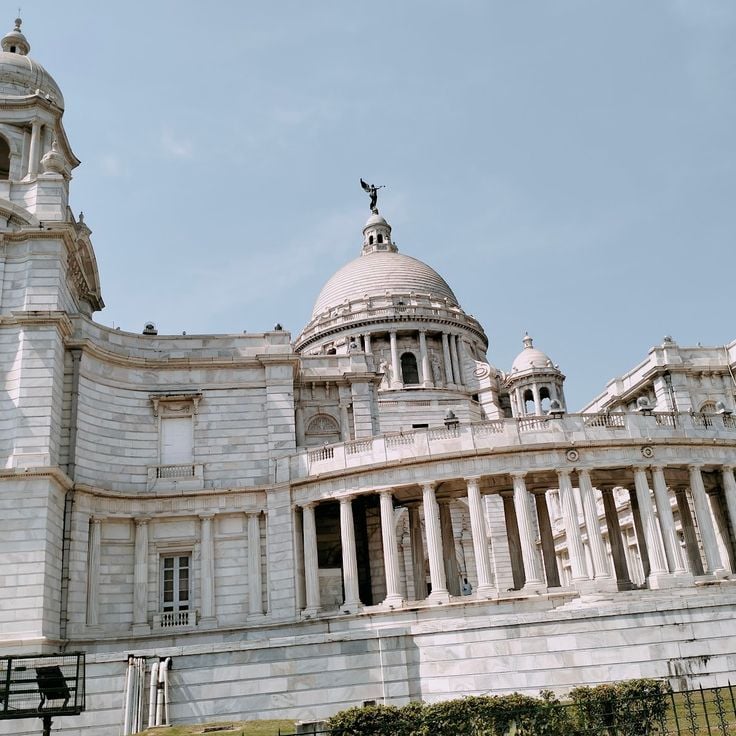
The Victoria Memorial in Kolkata was constructed between 1906 and 1921 to honor Queen Victoria and represents the fusion of British and Indian architectural elements characteristic of the colonial era. This white marble structure with its central dome stands within 64 hectares (158 acres) of gardens and houses a museum containing paintings, sculptures and historical artifacts from the period of British rule in India, documenting the cultural exchange that defined this period in South Asian history.
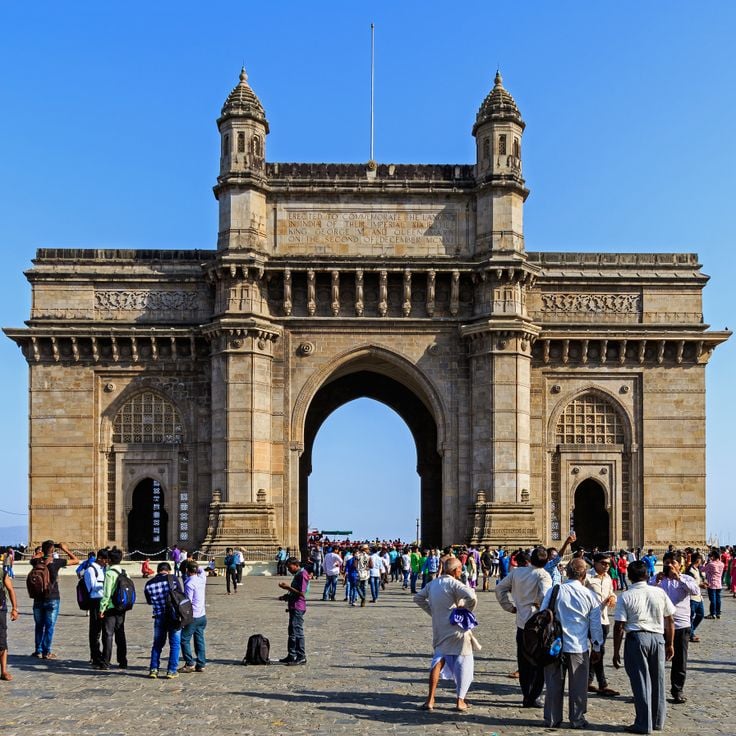
This 85-foot (26-meter) basalt arch was completed in 1924 and marks the location where British colonial rulers first stepped on Indian soil. The Gateway of India combines Victorian and Indo-Saracenic architectural elements and was built to commemorate the visit of King George V and Queen Mary in 1911. The structure stands at the Mumbai harbor and served as the ceremonial entrance for important British officials. The monument demonstrates the architectural fusion of European and Indian styles during the colonial period and now draws visitors from around the world. The arch was designed by Scottish architect George Wittet and uses yellow basalt from the region along with concrete.
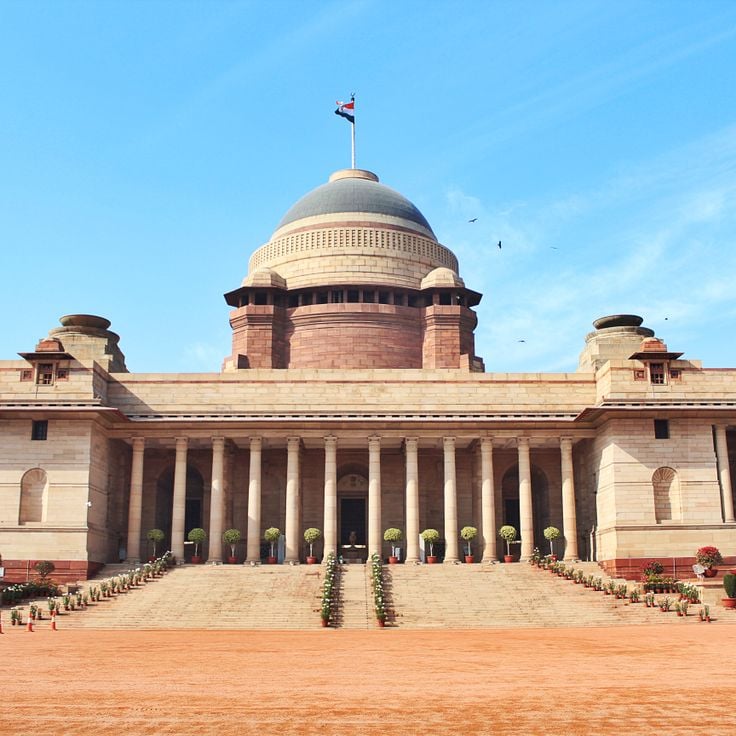
Rashtrapati Bhavan was built between 1912 and 1929 as the residence of the British Viceroy and now serves as the official home of the President of India. The building contains 340 rooms and spreads across 330 acres in central New Delhi, embodying the architectural vision of Edwin Lutyens, who merged classical European proportions with Indian design elements. The central dome rises 180 feet and references Buddhist stupas, while the facades incorporate chhatris and other regional forms. This synthesis of Western and Indian traditions makes Rashtrapati Bhavan a representative example of the colonial architecture that emerged during British rule in India.
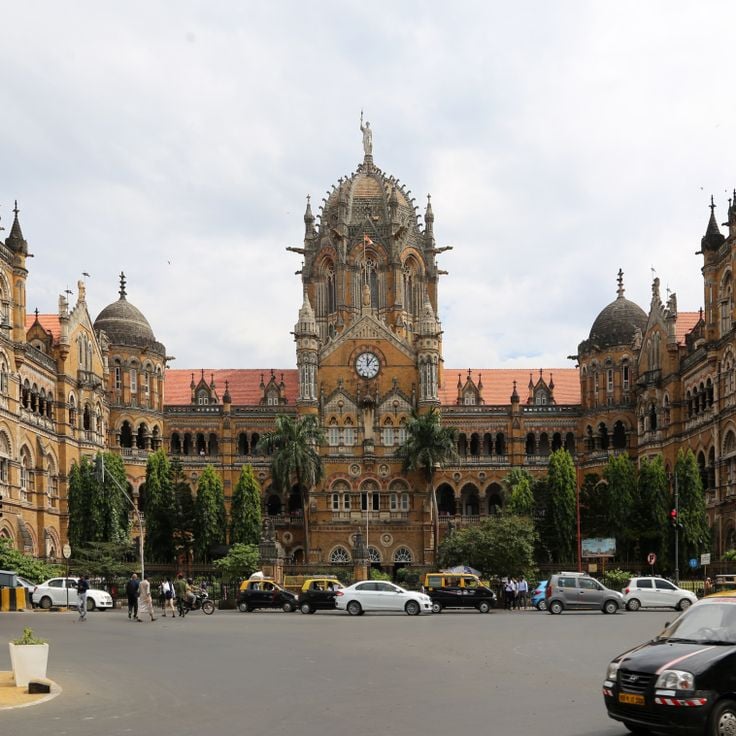
This railway station in Mumbai was completed in 1888 and combines Victorian Gothic with traditional Indian palace architecture. The building serves millions of commuters daily and stands as a significant example of the architectural fusion of European and Indian elements during the British colonial period from 1800 to 1947. The facade displays elaborate stonework, turrets and domes that embody the Indo-Saracenic style which shaped government buildings, railway stations and palaces across Mumbai, Kolkata, Delhi and other Indian cities.
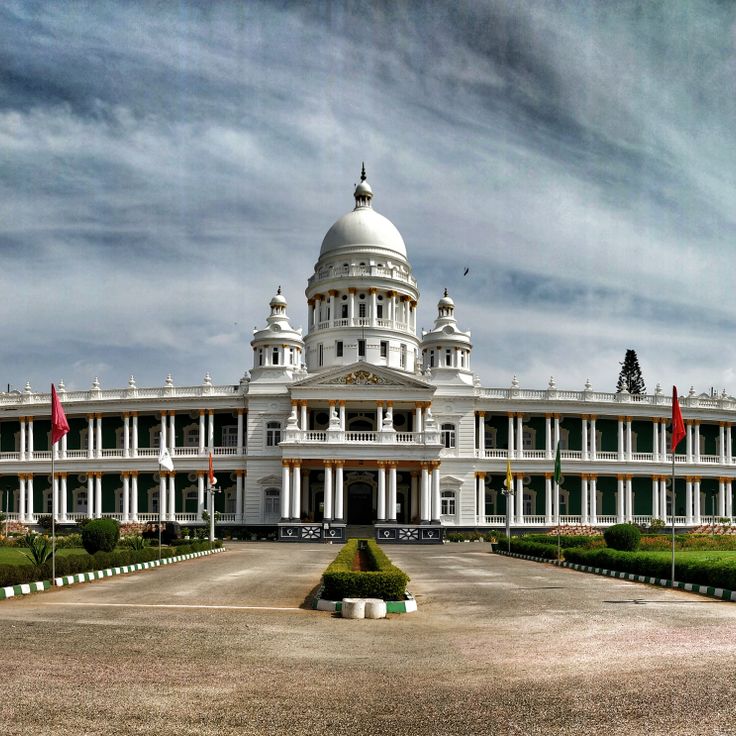
This two-story white palace in Mysore was built in 1921 following Italian architectural principles and demonstrates European influences during the British colonial period in India. Lalitha Mahal originally served as a guest residence for high-ranking visitors to the Maharaja and combines classical European facade design with local building practices. The structure displays Renaissance-style elements with symmetrical proportions, arched windows and a central dome. Today the building functions as a state-run hotel and preserves its historical significance as an example of cultural exchange between British administration and Indian rule in the early twentieth century.
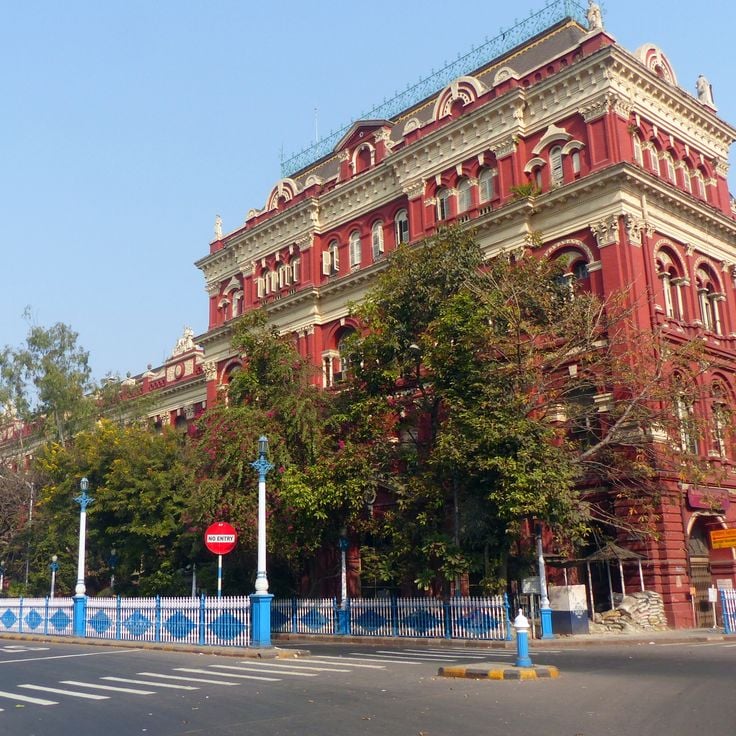
The Writers' Building served as the administrative heart of British power in Bengal for over two centuries. This long red brick structure with characteristic colonnades and white columns was originally constructed to house junior clerks of the East India Company who drafted trade agreements and correspondence here. The building underwent multiple expansions and renovations that combined classical Georgian proportions with practical administrative functions. During the British colonial period it evolved into the seat of the Bengal government and continues to house state ministries today. The facade extends 152 meters (500 feet) along Dalhousie Square and represents the architectural fusion of European administrative structures with the Indian climate and local building materials.
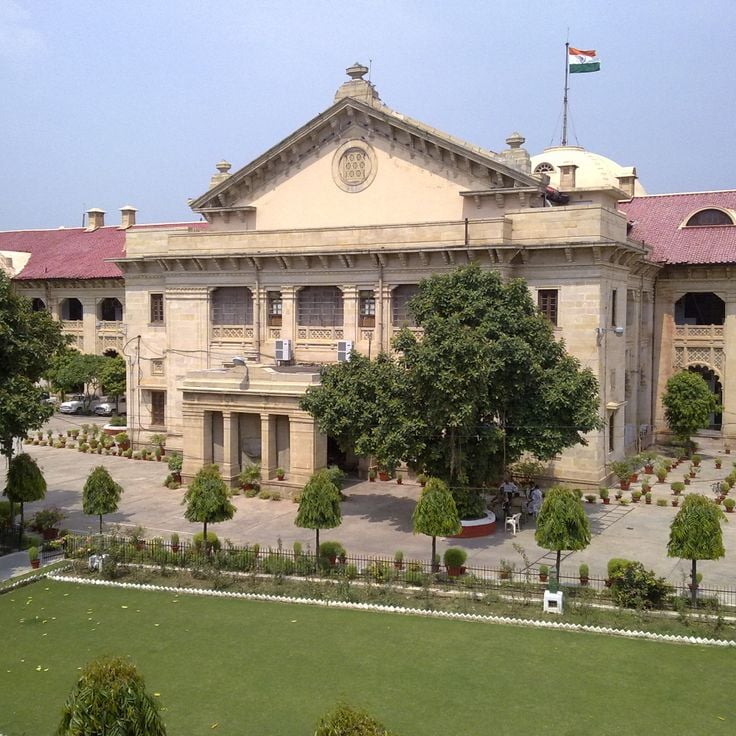
This courthouse from 1869 in Prayagraj displays the Gothic architecture that British colonial architects favored during their rule over India. The structure uses red brick and features tall towers along with a large entrance portal. The building illustrates how European construction styles were transferred to Indian cities, where they continue to serve as government and administrative facilities today. The Allahabad High Court stands as an example of the legal and administrative institutions established during the British colonial period from 1800 to 1947.
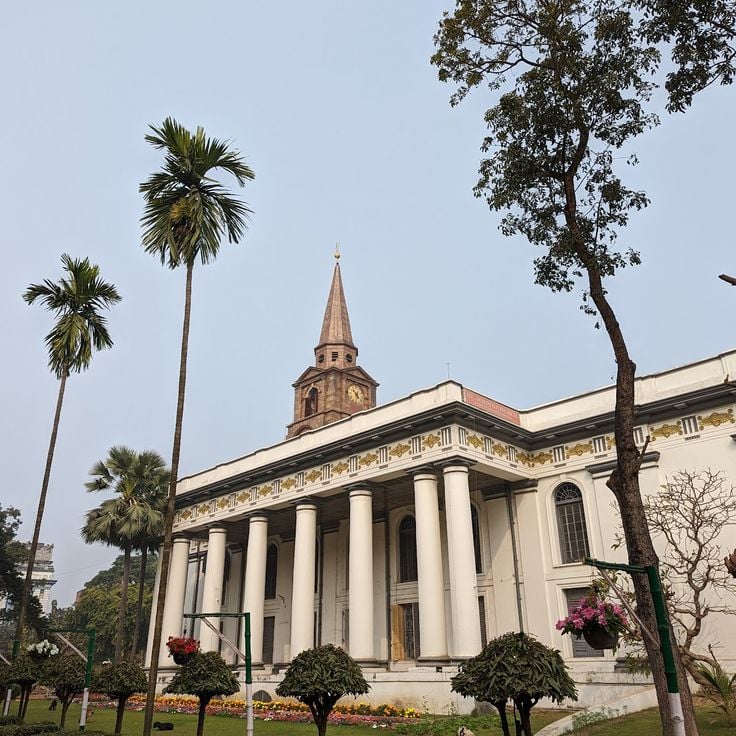
This church from 1787 combines neoclassical elements with an octagonal floor plan and a tall steeple topped by a copper spire. The structure illustrates the early phase of British colonial architecture in India, when European building traditions first adapted to Indian climate and conditions. The neoclassical design with columns and pilasters follows the Georgian style prevalent in Britain at the time, while the octagonal plan responds to tropical requirements by improving air circulation throughout the interior space.
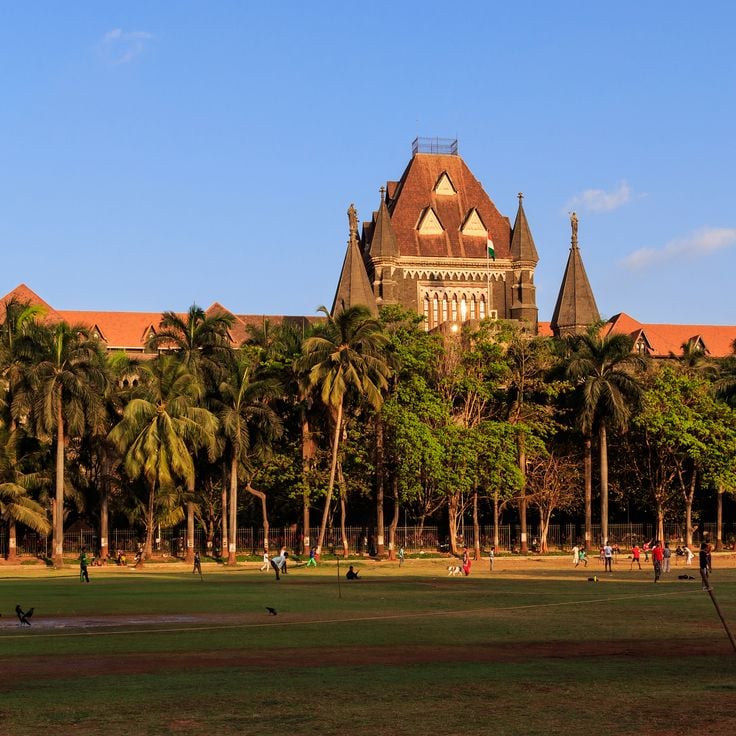
This courthouse was completed in 1878 and combines Gothic and Indo-Saracenic architectural elements from the British colonial period. The facade displays detailed stone sculptures, pointed arches, and two octagonal towers that rise against the Mumbai skyline. The Bombay High Court continues to serve as one of India's principal courts of law and illustrates the cultural exchange between European and Indian building styles during the colonial era. The structure stands in the Fort district and remains among the significant examples of Victorian architecture in the city.
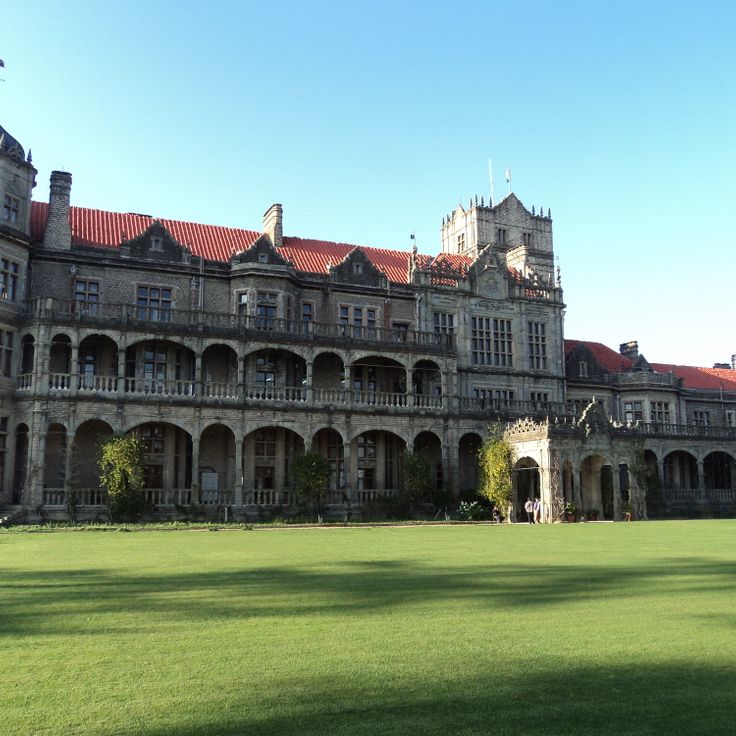
This institute occupies a building from 1888 that originally served as the residence of the British Viceroy of India. The structure embodies the Indo-Saracenic architectural style of the colonial period, combining European design elements with Indian decorative motifs. The sprawling compound in Shimla functioned as the summer residence during British rule and now houses a research institution for humanities studies. The gray stone architecture displays characteristic towers, balconies and wood carvings typical of the late Victorian period in India.
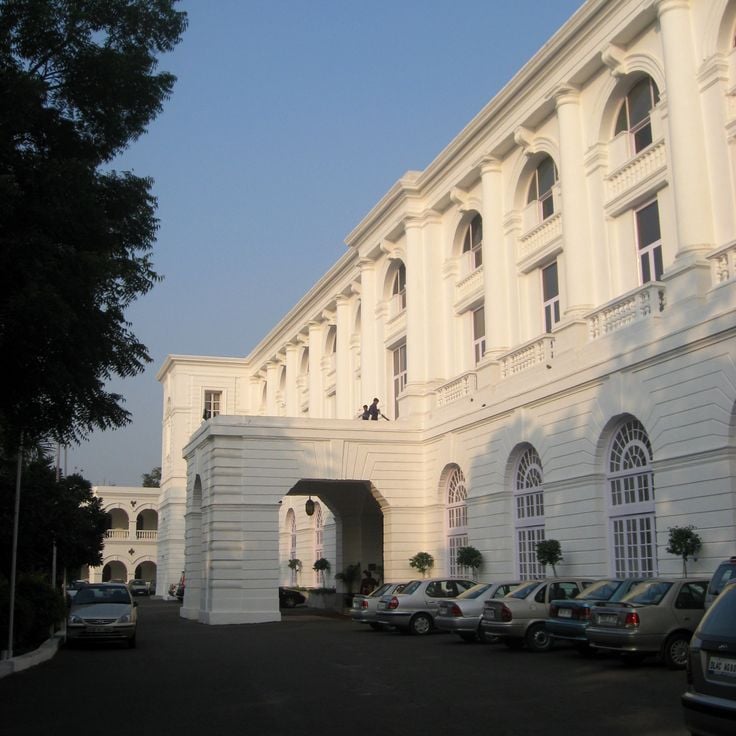
Opened in 1903, this hotel represents early British colonial hospitality architecture in New Delhi with its white columns and expansive verandas. The structure combines European and Indian architectural elements typical of the colonial period. The hotel maintains a colonial garden design using native plant species. This establishment stands as one of the early examples of accommodation architecture from the period before Delhi became the capital of British India.
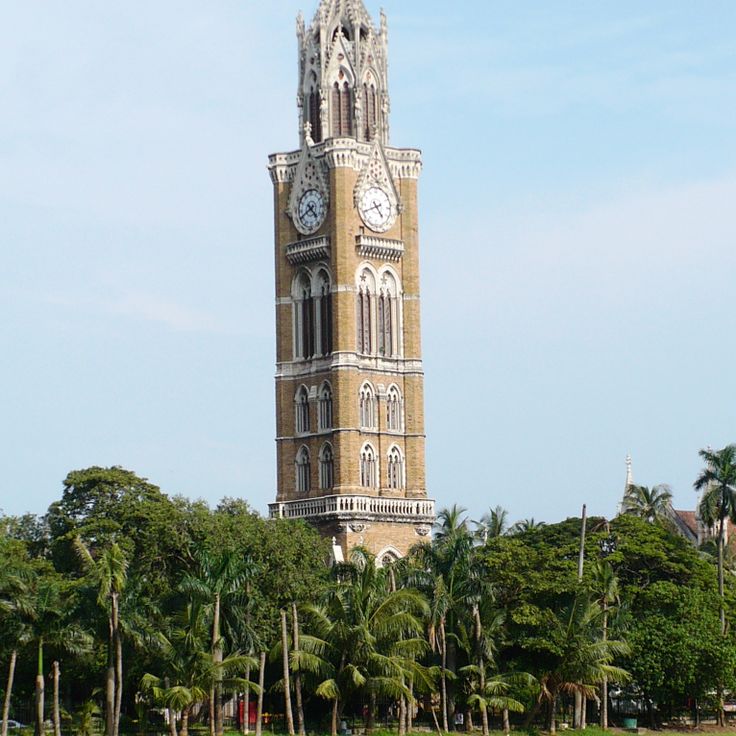
This 280-foot tower in Mumbai was completed in 1878 as part of the university campus and exemplifies the Gothic Revival and Indo-Saracenic fusion characteristic of British colonial architecture. Designed by George Gilbert Scott, the structure combines Victorian detailing with local building traditions, reflecting the cultural exchange that defined this era. The tower houses a carillon with 16 melodies that play throughout the day, recalling the functional and symbolic role such structures served in colonial administrative centers. Rajabai Clock Tower connects European clockwork technology with the architectural heritage of India during the period from 1800 to 1947.
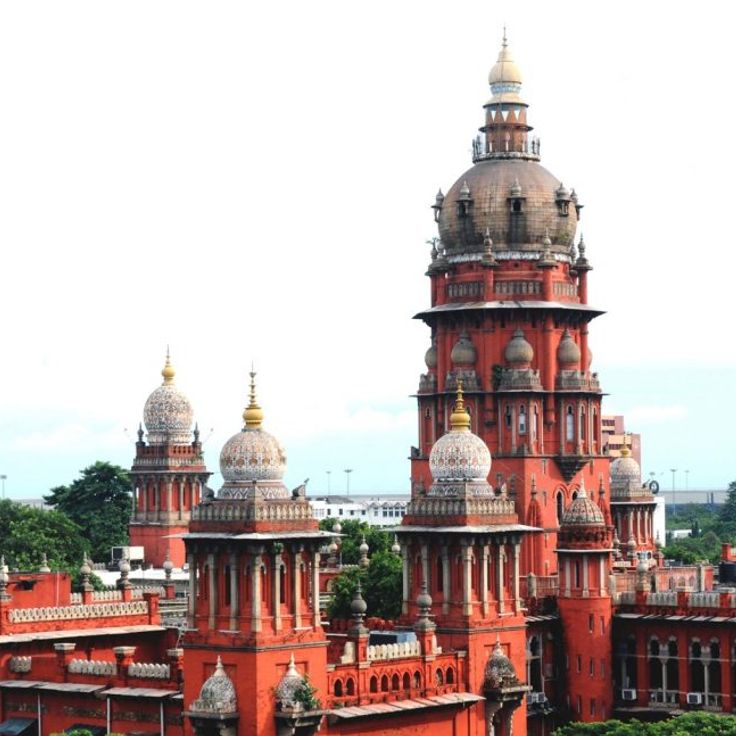
This judicial institution combines European and Indian architectural elements and was built in 1892 as a symbol of British colonial administration in Chennai. The Madras High Court features red brick walls and a central tower that represents the Indo-Saracenic architecture of the period. The facade incorporates domes, pointed arches and geometric patterns that document the cultural exchange between Victorian building traditions and local design forms. The symmetrical complex with its courtyards and colonnades has served as a functioning courthouse for over 130 years and embodies the architectural fusion of this colonial era.
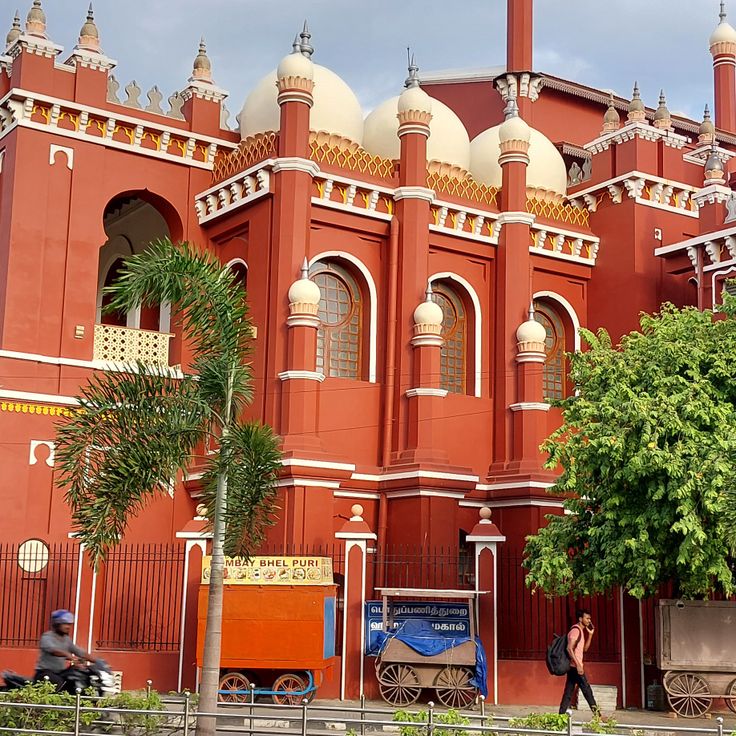
Constructed in 1768, this palace combines European and Islamic architectural elements into an example of the cultural fusion that marked British colonial India. Chepauk Palace features minarets, ornate windows and traditional Indian courtyards within its red brick structure. The combination of Victorian style elements and Indo-Saracenic features makes the building an important testimony to the architectural exchange between 1800 and 1947. The palace stands in Chennai, a city with numerous colonial structures.
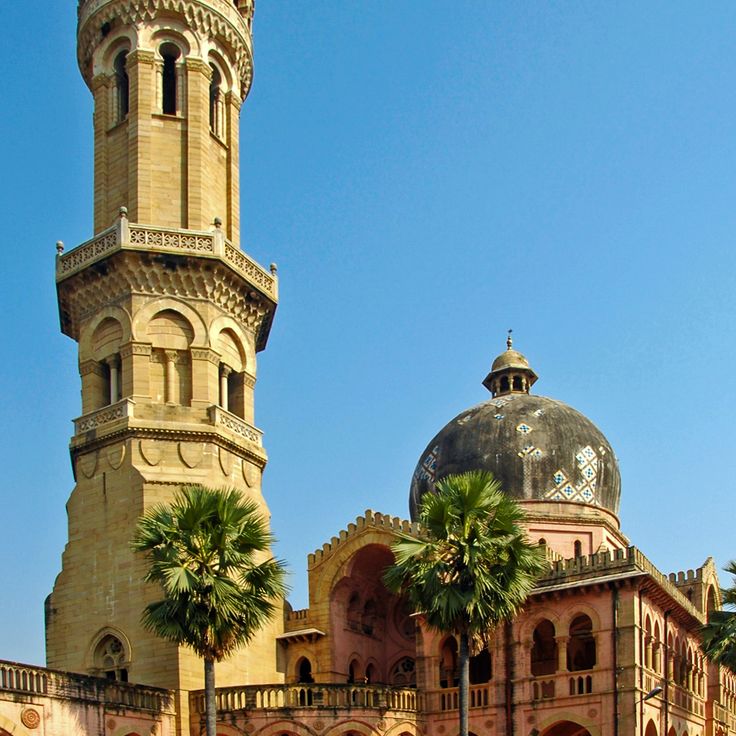
The central administrative building of the University of Allahabad was completed in 1887 and represents the European and Indian architectural approach of the late colonial period. This structure combines Victorian and Indian design elements through stone walls, pointed arches and ornamental details. As one of the oldest modern universities in the country, this building reflects the educational policies of British administration and its efforts to establish Western academic traditions in India. The facade displays typical features of government architecture from that era with clear organization and formal proportions. The University of Allahabad holds an important place in Indian educational history and documents the institutional frameworks of this period.
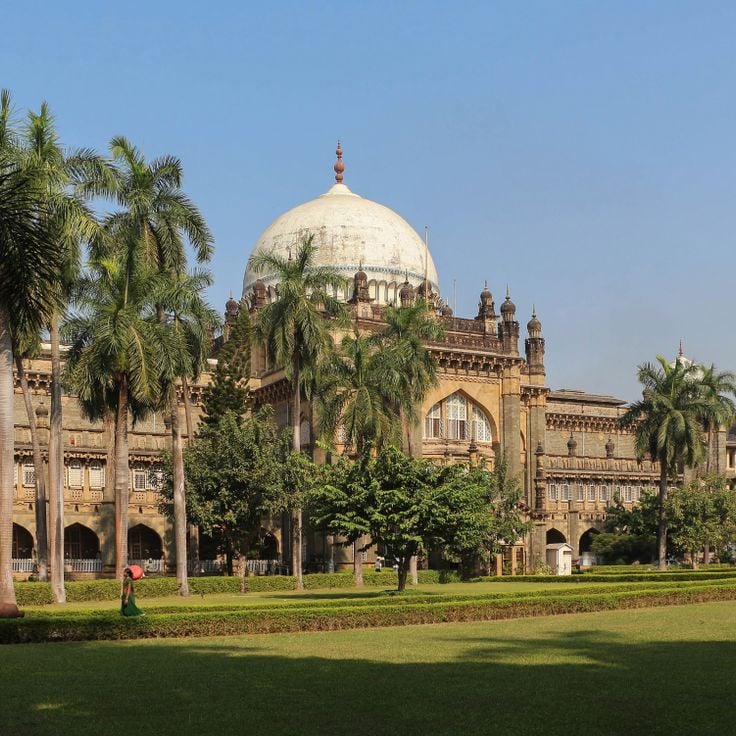
The Prince of Wales Museum blends Indian, Islamic and British architectural elements, demonstrating the fusion that defined colonial construction in Mumbai. Built in 1915, this structure presents a central dome, carved stone details and multiple arched galleries. The building stands as an example of Indo-Saracenic style, combining European Gothic elements with traditional Indian forms. The facade displays intricate stonework, while the interiors feature high ceilings and decorative arches. This institution represents the cultural and administrative ambitions of British rule in India and now serves as a major museum of art and history.
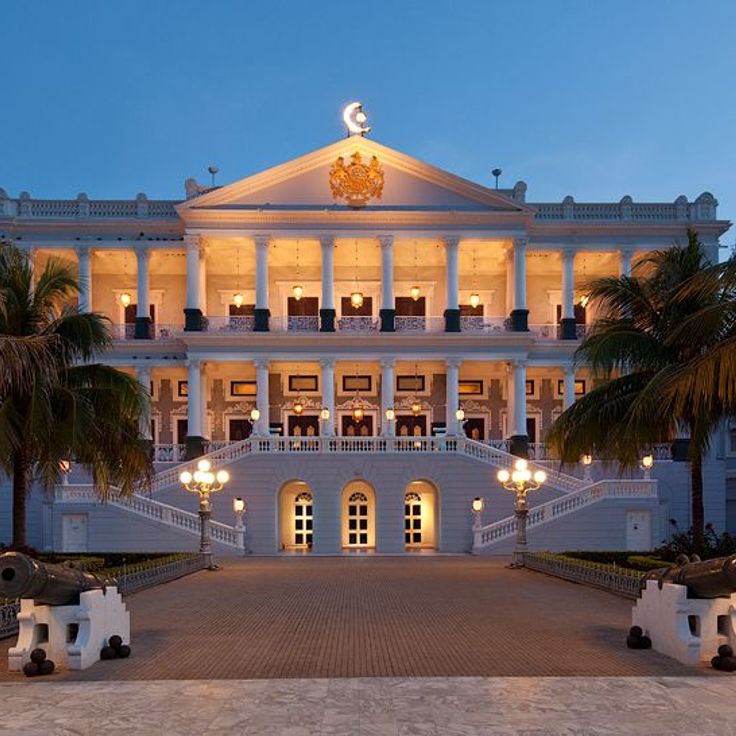
This palace was built in 1893 as a residence for the Nizam of Hyderabad and demonstrates the blending of European and Indian architectural styles during the British colonial period. The building contains 220 rooms and spans 93 acres (32 hectares) on a hilltop overlooking the city. The architecture combines neoclassical and Italian influences with traditional Indian elements. The interiors feature Venetian crystal chandeliers, marble staircases and European furniture alongside Mughal ornamentation. Today the palace operates as a luxury hotel and preserves the design from the turn of the century era.
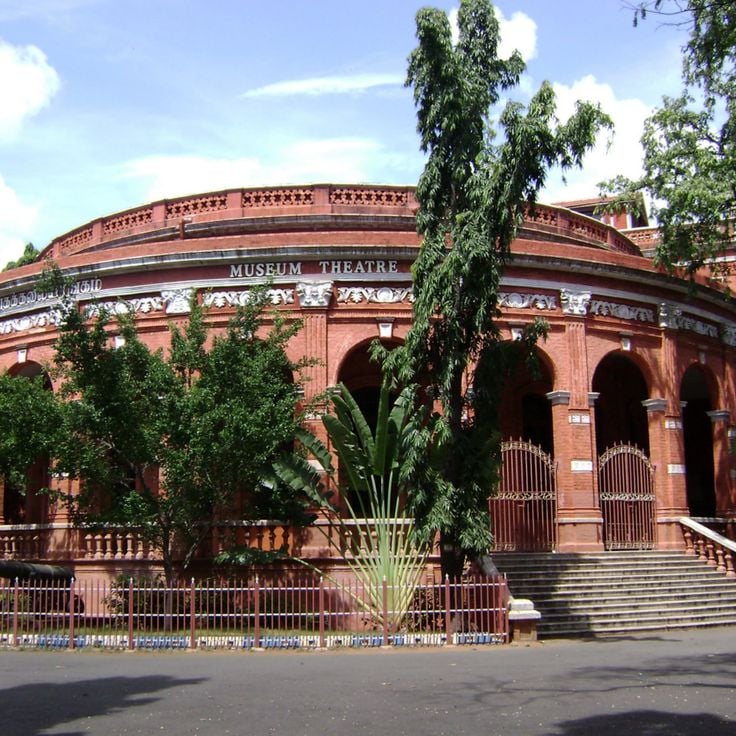
This museum was founded in 1851 and displays archaeological artifacts, coins, sculptures, and a natural history collection in a neoclassical building. The Government Museum Chennai stands as evidence of British colonial architecture in India, combining European design principles with the function of a public educational institution. The collections include South Indian bronzes from the Chola Dynasty, Buddhist relics from Amaravati, and zoological specimens reflecting the scientific interests of the colonial period. The symmetrical facade and classical proportions of the building represent the architectural approach the British used for administrative and cultural structures throughout their Indian territories.
The Victoria Memorial in Kolkata was constructed between 1906 and 1921 to honor Queen Victoria and represents the fusion of British and Indian architectural elements characteristic of the colonial era. This white marble structure with its central dome stands within 64 hectares (158 acres) of gardens and houses a museum containing paintings, sculptures and historical artifacts from the period of British rule in India, documenting the cultural exchange that defined this period in South Asian history.
This 85-foot (26-meter) basalt arch was completed in 1924 and marks the location where British colonial rulers first stepped on Indian soil. The Gateway of India combines Victorian and Indo-Saracenic architectural elements and was built to commemorate the visit of King George V and Queen Mary in 1911. The structure stands at the Mumbai harbor and served as the ceremonial entrance for important British officials. The monument demonstrates the architectural fusion of European and Indian styles during the colonial period and now draws visitors from around the world. The arch was designed by Scottish architect George Wittet and uses yellow basalt from the region along with concrete.
Rashtrapati Bhavan was built between 1912 and 1929 as the residence of the British Viceroy and now serves as the official home of the President of India. The building contains 340 rooms and spreads across 330 acres in central New Delhi, embodying the architectural vision of Edwin Lutyens, who merged classical European proportions with Indian design elements. The central dome rises 180 feet and references Buddhist stupas, while the facades incorporate chhatris and other regional forms. This synthesis of Western and Indian traditions makes Rashtrapati Bhavan a representative example of the colonial architecture that emerged during British rule in India.
This railway station in Mumbai was completed in 1888 and combines Victorian Gothic with traditional Indian palace architecture. The building serves millions of commuters daily and stands as a significant example of the architectural fusion of European and Indian elements during the British colonial period from 1800 to 1947. The facade displays elaborate stonework, turrets and domes that embody the Indo-Saracenic style which shaped government buildings, railway stations and palaces across Mumbai, Kolkata, Delhi and other Indian cities.
This two-story white palace in Mysore was built in 1921 following Italian architectural principles and demonstrates European influences during the British colonial period in India. Lalitha Mahal originally served as a guest residence for high-ranking visitors to the Maharaja and combines classical European facade design with local building practices. The structure displays Renaissance-style elements with symmetrical proportions, arched windows and a central dome. Today the building functions as a state-run hotel and preserves its historical significance as an example of cultural exchange between British administration and Indian rule in the early twentieth century.
The Writers' Building served as the administrative heart of British power in Bengal for over two centuries. This long red brick structure with characteristic colonnades and white columns was originally constructed to house junior clerks of the East India Company who drafted trade agreements and correspondence here. The building underwent multiple expansions and renovations that combined classical Georgian proportions with practical administrative functions. During the British colonial period it evolved into the seat of the Bengal government and continues to house state ministries today. The facade extends 152 meters (500 feet) along Dalhousie Square and represents the architectural fusion of European administrative structures with the Indian climate and local building materials.
This courthouse from 1869 in Prayagraj displays the Gothic architecture that British colonial architects favored during their rule over India. The structure uses red brick and features tall towers along with a large entrance portal. The building illustrates how European construction styles were transferred to Indian cities, where they continue to serve as government and administrative facilities today. The Allahabad High Court stands as an example of the legal and administrative institutions established during the British colonial period from 1800 to 1947.
This church from 1787 combines neoclassical elements with an octagonal floor plan and a tall steeple topped by a copper spire. The structure illustrates the early phase of British colonial architecture in India, when European building traditions first adapted to Indian climate and conditions. The neoclassical design with columns and pilasters follows the Georgian style prevalent in Britain at the time, while the octagonal plan responds to tropical requirements by improving air circulation throughout the interior space.
This courthouse was completed in 1878 and combines Gothic and Indo-Saracenic architectural elements from the British colonial period. The facade displays detailed stone sculptures, pointed arches, and two octagonal towers that rise against the Mumbai skyline. The Bombay High Court continues to serve as one of India's principal courts of law and illustrates the cultural exchange between European and Indian building styles during the colonial era. The structure stands in the Fort district and remains among the significant examples of Victorian architecture in the city.
This institute occupies a building from 1888 that originally served as the residence of the British Viceroy of India. The structure embodies the Indo-Saracenic architectural style of the colonial period, combining European design elements with Indian decorative motifs. The sprawling compound in Shimla functioned as the summer residence during British rule and now houses a research institution for humanities studies. The gray stone architecture displays characteristic towers, balconies and wood carvings typical of the late Victorian period in India.
Opened in 1903, this hotel represents early British colonial hospitality architecture in New Delhi with its white columns and expansive verandas. The structure combines European and Indian architectural elements typical of the colonial period. The hotel maintains a colonial garden design using native plant species. This establishment stands as one of the early examples of accommodation architecture from the period before Delhi became the capital of British India.
This 280-foot tower in Mumbai was completed in 1878 as part of the university campus and exemplifies the Gothic Revival and Indo-Saracenic fusion characteristic of British colonial architecture. Designed by George Gilbert Scott, the structure combines Victorian detailing with local building traditions, reflecting the cultural exchange that defined this era. The tower houses a carillon with 16 melodies that play throughout the day, recalling the functional and symbolic role such structures served in colonial administrative centers. Rajabai Clock Tower connects European clockwork technology with the architectural heritage of India during the period from 1800 to 1947.
This judicial institution combines European and Indian architectural elements and was built in 1892 as a symbol of British colonial administration in Chennai. The Madras High Court features red brick walls and a central tower that represents the Indo-Saracenic architecture of the period. The facade incorporates domes, pointed arches and geometric patterns that document the cultural exchange between Victorian building traditions and local design forms. The symmetrical complex with its courtyards and colonnades has served as a functioning courthouse for over 130 years and embodies the architectural fusion of this colonial era.
Constructed in 1768, this palace combines European and Islamic architectural elements into an example of the cultural fusion that marked British colonial India. Chepauk Palace features minarets, ornate windows and traditional Indian courtyards within its red brick structure. The combination of Victorian style elements and Indo-Saracenic features makes the building an important testimony to the architectural exchange between 1800 and 1947. The palace stands in Chennai, a city with numerous colonial structures.
The central administrative building of the University of Allahabad was completed in 1887 and represents the European and Indian architectural approach of the late colonial period. This structure combines Victorian and Indian design elements through stone walls, pointed arches and ornamental details. As one of the oldest modern universities in the country, this building reflects the educational policies of British administration and its efforts to establish Western academic traditions in India. The facade displays typical features of government architecture from that era with clear organization and formal proportions. The University of Allahabad holds an important place in Indian educational history and documents the institutional frameworks of this period.
The Prince of Wales Museum blends Indian, Islamic and British architectural elements, demonstrating the fusion that defined colonial construction in Mumbai. Built in 1915, this structure presents a central dome, carved stone details and multiple arched galleries. The building stands as an example of Indo-Saracenic style, combining European Gothic elements with traditional Indian forms. The facade displays intricate stonework, while the interiors feature high ceilings and decorative arches. This institution represents the cultural and administrative ambitions of British rule in India and now serves as a major museum of art and history.
This palace was built in 1893 as a residence for the Nizam of Hyderabad and demonstrates the blending of European and Indian architectural styles during the British colonial period. The building contains 220 rooms and spans 93 acres (32 hectares) on a hilltop overlooking the city. The architecture combines neoclassical and Italian influences with traditional Indian elements. The interiors feature Venetian crystal chandeliers, marble staircases and European furniture alongside Mughal ornamentation. Today the palace operates as a luxury hotel and preserves the design from the turn of the century era.
This museum was founded in 1851 and displays archaeological artifacts, coins, sculptures, and a natural history collection in a neoclassical building. The Government Museum Chennai stands as evidence of British colonial architecture in India, combining European design principles with the function of a public educational institution. The collections include South Indian bronzes from the Chola Dynasty, Buddhist relics from Amaravati, and zoological specimens reflecting the scientific interests of the colonial period. The symmetrical facade and classical proportions of the building represent the architectural approach the British used for administrative and cultural structures throughout their Indian territories.
The Victoria Memorial in Kolkata was constructed between 1906 and 1921 to honor Queen Victoria and represents the fusion of British and Indian architectural elements characteristic of the colonial era. This white marble structure with its central dome stands within 64 hectares (158 acres) of gardens and houses a museum containing paintings, sculptures and historical artifacts from the period of British rule in India, documenting the cultural exchange that defined this period in South Asian history.
This 85-foot (26-meter) basalt arch was completed in 1924 and marks the location where British colonial rulers first stepped on Indian soil. The Gateway of India combines Victorian and Indo-Saracenic architectural elements and was built to commemorate the visit of King George V and Queen Mary in 1911. The structure stands at the Mumbai harbor and served as the ceremonial entrance for important British officials. The monument demonstrates the architectural fusion of European and Indian styles during the colonial period and now draws visitors from around the world. The arch was designed by Scottish architect George Wittet and uses yellow basalt from the region along with concrete.
Rashtrapati Bhavan was built between 1912 and 1929 as the residence of the British Viceroy and now serves as the official home of the President of India. The building contains 340 rooms and spreads across 330 acres in central New Delhi, embodying the architectural vision of Edwin Lutyens, who merged classical European proportions with Indian design elements. The central dome rises 180 feet and references Buddhist stupas, while the facades incorporate chhatris and other regional forms. This synthesis of Western and Indian traditions makes Rashtrapati Bhavan a representative example of the colonial architecture that emerged during British rule in India.
This railway station in Mumbai was completed in 1888 and combines Victorian Gothic with traditional Indian palace architecture. The building serves millions of commuters daily and stands as a significant example of the architectural fusion of European and Indian elements during the British colonial period from 1800 to 1947. The facade displays elaborate stonework, turrets and domes that embody the Indo-Saracenic style which shaped government buildings, railway stations and palaces across Mumbai, Kolkata, Delhi and other Indian cities.
This two-story white palace in Mysore was built in 1921 following Italian architectural principles and demonstrates European influences during the British colonial period in India. Lalitha Mahal originally served as a guest residence for high-ranking visitors to the Maharaja and combines classical European facade design with local building practices. The structure displays Renaissance-style elements with symmetrical proportions, arched windows and a central dome. Today the building functions as a state-run hotel and preserves its historical significance as an example of cultural exchange between British administration and Indian rule in the early twentieth century.
The Writers' Building served as the administrative heart of British power in Bengal for over two centuries. This long red brick structure with characteristic colonnades and white columns was originally constructed to house junior clerks of the East India Company who drafted trade agreements and correspondence here. The building underwent multiple expansions and renovations that combined classical Georgian proportions with practical administrative functions. During the British colonial period it evolved into the seat of the Bengal government and continues to house state ministries today. The facade extends 152 meters (500 feet) along Dalhousie Square and represents the architectural fusion of European administrative structures with the Indian climate and local building materials.
This courthouse from 1869 in Prayagraj displays the Gothic architecture that British colonial architects favored during their rule over India. The structure uses red brick and features tall towers along with a large entrance portal. The building illustrates how European construction styles were transferred to Indian cities, where they continue to serve as government and administrative facilities today. The Allahabad High Court stands as an example of the legal and administrative institutions established during the British colonial period from 1800 to 1947.
This church from 1787 combines neoclassical elements with an octagonal floor plan and a tall steeple topped by a copper spire. The structure illustrates the early phase of British colonial architecture in India, when European building traditions first adapted to Indian climate and conditions. The neoclassical design with columns and pilasters follows the Georgian style prevalent in Britain at the time, while the octagonal plan responds to tropical requirements by improving air circulation throughout the interior space.
This courthouse was completed in 1878 and combines Gothic and Indo-Saracenic architectural elements from the British colonial period. The facade displays detailed stone sculptures, pointed arches, and two octagonal towers that rise against the Mumbai skyline. The Bombay High Court continues to serve as one of India's principal courts of law and illustrates the cultural exchange between European and Indian building styles during the colonial era. The structure stands in the Fort district and remains among the significant examples of Victorian architecture in the city.
This institute occupies a building from 1888 that originally served as the residence of the British Viceroy of India. The structure embodies the Indo-Saracenic architectural style of the colonial period, combining European design elements with Indian decorative motifs. The sprawling compound in Shimla functioned as the summer residence during British rule and now houses a research institution for humanities studies. The gray stone architecture displays characteristic towers, balconies and wood carvings typical of the late Victorian period in India.
Opened in 1903, this hotel represents early British colonial hospitality architecture in New Delhi with its white columns and expansive verandas. The structure combines European and Indian architectural elements typical of the colonial period. The hotel maintains a colonial garden design using native plant species. This establishment stands as one of the early examples of accommodation architecture from the period before Delhi became the capital of British India.
This 280-foot tower in Mumbai was completed in 1878 as part of the university campus and exemplifies the Gothic Revival and Indo-Saracenic fusion characteristic of British colonial architecture. Designed by George Gilbert Scott, the structure combines Victorian detailing with local building traditions, reflecting the cultural exchange that defined this era. The tower houses a carillon with 16 melodies that play throughout the day, recalling the functional and symbolic role such structures served in colonial administrative centers. Rajabai Clock Tower connects European clockwork technology with the architectural heritage of India during the period from 1800 to 1947.
This judicial institution combines European and Indian architectural elements and was built in 1892 as a symbol of British colonial administration in Chennai. The Madras High Court features red brick walls and a central tower that represents the Indo-Saracenic architecture of the period. The facade incorporates domes, pointed arches and geometric patterns that document the cultural exchange between Victorian building traditions and local design forms. The symmetrical complex with its courtyards and colonnades has served as a functioning courthouse for over 130 years and embodies the architectural fusion of this colonial era.
Constructed in 1768, this palace combines European and Islamic architectural elements into an example of the cultural fusion that marked British colonial India. Chepauk Palace features minarets, ornate windows and traditional Indian courtyards within its red brick structure. The combination of Victorian style elements and Indo-Saracenic features makes the building an important testimony to the architectural exchange between 1800 and 1947. The palace stands in Chennai, a city with numerous colonial structures.
The central administrative building of the University of Allahabad was completed in 1887 and represents the European and Indian architectural approach of the late colonial period. This structure combines Victorian and Indian design elements through stone walls, pointed arches and ornamental details. As one of the oldest modern universities in the country, this building reflects the educational policies of British administration and its efforts to establish Western academic traditions in India. The facade displays typical features of government architecture from that era with clear organization and formal proportions. The University of Allahabad holds an important place in Indian educational history and documents the institutional frameworks of this period.
The Prince of Wales Museum blends Indian, Islamic and British architectural elements, demonstrating the fusion that defined colonial construction in Mumbai. Built in 1915, this structure presents a central dome, carved stone details and multiple arched galleries. The building stands as an example of Indo-Saracenic style, combining European Gothic elements with traditional Indian forms. The facade displays intricate stonework, while the interiors feature high ceilings and decorative arches. This institution represents the cultural and administrative ambitions of British rule in India and now serves as a major museum of art and history.
This palace was built in 1893 as a residence for the Nizam of Hyderabad and demonstrates the blending of European and Indian architectural styles during the British colonial period. The building contains 220 rooms and spans 93 acres (32 hectares) on a hilltop overlooking the city. The architecture combines neoclassical and Italian influences with traditional Indian elements. The interiors feature Venetian crystal chandeliers, marble staircases and European furniture alongside Mughal ornamentation. Today the palace operates as a luxury hotel and preserves the design from the turn of the century era.
This museum was founded in 1851 and displays archaeological artifacts, coins, sculptures, and a natural history collection in a neoclassical building. The Government Museum Chennai stands as evidence of British colonial architecture in India, combining European design principles with the function of a public educational institution. The collections include South Indian bronzes from the Chola Dynasty, Buddhist relics from Amaravati, and zoological specimens reflecting the scientific interests of the colonial period. The symmetrical facade and classical proportions of the building represent the architectural approach the British used for administrative and cultural structures throughout their Indian territories.