See the monuments around you in AROpen chests in the app
Around Us is built for your phone — point your camera at the streets and discover the monuments and places around you in augmented reality.Around Us is built for your phone — chests unlock when you walk, explore and capture nearby places.
Visit Cantabria: coastal towns, mountain villages, ancient caves
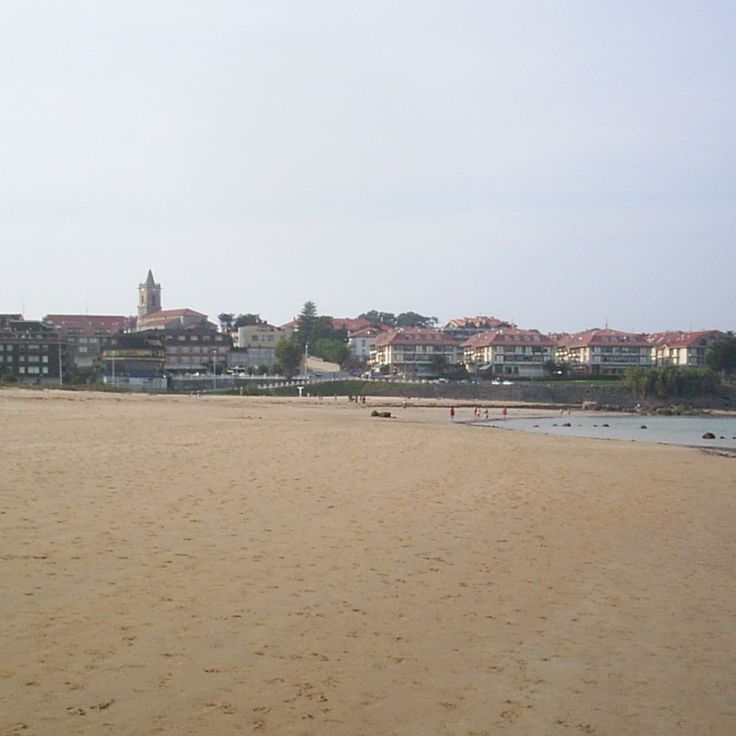
Cantabria is a region where water, stone, and forest meet. You can walk along the coast where cliffs drop sharply into the sea, then turn inland to find valleys full of green grass and small villages built from local stone. Port towns sit beside the water, their harbors filled with fishing boats. Wide sandy beaches stretch between rocky headlands, offering places to swim and walk.
The region holds some of the oldest art in Europe. Inside caves like Altamira, animals painted thousands of years ago still cover the stone walls - red and black figures of bison, horses, and hands that feel immediate and alive when you stand before them. Medieval villages like Santillana del Mar look like they stopped in time, with cobbled streets, stone houses, and quiet plazas where locals gather.
Beyond the towns and villages rises the Picos de Europa, a mountain range where jagged peaks touch the clouds. Here you can hike through forests, cross rushing rivers, and camp under stars far from city lights. Santander itself sits on the coast as the region's main city, where urban parks meet the beach and modern life flows alongside the ocean. From any point in Cantabria, you are never far from either the sea or the mountains.
Visit Cantabria: coastal towns, mountain villages, ancient caves
Cantabria is a region where water, stone, and forest meet. You can walk along the coast where cliffs drop sharply into the sea, then turn inland to find valleys full of green grass and small villages built from local stone. Port towns sit beside the water, their harbors filled with fishing boats. Wide sandy beaches stretch between rocky headlands, offering places to swim and walk.
The region holds some of the oldest art in Europe. Inside caves like Altamira, animals painted thousands of years ago still cover the stone walls - red and black figures of bison, horses, and hands that feel immediate and alive when you stand before them. Medieval villages like Santillana del Mar look like they stopped in time, with cobbled streets, stone houses, and quiet plazas where locals gather.
Beyond the towns and villages rises the Picos de Europa, a mountain range where jagged peaks touch the clouds. Here you can hike through forests, cross rushing rivers, and camp under stars far from city lights. Santander itself sits on the coast as the region's main city, where urban parks meet the beach and modern life flows alongside the ocean. From any point in Cantabria, you are never far from either the sea or the mountains.
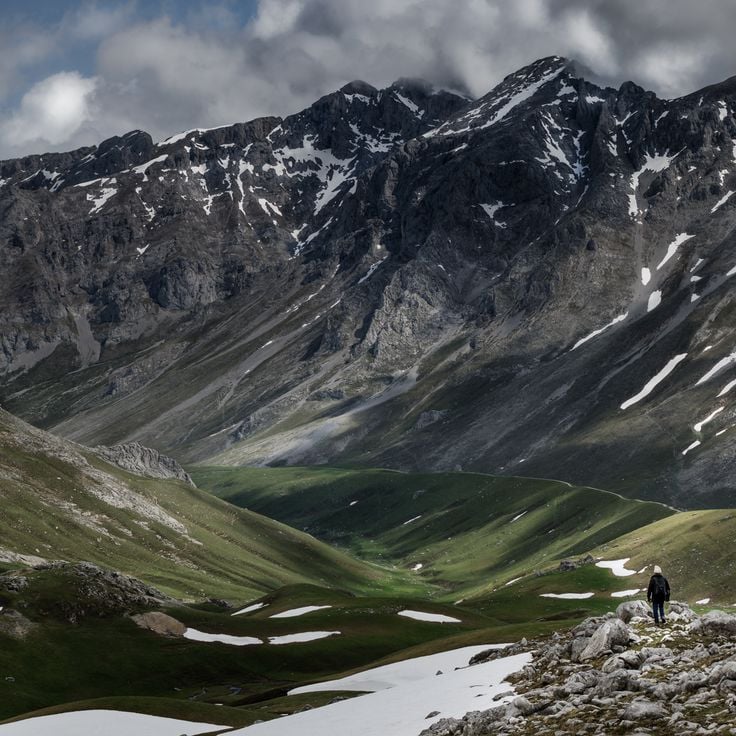
In these mountains of the Picos de Europa, you find steep peaks, deep gorges, and dense forests. The mountains shape the interior of Cantabria and offer walks through green valleys and past clear lakes. It is a place where you move between stone and nature and feel the power of the mountains. This national park connects the rugged terrain with the green landscapes that define Cantabria.
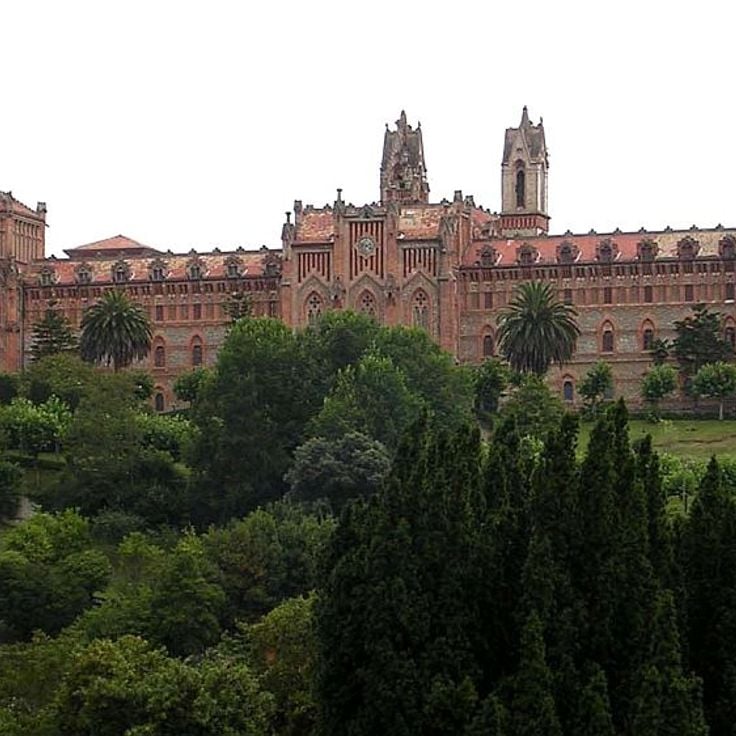
Comillas is a small coastal town that became an important artistic and intellectual center in the 19th century. The town displays Modernist architecture from that period, most notably the Palacio de Sobrellano with its distinctive towers and gardens. Artists and thinkers gathered here to create buildings in the new style that was reshaping European cities. The location by the sea and the historic streets create a place where art, history, and landscape come together. The beach and the buildings invite you to walk and explore.
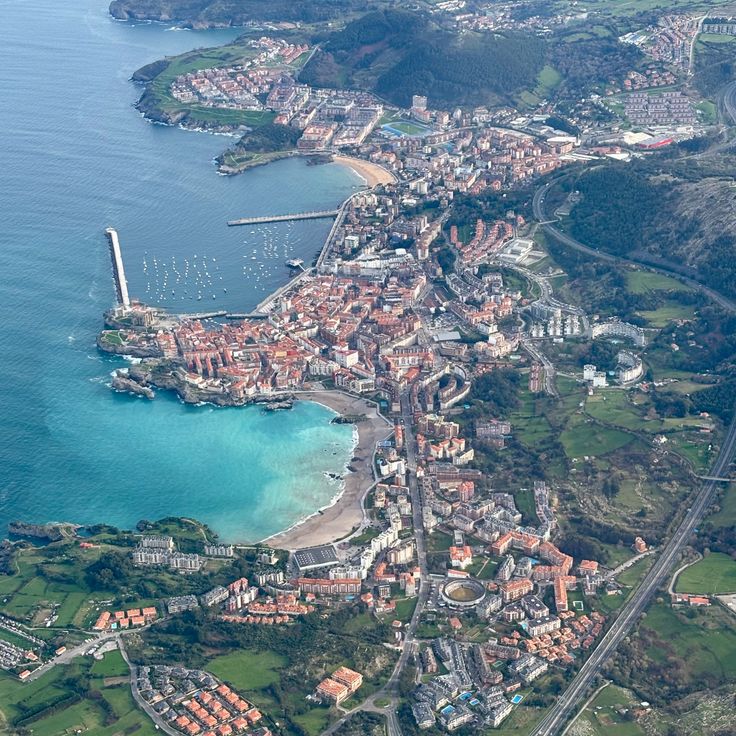
Santander is the capital city of Cantabria and sits directly on the coast. This port city brings together urban life and beach access, where both locals and visitors walk along the water. The harbor is active with fishing boats filling the bay, and the fishing industry shapes the city's character. Parks reach down to the waterfront, and wide sandy beaches offer places to swim. From here you can walk to the old town or travel into the surrounding valleys of Cantabria, where forests and villages built from local stone await.
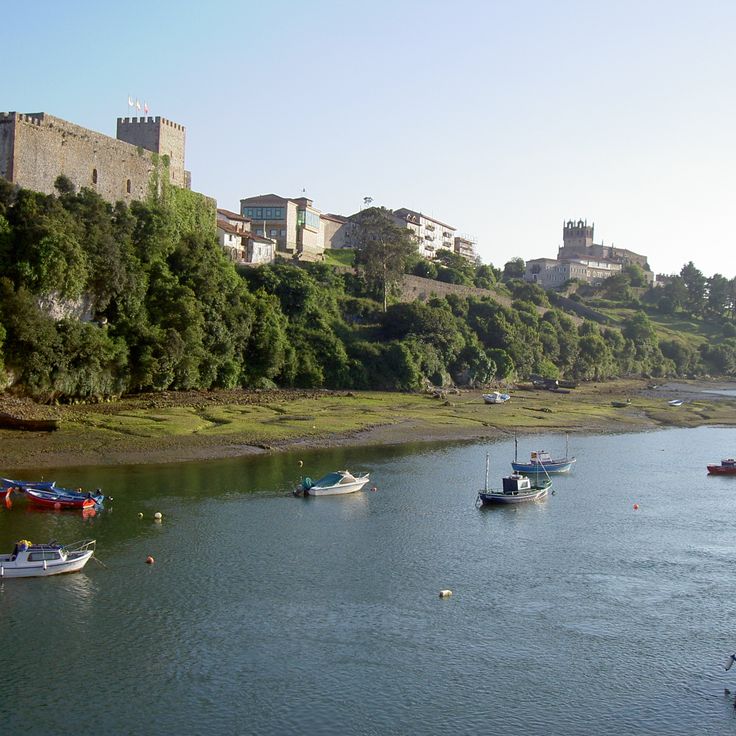
San Vicente de la Barquera is a traditional fishing port where the castle, church, and bridge tell the story of Cantabria's medieval past. The town holds a 13th-century castle perched above the water, a Gothic church with soaring stone walls, and a remarkable bridge of 28 arches that spans the estuary. Fishing boats rest in the harbor, and narrow streets wind through the old town. From here you can see how the coast and river meet, how water has shaped the life of this place for centuries.
Santillana del Mar preserves a medieval village within this coastal region, where stone buildings from the 14th and 15th centuries still stand. The Romanesque collegiate church of Santa Juliana anchors the town. Cobbled streets connect old houses built from local stone. Quiet plazas offer places to pause and observe daily life. The village shows how people lived in Cantabria before modern times arrived.
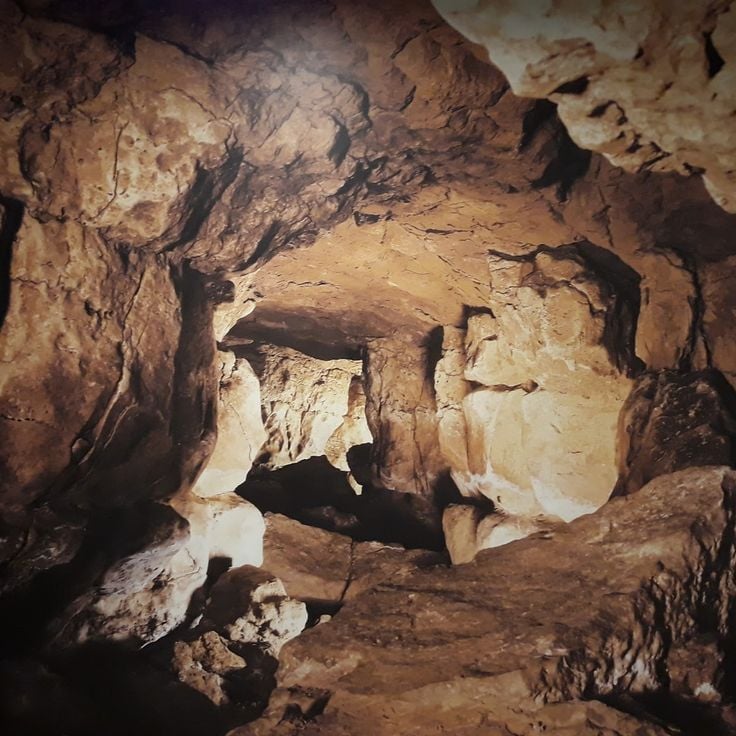
This cave holds paintings made thousands of years ago during the Upper Paleolithic period, showing bison, horses, and abstract marks in red and black. These works represent some of the oldest art in Europe and reveal how ancient people saw and thought about the animals around them. Standing before these figures, they feel immediate and present. The cave lies in Santillana del Mar, a medieval village in Cantabria where cobbled streets and stone buildings sit among valleys and coastal landscapes where water, stone, and forest meet.
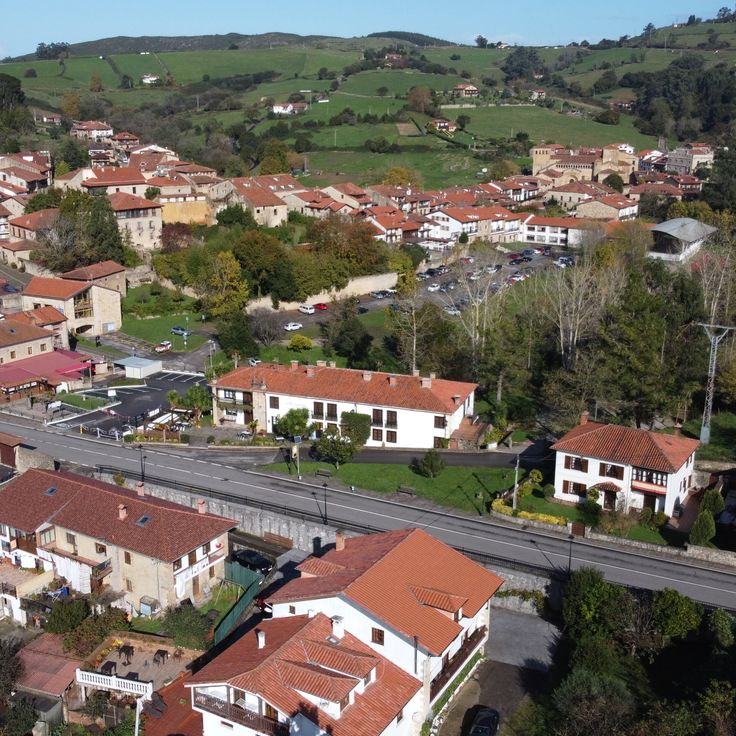
Carmona sits at 600 meters above sea level in the Cabuérniga valley, showing how mountain villages fit into Cantabria's landscape of water, stone, and forest. The Carmona stream flows through the village, surrounded by thick woodlands that rise toward the Picos de Europa. Walking here, you see how locals built their homes from stone and adapted to life between the sea and the mountains that define the region.
Noja is a small coastal town in Cantabria with two main beaches, Ris and Trengandín, where visitors can swim and take walks along the water. The historic center holds several palaces and noble houses built in the 17th century, their stone facades and carved details showing the region's past. This town fits into Cantabria's landscape where sea, stone, and green valleys meet.
Castro-Urdiales is an active fishing port where medieval history and coastal life intertwine. The 12th-century castle overlooks the harbor and the Church of Santa María de la Asunción, built over two centuries from the 13th to 15th, anchors the town center with its stone presence. Fishing boats fill the harbor as they have for centuries, and the narrow streets reveal how locals have built their lives around the sea. Walking through this town, you feel the weight of time in its stone buildings and see how fishing communities keep their traditions alive today.
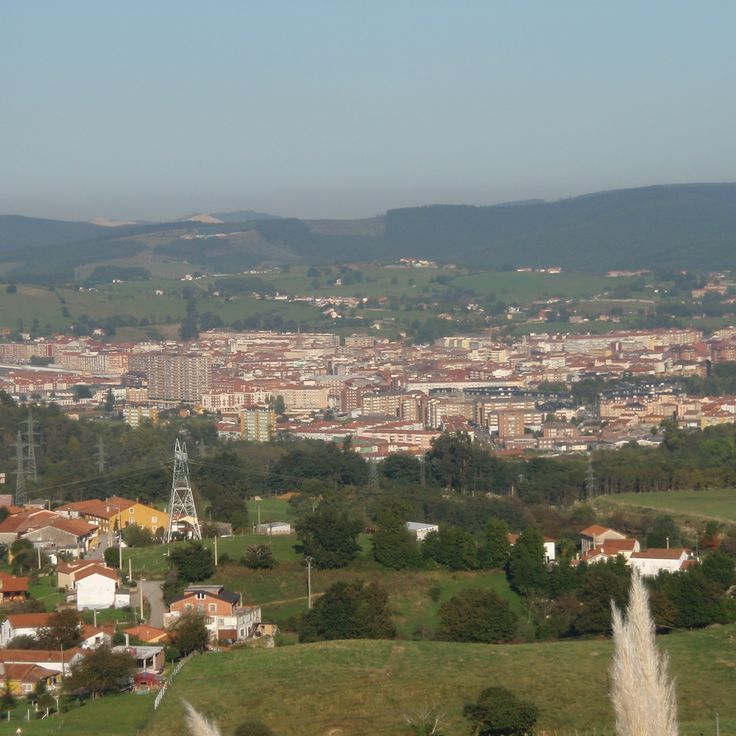
Torrelavega is the industrial and commercial center of this region, where water, stone, and forest meet. The city hosts the national livestock market and displays significant architecture from the 19th century. From here you can easily reach the coast, where cliffs drop sharply into the sea, or travel inland to valleys full of green grass and small villages built from local stone.
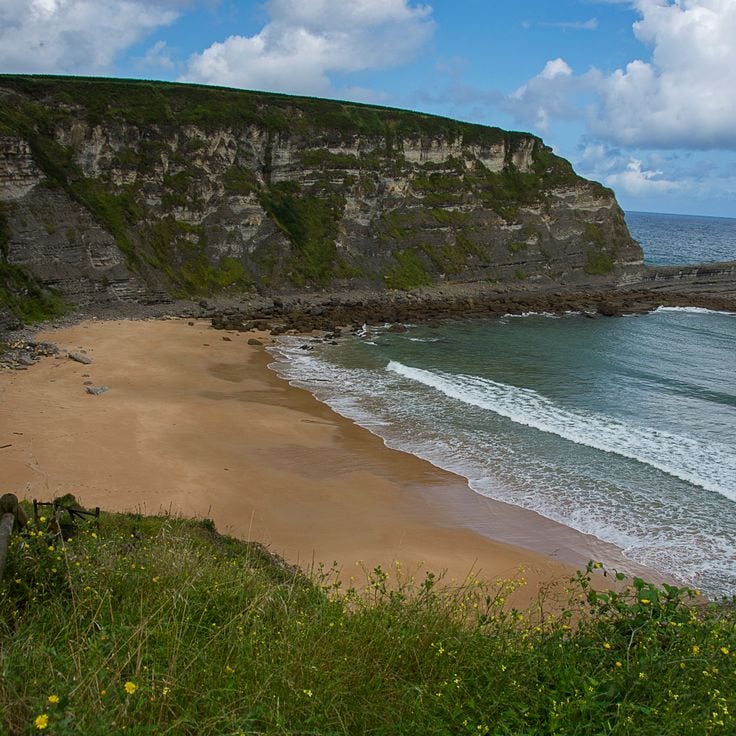
Langre Beach is a sandy shore in Cantabria, part of a region where water, stone, and forest meet. The beach has golden sand and sits below tall limestone cliffs that rise steeply from the water. Wooden stairs lead down to the beach. From here you can see the working coastal life: fishing boats in harbors, small villages built from local stone, and the closeness between sea and mountains.
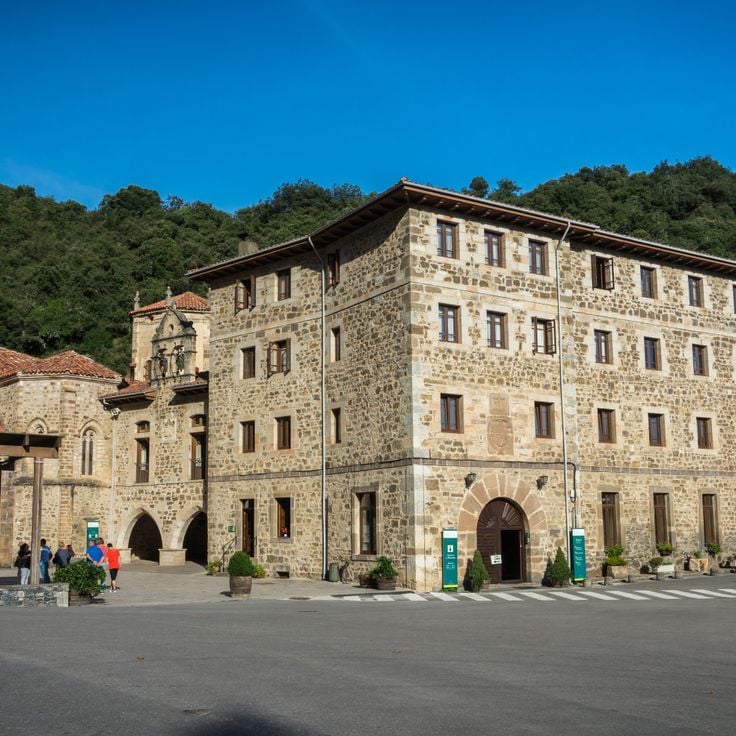
The Monastery of Santo Toribio de Liébana stands in the mountain region of Cantabria as a destination for pilgrims and travelers drawn to its spiritual significance. Built in the 6th century within the Picos de Europa range, this monastery sits where valleys meet steep slopes and forests surround the stone buildings. People come here to see one of the largest surviving pieces of the True Cross, a relic that has attracted visitors for centuries. Walking to the monastery means following paths through the landscape where ancient forests and mountain peaks create the setting for this centuries-old religious site.
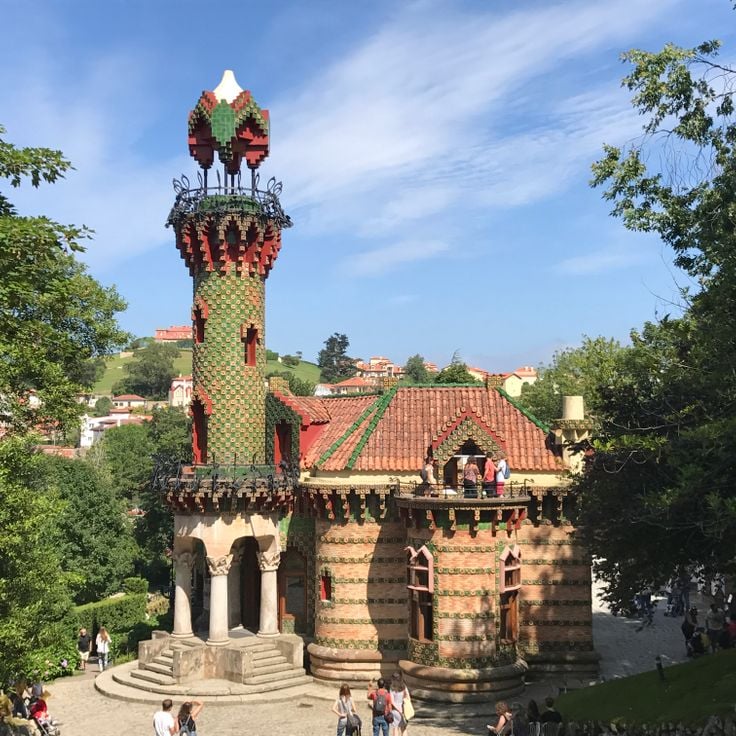
El Capricho de Gaudí is a summer residence built between 1883 and 1885 by Antoni Gaudí in this coastal village. The building displays oriental influences and is decorated with colorful ceramic tiles. It stands as an example of the artistic experiments that took place in this region, where traditional architecture meets new ideas. The house sits in Comillas, near the cliffs and sea, showing how creative designers were inspired by the landscapes and cultures of Cantabria.
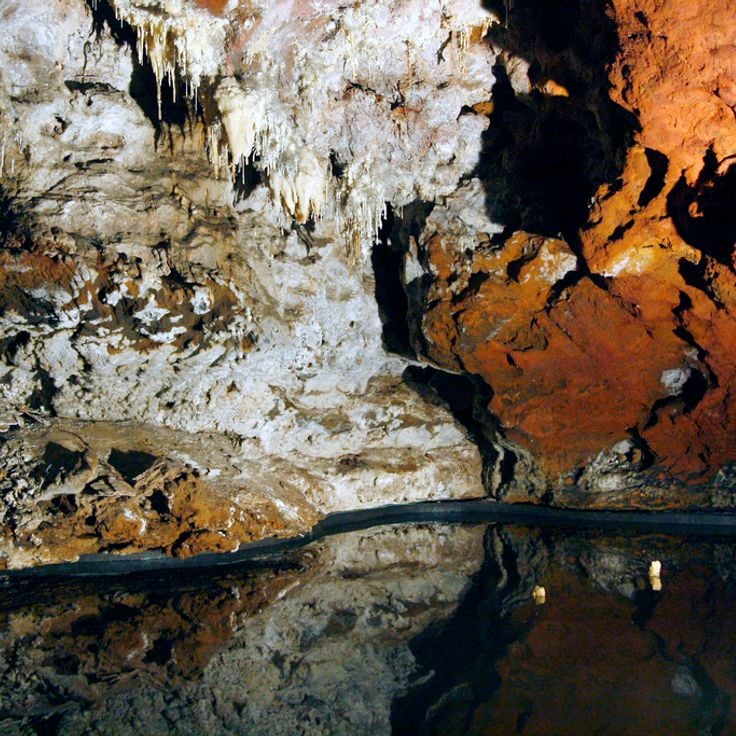
El Soplao Cave is a natural cave with remarkable mineral formations and 19th-century mining galleries. A walking route of about 1.5 kilometers guides visitors through the underground passages. This cave fits into Cantabria's story, a region where water, stone, and forest meet. Here you can descend into the depths and discover how nature has shaped stone formations over thousands of years, revealing the region's geological character alongside its ancient art and mountain landscapes.
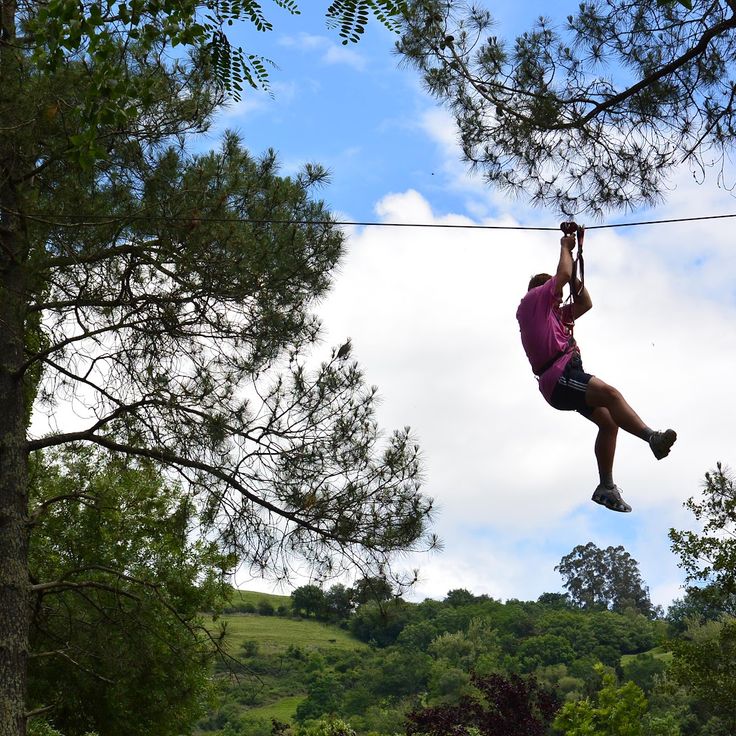
Alceda Aventura is a leisure center set within a forest in Cantabria, where visitors can use zip lines, climbing walls, and tree courses. The site fits into a region where forest, stone, and water meet, and where people often seek outdoor experiences. It offers professional supervision for families exploring the green landscapes between the coast and the Picos de Europa mountains.
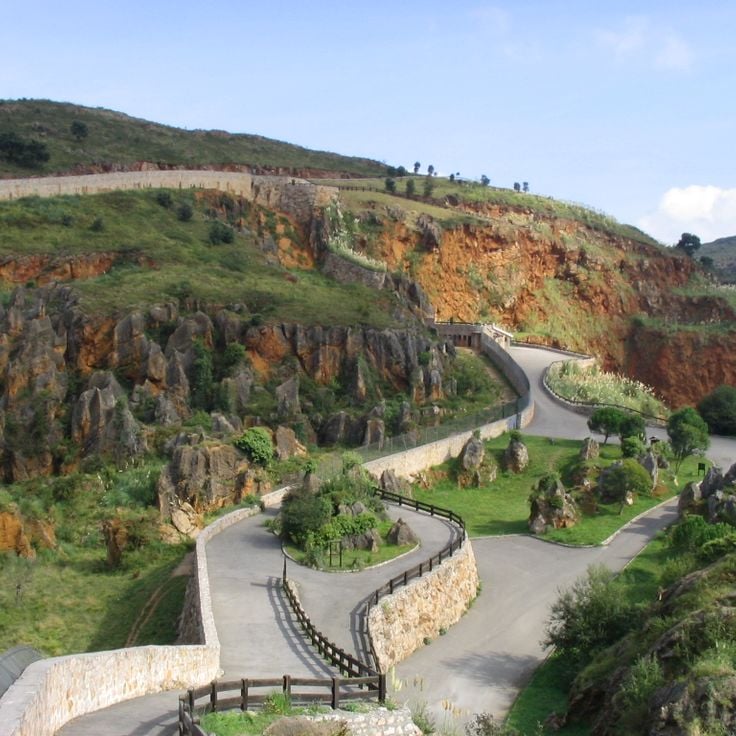
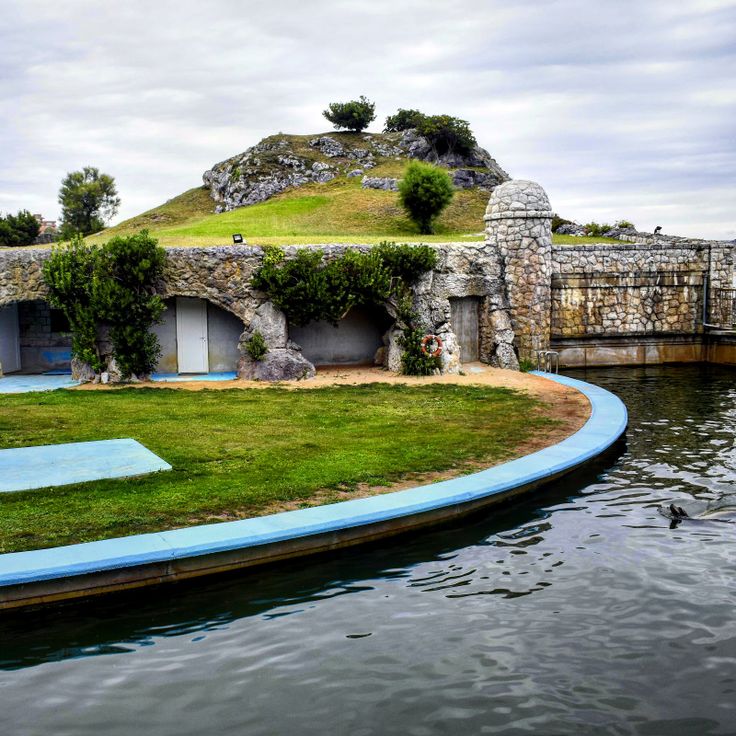
Cabarceno Natural Park transforms a former iron mine into a habitat where over 150 animal species roam in semi-freedom. Walking trails wind through valleys and past enclosures where visitors can observe large predators, herbivores, and birds from different continents up close. The park sits in Cantabria's hills and offers paths that lead through varied terrain, giving you time to watch how animals move and interact in spaces closer to their natural ranges than typical zoos.
The Magdalena Peninsula brings together the elements that define Cantabria: water, stone, and green spaces. A palace built in 1912 sits within carefully maintained gardens, serving as a focal point of this natural area. Coastal paths connect to several beaches where cliffs meet the sea. You can walk along the shore, swim, and enjoy views of both the water and the surrounding landscape, all within the region's main city.
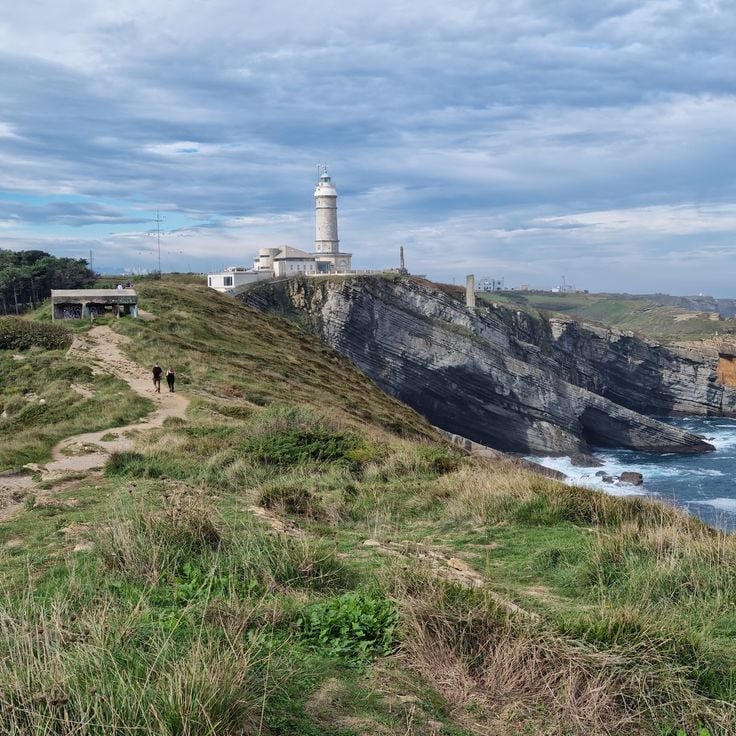
The Cabo Mayor Lighthouse stands on a cliff 91 meters above the sea and represents the maritime character of Cantabria, where water, stone, and nature meet. Built in 1839, this structure sits on a rocky headland that drops sharply into the ocean and is surrounded by a natural park. From this vantage point, you can take in the rugged coastline where fishing boats fill the harbors and wide sandy beaches stretch between rocky promontories. The lighthouse reflects the region's long connection to the sea, where maritime traditions have shaped daily life for centuries.
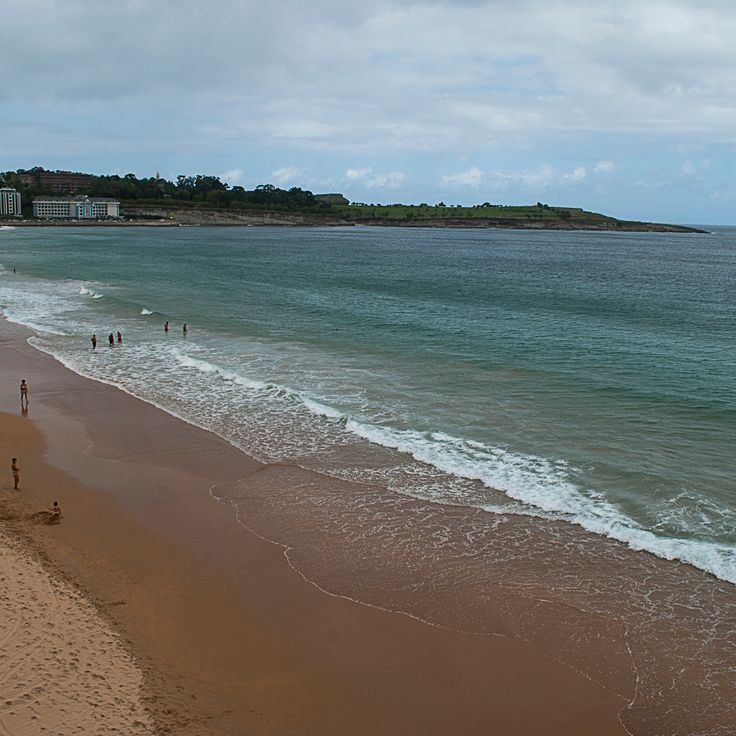
Sardinero Beach is part of this coastal region where water, stone, and forest meet. The beach stretches along the Bay of Santander with fine sand and a seaside promenade running alongside. Visitors can swim, walk, and experience the connection between the sea and Santander itself, the region's main city situated on the coast.
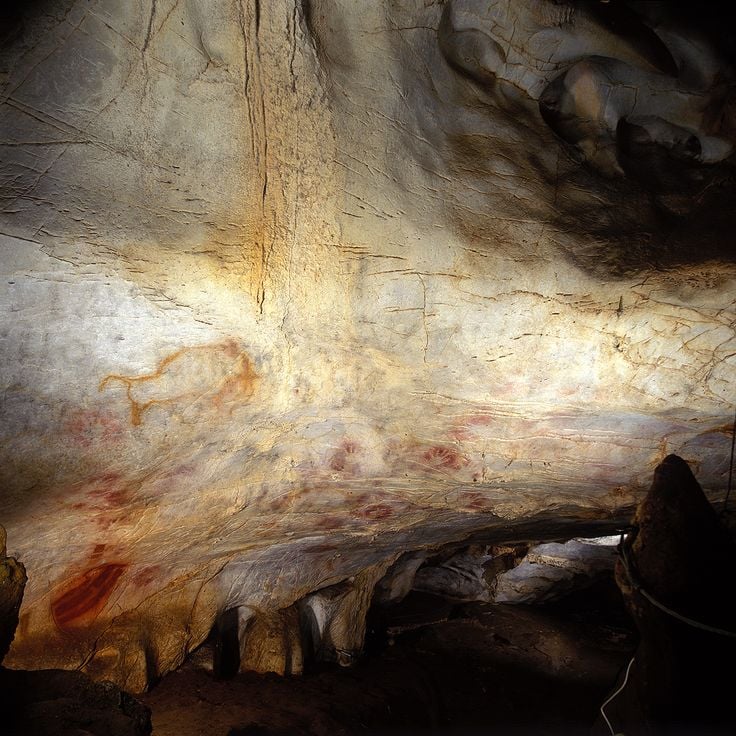
The El Castillo cave in Puente Viesgo is one of the oldest known sites of human art. On its walls you can see handprints, dots, and animal outlines painted tens of thousands of years ago using red ochre and black charcoal. You enter through a narrow passage and find yourself standing in front of images that feel immediate and direct. The figures show bison, deer, and other animals in natural poses. Standing here, you get a strong sense that people have been looking at these rocks for a very long time.
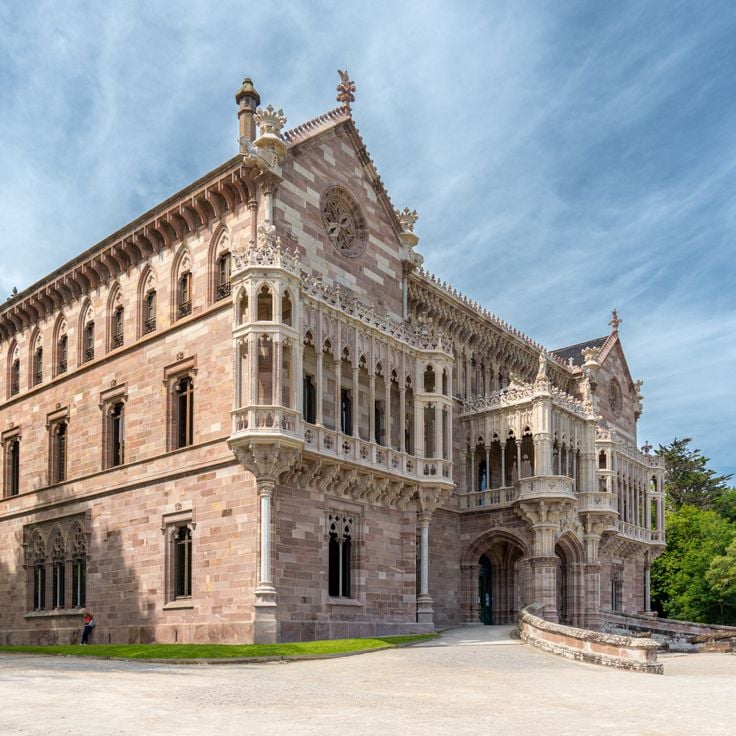
The Sobrellano Palace in Comillas reveals how wealthy families lived in the late 1800s. Built between 1878 and 1888 following architect Joan Martorell i Montells' design, this aristocratic residence demonstrates how power and taste shaped the region. The palace contains a private chapel and ornate stained-glass windows that cast colored light through its rooms. Walking through its spaces shows the connection between personal wealth and artistic craftsmanship that defined this era.
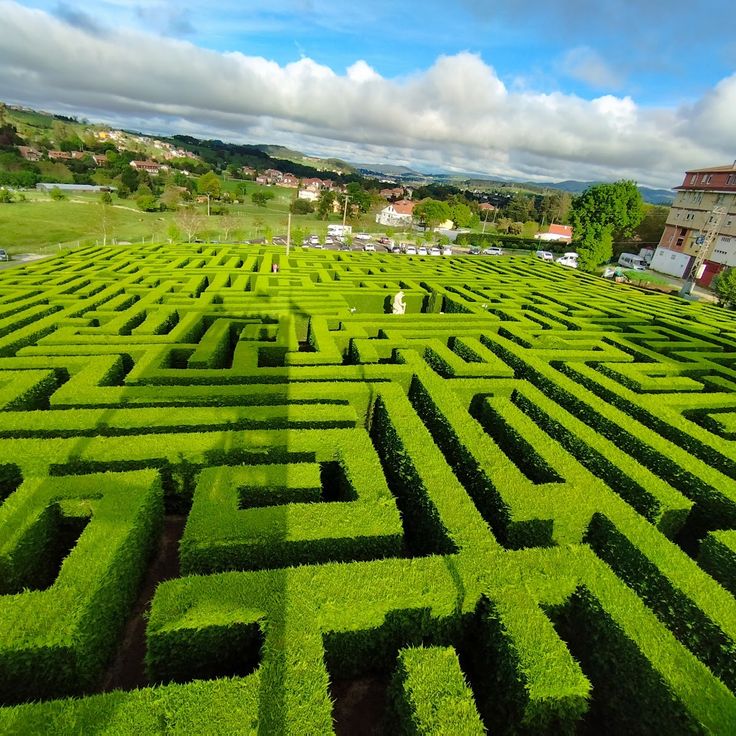
The Villapresente Maze is a living structure in Cantabria, part of this collection exploring coastal towns, mountain villages, and ancient caves. Built from over 4,000 laurel trees, this maze creates natural pathways that wind through the region's green landscape. Walking through its passages offers a quiet experience in nature, showing how the forests and vegetation of Cantabria can be shaped into something people can explore and enjoy together.
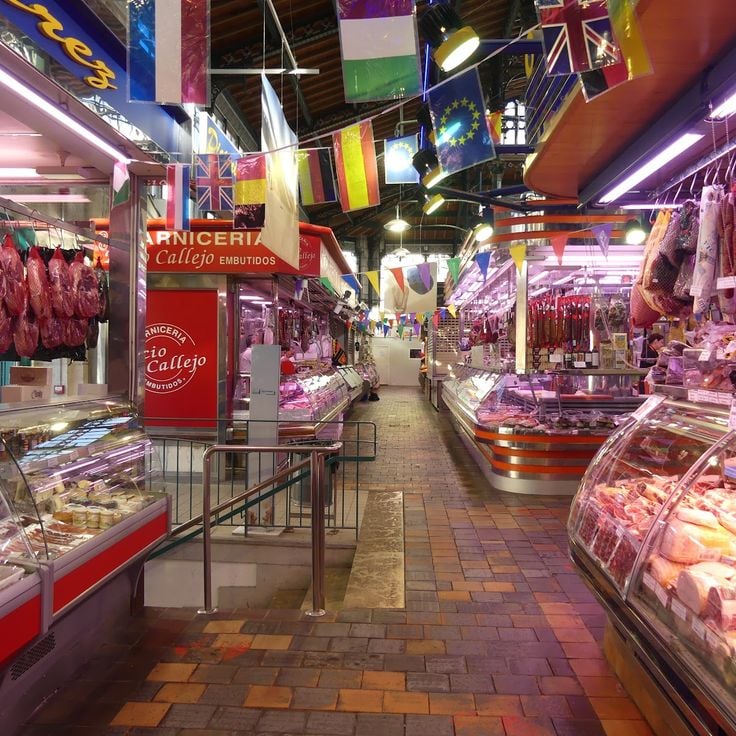
La Esperanza Market is a historic building from 1904 with an iron and glass structure, located in Santander. Fresh local products are sold on the ground floor and upstairs. This market is part of Cantabria's maritime tradition, where port towns sit beside the water with harbors filled with fishing boats. The market shows how the region connects water, stone, and forest, and how daily life here ties together the sea and the mountains.
Liérganes is a village in this region where water, stone, and forest converge. The village is known for its historic thermal springs and houses built in traditional mountain style, featuring wooden balconies and stone facades. These structures reflect the local building practices passed down through generations. Visitors can bathe in the warm springs and walk through streets shaped by centuries of history, experiencing how people have lived in these valleys.
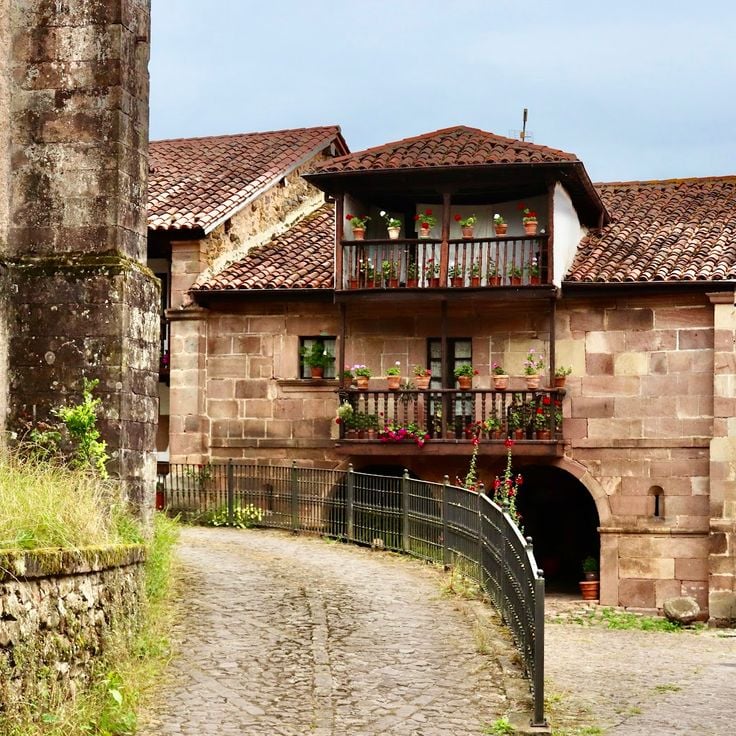
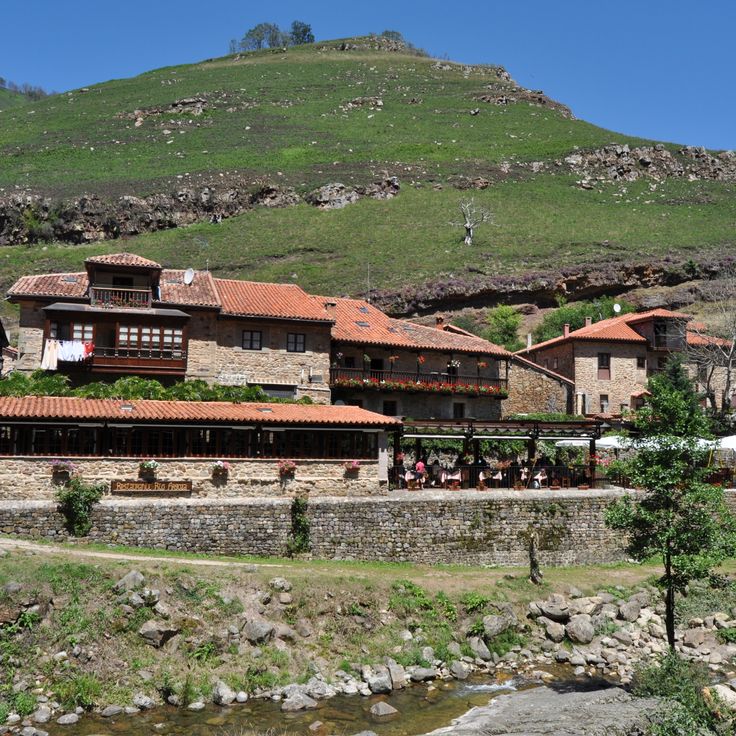
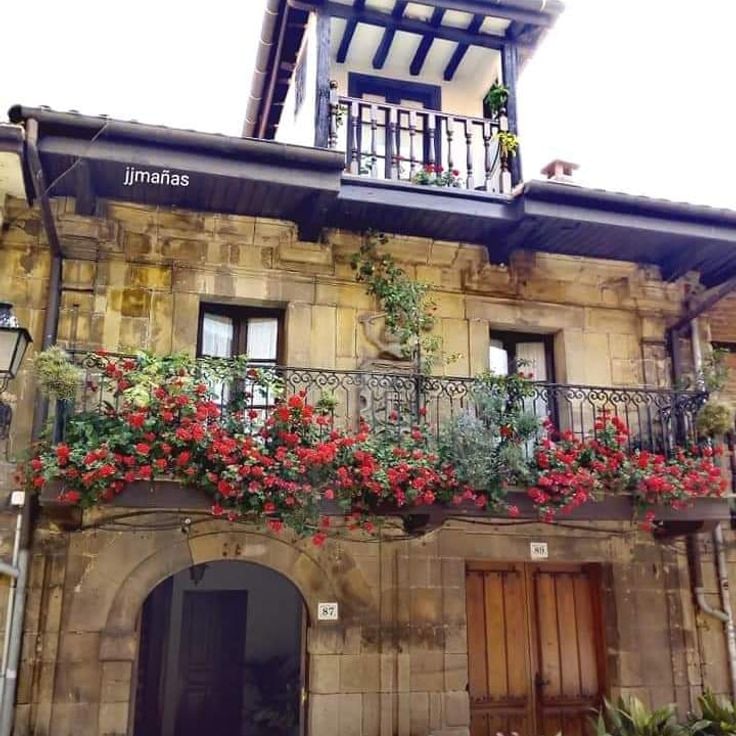
Bárcena Mayor is a medieval village from the 12th century within Cantabria's collection of coastal towns, mountain villages, and ancient caves. Located in the Saja Valley, this village shows how people lived in this region for centuries. Cobbled streets wind between stone houses with wooden balconies. The buildings are constructed from local stone, like much of Cantabria where stone, water, and forest meet. Green valleys surround the village, and further away the Picos de Europa mountains rise into view. Walking through Bárcena Mayor feels like stepping into the past.
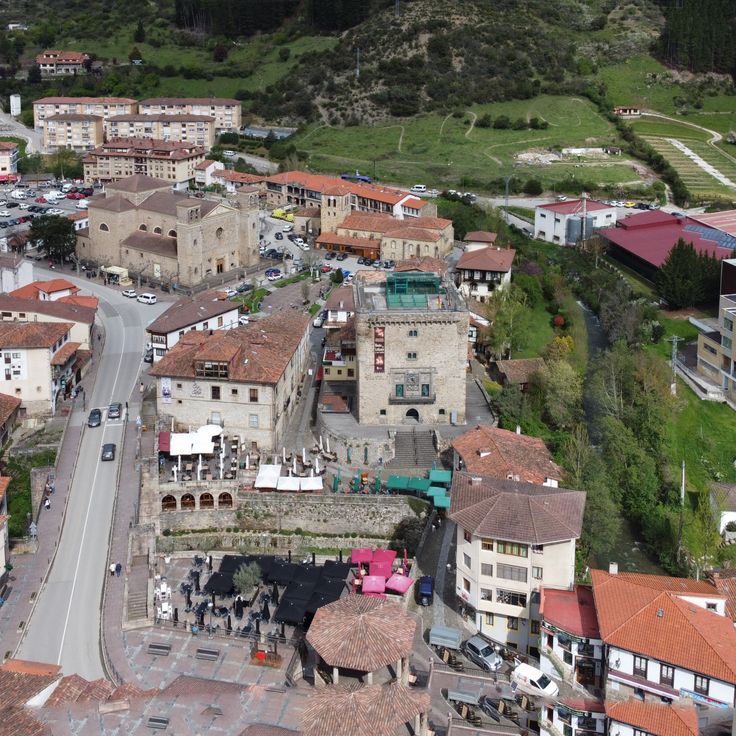
Potes is a historic town in Cantabria that exemplifies this collection's focus on mountain villages and coastal heritage. Located in the Liébana valley, the town features cobblestone streets, a medieval tower, and buildings from the 14th and 15th centuries constructed from local stone. Potes sits surrounded by green valleys and near the Picos de Europa mountains. The town retains the character of an earlier era, with narrow passages and plazas where daily life continues as it has for centuries. Walking through Potes gives a sense of how people lived when these streets were first laid and these buildings first built.
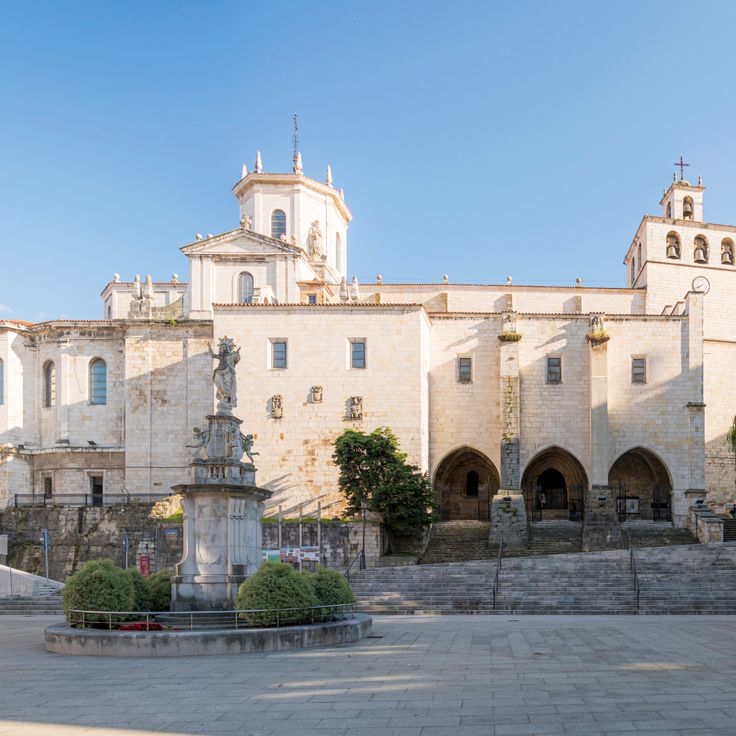
Santander Cathedral is a religious monument from the 13th century built on two levels: an upper church in the Gothic style and a Romanesque crypt below with its stone vaults. This structure fits into Cantabria's story of how history has shaped the region, standing alongside ancient painted caves and medieval villages as proof of how deeply the past runs through these lands.
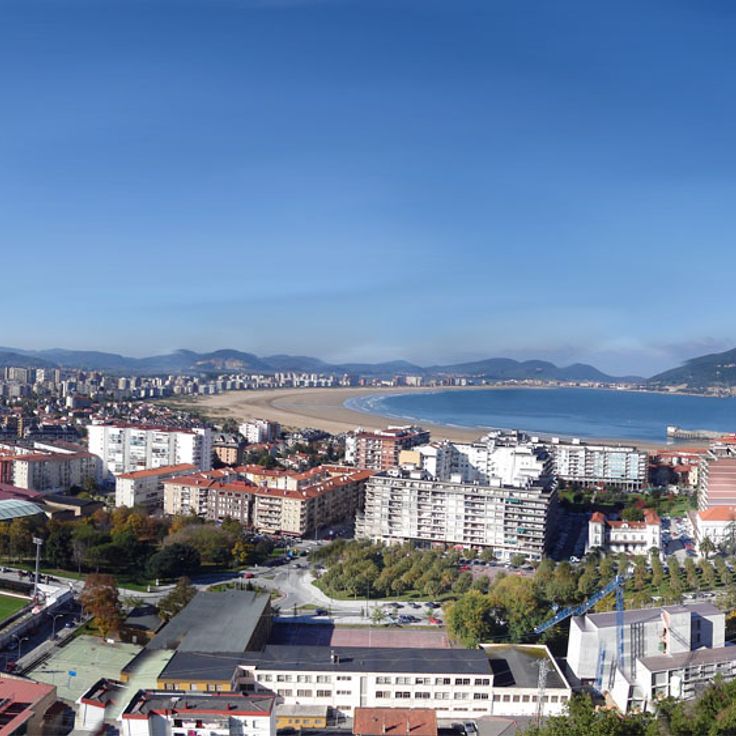
Laredo is a seaside resort in Cantabria where history and beach life come together. The town has a harbor filled with fishing boats and a wide sandy beach called La Salvé, where you can swim and walk along the shore. The old center shows stone houses built in the 16th century by wealthy families. Narrow streets wind through medieval roads, passing buildings with distinctive character and detail. Laredo belongs to Cantabria's coastal world, where the sea shapes the daily work and life of its people.
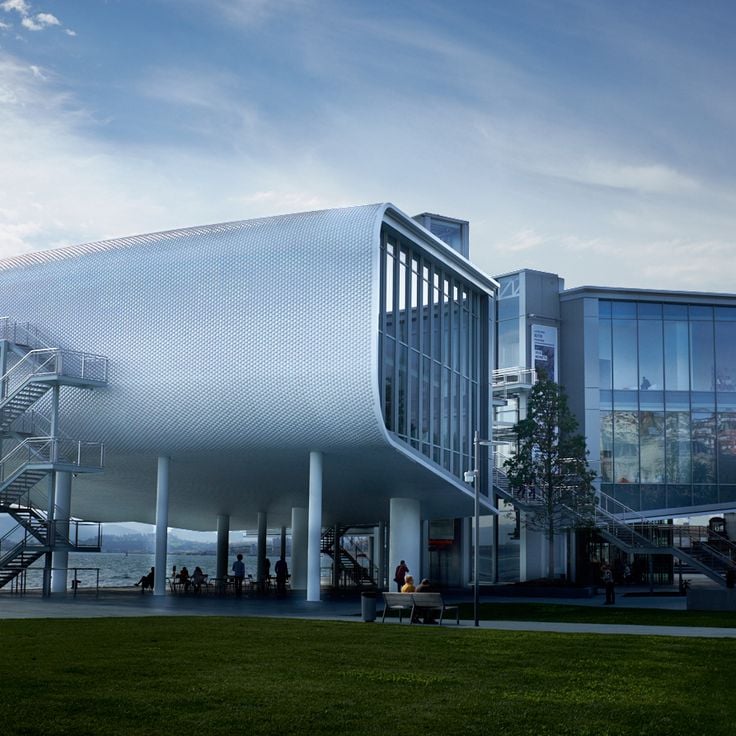
The Botín Centre in Santander shows how modern architecture finds its place in Cantabria. This cultural building opened in 2017 and consists of two distinctive ceramic-clad volumes. Here art exhibitions take place and people come together to learn about contemporary art and creative practices. The building sits by the water, where the coastal city of Santander connects urban parks with the beach and modern life flows alongside the ocean.
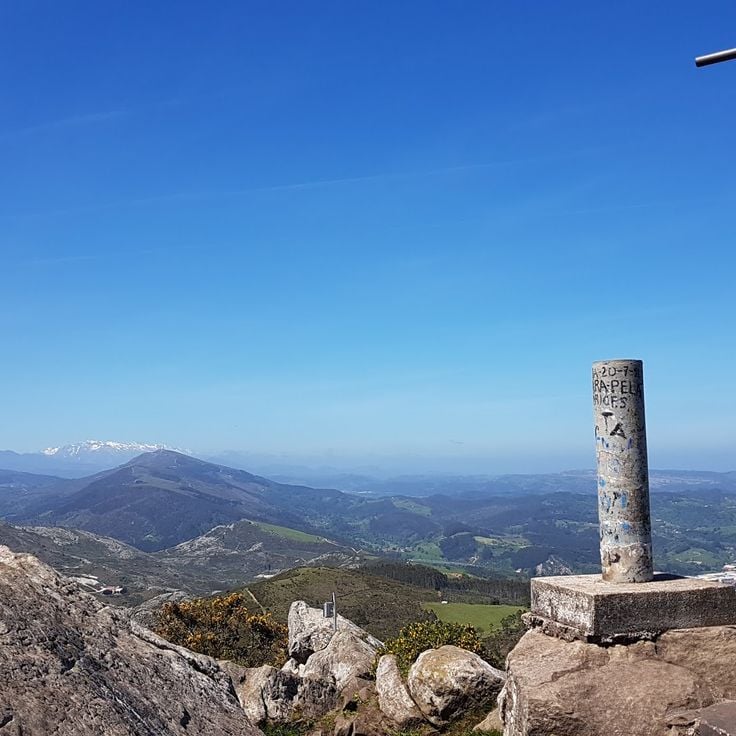
Mount Dobra is a limestone ridge near Torrelavega that rises above the surrounding landscape and offers views across the Besaya valley. Its slopes are walkable, giving visitors a chance to see the land unfold below them. This peak fits into Cantabria's pattern of places where the coast meets mountains, where villages nestle in green valleys, and where water and stone shape the land.
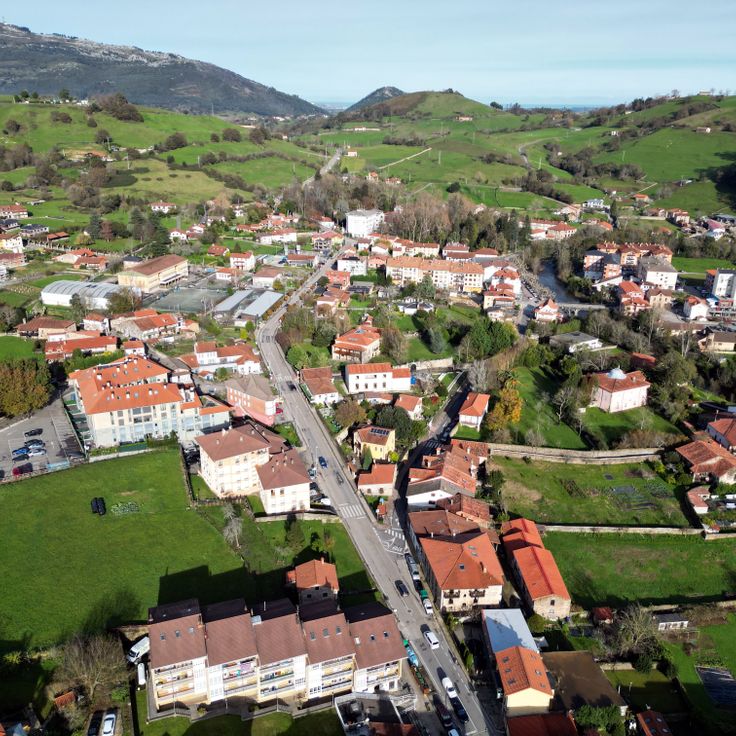
This village shows the medieval past of Cantabria. You walk through narrow, winding streets lined with stone houses that have stood for centuries. A defensive tower from the 13th century rises above the rooftops, a reminder of the region's history. In Cartes, daily life moves at a slower pace, and the old stones tell stories of farmers, craftspeople, and families who built their lives here. It represents the quiet heart of the region's interior, away from the coast but deeply rooted in Cantabrian character.
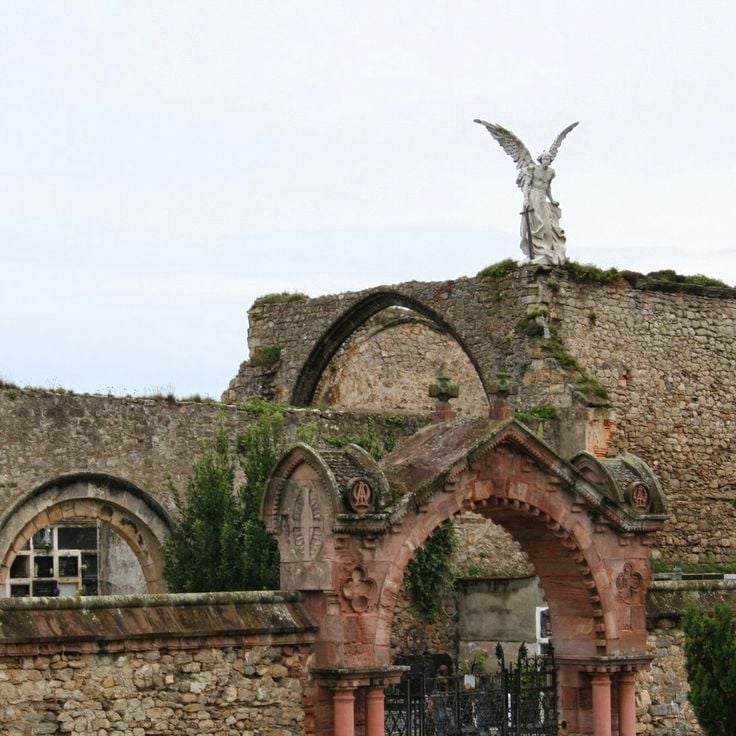
San Cristóbal Cemetery in Comillas is a 19th-century burial ground built on a hillside facing the Cantabrian Sea. It fits within Cantabria's story, where stone and water shape the landscape. The cemetery holds several Neo-Gothic funerary monuments that reflect local craftsmanship and the architectural movements of the era, showing how people chose to honor their deceased. The site weaves together history and the region's natural setting.
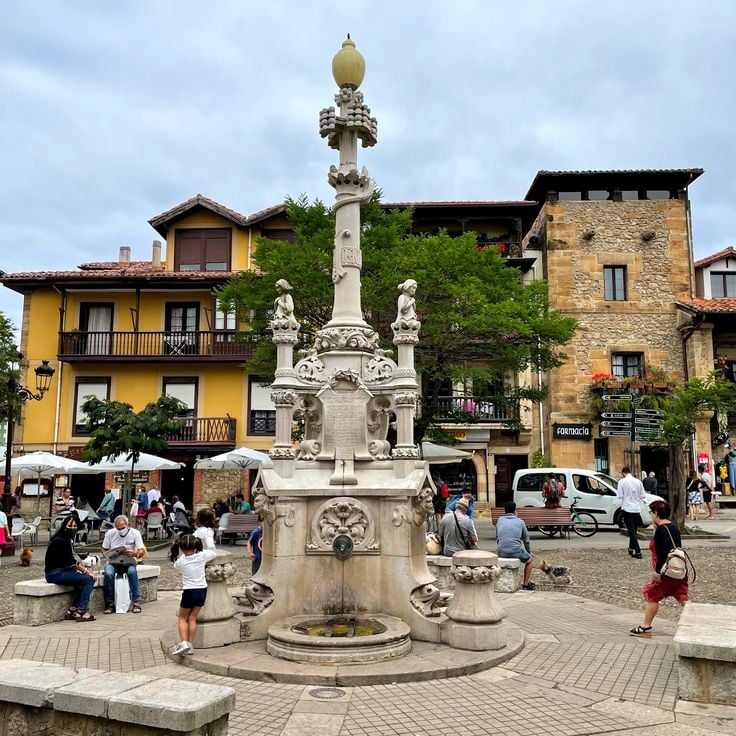
This 18th-century fountain with three water jets and decorative stone elements stands on the main square of Comillas. The Fuente de los Tres Caños connects the craftsmanship of past times with the daily life of the town, showing how important water was in this coastal area of Cantabria.
In these mountains of the Picos de Europa, you find steep peaks, deep gorges, and dense forests. The mountains shape the interior of Cantabria and offer walks through green valleys and past clear lakes. It is a place where you move between stone and nature and feel the power of the mountains. This national park connects the rugged terrain with the green landscapes that define Cantabria.
Comillas is a small coastal town that became an important artistic and intellectual center in the 19th century. The town displays Modernist architecture from that period, most notably the Palacio de Sobrellano with its distinctive towers and gardens. Artists and thinkers gathered here to create buildings in the new style that was reshaping European cities. The location by the sea and the historic streets create a place where art, history, and landscape come together. The beach and the buildings invite you to walk and explore.
Santander is the capital city of Cantabria and sits directly on the coast. This port city brings together urban life and beach access, where both locals and visitors walk along the water. The harbor is active with fishing boats filling the bay, and the fishing industry shapes the city's character. Parks reach down to the waterfront, and wide sandy beaches offer places to swim. From here you can walk to the old town or travel into the surrounding valleys of Cantabria, where forests and villages built from local stone await.
San Vicente de la Barquera is a traditional fishing port where the castle, church, and bridge tell the story of Cantabria's medieval past. The town holds a 13th-century castle perched above the water, a Gothic church with soaring stone walls, and a remarkable bridge of 28 arches that spans the estuary. Fishing boats rest in the harbor, and narrow streets wind through the old town. From here you can see how the coast and river meet, how water has shaped the life of this place for centuries.
Santillana del Mar preserves a medieval village within this coastal region, where stone buildings from the 14th and 15th centuries still stand. The Romanesque collegiate church of Santa Juliana anchors the town. Cobbled streets connect old houses built from local stone. Quiet plazas offer places to pause and observe daily life. The village shows how people lived in Cantabria before modern times arrived.
This cave holds paintings made thousands of years ago during the Upper Paleolithic period, showing bison, horses, and abstract marks in red and black. These works represent some of the oldest art in Europe and reveal how ancient people saw and thought about the animals around them. Standing before these figures, they feel immediate and present. The cave lies in Santillana del Mar, a medieval village in Cantabria where cobbled streets and stone buildings sit among valleys and coastal landscapes where water, stone, and forest meet.
Carmona sits at 600 meters above sea level in the Cabuérniga valley, showing how mountain villages fit into Cantabria's landscape of water, stone, and forest. The Carmona stream flows through the village, surrounded by thick woodlands that rise toward the Picos de Europa. Walking here, you see how locals built their homes from stone and adapted to life between the sea and the mountains that define the region.
Noja is a small coastal town in Cantabria with two main beaches, Ris and Trengandín, where visitors can swim and take walks along the water. The historic center holds several palaces and noble houses built in the 17th century, their stone facades and carved details showing the region's past. This town fits into Cantabria's landscape where sea, stone, and green valleys meet.
Castro-Urdiales is an active fishing port where medieval history and coastal life intertwine. The 12th-century castle overlooks the harbor and the Church of Santa María de la Asunción, built over two centuries from the 13th to 15th, anchors the town center with its stone presence. Fishing boats fill the harbor as they have for centuries, and the narrow streets reveal how locals have built their lives around the sea. Walking through this town, you feel the weight of time in its stone buildings and see how fishing communities keep their traditions alive today.
Torrelavega is the industrial and commercial center of this region, where water, stone, and forest meet. The city hosts the national livestock market and displays significant architecture from the 19th century. From here you can easily reach the coast, where cliffs drop sharply into the sea, or travel inland to valleys full of green grass and small villages built from local stone.
Langre Beach is a sandy shore in Cantabria, part of a region where water, stone, and forest meet. The beach has golden sand and sits below tall limestone cliffs that rise steeply from the water. Wooden stairs lead down to the beach. From here you can see the working coastal life: fishing boats in harbors, small villages built from local stone, and the closeness between sea and mountains.
The Monastery of Santo Toribio de Liébana stands in the mountain region of Cantabria as a destination for pilgrims and travelers drawn to its spiritual significance. Built in the 6th century within the Picos de Europa range, this monastery sits where valleys meet steep slopes and forests surround the stone buildings. People come here to see one of the largest surviving pieces of the True Cross, a relic that has attracted visitors for centuries. Walking to the monastery means following paths through the landscape where ancient forests and mountain peaks create the setting for this centuries-old religious site.
El Capricho de Gaudí is a summer residence built between 1883 and 1885 by Antoni Gaudí in this coastal village. The building displays oriental influences and is decorated with colorful ceramic tiles. It stands as an example of the artistic experiments that took place in this region, where traditional architecture meets new ideas. The house sits in Comillas, near the cliffs and sea, showing how creative designers were inspired by the landscapes and cultures of Cantabria.
El Soplao Cave is a natural cave with remarkable mineral formations and 19th-century mining galleries. A walking route of about 1.5 kilometers guides visitors through the underground passages. This cave fits into Cantabria's story, a region where water, stone, and forest meet. Here you can descend into the depths and discover how nature has shaped stone formations over thousands of years, revealing the region's geological character alongside its ancient art and mountain landscapes.
Alceda Aventura is a leisure center set within a forest in Cantabria, where visitors can use zip lines, climbing walls, and tree courses. The site fits into a region where forest, stone, and water meet, and where people often seek outdoor experiences. It offers professional supervision for families exploring the green landscapes between the coast and the Picos de Europa mountains.
Cabarceno Natural Park transforms a former iron mine into a habitat where over 150 animal species roam in semi-freedom. Walking trails wind through valleys and past enclosures where visitors can observe large predators, herbivores, and birds from different continents up close. The park sits in Cantabria's hills and offers paths that lead through varied terrain, giving you time to watch how animals move and interact in spaces closer to their natural ranges than typical zoos.
The Magdalena Peninsula brings together the elements that define Cantabria: water, stone, and green spaces. A palace built in 1912 sits within carefully maintained gardens, serving as a focal point of this natural area. Coastal paths connect to several beaches where cliffs meet the sea. You can walk along the shore, swim, and enjoy views of both the water and the surrounding landscape, all within the region's main city.
The Cabo Mayor Lighthouse stands on a cliff 91 meters above the sea and represents the maritime character of Cantabria, where water, stone, and nature meet. Built in 1839, this structure sits on a rocky headland that drops sharply into the ocean and is surrounded by a natural park. From this vantage point, you can take in the rugged coastline where fishing boats fill the harbors and wide sandy beaches stretch between rocky promontories. The lighthouse reflects the region's long connection to the sea, where maritime traditions have shaped daily life for centuries.
Sardinero Beach is part of this coastal region where water, stone, and forest meet. The beach stretches along the Bay of Santander with fine sand and a seaside promenade running alongside. Visitors can swim, walk, and experience the connection between the sea and Santander itself, the region's main city situated on the coast.
The El Castillo cave in Puente Viesgo is one of the oldest known sites of human art. On its walls you can see handprints, dots, and animal outlines painted tens of thousands of years ago using red ochre and black charcoal. You enter through a narrow passage and find yourself standing in front of images that feel immediate and direct. The figures show bison, deer, and other animals in natural poses. Standing here, you get a strong sense that people have been looking at these rocks for a very long time.
The Sobrellano Palace in Comillas reveals how wealthy families lived in the late 1800s. Built between 1878 and 1888 following architect Joan Martorell i Montells' design, this aristocratic residence demonstrates how power and taste shaped the region. The palace contains a private chapel and ornate stained-glass windows that cast colored light through its rooms. Walking through its spaces shows the connection between personal wealth and artistic craftsmanship that defined this era.
The Villapresente Maze is a living structure in Cantabria, part of this collection exploring coastal towns, mountain villages, and ancient caves. Built from over 4,000 laurel trees, this maze creates natural pathways that wind through the region's green landscape. Walking through its passages offers a quiet experience in nature, showing how the forests and vegetation of Cantabria can be shaped into something people can explore and enjoy together.
La Esperanza Market is a historic building from 1904 with an iron and glass structure, located in Santander. Fresh local products are sold on the ground floor and upstairs. This market is part of Cantabria's maritime tradition, where port towns sit beside the water with harbors filled with fishing boats. The market shows how the region connects water, stone, and forest, and how daily life here ties together the sea and the mountains.
Liérganes is a village in this region where water, stone, and forest converge. The village is known for its historic thermal springs and houses built in traditional mountain style, featuring wooden balconies and stone facades. These structures reflect the local building practices passed down through generations. Visitors can bathe in the warm springs and walk through streets shaped by centuries of history, experiencing how people have lived in these valleys.
Bárcena Mayor is a medieval village from the 12th century within Cantabria's collection of coastal towns, mountain villages, and ancient caves. Located in the Saja Valley, this village shows how people lived in this region for centuries. Cobbled streets wind between stone houses with wooden balconies. The buildings are constructed from local stone, like much of Cantabria where stone, water, and forest meet. Green valleys surround the village, and further away the Picos de Europa mountains rise into view. Walking through Bárcena Mayor feels like stepping into the past.
Potes is a historic town in Cantabria that exemplifies this collection's focus on mountain villages and coastal heritage. Located in the Liébana valley, the town features cobblestone streets, a medieval tower, and buildings from the 14th and 15th centuries constructed from local stone. Potes sits surrounded by green valleys and near the Picos de Europa mountains. The town retains the character of an earlier era, with narrow passages and plazas where daily life continues as it has for centuries. Walking through Potes gives a sense of how people lived when these streets were first laid and these buildings first built.
Santander Cathedral is a religious monument from the 13th century built on two levels: an upper church in the Gothic style and a Romanesque crypt below with its stone vaults. This structure fits into Cantabria's story of how history has shaped the region, standing alongside ancient painted caves and medieval villages as proof of how deeply the past runs through these lands.
Laredo is a seaside resort in Cantabria where history and beach life come together. The town has a harbor filled with fishing boats and a wide sandy beach called La Salvé, where you can swim and walk along the shore. The old center shows stone houses built in the 16th century by wealthy families. Narrow streets wind through medieval roads, passing buildings with distinctive character and detail. Laredo belongs to Cantabria's coastal world, where the sea shapes the daily work and life of its people.
The Botín Centre in Santander shows how modern architecture finds its place in Cantabria. This cultural building opened in 2017 and consists of two distinctive ceramic-clad volumes. Here art exhibitions take place and people come together to learn about contemporary art and creative practices. The building sits by the water, where the coastal city of Santander connects urban parks with the beach and modern life flows alongside the ocean.
Mount Dobra is a limestone ridge near Torrelavega that rises above the surrounding landscape and offers views across the Besaya valley. Its slopes are walkable, giving visitors a chance to see the land unfold below them. This peak fits into Cantabria's pattern of places where the coast meets mountains, where villages nestle in green valleys, and where water and stone shape the land.
This village shows the medieval past of Cantabria. You walk through narrow, winding streets lined with stone houses that have stood for centuries. A defensive tower from the 13th century rises above the rooftops, a reminder of the region's history. In Cartes, daily life moves at a slower pace, and the old stones tell stories of farmers, craftspeople, and families who built their lives here. It represents the quiet heart of the region's interior, away from the coast but deeply rooted in Cantabrian character.
San Cristóbal Cemetery in Comillas is a 19th-century burial ground built on a hillside facing the Cantabrian Sea. It fits within Cantabria's story, where stone and water shape the landscape. The cemetery holds several Neo-Gothic funerary monuments that reflect local craftsmanship and the architectural movements of the era, showing how people chose to honor their deceased. The site weaves together history and the region's natural setting.
This 18th-century fountain with three water jets and decorative stone elements stands on the main square of Comillas. The Fuente de los Tres Caños connects the craftsmanship of past times with the daily life of the town, showing how important water was in this coastal area of Cantabria.
In these mountains of the Picos de Europa, you find steep peaks, deep gorges, and dense forests. The mountains shape the interior of Cantabria and offer walks through green valleys and past clear lakes. It is a place where you move between stone and nature and feel the power of the mountains. This national park connects the rugged terrain with the green landscapes that define Cantabria.
Comillas is a small coastal town that became an important artistic and intellectual center in the 19th century. The town displays Modernist architecture from that period, most notably the Palacio de Sobrellano with its distinctive towers and gardens. Artists and thinkers gathered here to create buildings in the new style that was reshaping European cities. The location by the sea and the historic streets create a place where art, history, and landscape come together. The beach and the buildings invite you to walk and explore.
Santander is the capital city of Cantabria and sits directly on the coast. This port city brings together urban life and beach access, where both locals and visitors walk along the water. The harbor is active with fishing boats filling the bay, and the fishing industry shapes the city's character. Parks reach down to the waterfront, and wide sandy beaches offer places to swim. From here you can walk to the old town or travel into the surrounding valleys of Cantabria, where forests and villages built from local stone await.
San Vicente de la Barquera is a traditional fishing port where the castle, church, and bridge tell the story of Cantabria's medieval past. The town holds a 13th-century castle perched above the water, a Gothic church with soaring stone walls, and a remarkable bridge of 28 arches that spans the estuary. Fishing boats rest in the harbor, and narrow streets wind through the old town. From here you can see how the coast and river meet, how water has shaped the life of this place for centuries.
Santillana del Mar preserves a medieval village within this coastal region, where stone buildings from the 14th and 15th centuries still stand. The Romanesque collegiate church of Santa Juliana anchors the town. Cobbled streets connect old houses built from local stone. Quiet plazas offer places to pause and observe daily life. The village shows how people lived in Cantabria before modern times arrived.
This cave holds paintings made thousands of years ago during the Upper Paleolithic period, showing bison, horses, and abstract marks in red and black. These works represent some of the oldest art in Europe and reveal how ancient people saw and thought about the animals around them. Standing before these figures, they feel immediate and present. The cave lies in Santillana del Mar, a medieval village in Cantabria where cobbled streets and stone buildings sit among valleys and coastal landscapes where water, stone, and forest meet.
Carmona sits at 600 meters above sea level in the Cabuérniga valley, showing how mountain villages fit into Cantabria's landscape of water, stone, and forest. The Carmona stream flows through the village, surrounded by thick woodlands that rise toward the Picos de Europa. Walking here, you see how locals built their homes from stone and adapted to life between the sea and the mountains that define the region.
Noja is a small coastal town in Cantabria with two main beaches, Ris and Trengandín, where visitors can swim and take walks along the water. The historic center holds several palaces and noble houses built in the 17th century, their stone facades and carved details showing the region's past. This town fits into Cantabria's landscape where sea, stone, and green valleys meet.
Castro-Urdiales is an active fishing port where medieval history and coastal life intertwine. The 12th-century castle overlooks the harbor and the Church of Santa María de la Asunción, built over two centuries from the 13th to 15th, anchors the town center with its stone presence. Fishing boats fill the harbor as they have for centuries, and the narrow streets reveal how locals have built their lives around the sea. Walking through this town, you feel the weight of time in its stone buildings and see how fishing communities keep their traditions alive today.
Torrelavega is the industrial and commercial center of this region, where water, stone, and forest meet. The city hosts the national livestock market and displays significant architecture from the 19th century. From here you can easily reach the coast, where cliffs drop sharply into the sea, or travel inland to valleys full of green grass and small villages built from local stone.
Langre Beach is a sandy shore in Cantabria, part of a region where water, stone, and forest meet. The beach has golden sand and sits below tall limestone cliffs that rise steeply from the water. Wooden stairs lead down to the beach. From here you can see the working coastal life: fishing boats in harbors, small villages built from local stone, and the closeness between sea and mountains.
The Monastery of Santo Toribio de Liébana stands in the mountain region of Cantabria as a destination for pilgrims and travelers drawn to its spiritual significance. Built in the 6th century within the Picos de Europa range, this monastery sits where valleys meet steep slopes and forests surround the stone buildings. People come here to see one of the largest surviving pieces of the True Cross, a relic that has attracted visitors for centuries. Walking to the monastery means following paths through the landscape where ancient forests and mountain peaks create the setting for this centuries-old religious site.
El Capricho de Gaudí is a summer residence built between 1883 and 1885 by Antoni Gaudí in this coastal village. The building displays oriental influences and is decorated with colorful ceramic tiles. It stands as an example of the artistic experiments that took place in this region, where traditional architecture meets new ideas. The house sits in Comillas, near the cliffs and sea, showing how creative designers were inspired by the landscapes and cultures of Cantabria.
El Soplao Cave is a natural cave with remarkable mineral formations and 19th-century mining galleries. A walking route of about 1.5 kilometers guides visitors through the underground passages. This cave fits into Cantabria's story, a region where water, stone, and forest meet. Here you can descend into the depths and discover how nature has shaped stone formations over thousands of years, revealing the region's geological character alongside its ancient art and mountain landscapes.
Alceda Aventura is a leisure center set within a forest in Cantabria, where visitors can use zip lines, climbing walls, and tree courses. The site fits into a region where forest, stone, and water meet, and where people often seek outdoor experiences. It offers professional supervision for families exploring the green landscapes between the coast and the Picos de Europa mountains.
Cabarceno Natural Park transforms a former iron mine into a habitat where over 150 animal species roam in semi-freedom. Walking trails wind through valleys and past enclosures where visitors can observe large predators, herbivores, and birds from different continents up close. The park sits in Cantabria's hills and offers paths that lead through varied terrain, giving you time to watch how animals move and interact in spaces closer to their natural ranges than typical zoos.
The Magdalena Peninsula brings together the elements that define Cantabria: water, stone, and green spaces. A palace built in 1912 sits within carefully maintained gardens, serving as a focal point of this natural area. Coastal paths connect to several beaches where cliffs meet the sea. You can walk along the shore, swim, and enjoy views of both the water and the surrounding landscape, all within the region's main city.
The Cabo Mayor Lighthouse stands on a cliff 91 meters above the sea and represents the maritime character of Cantabria, where water, stone, and nature meet. Built in 1839, this structure sits on a rocky headland that drops sharply into the ocean and is surrounded by a natural park. From this vantage point, you can take in the rugged coastline where fishing boats fill the harbors and wide sandy beaches stretch between rocky promontories. The lighthouse reflects the region's long connection to the sea, where maritime traditions have shaped daily life for centuries.
Sardinero Beach is part of this coastal region where water, stone, and forest meet. The beach stretches along the Bay of Santander with fine sand and a seaside promenade running alongside. Visitors can swim, walk, and experience the connection between the sea and Santander itself, the region's main city situated on the coast.
The El Castillo cave in Puente Viesgo is one of the oldest known sites of human art. On its walls you can see handprints, dots, and animal outlines painted tens of thousands of years ago using red ochre and black charcoal. You enter through a narrow passage and find yourself standing in front of images that feel immediate and direct. The figures show bison, deer, and other animals in natural poses. Standing here, you get a strong sense that people have been looking at these rocks for a very long time.
The Sobrellano Palace in Comillas reveals how wealthy families lived in the late 1800s. Built between 1878 and 1888 following architect Joan Martorell i Montells' design, this aristocratic residence demonstrates how power and taste shaped the region. The palace contains a private chapel and ornate stained-glass windows that cast colored light through its rooms. Walking through its spaces shows the connection between personal wealth and artistic craftsmanship that defined this era.
The Villapresente Maze is a living structure in Cantabria, part of this collection exploring coastal towns, mountain villages, and ancient caves. Built from over 4,000 laurel trees, this maze creates natural pathways that wind through the region's green landscape. Walking through its passages offers a quiet experience in nature, showing how the forests and vegetation of Cantabria can be shaped into something people can explore and enjoy together.
La Esperanza Market is a historic building from 1904 with an iron and glass structure, located in Santander. Fresh local products are sold on the ground floor and upstairs. This market is part of Cantabria's maritime tradition, where port towns sit beside the water with harbors filled with fishing boats. The market shows how the region connects water, stone, and forest, and how daily life here ties together the sea and the mountains.
Liérganes is a village in this region where water, stone, and forest converge. The village is known for its historic thermal springs and houses built in traditional mountain style, featuring wooden balconies and stone facades. These structures reflect the local building practices passed down through generations. Visitors can bathe in the warm springs and walk through streets shaped by centuries of history, experiencing how people have lived in these valleys.
Bárcena Mayor is a medieval village from the 12th century within Cantabria's collection of coastal towns, mountain villages, and ancient caves. Located in the Saja Valley, this village shows how people lived in this region for centuries. Cobbled streets wind between stone houses with wooden balconies. The buildings are constructed from local stone, like much of Cantabria where stone, water, and forest meet. Green valleys surround the village, and further away the Picos de Europa mountains rise into view. Walking through Bárcena Mayor feels like stepping into the past.
Potes is a historic town in Cantabria that exemplifies this collection's focus on mountain villages and coastal heritage. Located in the Liébana valley, the town features cobblestone streets, a medieval tower, and buildings from the 14th and 15th centuries constructed from local stone. Potes sits surrounded by green valleys and near the Picos de Europa mountains. The town retains the character of an earlier era, with narrow passages and plazas where daily life continues as it has for centuries. Walking through Potes gives a sense of how people lived when these streets were first laid and these buildings first built.
Santander Cathedral is a religious monument from the 13th century built on two levels: an upper church in the Gothic style and a Romanesque crypt below with its stone vaults. This structure fits into Cantabria's story of how history has shaped the region, standing alongside ancient painted caves and medieval villages as proof of how deeply the past runs through these lands.
Laredo is a seaside resort in Cantabria where history and beach life come together. The town has a harbor filled with fishing boats and a wide sandy beach called La Salvé, where you can swim and walk along the shore. The old center shows stone houses built in the 16th century by wealthy families. Narrow streets wind through medieval roads, passing buildings with distinctive character and detail. Laredo belongs to Cantabria's coastal world, where the sea shapes the daily work and life of its people.
The Botín Centre in Santander shows how modern architecture finds its place in Cantabria. This cultural building opened in 2017 and consists of two distinctive ceramic-clad volumes. Here art exhibitions take place and people come together to learn about contemporary art and creative practices. The building sits by the water, where the coastal city of Santander connects urban parks with the beach and modern life flows alongside the ocean.
Mount Dobra is a limestone ridge near Torrelavega that rises above the surrounding landscape and offers views across the Besaya valley. Its slopes are walkable, giving visitors a chance to see the land unfold below them. This peak fits into Cantabria's pattern of places where the coast meets mountains, where villages nestle in green valleys, and where water and stone shape the land.
This village shows the medieval past of Cantabria. You walk through narrow, winding streets lined with stone houses that have stood for centuries. A defensive tower from the 13th century rises above the rooftops, a reminder of the region's history. In Cartes, daily life moves at a slower pace, and the old stones tell stories of farmers, craftspeople, and families who built their lives here. It represents the quiet heart of the region's interior, away from the coast but deeply rooted in Cantabrian character.
San Cristóbal Cemetery in Comillas is a 19th-century burial ground built on a hillside facing the Cantabrian Sea. It fits within Cantabria's story, where stone and water shape the landscape. The cemetery holds several Neo-Gothic funerary monuments that reflect local craftsmanship and the architectural movements of the era, showing how people chose to honor their deceased. The site weaves together history and the region's natural setting.
This 18th-century fountain with three water jets and decorative stone elements stands on the main square of Comillas. The Fuente de los Tres Caños connects the craftsmanship of past times with the daily life of the town, showing how important water was in this coastal area of Cantabria.