See the monuments around you in AROpen chests in the app
Around Us is built for your phone — point your camera at the streets and discover the monuments and places around you in augmented reality.Around Us is built for your phone — chests unlock when you walk, explore and capture nearby places.
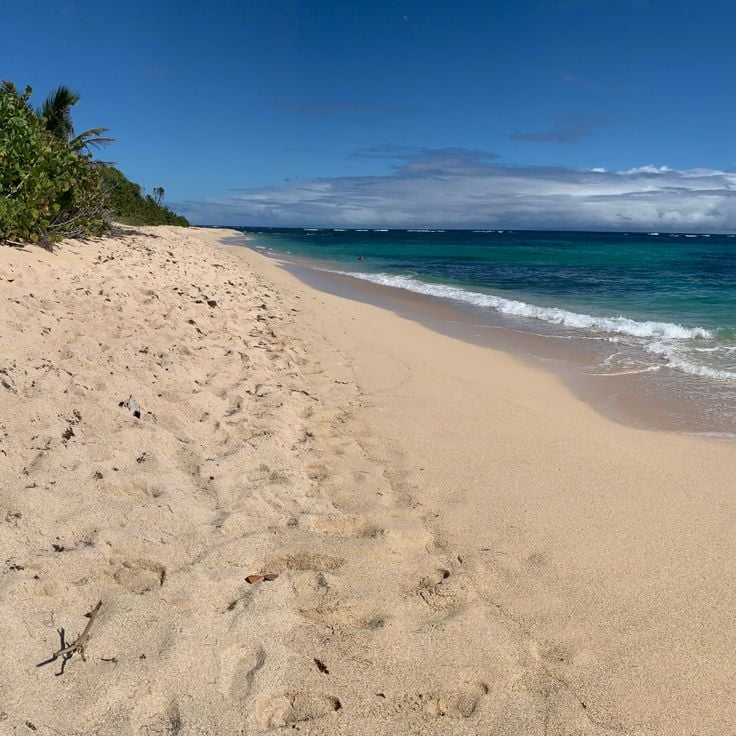
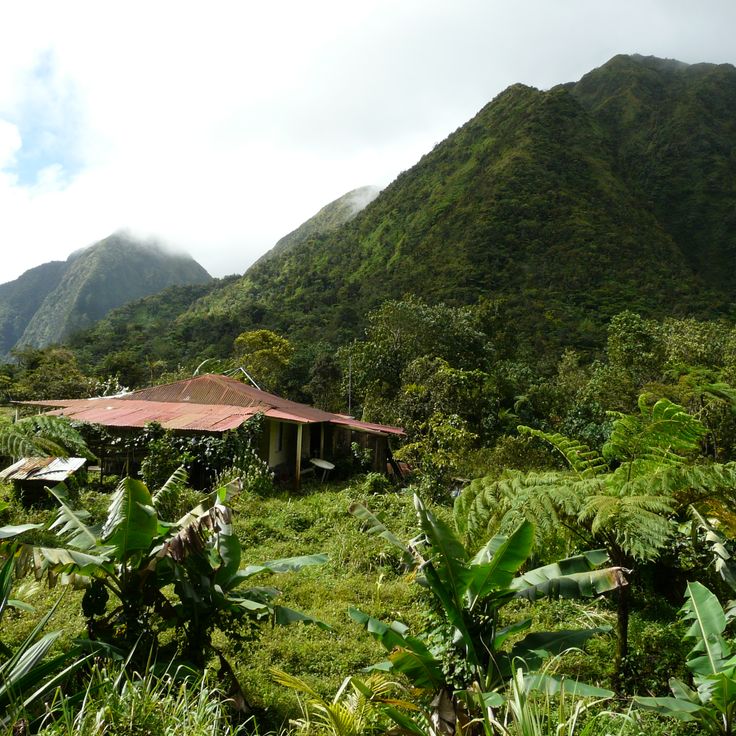
Martinique is best discovered by going off the main tourist routes. The island offers hidden spots such as nature reserves, historic sites, and quiet beaches to explore. Inside, there are waterfalls, hiking paths, and old colonial buildings. Along the coast, you will find black sand beaches, small coves, and tiny islands. Visitors can wander through botanical gardens, visit volcano museums, and see old sugar plantations.
This collection shows places that reflect the real feel of the island. Îlet Oscar provides views of the bay of Le François. Habitation Clément and other old plantations tell the story of the island. The Jardin de Balata features tropical plants in a natural setting. Cap 110 and Anse Noire have dark sandy beaches with ocean views.
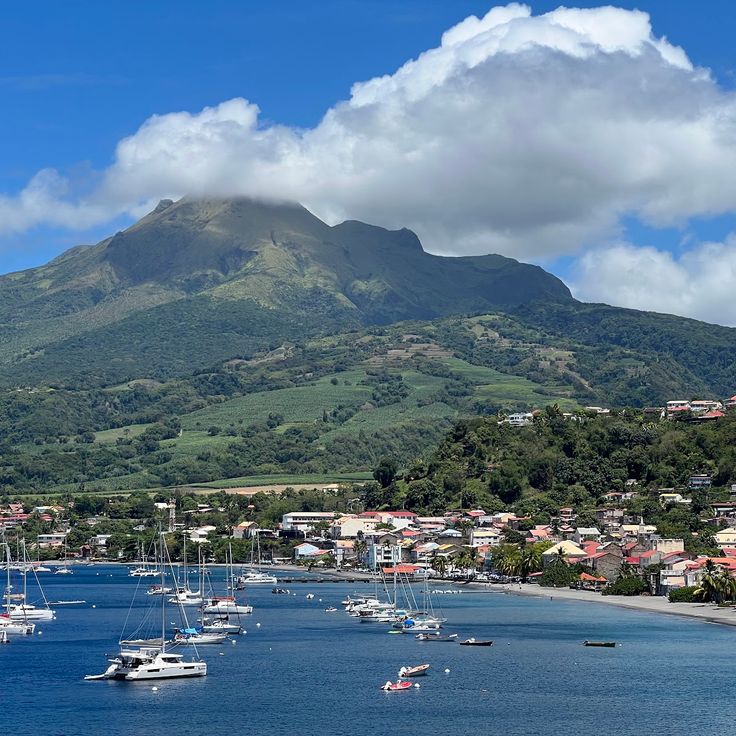
On the Caravelle Peninsula and around Le Prêcheur, there are less visited coastal areas. Mount Pelée and the Saint-Pierre volcano museum document volcanic activity. Hikers can visit Cascade Didier or climb the Pitons du Carbet. Historic buildings like Saint-Louis Cathedral and the Schoelcher Library are found in Fort-de-France.
Martinique is best discovered by going off the main tourist routes. The island offers hidden spots such as nature reserves, historic sites, and quiet beaches to explore. Inside, there are waterfalls, hiking paths, and old colonial buildings. Along the coast, you will find black sand beaches, small coves, and tiny islands. Visitors can wander through botanical gardens, visit volcano museums, and see old sugar plantations.
This collection shows places that reflect the real feel of the island. Îlet Oscar provides views of the bay of Le François. Habitation Clément and other old plantations tell the story of the island. The Jardin de Balata features tropical plants in a natural setting. Cap 110 and Anse Noire have dark sandy beaches with ocean views.
On the Caravelle Peninsula and around Le Prêcheur, there are less visited coastal areas. Mount Pelée and the Saint-Pierre volcano museum document volcanic activity. Hikers can visit Cascade Didier or climb the Pitons du Carbet. Historic buildings like Saint-Louis Cathedral and the Schoelcher Library are found in Fort-de-France.
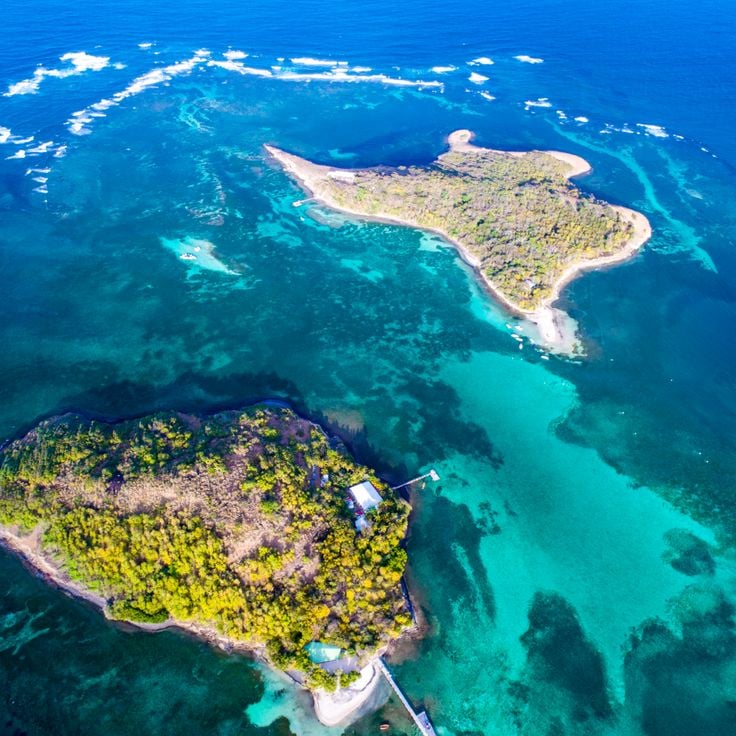
Îlet Oscar is a small island representing one of Martinique's alternative destinations. This place sits away from common tourist routes and offers access to coral reefs for swimming and snorkeling. A restaurant on the island serves local food. The island shows how the region extends beyond colonial sites and plantations to include natural coastal landscapes with black sand beaches and offshore islands.
Habitation Clément is a historic estate on Martinique with a 19th-century rum distillery. The site displays rum production processes and Creole architecture. As one of the island's alternative destinations, it offers insight into colonial history and the craft techniques that shaped the region.
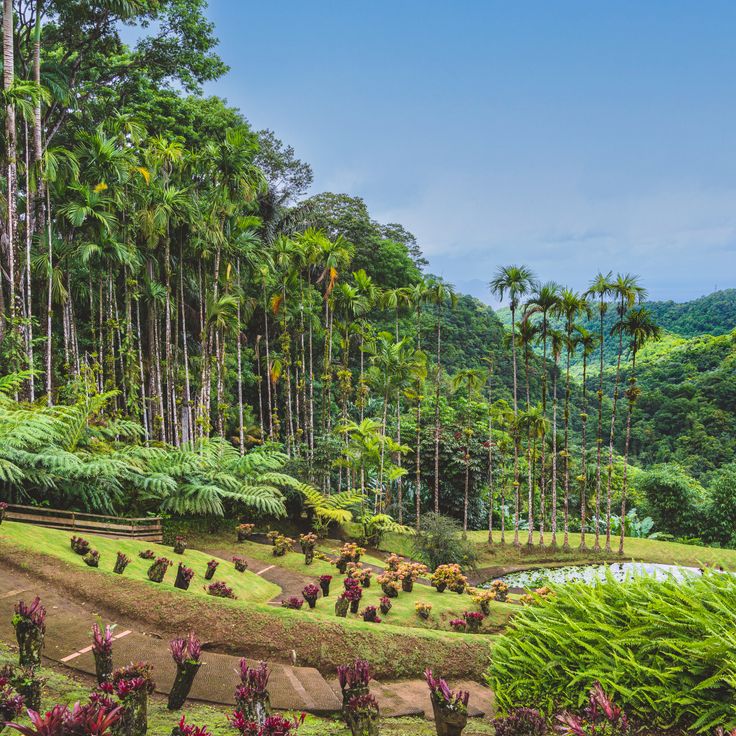
The Balata Gardens showcase the botanical richness that lies beyond Martinique's familiar paths. This garden holds 3000 plant species and features a tree canopy walkway where visitors move through the upper levels of the forest. The bridge provides views across the northern landscape and represents the kind of natural exploration that defines the island's inland regions, where hiking trails and botanical spaces reveal the layers of the island's living environment.
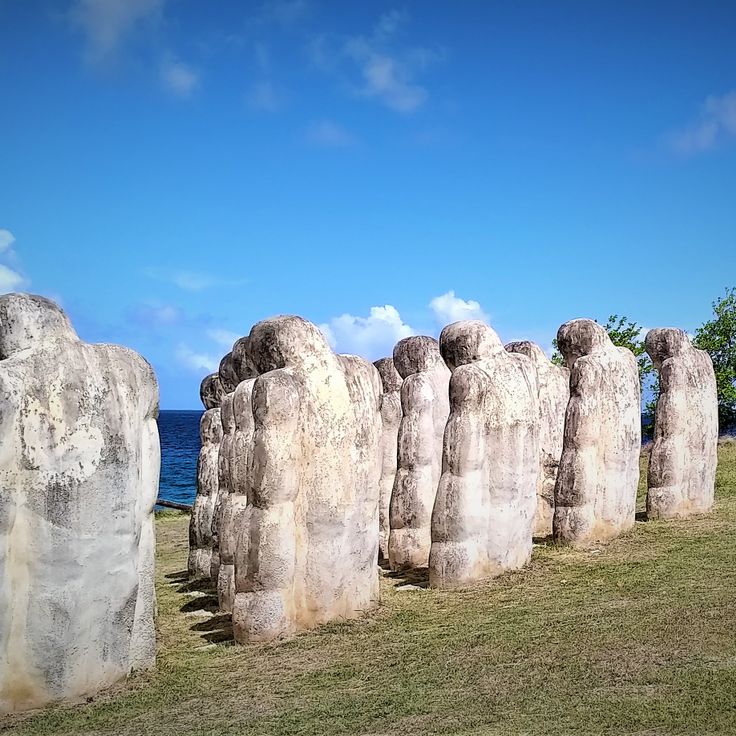
Cap 110 features fifteen white concrete statues standing on the beach at Le Diamant. These sculptures commemorate people who died in a shipwreck in 1830. The site represents one of Martinique's alternative destinations, offering travelers a chance to discover history beyond well-known paths. The statues create a solemn memorial to a maritime tragedy and reflect the island's complex past.
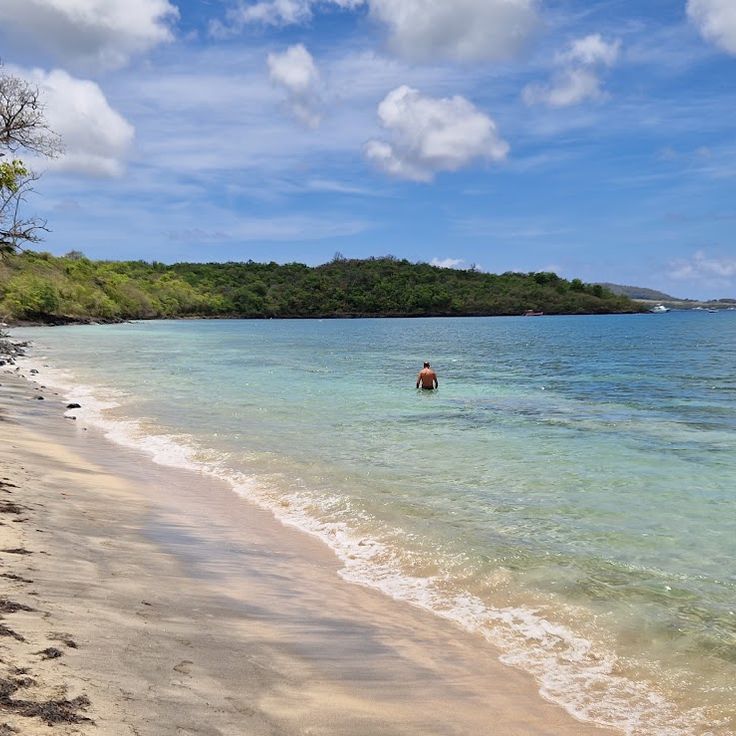
Gommier Cove in Sainte-Anne is a small cove with a protected sandy beach and clear waters, where palm trees line the coastline. It is one of the remote beaches that reveals the island beyond familiar paths, showing how Martinique unfolds away from the usual routes.
Domaine d'Emeraude is a nature park that reveals the rainforest landscapes beyond familiar paths in Martinique. The park features marked trails that wind through dense vegetation, where visitors can observe the island's diverse plant life. A visitor center provides information about local species and the ecology of the region. This location offers an opportunity to experience the natural side of Martinique away from the usual tourist routes.
The Caravelle Peninsula reveals how the island unfolds beyond familiar paths. This protected area combines mangrove forests, beaches and historical ruins with viewpoints over the Atlantic coast. It fits perfectly into a journey exploring nature reserves, historic sites and remote coves.
Grand'Rivière is a fishing village on the northern coast of Martinique, situated away from the typical tourist routes. The village has a small harbor where local fishermen work daily with their boats. Local restaurants serve traditional dishes made with fresh fish and regional ingredients. Walking paths around Grand'Rivière lead through the surrounding landscape and offer views of the coastline and sea.
Le Prêcheur Batelier offers daily fishing excursions where visitors can explore the underwater world, coral reefs and rocky coastline of the Caribbean Sea. This place fits well among Martinique's hidden destinations, where the coast features black sand beaches, coves and small islets.
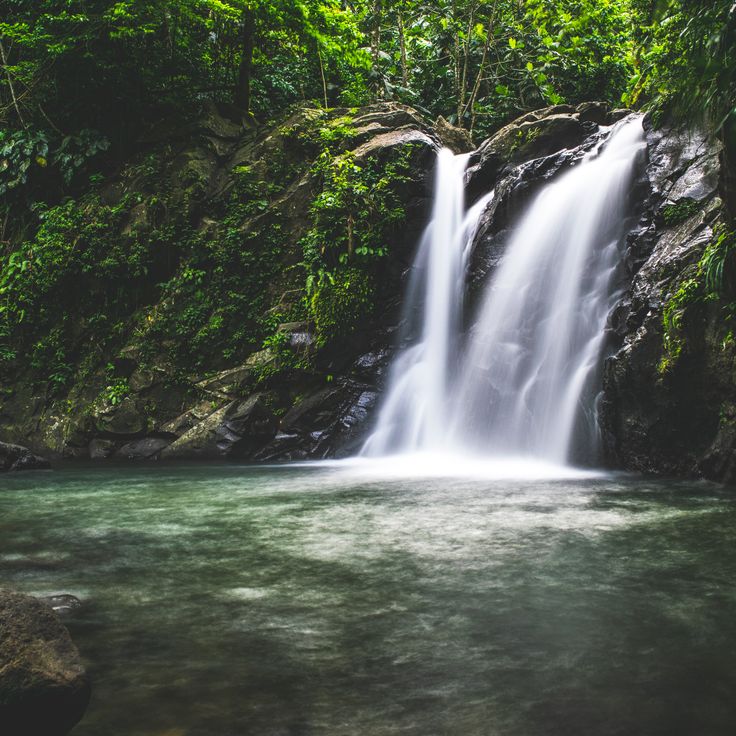
Cascade Didier is a waterfall that sits at the end of a tunnel and drops into a natural swimming basin. It represents the kind of hidden natural treasures that Martinique reveals beyond familiar paths. The waterfall shows how the island invites visitors to explore its waterfalls, hiking trails, and natural spaces that define its interior.
The Savane des Pétrifications reveals the geological history of Martinique with petrified tree trunks from volcanic times and stone formations shaped by erosion. This site sits apart from familiar routes and offers insight into the natural processes that have shaped the island. The landscape documents how volcanic activity and water transformed the terrain over time. It is a place to discover the less explored sides of Martinique.
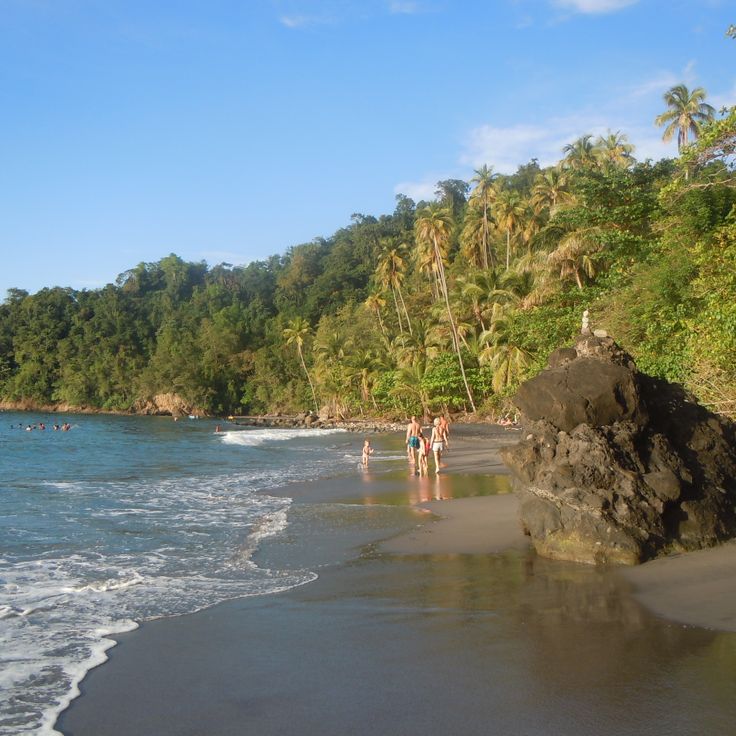
Anse Noire is a black volcanic sand beach in Martinique's alternative destinations. The beach sits within mangrove surroundings and offers access to waters filled with tropical fish. This coastal spot is part of the island's varied landscape, which includes nature reserves, historic sites, remote beaches, botanical gardens, and hiking trails along with colonial architecture.
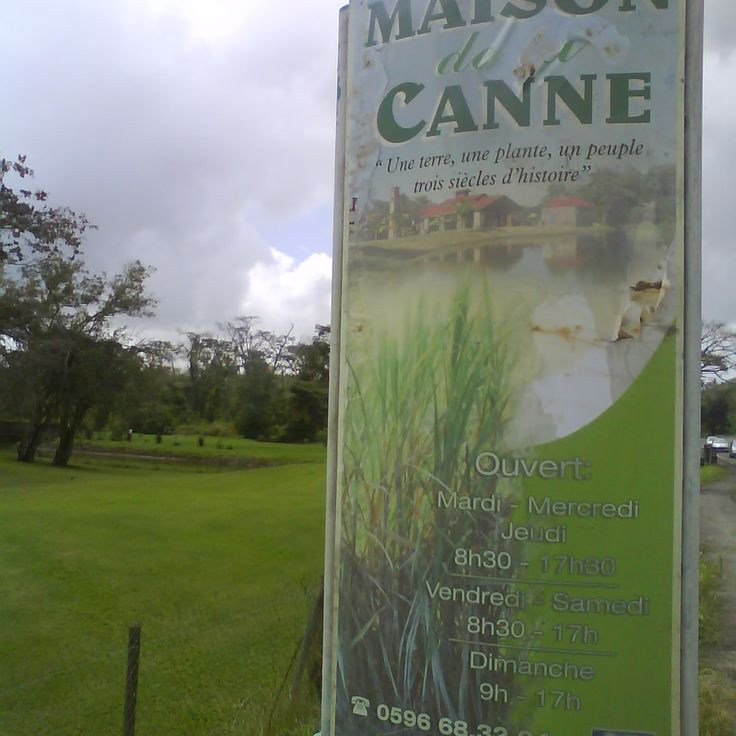
The Maison de la Canne presents the history of sugar cane production on Martinique. This former plantation house displays tools, documents and photographs that document the industrial development of the island from 1660 to the present day. This place fits perfectly into exploring the hidden sides of Martinique, where history and nature meet.
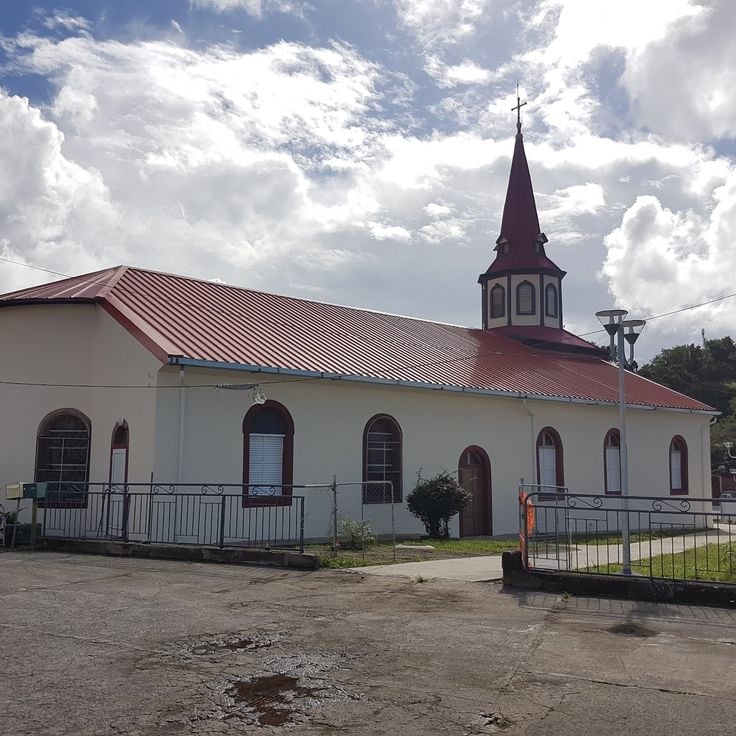
Le Morne-Vert Church is a 19th-century religious building situated on a hill overlooking green valleys and the volcano. It shows colonial architecture and is part of Martinique's history beyond familiar destinations. The surrounding region contains nature reserves, historic sites and remote beaches, making this church a gateway to the island's less-traveled paths.
Habitation Anse Latouche reveals the remains of a 17th century sugar plantation where information panels tell the story of the island's colonial past. This site helps you understand how the region developed and the lives of those who lived here. It fits well with other alternative destinations that show Martinique beyond the usual tourist routes.
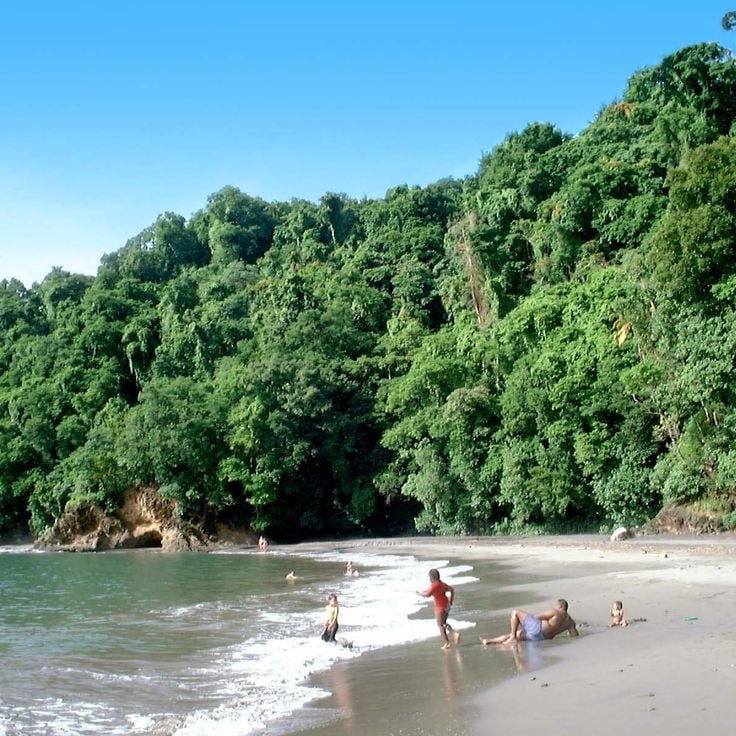
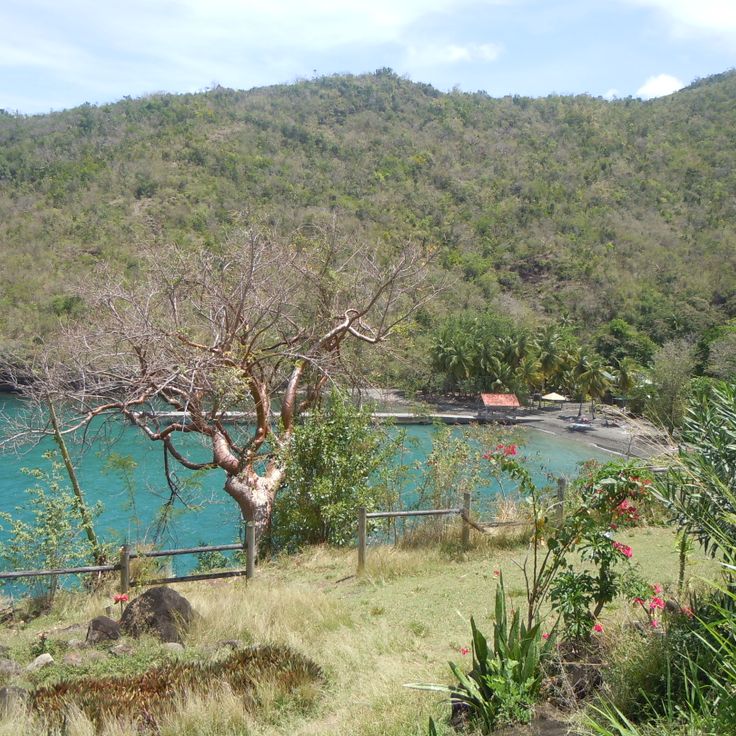
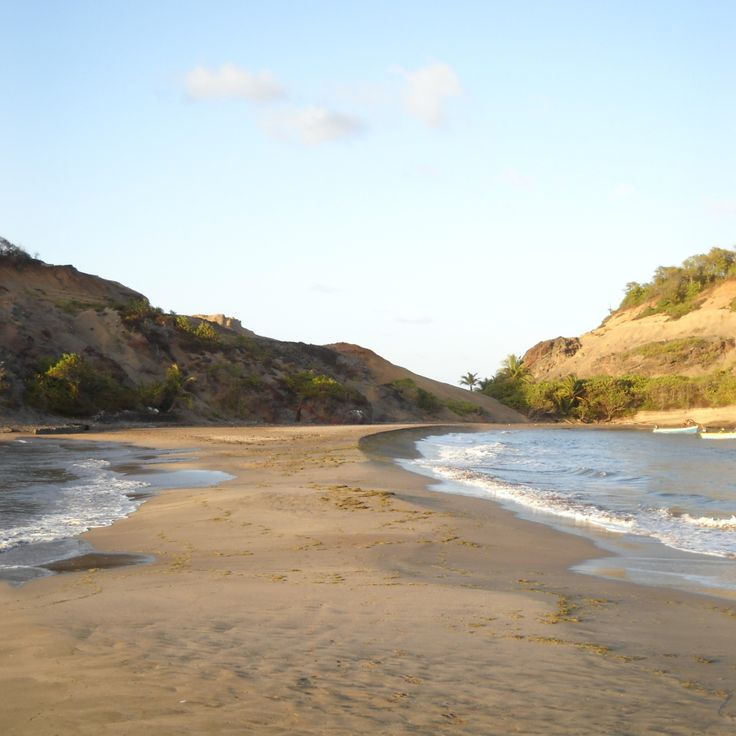
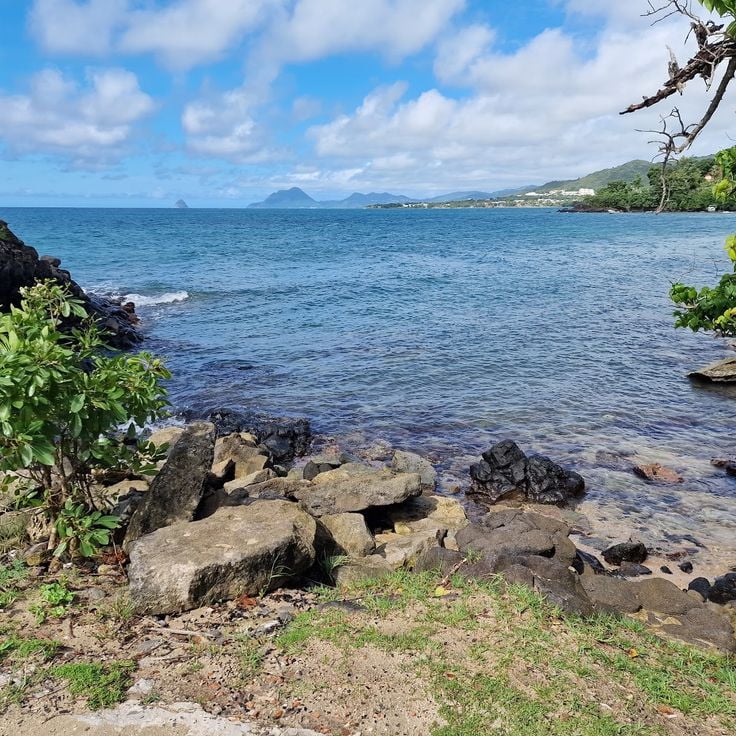
This natural bay on Martinique's north coast reveals the island away from familiar paths. Dark volcanic sand meets the water, with rainforest pressing close to the shore. Hiking trails lead inland through thick vegetation and tropical growth. It is a place where the island shows its wilder side, far from crowded beaches.
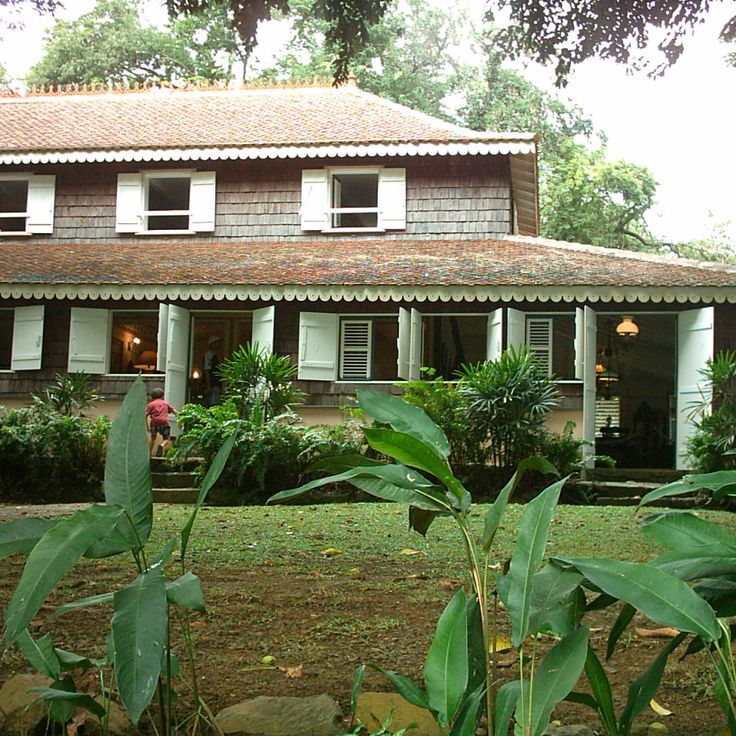
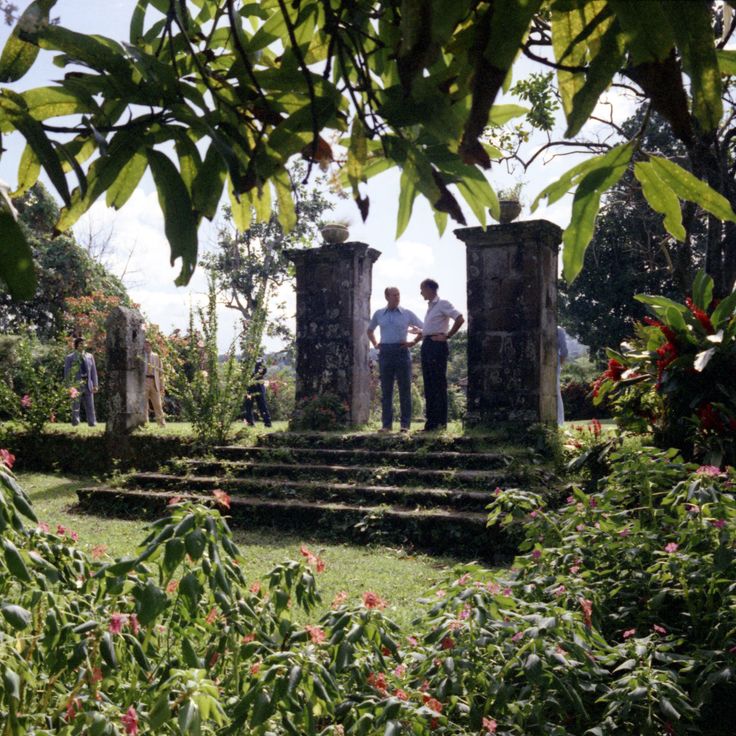
Habitation Leyritz is an 18th century colonial residence that shows how people lived on the island during the colonial period. The house preserves native plants, period furniture and tools used for agriculture. It is one of the alternative destinations in Martinique where visitors can discover history and explore nature away from familiar routes.
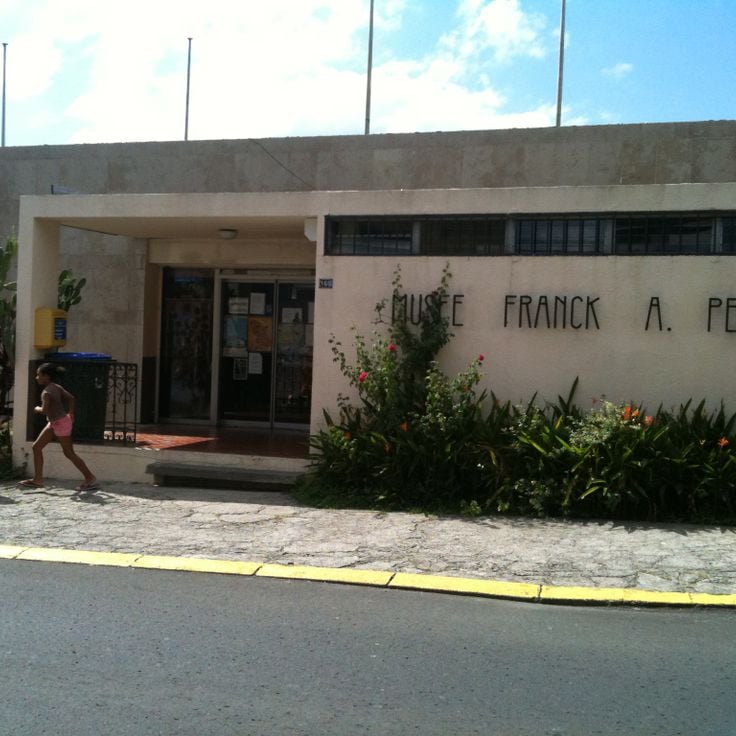
This museum in Saint-Pierre displays the volcanic history of the island through rock samples, old photographs and objects from Mount Pelée eruptions. It stands in a town that was destroyed by an eruption in 1902 and now attracts visitors seeking to discover the alternative side of Martinique - the wild natural forces, historic sites and hidden places beyond familiar routes.
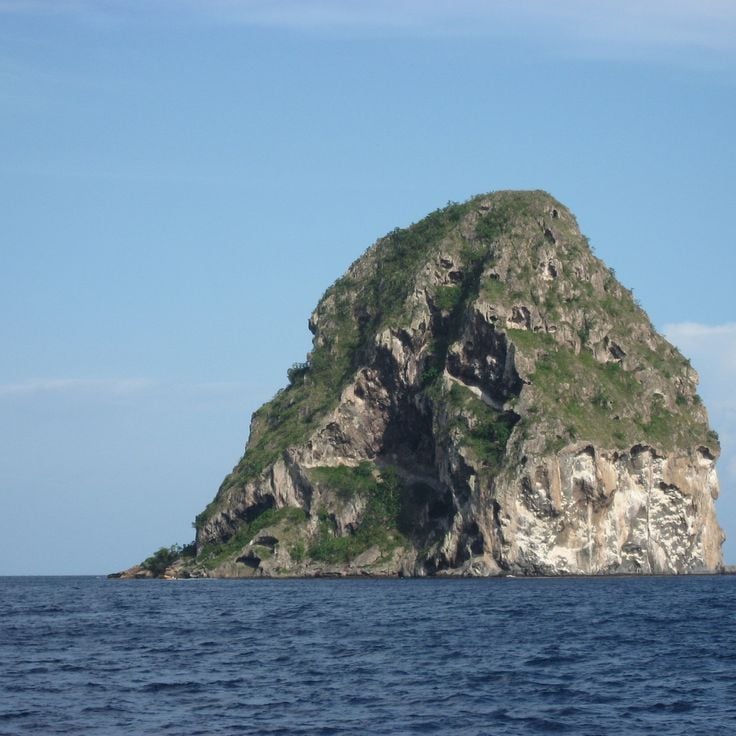
The Rocher du Diamant is one of the alternative destinations in Martinique where the island reveals its natural character away from crowded paths. This 175-meter basalt rock rises 3 kilometers offshore and creates diving areas with coral reefs and schools of fish. The formation shows the volcanic nature of the region and the rich marine life that defines Martinique's coast.
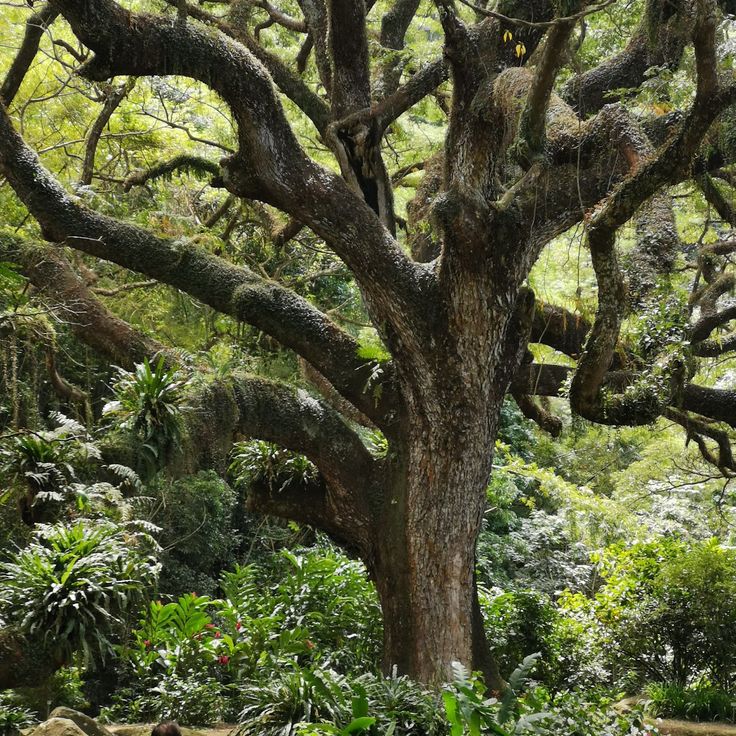
Habitation Céron is a 17th century sugar cane plantation that serves as an alternative destination in Martinique beyond familiar tourist routes. The property displays historical production methods and shelters a 300-year-old Saman tree. This site lets visitors explore the colonial past of the island while discovering remote corners of Martinique.
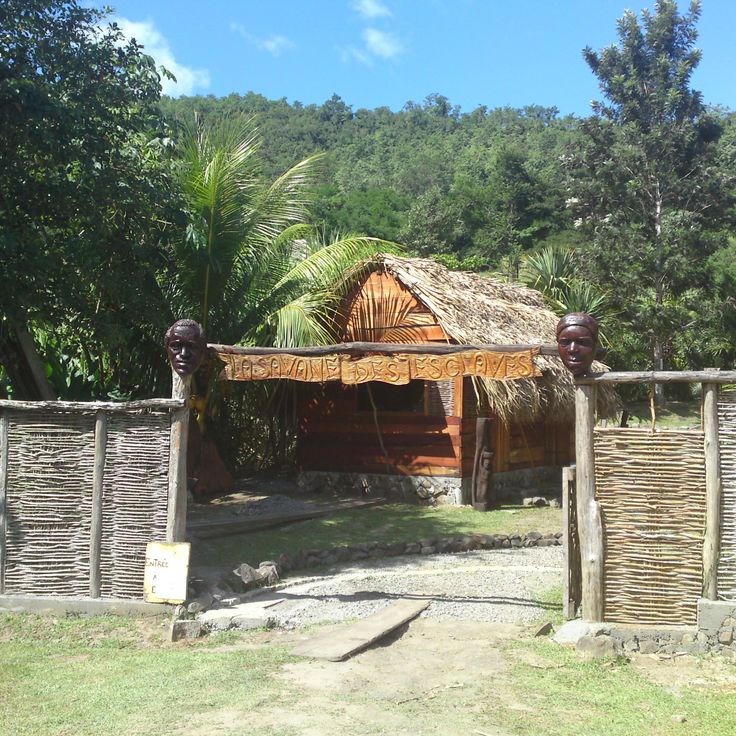
La Savane des Esclaves is an outdoor museum in Les Trois-Îlets that tells the story of slavery and traditional Creole life through reconstructed dwellings and exhibits. The museum displays how people lived in past times, with huts and objects arranged to show daily routines and practices. It fits within Martinique's broader collection of historical sites that help visitors discover the island beyond the most familiar destinations.
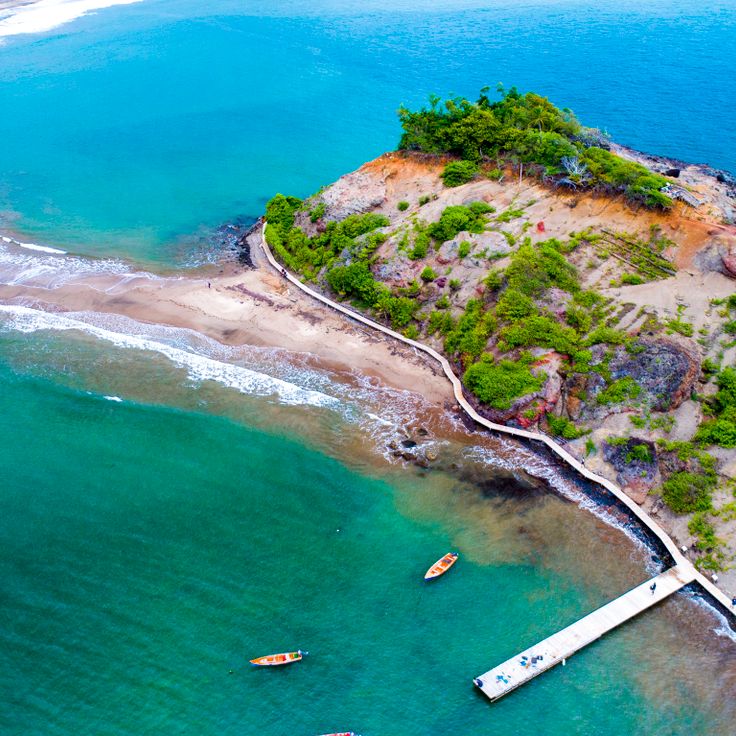
Îlet Sainte-Marie is an islet that connects to the main island through a natural sandbar accessible during low tide. It represents one of the quieter coastal destinations that reveal Martinique beyond the usual tourist routes, with its secluded coves, dark sand beaches and local character that draws travelers seeking out more remote places.
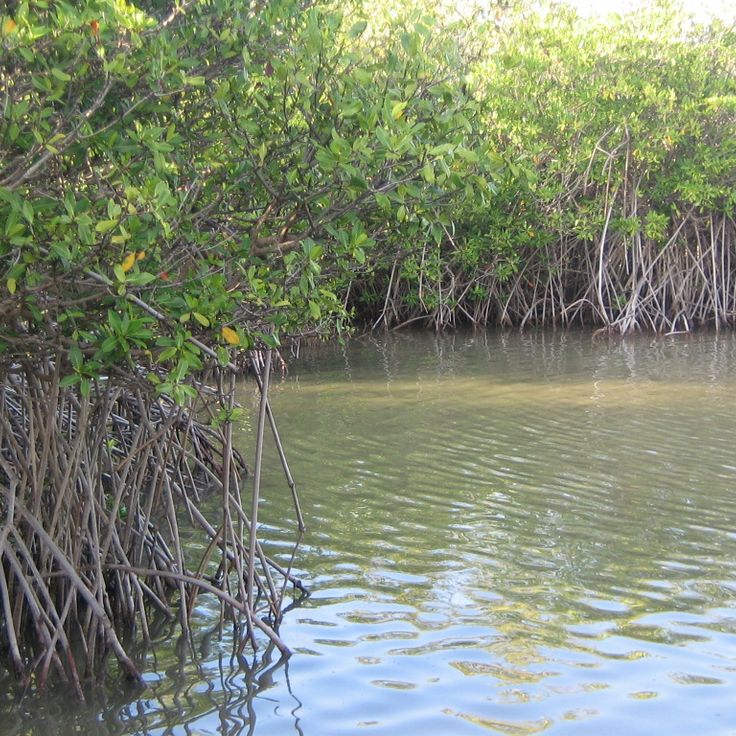
L'Étang des Salines is a nature reserve in Sainte-Anne that reveals itself as one of Martinique's alternative destinations for travelers seeking paths beyond the familiar. The large pond sits surrounded by mangrove wetlands and hosts a variety of bird species. It offers quiet walks and opportunities to observe native birds in their habitat.
Pointe Borgnèse is a cape that serves as a destination for exploring nature away from familiar routes. The location offers views of the water and is often used for outdoor activities. It fits within the island's varied natural landscape that includes black sand beaches, coves and hiking trails through inland areas.
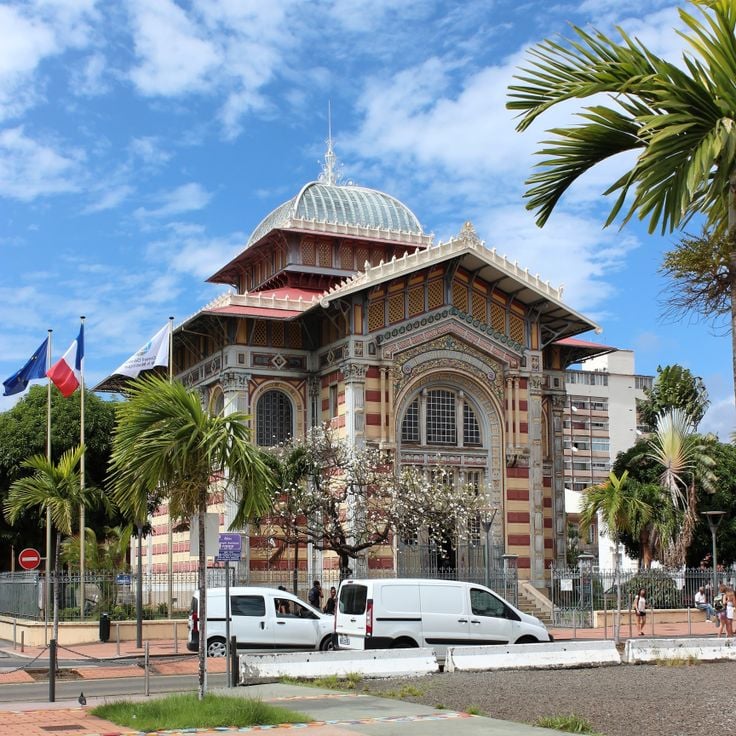
The Bibliothèque Schoelcher in Fort-de-France shows how Caribbean architecture extends beyond the island's familiar paths. Built in 1893, this building brings together French and Caribbean styles through its metal framework and colored glass windows. It stands as one of the historic sites that reveal Martinique's past when exploring alternative destinations.
Le Tombolo de Sainte-Marie is a natural sandbank that emerges between April and August during low tide, connecting the mainland to an offshore island. This geographical feature offers travelers exploring alternative paths across Martinique a chance to witness the island's distinctive coastal formations.
The Écomusée de Martinique documents how rum has been made over generations and shows the tools, equipment, and methods that workers used. It helps visitors understand a craft that shaped the island's economy and the daily lives of its people for centuries.
Cap Macré is a sand beach in Sainte-Anne that represents the quieter coastal spots found throughout Martinique. The shoreline stretches 300 meters and provides a spot for swimming and snorkeling among natural rock formations. Palm trees and mangroves frame the water's edge, creating a sheltered cove feeling. This beach fits the collection's focus on discovering the island beyond familiar tourist routes.
The Pitons du Carbet are five volcanic summits located in Le Morne-Vert, rising between 1020 and 1196 meters. They are connected by marked hiking paths that allow you to explore Martinique's mountain landscape. These peaks represent the natural destinations beyond familiar tourist routes that the island offers. Hikers can use the trails to experience the mountain terrain, fresh air and views across the region.
Montagne Pelée in Saint-Pierre stands as a volcano with a height of 1397 meters, offering visitors several routes to its summit for hiking. As part of the alternative destinations throughout Martinique, this volcano reveals the island's natural character beyond familiar paths. Its last eruption occurred in 1932, and today the mountain draws those seeking to experience the region's geology and history.
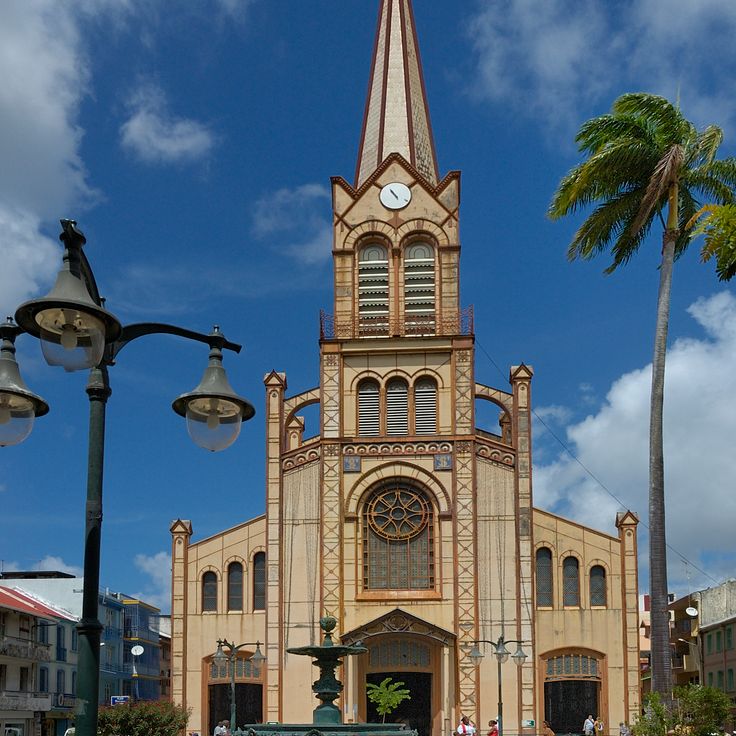
The Cathédrale Saint-Louis reveals a side of Martinique beyond familiar paths. This religious building made of iron and stone was constructed in 1895 and has withstood several earthquakes and hurricanes. Located in Fort-de-France, it connects colonial architecture with the island's history.
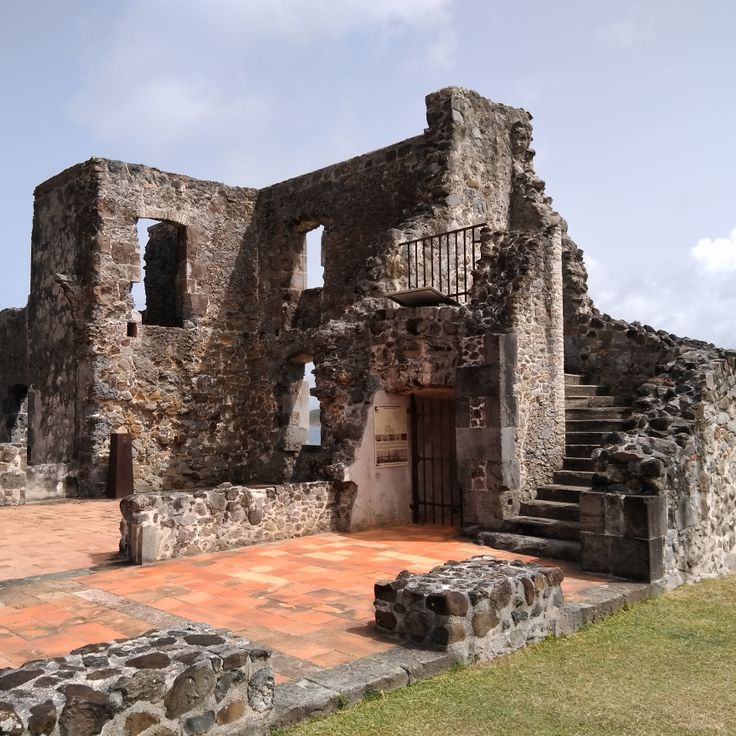
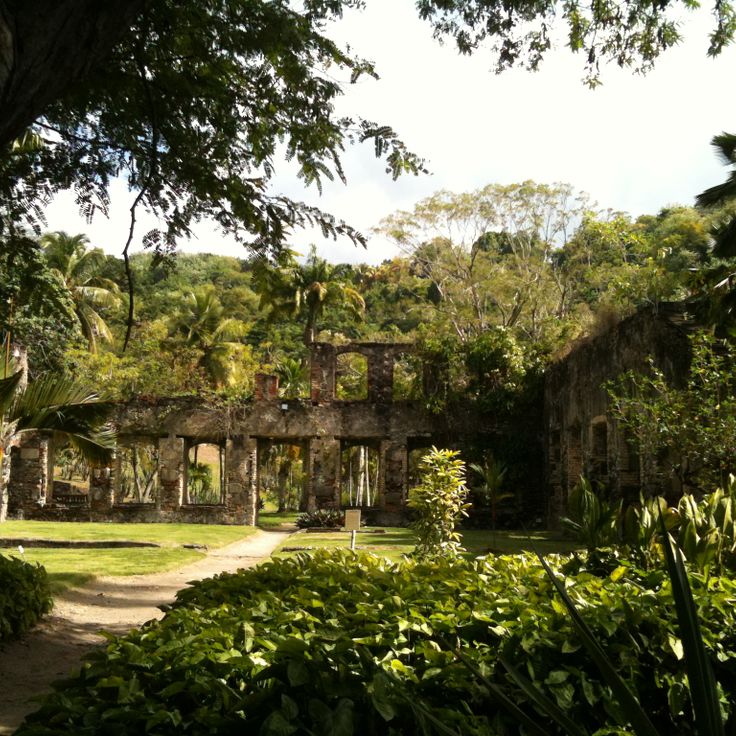
Château Dubuc in La Trinité presents the remains of a colonial residence built in 1725. The ruins display foundations, walls and a lime kiln from the historical sugar plantation. This site reveals how people lived and worked on Martinique's plantations, offering insight into the island's history beyond familiar destinations.
Îlet Oscar is a small island representing one of Martinique's alternative destinations. This place sits away from common tourist routes and offers access to coral reefs for swimming and snorkeling. A restaurant on the island serves local food. The island shows how the region extends beyond colonial sites and plantations to include natural coastal landscapes with black sand beaches and offshore islands.
Habitation Clément is a historic estate on Martinique with a 19th-century rum distillery. The site displays rum production processes and Creole architecture. As one of the island's alternative destinations, it offers insight into colonial history and the craft techniques that shaped the region.
The Balata Gardens showcase the botanical richness that lies beyond Martinique's familiar paths. This garden holds 3000 plant species and features a tree canopy walkway where visitors move through the upper levels of the forest. The bridge provides views across the northern landscape and represents the kind of natural exploration that defines the island's inland regions, where hiking trails and botanical spaces reveal the layers of the island's living environment.
Cap 110 features fifteen white concrete statues standing on the beach at Le Diamant. These sculptures commemorate people who died in a shipwreck in 1830. The site represents one of Martinique's alternative destinations, offering travelers a chance to discover history beyond well-known paths. The statues create a solemn memorial to a maritime tragedy and reflect the island's complex past.
Gommier Cove in Sainte-Anne is a small cove with a protected sandy beach and clear waters, where palm trees line the coastline. It is one of the remote beaches that reveals the island beyond familiar paths, showing how Martinique unfolds away from the usual routes.
Domaine d'Emeraude is a nature park that reveals the rainforest landscapes beyond familiar paths in Martinique. The park features marked trails that wind through dense vegetation, where visitors can observe the island's diverse plant life. A visitor center provides information about local species and the ecology of the region. This location offers an opportunity to experience the natural side of Martinique away from the usual tourist routes.
The Caravelle Peninsula reveals how the island unfolds beyond familiar paths. This protected area combines mangrove forests, beaches and historical ruins with viewpoints over the Atlantic coast. It fits perfectly into a journey exploring nature reserves, historic sites and remote coves.
Grand'Rivière is a fishing village on the northern coast of Martinique, situated away from the typical tourist routes. The village has a small harbor where local fishermen work daily with their boats. Local restaurants serve traditional dishes made with fresh fish and regional ingredients. Walking paths around Grand'Rivière lead through the surrounding landscape and offer views of the coastline and sea.
Le Prêcheur Batelier offers daily fishing excursions where visitors can explore the underwater world, coral reefs and rocky coastline of the Caribbean Sea. This place fits well among Martinique's hidden destinations, where the coast features black sand beaches, coves and small islets.
Cascade Didier is a waterfall that sits at the end of a tunnel and drops into a natural swimming basin. It represents the kind of hidden natural treasures that Martinique reveals beyond familiar paths. The waterfall shows how the island invites visitors to explore its waterfalls, hiking trails, and natural spaces that define its interior.
The Savane des Pétrifications reveals the geological history of Martinique with petrified tree trunks from volcanic times and stone formations shaped by erosion. This site sits apart from familiar routes and offers insight into the natural processes that have shaped the island. The landscape documents how volcanic activity and water transformed the terrain over time. It is a place to discover the less explored sides of Martinique.
Anse Noire is a black volcanic sand beach in Martinique's alternative destinations. The beach sits within mangrove surroundings and offers access to waters filled with tropical fish. This coastal spot is part of the island's varied landscape, which includes nature reserves, historic sites, remote beaches, botanical gardens, and hiking trails along with colonial architecture.
The Maison de la Canne presents the history of sugar cane production on Martinique. This former plantation house displays tools, documents and photographs that document the industrial development of the island from 1660 to the present day. This place fits perfectly into exploring the hidden sides of Martinique, where history and nature meet.
Le Morne-Vert Church is a 19th-century religious building situated on a hill overlooking green valleys and the volcano. It shows colonial architecture and is part of Martinique's history beyond familiar destinations. The surrounding region contains nature reserves, historic sites and remote beaches, making this church a gateway to the island's less-traveled paths.
Habitation Anse Latouche reveals the remains of a 17th century sugar plantation where information panels tell the story of the island's colonial past. This site helps you understand how the region developed and the lives of those who lived here. It fits well with other alternative destinations that show Martinique beyond the usual tourist routes.
This natural bay on Martinique's north coast reveals the island away from familiar paths. Dark volcanic sand meets the water, with rainforest pressing close to the shore. Hiking trails lead inland through thick vegetation and tropical growth. It is a place where the island shows its wilder side, far from crowded beaches.
Habitation Leyritz is an 18th century colonial residence that shows how people lived on the island during the colonial period. The house preserves native plants, period furniture and tools used for agriculture. It is one of the alternative destinations in Martinique where visitors can discover history and explore nature away from familiar routes.
This museum in Saint-Pierre displays the volcanic history of the island through rock samples, old photographs and objects from Mount Pelée eruptions. It stands in a town that was destroyed by an eruption in 1902 and now attracts visitors seeking to discover the alternative side of Martinique - the wild natural forces, historic sites and hidden places beyond familiar routes.
The Rocher du Diamant is one of the alternative destinations in Martinique where the island reveals its natural character away from crowded paths. This 175-meter basalt rock rises 3 kilometers offshore and creates diving areas with coral reefs and schools of fish. The formation shows the volcanic nature of the region and the rich marine life that defines Martinique's coast.
Habitation Céron is a 17th century sugar cane plantation that serves as an alternative destination in Martinique beyond familiar tourist routes. The property displays historical production methods and shelters a 300-year-old Saman tree. This site lets visitors explore the colonial past of the island while discovering remote corners of Martinique.
La Savane des Esclaves is an outdoor museum in Les Trois-Îlets that tells the story of slavery and traditional Creole life through reconstructed dwellings and exhibits. The museum displays how people lived in past times, with huts and objects arranged to show daily routines and practices. It fits within Martinique's broader collection of historical sites that help visitors discover the island beyond the most familiar destinations.
Îlet Sainte-Marie is an islet that connects to the main island through a natural sandbar accessible during low tide. It represents one of the quieter coastal destinations that reveal Martinique beyond the usual tourist routes, with its secluded coves, dark sand beaches and local character that draws travelers seeking out more remote places.
L'Étang des Salines is a nature reserve in Sainte-Anne that reveals itself as one of Martinique's alternative destinations for travelers seeking paths beyond the familiar. The large pond sits surrounded by mangrove wetlands and hosts a variety of bird species. It offers quiet walks and opportunities to observe native birds in their habitat.
Pointe Borgnèse is a cape that serves as a destination for exploring nature away from familiar routes. The location offers views of the water and is often used for outdoor activities. It fits within the island's varied natural landscape that includes black sand beaches, coves and hiking trails through inland areas.
The Bibliothèque Schoelcher in Fort-de-France shows how Caribbean architecture extends beyond the island's familiar paths. Built in 1893, this building brings together French and Caribbean styles through its metal framework and colored glass windows. It stands as one of the historic sites that reveal Martinique's past when exploring alternative destinations.
Le Tombolo de Sainte-Marie is a natural sandbank that emerges between April and August during low tide, connecting the mainland to an offshore island. This geographical feature offers travelers exploring alternative paths across Martinique a chance to witness the island's distinctive coastal formations.
The Écomusée de Martinique documents how rum has been made over generations and shows the tools, equipment, and methods that workers used. It helps visitors understand a craft that shaped the island's economy and the daily lives of its people for centuries.
Cap Macré is a sand beach in Sainte-Anne that represents the quieter coastal spots found throughout Martinique. The shoreline stretches 300 meters and provides a spot for swimming and snorkeling among natural rock formations. Palm trees and mangroves frame the water's edge, creating a sheltered cove feeling. This beach fits the collection's focus on discovering the island beyond familiar tourist routes.
The Pitons du Carbet are five volcanic summits located in Le Morne-Vert, rising between 1020 and 1196 meters. They are connected by marked hiking paths that allow you to explore Martinique's mountain landscape. These peaks represent the natural destinations beyond familiar tourist routes that the island offers. Hikers can use the trails to experience the mountain terrain, fresh air and views across the region.
Montagne Pelée in Saint-Pierre stands as a volcano with a height of 1397 meters, offering visitors several routes to its summit for hiking. As part of the alternative destinations throughout Martinique, this volcano reveals the island's natural character beyond familiar paths. Its last eruption occurred in 1932, and today the mountain draws those seeking to experience the region's geology and history.
The Cathédrale Saint-Louis reveals a side of Martinique beyond familiar paths. This religious building made of iron and stone was constructed in 1895 and has withstood several earthquakes and hurricanes. Located in Fort-de-France, it connects colonial architecture with the island's history.
Château Dubuc in La Trinité presents the remains of a colonial residence built in 1725. The ruins display foundations, walls and a lime kiln from the historical sugar plantation. This site reveals how people lived and worked on Martinique's plantations, offering insight into the island's history beyond familiar destinations.
Îlet Oscar is a small island representing one of Martinique's alternative destinations. This place sits away from common tourist routes and offers access to coral reefs for swimming and snorkeling. A restaurant on the island serves local food. The island shows how the region extends beyond colonial sites and plantations to include natural coastal landscapes with black sand beaches and offshore islands.
Habitation Clément is a historic estate on Martinique with a 19th-century rum distillery. The site displays rum production processes and Creole architecture. As one of the island's alternative destinations, it offers insight into colonial history and the craft techniques that shaped the region.
The Balata Gardens showcase the botanical richness that lies beyond Martinique's familiar paths. This garden holds 3000 plant species and features a tree canopy walkway where visitors move through the upper levels of the forest. The bridge provides views across the northern landscape and represents the kind of natural exploration that defines the island's inland regions, where hiking trails and botanical spaces reveal the layers of the island's living environment.
Cap 110 features fifteen white concrete statues standing on the beach at Le Diamant. These sculptures commemorate people who died in a shipwreck in 1830. The site represents one of Martinique's alternative destinations, offering travelers a chance to discover history beyond well-known paths. The statues create a solemn memorial to a maritime tragedy and reflect the island's complex past.
Gommier Cove in Sainte-Anne is a small cove with a protected sandy beach and clear waters, where palm trees line the coastline. It is one of the remote beaches that reveals the island beyond familiar paths, showing how Martinique unfolds away from the usual routes.
Domaine d'Emeraude is a nature park that reveals the rainforest landscapes beyond familiar paths in Martinique. The park features marked trails that wind through dense vegetation, where visitors can observe the island's diverse plant life. A visitor center provides information about local species and the ecology of the region. This location offers an opportunity to experience the natural side of Martinique away from the usual tourist routes.
The Caravelle Peninsula reveals how the island unfolds beyond familiar paths. This protected area combines mangrove forests, beaches and historical ruins with viewpoints over the Atlantic coast. It fits perfectly into a journey exploring nature reserves, historic sites and remote coves.
Grand'Rivière is a fishing village on the northern coast of Martinique, situated away from the typical tourist routes. The village has a small harbor where local fishermen work daily with their boats. Local restaurants serve traditional dishes made with fresh fish and regional ingredients. Walking paths around Grand'Rivière lead through the surrounding landscape and offer views of the coastline and sea.
Le Prêcheur Batelier offers daily fishing excursions where visitors can explore the underwater world, coral reefs and rocky coastline of the Caribbean Sea. This place fits well among Martinique's hidden destinations, where the coast features black sand beaches, coves and small islets.
Cascade Didier is a waterfall that sits at the end of a tunnel and drops into a natural swimming basin. It represents the kind of hidden natural treasures that Martinique reveals beyond familiar paths. The waterfall shows how the island invites visitors to explore its waterfalls, hiking trails, and natural spaces that define its interior.
The Savane des Pétrifications reveals the geological history of Martinique with petrified tree trunks from volcanic times and stone formations shaped by erosion. This site sits apart from familiar routes and offers insight into the natural processes that have shaped the island. The landscape documents how volcanic activity and water transformed the terrain over time. It is a place to discover the less explored sides of Martinique.
Anse Noire is a black volcanic sand beach in Martinique's alternative destinations. The beach sits within mangrove surroundings and offers access to waters filled with tropical fish. This coastal spot is part of the island's varied landscape, which includes nature reserves, historic sites, remote beaches, botanical gardens, and hiking trails along with colonial architecture.
The Maison de la Canne presents the history of sugar cane production on Martinique. This former plantation house displays tools, documents and photographs that document the industrial development of the island from 1660 to the present day. This place fits perfectly into exploring the hidden sides of Martinique, where history and nature meet.
Le Morne-Vert Church is a 19th-century religious building situated on a hill overlooking green valleys and the volcano. It shows colonial architecture and is part of Martinique's history beyond familiar destinations. The surrounding region contains nature reserves, historic sites and remote beaches, making this church a gateway to the island's less-traveled paths.
Habitation Anse Latouche reveals the remains of a 17th century sugar plantation where information panels tell the story of the island's colonial past. This site helps you understand how the region developed and the lives of those who lived here. It fits well with other alternative destinations that show Martinique beyond the usual tourist routes.
This natural bay on Martinique's north coast reveals the island away from familiar paths. Dark volcanic sand meets the water, with rainforest pressing close to the shore. Hiking trails lead inland through thick vegetation and tropical growth. It is a place where the island shows its wilder side, far from crowded beaches.
Habitation Leyritz is an 18th century colonial residence that shows how people lived on the island during the colonial period. The house preserves native plants, period furniture and tools used for agriculture. It is one of the alternative destinations in Martinique where visitors can discover history and explore nature away from familiar routes.
This museum in Saint-Pierre displays the volcanic history of the island through rock samples, old photographs and objects from Mount Pelée eruptions. It stands in a town that was destroyed by an eruption in 1902 and now attracts visitors seeking to discover the alternative side of Martinique - the wild natural forces, historic sites and hidden places beyond familiar routes.
The Rocher du Diamant is one of the alternative destinations in Martinique where the island reveals its natural character away from crowded paths. This 175-meter basalt rock rises 3 kilometers offshore and creates diving areas with coral reefs and schools of fish. The formation shows the volcanic nature of the region and the rich marine life that defines Martinique's coast.
Habitation Céron is a 17th century sugar cane plantation that serves as an alternative destination in Martinique beyond familiar tourist routes. The property displays historical production methods and shelters a 300-year-old Saman tree. This site lets visitors explore the colonial past of the island while discovering remote corners of Martinique.
La Savane des Esclaves is an outdoor museum in Les Trois-Îlets that tells the story of slavery and traditional Creole life through reconstructed dwellings and exhibits. The museum displays how people lived in past times, with huts and objects arranged to show daily routines and practices. It fits within Martinique's broader collection of historical sites that help visitors discover the island beyond the most familiar destinations.
Îlet Sainte-Marie is an islet that connects to the main island through a natural sandbar accessible during low tide. It represents one of the quieter coastal destinations that reveal Martinique beyond the usual tourist routes, with its secluded coves, dark sand beaches and local character that draws travelers seeking out more remote places.
L'Étang des Salines is a nature reserve in Sainte-Anne that reveals itself as one of Martinique's alternative destinations for travelers seeking paths beyond the familiar. The large pond sits surrounded by mangrove wetlands and hosts a variety of bird species. It offers quiet walks and opportunities to observe native birds in their habitat.
Pointe Borgnèse is a cape that serves as a destination for exploring nature away from familiar routes. The location offers views of the water and is often used for outdoor activities. It fits within the island's varied natural landscape that includes black sand beaches, coves and hiking trails through inland areas.
The Bibliothèque Schoelcher in Fort-de-France shows how Caribbean architecture extends beyond the island's familiar paths. Built in 1893, this building brings together French and Caribbean styles through its metal framework and colored glass windows. It stands as one of the historic sites that reveal Martinique's past when exploring alternative destinations.
Le Tombolo de Sainte-Marie is a natural sandbank that emerges between April and August during low tide, connecting the mainland to an offshore island. This geographical feature offers travelers exploring alternative paths across Martinique a chance to witness the island's distinctive coastal formations.
The Écomusée de Martinique documents how rum has been made over generations and shows the tools, equipment, and methods that workers used. It helps visitors understand a craft that shaped the island's economy and the daily lives of its people for centuries.
Cap Macré is a sand beach in Sainte-Anne that represents the quieter coastal spots found throughout Martinique. The shoreline stretches 300 meters and provides a spot for swimming and snorkeling among natural rock formations. Palm trees and mangroves frame the water's edge, creating a sheltered cove feeling. This beach fits the collection's focus on discovering the island beyond familiar tourist routes.
The Pitons du Carbet are five volcanic summits located in Le Morne-Vert, rising between 1020 and 1196 meters. They are connected by marked hiking paths that allow you to explore Martinique's mountain landscape. These peaks represent the natural destinations beyond familiar tourist routes that the island offers. Hikers can use the trails to experience the mountain terrain, fresh air and views across the region.
Montagne Pelée in Saint-Pierre stands as a volcano with a height of 1397 meters, offering visitors several routes to its summit for hiking. As part of the alternative destinations throughout Martinique, this volcano reveals the island's natural character beyond familiar paths. Its last eruption occurred in 1932, and today the mountain draws those seeking to experience the region's geology and history.
The Cathédrale Saint-Louis reveals a side of Martinique beyond familiar paths. This religious building made of iron and stone was constructed in 1895 and has withstood several earthquakes and hurricanes. Located in Fort-de-France, it connects colonial architecture with the island's history.
Château Dubuc in La Trinité presents the remains of a colonial residence built in 1725. The ruins display foundations, walls and a lime kiln from the historical sugar plantation. This site reveals how people lived and worked on Martinique's plantations, offering insight into the island's history beyond familiar destinations.