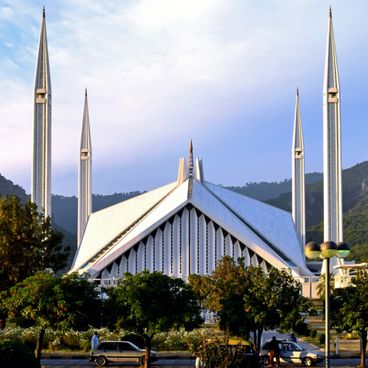
Karachi combines historical architecture with modern urban life. The city features colonial buildings, Islamic mosques, Arabian Sea beaches and markets. Photographers find subjects at Frere Hall, Mohatta Palace or the Mazar-e-Quaid mausoleum with its geometric patterns.
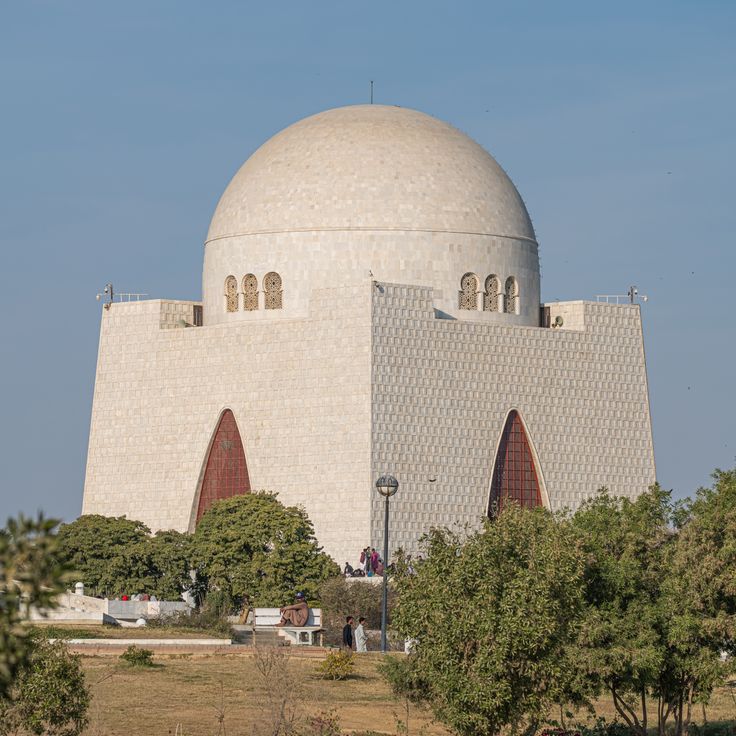
Karachi, Pakistan
The building, completed in 1971, displays Islamic architectural elements with four minarets. The arches and domes are made of white marble.
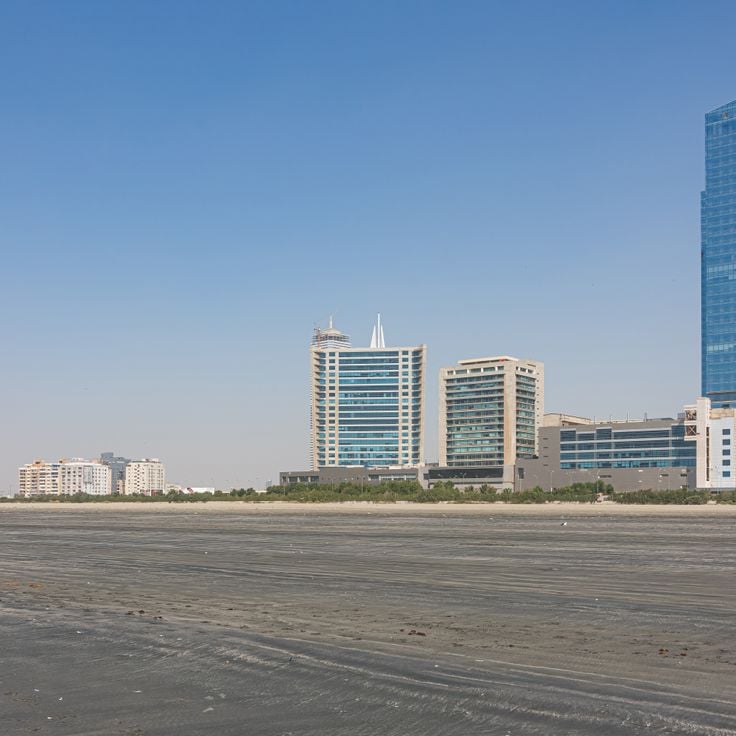
Karachi, Pakistan
The beach extends 4 kilometers along the Arabian Sea. Visitors find restaurants, camel rides and street vendors.

Karachi, Pakistan
The 1927 building combines Indian and European architectural elements. The stone facades display columns, balconies and window ornaments.
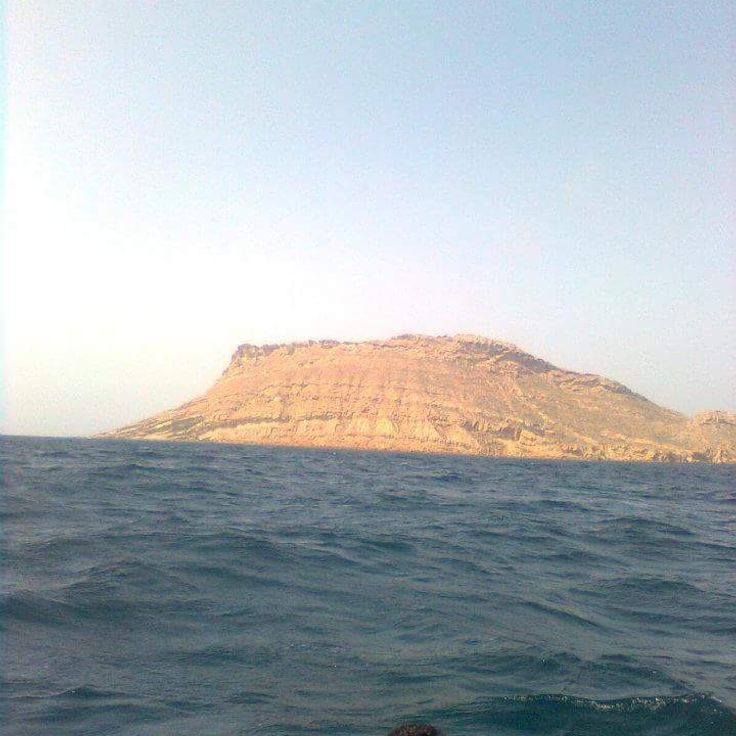
Karachi, Pakistan
The location in the Arabian Sea contains coral reefs with fish and sea turtles. The water reaches depths of 30 meters.
Karachi, Pakistan
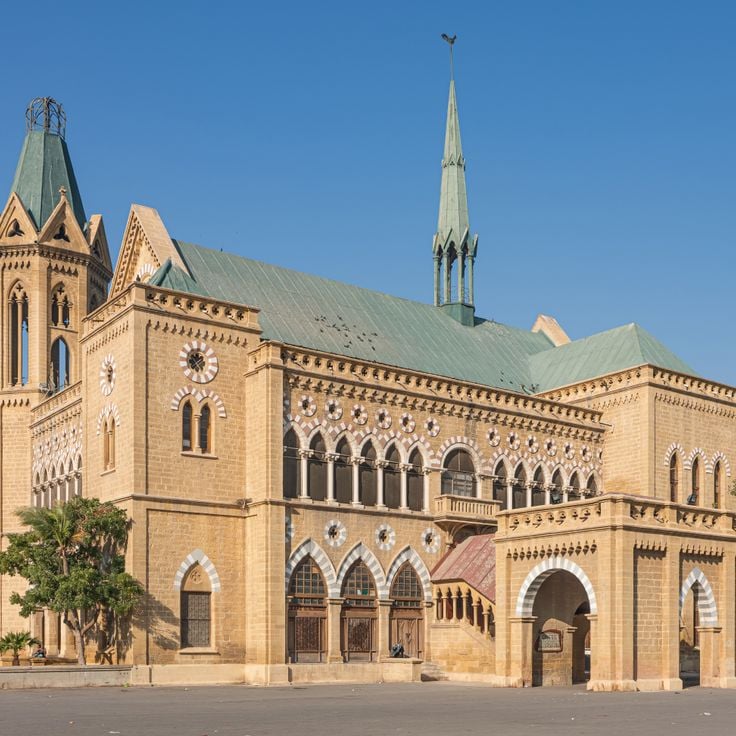
Built in 1865, this British colonial structure features high arches and sandstone facades, surrounded by maintained gardens.
Karachi, Pakistan
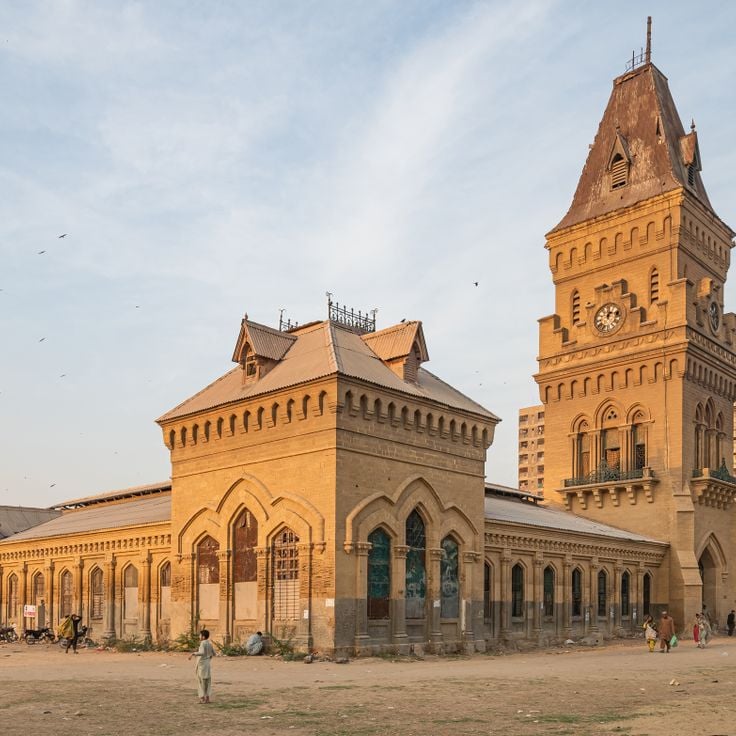
A market from 1889 with Gothic architecture, four galleries and a central clock. Vendors sell spices and textiles.
Karachi, Pakistan
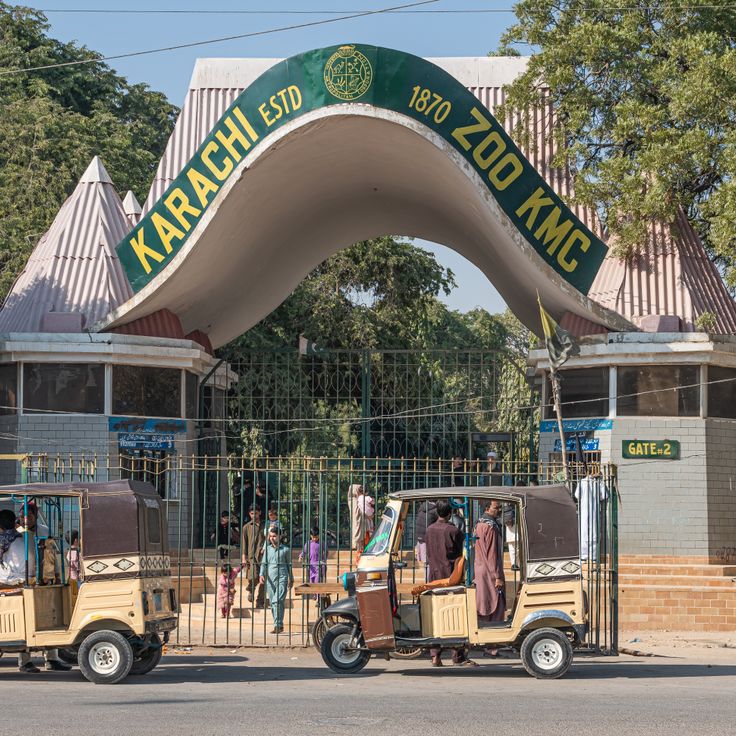
Founded in 1878, the zoo houses over 100 animal species in large enclosures. A white lion is among the notable animals.
Karachi, Pakistan
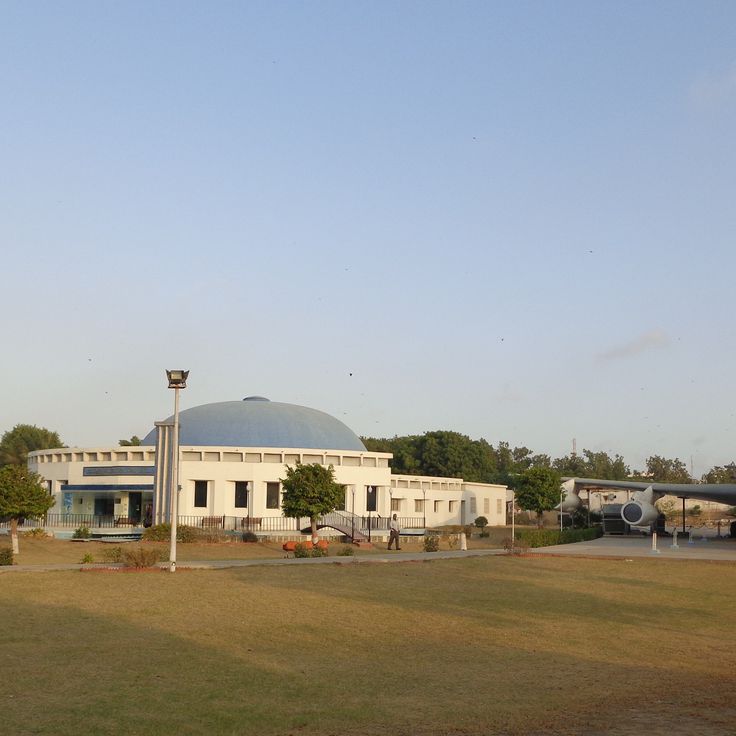
A modern planetarium with digital projectors displays constellations and celestial bodies. The exhibition presents space technology.
Karachi, Pakistan
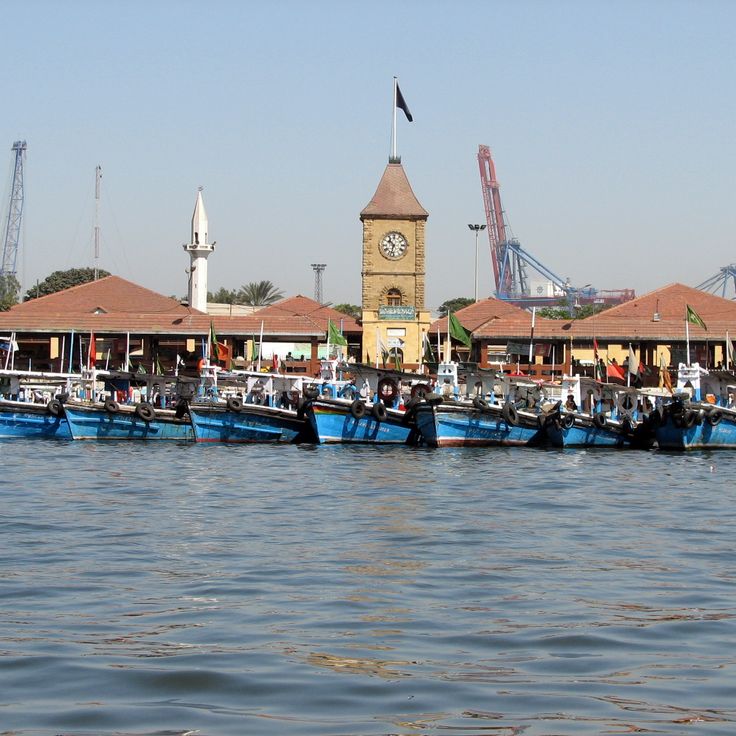
The large commercial port with fish markets showcases daily operations of fishermen and traders.
Karachi, Pakistan
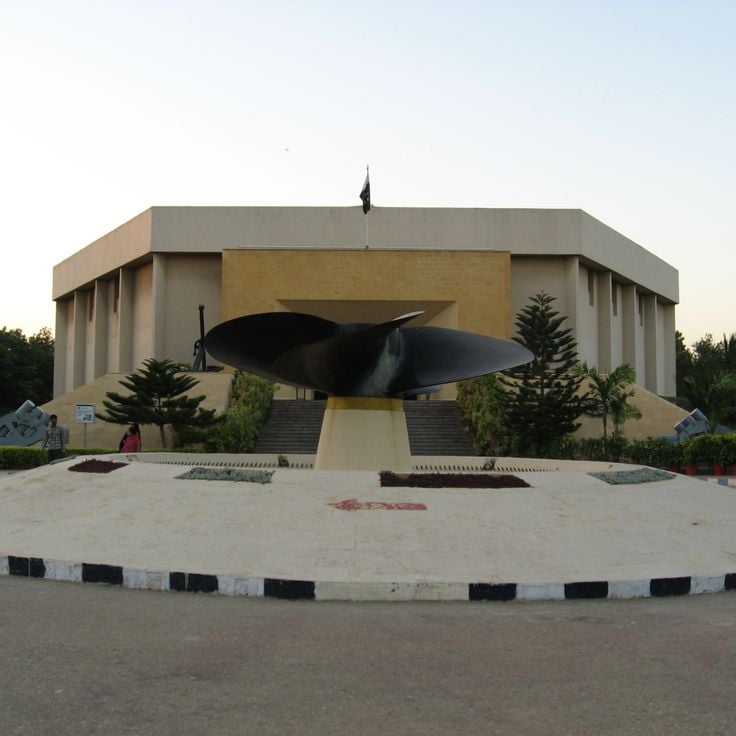
The collection includes military vessels, underwater vehicles and exhibits about Pakistani naval research.
Karachi, Pakistan
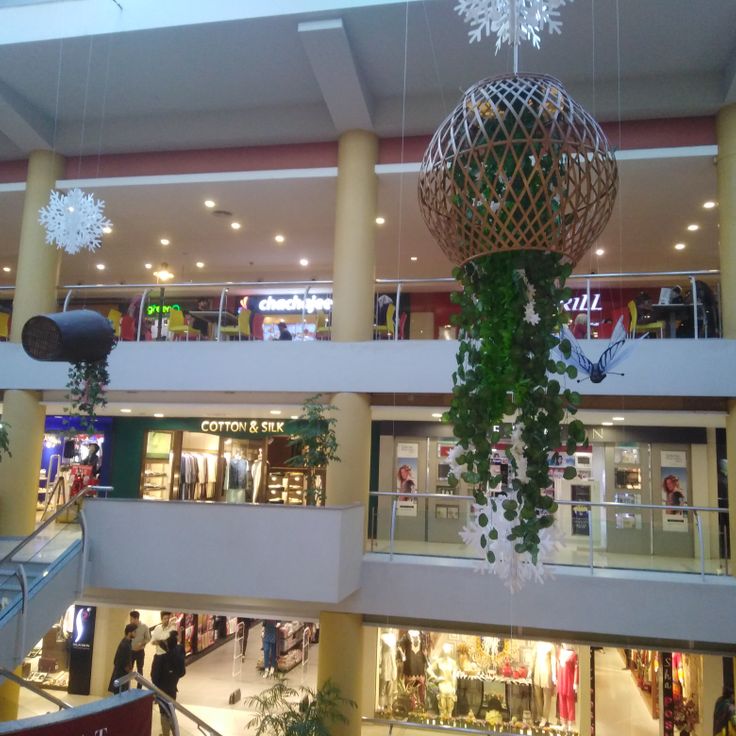
Commercial street with fashion boutiques, restaurants and street vendors selling local goods.
Karachi, Pakistan
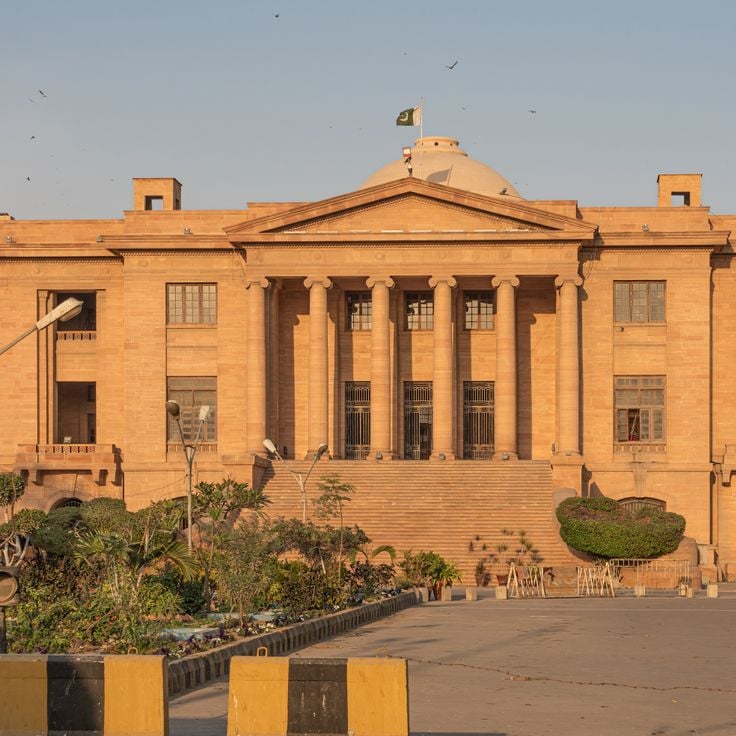
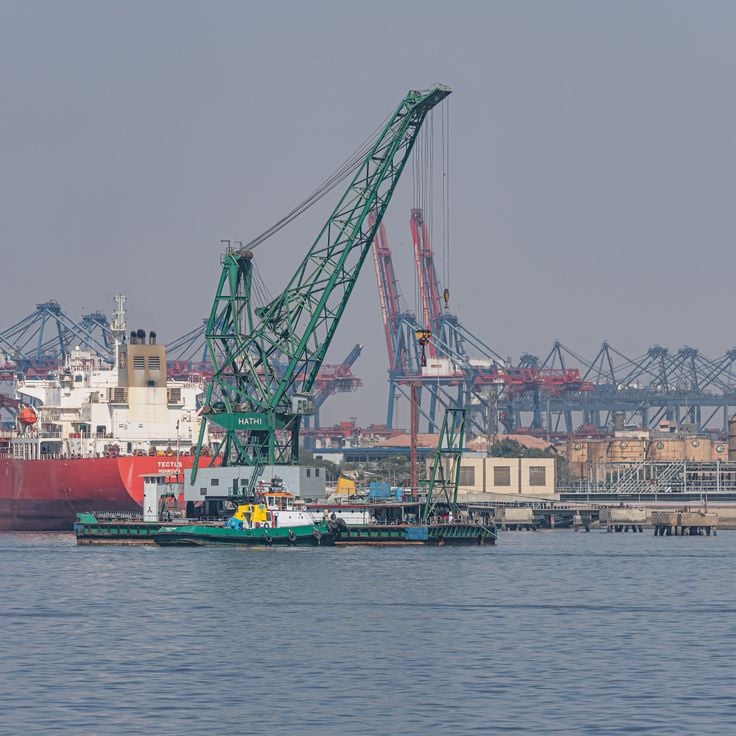
Colonial courthouse with British architecture, built in 1929 as the region's justice center.
Karachi, Pakistan
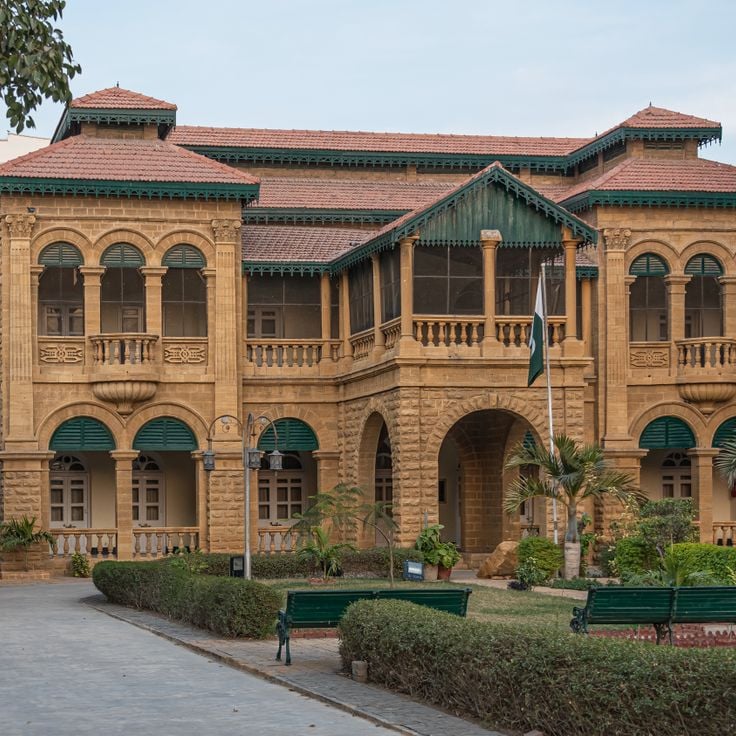
The maritime entertainment complex features restaurants and shops overlooking the sea. In the evening, colored lights illuminate the venue.
Karachi, Pakistan
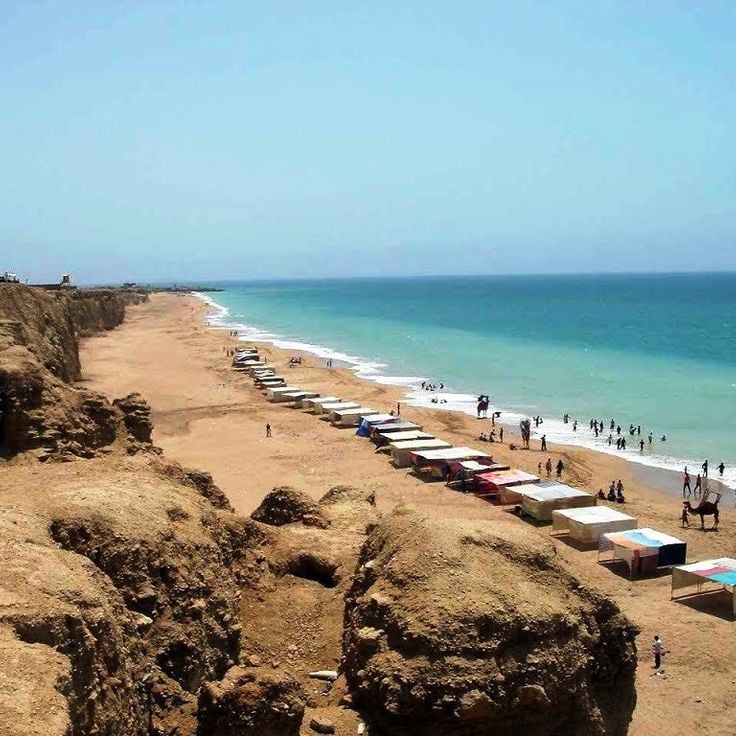
The white colonial building served as Mohammed Ali Jinnah's winter house. The garden contains native trees and a fountain.
Karachi, Pakistan
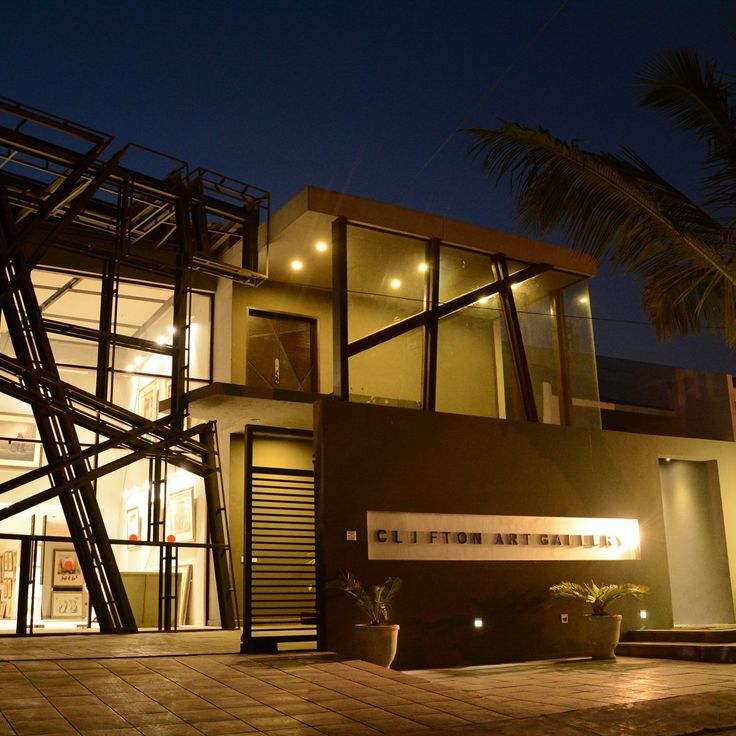
The sandy beach serves as a nesting site for green sea turtles. Visitors can observe their eggs between September and October.
Karachi, Pakistan
The gallery exhibits paintings and sculptures by Pakistani artists. The collection includes works from 1950 to present.
Karachi, Pakistan
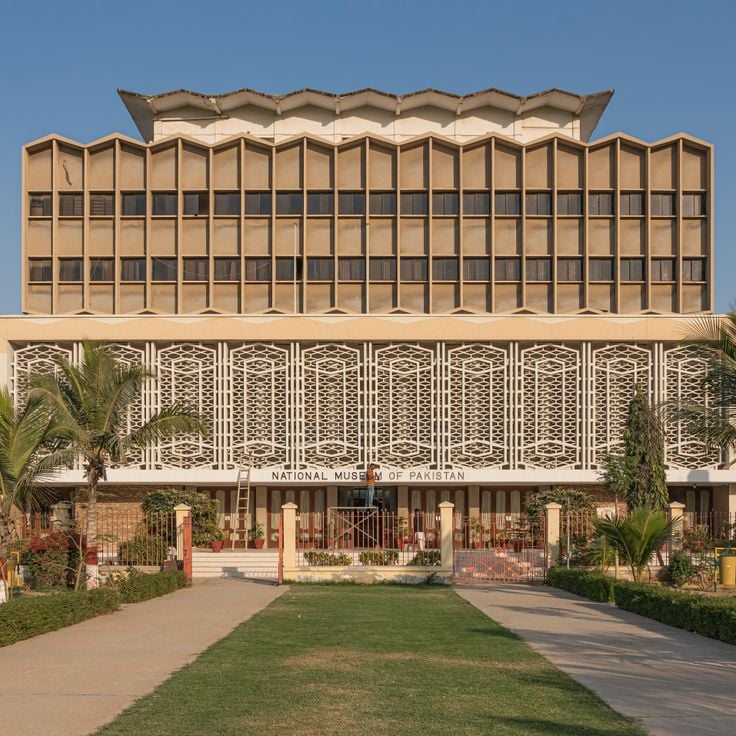
The museum displays collections from the Indus civilization, Islamic art, coins, and ethnographic objects from the region.
Karachi, Pakistan
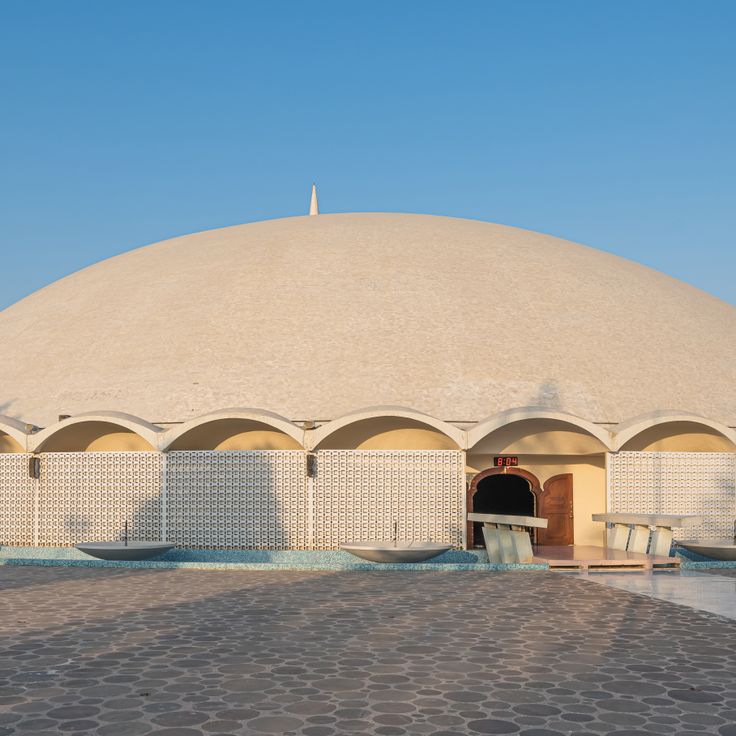
The large white mosque with circular layout measures 72 meters in diameter and accommodates 5000 worshippers.
Karachi, Pakistan
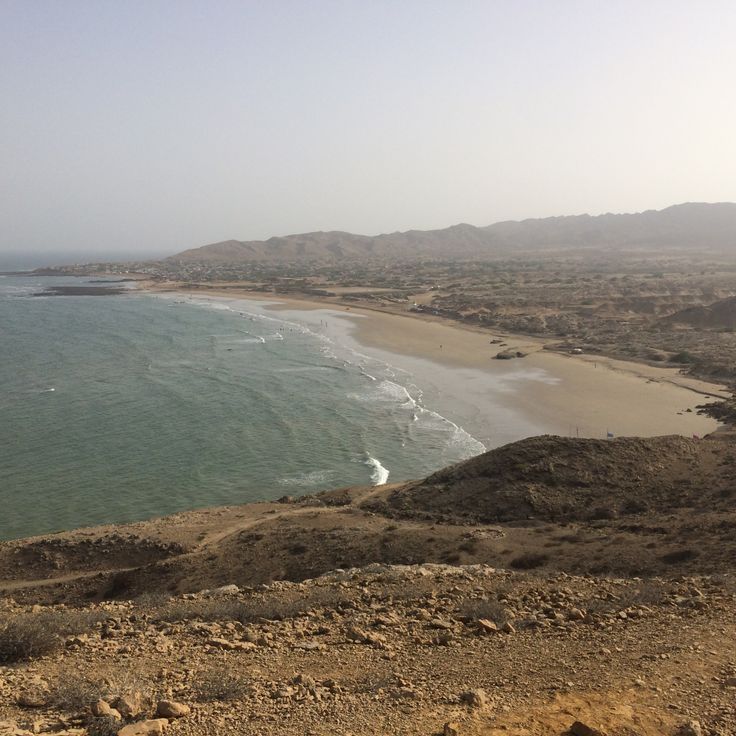
Traditional fishing village on the Arabian Sea with small harbor and local fish markets.
Karachi, Pakistan
The park houses native animals, a lake with water birds and hosts regional cultural events.
Karachi, Pakistan
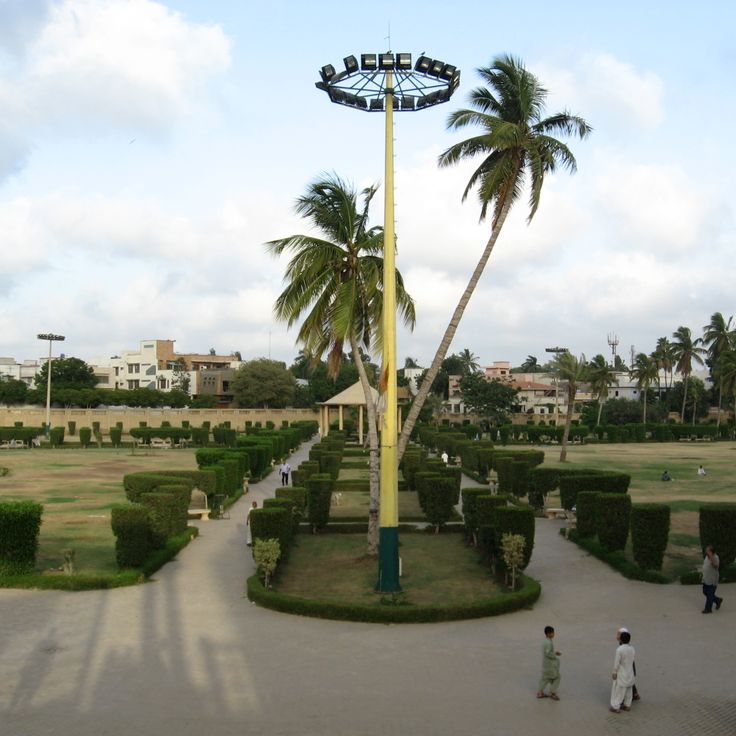
This urban park features a lake and walking paths. Many people gather here after sunset.
Karachi, Pakistan
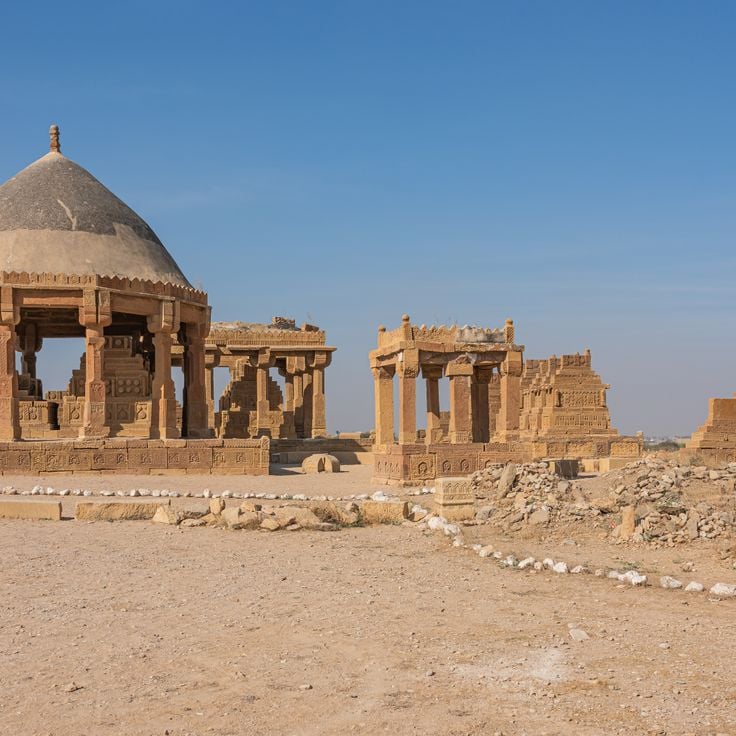
Historical tombs from the 15th century with sandstone carvings and geometric decorations of Sindhi tradition.
Karachi, Pakistan
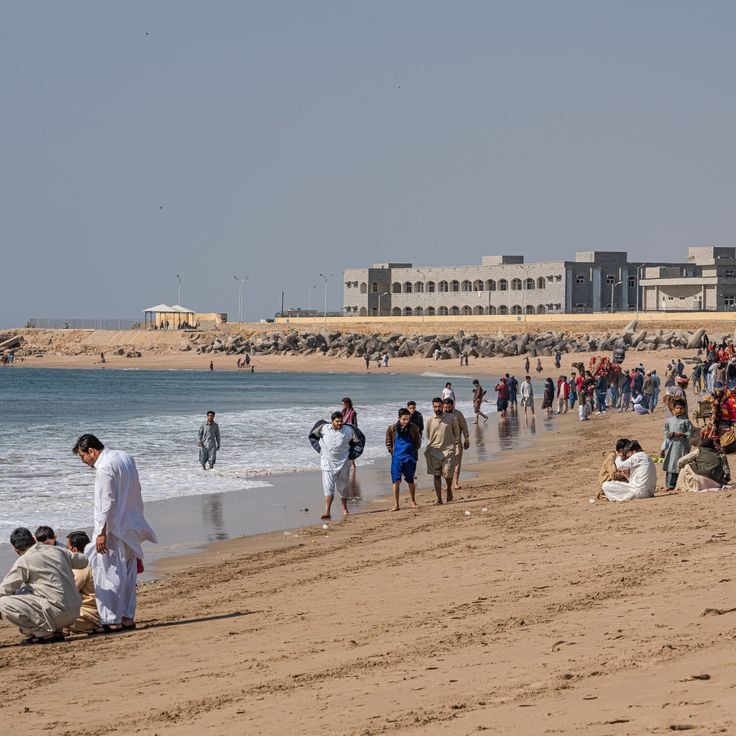
This promontory in the Arabian Sea features a 19th century lighthouse and several sand beaches.
Karachi, Pakistan
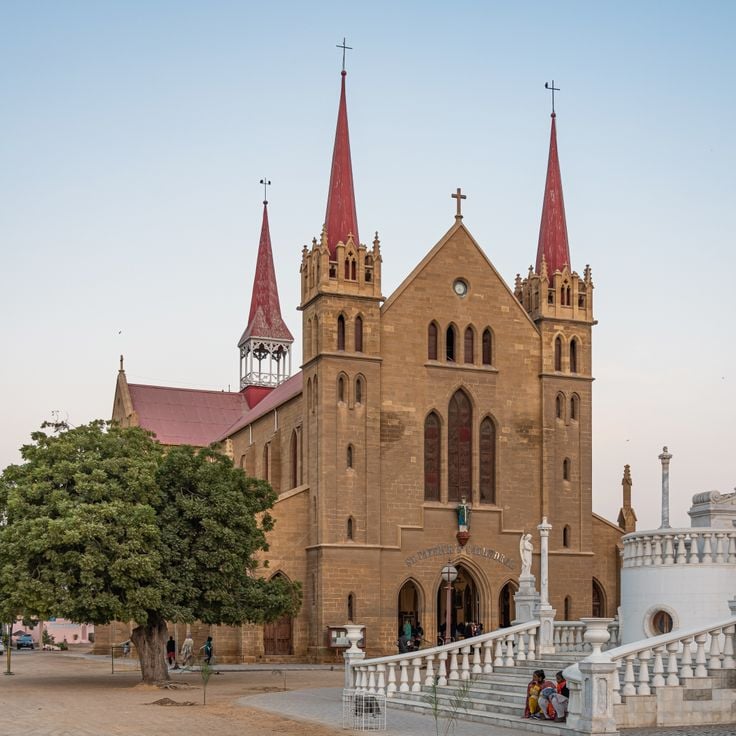
A religious building in neo-gothic style with two towers, colored glass windows and stone carvings from 1881.
Karachi, Pakistan
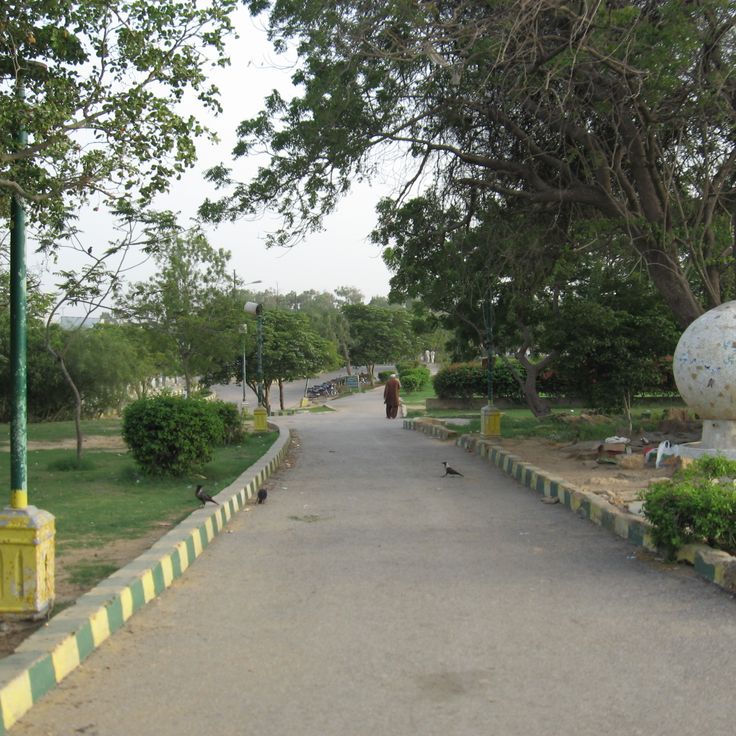
The park sits on elevated ground and provides wide views over the urban landscape. Visitors find walking paths and observation points.
Karachi, Pakistan
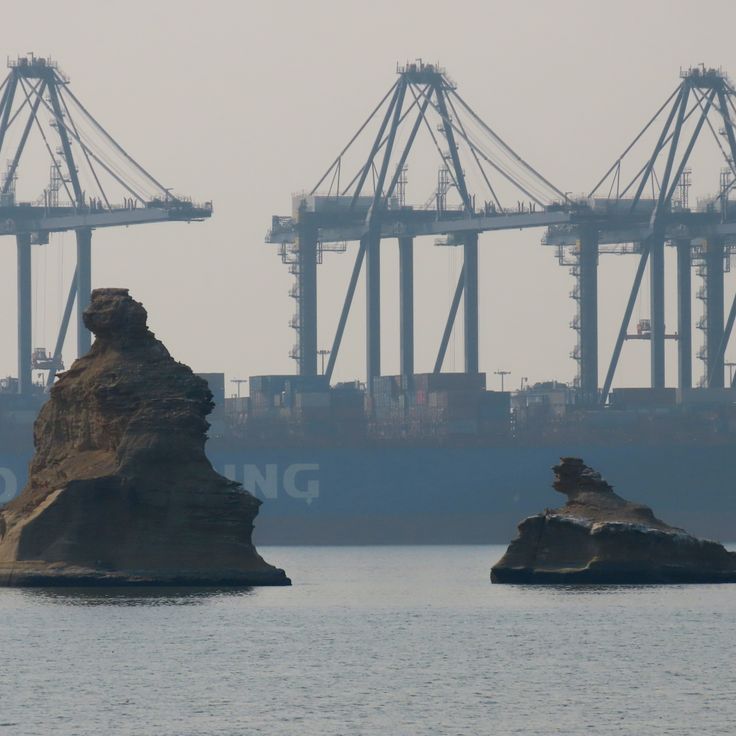
Large rock formations line the coast. The morning sun illuminates the stones and sea in warm orange hues.
Karachi, Pakistan
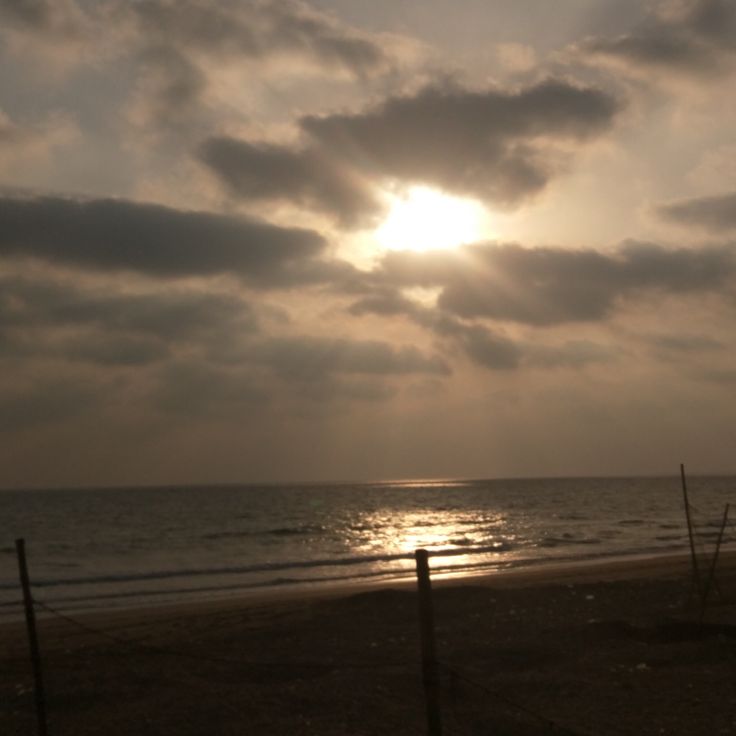
The beach features natural water pools between rocks. Visitors can observe crabs, starfish and small fish here.
Karachi, Pakistan
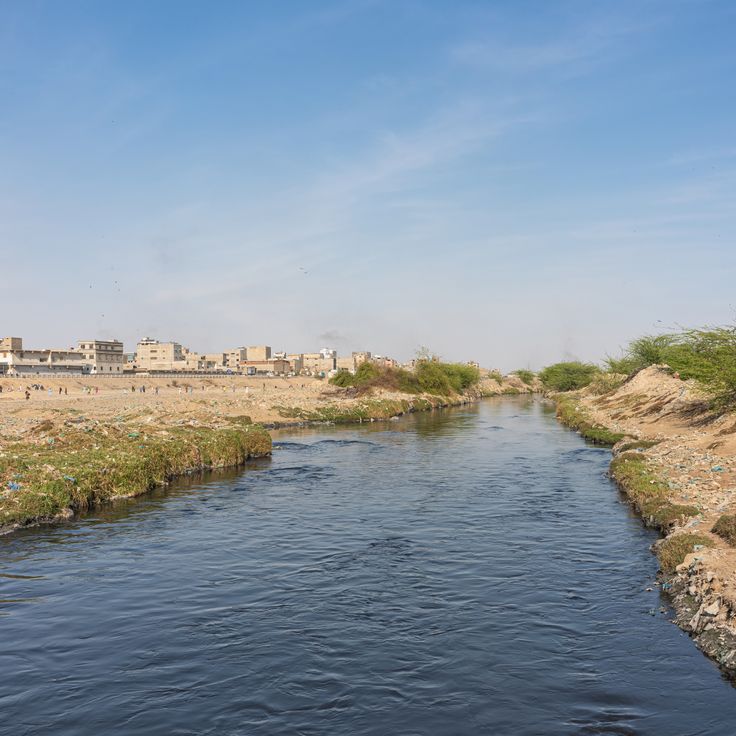
The river crosses the city from east to west. The banks offer views of local life and urban development.
Karachi, Pakistan
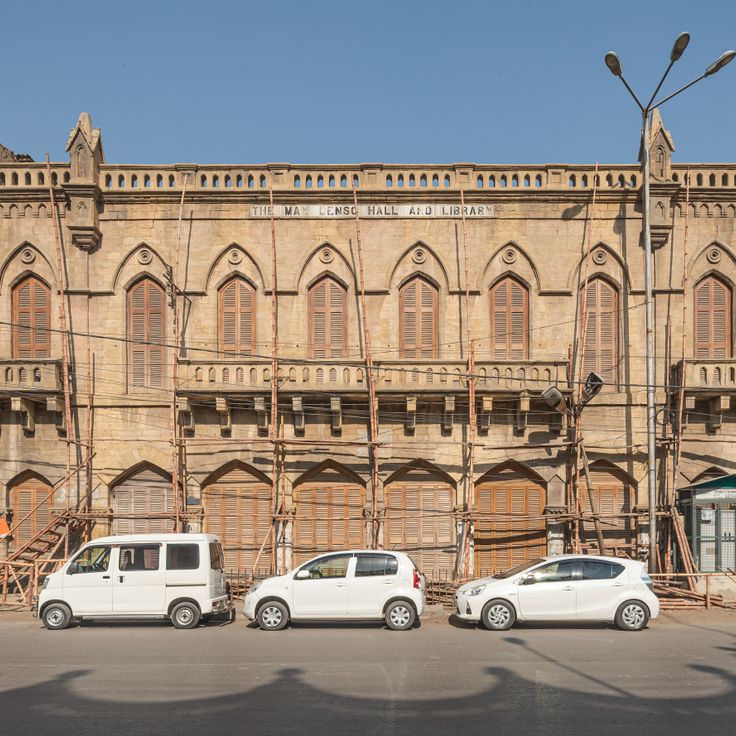
This British colonial building functions as a public library since 1930, containing a collection of 70000 books.
Karachi, Pakistan
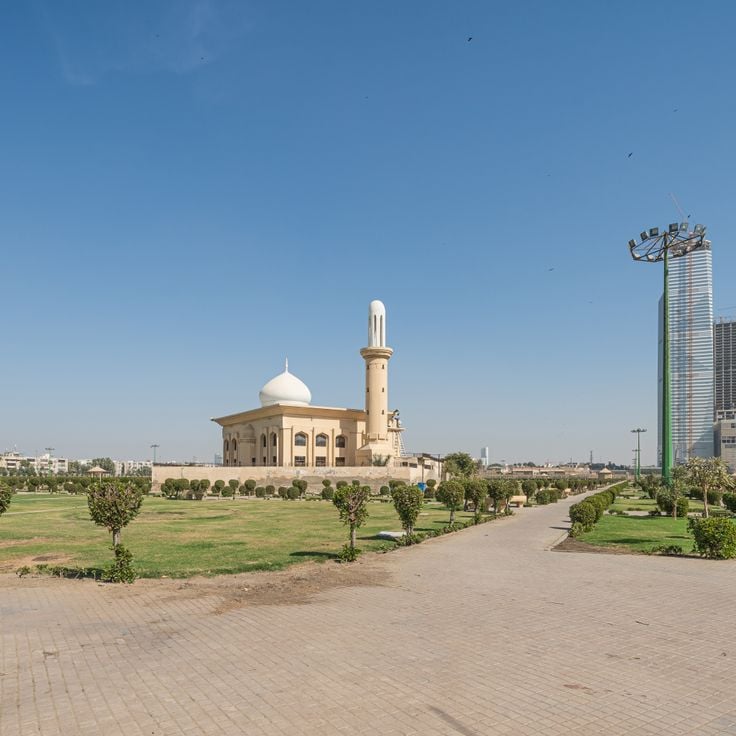
This urban park spans 130 hectares with an artificial lake, paths and local flora.
Karachi, Pakistan
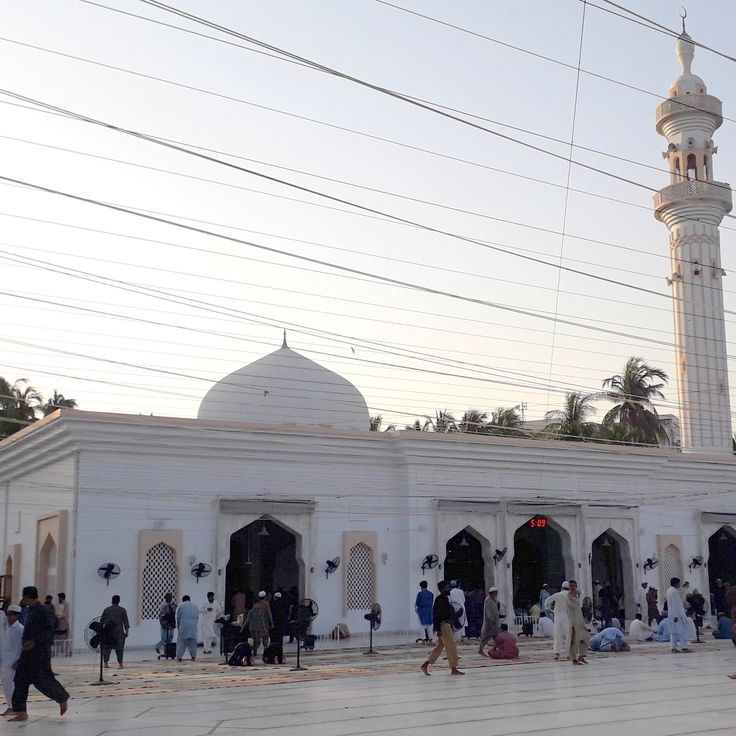
This mosque with marble minarets and domes has space for 15000 people and follows Islamic architectural principles.
Karachi, Pakistan
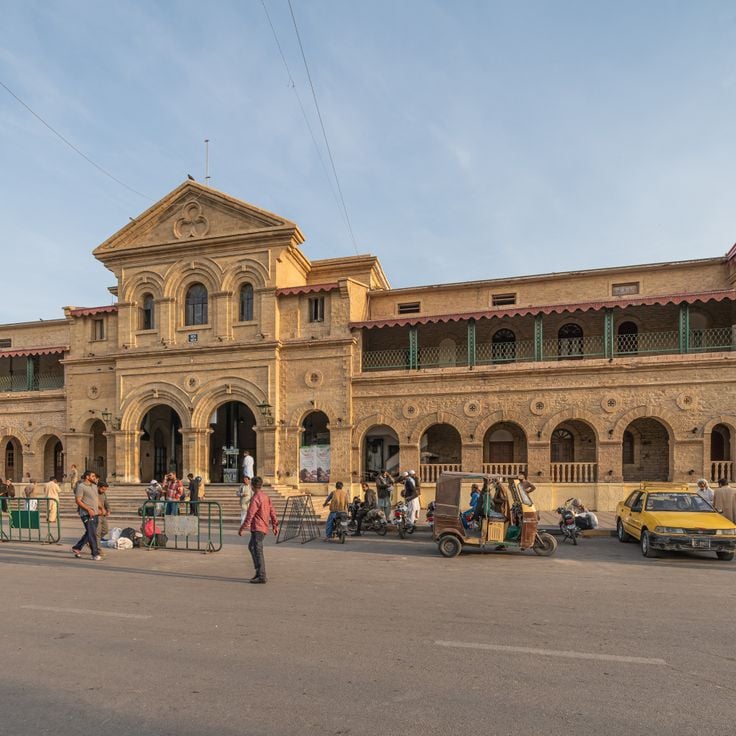
This Victorian style station from 1898 features high ceilings and stone arches in the main hall.
Karachi, Pakistan
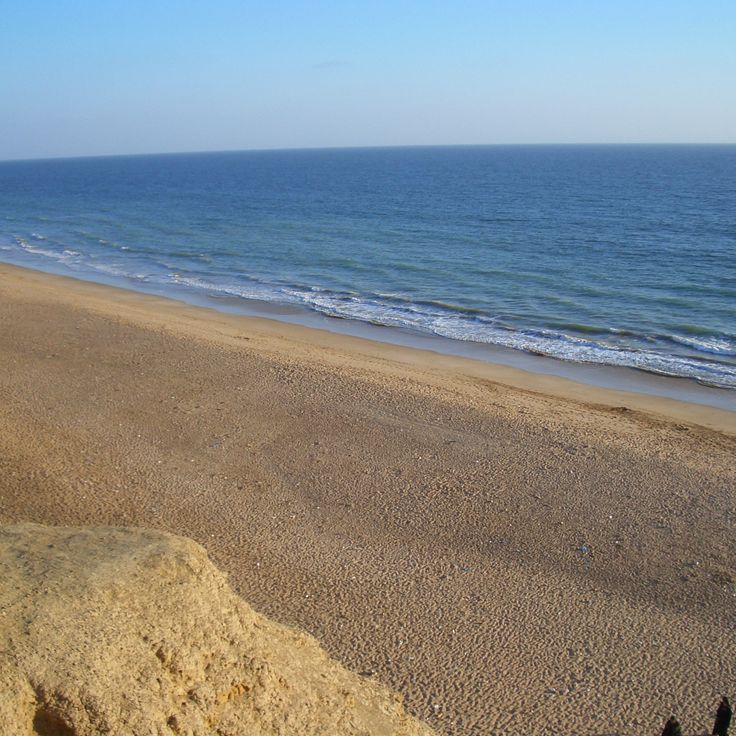
The beach sits 40 kilometers from the city. Rock formations and clear water create good photo opportunities.
Karachi, Pakistan
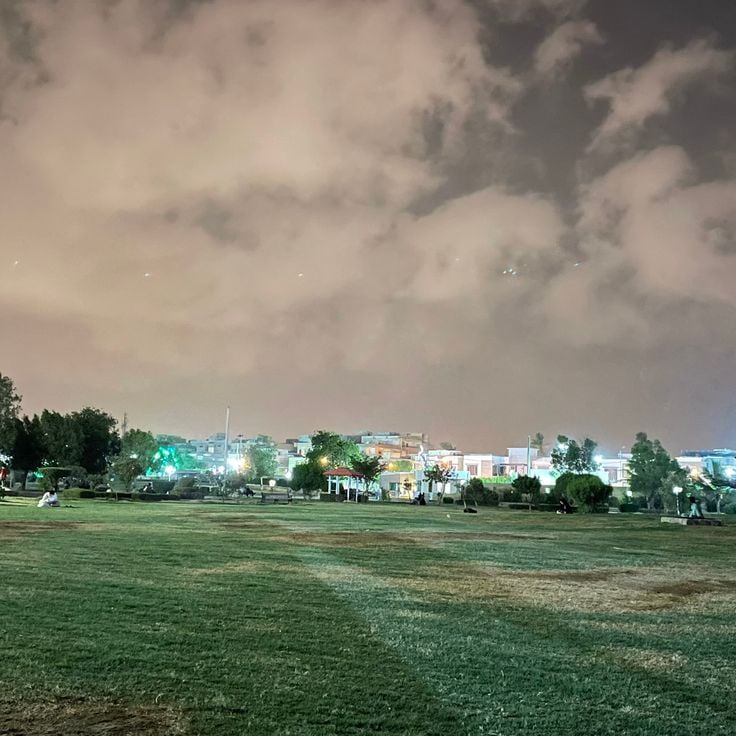
The park spans 5 hectares with walkways, trees and flower beds. The green spaces provide many photo opportunities.