Edmonton, the capital of Alberta, offers a range of attractions for visitors. The city mixes history with modern entertainment and natural spaces. History comes alive at Fort Edmonton Park, where buildings show what life was like in earlier times. Shopping and recreation centers draw crowds, while museums and gardens reveal the region's culture and environment. The natural areas surrounding and within the city are significant. Elk Island National Park protects a wilderness area with wildlife and forest. The North Saskatchewan River Valley runs through Edmonton with parks, pathways, and green space. The Royal Alberta Museum, art galleries, and theaters in the downtown core provide cultural experiences. Families have many choices here. Galaxyland and World Waterpark offer rides and water attractions. The Muttart Conservatory displays plants from different climates inside glass structures. The Valley Zoo keeps animals in a park setting. The University of Alberta Botanic Garden shows plants arranged by region and type. Weekly markets, seasonal festivals, and sports venues add to the things to do throughout the year.
Edmonton, Alberta, Canada
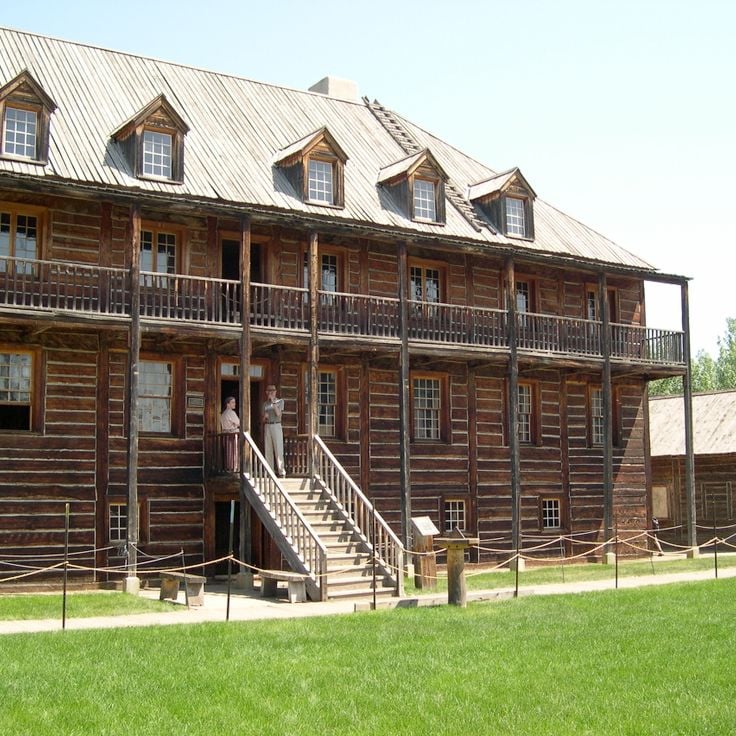
Fort Edmonton Park shows four periods of the city's history through hands-on presentation. Visitors walk through recreated streets dating from 1846 onward, meet interpreters dressed in period clothing, and watch artisans at work. Each zone of the park reflects a different era, from the fur trade years to the early 20th century. The buildings are either original or carefully rebuilt. The place gives a sense of how people lived and worked here.
Alberta, Canada
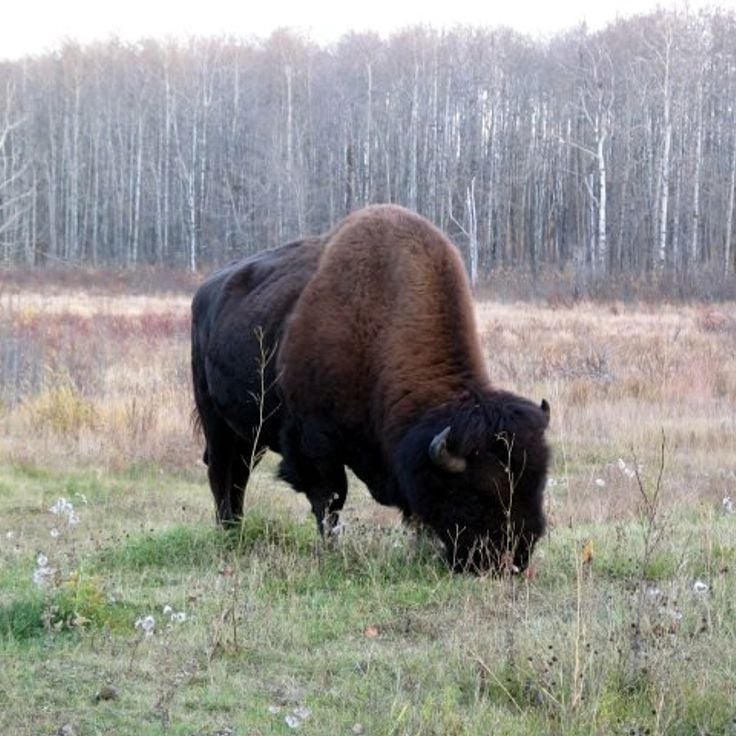
Elk Island National Park is among the main attractions in this collection of Edmonton's points of interest. This national park covers boreal forests and grasslands where herds of plains bison and wood bison roam freely. Moose move through the undergrowth while over 250 bird species nest in the canopy. Trails wind through open meadows and dense woodland, allowing visitors to observe the animals in their natural setting.
Edmonton, Canada
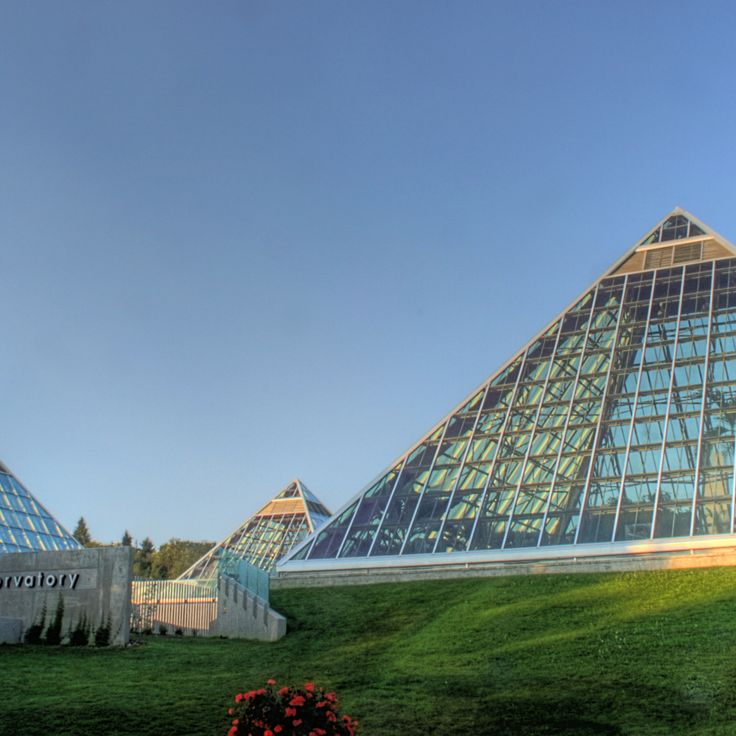
The Muttart Conservatory is a botanical center with four distinctive glass pyramids, each replicating a different climate. The structures house over 700 plant species from arid, temperate, and tropical zones around the world. Rotating exhibitions complement the permanent collections and explore themes like seasonal blooms, exotic fruits, and particular plant families. Visitors can move between the different environments and feel the temperature and humidity typical of each vegetation zone. This center ranks among Edmonton's main attractions for nature lovers and those curious about plants.
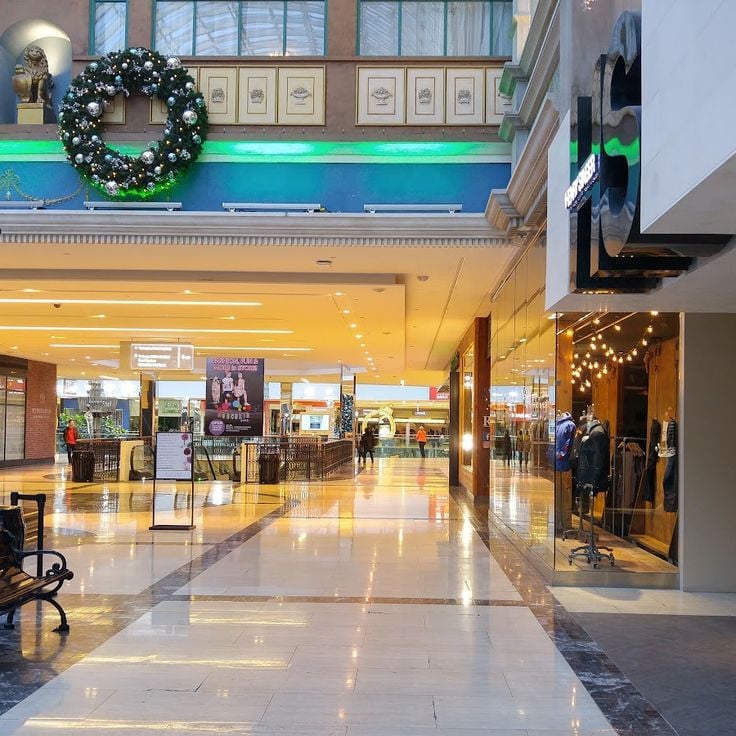
Edmonton, Alberta, Canada
West Edmonton Mall is a major shopping destination in Edmonton and ranks among the city's main attractions. The facility houses over 800 stores, an indoor water park, an ice hockey rink, an amusement park with rides, dining options, and a hotel. It serves as a gathering place for shoppers, families, and entertainment seekers looking for a complete day out under one roof.
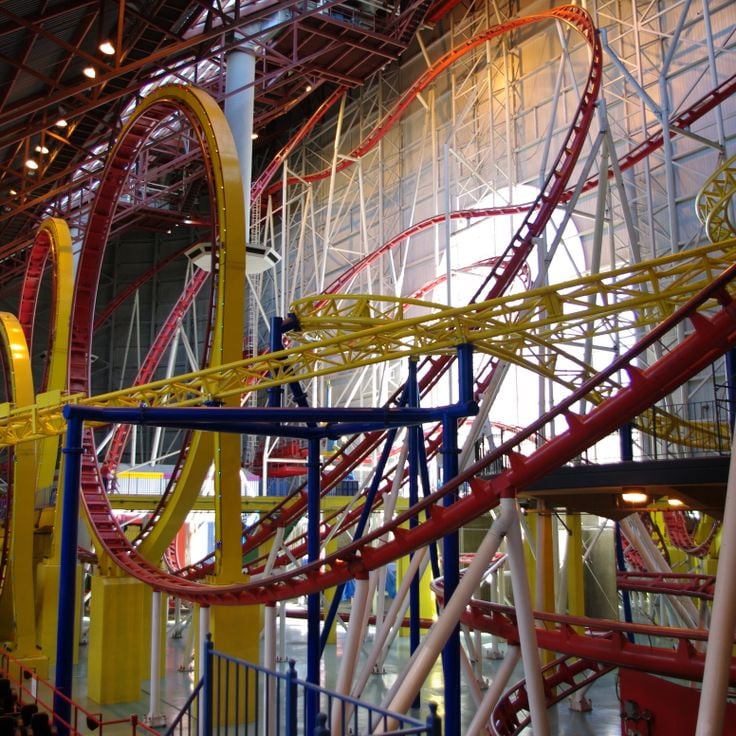
Edmonton, Alberta, Canada
Galaxyland is the largest indoor amusement park in North America. It features roller coasters, family rides, and children's attractions in a climate-controlled environment. This destination offers entertainment for visitors of all ages looking for fun and excitement.
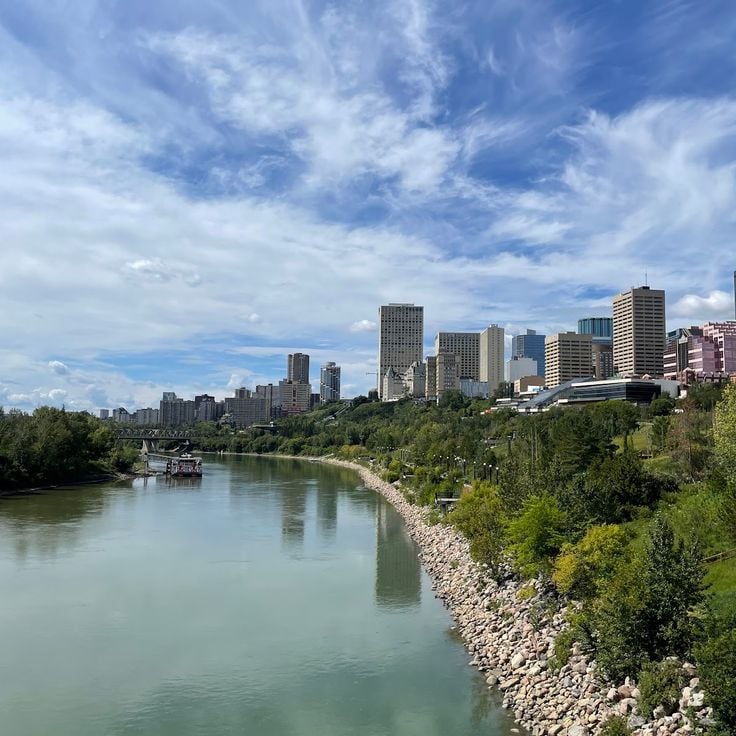
Edmonton, Alberta, Canada
The North Saskatchewan River Valley is a network of interconnected parks that stretches across the landscape, offering hiking trails, cycling paths, picnic areas, and natural observation points. This green corridor represents one of Edmonton's main attractions, showing how the city has preserved and developed its natural spaces for visitors and residents to enjoy.
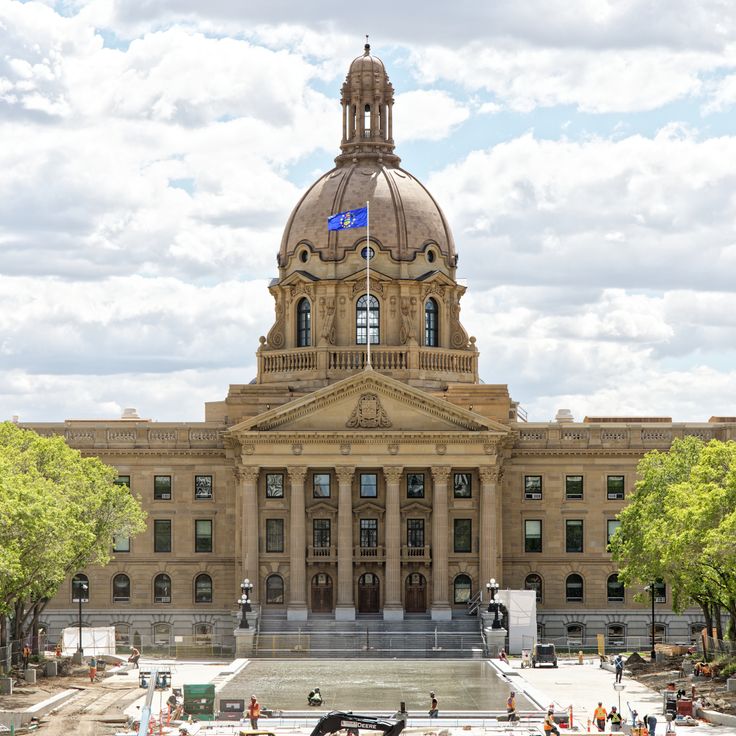
Edmonton, Canada
The Alberta Legislature Building is a government structure built in 1912 located in Edmonton. Inside, you can take free guided tours that show you the building's interior spaces. A notable feature is the marble-decorated rotunda at the heart of the structure. Outside, landscaped gardens surround the building and are open to the public. The site offers visitors a look at Alberta's political history and the architectural style of the early 20th century.
Edmonton, Canada
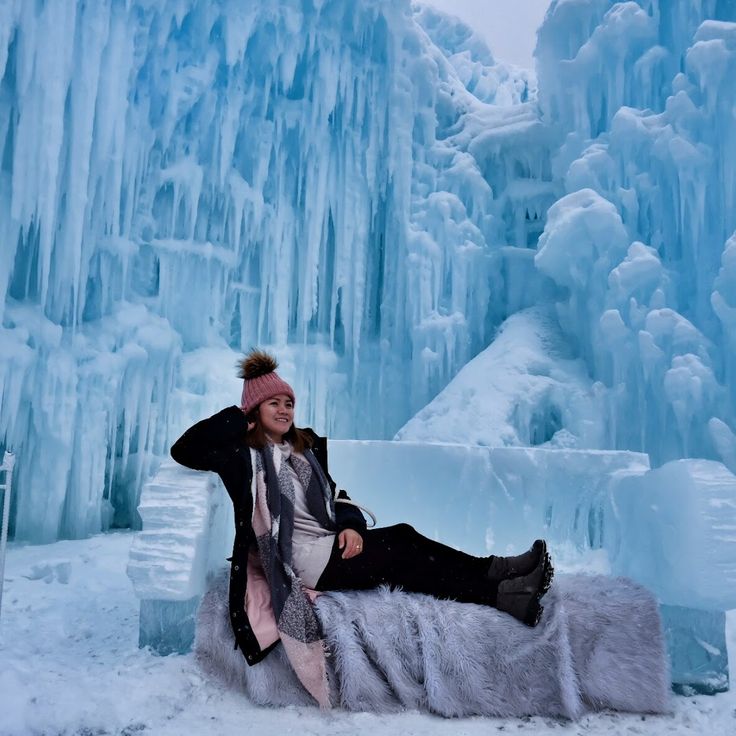
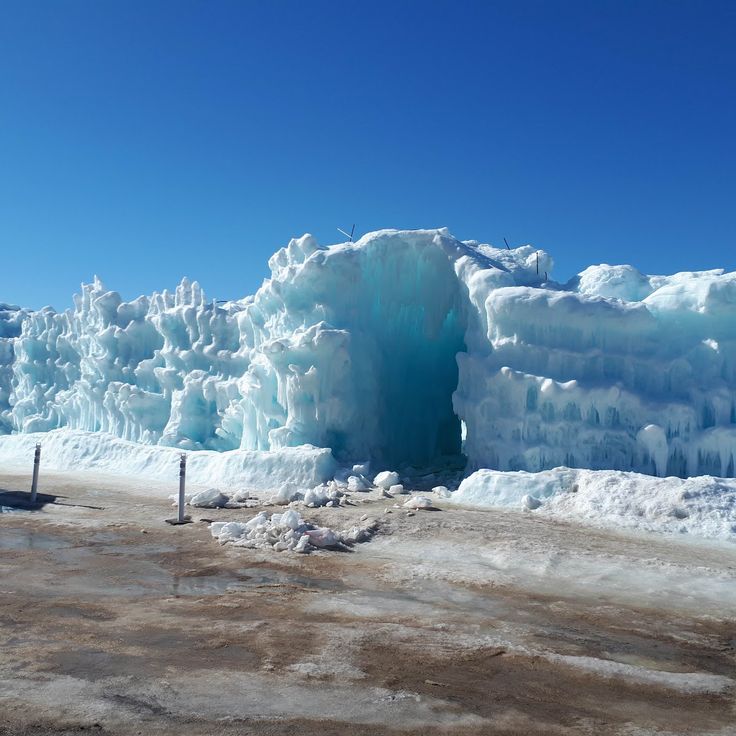
Ice Castles is a winter art installation in Edmonton, Alberta. The structure features hand-carved ice formations including tunnels, towers, and paths illuminated by colorful LED lighting. This creation reflects the city's artistic spirit and offers visitors a memorable experience during the cold months, making it one of Edmonton's distinctive winter attractions.
Edmonton, Canada
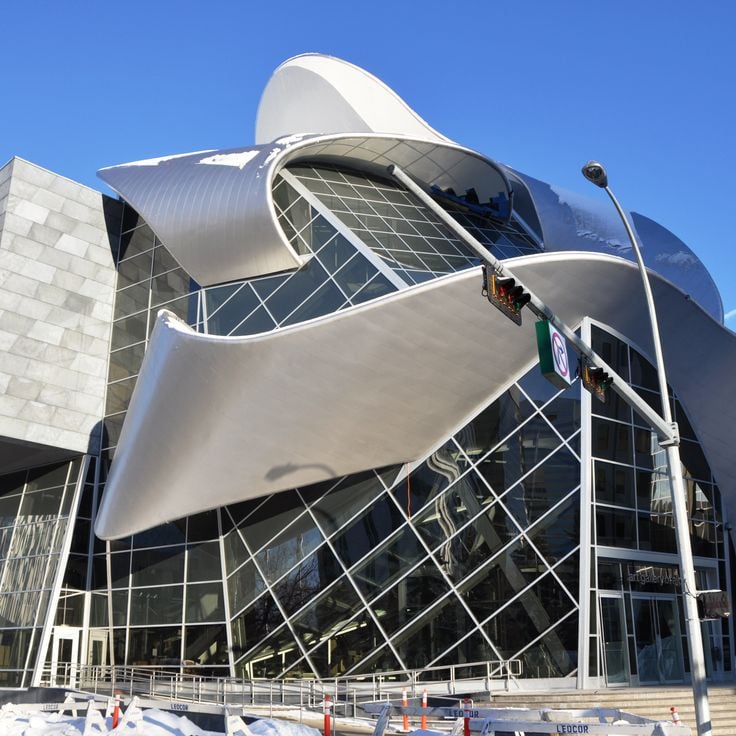
The Art Gallery of Alberta is a major cultural institution in Edmonton that displays works by artists from Alberta and Canada. The gallery presents rotating exhibitions and maintains a permanent collection that documents the artistic development of the region since the early 1900s. As part of Edmonton's main attractions, it offers visitors insight into local and national art.
Edmonton, Alberta, Canada
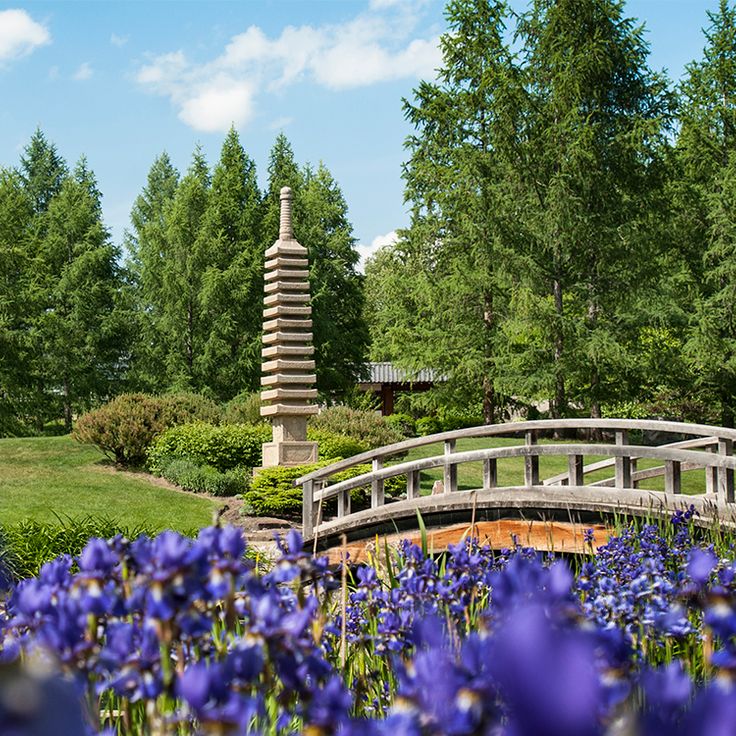
The University of Alberta Botanic Garden is a research and education area in Edmonton spread across five hectares. It houses over a thousand plant species adapted to the northern climate. Visitors can explore tropical greenhouses, a Japanese garden, and themed collections arranged for scientific study.
Edmonton, Canada
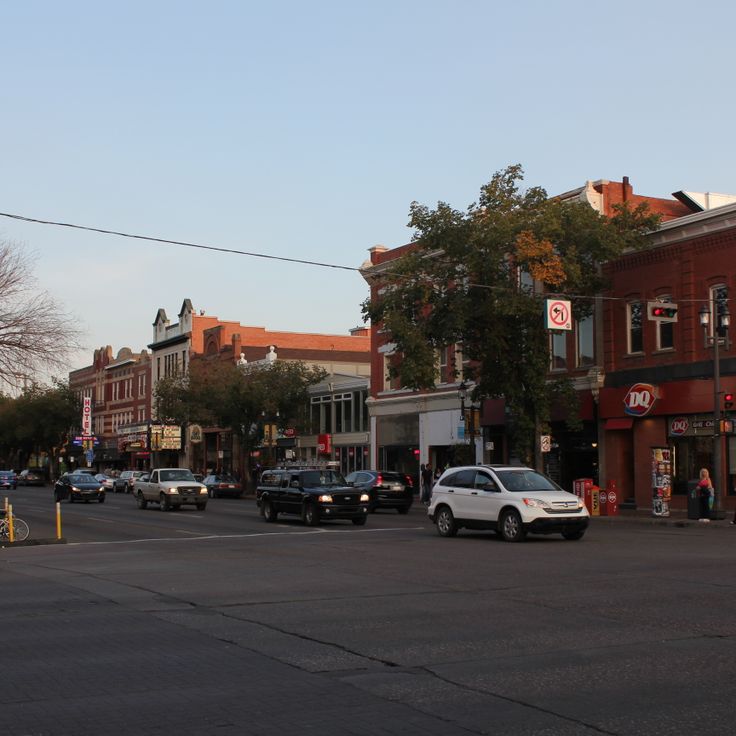
Old Strathcona is a former urban center transformed into a commercial and cultural district within Edmonton. The area preserves its early twentieth-century red-brick architecture, now housing specialty shops, galleries, and performance venues. In this collection of Edmonton's main points of interest, Old Strathcona offers visitors a chance to explore the city's cultural side and browse independent stores.
Edmonton, Alberta, Canada
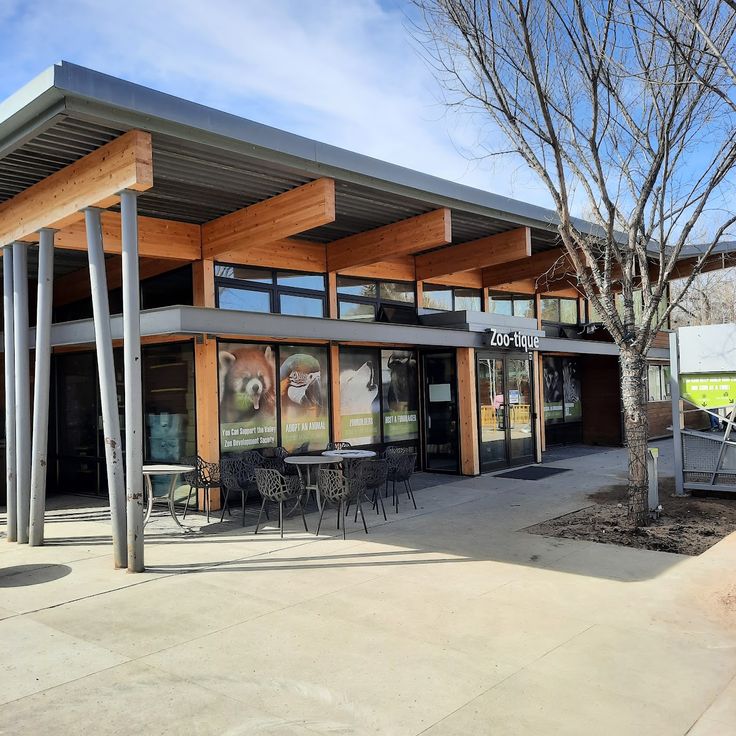
The Valley Zoo in Edmonton is a zoological park that focuses on northern wildlife. The zoo displays over 300 animals from about 100 different species. Visitors can see animals from cold climates and learn about conservation programs. The park is a good place for families to experience animals and understand how we protect nature.
Edmonton, Alberta, Canada
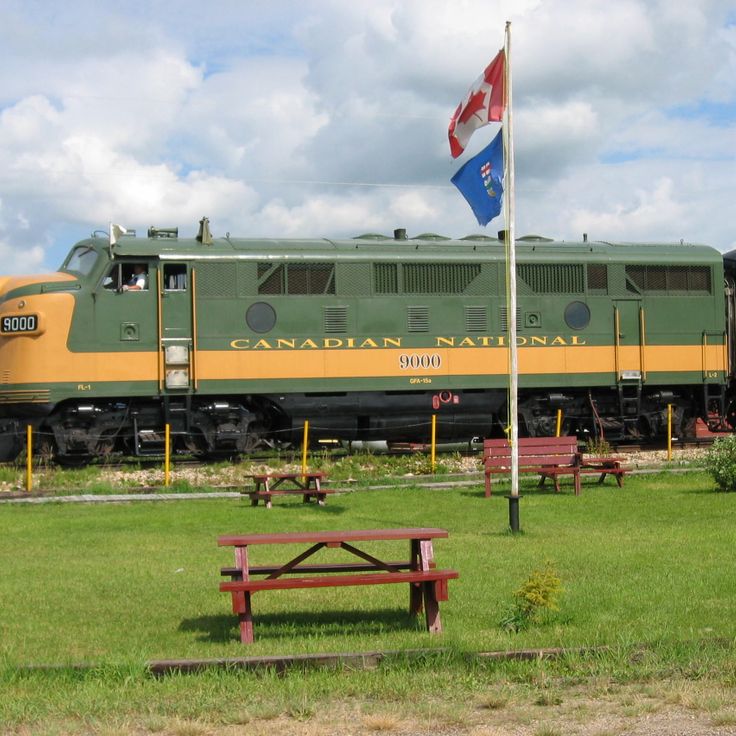
The Alberta Railway Museum in Edmonton preserves and displays the region's railway history through historic locomotives, period railcars, and vintage equipment. This museum offers visitors a chance to explore how railroads shaped Alberta's development and connected communities. It stands as one of the city's main attractions for those interested in transportation history and industrial heritage.
Edmonton, Alberta, Canada
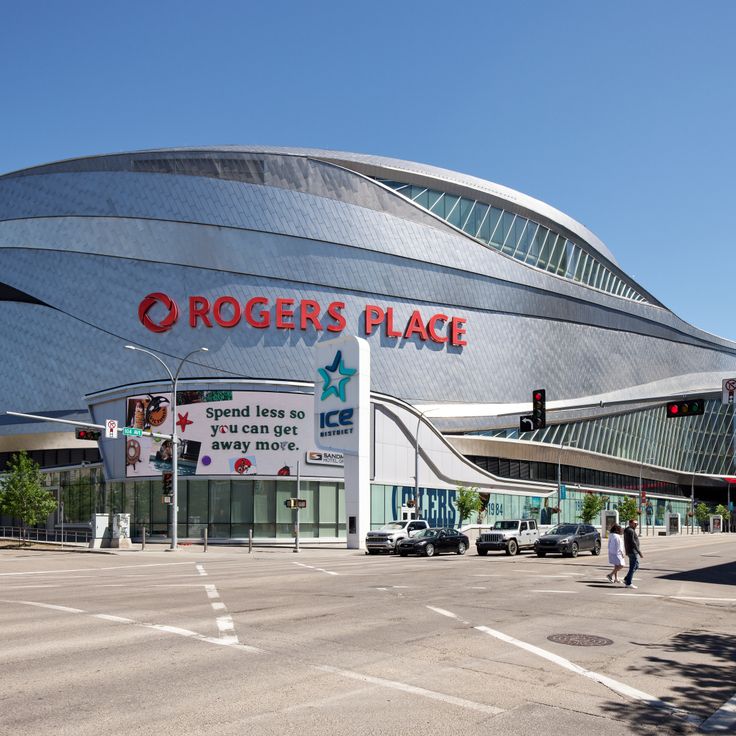
Rogers Place is a modern sports and entertainment facility in Edmonton's downtown area, opened in 2016. It serves as the home of the Edmonton Oilers and hosts concerts, sporting events, and shows throughout the year. The venue draws visitors looking to watch hockey games and enjoy a range of live performances and sports competitions.
Edmonton, Alberta, Canada
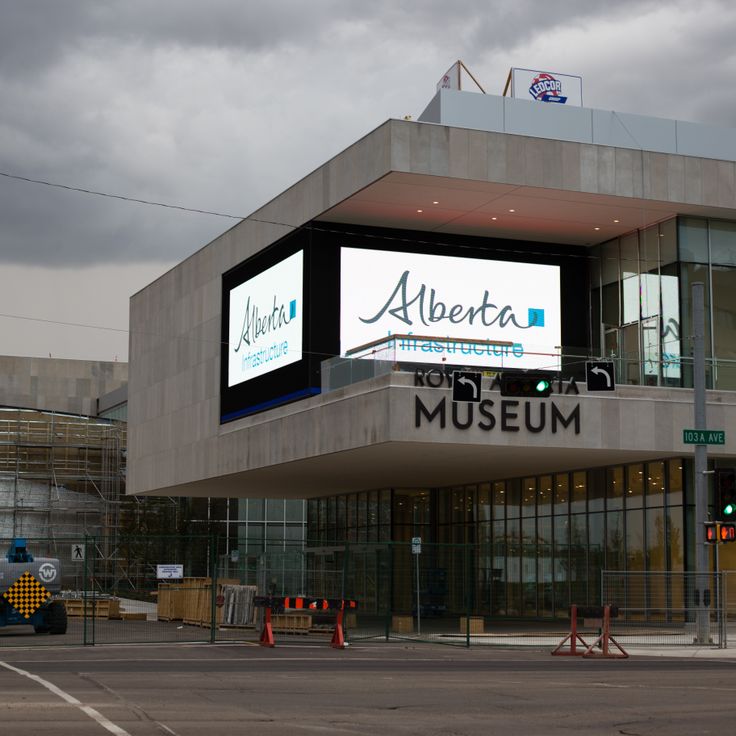
The Royal Alberta Museum is a provincial museum in Edmonton dedicated to exploring the history and culture of Western Canada. It features permanent collections covering natural sciences, archaeology, and ethnology, alongside rotating exhibitions that shed light on different aspects of the region.
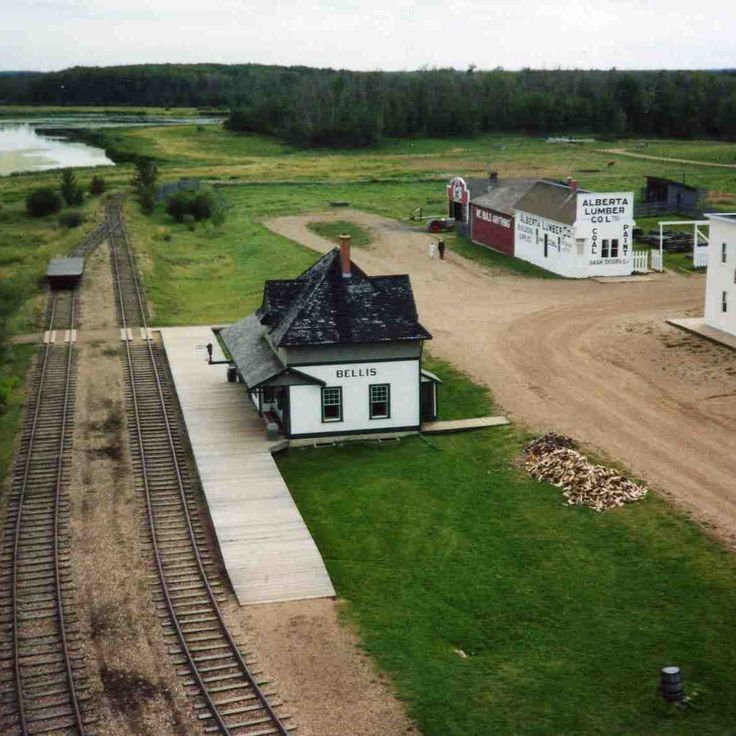
Tofield, Alberta, Canada
The Ukrainian Cultural Heritage Village recreates life as Ukrainian pioneers experienced it between 1892 and 1930 in Alberta. Historic buildings stand across the grounds, showing homes, workplaces, and community spaces from that era. Craftspeople demonstrate traditional skills, and interpreters explain how Ukrainian immigrants shaped this part of Canada.
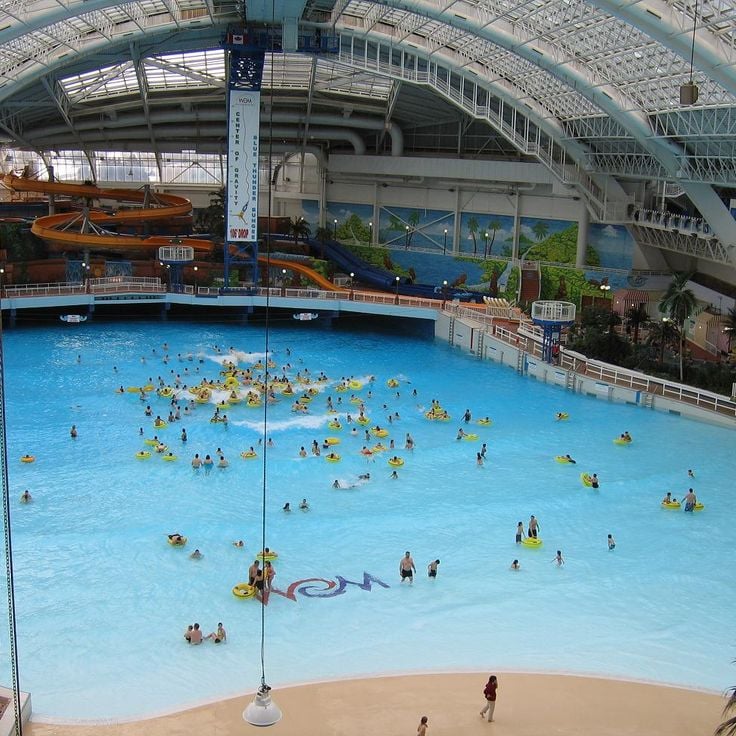
Edmonton, Canada
This large indoor facility at West Edmonton Mall allows swimming and sliding regardless of the weather outside. The World Waterpark spans several levels and includes pools of different depths, water slides of varying steepness, artificial waves and tropical plants between attractions. Families come here to spend hours in warm water while children move between calmer areas and faster descents.
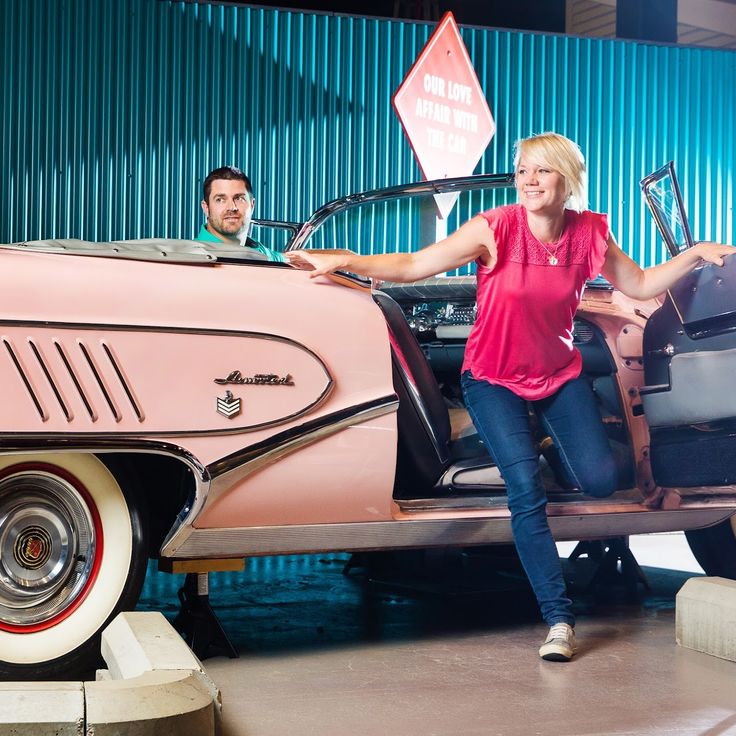
Wetaskiwin, Canada
This museum preserves and displays historical vehicles, agricultural machinery, and Canadian aviation heritage, documenting the technical development of Alberta from the late 19th century to the present. The exhibition halls contain automobiles, aircraft, tractors, and steam engines that chronicle the industrialization of the prairie region. Visitors can view restored vehicles from different periods and understand how rural life changed over time. The Reynolds-Alberta Museum sits outside the capital.
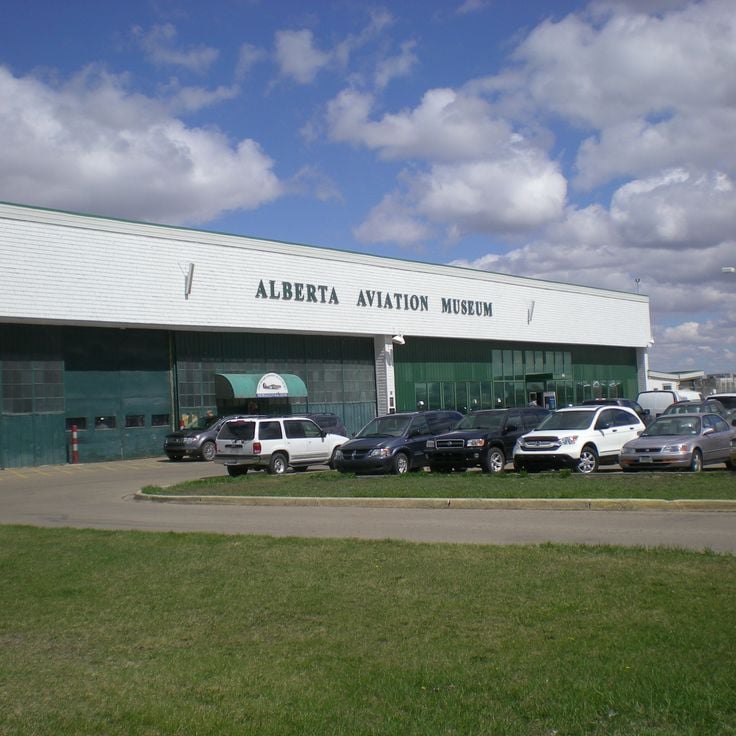
Edmonton, Canada
The Alberta Aviation Museum preserves the aviation history of the province through restored aircraft, engines, and technical equipment. The exhibition spaces occupy historic hangars from the mid-20th century and display both civilian and military machines. Visitors can explore cockpits, learn about the evolution of flight technology, and discover the stories of people who shaped regional aviation. As part of Edmonton's collection of main points of interest, this museum offers insight into Alberta's technological and cultural history.
Edmonton, Canada
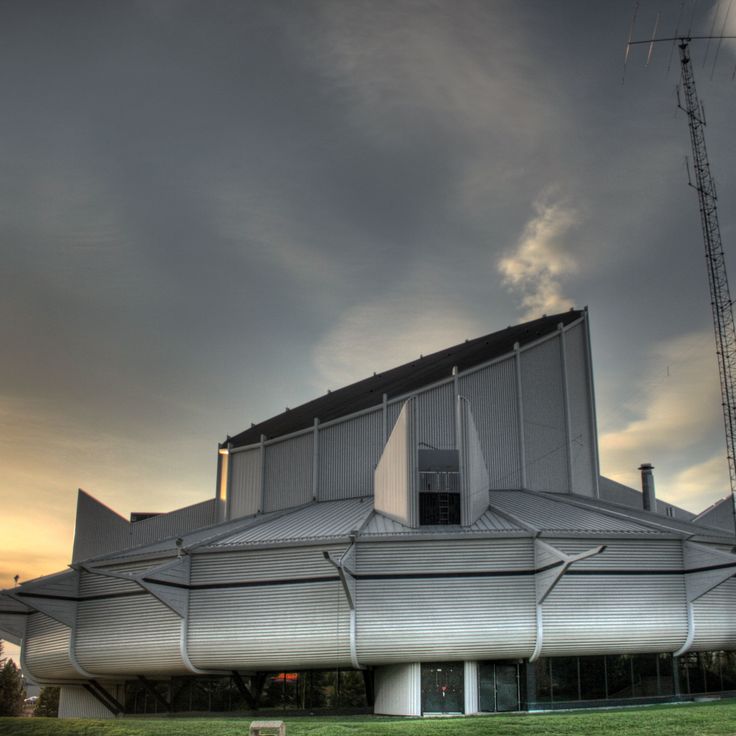
The TELUS World of Science is an educational center in Edmonton featuring interactive science exhibitions where visitors can explore hands-on displays. The facility includes experimental demonstrations that bring scientific concepts to life, a modern planetarium for observing the cosmos, and a large-format IMAX theater. This venue ranks among the city's most popular attractions for families and learners.
Edmonton, Canada
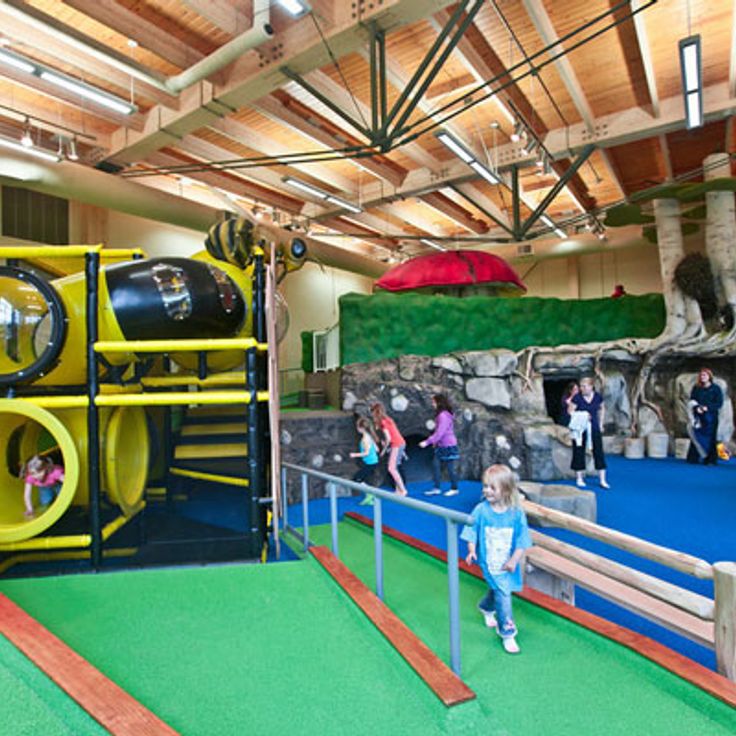
The John Janzen Nature Centre is an educational facility located in the North Saskatchewan River valley in Edmonton. It offers interactive exhibits that explore local geology, wildlife, and plants. The centre runs nature interpretation programs that help visitors understand the natural world of the region and develop a deeper connection with the environment.
Edmonton, Alberta, Canada
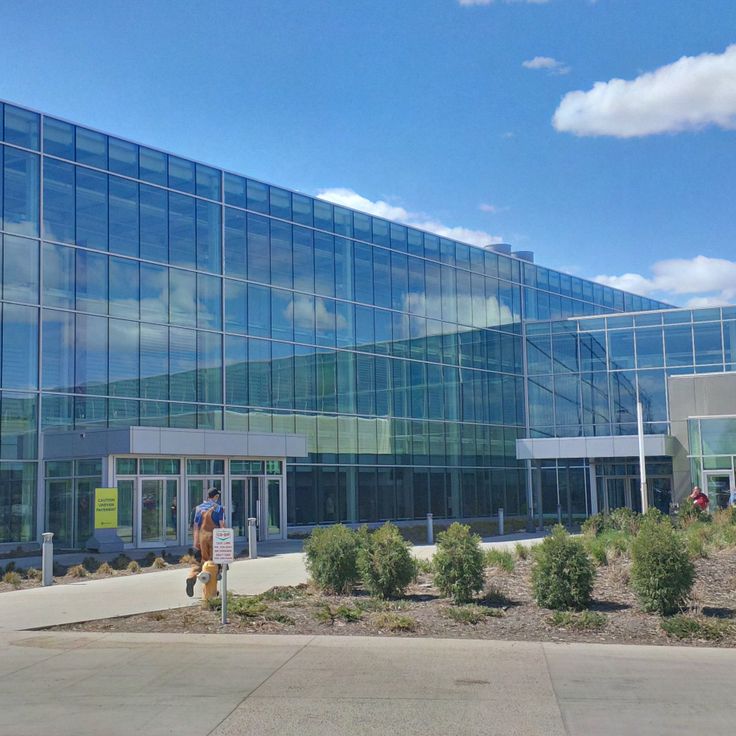
K Days Festival is a ten-day summer event held at the Northlands exhibition grounds in Edmonton. The festival features rides, shows, agricultural competitions, and concerts that celebrate the gold rush legacy of the region. It draws visitors who want to experience local traditions and explore the history that shaped this part of Alberta.
Edmonton, Canada
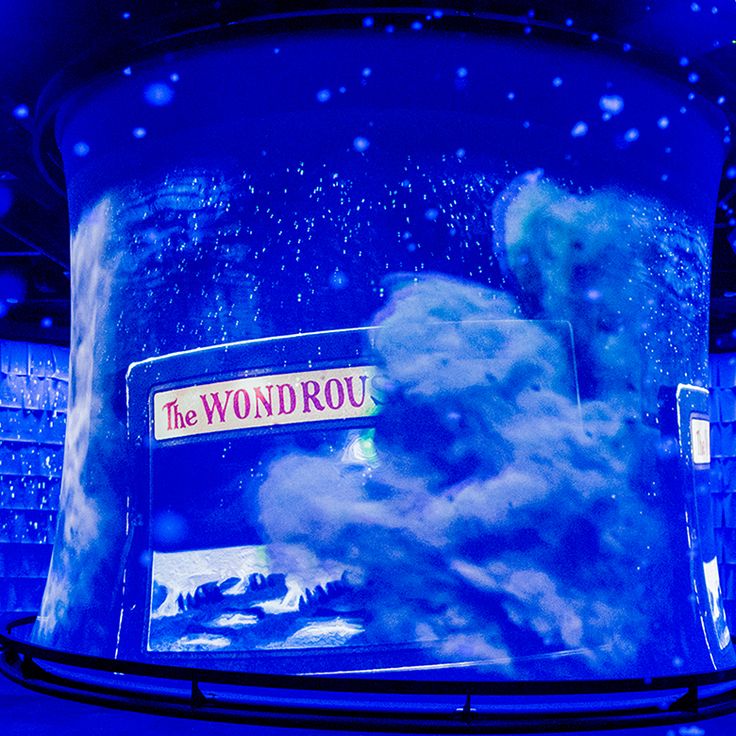
The Legislature Visitor Centre is located in the Alberta Legislature building and displays Canadian artworks, historic artifacts, and information about the provincial legislative process. As part of Edmonton's main sites, it offers visitors insight into Alberta's political history and culture.
Edmonton, Alberta, Canada
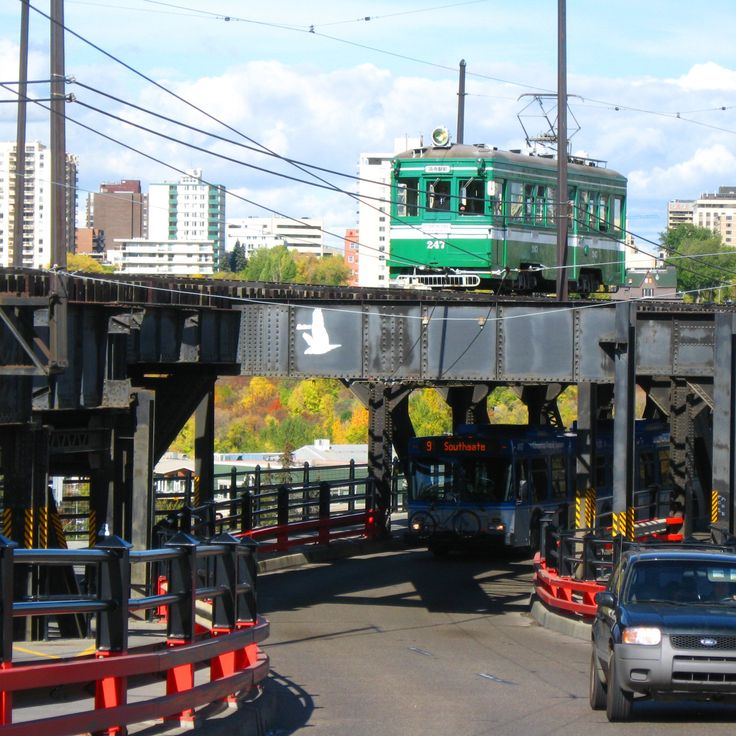
This heritage streetcar service operates a period tram that crosses the High Level Bridge, a railway bridge built in 1913. The service allows passengers to view the North Saskatchewan River and the neighborhoods around it from a moving vantage point. Riding this streetcar offers a glimpse into how Edmonton residents traveled in earlier times while seeing the landscape below from an elevated perspective.
Edmonton, Canada
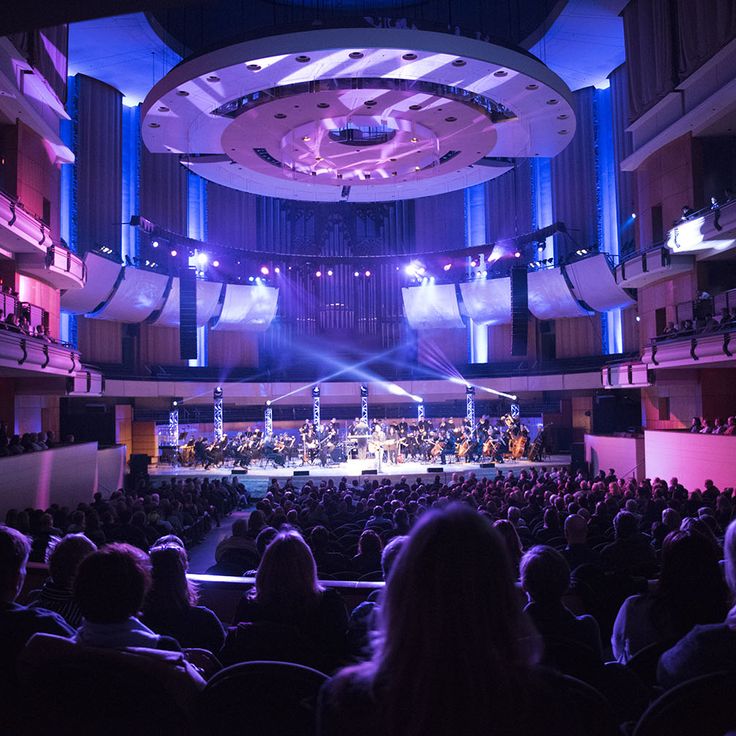
The Winspear Centre is a modern concert hall in Edmonton that serves as the home of the Edmonton Symphony Orchestra. With nearly 2,000 seats, this venue hosts classical and contemporary music performances throughout the year. The building's architecture reflects contemporary design and makes it a cultural landmark in the city.

Edmonton, Canada
This farmers' market opens on Saturday mornings in Edmonton and brings together local growers and artisans. You will find fresh produce grown nearby, handmade crafts, baked goods, flowers, and regional specialties from Alberta. The market draws residents and visitors seeking quality goods and a chance to connect with the people who make them.
Edmonton, Canada
William Hawrelak Park is an urban park in Edmonton that offers hiking trails, picnic areas, and sports fields. The park features an artificial lake and an outdoor amphitheater. It serves as a place where residents and visitors can spend time in nature, take walks, or enjoy outdoor activities.
Edmonton, Canada
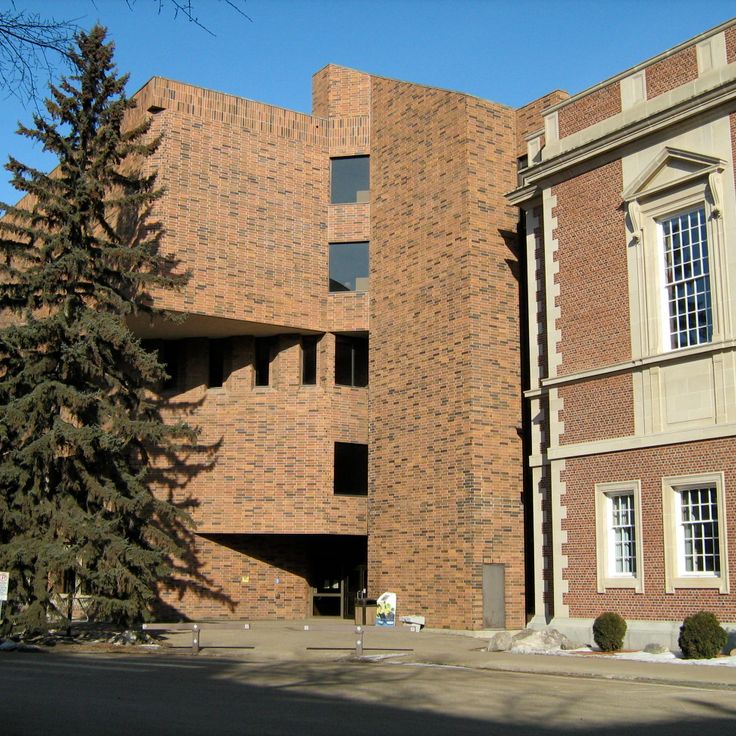
The University of Alberta is a higher education institution founded in 1908 that plays an important role in Edmonton's academic landscape. Located in the city, it offers programs in medicine, law, engineering, and the humanities. The campus serves as a center for learning and research in the region.
Edmonton, Alberta, Canada
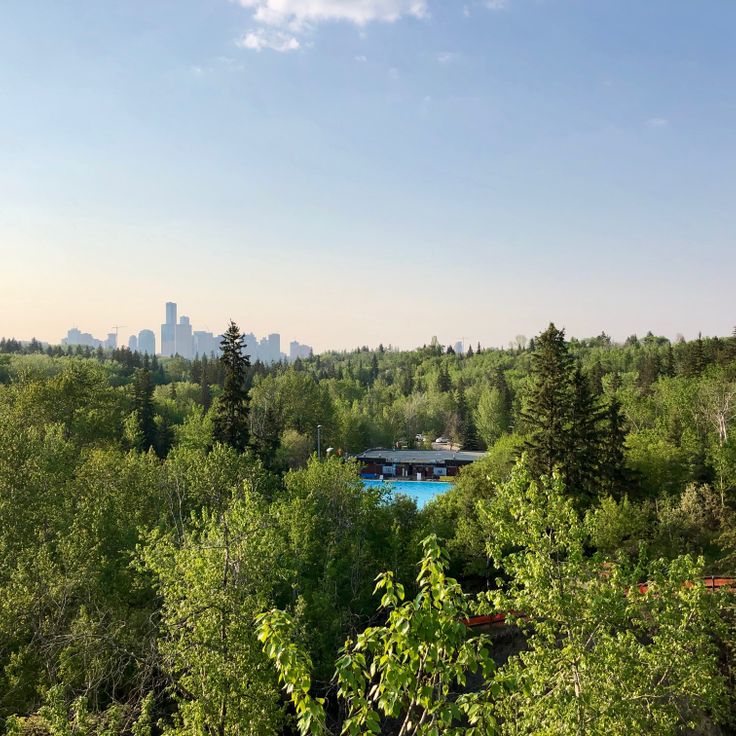
Mill Creek Ravine Park is a 25-hectare green space in Edmonton that follows the course of Mill Creek. The park features walking trails, cycling paths, and picnic areas where visitors can enjoy outdoor recreation. This park ranks among Edmonton's main outdoor destinations for people seeking natural spaces within the city.
Edmonton, Canada
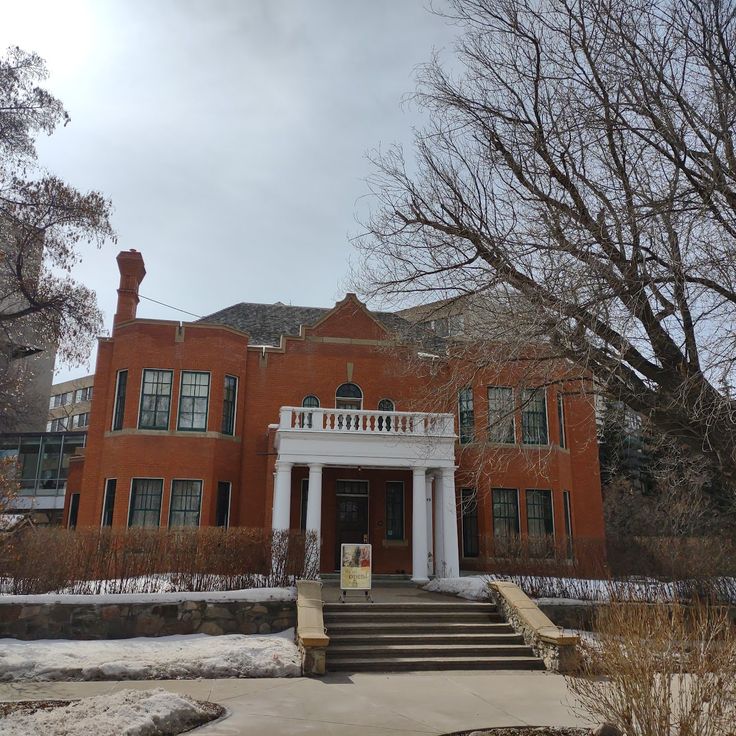
The Rutherford House Provincial Historic Site is an Edwardian-era residence built in 1911 that once belonged to Alexander Cameron Rutherford. Today, the house presents exhibitions on Alberta's history, offering visitors a window into life during the early 1900s.
Edmonton, Alberta, Canada
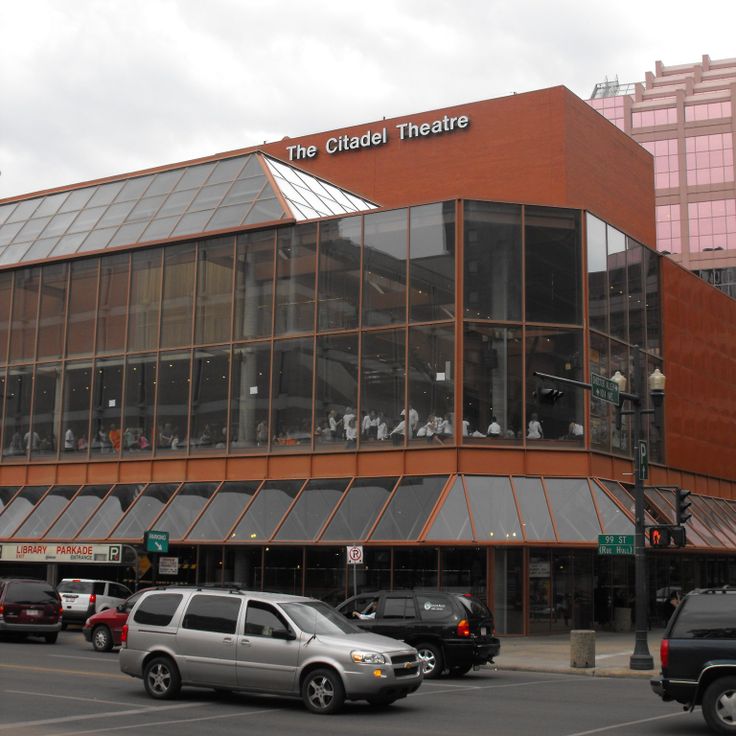
The Citadel Theatre is a five-stage theater complex in Edmonton that opened in 1965. It presents a diverse range of productions throughout the year, including classic plays, contemporary works, musicals, and shows for children. The theatre serves as a key cultural destination in this Canadian city.
Edmonton, Alberta, Canada
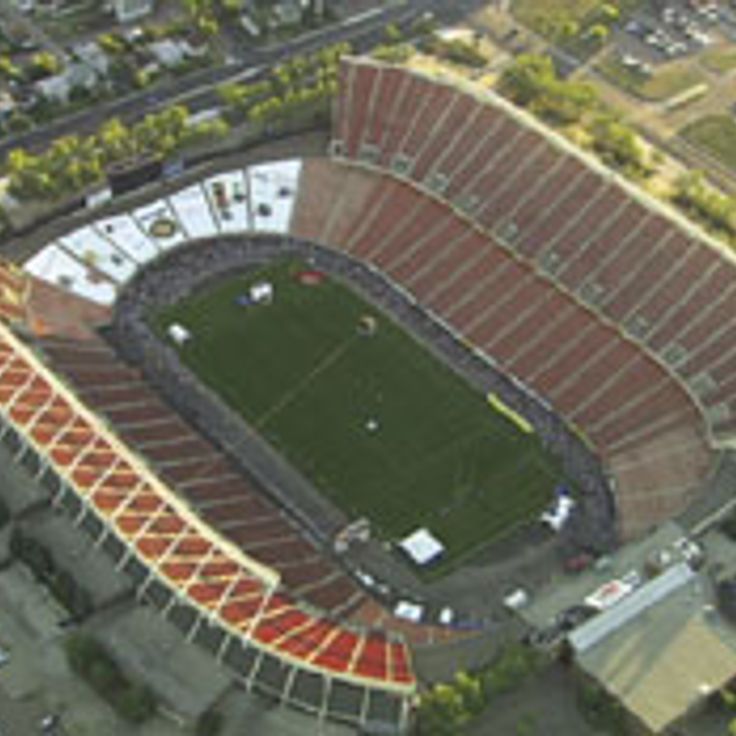
Commonwealth Stadium is a sports facility in Edmonton, Alberta that has served as the home of Canadian football teams since 1978. The venue regularly hosts provincial and national athletic competitions, drawing crowds of spectators throughout the season. Many residents and visitors come here to watch games and sporting events that bring the community together.
Edmonton, Canada
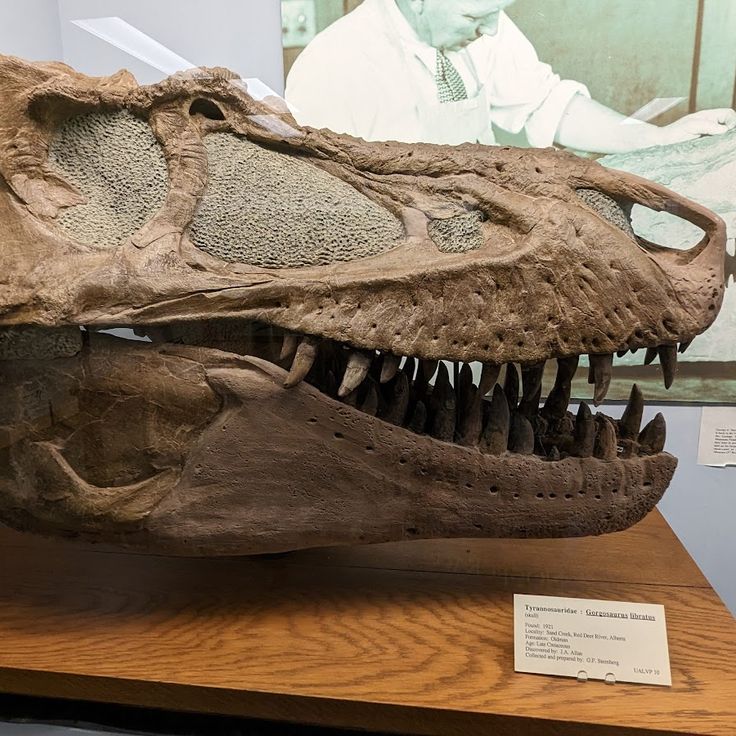
The Paleontology Museum in Edmonton presents fossil collections and geological specimens from different time periods. Affiliated with the University of Alberta, it showcases reconstructions of ancient Prairie ecosystems that once existed in this region. Visitors can examine bones, rocks, and other finds that help reveal the history of life on Earth and how this landscape changed over millions of years.
Edmonton, Alberta, Canada
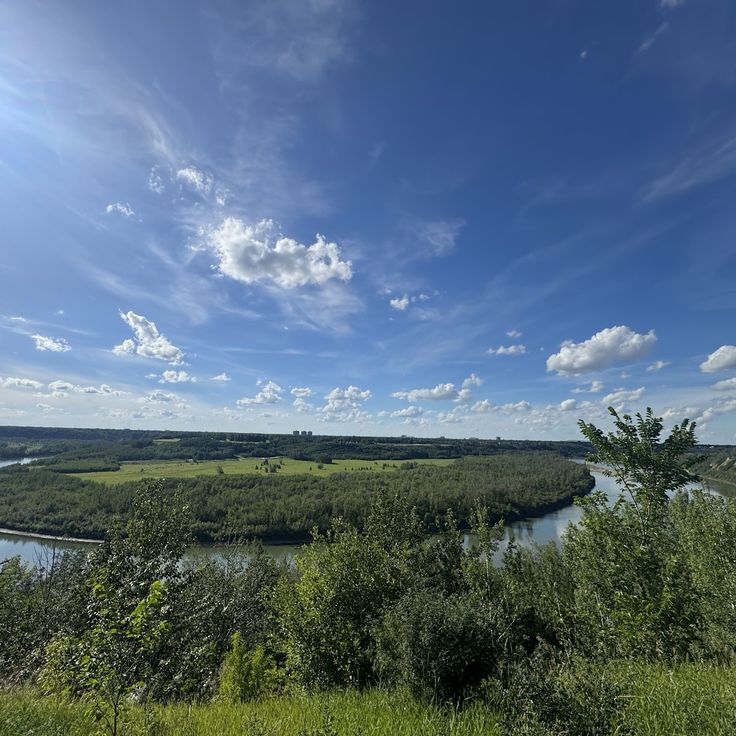
This park covers 193 hectares in the North Saskatchewan River valley and offers walking paths, picnic areas, and recreational activities. It is one of Edmonton's green spaces where visitors can enjoy outdoor activities and natural surroundings.
Edmonton, Alberta, Canada
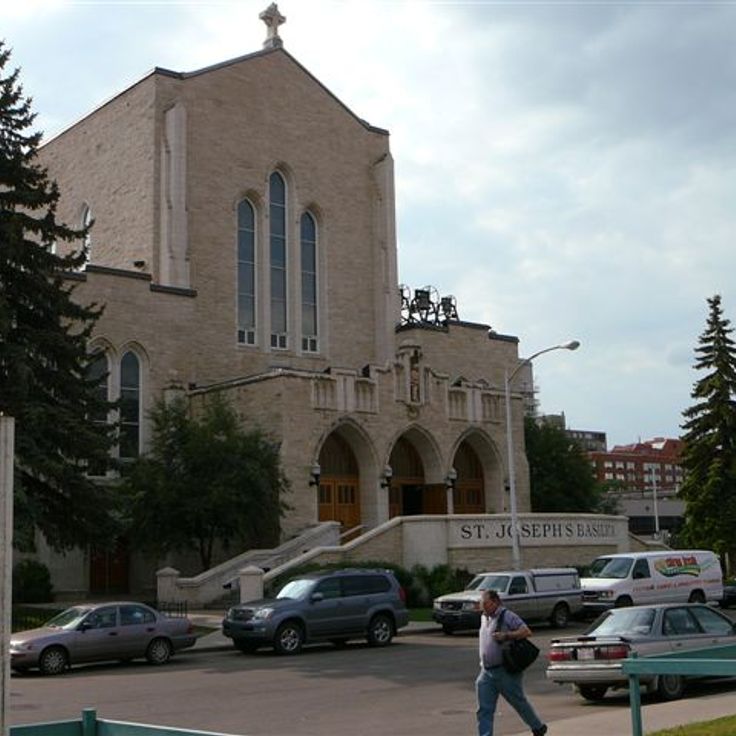
This basilica has stood at the heart of Edmonton since 1913, combining traditional European architecture with religious life. The sandstone facade feels solid and dignified, while the buttressed vaults inside rise high above the pews. Stained glass windows cast colored light across the interior, and the pipe organ fills the space with rich sound during services and concerts. People come here to pray, admire the architecture, or simply sit in quiet reflection.