See the monuments around you in AROpen chests in the app
Around Us is built for your phone — point your camera at the streets and discover the monuments and places around you in augmented reality.Around Us is built for your phone — chests unlock when you walk, explore and capture nearby places.
Tyrol Austria: must-visit places, mountain villages and natural sites
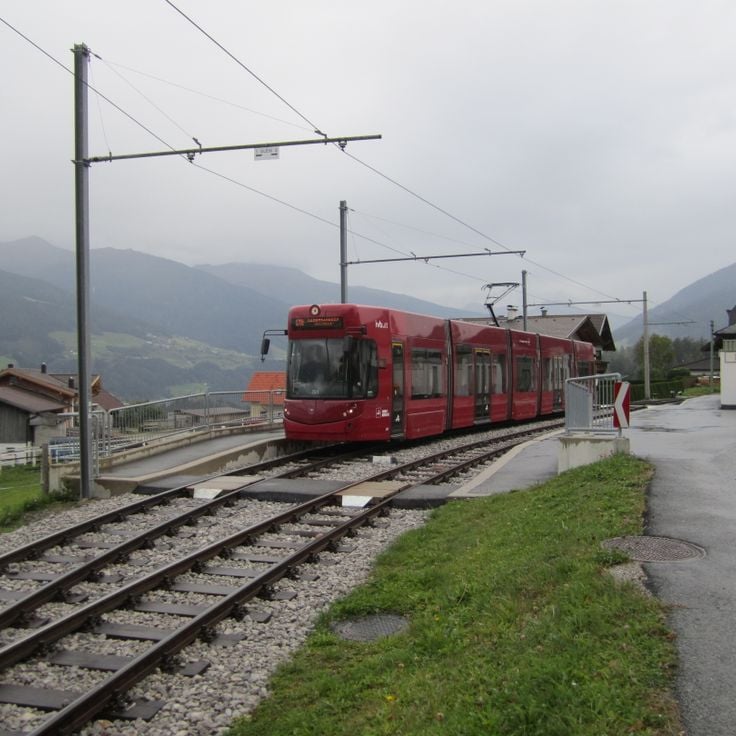
The Austrian Tyrol combines mountain landscapes, historic towns, and valleys where mountain life has gone on for hundreds of years. Innsbruck, the regional capital, has a old center with colorful buildings and archways. Valleys like Zillertal and Ötztal go deep into the Alps. They have villages where people still raise animals and make things by hand. High mountain glaciers are open all year, and mountain lakes reflect the peaks around them.
This collection shows places that shape the character of Tyrol: castles on rocky heights, roads winding through forests and meadows, and spots where people hike in the summer and ski in the winter. Each place shares a part of the region’s story, from mountain customs to its natural views.
Tyrol Austria: must-visit places, mountain villages and natural sites
The Austrian Tyrol combines mountain landscapes, historic towns, and valleys where mountain life has gone on for hundreds of years. Innsbruck, the regional capital, has a old center with colorful buildings and archways. Valleys like Zillertal and Ötztal go deep into the Alps. They have villages where people still raise animals and make things by hand. High mountain glaciers are open all year, and mountain lakes reflect the peaks around them.
This collection shows places that shape the character of Tyrol: castles on rocky heights, roads winding through forests and meadows, and spots where people hike in the summer and ski in the winter. Each place shares a part of the region’s story, from mountain customs to its natural views.
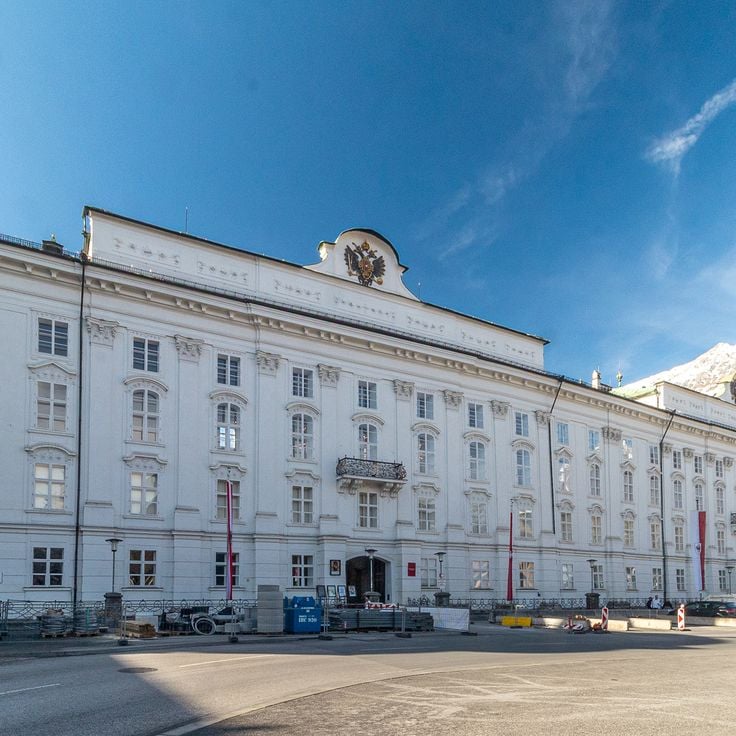
The Imperial Palace was the residence of the Austrian Emperor in the 18th century. The building stands in Innsbruck, the capital of Tyrol, and shows the history of imperial power in the Alps. Visitors can walk through rooms that tell the story of the Habsburg era. The interior spaces preserve how the Emperor and his court once lived.
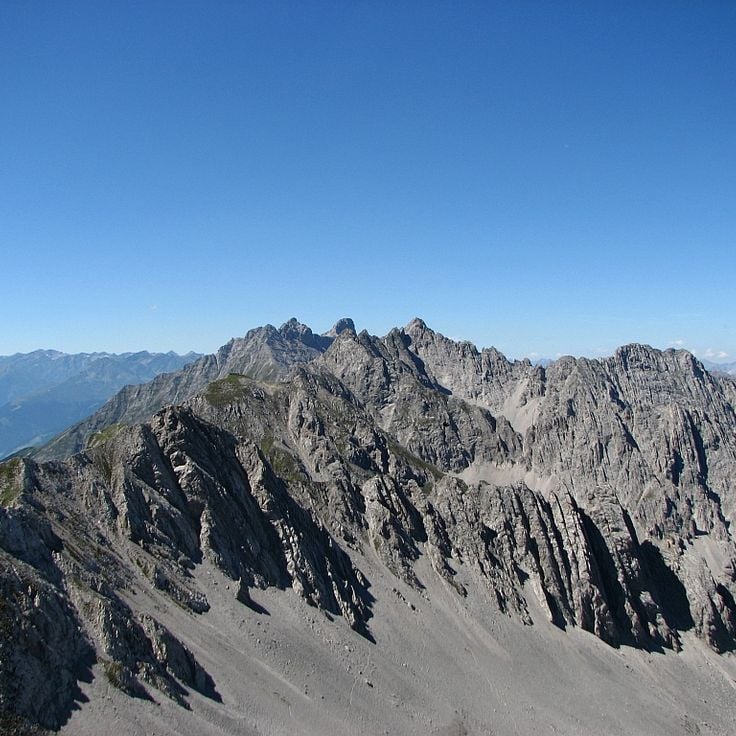
The Nordkette is a mountain ridge north of Innsbruck that rises directly from the city center. The Hungerburgbahn, a cable car, goes straight up from the city, making it easy to reach the higher slopes. Once at the top, walking trails fan out in all directions. In winter, people ski here; in summer, visitors hike through alpine meadows. The views from above take in Innsbruck and the surrounding valleys.
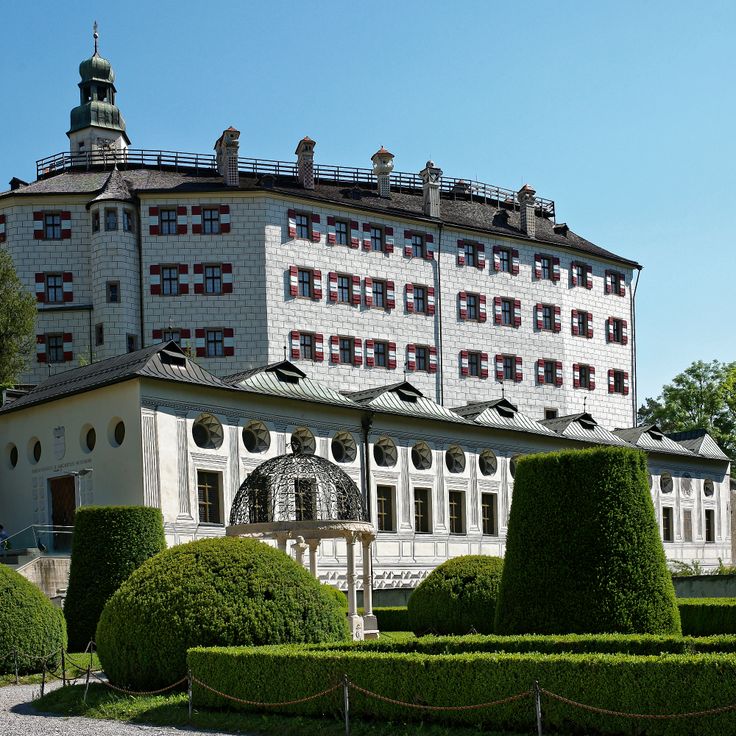
Ambras Castle stands above Innsbruck, a Renaissance fortress built in the 16th century. Its rooms hold paintings and objects gathered to show the interests of its former ruler, from art to natural specimens and craftsmanship. The castle blends defensive architecture with the refinement of the Renaissance period. From its walls, you can see across the city and the surrounding slopes of the Alps. This place tells the story of Tyrol's significance during the late medieval and early modern periods.
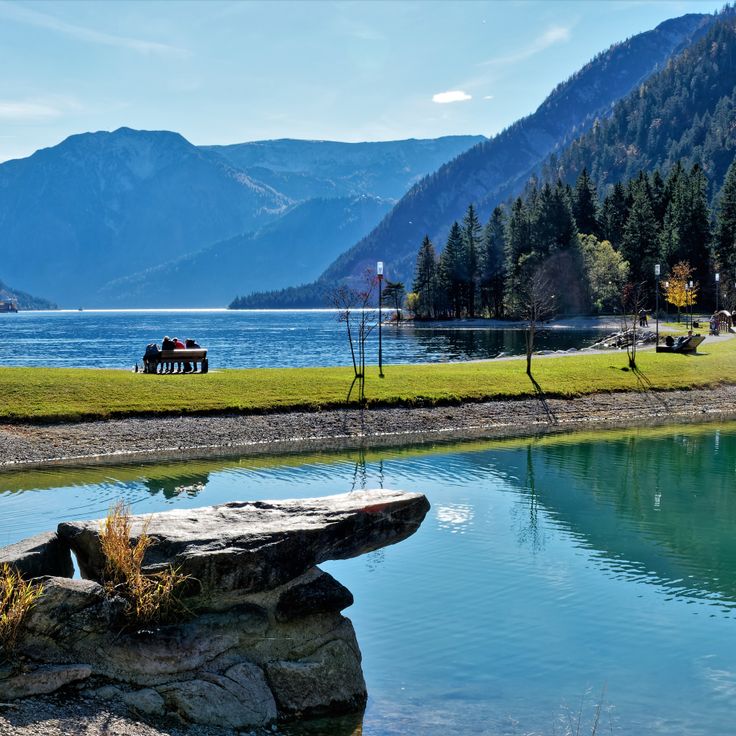
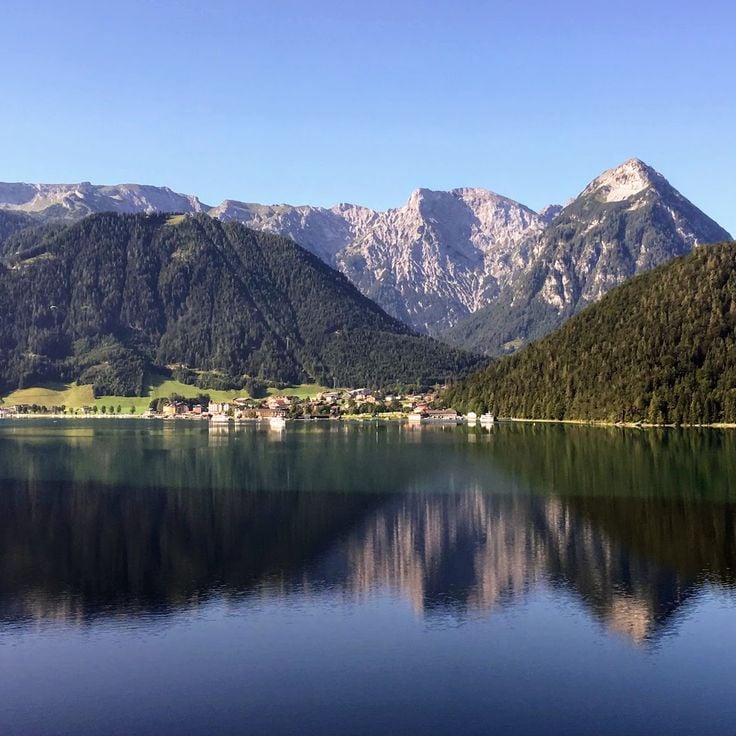
Lake Achensee is the largest lake in Tyrol and sits in a valley surrounded by high mountains. The water is cold and clear, and many people come here to sail, windsurf, and swim. Hiking trails run around the lake, and small villages along the shore have inns and fish restaurants. In winter, the lake sometimes freezes over, and the surrounding mountains are snow-covered.
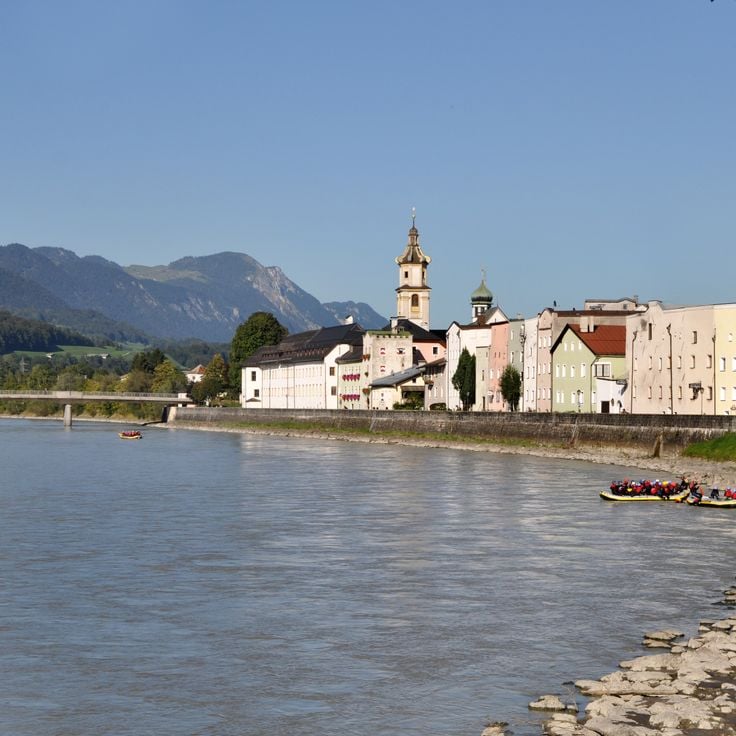
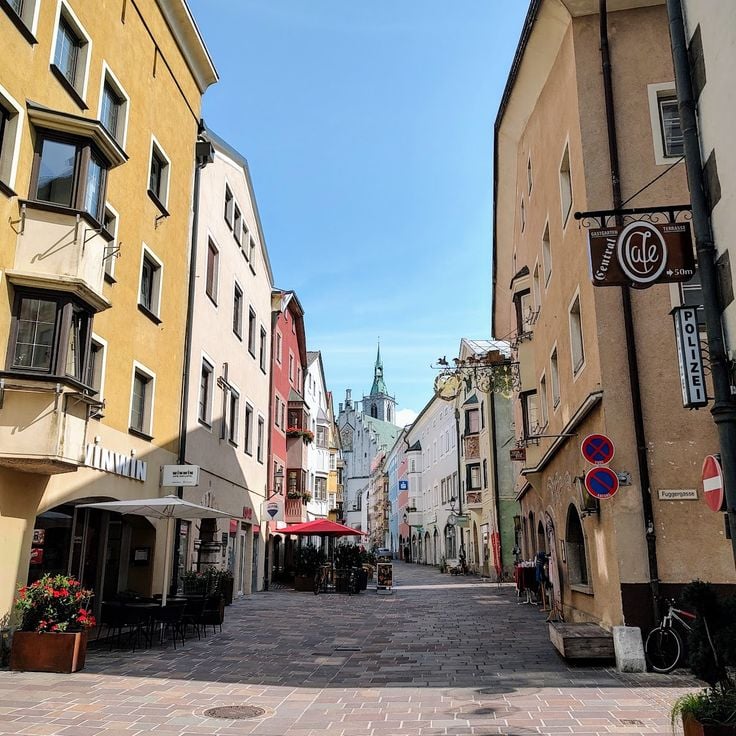
Rattenberg is a small medieval village along the Inn river, where colorful building facades line the narrow streets. The town preserves its historic layout from centuries past, with houses standing close together along the water. The residents have maintained traditional crafts for generations, especially glassmaking, which has shaped the town's identity. Visitors walk through cobbled streets and notice the details of old architecture. Rattenberg shows how alpine communities grew beside river valleys and kept their character over time.
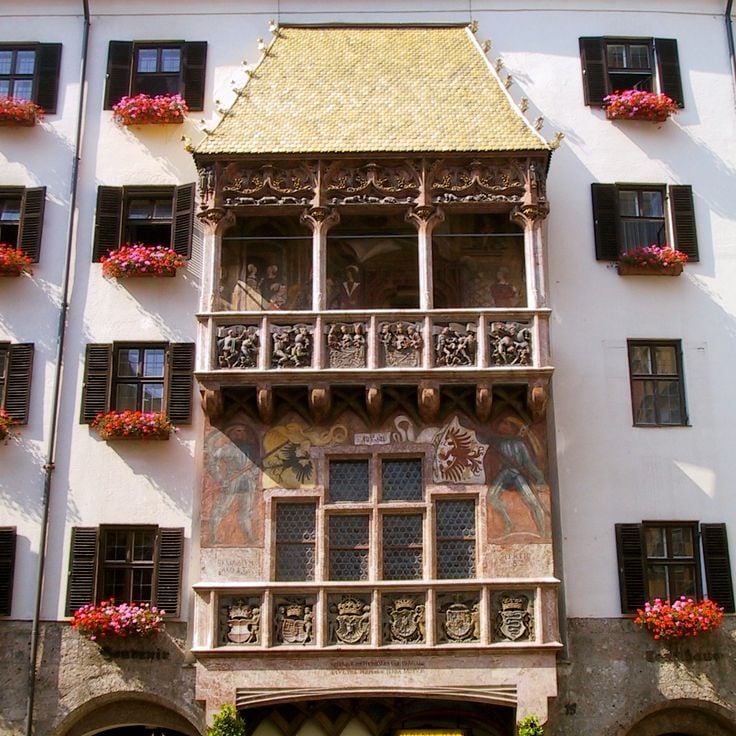
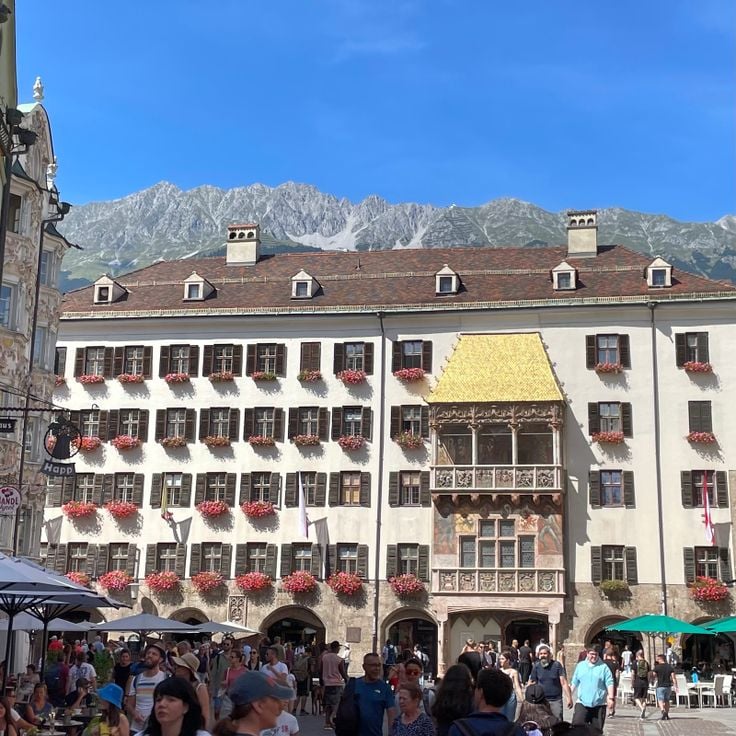
The Golden Roof is a gilded oriel balcony from the 15th century that crowns central Innsbruck and serves as the city's symbol. Its shimmering copper tiles catch the light above the market square and reflect the era when Habsburg rulers controlled the region. The balcony once served as a viewing platform for royal weddings and tournaments. Today visitors can step inside the small museum and look out over Innsbruck's ancient streets from above.
The historic center of Innsbruck is the heart of the Tyrolean capital. Medieval streets, colorful facades, and arcaded passages shape the cityscape here. The buildings tell stories of the past as you walk through the narrow streets. The center preserves the character of an alpine city where history and daily life are intertwined.
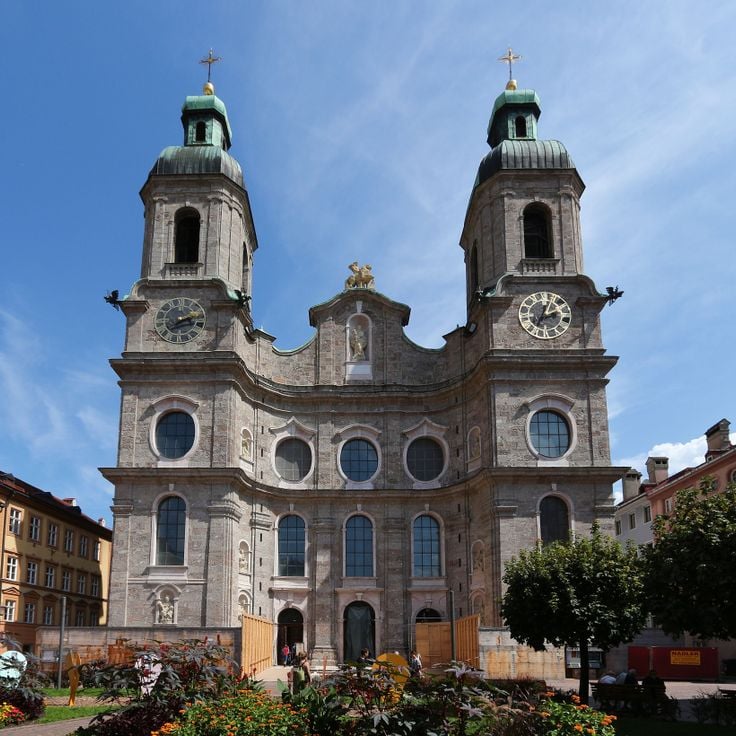
The Cathedral of Saint James is a Baroque cathedral from the 18th century at the heart of Innsbruck. This building defines the center of Tyrol's regional capital with its striking architecture and ornate interior spaces. The cathedral demonstrates the religious and cultural importance that Innsbruck has held as a regional center for centuries. Visitors can see the Baroque craftsmanship and architectural details that characterize this period.
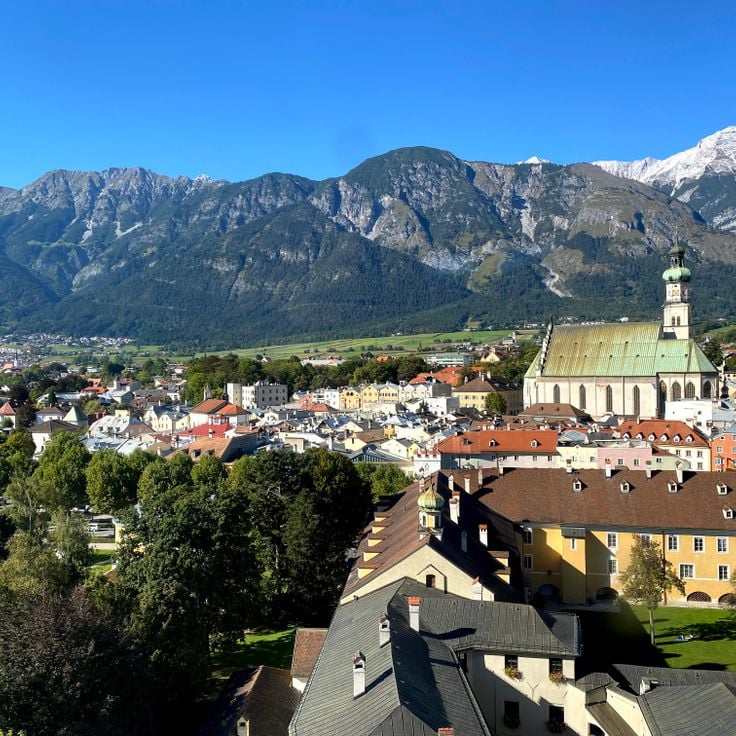
Schwaz is a historic town in the Zillertal valley, built on a legacy of silver mining. The town preserves the marks of its mining past and features a Gothic church that defines its character. Medieval structures blend with the rhythm of valley life, where craft traditions and local practices continue to shape daily routines.
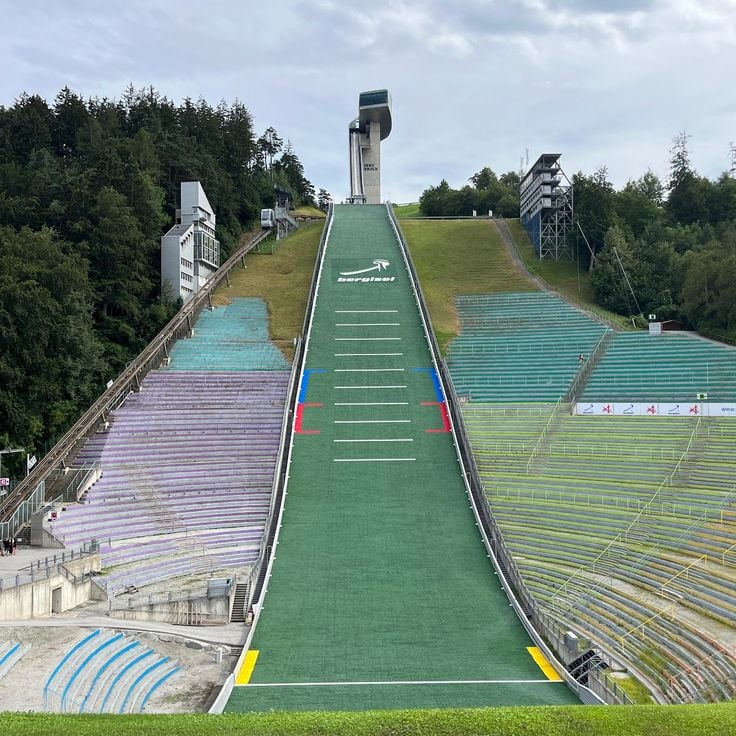
Bergisel is a modern ski jumping hill on the edge of Innsbruck. Skiers launch from a steep ramp and fly over the landscape below. From the top, you can see the city spread out and the mountains beyond. The facility was built for the Olympic Games and hosts jumping competitions in winter. Visitors can walk up to the viewing areas and look out over the valley, or watch the athletes from ground level.
Hall in Tirol developed as a center of salt trade and mining in the Middle Ages. The city preserves a medieval core with narrow streets and buildings that reflect its past as a prosperous commercial town. The architecture shows different periods and styles, with many houses displaying oriel windows and colored facades. Ambras Castle sits above the town. The market square forms the heart of the city, where locals and visitors gather. Its position on the Inn River made it a natural hub for the region.
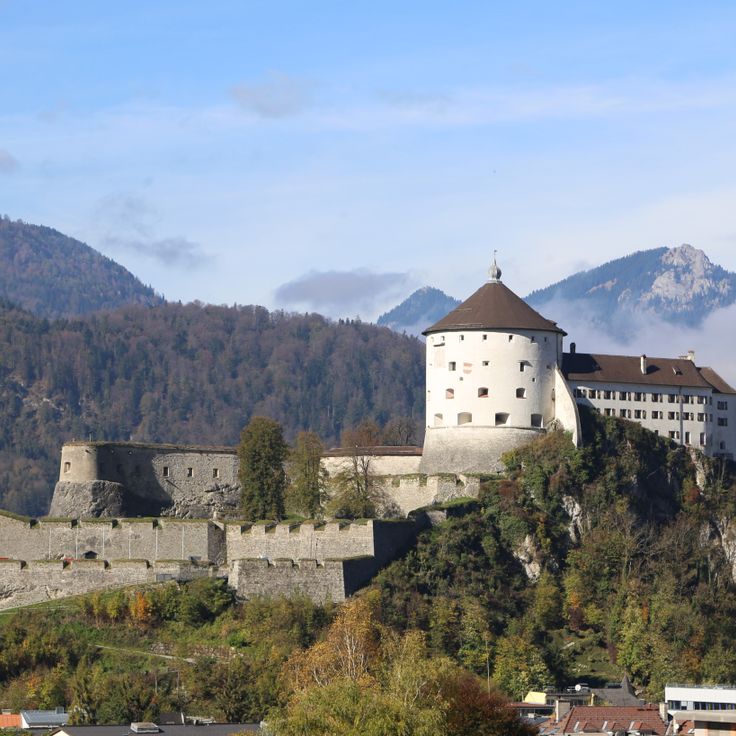
Kufstein Fortress is a medieval fortification from the 13th century that sits on a rocky outcrop above the town. It has towers and defensive walls that tell the story of the region. Inside, a museum explains the fortress's past and its place in Tyrolean history. From the fortress, you can see across the town and into the surrounding valley.
Pertisau am Achensee is a mountain village on the shores of Lake Achensee, where hiking trails lead directly from the village into the surrounding peaks. The village keeps its rural character, with traditional houses and access to water and nature that has shaped life here for generations. Visitors can move between the lakeshore and mountain paths, depending on the season and what they want to do.
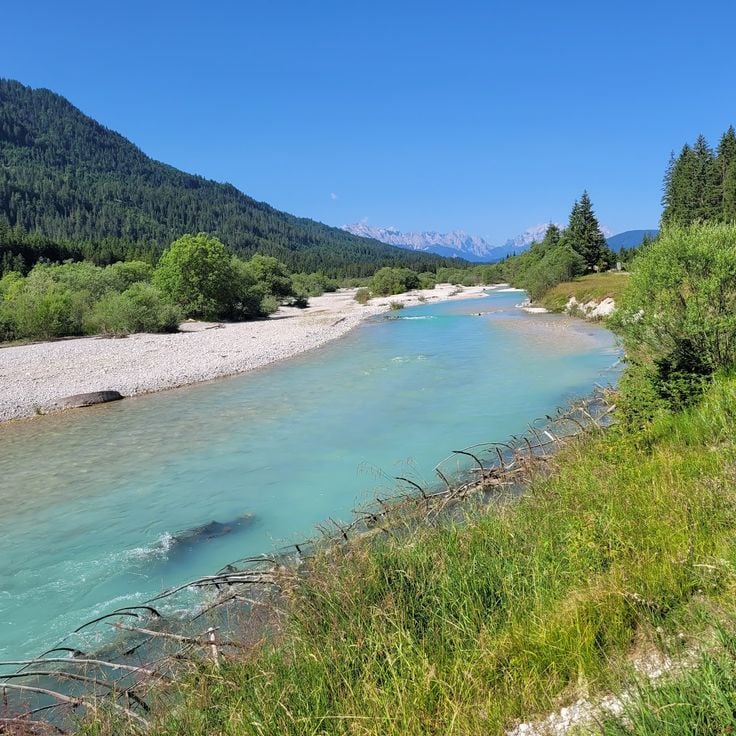
Parc Naturel du Karwendel is an alpine protected area in the Austrian Alps where trails wind through wild valleys and across mountain ridges. The landscape shifts through the seasons: summer brings green meadows and hiking paths, while winter transforms the heights with snow and quietness. The region contains mountain streams, thick forests, and open pastures where the rhythms of alpine life are still visible.
The Zillertal is a major alpine valley in Tyrol that cuts deep into the mountains. The valley is home to traditional villages where people have lived and worked according to longstanding customs for centuries. Here you find high-altitude glaciers that are accessible year-round, as well as mountain lakes that reflect the surrounding peaks. In winter, people come to ski; in summer, they hike through the landscape.
The Stubaital is an alpine valley that cuts deep into the Austrian Alps. Glaciers at high elevations remain accessible throughout the year, while hiking trails wind through forests and mountain meadows. Small villages dot the valley, where people still practice traditional crafts and pastoral ways of life that have endured for centuries.
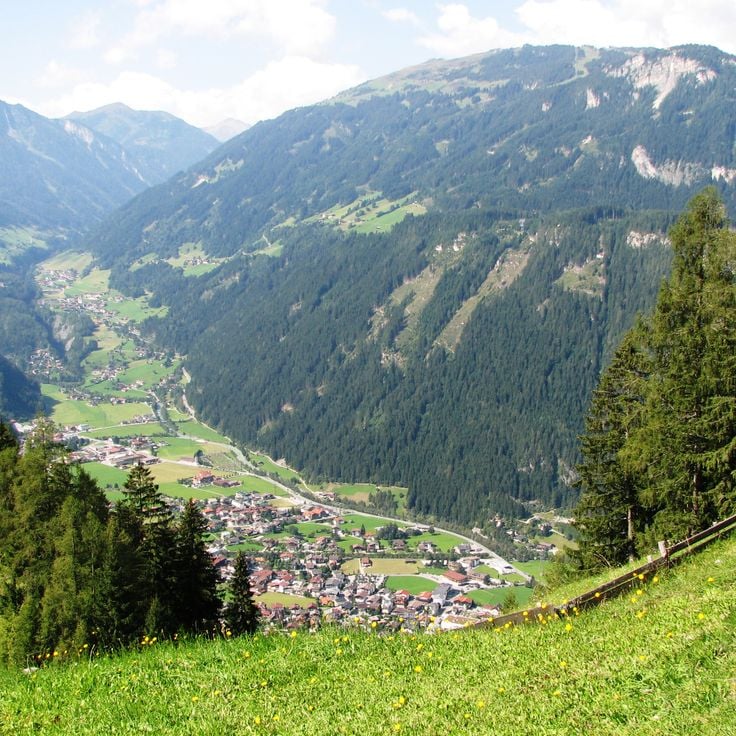
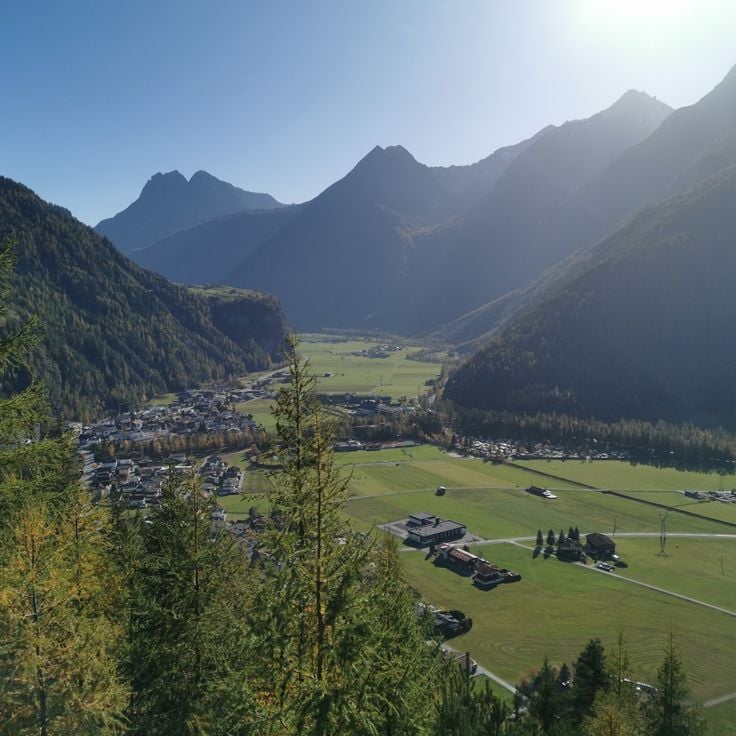
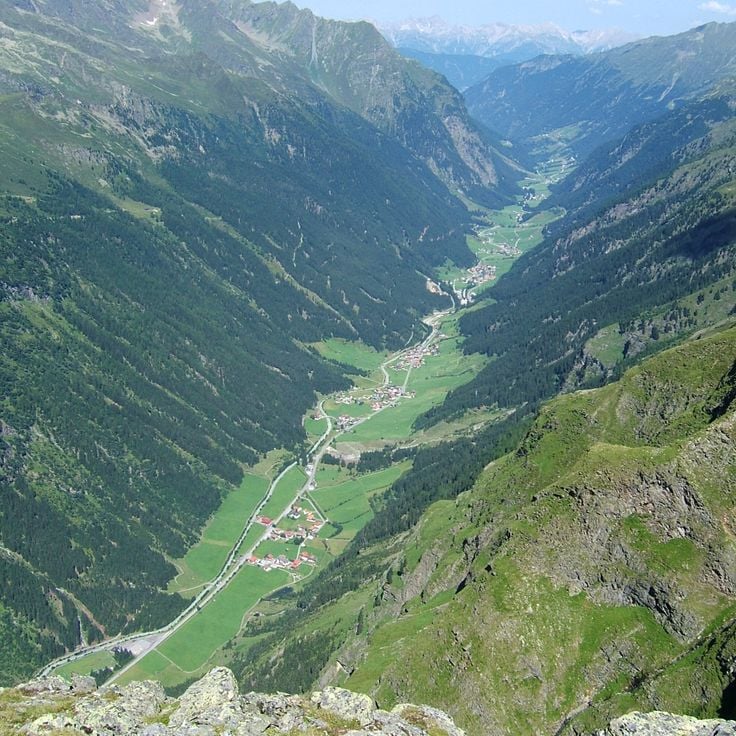
The Ötztal is a major glacial valley in the Ötztal Alps that cuts deep into the mountain range. People have lived here for centuries, relying on cattle farming and traditional crafts. Villages like Ötz, Längenfeld and Sölden sit along the Ötzbach River and keep their old character with wooden houses and churches. High-altitude glaciers remain accessible throughout the year and shape the landscape. In summer, visitors hike through meadows and forests; in winter, skiing brings people to the slopes.
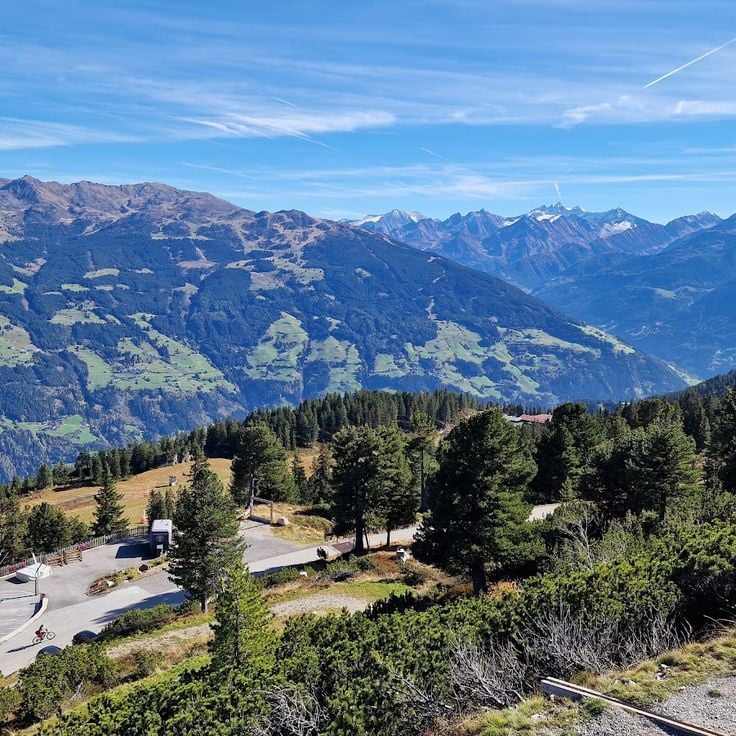
The Zillertaler Höhenstrasse is a mountain road that runs high above the Zillertal valley, offering views of the surrounding Alpine peaks. This route connects several villages and passes through forests and mountain meadows, where you can experience the landscape of the Austrian Alps. The road is passable in summer and allows you to see the valleys from above and observe how the landscape changes from forested slopes to open high plateaus.
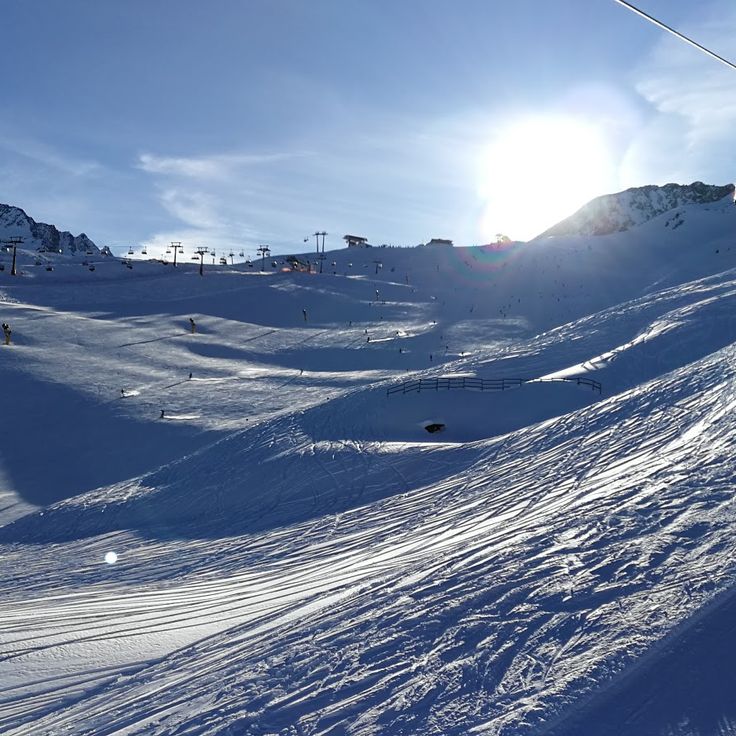
Stubai Glacier sits in Neustift im Stubaital and is one of the easiest glaciers to reach in the Eastern Alps. Cable cars run from the valley floor and take you in a few rides to over 9800 feet (3000 meters) in elevation. Once there, you can walk across the glacier plateau, ski, or simply take in the views of surrounding peaks. The glacier stays open year-round and offers good snow cover even in summer. All around you see ice, snow, and distant mountain ridges.
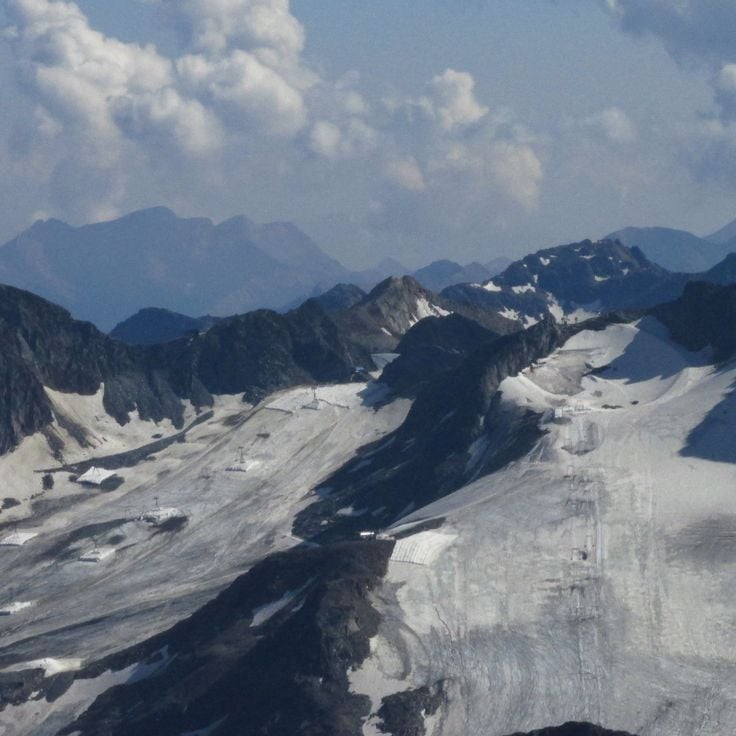
The Hintertux Glacier lies in the Zillertal Valley and is one of the few glaciers in the Alps where you can ski year-round. Cable cars transport visitors to higher sections of the glacier, where snow and ice remain permanent. In summer, skiers and snowboarders come here to train on the white slopes, while winter attracts even more people. The glacier offers views of surrounding mountain peaks and lets you experience the alpine environment from high elevation.
Sölden is a mountain resort in the Ötztal valley, known for its access to 2 large glaciers and winter sports infrastructure. The village sits deep in the Alps and serves as the main hub for the valley, with hotels, restaurants, and ski lifts catering to visitors year-round. In winter, the slopes fill with skiers, while in summer hikers walk the alpine meadows and explore the glaciers. Traditional houses mix with modern buildings, maintaining the valley's character even as tourism shapes daily life.
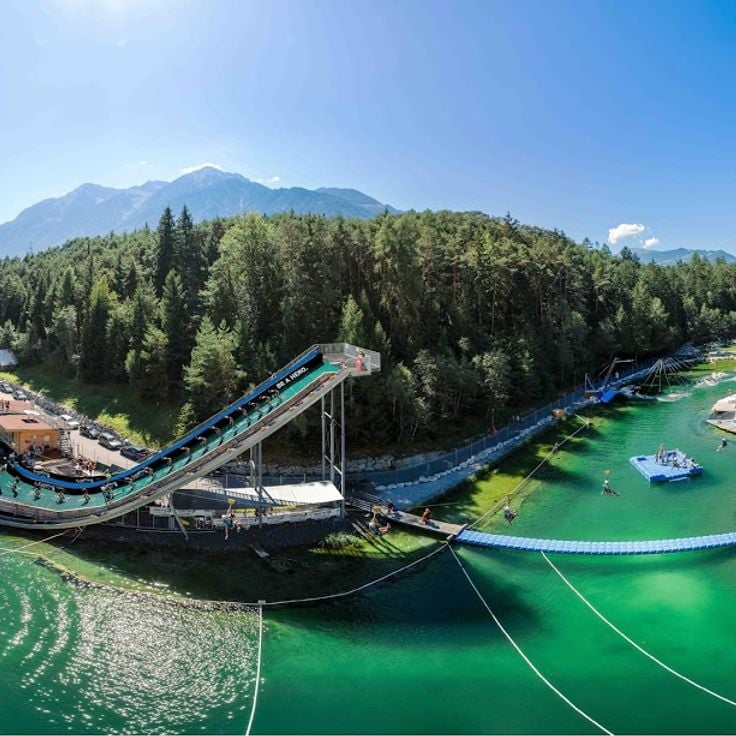
Area 47 is located in the Ötztal and serves as a recreation park featuring water activities and adventure sports. Situated within the Tyrolean Alps, this park offers different activities for families and those seeking outdoor excitement. Visitors can swim, try adventure courses, and spend time outdoors while taking in the mountain surroundings.
Seefeld in Tirol sits on a mountain plateau about 3,900 feet (1,200 meters) high, surrounded by forests and open meadows. Walking trails connect different parts of the landscape, from gentle paths to more demanding routes, and in winter the slopes fill with cross-country skiers. The village has grown to serve travelers while keeping its ties to the surrounding peaks and valleys. Life here follows the rhythm of the seasons and the mountains.
The Pitztal is an alpine valley in western Tyrol that cuts deep into the Alps. Surrounded by high peaks, it is home to the Pitztal Glacier, which remains accessible year-round. Small villages sit in the valley where locals continue traditional mountain farming and crafts that have been passed down for centuries. The valley offers hiking trails in summer and ski slopes in winter. The mountain landscape shapes the character of this region with its forests, pastures, and views of the surrounding peaks.
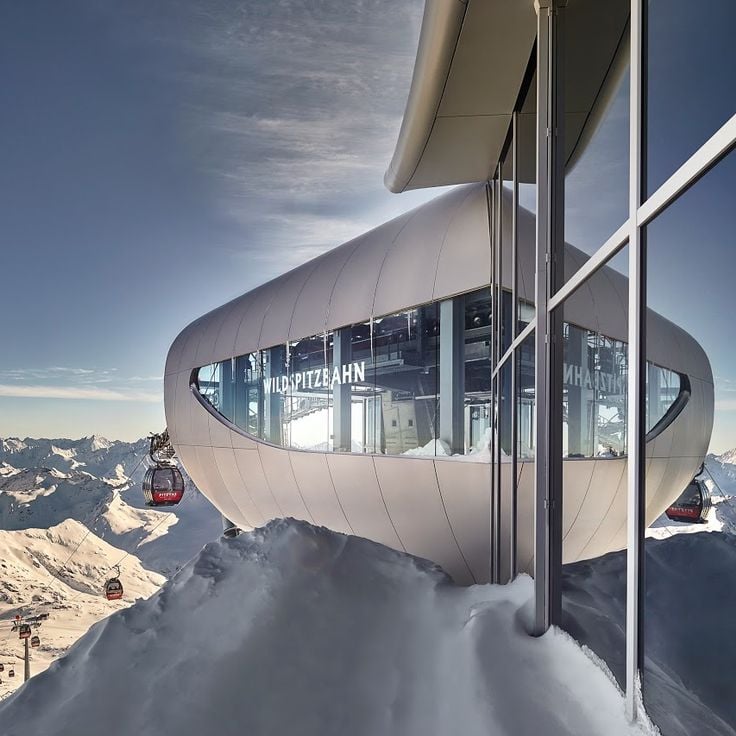
The Pitztal Glacier sits at a high elevation where the landscape transforms into ice and snow. This glacier is reachable year-round by cable cars and lifts. At the top, you find an expanse of ice and snow surrounded by tall peaks. The location shows what the Alps look like in extreme altitude. Visitors come here to ski in winter and hike during warmer months. The views of the surrounding mountains are striking.
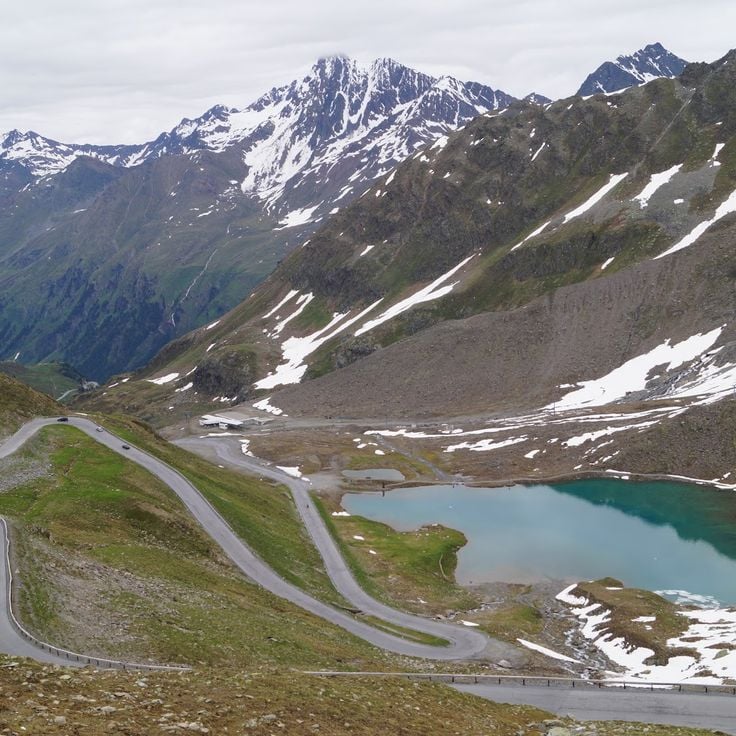
The Kaunertaler Gletscherstrasse is an alpine road that climbs through the Kauner Valley to reach a high-altitude glacier. It winds through rocky terrain and forests, passing by mountain meadows and steep slopes. As you drive, the views shift constantly with each turn. At the end of the road, at over 9000 feet (2750 meters) elevation, you reach the glacier itself, which exists year-round. This is one of Austria's highest roads and stays open most of the year thanks to regular snow clearing. In summer, hikers and motorcycle riders use this route to venture into the alpine landscape. In winter, the road becomes quiet and snow-covered.
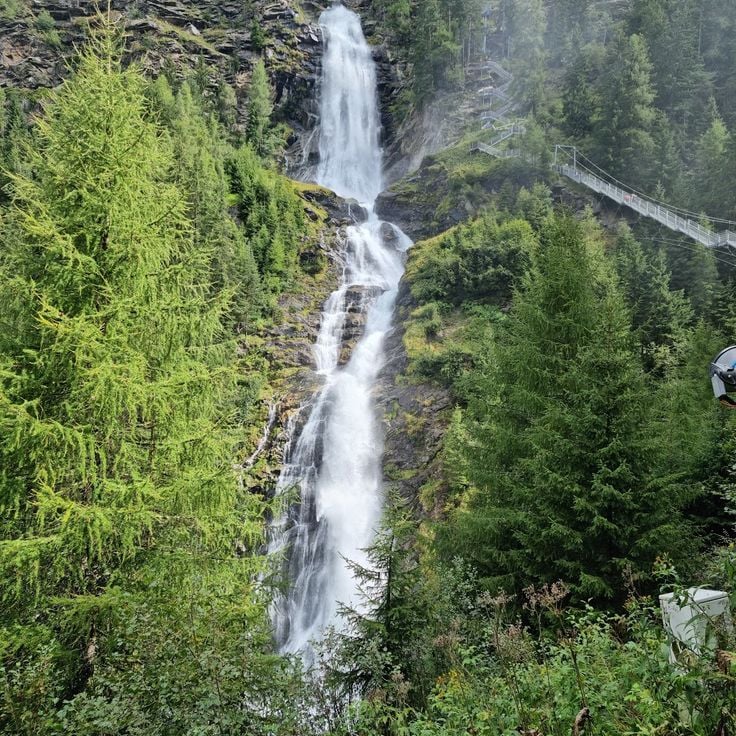
Stuibenfall Waterfalls in Umhausen are mountain waterfalls set in an alpine environment. They stand among the most striking natural features of the Otztal valley and drop down in multiple stages. The water plunges with force over rock walls, and its mist spreads across the surrounding area. A path leads behind the waterfalls, where visitors can experience the roaring water up close. The setting shows the steep mountainsides and forests that define the Tyrolean landscape.
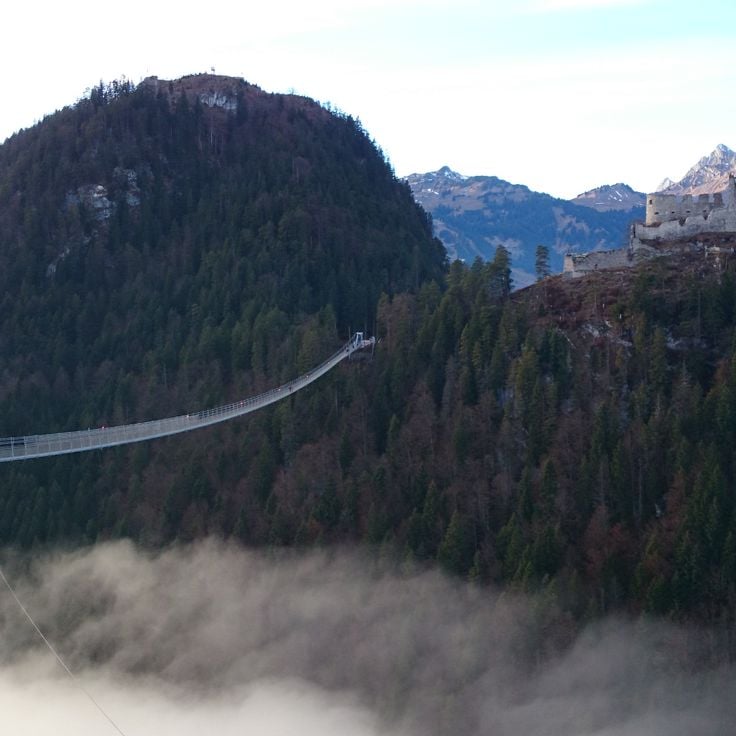
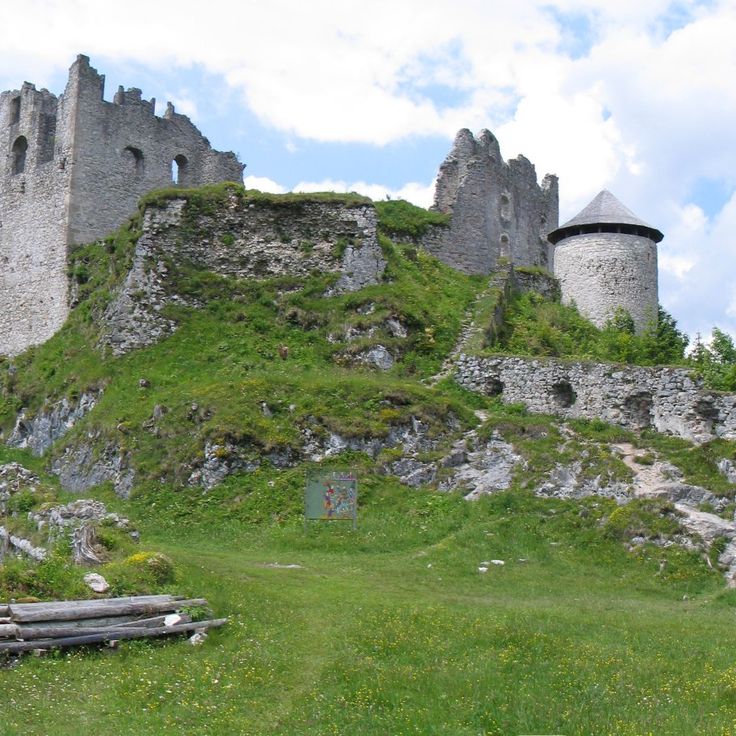
The Ehrenberg ruins are a medieval fortress perched high above the valley. Its walls carry centuries of history, and from this point you can look out across the surrounding mountains and valleys. The remains of the castle let visitors step back into a time when this stronghold kept watch over the land below. The climb to the ruins leads through forests and across mountain meadows, and once there, you can picture how the fortress once guarded the valley.
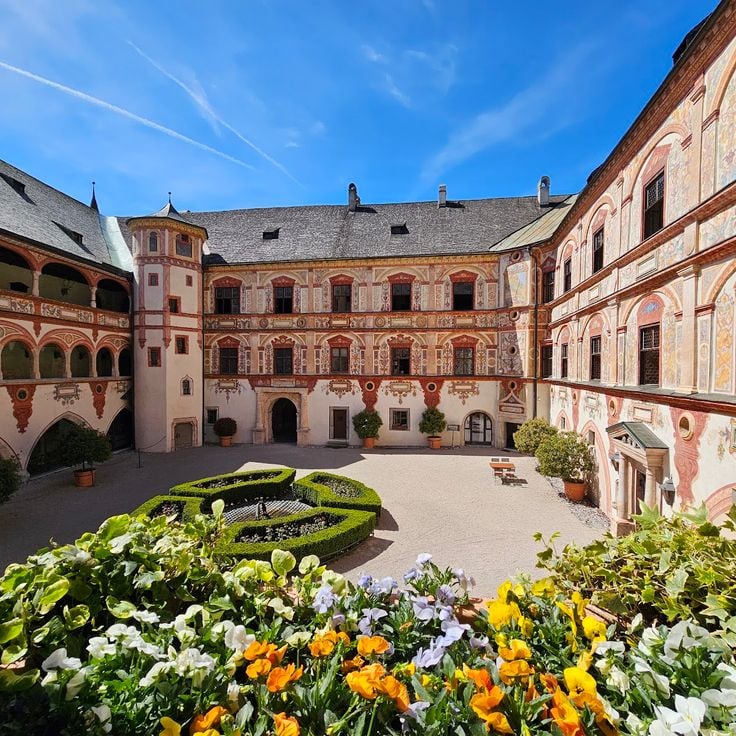
Schloss Tratzberg in Jenbach is a medieval castle with Renaissance features that opens a window into the past of Tyrol through its historic rooms and collections. The castle sits on a height and shows the architecture of past centuries, while its rooms offer insights into the life of the noble families who once lived here. This fortress tells part of the story of the Alpine region and its traditions.
Alpbach is a village in the Tyrolean mountains where traditional building styles and alpine nature are woven together. The houses display the characteristic architecture of the region, with painted wooden facades and carved details. The village sits in a valley surrounded by meadows and forests, with hiking trails in summer and ski slopes in winter. Alpbach has kept its rural character, and visitors can still see the traditions of mountain life taking place. The peaks around the village shape both its appearance and the way people live there.
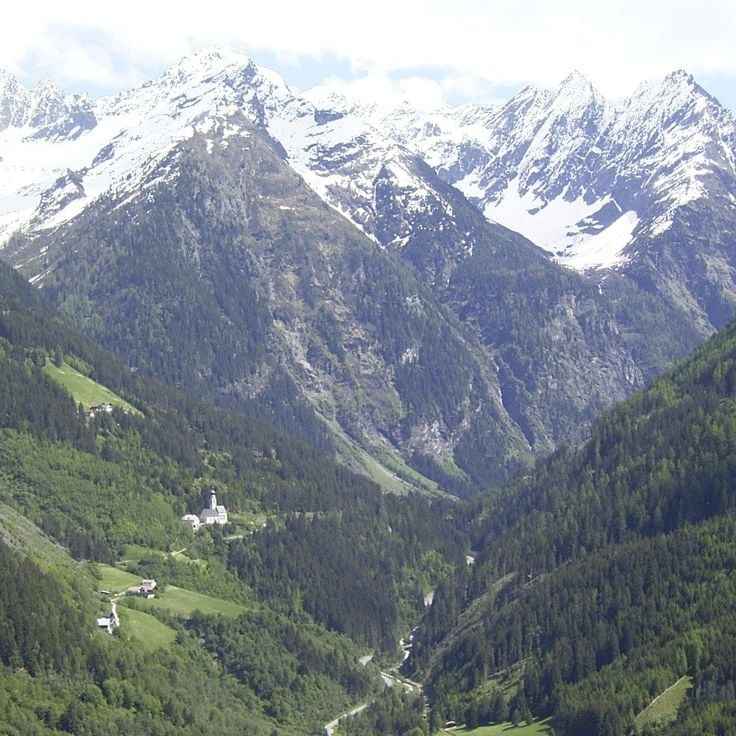
Kaunertal is a mountain valley in the Tyrolean Alps with steep slopes and sparse settlements. The road winds deep into the mountains, ending in a high alpine zone with glaciers and mountain lakes. The valley shows the raw character of alpine nature, where hikers and mountain bikers follow trails through meadows and forests. In winter, the region becomes a ski destination.
Tannheimer Tal is an alpine valley with mountain lakes and hiking trails. Visitors can find lakes surrounded by high peaks and paths that wind through meadows and forests. In winter, the valley becomes a ski area, while in summer hikers use the numerous routes. The valley is part of the Tyrolean Alps, where traditional ways of life and nature come together.
Highline 179 is a pedestrian suspension bridge in Reutte that crosses a deep valley between two castle ruins. The bridge connects the ruins of Ehrenberg to the ruins of Oberneuschanz, letting walkers move between these historical sites while looking out over the surrounding mountains. It offers a direct path that would normally require a long descent and climb through the valley below.
The Imperial Palace was the residence of the Austrian Emperor in the 18th century. The building stands in Innsbruck, the capital of Tyrol, and shows the history of imperial power in the Alps. Visitors can walk through rooms that tell the story of the Habsburg era. The interior spaces preserve how the Emperor and his court once lived.
The Nordkette is a mountain ridge north of Innsbruck that rises directly from the city center. The Hungerburgbahn, a cable car, goes straight up from the city, making it easy to reach the higher slopes. Once at the top, walking trails fan out in all directions. In winter, people ski here; in summer, visitors hike through alpine meadows. The views from above take in Innsbruck and the surrounding valleys.
Ambras Castle stands above Innsbruck, a Renaissance fortress built in the 16th century. Its rooms hold paintings and objects gathered to show the interests of its former ruler, from art to natural specimens and craftsmanship. The castle blends defensive architecture with the refinement of the Renaissance period. From its walls, you can see across the city and the surrounding slopes of the Alps. This place tells the story of Tyrol's significance during the late medieval and early modern periods.
Lake Achensee is the largest lake in Tyrol and sits in a valley surrounded by high mountains. The water is cold and clear, and many people come here to sail, windsurf, and swim. Hiking trails run around the lake, and small villages along the shore have inns and fish restaurants. In winter, the lake sometimes freezes over, and the surrounding mountains are snow-covered.
Rattenberg is a small medieval village along the Inn river, where colorful building facades line the narrow streets. The town preserves its historic layout from centuries past, with houses standing close together along the water. The residents have maintained traditional crafts for generations, especially glassmaking, which has shaped the town's identity. Visitors walk through cobbled streets and notice the details of old architecture. Rattenberg shows how alpine communities grew beside river valleys and kept their character over time.
The Golden Roof is a gilded oriel balcony from the 15th century that crowns central Innsbruck and serves as the city's symbol. Its shimmering copper tiles catch the light above the market square and reflect the era when Habsburg rulers controlled the region. The balcony once served as a viewing platform for royal weddings and tournaments. Today visitors can step inside the small museum and look out over Innsbruck's ancient streets from above.
The historic center of Innsbruck is the heart of the Tyrolean capital. Medieval streets, colorful facades, and arcaded passages shape the cityscape here. The buildings tell stories of the past as you walk through the narrow streets. The center preserves the character of an alpine city where history and daily life are intertwined.
The Cathedral of Saint James is a Baroque cathedral from the 18th century at the heart of Innsbruck. This building defines the center of Tyrol's regional capital with its striking architecture and ornate interior spaces. The cathedral demonstrates the religious and cultural importance that Innsbruck has held as a regional center for centuries. Visitors can see the Baroque craftsmanship and architectural details that characterize this period.
Schwaz is a historic town in the Zillertal valley, built on a legacy of silver mining. The town preserves the marks of its mining past and features a Gothic church that defines its character. Medieval structures blend with the rhythm of valley life, where craft traditions and local practices continue to shape daily routines.
Bergisel is a modern ski jumping hill on the edge of Innsbruck. Skiers launch from a steep ramp and fly over the landscape below. From the top, you can see the city spread out and the mountains beyond. The facility was built for the Olympic Games and hosts jumping competitions in winter. Visitors can walk up to the viewing areas and look out over the valley, or watch the athletes from ground level.
Hall in Tirol developed as a center of salt trade and mining in the Middle Ages. The city preserves a medieval core with narrow streets and buildings that reflect its past as a prosperous commercial town. The architecture shows different periods and styles, with many houses displaying oriel windows and colored facades. Ambras Castle sits above the town. The market square forms the heart of the city, where locals and visitors gather. Its position on the Inn River made it a natural hub for the region.
Kufstein Fortress is a medieval fortification from the 13th century that sits on a rocky outcrop above the town. It has towers and defensive walls that tell the story of the region. Inside, a museum explains the fortress's past and its place in Tyrolean history. From the fortress, you can see across the town and into the surrounding valley.
Pertisau am Achensee is a mountain village on the shores of Lake Achensee, where hiking trails lead directly from the village into the surrounding peaks. The village keeps its rural character, with traditional houses and access to water and nature that has shaped life here for generations. Visitors can move between the lakeshore and mountain paths, depending on the season and what they want to do.
Parc Naturel du Karwendel is an alpine protected area in the Austrian Alps where trails wind through wild valleys and across mountain ridges. The landscape shifts through the seasons: summer brings green meadows and hiking paths, while winter transforms the heights with snow and quietness. The region contains mountain streams, thick forests, and open pastures where the rhythms of alpine life are still visible.
The Zillertal is a major alpine valley in Tyrol that cuts deep into the mountains. The valley is home to traditional villages where people have lived and worked according to longstanding customs for centuries. Here you find high-altitude glaciers that are accessible year-round, as well as mountain lakes that reflect the surrounding peaks. In winter, people come to ski; in summer, they hike through the landscape.
The Stubaital is an alpine valley that cuts deep into the Austrian Alps. Glaciers at high elevations remain accessible throughout the year, while hiking trails wind through forests and mountain meadows. Small villages dot the valley, where people still practice traditional crafts and pastoral ways of life that have endured for centuries.
The Ötztal is a major glacial valley in the Ötztal Alps that cuts deep into the mountain range. People have lived here for centuries, relying on cattle farming and traditional crafts. Villages like Ötz, Längenfeld and Sölden sit along the Ötzbach River and keep their old character with wooden houses and churches. High-altitude glaciers remain accessible throughout the year and shape the landscape. In summer, visitors hike through meadows and forests; in winter, skiing brings people to the slopes.
The Zillertaler Höhenstrasse is a mountain road that runs high above the Zillertal valley, offering views of the surrounding Alpine peaks. This route connects several villages and passes through forests and mountain meadows, where you can experience the landscape of the Austrian Alps. The road is passable in summer and allows you to see the valleys from above and observe how the landscape changes from forested slopes to open high plateaus.
Stubai Glacier sits in Neustift im Stubaital and is one of the easiest glaciers to reach in the Eastern Alps. Cable cars run from the valley floor and take you in a few rides to over 9800 feet (3000 meters) in elevation. Once there, you can walk across the glacier plateau, ski, or simply take in the views of surrounding peaks. The glacier stays open year-round and offers good snow cover even in summer. All around you see ice, snow, and distant mountain ridges.
The Hintertux Glacier lies in the Zillertal Valley and is one of the few glaciers in the Alps where you can ski year-round. Cable cars transport visitors to higher sections of the glacier, where snow and ice remain permanent. In summer, skiers and snowboarders come here to train on the white slopes, while winter attracts even more people. The glacier offers views of surrounding mountain peaks and lets you experience the alpine environment from high elevation.
Sölden is a mountain resort in the Ötztal valley, known for its access to 2 large glaciers and winter sports infrastructure. The village sits deep in the Alps and serves as the main hub for the valley, with hotels, restaurants, and ski lifts catering to visitors year-round. In winter, the slopes fill with skiers, while in summer hikers walk the alpine meadows and explore the glaciers. Traditional houses mix with modern buildings, maintaining the valley's character even as tourism shapes daily life.
Area 47 is located in the Ötztal and serves as a recreation park featuring water activities and adventure sports. Situated within the Tyrolean Alps, this park offers different activities for families and those seeking outdoor excitement. Visitors can swim, try adventure courses, and spend time outdoors while taking in the mountain surroundings.
Seefeld in Tirol sits on a mountain plateau about 3,900 feet (1,200 meters) high, surrounded by forests and open meadows. Walking trails connect different parts of the landscape, from gentle paths to more demanding routes, and in winter the slopes fill with cross-country skiers. The village has grown to serve travelers while keeping its ties to the surrounding peaks and valleys. Life here follows the rhythm of the seasons and the mountains.
The Pitztal is an alpine valley in western Tyrol that cuts deep into the Alps. Surrounded by high peaks, it is home to the Pitztal Glacier, which remains accessible year-round. Small villages sit in the valley where locals continue traditional mountain farming and crafts that have been passed down for centuries. The valley offers hiking trails in summer and ski slopes in winter. The mountain landscape shapes the character of this region with its forests, pastures, and views of the surrounding peaks.
The Pitztal Glacier sits at a high elevation where the landscape transforms into ice and snow. This glacier is reachable year-round by cable cars and lifts. At the top, you find an expanse of ice and snow surrounded by tall peaks. The location shows what the Alps look like in extreme altitude. Visitors come here to ski in winter and hike during warmer months. The views of the surrounding mountains are striking.
The Kaunertaler Gletscherstrasse is an alpine road that climbs through the Kauner Valley to reach a high-altitude glacier. It winds through rocky terrain and forests, passing by mountain meadows and steep slopes. As you drive, the views shift constantly with each turn. At the end of the road, at over 9000 feet (2750 meters) elevation, you reach the glacier itself, which exists year-round. This is one of Austria's highest roads and stays open most of the year thanks to regular snow clearing. In summer, hikers and motorcycle riders use this route to venture into the alpine landscape. In winter, the road becomes quiet and snow-covered.
Stuibenfall Waterfalls in Umhausen are mountain waterfalls set in an alpine environment. They stand among the most striking natural features of the Otztal valley and drop down in multiple stages. The water plunges with force over rock walls, and its mist spreads across the surrounding area. A path leads behind the waterfalls, where visitors can experience the roaring water up close. The setting shows the steep mountainsides and forests that define the Tyrolean landscape.
The Ehrenberg ruins are a medieval fortress perched high above the valley. Its walls carry centuries of history, and from this point you can look out across the surrounding mountains and valleys. The remains of the castle let visitors step back into a time when this stronghold kept watch over the land below. The climb to the ruins leads through forests and across mountain meadows, and once there, you can picture how the fortress once guarded the valley.
Schloss Tratzberg in Jenbach is a medieval castle with Renaissance features that opens a window into the past of Tyrol through its historic rooms and collections. The castle sits on a height and shows the architecture of past centuries, while its rooms offer insights into the life of the noble families who once lived here. This fortress tells part of the story of the Alpine region and its traditions.
Alpbach is a village in the Tyrolean mountains where traditional building styles and alpine nature are woven together. The houses display the characteristic architecture of the region, with painted wooden facades and carved details. The village sits in a valley surrounded by meadows and forests, with hiking trails in summer and ski slopes in winter. Alpbach has kept its rural character, and visitors can still see the traditions of mountain life taking place. The peaks around the village shape both its appearance and the way people live there.
Kaunertal is a mountain valley in the Tyrolean Alps with steep slopes and sparse settlements. The road winds deep into the mountains, ending in a high alpine zone with glaciers and mountain lakes. The valley shows the raw character of alpine nature, where hikers and mountain bikers follow trails through meadows and forests. In winter, the region becomes a ski destination.
Tannheimer Tal is an alpine valley with mountain lakes and hiking trails. Visitors can find lakes surrounded by high peaks and paths that wind through meadows and forests. In winter, the valley becomes a ski area, while in summer hikers use the numerous routes. The valley is part of the Tyrolean Alps, where traditional ways of life and nature come together.
Highline 179 is a pedestrian suspension bridge in Reutte that crosses a deep valley between two castle ruins. The bridge connects the ruins of Ehrenberg to the ruins of Oberneuschanz, letting walkers move between these historical sites while looking out over the surrounding mountains. It offers a direct path that would normally require a long descent and climb through the valley below.
The Imperial Palace was the residence of the Austrian Emperor in the 18th century. The building stands in Innsbruck, the capital of Tyrol, and shows the history of imperial power in the Alps. Visitors can walk through rooms that tell the story of the Habsburg era. The interior spaces preserve how the Emperor and his court once lived.
The Nordkette is a mountain ridge north of Innsbruck that rises directly from the city center. The Hungerburgbahn, a cable car, goes straight up from the city, making it easy to reach the higher slopes. Once at the top, walking trails fan out in all directions. In winter, people ski here; in summer, visitors hike through alpine meadows. The views from above take in Innsbruck and the surrounding valleys.
Ambras Castle stands above Innsbruck, a Renaissance fortress built in the 16th century. Its rooms hold paintings and objects gathered to show the interests of its former ruler, from art to natural specimens and craftsmanship. The castle blends defensive architecture with the refinement of the Renaissance period. From its walls, you can see across the city and the surrounding slopes of the Alps. This place tells the story of Tyrol's significance during the late medieval and early modern periods.
Lake Achensee is the largest lake in Tyrol and sits in a valley surrounded by high mountains. The water is cold and clear, and many people come here to sail, windsurf, and swim. Hiking trails run around the lake, and small villages along the shore have inns and fish restaurants. In winter, the lake sometimes freezes over, and the surrounding mountains are snow-covered.
Rattenberg is a small medieval village along the Inn river, where colorful building facades line the narrow streets. The town preserves its historic layout from centuries past, with houses standing close together along the water. The residents have maintained traditional crafts for generations, especially glassmaking, which has shaped the town's identity. Visitors walk through cobbled streets and notice the details of old architecture. Rattenberg shows how alpine communities grew beside river valleys and kept their character over time.
The Golden Roof is a gilded oriel balcony from the 15th century that crowns central Innsbruck and serves as the city's symbol. Its shimmering copper tiles catch the light above the market square and reflect the era when Habsburg rulers controlled the region. The balcony once served as a viewing platform for royal weddings and tournaments. Today visitors can step inside the small museum and look out over Innsbruck's ancient streets from above.
The historic center of Innsbruck is the heart of the Tyrolean capital. Medieval streets, colorful facades, and arcaded passages shape the cityscape here. The buildings tell stories of the past as you walk through the narrow streets. The center preserves the character of an alpine city where history and daily life are intertwined.
The Cathedral of Saint James is a Baroque cathedral from the 18th century at the heart of Innsbruck. This building defines the center of Tyrol's regional capital with its striking architecture and ornate interior spaces. The cathedral demonstrates the religious and cultural importance that Innsbruck has held as a regional center for centuries. Visitors can see the Baroque craftsmanship and architectural details that characterize this period.
Schwaz is a historic town in the Zillertal valley, built on a legacy of silver mining. The town preserves the marks of its mining past and features a Gothic church that defines its character. Medieval structures blend with the rhythm of valley life, where craft traditions and local practices continue to shape daily routines.
Bergisel is a modern ski jumping hill on the edge of Innsbruck. Skiers launch from a steep ramp and fly over the landscape below. From the top, you can see the city spread out and the mountains beyond. The facility was built for the Olympic Games and hosts jumping competitions in winter. Visitors can walk up to the viewing areas and look out over the valley, or watch the athletes from ground level.
Hall in Tirol developed as a center of salt trade and mining in the Middle Ages. The city preserves a medieval core with narrow streets and buildings that reflect its past as a prosperous commercial town. The architecture shows different periods and styles, with many houses displaying oriel windows and colored facades. Ambras Castle sits above the town. The market square forms the heart of the city, where locals and visitors gather. Its position on the Inn River made it a natural hub for the region.
Kufstein Fortress is a medieval fortification from the 13th century that sits on a rocky outcrop above the town. It has towers and defensive walls that tell the story of the region. Inside, a museum explains the fortress's past and its place in Tyrolean history. From the fortress, you can see across the town and into the surrounding valley.
Pertisau am Achensee is a mountain village on the shores of Lake Achensee, where hiking trails lead directly from the village into the surrounding peaks. The village keeps its rural character, with traditional houses and access to water and nature that has shaped life here for generations. Visitors can move between the lakeshore and mountain paths, depending on the season and what they want to do.
Parc Naturel du Karwendel is an alpine protected area in the Austrian Alps where trails wind through wild valleys and across mountain ridges. The landscape shifts through the seasons: summer brings green meadows and hiking paths, while winter transforms the heights with snow and quietness. The region contains mountain streams, thick forests, and open pastures where the rhythms of alpine life are still visible.
The Zillertal is a major alpine valley in Tyrol that cuts deep into the mountains. The valley is home to traditional villages where people have lived and worked according to longstanding customs for centuries. Here you find high-altitude glaciers that are accessible year-round, as well as mountain lakes that reflect the surrounding peaks. In winter, people come to ski; in summer, they hike through the landscape.
The Stubaital is an alpine valley that cuts deep into the Austrian Alps. Glaciers at high elevations remain accessible throughout the year, while hiking trails wind through forests and mountain meadows. Small villages dot the valley, where people still practice traditional crafts and pastoral ways of life that have endured for centuries.
The Ötztal is a major glacial valley in the Ötztal Alps that cuts deep into the mountain range. People have lived here for centuries, relying on cattle farming and traditional crafts. Villages like Ötz, Längenfeld and Sölden sit along the Ötzbach River and keep their old character with wooden houses and churches. High-altitude glaciers remain accessible throughout the year and shape the landscape. In summer, visitors hike through meadows and forests; in winter, skiing brings people to the slopes.
The Zillertaler Höhenstrasse is a mountain road that runs high above the Zillertal valley, offering views of the surrounding Alpine peaks. This route connects several villages and passes through forests and mountain meadows, where you can experience the landscape of the Austrian Alps. The road is passable in summer and allows you to see the valleys from above and observe how the landscape changes from forested slopes to open high plateaus.
Stubai Glacier sits in Neustift im Stubaital and is one of the easiest glaciers to reach in the Eastern Alps. Cable cars run from the valley floor and take you in a few rides to over 9800 feet (3000 meters) in elevation. Once there, you can walk across the glacier plateau, ski, or simply take in the views of surrounding peaks. The glacier stays open year-round and offers good snow cover even in summer. All around you see ice, snow, and distant mountain ridges.
The Hintertux Glacier lies in the Zillertal Valley and is one of the few glaciers in the Alps where you can ski year-round. Cable cars transport visitors to higher sections of the glacier, where snow and ice remain permanent. In summer, skiers and snowboarders come here to train on the white slopes, while winter attracts even more people. The glacier offers views of surrounding mountain peaks and lets you experience the alpine environment from high elevation.
Sölden is a mountain resort in the Ötztal valley, known for its access to 2 large glaciers and winter sports infrastructure. The village sits deep in the Alps and serves as the main hub for the valley, with hotels, restaurants, and ski lifts catering to visitors year-round. In winter, the slopes fill with skiers, while in summer hikers walk the alpine meadows and explore the glaciers. Traditional houses mix with modern buildings, maintaining the valley's character even as tourism shapes daily life.
Area 47 is located in the Ötztal and serves as a recreation park featuring water activities and adventure sports. Situated within the Tyrolean Alps, this park offers different activities for families and those seeking outdoor excitement. Visitors can swim, try adventure courses, and spend time outdoors while taking in the mountain surroundings.
Seefeld in Tirol sits on a mountain plateau about 3,900 feet (1,200 meters) high, surrounded by forests and open meadows. Walking trails connect different parts of the landscape, from gentle paths to more demanding routes, and in winter the slopes fill with cross-country skiers. The village has grown to serve travelers while keeping its ties to the surrounding peaks and valleys. Life here follows the rhythm of the seasons and the mountains.
The Pitztal is an alpine valley in western Tyrol that cuts deep into the Alps. Surrounded by high peaks, it is home to the Pitztal Glacier, which remains accessible year-round. Small villages sit in the valley where locals continue traditional mountain farming and crafts that have been passed down for centuries. The valley offers hiking trails in summer and ski slopes in winter. The mountain landscape shapes the character of this region with its forests, pastures, and views of the surrounding peaks.
The Pitztal Glacier sits at a high elevation where the landscape transforms into ice and snow. This glacier is reachable year-round by cable cars and lifts. At the top, you find an expanse of ice and snow surrounded by tall peaks. The location shows what the Alps look like in extreme altitude. Visitors come here to ski in winter and hike during warmer months. The views of the surrounding mountains are striking.
The Kaunertaler Gletscherstrasse is an alpine road that climbs through the Kauner Valley to reach a high-altitude glacier. It winds through rocky terrain and forests, passing by mountain meadows and steep slopes. As you drive, the views shift constantly with each turn. At the end of the road, at over 9000 feet (2750 meters) elevation, you reach the glacier itself, which exists year-round. This is one of Austria's highest roads and stays open most of the year thanks to regular snow clearing. In summer, hikers and motorcycle riders use this route to venture into the alpine landscape. In winter, the road becomes quiet and snow-covered.
Stuibenfall Waterfalls in Umhausen are mountain waterfalls set in an alpine environment. They stand among the most striking natural features of the Otztal valley and drop down in multiple stages. The water plunges with force over rock walls, and its mist spreads across the surrounding area. A path leads behind the waterfalls, where visitors can experience the roaring water up close. The setting shows the steep mountainsides and forests that define the Tyrolean landscape.
The Ehrenberg ruins are a medieval fortress perched high above the valley. Its walls carry centuries of history, and from this point you can look out across the surrounding mountains and valleys. The remains of the castle let visitors step back into a time when this stronghold kept watch over the land below. The climb to the ruins leads through forests and across mountain meadows, and once there, you can picture how the fortress once guarded the valley.
Schloss Tratzberg in Jenbach is a medieval castle with Renaissance features that opens a window into the past of Tyrol through its historic rooms and collections. The castle sits on a height and shows the architecture of past centuries, while its rooms offer insights into the life of the noble families who once lived here. This fortress tells part of the story of the Alpine region and its traditions.
Alpbach is a village in the Tyrolean mountains where traditional building styles and alpine nature are woven together. The houses display the characteristic architecture of the region, with painted wooden facades and carved details. The village sits in a valley surrounded by meadows and forests, with hiking trails in summer and ski slopes in winter. Alpbach has kept its rural character, and visitors can still see the traditions of mountain life taking place. The peaks around the village shape both its appearance and the way people live there.
Kaunertal is a mountain valley in the Tyrolean Alps with steep slopes and sparse settlements. The road winds deep into the mountains, ending in a high alpine zone with glaciers and mountain lakes. The valley shows the raw character of alpine nature, where hikers and mountain bikers follow trails through meadows and forests. In winter, the region becomes a ski destination.
Tannheimer Tal is an alpine valley with mountain lakes and hiking trails. Visitors can find lakes surrounded by high peaks and paths that wind through meadows and forests. In winter, the valley becomes a ski area, while in summer hikers use the numerous routes. The valley is part of the Tyrolean Alps, where traditional ways of life and nature come together.
Highline 179 is a pedestrian suspension bridge in Reutte that crosses a deep valley between two castle ruins. The bridge connects the ruins of Ehrenberg to the ruins of Oberneuschanz, letting walkers move between these historical sites while looking out over the surrounding mountains. It offers a direct path that would normally require a long descent and climb through the valley below.