Houses of famous people: historic homes in the West and Center
By Stéphane Renard
On February 6, 2026
From Touraine to Berry, the homes where Balzac, George Sand, and the Curie family lived open their doors and reveal the stories of those who shaped France's history.
This collection gathers houses, castles, and museums located in the West and Center of France, where important people have lived or worked. You can see homes of writers like Balzac’s house in Saché in Touraine, the castle of Villandry where Jean Le Breton stayed, or George Sand’s home in Nohant in Berry. Scientists and inventors have also left their mark, such as Pierre and Marie Curie’s childhood home or the house of Georges Louis Leclerc de Buffon in Burgundy. Each place tells a special story and shows how these figures lived day by day. When you visit these preserved sites, you see their libraries, workshops, gardens, and the objects they used. These houses have been around for many centuries, from the Middle Ages to today, and help us understand the time in which these men and women created, thought, or acted. The visits let you see their private space and work area, in regions that still keep the charm of their landscapes and building styles.
Houses of famous people: historic homes in the West and Center
By Stéphane Renard
On February 6, 2026
From Touraine to Berry, the homes where Balzac, George Sand, and the Curie family lived open their doors and reveal the stories of those who shaped France's history.
This collection gathers houses, castles, and museums located in the West and Center of France, where important people have lived or worked. You can see homes of writers like Balzac’s house in Saché in Touraine, the castle of Villandry where Jean Le Breton stayed, or George Sand’s home in Nohant in Berry. Scientists and inventors have also left their mark, such as Pierre and Marie Curie’s childhood home or the house of Georges Louis Leclerc de Buffon in Burgundy. Each place tells a special story and shows how these figures lived day by day. When you visit these preserved sites, you see their libraries, workshops, gardens, and the objects they used. These houses have been around for many centuries, from the Middle Ages to today, and help us understand the time in which these men and women created, thought, or acted. The visits let you see their private space and work area, in regions that still keep the charm of their landscapes and building styles.
In this article
37 places to discover — Don't miss the last!
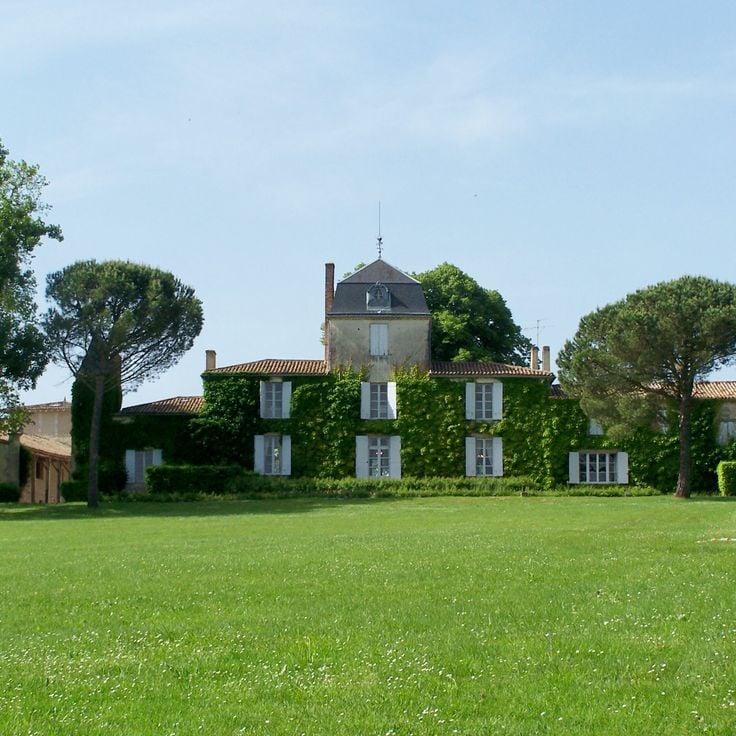
Malagar, France
The Centre François Mauriac at Malagar was the home of novelist François Mauriac. This house reveals how the writer lived and worked each day. You can see his library, workspace, and personal belongings that surrounded him. The rooms show his daily habits and how he created his literary works. Mauriac spent many years here in Gironde and wrote some of his most important novels within these walls.
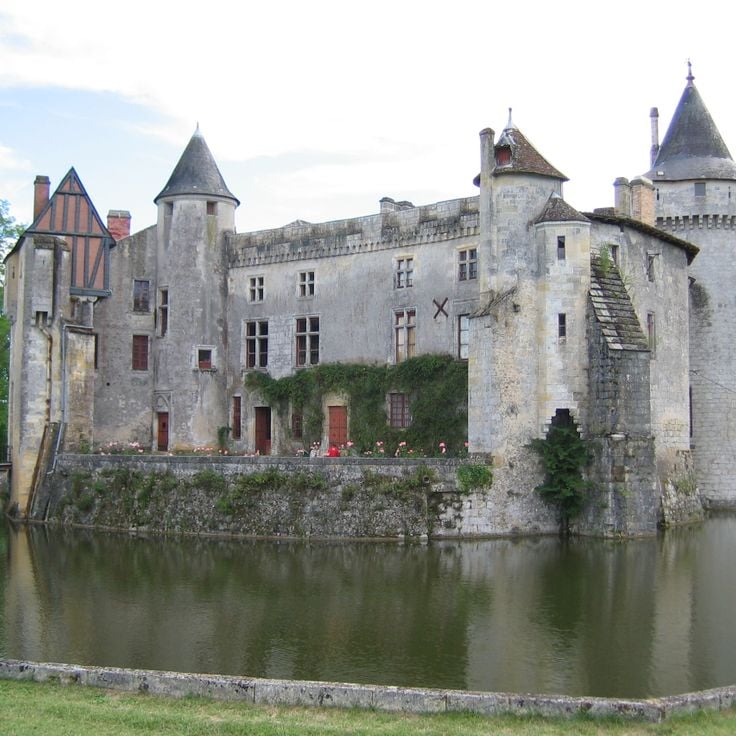
La Brède, France
The Château de La Brède was the family home of Montesquieu, the philosopher and writer. He wrote his major work "The Spirit of the Laws" within these walls. The castle shows how an influential French thinker of the 18th century lived and worked. Visitors can see his personal objects, his library, and the spaces where he spent his days thinking and writing. The rooms and gardens tell the story of his intellectual life. The setting in Gironde preserves the feeling of this period of French thought.
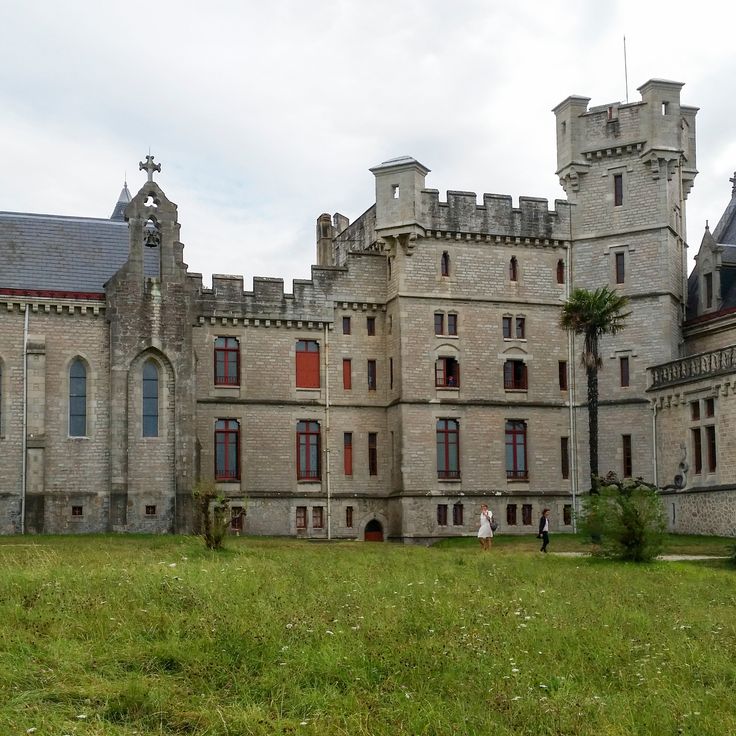
Hendaye, France
The Château d'Abbadia was the home of naturalist and explorer Antoine d'Abbadie, situated on the heights overlooking Hendaye. This castle shows how this 19th-century figure lived and worked. In its rooms you can see his library, his collections, and the objects he used during his travels and research. The Château d'Abbadia allows you to understand the work and daily life of a curious mind devoted to natural science and world exploration.
Dordogne, France
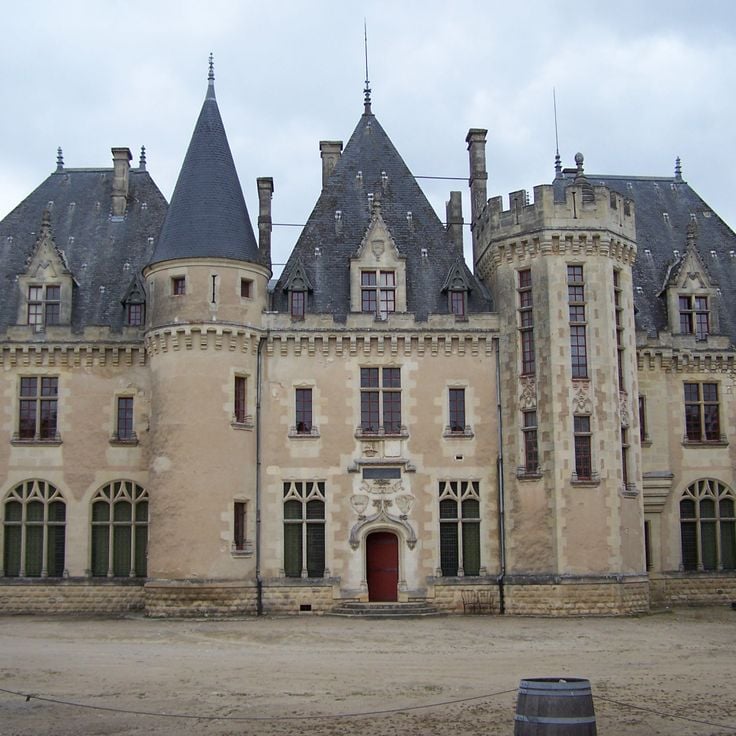
The tower of Montaigne's castle was where Michel de Montaigne wrote his Essays. In this space, the thinker withdrew to reflect and write. The tower shows how Montaigne lived and worked. Visitors can see the rooms where he recorded his thoughts and created his works.
Nérac, France
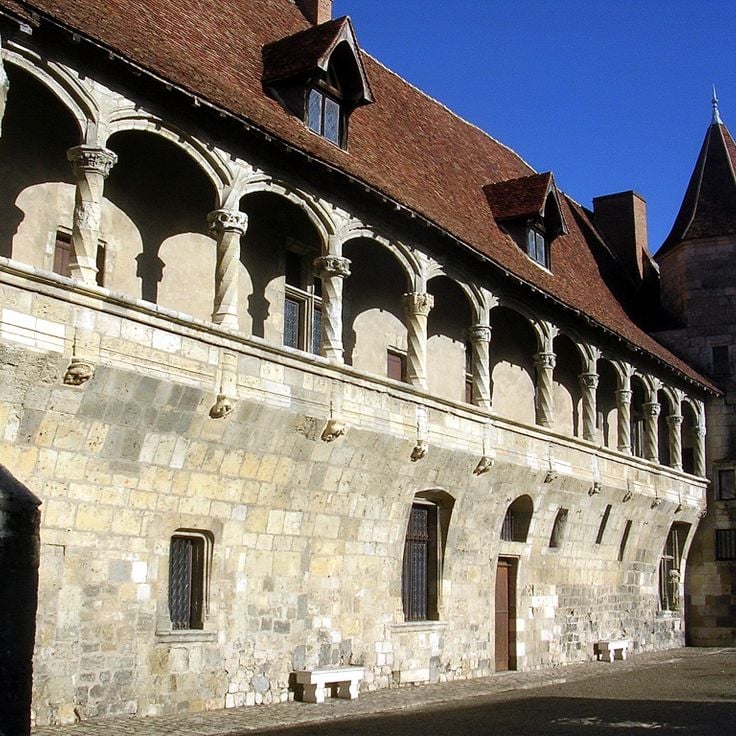
The Château-musée Henri IV in Nérac is a castle that once housed Queen Jeanne d'Albret and her mother Marguerite d'Angoulême. Both women were closely connected to King Henry IV, who spent his childhood here. The rooms contain furniture, portraits, and objects that tell the story of this royal family. Walking through the castle, visitors can see how these historical figures lived and understand their place in French history.
Chavaniac-Lafayette, France
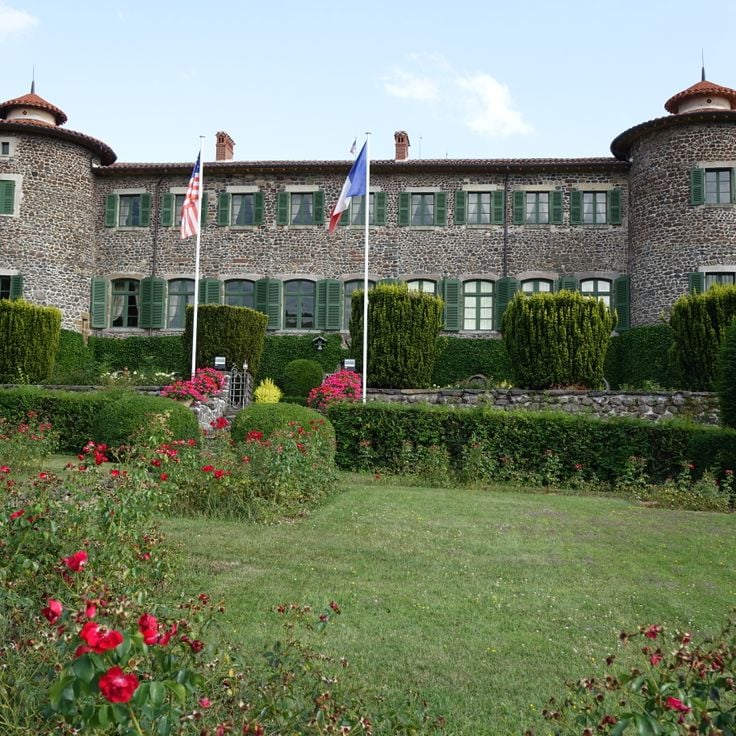
The Château-musée Lafayette in Chavaniac-Lafayette was the family seat of the Marquis de La Fayette, a general of the American Revolution. This castle shows how one of the 18th century's most influential figures lived. Visitors can explore the rooms where La Fayette grew up and see objects from his life and military campaigns. The place connects French history with the story of American independence and offers insight into the daily world of a nobleman and revolutionary.
Saint-Brieuc, France
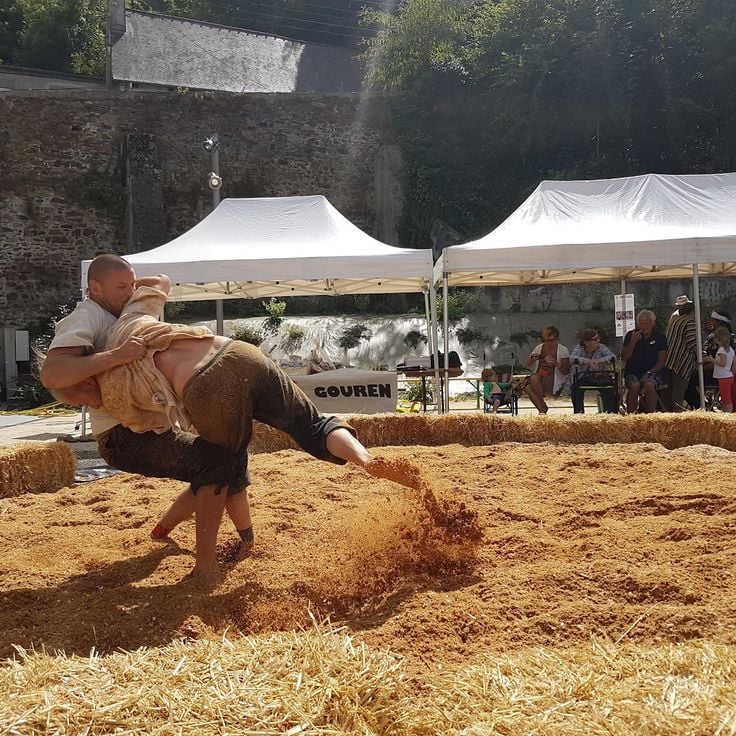
Louis Guilloux's house in Saint-Brieuc was home to the Breton writer who spoke out about social injustice during the 20th century. His novels told stories of ordinary people and the political conflicts of his era. The house shows how this committed writer lived and worked, preserving traces of his literary work. Visitors can see his library, workspace, and personal objects that reflect his life and beliefs.
Tréguier, France
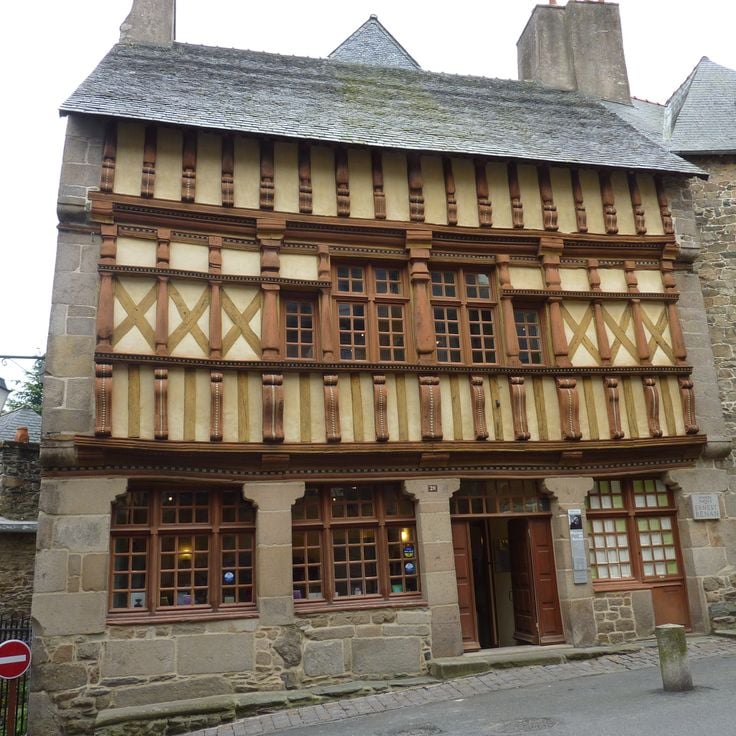
The birthhouse of Ernest Renan stands in Tréguier and overlooks the bay. Renan was a writer and philosopher whose works shaped 19th-century French thought. This house shows how this important thinker grew up and worked. Visitors can see his rooms, library, and personal objects that tell the story of his life and ideas. The house is part of a collection of historic dwellings of figures who marked French history. The place gives a sense of Renan's daily life and his work in this Breton coastal town.
Saint-Malo, France
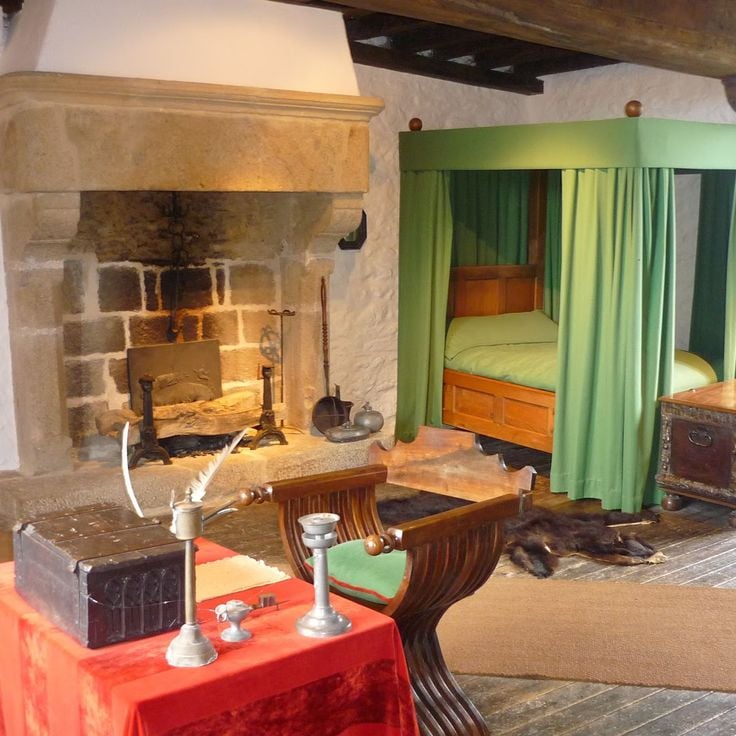
The Manoir de Limoëlou in Saint-Malo was the home of navigator Jacques Cartier, who explored the coasts of Canada. The house shows how this important seafarer of the 16th century lived and worked. Today visitors can see his rooms, his objects, and documents from his expeditions. The museum offers insight into the life of a man whose journeys shaped the history of North America.
Combourg, France
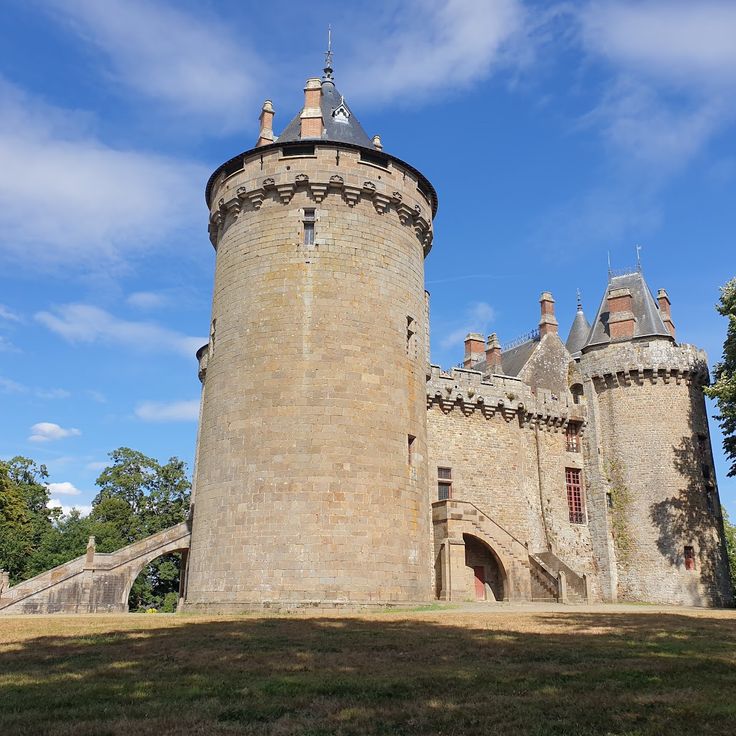
Château de Combourg is the home where writer François-René de Chateaubriand spent his childhood, an experience that deeply shaped his life and work. The rooms of this castle show how this important French author grew up and what surrounded him in his formative years. Visitors can walk through the spaces where Chateaubriand lived as a child and discover the places that inspired his writing. The castle reveals the connection between the writer's early life and the stories he would later create.
Sauzon, Belle-Île-en-Mer, France
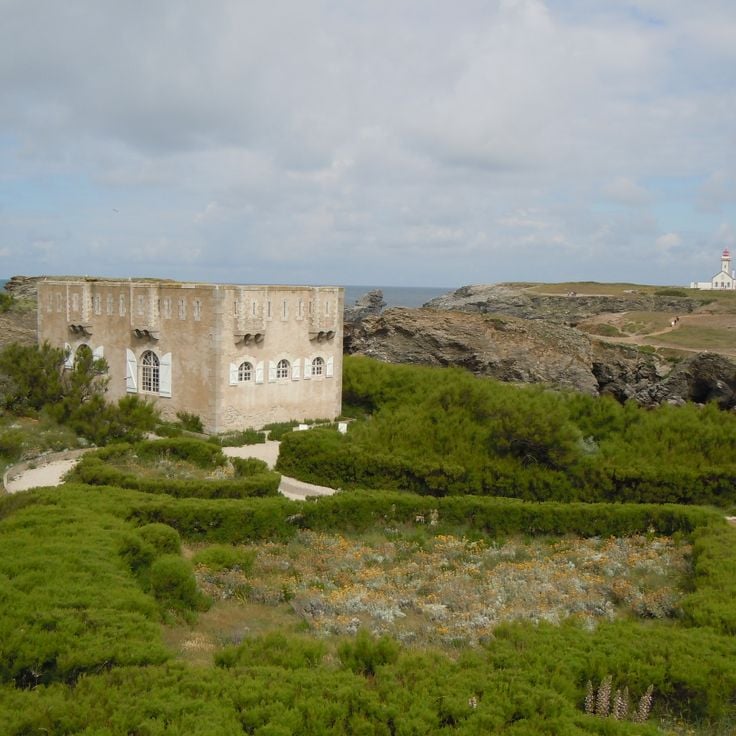
Fort Sarah Bernhardt on Belle-Île-en-Mer was a retreat for actress Sarah Bernhardt. This small fortress sits on an island off the Breton coast and offers views over the Atlantic. Bernhardt used this place to escape the theater and Parisian life. The fort shows how a famous 19th-century artist created her private refuge. Visitors can see how the actress used this special place and what role this retreat played in her life.
Saché, France
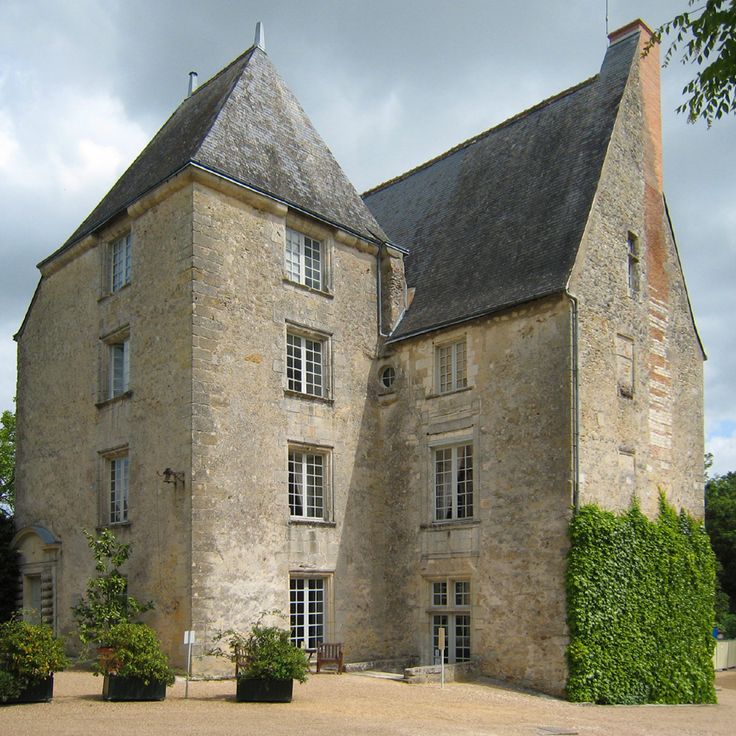
The Balzac Museum at Château de Saché is where writer Honoré de Balzac came to retreat and write his novels. Today visitors can see the rooms where Balzac worked and lived, along with his personal belongings and library. The castle shows how this important French author spent his daily life and where he created some of his most famous works. The rooms remain as they were, letting you imagine how Balzac spent his days here and developed his ideas on paper.
Seuilly, France
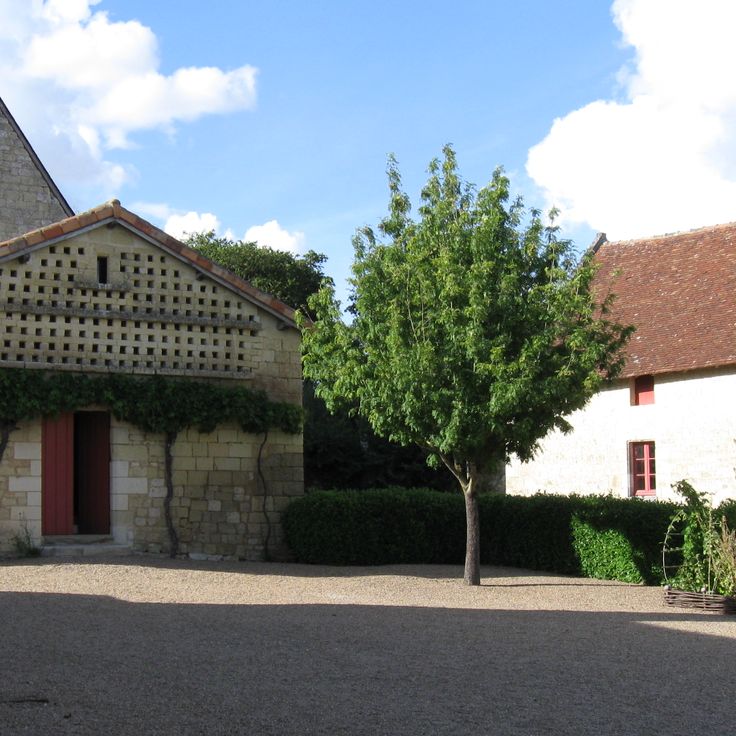
The Rabelais Museum is the birthplace of writer Francois Rabelais, author of Gargantua and Pantagruel. The museum shows how this important author lived and worked during the Renaissance. The rooms preserve traces from his life and offer insight into the daily world of a 16th-century writer. Visitors discover objects that accompanied his creative work and better understand the context in which he wrote his works.
Illiers-Combray, France
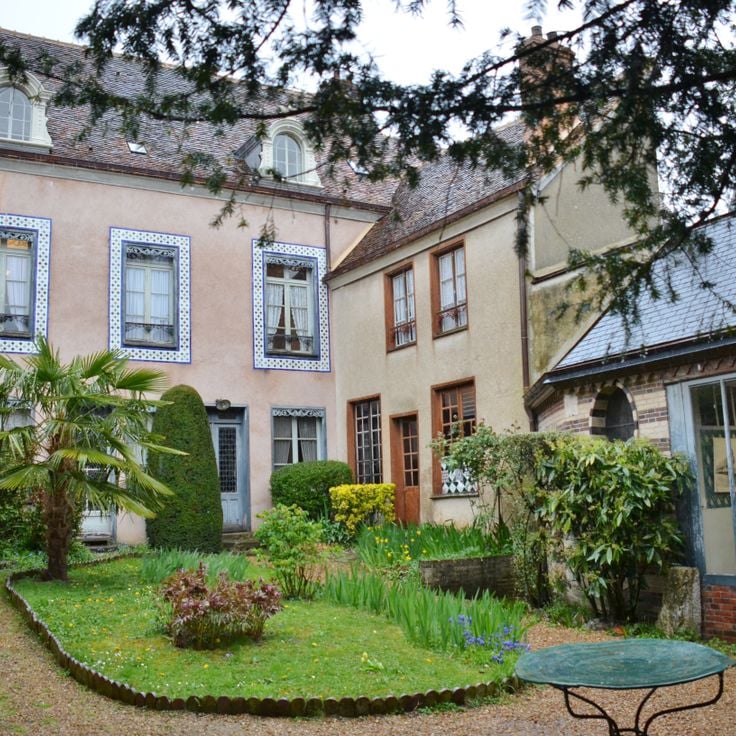
The House of Aunt Léonie in Illiers-Combray inspired the setting for Marcel Proust's In Search of Lost Time. This residence shows how a well-off family lived in the 19th century and preserves the rooms that Proust described in his novel. Visitors can walk through the spaces where the story takes place and see the furniture and objects that shaped Proust's childhood memories. The house gives direct insight into the world that Proust transformed into literature.
Nohant-Vic, France
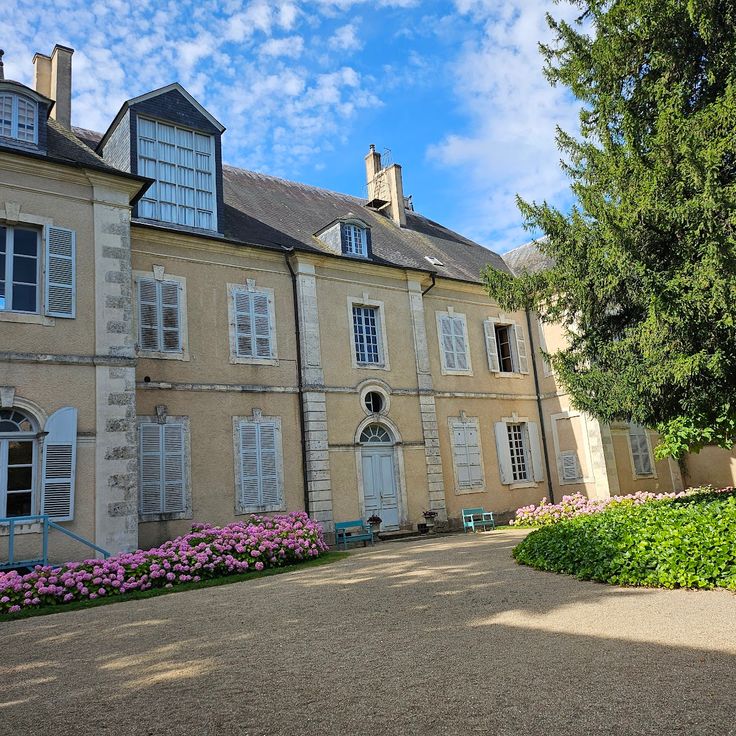
The Domaine de George Sand in Nohant-Vic shows how the writer George Sand lived and worked. This rural estate was her home, where she wrote her novels and spent time with her family. Visitors can walk through her rooms, see her library, and discover the objects she used every day. The garden and workshops tell the story of her daily life. This house gives a sense of how an important 19th-century writer created and lived.
Brive-la-Gaillarde, France
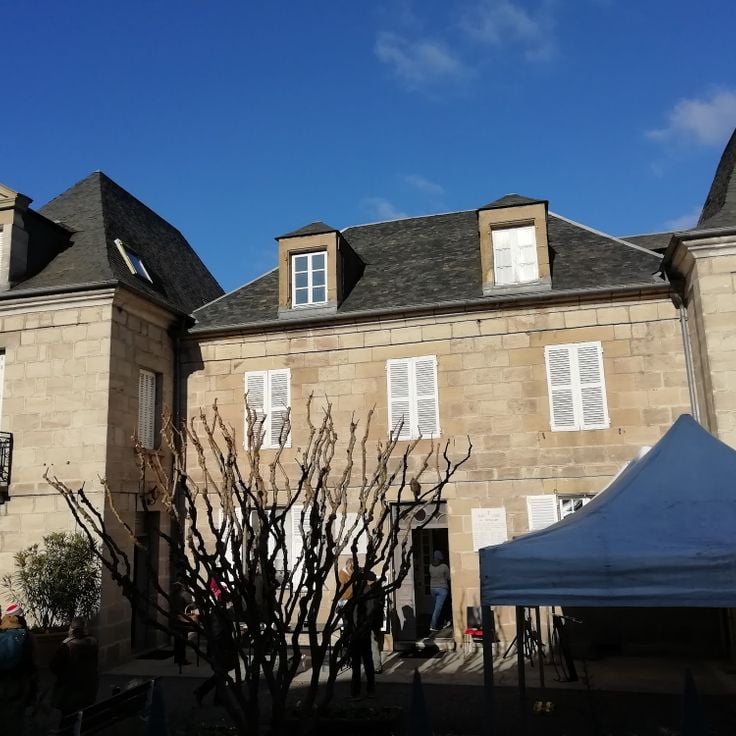
The Musée Edmond Michelet is the home of Edmond Michelet, a major figure in the French Resistance. The museum preserves his personal belongings, documents, and furnishings that reflect his daily life and political commitment. Visitors can explore the rooms where this resistance fighter lived and worked, learning more about his role in French history.
Saint-Léonard-de-Noblat, France
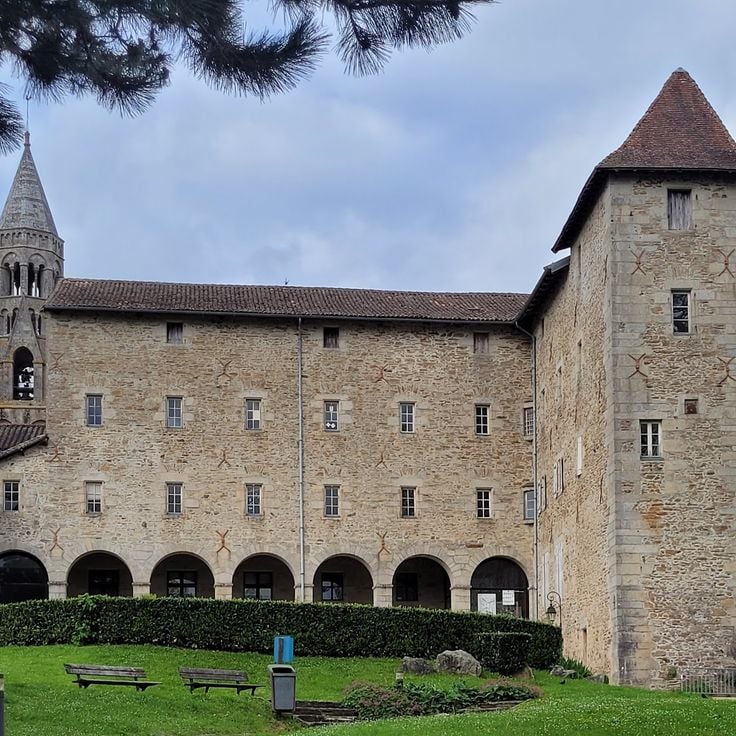
The Gay-Lussac Museum is dedicated to chemist Joseph-Louis Gay-Lussac, a major figure in the development of modern chemistry. Visitors can see his personal objects, scientific instruments and writings that reveal his daily work and research. The museum preserves memories of his life and shows how this important scientist approached his discoveries.
Bonrepos-Riquet, France
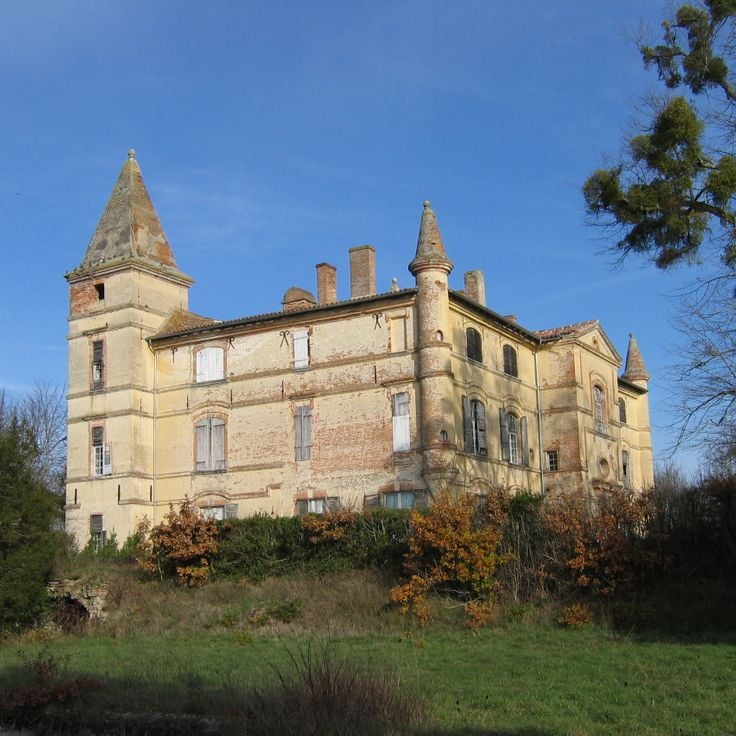
The Château de Bonrepos-Riquet was the residence of Pierre-Paul Riquet, the engineer who created the Canal du Midi. This house shows how this important inventor lived and where he planned his revolutionary works. Visitors can explore the rooms where Riquet lived and worked, as well as discover objects and documents that record his life and projects. The building sits in a region rich in history and architectural heritage.
Saint-Céré, France
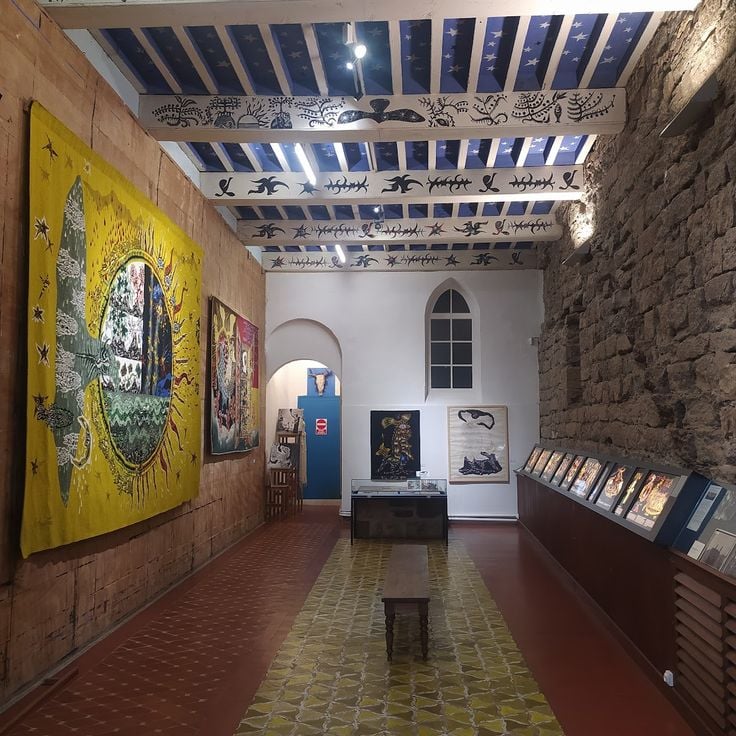
The studio-museum of Saint-Laurent-des-Tours in Saint-Céré was the workplace of weaver Jean Lurçat. Here the artist created his works and experimented with new textile techniques. The building shows how Lurçat lived and worked, with his tools, materials, and the textiles he produced. Visitors can see the rooms where this innovative artist worked each day.
Tarbes, France
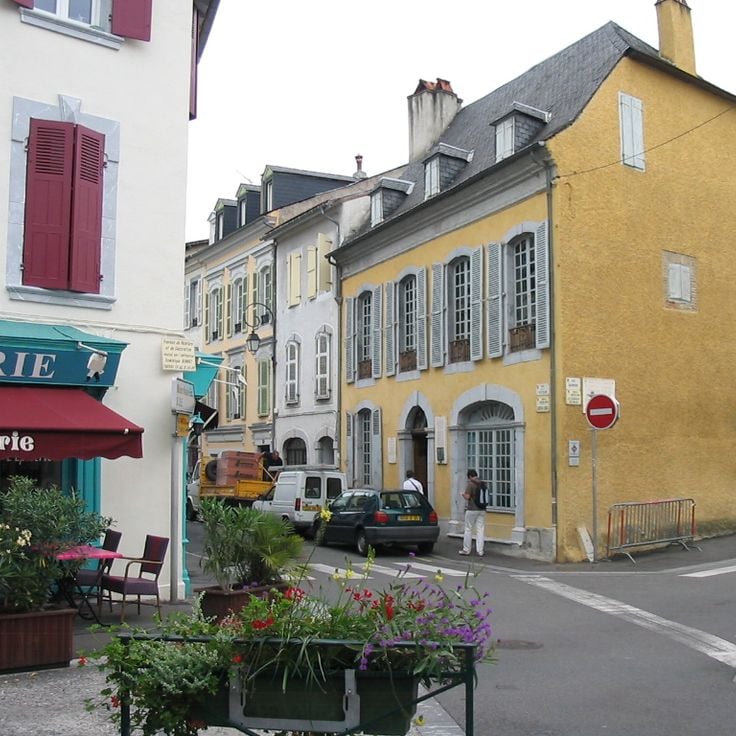
The Marshal Foch House is the birthplace of Ferdinand Foch, one of France's most important military leaders during World War I. Located in Tarbes, this residence displays his personal objects and documents that trace his life and family. Visitors can walk through the rooms where he grew up and see how his military career shaped the history of modern Europe.
Andillac, France
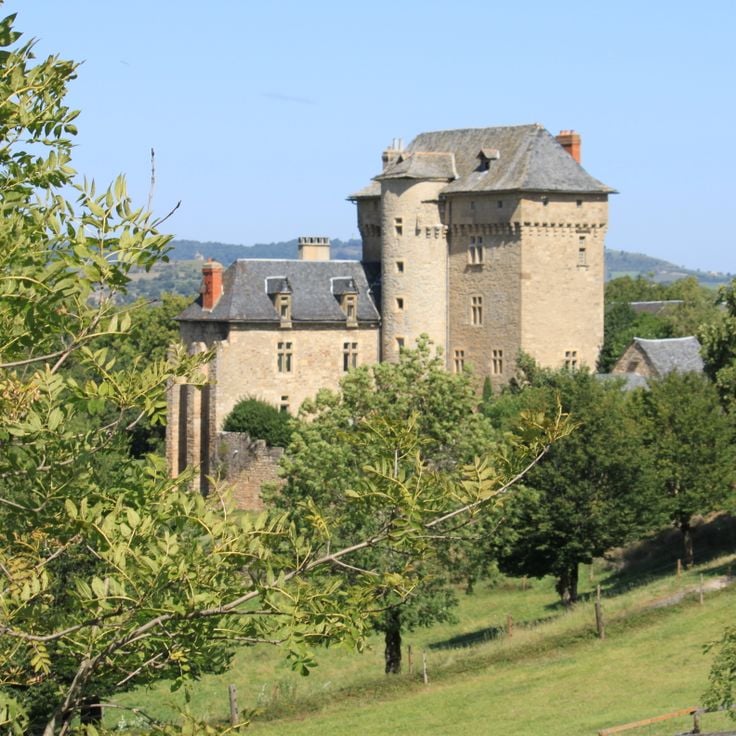
The Cayla Castle was home to Maurice de Guérin, a 19th-century Romantic writer and poet. This estate shows how the writer lived day to day and where he created his literary works. The rooms preserve objects and furnishings from his time, offering insight into the world of this creative figure. Visitors can explore the library, writing rooms, and gardens that were part of his personal surroundings.
Honfleur, France
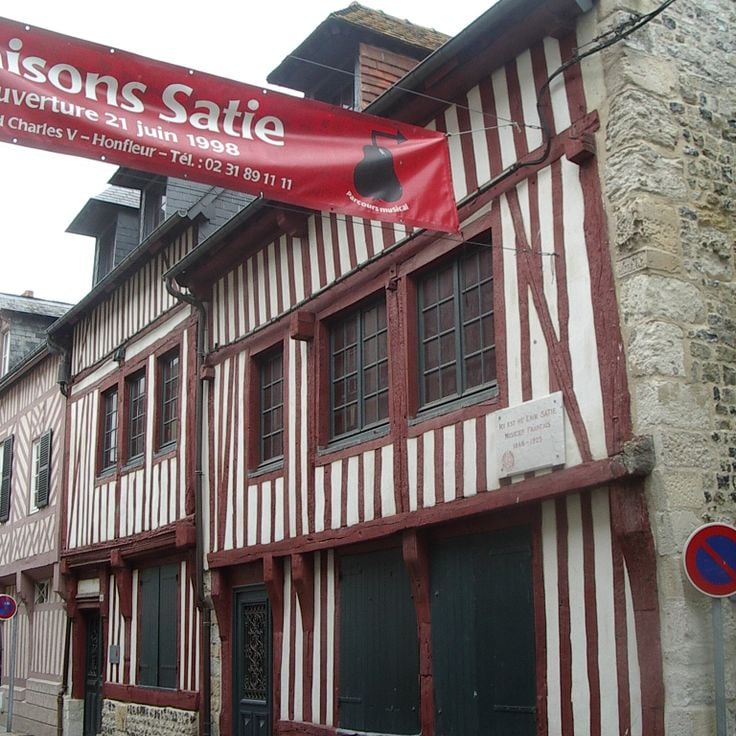
The Maisons Satie in Honfleur was the home of composer Erik Satie. The house shows how this important French artist of the 19th century lived and worked. Visitors can see his personal belongings, his musical scores, and sketches. The residence offers insight into his daily life and artistic world. Honfleur itself is a port on the Normandy coast with old buildings and cobblestone streets shaped by commerce and artists.
Granville, France
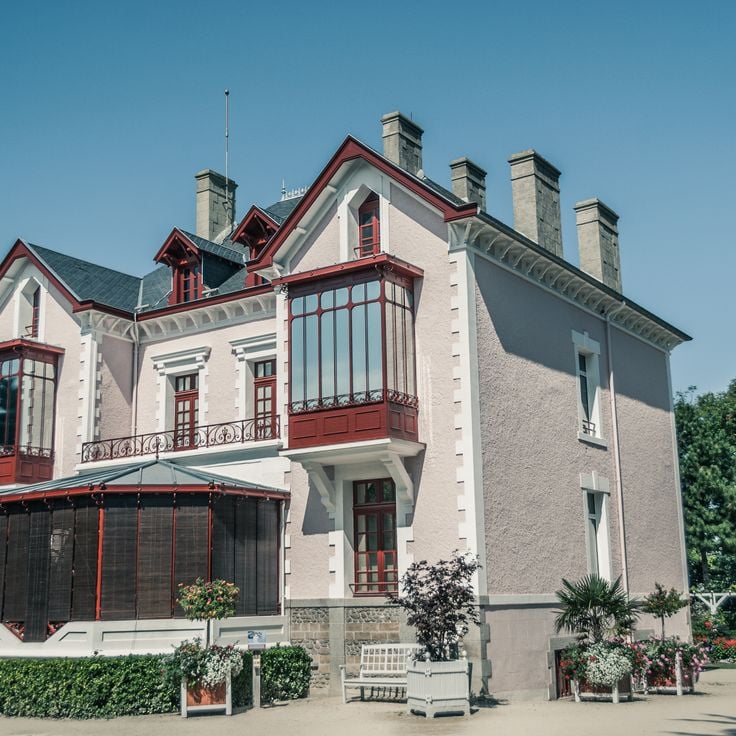
The Musée Christian Dior in Granville presents the life and work of fashion designer Christian Dior. The villa houses a collection of clothing, accessories, and personal objects belonging to the designer. Visitors can see how Dior worked and lived, from his early designs to his most celebrated creations. The rooms convey a sense of his daily life and creative process. The villa's garden is also open to visitors and shows the setting where this influential fashion designer spent his time.
Gréville-Hague, France
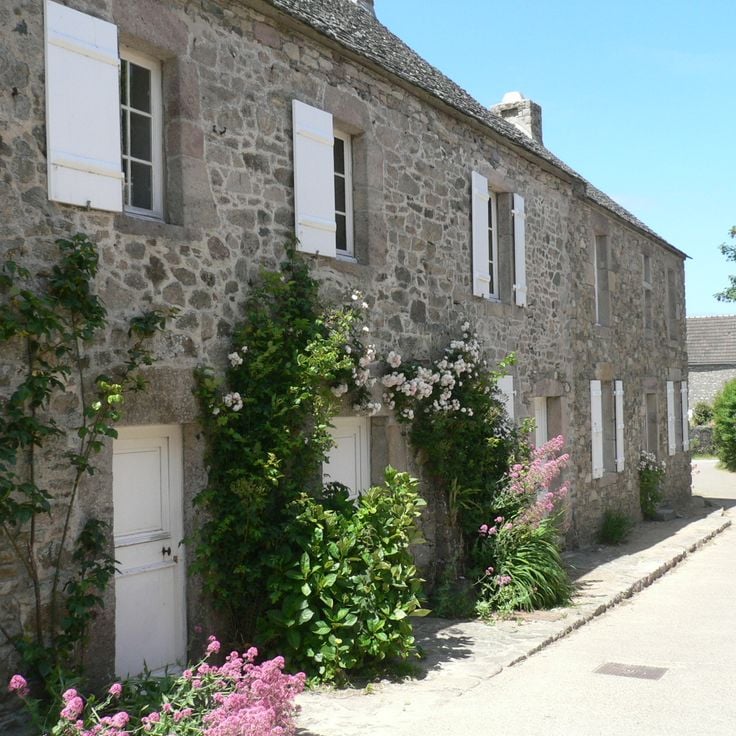
The house of Jean-François Millet in Gréville-Hague belonged to the painter who specialized in realistic paintings of rural life. The building shows how the artist lived and worked in Normandy. Visitors can see the rooms where Millet created his works, which depict scenes of farmers and agricultural labor. The house preserves objects from his daily life and offers insights into his artistic practice and working methods in this coastal region.
Saint-Sauveur-le-Vicomte, France
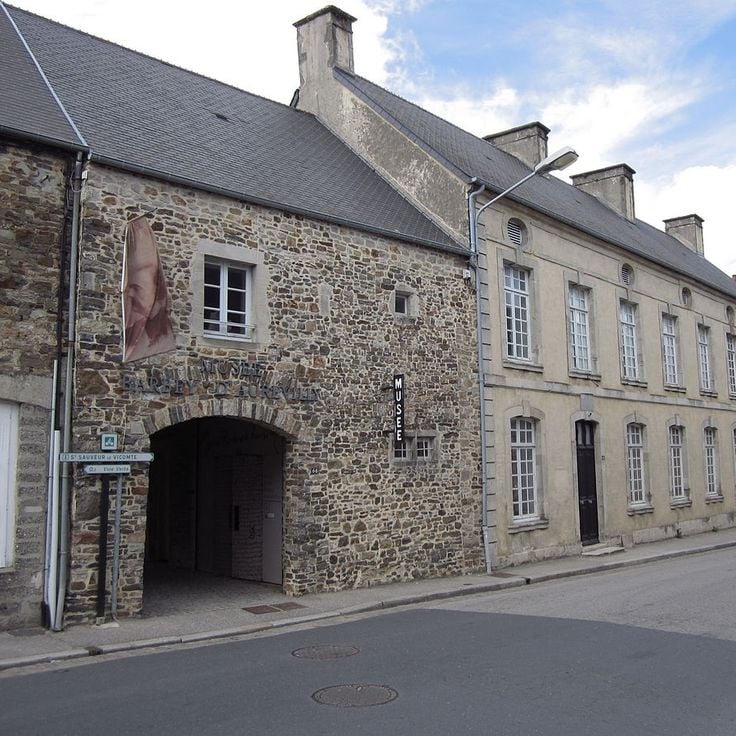
The Musée Barbey d'Aurevilly is the home of 19th-century novelist Jules Barbey d'Aurevilly. This house shows how the writer lived and worked in his daily life. Visitors can see his library, workspace, and personal objects that reflect his literary work and thinking. The house tells the story of a writer who shaped French literature.
Eu, France
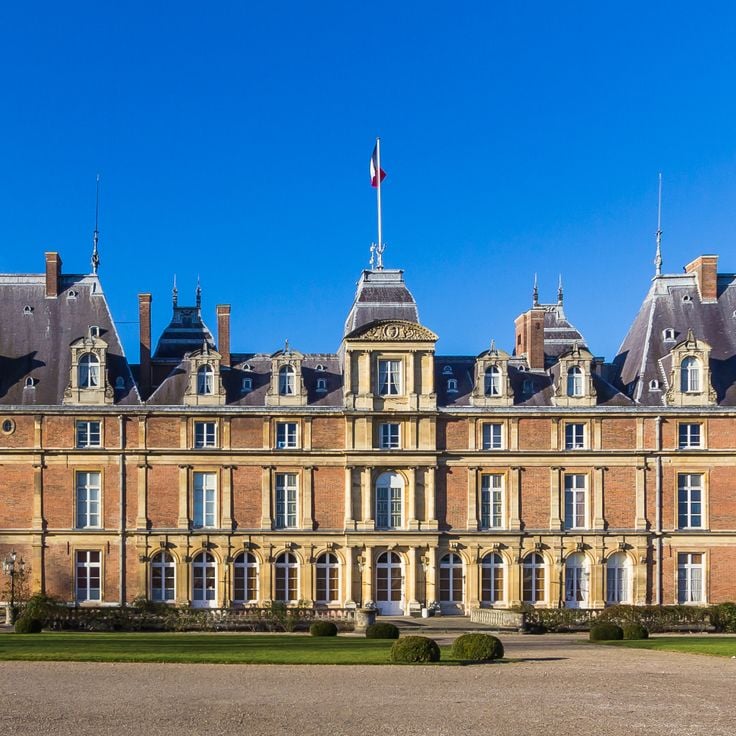
The Musée-château d'Eu is a castle in Normandy that played a significant role in 19th century French history. King Louis-Philippe and his court visited regularly, making it a center of aristocratic life. Walking through its rooms, you encounter spaces where political decisions were made, reception halls where guests gathered, and private chambers that reveal the daily routines of the royal household. The furnishings and objects on display tell the story of how nobles lived during this period and the customs that shaped their world.
Petit-Couronne, France
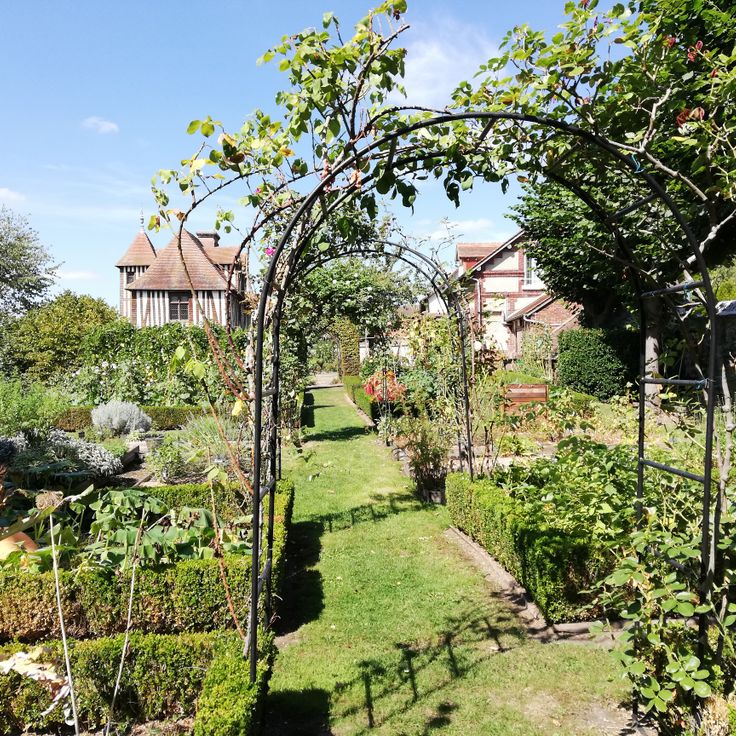
The Musée Pierre Corneille is the former home of the playwright Pierre Corneille, who shaped French tragedy. In this house, you can see the rooms where this important 17th-century writer lived and worked. The museum displays objects from his life and allows you to discover the surroundings where he created his works. The visit gives you a sense of how this classical author spent his daily life and what inspired him.
Rouen, France
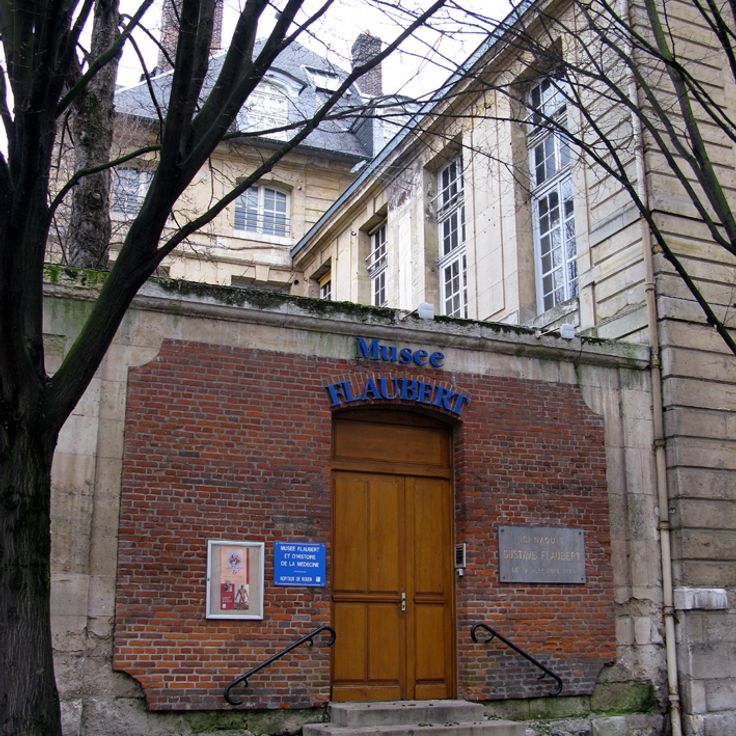
The Musée Flaubert et de l'histoire de la médecine is the home where writer Gustave Flaubert lived in Rouen. He was the author of Madame Bovary and worked on his novels in this house. The museum shows how Flaubert spent his daily life, with his study, his books, and personal objects he used. The museum also tells the story of medicine, connected to Flaubert's family since his father was a doctor. Walking through these rooms gives you a sense of life in the 19th century.
Villequier, France
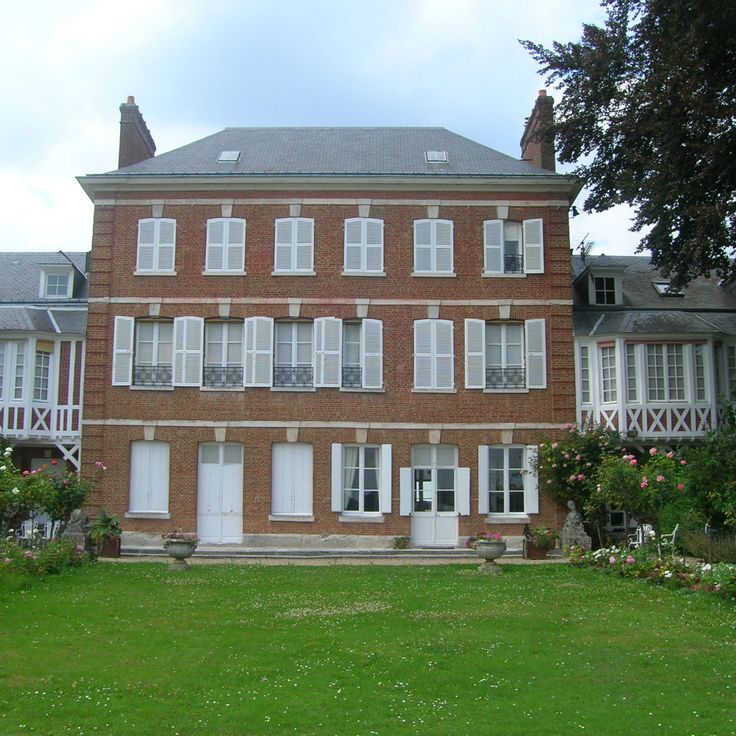
The Vacquerie House in Villequier was a retreat for poet Victor Hugo in Normandy. This residence shows how Hugo lived and worked in this region. Inside you can see his personal objects, documents, and memories that shed light on his daily life and creative work. The house preserves the story of one of France's greatest writers and lets visitors enter his private world.
Alloue, France
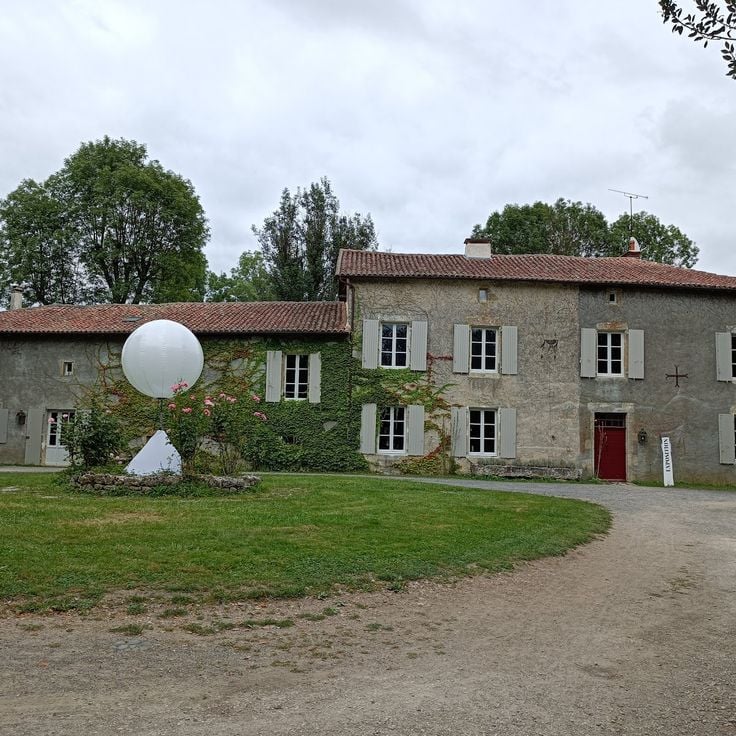
The Comedian's House is the home of actress Maria Casarès, a French performer of the 20th century. Visitors can explore the rooms where this artist lived and worked. The furnishings and objects on display reveal details of her daily life and theatrical career. The house shows how a significant figure in French theater lived during her time.
Saint-Vincent-sur-Jard, France
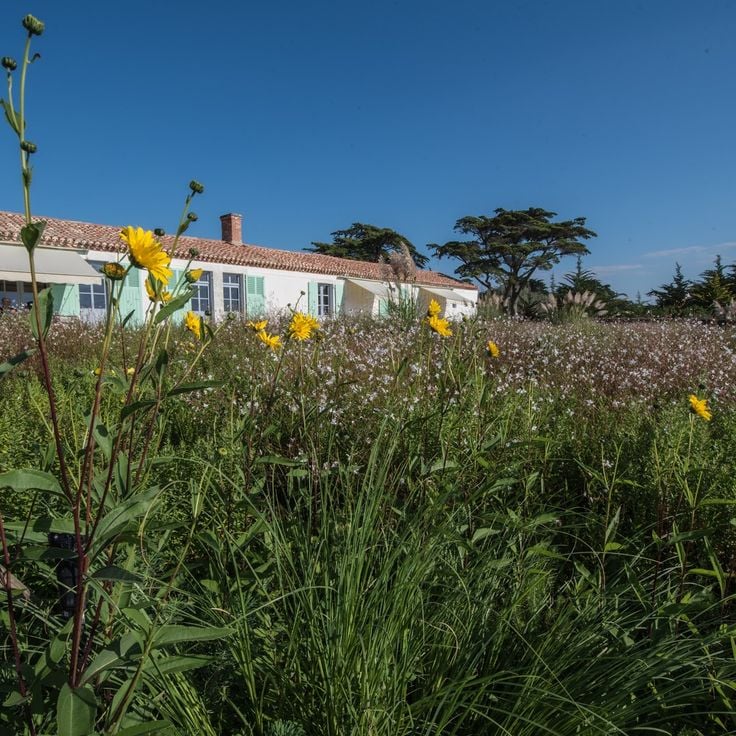
The Maison Georges Clemenceau in Saint-Vincent-sur-Jard was the retirement home of the French statesman and Prime Minister known as the Tiger. In this house, he spent his final years and left traces of his life and political career. The rooms show his daily existence, his library, and personal objects that reflect his time as a leading figure in French history. Visitors can discover the world of one of France's most important politicians of the 20th century.
Mouilleron-en-Pareds, France
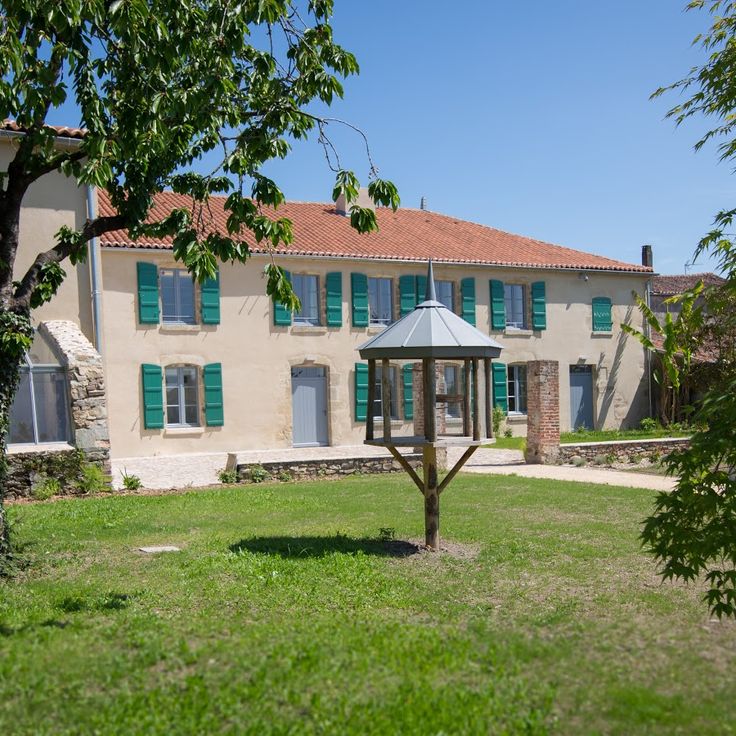
The birthplace of Marshal de Lattre de Tassigny in Mouilleron-en-Pareds tells the story of a French military leader who played an important role during World War II. The house shows how this significant soldier grew up and provides insight into his early life. When visiting, you can see the rooms where he spent his childhood, as well as personal objects and mementos that document his life. The house connects family history with the larger story of France during this pivotal period.
Loudun, France
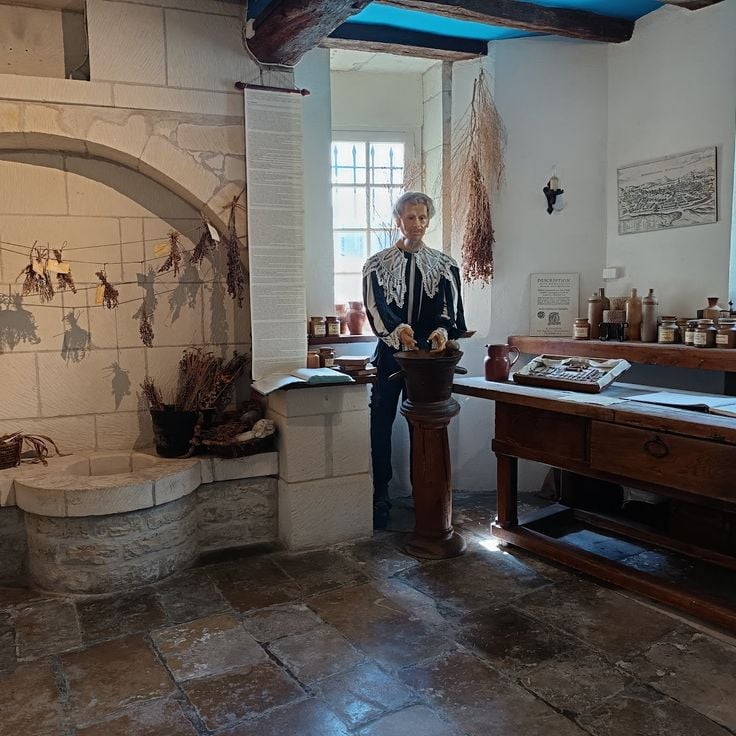
This museum honors Théophraste Renaudot, the journalist and physician who founded the French press. In Loudun, visitors discover the story of this innovative man who lived and worked in the 17th century. The museum reveals how Renaudot devoted his life to spreading information and opening new paths. His influence continues today, as he laid the foundation for modern journalism in France. Here you see how one person changed society through ideas and determination.
Jarnac, France
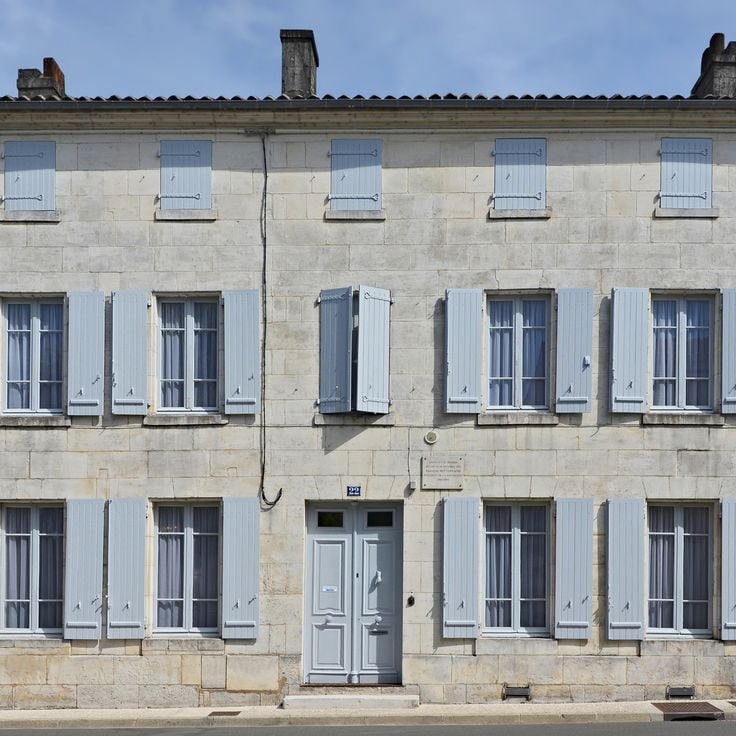
The birthplace of François Mitterrand in Jarnac shows how the French president lived during his childhood and youth. The house preserves the rooms where Mitterrand grew up and contains personal objects and documents that shed light on his life and political career. A visit allows you to discover the setting where this prominent political figure spent his formative years and laid the foundations for his later career.
Champagne-Vigny, France
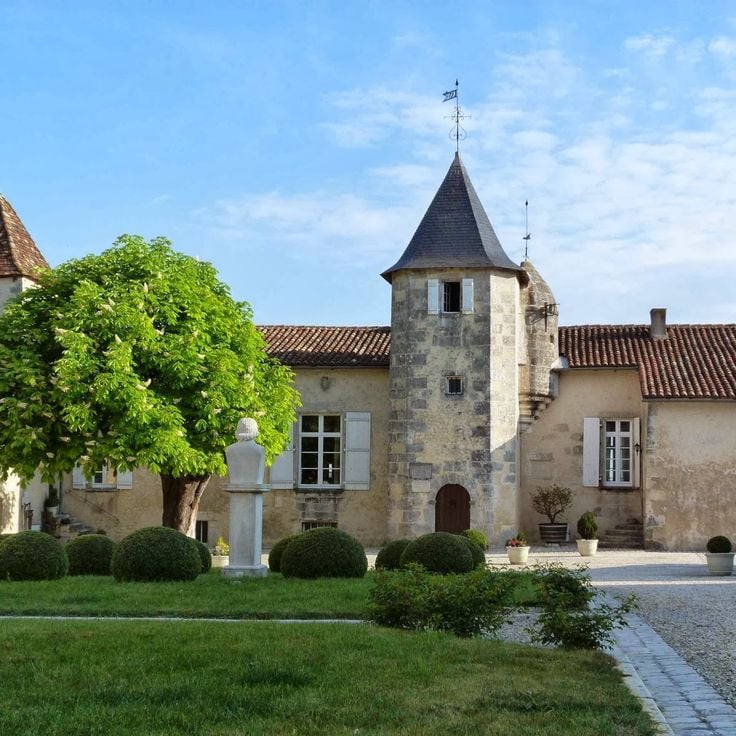
The Domaine Maine Giraud was the retreat of Romantic poet Alfred de Vigny, where he devoted himself to his literary work. Visitors can discover the spaces where he wrote and lived, surrounded by the countryside that shaped his creative life. The property preserves the daily world of this important figure in French literature, offering insight into how he spent his time and found inspiration in this rural setting.
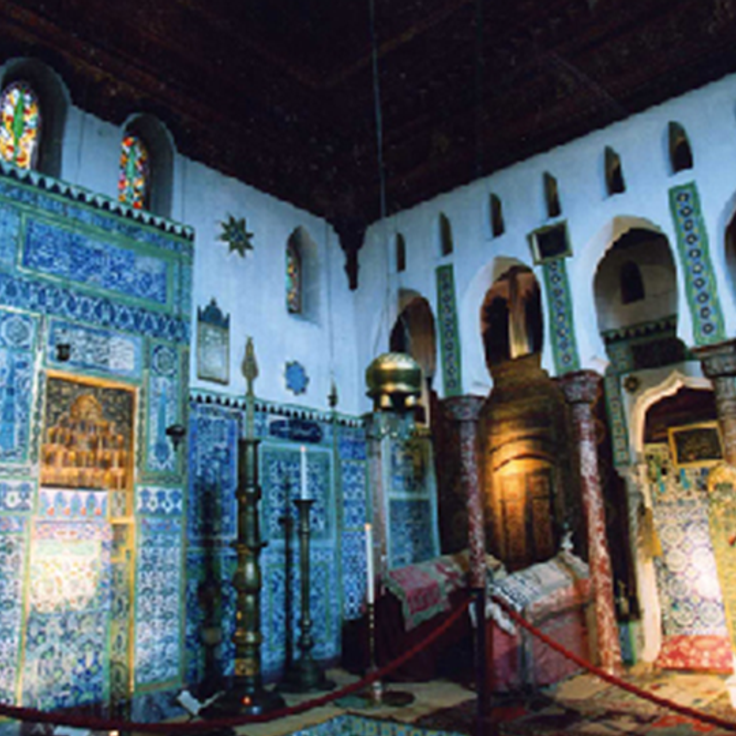
Rochefort, France
Pierre Loti's house in Rochefort shows how this writer filled his home with objects from his travels across the world. The rooms are full of exotic furniture, artwork, and souvenirs from distant lands. When you visit, you can see how Loti lived and worked, and you discover the places that inspired him. The house preserves the story of a man whose love of adventure shaped his entire life.
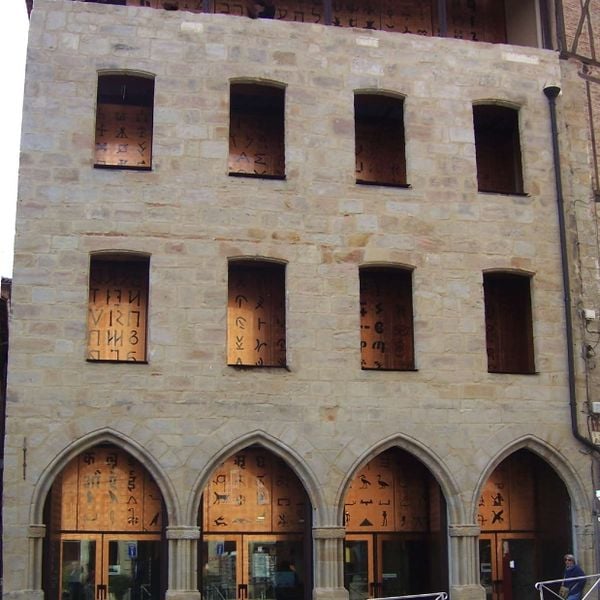
Figeac, France
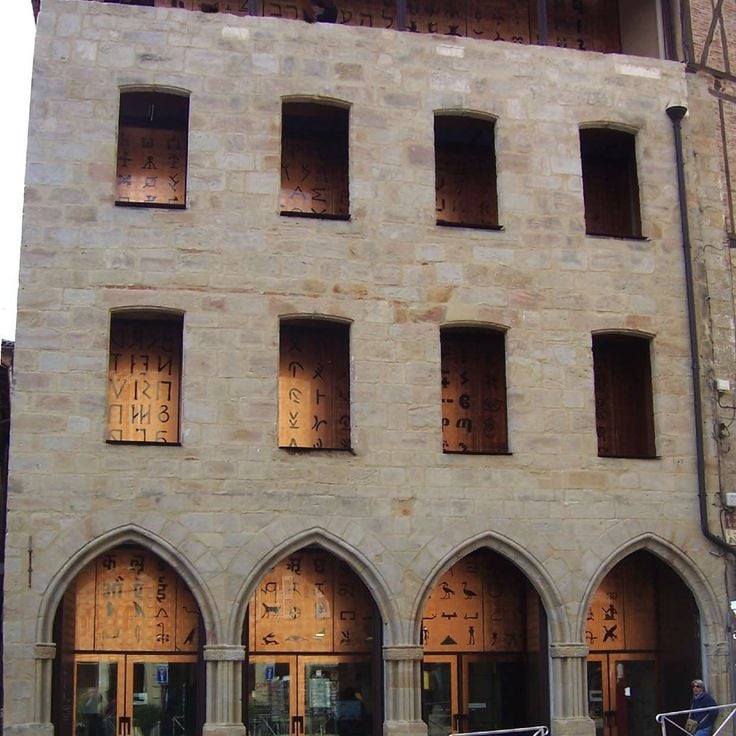
The Champollion House-Museum in Figeac is the birthplace of Jean-François Champollion, the man who deciphered Egyptian hieroglyphics. The building shows how this important scholar grew up and spent his early years. In the rooms you find his personal objects, his library, and documents that trace his path to becoming a famous Egyptologist. The museum offers insight into his daily life and the circumstances in which he began his groundbreaking work.
Malagar, France
The Centre François Mauriac at Malagar was the home of novelist François Mauriac. This house reveals how the writer lived and worked each day. You can see his library, workspace, and personal belongings that surrounded him. The rooms show his daily habits and how he created his literary works. Mauriac spent many years here in Gironde and wrote some of his most important novels within these walls.
La Brède, France
The Château de La Brède was the family home of Montesquieu, the philosopher and writer. He wrote his major work "The Spirit of the Laws" within these walls. The castle shows how an influential French thinker of the 18th century lived and worked. Visitors can see his personal objects, his library, and the spaces where he spent his days thinking and writing. The rooms and gardens tell the story of his intellectual life. The setting in Gironde preserves the feeling of this period of French thought.
Hendaye, France
The Château d'Abbadia was the home of naturalist and explorer Antoine d'Abbadie, situated on the heights overlooking Hendaye. This castle shows how this 19th-century figure lived and worked. In its rooms you can see his library, his collections, and the objects he used during his travels and research. The Château d'Abbadia allows you to understand the work and daily life of a curious mind devoted to natural science and world exploration.
Dordogne, France
The tower of Montaigne's castle was where Michel de Montaigne wrote his Essays. In this space, the thinker withdrew to reflect and write. The tower shows how Montaigne lived and worked. Visitors can see the rooms where he recorded his thoughts and created his works.
Nérac, France
The Château-musée Henri IV in Nérac is a castle that once housed Queen Jeanne d'Albret and her mother Marguerite d'Angoulême. Both women were closely connected to King Henry IV, who spent his childhood here. The rooms contain furniture, portraits, and objects that tell the story of this royal family. Walking through the castle, visitors can see how these historical figures lived and understand their place in French history.
Chavaniac-Lafayette, France
The Château-musée Lafayette in Chavaniac-Lafayette was the family seat of the Marquis de La Fayette, a general of the American Revolution. This castle shows how one of the 18th century's most influential figures lived. Visitors can explore the rooms where La Fayette grew up and see objects from his life and military campaigns. The place connects French history with the story of American independence and offers insight into the daily world of a nobleman and revolutionary.
Saint-Brieuc, France
Louis Guilloux's house in Saint-Brieuc was home to the Breton writer who spoke out about social injustice during the 20th century. His novels told stories of ordinary people and the political conflicts of his era. The house shows how this committed writer lived and worked, preserving traces of his literary work. Visitors can see his library, workspace, and personal objects that reflect his life and beliefs.
Tréguier, France
The birthhouse of Ernest Renan stands in Tréguier and overlooks the bay. Renan was a writer and philosopher whose works shaped 19th-century French thought. This house shows how this important thinker grew up and worked. Visitors can see his rooms, library, and personal objects that tell the story of his life and ideas. The house is part of a collection of historic dwellings of figures who marked French history. The place gives a sense of Renan's daily life and his work in this Breton coastal town.
Saint-Malo, France
The Manoir de Limoëlou in Saint-Malo was the home of navigator Jacques Cartier, who explored the coasts of Canada. The house shows how this important seafarer of the 16th century lived and worked. Today visitors can see his rooms, his objects, and documents from his expeditions. The museum offers insight into the life of a man whose journeys shaped the history of North America.
Combourg, France
Château de Combourg is the home where writer François-René de Chateaubriand spent his childhood, an experience that deeply shaped his life and work. The rooms of this castle show how this important French author grew up and what surrounded him in his formative years. Visitors can walk through the spaces where Chateaubriand lived as a child and discover the places that inspired his writing. The castle reveals the connection between the writer's early life and the stories he would later create.
Sauzon, Belle-Île-en-Mer, France
Fort Sarah Bernhardt on Belle-Île-en-Mer was a retreat for actress Sarah Bernhardt. This small fortress sits on an island off the Breton coast and offers views over the Atlantic. Bernhardt used this place to escape the theater and Parisian life. The fort shows how a famous 19th-century artist created her private refuge. Visitors can see how the actress used this special place and what role this retreat played in her life.
Saché, France
The Balzac Museum at Château de Saché is where writer Honoré de Balzac came to retreat and write his novels. Today visitors can see the rooms where Balzac worked and lived, along with his personal belongings and library. The castle shows how this important French author spent his daily life and where he created some of his most famous works. The rooms remain as they were, letting you imagine how Balzac spent his days here and developed his ideas on paper.
Seuilly, France
The Rabelais Museum is the birthplace of writer Francois Rabelais, author of Gargantua and Pantagruel. The museum shows how this important author lived and worked during the Renaissance. The rooms preserve traces from his life and offer insight into the daily world of a 16th-century writer. Visitors discover objects that accompanied his creative work and better understand the context in which he wrote his works.
Illiers-Combray, France
The House of Aunt Léonie in Illiers-Combray inspired the setting for Marcel Proust's In Search of Lost Time. This residence shows how a well-off family lived in the 19th century and preserves the rooms that Proust described in his novel. Visitors can walk through the spaces where the story takes place and see the furniture and objects that shaped Proust's childhood memories. The house gives direct insight into the world that Proust transformed into literature.
Nohant-Vic, France
The Domaine de George Sand in Nohant-Vic shows how the writer George Sand lived and worked. This rural estate was her home, where she wrote her novels and spent time with her family. Visitors can walk through her rooms, see her library, and discover the objects she used every day. The garden and workshops tell the story of her daily life. This house gives a sense of how an important 19th-century writer created and lived.
Brive-la-Gaillarde, France
The Musée Edmond Michelet is the home of Edmond Michelet, a major figure in the French Resistance. The museum preserves his personal belongings, documents, and furnishings that reflect his daily life and political commitment. Visitors can explore the rooms where this resistance fighter lived and worked, learning more about his role in French history.
Saint-Léonard-de-Noblat, France
The Gay-Lussac Museum is dedicated to chemist Joseph-Louis Gay-Lussac, a major figure in the development of modern chemistry. Visitors can see his personal objects, scientific instruments and writings that reveal his daily work and research. The museum preserves memories of his life and shows how this important scientist approached his discoveries.
Bonrepos-Riquet, France
The Château de Bonrepos-Riquet was the residence of Pierre-Paul Riquet, the engineer who created the Canal du Midi. This house shows how this important inventor lived and where he planned his revolutionary works. Visitors can explore the rooms where Riquet lived and worked, as well as discover objects and documents that record his life and projects. The building sits in a region rich in history and architectural heritage.
Saint-Céré, France
The studio-museum of Saint-Laurent-des-Tours in Saint-Céré was the workplace of weaver Jean Lurçat. Here the artist created his works and experimented with new textile techniques. The building shows how Lurçat lived and worked, with his tools, materials, and the textiles he produced. Visitors can see the rooms where this innovative artist worked each day.
Tarbes, France
The Marshal Foch House is the birthplace of Ferdinand Foch, one of France's most important military leaders during World War I. Located in Tarbes, this residence displays his personal objects and documents that trace his life and family. Visitors can walk through the rooms where he grew up and see how his military career shaped the history of modern Europe.
Andillac, France
The Cayla Castle was home to Maurice de Guérin, a 19th-century Romantic writer and poet. This estate shows how the writer lived day to day and where he created his literary works. The rooms preserve objects and furnishings from his time, offering insight into the world of this creative figure. Visitors can explore the library, writing rooms, and gardens that were part of his personal surroundings.
Honfleur, France
The Maisons Satie in Honfleur was the home of composer Erik Satie. The house shows how this important French artist of the 19th century lived and worked. Visitors can see his personal belongings, his musical scores, and sketches. The residence offers insight into his daily life and artistic world. Honfleur itself is a port on the Normandy coast with old buildings and cobblestone streets shaped by commerce and artists.
Granville, France
The Musée Christian Dior in Granville presents the life and work of fashion designer Christian Dior. The villa houses a collection of clothing, accessories, and personal objects belonging to the designer. Visitors can see how Dior worked and lived, from his early designs to his most celebrated creations. The rooms convey a sense of his daily life and creative process. The villa's garden is also open to visitors and shows the setting where this influential fashion designer spent his time.
Gréville-Hague, France
The house of Jean-François Millet in Gréville-Hague belonged to the painter who specialized in realistic paintings of rural life. The building shows how the artist lived and worked in Normandy. Visitors can see the rooms where Millet created his works, which depict scenes of farmers and agricultural labor. The house preserves objects from his daily life and offers insights into his artistic practice and working methods in this coastal region.
Saint-Sauveur-le-Vicomte, France
The Musée Barbey d'Aurevilly is the home of 19th-century novelist Jules Barbey d'Aurevilly. This house shows how the writer lived and worked in his daily life. Visitors can see his library, workspace, and personal objects that reflect his literary work and thinking. The house tells the story of a writer who shaped French literature.
Eu, France
The Musée-château d'Eu is a castle in Normandy that played a significant role in 19th century French history. King Louis-Philippe and his court visited regularly, making it a center of aristocratic life. Walking through its rooms, you encounter spaces where political decisions were made, reception halls where guests gathered, and private chambers that reveal the daily routines of the royal household. The furnishings and objects on display tell the story of how nobles lived during this period and the customs that shaped their world.
Petit-Couronne, France
The Musée Pierre Corneille is the former home of the playwright Pierre Corneille, who shaped French tragedy. In this house, you can see the rooms where this important 17th-century writer lived and worked. The museum displays objects from his life and allows you to discover the surroundings where he created his works. The visit gives you a sense of how this classical author spent his daily life and what inspired him.
Rouen, France
The Musée Flaubert et de l'histoire de la médecine is the home where writer Gustave Flaubert lived in Rouen. He was the author of Madame Bovary and worked on his novels in this house. The museum shows how Flaubert spent his daily life, with his study, his books, and personal objects he used. The museum also tells the story of medicine, connected to Flaubert's family since his father was a doctor. Walking through these rooms gives you a sense of life in the 19th century.
Villequier, France
The Vacquerie House in Villequier was a retreat for poet Victor Hugo in Normandy. This residence shows how Hugo lived and worked in this region. Inside you can see his personal objects, documents, and memories that shed light on his daily life and creative work. The house preserves the story of one of France's greatest writers and lets visitors enter his private world.
Alloue, France
The Comedian's House is the home of actress Maria Casarès, a French performer of the 20th century. Visitors can explore the rooms where this artist lived and worked. The furnishings and objects on display reveal details of her daily life and theatrical career. The house shows how a significant figure in French theater lived during her time.
Saint-Vincent-sur-Jard, France
The Maison Georges Clemenceau in Saint-Vincent-sur-Jard was the retirement home of the French statesman and Prime Minister known as the Tiger. In this house, he spent his final years and left traces of his life and political career. The rooms show his daily existence, his library, and personal objects that reflect his time as a leading figure in French history. Visitors can discover the world of one of France's most important politicians of the 20th century.
Mouilleron-en-Pareds, France
The birthplace of Marshal de Lattre de Tassigny in Mouilleron-en-Pareds tells the story of a French military leader who played an important role during World War II. The house shows how this significant soldier grew up and provides insight into his early life. When visiting, you can see the rooms where he spent his childhood, as well as personal objects and mementos that document his life. The house connects family history with the larger story of France during this pivotal period.
Loudun, France
This museum honors Théophraste Renaudot, the journalist and physician who founded the French press. In Loudun, visitors discover the story of this innovative man who lived and worked in the 17th century. The museum reveals how Renaudot devoted his life to spreading information and opening new paths. His influence continues today, as he laid the foundation for modern journalism in France. Here you see how one person changed society through ideas and determination.
Jarnac, France
The birthplace of François Mitterrand in Jarnac shows how the French president lived during his childhood and youth. The house preserves the rooms where Mitterrand grew up and contains personal objects and documents that shed light on his life and political career. A visit allows you to discover the setting where this prominent political figure spent his formative years and laid the foundations for his later career.
Champagne-Vigny, France
The Domaine Maine Giraud was the retreat of Romantic poet Alfred de Vigny, where he devoted himself to his literary work. Visitors can discover the spaces where he wrote and lived, surrounded by the countryside that shaped his creative life. The property preserves the daily world of this important figure in French literature, offering insight into how he spent his time and found inspiration in this rural setting.
Rochefort, France
Pierre Loti's house in Rochefort shows how this writer filled his home with objects from his travels across the world. The rooms are full of exotic furniture, artwork, and souvenirs from distant lands. When you visit, you can see how Loti lived and worked, and you discover the places that inspired him. The house preserves the story of a man whose love of adventure shaped his entire life.
Figeac, France
The Champollion House-Museum in Figeac is the birthplace of Jean-François Champollion, the man who deciphered Egyptian hieroglyphics. The building shows how this important scholar grew up and spent his early years. In the rooms you find his personal objects, his library, and documents that trace his path to becoming a famous Egyptologist. The museum offers insight into his daily life and the circumstances in which he began his groundbreaking work.
Each of these houses tells a life, a job, a time. They help you see how people left their mark in history. You also discover the regions where they were born or made their work. Take your time to open their doors. You will find more than memories, you will meet human stories.
