See the monuments around you in AROpen chests in the app
Around Us is built for your phone — point your camera at the streets and discover the monuments and places around you in augmented reality.Around Us is built for your phone — chests unlock when you walk, explore and capture nearby places.
From ancient temples to old houses and hidden natural sights, Bahrain has places that are not often visited by tourists.
Bahrain has recently come into the news. The island group deserves more recognition. You can find old temples, stone fortresses, historic houses that tell the story of pearl traders, and beaches where visitors can relax away from crowds. Exploring these places, you see how people lived here over hundreds of years, how they built, traded, and gathered. Temples like the one in Barbar and 15th-century fortifications show parts of the past.
Nature lovers can also enjoy nature. Mangrove forests offer peaceful walks, public beaches like Abu Subh welcome families, and the Hawar Islands attract bird watchers. The traditional markets in Manama and Al Muharraq invite strolling between small shops. You meet vendors and artisans, such as those at the Al Jasra crafts center or pottery workshops in Aali, who keep old skills alive.
Bahrain blends the past and the present in a natural way. Museums hold objects from Dilmun times, while modern spaces stand beside old houses. You can walk through historic alleys in the morning and see modern facilities in the afternoon. For those who want to learn about the land without following common paths, Bahrain gradually reveals itself through meetings and discoveries.
From ancient temples to old houses and hidden natural sights, Bahrain has places that are not often visited by tourists.
Bahrain has recently come into the news. The island group deserves more recognition. You can find old temples, stone fortresses, historic houses that tell the story of pearl traders, and beaches where visitors can relax away from crowds. Exploring these places, you see how people lived here over hundreds of years, how they built, traded, and gathered. Temples like the one in Barbar and 15th-century fortifications show parts of the past.
Nature lovers can also enjoy nature. Mangrove forests offer peaceful walks, public beaches like Abu Subh welcome families, and the Hawar Islands attract bird watchers. The traditional markets in Manama and Al Muharraq invite strolling between small shops. You meet vendors and artisans, such as those at the Al Jasra crafts center or pottery workshops in Aali, who keep old skills alive.
Bahrain blends the past and the present in a natural way. Museums hold objects from Dilmun times, while modern spaces stand beside old houses. You can walk through historic alleys in the morning and see modern facilities in the afternoon. For those who want to learn about the land without following common paths, Bahrain gradually reveals itself through meetings and discoveries.
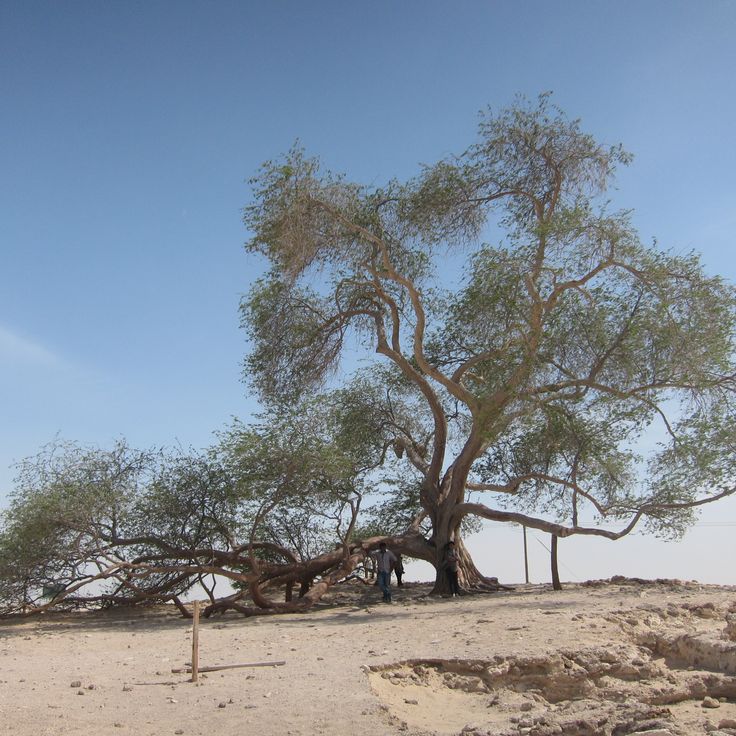
Shajarat al-Hayah is an ancient mesquite tree growing in Bahrain's desert, standing alone in this dry landscape for centuries. The tree draws water from deep underground sources where most plants cannot survive. Local residents and visitors come to see this remarkable tree rising solitary in the sand. For the people of Bahrain, it represents endurance and shows that life can flourish even in difficult conditions. When you approach this place, you understand how the land has supported human settlement here over centuries.
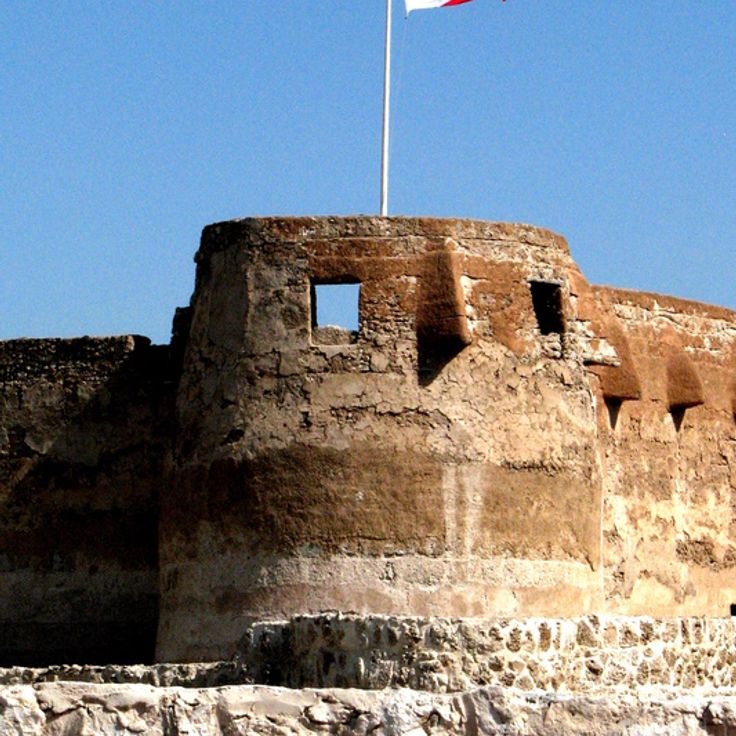
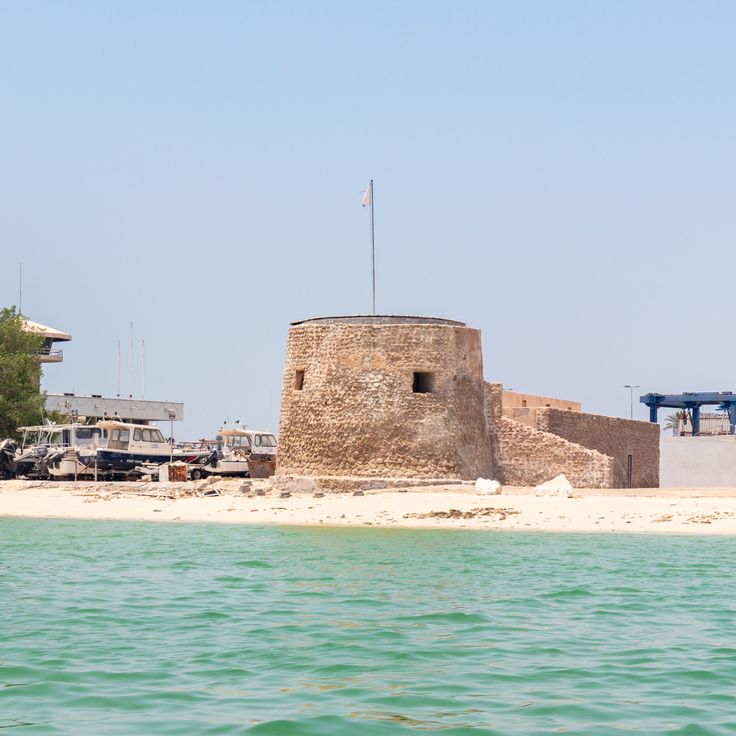
The Arad Fort is a 15th century fortification in Bahrain that shows how people protected their islands centuries ago. This stone structure reflects the defensive concerns of the region during the Middle Ages and how residents built to secure their lands. Walking through this fort gives you a sense of daily life and the importance of security in Bahrain's history as part of discovering the country beyond news reports.
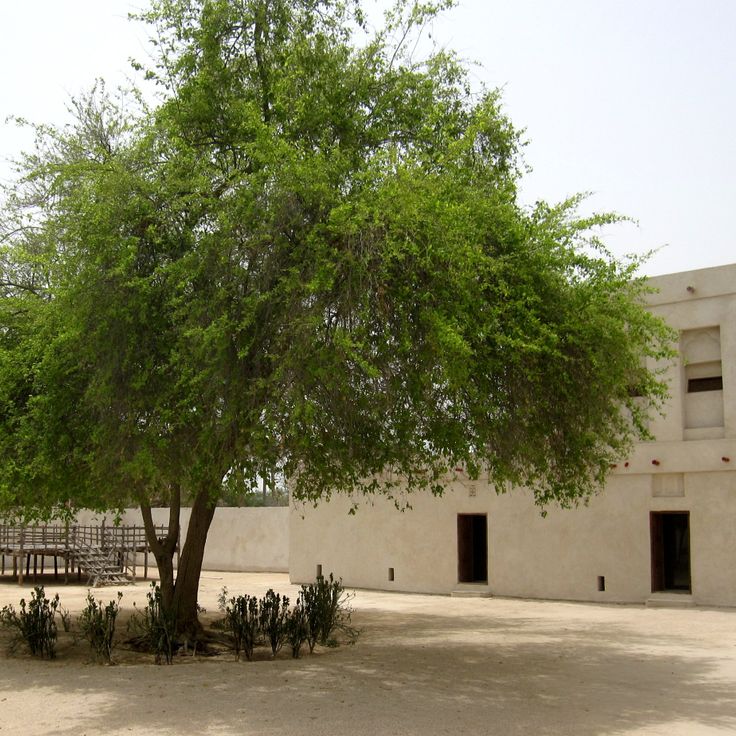
Al Jasra House is a historic residence in northern Bahrain that shows how merchants and their families lived in this region. The building kept its traditional design with small rooms, courtyards, and stone walls. Visitors can see how people organized their homes and daily life here. The house tells the story of the pearl trade era, when divers and merchants brought wealth to Bahrain.
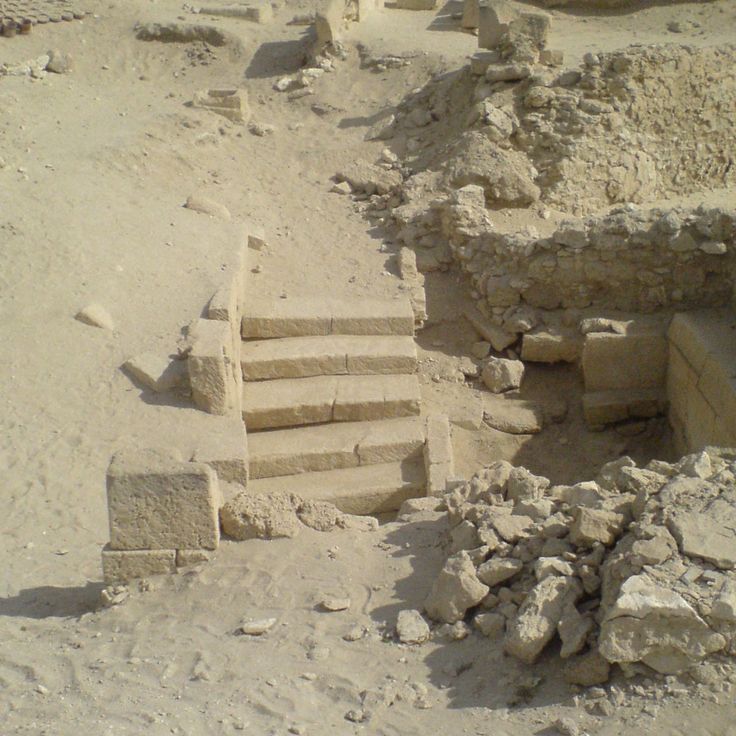
Barbar Temple is an ancient site on Bahrain that draws visitors into the history of the archipelago. These ruins show how people lived and worshipped in antiquity. The temple dates to the time of the Dilmun civilization and sits in a place where you can see the layers of different periods. Those who visit it discover stonework and structures that are hundreds of years old. Barbar Temple tells through its architecture the stories of the merchants and inhabitants who have shaped this island for a long time.
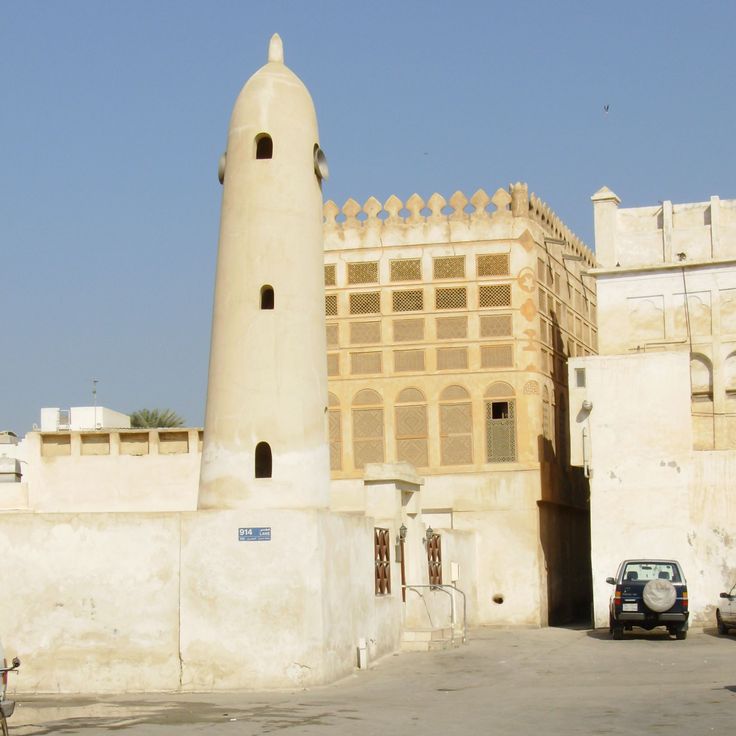
This house in the collection about Bahreïn shows how wealthy pearl trading merchants lived. Located in Al-Muharraq, the Siyadi House dates from a time when pearl diving shaped the region's prosperity. The rooms are arranged around a central courtyard, a layout common throughout the area. Visitors see where families spent their days, ate, slept, and managed their business affairs. The high walls, wooden lattices at the windows, and traditional materials tell the story of an era when Bahreïn was an important trading center.
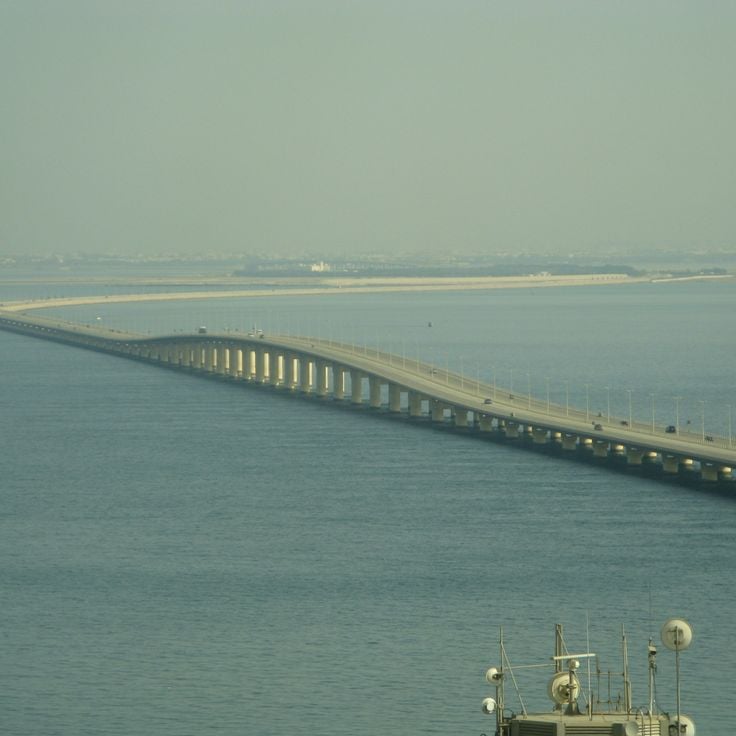
King Fahd Causeway connects Saudi Arabia and Bahrain, linking Al Khobar to Al Jasra. This bridge is far more than a road - it shows how two nations are connected to each other. When you cross it, you move from one country to another along an important route that has carried people and goods for decades. The causeway is a central point where trade and exchange between the two countries meet.
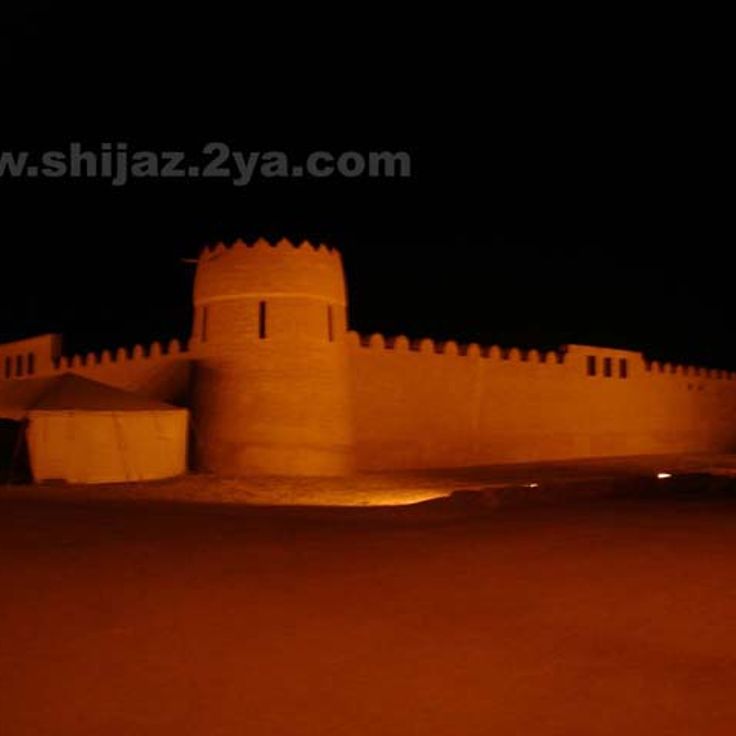
Riffa fortress is a historical structure in Bahrain that shows how people protected their settlements and trade over centuries. Walking through this place, you see the work of builders and craftsmen who constructed solid walls and strategic structures. The fortress reveals how different rulers shaped the island over time. It sits at the heart of the island and links the modern city to Bahrain's past. It offers insight into daily life and power in earlier times, inviting you to understand how the island's inhabitants organized themselves and defended their territory.
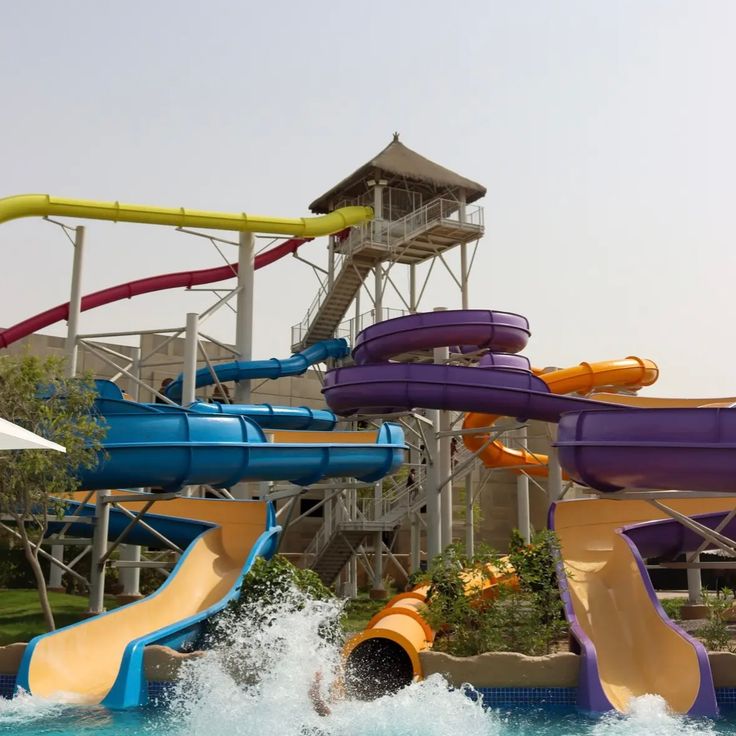
The Lost Paradise of Dilmun is a water park in northern Bahrain. The park has several swimming pools and water slides for families and children. On hot days, visitors come here to cool off and spend time together. The park sits in a region that was once the center of the ancient Dilmun civilization. It shows how Bahrain mixes modern recreation with its long history.
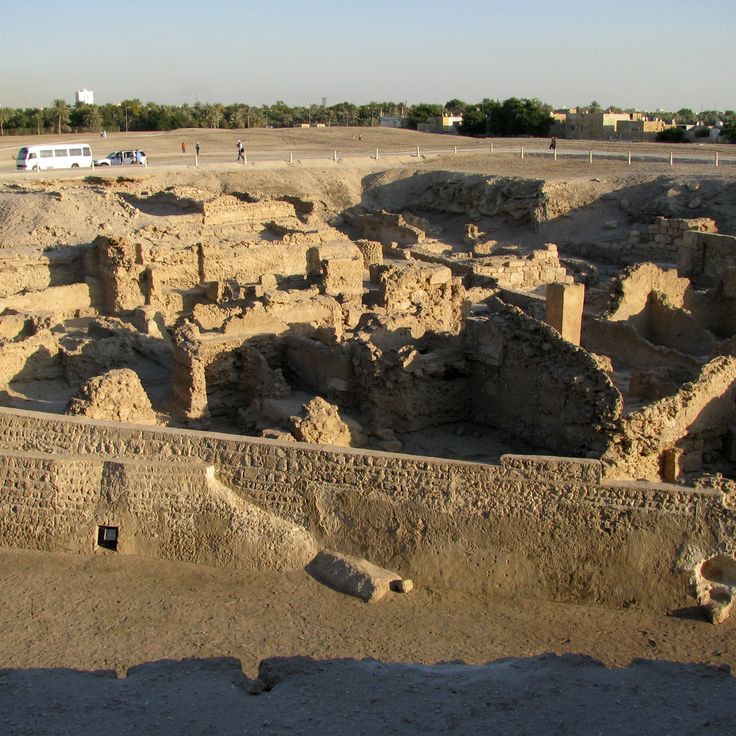
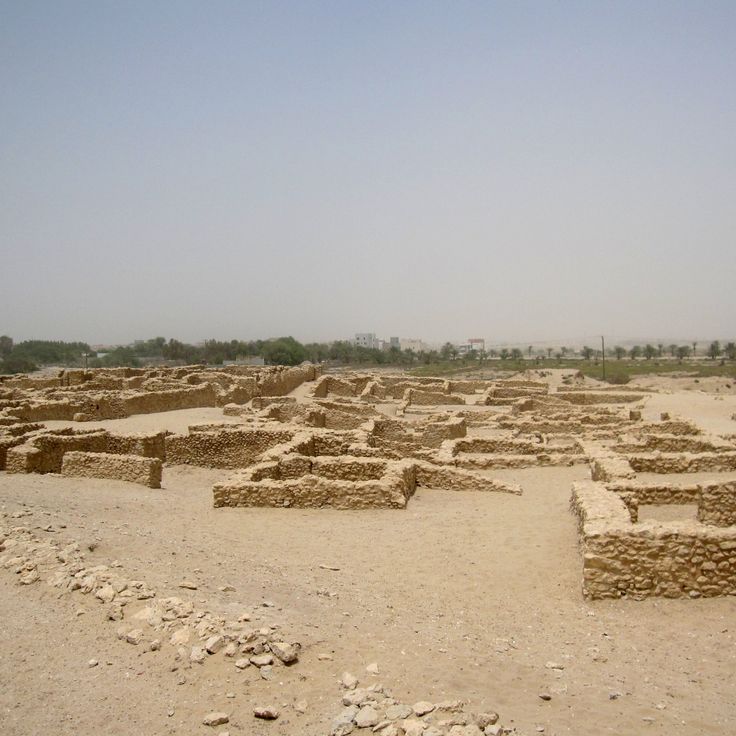
Qal'at al-Bahreïn fortress rises on a hilltop in Manama and reveals how people lived here for several centuries. You see layers from different periods: old dwellings, stone walls and traces of trading posts. Archaeologists found objects here that show this place was important during the Dilmun civilization era. As you explore the ruins, you understand how people traded, built houses and defended themselves. The fortress sits near the modern city but seems like a window into another time.
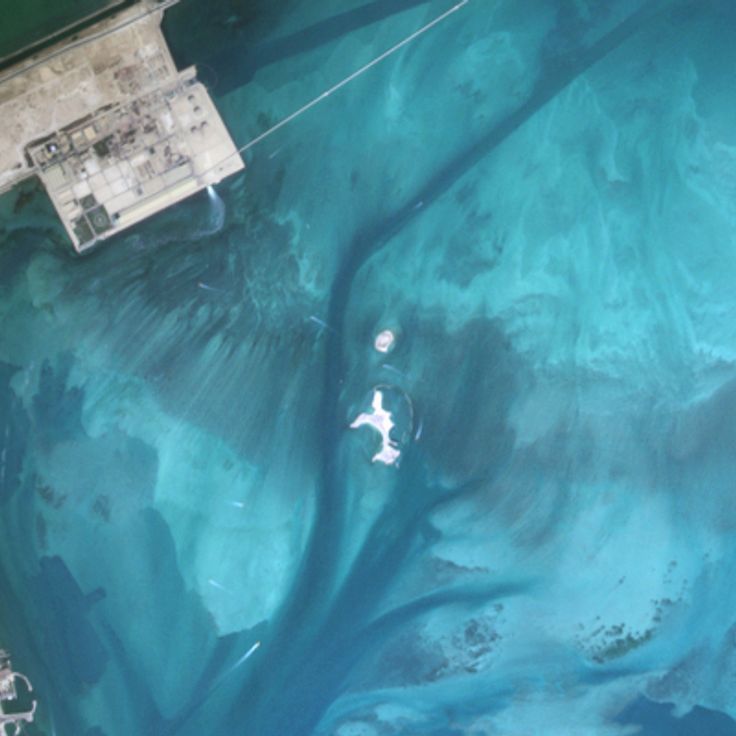
Al Dar Island is a private island near Sitra. This place offers visitors a chance to get away from the mainland and spend time in a calmer setting. The island has beaches where guests can relax and discover the nature of Bahrain's coastal waters. Here you can swim, walk along the shoreline, and enjoy views of the sea while learning more about island life in Bahrain.
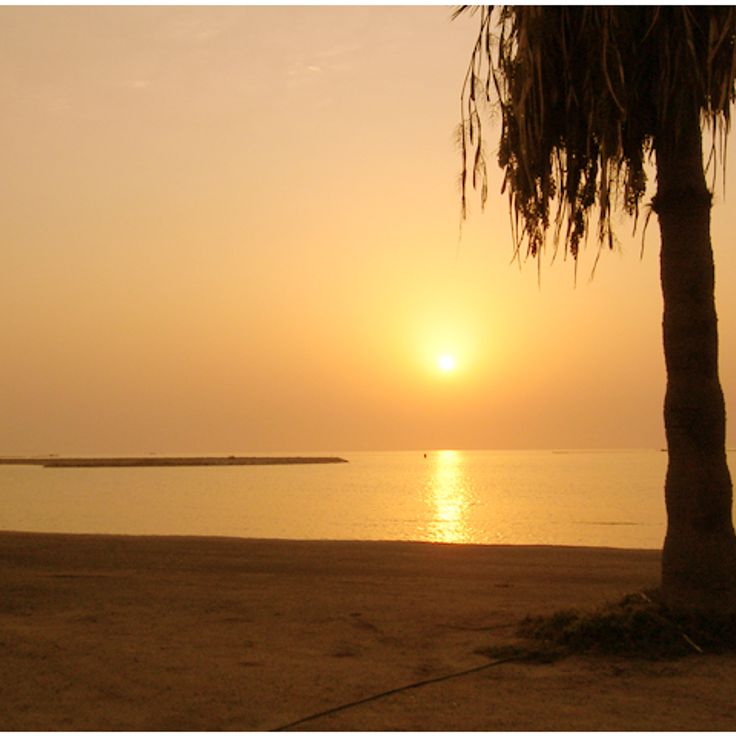
Abu Subh Beach is a public beach in northern Bahrain where locals and visitors spend time by the water. Situated away from the main tourist circuits, this beach offers a quieter way to reach the coast. You can relax by the shoreline, watch how people use the space throughout the day, and enjoy the sea without large crowds. Abu Subh Beach shows how people in Bahrain spend their free time in the water in a more laid-back setting.
This fort at Halat Bu Maher shows how Bahrain defended itself centuries ago. The stone walls still stand and tell the story of a time when trade routes crossed the sea and fortifications protected the people who lived here. Walking through the site, you can see how it was built and understand why this location mattered for the island.
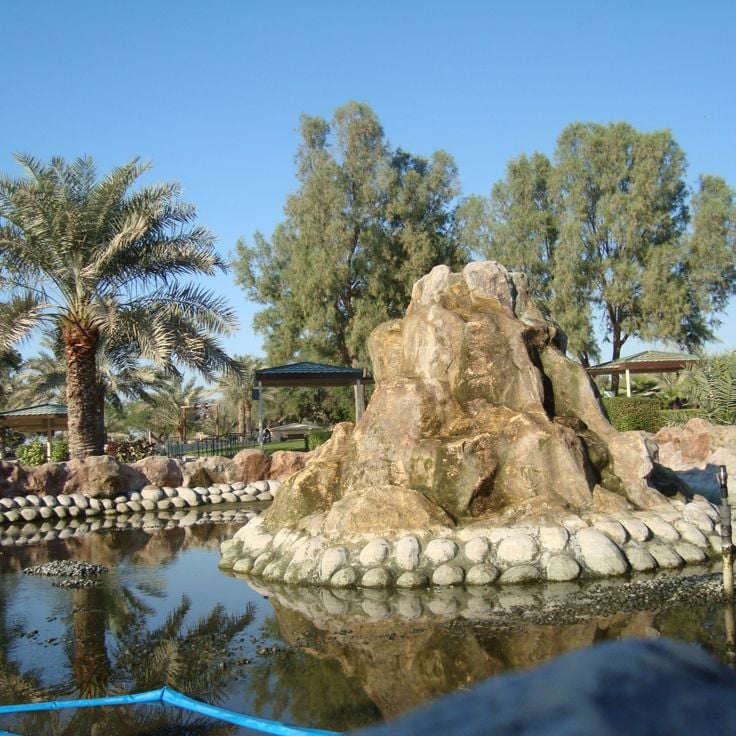
The Hawar Islands form an archipelago in Bahrain where nature and wildlife are central to the experience. These islands attract visitors interested in birds and natural habitats. You can walk through them and observe the local fauna and flora in their environment. Located south of Bahrain's main territory, these islands offer an experience that is less crowded than the usual tourist areas. It is a place where you can take your time to discover the life and landscapes of the Gulf.
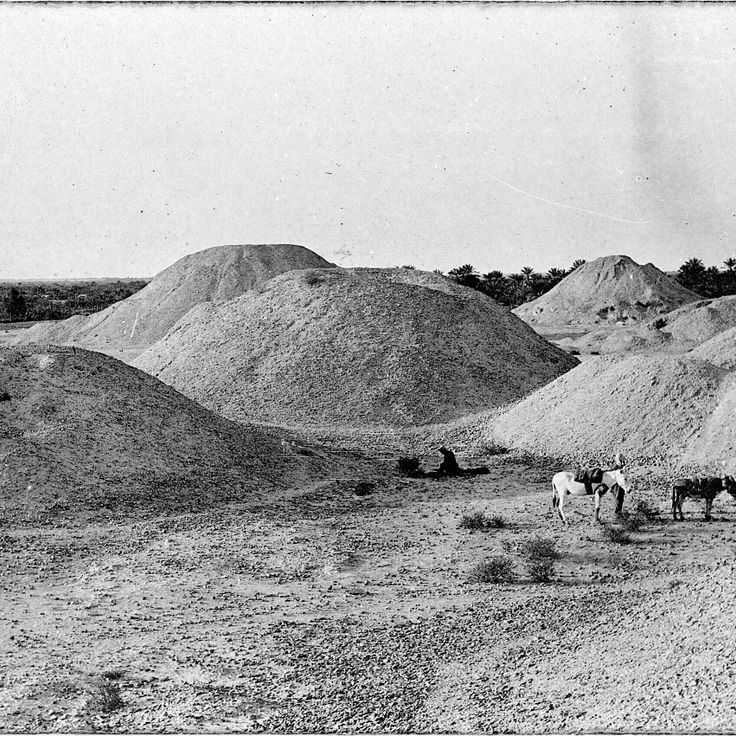
The Dilmun Culture Tombs lie in the west of Bahrain and are remains of an ancient necropolis. These burial sites tell the story of a civilization that lived in this region thousands of years ago. For those who want to understand how people lived here and connect to Bahrain's deep history, these tombs reveal fragments of the past. The site shows how trade routes and cultures met and mixed in this part of the world.
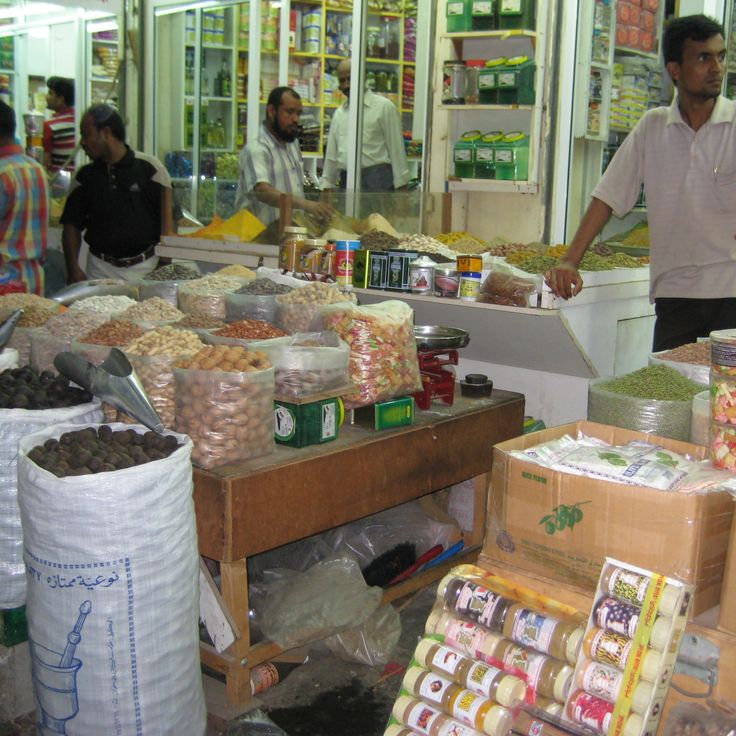
The Souq of Manama is the heart of traditional commerce in Bahrain. Walking through its narrow lanes, you encounter small shops where vendors display their goods and craftspeople sell handmade products. The market invites you to wander and observe how people work and interact here. You see how commerce has shaped daily life over generations. This souq shows how residents of Bahrain conducted business and gathered together over centuries. It remains a living part of the city's rhythm.
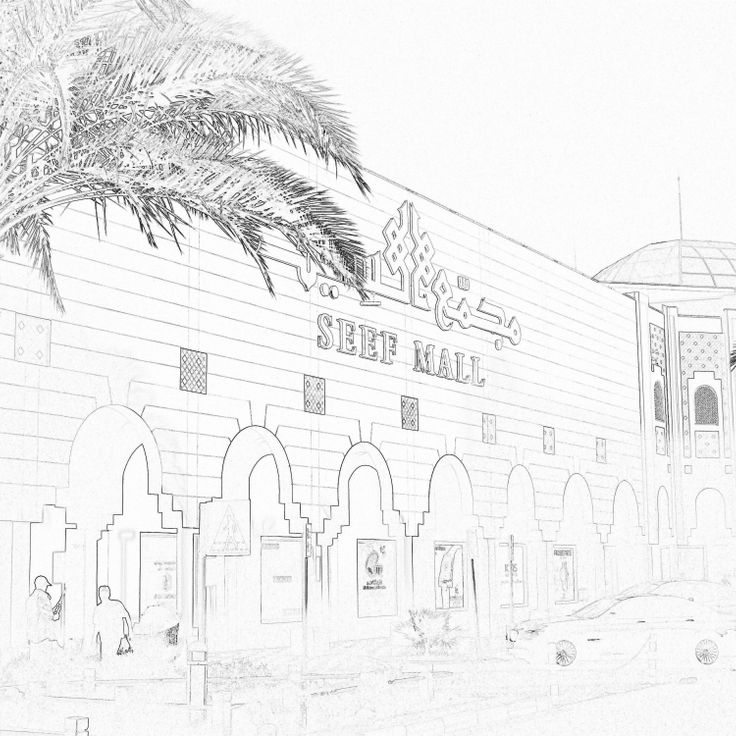
Seef Mall is a modern shopping center in the Seef district of Manama that shows how Bahrain has changed over recent decades. Locals and visitors come here to shop, eat, and spend time together. The center represents the contemporary side of Bahrain, where commerce and leisure happen under one roof, away from the traditional souks of the old city.
The Al Khamis Mosque stands in Bilad Al Qadim and shows a long history. This building tells the story of different periods when people have prayed here. The architecture has changed over centuries, and you can see how building styles layer on top of each other. The place helps visitors understand how faith and daily life connect in Bahrain.
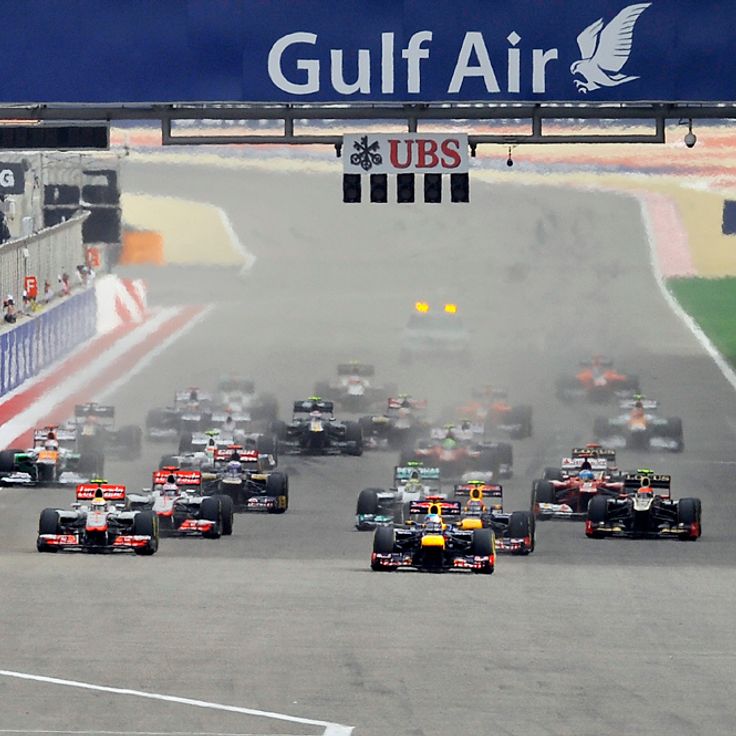
The Sakhir circuit is a modern racing facility in the southwest of Bahrain. Built to host international motorsports events, particularly Formula 1 races, this circuit demonstrates how Bahrain has invested in contemporary sports infrastructure. The track brings together people from around the world and offers visitors the opportunity to watch high-level racing.
Sar is a location in northern Bahrain that shows how people live in a region filled with history. The place connects ancient temples with trade routes of the Dilmun civilization. Visitors to Sar can explore traditional crafts and observe artisans who pass down techniques like pottery near A'ali or work at the Al Jasra craft center. Sar sits in a region where history and modern life exist side by side, offering a chance to discover the real face of Bahrain outside the usual tourist paths.
Al Areen Wildlife Park in Sakhir is a nature reserve where you can observe animals native to Bahrain in their setting. The park invites you to walk through the landscape and watch the creatures that live in this region. It shows how wildlife fits into the local ecosystem. For visitors who want to discover Bahrain beyond the usual tourist routes, this park reveals the diversity of life that exists here.
Shajarat al-Hayah is an ancient mesquite tree growing in Bahrain's desert, standing alone in this dry landscape for centuries. The tree draws water from deep underground sources where most plants cannot survive. Local residents and visitors come to see this remarkable tree rising solitary in the sand. For the people of Bahrain, it represents endurance and shows that life can flourish even in difficult conditions. When you approach this place, you understand how the land has supported human settlement here over centuries.
The Arad Fort is a 15th century fortification in Bahrain that shows how people protected their islands centuries ago. This stone structure reflects the defensive concerns of the region during the Middle Ages and how residents built to secure their lands. Walking through this fort gives you a sense of daily life and the importance of security in Bahrain's history as part of discovering the country beyond news reports.
Al Jasra House is a historic residence in northern Bahrain that shows how merchants and their families lived in this region. The building kept its traditional design with small rooms, courtyards, and stone walls. Visitors can see how people organized their homes and daily life here. The house tells the story of the pearl trade era, when divers and merchants brought wealth to Bahrain.
Barbar Temple is an ancient site on Bahrain that draws visitors into the history of the archipelago. These ruins show how people lived and worshipped in antiquity. The temple dates to the time of the Dilmun civilization and sits in a place where you can see the layers of different periods. Those who visit it discover stonework and structures that are hundreds of years old. Barbar Temple tells through its architecture the stories of the merchants and inhabitants who have shaped this island for a long time.
This house in the collection about Bahreïn shows how wealthy pearl trading merchants lived. Located in Al-Muharraq, the Siyadi House dates from a time when pearl diving shaped the region's prosperity. The rooms are arranged around a central courtyard, a layout common throughout the area. Visitors see where families spent their days, ate, slept, and managed their business affairs. The high walls, wooden lattices at the windows, and traditional materials tell the story of an era when Bahreïn was an important trading center.
King Fahd Causeway connects Saudi Arabia and Bahrain, linking Al Khobar to Al Jasra. This bridge is far more than a road - it shows how two nations are connected to each other. When you cross it, you move from one country to another along an important route that has carried people and goods for decades. The causeway is a central point where trade and exchange between the two countries meet.
Riffa fortress is a historical structure in Bahrain that shows how people protected their settlements and trade over centuries. Walking through this place, you see the work of builders and craftsmen who constructed solid walls and strategic structures. The fortress reveals how different rulers shaped the island over time. It sits at the heart of the island and links the modern city to Bahrain's past. It offers insight into daily life and power in earlier times, inviting you to understand how the island's inhabitants organized themselves and defended their territory.
The Lost Paradise of Dilmun is a water park in northern Bahrain. The park has several swimming pools and water slides for families and children. On hot days, visitors come here to cool off and spend time together. The park sits in a region that was once the center of the ancient Dilmun civilization. It shows how Bahrain mixes modern recreation with its long history.
Qal'at al-Bahreïn fortress rises on a hilltop in Manama and reveals how people lived here for several centuries. You see layers from different periods: old dwellings, stone walls and traces of trading posts. Archaeologists found objects here that show this place was important during the Dilmun civilization era. As you explore the ruins, you understand how people traded, built houses and defended themselves. The fortress sits near the modern city but seems like a window into another time.
Al Dar Island is a private island near Sitra. This place offers visitors a chance to get away from the mainland and spend time in a calmer setting. The island has beaches where guests can relax and discover the nature of Bahrain's coastal waters. Here you can swim, walk along the shoreline, and enjoy views of the sea while learning more about island life in Bahrain.
Abu Subh Beach is a public beach in northern Bahrain where locals and visitors spend time by the water. Situated away from the main tourist circuits, this beach offers a quieter way to reach the coast. You can relax by the shoreline, watch how people use the space throughout the day, and enjoy the sea without large crowds. Abu Subh Beach shows how people in Bahrain spend their free time in the water in a more laid-back setting.
This fort at Halat Bu Maher shows how Bahrain defended itself centuries ago. The stone walls still stand and tell the story of a time when trade routes crossed the sea and fortifications protected the people who lived here. Walking through the site, you can see how it was built and understand why this location mattered for the island.
The Hawar Islands form an archipelago in Bahrain where nature and wildlife are central to the experience. These islands attract visitors interested in birds and natural habitats. You can walk through them and observe the local fauna and flora in their environment. Located south of Bahrain's main territory, these islands offer an experience that is less crowded than the usual tourist areas. It is a place where you can take your time to discover the life and landscapes of the Gulf.
The Dilmun Culture Tombs lie in the west of Bahrain and are remains of an ancient necropolis. These burial sites tell the story of a civilization that lived in this region thousands of years ago. For those who want to understand how people lived here and connect to Bahrain's deep history, these tombs reveal fragments of the past. The site shows how trade routes and cultures met and mixed in this part of the world.
The Souq of Manama is the heart of traditional commerce in Bahrain. Walking through its narrow lanes, you encounter small shops where vendors display their goods and craftspeople sell handmade products. The market invites you to wander and observe how people work and interact here. You see how commerce has shaped daily life over generations. This souq shows how residents of Bahrain conducted business and gathered together over centuries. It remains a living part of the city's rhythm.
Seef Mall is a modern shopping center in the Seef district of Manama that shows how Bahrain has changed over recent decades. Locals and visitors come here to shop, eat, and spend time together. The center represents the contemporary side of Bahrain, where commerce and leisure happen under one roof, away from the traditional souks of the old city.
The Al Khamis Mosque stands in Bilad Al Qadim and shows a long history. This building tells the story of different periods when people have prayed here. The architecture has changed over centuries, and you can see how building styles layer on top of each other. The place helps visitors understand how faith and daily life connect in Bahrain.
The Sakhir circuit is a modern racing facility in the southwest of Bahrain. Built to host international motorsports events, particularly Formula 1 races, this circuit demonstrates how Bahrain has invested in contemporary sports infrastructure. The track brings together people from around the world and offers visitors the opportunity to watch high-level racing.
Sar is a location in northern Bahrain that shows how people live in a region filled with history. The place connects ancient temples with trade routes of the Dilmun civilization. Visitors to Sar can explore traditional crafts and observe artisans who pass down techniques like pottery near A'ali or work at the Al Jasra craft center. Sar sits in a region where history and modern life exist side by side, offering a chance to discover the real face of Bahrain outside the usual tourist paths.
Al Areen Wildlife Park in Sakhir is a nature reserve where you can observe animals native to Bahrain in their setting. The park invites you to walk through the landscape and watch the creatures that live in this region. It shows how wildlife fits into the local ecosystem. For visitors who want to discover Bahrain beyond the usual tourist routes, this park reveals the diversity of life that exists here.
Shajarat al-Hayah is an ancient mesquite tree growing in Bahrain's desert, standing alone in this dry landscape for centuries. The tree draws water from deep underground sources where most plants cannot survive. Local residents and visitors come to see this remarkable tree rising solitary in the sand. For the people of Bahrain, it represents endurance and shows that life can flourish even in difficult conditions. When you approach this place, you understand how the land has supported human settlement here over centuries.
The Arad Fort is a 15th century fortification in Bahrain that shows how people protected their islands centuries ago. This stone structure reflects the defensive concerns of the region during the Middle Ages and how residents built to secure their lands. Walking through this fort gives you a sense of daily life and the importance of security in Bahrain's history as part of discovering the country beyond news reports.
Al Jasra House is a historic residence in northern Bahrain that shows how merchants and their families lived in this region. The building kept its traditional design with small rooms, courtyards, and stone walls. Visitors can see how people organized their homes and daily life here. The house tells the story of the pearl trade era, when divers and merchants brought wealth to Bahrain.
Barbar Temple is an ancient site on Bahrain that draws visitors into the history of the archipelago. These ruins show how people lived and worshipped in antiquity. The temple dates to the time of the Dilmun civilization and sits in a place where you can see the layers of different periods. Those who visit it discover stonework and structures that are hundreds of years old. Barbar Temple tells through its architecture the stories of the merchants and inhabitants who have shaped this island for a long time.
This house in the collection about Bahreïn shows how wealthy pearl trading merchants lived. Located in Al-Muharraq, the Siyadi House dates from a time when pearl diving shaped the region's prosperity. The rooms are arranged around a central courtyard, a layout common throughout the area. Visitors see where families spent their days, ate, slept, and managed their business affairs. The high walls, wooden lattices at the windows, and traditional materials tell the story of an era when Bahreïn was an important trading center.
King Fahd Causeway connects Saudi Arabia and Bahrain, linking Al Khobar to Al Jasra. This bridge is far more than a road - it shows how two nations are connected to each other. When you cross it, you move from one country to another along an important route that has carried people and goods for decades. The causeway is a central point where trade and exchange between the two countries meet.
Riffa fortress is a historical structure in Bahrain that shows how people protected their settlements and trade over centuries. Walking through this place, you see the work of builders and craftsmen who constructed solid walls and strategic structures. The fortress reveals how different rulers shaped the island over time. It sits at the heart of the island and links the modern city to Bahrain's past. It offers insight into daily life and power in earlier times, inviting you to understand how the island's inhabitants organized themselves and defended their territory.
The Lost Paradise of Dilmun is a water park in northern Bahrain. The park has several swimming pools and water slides for families and children. On hot days, visitors come here to cool off and spend time together. The park sits in a region that was once the center of the ancient Dilmun civilization. It shows how Bahrain mixes modern recreation with its long history.
Qal'at al-Bahreïn fortress rises on a hilltop in Manama and reveals how people lived here for several centuries. You see layers from different periods: old dwellings, stone walls and traces of trading posts. Archaeologists found objects here that show this place was important during the Dilmun civilization era. As you explore the ruins, you understand how people traded, built houses and defended themselves. The fortress sits near the modern city but seems like a window into another time.
Al Dar Island is a private island near Sitra. This place offers visitors a chance to get away from the mainland and spend time in a calmer setting. The island has beaches where guests can relax and discover the nature of Bahrain's coastal waters. Here you can swim, walk along the shoreline, and enjoy views of the sea while learning more about island life in Bahrain.
Abu Subh Beach is a public beach in northern Bahrain where locals and visitors spend time by the water. Situated away from the main tourist circuits, this beach offers a quieter way to reach the coast. You can relax by the shoreline, watch how people use the space throughout the day, and enjoy the sea without large crowds. Abu Subh Beach shows how people in Bahrain spend their free time in the water in a more laid-back setting.
This fort at Halat Bu Maher shows how Bahrain defended itself centuries ago. The stone walls still stand and tell the story of a time when trade routes crossed the sea and fortifications protected the people who lived here. Walking through the site, you can see how it was built and understand why this location mattered for the island.
The Hawar Islands form an archipelago in Bahrain where nature and wildlife are central to the experience. These islands attract visitors interested in birds and natural habitats. You can walk through them and observe the local fauna and flora in their environment. Located south of Bahrain's main territory, these islands offer an experience that is less crowded than the usual tourist areas. It is a place where you can take your time to discover the life and landscapes of the Gulf.
The Dilmun Culture Tombs lie in the west of Bahrain and are remains of an ancient necropolis. These burial sites tell the story of a civilization that lived in this region thousands of years ago. For those who want to understand how people lived here and connect to Bahrain's deep history, these tombs reveal fragments of the past. The site shows how trade routes and cultures met and mixed in this part of the world.
The Souq of Manama is the heart of traditional commerce in Bahrain. Walking through its narrow lanes, you encounter small shops where vendors display their goods and craftspeople sell handmade products. The market invites you to wander and observe how people work and interact here. You see how commerce has shaped daily life over generations. This souq shows how residents of Bahrain conducted business and gathered together over centuries. It remains a living part of the city's rhythm.
Seef Mall is a modern shopping center in the Seef district of Manama that shows how Bahrain has changed over recent decades. Locals and visitors come here to shop, eat, and spend time together. The center represents the contemporary side of Bahrain, where commerce and leisure happen under one roof, away from the traditional souks of the old city.
The Al Khamis Mosque stands in Bilad Al Qadim and shows a long history. This building tells the story of different periods when people have prayed here. The architecture has changed over centuries, and you can see how building styles layer on top of each other. The place helps visitors understand how faith and daily life connect in Bahrain.
The Sakhir circuit is a modern racing facility in the southwest of Bahrain. Built to host international motorsports events, particularly Formula 1 races, this circuit demonstrates how Bahrain has invested in contemporary sports infrastructure. The track brings together people from around the world and offers visitors the opportunity to watch high-level racing.
Sar is a location in northern Bahrain that shows how people live in a region filled with history. The place connects ancient temples with trade routes of the Dilmun civilization. Visitors to Sar can explore traditional crafts and observe artisans who pass down techniques like pottery near A'ali or work at the Al Jasra craft center. Sar sits in a region where history and modern life exist side by side, offering a chance to discover the real face of Bahrain outside the usual tourist paths.
Al Areen Wildlife Park in Sakhir is a nature reserve where you can observe animals native to Bahrain in their setting. The park invites you to walk through the landscape and watch the creatures that live in this region. It shows how wildlife fits into the local ecosystem. For visitors who want to discover Bahrain beyond the usual tourist routes, this park reveals the diversity of life that exists here.
Respect the visiting rules for religious sites like the oldest mosques. Appropriate clothing and respectful behavior will open doors for you and deepen your understanding of local religious life.