See the monuments around you in AROpen chests in the app
Around Us is built for your phone — point your camera at the streets and discover the monuments and places around you in augmented reality.Around Us is built for your phone — chests unlock when you walk, explore and capture nearby places.
From Ahvaz to Jacobabad, these 25 cities experience summers where the thermometers go over 45 to 50 degrees Celsius.
This collection brings together the hottest cities in the world, places where the heat is not unusual but part of daily life. From Ahvaz in Iran to Jacobabad in Pakistan, passing through cities in the Middle East, North Africa, and the deserts of North America, these places regularly see temperatures over 45 to 50 degrees Celsius in summer.
In these cities, you will notice very different settings. Some are port towns like Basra or Muscat, where moisture makes the heat harder to handle. Others are busy urban areas like Dubai or Abu Dhabi, where tall modern buildings stand next to the desert. There are also sites full of history, such as Mecca, Medina, or Timbuktu, where travelers and pilgrims face the inevitable heat.
These places are not places to run from the sun, but places where you can see how people adapt and live despite tough conditions. They show how humans can inhabit some of the most difficult parts of the world.
From Ahvaz to Jacobabad, these 25 cities experience summers where the thermometers go over 45 to 50 degrees Celsius.
This collection brings together the hottest cities in the world, places where the heat is not unusual but part of daily life. From Ahvaz in Iran to Jacobabad in Pakistan, passing through cities in the Middle East, North Africa, and the deserts of North America, these places regularly see temperatures over 45 to 50 degrees Celsius in summer.
In these cities, you will notice very different settings. Some are port towns like Basra or Muscat, where moisture makes the heat harder to handle. Others are busy urban areas like Dubai or Abu Dhabi, where tall modern buildings stand next to the desert. There are also sites full of history, such as Mecca, Medina, or Timbuktu, where travelers and pilgrims face the inevitable heat.
These places are not places to run from the sun, but places where you can see how people adapt and live despite tough conditions. They show how humans can inhabit some of the most difficult parts of the world.
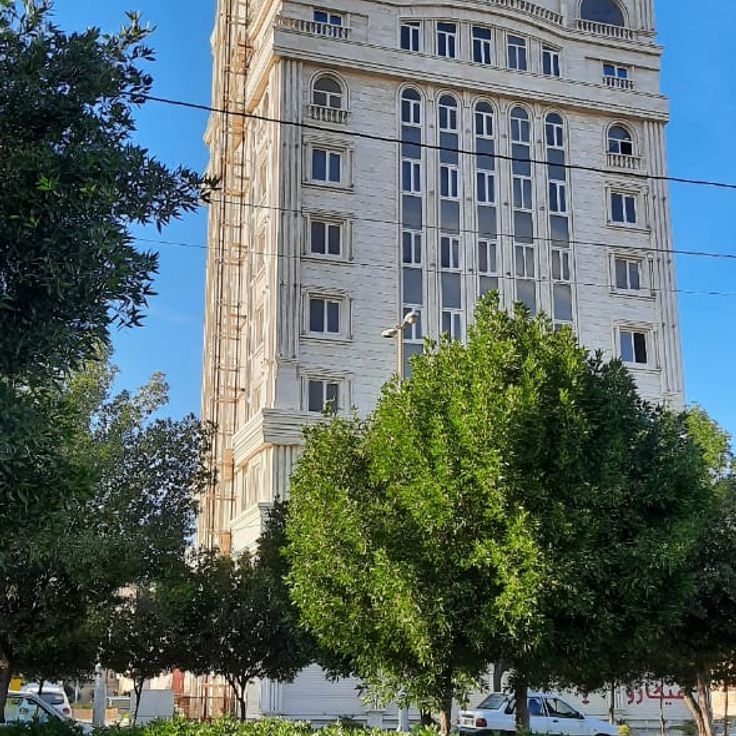
Ahvaz sits in the Khuzestan province of Iran and is regularly listed among the hottest cities on earth. Summer temperatures frequently climb above 122°F (50°C), and on record days the heat has reached 129°F (54°C). The city spreads across a flat, dry plain where the sun hits without shade or relief. Most daily activity shifts to the early morning or indoors during the peak heat hours. Ahvaz is one of the largest cities in Iran, and its markets and streets come back to life only when the day begins to cool.
Bandar-e Mahshahr is a port city in the Iranian province of Khuzestan, on the Persian Gulf. What puts it among the hottest cities in the world is not heat alone, but the combination of very high temperatures and strong humidity. In summer, these two factors push the heat index to one of the highest levels ever recorded on Earth. Going outside during the hottest hours of the day becomes nearly impossible.
Abadan sits in the southwest of Iran, in Khuzestan province, close to the point where the Shatt al-Arab meets the Persian Gulf. The city has long been known for its oil refinery, one of the oldest in the region. In summer, temperatures regularly climb above 122°F (50°C), and the humidity rising from the nearby water makes the heat harder to bear. At midday, the streets empty out and people retreat indoors. This is a city where daily life is built around surviving the heat.
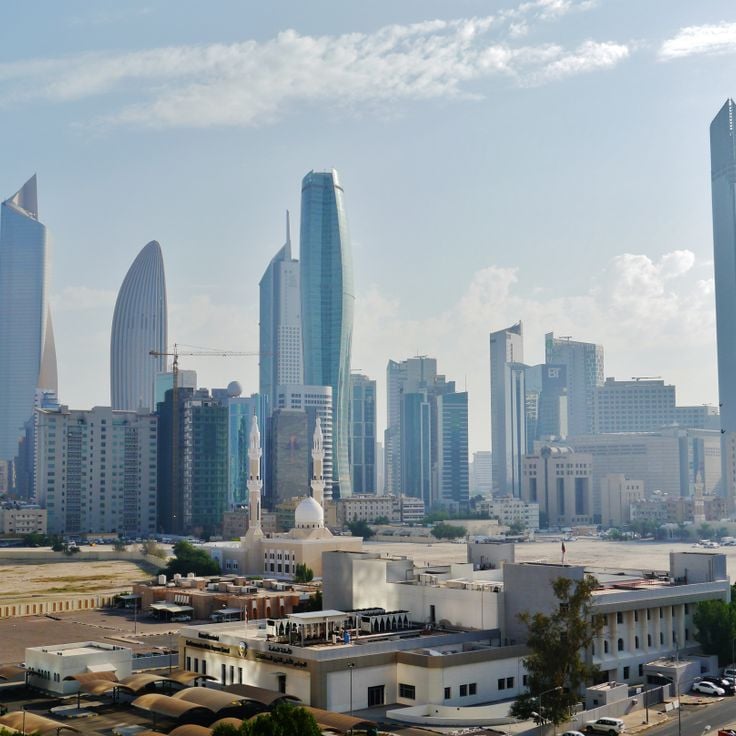
Kuwait City is the capital of Kuwait and one of the hottest cities in the world. In summer, temperatures regularly climb above 122°F (50°C). The city sits on the Persian Gulf, and the humidity adds to the heat, making time outdoors genuinely hard to bear. During the day, streets can feel empty, as most people stay inside air-conditioned spaces. Life picks up again after sunset, when the air cools slightly and people head outside.
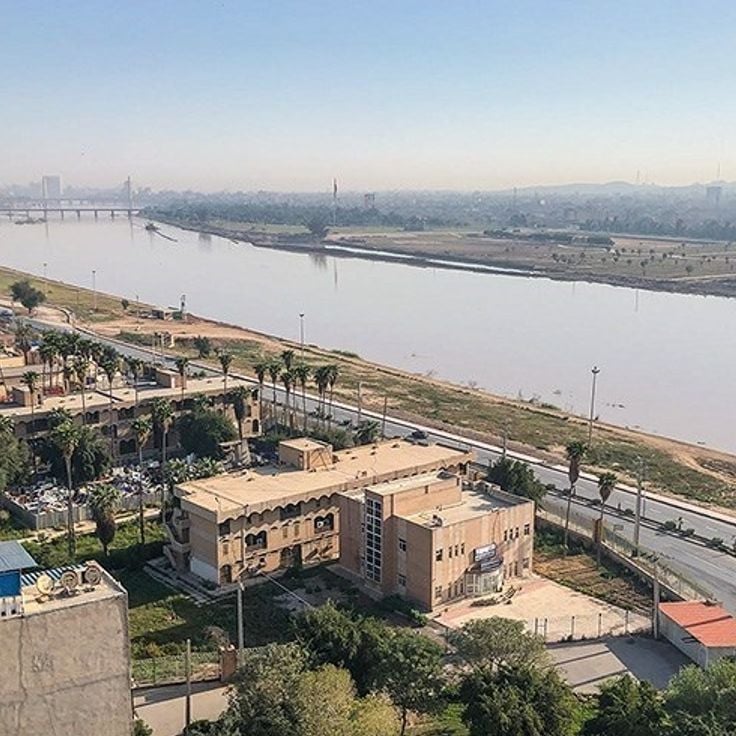
Basra is an Iraqi port city near the Persian Gulf, where the Euphrates and Tigris rivers meet. In summer, temperatures regularly climb above 120°F (50°C), and the moisture rising from the water makes the heat feel even harder to bear. During the day, streets empty out as people seek shade or air-conditioned spaces. Life returns in the late evening, when the air cools slightly.
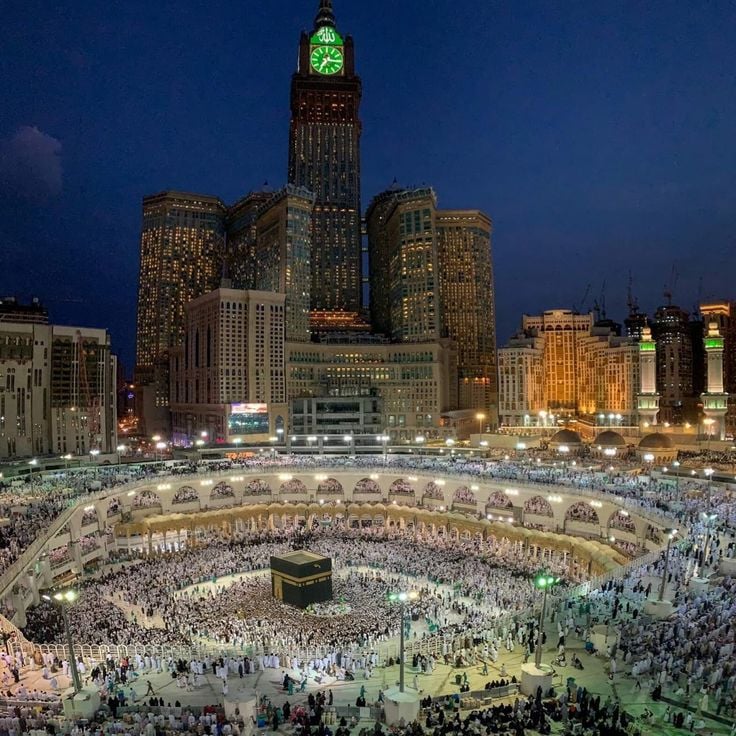
Mecca is the holiest city in Islam, set in a dry valley not far from the Red Sea. Summers here are punishing, with temperatures that regularly climb above 113°F (45°C). Every year, millions of pilgrims travel to this city, often during the hottest months, moving through streets of hot stone, sharp light, and dry air. Daily life is shaped by the heat, which pushes most activity into the early morning or after sunset. The city never truly cools down, even at night.
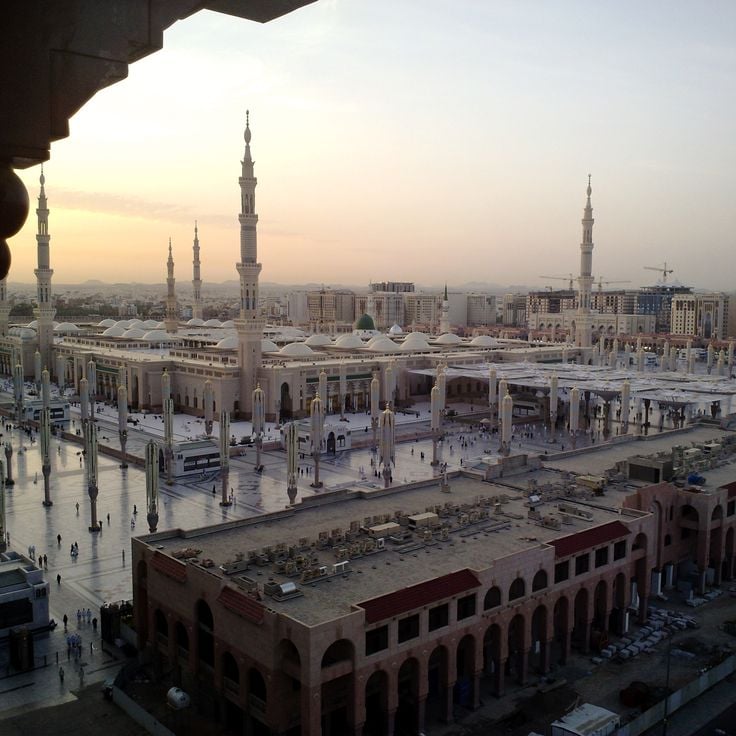
Medina is one of Islam's holiest cities, located in northwestern Saudi Arabia. The heat here is not occasional but a constant reality. In summer, temperatures regularly climb above 113°F (45°C), and the dry wind sweeping across the flat streets makes time spent outdoors exhausting. Yet millions of pilgrims travel to Medina each year to visit the Prophet Muhammad's mosque. The city has adapted to these conditions, with shaded walkways, cooled buildings, and a daily rhythm that shifts largely to the night or indoors.
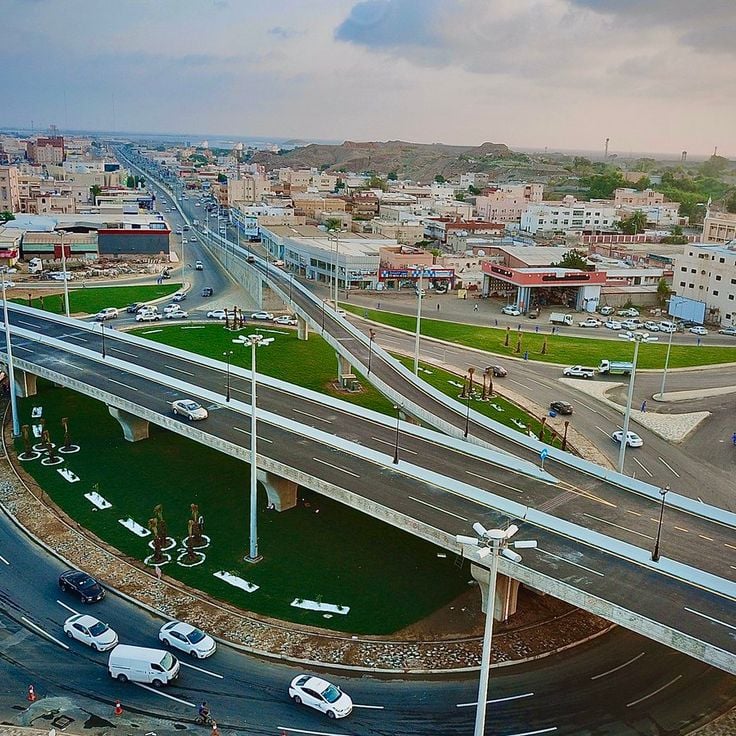
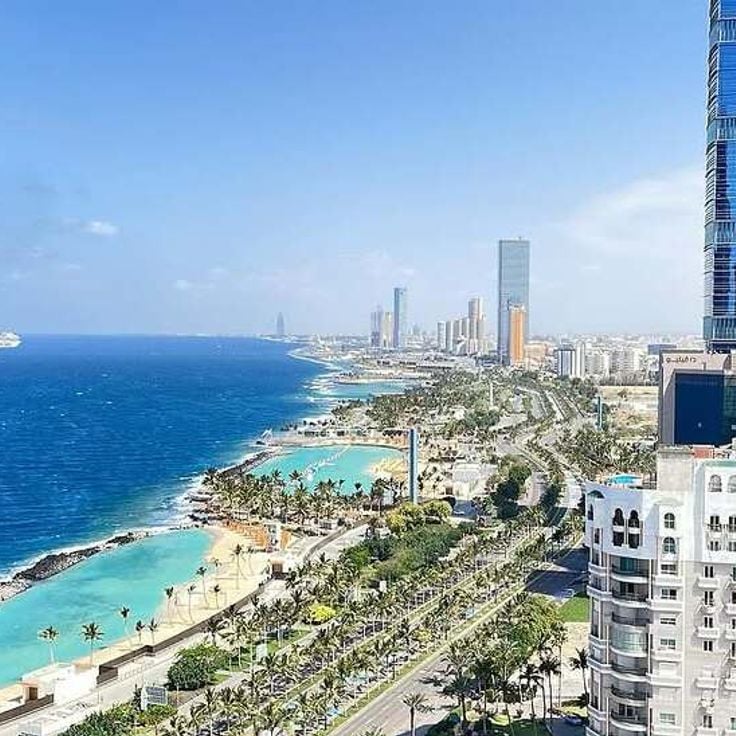
Jeddah sits on the Red Sea coast and is one of Saudi Arabia's main port cities. In summer, temperatures regularly climb above 104°F (40°C), and the humidity coming off the sea makes the heat much harder to bear. People tend to stay in the shade during the day and move outside in the evenings when things cool down slightly. The old district of Al-Balad features traditional coral stone buildings that were once designed to manage the heat naturally.
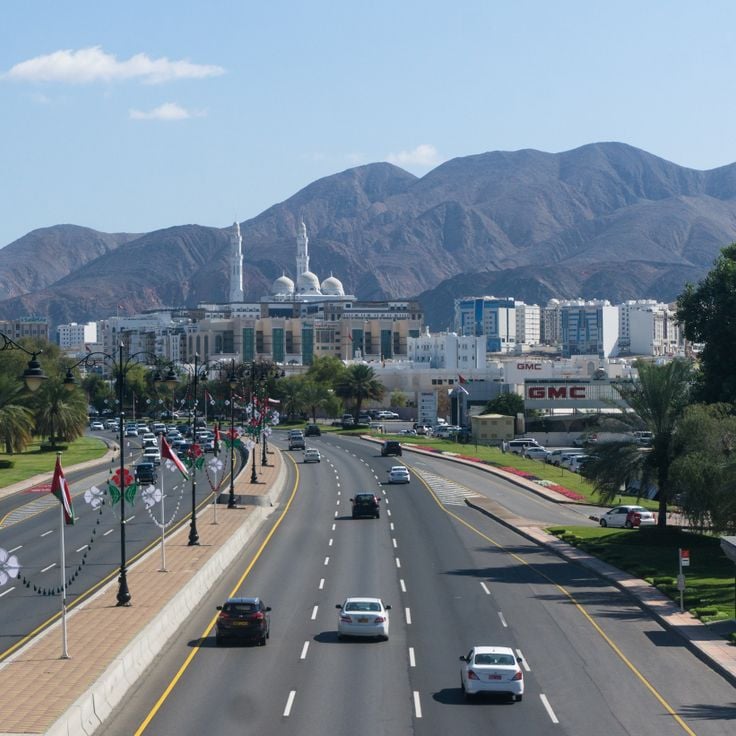
Muscat is the capital of Oman, built along the coast of the Arabian Sea. In summer, temperatures regularly climb above 113°F (45°C), and the humidity rising from the sea makes the heat even harder to bear. During the hottest hours of the day, the streets empty out and life moves indoors into air-conditioned spaces. Muscat shows how a coastal city learns to live with one of the most punishing combinations of heat and humidity in the world.
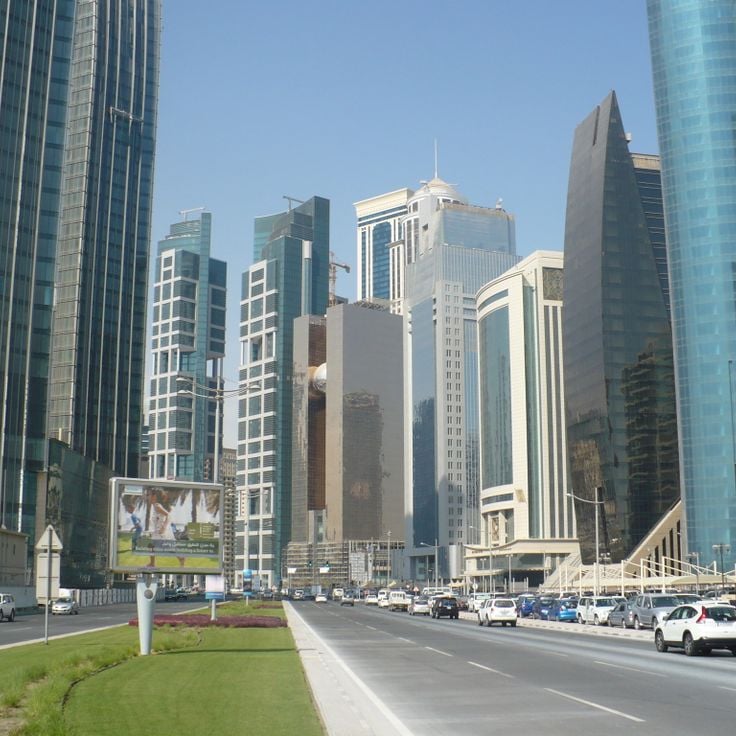
Doha is the capital of Qatar, set on the shore of the Persian Gulf. In summer, temperatures regularly climb above 113°F (45°C), and the humidity coming off the water makes the heat feel even heavier. The city has changed a great deal over recent decades, with glass towers and wide highways now defining much of the skyline. Alongside these newer areas, the old souk and the Corniche waterfront offer a slower pace. Most residents spend the hottest hours of the day indoors, in shopping centers or offices kept cool by air conditioning.
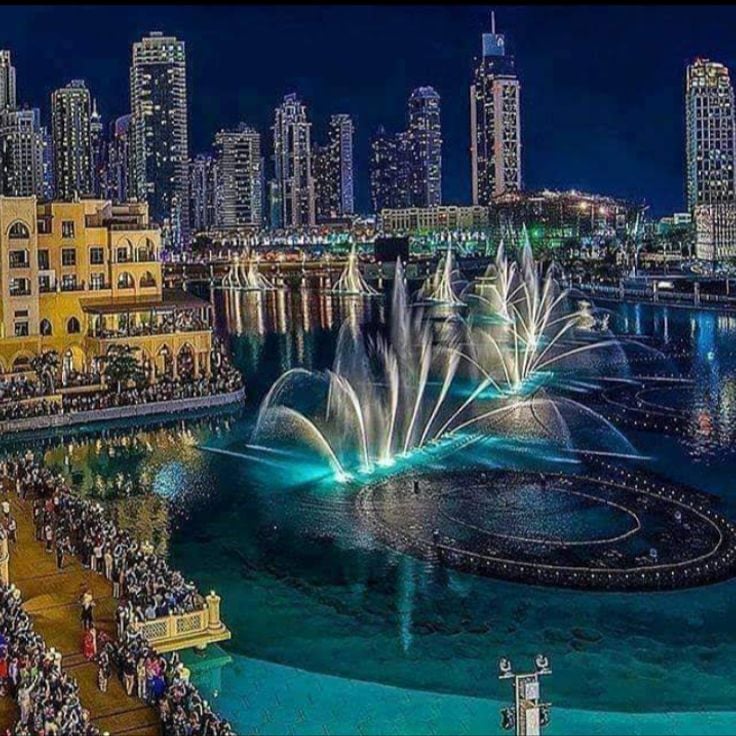
Dubai is a city in the United Arab Emirates where summer heat regularly exceeds 113°F (45°C), combined with high humidity from the Persian Gulf. Life during summer months shifts almost entirely indoors, into air-conditioned malls, offices and homes. Tall towers rise at the edge of the desert, and the contrast between the cool interiors and the scorching streets outside defines the rhythm of daily life here.
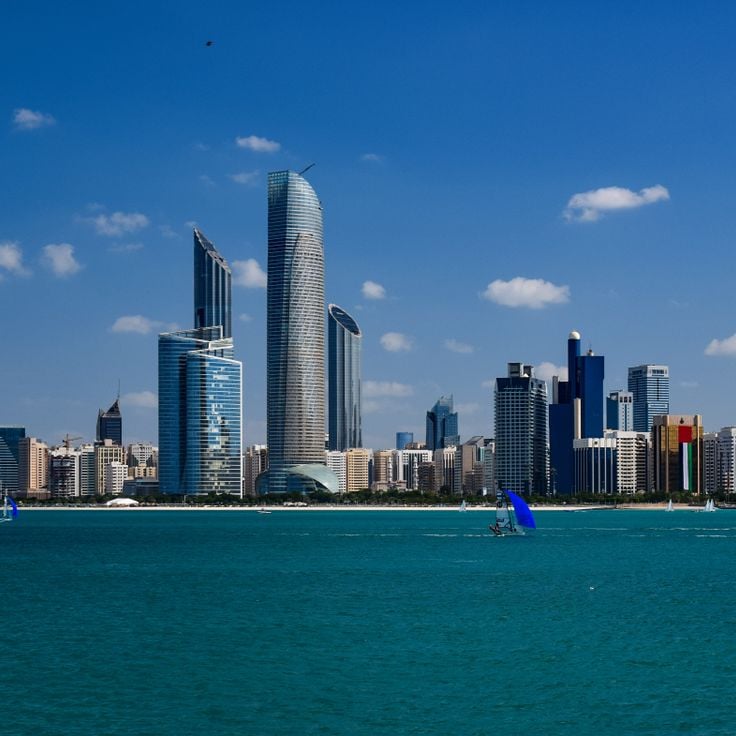
Abu Dhabi, the capital of the United Arab Emirates, sits on the Persian Gulf and faces some of the most intense summer heat in the world. Temperatures regularly climb above 113°F (45°C), and the humidity rolling in from the sea makes the air feel even heavier. Walking outside during the day in July or August is something most residents avoid. Life moves indoors, into air-conditioned malls, offices and homes, while the streets outside shimmer under a relentless sun.
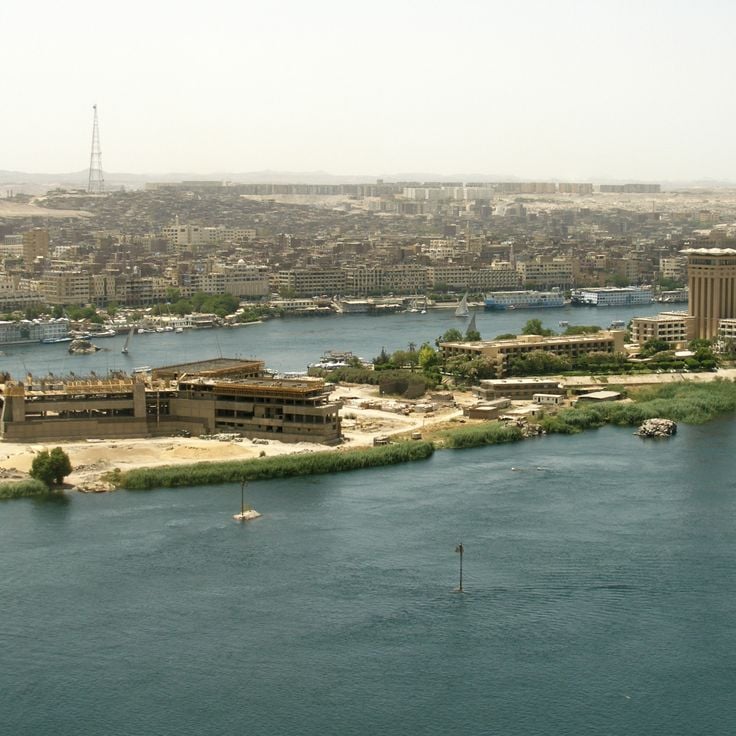
Aswan sits in southern Egypt, along the Nile, close to the Sudanese border. It is one of the hottest and sunniest cities on Earth. Summer temperatures regularly climb above 113°F (45°C), and rain is so rare that some years pass without a single drop. Despite the heat, people have lived here for thousands of years, between the desert and the river.
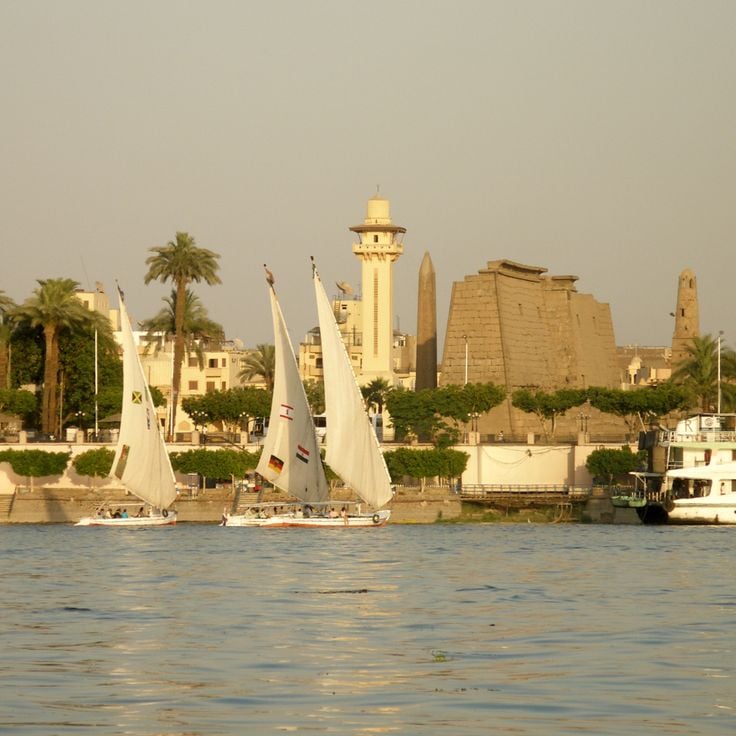
Luxor sits along the Nile in southern Egypt and draws visitors for its ancient temples and tombs. The heat here is almost constant throughout the year. In summer, temperatures regularly climb above 104°F (40°C), and the dry desert air makes walking through open archaeological sites genuinely demanding. People tend to move slowly, staying close to shaded walls or stepping into the cooler corridors of the ancient monuments to catch a break from the sun.
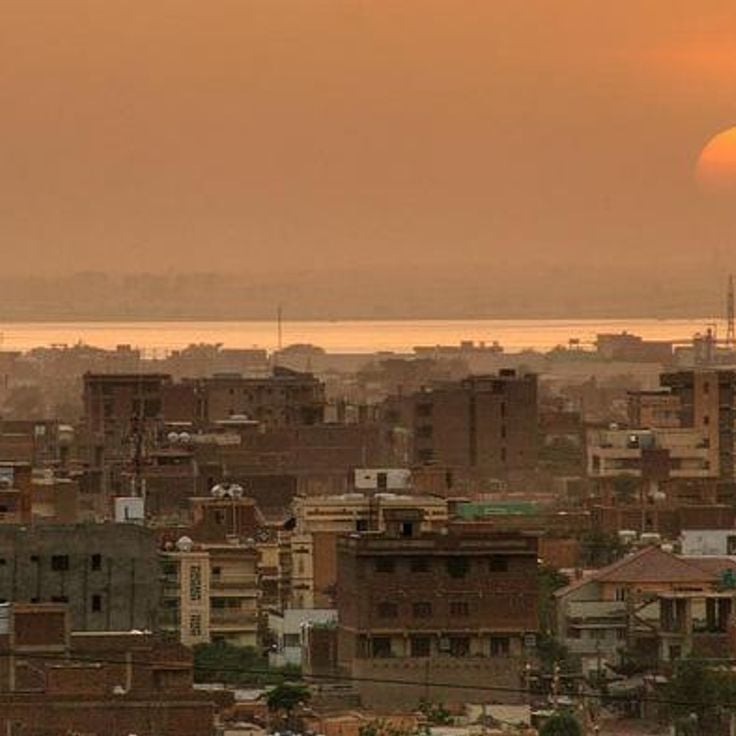
Khartoum is the capital of Sudan, sitting where the Blue and White Nile rivers meet. The sun bears down here for most of the year, and summer temperatures regularly climb above 113°F (45°C). It is one of the hottest capital cities on earth, and the heat is simply part of daily life for the people who live and work here.
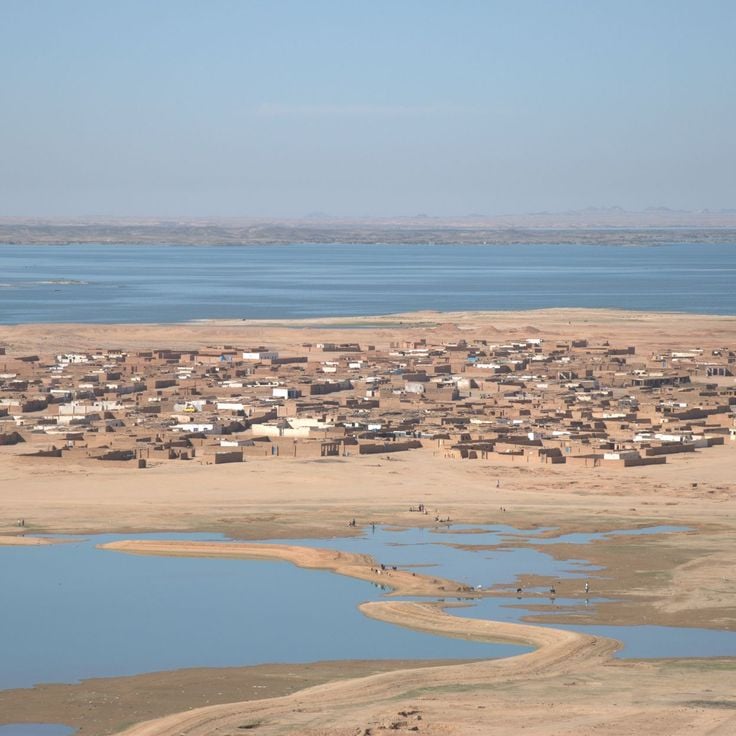
Wadi Halfa sits at the far north of Sudan, right on the border with Egypt and on the edge of Lake Nasser. The city lies deep in the Sahara, where sand fills the entire horizon and the sun beats down for most of the year. In summer, temperatures regularly exceed 45 degrees Celsius (113 degrees Fahrenheit), and the air stays dry and scorching. Daily life organizes itself early in the morning and late in the afternoon, when the heat becomes slightly more bearable.
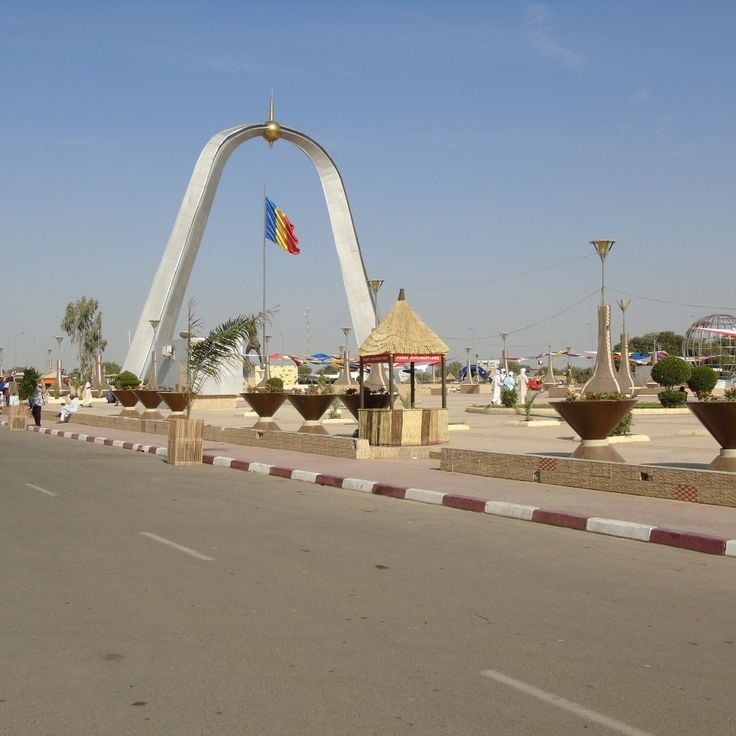
N'Djamena, the capital of Chad, sits at the confluence of the Chari and Logone rivers. The city endures some of the most intense heat on the planet, with temperatures regularly topping 104°F (40°C) in spring and early summer, often climbing past 113°F (45°C). During the hottest hours, streets empty out and people retreat indoors or into the shade. Daily life in N'Djamena moves to the rhythm of the heat, shaping how residents live and get around the city.
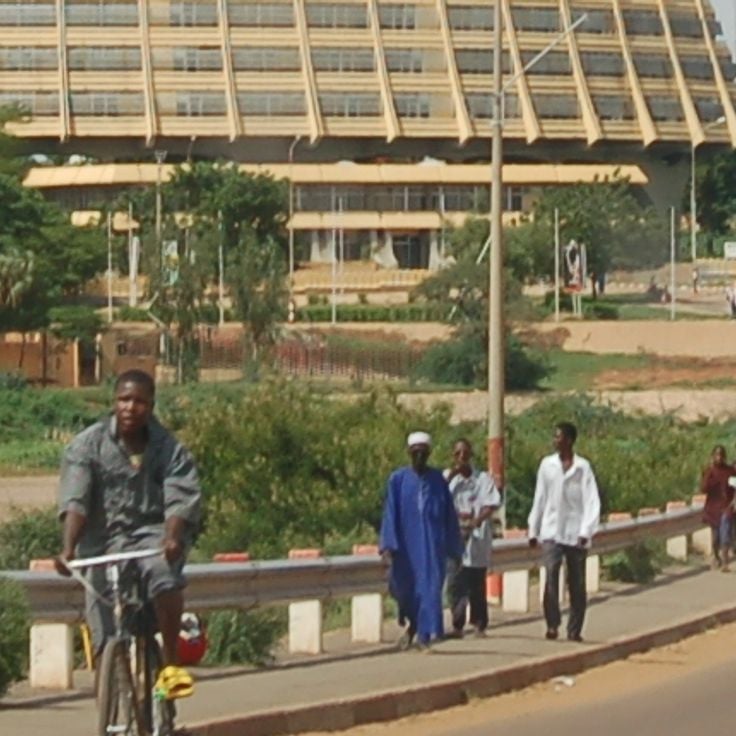
Niamey, the capital of Niger, sits along the banks of the Niger River and ranks among the hottest cities in Africa. Summer temperatures regularly climb above 113°F (45°C). Daily life is shaped by the heat: markets come alive early in the morning and in the evening, while the hottest hours of the day push everyone into the shade. Along the river, the city keeps its own rhythm, between street activity and rest periods forced by the sun.
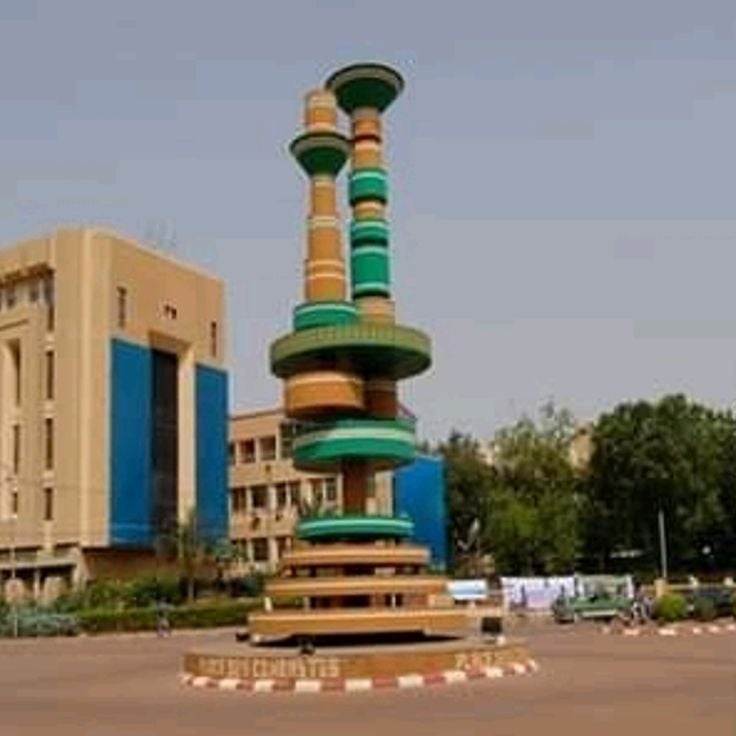
Ouagadougou, the capital of Burkina Faso, sits in the heart of the Sahel region and deals with intense heat throughout the year. The sun is almost always present, the air is dry, and during the hot season temperatures regularly climb above 104°F (40°C). Despite this, the city is full of life, with markets, street vendors and an urban pace that has long adapted to the heat.
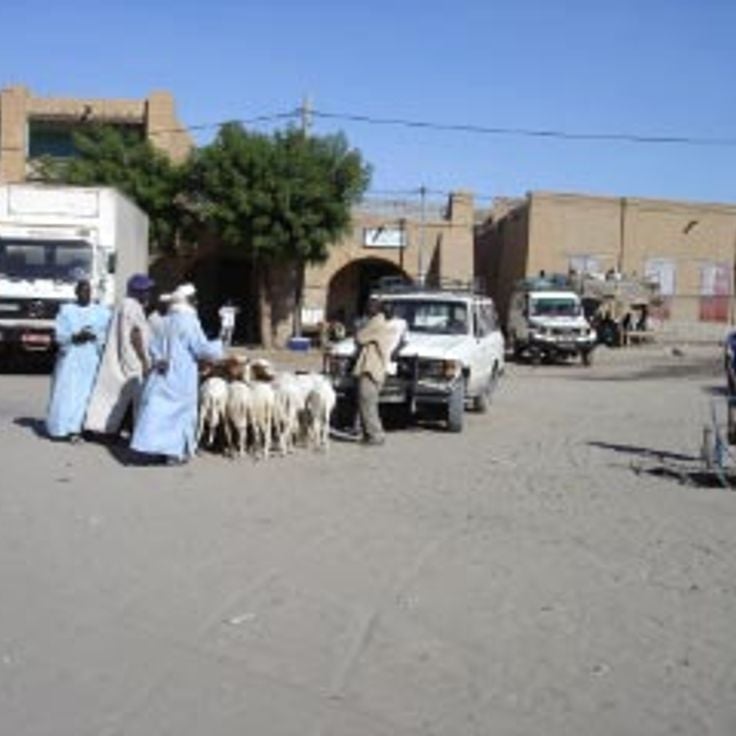
Timbuktu sits at the edge of the Sahara in northern Mali and has been seen as a legendary destination for centuries. In summer, temperatures regularly climb above 113°F (45°C), and hot desert winds push fine sand through the narrow streets. The city was once a major center of trade and learning in West Africa, and you can still see that today in the old mud-brick mosques and historic libraries. Walking through the streets, you feel the weight of the heat with every step.
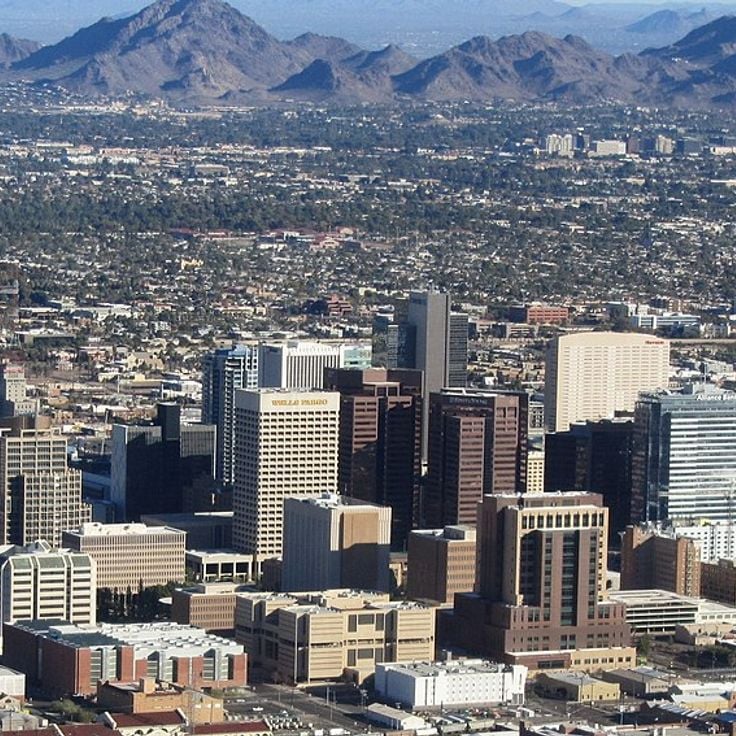
Phoenix, in the state of Arizona, is the largest desert city in North America. Summers here are brutal, with temperatures regularly topping 110°F (43°C) and sometimes reaching 120°F (49°C). The sun bakes the wide streets and low buildings for months at a time. Despite the heat, Phoenix has grown into one of the largest cities in the US. Daily life revolves around air conditioning, early morning activity, and shaded spaces. Walking outside in the middle of the day feels like standing in front of an open oven.
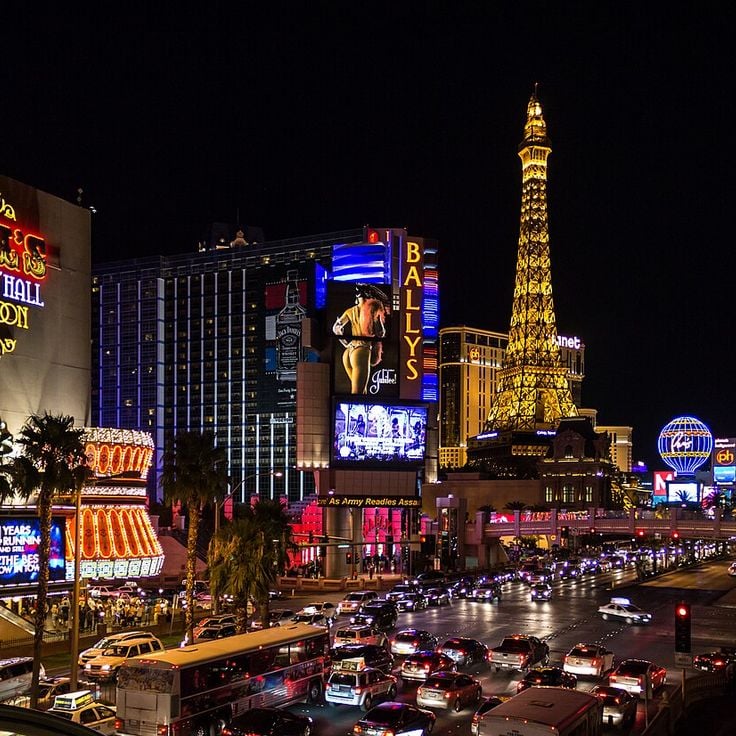
Las Vegas sits in the middle of the Mojave Desert and is one of the hottest cities in North America. Temperatures regularly climb above 113°F (45°C) in summer. Yet the city runs around the clock: hotels, casinos and restaurants stay busy while the heat shimmers over the wide streets outside. Most residents and visitors spend the hottest hours of the day indoors, in air-conditioned spaces.
Mexicali sits in northern Mexico, right on the border with the United States, and regularly sees summer temperatures above 113°F (45°C), making it one of the hottest cities in the country. The air is dry and the surrounding desert stretches in every direction. Despite the heat, the city is a busy border crossing where people from both sides come to shop, work and move through every day. Life here has adapted to the sun in its own way.
Jacobabad, located in the Sindh province of Pakistan, is regularly cited as one of the hottest cities in Asia. Summer temperatures routinely climb past 122 F (50 C), making outdoor life during the day extremely difficult. Walking through this city, you sense how deeply daily routines, architecture and habits have been shaped by the relentless heat that defines life here for much of the year.
Jizan sits in the southwest of Saudi Arabia, along the Red Sea coast, close to the border with Yemen. The city is one of the hottest places on earth in terms of average yearly temperatures. Heat here is not a seasonal event but a permanent condition. Summers regularly bring temperatures above 104 degrees Fahrenheit (40 degrees Celsius), and moisture coming off the sea makes the air heavy and hard to bear. Yet daily life goes on, and the people of Jizan have long shaped their routines around the heat.
Ahvaz sits in the Khuzestan province of Iran and is regularly listed among the hottest cities on earth. Summer temperatures frequently climb above 122°F (50°C), and on record days the heat has reached 129°F (54°C). The city spreads across a flat, dry plain where the sun hits without shade or relief. Most daily activity shifts to the early morning or indoors during the peak heat hours. Ahvaz is one of the largest cities in Iran, and its markets and streets come back to life only when the day begins to cool.
Bandar-e Mahshahr is a port city in the Iranian province of Khuzestan, on the Persian Gulf. What puts it among the hottest cities in the world is not heat alone, but the combination of very high temperatures and strong humidity. In summer, these two factors push the heat index to one of the highest levels ever recorded on Earth. Going outside during the hottest hours of the day becomes nearly impossible.
Abadan sits in the southwest of Iran, in Khuzestan province, close to the point where the Shatt al-Arab meets the Persian Gulf. The city has long been known for its oil refinery, one of the oldest in the region. In summer, temperatures regularly climb above 122°F (50°C), and the humidity rising from the nearby water makes the heat harder to bear. At midday, the streets empty out and people retreat indoors. This is a city where daily life is built around surviving the heat.
Kuwait City is the capital of Kuwait and one of the hottest cities in the world. In summer, temperatures regularly climb above 122°F (50°C). The city sits on the Persian Gulf, and the humidity adds to the heat, making time outdoors genuinely hard to bear. During the day, streets can feel empty, as most people stay inside air-conditioned spaces. Life picks up again after sunset, when the air cools slightly and people head outside.
Basra is an Iraqi port city near the Persian Gulf, where the Euphrates and Tigris rivers meet. In summer, temperatures regularly climb above 120°F (50°C), and the moisture rising from the water makes the heat feel even harder to bear. During the day, streets empty out as people seek shade or air-conditioned spaces. Life returns in the late evening, when the air cools slightly.
Mecca is the holiest city in Islam, set in a dry valley not far from the Red Sea. Summers here are punishing, with temperatures that regularly climb above 113°F (45°C). Every year, millions of pilgrims travel to this city, often during the hottest months, moving through streets of hot stone, sharp light, and dry air. Daily life is shaped by the heat, which pushes most activity into the early morning or after sunset. The city never truly cools down, even at night.
Medina is one of Islam's holiest cities, located in northwestern Saudi Arabia. The heat here is not occasional but a constant reality. In summer, temperatures regularly climb above 113°F (45°C), and the dry wind sweeping across the flat streets makes time spent outdoors exhausting. Yet millions of pilgrims travel to Medina each year to visit the Prophet Muhammad's mosque. The city has adapted to these conditions, with shaded walkways, cooled buildings, and a daily rhythm that shifts largely to the night or indoors.
Jeddah sits on the Red Sea coast and is one of Saudi Arabia's main port cities. In summer, temperatures regularly climb above 104°F (40°C), and the humidity coming off the sea makes the heat much harder to bear. People tend to stay in the shade during the day and move outside in the evenings when things cool down slightly. The old district of Al-Balad features traditional coral stone buildings that were once designed to manage the heat naturally.
Muscat is the capital of Oman, built along the coast of the Arabian Sea. In summer, temperatures regularly climb above 113°F (45°C), and the humidity rising from the sea makes the heat even harder to bear. During the hottest hours of the day, the streets empty out and life moves indoors into air-conditioned spaces. Muscat shows how a coastal city learns to live with one of the most punishing combinations of heat and humidity in the world.
Doha is the capital of Qatar, set on the shore of the Persian Gulf. In summer, temperatures regularly climb above 113°F (45°C), and the humidity coming off the water makes the heat feel even heavier. The city has changed a great deal over recent decades, with glass towers and wide highways now defining much of the skyline. Alongside these newer areas, the old souk and the Corniche waterfront offer a slower pace. Most residents spend the hottest hours of the day indoors, in shopping centers or offices kept cool by air conditioning.
Dubai is a city in the United Arab Emirates where summer heat regularly exceeds 113°F (45°C), combined with high humidity from the Persian Gulf. Life during summer months shifts almost entirely indoors, into air-conditioned malls, offices and homes. Tall towers rise at the edge of the desert, and the contrast between the cool interiors and the scorching streets outside defines the rhythm of daily life here.
Abu Dhabi, the capital of the United Arab Emirates, sits on the Persian Gulf and faces some of the most intense summer heat in the world. Temperatures regularly climb above 113°F (45°C), and the humidity rolling in from the sea makes the air feel even heavier. Walking outside during the day in July or August is something most residents avoid. Life moves indoors, into air-conditioned malls, offices and homes, while the streets outside shimmer under a relentless sun.
Aswan sits in southern Egypt, along the Nile, close to the Sudanese border. It is one of the hottest and sunniest cities on Earth. Summer temperatures regularly climb above 113°F (45°C), and rain is so rare that some years pass without a single drop. Despite the heat, people have lived here for thousands of years, between the desert and the river.
Luxor sits along the Nile in southern Egypt and draws visitors for its ancient temples and tombs. The heat here is almost constant throughout the year. In summer, temperatures regularly climb above 104°F (40°C), and the dry desert air makes walking through open archaeological sites genuinely demanding. People tend to move slowly, staying close to shaded walls or stepping into the cooler corridors of the ancient monuments to catch a break from the sun.
Khartoum is the capital of Sudan, sitting where the Blue and White Nile rivers meet. The sun bears down here for most of the year, and summer temperatures regularly climb above 113°F (45°C). It is one of the hottest capital cities on earth, and the heat is simply part of daily life for the people who live and work here.
Wadi Halfa sits at the far north of Sudan, right on the border with Egypt and on the edge of Lake Nasser. The city lies deep in the Sahara, where sand fills the entire horizon and the sun beats down for most of the year. In summer, temperatures regularly exceed 45 degrees Celsius (113 degrees Fahrenheit), and the air stays dry and scorching. Daily life organizes itself early in the morning and late in the afternoon, when the heat becomes slightly more bearable.
N'Djamena, the capital of Chad, sits at the confluence of the Chari and Logone rivers. The city endures some of the most intense heat on the planet, with temperatures regularly topping 104°F (40°C) in spring and early summer, often climbing past 113°F (45°C). During the hottest hours, streets empty out and people retreat indoors or into the shade. Daily life in N'Djamena moves to the rhythm of the heat, shaping how residents live and get around the city.
Niamey, the capital of Niger, sits along the banks of the Niger River and ranks among the hottest cities in Africa. Summer temperatures regularly climb above 113°F (45°C). Daily life is shaped by the heat: markets come alive early in the morning and in the evening, while the hottest hours of the day push everyone into the shade. Along the river, the city keeps its own rhythm, between street activity and rest periods forced by the sun.
Ouagadougou, the capital of Burkina Faso, sits in the heart of the Sahel region and deals with intense heat throughout the year. The sun is almost always present, the air is dry, and during the hot season temperatures regularly climb above 104°F (40°C). Despite this, the city is full of life, with markets, street vendors and an urban pace that has long adapted to the heat.
Timbuktu sits at the edge of the Sahara in northern Mali and has been seen as a legendary destination for centuries. In summer, temperatures regularly climb above 113°F (45°C), and hot desert winds push fine sand through the narrow streets. The city was once a major center of trade and learning in West Africa, and you can still see that today in the old mud-brick mosques and historic libraries. Walking through the streets, you feel the weight of the heat with every step.
Phoenix, in the state of Arizona, is the largest desert city in North America. Summers here are brutal, with temperatures regularly topping 110°F (43°C) and sometimes reaching 120°F (49°C). The sun bakes the wide streets and low buildings for months at a time. Despite the heat, Phoenix has grown into one of the largest cities in the US. Daily life revolves around air conditioning, early morning activity, and shaded spaces. Walking outside in the middle of the day feels like standing in front of an open oven.
Las Vegas sits in the middle of the Mojave Desert and is one of the hottest cities in North America. Temperatures regularly climb above 113°F (45°C) in summer. Yet the city runs around the clock: hotels, casinos and restaurants stay busy while the heat shimmers over the wide streets outside. Most residents and visitors spend the hottest hours of the day indoors, in air-conditioned spaces.
Mexicali sits in northern Mexico, right on the border with the United States, and regularly sees summer temperatures above 113°F (45°C), making it one of the hottest cities in the country. The air is dry and the surrounding desert stretches in every direction. Despite the heat, the city is a busy border crossing where people from both sides come to shop, work and move through every day. Life here has adapted to the sun in its own way.
Jacobabad, located in the Sindh province of Pakistan, is regularly cited as one of the hottest cities in Asia. Summer temperatures routinely climb past 122 F (50 C), making outdoor life during the day extremely difficult. Walking through this city, you sense how deeply daily routines, architecture and habits have been shaped by the relentless heat that defines life here for much of the year.
Jizan sits in the southwest of Saudi Arabia, along the Red Sea coast, close to the border with Yemen. The city is one of the hottest places on earth in terms of average yearly temperatures. Heat here is not a seasonal event but a permanent condition. Summers regularly bring temperatures above 104 degrees Fahrenheit (40 degrees Celsius), and moisture coming off the sea makes the air heavy and hard to bear. Yet daily life goes on, and the people of Jizan have long shaped their routines around the heat.
Ahvaz sits in the Khuzestan province of Iran and is regularly listed among the hottest cities on earth. Summer temperatures frequently climb above 122°F (50°C), and on record days the heat has reached 129°F (54°C). The city spreads across a flat, dry plain where the sun hits without shade or relief. Most daily activity shifts to the early morning or indoors during the peak heat hours. Ahvaz is one of the largest cities in Iran, and its markets and streets come back to life only when the day begins to cool.
Bandar-e Mahshahr is a port city in the Iranian province of Khuzestan, on the Persian Gulf. What puts it among the hottest cities in the world is not heat alone, but the combination of very high temperatures and strong humidity. In summer, these two factors push the heat index to one of the highest levels ever recorded on Earth. Going outside during the hottest hours of the day becomes nearly impossible.
Abadan sits in the southwest of Iran, in Khuzestan province, close to the point where the Shatt al-Arab meets the Persian Gulf. The city has long been known for its oil refinery, one of the oldest in the region. In summer, temperatures regularly climb above 122°F (50°C), and the humidity rising from the nearby water makes the heat harder to bear. At midday, the streets empty out and people retreat indoors. This is a city where daily life is built around surviving the heat.
Kuwait City is the capital of Kuwait and one of the hottest cities in the world. In summer, temperatures regularly climb above 122°F (50°C). The city sits on the Persian Gulf, and the humidity adds to the heat, making time outdoors genuinely hard to bear. During the day, streets can feel empty, as most people stay inside air-conditioned spaces. Life picks up again after sunset, when the air cools slightly and people head outside.
Basra is an Iraqi port city near the Persian Gulf, where the Euphrates and Tigris rivers meet. In summer, temperatures regularly climb above 120°F (50°C), and the moisture rising from the water makes the heat feel even harder to bear. During the day, streets empty out as people seek shade or air-conditioned spaces. Life returns in the late evening, when the air cools slightly.
Mecca is the holiest city in Islam, set in a dry valley not far from the Red Sea. Summers here are punishing, with temperatures that regularly climb above 113°F (45°C). Every year, millions of pilgrims travel to this city, often during the hottest months, moving through streets of hot stone, sharp light, and dry air. Daily life is shaped by the heat, which pushes most activity into the early morning or after sunset. The city never truly cools down, even at night.
Medina is one of Islam's holiest cities, located in northwestern Saudi Arabia. The heat here is not occasional but a constant reality. In summer, temperatures regularly climb above 113°F (45°C), and the dry wind sweeping across the flat streets makes time spent outdoors exhausting. Yet millions of pilgrims travel to Medina each year to visit the Prophet Muhammad's mosque. The city has adapted to these conditions, with shaded walkways, cooled buildings, and a daily rhythm that shifts largely to the night or indoors.
Jeddah sits on the Red Sea coast and is one of Saudi Arabia's main port cities. In summer, temperatures regularly climb above 104°F (40°C), and the humidity coming off the sea makes the heat much harder to bear. People tend to stay in the shade during the day and move outside in the evenings when things cool down slightly. The old district of Al-Balad features traditional coral stone buildings that were once designed to manage the heat naturally.
Muscat is the capital of Oman, built along the coast of the Arabian Sea. In summer, temperatures regularly climb above 113°F (45°C), and the humidity rising from the sea makes the heat even harder to bear. During the hottest hours of the day, the streets empty out and life moves indoors into air-conditioned spaces. Muscat shows how a coastal city learns to live with one of the most punishing combinations of heat and humidity in the world.
Doha is the capital of Qatar, set on the shore of the Persian Gulf. In summer, temperatures regularly climb above 113°F (45°C), and the humidity coming off the water makes the heat feel even heavier. The city has changed a great deal over recent decades, with glass towers and wide highways now defining much of the skyline. Alongside these newer areas, the old souk and the Corniche waterfront offer a slower pace. Most residents spend the hottest hours of the day indoors, in shopping centers or offices kept cool by air conditioning.
Dubai is a city in the United Arab Emirates where summer heat regularly exceeds 113°F (45°C), combined with high humidity from the Persian Gulf. Life during summer months shifts almost entirely indoors, into air-conditioned malls, offices and homes. Tall towers rise at the edge of the desert, and the contrast between the cool interiors and the scorching streets outside defines the rhythm of daily life here.
Abu Dhabi, the capital of the United Arab Emirates, sits on the Persian Gulf and faces some of the most intense summer heat in the world. Temperatures regularly climb above 113°F (45°C), and the humidity rolling in from the sea makes the air feel even heavier. Walking outside during the day in July or August is something most residents avoid. Life moves indoors, into air-conditioned malls, offices and homes, while the streets outside shimmer under a relentless sun.
Aswan sits in southern Egypt, along the Nile, close to the Sudanese border. It is one of the hottest and sunniest cities on Earth. Summer temperatures regularly climb above 113°F (45°C), and rain is so rare that some years pass without a single drop. Despite the heat, people have lived here for thousands of years, between the desert and the river.
Luxor sits along the Nile in southern Egypt and draws visitors for its ancient temples and tombs. The heat here is almost constant throughout the year. In summer, temperatures regularly climb above 104°F (40°C), and the dry desert air makes walking through open archaeological sites genuinely demanding. People tend to move slowly, staying close to shaded walls or stepping into the cooler corridors of the ancient monuments to catch a break from the sun.
Khartoum is the capital of Sudan, sitting where the Blue and White Nile rivers meet. The sun bears down here for most of the year, and summer temperatures regularly climb above 113°F (45°C). It is one of the hottest capital cities on earth, and the heat is simply part of daily life for the people who live and work here.
Wadi Halfa sits at the far north of Sudan, right on the border with Egypt and on the edge of Lake Nasser. The city lies deep in the Sahara, where sand fills the entire horizon and the sun beats down for most of the year. In summer, temperatures regularly exceed 45 degrees Celsius (113 degrees Fahrenheit), and the air stays dry and scorching. Daily life organizes itself early in the morning and late in the afternoon, when the heat becomes slightly more bearable.
N'Djamena, the capital of Chad, sits at the confluence of the Chari and Logone rivers. The city endures some of the most intense heat on the planet, with temperatures regularly topping 104°F (40°C) in spring and early summer, often climbing past 113°F (45°C). During the hottest hours, streets empty out and people retreat indoors or into the shade. Daily life in N'Djamena moves to the rhythm of the heat, shaping how residents live and get around the city.
Niamey, the capital of Niger, sits along the banks of the Niger River and ranks among the hottest cities in Africa. Summer temperatures regularly climb above 113°F (45°C). Daily life is shaped by the heat: markets come alive early in the morning and in the evening, while the hottest hours of the day push everyone into the shade. Along the river, the city keeps its own rhythm, between street activity and rest periods forced by the sun.
Ouagadougou, the capital of Burkina Faso, sits in the heart of the Sahel region and deals with intense heat throughout the year. The sun is almost always present, the air is dry, and during the hot season temperatures regularly climb above 104°F (40°C). Despite this, the city is full of life, with markets, street vendors and an urban pace that has long adapted to the heat.
Timbuktu sits at the edge of the Sahara in northern Mali and has been seen as a legendary destination for centuries. In summer, temperatures regularly climb above 113°F (45°C), and hot desert winds push fine sand through the narrow streets. The city was once a major center of trade and learning in West Africa, and you can still see that today in the old mud-brick mosques and historic libraries. Walking through the streets, you feel the weight of the heat with every step.
Phoenix, in the state of Arizona, is the largest desert city in North America. Summers here are brutal, with temperatures regularly topping 110°F (43°C) and sometimes reaching 120°F (49°C). The sun bakes the wide streets and low buildings for months at a time. Despite the heat, Phoenix has grown into one of the largest cities in the US. Daily life revolves around air conditioning, early morning activity, and shaded spaces. Walking outside in the middle of the day feels like standing in front of an open oven.
Las Vegas sits in the middle of the Mojave Desert and is one of the hottest cities in North America. Temperatures regularly climb above 113°F (45°C) in summer. Yet the city runs around the clock: hotels, casinos and restaurants stay busy while the heat shimmers over the wide streets outside. Most residents and visitors spend the hottest hours of the day indoors, in air-conditioned spaces.
Mexicali sits in northern Mexico, right on the border with the United States, and regularly sees summer temperatures above 113°F (45°C), making it one of the hottest cities in the country. The air is dry and the surrounding desert stretches in every direction. Despite the heat, the city is a busy border crossing where people from both sides come to shop, work and move through every day. Life here has adapted to the sun in its own way.
Jacobabad, located in the Sindh province of Pakistan, is regularly cited as one of the hottest cities in Asia. Summer temperatures routinely climb past 122 F (50 C), making outdoor life during the day extremely difficult. Walking through this city, you sense how deeply daily routines, architecture and habits have been shaped by the relentless heat that defines life here for much of the year.
Jizan sits in the southwest of Saudi Arabia, along the Red Sea coast, close to the border with Yemen. The city is one of the hottest places on earth in terms of average yearly temperatures. Heat here is not a seasonal event but a permanent condition. Summers regularly bring temperatures above 104 degrees Fahrenheit (40 degrees Celsius), and moisture coming off the sea makes the air heavy and hard to bear. Yet daily life goes on, and the people of Jizan have long shaped their routines around the heat.
If you see these temperatures as a personal challenge, know that your body will need time to adapt. Arrive a few days before your main activity and pay attention to warning signs: extreme tiredness, dizziness or lightheadedness should make you rest immediately.